
Testosterone Gel (Fortesta)
On this page
Quick Reference Card
Attribute
Brand Name(s)
- Value
- Fortesta (US); Tostrex / Tostran (EU, UK, Australia)
Attribute
Generic Name
- Value
- Testosterone (transdermal gel, 2%)
Attribute
Drug Class / Type
- Value
- Androgen, transdermal testosterone formulation
Attribute
DEA Schedule
- Value
- Schedule III (CIII)
Attribute
FDA-Approved Indications
- Value
- Testosterone replacement therapy in adult males with conditions associated with deficiency or absence of endogenous testosterone (primary and hypogonadotropic hypogonadism)
Attribute
Concentration
- Value
- 2% gel (10 mg testosterone per pump actuation / 0.5 g gel)
Attribute
Common Doses
- Value
- 10-70 mg/day (1-7 pump actuations); starting dose 40 mg (4 pumps)
Attribute
Route of Administration
- Value
- Transdermal (topical gel)
Attribute
Application Site
- Value
- Front and inner thighs only
Attribute
Dosing Schedule
- Value
- Once daily, preferably in the morning
Attribute
Approximate Bioavailability
- Value
- ~10% of applied dose absorbed through skin
Attribute
Drying Time
- Value
- ~2.4 minutes (median)
Attribute
Key Monitoring Requirements
- Value
- Hematocrit, PSA, testosterone levels, blood pressure, lipids
Attribute
Unique Considerations
- Value
- Thigh application (covered by clothing, reducing transfer risk); 2% concentration (smaller volume than 1% gels); metered-dose pump; rapid drying; no odor
Overview / What Is Testosterone Gel (Fortesta)?
The Basics
Fortesta is a testosterone replacement gel that stands apart from other testosterone gels in several practical ways. Unlike AndroGel or Testim, which are applied to the shoulders or upper arms, Fortesta goes on the front and inner thighs. It also uses a higher concentration (2%, compared to the 1% or 1.62% found in most other gels), which means you apply a smaller amount of gel to get the same dose of testosterone. And it dries in about two and a half minutes, faster than most alternatives.
These may sound like minor differences, but they add up in daily life. The thigh application site is typically covered by clothing, which helps reduce the risk of accidentally transferring testosterone to a partner or child through skin contact. The smaller gel volume and rapid drying time make the morning routine quicker. And the lack of odor is a welcome contrast to some competing products that have a noticeable alcohol or chemical smell.
Fortesta was originally developed under the name Fortigel and was first marketed in Europe (as Tostrex or Tostran) in 2005. It received FDA approval in the United States in December 2010 after a lengthy regulatory process. It is manufactured by Pharbil Waltrop GmbH in Germany for Endo USA.
Like all testosterone replacement products, Fortesta is prescribed for men with diagnosed hypogonadism (confirmed low testosterone plus symptoms). It is not approved for treating age-related testosterone decline, and its safety and efficacy in that population have not been established.
The Science
Fortesta (NDA 21-463) is a clear, colorless, odorless hydroalcoholic gel containing 2% w/w testosterone USP in a propylene glycol gel base. The formulation delivers unesterified testosterone transdermally via a metered-dose pump, with each actuation dispensing 0.5 g of gel containing 10 mg of testosterone [1].
The 2% concentration represents a higher testosterone density than other commercially available transdermal gels (AndroGel 1% and 1.62%, Testim 1%, Vogelxo 1%). This higher concentration permits a smaller application volume for equivalent testosterone delivery, which contributes to the faster drying time documented in clinical studies (median 2.4 minutes vs 5-10 minutes for 1% gels) [2].
The application site (front and inner thighs) was selected based on pharmacokinetic studies demonstrating adequate percutaneous absorption through thigh skin, while offering practical advantages: the thighs are routinely covered by clothing, providing a physical barrier against secondary testosterone transfer, the primary safety concern with topical testosterone products. The FDA-approved labeling includes a boxed warning regarding secondary exposure risk, and the thigh application site was specifically noted in regulatory review as a mitigation measure [1][3].
Fortesta's regulatory pathway was protracted. The original NDA was submitted in June 2002 and received a "not approvable" action in July 2003 due to concerns about supraphysiologic peak concentrations (Cmax) in a subset of patients and inability to demonstrate reliable dose titration. A subsequent complete response submission in April 2009 was followed by another complete response action in October 2009 requesting additional data. The final approval in December 2010 was based on a new Phase 3 study (FOR01C) demonstrating that dose titration effectively controlled testosterone levels within the eugonadal range [3].
Medical / Chemical Identity
Property
Generic Name
- Detail
- Testosterone
Property
Chemical Name
- Detail
- 17-beta-hydroxyandrost-4-en-3-one
Property
Molecular Formula
- Detail
- C19H28O2
Property
Molecular Weight
- Detail
- 288.42 g/mol
Property
CAS Number
- Detail
- 58-22-0
Property
Ester
- Detail
- None (unesterified testosterone)
Property
Formulation
- Detail
- 2% w/w testosterone in hydroalcoholic gel
Property
Vehicle Components
- Detail
- Propylene glycol, purified water, ethanol, 2-propanol, oleic acid, carbomer 1382, triethanolamine, butylated hydroxytoluene
Property
FDA Approval Date
- Detail
- December 30, 2010
Property
NDA Number
- Detail
- 21-463
Property
DEA Schedule
- Detail
- Schedule III (CIII)
Property
Regulatory Basis
- Detail
- 505(b)(2)
Property
Original Developer
- Detail
- Cellegy Pharmaceuticals (IND opened 1998)
Property
Current US Manufacturer
- Detail
- Pharbil Waltrop GmbH (Germany) for Endo USA
Brand Names
Region
United States
- Brand Name
- Fortesta
- Status
- Active (Endo USA)
Region
European Union
- Brand Name
- Tostrex / Tostran
- Status
- Active (approved in 20+ EU member states)
Region
United Kingdom
- Brand Name
- Tostran
- Status
- Active
Region
Australia
- Brand Name
- Tostran
- Status
- Active
Delivery System
Fortesta uses a metered-dose pump canister delivering 10 mg of testosterone per complete pump actuation (0.5 g gel). Each canister contains 60 g of gel and provides 120 actuations. The pump is composed of plastic and stainless steel with an LDPE/aluminum foil inner liner. Unlike injectable testosterone esters, Fortesta delivers unesterified (free) testosterone directly through the skin, bypassing first-pass hepatic metabolism.
Mechanism of Action
The Basics
Fortesta works by delivering testosterone directly through your skin into your bloodstream. When you apply the gel to your thighs each morning, the alcohol in the formulation helps the testosterone penetrate the outer layer of your skin. Once through, the testosterone enters the blood vessels beneath the skin surface and circulates through your body, doing exactly what naturally produced testosterone does.
Your body uses testosterone to maintain muscle and bone strength, regulate mood and energy levels, support sexual function, produce red blood cells, and influence cognitive sharpness. When your body cannot produce enough testosterone on its own (due to a problem with the testes, pituitary gland, or hypothalamus), Fortesta replaces what is missing.
What makes Fortesta different from injectable testosterone is the delivery, not the hormone itself. Injections deliver a large dose that creates a spike followed by a gradual decline until the next injection. Fortesta provides a steady, consistent supply through the skin each day, avoiding those hormonal peaks and valleys.
Once the testosterone enters your blood, your body processes it the same way it handles its own testosterone. Some is converted to dihydrotestosterone (DHT), a more potent form that affects hair, skin, and the prostate. Some is converted to estradiol, a form of estrogen that men need in appropriate amounts for bone health, brain function, and cardiovascular protection. Your provider monitors these conversions through blood work to ensure balance.
One important biological effect to understand: exogenous testosterone (from any source, including Fortesta) tells your brain to reduce its own production signals. This suppresses the hormonal cascade that drives sperm production, which is why fertility preservation is a critical topic for any man considering TRT.
The Science
Testosterone absorbed transdermally from Fortesta enters the systemic circulation as unesterified free testosterone, bypassing first-pass hepatic metabolism. This represents a significant pharmacologic advantage over oral testosterone formulations, which are subject to hepatic metabolism and historically associated with hepatotoxicity (though modern oral formulations like testosterone undecanoate capsules use lymphatic absorption to partially circumvent this) [4].
Free testosterone exerts biological effects through binding to the intracellular androgen receptor (AR), a member of the nuclear receptor superfamily. The classical genomic pathway involves ligand-AR binding, receptor dimerization, nuclear translocation, and interaction with androgen response elements (AREs) in target gene promoters, modulating transcription over hours to days. Non-genomic signaling through membrane-associated AR and SHBG receptor complexes activates rapid second messenger cascades (MAPK/ERK, PI3K/Akt, intracellular calcium) within seconds to minutes [4][5].
Testosterone undergoes two primary metabolic conversions: (1) 5-alpha reductase (types I and II) irreversibly converts testosterone to 5-alpha-dihydrotestosterone (DHT), with approximately 2-3 times greater AR binding affinity, mediating androgenic effects in skin, hair follicles, and prostate tissue; (2) aromatase (CYP19A1), expressed predominantly in adipose tissue, brain, and bone, converts testosterone to 17-beta-estradiol (E2), essential for bone mineral density maintenance, epiphyseal plate closure, negative feedback on GnRH/LH secretion, and neuroprotective functions [4][5].
Because Fortesta is applied to the skin (which contains 5-alpha reductase activity), there may be relatively greater local DHT production compared to injectable formulations where testosterone enters via intramuscular depot. The clinical significance of any DHT:testosterone ratio difference between transdermal and injectable routes remains debated [5].
Exogenous testosterone, regardless of delivery route, suppresses the hypothalamic-pituitary-gonadal (HPG) axis via negative feedback on GnRH pulse frequency, resulting in reduced LH and FSH secretion. This leads to decline in intratesticular testosterone concentrations (normally 40-100x serum levels) and subsequent suppression of spermatogenesis [5][6].
Pathway & System Visualization
Pharmacokinetics / Hormone Physiology
The Basics
Understanding how Fortesta moves through your body helps explain both its advantages and its quirks compared to other testosterone products.
When you apply Fortesta to your thighs, only about 10% of the testosterone actually reaches your bloodstream. The rest stays on the skin surface or is lost during the absorption process. This sounds like a lot of waste, but the dose is calibrated to account for this, and 10% of the applied testosterone is enough to achieve therapeutic levels for most men.
The gel works in two stages. First, the alcohol in the formulation evaporates quickly (about two and a half minutes on average), leaving a thin film of testosterone on your skin. Second, the testosterone gradually passes through your outer skin layer (the stratum corneum), which acts as a reservoir, slowly releasing testosterone into the blood vessels underneath throughout the day.
Several practical details matter for daily use:
How quickly does it start working? In a clinical study, testosterone levels reached the target range (300 ng/dL or above) within about 3 hours of the first application, and steady-state levels were achieved in approximately 1 day of daily use [2].
Where you apply it matters. Fortesta is specifically designed for the front and inner thighs. Do not apply it to the arms, shoulders, abdomen, or genitals. The absorption characteristics through thigh skin are what the dosing is based on.
Showering and sweating. Apply Fortesta after showering, not before. Once the gel has dried and the site is covered by clothing, normal activities (including sweating) should not significantly affect absorption.
The Science
Absorption: Following application to clean, dry, intact skin of the front and inner thighs, testosterone partitions from the hydroalcoholic gel vehicle into the stratum corneum. The ethanol and 2-propanol components act as penetration enhancers, facilitating partitioning into the lipophilic stratum corneum. Following alcohol evaporation (median 2.4 min, 95% CI: 1.7-3.4), the stratum corneum serves as a dermal reservoir for sustained release into the dermal microcirculation. Approximately 10% of the applied dose is systemically absorbed [1][2].
Time to eugonadal range: Median 2.9 hours (95% CI: 1.9-4.3 h) after first application; 77.4% of patients achieved eugonadal range (>=300 ng/dL) on Day 1 [2].
Steady state: Median time to steady-state serum total testosterone: 1.1 days (95% CI: 0.7-3.4 days) [2].
Distribution: Circulating testosterone is approximately 44% bound to SHBG, 54% bound to albumin, and approximately 2% free (unbound). The free and loosely albumin-bound fractions constitute the bioavailable testosterone available for tissue uptake and receptor binding [4].
Metabolism: Testosterone is metabolized primarily in the liver via oxidative pathways. Key conversions: 5-alpha reduction to DHT, aromatization to estradiol. Hepatic glucuronidation and sulfation produce inactive conjugates. No first-pass hepatic metabolism with transdermal delivery, resulting in minimal hepatotoxic risk [1][4].
Elimination: Approximately 90% excreted in urine as glucuronic and sulfuric acid conjugates; approximately 6% eliminated in feces as unconjugated forms [1].
Route comparison:
Parameter
Dosing frequency
- Fortesta (2% Gel, Thighs)
- Daily
- AndroGel 1.62% (Arms/Shoulders)
- Daily
- IM Testosterone Cypionate
- Weekly to biweekly
Parameter
Application site
- Fortesta (2% Gel, Thighs)
- Front/inner thighs
- AndroGel 1.62% (Arms/Shoulders)
- Upper arms/shoulders
- IM Testosterone Cypionate
- IM injection (gluteal, deltoid, vastus lateralis)
Parameter
Peak-trough variation
- Fortesta (2% Gel, Thighs)
- Minimal
- AndroGel 1.62% (Arms/Shoulders)
- Minimal
- IM Testosterone Cypionate
- Large
Parameter
Time to steady state
- Fortesta (2% Gel, Thighs)
- ~1 day
- AndroGel 1.62% (Arms/Shoulders)
- 2-3 days
- IM Testosterone Cypionate
- 4-6 weeks
Parameter
Drying time
- Fortesta (2% Gel, Thighs)
- ~2.4 min
- AndroGel 1.62% (Arms/Shoulders)
- 5-10 min
- IM Testosterone Cypionate
- N/A
Parameter
Transfer risk
- Fortesta (2% Gel, Thighs)
- Yes (thigh, often covered)
- AndroGel 1.62% (Arms/Shoulders)
- Yes (arm/shoulder, often exposed)
- IM Testosterone Cypionate
- No
Parameter
Testosterone form
- Fortesta (2% Gel, Thighs)
- Unesterified
- AndroGel 1.62% (Arms/Shoulders)
- Unesterified
- IM Testosterone Cypionate
- Ester (cypionate)
Research & Clinical Evidence
The Basics
The evidence supporting testosterone gel for treating hypogonadism is substantial, though most large clinical trials used other gel formulations (primarily AndroGel) rather than Fortesta specifically. Because all testosterone gels deliver the same active hormone (unesterified testosterone) through the skin, the cardiovascular safety and general efficacy data from trials using other gels are considered broadly applicable to Fortesta.
The most important recent evidence is the TRAVERSE trial, the largest cardiovascular safety study ever conducted on testosterone therapy. TRAVERSE enrolled over 5,200 men aged 45 to 80 with confirmed hypogonadism and either existing heart disease or high cardiovascular risk. The central finding: testosterone gel did not increase heart attacks, strokes, or cardiovascular death compared to placebo. This was particularly reassuring because for years, conflicting data from smaller studies had created uncertainty about the heart safety of TRT.
Fortesta's own pivotal clinical trial (FOR01C) was an open-label study in 149 hypogonadal men that demonstrated the gel's ability to restore testosterone to the normal range through its dose titration scheme. The study showed that Fortesta's dose adjustment (from 10 to 70 mg per day) could effectively control testosterone levels and minimize supraphysiologic concentrations [3].
The Testosterone Trials (TTrials), a set of seven coordinated studies in older hypogonadal men, used testosterone gel (1%) and found improvements in sexual desire, erectile function, walking distance, mood, bone density, and anemia over 12 months. These benefits were demonstrated in men with confirmed low testosterone and symptoms [7].
The Science
TRAVERSE Trial (Lincoff et al., NEJM 2023):
The definitive cardiovascular safety trial for transdermal testosterone. n=5,246 men aged 45-80, randomized to daily transdermal 1.62% testosterone gel vs placebo, mean follow-up 33.0 months. Primary composite endpoint (cardiovascular death, nonfatal MI, nonfatal stroke): HR 0.96 (95% CI: 0.78-1.17, P<0.001 for non-inferiority). Upper bound of CI below pre-specified non-inferiority margin of 1.20. Notable secondary findings: increased atrial fibrillation (3.5% vs 2.4%), increased acute kidney injury (2.3% vs 1.5%, P=0.04), increased pulmonary embolism. No increase in prostate cancer. The 2025 FDA label update for Fortesta removed the Cardiovascular Risk warning, reflecting these findings [8].
Fortesta Phase 3 Trial (FOR01C):
Open-label, single-arm, 90-day study in 149 men with primary or secondary hypogonadism (total T <300 ng/dL). Starting dose 40 mg/day (4 pumps), with dose titration at Days 35 and 60. Demonstrated that dose adjustment between 10-70 mg/day effectively achieves eugonadal testosterone levels (300-1000 ng/dL). Most common adverse reactions: application site reactions (16.1%), increased PSA (4.7%), abnormal dreams (2.0%) [1][3].
Fortesta PK Study (Morgentaler et al., Int J Impot Res 2015):
Multicenter, open-label, 14-day study in 34 hypogonadal men. Median drying time: 2.4 min. Median time to eugonadal range: 2.9 h. Median time to steady-state: 1.1 days. All treatment-related adverse events were mild [2].
TTrials (Snyder et al., NEJM 2016):
Seven coordinated trials in 790 men aged 65 or older with testosterone <275 ng/dL. Testosterone gel (1%) vs placebo for 12 months. Significant improvement in sexual activity and desire, walking distance, depressive symptoms, and hemoglobin in men with unexplained anemia. Increased volumetric bone mineral density [7].
Endocrine Society Clinical Practice Guideline (Bhasin et al., JCEM 2018):
Recommends testosterone therapy for men with unequivocally low testosterone (on at least 2 morning samples) plus symptoms. Recommends transdermal testosterone as one of the appropriate formulation options. Notes that topical products are not interchangeable [6].
Evidence & Effectiveness Matrix
Category
Sexual Function & Libido
- Evidence Strength
- 9/10
- Reported Effectiveness
- 8/10
- Summary
- TTrials demonstrated significant improvement in sexual desire and activity with testosterone gel. Fortesta user reviews consistently report strong libido improvement.
Category
Energy & Vitality
- Evidence Strength
- 7/10
- Reported Effectiveness
- 7/10
- Summary
- TTrials showed modest vitality improvement. Fortesta users report improved energy, though some note it is "okay but not great" compared to other formulations.
Category
Mood & Emotional Wellbeing
- Evidence Strength
- 7/10
- Reported Effectiveness
- 6/10
- Summary
- TTrials showed depressive symptom improvement. Fortesta reviews report mood improvement with caveats about dose-dependent effects on estrogen.
Category
Anxiety & Stress Response
- Evidence Strength
- 4/10
- Reported Effectiveness
- N/A
- Summary
- Limited clinical trial data specific to anxiety endpoints. Insufficient Fortesta community data to score.
Category
Cognitive Function
- Evidence Strength
- 5/10
- Reported Effectiveness
- N/A
- Summary
- TTrials showed no significant cognitive improvement in primary analysis. Insufficient Fortesta community data.
Category
Muscle Mass & Strength
- Evidence Strength
- 7/10
- Reported Effectiveness
- 6/10
- Summary
- Clinical trials demonstrate increased lean mass with testosterone therapy. Fortesta users report strength improvements.
Category
Body Fat & Composition
- Evidence Strength
- 7/10
- Reported Effectiveness
- N/A
- Summary
- Consistent clinical evidence of fat mass reduction with TRT. Insufficient Fortesta-specific community data.
Category
Bone Health
- Evidence Strength
- 7/10
- Reported Effectiveness
- N/A
- Summary
- TTrials demonstrated increased volumetric BMD with testosterone gel. Community data not available (clinical endpoint).
Category
Cardiovascular Health
- Evidence Strength
- 8/10
- Reported Effectiveness
- N/A
- Summary
- TRAVERSE established non-inferiority for MACE with transdermal testosterone gel. Insufficient Fortesta community data.
Category
Metabolic Health
- Evidence Strength
- 6/10
- Reported Effectiveness
- N/A
- Summary
- Observational data suggests improved insulin sensitivity. Insufficient community data.
Category
Sleep Quality
- Evidence Strength
- 4/10
- Reported Effectiveness
- 5/10
- Summary
- Limited clinical data. Fortesta reviews mixed; abnormal dreams reported in 2% of clinical trial participants.
Category
Fertility & Reproductive
- Evidence Strength
- 9/10
- Reported Effectiveness
- N/A
- Summary
- Well-established HPG axis suppression and spermatogenesis suppression with all exogenous testosterone. No Fortesta-specific community data.
Category
Polycythemia & Hematologic
- Evidence Strength
- 8/10
- Reported Effectiveness
- 5/10
- Summary
- Transdermal testosterone associated with lower polycythemia risk vs injections. Limited Fortesta-specific reports.
Category
Prostate Health
- Evidence Strength
- 7/10
- Reported Effectiveness
- N/A
- Summary
- TRAVERSE showed no increase in prostate cancer. PSA monitoring standard.
Category
Skin & Hair
- Evidence Strength
- 5/10
- Reported Effectiveness
- 4/10
- Summary
- Application site reactions most common adverse effect (16.1% in FOR01C). Acne reported in postmarketing data.
Category
Gynecomastia & Estrogen
- Evidence Strength
- 6/10
- Reported Effectiveness
- 5/10
- Summary
- Aromatization occurs with all testosterone. Fortesta users report dose-dependent E2 management needs.
Category
Fluid Retention & Edema
- Evidence Strength
- 4/10
- Reported Effectiveness
- N/A
- Summary
- Mentioned in prescribing information. Insufficient community data.
Category
Overall Quality of Life
- Evidence Strength
- 8/10
- Reported Effectiveness
- 7/10
- Summary
- Clinical trials demonstrate improved patient-reported outcomes. Drugs.com: 7.3/10 average from 28 reviews. Convenience features contribute to positive treatment experience.
Categories scored: 18
Categories with community data: 10
Categories not scored (insufficient community data): 8 categories lack community-reported effectiveness data but all have evidence strength scores from clinical literature.
Benefits & Therapeutic Effects
The Basics
For men with confirmed low testosterone, Fortesta can provide meaningful improvements across several areas of daily life. The pattern of benefits is similar to other testosterone replacement methods, with some nuances specific to the transdermal gel format.
Sexual function is typically the first noticeable benefit. Many Fortesta users report increased libido within the first 2 to 4 weeks, followed by improvements in erectile quality over 1 to 3 months. Drugs.com reviews for Fortesta consistently highlight sexual function improvement as the primary benefit, with one user describing the change as dramatic after dose optimization.
Energy and vitality often improve early in treatment. The persistent fatigue, afternoon crashes, and difficulty with motivation that characterize low testosterone tend to ease noticeably. Some Fortesta users report feeling the difference within the first week, though clinicians advise waiting at least 4 to 6 weeks for a reliable assessment.
Mood stabilization develops gradually. Depressive symptoms, irritability, and emotional flatness tend to improve over weeks to months. Some Fortesta users report better mood and reduced brain fog, though one user noted mood worsened temporarily when estradiol levels climbed too high, highlighting the importance of monitoring.
Body composition changes become apparent over 3 to 6 months: reduced body fat and improved lean mass, even without changes in exercise routine. These changes may be more modest with transdermal testosterone than with injectable formulations, as gel tends to produce lower peak testosterone levels.
A notable advantage specific to Fortesta is the convenience factor: rapid drying, no odor, metered-dose pump, and thigh application that keeps the site covered by clothing. Multiple user reviews describe Fortesta as the "Cadillac of gels" for daily usability, which supports treatment adherence over time.
The Science
The efficacy data for transdermal testosterone in hypogonadal men is supported by the TTrials and additional controlled studies [7]:
- Sexual function: TTrials demonstrated statistically significant improvement in sexual activity, desire, and erectile function with testosterone gel vs placebo (P<0.001 for sexual activity subscale).
- Physical function: Improvement in 6-minute walking distance, though the magnitude did not reach the pre-specified clinically meaningful threshold in primary analysis.
- Vitality: Statistically significant improvement in FACIT-Fatigue scale, though effect size was smaller than many patients expect.
- Depressive symptoms: PHQ-9 scores improved in men with mild depressive symptoms at baseline.
- Bone mineral density: Volumetric BMD increased at spine and hip.
- Anemia: Significant hemoglobin improvement in men with unexplained anemia.
For body composition, meta-analyses of testosterone therapy (including transdermal formulations) demonstrate consistent reductions in fat mass (~2.0 kg) and increases in lean body mass (~1.6 kg) over 6-12 months. Comparative data suggest injectable testosterone may produce slightly greater lean mass increases, potentially due to higher achievable peak concentrations [9][10].
Risks, Side Effects & Safety
The Basics
Every medication has a risk profile, and being informed about potential side effects helps you recognize issues early and work with your provider to manage them. Fortesta's risk profile is generally consistent with other testosterone replacement products, with some unique considerations related to its gel format.
Common side effects that may occur include skin redness or irritation at the application site (the most common, reported by about 16% of clinical trial participants), increased PSA levels, unusual dreams, and contact dermatitis. These are typically mild and often resolve as your body adjusts to the medication.
The most important practical risk specific to Fortesta (and all testosterone gels) is secondary exposure. If someone else touches the skin where you have applied the gel before it has dried or been washed off, they can absorb testosterone through their own skin. This is particularly dangerous for women (who may develop masculine features) and children (who may experience premature puberty). Fortesta's thigh application site helps reduce this risk since thighs are usually covered by clothing, but you should still wash your hands after application and cover the area.
Polycythemia (elevated red blood cell count) is a risk with all testosterone replacement, though transdermal testosterone is associated with lower polycythemia rates than injectable formulations. Your provider will monitor your hematocrit (a measure of red blood cell concentration) at baseline and periodically during treatment. If hematocrit exceeds 54%, treatment should be stopped until levels decrease, and then restarted at a lower dose.
Cardiovascular safety has been the subject of years of debate. The TRAVERSE trial, the largest study designed specifically to address this question, found that testosterone gel did not increase heart attacks, strokes, or cardiovascular death compared to placebo in men with existing cardiovascular disease or risk factors. The hazard ratio was 0.96 (95% CI: 0.78-1.17), meaning the risk was essentially the same in both groups. However, TRAVERSE also found increases in atrial fibrillation (irregular heartbeat), acute kidney injury, and blood clot events in the testosterone group. The 2025 Fortesta label update removed the cardiovascular risk warning but added updated warnings for venous thromboembolism and blood pressure increases [1][8].
Prostate considerations: Testosterone is not a cause of prostate cancer based on current evidence, but it can stimulate growth of existing prostate cancer. This is why men with known or suspected prostate cancer should not use Fortesta. PSA monitoring is standard during treatment.
Fertility suppression is not a side effect in the traditional sense but a predictable biological consequence. Exogenous testosterone suppresses the hormonal signals that drive sperm production. This is discussed in detail in Section 14.
The Science
Cardiovascular Safety (TRAVERSE, n=5,246):
Transdermal testosterone was non-inferior to placebo for MACE (HR 0.96, 95% CI: 0.78-1.17). In absolute terms: major cardiovascular events occurred in 182/2,601 patients (7.0%) in the testosterone group vs 190/2,603 (7.3%) in the placebo group over a mean follow-up of 33 months. Secondary findings of clinical concern: increased atrial fibrillation (3.5% vs 2.4%, P=0.02), increased acute kidney injury (2.3% vs 1.5%, P=0.04), increased pulmonary embolism [8].
Polycythemia:
Hematocrit elevation is the most common hematologic adverse effect of TRT. Transdermal testosterone is associated with lower polycythemia rates than IM injections due to the absence of supraphysiologic peak concentrations. Threshold for intervention: hematocrit >54%, requiring dose reduction, phlebotomy, or route change. The Endocrine Society recommends checking hematocrit at baseline, 3-6 months, then annually [6].
Application Site Reactions (FOR01C, n=149):
Application site reactions occurred in 16.1% of patients. These include erythema, skin irritation, and contact dermatitis. All were rated as mild in clinical trials [1][3].
PSA Changes:
Increased PSA was reported in 4.7% of FOR01C participants. TRAVERSE found no increase in prostate cancer diagnosis with testosterone therapy. Current guidelines recommend PSA monitoring per age-appropriate screening protocols, not routine PSA-based exclusion from TRT [6][8].
Secondary Exposure:
Boxed warning for all topical testosterone products. Virilization reported in children secondarily exposed. Fortesta's thigh application site (typically covered by clothing) may reduce, but does not eliminate, transfer risk. Mitigation: wash hands immediately, cover site with clothing, wash area before skin-to-skin contact [1].
Contraindications (absolute):
- Known or suspected prostate cancer
- Breast cancer in men
- Women who are or may become pregnant
- Hematocrit >54% at baseline
- Uncontrolled heart failure
- Untreated severe obstructive sleep apnea
- Desire for near-term fertility
Understanding your personal risk profile is not a one-time assessment. It evolves as treatment progresses. Doserly helps you see the bigger picture by analyzing side effect patterns over time, showing whether issues are resolving, persisting, or emerging as your body adjusts to testosterone therapy.
The app's analytics can reveal connections between side effects and specific aspects of your protocol, like whether hematocrit creep correlates with a recent dose increase, or whether adjusting your application routine reduced skin irritation. This kind of insight helps you and your provider make informed adjustments based on your actual experience, not just population-level averages.
Connect protocol changes to labs and health markers.
Doserly can keep lab results, biomarkers, symptoms, and dose history close together so follow-up conversations have better context.
Insights
Labs and trends
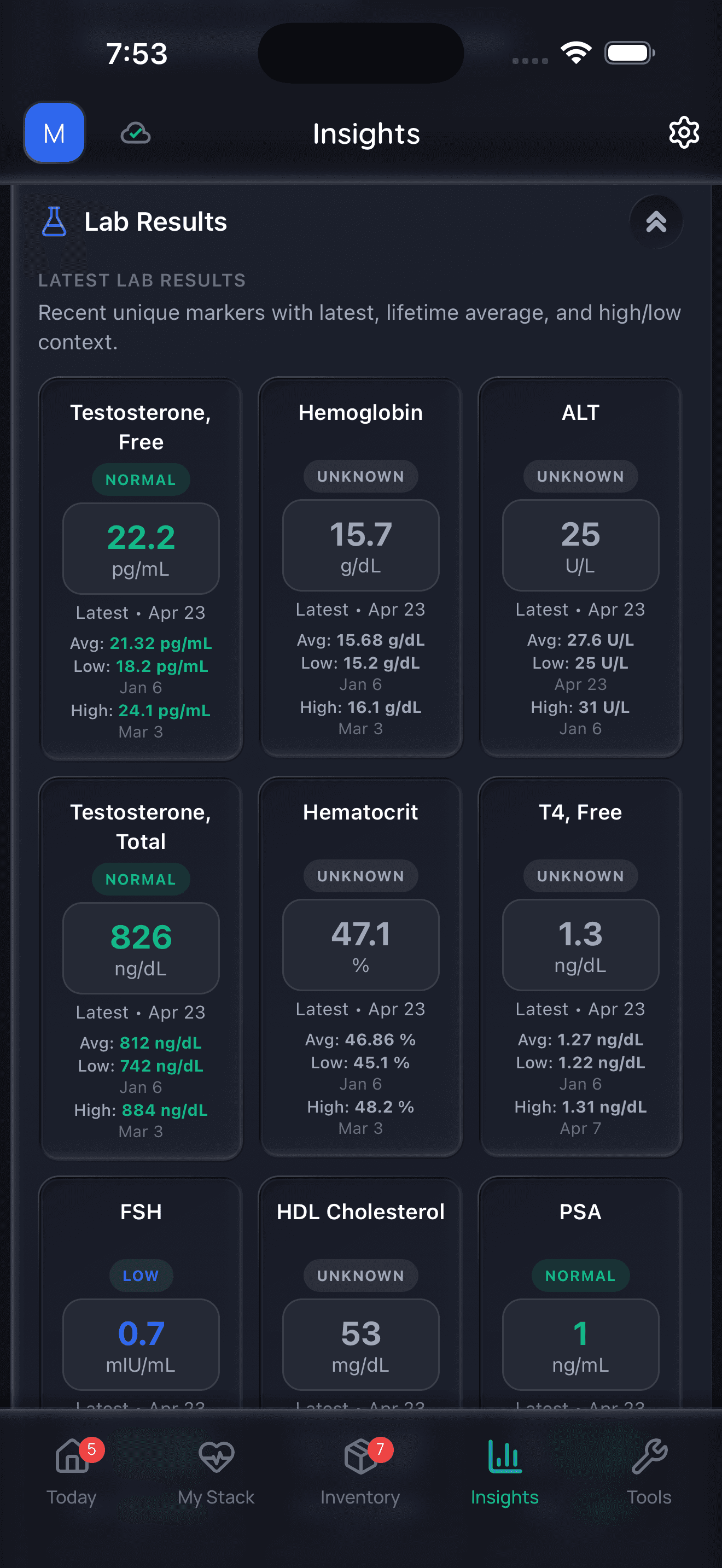
Doserly organizes data; it does not diagnose or interpret labs for you.
Dosing & Treatment Protocols
The Basics
Fortesta dosing is straightforward in concept but often requires adjustment. The starting dose is 40 mg per day (4 pump actuations), applied once daily in the morning to the front and inner thighs. Your provider will check your testosterone levels after 2 to 4 weeks and adjust the dose based on your blood work and symptoms.
The dose range is wide: from a minimum of 10 mg (1 pump) to a maximum of 70 mg (7 pumps) per day. This range exists because absorption through the skin varies considerably from person to person. Some men achieve excellent testosterone levels with just 2 or 3 pumps, while others need the full 7 pumps to reach therapeutic range. Drugs.com reviews for Fortesta illustrate this variability: one user achieved testosterone levels of 983 ng/dL on just 3 pumps, while another could not get above 200 ng/dL despite using the recommended dose.
Dose titration follows a specific schedule based on your serum total testosterone levels:
Serum Total Testosterone
2,500 ng/dL or above
- Adjustment
- Decrease by 20 mg (2 pumps)
Serum Total Testosterone
1,250 to less than 2,500 ng/dL
- Adjustment
- Decrease by 10 mg (1 pump)
Serum Total Testosterone
500 to less than 1,250 ng/dL
- Adjustment
- No change
Serum Total Testosterone
Less than 500 ng/dL
- Adjustment
- Increase by 10 mg (1 pump)
Important: Fortesta is not interchangeable with other testosterone gel products. The 2% concentration, thigh application site, and pump delivery system mean that switching between Fortesta and AndroGel (or any other gel) requires your provider to recalculate the dose and recheck your levels.
The Science
Fortesta's dose titration protocol was validated in the FOR01C Phase 3 trial (n=149). The starting dose of 40 mg/day (4 actuations of the metered-dose pump) was selected to achieve serum total testosterone concentrations in the eugonadal range (300-1000 ng/dL) in the majority of hypogonadal men. Titration at Days 35 and 60 allowed dose adjustment in 10 mg increments based on serum testosterone Cavg [1][3].
Non-interchangeability with other topical testosterone products is based on pharmacokinetic differences. The 2% concentration, thigh application site, and gel excipient composition produce a distinct absorption profile. A randomized crossover study comparing 1% gel products (Testim vs AndroGel) found approximately 30% difference in Cmax and 47% difference in free testosterone AUC between two products at the same labeled dose, demonstrating that even within the same concentration, gel products are not bioequivalent [11].
Dosing protocols often change over the course of treatment. Starting doses get adjusted, application routines get refined, and some men ultimately switch to a different formulation or route. Doserly maintains a complete history of every protocol change, giving you and your provider a clear picture of what has been tried and how each adjustment affected your symptoms and lab values.
The app's adherence analytics show your consistency patterns and can highlight whether missed doses or timing variations correlate with symptom changes. When your provider is considering a dose adjustment based on your trough levels, having this data available makes the conversation more productive and the decision more informed.
Turn symptom and safety notes into a clearer timeline.
Doserly helps you log doses, symptoms, and safety observations side by side so patterns are easier to discuss with a qualified clinician.
Pattern view
Logs and observations

Pattern visibility is informational and should be reviewed with a clinician.
What to Expect (Timeline)
Timelines for testosterone therapy benefits are drawn from clinical studies and real-world reports. Individual responses vary, and gel-specific timelines may differ from injectable timelines because of the more stable daily hormone delivery pattern.
Days 1-7:
- Gel begins absorbing through skin; eugonadal testosterone levels typically reached within 3 hours of first application
- Steady-state serum levels achieved within approximately 1 day
- Some men report a subtle mood lift or increased sense of well-being (partly placebo, partly early hormonal response)
- Application site redness or irritation may occur in the first week
Weeks 2-4:
- Libido changes are often the first noticeable effect
- Energy improvements may begin
- Application routine becomes more comfortable
- First follow-up blood work typically drawn at 2-4 weeks (trough level, before morning application)
Months 1-3:
- Sexual function improvements continue to develop
- Mood stabilization becomes more apparent
- Hematocrit may begin to rise (monitored by blood work)
- Body composition changes begin (subtle at this stage)
- Dose adjustment likely occurs at this point based on blood work
Months 3-6:
- Body composition changes become more visible (reduced abdominal fat, improved muscle definition)
- Strength improvements noticeable during resistance training
- Sleep quality may improve (or worsen if sleep apnea is an underlying issue)
- PSA and other monitoring labs checked per provider schedule
Months 6-12:
- Full sexual function benefits typically realized
- Significant body composition changes
- Bone density improvements measurable by DEXA (if indicated)
- Treatment routine well established
- Some benefits plateau and normalize (the "honeymoon phase" ends)
Ongoing maintenance:
- Annual review with provider: symptom reassessment, continued indication, risk-benefit discussion
- Continued monitoring: hematocrit (every 6-12 months), PSA (age-appropriate), testosterone levels, lipid panel
- Dose reassessment as needed
Realistic expectations: Not all symptoms resolve with TRT alone. Individual response varies widely. Some men experience dramatic improvements; others experience modest or partial benefits. Lifestyle factors (exercise, sleep, diet, body weight) significantly influence treatment outcomes.
Timelines in clinical literature describe averages. Your own timeline is what matters. Doserly's trend analysis turns your daily symptom entries into visual trajectories, showing you how each outcome is progressing over weeks and months of testosterone therapy.
The app helps you see patterns that day-to-day experience can obscure, like a gradual improvement in energy that becomes apparent only when tracked over weeks, or libido steadily building even when individual off days make it feel like nothing has changed. These insights give both you and your provider a clearer picture of treatment response.
See where a dose, cycle, or change fits in time.
Doserly gives each protocol a timeline so dose changes, pauses, restarts, and observations are easier to compare later.
Timeline
Cycle history
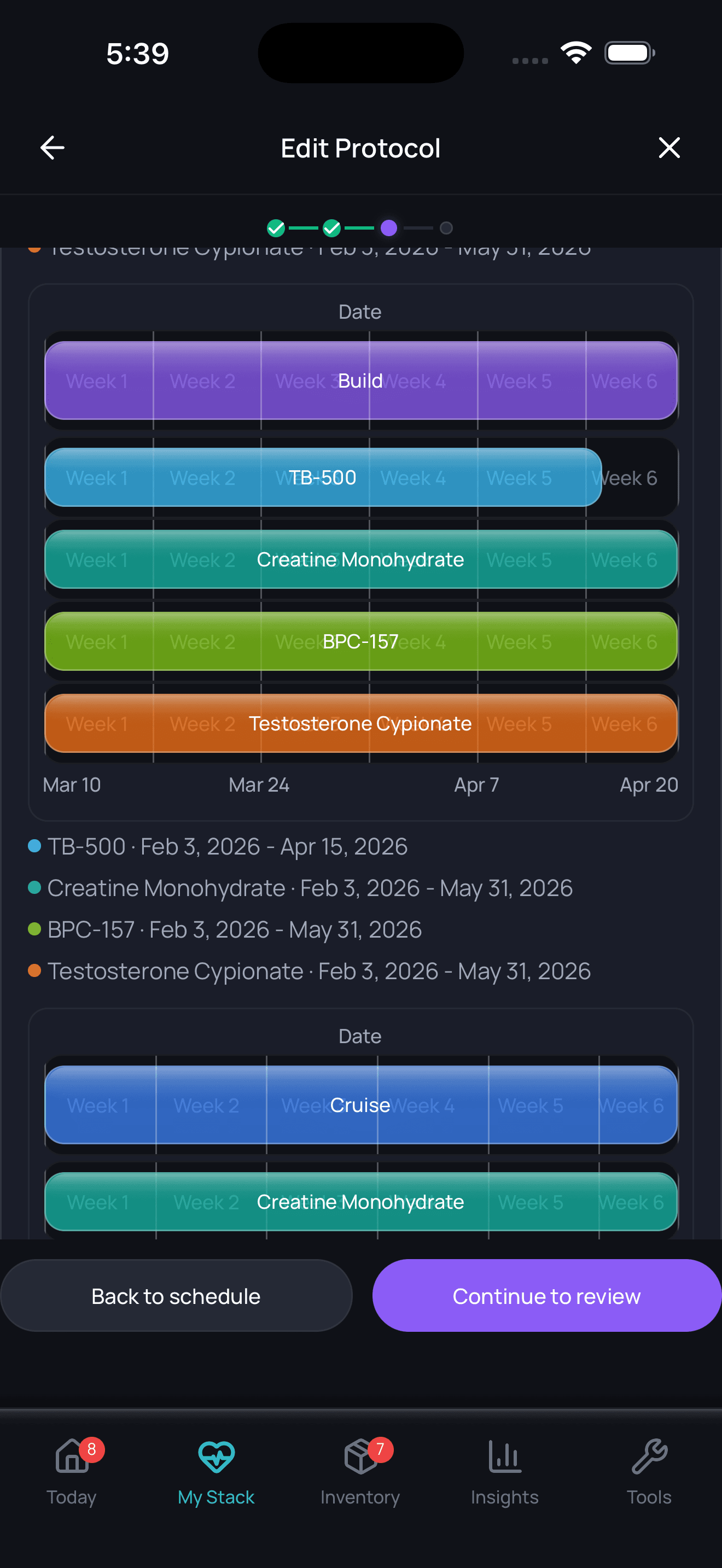
Timeline tracking helps with recall; it is not a treatment recommendation.
Fertility Preservation & HPG Axis
Fertility impact is one of the most important topics for any man considering testosterone replacement, regardless of the specific formulation. Fortesta, like all exogenous testosterone products, suppresses the body's natural hormone production pathway, which directly affects sperm production.
How it happens: When you apply Fortesta, the testosterone absorbed through your skin tells your brain (specifically the hypothalamus and pituitary gland) that testosterone levels are adequate. Your brain responds by dialing back the hormonal signals (LH and FSH) that tell your testes to produce testosterone and sperm. The result: intratesticular testosterone concentrations drop dramatically, and sperm production declines.
How severe is the effect? Approximately 40-60% of men on TRT achieve azoospermia (zero sperm count) by 6 months. The remainder typically show severe oligospermia (drastically reduced sperm count). This effect occurs regardless of whether testosterone is delivered by gel, injection, patch, or pellet.
Is it reversible? In most cases, spermatogenesis recovers after stopping TRT, but recovery is not guaranteed and the timeline is highly variable (6-24 months or longer). Factors affecting recovery include duration of TRT use, age, pre-TRT hormonal status, and whether HCG was used concurrently during treatment.
Preservation strategies:
- Sperm banking: Recommended before starting TRT for any man who may want biological children in the future. This is the most reliable preservation strategy.
- HCG co-administration: Some providers prescribe HCG (250-500 IU 2-3 times weekly) alongside TRT to maintain intratesticular testosterone and partial spermatogenesis. Evidence is supportive but not universal.
- Alternative treatments: For men whose primary goal is fertility preservation, SERMs (clomiphene citrate, enclomiphene) can raise endogenous testosterone by stimulating LH/FSH without suppressing spermatogenesis. These are off-label uses with their own risk profiles.
- Primary vs secondary hypogonadism: Men with primary hypogonadism (testicular failure) may have limited spermatogenic capacity regardless of treatment. Men with secondary hypogonadism (pituitary/hypothalamic dysfunction) generally have better prognosis for HPG axis recovery.
The bottom line: Fertility counseling should be part of every TRT initiation conversation for men of reproductive age. This is not a minor or unlikely side effect. It is a predictable biological consequence of exogenous testosterone.
Interactions & Compatibility
Drug-Drug Interactions
- Anticoagulants (warfarin, DOACs): Testosterone may enhance anticoagulant activity. Frequent monitoring of INR/prothrombin time recommended, especially when starting or adjusting Fortesta dose.
- Insulin and diabetes medications: Testosterone may improve insulin sensitivity, potentially requiring dose adjustment of diabetes medications.
- Corticosteroids: Concurrent use may enhance fluid retention and edema.
- 5-alpha reductase inhibitors (finasteride, dutasteride): Block conversion of testosterone to DHT, potentially modifying the side effect profile of TRT (reduced hair loss, prostate effects, but also reduced androgenic effects on libido and sexual function in some men). See Estrogen Management on TRT for related discussion.
- Aromatase inhibitors (anastrozole): Sometimes co-prescribed to manage estradiol levels on TRT. Use remains controversial; see Section Section 18.
- Opioids: Chronic opioid use suppresses the HPG axis and is a common cause of secondary hypogonadism. If opioid-induced, addressing opioid use may reduce or eliminate the need for TRT.
Supplement Interactions
- DHEA: Additive androgenic effects. May increase estrogen conversion. Use with caution on TRT. See DHEA guide.
- Boron: May increase free testosterone by reducing SHBG. Limited evidence.
- Zinc: Supports testosterone production. Supplementation may have modest benefit in men with zinc deficiency. See Zinc guide.
- Saw Palmetto: 5-alpha reductase inhibition (similar to finasteride but weaker). See Saw Palmetto guide.
- Vitamin D: Associated with testosterone levels. Correcting deficiency may support overall endocrine function. See Vitamin D guide.
Lifestyle Factors
- Alcohol: Suppresses testosterone production and increases aromatization. Regular heavy drinking works against TRT goals.
- Sleep: Critical for testosterone production. TRT may worsen obstructive sleep apnea in some men; screening and CPAP optimization recommended.
- Exercise: Resistance training is synergistic with TRT for muscle and body composition outcomes.
- Body composition: Weight loss in obese men can normalize testosterone levels, potentially reducing or eliminating the need for TRT. See Obesity-Related Hypogonadism guide.
Decision-Making Framework
For men considering TRT, the decision-making process involves several steps that are worth understanding before your first appointment.
Diagnostic criteria: The Endocrine Society requires two morning total testosterone measurements below the lower limit of normal (generally <264-300 ng/dL, depending on the laboratory) PLUS symptoms consistent with hypogonadism. The AUA uses a threshold of 300 ng/dL. A single low reading is not sufficient for diagnosis.
When to investigate underlying causes first: Not all low testosterone requires TRT. Reversible causes should be identified and addressed first: obesity (weight loss can normalize testosterone), obstructive sleep apnea (CPAP treatment first), chronic opioid use (taper if possible), pituitary pathology, thyroid dysfunction, and depression.
FDA-approved vs off-label: Fortesta is FDA-approved only for classical hypogonadism (primary or hypogonadotropic). The prescribing information specifically states that safety and efficacy in men with "age-related hypogonadism" have not been established. Many TRT prescriptions, particularly from telehealth clinics, are for age-related decline, which is off-label use.
Questions to ask your provider: What is the underlying cause of my low testosterone? Have reversible causes been investigated? What formulation do you recommend and why? What monitoring schedule will we follow? What are the fertility implications? What happens if I want to stop treatment?
Finding a qualified provider: Endocrinologists, urologists with andrology interest, and men's health specialists are typically the most experienced in managing TRT. Telehealth TRT clinics have expanded access but vary widely in quality, oversight, and monitoring protocols.
Administration & Practical Guide
Fortesta Application Technique
Step 1: Prepare. Apply in the morning, after showering. Ensure the front and inner thigh skin is clean, dry, and intact (no cuts, abrasions, or rash). Do not apply to any other body area.
Step 2: Prime the pump (first use only). Before the first use, prime the pump by pressing it 8 times into a sink or tissue. Discard the primed gel safely. After priming, the pump is ready for measured doses.
Step 3: Dispense and apply. Press the pump the prescribed number of times. Apply the gel directly to the front and inner thighs. Spread evenly over the area. Alternate between left and right thighs if applying multiple pumps.
Step 4: Let it dry. Fortesta typically dries within about 2-3 minutes. Wait until the gel has dried completely before dressing.
Step 5: Wash hands. Immediately wash your hands thoroughly with soap and water after application.
Step 6: Cover. Once dry, cover the application area with clothing. Keep the area covered until you have washed or showered.
Transfer Precautions
- Wash the application site thoroughly before any expected skin-to-skin contact
- If a child or woman touches the application area, wash their skin immediately with soap and water
- Fortesta's thigh application site reduces (but does not eliminate) transfer risk since thighs are typically covered by clothing
- Do not apply Fortesta to the genitals, abdomen, arms, or shoulders
Practical Tips from User Experience
- Apply after showering, not before
- The gel is odorless and dries quickly; most users find the morning routine takes 3-5 minutes total
- Store the canister at room temperature (68-77F). Keep away from fire (alcohol-based, flammable)
- Do not freeze
- Dispose of used canisters in household trash with care to prevent accidental exposure
Monitoring & Lab Work
Pre-TRT Baseline Labs
- Total testosterone (two morning draws, fasting)
- Free testosterone (calculated or equilibrium dialysis)
- LH, FSH
- Estradiol
- SHBG
- Prolactin (if secondary hypogonadism suspected)
- CBC with hematocrit
- PSA (age-appropriate)
- Lipid panel
- Comprehensive metabolic panel
- DEXA scan if osteoporosis risk
Initial Follow-Up (4-12 Weeks)
- Trough testosterone level (before morning application)
- Hematocrit
- Symptom assessment
- Side effect evaluation (application site reactions, mood, sleep)
- Dose adjustment consideration
Ongoing Monitoring Schedule
Test
Hematocrit
- Frequency
- Every 6-12 months
- Threshold/Notes
- >54% requires intervention (dose reduction, phlebotomy, or route change)
Test
PSA
- Frequency
- Per age-appropriate guidelines; annually for men >40
- Threshold/Notes
- Baseline and periodic; refer to urology for significant rise
Test
Testosterone levels
- Frequency
- Periodically (before morning application for trough)
- Threshold/Notes
- Target mid-normal range
Test
Estradiol
- Frequency
- Only if symptomatic (gynecomastia, fluid retention, mood)
- Threshold/Notes
- Not routine per guidelines
Test
Lipid panel
- Frequency
- Annually
- Threshold/Notes
- Monitor for adverse changes
Test
Bone density (DEXA)
- Frequency
- If osteoporosis was indication
- Threshold/Notes
- Repeat per clinical protocol
Test
Semen analysis
- Frequency
- If fertility is a concern
- Threshold/Notes
- Monitor for spermatogenesis suppression
Annual Review
- Symptom reassessment
- Continued indication review
- Risk-benefit discussion
- Dose optimization
- Provider reassessment of underlying cause
Estrogen Management on TRT
Testosterone is converted to estradiol by the aromatase enzyme, primarily in adipose tissue. This is a normal and necessary physiological process. Men need estradiol in appropriate amounts for bone health, cardiovascular function, brain function, and libido.
When estrogen management matters: Only when clinical symptoms of elevated estradiol are present (gynecomastia, excessive fluid retention, emotional lability, nipple sensitivity) or when lab values are clearly elevated. Routine aromatase inhibitor use is not recommended by the Endocrine Society or AUA guidelines.
Aromatase inhibitor use (anastrozole): Sometimes prescribed at doses of 0.25-0.5 mg two to three times weekly. This remains controversial. Clinical guidelines recommend symptom-based management, not routine co-prescription. The men's health community often targets specific estradiol ranges (e.g., 20-35 pg/mL on sensitive assay), but this approach is not evidence-based and aggressive estradiol suppression carries documented risks including joint pain, mood disturbance, decreased libido, and bone density loss.
Fortesta-specific considerations: At least one Fortesta user reported needing to lower the dose to manage estradiol levels, which then brought testosterone to approximately 600 ng/dL (still within therapeutic range). This illustrates the interplay between dose, testosterone levels, and estradiol. Higher doses of any testosterone product produce more substrate for aromatization.
The balanced view: Estradiol should be in proportion to total testosterone. Most men on appropriately dosed TRT do not need an aromatase inhibitor. If symptoms of high estrogen develop, the first step is usually dose adjustment or increased injection/application frequency (for injectables), not automatic addition of an AI.
Stopping TRT / Post-Cycle Considerations
What happens when you stop: When Fortesta is discontinued, LH and FSH remain suppressed for weeks to months. Endogenous testosterone production may take 6-24 months or longer to recover, and recovery to pre-TRT levels is not guaranteed.
Is TRT lifelong? For men with primary hypogonadism (testicular failure), TRT is typically lifelong because the underlying condition does not resolve. For secondary hypogonadism, addressing underlying causes (weight loss, sleep apnea treatment, opioid cessation) may restore endogenous production. For age-related decline, the answer is individualized.
Recovery protocols (community-derived): These protocols are adapted from anabolic steroid use and lack formal clinical trial validation for TRT discontinuation. Present with appropriate hedging:
- HCG taper: 1000-2000 IU every other day for 2-4 weeks, then taper
- Clomiphene citrate: 25-50 mg daily for 4-8 weeks to stimulate LH/FSH recovery
- Enclomiphene: Newer SERM, may have fewer side effects
- Tamoxifen: 10-20 mg daily for 4-6 weeks (less commonly used)
Factors affecting recovery: Duration of TRT use (longer = slower recovery), age, pre-TRT hormonal status, use of HCG during TRT, and genetic factors. Recovery is more predictable for secondary hypogonadism than primary.
Symptom management during recovery: Expect symptom return (fatigue, low libido, mood changes). SERMs can help bridge the gap. Exercise, sleep optimization, and stress management are supportive.
Special Populations & Situations
Obese Men
Weight loss alone may normalize testosterone in obese men. The Endocrine Society recommends addressing obesity before starting TRT when possible. If TRT is initiated in obese men, higher aromatization may occur due to greater adipose tissue mass, potentially requiring more attention to estradiol levels. Metabolic benefits of TRT in obese hypogonadal men are documented, but lifestyle intervention should remain a cornerstone.
Men with Sleep Apnea
TRT may exacerbate obstructive sleep apnea. CPAP optimization should occur before and during TRT. A sleep study is recommended before initiation in men with symptoms suggestive of OSA.
Men with Prostate Cancer History
Historically considered an absolute contraindication. The saturation model suggests exogenous testosterone at physiological levels may not further stimulate the prostate. This remains controversial and requires specialized urological consultation. Active surveillance patients are being studied.
Cardiovascular Disease History
TRAVERSE provides reassurance of non-inferiority for MACE in a high-cardiovascular-risk population. Transdermal testosterone (including Fortesta) may be preferred over injectable formulations in these patients due to lower hematocrit elevation. The 2025 label update removed the cardiovascular risk warning and added warnings for venous thromboembolism and blood pressure increases.
Type 2 Diabetes
TRT may improve insulin sensitivity, HbA1c, and metabolic parameters in hypogonadal diabetic men. Diabetes medication dose adjustment may be required. Weight loss and lifestyle modification remain the foundation.
Older Men (>65)
TRAVERSE and TTrials data are primarily from this population. Lower starting doses are often appropriate. Increased polycythemia risk. Heightened prostate monitoring. The distinction between age-related testosterone decline and true hypogonadism is particularly important in this group.
Transgender Men (FTM)
Different dosing goals (masculinizing doses, which may exceed standard replacement doses). Voice changes are permanent. Fertility counseling (oocyte preservation) is essential before starting. Monitoring differs from cis male TRT in some respects. Transdermal testosterone can be used as an alternative to injections.
Regulatory, Insurance & International
United States
- FDA Status: Approved for primary and hypogonadotropic hypogonadism (NDA 21-463)
- DEA Classification: Schedule III controlled substance
- Limitations of Use: Safety and efficacy not established for "age-related hypogonadism"
- 2025 Label Changes: Cardiovascular Risk warning removed; VTE and Blood Pressure warnings added
- Insurance: Coverage varies. Some plans require prior authorization, step therapy, or specific diagnostic codes. Fortesta has offered patient assistance programs (first month free, subsequent months at $25 through manufacturer discount programs, though availability varies)
- Generic Status: Testosterone gel 2% generic versions may be available
International
- European Union: Marketed as Tostrex/Tostran in 20+ EU member states. Approved before US (2005 European launch)
- United Kingdom: Available as Tostran
- Australia: Available as Tostran
- Travel: Testosterone is a controlled substance in most countries. Carry documentation (prescription, letter from provider) when traveling internationally
Frequently Asked Questions
Q: How is Fortesta different from AndroGel?
A: Fortesta is a 2% testosterone gel applied to the front and inner thighs, while AndroGel comes in 1% and 1.62% concentrations applied to the upper arms and shoulders. The higher concentration means a smaller gel volume. The thigh application site may reduce secondary exposure risk since thighs are typically covered by clothing. The two products are NOT interchangeable; switching requires medical supervision and dose recalculation.
Q: How quickly does Fortesta work?
A: Testosterone levels can reach the normal range within about 3 hours of the first application, and steady-state levels are typically achieved within 1 day. However, symptom improvement (particularly for libido, energy, and mood) typically takes 2-4 weeks for initial effects and 3-6 months for full benefits.
Q: Can Fortesta transfer to my partner or children?
A: Yes. Testosterone gel can transfer through skin-to-skin contact. Wash your hands immediately after application, cover the application area with clothing, and wash the area before close physical contact. Fortesta's thigh site reduces but does not eliminate this risk.
Q: What if my testosterone levels don't increase on Fortesta?
A: Some individuals absorb transdermal testosterone poorly. If adequate levels are not achieved at the maximum dose (70 mg/day), your provider may recommend switching to a different formulation (such as injectable testosterone) or investigating factors affecting absorption.
Q: Should I take Fortesta before or after showering?
A: After showering. Apply to clean, dry skin. If you need to shower after application, try to wait at least 2 hours after the gel has fully dried.
Q: Does Fortesta cause hair loss?
A: Testosterone replacement, regardless of the delivery method, can accelerate male pattern baldness in genetically susceptible individuals. This occurs because testosterone is converted to DHT, which affects hair follicles. The degree to which Fortesta specifically affects hair loss compared to other TRT formulations is not well-established in clinical studies.
Q: Will Fortesta affect my fertility?
A: Yes. All exogenous testosterone suppresses sperm production, often to azoospermia (zero sperm count) within 6 months. This applies to gel, injection, patch, and all other forms. If you may want biological children in the future, discuss fertility preservation (including sperm banking and alternative treatments like clomiphene) with your provider before starting.
Q: Is Fortesta covered by insurance?
A: Coverage varies by plan. Some insurers require prior authorization, step therapy (trying a generic formulation first), or specific diagnostic criteria. Fortesta has offered patient assistance programs to reduce out-of-pocket cost. Ask your provider and pharmacist about available options.
Q: Can I apply Fortesta to other body parts?
A: No. Fortesta should only be applied to the front and inner thighs. Do not apply to the arms, shoulders, abdomen, or genitals. The dosing is calibrated for thigh absorption, and using other sites could result in inadequate or excessive testosterone levels.
Q: What should I do if I miss a dose?
A: Apply Fortesta as soon as you remember on the same day. If it is close to the time for your next dose, skip the missed dose and return to your regular schedule. Do not apply a double dose. Occasional missed doses are unlikely to cause significant issues due to the dermal reservoir effect, but consistent daily application is important for stable levels.
Myth vs. Fact
Myth: TRT causes heart attacks.
Fact: The TRAVERSE trial (n=5,246), the largest cardiovascular safety trial of testosterone therapy, found no increase in major adverse cardiovascular events with testosterone gel vs placebo (HR 0.96, 95% CI: 0.78-1.17) over 33 months in men with existing cardiovascular disease or risk factors. Earlier concerns were based on observational studies with significant methodological limitations. TRAVERSE did identify increases in atrial fibrillation and pulmonary embolism, so cardiovascular monitoring remains appropriate [8].
Myth: TRT causes prostate cancer.
Fact: Current evidence does not support a causal link between physiological testosterone replacement and prostate cancer initiation. The TRAVERSE trial found no increase in prostate cancer diagnosis. The saturation model suggests that prostate tissue androgen receptors are fully saturated at normal testosterone levels, so additional testosterone does not further stimulate prostate growth. However, TRT can stimulate growth of existing prostate cancer, which is why screening and PSA monitoring are standard [6][8].
Myth: Testosterone gels don't work as well as injections.
Fact: Both gels and injections effectively restore testosterone to the normal range in hypogonadal men. The choice between them involves trade-offs: gels provide more stable daily levels with lower polycythemia risk, while injections achieve higher peak levels and may produce greater muscle gains. Some individuals absorb gel poorly and genuinely achieve better results with injections. The right choice depends on individual factors, preferences, and response.
Myth: Once you start TRT, you can never stop.
Fact: Whether TRT is lifelong depends on the underlying cause. Men with primary hypogonadism (testicular failure) typically require lifelong replacement. Men with secondary hypogonadism may recover endogenous production after addressing underlying causes (obesity, sleep apnea, opioids). HPG axis recovery after stopping TRT is possible but variable (6-24+ months) and not guaranteed.
Myth: TRT will make you permanently infertile.
Fact: Exogenous testosterone suppresses spermatogenesis, often to azoospermia, but this is usually reversible after discontinuation. Recovery takes 6-24 months or longer and is not guaranteed in all men. Sperm banking before starting TRT is recommended for men who may want biological children. HCG co-administration during TRT may help preserve some spermatogenic function.
Myth: All men over 40 need testosterone therapy.
Fact: Age-related testosterone decline is not the same as hypogonadism. Many men maintain adequate testosterone throughout life. The FDA specifically notes that the safety and efficacy of testosterone products (including Fortesta) in men with "age-related hypogonadism" have not been established. Lifestyle factors (exercise, sleep, body weight, stress management) significantly influence testosterone levels and should be addressed first.
Myth: Higher testosterone doses are always better.
Fact: The goal of TRT is to restore testosterone to the normal physiological range (generally 300-1000 ng/dL), not to maximize levels. Supraphysiologic doses increase the risk of polycythemia, cardiovascular events, acne, hair loss, and other side effects without proportional benefit. Fortesta's dose titration table specifically calls for dose reduction when levels exceed 1,250 ng/dL.
Myth: Testosterone gels are dangerous because of transfer risk.
Fact: Transfer risk is real but manageable with proper precautions. Fortesta's thigh application site (typically covered by clothing) reduces transfer risk compared to arm/shoulder gels. Washing hands after application, covering the site, and washing before skin-to-skin contact effectively mitigate the risk. The FDA requires a boxed warning about secondary exposure, reflecting the seriousness of transfer events when precautions are not followed, not the inevitability of transfer.
Sources & References
Clinical Guidelines
[1] Fortesta (testosterone 2% gel) Full Prescribing Information. Endo USA, Inc. Revised 07/2025. NDA 21-463.
[2] Morgentaler A, McGettigan J, Xiang Q, Danoff TM, Gould EM. Pharmacokinetics and drying time of testosterone 2% gel in men with hypogonadism: a multicenter, open-label, single-arm trial. Int J Impot Res. 2015;27(2):41-45. PMID: 25056809.
[3] FDA NDA 21-463 Summary Review. U.S. Food and Drug Administration, Center for Drug Evaluation and Research. December 2010.
[4] Testosterone. StatPearls [Internet]. Treasure Island (FL): StatPearls Publishing. PMID: 29261864.
[5] Bhasin S, Cunningham GR, Hayes FJ, et al. Testosterone therapy in men with androgen deficiency syndromes: an Endocrine Society clinical practice guideline. J Clin Endocrinol Metab. 2010;95(6):2536-2559. PMID: 20525905.
Landmark Trials
[6] Bhasin S, Brito JP, Cunningham GR, et al. Testosterone Therapy in Men With Hypogonadism: An Endocrine Society Clinical Practice Guideline. J Clin Endocrinol Metab. 2018;103(5):1715-1744. PMID: 29562364.
[7] Snyder PJ, Bhasin S, Cunningham GR, et al. Effects of Testosterone Treatment in Older Men. N Engl J Med. 2016;374(7):611-624. PMID: 26886521.
[8] Lincoff AM, Bhasin S, Flevaris P, et al. Cardiovascular Safety of Testosterone-Replacement Therapy. N Engl J Med. 2023;389(2):107-117. PMID: 37326322.
Systematic Reviews & Meta-Analyses
[9] Corona G, Giagulli VA, Maseroli E, et al. Testosterone supplementation and body composition: results from a meta-analysis of observational studies. J Endocrinol Invest. 2016;39(9):967-981.
[10] Qaseem A, Horwitch CA, Vijan S, et al. Testosterone Treatment in Adult Men With Age-Related Low Testosterone: A Clinical Guideline From the American College of Physicians. Ann Intern Med. 2020;172(2):126-133. PMID: 31905405.
Observational Studies
[11] Dobs AS, McGettigan J, Norwood P, Howell J, Waldie E, Chen Y. A novel testosterone 2% gel for the treatment of hypogonadal males. J Androl. 2012;33(4):601-607.
Government/Institutional Sources
[12] FDA Drug Safety Communication: FDA cautions about using testosterone products for low testosterone due to aging. U.S. Food and Drug Administration. March 3, 2015.
[13] DailyMed. Fortesta (testosterone gel) label information. National Library of Medicine. Updated 2025.
Related Guides & Cross-Links
Same Category (Transdermal Testosterone)
- Testosterone Gel (AndroGel)
- Testosterone Gel (Testim)
- Testosterone Patch (Androderm)
- Compounded Testosterone Cream
Related Treatment Options
- Testosterone Cypionate (Depo-Testosterone)
- Testosterone Enanthate (Delatestryl)
- Intranasal Testosterone (Natesto)
- Testosterone Gels & Topicals Guide
- TRT for Beginners
Complementary Approaches
Ancillary Medications
- Anastrozole (Arimidex)
- HCG
- Clomiphene Citrate (Clomid)
- Enclomiphene Citrate
- Estrogen Management on TRT
- Fertility Preservation on TRT
Conditions & Education
- Primary Hypogonadism
- Secondary Hypogonadism
- Late-Onset Hypogonadism
- Obesity-Related Hypogonadism
- TRT Blood Work Guide
- Stopping TRT & Post-Cycle Recovery
- The TRAVERSE Trial Explained
- Natural Testosterone Optimization