
Testosterone Gels & Topicals Guide
On this page
Quick Reference Card
Attribute
Guide Topic
- Value
- Testosterone Gels, Creams, and Topical Formulations
Attribute
Category
- Value
- Treatment Overview Guide
Attribute
Delivery Route
- Value
- Transdermal (gel, cream, solution, patch)
Attribute
DEA Schedule
- Value
- Schedule III (all testosterone products)
Attribute
FDA-Approved Products
- Value
- AndroGel (1%, 1.62%), Testim, Fortesta, Vogelxo, Axiron, Androderm (patch)
Attribute
Common Starting Doses
- Value
- Gel: 50 mg/day (1%) or 40.5 mg/day (1.62%); Patch: 4 mg/day
Attribute
Application Frequency
- Value
- Once daily (morning for gels; nightly for patches)
Attribute
Time to Steady State
- Value
- 24-72 hours for gels; 24 hours for patches
Attribute
Key Safety Concern
- Value
- Secondary exposure (Boxed Warning for gels); skin irritation (patches)
Attribute
Absorption Rate
- Value
- 10-20% of applied dose reaches systemic circulation
Attribute
Polycythemia Risk
- Value
- Lower than injectable testosterone (12.8% vs 66.7% at Hct >= 50%)
Attribute
Key Monitoring
- Value
- Serum T levels 14-28 days after initiation; hematocrit every 6-12 months
Overview / What Are Testosterone Gels and Topicals?
The Basics
Testosterone gels and topical formulations represent one of the most commonly prescribed delivery methods for testosterone replacement therapy in the United States. If you have been diagnosed with hypogonadism and your provider has recommended TRT, the choice of how testosterone gets into your body matters. Each delivery method has its own set of advantages, trade-offs, and practical considerations that affect daily life.
Topical testosterone works by applying a measured amount of testosterone-containing gel, cream, or solution directly to your skin. The testosterone absorbs through the skin into your bloodstream over several hours, providing a steady supply throughout the day. This is fundamentally different from injections, which deliver a large dose all at once and then gradually decline until the next shot. Think of it as the difference between sipping water steadily throughout the day versus drinking an entire glass at once and waiting to refill it.
The steady delivery pattern is what many providers and patients consider the primary advantage of topical testosterone. Because the testosterone absorbs continuously, your blood levels stay relatively consistent from day to day, without the pronounced peaks and troughs that injectable formulations produce. For some men, this translates to more stable energy, mood, and overall wellbeing. Others prefer injections for their convenience and guaranteed absorption.
Testosterone gel became widely available in the United States after AndroGel received FDA approval in 2000. Since then, several formulations have entered the market, each with slightly different concentrations, application sites, and delivery systems. Testosterone patches (Androderm) have been available since 1995 but are less commonly used today due to higher rates of skin irritation. Compounded testosterone creams, prepared by compounding pharmacies, are also widely used, though clinical guidelines generally recommend commercially manufactured products due to more consistent quality control [1].
It is important to understand that all testosterone products, regardless of delivery method, are FDA-approved only for the treatment of hypogonadism (clinically low testosterone with associated symptoms), not for age-related testosterone decline or performance enhancement. All carry a Schedule III controlled substance classification.
The Science
Transdermal testosterone delivery exploits the skin's capacity for passive percutaneous absorption. Testosterone, with a molecular weight of 288.4 Da and moderate lipophilicity (log P approximately 3.3), crosses the stratum corneum via intercellular lipid pathways. Hydroalcoholic gel vehicles enhance penetration through disruption of the lipid bilayer structure and temporary fluidization of the stratum corneum [1].
Systemic bioavailability of transdermal testosterone formulations ranges from approximately 10-20% of the applied dose, varying by formulation, concentration, vehicle composition, application site, and individual skin characteristics [2]. The AUA notes that topical gels and liquids demonstrate less variability in absorption uptake when compared to other therapies, and after application, steady-state levels are achieved within 24-72 hours [2].
The transdermal route bypasses hepatic first-pass metabolism entirely, which is clinically significant: oral testosterone formulations (historical methyltestosterone) were abandoned in the United States due to hepatotoxicity, while transdermal formulations have no first-pass hepatic effect [3]. This also means that the testosterone reaching the systemic circulation is unmodified, undergoing normal metabolic conversion to dihydrotestosterone (DHT) via 5-alpha reductase and to estradiol (E2) via aromatase (CYP19A1) in peripheral tissues.
A notable pharmacological distinction of transdermal gels is the elevated DHT-to-testosterone ratio. A crossover PK study comparing patch versus gel in 28 hypogonadal men demonstrated that DHT levels and DHT/T ratios were 2 to 3-fold higher with gel application compared to patch (P < 0.0001), while estradiol levels and E2/T ratios were comparable between the two transdermal formulations [4]. The clinical significance of this elevated DHT ratio remains under investigation; it may contribute to androgenic effects on hair follicles and sebaceous glands while potentially offering enhanced androgen receptor activation in certain tissues.
Medical / Chemical Identity
Active Compound: Testosterone (no ester; free base)
Chemical Name: 17beta-Hydroxyandrost-4-en-3-one
Molecular Formula: C19H28O2
Molecular Weight: 288.42 g/mol
CAS Number: 58-22-0
DEA Schedule: Schedule III Controlled Substance
FDA-Approved Topical Products:
Product
AndroGel 1%
- Concentration
- 10 mg/g
- Form
- Gel (pump/packets)
- FDA Approval
- 2000
- NDA
- NDA021015
Product
AndroGel 1.62%
- Concentration
- 16.2 mg/g
- Form
- Gel (pump/packets)
- FDA Approval
- 2011
- NDA
- NDA022309
Product
Testim 1%
- Concentration
- 50 mg/5g tube
- Form
- Gel (tubes)
- FDA Approval
- 2002
- NDA
- NDA021454
Product
Fortesta 2%
- Concentration
- 10 mg/actuation
- Form
- Gel (pump)
- FDA Approval
- 2010
- NDA
- NDA022368
Product
Vogelxo 1%
- Concentration
- 50 mg/5g
- Form
- Gel (pump/tube/packets)
- FDA Approval
- 2014
- NDA
- NDA206089
Product
Axiron
- Concentration
- 30 mg/actuation
- Form
- Solution (pump)
- FDA Approval
- 2010
- NDA
- NDA022504
Product
Androderm
- Concentration
- 2 mg or 4 mg/day
- Form
- Patch
- FDA Approval
- 1995
- NDA
- NDA020489
Generic Availability: Generic testosterone gel 1% is available. Fortesta and Vogelxo also have generic options.
Compounded Formulations: Testosterone cream (typically 10-20% concentration) is widely available through compounding pharmacies (503A and 503B). Not FDA-approved. The AUA recommends commercially manufactured products over compounded testosterone when available [2].
Mechanism of Action / Pathophysiology
The Basics
When you apply testosterone gel to your skin, the active testosterone gradually absorbs into your bloodstream through the skin's layers. Once in circulation, it works exactly the same way as the testosterone your body produces naturally.
Your body uses testosterone across many different systems. It binds to receptors inside cells throughout your body, turning on genes that control muscle building, bone maintenance, red blood cell production, mood regulation, sexual function, and metabolism. Some testosterone gets converted into two other important hormones by enzymes in your tissues: dihydrotestosterone (DHT, which is more potent at certain tissues like the prostate and hair follicles) and estradiol (a form of estrogen that men need in small amounts for bone health, brain function, and cardiovascular protection).
One thing that makes topical testosterone somewhat unique is that it tends to produce higher DHT levels relative to total testosterone compared to injections or patches. This happens because the skin itself contains significant 5-alpha reductase activity (the enzyme that converts testosterone to DHT). When testosterone passes through the skin, more of it gets converted to DHT during the absorption process. This may explain why some men on gel report more androgenic side effects (like acne or hair thinning) compared to those on injections, though individual responses vary considerably.
The Science
Transdermal testosterone is absorbed through the stratum corneum into the dermal microcirculation and subsequently into the systemic circulation. Upon entering target cells, testosterone binds to the intracellular androgen receptor (AR), a member of the nuclear receptor superfamily (NR3C4). The ligand-receptor complex undergoes conformational change, dimerization, and nuclear translocation, where it binds androgen response elements (AREs) in target gene promoters to modulate transcription [5].
Non-genomic signaling pathways also contribute to testosterone's biological effects, operating through membrane-associated androgen receptors and SHBG receptor complexes that activate rapid second messenger cascades including MAPK/ERK, PI3K/Akt, and intracellular calcium signaling within seconds to minutes of receptor engagement [5].
In the context of transdermal delivery, the skin itself serves as a metabolic organ. Cutaneous 5-alpha reductase (types I and II) converts a portion of applied testosterone to DHT during transdermal absorption, resulting in higher steady-state DHT/T ratios compared to parenteral administration [4]. Aromatase (CYP19A1) activity in subcutaneous adipose tissue converts testosterone to 17-beta-estradiol. Estradiol levels with gel and patch are generally comparable, suggesting similar aromatization rates despite the different absorption mechanisms [4].
The continuous absorption kinetics of transdermal delivery create a fundamentally different hormonal milieu compared to injectable esters. Gel application produces relatively flat serum testosterone profiles over 24 hours (after steady state is achieved), avoiding the supraphysiological peaks seen in the first 24-48 hours after IM injection of testosterone cypionate or enanthate [3][6].
Pathway & System Visualization
Pharmacokinetics / Hormone Physiology
The Basics
How testosterone gel gets from your skin into your blood, and how your body handles it after that, directly affects how well the treatment works and what side effects you might experience.
After you apply gel to your skin (typically shoulders, upper arms, or abdomen depending on the product), the testosterone dissolves through the outer skin layer and forms a reservoir in the deeper skin layers. From there, it slowly releases into the small blood vessels in the skin and enters your general circulation. Only about 10-20% of what you apply actually makes it into your bloodstream; the rest stays in or on the skin.
The good news is that this slow, continuous absorption means your blood levels stay relatively stable from hour to hour and day to day. Most gels reach peak blood levels somewhere between 2 and 22 hours after application (depending on the specific product), and once you have been applying gel daily for a few days, your body reaches a steady state where the amount being absorbed roughly equals the amount being metabolized. If you stop using the gel, your testosterone levels return to baseline within about 4 days, which is much faster than stopping injectable testosterone.
Different gel products have somewhat different absorption profiles. Fortesta (applied to thighs) peaks faster (2-4 hours) than AndroGel 1% (peaks at 16-22 hours). Testim achieves about 30% higher serum levels than AndroGel at the same dose, meaning these products are not interchangeable without dose adjustment.
Patches work differently: applied at night, they mimic the natural circadian rhythm where testosterone levels peak in the early morning and decline throughout the day. This is a theoretical advantage, though the clinical significance of preserving circadian rhythm is debated.
The Science
Absorption: Transdermal testosterone gel absorption occurs via passive diffusion through the intercellular lipid domains of the stratum corneum. Systemic bioavailability is estimated at 10-20% of applied dose [2]. The hydroalcoholic vehicle enhances penetration through temporary disruption of the stratum corneum lipid bilayer. Absorption is site-dependent; the AUA notes that application site, skin condition, and occlusion all influence uptake [2].
Pharmacokinetic profiles by product:
Product
AndroGel 1% (50 mg)
- Cmax Timing
- 16-22 hours
- Steady State
- Day 1-3
- Notable PK Features
- Cavg ~875 ng/dL, Cmin ~360 ng/dL at day 30 [3]
Product
AndroGel 1.62% (40.5 mg)
- Cmax Timing
- Variable
- Steady State
- 24-72 hours
- Notable PK Features
- Application to shoulders/upper arms only
Product
Testim 1% (50 mg)
- Cmax Timing
- ~24 hours
- Steady State
- Day 1-3
- Notable PK Features
- 30% higher Cmax and AUC0-24 vs AndroGel at same dose; not bioequivalent [7]
Product
Fortesta 2% (40 mg)
- Cmax Timing
- 2-4 hours
- Steady State
- Day 14
- Notable PK Features
- Applied to thighs; Cavg 438 ng/dL at day 90 [3]
Product
Vogelxo 1% (50 mg)
- Cmax Timing
- Continuous
- Steady State
- Day 1
- Notable PK Features
- Less fluctuation vs patch; 95% achieve >300 ng/dL at 100 mg [3]
Product
Axiron solution (60 mg)
- Cmax Timing
- 2-4 hours
- Steady State
- Day 14
- Notable PK Features
- Applied to underarms; Cavg 456 ng/dL at day 15 [3]
Product
Androderm patch (4 mg)
- Cmax Timing
- 8.2 hours
- Steady State
- 24 hours
- Notable PK Features
- Mimics circadian rhythm; Cmax ~765 ng/dL; t1/2 1.3 hours [3]
Distribution: Once absorbed, testosterone circulates bound to sex hormone-binding globulin (SHBG, approximately 44%), albumin (approximately 54%), with approximately 2% circulating as free (unbound) testosterone [5].
Metabolism: Cutaneous 5-alpha reductase converts a fraction of absorbed testosterone to DHT during transdermal passage. DHT/T ratios are 2-3-fold higher with gel than with patch administration (P < 0.0001) [4]. Aromatase (CYP19A1) in adipose tissue converts testosterone to estradiol; E2 levels are comparable between gel and patch [4]. Hepatic glucuronidation and sulfation produce inactive metabolites excreted renally.
Elimination: Testosterone levels return to baseline within approximately 4 days of gel discontinuation [2]. Androderm patch removal results in hypogonadal levels within 24 hours [3].
Comparison with injectable esters: Injectable testosterone cypionate produces supratherapeutic Cmax of approximately 1,112 ng/dL at days 4-5 post-injection, declining to approximately 400 ng/dL by day 14 [3]. Transdermal formulations avoid these supraphysiological peaks, potentially reducing the risk of peak-dependent adverse effects such as polycythemia and mood instability.
Research & Clinical Evidence
The Basics
The research on testosterone gels and topicals is extensive, with multiple large clinical trials and systematic reviews supporting their effectiveness and safety profile. The most important findings for anyone considering topical TRT relate to how well these products work compared to injections, how safe they are from a cardiovascular and hematologic standpoint, and what unique risks they carry (particularly the secondary exposure concern).
The Testosterone Trials (TTrials), a set of seven coordinated trials funded by the NIH, used testosterone gel (AndroGel 1%) as the treatment formulation. These trials enrolled 790 men aged 65 and older with low testosterone and demonstrated significant improvements in sexual function, physical activity, vitality, and bone density over 12 months [8]. The finding that gel-delivered testosterone produced these benefits in older men helped establish the evidence base for transdermal TRT.
Perhaps most importantly for safety, the TRAVERSE trial (the largest randomized controlled trial designed to assess cardiovascular safety of TRT) also used testosterone gel as its treatment formulation. In 5,246 men aged 45-80 with cardiovascular risk factors, testosterone gel showed non-inferiority to placebo for major adverse cardiovascular events (MACE), with a hazard ratio of 0.96 (95% CI: 0.78-1.17) over a mean follow-up of 33 months [9]. This finding specifically applies to transdermal testosterone, as gel was the route used in the trial.
The Science
TRAVERSE Trial (Lincoff et al., 2023): This multicenter, randomized, double-blind, placebo-controlled, non-inferiority trial represents the definitive cardiovascular safety data for transdermal testosterone. The study enrolled 5,246 men aged 45-80 with hypogonadism (serum testosterone < 300 ng/dL on two measurements) and preexisting cardiovascular disease or high cardiovascular risk. The intervention was 1.62% testosterone gel, titrated to achieve serum testosterone of 350-750 ng/dL. The primary composite endpoint (MACE: cardiovascular death, nonfatal MI, nonfatal stroke) occurred in 7.0% of the testosterone group vs 7.3% of the placebo group (HR 0.96, 95% CI: 0.78-1.17), meeting the prespecified non-inferiority margin of 1.20. Notable secondary findings included higher rates of atrial fibrillation (HR 1.29), acute kidney injury (HR 1.29), and pulmonary embolism (HR 1.92) in the testosterone group [9].
TTrials (Snyder et al., 2016-2018): Seven coordinated, placebo-controlled trials of testosterone gel in 790 men aged >= 65 years with serum testosterone < 275 ng/dL. AndroGel 1% was dose-adjusted to achieve serum levels of 500-800 ng/dL. Significant benefits demonstrated: improved sexual function (P < 0.001), increased physical activity and walking distance, improved vitality scores, and increased bone mineral density (volumetric BMD) and bone strength. Mood benefits were modest; cognitive effects were not significant [8].
Comparative erythrocytosis data (Pastuszak et al., 2015): A 3-year retrospective comparison (n=178) of gel, injectable, and pellet testosterone found erythrocytosis rates (Hct >= 50%) of 12.8% with gel, 35.1% with pellets, and 66.7% with injectable testosterone (P < 0.0001) [10]. The AUA meta-analysis of RCTs confirmed this pattern: transdermal preparations produced mean hemoglobin increases of 0.9 g/dL compared to 1.4-1.6 g/dL with intramuscular testosterone [2].
Evidence & Effectiveness Matrix
The following matrix scores the 18 TRT symptom/outcome categories for testosterone gels and topicals. Evidence Strength is derived from clinical literature; Reported Effectiveness is from community-reported experience (sentiment analysis).
Category
Sexual Function & Libido
- Evidence Strength
- 8/10
- Reported Effectiveness
- 6/10
- Summary
- TTrials demonstrated significant improvement with gel. Community reports are positive but some users report needing injections for full libido recovery.
Category
Energy & Vitality
- Evidence Strength
- 7/10
- Reported Effectiveness
- 7/10
- Summary
- TTrials showed improved vitality scores. Community reports consistent energy improvement with gel's steady levels.
Category
Mood & Emotional Wellbeing
- Evidence Strength
- 6/10
- Reported Effectiveness
- 7/10
- Summary
- Modest clinical evidence for mood improvement with gel. Community strongly favors gel for mood stability vs injection peak-trough swings.
Category
Anxiety & Stress Response
- Evidence Strength
- 4/10
- Reported Effectiveness
- N/A
- Summary
- Limited clinical data specific to gel route. Community data insufficient.
Category
Cognitive Function
- Evidence Strength
- 4/10
- Reported Effectiveness
- N/A
- Summary
- TTrials found no significant cognitive benefit with gel in men >= 65.
Category
Muscle Mass & Strength
- Evidence Strength
- 7/10
- Reported Effectiveness
- 5/10
- Summary
- Clinical trials show lean mass increases with gel. Community reports slower gains vs injections.
Category
Body Fat & Composition
- Evidence Strength
- 7/10
- Reported Effectiveness
- 5/10
- Summary
- Clinical evidence supports fat mass reduction with gel TRT. Community reports modest changes.
Category
Bone Health
- Evidence Strength
- 7/10
- Reported Effectiveness
- N/A
- Summary
- TTrials demonstrated increased BMD with testosterone gel. No community discussion.
Category
Cardiovascular Health
- Evidence Strength
- 8/10
- Reported Effectiveness
- N/A
- Summary
- TRAVERSE trial (gel-based) demonstrated non-inferiority for MACE. Strongest safety data for any TRT route.
Category
Metabolic Health
- Evidence Strength
- 5/10
- Reported Effectiveness
- N/A
- Summary
- Some evidence for insulin sensitivity improvement. Limited gel-specific data.
Category
Sleep Quality
- Evidence Strength
- 4/10
- Reported Effectiveness
- 6/10
- Summary
- Limited clinical data. Some community reports of improved sleep on gel.
Category
Fertility & Reproductive
- Evidence Strength
- 8/10
- Reported Effectiveness
- 5/10
- Summary
- All exogenous testosterone suppresses spermatogenesis regardless of route.
Category
Polycythemia & Hematologic
- Evidence Strength
- 9/10
- Reported Effectiveness
- 7/10
- Summary
- Strong clinical evidence that gel produces lower polycythemia rates than injections. Community confirms.
Category
Prostate Health
- Evidence Strength
- 7/10
- Reported Effectiveness
- N/A
- Summary
- No significant PSA increases with gel in clinical trials (Pastuszak et al.).
Category
Skin & Hair
- Evidence Strength
- 6/10
- Reported Effectiveness
- 4/10
- Summary
- Higher DHT with gel may increase hair loss risk. Community reports more hair loss with topical vs injection.
Category
Gynecomastia & Estrogen
- Evidence Strength
- 5/10
- Reported Effectiveness
- 6/10
- Summary
- Estradiol increases comparable between gel and patch. Less community discussion of AI need on gel.
Category
Fluid Retention & Edema
- Evidence Strength
- 4/10
- Reported Effectiveness
- 5/10
- Summary
- Limited gel-specific data. Some community reports of fluid retention.
Category
Overall Quality of Life
- Evidence Strength
- 7/10
- Reported Effectiveness
- 6/10
- Summary
- Clinical trials support QoL improvement. Community satisfaction varies by absorption adequacy.
Benefits & Therapeutic Effects
The Basics
Testosterone gel offers several advantages that make it the right choice for certain men. The most important benefit is that it actually works. Clinical trials involving thousands of men have demonstrated that properly dosed testosterone gel reliably increases serum testosterone levels to the normal physiological range and improves symptoms of hypogonadism, including sexual function, energy, mood, and body composition.
The steady-state delivery is where gels truly differentiate themselves from injections. Because you apply gel daily, your testosterone levels remain relatively consistent from morning to evening, day after day. Men who are sensitive to hormonal fluctuations (experiencing mood swings, energy crashes, or irritability on injectable protocols) often find that gels provide a smoother experience. Several men's health providers specifically recommend gels for patients with mood or anxiety disorders, precisely because of this stability.
Another significant advantage is the lower risk of polycythemia (abnormally elevated red blood cell count). This is one of the most common dose-limiting side effects of TRT, and it occurs significantly less often with gel than with injections. In a 3-year comparative study, only 12.8% of gel users developed elevated hematocrit (>= 50%) compared to 66.7% of injection users [10]. For men with baseline hematocrit values near the upper normal range, or those with cardiovascular risk factors where elevated blood viscosity is a concern, gel may be the safer choice.
Beyond the clinical advantages, gels offer practical benefits: no needles, no need for injection site rotation, and the ability to stop treatment quickly if needed (testosterone levels return to baseline within about 4 days of discontinuation).
The Science
The therapeutic efficacy of transdermal testosterone has been demonstrated across multiple endpoints in randomized controlled trials:
Sexual function: The TTrials Sexual Function Trial demonstrated statistically significant improvement in sexual desire, erectile function, and sexual activity in men randomized to testosterone gel vs placebo (P < 0.001 for the composite DISF-SR-II score) [8].
Hematologic safety advantage: The lower polycythemia incidence with transdermal testosterone likely reflects the absence of supraphysiological peak levels. Injectable testosterone cypionate produces Cmax values exceeding 1,100 ng/dL within 4-5 days [3], stimulating erythropoietin production and hepcidin suppression more intensely than the physiological-range levels maintained by gel [10].
Body composition: Transdermal testosterone gel (50-100 mg/day) produces clinically meaningful increases in lean mass and reductions in fat mass over 3-6 months, though the magnitude may be less than that achieved with injectable formulations at equivalent bioavailable testosterone levels [8][10].
Bone mineral density: The TTrials Bone Trial demonstrated significant increases in volumetric bone mineral density (vBMD) and estimated bone strength at both the spine and hip with testosterone gel treatment, with effects more pronounced in the trabecular compartment [8].
Risks, Side Effects & Safety
The Basics
Every TRT formulation carries risks, and being informed about them is the foundation of safe treatment. Topical testosterone has a unique risk profile that differs in important ways from injectable testosterone. Some risks are shared across all routes, while others are specific to the transdermal delivery method.
The most discussed safety concern unique to gels is the risk of secondary exposure. Testosterone gel can transfer from your skin to other people through direct skin contact, potentially causing serious harm. In children, accidental exposure has caused premature puberty, advanced bone age, and inappropriate genital enlargement. In women, it can cause virilizing effects. This risk is serious enough that the FDA requires a Boxed Warning (the most serious type of drug warning) on all testosterone gel products. The good news is that this risk is manageable with consistent precautions: wash your hands after applying, cover the application site with clothing, and wash the site before any skin-to-skin contact with others.
For side effects common to all TRT, the most important concern is polycythemia (too many red blood cells), which increases blood viscosity and can raise the risk of blood clots. The encouraging news for gel users is that polycythemia occurs significantly less often with gel than with injections. In one 3-year study, the rate was 12.8% with gel versus 66.7% with injections when using a hematocrit threshold of 50% [10]. Clinical guidelines from the Endocrine Society recommend monitoring hematocrit and considering dose reduction, route change, or therapeutic phlebotomy when hematocrit exceeds 54% [11].
Cardiovascular safety is a question many men have about TRT. The TRAVERSE trial, which specifically used testosterone gel, found no significant increase in major adverse cardiovascular events compared to placebo (HR 0.96, 95% CI: 0.78-1.17) in men with cardiovascular risk factors or established cardiovascular disease over 33 months of follow-up [9]. This is the strongest cardiovascular safety signal available for any TRT formulation. However, TRAVERSE did note increased rates of atrial fibrillation (HR 1.29), pulmonary embolism (HR 1.92), and acute kidney injury (HR 1.29) in the testosterone group, warranting continued monitoring and clinical awareness.
The Science
Formulation-specific adverse effects:
Gels/creams:
- Application site reactions: 3-16% (erythema, rash) [2]
- Secondary exposure risk (FDA Boxed Warning): virilization in secondarily exposed children and women [12]
- Elevated DHT/T ratio (2-3x higher than patch or injection) potentially increasing androgenic side effects [4]
Patches (Androderm):
- Application site reactions: 48% overall incidence (pruritus most common) [3]
- Skin blistering due to permeation enhancers
- No transfer risk (occlusive backing)
Class-wide serious risks (all TRT routes):
Polycythemia/erythrocytosis: Testosterone stimulates erythropoiesis via erythropoietin induction and hepcidin suppression. Risk is route-dependent:
- Gel: 12.8% (Hct >= 50%); 6.4% (Hct >= 52%) [10]
- Pellets: 35.1% (Hct >= 50%) [10]
- Injectable: 66.7% (Hct >= 50%); 31.6% (Hct >= 52%) [10]
Clinical guidelines recommend monitoring hematocrit and intervening (dose reduction, route change to transdermal, or therapeutic phlebotomy) when hematocrit exceeds 54% [11].
Cardiovascular events (MACE): The TRAVERSE trial (n=5,246), using testosterone gel in men aged 45-80 with CV risk factors, demonstrated non-inferiority for the primary MACE endpoint (HR 0.96, 95% CI: 0.78-1.17). The upper bound of the CI (1.17) was below the prespecified non-inferiority margin of 1.20 [9]. Secondary findings of increased atrial fibrillation (3.5% vs 2.4%), pulmonary embolism (0.9% vs 0.5%), and acute kidney injury (2.3% vs 1.8%) require continued vigilance.
Fertility suppression: Exogenous testosterone, regardless of route, suppresses the HPG axis and spermatogenesis. See Section Section 13 for comprehensive coverage.
Prostate effects: No significant PSA increases observed with gel, injection, or pellet formulations in comparative studies. Current evidence does not support a causal link between TRT and prostate cancer initiation [10][11].
Contraindications (absolute):
- Known or suspected prostate cancer
- Male breast cancer
- Desire for near-term fertility (exogenous T suppresses spermatogenesis)
- Hematocrit > 54% at baseline
- Uncontrolled heart failure
- Untreated severe obstructive sleep apnea
Being informed about potential risks is important. Being able to track and document any side effects you actually experience is what turns awareness into safety. Doserly lets you log side effects as they happen, with timestamps and severity ratings, so nothing falls through the cracks between appointments.
If you're noticing acne, water retention, mood changes, or any other shift, having a documented timeline helps your provider distinguish between expected adjustment effects and signals that warrant a protocol change. The app also tracks your hematocrit and PSA values over time, alerting you when levels approach thresholds that need attention.
Connect protocol changes to labs and health markers.
Doserly can keep lab results, biomarkers, symptoms, and dose history close together so follow-up conversations have better context.
Insights
Labs and trends
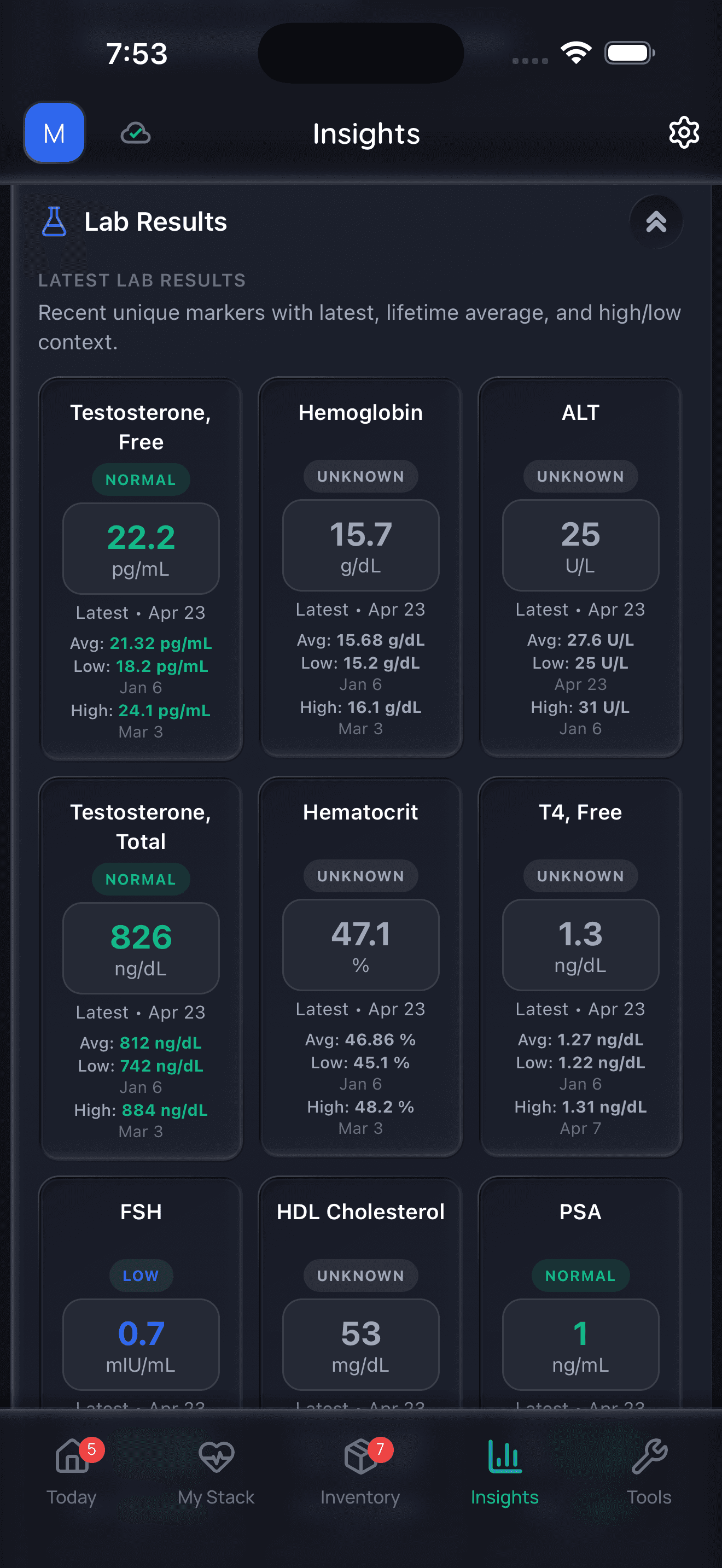
Doserly organizes data; it does not diagnose or interpret labs for you.
Dosing & Treatment Protocols
The Basics
Getting the right dose of topical testosterone is a process of starting, measuring, and adjusting. Unlike injections where you know exactly how much testosterone enters your body, gels rely on skin absorption, which varies between individuals. This means the starting dose is just a starting point, and your provider will adjust based on your blood levels and how you feel.
Most providers start with a moderate dose and check your testosterone levels after about 2 weeks. The goal is typically to achieve a trough (lowest daily) testosterone level in the mid-normal range (roughly 450-700 ng/dL), though individual targets may vary based on symptoms and clinical assessment.
If one gel formulation does not achieve adequate testosterone levels even with dose increases, the AUA notes that substitution with another topical agent is a viable strategy before considering a switch to injectable testosterone [2]. Different gels have different absorption profiles and excipients, so switching products may resolve absorption issues in some men.
The Science
Gel dosing protocols:
Product
AndroGel 1%
- Starting Dose
- 50 mg/day
- Dose Range
- 25-100 mg/day
- Titration Interval
- 25 mg increments
- Monitoring Timing
- Day 14 and 28, pre-morning dose
Product
AndroGel 1.62%
- Starting Dose
- 40.5 mg/day
- Dose Range
- 20.25-81 mg/day
- Titration Interval
- 20.25 mg increments
- Monitoring Timing
- Day 14 and 28, pre-morning dose
Product
Testim 1%
- Starting Dose
- 50 mg/day
- Dose Range
- 50-100 mg/day
- Titration Interval
- 50 mg increments
- Monitoring Timing
- Day 14
Product
Fortesta 2%
- Starting Dose
- 40 mg/day
- Dose Range
- 10-70 mg/day
- Titration Interval
- 10 mg increments
- Monitoring Timing
- Day 14 and 35, 2 hrs post-application
Product
Vogelxo 1%
- Starting Dose
- 50 mg/day
- Dose Range
- 50-100 mg/day
- Titration Interval
- Based on levels
- Monitoring Timing
- Day 14
Product
Axiron
- Starting Dose
- 60 mg/day
- Dose Range
- 30-120 mg/day
- Titration Interval
- 30 mg increments
- Monitoring Timing
- Day 14, 2-8 hrs post-application
Patch dosing:
- Androderm: Start at 4 mg/day (one patch) applied nightly
- Dose adjustment to 6 mg/day (add 2 mg patch) if trough < 400 ng/dL
- Reduce to 2 mg/day if level > 930 ng/dL
Compounded cream considerations: Compounded testosterone cream (typically 10-20%) allows dose flexibility but lacks FDA-approved manufacturing standards. AUA Statement 28 recommends commercially manufactured products over compounded testosterone [2].
Titration principles:
- Start at recommended starting dose
- Measure serum testosterone at product-specified intervals (typically day 14-28)
- Timing of blood draw varies by product (pre-morning dose for most gels; 2 hours post-application for Fortesta)
- Adjust dose to achieve trough testosterone in the therapeutic range (target varies by guideline: Endocrine Society suggests mid-normal range; AUA suggests middle tertile of normal)
- Recheck levels 14-28 days after any dose adjustment
- If inadequate levels despite maximal topical dose, consider: alternative topical product, application technique review, or transition to injectable formulation
Getting the dosing right often takes time and fine-tuning with your provider. Keeping an accurate record of what you're actually applying, doses, frequency, and any adjustments, makes that process smoother. Doserly tracks your testosterone doses alongside everything else in your health stack, so your full protocol is always in one place.
Never wonder whether you applied the right amount or when your last application was. The app logs every dose with a timestamp and sends reminders when your next one is due, helping you maintain the consistency that makes testosterone therapy most effective and keeps your levels stable.
Turn symptom and safety notes into a clearer timeline.
Doserly helps you log doses, symptoms, and safety observations side by side so patterns are easier to discuss with a qualified clinician.
Pattern view
Logs and observations

Pattern visibility is informational and should be reviewed with a clinician.
What to Expect (Timeline)
Starting topical testosterone is a gradual process. Unlike injections, which can produce rapid changes in how you feel within the first week, gels and topicals produce changes more slowly and steadily. Here is a general timeline, though individual responses vary considerably.
Days 1-7: Most men notice very little in the first week. Your body is building up testosterone levels toward steady state (achieved within 24-72 hours for blood levels, but tissue saturation takes longer). Some men report mild skin irritation at the application site. Any perceived changes during this period are likely related to the placebo effect of starting treatment.
Weeks 2-4: Subtle energy improvements may become noticeable. Some men report feeling "a bit more awake" or "less foggy." Libido changes may begin, though this varies significantly. Your provider will likely check your first follow-up testosterone level during this period to assess absorption and adjust dosing.
Months 1-3: This is when most men on gel begin to notice meaningful changes. Libido improvement is often one of the first reliable effects. Energy levels continue to improve. Mood may stabilize. Hematocrit begins to rise (monitor at follow-up). Initial body composition changes may start, though they are subtle at this stage.
Months 3-6: Sexual function improvements become more established. Body composition changes become more apparent (reduced fat mass, modest increases in lean mass). Strength improvements may be noticeable if combined with resistance training. Mood improvements stabilize. Some men notice increased body or facial hair growth, and those prone to male pattern baldness may notice acceleration of hair thinning (related to elevated DHT from transdermal absorption).
Months 6-12: Full therapeutic effects for most endpoints. Sexual function, body composition, and energy are typically at or near their maximum improvement. Bone density changes are beginning but take 12-24 months for measurable effect.
Ongoing maintenance: Annual review with provider. Continued hematocrit monitoring every 6-12 months. PSA monitoring per age-appropriate guidelines. Dose reassessment based on symptoms and levels.
Important reality check: Not everyone responds the same way. Some men find gel works beautifully. Others achieve adequate blood levels but feel better on injections, or vice versa. If gel is not producing adequate testosterone levels after dose optimization, switching to a different delivery method is a reasonable next step. Treatment is a partnership between you and your provider.
Fertility Preservation & HPG Axis
Exogenous testosterone, regardless of delivery route (gel, cream, patch, injection, pellet), suppresses the hypothalamic-pituitary-gonadal (HPG) axis via negative feedback on GnRH pulse frequency. This leads to reduced LH and FSH secretion, causing intratesticular testosterone concentrations to decline dramatically (from 40-100x serum levels to near-serum levels). The result is impaired Sertoli cell function and suppression of spermatogenesis.
This applies to all topical testosterone products. There is no evidence that the lower peak testosterone levels from gel result in less HPG suppression than injectable testosterone. Both routes cause clinically significant suppression of spermatogenesis, with approximately 40-60% of men achieving azoospermia by 6 months [11].
Key points for men considering topical TRT:
- Before starting: If you may want biological children in the future, discuss fertility preservation with your provider before beginning any testosterone therapy. Sperm banking is strongly recommended.
- HCG co-administration: Some providers prescribe HCG (250-500 IU 2-3 times weekly) alongside testosterone to maintain intratesticular testosterone and preserve some degree of spermatogenesis. This is an off-label use with variable evidence.
- SERM alternatives: For men where fertility is a primary concern, selective estrogen receptor modulators (clomiphene citrate, enclomiphene) can increase endogenous testosterone production via LH/FSH stimulation without suppressing spermatogenesis. These are off-label alternatives to exogenous testosterone.
- Recovery after discontinuation: HPG axis recovery after stopping testosterone is variable and not guaranteed. Timeline ranges from 6-24+ months. Factors affecting recovery include duration of use, age, pre-TRT hormonal status, and whether HCG was used during treatment.
- Primary vs secondary hypogonadism: Men with primary hypogonadism (testicular failure) may have limited recovery potential regardless of prior TRT. Men with secondary hypogonadism generally have better prognosis for axis recovery.
Clinical importance: Fertility counseling should be part of every TRT initiation conversation for men of reproductive age, regardless of the delivery method chosen.
Interactions & Compatibility
Drug-drug interactions:
- Anticoagulants (warfarin, apixaban, rivaroxaban, dabigatran, edoxaban): Testosterone may enhance anticoagulant effect; INR monitoring recommended with warfarin [12]
- Insulin and diabetes medications: Testosterone may improve insulin sensitivity, potentially requiring dose adjustment of diabetes medications [12]
- Corticosteroids: Additive fluid retention risk [12]
- 5-alpha reductase inhibitors (finasteride, dutasteride): Block conversion of testosterone to DHT, which may be particularly relevant for gel users given the already elevated DHT/T ratio with transdermal delivery. See Testosterone Gels & Topicals Guide
- Aromatase inhibitors (anastrozole): Sometimes co-prescribed to manage estradiol levels; not routinely recommended per guidelines. See Estrogen Management on TRT
Supplement interactions:
- DHEA: Additive androgenic effects; may increase conversion to testosterone and estrogen
- Boron: May increase free testosterone by reducing SHBG
- Zinc: Supports testosterone production; deficiency is associated with low T. See Zinc
- Saw palmetto: 5-alpha reductase inhibition. See Saw Palmetto
Lifestyle factors:
- Alcohol: Suppresses testosterone production and increases aromatization
- Sleep: Critical for testosterone production; TRT may exacerbate obstructive sleep apnea
- Exercise: Resistance training synergistically enhances TRT body composition effects. See TRT and Body Composition
- Body composition: Weight loss in obese men may normalize testosterone, reducing or eliminating need for TRT
Gel-specific interaction: Sunscreen, moisturizers, and other topical products applied to the same skin area may interfere with testosterone absorption. Allow gel to fully dry and absorb before applying other products. Swimming, showering, or sweating within 2 hours of application may reduce absorption.
Decision-Making Framework
Choosing between topical and injectable testosterone is one of the most important decisions in TRT. Neither is universally better; the right choice depends on your individual priorities, health profile, and lifestyle.
When topical testosterone may be the better choice:
- History of or high baseline hematocrit (gel has significantly lower polycythemia risk)
- Mood disorders or anxiety sensitive to hormonal fluctuation (gel provides steadier levels)
- Needle anxiety or inability/unwillingness to self-inject
- Cardiovascular risk factors (TRAVERSE safety data was generated with gel)
- Desire for faster treatment reversibility (levels normalize within 4 days of discontinuation)
- Provider preference for initial TRT trial (easy dose adjustment, quick reversibility if issues arise)
When injectable testosterone may be the better choice:
- Poor skin absorption of gel (verified by subtherapeutic levels despite adequate dosing)
- Household with young children or pregnant partner (transfer risk concern)
- Preference for less frequent dosing (weekly injection vs daily application)
- Desire for higher peak testosterone levels
- Cost sensitivity (generic injectable testosterone is typically the least expensive option)
Questions to discuss with your provider:
- What are my baseline hematocrit and cardiovascular risk factors?
- Do I have any skin conditions that might affect gel absorption?
- Am I planning to have children? (Fertility discussion essential regardless of route)
- What is my insurance coverage for gel vs injection formulations?
- Would I be a good candidate for a gel trial before considering injections?
Endocrine Society diagnostic criteria: Two morning total testosterone measurements below the lower limit of normal (typically < 264-300 ng/dL, lab-dependent), confirmed with symptoms of hypogonadism [11]. The AUA uses 300 ng/dL as its recommended cutoff [2].
The best TRT decisions happen when you walk into your appointment prepared. Doserly helps you organize your symptom data, lab results, and questions ahead of time, so you can make the most of your consultation time and ensure nothing important gets forgotten.
The app generates appointment-ready summaries of your recent symptom trends, current protocol, hematocrit and PSA values, and any side effects you've logged. Instead of trying to recall three months of experience in a ten-minute appointment, you have a clear, organized record to share with your provider.
Keep side effects, flags, and follow-up notes visible.
Doserly helps you document safety observations, side effects, medication changes, and follow-up questions so important context is not scattered.
Safety log
Flags and notes
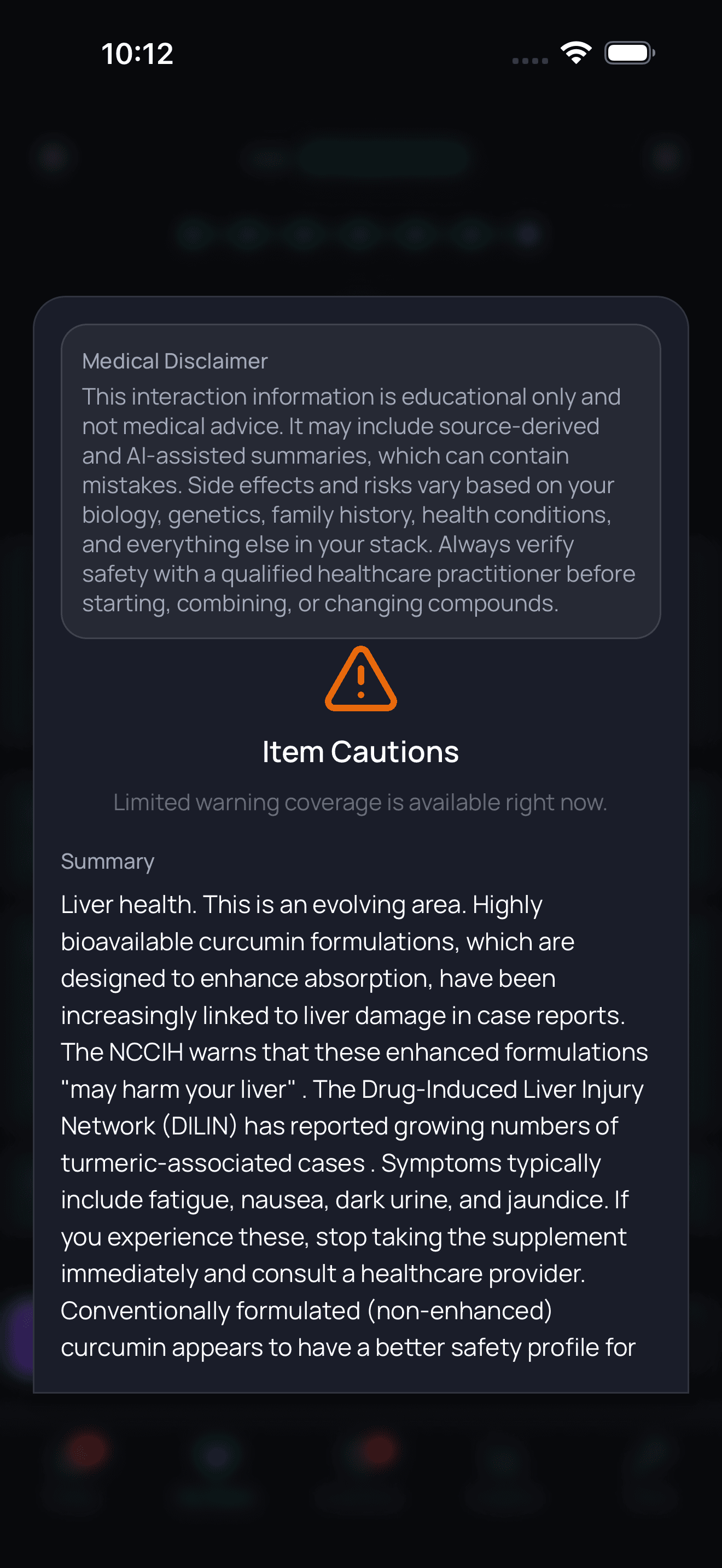
Safety notes are not emergency guidance; seek medical help when appropriate.
Administration & Practical Guide
Gel application (general principles):
- Apply to clean, dry, intact skin (after morning shower is ideal)
- Wash hands thoroughly with soap and water before and after application
- Apply to the specific body areas indicated for your product (varies by formulation)
- Do not apply to genitals, chest, or broken/irritated skin
- Allow gel to dry completely before dressing (typically 3-5 minutes)
- Do not shower, swim, or bathe for at least 2 hours after application
- Cover the application site with clothing to minimize transfer risk
- Wash the application site with soap and water before any skin-to-skin contact with others
Product-specific application sites:
Product
AndroGel 1%
- Application Site
- Shoulders, upper arms, and/or abdomen
- Important Notes
- Can use abdomen; 1.62% cannot
Product
AndroGel 1.62%
- Application Site
- Shoulders and upper arms ONLY
- Important Notes
- NOT abdomen, genitals, chest, axillae, or knees
Product
Testim
- Application Site
- Shoulders and upper arms
- Important Notes
- Single tube = 50 mg
Product
Fortesta
- Application Site
- Front and inner thighs ONLY
- Important Notes
- Not scrotum-adjacent thigh area
Product
Vogelxo
- Application Site
- Shoulders and upper arms
- Important Notes
- Available in pump, tube, and packet
Product
Axiron
- Application Site
- Underarms ONLY
- Important Notes
- Use provided applicator; do not use hands
Patch application (Androderm):
- Apply one patch nightly to clean, dry skin
- Rotate application sites: back, abdomen, upper arms, or thighs
- Do not reuse the same site for 7 days
- Patch contains aluminum; remove before MRI procedures
- If patch falls off, reapply to same spot; if worn > 12 hours, apply new patch next evening
Transfer precautions (critical for gels):
- Wash hands immediately after application
- Cover application site with clothing after gel dries
- Wash gel site before skin-to-skin contact with partner, children, or pets
- Watch for signs of virilization in household contacts (voice deepening, hair growth, acne, genital changes in children)
- If secondary exposure is suspected, the exposed person should wash the contact area immediately and contact their healthcare provider
Optimizing absorption:
- Apply to warm, clean skin (post-shower)
- Ensure skin is completely dry before application
- Some users apply a non-oil-based moisturizer 30-60 minutes after gel application to enhance absorption (not officially recommended)
- Exfoliating the application area may improve penetration (anecdotal; not studied)
- If switching between products, note that they are NOT interchangeable at the same dose (Testim provides 30% higher levels than AndroGel at the same 50 mg dose) [7]
Monitoring & Lab Work
Pre-TRT baseline labs:
- Total testosterone (two morning draws, before 10 AM)
- Free testosterone (calculated or equilibrium dialysis)
- LH, FSH (to determine primary vs secondary hypogonadism)
- Estradiol
- SHBG
- CBC with hematocrit
- PSA (age-appropriate)
- Lipid panel
- Comprehensive metabolic panel
- Prolactin (if secondary hypogonadism suspected)
- DEXA scan (if osteoporosis risk)
Initial follow-up (14-28 days):
- Serum testosterone level (timing depends on product)
- Symptom assessment
- Application technique review (critical for topicals)
- Dose adjustment if levels subtherapeutic or supratherapeutic
Product-specific monitoring timing:
Product
AndroGel 1%
- First Lab
- Day 14 and 28
- Blood Draw Timing
- Before morning dose
Product
AndroGel 1.62%
- First Lab
- Day 14 and 28
- Blood Draw Timing
- Before morning dose
Product
Testim
- First Lab
- Day 14
- Blood Draw Timing
- Before morning dose
Product
Fortesta
- First Lab
- Day 14 and 35
- Blood Draw Timing
- 2 hours after morning application
Product
Axiron
- First Lab
- Day 14
- Blood Draw Timing
- 2-8 hours after morning application
Product
Androderm
- First Lab
- 2 weeks
- Blood Draw Timing
- 3-12 hours after applying patch
Ongoing monitoring schedule:
- Hematocrit: Every 6-12 months; intervene at > 54% (Endocrine Society) [11]
- PSA: Per age-appropriate screening guidelines; annually for men > 40
- Testosterone levels: Trough levels for morning draws; product-specific timing for mid-dose draws
- Estradiol: Only if symptomatic (gynecomastia, fluid retention, mood), not routine per guidelines
- Lipid panel: Annually
- Bone density (DEXA): If osteoporosis was an indication; repeat per clinical protocol
Annual review checklist:
- Symptom reassessment
- Continued indication confirmation
- Risk-benefit discussion
- Dose optimization
- Application technique reassessment (absorption may change with skin condition, weight, or aging)
Estrogen Management on TRT
Testosterone aromatizes to estradiol via aromatase (CYP19A1), primarily in adipose tissue. This is a normal and physiologically necessary process. Men need estradiol for bone health, cardiovascular protection, libido, and cognitive function.
Gel-specific considerations:
Estradiol levels with gel are generally comparable to those seen with patch application, and estradiol increases persist throughout gel use [4][10]. DHT levels are elevated 2-3x with gel, which may partially offset aromatization effects in some tissues (DHT is non-aromatizable).
Routine AI use is NOT recommended by the Endocrine Society or AUA for men on TRT, including those on gel [2][11]. The community emphasis on estrogen "management" exceeds what clinical evidence supports. Aggressive estradiol suppression with aromatase inhibitors causes documented harm: joint pain, decreased bone density, adverse mood effects, and paradoxically decreased libido.
When estrogen evaluation is warranted:
- Gynecomastia (breast tissue growth, not just fat)
- Significant nipple sensitivity or breast tenderness
- Excessive fluid retention unresponsive to dose adjustment
- Emotional lability disproportionate to expected TRT effects
If symptomatic high estradiol confirmed:
- First-line: Dose reduction or route change (reduce gel dose; consider switching to patch, which may produce lower DHT without changing E2)
- Second-line: Anastrozole (0.25-0.5 mg 2-3 times weekly) if symptoms persist despite dose optimization
- Target: Symptom resolution, not a specific E2 number
Stopping TRT / Post-Cycle Considerations
One advantage of topical testosterone over injectables is faster reversibility. Testosterone levels return to pre-treatment baseline within approximately 4 days of gel discontinuation, compared to 2-4 weeks for injectable esters [2].
HPG axis recovery after stopping:
- LH and FSH remain suppressed for weeks to months after discontinuation
- Endogenous testosterone production may take 6-24+ months to recover
- Recovery to pre-TRT levels is not guaranteed
- Duration of TRT use, age, and pre-TRT hormonal status all affect recovery probability
PCT protocols (community-derived, not standardized in clinical guidelines):
- HCG taper: 1,000-2,000 IU every other day for 2-4 weeks
- Clomiphene citrate: 25-50 mg daily for 4-8 weeks
- Enclomiphene: Newer SERM, potentially fewer side effects
- These are community practices with limited formal study for TRT discontinuation
Primary vs secondary hypogonadism recovery:
- Primary (testicular failure): Limited recovery expected regardless
- Secondary (hypothalamic-pituitary): Better prognosis, especially with SERM support
Is TRT lifelong?
For many men with classical hypogonadism, yes. For men where an underlying reversible cause exists (obesity, sleep apnea, opioid use), addressing the cause may restore endogenous production. Individual assessment is essential. See Stopping TRT & Post-Cycle Recovery.
Special Populations & Situations
Obese Men
Adipose tissue increases aromatase activity, potentially converting more applied testosterone to estradiol. Weight loss alone may normalize testosterone levels in some obese men. If TRT is initiated, higher gel doses may be needed due to increased skin surface area and absorption variability. Metabolic benefits of TRT in obese hypogonadal men are documented.
Men with Sleep Apnea
TRT may exacerbate obstructive sleep apnea. CPAP optimization is recommended before and during TRT. The Endocrine Society lists untreated severe OSA as a contraindication [11].
Men with Prostate Cancer History
Historically an absolute contraindication. Evolving evidence (saturation model) suggests physiological testosterone levels may not further stimulate prostate tissue. Active surveillance patients being studied. Requires specialized urological consultation.
Cardiovascular Disease History
TRAVERSE trial provides specific reassurance for gel-delivered testosterone in this population. Hematocrit monitoring is critical; gel's lower polycythemia risk may be advantageous.
Type 2 Diabetes
TRT may improve insulin sensitivity, HbA1c, and metabolic parameters. Diabetes medication adjustment may be needed.
Older Men (>65)
TTrials data is specifically from this population using gel. Lower starting doses are often appropriate. Increased polycythemia risk. PSA monitoring should follow age-appropriate guidelines.
Transgender Men (FTM)
Higher doses used for masculinizing goals. Gel provides more stable levels which some transgender men prefer. Voice changes are permanent. Fertility counseling and oocyte preservation should be discussed before initiation.
Men with Young Children or Partners
Secondary exposure risk is a significant practical consideration. Transfer precautions must be followed rigorously. Patches (Androderm) eliminate transfer risk entirely due to occlusive backing. Injectable testosterone eliminates transfer risk.
Regulatory, Insurance & International
United States:
- All testosterone products are Schedule III controlled substances (DEA classification)
- FDA-approved indication: treatment of hypogonadism (primary and secondary) in adult males
- NOT approved for age-related testosterone decline
- Boxed Warning on all gel products for secondary exposure risk
- FDA December 2025 Expert Panel on Testosterone Replacement Therapy convened to review evidence
- Insurance: most plans cover generic testosterone gel 1% with prior authorization; brand-name gels (AndroGel 1.62%, Testim) may require step therapy through generic first
- Generic injectables remain the least expensive option; brand gels can cost $200-600/month without insurance
United Kingdom:
- Testogel (testosterone gel) available on NHS
- Tostran (2% testosterone gel) also available
- Sustanon 250 and Nebido (injectable) are alternatives
- Private clinics offer additional options
Canada:
- AndroGel and generic gels available
- Provincial coverage varies
Australia:
- Testosterone listed on PBS (Pharmaceutical Benefits Scheme) for diagnosed hypogonadism
- Available formulations include Testogel and Androderm
European Union:
- Testosterone gel widely available across member states
- Brand availability varies by country
- EAU guidelines align with Endocrine Society recommendations
Travel considerations: Carrying testosterone gel across international borders requires documentation (prescription, letter from provider). Some countries have stricter controlled substance regulations. Keep testosterone in original packaging with pharmacy label.
Frequently Asked Questions
Q: Is testosterone gel as effective as injections?
A: Clinical evidence shows that properly dosed testosterone gel effectively raises serum testosterone to therapeutic levels in 74-87% of men. Some men achieve better results with gel, others with injections. The key is achieving adequate serum levels regardless of route.
Q: Can testosterone gel rub off on my partner or children?
A: Yes. Testosterone gel can transfer through skin-to-skin contact. This is why all gel products carry an FDA Boxed Warning. Cover application sites with clothing, wash hands after application, and wash the site before contact with others.
Q: Why is my testosterone level still low on gel?
A: Absorption varies between individuals. Your provider may increase the dose, suggest application technique changes, try a different gel product (they are not interchangeable), or recommend switching to injection if topical therapy is inadequate.
Q: Is gel or cream better?
A: Commercial gels (AndroGel, Testim) have FDA oversight and consistent manufacturing. Compounded creams offer dose flexibility and higher concentrations but lack FDA manufacturing standards. The AUA recommends commercially manufactured products when available.
Q: Should I apply gel to my scrotum?
A: This is not recommended by any FDA-approved gel product labeling. Some compounded testosterone creams are designed for scrotal application, which significantly increases absorption due to thinner skin. Discuss with your prescriber.
Q: Does gel cause hair loss?
A: Transdermal testosterone produces higher DHT levels (2-3x) compared to patch or injection delivery. DHT is the primary driver of male pattern baldness. Men with genetic predisposition to hair loss may experience accelerated thinning on gel. This is a consideration when choosing delivery method.
Q: Will gel affect my fertility?
A: Yes. All exogenous testosterone suppresses spermatogenesis regardless of delivery route. If future fertility is a concern, discuss alternatives (clomiphene, enclomiphene, HCG) with your provider before starting any testosterone therapy.
Q: How long before I feel the effects of testosterone gel?
A: Most men begin noticing effects within 2-6 weeks. Libido changes are often first, followed by energy and mood. Full effects on body composition and sexual function may take 3-6 months or longer.
Q: Is testosterone gel a controlled substance?
A: Yes. All testosterone products are Schedule III controlled substances in the United States. This affects prescribing, refill policies, and requires a valid prescription.
Q: Can I switch between gel and injections?
A: Yes. Switching delivery methods is common and straightforward. Your provider will adjust your dose based on the new formulation's pharmacokinetics and recheck levels.
Q: Does gel have fewer side effects than injections?
A: Gel has significantly lower polycythemia risk and produces more stable levels (less mood fluctuation). However, gel carries the unique risk of secondary exposure and may produce higher DHT levels. Side effect profiles differ rather than one being universally "fewer."
Q: What should I do if I miss a dose of gel?
A: Apply it as soon as you remember. If it is close to your next scheduled dose, skip the missed dose. Do not apply double the amount.
Myth vs. Fact
Myth: Testosterone gel does not work as well as injections.
Fact: Clinical trials (TTrials, TRAVERSE) used testosterone gel and demonstrated significant therapeutic benefits. Gel achieves therapeutic testosterone levels in 74-87% of men [2]. The key factor is achieving adequate serum levels, which varies by individual absorption. Some men absorb gel well and have excellent outcomes; others need injections.
Myth: TRT (including gel) causes heart attacks.
Fact: The TRAVERSE trial (n=5,246), which specifically used testosterone gel, found no significant increase in major adverse cardiovascular events compared to placebo (HR 0.96, 95% CI: 0.78-1.17) over 33 months in men with cardiovascular risk factors [9]. Earlier observational studies that suggested increased risk had significant methodological limitations.
Myth: TRT causes prostate cancer.
Fact: Multiple studies, including a 3-year comparative study of gel, injection, and pellet formulations, found no significant PSA increases with any TRT route [10]. The prostate saturation model suggests that at physiological testosterone levels, the prostate is already maximally stimulated. Routine TRT does not increase prostate cancer risk, though PSA monitoring remains standard practice [11].
Myth: Once you start TRT you can never stop.
Fact: Testosterone gel offers faster reversibility than injectable testosterone. Levels return to baseline within approximately 4 days of discontinuation [2]. HPG axis recovery is possible for many men, particularly those with secondary hypogonadism, though recovery time varies (6-24+ months) and is not guaranteed for all men.
Myth: Gel is safe to use around women and children without precautions.
Fact: Testosterone gel carries an FDA Boxed Warning for secondary exposure. Virilization has been reported in children and women who had skin contact with application sites. Strict precautions (hand washing, site covering, washing before contact) are essential.
Myth: Higher testosterone gel doses are always better.
Fact: The goal of TRT is physiological restoration, not maximization. Doses above what is needed to achieve mid-normal levels increase the risk of side effects (polycythemia, acne, estrogen elevation) without additional benefit. More testosterone does not mean better outcomes.
Myth: All testosterone gels are the same.
Fact: Different gel products have different pharmacokinetic profiles. Testim produces approximately 30% higher serum levels than AndroGel at the same 50 mg dose [7]. Different application sites, concentrations, and excipients all affect absorption. Products should not be switched without dose reassessment.
Myth: You need an aromatase inhibitor on gel TRT.
Fact: Clinical guidelines from the Endocrine Society and AUA do not recommend routine AI use with any TRT formulation [2][11]. Most men on gel do not need estrogen management. AI use should be reserved for symptomatic cases, not routine lab-number targeting.
Sources & References
Clinical Guidelines:
[1] Bhasin S, Brito JP, Cunningham GR, et al. Testosterone therapy in men with hypogonadism: an Endocrine Society clinical practice guideline. J Clin Endocrinol Metab. 2018;103(5):1715-1744. doi:10.1210/jc.2018-00229
[2] American Urological Association. Evaluation and Management of Testosterone Deficiency: AUA Guideline (2024). Available at: https://www.auanet.org/guidelines-and-quality/guidelines/testosterone-deficiency-guideline
Landmark Trials:
[8] Snyder PJ, Bhasin S, Cunningham GR, et al. Lessons from the Testosterone Trials. Endocr Rev. 2018;39(3):369-386. doi:10.1210/er.2017-00234
[9] Lincoff AM, Bhasin S, Flevaris P, et al. Cardiovascular Safety of Testosterone-Replacement Therapy. N Engl J Med. 2023;389(2):107-117. doi:10.1056/NEJMoa2215025
Comparative Studies:
[3] Shoskes JJ, Wilson MK, Spinner ML. Pharmacology of testosterone replacement therapy preparations. Transl Androl Urol. 2016;5(6):834-843. doi:10.21037/tau.2016.07.10
[4] Mazer NA, Heiber WE, Moellmer JF, et al. Comparison of the steady-state pharmacokinetics, metabolism, and variability of a transdermal testosterone patch versus a transdermal testosterone gel in hypogonadal men. J Clin Endocrinol Metab. 2005;90(5):2686-2694.
[7] Marbury T, Hamill E, Bachand R, et al. Evaluation of the pharmacokinetic profiles of the new testosterone topical gel formulation, Testim, compared to AndroGel. Biopharm Drug Dispos. 2003;24(3):115-120. doi:10.1002/bdd.345
[10] Pastuszak AW, Gomez LP, Scovell JM, et al. Comparison of the Effects of Testosterone Gels, Injections, and Pellets on Serum Hormones, Erythrocytosis, Lipids, and Prostate-Specific Antigen. Sex Med. 2015;3(3):165-173. doi:10.1002/sm2.76
Systematic Reviews:
[5] Madsen MC, van Dijk D, et al. Testosterone in men with hypogonadism and transgender males: a systematic review comparing three different preparations. Eur J Endocrinol. 2022;187(2):227-243.
[6] Gooren LJG, Bunck MCM. Transdermal testosterone delivery: testosterone patch and gel. World J Urol. 2003;21(5):316-319.
Government/Institutional Sources:
[11] Endocrine Society. 2018 Clinical Practice Guideline: Testosterone Therapy in Men with Hypogonadism. J Clin Endocrinol Metab. 2018;103(5):1715-1744.
[12] DailyMed. AndroGel 1.62% (testosterone gel) prescribing information. NIH/NLM. Available at: https://dailymed.nlm.nih.gov/dailymed/drugInfo.cfm?setid=f4e8d29b-8707-4d47-e053-2a95a90aecee
Related Guides & Cross-Links
Same Category (Treatment Overview Guides):
- Testosterone Injections Guide -- Comprehensive guide to injectable TRT formulations
- Oral Testosterone Guide -- Overview of oral testosterone undecanoate formulations
- TRT for Beginners -- Getting started with testosterone replacement therapy
- TRT Blood Work Guide -- Understanding lab values on TRT
Related Medication Guides:
- Testosterone Gel (AndroGel) -- AndroGel-specific guide
- Testosterone Gel (Testim) -- Testim-specific guide
- Testosterone Gel (Fortesta) -- Fortesta-specific guide
- Testosterone Patch (Androderm) -- Androderm-specific guide
- Compounded Testosterone Cream -- Compounded cream guide
- Testosterone Cypionate -- Most commonly prescribed injectable
- Testosterone Enanthate -- Alternative injectable ester
Related Treatment Options:
- Fertility Preservation on TRT -- Fertility strategies during TRT
- Estrogen Management on TRT -- Aromatase inhibitor considerations
- Natural Testosterone Optimization -- Lifestyle approaches before TRT
- Stopping TRT & Post-Cycle Recovery -- Discontinuation guidance
Complementary Supplement Guides:
- Zinc -- Supports testosterone production
- Vitamin D -- Associated with testosterone levels
- Ashwagandha -- May support testosterone in stressed males
- Boron -- May increase free testosterone via SHBG reduction