
Primary Hypogonadism
On this page
Quick Reference Card
Attribute
Definition
- Value
- Testicular failure resulting in insufficient testosterone production despite adequate pituitary signaling
Attribute
Also Known As
- Value
- Hypergonadotropic hypogonadism, testicular failure, primary testicular insufficiency
Attribute
ICD-10 Code
- Value
- E29.1 (Testicular hypofunction)
Attribute
Prevalence
- Value
- 1-2% of older men; Klinefelter syndrome affects ~1 in 660 male births
Attribute
Diagnostic Criteria
- Value
- Low total testosterone (<300 ng/dL on two morning fasting draws) + elevated LH and FSH + symptoms
Attribute
Testosterone Thresholds
- Value
- AUA: <300 ng/dL; Endocrine Society: below lower limit of normal (lab-specific); FDA: <300 ng/dL
Attribute
Key Biomarkers
- Value
- Total testosterone, free testosterone, LH, FSH, SHBG, CBC, karyotype (if indicated)
Attribute
First-Line Treatment
- Value
- Testosterone replacement therapy (injectable, transdermal, or oral formulations)
Attribute
Key Distinction
- Value
- SERMs (clomiphene) and HCG are NOT effective for primary hypogonadism because testes cannot respond
Attribute
When to Seek Medical Help
- Value
- Persistent fatigue, loss of libido, erectile dysfunction, unexplained anemia, bone density loss, infertility
Overview / What Is Primary Hypogonadism?
The Basics
Primary hypogonadism is a condition where the testes themselves are the source of the problem. They cannot produce enough testosterone, even though the brain is sending all the right signals telling them to do so. Think of it this way: your brain's hormonal control center (the hypothalamus and pituitary gland) is working perfectly, sending increasingly urgent messages to the testes to ramp up testosterone production. But the testes are damaged, underdeveloped, or otherwise unable to respond to those signals adequately.
This is fundamentally different from secondary hypogonadism, where the testes are potentially functional but the brain is not sending enough signals. The distinction matters because it changes which treatments work and which do not. Medications like clomiphene that work by boosting the brain's signals are pointless if the testes cannot respond to those signals in the first place.
Primary hypogonadism can be present from birth (as in Klinefelter syndrome, which affects roughly 1 in 660 males) or it can develop later in life from injury, infection, radiation, chemotherapy, or other causes of testicular damage. Some men develop it gradually as part of aging, when the testes slowly lose their capacity to produce testosterone even as pituitary hormones rise in compensation.
The impact on quality of life can be substantial. Testosterone influences far more than sexual function. It supports bone density, muscle mass, red blood cell production, mood stability, cognitive clarity, and metabolic health. When testosterone production fails at the testicular level, these systems can all be affected. Many men with primary hypogonadism describe years of fatigue, depression, and declining physical health before receiving a diagnosis.
The good news is that primary hypogonadism is usually straightforward to diagnose. Blood tests showing low testosterone combined with elevated LH and FSH create a clear biochemical fingerprint. And testosterone replacement therapy is generally effective at restoring testosterone levels and relieving symptoms, even though it cannot repair the underlying testicular damage.
The Science
Primary hypogonadism, also termed hypergonadotropic hypogonadism, is defined by insufficient testosterone biosynthesis and/or spermatogenesis due to intrinsic testicular pathology, occurring despite intact or elevated hypothalamic-pituitary signaling [1]. The condition is characterized biochemically by persistently low serum total testosterone concentrations (<300 ng/dL per AUA criteria or below the lower limit of normal per Endocrine Society criteria) accompanied by supranormal luteinizing hormone (LH) and follicle-stimulating hormone (FSH) concentrations, reflecting loss of negative feedback inhibition on the hypothalamic-pituitary-gonadal (HPG) axis [2][3].
The pathological hallmark of primary hypogonadism is Leydig cell dysfunction. Leydig cells, located in the testicular interstitium, are responsible for approximately 95% of circulating testosterone in males. Testosterone biosynthesis begins with cholesterol uptake mediated by the steroidogenic acute regulatory (StAR) protein, followed by side-chain cleavage by CYP11A1 to form pregnenolone. Subsequent enzymatic steps (3-beta-HSD, CYP17A1) convert pregnenolone through the delta-4 or delta-5 pathway to testosterone. When Leydig cell mass or function is compromised, this biosynthetic pathway is impaired, resulting in decreased testosterone output despite maximal gonadotropin stimulation [4].
The prevalence of primary hypogonadism varies by population and etiology. Klinefelter syndrome (47,XXY and mosaic variants) is the most common congenital cause, affecting approximately 1 in 660 male births, though many cases remain undiagnosed into adulthood [5]. Acquired causes include bilateral testicular trauma, mumps orchitis (which causes bilateral orchitis in approximately 15-30% of post-pubertal males with mumps), alkylating chemotherapy agents (cyclophosphamide, chlorambucil), testicular irradiation, bilateral orchidectomy, and hemochromatosis-related iron deposition in testicular tissue [4].
The Endocrine Society 2018 Clinical Practice Guideline provides a Grade 1 recommendation (moderate quality evidence) to distinguish between primary and secondary hypogonadism by measuring serum LH and FSH concentrations, because the distinction has direct management implications [2]. Men with primary hypogonadism have a stronger indication for testosterone replacement therapy than those with functional or age-related secondary hypogonadism, as the etiology is typically organic and irreversible.
Primary hypogonadism affects approximately 1-2% of older men and is independently associated with increased risk of type 2 diabetes mellitus, metabolic syndrome, cardiovascular disease, and osteoporosis [6][7].
Medical / Chemical Identity
Attribute
ICD-10 Code
- Value
- E29.1 (Testicular hypofunction)
Attribute
Related ICD-10 Codes
- Value
- E29.0 (Testicular hyperfunction), E29.8 (Other testicular dysfunction), E29.9 (Testicular dysfunction, unspecified), Q98.0-Q98.4 (Klinefelter syndrome variants)
Attribute
Endocrine Society Diagnostic Criteria
- Value
- Symptoms of testosterone deficiency + consistently low morning fasting total testosterone + elevated LH/FSH
Attribute
AUA Diagnostic Criteria
- Value
- Total testosterone <300 ng/dL on two morning fasting draws + symptoms/signs + elevated LH
Attribute
EAU Criteria
- Value
- Total testosterone <12.1 nmol/L (350 ng/dL) with symptoms
Attribute
Biochemical Signature
- Value
- Low total testosterone, low free testosterone, elevated LH, elevated FSH
Attribute
Classification
- Value
- Hypergonadotropic hypogonadism
Mechanism of Action / Pathophysiology
The Basics
To understand primary hypogonadism, it helps to understand how your body normally produces testosterone. It starts in your brain, where a region called the hypothalamus releases a hormone called GnRH in regular pulses. These pulses tell the pituitary gland (a pea-sized gland at the base of your brain) to release two messengers: LH (luteinizing hormone) and FSH (follicle-stimulating hormone). LH travels through your bloodstream to the testes and instructs specialized cells called Leydig cells to produce testosterone. FSH, meanwhile, supports sperm production.
In a healthy system, when testosterone levels reach the right range, the brain senses this and dials back its signals. This is called negative feedback. It is your body's thermostat for testosterone.
In primary hypogonadism, the testes themselves are the broken link. The brain is working correctly. The pituitary is sending LH and FSH at full strength, sometimes well above normal levels, because it senses that testosterone is too low and keeps turning up the signal. But the Leydig cells in the testes, whether due to genetic conditions, injury, infection, or other damage, cannot respond adequately. The result is persistently low testosterone despite the brain's best efforts to fix the problem.
This pattern creates a distinctive biochemical fingerprint: low testosterone with high LH and FSH. That combination is what makes primary hypogonadism relatively straightforward to diagnose compared to secondary hypogonadism, where both testosterone and gonadotropins are low and the picture can be muddied by obesity, medications, or systemic illness.
The underlying cause of the testicular failure determines its severity. In Klinefelter syndrome, the presence of an extra X chromosome causes progressive fibrosis and shrinkage of the seminiferous tubules, leading to both testosterone deficiency and infertility that typically worsens with age. In post-chemotherapy testicular failure, the damage depends on the agents used and the doses received. In mumps orchitis, the inflammatory damage to testicular tissue can be partial or complete.
Regardless of the cause, the consequence is the same: the body cannot produce enough testosterone on its own, and treatments that work by stimulating the brain-to-testes pathway (like clomiphene or HCG) will have limited or no effect because the testes cannot respond to the stimulation.
The Science
The pathophysiology of primary hypogonadism centers on disruption of testicular steroidogenesis and/or spermatogenesis at the gonadal level. The HPG axis functions as a classical endocrine negative feedback loop: hypothalamic GnRH neurons secrete GnRH in a pulsatile pattern (every 60-120 minutes), stimulating anterior pituitary gonadotrophs to synthesize and release LH and FSH. LH binds to LH/hCG receptors on Leydig cells, activating the cAMP/protein kinase A signaling cascade that upregulates expression of steroidogenic enzymes (StAR, CYP11A1, CYP17A1, 3-beta-HSD, 17-beta-HSD) and drives de novo testosterone synthesis from cholesterol [4][8].
In primary hypogonadism, Leydig cell mass and/or function are impaired. The degree of impairment determines the clinical phenotype:
Complete Leydig cell failure results in profoundly low testosterone (<100 ng/dL) with markedly elevated gonadotropins (LH >20 IU/L, FSH >20 IU/L). This pattern is seen in bilateral anorchia, post-bilateral orchidectomy, and severe Klinefelter syndrome variants. Treatment requires full-dose testosterone replacement [4].
Partial Leydig cell dysfunction results in borderline-low to low testosterone (150-300 ng/dL) with modestly elevated gonadotropins (LH 10-20 IU/L). This pattern is seen in mosaic Klinefelter syndrome, early-stage age-related primary hypogonadism, partial chemotherapy-induced damage, and unilateral testicular pathology with compensatory contralateral function. Some residual endogenous production may be supplemented with low-dose exogenous testosterone [4][9].
The compensatory elevation of gonadotropins in primary hypogonadism is mediated primarily through reduced negative feedback. Testosterone and its aromatized metabolite estradiol (E2) normally suppress GnRH pulse frequency and amplitude via estrogen receptor alpha (ERalpha) in kisspeptin neurons of the arcuate nucleus and in pituitary gonadotrophs. When testicular testosterone output falls, this inhibitory feedback is attenuated, resulting in increased GnRH pulsatility and gonadotropin secretion [8].
Importantly, elevated FSH in primary hypogonadism also reflects impaired secretion of inhibin B by Sertoli cells, which provides independent negative feedback on FSH secretion. Markedly elevated FSH (>15-20 IU/L) often indicates significant seminiferous tubule damage and impaired spermatogenesis, carrying implications for fertility prognosis [10].
Pathway & System Visualization
Pharmacokinetics / Hormone Physiology
The Basics
In primary hypogonadism, the body's testosterone production system is impaired at the testicular level. Understanding a few key concepts about how testosterone normally works in the body helps explain why treatment decisions matter.
Your body normally produces about 5-7 mg of testosterone per day, mostly from the Leydig cells in the testes, with a small contribution from the adrenal glands. Testosterone production follows a daily rhythm, peaking in the early morning (which is why diagnostic blood tests are taken before 10 AM) and reaching its lowest point in the evening.
Once testosterone enters the bloodstream, most of it binds to proteins. About 44% binds tightly to sex hormone-binding globulin (SHBG), about 54% binds loosely to albumin, and only about 2% circulates as free (unbound) testosterone. The free and loosely bound fractions are the biologically active forms that your tissues can use.
Testosterone gets converted into two other important hormones by specific enzymes. The enzyme 5-alpha reductase converts testosterone into dihydrotestosterone (DHT), which is more potent and drives effects on hair, skin, and prostate. The enzyme aromatase converts testosterone into estradiol (a form of estrogen), which men need in appropriate amounts for bone health, brain function, and cardiovascular health.
In primary hypogonadism, all of these processes still function normally. The problem is simply that the raw material, testosterone itself, is not being produced in sufficient quantities. This is why testosterone replacement therapy works: providing exogenous testosterone restores the substrate, and the body's enzymes, receptors, and feedback systems can function from there.
The Science
Normal male testosterone physiology involves pulsatile secretion with a circadian rhythm: peak serum concentrations of 400-700 ng/dL occur between 06:00-08:00, declining by 20-30% to nadir values in the late afternoon and evening. This diurnal variation attenuates with aging but remains clinically significant for diagnostic purposes, which is why guidelines specify early morning sampling [2][3].
Testosterone circulates in three fractions: SHBG-bound (approximately 44%, tightly bound and biologically unavailable), albumin-bound (approximately 54%, loosely bound and considered bioavailable), and free testosterone (approximately 2%, fully bioavailable). The free testosterone fraction is most directly correlated with androgen receptor activation in target tissues. In conditions with altered SHBG concentrations (obesity decreases SHBG; aging and hepatic disease increase SHBG), total testosterone may not accurately reflect androgenic status, and free testosterone estimation via the Vermeulen equation or equilibrium dialysis measurement is recommended [2][3].
In primary hypogonadism, endogenous testosterone production from Leydig cells falls below physiological needs. The degree of deficiency determines the replacement dose required. Men with complete testicular failure require full replacement doses (typically 100-200 mg testosterone cypionate or enanthate weekly, or equivalent transdermal doses). Men with partial Leydig cell dysfunction may respond to lower supplemental doses that augment residual endogenous production [9][11].
Research & Clinical Evidence
The Basics
The research on treating primary hypogonadism with testosterone replacement is extensive and generally supportive. Unlike age-related testosterone decline, where the evidence for treatment is more nuanced, primary hypogonadism represents a clear medical condition with an organic cause, and clinical guidelines give a stronger treatment recommendation for this population.
The Endocrine Society's 2018 guideline provides its strongest recommendation (Grade 1, moderate quality evidence) for testosterone therapy in men with organic hypogonadism, which includes primary hypogonadism. This is a stronger recommendation than for age-related or functional hypogonadism, reflecting the clearer risk-benefit balance when the underlying cause is testicular failure [2].
In terms of cardiovascular safety, the TRAVERSE trial (the largest randomized controlled trial specifically designed to assess cardiovascular safety of TRT) provides important reassurance. This trial enrolled 5,246 men aged 45-80 with hypogonadism and preexisting cardiovascular disease or high cardiovascular risk. Over an average of 33 months, testosterone gel was non-inferior to placebo for major adverse cardiovascular events (heart attack, stroke, or cardiovascular death). The hazard ratio was 0.96 (95% confidence interval: 0.78-1.17), meaning no increased cardiovascular risk was detected [12].
It is worth noting that the TRAVERSE trial did observe higher rates of atrial fibrillation, pulmonary embolism, and acute kidney injury in the testosterone group, and it found a higher incidence of non-fatal arrhythmias. These findings underscore the importance of ongoing medical monitoring during TRT.
Research on specific symptom outcomes in hypogonadal men (including the TTrials, a coordinated set of seven trials in older men with low testosterone) has demonstrated benefits in sexual function, physical function, bone mineral density, and anemia correction. The evidence for cognitive and mood benefits is more modest but generally favorable [13].
The Science
Cardiovascular Safety:
The TRAVERSE trial (Testosterone Replacement Therapy for Assessment of Long-term Vascular Events and Efficacy Response in Hypogonadal Men; n=5,246; men aged 45-80 with hypogonadism and preexisting or high risk for cardiovascular disease) is the definitive prospective RCT for cardiovascular safety of TRT. The primary composite endpoint of death from cardiovascular causes, nonfatal myocardial infarction, and nonfatal stroke yielded a hazard ratio of 0.96 (95% CI: 0.78-1.17; p<0.001 for non-inferiority), with the upper bound of the 95% CI (1.17) below the prespecified non-inferiority margin of 1.20. However, testosterone was associated with higher incidences of atrial fibrillation (HR 1.30, 95% CI: 0.94-1.83), pulmonary embolism (HR 1.92, 95% CI: 1.14-3.24), and acute kidney injury (HR 1.64, 95% CI: 1.11-2.44) [12].
Sexual Function:
The TTrials Sexual Function Trial demonstrated that testosterone gel significantly improved sexual desire (estimated effect: 0.58 units on a 5-point scale; p<0.001) and erectile function in hypogonadal men aged 65+ over 12 months compared to placebo. Response was correlated with achieved testosterone levels [13].
Bone Density:
The TTrials Bone Trial showed that testosterone treatment increased volumetric bone mineral density of the spine by 7.5% and estimated bone strength by 10.8% compared to placebo over 12 months in hypogonadal men 65+. These are clinically meaningful changes given the elevated fracture risk in hypogonadal men [13].
Anemia:
The TTrials Anemia Trial found that testosterone corrected unexplained anemia in 54% of treated men vs 15% with placebo, and improved hemoglobin in men with anemia of known cause [13].
Body Composition:
Multiple randomized trials have demonstrated that TRT in hypogonadal men increases lean body mass by approximately 3-5 kg and decreases fat mass by 1-3 kg over 6-12 months [14].
Evidence & Effectiveness Matrix
The following matrix uses the 18 TRT symptom/outcome categories. Evidence Strength reflects KB source quality (clinical trials, guidelines, systematic reviews). Reported Effectiveness reflects community sentiment data.
Category
Sexual Function & Libido
- Evidence Strength
- 8/10
- Reported Effectiveness
- 7/10
- Summary
- TTrials demonstrated significant improvement in sexual desire and erectile function in hypogonadal men. Community reports confirm libido recovery as a primary benefit.
Category
Energy & Vitality
- Evidence Strength
- 7/10
- Reported Effectiveness
- 8/10
- Summary
- Consistent evidence of fatigue improvement with TRT. Community reports are strongly positive, with energy recovery described as transformative.
Category
Mood & Emotional Wellbeing
- Evidence Strength
- 6/10
- Reported Effectiveness
- 7/10
- Summary
- Moderate trial evidence for mood improvement; depression scores improve modestly with TRT. Community reports describe significant mood stabilization.
Category
Anxiety & Stress Response
- Evidence Strength
- 4/10
- Reported Effectiveness
- N/A
- Summary
- Limited direct trial evidence. Some secondary outcome data from TTrials suggest mild improvement. Community data not yet collected for this category.
Category
Cognitive Function
- Evidence Strength
- 5/10
- Reported Effectiveness
- 5/10
- Summary
- TTrials cognitive trial showed no significant benefit on cognitive function in older men. Community reports are mixed.
Category
Muscle Mass & Strength
- Evidence Strength
- 8/10
- Reported Effectiveness
- 6/10
- Summary
- Well-established in multiple RCTs: 3-5 kg lean mass increase, strength improvements. Limited community data specific to primary hypogonadism.
Category
Body Fat & Composition
- Evidence Strength
- 7/10
- Reported Effectiveness
- 5/10
- Summary
- RCTs consistently show 1-3 kg fat mass reduction with TRT. Limited community discussion specific to primary hypogonadism.
Category
Bone Health
- Evidence Strength
- 7/10
- Reported Effectiveness
- 6/10
- Summary
- TTrials Bone Trial: 7.5% increase in spine volumetric BMD, 10.8% increase in estimated bone strength. Osteoporosis mentioned in community discussions.
Category
Cardiovascular Health
- Evidence Strength
- 8/10
- Reported Effectiveness
- N/A
- Summary
- TRAVERSE trial provides non-inferiority for MACE. Secondary findings of increased AF, PE, AKI require ongoing monitoring. Community data not collected.
Category
Metabolic Health
- Evidence Strength
- 6/10
- Reported Effectiveness
- N/A
- Summary
- Observational data suggests TRT improves insulin sensitivity in hypogonadal men. Primary hypogonadism associated with increased T2DM risk. Community data not collected.
Category
Sleep Quality
- Evidence Strength
- 4/10
- Reported Effectiveness
- N/A
- Summary
- Limited evidence. TRT may worsen obstructive sleep apnea. Community data not collected.
Category
Fertility & Reproductive
- Evidence Strength
- 9/10
- Reported Effectiveness
- 3/10
- Summary
- Exogenous testosterone suppresses spermatogenesis. In primary hypogonadism, fertility is often already impaired. Community data strongly negative for fertility outcomes.
Category
Polycythemia & Hematologic
- Evidence Strength
- 8/10
- Reported Effectiveness
- 4/10
- Summary
- Well-established dose-dependent erythrocytosis risk. Hematocrit monitoring mandatory. Limited community discussion specific to primary hypogonadism.
Category
Prostate Health
- Evidence Strength
- 7/10
- Reported Effectiveness
- N/A
- Summary
- PSA monitoring recommended per guidelines. Saturation model suggests TRT does not increase prostate cancer risk at physiological levels. Community data not collected.
Category
Skin & Hair
- Evidence Strength
- 5/10
- Reported Effectiveness
- N/A
- Summary
- Androgenic side effects (acne, hair thinning) are dose-dependent. Community data not collected for primary hypogonadism.
Category
Gynecomastia & Estrogen
- Evidence Strength
- 6/10
- Reported Effectiveness
- N/A
- Summary
- Aromatization of exogenous testosterone can cause gynecomastia. Community data not collected for this specific population.
Category
Fluid Retention & Edema
- Evidence Strength
- 5/10
- Reported Effectiveness
- N/A
- Summary
- Dose-dependent fluid retention reported in trials. Community data not collected.
Category
Overall Quality of Life
- Evidence Strength
- 8/10
- Reported Effectiveness
- 8/10
- Summary
- Multiple trials demonstrate QoL improvement with TRT in hypogonadism. Community reports are strongly positive, describing TRT as transformative for primary hypogonadism.
Categories scored: 18 (all listed)
Categories with community data: 10
Categories not scored for community (insufficient data): 8
Benefits & Therapeutic Effects
The Basics
For men with confirmed primary hypogonadism, testosterone replacement therapy offers meaningful benefits across multiple areas of health and daily functioning. Unlike the more debated use of testosterone for age-related decline, treatment for primary hypogonadism addresses a clear medical condition where the testes are not functioning properly.
The benefits most commonly reported, both in clinical research and in the experience of men living with primary hypogonadism, include restored sexual desire, improved erectile function, increased energy and reduced fatigue, more stable mood, increased muscle mass and strength, reduced body fat, and improved bone density. Many men describe the overall effect as feeling "normal" again after years of declining health.
It is important to set realistic expectations. Not every symptom will resolve completely with testosterone replacement. Some benefits appear quickly (energy and libido often improve within weeks), while others take months (bone density, body composition). Individual response varies widely based on the degree of testosterone deficiency, the underlying cause, overall health, and lifestyle factors.
TRT treats the symptoms of testosterone deficiency but does not repair the underlying testicular damage. For most men with primary hypogonadism, treatment is a lifelong commitment. This is different from secondary hypogonadism, where addressing the underlying cause (such as weight loss or discontinuing certain medications) can sometimes restore natural testosterone production.
The Science
Evidence for the therapeutic benefits of TRT in primary hypogonadism is supported by multiple randomized controlled trials, systematic reviews, and long-term registry studies:
Sexual function: Testosterone therapy significantly improves libido, erectile function, and sexual satisfaction in hypogonadal men. The TTrials Sexual Function Trial demonstrated improvements in sexual activity frequency, sexual desire, and erectile function over 12 months [13]. Response is dose-dependent, with higher achieved testosterone levels correlating with greater improvement.
Body composition: Meta-analyses demonstrate that TRT in hypogonadal men increases lean body mass by approximately 3-5 kg and decreases total fat mass by 1-3 kg over 6-12 months. Visceral adipose tissue reduction is particularly notable in men with obesity-related hypogonadism, though men with primary hypogonadism also benefit [14].
Bone density: The TTrials Bone Trial demonstrated a 7.5% increase in volumetric spine BMD and 10.8% increase in estimated bone strength over 12 months. Given that primary hypogonadism (particularly Klinefelter syndrome) is an established risk factor for osteoporosis, these findings are clinically significant [13].
Anemia correction: TRT stimulates erythropoiesis through androgen receptor activation in hematopoietic progenitor cells and upregulation of erythropoietin (EPO) production. The TTrials Anemia Trial found that TRT corrected unexplained anemia in 54% of treated men vs 15% with placebo [13].
Metabolic effects: Testosterone therapy improves insulin sensitivity, reduces fasting glucose and HbA1c, and improves lipid profiles (reduced total cholesterol and LDL, with variable effects on HDL) in hypogonadal men. These metabolic benefits are particularly relevant given the association between primary hypogonadism and increased T2DM risk [6].
Benefits don't always arrive all at once. Libido may improve in weeks while body composition changes take months. Doserly's analytics help you see the full picture by correlating your treatment timeline with changes across every symptom you're tracking, surfacing patterns that are easy to miss when you're living through the adjustment period day by day.
The app can help you understand which benefits came first, whether improvements plateau or continue building, and how different aspects of your health connect to each other. When you can see the trajectory clearly, it's easier to stay the course through the initial weeks and to share meaningful updates with your provider.
Turn symptom and safety notes into a clearer timeline.
Doserly helps you log doses, symptoms, and safety observations side by side so patterns are easier to discuss with a qualified clinician.
Pattern view
Logs and observations

Pattern visibility is informational and should be reviewed with a clinician.
Risks, Side Effects & Safety
The Basics
Testosterone replacement therapy is generally well-tolerated, but it is not risk-free. Understanding the potential side effects helps you and your healthcare provider monitor your treatment effectively and catch problems early.
The most common side effects include acne or oily skin, injection site reactions (for injectable formulations), fluid retention (particularly in the first few weeks), and mood changes. These are typically mild and manageable, often resolving with dose adjustments.
The more serious risks require active monitoring:
Polycythemia (high red blood cell count): This is the most common laboratory abnormality with TRT. Testosterone stimulates your bone marrow to produce more red blood cells. When the hematocrit (the percentage of blood volume occupied by red blood cells) exceeds 54%, the blood becomes thicker and the risk of clotting events increases. This risk is higher with injectable testosterone than with transdermal formulations. Regular blood tests (every 6-12 months) to monitor hematocrit are mandatory during TRT. If hematocrit rises above 54%, your provider will typically reduce the dose, switch routes, or recommend therapeutic phlebotomy (blood donation).
Cardiovascular considerations: The TRAVERSE trial (5,246 men, average follow-up 33 months) found no increased risk of major adverse cardiovascular events (heart attack, stroke, cardiovascular death) with testosterone gel compared to placebo. The hazard ratio was 0.96, meaning no difference was detected. In absolute terms, this means no additional cardiovascular events per 1,000 patient-years were attributable to testosterone therapy in this high-risk population. However, the trial did find higher rates of atrial fibrillation, pulmonary embolism, and acute kidney injury in the testosterone group. These secondary findings, while not the primary endpoint, warrant continued monitoring [12].
Fertility suppression: Exogenous testosterone suppresses the brain's signals (LH and FSH) that drive sperm production. In primary hypogonadism, this is particularly important because fertility may already be compromised by the underlying testicular damage. Adding exogenous testosterone can further suppress any residual sperm production. Approximately 40-60% of men on full-dose TRT achieve azoospermia (zero sperm count) by 6 months. This effect is usually reversible after stopping TRT, but recovery takes 6-24 months and is not guaranteed, particularly in primary hypogonadism where baseline testicular function is already impaired.
Prostate effects: Testosterone therapy does not appear to cause prostate cancer based on current evidence (the saturation model suggests that prostate tissue is maximally stimulated at normal physiological testosterone levels). However, PSA monitoring is recommended because TRT can increase PSA levels by 0.3-0.5 ng/mL, and any unexplained rise warrants urological evaluation.
Sleep apnea: Testosterone may worsen obstructive sleep apnea in susceptible individuals. A sleep assessment before starting TRT is recommended for men with risk factors (obesity, loud snoring, daytime sleepiness).
The Science
Erythrocytosis (Polycythemia):
Testosterone dose-dependently stimulates erythropoiesis through multiple mechanisms: direct stimulation of erythroid progenitor cells via androgen receptor activation, suppression of hepcidin (increasing iron availability), and increased renal EPO production. The rate of erythrocytosis (hematocrit >54%) is route-dependent: intramuscular injections carry the highest risk (estimated 5-15% incidence) due to supraphysiological peak concentrations, while transdermal formulations have lower rates (estimated 2-5%). Subcutaneous injections with more frequent dosing (EOD or daily) may produce more stable levels with lower polycythemia risk, though data is limited. The hematocrit threshold of >54% for dose reduction or phlebotomy is based on the associated risk of thromboembolic events [2][3][15].
Cardiovascular Events:
The TRAVERSE trial demonstrated non-inferiority of testosterone gel vs placebo for the primary composite MACE endpoint (HR 0.96, 95% CI: 0.78-1.17) over a mean follow-up of 33 months in 5,246 men aged 45-80 with hypogonadism and established cardiovascular disease or high cardiovascular risk. In absolute terms, the incidence of MACE was 7.0% in the testosterone group vs 7.3% in the placebo group, a non-significant difference. The study did identify secondary safety signals: atrial fibrillation (3.5% vs 2.4%), pulmonary embolism (0.9% vs 0.5%), and acute kidney injury (2.3% vs 1.5%) were more frequent in the testosterone group [12].
Prior to TRAVERSE, cardiovascular risk assessment was complicated by conflicting observational data. Some retrospective studies (Vigen et al., JAMA 2013; Finkle et al., PLOS ONE 2014) suggested increased cardiovascular events with TRT, leading to the FDA 2015 safety communication. However, these studies had significant methodological limitations including healthy user bias, confounding by indication, and immortal time bias. TRAVERSE, as a prospective RCT with a prespecified cardiovascular primary endpoint, provides the highest level of evidence on this question.
Prostate:
The androgen saturation model (Morgentaler & Traish, 2009) proposes that prostate tissue achieves maximal androgen receptor occupancy at relatively low testosterone concentrations (approximately 250 ng/dL). Above this level, additional testosterone does not further stimulate prostate growth. This model is supported by data showing that TRT to physiological levels does not increase prostate cancer risk in hypogonadal men. PSA monitoring remains standard practice per guidelines [2][3].
Dosing & Treatment Protocols
The Basics
Treatment for primary hypogonadism involves providing the testosterone your body cannot produce on its own. The dose and route depend on the severity of the deficiency, your symptoms, lifestyle preferences, and whether fertility preservation is a consideration.
The most commonly prescribed formulations include injectable testosterone cypionate or enanthate (typically 100-200 mg weekly or biweekly), transdermal gels (applied daily to the skin), transdermal patches, and oral testosterone undecanoate capsules. Each has advantages and trade-offs. Injectable testosterone is the most commonly used form due to its reliability, cost-effectiveness, and well-characterized pharmacokinetics. Transdermal options avoid injections but carry the risk of skin-to-skin transfer to partners or children.
For primary hypogonadism specifically, some providers take a low-dose supplemental approach, particularly in younger men who wish to preserve residual fertility. Instead of full replacement doses that completely suppress the HPG axis, they prescribe lower doses (25-50 mg weekly) that supplement the testes' reduced but not absent production. This approach uses LH and FSH levels as a guide: the goal is to bring the elevated gonadotropins down toward the normal range without fully suppressing them, thereby maintaining some residual testicular function. This is a nuanced protocol that requires an experienced provider and careful monitoring.
Starting doses are typically at the lower end of the range, with titration upward based on trough testosterone levels (measured just before the next injection for injectable formulations) and symptom response. The target is generally a trough testosterone in the mid-normal range (approximately 400-600 ng/dL), though optimal targets vary by individual.
The Science
Testosterone replacement dosing for primary hypogonadism follows established clinical guidelines, though protocol specifics vary by formulation and individual factors:
Injectable formulations:
Testosterone cypionate or enanthate: commonly prescribed at 100-200 mg IM or SubQ every 1-2 weeks, or divided into twice-weekly or more frequent injections for more stable levels. The elimination half-life is approximately 8 days for both cypionate and enanthate, producing peak levels at 24-48 hours and trough levels at 7-10 days post-injection [2][11].
Transdermal formulations:
Testosterone gel (1% or 1.62%): applied daily, typical starting dose 50 mg (of testosterone, not gel), titrated based on mid-morning testosterone levels measured at least 2 hours after application. Testosterone patches (Androderm): 2-4 mg/day patches applied nightly [11].
Oral formulations:
Testosterone undecanoate (Jatenzo): 237 mg twice daily with food, titrated based on testosterone levels. Lymphatic absorption route avoids hepatic first-pass metabolism [11].
Monitoring schedule:
4-12 weeks after initiation: trough testosterone level, hematocrit, symptom assessment. Ongoing: hematocrit every 6-12 months, PSA per age-appropriate guidelines (annually for men >40), lipid panel annually, testosterone levels as clinically indicated [2][3].
What to Expect (Timeline)
Starting testosterone replacement therapy for primary hypogonadism is a process, not an event. Individual responses vary widely, but research and clinical experience suggest a general timeline:
Days 1-7: Most men feel no significant changes in the first week. If using injectable testosterone, there may be some injection site soreness. Some men report a subtle energy lift, though this is likely partly psychological. Do not expect dramatic changes this early.
Weeks 2-4: Libido changes are often the first noticeable effect, with some men reporting improved sexual interest and morning erections. Energy levels may begin to improve. Mood shifts, both positive (reduced irritability, better motivation) and occasionally negative (some men experience initial mood fluctuation as levels adjust), are possible.
Months 1-3: Sexual function improvements become more consistent. Energy and motivation continue to improve. Initial body composition changes may begin (subtle fat reduction, slight increase in lean mass). Hematocrit begins to rise, and your provider should check labs around this time. Some men notice improved sleep quality, while others may experience worsened sleep apnea if predisposed.
Months 3-6: Body composition changes become more apparent. Strength and exercise recovery improve. Mood stabilization is usually well-established. Bone density changes are beginning at the cellular level but are not yet measurable on DEXA.
Months 6-12: Full sexual function benefits. Significant body composition changes (measurable increase in lean mass, decrease in fat mass). Bone density improvements become measurable. Anemia, if present at baseline, should be corrected.
Ongoing maintenance: Annual review with your provider. Dose reassessment based on symptoms and labs. Continued monitoring of hematocrit, PSA, and lipid panel. Treatment is typically lifelong for primary hypogonadism, since the underlying testicular damage does not reverse.
Individual variation is significant. Some men respond quickly and dramatically; others experience gradual, modest improvement. Dose adjustments are common in the first 3-6 months. Not all symptoms may resolve with TRT alone, particularly if other health conditions (obesity, sleep apnea, depression) are contributing.
Timelines in clinical literature describe averages. Your own timeline is what matters. Doserly's trend analysis turns your daily symptom entries into visual trajectories, showing you how each outcome is progressing over weeks and months of testosterone therapy.
The app helps you see patterns that day-to-day experience can obscure, like a gradual improvement in energy that started two weeks after switching to twice-weekly injections, or libido steadily building even when individual off days make it feel like nothing has changed. These insights give both you and your provider a clearer picture of treatment response.
See where a dose, cycle, or change fits in time.
Doserly gives each protocol a timeline so dose changes, pauses, restarts, and observations are easier to compare later.
Timeline
Cycle history
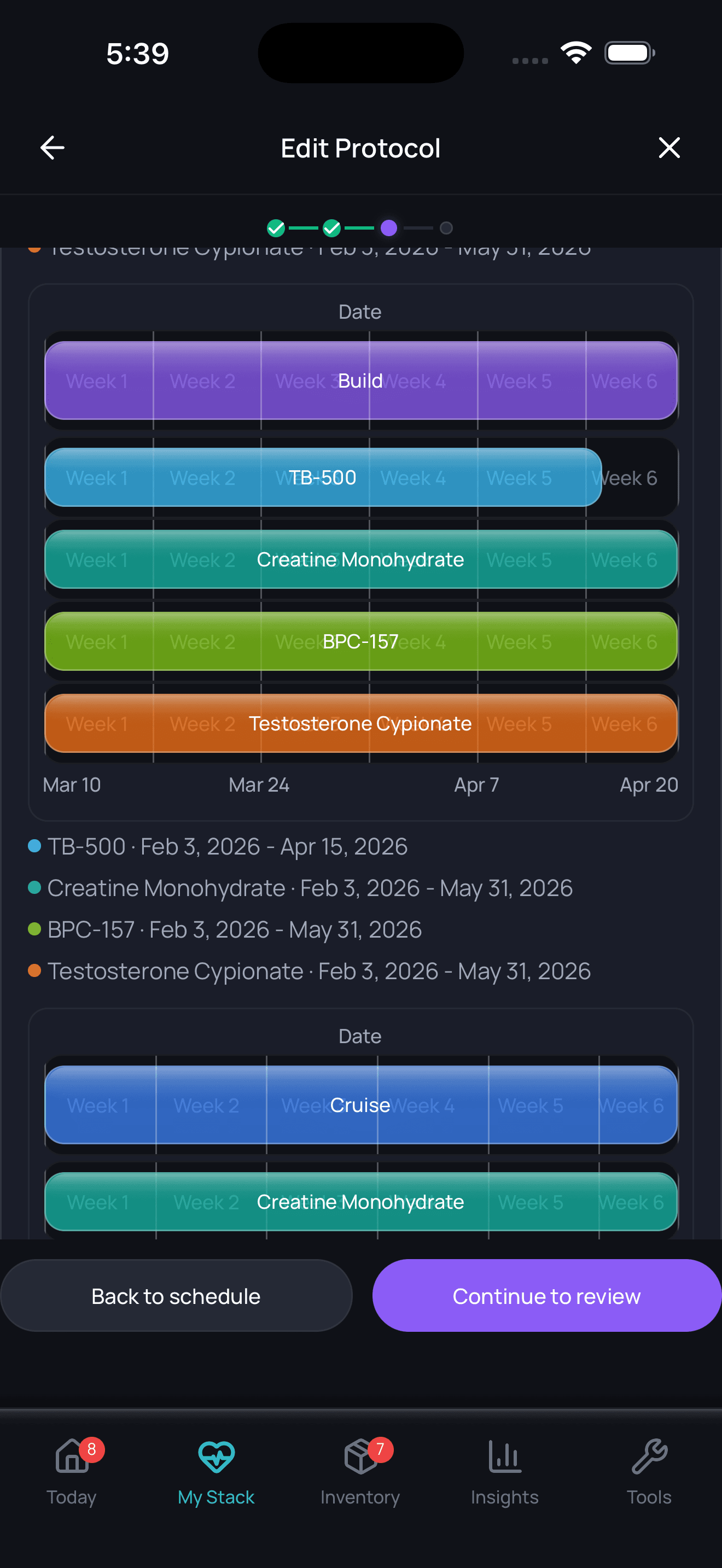
Timeline tracking helps with recall; it is not a treatment recommendation.
Fertility Preservation & HPG Axis
Fertility is one of the most critical considerations for men with primary hypogonadism, particularly those of reproductive age. The situation is more complex than in secondary hypogonadism because the testes are already compromised.
The core challenge: In primary hypogonadism, the testes' ability to produce both testosterone and sperm is impaired. Adding exogenous testosterone suppresses the already-elevated LH and FSH via negative feedback, which can eliminate any residual sperm production. Unlike men with secondary hypogonadism (where stopping TRT or adding HCG often restores fertility), men with primary hypogonadism may have limited or no recovery potential because the testes themselves are the problem.
Key points for fertility preservation:
- Sperm banking before TRT initiation is strongly recommended for any man with primary hypogonadism who may want biological children in the future, even if current sperm counts are low. Some men with primary hypogonadism maintain residual spermatogenesis despite impaired testosterone production, and preserving these sperm provides a safety net.
- HCG co-administration is unlikely to be effective in primary hypogonadism. HCG mimics LH and stimulates Leydig cells, but in primary hypogonadism, the Leydig cells cannot adequately respond. LH is already elevated, and adding more LH-like stimulation typically does not produce meaningful testosterone increases or preserve spermatogenesis when testicular tissue is damaged.
- Clomiphene and enclomiphene are not appropriate for primary hypogonadism. These selective estrogen receptor modulators (SERMs) work by increasing the brain's release of LH and FSH. In primary hypogonadism, LH and FSH are already elevated. Further increasing gonadotropins that the testes cannot respond to provides no benefit and may delay appropriate treatment.
- Low-dose supplemental TRT is an approach some experienced providers use for primary hypogonadism patients who wish to delay full HPG axis suppression. By providing small doses (25-50 mg/week) of exogenous testosterone, the goal is to supplement endogenous production without fully suppressing LH and FSH, potentially preserving some residual testicular function. This approach requires careful monitoring of both testosterone levels and gonadotropin levels. Evidence for this strategy is primarily from clinical experience rather than randomized trials.
- Recovery after TRT discontinuation is less predictable in primary hypogonadism than in secondary. Men with secondary hypogonadism who stop TRT often recover endogenous production within 6-24 months. Men with primary hypogonadism may recover to their pre-TRT levels (which were already low) but are unlikely to recover beyond that, since the underlying testicular impairment persists.
- Primary vs secondary hypogonadism and fertility recovery:
- Primary (testicular failure): Recovery of spermatogenesis after TRT discontinuation may be limited by the underlying testicular damage. HCG and SERMs are typically ineffective because the testes cannot respond to gonadotropin stimulation.
- Secondary (pituitary/hypothalamic dysfunction): Recovery prognosis is better because the testes are functional. HCG and SERMs can restore spermatogenesis in many cases.
Interactions & Compatibility
Drug-drug interactions relevant to TRT in primary hypogonadism:
- Anticoagulants (warfarin, DOACs): Testosterone may enhance anticoagulant effect; monitoring INR more frequently when starting TRT
- Insulin and diabetes medications: TRT may improve insulin sensitivity in hypogonadal men, potentially requiring dose adjustment of diabetes medications
- Corticosteroids: Additive fluid retention risk
- 5-alpha reductase inhibitors (finasteride, dutasteride): Block DHT conversion; may alter TRT side effect profile
- Opioids: Suppress HPG axis; may be an underlying cause of low testosterone that mimics primary hypogonadism biochemically if not properly evaluated
Supplement interactions:
- Zinc: Supports testosterone production; may have additive benefit in primary hypogonadism though will not overcome testicular failure
- Vitamin D: Associated with testosterone levels; supplementation recommended if deficient
- DHEA: Additive androgenic effects; use with caution during TRT
- Boron: May modestly increase free testosterone by reducing SHBG
Lifestyle factors:
- Exercise: Resistance training is synergistic with TRT for muscle and bone benefits
- Alcohol: Directly toxic to Leydig cells and suppresses testosterone production; reduction recommended
- Sleep: Critical for hormonal health; TRT may worsen obstructive sleep apnea in predisposed individuals
- Body composition: Weight loss can improve metabolic response to TRT
Related Doserly Guides:
- Testosterone Cypionate
- Testosterone Enanthate
- HCG
- Clomiphene
- Enclomiphene
- Anastrozole
- Secondary Hypogonadism
Decision-Making Framework
Deciding whether to pursue testosterone replacement therapy for primary hypogonadism involves several important considerations. While the indication for treatment is generally clearer than for functional or age-related hypogonadism, the decision is still personal and should be made collaboratively with a qualified healthcare provider.
Getting the Diagnosis Right
Primary hypogonadism requires both biochemical and clinical confirmation:
- Two morning fasting testosterone measurements below the lower limit of normal (AUA uses 300 ng/dL as the cutoff; the Endocrine Society uses lab-specific reference ranges). These should be drawn between 7:00-10:00 AM after an overnight fast, on separate days.
- Elevated LH and FSH levels confirming testicular origin rather than pituitary/hypothalamic dysfunction.
- Symptoms consistent with testosterone deficiency (fatigue, decreased libido, erectile dysfunction, mood changes, loss of muscle mass, etc.).
- Further evaluation to identify the cause: Karyotype testing to rule out Klinefelter syndrome (especially in younger men or those with small testicular volume), testicular ultrasound, iron studies (hemochromatosis screen), and assessment for acquired causes (prior chemotherapy, radiation, trauma, orchitis).
When to Investigate Further Before Starting TRT
Even with confirmed primary hypogonadism, certain situations warrant additional evaluation:
- Markedly elevated FSH with normal LH: May indicate isolated Sertoli cell dysfunction
- Very high LH (>20 IU/L): Confirm the measurement and rule out LH-secreting pituitary tumors (rare)
- Young men without an obvious cause: Genetic testing (karyotype, Y chromosome microdeletions) should precede treatment decisions
- Fertility desires: Comprehensive fertility evaluation including semen analysis before any treatment
Questions to Discuss with Your Provider
- What is the specific cause of my primary hypogonadism?
- Is my testicular failure complete or partial?
- What are my fertility options before starting TRT?
- Which formulation (injectable, gel, patch, oral) is most appropriate for my situation?
- What monitoring schedule will we follow?
- How will we manage the polycythemia risk?
- Is low-dose supplemental TRT appropriate for my situation?
- What happens if I need to stop TRT in the future?
Finding the Right Provider
Primary hypogonadism is best managed by a provider with experience in male hormone disorders. This typically means an endocrinologist, a urologist with andrology expertise, or a men's health specialist. Primary care physicians can often make the diagnosis (especially since elevated gonadotropins provide a clear biochemical signal), but complex cases benefit from specialty referral.
Telehealth TRT clinics have become increasingly common. While some provide legitimate, well-monitored care, quality varies significantly. Red flags include: prescribing without adequate diagnostic workup, one-size-fits-all dosing protocols, routine co-prescription of aromatase inhibitors without clinical indication, and inadequate monitoring schedules. For primary hypogonadism specifically, a provider who understands the distinction between primary and secondary hypogonadism and can appropriately discuss fertility implications is essential.
Shared decision-making works best when both you and your provider have good data. Doserly gives you a personalized health picture that makes treatment discussions more meaningful, with your symptoms, their severity, how they've changed over time, and how they connect to your current protocol and lab values.
Whether you're evaluating whether to start TRT, considering a switch from gel to injections, or discussing whether it's time to adjust your dose based on trough levels, having your own tracked data alongside the clinical evidence puts you in a stronger position to make decisions that reflect your individual experience and goals.
Connect protocol changes to labs and health markers.
Doserly can keep lab results, biomarkers, symptoms, and dose history close together so follow-up conversations have better context.
Insights
Labs and trends
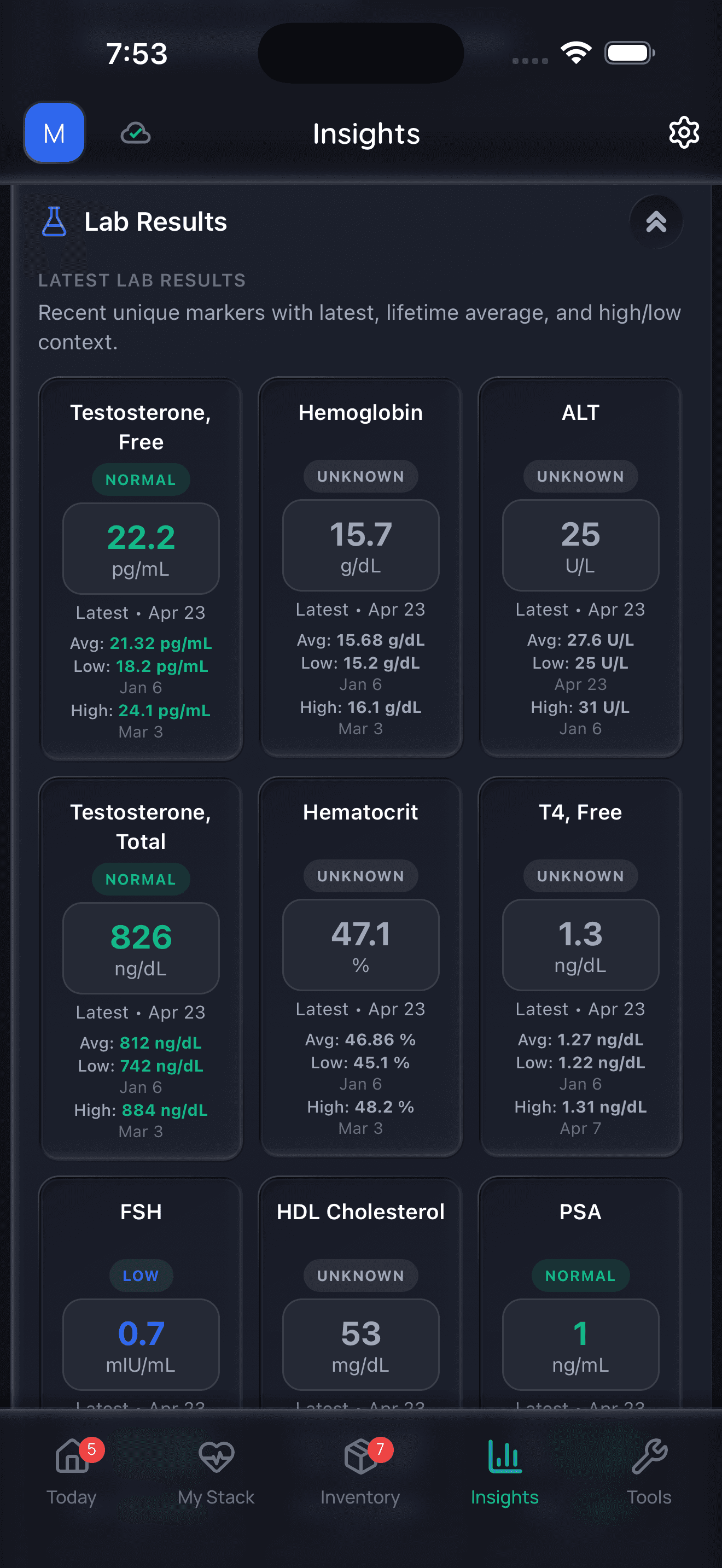
Doserly organizes data; it does not diagnose or interpret labs for you.
Administration & Practical Guide
For men with primary hypogonadism starting testosterone replacement therapy, practical guidance on administration varies by formulation:
Intramuscular injection (most common): Testosterone cypionate or enanthate, typically injected into the vastus lateralis (outer thigh), ventrogluteal (hip), or deltoid (upper arm). Needle gauge typically 22-25G, 1-1.5 inch. Many men learn to self-inject after initial guidance from their healthcare provider. Injection site rotation prevents tissue damage. Z-track technique can reduce oil leakage.
Subcutaneous injection: Growing evidence supports SubQ administration with smaller needles (27-30G, 0.5 inch) into the abdomen or thigh. May produce more stable testosterone levels with smaller, more frequent doses (daily or EOD). Many men find SubQ less intimidating than IM.
Transdermal gel/cream: Applied daily to shoulders, upper arms, or abdomen. Must dry completely before contact with others (skin-to-skin transfer risk, particularly important around children and female partners). Sunscreen and swimming should be avoided for several hours after application.
Transdermal patch: Applied nightly to a rotation of sites (upper arm, back, abdomen, thigh). Skin irritation at the application site is the most common complaint.
Oral testosterone undecanoate: Taken with food (fat content improves absorption). Lymphatic absorption route. Twice-daily dosing with meals.
Self-injection education: First-time injectors should receive hands-on instruction from a healthcare provider or nurse. Proper sharps disposal in a puncture-resistant container is essential. Needle anxiety is common and typically diminishes with practice.
This section provides general educational information. Always follow the specific instructions from your prescriber and pharmacist.
Monitoring & Lab Work
Regular monitoring is essential during TRT for primary hypogonadism. The following schedule reflects current guidelines:
Pre-TRT Baseline Labs:
- Total testosterone (two morning fasting draws)
- Free testosterone (calculated or equilibrium dialysis)
- LH and FSH (to confirm primary hypogonadism)
- Estradiol
- SHBG
- CBC with hematocrit
- PSA (age-appropriate; men >40)
- Lipid panel
- Comprehensive metabolic panel
- DEXA scan if osteoporosis risk factors present
- Karyotype if cause is unknown (Klinefelter screening)
- Semen analysis if fertility is a concern
Initial Follow-Up (4-12 Weeks):
- Trough testosterone level (for injectables: draw just before next injection; for gels: draw at least 4 hours after application)
- Hematocrit
- Symptom assessment and side effect evaluation
- Dose adjustment consideration
Ongoing Monitoring Schedule:
- Hematocrit: Every 6-12 months. Threshold >54% for dose reduction, route change, or phlebotomy
- PSA: Annually for men >40; referral if rise >1.4 ng/mL above baseline or >4.0 ng/mL
- Testosterone levels: At trough for injectables, mid-morning for transdermal, as clinically indicated
- Estradiol: Only if symptomatic (gynecomastia, significant fluid retention, mood changes); not routine per guidelines
- Lipid panel: Annually
- Bone density (DEXA): If osteoporosis was present at baseline, repeat per clinical protocol (typically every 2 years)
- Semen analysis: If fertility becomes a concern
Annual Review: Symptom reassessment, continued indication review, risk-benefit discussion, dose optimization consideration.
Estrogen Management on TRT
Estrogen management during TRT is relevant to men with primary hypogonadism, though it is less frequently a primary concern in this population compared to men on higher-dose testosterone regimens.
Testosterone is converted to estradiol by the aromatase enzyme, primarily in adipose tissue. This conversion is a normal and necessary physiological process. Men need estradiol for bone health, cardiovascular function, brain health, and libido.
When estrogen management becomes relevant:
- Gynecomastia (breast tissue growth or nipple sensitivity)
- Significant fluid retention or bloating
- Emotional lability not otherwise explained
- Estradiol levels clearly elevated with clinical symptoms
Current clinical guidelines (Endocrine Society, AUA) do not recommend routine aromatase inhibitor (AI) use during TRT. Estradiol monitoring should only be performed if symptoms suggest elevated estrogen. Routine co-prescription of anastrozole is not evidence-based and carries risks: suppressing estradiol too aggressively causes joint pain, mood disturbance, decreased libido, and bone density loss.
The online men's health community places significant emphasis on E2 management, often targeting specific estradiol numbers (20-35 pg/mL on sensitive assay). Clinical guidelines take a different approach: treat symptoms, not numbers. This divergence reflects different philosophies, and both perspectives are worth understanding. The clinical evidence, however, does not support aggressive E2 suppression in the absence of symptoms.
For men with primary hypogonadism specifically, body composition plays a role. Men with higher body fat percentages have more aromatase activity and may convert more testosterone to estradiol. Weight management can naturally optimize the testosterone-to-estradiol ratio.
Stopping TRT / Post-Cycle Considerations
Stopping testosterone replacement therapy is a significant decision for men with primary hypogonadism. Because the underlying testicular failure is typically permanent, the considerations differ from those for men with secondary or functional hypogonadism.
What happens when you stop:
Exogenous testosterone suppresses LH and FSH production via negative feedback. When TRT is discontinued, it takes time for the pituitary to resume gonadotropin secretion. For men with primary hypogonadism, even when the pituitary fully recovers (LH and FSH rise again), the testes remain unable to adequately respond. This means testosterone levels will likely return to pre-TRT levels (which were already low enough to cause symptoms).
Is TRT lifelong for primary hypogonadism?
For most men with confirmed organic primary hypogonadism, the answer is yes. The causes (Klinefelter syndrome, bilateral testicular damage, chemotherapy-induced Leydig cell destruction) are typically irreversible. Unlike secondary hypogonadism where addressing the root cause (weight loss, discontinuing opioids, treating sleep apnea) may restore testosterone production, primary hypogonadism has no such reversible pathway.
Post-discontinuation protocols:
Standard post-cycle therapy (PCT) protocols from the anabolic steroid community (clomiphene, tamoxifen, HCG taper) are designed for men with intact testes who need to restart endogenous production. These are generally NOT effective for primary hypogonadism. Clomiphene increases LH/FSH, but the testes cannot respond. HCG mimics LH at the testicular level, but damaged Leydig cells cannot adequately respond.
If discontinuation is necessary:
Taper rather than abrupt cessation when possible. Expect symptom return (fatigue, low libido, mood changes, potential bone density decline with prolonged absence of testosterone). Monitor testosterone, LH, and FSH during recovery to confirm they return to their pre-TRT pattern.
Realistic expectations: The decision to start TRT for primary hypogonadism should be made with the understanding that it is likely a lifelong commitment. This is not a limitation of TRT itself but a reflection of the underlying condition.
Special Populations & Situations
Klinefelter Syndrome (47,XXY)
The most common congenital cause of primary hypogonadism, affecting approximately 1 in 660 males. Testosterone deficiency typically worsens with age as seminiferous tubules undergo progressive fibrosis. TRT is recommended to maintain secondary sexual characteristics, bone density, and metabolic health. Fertility is severely impaired (most men are azoospermic), though microTESE may retrieve sperm in some cases. Earlier TRT initiation (adolescence or early adulthood) may improve long-term outcomes.
Post-Chemotherapy/Radiation
Alkylating agents (cyclophosphamide, chlorambucil) and direct testicular irradiation can cause Leydig cell damage. The degree of impairment depends on the agent, dose, and duration. Some recovery is possible (particularly from radiation), so testosterone and gonadotropin levels should be reassessed 12-24 months after treatment completion before committing to lifelong TRT.
Post-Orchidectomy
Unilateral orchidectomy (for testicular cancer, torsion, or trauma) usually does not cause hypogonadism, as the remaining testis compensates. Bilateral orchidectomy causes complete primary hypogonadism requiring full testosterone replacement. Men with a single remaining testis who have borderline testosterone with elevated LH may have compensated primary hypogonadism that could progress.
Young Men (<35) with Primary Hypogonadism
Fertility preservation is paramount. Sperm banking before TRT initiation is strongly recommended. The low-dose supplemental TRT approach may be considered to balance symptom relief with fertility preservation. These patients benefit most from specialty care (reproductive endocrinology, andrology).
Older Men (>65) with Primary Hypogonadism
Primary hypogonadism in older men is distinct from age-related testosterone decline (which is typically functional/secondary). Men with documented elevated gonadotropins and low testosterone have a clearer indication for TRT than those with age-related decline alone. TRAVERSE and TTrials data are particularly relevant for this age group. Lower starting doses and more vigilant polycythemia monitoring are appropriate.
Men with Cardiovascular Disease
The TRAVERSE trial provides reassurance for the cardiovascular safety of TRT in men with established cardiovascular disease or high cardiovascular risk. For primary hypogonadism patients with cardiovascular disease, transdermal testosterone may be preferred over injectable formulations due to lower polycythemia risk. Close monitoring of hematocrit, blood pressure, and cardiac symptoms is essential.
Men with Type 2 Diabetes
Primary hypogonadism is associated with increased risk of type 2 diabetes. TRT in hypogonadal diabetic men may improve insulin sensitivity, HbA1c, and metabolic parameters. Diabetes medication doses may need adjustment after TRT initiation.
Transgender Men (FTM)
Different dosing goals (masculinizing doses rather than replacement). Voice changes are permanent. Fertility counseling (oocyte preservation) should occur before testosterone initiation. Monitoring protocols differ from male hypogonadism.
Regulatory, Insurance & International
United States:
Testosterone is a Schedule III controlled substance (DEA). FDA-approved for classical hypogonadism with confirmed low testosterone. Insurance coverage typically requires documented low testosterone on two separate morning draws plus symptoms, with prior authorization common. Generic testosterone cypionate is widely available and cost-effective. Compounded testosterone cream is available from 503A and 503B pharmacies.
United Kingdom:
Available through the NHS for confirmed hypogonadism. Sustanon and Nebido (testosterone undecanoate) are the most commonly prescribed formulations. Testosterone gel (Testogel, Tostran) also available. Private clinics offer additional options but at higher cost.
Canada:
Approved testosterone products available by prescription. Provincial coverage varies. Schedule IV drug in most provinces.
Australia:
Available on the PBS (Pharmaceutical Benefits Scheme) for confirmed hypogonadism. TGA-approved formulations include Reandron (testosterone undecanoate), Primoteston (testosterone enanthate), and testosterone gel.
European Union:
Available by prescription across member states. EAU guidelines align with Endocrine Society recommendations. Country-by-country availability varies for specific formulations.
Travel considerations: Testosterone is a controlled substance in many jurisdictions. International travel with testosterone requires carrying the original prescription, a letter from the prescribing physician, keeping medication in original pharmacy packaging, and checking the specific controlled substance laws of the destination country. Some countries prohibit importation of controlled substances even with a prescription.
Frequently Asked Questions
What is the difference between primary and secondary hypogonadism?
Primary hypogonadism means the testes themselves are not producing enough testosterone, despite the brain sending appropriate signals (elevated LH and FSH). Secondary hypogonadism means the brain is not sending enough signals (low LH and FSH), even though the testes could potentially respond. The distinction determines which treatments are appropriate. SERMs and HCG work for secondary but not primary hypogonadism.
How is primary hypogonadism diagnosed?
Through blood tests showing low total testosterone (typically below 300 ng/dL on two separate morning fasting draws) combined with elevated LH and FSH levels, plus symptoms of testosterone deficiency. Additional testing may include karyotype analysis (Klinefelter screening), testicular ultrasound, and iron studies.
Can clomiphene or HCG treat primary hypogonadism?
Generally, no. These medications work by increasing LH and FSH to stimulate the testes. In primary hypogonadism, LH and FSH are already elevated because the testes cannot respond. Adding more stimulation to testes that are already receiving maximal signaling is unlikely to produce meaningful benefit. Testosterone replacement is the appropriate treatment.
Will I need TRT for life?
For most men with organic primary hypogonadism (Klinefelter syndrome, bilateral testicular damage, post-chemotherapy), yes. The underlying testicular damage is typically irreversible. This is different from functional hypogonadism, where addressing contributing factors (obesity, sleep apnea, medications) may restore testosterone production.
Can I still have children with primary hypogonadism?
It depends on the degree of testicular damage. Some men with primary hypogonadism retain residual spermatogenesis and may be able to conceive naturally or with assisted reproduction. However, starting TRT can further suppress any remaining sperm production. Sperm banking before TRT initiation is strongly recommended. In severe cases (e.g., Klinefelter syndrome), microTESE may be able to retrieve sperm for IVF/ICSI.
Does TRT cause heart attacks?
The TRAVERSE trial, the largest cardiovascular safety trial of TRT (5,246 men), found no increased risk of major adverse cardiovascular events (heart attack, stroke, cardiovascular death) compared to placebo over 33 months. The hazard ratio was 0.96 (95% CI: 0.78-1.17). However, higher rates of atrial fibrillation and pulmonary embolism were observed, which is why cardiovascular monitoring remains important.
What are the most important things to monitor during TRT?
Hematocrit (blood thickness), with a threshold of >54% for intervention. PSA for men over 40. Trough testosterone levels to ensure you are in the therapeutic range. Symptoms and side effects at every visit. Lipid panel annually.
Is primary hypogonadism the same as low T?
Primary hypogonadism is one cause of low testosterone. "Low T" is a broader term that includes functional causes (obesity, medications, sleep apnea) and secondary causes (pituitary problems). Primary hypogonadism specifically means the low testosterone is due to testicular failure, confirmed by elevated LH and FSH.
How quickly does TRT work?
The timeline varies by symptom. Libido improvements may be noticed within 2-4 weeks. Energy and mood improvements typically within 4-8 weeks. Body composition changes over 3-6 months. Bone density improvements over 6-12 months. Full benefits may take up to a year to manifest.
Can my doctor prescribe lower doses to preserve fertility?
Some experienced providers do use low-dose supplemental TRT (25-50 mg/week) in primary hypogonadism, aiming to supplement rather than replace endogenous production. The goal is to improve symptoms while maintaining residual HPG axis function. This approach requires careful monitoring of both testosterone and gonadotropin levels and is not universally practiced.
Does testosterone cause prostate cancer?
Current evidence does not support a causal link between TRT at physiological doses and prostate cancer initiation. The androgen saturation model suggests that prostate tissue reaches maximal androgen receptor occupancy at relatively low testosterone concentrations. However, PSA monitoring is recommended during TRT to detect any changes that warrant urological evaluation.
Is it safe to exercise while on TRT?
Yes. Resistance training is synergistic with TRT and recommended. Exercise supports the body composition, cardiovascular, and metabolic benefits of testosterone therapy. However, men starting TRT after a period of low testosterone should increase exercise intensity gradually.
Myth vs. Fact
Myth: Primary hypogonadism can be treated with clomiphene or HCG instead of testosterone.
Fact: Clomiphene and HCG work by increasing LH and FSH to stimulate testicular testosterone production. In primary hypogonadism, LH and FSH are already elevated because the testes cannot respond. These medications are effective for secondary hypogonadism but not for primary testicular failure. Testosterone replacement is the appropriate treatment for primary hypogonadism [2][3].
Myth: TRT causes heart attacks.
Fact: The TRAVERSE trial (n=5,246), the only large prospective RCT designed to assess cardiovascular safety of TRT, found no increased risk of major adverse cardiovascular events compared to placebo (HR 0.96, 95% CI: 0.78-1.17). Earlier observational studies suggesting cardiovascular risk had significant methodological limitations. However, TRT was associated with higher rates of atrial fibrillation and pulmonary embolism, so cardiovascular monitoring remains important [12].
Myth: TRT causes prostate cancer.
Fact: The androgen saturation model demonstrates that prostate tissue reaches maximal androgen receptor occupancy at relatively low testosterone concentrations (approximately 250 ng/dL). Restoring testosterone to normal physiological levels does not further stimulate prostate growth. Large studies and meta-analyses have not shown increased prostate cancer incidence with TRT. However, PSA monitoring is recommended per clinical guidelines [2][3].
Myth: If your testosterone level is in the "normal range," you don't have hypogonadism.
Fact: In some men with primary hypogonadism, total testosterone may be in the low-normal range (300-400 ng/dL) because the pituitary compensates by dramatically increasing LH and FSH. These men may still be symptomatic because their bodies need higher testosterone levels to function optimally, and the elevated gonadotropins indicate the system is under strain. Free testosterone levels and clinical symptoms matter alongside the total number.
Myth: Once you start TRT, you can never stop.
Fact: You can stop TRT at any time. However, for men with primary hypogonadism, stopping will mean returning to the low testosterone levels that caused symptoms in the first place, because the underlying testicular damage persists. This is not a side effect of TRT; it reflects the nature of the condition itself. For secondary hypogonadism, the prognosis after stopping may be better.
Myth: TRT will make you permanently infertile.
Fact: TRT suppresses sperm production, and approximately 40-60% of men on full-dose TRT achieve azoospermia by 6 months. However, this suppression is usually reversible after discontinuation, with recovery taking 6-24 months. In primary hypogonadism specifically, fertility may already be impaired by the underlying testicular damage, independent of TRT. Sperm banking before TRT is recommended for men who may want children [2].
Myth: All men over 40 need testosterone therapy.
Fact: Age-related testosterone decline is a gradual physiological process, not the same as primary hypogonadism. The Endocrine Society recommends against routinely prescribing testosterone to all older men with low testosterone levels. TRT is appropriate for men with confirmed hypogonadism (symptoms plus consistently low testosterone plus, in the case of primary hypogonadism, elevated gonadotropins). Lifestyle factors including weight management, sleep optimization, and regular exercise can support testosterone levels in many men [2].
Myth: Higher doses of testosterone are always better.
Fact: The goal of TRT is to restore testosterone to the physiological range (typically mid-normal, around 400-600 ng/dL at trough). Higher doses increase the risk of polycythemia, fluid retention, mood changes, and other side effects without proportionally greater benefits. Clinical guidelines recommend starting at the lower end and titrating based on symptoms and lab results [2][3].
Myth: TRT clinics are all the same quality.
Fact: The quality of TRT clinics varies significantly. Some provide thorough diagnostic evaluation, individualized protocols, and proper monitoring. Others use cookie-cutter protocols, prescribe without adequate diagnostic workup, routinely co-prescribe unnecessary medications (aromatase inhibitors, HCG), and provide inadequate monitoring. For primary hypogonadism, a provider who understands the distinction between primary and secondary hypogonadism and can counsel on fertility implications is particularly important.
Sources & References
Clinical Guidelines
[1] Bhasin S, Brito JP, Cunningham GR, et al. Testosterone therapy in men with hypogonadism: an Endocrine Society clinical practice guideline. J Clin Endocrinol Metab. 2018;103(5):1715-1744. doi:10.1210/jc.2018-00229.
[2] Endocrine Society. Testosterone Therapy for Hypogonadism Guideline Resources. JCEM, March 2018. https://www.endocrine.org/clinical-practice-guidelines/testosterone-therapy
[3] Mulhall JP, Trost LW, Brannigan RE, et al. Evaluation and management of testosterone deficiency: AUA guideline. J Urol. 2018;200(2):423-432. doi:10.1016/j.juro.2018.03.115.
Comprehensive Reviews
[4] Sizar O, Leslie SW, Schwartz J. Male Hypogonadism. StatPearls [Internet]. Treasure Island (FL): StatPearls Publishing; 2024. https://www.ncbi.nlm.nih.gov/books/NBK532933/
[5] Lanfranco F, Kamischke A, Zitzmann M, Nieschlag E. Klinefelter's syndrome. Lancet. 2004;364(9430):273-283. doi:10.1016/S0140-6736(04)16678-6.
[6] Al-Sharefi A, Wilkes S, Jayasena CN, Quinton R. How to manage low testosterone level in men: a guide for primary care. Br J Gen Pract. 2020;70(696):364-365. doi:10.3399/bjgp20X710729.
[7] Dandona P, Rosenberg MT. A practical guide to male hypogonadism in the primary care setting. Int J Clin Pract. 2010;64(6):682-696. doi:10.1111/j.1742-1241.2010.02355.x.
Physiology and Pathophysiology
[8] Matsumoto AM, Bremner WJ. Testicular disorders. In: Melmed S, et al., eds. Williams Textbook of Endocrinology. 14th ed. Elsevier; 2019.
[9] Lunenfeld B, Mskhalaya G, Zitzmann M, et al. Recommendations on the diagnosis, treatment and monitoring of hypogonadism in men. Aging Male. 2015;18(1):5-15. doi:10.3109/13685538.2015.1004049.
[10] Meachem SJ, Nieschlag E, Simoni M. Inhibin B in male reproduction: pathophysiology and clinical relevance. Eur J Endocrinol. 2001;145(5):561-571.
Treatment and Formulations
[11] Thirumalai A, Berkseth KE, Engel JC. Testosterone Therapy and Monitoring. In: Contemporary Management of Male Hypogonadism. Endocrine Practice. 2024.
Landmark Trials
[12] Lincoff AM, Bhasin S, Flevaris P, et al. Cardiovascular Safety of Testosterone-Replacement Therapy. N Engl J Med. 2023;389(2):107-117. doi:10.1056/NEJMoa2215025. (TRAVERSE trial)
[13] Snyder PJ, Bhasin S, Cunningham GR, et al. Lessons from the Testosterone Trials. Endocr Rev. 2018;39(3):369-386. doi:10.1210/er.2017-00234. (TTrials)
Body Composition and Metabolic Effects
[14] Corona G, Giagulli VA, Maseroli E, et al. Testosterone supplementation and body composition: results from a meta-analysis of observational studies. J Endocrinol Invest. 2016;39(9):967-981. doi:10.1007/s40618-016-0480-2.
Safety and Monitoring
[15] Calof OM, Singh AB, Lee ML, et al. Adverse events associated with testosterone replacement in middle-aged and older men: a meta-analysis of randomized, placebo-controlled trials. J Gerontol A Biol Sci Med Sci. 2005;60(11):1451-1457. doi:10.1093/gerona/60.11.1451.
Related Guides & Cross-Links
Same Category (Conditions & Causes)
- Secondary Hypogonadism
- Late-Onset Hypogonadism (Age-Related)
- Obesity-Related Hypogonadism
- Opioid-Induced Androgen Deficiency
Related Treatment Options
- Testosterone Cypionate
- Testosterone Enanthate
- Testosterone Gel (AndroGel)
- TRT for Beginners
- Testosterone Injections Guide
- Testosterone Gels & Topicals Guide
Fertility & HPG Axis
Estrogen Management
Monitoring & Education
- TRT Blood Work Guide
- The TRAVERSE Trial Explained
- Low Testosterone Master Guide
- Stopping TRT & Post-Cycle Recovery