
TRT Blood Work Guide
On this page
Quick Reference Card
Attribute
Guide Topic
- Value
- Blood Work Monitoring Before, During, and After TRT
Attribute
Category
- Value
- Treatment Overview Guide
Attribute
Core Purpose
- Value
- Understand which lab tests matter, when to get them, and what the results mean
Attribute
Pre-TRT Labs
- Value
- Total testosterone (x2, fasting, AM), free T, LH, FSH, CBC/hematocrit, PSA (>40), lipids, metabolic panel, estradiol, prolactin
Attribute
Follow-Up Schedule
- Value
- 4-12 weeks post-initiation, then every 6-12 months once stable
Attribute
Critical Threshold: Hematocrit
- Value
- >54% requires intervention (dose reduction, hold, or phlebotomy)
Attribute
Critical Threshold: PSA
- Value
- >1.4 ng/mL increase within 12 months warrants urological evaluation
Attribute
Testosterone Target
- Value
- Mid-normal range (450-600 ng/dL per AUA; 15-30 nmol/L per BSSM)
Attribute
Blood Draw Timing
- Value
- Varies by formulation: trough for injections, 2-4 hours post-application for gels
Attribute
Guideline Sources
- Value
- Endocrine Society (2018), AUA (2018, confirmed 2024), BSSM (2023), EAU
Attribute
DEA Schedule
- Value
- All testosterone products are Schedule III
Overview / What Is TRT Blood Work Monitoring?
The Basics
Blood work is the foundation of safe, effective testosterone replacement therapy. It is how your provider confirms that you actually have low testosterone, how they determine the right dose, and how they catch potential problems before they become serious. Without regular lab monitoring, TRT is essentially a guessing game.
If you are considering TRT, currently on TRT, or have been on TRT in the past, understanding your blood work puts you in control of your health. You do not need a medical degree to understand the basics. You need to know which tests matter, when they should be drawn, what the numbers mean, and when a result signals something that needs attention.
This guide walks through the complete blood work picture for TRT: the labs you need before starting, the follow-up schedule during treatment, how to read your results, and the critical safety thresholds that every man on testosterone therapy should know. Whether your provider orders everything you need or you find yourself supplementing with your own lab orders, this information helps you be an informed, active participant in your care.
One thing to understand clearly from the start: monitoring is not optional. Every major clinical guideline (the Endocrine Society, the AUA, the BSSM, and the EAU) emphasizes that proper lab monitoring is a core part of testosterone therapy, not an afterthought. Research shows that nearly half of men on TRT do not have their testosterone levels checked in the first year of treatment, and up to 25% never have their testosterone tested before starting [1][2]. That is not safe practice, and it is exactly the kind of gap that informed self-advocacy can help close.
The Science
Laboratory monitoring in testosterone replacement therapy serves three distinct clinical purposes: diagnostic confirmation, dose optimization, and safety surveillance [1][2][3].
Diagnostic confirmation requires at least two early morning (7:00-10:00 AM) fasting serum total testosterone measurements below the lower limit of normal (generally <300 ng/dL per AUA guidelines, <12 nmol/L per BSSM guidelines) on separate occasions, combined with clinical signs and symptoms of hypogonadism [1][2]. The Endocrine Society emphasizes the use of accurate assays and rigorously derived reference ranges, noting that harmonized normal ranges for total testosterone in non-obese men aged 19-39 are 264-916 ng/dL based on LC-MS/MS methodology [4].
Dose optimization relies on follow-up testosterone measurement to ensure the target range is achieved. The AUA recommends a therapeutic target of 450-600 ng/dL, while the BSSM targets a mid-upper range of 15-30 nmol/L (433-866 ng/dL) [2][5]. The timing of the blood draw relative to the administration schedule is critical for accurate interpretation and varies by formulation.
Safety surveillance targets two primary concerns: erythrocytosis (elevated hematocrit) and prostate health (PSA monitoring), alongside secondary monitoring of lipids, liver function, estradiol, and cardiovascular parameters [1][2][3][5].
Medical / Chemical Identity
Primary Topic: Laboratory monitoring protocols for testosterone replacement therapy
Relevant Laboratory Tests:
Test
Total Testosterone
- Purpose
- Diagnostic confirmation and dose optimization
- Primary Guidelines
- Endocrine Society, AUA, BSSM
Test
Free Testosterone
- Purpose
- Clarification when total T is equivocal or SHBG abnormal
- Primary Guidelines
- Endocrine Society, AUA
Test
SHBG
- Purpose
- Calculate bioavailable testosterone; affected by obesity, diabetes, liver disease
- Primary Guidelines
- Endocrine Society, AUA
Test
LH / FSH
- Purpose
- Distinguish primary from secondary hypogonadism
- Primary Guidelines
- Endocrine Society, AUA, BSSM
Test
Hematocrit / Hemoglobin
- Purpose
- Safety monitoring for erythrocytosis
- Primary Guidelines
- All guidelines
Test
PSA
- Purpose
- Prostate cancer screening in men >40
- Primary Guidelines
- AUA, Endocrine Society, BSSM
Test
Estradiol
- Purpose
- Aromatization monitoring; gynecomastia evaluation
- Primary Guidelines
- AUA, community protocol
Test
Prolactin
- Purpose
- Rule out pituitary adenoma if low T with low/normal LH
- Primary Guidelines
- AUA, Endocrine Society
Test
CBC with Differential
- Purpose
- Complete hematologic assessment
- Primary Guidelines
- StatPearls, community sources
Test
Comprehensive Metabolic Panel
- Purpose
- Liver function, kidney function (eGFR), electrolytes
- Primary Guidelines
- StatPearls, community sources
Test
Lipid Panel (fasting)
- Purpose
- Cardiovascular risk monitoring; HDL may decrease on TRT
- Primary Guidelines
- StatPearls, community sources
Test
TSH
- Purpose
- Thyroid dysfunction screening (shares symptoms with low T)
- Primary Guidelines
- community protocol
Mechanism of Action / Pathophysiology
The Basics
Understanding why specific blood tests matter starts with understanding what testosterone does in your body and what changes when you add testosterone from an outside source.
Your body normally produces testosterone through a feedback loop between your brain and your testes. The hypothalamus monitors testosterone levels and sends signals (via GnRH) to the pituitary gland, which releases LH and FSH. LH tells the Leydig cells in your testes to produce testosterone. FSH supports sperm production via Sertoli cells. When testosterone levels are adequate, the brain dials back the signal. This is the HPG axis.
When you take exogenous testosterone, your brain detects the incoming testosterone and shuts down its signals to the pituitary. LH and FSH drop to near zero. This is why testing LH and FSH while on TRT is pointless (they will be suppressed). It is also why TRT suppresses sperm production and why your testes may shrink over time.
Testosterone also gets converted into two other hormones through enzyme activity. The enzyme 5-alpha reductase converts testosterone to DHT (dihydrotestosterone), which is more potent at androgen receptors and drives effects like body hair growth, acne, and prostate stimulation. The enzyme aromatase converts testosterone to estradiol (a form of estrogen), which plays important roles in bone health, mood, and sexual function but can cause issues at excessively high levels. This is why estradiol monitoring matters, especially if you develop symptoms like breast tenderness or significant water retention.
Testosterone also stimulates the production of red blood cells (erythropoiesis). This is a direct physiological effect, not a side effect. It is the primary reason hematocrit monitoring is mandatory during TRT. More red blood cells means thicker blood, which at extreme levels can increase the risk of clotting events.
The Science
Exogenous testosterone administration exerts negative feedback on the hypothalamic-pituitary-gonadal (HPG) axis at both the hypothalamic (GnRH pulse frequency suppression) and pituitary (direct suppression of LH and FSH secretion) levels. Both testosterone itself and its aromatized metabolite estradiol contribute to this feedback [1][3].
Testosterone undergoes two primary metabolic transformations relevant to laboratory monitoring:
- 5-alpha reduction to DHT: Catalyzed by steroid 5-alpha reductase (types 1 and 2) in peripheral tissues including prostate, skin, and liver. DHT has approximately 2-3 times higher binding affinity for the androgen receptor than testosterone and is the primary mediator of androgenic effects on the prostate (PSA production), sebaceous glands (acne), and hair follicles (androgenetic alopecia) [3].
- Aromatization to estradiol: Catalyzed by cytochrome P450 aromatase (CYP19A1) in adipose tissue, brain, bone, and testes. Estradiol is essential for bone mineral density maintenance, lipid metabolism, and sexual function in men. However, supraphysiological estradiol levels can cause gynecomastia, fluid retention, and mood disturbance [3][6].
Testosterone stimulates erythropoiesis through multiple mechanisms: an initial rise in erythropoietin (EPO), establishment of a new EPO/hemoglobin set point, a parallel decrease in hepcidin (the master iron regulatory protein), and direct effects on erythroid progenitor cells [7]. This effect is clinically significant and dose-dependent, with injectable formulations (which produce higher peak levels) generally associated with greater hematocrit elevation than transdermal formulations [7][8].
Historical Context
Testosterone was first synthesized in 1935, and testosterone replacement therapy has been used clinically since the 1940s. The monitoring landscape has evolved substantially. Early TRT protocols relied primarily on symptom assessment with minimal laboratory surveillance.
The modern era of TRT monitoring was shaped by three key developments: the Endocrine Society's clinical practice guidelines (first published 2006, updated 2010 and 2018), the AUA's Evaluation and Management of Testosterone Deficiency guideline (2018, confirmed 2024), and the TRAVERSE trial (published 2023), which was the first large-scale randomized controlled trial designed to assess cardiovascular safety of testosterone therapy [1][2][9].
Current monitoring standards represent the synthesis of guideline recommendations from multiple professional societies internationally (Endocrine Society, AUA, BSSM, EAU, ISSAM, Healthy Male/Andrology Australia), each with slightly different thresholds and schedules but broad consensus on core safety parameters [1][2][5].
Pharmacokinetics / Hormone Physiology
The Basics
The timing of your blood draw matters enormously, and the right timing depends on which form of testosterone you are using. Getting this wrong means your results could be misleading, leading to unnecessary dose changes or a false sense that everything is fine when it is not.
Intramuscular injections (cypionate, enanthate): These create a peak-trough pattern. Testosterone peaks 24-48 hours after injection and gradually declines to a trough just before the next dose. Most providers want to measure your trough level, meaning you should get your blood drawn right before your next scheduled injection. This gives the most conservative reading and ensures your lowest point is still adequate. If your trough is in range, your average level is definitely therapeutic.
Transdermal gels (AndroGel, Testim, Fortesta) and creams: Blood levels are more stable day to day. The BSSM recommends drawing blood 2-4 hours after application, when levels are near their daily peak. Be careful about skin contamination at the blood draw site if you applied gel to your arm.
Testosterone undecanoate injections (Aveed, Nebido): These long-acting injections have a very different pharmacokinetic profile. The AUA recommends testing halfway between the first two injections (around 5 weeks into a 10-week cycle) to assess the midpoint level.
Pellets (Testopel): The AUA recommends two separate measurements. First at 2-4 weeks post-implant to determine if the pellet count needs adjustment, then at 10-12 weeks to determine when re-implantation is needed.
Oral testosterone (Jatenzo, Kyzatrex, Tlando): Levels fluctuate with meals since these are absorbed through the lymphatic system. Blood should typically be drawn 6 hours after the morning dose, after at least 7 days on a stable dose.
The Science
The pharmacokinetic profile of each testosterone formulation directly determines the optimal blood sampling protocol for accurate therapeutic monitoring [2][3].
Injectable testosterone cypionate and enanthate exhibit first-order absorption kinetics from the intramuscular depot site. Testosterone cypionate has an elimination half-life of approximately 8 days; enanthate approximately 7 days. Following a typical 100mg weekly IM injection, peak serum concentrations of 900-1200 ng/dL are reached within 24-48 hours, declining to trough concentrations of 400-600 ng/dL by day 7. The AUA recommends measurement no earlier than three to four injection cycles to ensure steady-state conditions, with the sample drawn at trough (immediately pre-injection) [2][3].
Transdermal formulations achieve relatively steady-state concentrations within 24-48 hours of consistent daily application. Testosterone gel (1% or 1.62%) produces a diurnal pattern with peak levels approximately 2-4 hours post-application and relatively stable levels for the remainder of the 24-hour dosing interval. Bioavailability is approximately 10-15% and varies by application site, with shoulder and upper arm providing approximately 30% higher absorption than abdomen [3][10].
Testosterone undecanoate (IM, Aveed/Nebido) has an extended absorption phase due to its long-chain fatty acid ester and castor oil vehicle. Following the approved regimen of 750mg IM at week 0, week 4, and every 10 weeks thereafter, steady-state is not achieved until after the third injection. The AUA recommends midpoint testing between injections to assess average exposure [2].
Research & Clinical Evidence
The Basics
The evidence behind TRT blood work monitoring comes from decades of clinical experience and several landmark studies and guidelines. Here are the key sources that shaped current monitoring recommendations.
The Endocrine Society Guidelines (2018) remain the foundational reference for TRT diagnosis and monitoring worldwide. They emphasize confirming low testosterone with at least two morning fasting measurements and outline a comprehensive monitoring plan including hematocrit, PSA, and testosterone levels [1].
The AUA Guidelines (2018, confirmed 2024) provide the most detailed follow-up laboratory testing recommendations, including formulation-specific blood draw timing and a structured table (Table 7) that maps every test to its recommended schedule at pre-treatment, post-initiation, and ongoing monitoring phases [2].
The TRAVERSE Trial (2023) was a watershed moment for TRT safety data. With over 5,200 men followed for an average of 33 months, it was the first randomized controlled trial designed specifically to assess cardiovascular safety of testosterone therapy. It found no significant increase in major adverse cardiovascular events (MACE) compared to placebo. This has shifted the conversation around cardiovascular monitoring, though ongoing vigilance remains appropriate [9].
The BSSM Guidelines (2023) offer practical UK-focused guidance that includes specific monitoring intervals (3, 6, and 12 months, then annually) and the clinically useful recommendation to treat the 6-month PSA as the new baseline rather than the pre-treatment PSA, since an initial physiological PSA rise is expected [5].
The Science
A 2015 retrospective cohort study of over 63,000 men receiving testosterone therapy found that only 71% had testosterone measured at least once prior to treatment initiation, only 40% had two or more pre-treatment measurements (as recommended by all guidelines), and only 12% had gonadotropins (LH/FSH) measured to distinguish primary from secondary hypogonadism. Following treatment initiation, monitoring adherence was similarly suboptimal [11].
The TRAVERSE trial (Testosterone Replacement Therapy for Assessment of Long-term Vascular Events and Efficacy ResponSE in Hypogonadal Men) enrolled 5,246 men aged 45-80 with hypogonadism and either preexisting cardiovascular disease or elevated cardiovascular risk. The primary endpoint was the first occurrence of a component of MACE (death from cardiovascular causes, nonfatal myocardial infarction, or nonfatal stroke). The hazard ratio for MACE was 0.96 (95% CI: 0.78-1.17), meeting the prespecified non-inferiority margin of 1.20. Notably, TRAVERSE also identified increased incidence of atrial fibrillation, pulmonary embolism, and acute kidney injury in the testosterone group, reinforcing the importance of comprehensive monitoring [9].
A 2025 narrative review incorporating AUA and Endocrine Society guidelines found that periodic hematocrit and blood pressure monitoring are critical safety measures, with therapeutic phlebotomy indicated when hematocrit exceeds 52% in some protocols [12]. The review also noted that erythrocytosis management requires a nuanced approach that considers the distinct pathophysiology of TRT-induced secondary erythrocytosis compared to primary polycythemia vera [7].
Evidence & Effectiveness Matrix
Category
Polycythemia & Hematologic
- Evidence Strength
- 9/10
- Reported Effectiveness
- 8/10
- Summary
- Universal guideline consensus on hematocrit monitoring. All formulations increase hematocrit. Strong community awareness and self-monitoring culture.
Category
Prostate Health
- Evidence Strength
- 8/10
- Reported Effectiveness
- 6/10
- Summary
- PSA monitoring well-supported by guidelines. Current evidence does not support TRT causing prostate cancer, but monitoring catches early changes. Community reports generally stable PSA.
Category
Cardiovascular Health
- Evidence Strength
- 8/10
- Reported Effectiveness
- 5/10
- Summary
- TRAVERSE provides high-quality safety data. Lipid and BP monitoring recommended. Community variability in BP changes reported.
Category
Gynecomastia & Estrogen
- Evidence Strength
- 7/10
- Reported Effectiveness
- 7/10
- Summary
- Estradiol monitoring supported by guidelines when symptomatic. Strong community preference for proactive E2 monitoring beyond guideline recommendations.
Category
Fertility & Reproductive
- Evidence Strength
- 9/10
- Reported Effectiveness
- 7/10
- Summary
- LH/FSH essential for pre-TRT diagnosis. All guidelines confirm HPG axis suppression. Community strongly aware that LH/FSH are meaningless on TRT.
Category
Overall Quality of Life
- Evidence Strength
- 7/10
- Reported Effectiveness
- 8/10
- Summary
- Regular monitoring strongly associated with treatment adherence and satisfaction. Community culture of sharing lab panels promotes self-advocacy.
Category
Sexual Function & Libido
- Evidence Strength
- 7/10
- Reported Effectiveness
- N/A
- Summary
- Testosterone levels correlate with symptom improvement but individual response varies. Not scored for community effectiveness (indirect relationship to blood work).
Category
Energy & Vitality
- Evidence Strength
- 6/10
- Reported Effectiveness
- N/A
- Summary
- Testosterone optimization via blood work correlates with energy improvement. Not scored separately.
Category
Mood & Emotional Wellbeing
- Evidence Strength
- 6/10
- Reported Effectiveness
- N/A
- Summary
- Estradiol and testosterone balance affects mood. Monitoring helps identify imbalances. Not scored separately.
Category
Bone Health
- Evidence Strength
- 7/10
- Reported Effectiveness
- N/A
- Summary
- DEXA monitoring recommended for men with osteoporosis on TRT. Not scored for community data.
Category
Metabolic Health
- Evidence Strength
- 6/10
- Reported Effectiveness
- N/A
- Summary
- Metabolic panel and lipid monitoring capture metabolic effects. Not scored separately.
Category
Sleep Quality
- Evidence Strength
- 5/10
- Reported Effectiveness
- N/A
- Summary
- Sleep apnea screening recommended annually. Limited blood work correlation.
Category
Muscle Mass & Strength
- Evidence Strength
- 5/10
- Reported Effectiveness
- N/A
- Summary
- Not directly measurable via blood work.
Category
Body Fat & Composition
- Evidence Strength
- 5/10
- Reported Effectiveness
- N/A
- Summary
- Not directly measurable via blood work.
Category
Anxiety & Stress Response
- Evidence Strength
- 4/10
- Reported Effectiveness
- N/A
- Summary
- Limited blood work correlation.
Category
Cognitive Function
- Evidence Strength
- 4/10
- Reported Effectiveness
- N/A
- Summary
- Limited blood work correlation.
Category
Skin & Hair
- Evidence Strength
- 4/10
- Reported Effectiveness
- N/A
- Summary
- DHT levels rarely monitored in clinical practice.
Category
Fluid Retention & Edema
- Evidence Strength
- 4/10
- Reported Effectiveness
- N/A
- Summary
- Metabolic panel captures electrolyte status. Not scored separately.
Benefits & Therapeutic Effects
The Basics
The primary benefit of proper blood work monitoring is simple: it makes TRT safer and more effective. Without monitoring, you cannot know whether your dose is right, whether your hematocrit is creeping up, whether your estradiol is out of balance, or whether your prostate health needs attention.
Informed blood work monitoring empowers you to:
- Confirm your diagnosis accurately before committing to lifelong therapy
- Optimize your dose so you feel the full therapeutic benefit without overshooting
- Catch safety issues early (rising hematocrit, PSA changes) before they become clinical problems
- Understand formulation-specific timing so your results reflect reality, not testing artifacts
- Communicate effectively with your provider using shared data rather than subjective symptom descriptions alone
- Avoid unnecessary interventions (some men stop TRT or add medications based on a single poorly-timed lab result)
Men who actively monitor their blood work report higher treatment satisfaction and better symptom management compared to those who rely solely on symptom assessment [11].
The Science
Structured laboratory monitoring during TRT serves as the primary mechanism for dose titration, safety surveillance, and clinical decision-making. The Endocrine Society classifies treatment evaluation as an "Ungraded Good Practice Statement," reflecting universal clinical agreement that monitoring is essential even when the specific evidence base for individual testing intervals is limited [1].
The clinical utility of monitoring extends beyond safety to therapeutic optimization. A cross-sectional analysis of prescribing patterns found that without laboratory feedback, undertreatment and overtreatment occur commonly, with some patients maintained on doses that produce subtherapeutic trough levels and others on doses that produce supraphysiological peaks [4]. Measurement of testosterone and dose adjustment can remediate these situations [1][4].
Risks, Side Effects & Safety
The Basics
Blood work monitoring exists specifically to catch the safety concerns associated with TRT before they cause harm. Here are the key risks that monitoring targets:
Polycythemia (high hematocrit): This is the most common laboratory abnormality on TRT. Testosterone stimulates your bone marrow to produce more red blood cells. While a modest increase is normal and even beneficial (correcting the mild anemia common in hypogonadal men), excessive red blood cell production thickens your blood and may increase the risk of blood clots, stroke, or other cardiovascular events. All major guidelines set 54% as the threshold requiring intervention, which may include dose reduction, temporary TRT hold, switching formulation, or therapeutic phlebotomy (medical blood removal). Some clinicians use 52% as an earlier action threshold, particularly for men with additional cardiovascular risk factors [1][2][5][7].
PSA elevation: Testosterone can stimulate the prostate and increase PSA (prostate-specific antigen) levels. This does not mean TRT causes prostate cancer. Current evidence does not support a causal link between TRT and prostate cancer initiation. However, PSA monitoring catches changes that may warrant further evaluation. The Endocrine Society recommends urological consultation if PSA rises >1.4 ng/mL within 12 months of starting TRT or exceeds 4.0 ng/mL [1]. The BSSM adds that a PSA velocity >0.4 ng/mL/year sustained over more than two years also warrants evaluation [5].
Cardiovascular risk: The TRAVERSE trial (n=5,246) found no significant increase in major adverse cardiovascular events with testosterone gel vs placebo (HR 0.96, 95% CI: 0.78-1.17) over 33 months in men aged 45-80 with cardiovascular risk factors. However, TRAVERSE did note increased rates of atrial fibrillation, pulmonary embolism, and acute kidney injury in the testosterone group. Blood pressure monitoring and lipid panels help track cardiovascular risk during TRT [9].
Estradiol elevation: Testosterone aromatizes to estradiol. While estradiol is important for bone health and sexual function, excessive levels can cause gynecomastia (breast tissue enlargement), nipple tenderness, and significant fluid retention. Monitoring estradiol is recommended when symptoms suggest elevation [2][6].
The Science
Erythrocytosis risk by route: A 2024 systematic review and pooled analysis found that all testosterone formulations increase hematocrit, with injectable formulations generally producing greater increases than transdermal preparations. However, the relationship between route and erythrocytosis risk is more nuanced than commonly assumed. Short-acting injectable testosterone (cypionate, enanthate) produces higher peak serum concentrations that stimulate erythropoiesis more robustly, while transdermal formulations maintain more stable serum levels with less EPO stimulation. The newer oral testosterone formulations (Jatenzo, Kyzatrex, Tlando) show preliminary data suggesting less hematocrit elevation than injectable formulations, potentially due to their shorter half-life and lymphatic absorption [7][8][13].
Cardiovascular monitoring data: The TRAVERSE trial established the most robust cardiovascular safety data to date. In the intent-to-treat population, MACE occurred in 182 of 2,601 men (7.0%) in the testosterone group vs 190 of 2,599 (7.3%) in the placebo group (HR 0.96, 95% CI: 0.78-1.17). The upper bound of the 95% CI was below the prespecified non-inferiority margin of 1.20. Secondary endpoints showed increased risk of atrial fibrillation (HR 1.96, 95% CI: 1.05-3.67), pulmonary embolism (HR 2.87, 95% CI: 1.21-6.82), and acute kidney injury (HR 1.88, 95% CI: 1.10-3.20) [9].
Blood pressure effects: A double-blind, randomized, placebo-controlled trial in opioid-induced androgen deficiency found a mean systolic blood pressure increase of 6.2 mmHg in the TRT group versus a decrease of 7.0 mmHg in the placebo group, with the increase in blood pressure linked to higher hematocrit during TRT [14].
Being informed about potential risks is important. Being able to track and document any side effects you actually experience is what turns awareness into safety. Doserly lets you log side effects as they happen, with timestamps and severity ratings, so nothing falls through the cracks between appointments.
If you're noticing acne, water retention, mood changes, or any other shift, having a documented timeline helps your provider distinguish between expected adjustment effects and signals that warrant a protocol change. The app also tracks your hematocrit and PSA values over time, alerting you when levels approach thresholds that need attention.
Capture changes while they are still fresh.
Log symptoms, energy, sleep, mood, and other observations alongside protocol events so patterns do not live only in memory.
Trend view
Symptom timeline
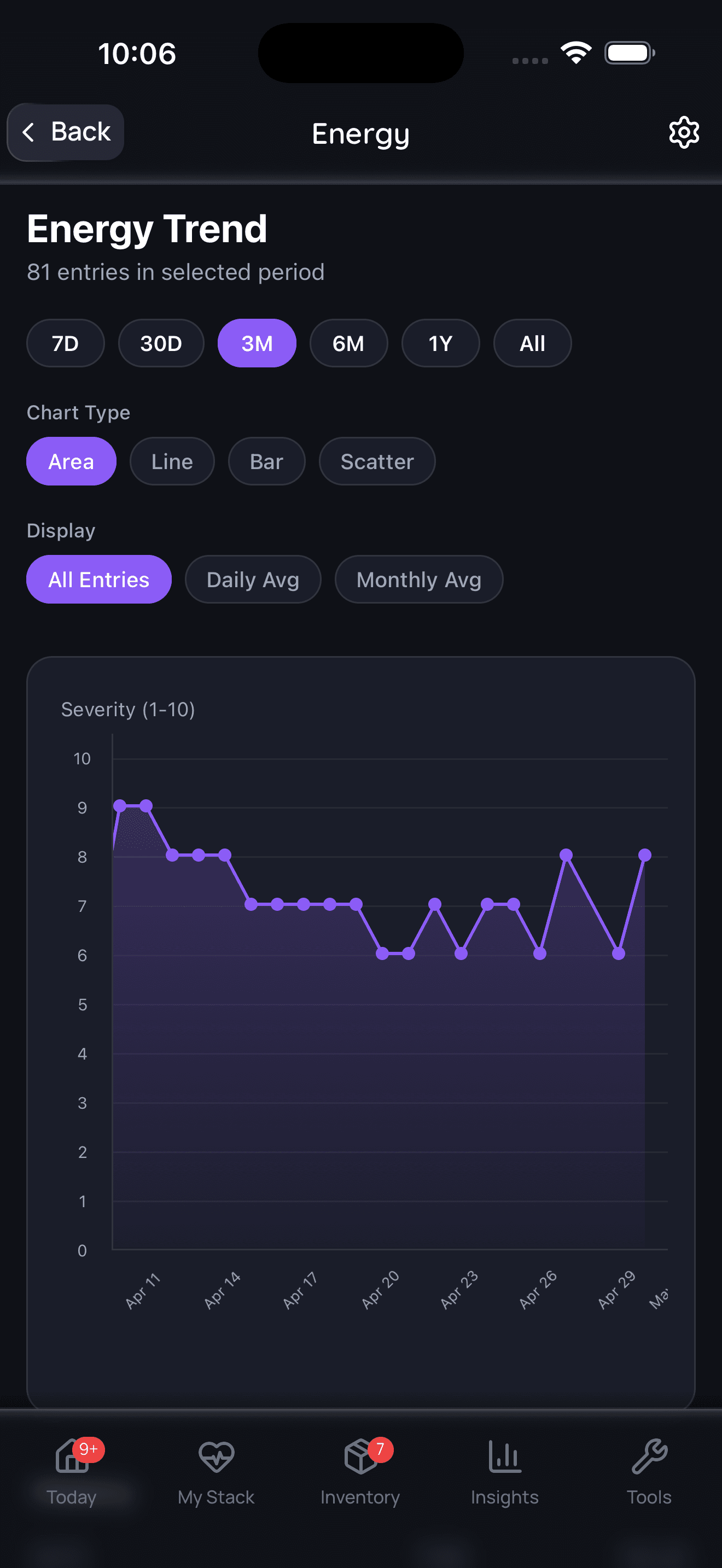
Symptom tracking is informational and should be interpreted with a qualified clinician.
Dosing & Treatment Protocols
The Basics
Blood work is the tool your provider uses to determine whether your dose is right. The goal is to find the dose that relieves your symptoms while keeping your testosterone in a therapeutic range and your safety markers (hematocrit, PSA, blood pressure, lipids) within acceptable limits.
The typical process looks like this:
- Start at a conservative dose. Most guidelines recommend starting at the lower end of the dosing range for your chosen formulation.
- Check testosterone at 4-12 weeks (timing depends on formulation). If levels are below the therapeutic range, your provider may increase the dose.
- Re-check 4-6 weeks after any dose change to confirm the adjustment achieved the desired effect.
- Once stable, check every 6-12 months to ensure levels remain therapeutic and safety markers stay in range.
The AUA recommends a therapeutic target of 450-600 ng/dL. The BSSM targets 15-30 nmol/L (approximately 433-866 ng/dL). Your optimal level within that range is the one at which your symptoms resolve and your safety markers remain acceptable. More is not necessarily better.
The Science
Dose titration guided by laboratory monitoring follows a structured protocol that varies by formulation. The AUA provides the most detailed formulation-specific guidance for follow-up testosterone measurement timing [2]:
- Testosterone cypionate/enanthate (IM/SC): Initial measurement no earlier than 3-4 injection cycles. Trough measurement (pre-injection) at steady state. Target trough: 450-600 ng/dL.
- Testosterone undecanoate (IM, Aveed): Midpoint between first two 10-week injections (approximately week 5).
- Testosterone pellets (Testopel): Two assessments: weeks 2-4 (dose adequacy) and weeks 10-12 (duration of effect).
- Transdermal gel/cream: 2-4 hours post-application. Steady state achieved within 24-48 hours of consistent use.
- Oral testosterone undecanoate (Jatenzo/Kyzatrex/Tlando): 6 hours after morning dose, after at least 7 days on stable dose.
After therapeutic levels are achieved, all patients on testosterone therapy should have serum testosterone levels checked every 6-12 months to ensure maintenance of target levels [2].
Getting the dosing right often takes time and fine-tuning with your provider. Keeping an accurate record of what you're actually injecting, doses, frequency, and any adjustments, makes that process smoother. Doserly tracks your testosterone doses alongside everything else in your health stack, so your full protocol is always in one place.
Never wonder whether you drew up the right amount or when your last injection was. The app logs every dose with a timestamp and sends reminders when your next one is due, helping you maintain the consistency that makes testosterone therapy most effective and keeps your levels stable between injections.
Track injection timing, draw notes, and site rotation.
Doserly helps keep syringe-related notes, injection site history, reminders, and reconstitution context together for easier review.
Injection log
Site rotation
Injection logs support record-keeping; follow clinician instructions for administration.
What to Expect / Timeline
Days 1-7: No laboratory changes expected. Baseline blood work should already be completed before TRT initiation.
Weeks 2-4: Testosterone levels begin to rise. Hematocrit may begin increasing within 3-6 weeks of starting TRT. Some guidelines recommend an early check at 4-6 weeks for patients on injectable formulations. Symptoms may begin improving, but it is too early to assess full therapeutic response.
Months 1-3: First formal follow-up blood work. Check testosterone (trough for injectables, 2-4 hours post-application for gels), hematocrit, and estradiol. LH and FSH will be suppressed/undetectable (this is expected on TRT). PSA may show an initial physiological rise. Dose adjustments based on results.
Months 3-6: Second round of blood work if dose was adjusted. Hematocrit should be rechecked if it was trending upward. PSA recheck. The BSSM recommends using the 6-month PSA value as the new baseline, since early physiological PSA elevation is expected. Comprehensive panel including lipids, liver function, and metabolic markers.
Months 6-12: Most men are at stable dose by this point. Annual monitoring schedule begins. Testosterone, hematocrit, PSA, lipids, metabolic panel, estradiol (if symptomatic), blood pressure. Annual DRE (digital rectal exam) per provider protocol. Ask about sleep apnea symptoms.
Ongoing (annually): All safety markers checked every 6-12 months. Any dose change resets the monitoring clock (recheck 4-6 weeks after change). DEXA scan at 1-2 years if osteoporosis was present at baseline. Annual review of symptoms, side effects, and treatment goals with provider.
Fertility Preservation & HPG Axis
Exogenous testosterone suppresses the HPG axis, resulting in significant reduction or cessation of spermatogenesis in the majority of men. LH and FSH values on TRT will be near zero, confirming HPG axis suppression. This is expected and not cause for alarm, but it has direct implications for fertility [1][3].
Key blood work implications:
- LH and FSH should be measured before starting TRT to distinguish primary hypogonadism (high LH/FSH, testicular failure) from secondary hypogonadism (low/normal LH/FSH, pituitary-hypothalamic dysfunction). This distinction affects treatment options and recovery prognosis.
- Do not test LH or FSH while on testosterone. They will be undetectable, and the test is wasted money.
- For men on HCG co-administration for fertility preservation, monitoring intratesticular testosterone (indirectly via semen analysis) is more useful than serum LH/FSH.
- Recovery of the HPG axis after TRT discontinuation is variable (6-24+ months), not guaranteed, and requires serial monitoring of LH, FSH, total testosterone, and semen analysis [3].
- Sperm banking before TRT initiation is the most reliable fertility preservation strategy and should be discussed with all men of reproductive age.
For a comprehensive discussion, see Fertility Preservation on TRT.
Interactions & Compatibility
Several medications and supplements can affect your TRT blood work results and require awareness:
Drug-drug interactions affecting blood work:
- Anticoagulants (warfarin, heparin): TRT can enhance anticoagulant effects. Monitor INR/PT more frequently if on both.
- Insulin and diabetes medications: Testosterone may improve insulin sensitivity, potentially requiring dose adjustment of diabetes medications. Monitor HbA1c and fasting glucose.
- Corticosteroids: Can suppress testosterone levels independently. May confound monitoring results.
- 5-alpha reductase inhibitors (finasteride, dutasteride): Lower DHT and may modestly lower PSA, complicating prostate monitoring interpretation.
- Opioids: Can suppress HPG axis and lower testosterone independently. Opioid-induced androgen deficiency requires careful baseline documentation.
Supplements affecting blood work:
- Biotin (vitamin B7): Can interfere with immunoassay-based hormone tests, producing falsely elevated or decreased results. Discontinue biotin 48-72 hours before blood draw.
- DHEA: May be converted to testosterone and estradiol, affecting measured levels.
- Iron supplements: Can affect hematocrit and ferritin interpretation.
Lifestyle factors:
- Hydration status: Dehydration concentrates blood and falsely elevates hematocrit. Ensure adequate hydration before blood draw.
- Exercise timing: Strenuous exercise can transiently elevate liver enzymes (ALT, AST) independent of liver pathology.
- Fasting status: Lipid panel and glucose require fasting. Testosterone levels are also higher when fasted.
- Sleep: Poor sleep lowers testosterone. Timing of blood draw relative to sleep quality matters.
Related guides: Estrogen Management on TRT | HCG | Anastrozole | Clomiphene | Enclomiphene
Decision-Making Framework
The Basics
Choosing the right provider and lab testing strategy is itself a decision framework. Here are practical considerations:
Finding a provider who monitors properly: Not all providers have the same depth of experience with TRT monitoring. Endocrinologists, urologists, and dedicated men's health specialists generally have the most structured monitoring protocols. Ask potential providers what their standard monitoring schedule looks like. If they only plan to check total testosterone once a year, that falls short of guideline recommendations.
Telehealth TRT clinics: Many men access TRT through telehealth platforms. These vary significantly in quality. Reputable clinics include comprehensive blood work in their protocols (pre-treatment panels, 6-8 week follow-up, ongoing quarterly or semi-annual monitoring). Be cautious of clinics that prescribe testosterone based on a single lab value or without baseline blood work.
Self-ordered lab testing: If your provider's lab panel is incomplete, you can supplement with direct-to-consumer lab testing. Services like DiscountedLabs.com (US) offer affordable blood work panels without requiring a doctor's visit. This is particularly useful for tests like sensitive estradiol (LC/MS), SHBG, and free testosterone that some providers may not routinely order.
Questions to ask your provider:
- What is your standard monitoring schedule during the first year of TRT?
- What hematocrit level triggers intervention in your practice?
- Do you order sensitive estradiol (LC/MS) or standard immunoassay?
- How do you interpret PSA changes in the context of TRT?
- What is your approach if my hematocrit rises above 54%?
The best TRT decisions happen when you walk into your appointment prepared. Doserly helps you organize your symptom data, lab results, and questions ahead of time, so you can make the most of your consultation time and ensure nothing important gets forgotten.
The app generates appointment-ready summaries of your recent symptom trends, current protocol, hematocrit and PSA values, and any side effects you've logged. Instead of trying to recall three months of experience in a ten-minute appointment, you have a clear, organized record to share with your provider.
Bring cleaner notes into the conversation.
Use Doserly to keep doses, symptoms, labs, inventory, and questions organized before a clinician visit or protocol review.
Visit prep
Review packet
Organized notes can support better conversations with your care team.
Administration & Practical Guide
Blood draw best practices for accurate TRT monitoring results:
Timing:
- Draw blood between 7:00-10:00 AM when testosterone peaks (applies to baseline and gel/patch monitoring)
- For IM injections: draw at trough (immediately before next scheduled injection) unless provider specifies otherwise
- For gels/creams: draw 2-4 hours after application
- For oral testosterone: draw 6 hours after morning dose
Preparation:
- Fast for 8-12 hours before blood draw (water is fine and encouraged)
- Stay well hydrated in the 24 hours before your draw (dehydration falsely elevates hematocrit)
- Avoid strenuous exercise for 24-48 hours before draw (can elevate liver enzymes)
- Discontinue biotin supplements 48-72 hours before draw
- Abstain from ejaculation for 48 hours before PSA testing (can transiently elevate PSA)
- Do not apply testosterone gel to the arm used for blood draw
What to request on your lab order:
- Total testosterone (LC-MS/MS preferred for accuracy)
- Free testosterone (equilibrium dialysis preferred; calculated from total T, SHBG, and albumin is acceptable)
- Estradiol, sensitive (LC/MS, not standard immunoassay, for accurate male measurement)
- CBC with differential (includes hematocrit, hemoglobin, RBC count)
- Comprehensive metabolic panel (liver function, kidney function, electrolytes, glucose)
- Lipid panel (fasting)
- PSA (men over 40)
Interpreting your results:
- Always compare to the same lab's reference range (ranges vary between laboratories)
- Trend matters more than any single value (compare to your own baseline and prior results)
- One abnormal result does not necessarily mean a problem (confirm with a repeat test before making changes)
Monitoring & Lab Work
This section consolidates the complete monitoring protocol from all major guidelines into a single reference.
Pre-TRT Baseline Panel
Test
Total Testosterone (x2, AM, fasting)
- Required?
- Required
- Purpose
- Confirm hypogonadism
- Notes
- Must be two separate occasions
Test
Free Testosterone
- Required?
- When total T equivocal
- Purpose
- Clarify bioavailable T
- Notes
- Important if SHBG is abnormal
Test
SHBG
- Required?
- Optional (recommended)
- Purpose
- Calculate bioavailable T
- Notes
- Affected by obesity, diabetes, liver disease, thyroid
Test
LH
- Required?
- Required
- Purpose
- Primary vs secondary hypogonadism
- Notes
- Elevated = primary (testicular), Low/normal = secondary
Test
FSH
- Required?
- Required (if fertility concern)
- Purpose
- Fertility assessment
- Notes
- Elevated = testicular failure
Test
Prolactin
- Required?
- If low T + low/normal LH
- Purpose
- Rule out pituitary adenoma
- Notes
- Not provided
Test
Estradiol (sensitive, LC/MS)
- Required?
- Optional (recommended)
- Purpose
- Baseline E2 for comparison
- Notes
- Not provided
Test
CBC with Hematocrit
- Required?
- Required
- Purpose
- Baseline hematocrit before TRT
- Notes
- Contraindication if hematocrit >50% (StatPearls)
Test
PSA
- Required?
- Required (men >40)
- Purpose
- Prostate cancer screening
- Notes
- Contraindication if >4 ng/mL
Test
Comprehensive Metabolic Panel
- Required?
- Recommended
- Purpose
- Liver function, kidney function, glucose
- Notes
- Not provided
Test
Lipid Panel (fasting)
- Required?
- Recommended
- Purpose
- Cardiovascular risk assessment
- Notes
- Not provided
Test
DEXA Scan
- Required?
- If symptomatic
- Purpose
- Bone density baseline
- Notes
- For men with severe/longstanding T deficiency
Test
DRE (Digital Rectal Exam)
- Required?
- Recommended
- Purpose
- Prostate assessment
- Notes
- Not provided
Test
TSH
- Required?
- Optional
- Purpose
- Rule out thyroid dysfunction
- Notes
- Shares symptoms with low T
Follow-Up Schedule
Timepoint
4-12 weeks post-initiation
- Tests
- Total T (trough/timed), hematocrit, estradiol
- Notes
- Timing depends on formulation
Timepoint
3-6 months
- Tests
- Total T, hematocrit, PSA, lipids, CMP, estradiol, DRE
- Notes
- First comprehensive follow-up
Timepoint
6-12 months
- Tests
- Repeat above + blood pressure
- Notes
- BSSM: use 6-month PSA as new baseline
Timepoint
Annually thereafter
- Tests
- Total T, hematocrit, PSA, lipids, CMP, estradiol, BP, DRE
- Notes
- Standard annual monitoring
Timepoint
After any dose change
- Tests
- Recheck T and hematocrit at 4-6 weeks
- Notes
- Dose change resets the monitoring clock
Critical Thresholds
Parameter
Hematocrit
- Threshold
- >54%
- Action
- Dose reduction, TRT hold, formulation switch, or therapeutic phlebotomy
Parameter
PSA rise
- Threshold
- >1.4 ng/mL in 12 months
- Action
- Urological consultation
Parameter
PSA absolute
- Threshold
- >4.0 ng/mL
- Action
- Urological consultation
Parameter
PSA velocity
- Threshold
- >0.4 ng/mL/year over >2 years
- Action
- More intensive prostate surveillance
Estrogen Management on TRT
Estradiol monitoring is relevant to blood work because testosterone aromatizes to estradiol, and the ratio between these hormones affects symptoms and side effect profiles.
When to test estradiol: The AUA recommends measuring estradiol in testosterone-deficient patients with baseline gynecomastia, and optionally in all patients. It should be checked in any patient developing breast symptoms or gynecomastia during TRT [2].
Which assay to use: The sensitive estradiol test (LC/MS method) is the gold standard for measuring estradiol in men. Standard immunoassay tests can produce inaccurately high readings in men because they cross-react with other steroid metabolites. Quest Diagnostics code 30289 and Labcorp code 140244 are the sensitive assay options commonly referenced in the TRT community [6].
Target ranges: Clinical guidelines do not define a specific target E2 range for men on TRT, recommending symptom-based management instead. Community protocols commonly cite 20-50 pg/mL on the sensitive assay as a target range, though this is not evidence-based. Low estradiol in men is associated with decreased bone density, joint pain, adverse mood effects, and decreased libido [6].
For a comprehensive discussion of aromatase inhibitor use and estrogen balance, see Estrogen Management on TRT.
Stopping TRT / Post-Cycle Considerations
If you stop TRT, blood work becomes critical for monitoring HPG axis recovery:
- LH and FSH: Will begin to recover as the pituitary resumes signaling. Serial measurement every 4-8 weeks post-cessation tracks recovery trajectory.
- Total testosterone: Will initially drop below pre-TRT baseline before (potentially) recovering to endogenous levels. Recovery timeline is highly variable: 3-24+ months.
- Semen analysis: For men concerned about fertility recovery, semen analysis is more informative than hormone levels alone.
- Primary vs secondary hypogonadism implications: Men with primary hypogonadism (testicular failure) have limited recovery potential. Men with secondary hypogonadism typically have better recovery prognosis.
Blood work during recovery helps guide whether interventions like HCG taper, clomiphene restart, or return to TRT are appropriate.
For full coverage, see Stopping TRT & Post-Cycle Recovery.
Special Populations & Situations
Obese Men
SHBG is typically low in obese men, making total testosterone an unreliable marker (may appear falsely low due to more free T being available). Free testosterone or bioavailable testosterone calculation is particularly important in this population. Weight loss alone can normalize testosterone in some men with obesity-related hypogonadism.
Men with Sleep Apnea
Testosterone therapy may worsen obstructive sleep apnea. Annual sleep apnea symptom screening is recommended. Hematocrit monitoring is especially important because sleep apnea independently increases erythropoiesis.
Men with Prostate Cancer History
PSA monitoring is intensified. Some guidelines support TRT in men with low-risk, treated prostate cancer with undetectable PSA for at least 2 years, but this requires shared decision-making and close urological follow-up.
Cardiovascular Disease History
TRAVERSE data supports non-inferiority of TRT for MACE outcomes, but increased rates of atrial fibrillation, PE, and AKI warrant enhanced cardiovascular monitoring. Blood pressure and lipid panels should be checked more frequently (every 3-6 months initially).
Type 2 Diabetes
Testosterone therapy may improve insulin sensitivity. Monitor HbA1c and fasting glucose. Diabetes medication dosing may need adjustment.
Older Men (>65)
The Endocrine Society suggests against routinely prescribing TRT to all men 65+ with low testosterone. For those with symptoms and consistently low levels, individualized treatment with enhanced monitoring is appropriate [1].
Transgender Men
Different testosterone targets (may aim for mid-male range rather than optimization). Monitoring schedule is similar but guideline-specific (Endocrine Society transgender guidelines). Hematocrit monitoring is equally important.
Regulatory, Insurance & International
United States: Testosterone is DEA Schedule III. Most insurance plans cover baseline and follow-up blood work when ordered by a prescribing physician. Prior authorization may be required for TRT prescriptions. Many telehealth TRT clinics include lab work in their program fees. Direct-to-consumer lab testing (DiscountedLabs.com, UltaLabTests) is available in most states (exceptions: NY, NH, MA, RI for some services).
United Kingdom: Testosterone is a prescription-only medicine. NHS monitoring follows BSSM guidelines. Private TRT clinics are available but vary in monitoring protocols.
Australia: Testosterone is Schedule 4 (prescription only) under the TGA. Andrology Australia/Healthy Male provides patient resources and monitoring guidance.
Canada: Testosterone is a controlled substance. Canadian Urological Association guidelines inform monitoring protocols.
European Union: EMA-approved testosterone products. Monitoring follows EAU and national guidelines. Access and monitoring requirements vary by member state.
FAQ
How often should I get blood work on TRT?
At minimum, blood work should be done before starting TRT (baseline), 4-12 weeks after initiation, at 3-6 months, and then every 6-12 months once stable. Any dose change should be followed by a recheck at 4-6 weeks.
When should I get my blood drawn for accurate TRT levels?
For injectable testosterone (cypionate, enanthate): at trough, immediately before your next injection. For gels/creams: 2-4 hours after application. For oral testosterone: 6 hours after morning dose. All testosterone measurements should ideally be drawn between 7:00-10:00 AM.
What is the most important blood test on TRT?
Hematocrit and testosterone level are the two most critical. Hematocrit monitors the primary safety concern (blood thickening), and testosterone confirms your dose is therapeutic. PSA is also critical for men over 40.
My hematocrit is 52%. Should I be concerned?
At 52%, you are below the guideline intervention threshold of 54%, but monitoring more frequently is prudent. Some clinicians use 52% as an early warning level. Stay well-hydrated, discuss with your provider, and recheck in 4-8 weeks.
Why did my PSA go up after starting TRT?
An initial PSA rise is a normal physiological response to testosterone exposure. The BSSM recommends using your 6-month PSA value as the new baseline. Concern arises only if PSA rises >1.4 ng/mL within 12 months or exceeds 4.0 ng/mL.
Should I get my estradiol tested on TRT?
The sensitive estradiol test (LC/MS) is recommended if you develop symptoms of elevated estrogen (breast tenderness, nipple sensitivity, excessive water retention, emotional lability). Routine testing is not required by guidelines but is commonly ordered by men's health specialists.
Can I order my own TRT blood work?
In most US states, yes. Services like DiscountedLabs.com and UltaLabTests allow you to order blood work without a doctor's visit. This is useful for supplementing your provider's panel with tests they may not routinely order (sensitive estradiol, SHBG, free testosterone).
Why does my doctor only test total testosterone?
Many primary care providers follow basic screening protocols that include only total testosterone. For comprehensive TRT monitoring, additional tests (free T, SHBG, sensitive estradiol, CBC with hematocrit, lipids, metabolic panel) provide a more complete picture. Consider requesting these or supplementing through direct-to-consumer testing.
Does hydration affect my blood work results?
Yes. Dehydration concentrates your blood and can falsely elevate hematocrit readings. Drink adequate water in the 24 hours before your blood draw. This does not mean overhydrating, which can dilute results. Normal hydration is the goal.
What is the difference between sensitive and standard estradiol tests?
Standard immunoassay estradiol tests can cross-react with other steroid metabolites in men, producing inaccurately elevated readings. The sensitive (LC/MS) estradiol test uses liquid chromatography-tandem mass spectrometry for greater accuracy in the lower concentration ranges typical of male physiology.
Myth vs. Fact
Myth: You only need to check testosterone levels on TRT.
Fact: Testosterone is just one piece of the monitoring puzzle. Hematocrit, PSA, estradiol, lipids, liver function, kidney function, and blood pressure are all part of comprehensive TRT monitoring. Checking only testosterone misses the safety parameters that protect your long-term health [1][2].
Myth: High hematocrit on TRT means you definitely have polycythemia vera.
Fact: TRT-induced erythrocytosis is a secondary process with different pathophysiology than polycythemia vera (a myeloproliferative neoplasm). While both elevate hematocrit, the mechanisms, clinical implications, and management differ. Most men on TRT who develop elevated hematocrit respond to dose adjustment or therapeutic phlebotomy [7].
Myth: If your testosterone level is high on blood work, your dose must be too high.
Fact: A single high reading does not necessarily mean your dose is excessive. Blood draw timing is critical. Drawing blood 24 hours after an IM injection (near peak) will produce much higher numbers than drawing at trough. Poorly timed blood draws lead to misinterpretation and unnecessary dose reductions [2].
Myth: You can stop monitoring once your dose is dialed in.
Fact: Annual monitoring is recommended indefinitely for all men on TRT. Hematocrit can continue to rise over years. PSA changes may develop gradually. Lipid profiles can shift. Ongoing monitoring is part of responsible long-term TRT use [1][2][5].
Myth: TRT causes prostate cancer, so PSA monitoring means they're watching for cancer you'll inevitably get.
Fact: Current evidence does not support a causal link between TRT and prostate cancer initiation. PSA monitoring is a precautionary measure that catches changes warranting further evaluation. The vast majority of men on TRT maintain stable PSA levels [1][9].
Myth: Blood donation is the only way to manage high hematocrit.
Fact: Blood donation (or therapeutic phlebotomy) is one option, but dose reduction, formulation change (switching from injectable to transdermal), and more frequent smaller injections are all strategies that can reduce hematocrit elevation. Additionally, monitoring ferritin is important if donating blood regularly, as frequent donation can deplete iron stores and cause fatigue [7][8].
Myth: Standard estradiol tests are fine for men.
Fact: Standard immunoassay estradiol tests can produce inaccurately high readings in men due to cross-reactivity with other steroid metabolites. The sensitive estradiol test (LC/MS methodology) is the recommended assay for accurate male estradiol measurement [6].
Myth: LH and FSH should be checked regularly while on TRT.
Fact: LH and FSH will be suppressed to near zero on exogenous testosterone because the HPG axis feedback loop shuts down pituitary gonadotropin secretion. Testing LH and FSH while on TRT provides no useful information and is a waste of money. They are only meaningful pre-TRT (for diagnosis) and post-TRT (for recovery monitoring) [2][3].
Sources & References
Clinical Guidelines
[1] Bhasin S, Brito JP, Cunningham GR, et al. Testosterone Therapy in Men With Hypogonadism: An Endocrine Society Clinical Practice Guideline. J Clin Endocrinol Metab. 2018;103(5):1715-1744.
[2] Mulhall JP, Trost LW, Brannigan RE, et al. Evaluation and Management of Testosterone Deficiency: AUA Guideline. J Urol. 2018;200(2):423-432. (Reviewed and validity confirmed 2024)
[3] Sizar O, Leslie SW, Pico J. Androgen Replacement. StatPearls [Internet]. Updated November 25, 2023. Treasure Island (FL): StatPearls Publishing.
International Guidelines
[4] Bhasin S, et al. Harmonized Reference Ranges for Circulating Testosterone Levels in Men of Four Cohort Studies in the USA and Europe. J Clin Endocrinol Metab. 2017.
[5] Hackett G, Kirby M, Rees RW, Jones TH, Muneer A, et al. The British Society for Sexual Medicine Guidelines on Male Adult Testosterone Deficiency, with Statements for Practice. World J Mens Health. 2023;41:e33.
Estrogen Management
[6] Tan RS, Cook KR, Reilly WG. High estrogen in men after injectable testosterone therapy: the low T experience. Am J Mens Health. 2015;9(3):229-234.
Hematocrit & Erythrocytosis
[7] PMC systematic review: Testosterone therapy-induced erythrocytosis: can phlebotomy help? PMC 2024;11466264.
[8] König CS, Balabani S, Hackett GI, et al. Testosterone Therapy: An Assessment of the Clinical Consequences of Changes in Hematocrit and Blood Flow Characteristics. Sex Med Rev. 2019;7:650-660.
Landmark Trials
[9] Lincoff AM, Bhasin S, Flevaris P, et al. Cardiovascular Safety of Testosterone-Replacement Therapy (TRAVERSE). N Engl J Med. 2023;389:107-117.
Clinical Practice Studies
[10] Miller J, et al. Pharmacokinetics and relative bioavailability of absorbed testosterone after administration of a 1.62% testosterone gel to different application sites. Endocr Pract. 2011;17(4):574-583.
[11] Muram D, et al. Use of Hormone Testing for the Diagnosis and Evaluation of Male Hypogonadism and Monitoring of Testosterone Therapy. J Sex Med. 2015;12(9):1865-1894.
Adverse Effects & Monitoring
[12] Basheer B, et al. Management of Adverse Effects in Testosterone Replacement Therapy. 2025.
[13] Cleveland Clinic. Testosterone Replacement Therapy (TRT). Updated January 16, 2025.
[14] Blood pressure responses to testosterone therapy are amplified by hematocrit levels in opioid-induced androgen deficiency. Published 2024.
Related Guides & Cross-Links
Same Category (Treatment Overview Guides)
- Testosterone Injections Guide
- Testosterone Gels & Topicals Guide
- Oral Testosterone Guide
- Fertility Preservation on TRT
- Estrogen Management on TRT
- TRT for Beginners
- Natural Testosterone Optimization
Related Medications
- Testosterone Cypionate
- Testosterone Enanthate
- Testosterone Gel (AndroGel)
- Anastrozole
- HCG
- Clomiphene
- Enclomiphene
Related Conditions
Educational Guides
- The TRAVERSE Trial Explained
- TRT Myths vs Facts
- Low Testosterone Master Guide
- Stopping TRT & Post-Cycle Recovery