
Vitamin D3 (Cholecalciferol): The Complete Supplement Guide
On this page
Quick Reference Card
Attribute
Common Name
- Detail
- Vitamin D3 (Cholecalciferol)
Attribute
Other Names / Aliases
- Detail
- Cholecalciferol, Calciol, Sunshine Vitamin, Vitamin D3
Attribute
Category
- Detail
- Fat-Soluble Vitamin (Secosteroid Hormone Precursor)
Attribute
Primary Forms & Variants
- Detail
- Vitamin D3 (cholecalciferol, from lanolin or lichen; generally recommended over D2); Vitamin D2 (ergocalciferol, plant-derived; less effective at raising serum levels)
Attribute
Typical Dose Range
- Detail
- 600-4,000 IU (15-100 mcg) per day; therapeutic doses up to 5,000-10,000 IU under medical supervision
Attribute
RDA / AI / UL
- Detail
- RDA: 600 IU (15 mcg) for ages 1-70; 800 IU (20 mcg) for 71+; AI: 400 IU (10 mcg) for infants 0-12 months. UL: 4,000 IU (100 mcg) for ages 9+ (IOM, 2011)
Attribute
Common Delivery Forms
- Detail
- Softgel capsule, tablet, liquid drops, sublingual spray, gummy, powder
Attribute
Best Taken With / Without Food
- Detail
- Best absorbed when taken with a meal or snack containing fat (fat-soluble). Taking without food is acceptable but may reduce absorption.
Attribute
Key Cofactors
- Detail
- Vitamin K2 (MK-7; directs calcium to bones, prevents arterial calcification), Magnesium (required for vitamin D metabolism and activation), Calcium (primary mineral regulated by vitamin D)
Attribute
Storage Notes
- Detail
- Store in a cool, dry place away from direct sunlight and moisture. No refrigeration required. Liquid forms may have shorter shelf life after opening.
Overview
The Basics
Vitamin D3 is often called the "sunshine vitamin" because your body produces it naturally when your skin is exposed to ultraviolet B (UVB) sunlight. It is one of only a handful of nutrients that your body can manufacture on its own, which is why many researchers consider it more of a hormone than a traditional vitamin.
Your body needs vitamin D for a surprisingly wide range of functions. Its most well-known role is helping you absorb calcium from food, which is essential for building and maintaining strong bones. Without enough vitamin D, your body can only absorb about 10 to 15 percent of dietary calcium. With adequate vitamin D, that number rises to 30 to 40 percent [1]. Beyond bones, vitamin D plays a role in immune function, mood regulation, muscle function, and cellular processes throughout the body.
Despite its importance, vitamin D deficiency is remarkably common. In the United States, roughly 5 percent of the population has levels low enough to be classified as deficient, and another 18 percent falls into the "inadequate" range [1]. The problem is particularly pronounced in people with darker skin, those who live in northern latitudes, older adults, and people who spend most of their time indoors. The combination of limited sun exposure, few natural food sources, and widespread indoor lifestyles has made vitamin D3 one of the most commonly recommended supplements worldwide.
The Science
Vitamin D3 (cholecalciferol) is a fat-soluble secosteroid that serves as a precursor to the hormonally active metabolite 1,25-dihydroxyvitamin D (calcitriol). In humans, vitamin D is obtained from three sources: endogenous synthesis in the skin via UVB-mediated photolysis of 7-dehydrocholesterol, dietary intake from foods and fortified products, and supplementation [1].
Following absorption or cutaneous synthesis, cholecalciferol is transported to the liver, where it undergoes 25-hydroxylation by CYP2R1 and CYP27A1 to form 25-hydroxyvitamin D [25(OH)D], the primary circulating metabolite and clinical biomarker of vitamin D status. A second hydroxylation, catalyzed primarily by renal CYP27B1, produces the biologically active 1,25(OH)2D (calcitriol), which functions as a steroid hormone [1][2].
Vitamin D receptors (VDRs) have been identified in cells of the intestines, kidney, stomach, brain, prostate, breast, immune cells, and numerous other tissues, suggesting biological roles that extend well beyond calcium homeostasis [2][3]. Calcitriol modulates the expression of genes involved in cell proliferation, differentiation, apoptosis, and immune regulation. Extrarenal production of calcitriol by CYP27B1 in tissues such as the breast, colon, and prostate supports autocrine and paracrine signaling that may contribute to antiproliferative and immunomodulatory effects [3].
In dietary supplements, vitamin D is available as D3 (cholecalciferol, typically sourced from lanolin or lichen) and D2 (ergocalciferol, from UV-irradiated yeast ergosterol). Both forms raise serum 25(OH)D, but D3 does so to a greater extent and maintains elevated levels longer than D2, making D3 the generally preferred supplemental form [1][4].
Chemical & Nutritional Identity
Property
Chemical Name
- Value
- (3S,5Z,7E)-9,10-secocholesta-5,7,10(19)-trien-3-ol
Property
Synonyms
- Value
- Cholecalciferol, Calciol, Colecalciferol, Vitamin D3
Property
Molecular Formula
- Value
- C27H44O
Property
Molecular Weight
- Value
- 384.64 g/mol
Property
CAS Number
- Value
- 67-97-0
Property
PubChem CID
- Value
- 5280795
Property
Category
- Value
- Fat-soluble secosteroid vitamin; hormone precursor
Property
Active Metabolites
- Value
- 25(OH)D (calcidiol, primary biomarker); 1,25(OH)2D (calcitriol, hormonally active)
Property
Primary Supplement Sources
- Value
- Lanolin from sheep wool (most common); Lichen (vegan/plant-based alternative)
Property
RDA (IOM 2011)
- Value
- 600 IU (15 mcg) for ages 1-70; 800 IU (20 mcg) for ages 71+
Property
AI (IOM 2011)
- Value
- 400 IU (10 mcg) for infants 0-12 months
Property
UL (IOM 2011)
- Value
- 4,000 IU (100 mcg) for ages 9 and older
Property
EFSA
- Value
- Similar recommendations; no formal UL set for D3 specifically
Property
Conversion
- Value
- 1 mcg vitamin D = 40 IU; 1 IU = 0.025 mcg
Vitamin D3 is a white, crystalline, fat-soluble compound classified as a secosteroid, meaning its B-ring has been broken open. It differs from vitamin D2 only in its side-chain structure: D3 has a saturated C17 side chain identical to cholesterol, while D2 has an unsaturated side chain with a C22-C23 double bond and a C24 methyl group. This structural difference influences binding affinity to vitamin D-binding protein and hydroxylation rates, contributing to D3's superior ability to raise and maintain serum 25(OH)D levels compared with D2 [1][4].
Mechanism of Action
The Basics
Think of vitamin D3 as a master key that unlocks calcium absorption in your digestive system. Without it, your body cannot efficiently pull calcium from the food you eat, no matter how much calcium you consume. When your vitamin D levels are adequate, your gut absorbs calcium two to four times more efficiently than when levels are low.
But vitamin D does more than manage calcium. Once your body converts it into its active form (calcitriol), it functions like a hormone, traveling through your bloodstream and interacting with receptors in cells throughout your body. These receptors have been found in your bones, muscles, immune cells, brain, heart, and many other tissues, which explains why vitamin D deficiency can affect so many different aspects of health.
Your immune system relies on vitamin D to activate T cells (the "soldier" cells that fight off infections). Your muscles need it for proper contraction and strength. Your brain uses it for neurotransmitter regulation, which may explain the connection between low vitamin D and mood changes during winter months. This wide-reaching influence is why researchers increasingly view vitamin D as one of the most important micronutrients for overall health.
The Science
The biologically active metabolite 1,25-dihydroxyvitamin D (calcitriol) exerts its effects primarily through binding to the nuclear vitamin D receptor (VDR), a member of the steroid/thyroid hormone receptor superfamily. Upon ligand binding, VDR heterodimerizes with the retinoid X receptor (RXR) and binds to vitamin D response elements (VDREs) in the promoter regions of target genes, modulating transcription of an estimated 200 to 2,000 genes [1][2].
Calcium and Phosphate Homeostasis: Calcitriol enhances intestinal absorption of calcium and phosphorus, primarily in the duodenum and jejunum. It stimulates expression of the epithelial calcium channel TRPV6, the calcium-binding protein calbindin-D9k, and the basolateral calcium pump PMCA1b [1]. When dietary calcium is insufficient, calcitriol and parathyroid hormone (PTH) act synergistically to mobilize calcium from bone via osteoclast activation, maintaining serum calcium levels within a tightly regulated range [2].
Immune Modulation: Calcitriol modulates both innate and adaptive immunity. In innate immunity, it upregulates antimicrobial peptides (cathelicidin and defensins) in macrophages and epithelial cells. In adaptive immunity, it suppresses Th1-mediated proinflammatory responses, inhibits dendritic cell maturation, and promotes regulatory T cell (Treg) differentiation. These effects may underlie observed associations between vitamin D deficiency and increased susceptibility to infections and autoimmune diseases [2][3].
Antiproliferative and Prodifferentiation Effects: In various cell types, calcitriol induces cell cycle arrest, promotes differentiation, and stimulates apoptosis. CYP27B1 expression in tumor tissues enables local calcitriol synthesis, supporting autocrine/paracrine antiproliferative signaling. CYP24A1 overexpression in certain malignancies (colon, breast, lung, ovary) may impair this local antitumorigenic activity by degrading available calcitriol [3].
Neuromuscular Function: Vitamin D influences muscle fiber composition, neuromuscular junction function, and muscle protein synthesis. Deficiency is associated with proximal muscle weakness and increased fall risk in older adults [1].
Absorption & Bioavailability
The Basics
Vitamin D3 is a fat-soluble vitamin, which means your body absorbs it best when it is taken alongside dietary fat. Taking your supplement with a meal that includes some fat (even a small amount such as butter on toast, a handful of nuts, or avocado) can meaningfully improve how much of the vitamin enters your bloodstream.
Both vitamin D3 and D2 are well absorbed in the small intestine through a combination of passive diffusion and carrier-mediated transport. Importantly, aging and obesity do not impair the gut's ability to absorb vitamin D, though obesity does affect how the body distributes and stores it [1].
Once absorbed, vitamin D3 travels to the liver for its first activation step, then to the kidneys for its second. The result is calcitriol, the active hormone form that your body actually uses. The primary biomarker doctors measure, 25(OH)D, has a circulating half-life of about 15 days, which means your levels respond relatively slowly to changes in intake and can take several weeks to stabilize after starting or adjusting supplementation [1].
One important practical note: D3 consistently outperforms D2 at raising and maintaining blood levels of 25(OH)D, which is why most experts recommend D3 as the preferred supplemental form [1][4].
The Science
Cholecalciferol (D3) is absorbed in the small intestine by both passive diffusion and a mechanism involving intestinal membrane carrier proteins [1]. The concurrent presence of fat in the gut enhances absorption, though some vitamin D is absorbed even without dietary fat. Neither aging nor obesity significantly alters intestinal absorption efficiency [1].
Following absorption, D3 is incorporated into chylomicrons and transported via the lymphatic system to the liver, where CYP2R1 catalyzes 25-hydroxylation to form 25(OH)D (calcidiol). Serum 25(OH)D has a circulating half-life of approximately 15 days and represents the sum of endogenous production and exogenous intake, making it the standard clinical biomarker of vitamin D status [1].
The second activation step occurs primarily in the proximal renal tubule, where CYP27B1 catalyzes 1-alpha-hydroxylation to produce 1,25(OH)2D (calcitriol). This step is tightly regulated by PTH, serum calcium, phosphorus, and fibroblast growth factor 23 (FGF-23) [1][2].
Comparative pharmacokinetics of D3 versus D2: D3 increases serum 25(OH)D to a greater extent and maintains elevated levels for a longer duration than equivalent doses of D2. This difference is attributed to D3's higher binding affinity for vitamin D-binding protein (DBP) and its longer metabolic half-life. Per equivalent microgram dose, the 25(OH)D3 metabolite is 3 to 5 times more potent than D3 at raising serum 25(OH)D levels [1][4].
Tissue distribution is broad: 25(OH)D is taken up by various tissues expressing CYP27B1, including breast, colon, prostate, pancreas, and immune cells, enabling local calcitriol synthesis for autocrine/paracrine functions [2][3].
Understanding how your body absorbs a supplement is only useful if you can act on it. Doserly lets you log exactly when you take each form, whether it's a capsule with a meal, a sublingual tablet on an empty stomach, or a liquid taken with a cofactor, so you can see how timing and form choices affect your results over time.
The app also tracks cofactor pairings that influence absorption. If a supplement works better alongside vitamin C, fat, or black pepper extract, Doserly reminds you to take them together and logs both. Over weeks, your personal data reveals whether those pairing strategies are translating into measurable differences in the biomarkers you're tracking.
Track injection timing, draw notes, and site rotation.
Doserly helps keep syringe-related notes, injection site history, reminders, and reconstitution context together for easier review.
Injection log
Site rotation
Injection logs support record-keeping; follow clinician instructions for administration.
Research & Clinical Evidence
Bone Health and Osteoporosis
The Basics
Bone health is the most established and most studied benefit of vitamin D3. The relationship is straightforward: without adequate vitamin D, your body cannot absorb enough calcium to maintain bone density. This is why severe vitamin D deficiency in children causes rickets (soft, deformed bones) and in adults causes osteomalacia (bone softening and weakness).
The evidence for vitamin D in preventing osteoporosis and fractures is more nuanced than many people realize. When vitamin D is combined with calcium, some studies show benefits for bone mineral density and fracture reduction in older adults, particularly those living in care facilities. However, several large, well-designed trials have found that vitamin D supplementation alone, even at 2,000 IU per day, does not reduce fracture risk in the general population of healthy adults who are not deficient [5][6].
One surprising finding from recent research: very high doses of vitamin D (4,000 to 10,000 IU daily) may actually reduce bone mineral density in healthy, vitamin D-sufficient individuals, particularly women. This does not mean vitamin D is harmful at standard doses, but it does suggest that more is not always better [7].
The Science
The VITAL trial (NCT01169259), the largest randomized controlled trial of vitamin D supplementation to date, enrolled 25,871 generally healthy U.S. men aged 50+ and women aged 55+ and randomized them to 2,000 IU/day D3 or placebo for a median follow-up of 5.3 years. Vitamin D supplementation did not significantly reduce the risk of total fractures, hip fractures, or nonvertebral fractures compared with placebo, regardless of race, BMI, age, baseline 25(OH)D levels, or concurrent calcium supplementation [5].
A 3-year RCT by Burt et al. (2019) randomized 311 healthy adults to 400, 4,000, or 10,000 IU/day vitamin D3. At 36 months, the 4,000 and 10,000 IU groups demonstrated greater bone mineral density loss at the radius than the 400 IU group (between-group difference: -3.9 mg/cm3 for 4,000 IU; -7.5 mg/cm3 for 10,000 IU). The effect was more pronounced in females [7].
Cancer
The Basics
The relationship between vitamin D and cancer has been extensively studied, and the picture is both promising and frustrating. In laboratory studies, vitamin D's active form has demonstrated the ability to slow cancer cell growth, promote cancer cell death, and reduce tumor blood supply. However, translating these findings to real-world cancer prevention has proven difficult.
The most consistent finding across large clinical trials is that vitamin D supplementation does not reduce the incidence of cancer. The VITAL trial, the Women's Health Initiative, and other large studies have failed to show that taking vitamin D prevents new cancers from developing [5][9]. However, there is a more encouraging signal for cancer mortality: three meta-analyses of clinical trial data found that vitamin D supplementation reduces cancer death rates by 12 to 13 percent, even though it does not prevent cancer from developing in the first place [9][10]. This benefit was most pronounced with daily dosing rather than infrequent large bolus doses, and in normal-weight participants compared with those with overweight or obesity.
The Science
Three meta-analyses of randomized clinical trial evidence found that vitamin D supplementation does not affect cancer incidence but significantly reduces total cancer mortality rates by 12 to 13 percent [9][10]. The most comprehensive analysis included 10 RCTs (6,537 cancer cases) providing 400 to 2,000 IU D3 daily or bolus dosing for 3 to 10 years. The mortality benefit was associated with daily, not bolus, supplementation and with serum 25(OH)D levels of 54 to 135 nmol/L (21.6 to 54 ng/mL) [10].
The WHI trial (36,282 postmenopausal women, 400 IU D3 + 1,000 mg calcium daily for 7 years) showed no effect on cancer incidence during the trial. However, over a long-term median follow-up of 22.3 years, the supplements reduced cancer mortality by 7 percent [9].
Site-specific evidence is mixed. Colorectal cancer shows the most consistent observational association with vitamin D status, with a large case-control study (5,706 cases) finding a 31 percent higher risk with 25(OH)D below 30 nmol/L [11]. For prostate cancer, meta-analyses have found no clear relationship between 25(OH)D levels and cancer risk, though higher levels may be associated with lower prostate cancer-specific mortality [3]. For breast cancer, findings are inconsistent, and for pancreatic cancer, very high 25(OH)D levels (above 100 nmol/L) have been paradoxically associated with increased risk [3].
Cardiovascular Disease
The Basics
Despite early excitement from observational studies linking low vitamin D to heart disease risk, clinical trials have consistently failed to show cardiovascular benefit from vitamin D supplementation. The VITAL trial found no reduction in major cardiovascular events with 2,000 IU daily D3 over 5.3 years [5]. A meta-analysis of 21 RCTs including over 83,000 participants confirmed no effect on heart attacks, strokes, cardiovascular mortality, or all-cause mortality [12].
The one exception is in people with specific conditions: a trial in vitamin D-deficient diabetic patients with coronary artery disease did find metabolic benefits from supplementation [3]. The current evidence suggests that vitamin D supplementation is unlikely to prevent cardiovascular disease in the general population, but correcting severe deficiency may have indirect benefits through improved metabolic health.
The Science
A meta-analysis of 21 RCTs encompassing 83,291 participants found that vitamin D supplements, with or without calcium, did not reduce major adverse cardiovascular events, myocardial infarction, stroke, cardiovascular mortality, or all-cause mortality [12]. A separate systematic review and meta-analysis also found no effect on vascular function markers [3]. However, a single large dose of D2 improved endothelial function in type 2 diabetic patients, and supplementation benefited vitamin D-deficient diabetic patients with coronary artery disease [3].
Depression and Mood
The Basics
Vitamin D's effect on mood is one of the areas where community experience and clinical trial evidence diverge most sharply. Many people report dramatic mood improvements after correcting vitamin D deficiency, particularly during winter months. However, large clinical trials have generally not supported vitamin D as a treatment or preventive measure for clinical depression in vitamin D-sufficient populations.
The VITAL trial found no effect of 2,000 IU daily D3 on depression risk or mood scores over 5.3 years [13]. A meta-analysis of 18 trials including over 51,000 participants also found no association between vitamin D supplementation and reduced depression risk [13]. The disconnect likely reflects two different questions: correcting a deficiency (which can cause mood disturbance) is different from using vitamin D as a mood enhancer in people who already have adequate levels.
The Science
The VITAL ancillary study on depression outcomes randomized 18,353 participants to 2,000 IU/day D3 or placebo and found no significant effect on depression risk (HR 0.97, 95% CI 0.87-1.09) or mood scores over a median of 5.3 years [13]. Most participants had adequate baseline 25(OH)D levels. A meta-analysis of 18 RCTs (51,547 participants) also found no association between vitamin D supplementation and reduced risk of depression or mood disorders versus placebo [13].
However, smaller studies suggest potential benefit in vitamin D-deficient populations and in seasonal affective disorder (SAD), consistent with community reports of winter mood improvement. A double-blind study of 44 healthy subjects found that D3 (400 or 800 IU for 5 days in late winter) significantly enhanced positive affect, with some evidence of reduced negative affect [14].
Immune Function
The Basics
Vitamin D plays a well-established role in immune function. Your immune cells carry vitamin D receptors, and calcitriol activates antimicrobial defenses while helping regulate inflammatory responses. Deficiency has been associated with increased susceptibility to infections, particularly respiratory infections.
However, the clinical trial evidence for vitamin D as an infection preventive is mixed. Some studies have shown protective effects against influenza, while others found no significant reduction in upper respiratory tract infections [3]. The most consistent evidence suggests that correcting deficiency may reduce infection risk, but supplementation in people with adequate levels does not appear to offer additional immune protection.
The Science
In innate immunity, calcitriol upregulates expression of cathelicidin and beta-defensins in macrophages and epithelial cells, enhancing antimicrobial activity. In adaptive immunity, calcitriol suppresses Th1-mediated proinflammatory cytokines, inhibits dendritic cell maturation, and promotes Treg differentiation [2][3].
Clinical evidence is mixed. Vitamin D did not significantly reduce upper respiratory tract infections in healthy adults in large trials [3]. However, it may protect against influenza and reduce wheezing in some infants [3]. The discrepancy likely reflects that immune benefits are most pronounced when correcting deficiency rather than supplementing above adequate levels.
Multiple Sclerosis
The Basics
The association between vitamin D and multiple sclerosis is among the most compelling epidemiological findings in vitamin D research. MS is more common in regions farther from the equator (where sun exposure is lower), and observational studies have found that higher vitamin D levels are associated with significantly lower MS risk. One large prospective study found a 41 percent lower risk per 50 nmol/L increase in 25(OH)D [15]. However, no large randomized clinical trial has definitively tested whether vitamin D supplementation prevents MS.
The Science
Munger et al. (2017) found in a Finnish prospective cohort that 25(OH)D deficiency was associated with significantly increased MS risk in women [15]. The immunomodulatory effects of vitamin D on Th1/Th17 pathways and Treg promotion provide mechanistic plausibility. Neurologists commonly recommend vitamin D supplementation for MS patients, and the MS community is among the most engaged supplement user groups for vitamin D.
Type 2 Diabetes
The Basics
Results for vitamin D and diabetes prevention are mixed. Neither the VITAL trial nor the D-Health trial found that vitamin D supplementation reduced diabetes incidence in the general population [1]. However, a meta-analysis of three large trials in people at high risk for diabetes found that vitamin D reduced the progression to type 2 diabetes by 15 percent, with the strongest benefit in those with 25(OH)D below 50 nmol/L [1]. This suggests potential benefit in deficient, at-risk populations but not in the general population.
Evidence & Effectiveness Matrix
Category
Bone Health
- Evidence Strength
- 9/10
- Community-Reported Effectiveness
- 5/10
- Summary
- Gold-standard evidence for deficiency prevention (rickets, osteomalacia). Mixed for fracture prevention in D-sufficient adults. Limited community self-assessment of bone outcomes.
Category
Immune Function
- Evidence Strength
- 6/10
- Community-Reported Effectiveness
- 8/10
- Summary
- Mechanistic evidence strong; clinical trial results mixed. Community reports dramatic reduction in illness frequency after supplementation.
Category
Mood & Wellbeing
- Evidence Strength
- 5/10
- Community-Reported Effectiveness
- 8/10
- Summary
- Large RCTs negative for depression prevention in D-sufficient populations. Community reports strong mood benefits when correcting deficiency.
Category
Energy Levels
- Evidence Strength
- 3/10
- Community-Reported Effectiveness
- 7/10
- Summary
- One small RCT showed fatigue improvement in D-deficient individuals. Community reports energy boost as a top benefit.
Category
Sleep Quality
- Evidence Strength
- 3/10
- Community-Reported Effectiveness
- 6/10
- Summary
- Limited clinical evidence. Community reports mixed: some improved sleep, some insomnia. Timing of dose appears to matter.
Category
Focus & Mental Clarity
- Evidence Strength
- 3/10
- Community-Reported Effectiveness
- 7/10
- Summary
- Limited formal evidence. Strong community signal for brain fog clearance when correcting deficiency.
Category
Anxiety
- Evidence Strength
- 3/10
- Community-Reported Effectiveness
- 6/10
- Summary
- Limited clinical evidence specific to anxiety. Community reports reduced anxiety, confounded by cofactor supplementation.
Category
Cancer Prevention
- Evidence Strength
- 7/10
- Community-Reported Effectiveness
- Not scored
- Summary
- Large RCTs show no reduction in cancer incidence. However, 12-13% reduction in cancer mortality from multiple meta-analyses.
Category
Cardiovascular Health
- Evidence Strength
- 7/10
- Community-Reported Effectiveness
- Not scored
- Summary
- Large RCTs and meta-analyses consistently show no CVD benefit from supplementation. Exception for D-deficient diabetic patients.
Category
Stress Tolerance
- Evidence Strength
- 2/10
- Community-Reported Effectiveness
- 5/10
- Summary
- Minimal clinical evidence. Some community reports of improved resilience.
Category
Joint Health
- Evidence Strength
- 4/10
- Community-Reported Effectiveness
- 5/10
- Summary
- Some evidence for muscle weakness from deficiency. Community reports reduced joint aches.
Category
Skin Health
- Evidence Strength
- 3/10
- Community-Reported Effectiveness
- 5/10
- Summary
- Calcipotriene (D analog) used for psoriasis. Limited community reports of skin improvement.
Category
Hair Health
- Evidence Strength
- 2/10
- Community-Reported Effectiveness
- 4/10
- Summary
- Minimal clinical evidence. Limited community reports of reduced hair shedding.
Category
Side Effect Burden
- Evidence Strength
- 8/10
- Community-Reported Effectiveness
- 3/10
- Summary
- Well-tolerated at standard doses. UL well-established. Toxicity rare but serious at very high doses.
Category
Treatment Adherence
- Evidence Strength
- N/A
- Community-Reported Effectiveness
- 7/10
- Summary
- Generally easy to take; multiple convenient forms available. Low cost.
Benefits & Potential Effects
The Basics
Vitamin D3's best-established benefit is preventing the bone diseases caused by deficiency: rickets in children and osteomalacia in adults. For the general population, maintaining adequate vitamin D levels supports calcium absorption, bone health, immune function, and muscle strength.
Beyond these core benefits, many people report improvements in mood, energy levels, and mental clarity after correcting a deficiency. These reports are widespread in community discussion and make biological sense given the role of vitamin D in neurotransmitter regulation and cellular energy production. However, most of these benefits appear to be related to correcting deficiency rather than optimizing already-adequate levels.
The most exciting emerging evidence is the potential for vitamin D supplementation to reduce cancer mortality. While it does not appear to prevent cancer from developing, the consistent finding of 12 to 13 percent reductions in cancer death rates across multiple large trials suggests a meaningful benefit that is not yet fully understood [9][10].
The Science
Well-established benefits (strong evidence):
- Prevention and treatment of rickets, osteomalacia, and vitamin D deficiency [1]
- Enhancement of intestinal calcium and phosphorus absorption [1][2]
- Maintenance of serum calcium homeostasis and bone mineralization [1]
Moderate evidence:
- Reduction in cancer mortality rates (12-13% across meta-analyses of RCTs) [9][10]
- Immune modulation (cathelicidin/defensin upregulation, Treg promotion) [2][3]
- Prevention of progression to type 2 diabetes in high-risk, D-deficient populations (15% risk reduction) [1]
Preliminary/mixed evidence:
- Mood improvement in D-deficient individuals and SAD [14]
- Fatigue reduction in D-deficient healthy persons [3]
- MS risk reduction (observational data; no large interventional trial) [15]
- Crohn's disease relapse reduction [3]
- Sexual function improvement in D-deficient women [3]
Side Effects & Safety
The Basics
At recommended doses (up to 4,000 IU daily for adults), vitamin D3 is generally well tolerated. Most people experience no side effects at standard supplemental doses.
The primary safety concern with vitamin D is toxicity from excessive supplementation, which causes hypercalcemia (dangerously high blood calcium levels). Vitamin D toxicity almost always results from taking supplements in very high doses (typically above 10,000 IU daily for extended periods), not from diet or sun exposure. Your body self-regulates vitamin D production from sunlight, so you cannot get vitamin D toxicity from sun exposure alone [1].
Symptoms of vitamin D toxicity include nausea, vomiting, muscle weakness, confusion, pain, loss of appetite, dehydration, excessive urination, and in severe cases, kidney stones, kidney damage, and heart rhythm disturbances [1][16].
Some people should exercise particular caution: those with kidney disease, kidney stones, sarcoidosis, high blood calcium levels, or who are taking thiazide diuretics. Combining vitamin D supplementation with calcium supplements may increase kidney stone risk [1][3].
A commonly reported side effect in community discussion is insomnia, particularly when vitamin D is taken in the evening. While this is not well-documented in clinical literature, it is reported frequently enough to warrant taking vitamin D in the morning rather than at bedtime.
The Science
The IOM established the UL for vitamin D at 100 mcg (4,000 IU)/day for individuals aged 9 and older, based on the risk of hypercalcemia [1]. Serum 25(OH)D concentrations above 150 ng/mL (375 nmol/L) are associated with clinical toxicity [1][16].
Case reports document life-threatening hypercalcemia from over-the-counter supplements containing 100 to 1,000 times more vitamin D than stated on the label [3]. Severe hypercalcemia has been reported in patients with undiagnosed sarcoidosis receiving standard supplementation doses, due to unregulated extrarenal CYP27B1 activity [3].
Combined vitamin D and calcium supplementation has been associated with a small increase in kidney stone incidence in some trials [1][3].
Contraindications: kidney stones, kidney disease, hypercalcemia, sarcoidosis, Williams syndrome, hyperparathyroidism [1][3][16].
Dosing & Usage Protocols
The Basics
Vitamin D3 dosing is straightforward for most people, but there is a wide range between what the government recommends, what many clinicians suggest, and what some people in the supplement community actually take.
The official RDA set by the Institute of Medicine is 600 IU (15 mcg) daily for adults aged 19 to 70 and 800 IU (20 mcg) for those over 70. The UL is 4,000 IU (100 mcg) daily for adults. These values are based on the assumption of minimal sun exposure [1].
In practice, many healthcare providers recommend 1,000 to 2,000 IU daily for general maintenance, and doses of 5,000 IU for patients with confirmed deficiency. Some providers prescribe high-dose loading protocols (50,000 IU weekly for 8 to 12 weeks) to rapidly correct severe deficiency, followed by maintenance dosing [1][16].
The response to supplementation is individual. Factors including starting 25(OH)D level, body weight, skin color, sun exposure, genetics, and fat absorption all influence how much your levels rise for a given dose. The only reliable way to know if your dose is right is to test your blood 25(OH)D level, ideally after 2 to 3 months of consistent supplementation [1].
The Science
Deficiency correction protocols (common clinical approaches):
- Severe deficiency (<12 ng/mL): 50,000 IU weekly for 8-12 weeks, then maintenance
- Moderate deficiency (12-20 ng/mL): 2,000-5,000 IU daily for 8-12 weeks
- Maintenance: 1,000-2,000 IU daily (or 600-800 IU if following IOM RDA)
Dose-response: The relationship between vitamin D intake and serum 25(OH)D is nonlinear. Individuals with lower baseline levels show greater increases per unit dose. The Endocrine Society notes that all individuals should adhere to at minimum the RDA, with higher doses guided by clinical assessment [1].
Getting the dose right matters more than most people realize. Too little may be ineffective, too much wastes money or introduces risk, and inconsistency undermines both. Doserly tracks every dose you take, across every form, giving you a clear record of what you're actually consuming versus what you planned.
The app helps you compare RDA recommendations against therapeutic ranges discussed in the research, so you can see exactly where your intake falls. If you switch forms, say from a standard capsule to a liposomal liquid, Doserly adjusts your tracking to account for different bioavailabilities. Pair that with smart reminders that keep your timing consistent, and the precision that makes a real difference in outcomes becomes effortless.
Turn symptom and safety notes into a clearer timeline.
Doserly helps you log doses, symptoms, and safety observations side by side so patterns are easier to discuss with a qualified clinician.
Pattern view
Logs and observations

Pattern visibility is informational and should be reviewed with a clinician.
What to Expect (Timeline)
Weeks 1-2:
For those correcting a significant deficiency, some individuals report noticeable changes in mood and energy within the first 1 to 2 weeks. Community reports suggest this rapid response is more common at higher loading doses (5,000-10,000 IU daily or 50,000 IU weekly) and in people with very low baseline levels. Most people, however, will not notice subjective changes this early.
Weeks 3-6:
Serum 25(OH)D levels begin to rise measurably. Many community reports describe mood stabilization, reduced brain fog, improved energy, and better sleep quality emerging during this window. This aligns with the 15-day half-life of circulating 25(OH)D and the time required for tissue stores to begin rebuilding.
Weeks 6-12:
Blood levels typically reach a new steady state. This is the recommended timeframe for retesting 25(OH)D levels to assess whether your dose is appropriate. Immune function improvements (fewer colds, faster recovery) are commonly reported over this period. Seasonal affective symptoms may begin resolving for winter supplementers.
3-6 Months and Beyond:
Bone-related benefits (if applicable) operate on longer timescales. Improvements in bone mineral density, if they occur, require months to years of consistent supplementation alongside adequate calcium intake. Long-term benefits for cancer mortality reduction, the strongest non-bone signal in clinical trials, would not be perceptible to individuals but contribute to population-level risk reduction.
Important note: If you are not deficient, you may not notice any subjective changes from vitamin D supplementation. The absence of perceived benefit does not mean the supplement is not supporting your health; many of vitamin D's most important functions (calcium absorption, immune regulation, cancer mortality reduction) operate below the threshold of subjective awareness.
Interactions & Compatibility
Synergistic
- Vitamin K2 (MK-4, MK-7): Highly recommended cofactor. K2 directs calcium (absorbed via vitamin D) to bones and teeth rather than soft tissues and arteries. Community and clinical consensus strongly supports co-supplementation.
- Calcium: Vitamin D enhances calcium absorption; combined supplementation benefits bone health. However, combined use has been associated with increased kidney stone risk in some trials.
- Magnesium: Required for vitamin D metabolism (magnesium-dependent enzymes convert D to its active form). Deficiency may impair vitamin D activation. Community reports strong benefit from adding magnesium.
- Vitamin A: Both fat-soluble vitamins share some receptor pathways. Adequate A may support D function, though excessive A can antagonize D.
- Boron: Limited evidence suggests boron may reduce urinary excretion of vitamin D and support its metabolism.
- Zinc: Zinc supports immune function synergistically with vitamin D. Both nutrients are commonly co-deficient.
Caution / Avoid
- Thiazide diuretics (hydrochlorothiazide, chlorthalidone): Vitamin D increases calcium absorption; thiazides reduce calcium excretion. Combined use may cause hypercalcemia [1][3][16].
- Digoxin: Hypercalcemia from excess vitamin D increases the risk of fatal cardiac arrhythmias with digoxin [16].
- Calcium channel blockers (verapamil, diltiazem): High-dose vitamin D-induced hypercalcemia can reduce drug effectiveness [16].
- Corticosteroids (prednisone): Reduce calcium absorption and may impair vitamin D metabolism [1][16].
- Orlistat: May reduce vitamin D absorption by reducing fat absorption [16].
- Cholestyramine / Colestipol: Bile acid sequestrants can reduce vitamin D absorption [16].
- Anticonvulsants (phenobarbital, phenytoin): Increase vitamin D catabolism through hepatic enzyme induction [1][16].
- Calcipotriene (psoriasis medication): Concurrent supplementation increases hypercalcemia risk [16].
- Aluminum-containing antacids: Vitamin D may increase aluminum absorption, potentially harmful in renal failure [16].
- Atorvastatin / Lovastatin: Vitamin D may affect CYP3A4-mediated statin metabolism [16].
How to Take / Administration Guide
Preferred timing: Morning with breakfast or lunch. Community consensus strongly favors morning dosing; some users report insomnia with evening dosing.
With food: Take with a meal or snack containing fat for best absorption. Even a small amount of dietary fat (butter, nuts, avocado, olive oil) improves uptake. Taking on an empty stomach is acceptable but may reduce absorption somewhat.
Forms:
- Softgel capsules: Most common; oil-based for good absorption.
- Liquid drops: Easy dose adjustment; good for children and those who have difficulty swallowing pills. Typically oil-based.
- Sublingual sprays: Bypass GI tract for rapid absorption; popular in the UK and Europe.
- Gummies: Convenient but may contain added sugars; potency can be less consistent.
- Tablets: Less expensive but may be less well-absorbed than oil-based forms.
Cofactor pairing: Take vitamin K2 (MK-7) alongside D3. Many supplements combine D3+K2 in a single product. If supplementing separately, they can be taken at the same time with a fat-containing meal. Add magnesium (glycinate or citrate) if not already supplementing, as magnesium is required for vitamin D metabolism.
Cycling: Not typically necessary. Vitamin D is generally taken year-round, though some people reduce their dose during summer months when sun exposure increases natural production. Seasonal adjustments should be guided by blood testing.
High-dose loading: If your healthcare provider prescribes a high-dose loading protocol (e.g., 50,000 IU weekly), follow their specific instructions regarding duration and follow-up blood testing.
Choosing a Quality Product
Preferred form: Vitamin D3 (cholecalciferol) over D2 (ergocalciferol). D3 is more effective at raising and maintaining blood levels.
Sourcing: Most D3 is derived from lanolin (sheep wool). Vegan D3 sourced from lichen is available and equally effective.
What to look for:
- Third-party testing certification (USP Verified, NSF International, or Informed Sport)
- Minimal filler ingredients (especially in softgels, which are typically just oil + D3)
- Clear labeling of IU/mcg content per serving
- Oil-based delivery (softgel or liquid drop) for optimal absorption
- D3+K2 combination products for convenience and cofactor pairing
Red flags:
- "Proprietary blend" labels that obscure actual D3 content
- Extremely high doses (>10,000 IU) marketed without clear safety warnings
- Products making disease treatment claims
- Supplements with excessive fillers, artificial colors, or unnecessary additives
Quality markers specific to vitamin D:
- Look for products that specify "cholecalciferol" (D3) rather than just "vitamin D"
- Liquid drops should specify the number of IU per drop for accurate dosing
- Softgels are generally preferred over tablets for fat-soluble vitamins due to better absorption
- For vegan consumers: verify the D3 source is lichen-derived, not lanolin-derived
Storage & Handling
Vitamin D3 is relatively stable but is sensitive to light, heat, and moisture. Store in a cool, dry place away from direct sunlight. The original sealed container is typically sufficient protection. No refrigeration is required for capsules, tablets, or softgels.
Liquid drops and sprays may have a shorter shelf life after opening (typically 6 to 12 months). Check the product label for specific guidance and note the expiration date.
Vitamin D3 is stable through normal cooking temperatures, so food sources of vitamin D retain their potency after preparation.
Keep supplements out of reach of children. Vitamin D toxicity is a real concern, and accidental ingestion of large quantities can cause serious harm.
Lifestyle & Supporting Factors
Sun exposure: The most natural way to obtain vitamin D. Approximately 5 to 30 minutes of sun exposure between 10 a.m. and 4 p.m. to the face, arms, hands, and legs without sunscreen, at least twice a week, usually leads to sufficient D synthesis. Season, latitude, skin color, cloud cover, and time of day all affect production. UVB does not penetrate glass. People living above approximately 37 degrees north latitude (roughly north of Los Angeles, Atlanta, or Lisbon) produce little to no vitamin D from sunlight during winter months [1].
Dietary sources: Few foods are naturally rich in vitamin D. Best sources include fatty fish (salmon, trout, mackerel, sardines), cod liver oil, egg yolks, and UV-exposed mushrooms. Fortified foods (milk, cereal, orange juice, plant milks) provide most dietary vitamin D in the United States [1].
Body weight: People with obesity may need higher vitamin D doses because subcutaneous fat sequesters vitamin D, reducing its bioavailability. The dose-response relationship is blunted in individuals with higher BMI [1].
Exercise: Physical activity supports bone health synergistically with vitamin D. Weight-bearing exercise stimulates bone remodeling, while adequate vitamin D ensures calcium is available for mineralization.
Sleep: Take vitamin D in the morning. Community reports consistently suggest that evening dosing can interfere with sleep quality, possibly through effects on melatonin production (since vitamin D influences serotonin-melatonin pathways).
Lab monitoring: Serum 25(OH)D is the standard biomarker. Test after 2 to 3 months of consistent supplementation to assess adequacy. Target ranges: at minimum 50 nmol/L (20 ng/mL) per IOM; many clinicians target 75 to 100 nmol/L (30 to 40 ng/mL). Levels above 125 nmol/L (50 ng/mL) may be associated with adverse effects [1].
The lifestyle factors above, nutrition, exercise, sleep, stress, are not just nice-to-haves alongside a supplement routine. They're the foundation that determines whether a supplement can do its job effectively. Doserly lets you track these inputs alongside every supplement in your stack, building a complete picture of what your body is receiving and how it's responding.
With AI-powered health analytics, the app surfaces correlations that are nearly impossible to spot on your own. You might discover that your supplement delivers noticeably better results during weeks when your sleep is consistent, or that exercise timing amplifies the benefits you're tracking. That kind of insight transforms general lifestyle advice into specific, actionable intelligence tailored to your body.
Capture changes while they are still fresh.
Log symptoms, energy, sleep, mood, and other observations alongside protocol events so patterns do not live only in memory.
Trend view
Symptom timeline
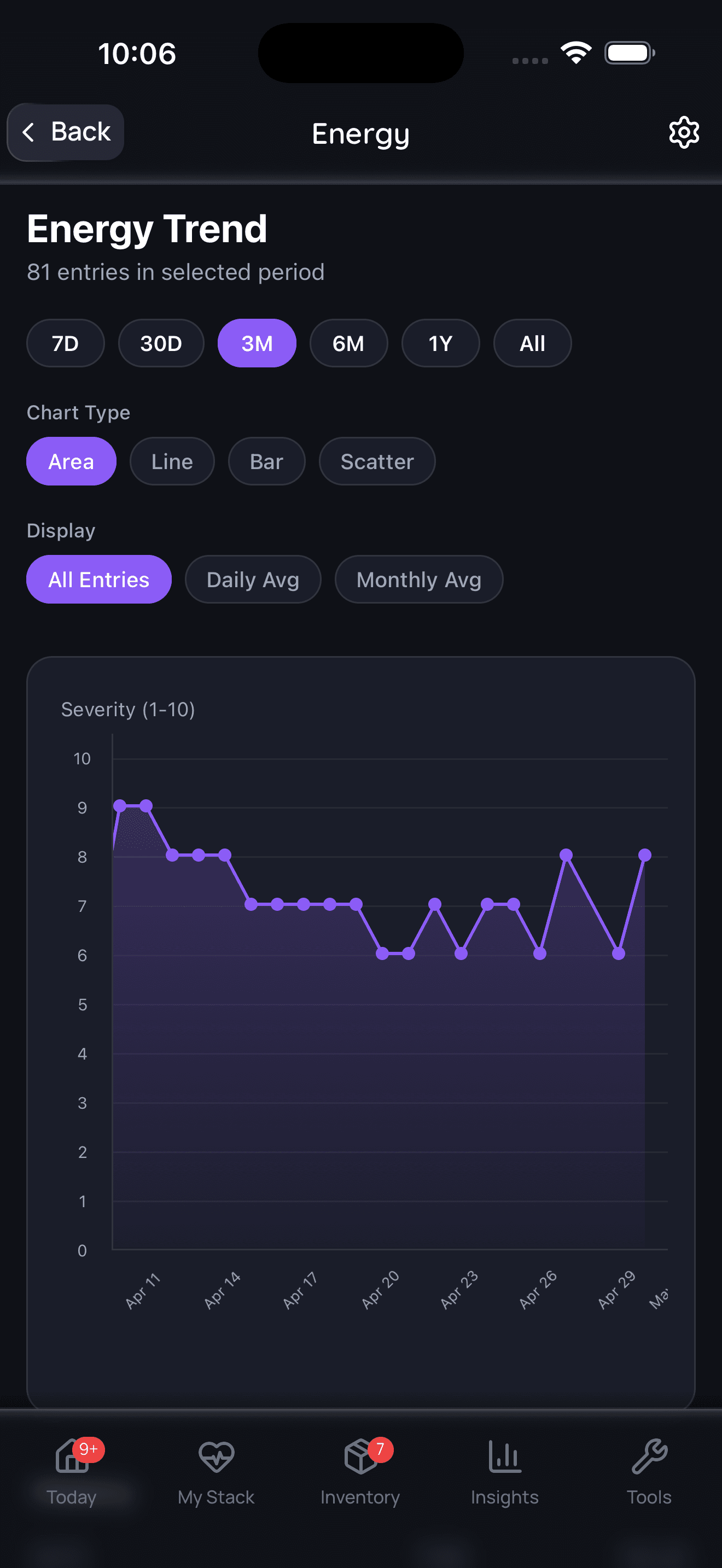
Symptom tracking is informational and should be interpreted with a qualified clinician.
Regulatory Status & Standards
United States (FDA): Vitamin D3 (cholecalciferol) is regulated as a dietary supplement under DSHEA. It has GRAS (Generally Recognized as Safe) status as a food additive. The DV is 20 mcg (800 IU). Prescription-strength vitamin D2 (ergocalciferol, 50,000 IU) is available as an FDA-approved drug for deficiency treatment.
Canada (Health Canada): Vitamin D is available as a Natural Health Product (NHP). Milk must be fortified with vitamin D by law. Supplementation is widely recommended, particularly for populations in northern latitudes.
European Union (EFSA): EFSA has authorized health claims for vitamin D related to normal calcium/phosphorus absorption, bone/teeth maintenance, muscle function, immune function, and cell division. Maximum permitted levels in supplements vary by member state.
Australia (TGA): Listed as a complementary medicine. Available over the counter at standard doses. Higher doses may require prescription.
Athlete & Sports Regulatory Status:
- WADA: Vitamin D3 is NOT on the WADA Prohibited List. It is permitted at all times, in and out of competition.
- National Anti-Doping Agencies (USADA, UKAD, Sport Integrity Canada, Sport Integrity Australia, NADA Germany): No specific restrictions or alerts for vitamin D3.
- Professional Sports Leagues (NFL, NBA, MLB, NHL, NCAA): No restrictions. Vitamin D testing and supplementation is common among professional athletes, particularly those training indoors or at northern latitudes.
- NCAA: Vitamin D is not on the NCAA banned substance list. Athletic departments may provide vitamin D supplements; NSF Certified for Sport or Informed Sport certification is recommended but not required for vitamin D specifically.
- Athlete Certification Programs: Vitamin D3 products are available with Informed Sport, NSF Certified for Sport, Cologne List, and BSCG certification.
- GlobalDRO: Vitamin D3 shows no prohibited status across all jurisdictions (US, UK, Canada, Australia, Japan, Switzerland, NZ).
Regulatory status and prohibited substance classifications change frequently. Athletes should always verify the current status of any supplement with their sport's governing body, their national anti-doping agency, and a qualified sports medicine professional before use. Third-party certification (Informed Sport, NSF Certified for Sport) reduces but does not eliminate the risk of contamination with prohibited substances.
Frequently Asked Questions
How much vitamin D3 should I take daily?
The IOM RDA is 600 IU (15 mcg) for adults aged 19-70 and 800 IU (20 mcg) for adults over 70. Many healthcare providers recommend 1,000-2,000 IU for general maintenance. The best approach is to have your 25(OH)D level tested and work with your provider to determine the dose that brings you into the adequate range (at least 20 ng/mL per IOM, 30+ ng/mL per many clinicians). The UL is 4,000 IU daily; do not exceed this without medical supervision.
Is vitamin D3 better than D2?
Yes, for supplementation purposes. Research consistently shows that D3 raises serum 25(OH)D levels to a greater extent and maintains them longer than equivalent doses of D2. D3 is the form your body naturally produces from sunlight. Most experts recommend D3 over D2 for supplementation.
Should I take vitamin K2 with vitamin D3?
This is widely recommended by both clinicians and experienced supplement users. Vitamin K2 helps direct the calcium that vitamin D mobilizes into your bones rather than into your arteries and soft tissues. While there is no official RDA for K2 in this context, common practice is to take 100 to 200 mcg of K2 (MK-7 form) alongside vitamin D3 supplementation. Many combination D3+K2 products are available.
Can I get enough vitamin D from the sun?
It depends on many factors: latitude, season, time of day, skin color, sunscreen use, age, and how much skin is exposed. People living at higher latitudes (above 37 degrees north) produce little to no vitamin D from sunlight during winter months. Most dermatologists and health organizations recommend limiting unprotected sun exposure due to skin cancer risk, which may necessitate supplementation.
What blood level of vitamin D is considered adequate?
The IOM considers levels of 50 nmol/L (20 ng/mL) or above adequate for most people. Levels below 30 nmol/L (12 ng/mL) indicate deficiency. The Endocrine Society does not define specific sufficiency thresholds but notes individual variability. Many clinicians target 30-40 ng/mL (75-100 nmol/L).
Can you take too much vitamin D?
Yes. Vitamin D toxicity is rare but can be serious. It almost always results from excessive supplement use (typically above 10,000 IU daily for extended periods), never from food or sun exposure. Symptoms include hypercalcemia (nausea, vomiting, weakness, confusion), kidney stones, and kidney damage. Stay at or below the UL of 4,000 IU daily unless under medical supervision.
When is the best time of day to take vitamin D3?
Morning, with a fat-containing meal. Community experience strongly suggests that evening dosing can interfere with sleep quality in some people, possibly through effects on melatonin pathways. Taking D3 with breakfast or lunch alongside some dietary fat optimizes absorption.
Do I need to take vitamin D in the summer?
This depends on your individual sun exposure, skin color, latitude, and lifestyle. If you spend significant time outdoors with skin exposed during summer months, your body may produce sufficient vitamin D. If you primarily work indoors, use sunscreen consistently, or have darker skin, year-round supplementation may be appropriate. Blood testing is the most reliable way to determine seasonal needs.
How long does it take for vitamin D supplements to work?
Serum 25(OH)D levels begin rising within days of starting supplementation but typically take 2 to 3 months to reach a new steady state. Subjective effects (mood, energy, sleep) may be noticed within 1 to 6 weeks when correcting a significant deficiency. People who are not deficient may not notice any subjective changes.
Is vitamin D safe during pregnancy?
The IOM RDA for pregnant women is 600 IU (15 mcg) daily, with a UL of 4,000 IU. Many prenatal vitamins contain 400 to 1,000 IU. Higher doses should only be taken under medical supervision. Vitamin D deficiency during pregnancy has been associated with adverse outcomes; discuss testing and supplementation with your prenatal care provider.
Myth vs. Fact
Myth: You can get all the vitamin D you need from food.
Fact: Very few foods naturally contain significant amounts of vitamin D. Even with fortified foods, most Americans consume well below the RDA from diet alone (average intake: 4-5 mcg or 160-200 IU versus the 15 mcg/600 IU RDA). Supplementation and/or sun exposure are typically necessary to maintain adequate levels [1].
Myth: Spending a few minutes in the sun gives you plenty of vitamin D.
Fact: Sun-derived vitamin D production depends heavily on latitude, season, time of day, skin color, cloud cover, and clothing. People living above 37 degrees north latitude produce little to no vitamin D from sunlight during winter. Darker skin requires up to 5 to 10 times more sun exposure than lighter skin to produce the same amount of vitamin D [1].
Myth: More vitamin D is always better.
Fact: Research shows that very high doses (4,000-10,000 IU daily) can actually decrease bone mineral density in healthy, D-sufficient individuals [7]. Toxicity, while rare, can cause serious harm including kidney damage and cardiac arrhythmias. The dose-response relationship is nonlinear, and benefits plateau at adequate levels [1].
Myth: Vitamin D2 and D3 are equally effective.
Fact: While both forms raise serum 25(OH)D, D3 does so more effectively and maintains higher levels for longer. D3 is the form naturally produced by the human body and is generally recommended for supplementation over D2 [1][4].
Myth: Vitamin D prevents cancer.
Fact: Large clinical trials have consistently shown that vitamin D supplementation does not reduce cancer incidence. However, it may reduce cancer mortality by 12-13 percent according to multiple meta-analyses. The relationship is more nuanced than prevention [9][10].
Myth: If I'm not deficient, I don't need vitamin D.
Fact: While the most dramatic benefits come from correcting deficiency, maintaining adequate levels supports ongoing calcium absorption, immune function, and may contribute to reduced cancer mortality risk. The Endocrine Society recommends routine supplementation for specific at-risk groups including adults 75 and older [1].
Myth: Vitamin D is water-soluble, so excess is excreted safely.
Fact: Vitamin D is fat-soluble and is stored in body fat. Unlike water-soluble vitamins, excess vitamin D can accumulate to toxic levels over time with chronic high-dose supplementation. This is why the UL exists and why blood monitoring is recommended for those taking doses above the RDA [1].
Myth: You can get vitamin D through a window.
Fact: UVB radiation, which triggers vitamin D synthesis in the skin, does not penetrate glass. Sitting by a sunny window does not contribute to vitamin D production, though UVA radiation (which does penetrate glass) can still contribute to skin aging [1].
Sources & References
Government & Institutional Sources
[1] Institute of Medicine (IOM). Dietary Reference Intakes for Calcium and Vitamin D. Washington, DC: The National Academies Press; 2011. DOI: 10.17226/13050.
[2] Holick MF. Vitamin D deficiency. N Engl J Med. 2007;357(3):266-281. DOI: 10.1056/NEJMra070553.
[3] Memorial Sloan Kettering Cancer Center. Vitamin D monograph. Updated March 26, 2024. https://www.mskcc.org/cancer-care/integrative-medicine/herbs/vitamin-d
Clinical Trials & RCTs
[4] Tripkovic L, Lambert H, Hart K, et al. Comparison of vitamin D2 and vitamin D3 supplementation in raising serum 25-hydroxyvitamin D status: a systematic review and meta-analysis. Am J Clin Nutr. 2012;95(6):1357-1364.
[5] LeBoff MS, Chou SH, Ratliff KA, et al. Supplemental Vitamin D and Incident Fractures in Midlife and Older Adults. N Engl J Med. 2022;387(4):299-309.
[7] Burt LA, Billington EO, Rose MS, Raymond DA, Hanley DA, Boyd SK. Effect of High-Dose Vitamin D Supplementation on Volumetric Bone Density and Bone Strength: A Randomized Clinical Trial. JAMA. 2019;322(8):736-745.
[13] Okereke OI, Reynolds CF 3rd, Mischoulon D, et al. Effect of Long-term Vitamin D3 Supplementation vs Placebo on Risk of Depression or Clinically Relevant Depressive Symptoms and on Change in Mood Scores: A Randomized Clinical Trial. JAMA. 2020;324(5):471-480.
[14] Lansdowne AT, Provost SC. Vitamin D3 enhances mood in healthy subjects during winter. Psychopharmacology (Berl). 1998;135(4):319-323.
Systematic Reviews & Meta-Analyses
[6] Kahwati LC, Weber RP, Pan H, et al. Vitamin D, Calcium, or Combined Supplementation for the Primary Prevention of Fractures in Community-Dwelling Adults: Evidence Report and Systematic Review for the US Preventive Services Task Force. JAMA. 2018;319(15):1600-1612.
[8] DIPART (Vitamin D Individual Patient Analysis of Randomized Trials) Group. Patient level pooled analysis of 68,500 patients from seven major vitamin D fracture trials in US and Europe. BMJ. 2010;340:b5463.
[9] Manson JE, Bassuk SS, Buring JE; VITAL Research Group. Principal results of the VITamin D and OmegA-3 TriaL (VITAL) and updated meta-analyses of relevant vitamin D trials. J Steroid Biochem Mol Biol. 2020;198:105522.
[10] Keum N, Lee DH, Greenwood DC, Manson JE, Giovannucci E. Vitamin D supplementation and total cancer incidence and mortality: a meta-analysis of randomized controlled trials. Ann Oncol. 2019;30(5):733-743.
[12] Barbarawi M, Kheiri B, Zayed Y, et al. Vitamin D Supplementation and Cardiovascular Disease Risks in More Than 83,000 Individuals in 21 Randomized Clinical Trials: A Meta-analysis. JAMA Cardiol. 2019;4(8):765-776.
Observational Studies
[11] McCullough ML, Zoltick ES, Weinstein SJ, et al. Circulating Vitamin D and Colorectal Cancer Risk: An International Pooling Project of 17 Cohorts. J Natl Cancer Inst. 2019;111(2):158-169.
[15] Munger KL, Hongell K, Aivo J, et al. 25-Hydroxyvitamin D deficiency and risk of MS among women in the Finnish Maternity Cohort. Neurology. 2017;89(15):1578-1583.
Drug Interaction Sources
[16] Mayo Clinic. Vitamin D: Overview, interactions, and safety. Published March 21, 2025. https://www.mayoclinic.org/drugs-supplements-vitamin-d/art-20363792
Related Supplement Guides
Same Category
Common Stacks / Pairings
Related Health Goal
- Iron (bone health, fatigue)
- Vitamin C (immune function)
- Vitamin B12 (energy, mood)
- 5-HTP (mood, serotonin pathway)