
Secondary Hypogonadism
On this page
Quick Reference Card
Attribute
Definition
- Value
- Testosterone deficiency caused by dysfunction of the hypothalamus or pituitary gland (hypogonadotropic hypogonadism)
Attribute
ICD-10 Code
- Value
- E23.0 (Hypopituitarism), E29.1 (Testicular hypofunction)
Attribute
Prevalence
- Value
- Estimated 10-40% of adult males depending on population; higher in obese men, men with type 2 diabetes, and older men
Attribute
Diagnostic Criteria
- Value
- Two morning total T measurements < 300 ng/dL + symptoms + low or inappropriately normal LH/FSH
Attribute
Testosterone Thresholds
- Value
- Total T < 300 ng/dL (AUA), free T below lab-specific lower limit
Attribute
Key Differentiating Feature
- Value
- Low or normal LH/FSH (vs. elevated LH/FSH in primary hypogonadism)
Attribute
First-Line Approach
- Value
- Address reversible causes (obesity, sleep apnea, medications) before pharmacological treatment
Attribute
Treatment Options
- Value
- TRT, clomiphene citrate (off-label SERM), enclomiphene, HCG, gonadotropin therapy
Attribute
Key Biomarkers
- Value
- Total T, free T, LH, FSH, prolactin, SHBG, estradiol, hematocrit, PSA
Attribute
When to Seek Medical Help
- Value
- Persistent fatigue, low libido, erectile dysfunction, mood changes, inability to build muscle, unexplained weight gain
Overview / What Is Secondary Hypogonadism?
The Basics
If you have been told you have secondary hypogonadism, it means your body is not producing enough testosterone, but the problem is not with your testicles. Instead, the issue lies upstream, in the parts of your brain responsible for telling your testicles to make testosterone.
Your body runs testosterone production through a chain of command. The hypothalamus (a region deep in the brain) sends a signal to the pituitary gland (a pea-sized gland at the base of the brain), which then sends hormones called LH and FSH down to the testicles. Those hormones tell the testicles to produce testosterone and sperm. In secondary hypogonadism, this signaling chain is broken or weakened somewhere between the hypothalamus and the pituitary. Your testicles could work perfectly well if they received the right signals; they just are not getting them.
This distinction matters for two important reasons. First, it changes how your condition is diagnosed. Your blood work will show low testosterone alongside low or inappropriately normal LH and FSH levels, rather than the elevated levels you would see if the testicles themselves were failing. Second, it opens up treatment options that are not available for men with primary hypogonadism (testicular failure). Because your testicles are intact, treatments that stimulate your own hormonal signaling system, such as clomiphene or HCG, may be effective. These options preserve fertility and maintain testicular function, which exogenous testosterone therapy does not [1].
The causes of secondary hypogonadism range from congenital conditions present from birth (such as Kallmann syndrome) to acquired conditions that develop later in life. The most common acquired causes in adults include obesity, obstructive sleep apnea, chronic opioid use, pituitary tumors, and chronic illness. In many of these cases, addressing the underlying cause can partially or fully restore testosterone production without the need for lifelong testosterone therapy [2].
The Science
Secondary hypogonadism, also termed hypogonadotropic hypogonadism (HH), is defined by deficient testosterone production resulting from impaired hypothalamic-pituitary signaling rather than primary testicular failure. The condition is characterized biochemically by low serum testosterone concentrations in conjunction with low or inappropriately normal gonadotropin (LH and FSH) levels [1][2].
The hypothalamic-pituitary-gonadal (HPG) axis operates through a coordinated neuroendocrine cascade. The hypothalamus secretes gonadotropin-releasing hormone (GnRH) in a pulsatile fashion (approximately every 60-120 minutes), which stimulates anterior pituitary gonadotrophs to synthesize and release LH and FSH. LH acts on Leydig cells to stimulate steroidogenesis, producing approximately 5-7 mg of testosterone daily, while FSH acts on Sertoli cells to support spermatogenesis. Circulating testosterone and its metabolites (estradiol via aromatase, dihydrotestosterone via 5-alpha reductase) provide negative feedback at both the hypothalamic and pituitary levels to regulate gonadotropin secretion [3].
In secondary hypogonadism, disruption at the hypothalamic level (impaired GnRH secretion) or pituitary level (impaired gonadotropin synthesis or release) reduces LH-driven Leydig cell stimulation and FSH-driven Sertoli cell function. This results in both testosterone deficiency and impaired spermatogenesis, though the degree of each varies with the severity and chronicity of the signaling deficit [4].
A clinically important distinction has emerged between classical and functional forms of secondary hypogonadism. Classical HH results from identifiable structural or genetic pathology (pituitary tumors, Kallmann syndrome, GnRH receptor mutations). Functional HH (FHH) occurs in the context of systemic conditions that suppress HPG axis function without direct structural damage: obesity, type 2 diabetes, metabolic syndrome, chronic opioid use, obstructive sleep apnea, chronic illness, and excessive physical exercise. In FHH, gonadotropin levels are typically in the low-normal range but are inappropriately low for the concurrent testosterone level [5]. This distinction is therapeutically significant because functional causes are often reversible with treatment of the underlying condition.
Medical / Chemical Identity
Property
Condition
- Detail
- Secondary (Hypogonadotropic) Hypogonadism
Property
ICD-10 Codes
- Detail
- E23.0 (Hypopituitarism), E29.1 (Testicular hypofunction), E89.5 (Postprocedural testicular hypofunction)
Property
Endocrine Society Classification
- Detail
- Hypogonadotropic hypogonadism: Low testosterone + low/inappropriately normal LH and FSH
Property
AUA Diagnostic Threshold
- Detail
- Total testosterone < 300 ng/dL on two separate morning measurements
Property
Endocrine Society Threshold
- Detail
- Total testosterone consistently below the lower limit of normal for the assay (approximately 264-300 ng/dL depending on laboratory)
Property
EAU Threshold
- Detail
- Total testosterone < 12.1 nmol/L (approximately 350 ng/dL)
Property
Key Differentiating Labs
- Detail
- LH: Low or inappropriately normal; FSH: Low or inappropriately normal
Property
Additional Workup
- Detail
- Prolactin (rule out prolactinoma), iron studies (hemochromatosis), pituitary MRI (if structural cause suspected)
Property
Congenital Forms
- Detail
- Kallmann syndrome (with anosmia), idiopathic hypogonadotropic hypogonadism (normosmic), GnRH receptor mutations, LH/FSH subunit mutations
Property
Acquired Forms
- Detail
- Pituitary tumors/surgery/radiation, obesity, medications (opioids, glucocorticoids), sleep apnea, chronic illness, infiltrative disease (sarcoidosis, hemochromatosis), HIV/AIDS
Mechanism of Action / Pathophysiology
The Basics
To understand secondary hypogonadism, it helps to picture your hormonal system as a relay race. The hypothalamus (in your brain) passes a chemical baton called GnRH to the pituitary gland (at the base of the brain). The pituitary then passes its own batons, called LH and FSH, down to the testicles. The testicles receive these signals and respond by producing testosterone and sperm.
In secondary hypogonadism, the problem is with the first or second runner, not the third. The hypothalamus might not be sending enough GnRH, or the pituitary might not be responding properly or producing enough LH and FSH. Either way, the testicles never get the full signal they need. They could do their job if asked, but the message is not getting through clearly.
This is fundamentally different from primary hypogonadism, where the testicles themselves are damaged or dysfunctional. In that case, no matter how loudly the brain signals, the testicles cannot respond adequately.
The most common reasons the signaling breaks down in adults include carrying significant excess weight (fat tissue produces hormones that suppress the HPG axis), using certain medications (particularly opioid painkillers and corticosteroids that directly suppress hormonal signaling), having a growth or tumor on the pituitary gland, untreated sleep apnea, and chronic illness. In some cases, people are born with genetic conditions that prevent normal development of these signaling pathways.
The good news is that because the testicles remain functional, treatments that restart or amplify the signaling pathway can work. Medications like clomiphene and HCG stimulate the body to produce its own testosterone, which preserves fertility. Alternatively, testosterone replacement therapy bypasses the signaling pathway entirely by providing testosterone directly, though this shuts down the body's own production.
The Science
The pathophysiology of secondary hypogonadism involves disruption of the hypothalamic-pituitary-gonadal axis at the hypothalamic or pituitary level, resulting in inadequate gonadotropin-driven stimulation of testicular steroidogenesis and gametogenesis [1][3].
Hypothalamic causes involve impaired GnRH secretion. GnRH neurons, which originate in the olfactory placode during embryonic development and migrate to the mediobasal hypothalamus, must establish appropriate pulsatile secretion (approximately every 60-120 minutes) into the hypophyseal portal system. Disruption of GnRH neuron migration (as in Kallmann syndrome, which involves mutations in ANOS1, FGFR1, FGF8, PROKR2, PROK2, and other genes) results in congenital hypogonadotropic hypogonadism with anosmia. Over 25 genes have been associated with congenital GnRH deficiency [6].
Functional suppression of GnRH pulsatility occurs through multiple mechanisms in acquired forms:
- Obesity: Increased adipose tissue aromatase activity converts testosterone to estradiol, providing excessive negative feedback on GnRH pulse frequency. Elevated leptin, insulin, and inflammatory cytokines (TNF-alpha, IL-6) directly suppress hypothalamic GnRH neurons. Approximately 30-50% of men with obesity exhibit reduced testosterone levels, predominantly through this hypogonadotropic mechanism [7].
- Opioid-induced androgen deficiency (OPIAD): Mu-opioid receptor agonists suppress hypothalamic GnRH secretion in a dose-dependent fashion. Studies demonstrate testosterone deficiency in 50-90% of men on chronic opioid therapy, with gonadotropin levels that are low or inappropriately normal for the reduced testosterone concentration [8].
- Obstructive sleep apnea (OSA): Intermittent hypoxia and sleep fragmentation disrupt nocturnal GnRH pulsatility. Treatment with CPAP has been shown to partially restore testosterone levels, though normalization is not always achieved [9].
Pituitary causes include structural lesions (macroadenomas, craniopharyngiomas) that compress or destroy gonadotroph cells, prolactin-secreting adenomas (prolactinomas) where hyperprolactinemia suppresses GnRH pulsatility, infiltrative diseases (hemochromatosis, sarcoidosis, histiocytosis), pituitary apoplexy, and iatrogenic causes (surgery, radiation).
Intratesticular consequences: Unlike primary hypogonadism where Leydig cell dysfunction or loss is the primary pathology, secondary hypogonadism preserves testicular cellular architecture. However, without adequate LH stimulation, Leydig cells reduce testosterone output, and intratesticular testosterone concentrations (normally 40-100 times serum levels) decline. Without adequate FSH, Sertoli cell function deteriorates, impairing spermatogenesis. This preserved testicular architecture is the basis for the effectiveness of gonadotropin or SERM-based therapies [3][10].
Pathway & System Visualization
Pharmacokinetics / Hormone Physiology
The Basics
Understanding how testosterone is produced and regulated helps explain why secondary hypogonadism happens and how different treatments work.
Your body produces testosterone through a carefully timed signaling system. The hypothalamus releases GnRH in pulses, roughly every 90 minutes or so. These pulses are strongest in the early morning hours, which is why testosterone levels peak between 7 and 10 AM and why blood tests for testosterone should be drawn during this window.
Each pulse of GnRH tells the pituitary to release LH and FSH. LH stimulates the Leydig cells in the testicles to produce testosterone (about 5-7 mg per day in healthy men). FSH supports the Sertoli cells that nurture developing sperm.
In secondary hypogonadism, these pulses are either absent, weakened, or irregular. The result is insufficient LH and FSH reaching the testicles, which leads to low testosterone output and often impaired sperm production.
This is why treating secondary hypogonadism has more options than treating primary hypogonadism. Medications like clomiphene work by blocking estrogen's negative feedback on the hypothalamus and pituitary, effectively amplifying the GnRH-LH-FSH signal. HCG mimics LH directly, stimulating the Leydig cells to produce testosterone without needing to fix the upstream signaling. These approaches preserve the body's own testosterone production machinery and maintain fertility in ways that direct testosterone replacement cannot.
The Science
Normal testosterone physiology involves pulsatile GnRH secretion from the hypothalamic arcuate nucleus at a frequency of approximately 8-14 pulses per 24 hours. This pulsatile pattern is essential; continuous GnRH administration paradoxically downregulates pituitary GnRH receptors and suppresses gonadotropin release [3].
LH has a plasma half-life of approximately 20 minutes and acts through the LH/CG receptor on Leydig cells, activating cAMP-mediated steroidogenic pathways (StAR protein, CYP11A1, CYP17A1, 3beta-HSD, 17beta-HSD). Daily testosterone production in eugonadal men is approximately 5-7 mg, maintaining serum total testosterone in the reference range of 300-1000 ng/dL with a diurnal pattern peaking at 6-8 AM [3][7].
Circulating testosterone exists in three fractions: approximately 44% bound to sex hormone-binding globulin (SHBG), 54% loosely bound to albumin, and approximately 2% as free (unbound) testosterone. The free and albumin-bound fractions constitute "bioavailable" testosterone. SHBG-bound testosterone is generally considered biologically inactive. In conditions common to functional secondary hypogonadism (particularly obesity), SHBG levels may be decreased, which can make total testosterone measurements less reliable as indicators of androgenic status [11].
In secondary hypogonadism, the diminished gonadotropin stimulus results in reduced Leydig cell steroidogenesis and, consequently, lower intratesticular testosterone concentrations. Since spermatogenesis requires intratesticular testosterone concentrations 40-100 times higher than serum levels, even modest reductions in gonadotropin-driven Leydig cell output can significantly impair spermatogenesis [10].
Research & Clinical Evidence
The Basics
The research landscape for secondary hypogonadism has evolved significantly over the past decade, particularly regarding cardiovascular safety and the role of alternative treatments to TRT.
Cardiovascular Safety: For years, there was genuine uncertainty about whether testosterone treatment carried cardiovascular risks. The TRAVERSE trial, published in 2023, was the first large-scale study designed specifically to answer this question. It enrolled over 5,200 men with hypogonadism and followed them for an average of 33 months. The key finding: testosterone treatment (using gel) was not associated with an increased risk of major cardiovascular events (heart attack, stroke, or cardiovascular death) compared to placebo. This was reassuring, though the study did note some increased risk of blood clots and irregular heart rhythms in the testosterone group [12].
Treatment Alternatives: An important area of research for secondary hypogonadism specifically involves medications like clomiphene citrate and enclomiphene. Multiple studies have demonstrated that clomiphene can raise testosterone levels by 200-400% in men with secondary hypogonadism by stimulating the body's own production pathway. These medications are used off-label, meaning they are not specifically FDA-approved for this purpose, but the clinical evidence supports their effectiveness in this population [13].
Reversible Causes: Research consistently shows that addressing underlying causes of functional secondary hypogonadism can restore testosterone levels. Weight loss studies demonstrate testosterone increases of 50-150 ng/dL with significant weight loss, CPAP treatment for sleep apnea can partially restore testosterone, and opioid taper or discontinuation allows HPG axis recovery in many patients [7][9].
The Science
TRAVERSE Trial (Lincoff et al., 2023, NEJM): The definitive cardiovascular safety study enrolled 5,246 men aged 45-80 with hypogonadism (two testosterone measurements < 300 ng/dL) and preexisting or high risk of cardiovascular disease. Randomized to daily transdermal testosterone 1.62% gel or placebo. Primary endpoint: first occurrence of MACE (cardiovascular death, nonfatal MI, nonfatal stroke). Hazard ratio: 0.96 (95% CI: 0.78-1.17), meeting the prespecified non-inferiority margin of 1.20. Median baseline total testosterone was 227 ng/dL. Notable safety signals included increased atrial fibrillation, pulmonary embolism, and acute kidney injury (2.3% vs 1.5%, P=.04) in the testosterone group. Mean follow-up was 33 months [12].
Clomiphene in Secondary Hypogonadism: Taylor and Levine (2010) demonstrated that clomiphene citrate 25-50 mg daily raised total testosterone from a mean of 228 to 612 ng/dL in men with secondary hypogonadism over 4 months. LH increased from 2.2 to 7.4 mIU/mL, FSH from 2.6 to 5.9 mIU/mL. Symptom improvement in sexual function, energy, and mood was significant. Semen parameters were preserved or improved [13].
Obesity and Functional HH: The European Male Aging Study (EMAS, n=3,369) demonstrated that BMI was the strongest predictor of low total and free testosterone levels in men aged 40-79, more predictive than age itself. The relationship was mediated through both decreased SHBG (lowering total T) and direct hypothalamic suppression (lowering free T and gonadotropins). Weight loss of >10% body weight increased total testosterone by 84-154 ng/dL in several intervention studies [7].
Opioid-Induced Androgen Deficiency: A systematic review of 16 studies found hypogonadism in 53-87% of men on long-term opioid therapy, with the prevalence correlating with opioid dose and duration. The mechanism involves direct mu-opioid receptor-mediated suppression of hypothalamic GnRH secretion. Recovery of HPG axis function after opioid discontinuation varies but can occur within weeks to months [8].
Evidence & Effectiveness Matrix
Category
Sexual Function & Libido
- Evidence Strength
- 7/10
- Reported Effectiveness
- 7/10
- Summary
- Both TRT and SERM therapy improve libido and erectile function in secondary hypogonadism. TTrials demonstrated improvement in sexual activity with testosterone treatment in older hypogonadal men.
Category
Energy & Vitality
- Evidence Strength
- 7/10
- Reported Effectiveness
- 8/10
- Summary
- Strong evidence that treating secondary hypogonadism improves energy levels. Community reports are consistently positive.
Category
Mood & Emotional Wellbeing
- Evidence Strength
- 7/10
- Reported Effectiveness
- 8/10
- Summary
- TTrials showed modest improvement in depressive symptoms. Community reports of dramatic mood improvement, particularly in previously undiagnosed cases.
Category
Anxiety & Stress Response
- Evidence Strength
- 5/10
- Reported Effectiveness
- 7/10
- Summary
- Limited clinical trial data specifically for anxiety outcomes. Community reports are positive but may reflect indirect effects via mood and energy improvement.
Category
Cognitive Function
- Evidence Strength
- 5/10
- Reported Effectiveness
- 6/10
- Summary
- TTrials Cognition Trial showed no significant improvement in cognitive function with testosterone treatment in older men. Some community reports of brain fog resolution.
Category
Muscle Mass & Strength
- Evidence Strength
- 7/10
- Reported Effectiveness
- 7/10
- Summary
- Consistent evidence that testosterone normalization increases lean mass and strength. Effect magnitude depends on baseline deficiency severity.
Category
Body Fat & Composition
- Evidence Strength
- 7/10
- Reported Effectiveness
- 7/10
- Summary
- TRT consistently reduces fat mass in hypogonadal men, with greater effects in those with obesity-related secondary hypogonadism.
Category
Bone Health
- Evidence Strength
- 7/10
- Reported Effectiveness
- 5/10
- Summary
- TTrials Bone Trial demonstrated increased bone mineral density and estimated bone strength with testosterone treatment. Limited community awareness of this benefit.
Category
Cardiovascular Health
- Evidence Strength
- 7/10
- Reported Effectiveness
- N/A
- Summary
- TRAVERSE trial demonstrated non-inferiority of testosterone vs placebo for MACE in high-CV-risk men. Community data not yet collected for this category.
Category
Metabolic Health
- Evidence Strength
- 6/10
- Reported Effectiveness
- N/A
- Summary
- Evidence supports improvements in insulin sensitivity and metabolic parameters with testosterone normalization, particularly in obesity-related secondary hypogonadism. Community data not yet collected.
Category
Sleep Quality
- Evidence Strength
- 5/10
- Reported Effectiveness
- 6/10
- Summary
- Complex relationship: treating hypogonadism may improve sleep quality, but TRT can worsen OSA. Community reports are mixed.
Category
Fertility & Reproductive
- Evidence Strength
- 8/10
- Reported Effectiveness
- 8/10
- Summary
- Secondary hypogonadism uniquely amenable to fertility-preserving treatment (SERMs, HCG). Strong evidence that gonadotropin therapy can induce spermatogenesis. Strong community support for clomid/HCG approach.
Category
Polycythemia & Hematologic
- Evidence Strength
- 6/10
- Reported Effectiveness
- 4/10
- Summary
- Standard TRT polycythemia risk applies. Less relevant for SERM-treated patients. Limited community discussion.
Category
Prostate Health
- Evidence Strength
- 6/10
- Reported Effectiveness
- N/A
- Summary
- Standard PSA monitoring applies during testosterone treatment. Current evidence does not support causal link between TRT and prostate cancer at physiological levels.
Category
Skin & Hair
- Evidence Strength
- 5/10
- Reported Effectiveness
- N/A
- Summary
- Androgenic side effects (acne, hair thinning) are dose-dependent. Community data insufficient for scoring.
Category
Gynecomastia & Estrogen
- Evidence Strength
- 6/10
- Reported Effectiveness
- 5/10
- Summary
- Aromatization concerns apply with TRT. Clomiphene may increase estradiol levels. Community reports of gynecomastia both as symptom of untreated condition and treatment side effect.
Category
Fluid Retention & Edema
- Evidence Strength
- 4/10
- Reported Effectiveness
- N/A
- Summary
- Standard TRT fluid retention applies. Insufficient community data for condition-specific scoring.
Category
Overall Quality of Life
- Evidence Strength
- 7/10
- Reported Effectiveness
- N/A
- Summary
- Composite improvement across multiple domains. Captured indirectly through individual category scores.
Benefits & Therapeutic Effects
The Basics
When secondary hypogonadism is properly diagnosed and treated, the benefits can be substantial because you are restoring something your body is missing. Unlike taking a supplement for marginal improvement, treating hypogonadism addresses a genuine deficiency that affects virtually every system in your body.
The benefits that most men notice first are improvements in energy and mood. Persistent, unexplained fatigue is one of the hallmark symptoms of hypogonadism, and many men describe it as feeling like they are constantly running on empty. When testosterone levels normalize, energy levels typically improve within the first few weeks of treatment, though the full effect may take 2-3 months to stabilize.
Sexual function improvements, including restored libido and improved erectile function, are among the most commonly reported and most studied benefits. For many men, these are the symptoms that prompted them to seek medical evaluation in the first place.
Body composition changes occur more gradually. Over 3-6 months of treatment, many men notice increased muscle mass, decreased body fat (particularly visceral fat around the abdomen), and improved strength. Bone density improvements are slower still, typically measurable after 6-12 months of treatment.
What makes secondary hypogonadism unique is the option for treatments that work through your body's own systems. If you respond to clomiphene or HCG, you get the testosterone benefits while your testicles continue producing both testosterone and sperm. This is particularly valuable for younger men or anyone who may want to father children.
The Science
Treatment of secondary hypogonadism produces benefits across multiple physiological domains, with effect magnitude correlating to the severity of baseline testosterone deficiency [1][2]:
Sexual function: The TTrials Sexual Function Trial (n=470) demonstrated that testosterone treatment significantly improved all domains of the Psychosexual Daily Questionnaire, including sexual desire, erectile function, and sexual activity frequency. Effect sizes were most pronounced in men with the lowest baseline testosterone levels [14].
Body composition: A meta-analysis of 47 RCTs found that testosterone therapy in hypogonadal men increased lean body mass by a mean of 1.6 kg and decreased fat mass by a mean of 2.0 kg over 6-12 months. Effects on visceral adipose tissue were particularly notable in men with obesity-related secondary hypogonadism [15].
Bone health: The TTrials Bone Trial demonstrated that testosterone treatment increased volumetric bone mineral density of the spine by 7.5% and estimated bone strength by 10.8% over 12 months, measured by quantitative CT. These effects were mediated through both direct androgen receptor activation in osteoblasts and aromatization to estradiol, which activates ER-alpha in osteoblasts [16].
Metabolic effects: Testosterone normalization in hypogonadal men with type 2 diabetes or metabolic syndrome improves fasting glucose, HbA1c, insulin sensitivity (HOMA-IR), and lipid profiles. These effects are most pronounced when hypogonadism is a contributor to the metabolic dysfunction [15].
Mood and cognition: The TTrials Vitality Trial demonstrated a modest but significant improvement in energy and depressive symptoms (PHQ-9 scores) with testosterone treatment. The Cognition Trial, however, did not demonstrate significant cognitive improvement in older men [14].
Reading about the potential benefits gives you a framework for what to look for. Tracking whether those benefits are actually showing up in your own experience turns hope into evidence. Doserly lets you monitor the specific outcomes that matter most to you, from energy and libido to mood and body composition, building a personal record of how your testosterone therapy is working.
When it is time for your next provider appointment, you will have concrete data showing which symptoms have improved, which have not changed, and when shifts started happening. That kind of detail makes follow-up conversations more productive and dose adjustments more precise.
Connect protocol changes to labs and health markers.
Doserly can keep lab results, biomarkers, symptoms, and dose history close together so follow-up conversations have better context.
Insights
Labs and trends
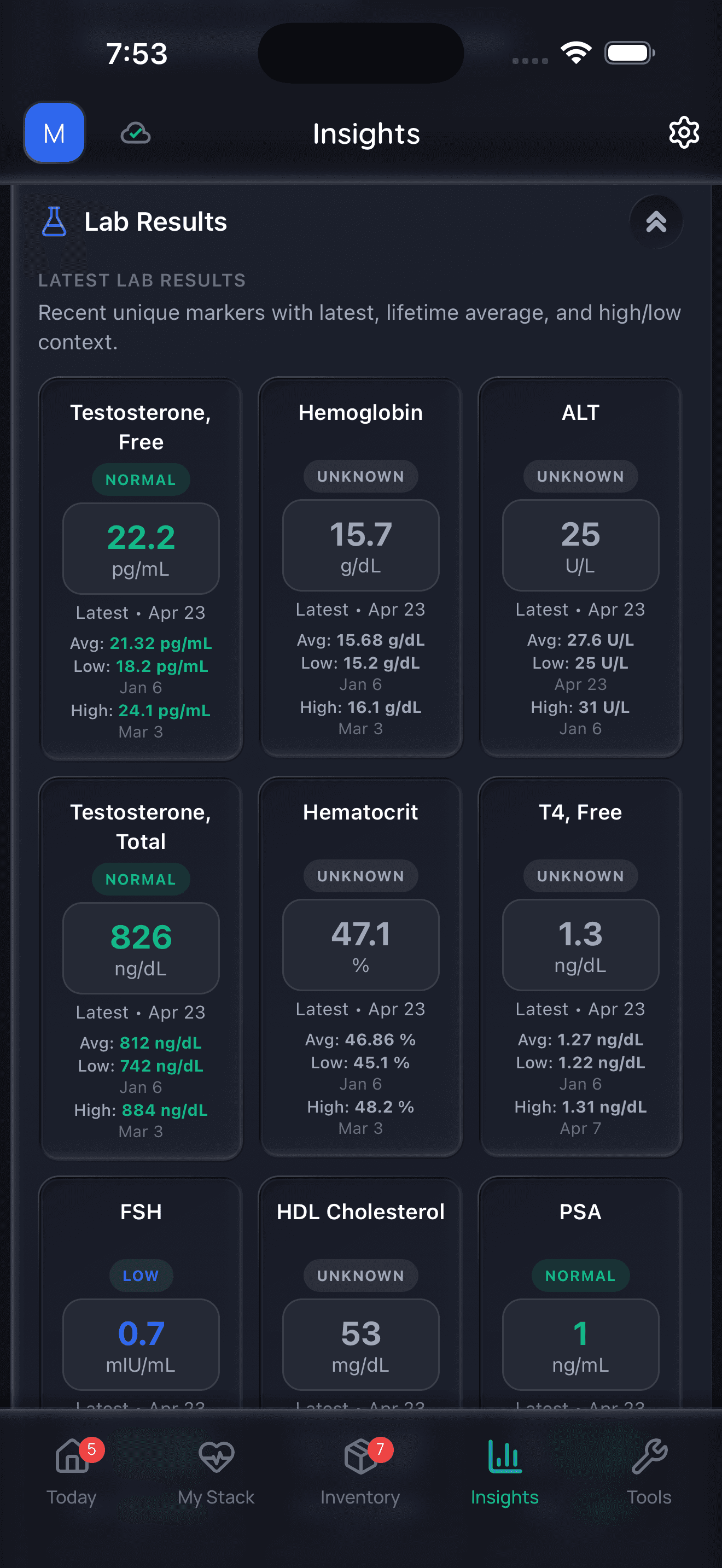
Doserly organizes data; it does not diagnose or interpret labs for you.
Risks, Side Effects & Safety
The Basics
Every treatment for secondary hypogonadism carries potential risks, and understanding those risks helps you make informed decisions with your healthcare provider. The specific risks depend on which treatment approach is used.
If treated with testosterone replacement (TRT), the most important risks include:
- Fertility suppression: This is the most immediately relevant risk for many men with secondary hypogonadism. Exogenous testosterone tells your brain to stop sending LH and FSH to the testicles, which shuts down both testosterone production and sperm production. For men who may want children, this risk must be discussed before starting TRT.
- Polycythemia (elevated red blood cells): Testosterone stimulates red blood cell production. If your hematocrit (the percentage of blood made up of red blood cells) rises above 54%, your provider will need to take action. This typically involves reducing the dose, switching routes, or therapeutic phlebotomy (blood donation). Injectable testosterone tends to cause higher hematocrit elevations than gels or patches.
- Cardiovascular considerations: The TRAVERSE trial (5,246 men, mean 33 months follow-up) found no increased risk of major cardiovascular events (heart attack, stroke, cardiovascular death) with testosterone gel compared to placebo (hazard ratio 0.96, 95% CI: 0.78-1.17). However, the trial did note increased rates of atrial fibrillation, pulmonary embolism, and acute kidney injury (2.3% vs 1.5%) in the testosterone group [12].
If treated with SERMs (clomiphene, enclomiphene), the risk profile differs:
- Visual disturbances (blurred vision, floaters) are the most concerning risk, reported rarely but warranting immediate attention
- Mood changes, particularly with clomiphene (which contains both enclomiphene and zuclomiphene isomers)
- Elevated estradiol levels, which may cause fluid retention, breast tenderness, or mood changes
- SHBG elevation may reduce the proportion of bioavailable free testosterone
If treated with HCG, risks include injection site reactions, headache, and potential for overstimulation of estradiol production.
The Science
Cardiovascular safety (TRAVERSE data): The primary analysis demonstrated non-inferiority of testosterone gel vs placebo for the composite MACE endpoint (HR 0.96, 95% CI: 0.78-1.17) in men aged 45-80 with hypogonadism and cardiovascular risk factors. The absolute event rate was 7.0% in the testosterone group vs 7.3% in the placebo group over a mean 33-month follow-up. Secondary safety signals included nonfatal arrhythmias requiring intervention, pulmonary embolism, and acute kidney injury, warranting continued monitoring [12].
Polycythemia: Testosterone-induced erythrocytosis occurs through EPO-independent mechanisms involving direct stimulation of erythroid progenitor cells and hepcidin suppression. Incidence varies by route: intramuscular injections produce the highest rates (up to 25-30% of patients may exceed hematocrit 54%), followed by pellets, transdermal preparations (5-10%), and intranasal. Clinical guidelines recommend hematocrit monitoring at baseline, 3-6 months, then annually. Intervention threshold: hematocrit > 54% [12][17].
Fertility suppression: Exogenous testosterone suppresses the HPG axis via negative feedback, reducing GnRH pulse frequency, LH, and FSH secretion. Intratesticular testosterone concentrations decline from 40-100x serum levels to near-serum levels, causing Sertoli cell dysfunction and spermatogenic arrest. Approximately 40-60% of men achieve azoospermia by 6 months of TRT, with the remainder showing severe oligospermia [10].
Prostate considerations: Current evidence does not support a causal relationship between physiological testosterone replacement and prostate cancer initiation. The saturation model proposes that the androgen receptor is maximally stimulated at normal testosterone levels, so increasing testosterone from hypogonadal to eugonadal concentrations does not provide additional prostate stimulation. PSA monitoring is recommended per age-appropriate screening guidelines [18].
SERM-specific risks: Clomiphene citrate, a racemic mixture of enclomiphene (trans-isomer, estrogen antagonist) and zuclomiphene (cis-isomer, partial estrogen agonist with long half-life of 7+ days), carries risks of visual symptoms (reported in <2% of women in fertility trials; less data in men), mood disturbance attributable to zuclomiphene's estrogenic activity, and SHBG elevation that may reduce the free testosterone fraction despite elevated total testosterone [13].
Dosing & Treatment Protocols
The Basics
Treatment for secondary hypogonadism is more nuanced than for primary hypogonadism because you have more options. The right approach depends on your underlying cause, your age, your fertility goals, and your individual response.
Step 1: Address reversible causes. Before any medication, your provider should evaluate whether your secondary hypogonadism has a treatable underlying cause. Weight loss of 10% or more body weight can increase testosterone by 50-150 ng/dL. Treating sleep apnea with CPAP can partially restore testosterone. Tapering off opioid medications (when medically appropriate) can allow HPG axis recovery. If a prolactinoma is found, treatment with cabergoline often normalizes prolactin and restores testosterone.
Step 2: Choose a treatment approach. The main options for secondary hypogonadism include:
- Clomiphene citrate (25-50 mg every other day or 3-4 times weekly): Works by stimulating your own LH/FSH production. Preserves fertility. Off-label use.
- Enclomiphene (12.5-25 mg daily): The active isomer of clomiphene, potentially fewer side effects. Not FDA-approved.
- HCG (250-500 IU 2-3 times weekly): Mimics LH to directly stimulate testicular testosterone production. Preserves testicular size and function. Preserves fertility.
- Testosterone replacement therapy: Bypasses the HPG axis entirely. Most predictable testosterone levels but suppresses fertility and natural production. Multiple delivery options (injections, gels, patches, pellets, nasal, oral).
Step 3: Monitor and adjust. Regardless of which treatment is chosen, follow-up blood work at 4-12 weeks is essential to assess response and check for side effects. The goal is typically to achieve trough testosterone levels in the 450-600 ng/dL range with symptom improvement and minimal side effects.
The Science
Clomiphene dosing: Commonly prescribed at 25 mg daily, 25 mg every other day, or 50 mg three times weekly. Studies demonstrate mean total testosterone increases from 228 to 612 ng/dL (Taylor and Levine, 2010) with concurrent LH increase from 2.2 to 7.4 mIU/mL. Higher doses (50 mg daily) may produce supraphysiological total testosterone levels but with greater SHBG elevation and estradiol increase [13].
HCG dosing: 250-500 IU subcutaneously 2-3 times weekly is the most commonly studied protocol for maintaining testicular function in secondary hypogonadism. Higher doses (1000-2000 IU) have been used for fertility induction, typically in combination with FSH (75-150 IU three times weekly) when spermatogenesis induction is the primary goal [10].
TRT dosing for secondary hypogonadism: When TRT is chosen, dosing follows standard hypogonadism protocols. Testosterone cypionate 100-200 mg IM every 1-2 weeks, testosterone gel 1-2% applied daily, or other formulations titrated to trough levels of 450-600 ng/dL. AUA guidelines recommend starting at the lower end and titrating based on trough levels and symptom response [17].
What to Expect (Timeline)
Days 1-7: If starting TRT, possible injection site soreness (for IM injections) or skin irritation (for transdermal). If starting clomiphene, most men notice no immediate effects. Some report a subtle shift in mood or energy within the first week, though this is difficult to distinguish from placebo expectation.
Weeks 2-4: Libido changes are often the first noticeable effect. Some men report improved energy and reduced fatigue. On clomiphene, testosterone levels typically begin rising within the first 1-2 weeks; some men report a notable endorphin-like feeling in the first week. Blood work at the 4-week mark helps confirm biochemical response.
Months 1-3: Sexual function improvements become more consistent. Energy levels stabilize. Mood improvement typically becomes evident. Initial body composition changes may begin (reduced bloating, slightly improved muscle tone). Hematocrit should be monitored. If on clomiphene, total testosterone may reach peak levels by 6-8 weeks, though SHBG may also increase.
Months 3-6: Body composition changes become more visible (reduced abdominal fat, increased muscle definition). Strength improvements in the gym. Full sexual function benefits typically achieved. Mood stabilization. For those addressing reversible causes (weight loss, CPAP), additional testosterone improvement may occur from the underlying condition improving.
Months 6-12: Bone density improvements become measurable. Full body composition effects. Annual monitoring established. For clomiphene users, long-term tolerability assessment. Dose adjustment may be needed based on symptoms and blood work.
Ongoing maintenance: Annual review with provider. Continued monitoring of hematocrit, PSA (age-appropriate), lipid panel, testosterone levels. Reassessment of whether treatment should continue, especially if reversible causes were present and have been addressed.
Knowing what to expect is helpful. Documenting your own journey week by week creates something even more valuable, a personal timeline that captures exactly how your treatment is unfolding. Doserly's symptom journal lets you record changes as they happen, building a detailed record from day one.
The early weeks of treatment can feel uncertain. Having a clear log of what is changing, and what has not shifted yet, helps you stay grounded in your actual progress rather than relying on memory. When you look back after three months, you will see how far you have come in ways that are easy to forget without documentation.
Turn symptom and safety notes into a clearer timeline.
Doserly helps you log doses, symptoms, and safety observations side by side so patterns are easier to discuss with a qualified clinician.
Pattern view
Logs and observations

Pattern visibility is informational and should be reviewed with a clinician.
Fertility Preservation & HPG Axis
Fertility is one of the most clinically significant considerations in secondary hypogonadism, and this condition presents both unique risks and unique opportunities compared to primary hypogonadism.
The central issue: Exogenous testosterone (TRT) suppresses the HPG axis through negative feedback, reducing LH and FSH secretion. This reduces intratesticular testosterone to near-serum levels, causing spermatogenic arrest. Approximately 40-60% of men on TRT achieve azoospermia (zero sperm) by 6 months [10].
The unique advantage of secondary hypogonadism: Because the testicles are structurally intact and functional (the problem is upstream in the brain), treatments that restore or supplement the gonadotropin signal can both raise testosterone AND preserve or restore spermatogenesis. This is a genuine advantage over primary hypogonadism, where the testicles themselves are damaged and gonadotropin stimulation has limited efficacy.
Fertility-preserving treatment options:
- Clomiphene citrate (25-50 mg daily or every other day): Blocks estrogen negative feedback at the hypothalamus and pituitary, increasing LH and FSH release. Raises endogenous testosterone while simultaneously supporting spermatogenesis. Multiple fertility success stories in secondary hypogonadism [13].
- HCG (250-500 IU 2-3 times weekly): Mimics LH, directly stimulating Leydig cells to produce intratesticular testosterone. When combined with FSH (75-150 IU three times weekly), can induce spermatogenesis in most men with acquired secondary hypogonadism. Favorable spermatogenesis has been observed in virtually all patients with acquired HH treated with combined gonadotropin therapy [10].
- Enclomiphene: The trans-isomer of clomiphene, without the zuclomiphene-related estrogenic side effects. May offer similar efficacy to clomiphene with a more favorable side effect profile. Not yet FDA-approved.
Sperm banking: For men with secondary hypogonadism who choose TRT over SERMs/HCG, sperm banking before TRT initiation is strongly recommended.
Recovery after TRT discontinuation: HPG axis recovery in secondary hypogonadism is generally more favorable than in primary hypogonadism. The timeline is variable (typically 3-12 months for gonadotropin recovery, 6-24 months for spermatogenesis). Recovery can be accelerated with bridge protocols using HCG and/or clomiphene. However, recovery is not guaranteed, and the duration of prior TRT use, age, and pre-TRT hormonal status all influence the probability and speed of recovery [10].
Primary vs secondary hypogonadism recovery: In primary hypogonadism (testicular failure), HPG axis recovery after TRT discontinuation is limited because the fundamental problem (testicular dysfunction) persists. In secondary hypogonadism, the testes retain their capacity to respond to gonadotropin stimulation, providing a meaningfully better prognosis for fertility recovery.
Interactions & Compatibility
Drug Interactions Relevant to Secondary Hypogonadism
Medications that cause secondary hypogonadism (may be the underlying cause):
- Opioid analgesics (hydrocodone, oxycodone, morphine, methadone): Suppress GnRH pulsatility in a dose-dependent manner [8]
- Glucocorticoids (prednisone, dexamethasone): Suppress HPG axis at hypothalamic and pituitary levels
- Anabolic steroids: Suppress endogenous gonadotropin production
- GnRH agonists (leuprolide): Used therapeutically to suppress testosterone (prostate cancer); paradoxically suppress through receptor downregulation
- Ketoconazole (systemic): Inhibits steroidogenesis
- Spironolactone: Anti-androgenic effects
- Antipsychotics (especially risperidone): Raise prolactin, suppressing GnRH
If on TRT: Standard drug interactions apply; see Testosterone Cypionate or Testosterone Enanthate for detailed interaction profiles.
If on clomiphene: CYP2D6 metabolizes the primary active metabolite. Strong CYP2D6 inhibitors (fluoxetine, paroxetine, bupropion) may reduce efficacy. SHBG-raising medications (certain anticonvulsants, thyroxine) may compound clomiphene's SHBG-elevating effect.
Supplement Interactions
- DHEA: Additive androgenic effects, may convert to testosterone and estrogens
- Zinc: Supports testosterone production; deficiency can contribute to secondary hypogonadism
- Vitamin D: Low vitamin D associated with low testosterone; supplementation may have modest benefit
- Boron: Some evidence for increasing free testosterone by lowering SHBG
- Ashwagandha: Limited evidence for modest testosterone increase; see Ashwagandha
Lifestyle Factors
- Alcohol: Directly suppresses HPG axis function; heavy use is a cause of secondary hypogonadism
- Sleep: Critical for testosterone production; sleep deprivation suppresses GnRH pulsatility
- Exercise: Moderate resistance training synergistic with treatment; extreme endurance exercise can cause functional HH
- Body composition: Weight loss is first-line treatment for obesity-related secondary hypogonadism
Decision-Making Framework
Deciding how to approach secondary hypogonadism involves several layers of consideration. This section provides a framework for thinking through the decision, not a recommendation for what to do.
Getting the Right Diagnosis
The Endocrine Society requires two morning total testosterone measurements below the lower limit of normal, plus symptoms, for a diagnosis of hypogonadism. The AUA specifies a threshold of 300 ng/dL. The critical additional step for secondary hypogonadism is measuring LH and FSH. Low or inappropriately normal levels confirm the secondary nature and open additional diagnostic and therapeutic pathways [1][17].
If secondary hypogonadism is confirmed, further workup may include:
- Prolactin level (to evaluate for prolactinoma)
- Iron studies (to evaluate for hemochromatosis)
- Pituitary MRI (if no functional cause identified, to evaluate for structural lesion)
- Sleep study (if OSA symptoms present)
When to Investigate Before Treating
Guidelines consistently recommend identifying and addressing reversible causes before initiating pharmacological treatment:
- Obesity: Weight loss of 10%+ may normalize testosterone
- Obstructive sleep apnea: CPAP optimization should be attempted first
- Opioid use: Taper or discontinuation if medically feasible
- Pituitary pathology: Treatment of prolactinoma with cabergoline; surgical evaluation of other lesions
- Chronic illness: Optimization of underlying conditions
Questions to Ask Your Provider
About diagnosis:
- Is my hypogonadism primary or secondary? What do my LH/FSH levels show?
- Could there be a reversible cause (medications, weight, sleep apnea)?
- Do I need a pituitary MRI?
- Should I see an endocrinologist?
About treatment:
- Am I a candidate for clomiphene or HCG instead of testosterone?
- What are the fertility implications of each treatment option?
- What monitoring will I need, and how often?
- What is the target testosterone level we are aiming for?
- How long should I trial this treatment before deciding if it is working?
About long-term management:
- Is this likely to be a lifelong condition or could it resolve?
- If I start TRT, can I switch to clomiphene later if I want to preserve fertility?
- How will we monitor for side effects?
Finding a Qualified Provider
Secondary hypogonadism evaluation and management may involve endocrinologists, urologists with andrology interest, or men's health specialists. A provider experienced with secondary hypogonadism specifically is ideal because the treatment approach differs from primary hypogonadism.
Telehealth TRT Clinics
The growing telehealth TRT landscape offers convenience but varies significantly in quality. For secondary hypogonadism specifically, be cautious of clinics that prescribe TRT without measuring LH/FSH (which would miss the opportunity to differentiate primary from secondary and consider SERM alternatives) or without evaluating for reversible causes. Quality clinics will perform comprehensive hormonal evaluation before prescribing.
The best treatment decisions happen when you walk into your appointment prepared. Doserly helps you organize your symptom data, lab results, and questions ahead of time, so you can make the most of your consultation time and ensure nothing important gets forgotten.
The app generates appointment-ready summaries of your recent symptom trends, current protocol, hematocrit and PSA values, and any side effects you have logged. Instead of trying to recall three months of experience in a ten-minute appointment, you have a clear, organized record to share with your provider.
Bring cleaner notes into the conversation.
Use Doserly to keep doses, symptoms, labs, inventory, and questions organized before a clinician visit or protocol review.
Visit prep
Review packet
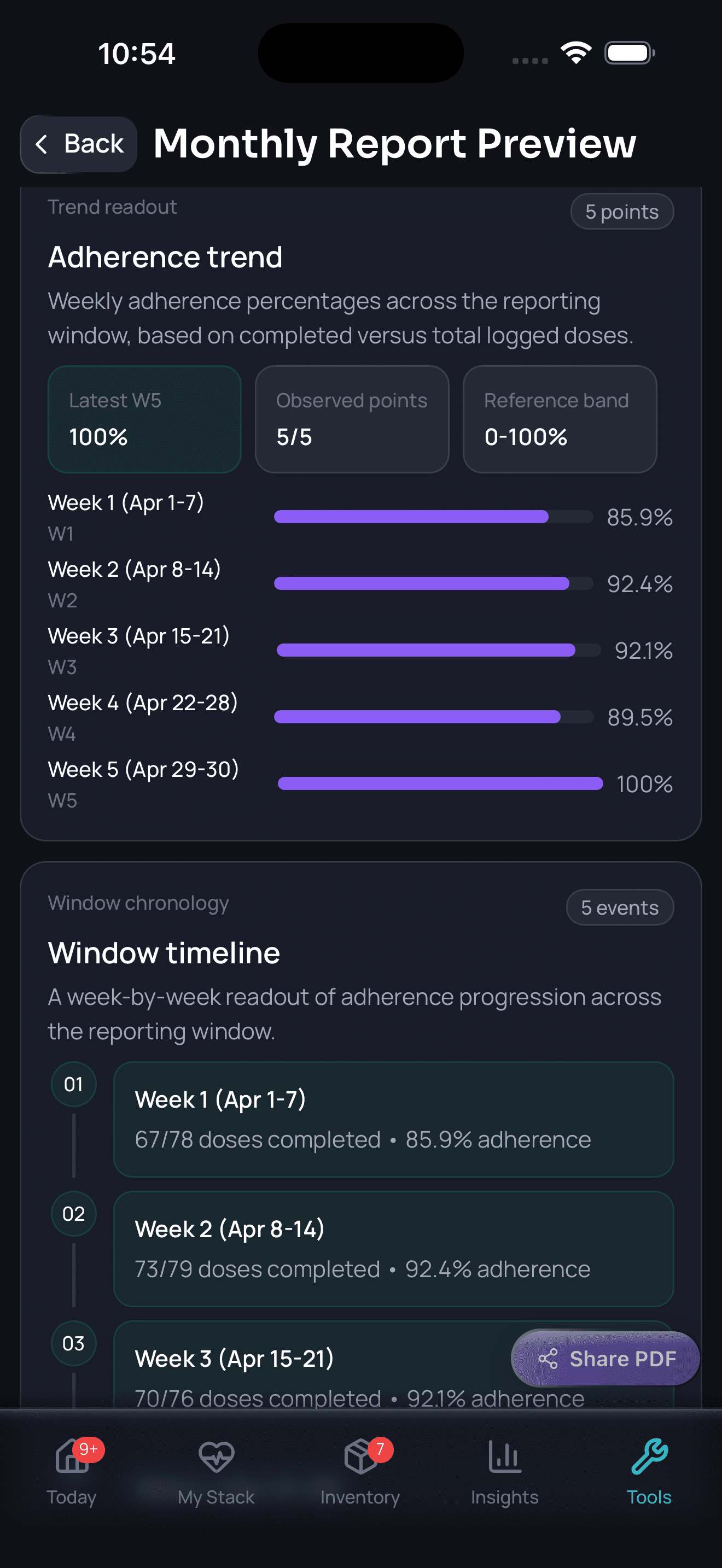
Organized notes can support better conversations with your care team.
Administration & Practical Guide
Administration guidance depends on the treatment chosen. For detailed administration instructions for specific testosterone formulations, see the relevant medication guides:
- Testosterone Cypionate: IM and SubQ injection techniques
- Testosterone Enanthate: IM injection protocols
- Testosterone Gel (AndroGel): Transdermal application
- Testosterone Xyosted: Auto-injector technique
For clomiphene: Oral medication taken as prescribed (typically 25-50 mg on specified days). Take at a consistent time daily. No special administration technique required.
For HCG: Subcutaneous injection using insulin syringes (27-30G, 0.5" needle). Common injection sites include the abdomen (rotating quadrants) and thigh. Proper storage (refrigerated after reconstitution) is important.
General guidance: All treatments for secondary hypogonadism are prescription medications. Never self-prescribe or adjust doses without medical oversight. Report any visual changes, severe mood shifts, or unusual symptoms to your healthcare provider promptly.
Monitoring & Lab Work
Pre-Treatment Baseline Labs
Test
Total testosterone (x2, morning draw)
- Purpose
- Confirm deficiency
Test
Free testosterone (calculated or equilibrium dialysis)
- Purpose
- Assess bioavailable fraction, especially if SHBG abnormal
Test
LH, FSH
- Purpose
- Distinguish primary vs secondary; guide treatment selection
Test
Prolactin
- Purpose
- Rule out prolactinoma (critical in secondary hypogonadism)
Test
SHBG
- Purpose
- Context for total T interpretation, especially in obesity
Test
Estradiol
- Purpose
- Baseline before treatment
Test
CBC with hematocrit
- Purpose
- Baseline before TRT
Test
PSA (men >40)
- Purpose
- Baseline prostate screening
Test
Lipid panel
- Purpose
- Cardiovascular risk assessment
Test
Comprehensive metabolic panel
- Purpose
- Liver, kidney, metabolic baseline
Test
Iron studies (ferritin, TIBC)
- Purpose
- Rule out hemochromatosis
Test
Thyroid function (TSH)
- Purpose
- Rule out thyroid dysfunction as contributing factor
Test
DEXA scan
- Purpose
- If osteoporosis risk (prolonged hypogonadism, fragility fracture)
Pituitary Imaging
Pituitary MRI is indicated when:
- Secondary hypogonadism confirmed and no functional cause identified
- Prolactin is elevated
- Visual field deficits present
- Deficiency of other pituitary hormones suspected
Follow-Up Monitoring (4-12 Weeks)
- Testosterone level (trough for injectables, any-time for transdermal, peak for clomiphene)
- Hematocrit (if on TRT)
- Estradiol (if symptomatic)
- LH, FSH (if on clomiphene/HCG, to confirm response)
- Symptom assessment
- Side effect evaluation
Ongoing Monitoring Schedule
- Hematocrit: Every 6-12 months on TRT. Threshold > 54% for intervention (dose reduction, phlebotomy, route change)
- PSA: Per age-appropriate screening guidelines, annually for men >40
- Testosterone levels: Trough for injectables, any-time for transdermal after steady state
- Estradiol: Only if symptomatic
- Lipid panel: Annually
- DEXA: If osteoporosis was an indication, repeat per protocol
- Semen analysis: If fertility is a concern
Annual Review Checklist
- Symptom reassessment
- Continued indication review (especially if reversible cause was identified)
- Risk-benefit discussion
- Dose optimization
- Side effect review
Estrogen Management on TRT
Estrogen management is relevant for men with secondary hypogonadism who are treated with exogenous testosterone or, interestingly, with clomiphene (which can raise estradiol levels).
Aromatization basics: Testosterone converts to estradiol via the aromatase enzyme, primarily in adipose tissue. Men with obesity-related secondary hypogonadism may have higher aromatase activity, producing more estradiol relative to their testosterone level. This is one mechanism through which obesity contributes to HPG axis suppression, as elevated estradiol provides excessive negative feedback.
On TRT: Standard estrogen management principles apply. The Endocrine Society and AUA do not recommend routine aromatase inhibitor (AI) use. Estradiol monitoring should occur only when symptoms suggest elevated estrogen (gynecomastia, excessive fluid retention, mood disturbance). Most men on appropriately dosed TRT do not need an AI.
On clomiphene: Clomiphene raises endogenous testosterone, which increases estradiol through aromatization. Estradiol levels may increase significantly (one community report documented estradiol rising from < 5 to 78 pg/mL over 6 months of clomiphene). However, because clomiphene blocks estrogen receptors in the hypothalamus and pituitary, the symptomatic effects of this estradiol elevation may be attenuated. Clinical monitoring of estradiol on clomiphene is reasonable.
Low estradiol is harmful: Aggressive estrogen suppression causes joint pain, decreased libido, fatigue, mood disturbance, and bone density loss. This is important context: estrogen is not the enemy. Men need estrogen for bone health, brain function, cardiovascular protection, and paradoxically, for healthy sexual function.
Stopping TRT / Post-Cycle Considerations
For men with secondary hypogonadism, the question of whether treatment is lifelong depends on the underlying cause.
Reversible causes: If secondary hypogonadism was caused by obesity, medications (opioids, glucocorticoids), or untreated sleep apnea, addressing these factors may allow treatment discontinuation. Weight loss studies show testosterone normalization in a meaningful proportion of men who achieve significant weight reduction. Opioid taper studies demonstrate HPG axis recovery in weeks to months [7][8].
Congenital causes: For men with Kallmann syndrome, idiopathic hypogonadotropic hypogonadism, or other congenital forms, lifelong treatment is generally required. However, 10-20% of congenital HH patients experience spontaneous recovery of reproductive function [6].
After pituitary surgery/radiation: Recovery depends on the extent of damage and remaining pituitary reserve.
HPG axis recovery after TRT: Men with secondary hypogonadism generally have better prospects for HPG axis recovery after TRT discontinuation compared to men with primary hypogonadism. The testes retain their capacity to respond to gonadotropin stimulation. Recovery can be supported with bridge protocols:
- HCG taper: 1000-2000 IU every other day for 2-4 weeks, then taper
- Clomiphene: 25-50 mg daily for 4-8 weeks to stimulate LH/FSH recovery
- Enclomiphene: May have fewer side effects than clomiphene for this purpose
Realistic expectations: Recovery timeline varies (3-12 months for gonadotropin recovery, 6-24 months for full spermatogenesis recovery). Not guaranteed. Duration of TRT use, age, and pre-TRT hormonal status all influence recovery probability.
Special Populations & Situations
Obese Men
Obesity is the most common cause of functional secondary hypogonadism. The relationship is bidirectional: obesity suppresses testosterone through increased aromatization and inflammatory cytokines, while low testosterone promotes fat accumulation. Clinical guidelines recommend weight loss as first-line intervention. Studies demonstrate that 10%+ weight loss can increase testosterone by 50-150 ng/dL. For men who require pharmacological treatment, both TRT and SERMs are options, with some emerging evidence suggesting GLP-1 receptor agonists (tirzepatide) may be more effective than TRT at both weight loss and testosterone normalization in this population [7].
Men with Sleep Apnea
OSA causes secondary hypogonadism through intermittent hypoxia and sleep fragmentation disrupting nocturnal GnRH pulsatility. CPAP treatment should be optimized before or concurrent with testosterone therapy. TRT may worsen OSA; monitoring with repeat sleep study after starting treatment is prudent [9].
Men with Opioid-Induced Androgen Deficiency
Chronic opioid therapy suppresses GnRH in 50-90% of men depending on dose and duration. If opioid taper is not feasible, treatment options include TRT or SERMs. Some providers prefer SERMs in this population to preserve what remaining HPG axis function exists. Monitor testosterone if opioids are tapered or discontinued, as natural recovery may occur [8].
Young Men (Under 35)
Secondary hypogonadism in younger men raises heightened fertility concerns. SERMs and HCG are often preferred first-line to preserve reproductive function. Congenital causes (Kallmann syndrome) should be evaluated. The decision to commit to lifelong TRT at a young age warrants thorough discussion of alternatives.
Men with Pituitary Disease
Prolactinomas are treated with dopamine agonists (cabergoline, bromocriptine), which often normalize both prolactin and testosterone. Non-functioning pituitary adenomas may require surgery or monitoring. Multiple pituitary hormone deficiencies require comprehensive endocrine evaluation and replacement.
Cardiovascular Disease History
TRAVERSE trial data provides reassurance for non-inferiority of TRT in men with cardiovascular risk factors. Route consideration: transdermal may be preferred due to lower polycythemia risk. Hematocrit monitoring is critical [12].
Type 2 Diabetes
Metabolic benefits of testosterone normalization in hypogonadal diabetic men include improved insulin sensitivity and HbA1c. Weight loss through lifestyle modification may address both diabetes and secondary hypogonadism simultaneously.
Transgender Men (FTM)
Different dosing goals (masculinizing doses) and different fertility counseling needs. Not the focus of this guide but referenced for completeness.
Regulatory, Insurance & International
United States: Testosterone is a Schedule III controlled substance (DEA). FDA-approved only for classical hypogonadism, not age-related testosterone decline. Clomiphene use for secondary hypogonadism is off-label. Insurance coverage for TRT typically requires documented testosterone deficiency (lab confirmation + symptoms). Prior authorization is common. Clomiphene for male hypogonadism may not be covered by insurance as it is an off-label use.
United Kingdom: Testosterone replacement available through NHS for documented hypogonadism. Available formulations include Sustanon 250, Nebido, Testogel. Private clinics offer additional access.
Canada: Provincial coverage varies. Testosterone formulations available by prescription.
Australia: PBS listing for documented hypogonadism. Testosterone is Schedule 4 (prescription only).
Travel considerations: Carrying testosterone internationally requires documentation (prescription, medical letter). Schedule III status varies by country. Plan ahead for extended travel.
Frequently Asked Questions
Is secondary hypogonadism the same as low testosterone?
Low testosterone is the symptom; secondary hypogonadism is one specific cause. It means your low testosterone results from inadequate signaling from the brain to the testicles, rather than testicular failure itself.
How is secondary hypogonadism different from primary hypogonadism?
In primary hypogonadism, the testicles themselves are damaged or dysfunctional (LH and FSH are elevated because the brain is trying harder to stimulate failing testicles). In secondary hypogonadism, the testicles are functional but receive inadequate signals from the brain (LH and FSH are low or inappropriately normal).
Can secondary hypogonadism be cured?
It depends on the cause. If the underlying cause is reversible (obesity, sleep apnea, opioid use), addressing it may restore normal testosterone production. If the cause is congenital or involves permanent pituitary damage, lifelong treatment is typically needed.
Do I need TRT, or are there alternatives?
Men with secondary hypogonadism have more treatment options than those with primary hypogonadism. Clomiphene, enclomiphene, and HCG can all raise testosterone while preserving fertility by stimulating your body's own production pathway. These options should be discussed with your healthcare provider.
Will treatment affect my fertility?
This depends on which treatment you use. Exogenous testosterone (TRT) suppresses sperm production. Clomiphene and HCG can raise testosterone while preserving or improving fertility. This makes treatment choice particularly important for men who may want to father children.
Should I lose weight before starting treatment?
If obesity is contributing to your secondary hypogonadism, weight loss is typically recommended as a first-line intervention. Losing 10% or more of body weight can meaningfully increase testosterone levels. However, if symptoms are severe, your provider may recommend treatment concurrent with weight loss efforts.
What blood tests do I need?
At minimum: total testosterone (two morning draws), LH, FSH, prolactin. Additional tests may include SHBG, free testosterone, estradiol, CBC, PSA, and iron studies. A pituitary MRI may be ordered if no obvious functional cause is identified.
Is clomiphene safe for long-term use in men?
Long-term safety data in men is limited. Clomiphene is not FDA-approved for male hypogonadism (it is approved for female infertility). Visual side effects are the most concerning risk, though reported rarely. Many providers use clomiphene for extended periods in practice with monitoring.
Can opioid use cause secondary hypogonadism?
Yes. Chronic opioid therapy suppresses HPG axis function and causes secondary hypogonadism in approximately 50-90% of men, depending on dose and duration. This is called opioid-induced androgen deficiency (OPIAD).
How long does it take to feel better after starting treatment?
Energy and mood improvements often begin within 2-4 weeks. Libido and sexual function improvements are typically noticeable within 4-6 weeks. Body composition changes take 3-6 months. Bone density improvements take 6-12 months.
Myth vs. Fact
Myth: Secondary hypogonadism is just a natural part of aging.
Fact: While testosterone levels do decline with age (approximately 1-2% per year after age 30), secondary hypogonadism is a specific medical condition with identifiable causes, not simply an inevitable consequence of getting older. Many cases are caused by treatable conditions like obesity, sleep apnea, or medications. The Endocrine Society distinguishes between age-related testosterone decline and pathological hypogonadism requiring treatment [1].
Myth: The only treatment for low testosterone is testosterone replacement.
Fact: Men with secondary hypogonadism have unique treatment options beyond TRT. Because their testicles remain functional, medications like clomiphene and HCG can stimulate the body's own testosterone production. These alternatives preserve fertility and maintain natural hormonal feedback loops [13].
Myth: Testosterone therapy causes heart attacks.
Fact: The TRAVERSE trial (n=5,246, mean 33 months follow-up) found no increased risk of major adverse cardiovascular events (heart attack, stroke, cardiovascular death) with testosterone gel vs placebo in men with hypogonadism and cardiovascular risk factors. The hazard ratio was 0.96 (95% CI: 0.78-1.17). Prior concerns were based on small observational studies with significant methodological limitations. However, the TRAVERSE trial did note increased atrial fibrillation and pulmonary embolism in the testosterone group, warranting continued monitoring [12].
Myth: If you start TRT, you can never stop.
Fact: Men with secondary hypogonadism, particularly those with functional causes (obesity, medications), may be able to discontinue treatment if the underlying cause is addressed. HPG axis recovery after TRT is generally more favorable in secondary hypogonadism than in primary hypogonadism because the testicles remain functional. Recovery is not guaranteed and may take months, but it is not categorically impossible [10].
Myth: TRT will permanently destroy your fertility.
Fact: While TRT does suppress spermatogenesis (often to azoospermia within 6 months), fertility recovery is usually possible after discontinuation, especially in men with secondary hypogonadism. Approximately 67% of men recover sperm production within 6-12 months after stopping TRT, and the rate increases with longer follow-up. Fertility-preserving alternatives (clomiphene, HCG) should be considered for men who may want children [10].
Myth: Clomiphene does not work as well as TRT.
Fact: Clomiphene effectively raises testosterone levels in men with secondary hypogonadism, often to the normal range or above. Some men report that subjective symptom improvement is comparable to TRT. However, others report less symptom relief despite adequate total testosterone levels, potentially because clomiphene raises SHBG (reducing free testosterone) and contains the zuclomiphene isomer which has estrogenic activity. Individual response varies, and treatment choice should be individualized [13].
Myth: Sleep apnea has nothing to do with testosterone.
Fact: Untreated obstructive sleep apnea is a recognized cause of secondary hypogonadism. Intermittent hypoxia and sleep fragmentation disrupt GnRH pulsatility. CPAP treatment can partially restore testosterone production. Evaluating for and treating OSA is part of the standard workup for secondary hypogonadism [9].
Myth: Higher testosterone doses always mean better results.
Fact: The goal of treatment is to normalize testosterone levels to the physiological range (typically 450-700 ng/dL at trough). Supraphysiological levels increase the risk of polycythemia, cardiovascular events, mood disturbance, and other side effects without proportionally greater benefit. More is not better when it comes to therapeutic testosterone.
Sources & References
Clinical Guidelines
[1] Bhasin S, Brito JP, Cunningham GR, et al. Testosterone Therapy in Men with Hypogonadism: An Endocrine Society Clinical Practice Guideline. J Clin Endocrinol Metab. 2018;103(5):1715-1744. doi:10.1210/jc.2018-00229
[2] Sizar O, Leslie SW, Schwartz J. Male Hypogonadism. In: StatPearls [Internet]. Treasure Island (FL): StatPearls Publishing; 2024. Updated Feb 25, 2024. https://www.ncbi.nlm.nih.gov/books/NBK532933/
[3] Balasubramanian R, Crowley WF Jr. Hypogonadotropic Hypogonadism (HH) and Gonadotropin Therapy. In: Endotext [Internet]. South Dartmouth (MA): MDText.com; 2013. https://www.ncbi.nlm.nih.gov/books/NBK279078/
Landmark Trials
[4] Fraietta R, Zylberstejn DS, Esteves SC. Hypogonadotropic hypogonadism revisited. Clinics (Sao Paulo). 2013;68 Suppl 1:81-88. doi:10.6061/clinics/2013(sup01)09
[5] Lenzi A, et al. Epidemiology, diagnosis, and treatment of male hypogonadotropic hypogonadism. J Endocrinol Invest. 2009;32(11):934-938. doi:10.1007/BF03345775
[6] Boehm U, et al. Expert consensus document: European Consensus Statement on congenital hypogonadotropic hypogonadism - pathogenesis, diagnosis and treatment. Nat Rev Endocrinol. 2015;11(9):547-564. doi:10.1038/nrendo.2015.112
Systematic Reviews & Observational Studies
[7] Wu FCW, et al. Identification of late-onset hypogonadism in middle-aged and elderly men. N Engl J Med. 2010;363(2):123-135 (European Male Aging Study). doi:10.1056/NEJMoa0911101
[8] de Vries F, et al. Opioid-induced endocrinopathy. J Endocrinol Invest. 2020;43(3):319-327. doi:10.1007/s40618-019-01116-2
[9] Hoyos CM, et al. Effects of CPAP treatment on testosterone levels in men with obstructive sleep apnea. Sleep Med Rev. 2017;33:87-95.
[10] Kohn TP, et al. Age and Duration of Testosterone Therapy Predict Time to Return of Sperm Count After Human Chorionic Gonadotropin Therapy. Fertil Steril. 2017;107(2):351-357. doi:10.1016/j.fertnstert.2016.10.004
Government/Institutional Sources
[11] Endocrine Society. Hypogonadism in Men (Patient Education). https://www.endocrine.org/patient-engagement/endocrine-library/hypogonadism
[12] Lincoff AM, Bhasin S, Flevaris P, et al. Cardiovascular Safety of Testosterone-Replacement Therapy. N Engl J Med. 2023;389:107-117. doi:10.1056/NEJMoa2215025
[13] Taylor F, Levine L. Clomiphene citrate and testosterone gel replacement therapy for male hypogonadism: efficacy and treatment cost. J Sex Med. 2010;7(1 Pt 1):269-276. doi:10.1111/j.1743-6109.2009.01454.x
Additional References
[14] Snyder PJ, et al. Lessons From the Testosterone Trials. Endocr Rev. 2018;39(3):369-386. doi:10.1210/er.2017-00234
[15] Corona G, et al. Testosterone supplementation and body composition: results from a meta-analysis of observational studies. J Endocrinol Invest. 2016;39(9):967-981. doi:10.1007/s40618-016-0480-2
[16] Snyder PJ, et al. Effect of Testosterone Treatment on Volumetric Bone Density and Strength in Older Men With Low Testosterone: A Controlled Clinical Trial. JAMA Intern Med. 2017;177(4):471-479. doi:10.1001/jamainternmed.2016.9539
[17] Mulhall JP, Trost LW, Brannigan RE, et al. Evaluation and Management of Testosterone Deficiency: AUA Guideline (2024 Update). J Urol. 2018;200(2):423-432.
[18] Morgentaler A. Testosterone and prostate cancer: an historical perspective on a modern myth. Eur Urol. 2006;50(5):935-939.
Related Guides & Cross-Links
Same Category (Conditions & Causes)
- Primary Hypogonadism
- Late-Onset Hypogonadism (Age-Related)
- Obesity-Related Hypogonadism
- Opioid-Induced Androgen Deficiency
Related Treatment Options
- Clomiphene Citrate (Clomid)
- Enclomiphene Citrate
- Human Chorionic Gonadotropin (HCG)
- Gonadorelin
- Testosterone Cypionate
- Testosterone Enanthate
Treatment Overview Guides
- TRT for Beginners
- TRT Blood Work Guide
- Fertility Preservation on TRT
- Estrogen Management on TRT
- Natural Testosterone Optimization