
Stopping TRT & Post-Cycle Recovery
On this page
Quick Reference Card
Attribute
Guide Topic
- Value
- Stopping TRT & Post-Cycle Recovery
Attribute
Category
- Value
- Educational Guide
Attribute
Primary Audience
- Value
- Men considering stopping TRT, men currently transitioning off TRT, healthcare providers
Attribute
Key Evidence Sources
- Value
- Handelsman & Shankara-Narayana (2020), Grant et al. (2023), Desai et al. (2022), van Os et al. (2025)
Attribute
Clinical Guidelines Addressing Discontinuation
- Value
- None specifically; Endocrine Society (2018), AUA (2018) address TRT monitoring
Attribute
HPG Axis Recovery Timeline
- Value
- 6-24+ months (highly variable)
Attribute
Spermatogenesis Recovery Timeline
- Value
- 6-18 months average; may require medical intervention
Attribute
PCT Medications Discussed
- Value
- HCG, clomiphene citrate, enclomiphene, tamoxifen
Attribute
Key Recovery Predictors
- Value
- Duration of TRT, age, pre-TRT hormonal status, primary vs secondary hypogonadism
Attribute
Critical Caveat
- Value
- No major clinical guideline provides formal TRT discontinuation protocols
Overview / What Is This Guide?
The Basics
Deciding to stop testosterone replacement therapy is a significant medical decision, and it is one that comes with remarkably little formal clinical guidance. While there are detailed guidelines for starting TRT, monitoring it, and adjusting dosing, the question of how to stop receives comparatively little attention from the medical establishment.
This matters because stopping TRT is not as simple as just skipping your next injection. Your body has been receiving testosterone from an external source, which means your own natural production system has been turned down or effectively shut off. When the external supply stops, there is a gap between when the exogenous testosterone clears your system and when (or whether) your body resumes making its own. During that gap, many men experience a temporary but often difficult period of low testosterone symptoms.
This guide covers what happens physiologically when you stop TRT, what symptoms to expect and when, the medications and strategies that may support recovery, how long recovery typically takes, what factors influence your likelihood of recovering natural testosterone production, and the important differences between stopping TRT prescribed for genuine hypogonadism versus stopping after anabolic steroid use. It also addresses one of the most common reasons men stop TRT: the desire to preserve or restore fertility.
The information here is drawn from the best available clinical evidence, but an important caveat applies throughout: much of what we know about hormonal recovery after exogenous testosterone comes from studies of men who used supraphysiological doses of androgens (bodybuilders and athletes), not from men on therapeutic TRT doses. While the underlying biology is the same, the doses, durations, and contexts differ. Where the evidence applies specifically to therapeutic TRT, this guide will say so. Where it comes from AAS research applied to the TRT context, that distinction will be noted.
The Science
The discontinuation of exogenous testosterone therapy initiates a complex cascade of endocrine recovery processes centered on the hypothalamic-pituitary-gonadal (HPG) axis. During TRT, exogenous testosterone provides negative feedback at both the hypothalamus (suppressing GnRH pulse frequency and amplitude) and the anterior pituitary (suppressing gonadotropin synthesis and secretion), resulting in profoundly reduced serum LH and FSH concentrations and consequent decline in intratesticular testosterone (ITT) to near-serum levels [1][2].
Upon discontinuation, recovery requires sequential reactivation of hypothalamic GnRH neurons, restoration of pituitary gonadotroph responsiveness to GnRH, and recovery of Leydig cell steroidogenic capacity and Sertoli cell spermatogenic support function. The rate and completeness of this recovery are influenced by duration of exogenous androgen exposure, age at cessation, baseline testicular reserve (primary vs secondary hypogonadism etiology), and possibly genetic factors influencing HPG axis sensitivity [3][4].
A 2020 cross-sectional study by Handelsman and Shankara-Narayana enrolling 93 men (41 current androgen users, 31 past users, 21 non-users) demonstrated that past androgen users showed no significant differences from non-users in reproductive hormones, sperm output, or cardiac function, suggesting effectively complete recovery. Recovery timelines showed a hierarchical pattern: AMH recovered earliest (mean 7.3 months), followed by LH (10.7 months), sperm output (14.1 months), and spermatogenesis markers (FSH, inhibin B) taking longest [5]. Duration of androgen use was the only variable associated with slower sperm output recovery.
However, a 2021 systematic review by de Oliveira Vilar Neto et al. analyzing 179 cases of AAS-induced hypogonadism found that among 38 cases with fully known outcomes, only 4 demonstrated completely reversible hypogonadism, suggesting full recovery may be more difficult than commonly appreciated [6]. These contrasting findings likely reflect differences in study design (cross-sectional vs case report compilation), androgen doses (therapeutic vs supraphysiological), and duration of exposure.
Medical / Chemical Identity
This guide does not cover a single medication but rather the process of discontinuing testosterone therapy and the medications potentially used to support recovery.
Medications Discussed for Post-TRT Recovery:
Medication
Human Chorionic Gonadotropin (HCG)
- Drug Class
- Gonadotropin analog
- FDA Approved for This Use
- Yes (for male hypogonadism)
- Common PCT Doses
- 1,000-2,000 IU every other day for 2-4 weeks
Medication
Clomiphene Citrate (Clomid)
- Drug Class
- Selective Estrogen Receptor Modulator (SERM)
- FDA Approved for This Use
- No (off-label)
- Common PCT Doses
- 25-50 mg daily for 4-8 weeks
Medication
Enclomiphene Citrate
- Drug Class
- SERM (trans-isomer of clomiphene)
- FDA Approved for This Use
- No (off-label)
- Common PCT Doses
- 12.5-25 mg daily
Medication
Tamoxifen (Nolvadex)
- Drug Class
- SERM
- FDA Approved for This Use
- No (off-label)
- Common PCT Doses
- 10-20 mg daily for 4-6 weeks
Medication
Anastrozole (Arimidex)
- Drug Class
- Aromatase Inhibitor
- FDA Approved for This Use
- No (off-label)
- Common PCT Doses
- Variable; used to manage estrogen rebound
Important: PCT protocols are not standardized in any major clinical guideline for TRT discontinuation. These are community-derived protocols with limited formal study in the therapeutic TRT context. Medical supervision is essential.
Mechanism of Action / Pathophysiology
The Basics
To understand what happens when you stop TRT, it helps to understand the feedback loop that controls your body's testosterone production.
Your brain has a control center (the hypothalamus and pituitary gland) that constantly monitors testosterone levels in your blood. When levels are adequate, the brain reduces the signal telling your testes to produce more. When levels drop, the signal increases. This is a normal feedback loop, similar to how a thermostat controls a heating system.
When you take exogenous testosterone (injections, gel, patches), your brain detects the adequate levels and turns down its production signals. Over time, your testes receive less and less stimulation, and they effectively go into a resting state. Testicular volume typically decreases, and sperm production slows dramatically or stops entirely.
When you stop TRT, the exogenous testosterone clears your system over days to weeks (depending on the formulation). Your brain then needs to recognize that testosterone levels have dropped, restart its signaling cascade, and your testes need to "wake up" and resume production. This process takes time, and there is no guarantee it will return to pre-TRT levels.
Think of it like a factory that has been shut down. The machinery (your testes) is still there, but it takes time to restart the production lines (Leydig cells for testosterone, Sertoli cells for sperm), rehire the workers (restore hormone signaling), and get everything running smoothly again.
The Science
The HPG axis suppression during TRT follows a well-characterized negative feedback mechanism. Exogenous testosterone, and its metabolites DHT (via 5-alpha reductase) and estradiol (via aromatase/CYP19A1), exert negative feedback at the hypothalamic level by reducing GnRH pulse generator activity. At the pituitary level, both testosterone and estradiol suppress gonadotroph synthesis and secretion of LH and FSH [1].
The consequence of gonadotropin suppression extends beyond reduced testosterone production. Intratesticular testosterone concentrations, normally maintained at 40-100 times serum levels by LH-stimulated Leydig cell production, decline to near-serum levels. Since ITT concentrations of approximately 70 ng/mL (versus serum levels of approximately 5-10 ng/mL) are required for normal spermatogenesis, the decline in ITT results in Sertoli cell dysfunction and spermatogenic arrest [2][7].
Upon TRT cessation, recovery involves multiple sequential steps:
- Clearance of exogenous testosterone: Half-life dependent on formulation. Testosterone cypionate has an approximate half-life of 8 days; testosterone undecanoate injectable has terminal half-life of approximately 33 days [8].
- Hypothalamic recognition: GnRH neurons must detect the declining testosterone and estradiol levels and resume pulsatile secretion.
- Pituitary recovery: Gonadotrophs must respond to GnRH by resuming LH and FSH synthesis and secretion.
- Testicular recovery: Leydig cells must resume testosterone synthesis in response to LH stimulation. Sertoli cells must resume spermatogenic support in response to FSH and restored ITT.
The proposed diagnosis of Prolonged Post-Androgen Abuse Hypogonadism (PPAAH), defined as persistent hypogonadism six months after cessation of androgen exposure exceeding 150 mg/week for at least six months, reflects growing clinical recognition that this recovery process can fail or remain incomplete in a subset of individuals [4].
Pathway & System Visualization
Pharmacokinetics / Hormone Physiology
The Basics
How quickly you feel the effects of stopping TRT depends partly on which formulation you were using. Different forms of testosterone leave your body at different rates.
If you were using testosterone cypionate injections (the most common form in the United States), the testosterone level in your blood peaks about 24-48 hours after injection and then gradually declines over the next 7-10 days. After your last injection, the remaining testosterone in the depot site continues to release and clear over roughly 2-4 weeks.
Testosterone gel provides more stable daily levels, and after stopping, testosterone levels decline within a few days as no new depot is being applied. Testosterone undecanoate (long-acting injectable like Nebido or Aveed) has a much longer release profile, and levels may take 6-8 weeks to decline significantly after the last injection.
This clearance timeline matters because it creates a predictable pattern: most men feel relatively normal for the first 1-2 weeks after their last injection as residual testosterone is still being released. The "crash" typically hits around weeks 3-4 when levels drop below the body's functional threshold and endogenous production has not yet resumed.
The Science
The pharmacokinetic profiles of testosterone formulations determine the temporal onset of withdrawal symptoms after discontinuation:
Formulation
Testosterone cypionate (IM)
- Terminal Half-Life
- ~8 days
- Time to Significant Decline
- 2-3 weeks post-last injection
- Expected Nadir
- 4-6 weeks
Formulation
Testosterone enanthate (IM)
- Terminal Half-Life
- ~4.5 days
- Time to Significant Decline
- 2-3 weeks post-last injection
- Expected Nadir
- 3-5 weeks
Formulation
Testosterone undecanoate (IM)
- Terminal Half-Life
- ~33 days
- Time to Significant Decline
- 6-10 weeks post-last injection
- Expected Nadir
- 10-15 weeks
Formulation
Testosterone gel (transdermal)
- Terminal Half-Life
- ~10 hours (apparent)
- Time to Significant Decline
- 2-4 days post-last application
- Expected Nadir
- 1-2 weeks
Formulation
Testosterone patch (transdermal)
- Terminal Half-Life
- ~24 hours (apparent)
- Time to Significant Decline
- 1-3 days post-last application
- Expected Nadir
- 1-2 weeks
After 2 years of injectable testosterone undecanoate (1000 mg), a nested cohort study showed that serum testosterone was initially higher but declined at 12 weeks post-last injection and remained stable thereafter, with T and SHBG at 11% and 13% lower than placebo-treated men respectively. LH and FSH, initially fully suppressed, recovered slowly toward pre-treatment baseline over 12 months but may require longer than 12 months for complete recovery [8].
The gap between exogenous testosterone clearance and endogenous production resumption represents the period of maximum symptomatology for the patient.
Research & Clinical Evidence
The Basics
The research on recovering from TRT is more limited than you might expect. While testosterone therapy itself has been studied extensively (including the landmark TRAVERSE trial with over 5,200 men), the question of what happens when you stop has received far less rigorous attention. Most of what we know comes from studies of men who used higher-than-therapeutic doses for bodybuilding, not from men on standard TRT.
That said, several important studies provide useful data. A 2020 study from Australia examined 93 men and found that those who had previously used androgens showed essentially full recovery of reproductive hormones and sperm production compared to men who had never used androgens. The recovery took roughly 7-18 months depending on which hormone or function was measured [5].
A 2023 study from the UK looked at 641 men who had stopped using anabolic-androgenic steroids and found that only about half achieved complete normalization of reproductive hormones. Those who used post-cycle therapy medications recovered faster (13 weeks vs 26 weeks), but PCT effectiveness was limited to the first three months after cessation [9].
One of the most important takeaways from the research is that recovery is neither guaranteed nor impossible. Most men do recover at least partial function, but the timeline and completeness vary enormously based on individual factors.
The Science
Handelsman & Shankara-Narayana (2020)
This cross-sectional, observational study recruited via social media 41 current androgen users, 31 past users (at least 3 months since last use, median 300 days), and 21 healthy eugonadal non-users. Each participant provided blood and semen samples and underwent testicular ultrasound, body composition analysis, and cardiac evaluation. Past users did not differ significantly from non-users in reproductive hormones or sperm output, though testicular volume remained reduced. Duration of androgen use was the only variable associated with slower sperm output recovery [5].
Grant et al. (2023)
A retrospective analysis of 641 men attending a UK clinic between 2015-2022 for blood tests within 36 months of AAS cessation. Normalization of reproductive hormones (defined as reference range LH, FSH, and total testosterone) was achieved in 48.2% of men. PCT use was associated with faster biochemical recovery (median 13.0 weeks vs 26.0 weeks, P < .001) and higher odds of recovery (OR 3.80) when stopping within 3 months. Recovery odds decreased with multiple AAS compounds (2 drugs: OR 0.55; 3 drugs: OR 0.46; 4 drugs: OR 0.25) and with longer duration of use (>6 vs ≤3 months: OR 0.34) [9].
INSL3 as Marker of Lasting Testicular Impact (Rasmussen et al., 2021)
A study published in the Endocrine Society's JCEM examined 132 men from recreational strength training and found that former steroid users (average 32 months since last use) had lower levels of insulin-like factor 3 (INSL3), a marker of Leydig cell function, compared to never-users. Longer duration of use correlated with lower INSL3 levels, suggesting lasting Leydig cell impairment even when conventional hormone levels (LH, FSH, testosterone) appeared to have recovered [10].
Proposed PPAAH Diagnosis (van Os et al., 2025)
Growing clinical recognition of prolonged recovery failure led to a proposed standardized diagnosis: Prolonged Post-Androgen Abuse Hypogonadism (PPAAH), defined as persistent hypogonadism 6 months after cessation of androgen exposure of at least 150 mg/week for a minimum of 6 months, after excluding other causes of hypogonadism. Proposed mechanisms include prolonged androgen receptor activity, hypothalamic-pituitary alterations, testicular structural changes, SHBG suppression, and genetic predisposition [4].
Evidence & Effectiveness Matrix
This matrix scores the outcomes associated with stopping TRT (not the outcomes of TRT treatment itself). Scores reflect the community-reported and evidence-based experience of discontinuing testosterone therapy.
Category
Sexual Function & Libido
- Evidence Strength
- 6/10
- Reported Effectiveness
- 2/10
- Summary
- Loss of libido and erectile function is among the most consistently reported withdrawal symptoms. Clinical evidence confirms testosterone withdrawal leads to decline in sexual function parameters. Recovery typically requires 2-6 months.
Category
Energy & Vitality
- Evidence Strength
- 6/10
- Reported Effectiveness
- 3/10
- Summary
- Fatigue is nearly universal after TRT cessation. Clinical studies document return of pre-TRT energy deficits. Community reports peak severity at weeks 4-8.
Category
Mood & Emotional Wellbeing
- Evidence Strength
- 5/10
- Reported Effectiveness
- 3/10
- Summary
- Depression, irritability, and emotional instability are well-documented during TRT withdrawal. Limited formal study of mood-specific outcomes post-cessation.
Category
Cognitive Function
- Evidence Strength
- 4/10
- Reported Effectiveness
- 3/10
- Summary
- Brain fog is commonly reported but less formally studied than mood and sexual function. Likely secondary to sleep disruption and mood disturbance.
Category
Muscle Mass & Strength
- Evidence Strength
- 5/10
- Reported Effectiveness
- 3/10
- Summary
- Loss of muscle mass begins within weeks. Some initial loss is water/glycogen, not true muscle. Resistance training attenuates but does not prevent loss.
Category
Sleep Quality
- Evidence Strength
- 4/10
- Reported Effectiveness
- 3/10
- Summary
- Insomnia is reported during acute withdrawal. Paradoxically, some men report improved sleep (resolved apnea) after stopping.
Category
Fertility & Reproductive
- Evidence Strength
- 7/10
- Reported Effectiveness
- 7/10
- Summary
- Strongest positive outcome of stopping TRT. Spermatogenesis recovery demonstrated in multiple studies. HCG and SERMs accelerate recovery. Timeline: 6-18 months average.
Category
Cardiovascular Health
- Evidence Strength
- 4/10
- Reported Effectiveness
- 6/10
- Summary
- Some evidence of improved blood pressure and hematocrit after cessation. Limited formal study.
Category
Anxiety & Stress Response
- Evidence Strength
- 3/10
- Reported Effectiveness
- 3/10
- Summary
- Reported in community but limited formal study. May be secondary to hormonal flux and sleep disruption.
Category
Overall Quality of Life
- Evidence Strength
- 5/10
- Reported Effectiveness
- 4/10
- Summary
- Mixed. Depends heavily on reason for stopping and whether underlying hypogonadism remains.
Categories not scored (insufficient data for stopping context): Body Fat & Composition, Bone Health, Metabolic Health, Polycythemia & Hematologic, Prostate Health, Skin & Hair, Gynecomastia & Estrogen, Fluid Retention & Edema.
Benefits & Therapeutic Effects
The Basics
It may seem counterintuitive to discuss "benefits" in a guide about stopping TRT, but there are legitimate reasons men choose to discontinue, and some positive outcomes can follow.
The most clinically significant benefit of stopping TRT is the potential restoration of fertility. Exogenous testosterone suppresses sperm production, often to zero. For men who want to father children, stopping TRT (with or without PCT medications) can restore spermatogenesis, typically within 6-18 months.
Some men also report resolution of TRT-related side effects after discontinuation. Blood pressure normalization, resolved sleep apnea, elimination of the need for regular hematocrit monitoring and phlebotomy, and freedom from the logistics of regular injections or daily gel application are all reported benefits. For some long-term users, the cumulative burden of managing side effects (elevated hematocrit, estrogen fluctuations, skin reactions) exceeded the benefits of treatment.
There is also a psychological component. Some men describe a sense of relief at no longer being dependent on a Schedule III medication, no longer needing regular blood draws and provider visits for prescription renewal, and no longer worrying about the implications of lifelong therapy.
The Science
The primary evidence-based benefit of TRT discontinuation is the restoration of spermatogenesis. A comprehensive review by Desai et al. (2022) confirmed that spontaneous recovery of spermatogenesis after TRT cessation has been demonstrated in observational studies, though the timeframe is highly variable and dependent on baseline testicular function, duration of use, and age at cessation [2].
Handelsman and Shankara-Narayana (2020) demonstrated that sperm output recovered to levels indistinguishable from non-users at a mean of 14.1 months post-cessation. LH recovery preceded sperm recovery (mean 10.7 months), consistent with the known sequence of HPG axis reactivation [5].
Cardiovascular parameters also show potential improvement post-cessation. Hematocrit, which rises in a dose-dependent manner during TRT (more with intramuscular injections than transdermal formulations), typically normalizes within 2-3 months of discontinuation. The Handelsman study also showed recovery of cardiac systolic function and lipoprotein parameters in past users [5].
Benefits don't always arrive all at once. Libido may improve in weeks while body composition changes take months. Doserly's analytics help you see the full picture by correlating your treatment timeline with changes across every symptom you're tracking, surfacing patterns that are easy to miss when you're living through the adjustment period day by day.
The app can help you understand which benefits came first, whether improvements plateau or continue building, and how different aspects of your health connect to each other. When you can see the trajectory clearly, it's easier to stay the course through the initial weeks and to share meaningful updates with your provider.
Connect protocol changes to labs and health markers.
Doserly can keep lab results, biomarkers, symptoms, and dose history close together so follow-up conversations have better context.
Insights
Labs and trends
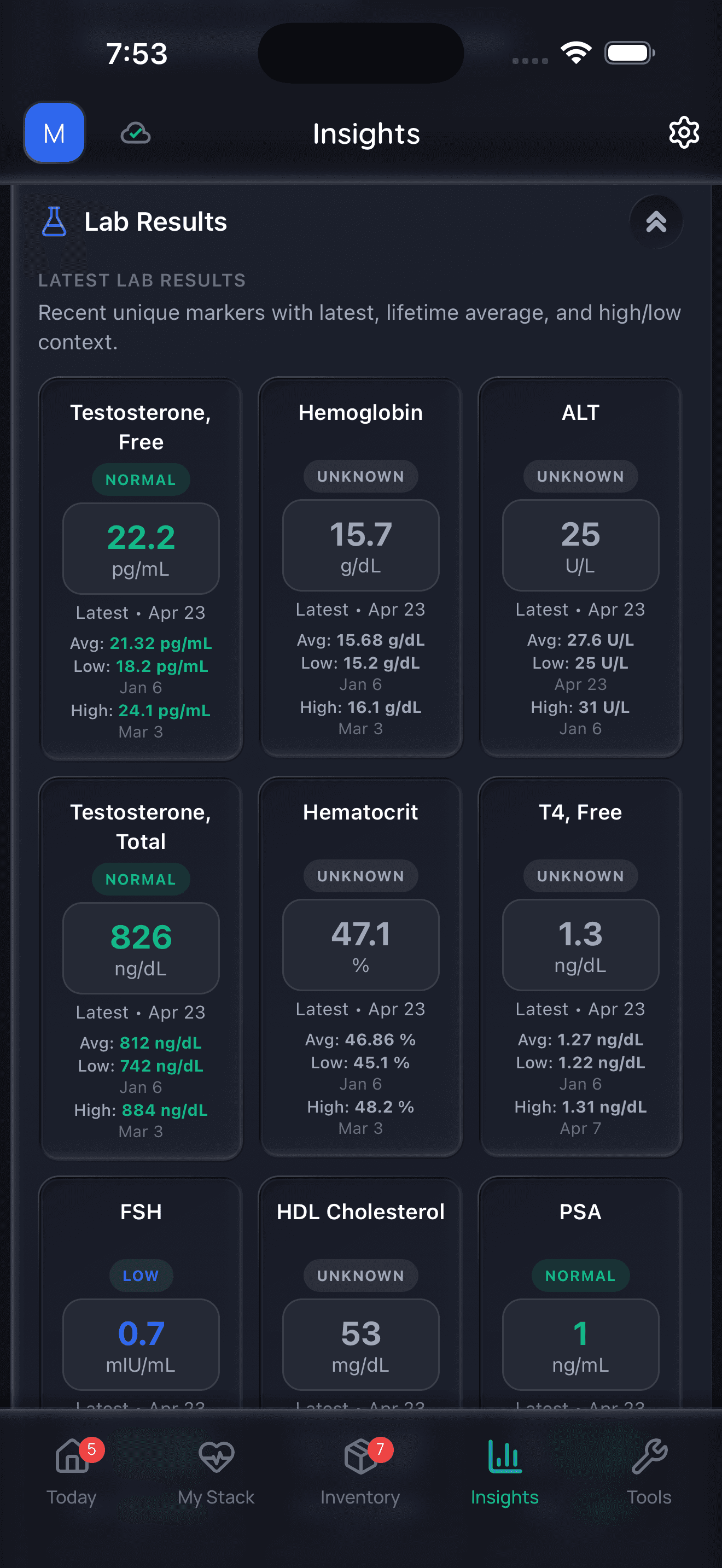
Doserly organizes data; it does not diagnose or interpret labs for you.
Risks, Side Effects & Safety
The Basics
The primary "risk" of stopping TRT is the return of the symptoms that led you to start therapy in the first place. If you had genuine hypogonadism, those symptoms (fatigue, low libido, depressed mood, reduced muscle mass, cognitive changes) will likely return during the recovery period and may persist if your body cannot restore adequate testosterone production.
For most men, the acute withdrawal period (roughly weeks 2-8 after the last dose, depending on formulation) is the most difficult. Energy drops significantly, mood can become volatile, libido typically disappears, and sleep quality often suffers. These symptoms are not dangerous in the medical sense, but they can be profoundly disruptive to daily life, relationships, and work performance.
There is a risk that natural testosterone production does not fully recover. This is more likely in men who had primary hypogonadism (testicular failure), who used TRT for extended periods (years), who are older at the time of cessation, or who used supraphysiological doses. In these cases, returning to TRT or using alternative therapies (clomiphene, enclomiphene) may become necessary.
For men who stop TRT without medical supervision, the risk of poorly managed withdrawal symptoms leading to depression, relationship strain, or impulsive resumption of testosterone (potentially without proper prescription or monitoring) is a real concern.
The Science
Withdrawal Symptom Profile
The clinical profile of TRT withdrawal reflects the re-emergence of hypogonadal symptoms in the context of suppressed endogenous production. In the TRAVERSE trial population (n=5,246, men aged 45-80 with cardiovascular risk factors), testosterone gel produced a mean increase of approximately 148 ng/dL from a median baseline of 227 ng/dL. Discontinuation would return these men to their pre-treatment hypogonadal state [11].
Fertility Risk of NOT Stopping
The TRAVERSE trial's Reproductive Hormones and Fertility sub-study demonstrated that testosterone treatment significantly reduced total sperm count (mean change: -8.4 million vs +7.2 million placebo at 12 months), proportion of men achieving sperm concentration <15 million/mL (33.6% vs 17.2%), and proportion achieving azoospermia. These effects were partially reversible at 12 months post-discontinuation but not fully normalized [12].
Cardiovascular Context
The TRAVERSE trial demonstrated noninferiority of testosterone gel vs placebo for the primary MACE composite (HR 0.96, 95% CI: 0.78-1.17) over 33 months of follow-up [11]. While this addresses safety during TRT, it does not directly address the cardiovascular profile of TRT discontinuation. Observational data suggest potential cardiovascular benefit from hematocrit normalization post-cessation, with the threshold for clinical concern being hematocrit >54% [11][13].
Absolute Risk Context for TRT Side Effects (Reasons for Stopping)
Common reasons men cite for stopping TRT, with clinical risk data:
- Polycythemia: Hematocrit >54% requiring intervention occurs in approximately 3-18% of men on TRT depending on route. Intramuscular injection produces higher rates than transdermal [13]. Cessation normalizes hematocrit within 2-3 months.
- Cardiovascular concerns: TRAVERSE trial (HR 0.96, 95% CI: 0.78-1.17 for MACE) established noninferiority. However, increased rates of pulmonary embolism (0.9% vs 0.5%), atrial fibrillation (3.5% vs 2.4%), and acute kidney injury (2.3% vs 1.5%) were noted in the testosterone group [11].
- Fertility suppression: Approximately 40-60% of men on TRT achieve azoospermia by 6 months. Severe oligospermia (<1 million/mL) is common in the remainder [2][7].
Understanding your personal risk profile isn't a one-time calculation — it evolves as your treatment progresses. Doserly helps you see the bigger picture by analyzing side effect patterns over time, showing whether issues are resolving, persisting, or emerging as your body adjusts to testosterone therapy.
The app's analytics can reveal connections between side effects and specific aspects of your protocol — like whether hematocrit creep correlates with a recent dose increase, or whether splitting your weekly dose into two injections reduced estrogen-related symptoms. This kind of insight helps you and your provider make informed adjustments based on your actual experience, not just population-level averages.
Keep side effects, flags, and follow-up notes visible.
Doserly helps you document safety observations, side effects, medication changes, and follow-up questions so important context is not scattered.
Safety log
Flags and notes
Safety notes are not emergency guidance; seek medical help when appropriate.
Dosing & Treatment Protocols
The Basics
There are no standardized clinical guidelines for "how to stop TRT." This is one of the most significant gaps in the TRT evidence base. The protocols that exist have been borrowed largely from the bodybuilding and anabolic steroid community and adapted to the therapeutic TRT context.
Three general approaches are discussed in clinical practice and community forums:
1. Cold Turkey (Abrupt Cessation)
Simply stopping the last dose and waiting for the body to recover. This is the simplest approach but typically produces the most intense withdrawal symptoms. Most clinicians do not recommend this approach.
2. Gradual Taper
Reducing the TRT dose incrementally over weeks to months before stopping completely. The theory is that gradually reducing exogenous testosterone allows the HPG axis to partially reactivate before the external supply is fully removed. Limited evidence supports this approach specifically, but it is consistent with general pharmacological principles of gradual drug withdrawal.
3. PCT (Post-Cycle Therapy)
Using medications to actively stimulate the HPG axis during the transition off TRT. Common protocols include HCG (to directly stimulate testicular testosterone production) followed by or combined with a SERM like clomiphene or enclomiphene (to stimulate pituitary LH and FSH release).
The Science
PCT Protocol Evidence
The Grant et al. (2023) retrospective study of 641 men found that self-reported PCT use was associated with faster biochemical recovery (13.0 weeks IQR 8.0-19.0 vs 26.0 weeks IQR 10.5-52, P < .001) and higher odds of biochemical recovery (OR 3.80) when assessed within 3 months of AAS cessation. Critically, PCT use was NOT associated with improved recovery when assessed more than 3 months after cessation, suggesting its benefit may be limited to accelerating early recovery rather than improving ultimate outcomes [9].
Commonly Discussed PCT Protocols (NOT guideline-endorsed)
Phase
Phase 1
- Medication
- HCG
- Dose
- 1,000-2,000 IU every other day
- Duration
- 2-4 weeks, overlapping with or immediately after last TRT dose
- Mechanism
- Direct testicular stimulation; mimics LH to maintain Leydig cell function and ITT
Phase
Phase 2
- Medication
- Clomiphene citrate
- Dose
- 25-50 mg daily
- Duration
- 4-8 weeks following HCG
- Mechanism
- SERM; blocks estradiol negative feedback at hypothalamus, stimulating GnRH and consequent LH/FSH release
Phase
Alternative Phase 2
- Medication
- Enclomiphene
- Dose
- 12.5-25 mg daily
- Duration
- 4-8 weeks
- Mechanism
- Trans-isomer of clomiphene; may have fewer side effects (mood, vision)
Phase
Alternative
- Medication
- Tamoxifen
- Dose
- 10-20 mg daily
- Duration
- 4-6 weeks
- Mechanism
- SERM; less commonly used for TRT PCT
Clomiphene as Standalone Therapy
For men transitioning off TRT who still need hormonal support, clomiphene citrate offers a potential bridge. Long-term data from Moskovic et al. (2012) showed that 46 men treated with clomiphene for hypogonadism achieved mean testosterone increases from 228 to 612 ng/dL at 1 year, maintained at 582 ng/dL at 3 years, with no adverse events reported [14]. A larger retrospective study (n=400) found 88% achieved eugonadism and 77% reported symptom improvement with clomiphene for more than 3 years, with only 8% reporting side effects [15].
What to Expect (Timeline)
Based on the available clinical evidence and community reports, the following timeline represents a composite of typical experiences after stopping TRT. Individual responses vary widely.
Days 1-7 (Post-Last Dose)
For injectable formulations, residual testosterone continues to release from the depot site. Most men feel relatively normal during this period. For transdermal formulations, testosterone levels begin declining within 1-2 days.
Weeks 2-4
Testosterone levels drop below the therapeutic range. First symptoms typically emerge: declining energy, subtle mood changes, reduced libido. Some men describe a brief "feel-good" window before the decline sets in, possibly related to brief physiological adjustments.
Weeks 4-8 (The Difficult Period)
The nadir for most men. Exogenous testosterone has largely cleared, but endogenous production has not meaningfully resumed. Symptoms are at their most intense: significant fatigue, loss of libido, erectile dysfunction, irritability or depression, insomnia, brain fog, reduced motivation. This is the period when many men are tempted to restart TRT.
Months 2-4
For men with intact HPG axis capacity, early signs of recovery begin. LH and FSH levels start rising. Some men notice gradual improvement in energy and mood. Morning erections may begin to return. PCT medications, if used, have their primary effect during this window.
Months 4-6
Continued hormonal recovery. Testosterone levels may still be below pre-TRT baseline but are trending upward. Mood and energy improvements become more consistent. Sexual function gradually improves.
Months 6-12
Most men who will achieve hormonal recovery have reached clinically meaningful levels by this point. Spermatogenesis recovery continues (sperm output averages 14.1 months to normalize). Some men plateau at levels below their pre-TRT baseline.
Months 12-24+
Spermatogenesis markers (FSH, inhibin B) may continue improving. For men who have not achieved satisfactory recovery by 12 months, the likelihood of further spontaneous improvement diminishes, and alternative treatments (clomiphene, return to TRT) should be discussed with a healthcare provider.
Timelines in clinical literature describe averages. Your own timeline is what matters. Doserly's trend analysis turns your daily symptom entries into visual trajectories, showing you how each outcome is progressing over weeks and months of testosterone therapy.
The app helps you see patterns that day-to-day experience can obscure — like a gradual improvement in energy that started two weeks after switching to twice-weekly injections, or libido steadily building even when individual off days make it feel like nothing has changed. These insights give both you and your provider a clearer picture of treatment response.
See where a dose, cycle, or change fits in time.
Doserly gives each protocol a timeline so dose changes, pauses, restarts, and observations are easier to compare later.
Timeline
Cycle history
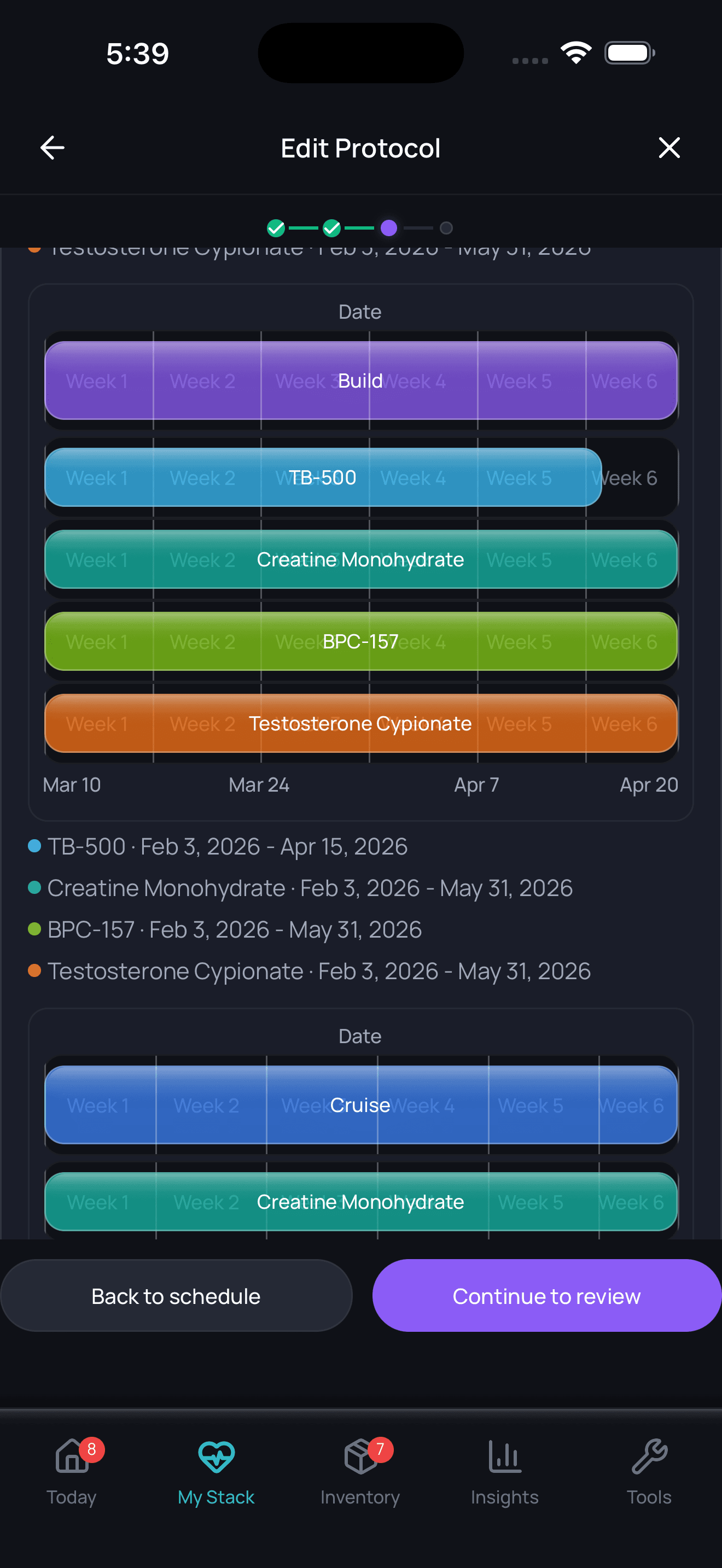
Timeline tracking helps with recall; it is not a treatment recommendation.
Fertility Preservation & HPG Axis
Fertility is the most common medical reason for stopping TRT, and this section addresses the specific fertility implications of TRT cessation.
The Problem: Exogenous testosterone suppresses the HPG axis, leading to profoundly reduced intratesticular testosterone concentrations and consequent spermatogenic arrest. Approximately 40-60% of men on TRT achieve azoospermia by 6 months, with the remainder typically showing severe oligospermia (<1 million/mL) [2][7].
Recovery After Stopping TRT:
The Handelsman & Shankara-Narayana (2020) study showed that sperm output recovered to non-user levels at a mean of 14.1 months after cessation, with reproductive hormones recovering earlier (LH at 10.7 months, AMH at 7.3 months) [5]. However, spermatogenesis (as measured by FSH and inhibin B) took the longest to fully recover.
HCG Co-Administration During TRT:
Using HCG (250-500 IU 2-3 times weekly) during TRT can partially preserve intratesticular testosterone and spermatogenesis. Multiple community reports document successful conception while on TRT with concurrent HCG, though this approach is not universally effective. HCG does not fully replicate the complex paracrine signaling of LH [7].
SERMs as Alternative or Bridge:
Clomiphene citrate (25-50 mg daily) stimulates endogenous LH and FSH production via hypothalamic SERM action, raising testosterone while preserving or restoring spermatogenesis. Long-term studies demonstrate efficacy: testosterone increased from 228 to 612 ng/dL at 1 year in one study of 46 men, with concurrent bone density improvement and symptom relief [14].
Sperm Banking:
Clinical guidelines recommend discussing sperm banking before TRT initiation for any man who may want biological children in the future. This recommendation applies regardless of whether HCG co-administration is planned.
Recovery Is Not Guaranteed:
While most men eventually recover some spermatogenesis, the degree and timeline of recovery vary. The Grant et al. (2023) study found that overall, only 48.2% of men achieved full biochemical normalization of reproductive hormones, though recovery rates were higher in those with shorter duration of use and those who used PCT [9]. Factors associated with worse recovery include: longer duration of TRT, older age, use of multiple compounds, primary (testicular) hypogonadism, and pre-existing low sperm count.
Interactions & Compatibility
PCT Medication Interactions:
- HCG and aromatase inhibitors: HCG can increase estradiol production through testicular aromatase activity. Some protocols include low-dose anastrozole to manage estrogen during HCG use, though this is controversial and not guideline-endorsed.
- Clomiphene and estradiol: Clomiphene blocks hypothalamic estrogen receptors but may paradoxically increase serum estradiol levels as increased LH drives testicular testosterone production and consequent aromatization.
- Tamoxifen and clomiphene: Sometimes used sequentially but rarely concurrently. Both are SERMs with overlapping mechanisms.
Supplements That May Support Recovery:
- Zinc: Supports testosterone synthesis; deficiency is associated with lower testosterone levels. Cross-reference: Zinc
- Vitamin D: Associated with testosterone levels; deficiency should be corrected. Cross-reference: Vitamin D
- Ashwagandha: Some evidence for modest testosterone support. Cross-reference: Ashwagandha
- D-Aspartic Acid: Limited and inconsistent evidence for testosterone support.
Lifestyle Factors Supporting Recovery:
- Resistance training: Acute testosterone elevation; supports muscle maintenance during recovery
- Sleep optimization: Critical for HPG axis function; testosterone production peaks during sleep
- Weight management: Obesity is associated with lower testosterone; adipose tissue aromatase converts testosterone to estradiol
- Stress reduction: Cortisol suppresses HPG axis function
- Alcohol reduction: Alcohol suppresses testosterone production and increases aromatization
Related TRT Guides:
Decision-Making Framework
Deciding whether to stop TRT is a significant medical decision that should be made in collaboration with a qualified healthcare provider. This framework presents considerations, not recommendations.
When Stopping TRT May Be Appropriate
- Fertility goals: Desire to father children (the most common clinical reason)
- Persistent side effects: Side effects that have not responded to dose adjustment, route change, or ancillary medications (e.g., unmanageable polycythemia, sleep apnea exacerbation, mood instability)
- Resolution of reversible causes: If the original cause of hypogonadism was a treatable condition (obesity, opioid use, sleep apnea) and that condition has been resolved
- Patient preference: An informed decision that the burden of treatment (injections, monitoring, cost, controlled substance logistics) outweighs the benefit
- Adverse events: Significant cardiovascular events, thromboembolic events, or prostate-related concerns during treatment
When Stopping TRT Is Generally NOT Advisable
- Primary hypogonadism (testicular failure): When the testes lack the capacity to produce adequate testosterone regardless of stimulation. Recovery of endogenous production is unlikely.
- Without medical supervision: Abrupt unmonitored cessation carries risk of severe withdrawal symptoms and potential for complications.
- Based solely on internet advice or peer pressure: Medical decisions should be based on individual clinical assessment, not community protocols.
Questions to Discuss with Your Provider
- What was my original reason for starting TRT, and has anything changed?
- Is my hypogonadism primary or secondary? What does this mean for recovery potential?
- What discontinuation approach do you recommend for my situation?
- Should I use PCT medications? If so, which ones and for how long?
- How will we monitor my recovery?
- At what point should we consider restarting TRT if recovery is inadequate?
- Should I bank sperm before stopping (if fertility is a future concern)?
Finding the Right Provider for Discontinuation
Endocrinologists and urologists with expertise in male reproductive health are best positioned to guide TRT discontinuation. Providers who specialize in fertility preservation during and after TRT are particularly valuable for men stopping for fertility reasons. Be cautious of providers (particularly some online TRT clinics) who strongly discourage any consideration of stopping, as this may reflect a business model rather than clinical judgment.
Administration & Practical Guide
This section addresses the practical aspects of transitioning off TRT, not the administration of TRT itself.
Practical Steps for a Managed Transition
Before Your Last Dose:
- Discuss the plan with your healthcare provider, including timeline, monitoring schedule, and whether PCT is appropriate.
- If fertility is the reason, consider baseline semen analysis and sperm banking.
- Gather any PCT medications in advance so there is no gap.
- Inform your partner or support system that you will be going through a transition period.
During the Transition:
- Maintain consistent exercise, particularly resistance training, to support muscle preservation and mood.
- Prioritize sleep hygiene (7-9 hours, consistent schedule, dark room, limited screens before bed).
- Monitor symptoms systematically rather than relying on daily impressions, which can be misleading during a volatile period.
- Keep a symptom log that you can share with your provider at follow-up visits.
- Do not make major life decisions during the acute withdrawal period (weeks 2-8) if possible.
Monitoring Schedule During Recovery:
- Baseline: Total testosterone, free testosterone, LH, FSH, estradiol, CBC with hematocrit, PSA
- 4-6 weeks post-cessation: Total testosterone, LH, FSH (assess whether axis is reactivating)
- 3 months: Comprehensive panel including symptom assessment
- 6 months: If not recovered, reassess with provider. Consider clomiphene or HCG if appropriate.
- 12 months: Semen analysis if fertility is the goal. Comprehensive hormonal assessment.
Self-Injection of PCT Medications
If HCG is prescribed as part of your transition plan, it is typically administered via subcutaneous injection using a small-gauge needle (27-30G). Injection technique is simpler than intramuscular testosterone injection. Your provider or pharmacist should provide instruction on proper reconstitution (for lyophilized HCG), injection technique, and storage requirements.
Monitoring & Lab Work
Pre-Cessation Baseline (While Still on TRT):
Test
Total Testosterone
- Purpose
- Establish current therapeutic level
Test
Free Testosterone
- Purpose
- Assess bioavailable hormone
Test
LH, FSH
- Purpose
- Confirm suppression (expected to be very low on TRT)
Test
Estradiol
- Purpose
- Baseline before potential rebound
Test
CBC with Hematocrit
- Purpose
- Confirm current hematocrit level
Test
PSA
- Purpose
- Prostate safety baseline
Test
SHBG
- Purpose
- Context for free T interpretation
Test
Semen Analysis
- Purpose
- Fertility baseline if relevant
Recovery Monitoring Schedule:
Timepoint
4-6 weeks
- Key Tests
- Total T, LH, FSH
- What You're Looking For
- Are gonadotropins rising? Any endogenous T production?
Timepoint
3 months
- Key Tests
- Total T, Free T, LH, FSH, E2, CBC
- What You're Looking For
- Is T recovering? Hematocrit normalizing? LH/FSH approaching normal?
Timepoint
6 months
- Key Tests
- Comprehensive panel + symptom assessment
- What You're Looking For
- Meaningful recovery? Plateau? Need for intervention?
Timepoint
9-12 months
- Key Tests
- Comprehensive panel + semen analysis (if fertility goal)
- What You're Looking For
- Near-final assessment. Spermatogenesis recovery?
Timepoint
12-18 months
- Key Tests
- Reassessment with provider
- What You're Looking For
- Final recovery status. Continue monitoring or return to treatment?
Red Flags During Recovery:
- Testosterone remaining below 150 ng/dL at 3 months with no upward trend
- Persistent LH/FSH suppression at 3+ months (suggests pituitary recovery failure)
- Severe depression or suicidal ideation (seek immediate medical/psychiatric help)
- Hematocrit rising despite cessation (rare, investigate other causes)
Estrogen Management on TRT
Estrogen dynamics during TRT discontinuation deserve specific attention because the transition can create temporary estrogen imbalances.
During TRT: Testosterone is aromatized to estradiol in adipose tissue and other tissues. On TRT, estradiol levels typically rise proportionally to testosterone. If the man was using an aromatase inhibitor (anastrozole), this adds another variable to the discontinuation process.
During Discontinuation: As exogenous testosterone clears, estradiol also declines, but the rate of decline may differ. Some men experience a brief period of relative estrogen excess as fat-stored estradiol releases while testosterone drops rapidly. Others experience the opposite: estrogen crashes faster, leading to joint pain, mood disturbance, and low libido.
Estrogen Rebound: If an aromatase inhibitor was used during TRT and is abruptly stopped, estrogen rebound can occur. This is another reason that discontinuation should be medically supervised.
During PCT: HCG can increase testicular estradiol production, potentially requiring temporary estrogen management. Clomiphene, by blocking hypothalamic estrogen receptors, indirectly increases gonadotropins but may also increase circulating estradiol levels through increased testosterone production and aromatization.
Key Point: Estrogen management during TRT discontinuation is complex and should not be self-managed. The community tendency to aggressively suppress estrogen with AIs can cause more harm than good, as low estradiol in men is associated with joint pain, bone density loss, mood disturbance, and paradoxically decreased libido. Clinical guidelines do not recommend routine estrogen monitoring or AI use during TRT discontinuation.
Stopping TRT / Post-Cycle Considerations
This is the central section of this guide. Rather than repeating content from earlier sections, this section synthesizes the key considerations.
Is TRT Lifelong?
The answer depends on the underlying cause of hypogonadism:
- Primary hypogonadism (testicular failure): For men whose testes cannot produce adequate testosterone (Klinefelter syndrome, bilateral orchidectomy, radiation damage), TRT is generally a lifelong treatment. The testes lack the capacity to respond to HPG axis reactivation.
- Secondary hypogonadism (hypothalamic-pituitary dysfunction): If the underlying cause can be addressed (weight loss, sleep apnea treatment, opioid cessation, pituitary tumor treatment), endogenous production may be restorable. TRT may not be lifelong for these men.
- Age-related testosterone decline: The most nuanced category. Not all age-related decline requires treatment, and some men who started TRT for borderline levels may be able to discontinue with lifestyle optimization.
Factors Affecting Recovery
Based on the available evidence, the following factors are associated with recovery outcomes:
Factor
Duration of TRT
- Better Prognosis
- Shorter (<2 years)
- Worse Prognosis
- Longer (>5 years)
Factor
Age at cessation
- Better Prognosis
- Younger (<40)
- Worse Prognosis
- Older (>50)
Factor
Underlying cause
- Better Prognosis
- Secondary hypogonadism
- Worse Prognosis
- Primary hypogonadism
Factor
Number of compounds
- Better Prognosis
- TRT only (1 compound)
- Worse Prognosis
- Multiple AAS
Factor
PCT use
- Better Prognosis
- Used within first 3 months
- Worse Prognosis
- No PCT or delayed PCT
Factor
Pre-TRT T levels
- Better Prognosis
- Low-normal (250-350 ng/dL)
- Worse Prognosis
- Very low (<150 ng/dL)
Factor
HCG during TRT
- Better Prognosis
- Concurrent HCG used
- Worse Prognosis
- No testicular preservation
Factor
Testicular volume
- Better Prognosis
- Preserved
- Worse Prognosis
- Significantly reduced
Symptom Management During Recovery
- Fatigue: Prioritize sleep, maintain moderate exercise, consider adaptogenic supplements
- Low libido: Communicate with partner, understand it is temporary for most men
- Mood changes: Maintain social connections, consider counseling, inform close contacts
- Muscle loss: Continue resistance training; some loss is inevitable but training attenuates it
- Brain fog: Maintain hydration, sleep priority, reduce alcohol
Realistic Expectations
Not everyone recovers fully. Research suggests:
- Most men recover at least partial HPG axis function
- Testicular volume may remain permanently reduced [5][10]
- INSL3 (Leydig cell marker) may remain lower, suggesting subtle lasting testicular impact [10]
- Recovery to pre-TRT testosterone levels is more likely for secondary than primary hypogonadism
- Recovery is possible even after years of TRT use, but probability and speed decrease with duration
Special Populations & Situations
Men Stopping TRT for Fertility
The most studied and clinically supported reason for TRT cessation. HCG co-administration during TRT may preserve testicular function. After stopping, HCG + SERM protocols show promise for accelerating spermatogenesis recovery. Multiple case reports and one large retrospective study support the use of PCT for fertility recovery [9]. Discuss with a reproductive urologist or reproductive endocrinologist for optimal management.
Men Over 50
Recovery may be slower and less complete. Age-related decline in Leydig cell number and function means that even with successful HPG axis reactivation, testosterone production capacity may be reduced. The TTrials and TRAVERSE populations were primarily men 45-80, and these studies focused on treatment initiation, not discontinuation. Clinical judgment about the wisdom of stopping TRT in older men should weigh the expected recovery against the known benefits of treatment in this population.
Men with Primary Hypogonadism
Recovery expectations should be realistically managed. If the testes cannot produce adequate testosterone (e.g., Klinefelter syndrome, bilateral orchidectomy, chemotherapy-induced testicular failure), stopping TRT will result in symptomatic hypogonadism without meaningful recovery. For these men, TRT is generally lifelong. SERMs are unlikely to be effective because the issue is testicular capacity, not pituitary signaling.
Men Stopping Due to Side Effects
Men who stop TRT because of side effects (polycythemia, sleep apnea, mood instability, blood pressure) may benefit from a route change or dose reduction rather than complete cessation. Discuss alternatives (gel instead of injection for hematocrit management, lower dose, more frequent dosing for mood stability) before deciding to stop entirely.
Men Stopping Due to Cost or Access
Insurance coverage for testosterone varies significantly. Some men are forced to stop due to cost, insurance changes, or provider access issues. In these cases, generic testosterone cypionate (often available for under $50/month without insurance) and compounded testosterone may be more affordable alternatives to stopping entirely. Sudden cessation for financial reasons without medical planning carries unnecessary risk.
Transgender Men (FTM) Considering Discontinuation
Transgender men on testosterone therapy face unique considerations if discontinuation is considered. Voice changes and body hair growth are permanent. Fertility implications are significant and should be discussed with a provider experienced in transgender healthcare. Psychological support during discontinuation is particularly important given the relationship between testosterone therapy and gender-affirming care.
Regulatory, Insurance & International
Schedule III Controlled Substance Status:
Testosterone's Schedule III classification affects TRT discontinuation in several ways:
- Prescription records are maintained; stopping does not remove these records
- Travel with testosterone requires documentation; international travel considerations apply during taper
- Insurance prior authorization requirements may complicate restarting TRT if discontinuation is attempted and fails
PCT Medication Access:
- HCG: FDA-approved for male use; available by prescription. Access has been complicated by compounding pharmacy regulations; FDA enforcement actions against certain compounded HCG products have created supply challenges.
- Clomiphene citrate: FDA-approved for female infertility; used off-label for male hypogonadism. Generally available and affordable.
- Enclomiphene: Not yet FDA-approved as of this writing; available through some compounding pharmacies and research chemical suppliers. Regulatory status in flux.
- Tamoxifen: FDA-approved for breast cancer; off-label use for PCT. Available by prescription.
International Considerations:
- UK: NHS may prescribe clomiphene or HCG for fertility recovery. Private clinics offer structured discontinuation protocols.
- Australia: Testosterone is Schedule 4 (prescription-only). HCG available by prescription. Healthy Male (Andrology Australia) provides patient resources.
- Canada: Provincial coverage varies. Discontinuation support may not be covered.
- EU: Country-specific access. EAU guidelines do not provide specific discontinuation protocols.
Frequently Asked Questions
Can I stop TRT cold turkey?
You can, but it is not recommended. Abrupt cessation typically produces more intense withdrawal symptoms than a gradual taper or medically supported transition. Work with your healthcare provider to develop a discontinuation plan.
Will my natural testosterone ever come back?
For most men with secondary hypogonadism, yes, at least partially. Recovery typically takes 6-24 months and depends on duration of TRT, age, and underlying cause. For men with primary hypogonadism (testicular failure), natural production recovery is unlikely.
How long do withdrawal symptoms last?
The most intense symptoms typically occur during weeks 2-8 after the last dose (for injectable formulations). Most men report meaningful improvement by 3-6 months. Some symptoms may persist longer if testosterone levels do not recover adequately.
Should I use PCT medications?
The evidence is limited but suggestive. The largest study (641 men) found PCT associated with faster recovery in the first 3 months. Discuss with your healthcare provider. PCT medications are not formally recommended by any major clinical guideline for TRT discontinuation.
Will I lose all my muscle?
Some muscle loss is expected as testosterone levels decline. Continued resistance training significantly attenuates this loss. Some initial weight/size loss is water and glycogen, not true muscle tissue. Men who maintain consistent training report less dramatic muscle loss.
Can I still get my partner pregnant while on TRT?
It is possible but unlikely. TRT suppresses sperm production in most men. Some men maintain residual sperm production, and HCG co-administration can preserve fertility in some cases. However, relying on TRT as contraception is not recommended, and neither is assuming fertility while on TRT.
Is TRT addictive?
Testosterone is not physically addictive in the way opioids or benzodiazepines are. However, the significant quality-of-life improvement on TRT can create a strong reluctance to stop, and the withdrawal symptoms that occur when stopping can feel like dependency. The desire to continue TRT is usually a rational response to feeling better, not addiction.
What if my testosterone was low before TRT?
If your testosterone was genuinely low before starting (e.g., below 250 ng/dL), it will likely return to a similarly low level if you stop. Stopping TRT does not typically result in lower testosterone than your pre-TRT baseline, but it also does not improve it. The exception is men whose original low T was caused by a reversible factor (obesity, medications, sleep apnea) that has since been addressed.
How is stopping TRT different from stopping anabolic steroids?
The underlying biology is the same (HPG axis recovery), but the context differs. TRT uses therapeutic doses (typically 80-200 mg/week testosterone) and a single compound. AAS users often use supraphysiological doses (300-1000+ mg/week) of multiple compounds. Recovery from AAS tends to be more difficult, slower, and less complete due to greater duration and intensity of HPG axis suppression.
Do I need to taper, or can I just stop?
There is no RCT comparing taper vs abrupt cessation for TRT specifically. Tapering is recommended based on general pharmacological principles and clinical experience, but some men stop abruptly without complications. If using a long-acting formulation (testosterone undecanoate), the long half-life effectively creates a natural taper.
Myth vs. Fact
Myth: "Once you start TRT, you can never stop."
Fact: While TRT is often a long-term commitment, particularly for men with primary hypogonadism, many men successfully discontinue TRT and recover natural testosterone production. A 2020 study showed past androgen users had reproductive hormones indistinguishable from non-users at a median of 300 days post-cessation [5]. Recovery is neither guaranteed nor impossible; it depends on the underlying cause of hypogonadism, duration of therapy, and individual factors.
Myth: "TRT permanently destroys your body's ability to make testosterone."
Fact: TRT suppresses the HPG axis, but this suppression is generally reversible. Clinical evidence shows that LH recovers in an average of 10.7 months and sperm output in 14.1 months after cessation [5]. However, more sensitive markers (INSL3) suggest that subtle Leydig cell changes may persist even when conventional hormones normalize [10]. The word "permanently" is too absolute in either direction.
Myth: "PCT is medically proven and recommended by doctors."
Fact: PCT protocols are borrowed from the bodybuilding community and have not been validated in randomized controlled trials for therapeutic TRT discontinuation specifically. The largest observational study (n=641) found an association between PCT use and faster recovery, but this was self-reported and not randomized [9]. No major clinical guideline (Endocrine Society, AUA, EAU) formally recommends PCT for TRT discontinuation.
Myth: "You can stop TRT and feel fine immediately."
Fact: Most men experience a period of withdrawal symptoms as exogenous testosterone clears and before endogenous production resumes. The typical nadir occurs around weeks 4-8, with fatigue, low libido, mood changes, and brain fog being common. While not medically dangerous, this period can significantly affect quality of life, work performance, and relationships.
Myth: "TRT withdrawal is just like drug withdrawal."
Fact: Testosterone is not physically addictive. What men experience after stopping TRT is the re-emergence of hypogonadal symptoms, not a withdrawal syndrome in the pharmacological sense. The symptoms are real and can be severe, but they reflect the return of the underlying condition rather than drug dependency.
Myth: "If I stop TRT, my testosterone will be even lower than before I started."
Fact: There is no evidence that TRT causes permanent reduction of testosterone below pre-treatment baseline. Studies show that men typically return to their pre-treatment testosterone levels, not below them [8]. However, the contrast between feeling good on TRT and returning to low-T symptoms can make the baseline level feel worse than it did before treatment.
Myth: "You can just use HCG forever instead of TRT."
Fact: HCG stimulates testicular testosterone production, but its long-term use as a testosterone replacement strategy has limitations. HCG does not fully replicate the pulsatile LH signaling pattern, can increase estradiol through testicular aromatase, and may lose efficacy with prolonged use (tachyphylaxis). It is better suited as a short-term tool for HPG axis stimulation during TRT discontinuation or for fertility preservation during TRT.
Myth: "Clomiphene is just as good as testosterone for treating low T."
Fact: Clomiphene raises testosterone levels (from 228 to 612 ng/dL in one study [14]) and is effective for many men, but direct comparison studies show that testosterone replacement therapy produces greater testosterone increases and better symptom resolution [16]. Clomiphene's advantage is preserving fertility and avoiding exogenous testosterone's HPG axis suppression, making it a valuable alternative in appropriate patients.
Sources & References
Landmark Trials
[1] Lincoff AM, Bhasin S, Flevaris P, et al. Cardiovascular Safety of Testosterone-Replacement Therapy. N Engl J Med. 2023;389:107-117.
Clinical Guidelines
[7] Mulhall JP, Trost LW, Brannigan RE, et al. Evaluation and Management of Testosterone Deficiency: AUA Guideline. J Urol. 2018;200(2):423-432.
[13] Bhasin S, Brito JP, Cunningham GR, et al. Testosterone Therapy in Men With Hypogonadism: An Endocrine Society Clinical Practice Guideline. J Clin Endocrinol Metab. 2018;103(5):1715-1744.
Systematic Reviews & Recovery Studies
[2] Desai A, Yassin M, Cayetano A, Tharakan T, Jayasena CN, Minhas S. Understanding and managing the suppression of spermatogenesis caused by testosterone replacement therapy (TRT) and anabolic-androgenic steroids (AAS). Ther Adv Urol. 2022;14:17562872221105017.
[3] Christou MA, Tigas S. Recovery of reproductive function following androgen abuse. Curr Opin Endocrinol Diabetes Obes. 2014;21(6):469-475.
[4] van Os J, et al. Prolonged post-androgen abuse hypogonadism: potential mechanisms and a proposed standardized diagnosis. Front Endocrinol. 2025.
[5] Handelsman DJ, Shankara-Narayana N. Rate and Extent of Recovery from Reproductive and Cardiac Dysfunction Due to Androgen Abuse in Men. J Clin Endocrinol Metab. 2020;105(6):e2184-e2195.
[6] de Oliveira Vilar Neto J, et al. Anabolic androgenic steroid-induced hypogonadism, a reversible condition in male individuals? A systematic review. Andrologia. 2021;53(11):e14235.
[8] Wittert G, Bracken K, Robledo KP, et al. Recovery of male reproductive endocrine function after ceasing prolonged testosterone undecanoate injections. J Clin Endocrinol Metab. 2022.
[9] Grant B, et al. Factors predicting normalization of reproductive hormones after cessation of anabolic-androgenic steroids in men: a single center retrospective study. J Clin Endocrinol Metab. 2023.
[10] Rasmussen JJ, et al. Serum Insulin-like Factor 3 Levels are Reduced in Former Androgen Users Suggesting Impaired Leydig Cell Capacity. J Clin Endocrinol Metab. 2021.
TRAVERSE Sub-Studies
[11] Lincoff AM, et al. TRAVERSE trial primary results. NEJM. 2023;389:107-117.
[12] Bhasin S, et al. TRAVERSE Reproductive Hormones and Fertility sub-study. J Clin Endocrinol Metab. 2024.
Clomiphene Studies
[14] Moskovic DJ, Katz DJ, Akhavan A, Park K, Mulhall JP. Clomiphene citrate is safe and effective for long-term management of hypogonadism. BJU Int. 2012;110:1524-1528.
[15] Wheeler KM, et al. Long-Term Safety and Efficacy of Clomiphene Citrate for the Treatment of Hypogonadism. J Urol. 2019;202(5):1029-1035.
[16] Dadhich P, Ramasamy R, Scovell J, Wilken N, Lipshultz L. Testosterone versus clomiphene citrate in managing symptoms of hypogonadism in men. Indian J Urol. 2017;33(3):236-240.
Recovery Timeline Studies
[17] Stahl PJ. Recovery of spermatogenesis after hormone therapy: what to expect and when to expect it. Fertil Steril. 2017;107(2):338-339.
Related Guides & Cross-Links
Same Category (Educational Guides)
Related Treatment Options
Related Treatment Overviews
- Fertility Preservation on TRT
- TRT Blood Work Guide
- TRT for Beginners
- Natural Testosterone Optimization
- Estrogen Management on TRT
Related Conditions
Complementary Approaches (Supplements)
Peptide Cross-Reference
- BPC-157 (recovery support)