
Saw Palmetto: The Complete Supplement Guide
On this page
Quick Reference Card
Attribute
Common Name
- Detail
- Saw Palmetto
Attribute
Other Names / Aliases
- Detail
- Serenoa repens, Sabal serrulata, Serenoa serrulata, American dwarf palm tree, cabbage palm
Attribute
Category
- Detail
- Herbal Extract (Fatty Acid / Phytosterol Complex)
Attribute
Primary Forms & Variants
- Detail
- Hexane lipidosterolic extract (Permixon, >80% free fatty acids, most studied); supercritical CO2 extract (Sabalselect, 84% unsaturated fatty acids); ethanol extract; dried berry powder (least standardized)
Attribute
Typical Dose Range
- Detail
- 320 mg/day of standardized extract (split into 160 mg twice daily or single dose)
Attribute
RDA / AI / UL
- Detail
- Not established. Saw palmetto is not an essential nutrient.
Attribute
Common Delivery Forms
- Detail
- Softgel capsules, capsules, liquid extract, dried berry powder
Attribute
Best Taken With / Without Food
- Detail
- Most commonly taken with food to reduce GI side effects. Fat-containing meals may improve absorption of lipophilic compounds.
Attribute
Key Cofactors
- Detail
- None essential. Sometimes combined with lycopene, selenium, beta-sitosterol, nettle root, or pygeum in prostate support formulas.
Attribute
Storage Notes
- Detail
- Store in a cool, dry place away from light. Fatty acid content may oxidize if exposed to heat or air.
Overview
The Basics
Saw palmetto is one of the most studied herbal supplements for prostate health, yet it remains one of the most debated. The supplement comes from the berries of a small palm tree (Serenoa repens) native to the southeastern United States and the Caribbean. Native Americans used these berries for centuries to support urinary and reproductive health, and today saw palmetto is one of the most commonly used herbal supplements among men over 50 [1][2].
The primary reason people take saw palmetto is to address urinary symptoms associated with an enlarged prostate (benign prostatic hyperplasia, or BPH), a condition that affects the majority of men as they age. More recently, saw palmetto has attracted attention as a natural approach to hair loss, since it targets the same enzyme (5-alpha-reductase) that prescription hair loss medications like finasteride block. However, the evidence for both uses is more complex than supplement marketing typically suggests [3][4].
What makes saw palmetto unusual among herbal supplements is that its bioactive components are well characterized. The active ingredients are primarily fatty acids (especially lauric acid, oleic acid, and myristic acid) and small amounts of phytosterols (particularly beta-sitosterol). How the berry is extracted matters significantly: hexane-extracted products with high free fatty acid content (over 80%) have shown more consistent results in research than other preparations [5].
The Science
Serenoa repens is a fan palm in the family Arecaceae, native to the Atlantic and Gulf coastal plains of the southeastern United States and the Caribbean Basin. The ripe berries contain a lipidosterolic complex whose pharmacological activity resides primarily in the fat-soluble fraction [1][6].
The berry's bioactive profile includes multiple fatty acid classes: oleic acid (C18:1, approximately 30-40% of total fatty acids), lauric acid (C12:0, approximately 30%), myristic acid (C14:0, approximately 10%), palmitic acid (C16:0, approximately 10%), linoleic acid (C18:2), and linolenic acid (C18:3). The phytosterol fraction, representing less than 1% of the extract, is dominated by beta-sitosterol (80% of total phytosterols), with smaller amounts of campesterol and stigmasterol [5][6][7].
The clinical research base spans over three decades and includes multiple Cochrane systematic reviews. A 2023 Cochrane review of 27 randomized controlled trials involving thousands of men with BPH concluded that saw palmetto monotherapy provides "little or no benefit" for urinary symptoms. However, this conclusion is nuanced by the heterogeneity of extract preparations across studies and the more favorable results seen with the standardized hexane extract (Permixon) in European trials [3][8][9]. The most rigorous NIH-funded trials, including the STEP trial (n=225, 2006) and CAMUS trial (n=369, 2011), found no significant benefit over placebo at standard and escalating doses [4][10].
Chemical & Nutritional Identity
Property
Scientific Name
- Value
- Serenoa repens (W. Bartram) Small
Property
Family
- Value
- Arecaceae (palm family)
Property
Plant Part Used
- Value
- Ripe berries (fruit)
Property
Category
- Value
- Lipidosterolic herbal extract
Property
CAS Number
- Value
- 84604-15-9 (Serenoa repens extract)
Property
Key Fatty Acids
- Value
- Oleic acid (30-40%), lauric acid (30%), myristic acid (10%), palmitic acid (10%)
Property
Key Phytosterols
- Value
- Beta-sitosterol (0.454 mg/g dry mass), campesterol, stigmasterol
Property
Total Fatty Acid Content
- Value
- 40-80% depending on extraction method
Property
RDA / AI / UL
- Value
- Not established (herbal extract, not an essential nutrient)
Common extract types and their differences:
- Hexane extract (Permixon): The most extensively studied formulation. Contains over 80% free fatty acids. Produced using n-hexane solvent extraction. Showed the highest 5-alpha-reductase inhibitory activity among 10 tested brands in a comparative study [5][7]. This is the standard used in the European Pharmacopoeia, which requires lauric acid content of at least 20% of total fatty acids.
- Supercritical CO2 extract (Sabalselect): Contains approximately 84% unsaturated fatty acids with 10% fatty acid esters and less than 2% other components. Also well-characterized and used in clinical trials [6].
- Ethanol extract: Less standardized than hexane or CO2 extracts. May contain lower concentrations of free fatty acids.
- Dried berry powder: The least standardized form. Total fatty acid content can be as low as 8 mg per dose, compared to hundreds of milligrams in standardized extracts [7].
Mechanism of Action
The Basics
Saw palmetto works through several pathways, though the one it is best known for involves an enzyme called 5-alpha-reductase. This enzyme converts testosterone into dihydrotestosterone (DHT), a more potent form of the hormone. DHT plays a role in prostate growth and is also a major driver of male pattern hair loss. By partially blocking this enzyme, saw palmetto may reduce DHT levels in specific tissues like the prostate [6][11].
Think of 5-alpha-reductase as an amplifier that turns up the volume on testosterone's effects in certain parts of the body. Saw palmetto turns this amplifier down. This is the same basic approach used by prescription drugs like finasteride, though saw palmetto appears to be weaker and blocks both versions of the enzyme rather than just one [5][12].
Beyond this anti-androgenic effect, saw palmetto also reduces inflammation. The fatty acids in the extract inhibit the production of inflammatory compounds called prostaglandins and leukotrienes, which contribute to prostate swelling and discomfort. Some researchers now think this anti-inflammatory action may be as important as the DHT-blocking effect for explaining any benefits on urinary symptoms [13][14].
The extract also interacts with alpha-1 adrenergic receptors, which control smooth muscle tone in the prostate and bladder neck. By influencing these receptors, saw palmetto may help relax the muscles that constrict urinary flow, similar to prescription alpha-blocker medications like tamsulosin [6][15].
The Science
The pharmacological activity of Serenoa repens extract (SPE) involves multiple, likely synergistic mechanisms [5][13]:
5-alpha-reductase inhibition: SPE non-selectively inhibits both type I and type II isoforms of 5-alpha-reductase. In vitro studies using the hexane extract (Permixon) demonstrated IC50 values of 4 mcg/mL for type I and 7 mcg/mL for type II, which approximate plasma concentrations at therapeutic oral doses (10 mcg/mL). At this concentration, inhibition reaches 72-76% for both isoforms, comparable to finasteride (83%) at its therapeutic concentration of 5 nM [12]. The inhibition is mediated primarily by free fatty acids, with lauric acid active against both isoforms and oleic acid selectively active against type I. The free carboxyl group is essential for activity; methyl ester and alcohol analogs are inactive or weakly active [16][17].
A 3-month randomized study confirmed that Permixon (320 mg/day) decreased DHT and increased testosterone concentrations in the periurethral region of the prostate in patients with BPH [18]. However, a short-term study in healthy men (160 mg/day for 1 week) found no effect on serum testosterone or DHT, suggesting that systemic effects may require longer exposure or be limited to prostatic tissue [19].
Anti-inflammatory activity: SPE inhibits cyclooxygenase (COX) and 5-lipoxygenase (5-LOX) pathways, reducing biosynthesis of prostaglandins and leukotrienes [11]. The hexane extract decreases B lymphocyte infiltrates, IL-1beta, TNF-alpha levels, and downregulates inflammatory gene expression including IL-6, CCL-5, CCL-2, COX-2, and iNOS in prostate cells [13][14]. In a mouse model of prostate hyperplasia, Permixon demonstrated global anti-inflammatory effects with lobe-specific anti-androgenic effects [20].
Alpha-1 adrenergic receptor modulation: Oleic acid and lauric acid from SPE reduce prazosin binding to alpha-1 adrenergic receptors with IC50 values of 41.8-46.3 mcg/mL and 84-92.1 mcg/mL respectively. This non-competitive mechanism reduces the total number of receptor binding sites [6][15].
Muscarinic receptor interaction: SPE components demonstrate affinity for muscarinic receptors, with chronic administration decreasing bladder muscarinic receptor density in animal models [6][15].
Pro-apoptotic effects: SPE induces apoptosis in prostate epithelial cells through inhibition of IGF-1 signaling and activation of the intrinsic apoptotic pathway. In surgically obtained prostate tissue, 320 mg/day Permixon for 3 months increased the apoptotic index (Bax/Bcl-2 ratio) compared to untreated controls [21][22].
Absorption & Bioavailability
The Basics
Because saw palmetto is primarily a blend of fats (fatty acids), how well your body absorbs it depends significantly on the form you take and whether you consume it with food. Standardized extracts that contain a high concentration of free fatty acids are generally better absorbed than raw berry powder, which may contain fatty acids locked in forms your body cannot easily access [5][7].
Taking saw palmetto with a meal that contains some dietary fat is generally a good idea. Since the active compounds are fat-soluble, they need some fat present in the digestive system to be properly absorbed. Taking it on a completely empty stomach may reduce how much of the active compounds reach your tissues [6].
One important nuance: even though saw palmetto may partially block the DHT-producing enzyme in laboratory studies, whether it achieves meaningful DHT reduction in human prostate tissue (or scalp tissue) at standard supplemental doses remains debated. Short-term studies in healthy men have not shown changes in circulating testosterone or DHT, though longer-term studies in men with BPH have detected changes within prostate tissue specifically [18][19].
The Science
The bioavailability of SPE is closely linked to the extraction method and the proportion of free fatty acids in the final product. Hexane extraction (as used in Permixon) yields the highest concentration of free fatty acids (>80%), which are the primary inhibitors of 5-alpha-reductase. The free carboxyl group (-COOH) is essential for enzyme inhibition; esterified fatty acids show minimal activity [16][17].
Supercritical CO2 extraction concentrates fatty acid triglycerides 6-25 fold relative to the ground berry and shifts the composition toward lauric and oleic acid predominance. This extraction also preserves carotenoids (46.8 mcg/g as beta-carotene) and tocopherols (gamma and delta at 280 mcg/g and 35.3 mcg/g respectively) [6].
Distribution studies using radiolabeled fatty acids (14C-lauric acid, 14C-oleic acid, 14C-beta-sitosterol) have been conducted in animal models, but comprehensive human pharmacokinetic data for the whole extract are limited [23]. The inhibitory effect on CYP2C8 (IC50 of 15.4 mcg/mL) may be physiologically relevant and could theoretically affect the metabolism of co-administered drugs, though clinical significance has not been established [6].
Research & Clinical Evidence
The Basics
The research picture for saw palmetto is a story of shifting conclusions. For years, saw palmetto was considered one of the best-supported herbal supplements for prostate health, based on dozens of smaller European studies. Then larger, more rigorous trials funded by the U.S. National Institutes of Health found no benefit over placebo, fundamentally changing the scientific consensus [3][4][10].
For BPH and urinary symptoms, the 2023 Cochrane review (the gold standard for evidence synthesis) examined 27 studies and concluded that saw palmetto alone provides "little or no benefit." That said, some specific formulations (particularly the hexane extract) showed somewhat more consistent positive results in European trials. Some studies also found modest benefits for nocturia (nighttime urination) and patient-reported symptom improvement, even when objective measures like urine flow rate did not change [3][8].
For hair loss, the evidence is much thinner. A handful of small studies suggest saw palmetto may slow hair loss in some people, with one two-year study showing improvement in 38% of participants (compared to 66% for finasteride). This suggests saw palmetto may be a weaker option for hair preservation but could have some effect, particularly at the crown of the head [24][25].
For chronic prostatitis and pelvic pain, a 2022 review of five studies found no significant benefit [26].
The Science
BPH and LUTS — Systematic Reviews:
The evidence trajectory for SPE in BPH-related LUTS has undergone significant revision. The 2002 Cochrane review concluded that Serenoa repens was effective, but this was based primarily on short-term studies using unvalidated outcome measures. The 2009 and 2012 updates reversed this conclusion after inclusion of higher-quality trials using the validated International Prostate Symptom Score (IPSS) [8][9].
The most recent 2023 Cochrane review (Franco et al., 27 RCTs) found that SPE monotherapy "provides little or no benefit" for LUTS/BPH. Subgroup analysis of hexane-extracted products versus other preparations found no significant difference in outcomes [3].
BPH and LUTS — Key Individual Trials:
- STEP trial (Bent et al., 2006): RCT, n=225, 320 mg/day for 1 year. No significant difference vs. placebo in AUASI scores or peak urine flow [4].
- CAMUS trial (Barry et al., 2011): RCT, n=369, escalating doses (320, 640, 960 mg/day) for 72 weeks. No improvement in LUTS at any dose vs. placebo [10].
- Permixon vs. tamsulosin (Debruyne et al., 2004): Permixon (320 mg/day) showed similar efficacy to tamsulosin (0.4 mg/day) in men with severe BPH symptoms [27].
- Combination therapy trials: SPE combined with tamsulosin was more effective than tamsulosin alone for storage symptoms. SPE combined with selenium and lycopene was comparable to tadalafil for IPSS and urine flow improvement [28][29].
- Long-term observational: A 15-year observational study reported that Permixon prevented BPH progression in patients with mild to moderate symptoms [30].
Androgenic alopecia:
Limited clinical data. One small RCT (n=26) comparing 320 mg SPE daily vs. 1 mg finasteride over 2 years found that 38% of saw palmetto subjects reported increased hair growth vs. 66% with finasteride. Saw palmetto effects were concentrated at the vertex (crown), while finasteride was effective at both vertex and frontal areas [24]. A separate pilot study using 200 mg liposterolic extract plus 50 mg beta-sitosterol in 10 men over 18-24 weeks found 60% investigator-assessed improvement vs. 11% in placebo [25]. A 2026 study of a proprietary saw palmetto fatty acid extract reported statistically significant improvements in hair density and shedding over 6 months [31].
Chronic prostatitis/CPPS:
A 2022 systematic review (Lok et al., 5 studies) found no significant benefit of SPE for chronic prostatitis/chronic pelvic pain syndrome [26].
Anti-inflammatory evidence:
A randomized biopsy study demonstrated that the hexane extract reduced prostatic inflammation biomarkers more effectively than tamsulosin after 3 months of treatment [14]. A separate study showed that Permixon reduced inflammatory gene expression (CCL-5, CCL-2, COX-2, iNOS) in primary human prostate cancer cells [13].
Evidence & Effectiveness Matrix
Category
Hair Health
- Evidence Strength
- 3/10
- Reported Effectiveness
- 5/10
- Summary
- Limited clinical data. One comparative trial shows 38% improvement (vs. 66% for finasteride). Community reports are mixed, with some users reporting stabilization over years but not regrowth.
Category
Hormonal Symptoms
- Evidence Strength
- 5/10
- Reported Effectiveness
- 5/10
- Summary
- SPE inhibits 5-alpha-reductase in vitro and reduces prostatic DHT in one clinical study. Systemic hormonal effects are minimal at standard doses.
Category
Inflammation
- Evidence Strength
- 6/10
- Reported Effectiveness
- N/A
- Summary
- Multiple preclinical and one clinical biopsy study show anti-inflammatory effects. Reduced COX-2, IL-6, and other inflammatory markers in prostate tissue.
Category
Libido
- Evidence Strength
- 2/10
- Reported Effectiveness
- 3/10
- Summary
- Limited evidence. Case reports of decreased libido. Community reports of sexual dysfunction, though clinical trials show side effects similar to placebo.
Category
Sexual Function
- Evidence Strength
- 2/10
- Reported Effectiveness
- 3/10
- Summary
- Case reports of erectile dysfunction and decreased sensation. Community reports mirror finasteride side effect concerns. Clinical trial data shows mild effects.
Category
Anxiety
- Evidence Strength
- 2/10
- Reported Effectiveness
- 3/10
- Summary
- Not studied directly. Community data shows 15.6% of reviewers report anxiety. Mechanism plausible through neurosteroid disruption via 5-AR inhibition.
Category
Side Effect Burden
- Evidence Strength
- 7/10
- Reported Effectiveness
- 5/10
- Summary
- Clinical trials consistently show mild side effects comparable to placebo. Community reports are more polarized, with a vocal minority reporting severe effects.
Category
Nausea & GI Tolerance
- Evidence Strength
- 5/10
- Reported Effectiveness
- 4/10
- Summary
- GI disturbances are the most commonly reported side effect in clinical trials, but are generally mild. Community reports occasional stomach upset.
Category
Joint Health
- Evidence Strength
- 1/10
- Reported Effectiveness
- 3/10
- Summary
- No clinical evidence. Community reports of joint pain (9.4% on Drugs.com). Not established as a recognized side effect.
Categories not scored (insufficient data): Fat Loss, Muscle Growth, Weight Management, Appetite & Satiety, Food Noise, Energy Levels, Sleep Quality, Focus & Mental Clarity, Memory & Cognition, Mood & Wellbeing, Stress Tolerance, Motivation & Drive, Emotional Aliveness, Emotional Regulation, Pain Management, Recovery & Healing, Physical Performance, Gut Health, Digestive Comfort, Skin Health, Heart Health, Blood Pressure, Heart Rate & Palpitations, Temperature Regulation, Fluid Retention, Body Image, Immune Function, Bone Health, Longevity & Neuroprotection, Cravings & Impulse Control, Social Connection, Treatment Adherence, Withdrawal Symptoms, Daily Functioning
Benefits & Potential Effects
The Basics
Saw palmetto's potential benefits center on a few specific areas rather than broad wellness claims. The most widely discussed benefit is reducing urinary symptoms related to prostate enlargement, things like needing to urinate frequently (especially at night), weak urine stream, and difficulty fully emptying the bladder. While the most rigorous studies have questioned whether saw palmetto actually delivers these benefits, some men and some specific formulations do appear to show improvement, particularly for nocturia [3][8].
The second major area of interest is hair loss. Because saw palmetto partially blocks the enzyme that produces DHT (a key driver of male pattern baldness), some people use it as a milder, natural alternative to finasteride. The evidence here is limited, but preliminary studies suggest it may help slow hair loss to some degree, particularly at the crown, though it appears less effective than prescription options [24][25].
Beyond these two primary uses, saw palmetto has shown anti-inflammatory properties in prostate tissue, which may help explain why some men with chronic prostatitis report symptom relief [13][14]. There is also early research suggesting it may reduce intra-operative and post-operative complications during prostate surgery [32].
The Science
Urinary symptom improvement (BPH/LUTS): Despite the negative conclusions from the 2023 Cochrane review regarding monotherapy, individual trial data and meta-analyses of the hexane extract (Permixon) have shown statistically significant improvements in nocturia (weighted mean difference approximately -0.31 episodes/night) and patient-reported symptom scores [8][9]. The IPSS improvement in the most favorable trials ranged from 4-5 points, which is considered clinically meaningful. Combination therapy with alpha-blockers (tamsulosin) has shown additive benefits in multiple trials [28][29].
Anti-androgenic activity in prostatic tissue: A randomized study demonstrated that Permixon (320 mg/day for 3 months) significantly decreased DHT and increased testosterone in the periurethral zone of the prostate, suggesting local 5-alpha-reductase inhibition [18].
Anti-inflammatory effects: Clinical biopsy data confirmed that Permixon reduced urinary MCP-1/CCL2, CXCL10, and macrophage migration inhibitory factor more effectively than tamsulosin 0.4 mg after 3 months [14]. These findings support the hypothesis that anti-inflammatory mechanisms may be as important as anti-androgenic effects for symptom relief.
Hair preservation: The available data suggest a moderate anti-androgenic effect at the hair follicle, with 38% of subjects reporting improvement after 2 years vs. placebo. The effect appears concentrated at the vertex. The dual inhibition of both 5-alpha-reductase isoforms (type I and II) provides a theoretical advantage over finasteride (type II selective) that has not been confirmed in head-to-head trials for hair loss [24][25].
When you're taking multiple supplements, it's hard to know which one is doing the heavy lifting. The benefits described above may overlap with effects from other items in your stack, lifestyle changes, or seasonal variation. Doserly helps you untangle that by keeping everything in one place, with timestamps, doses, and outcomes logged together.
Over time, this builds something more valuable than any product review: your personal evidence record. You can see exactly when you started this supplement, what else was in your routine at the time, and how your tracked health markers responded. That clarity makes the difference between guessing and knowing, whether you're talking to a healthcare provider or simply deciding if it's worth reordering.
Connect protocol changes to labs and health markers.
Doserly can keep lab results, biomarkers, symptoms, and dose history close together so follow-up conversations have better context.
Insights
Labs and trends
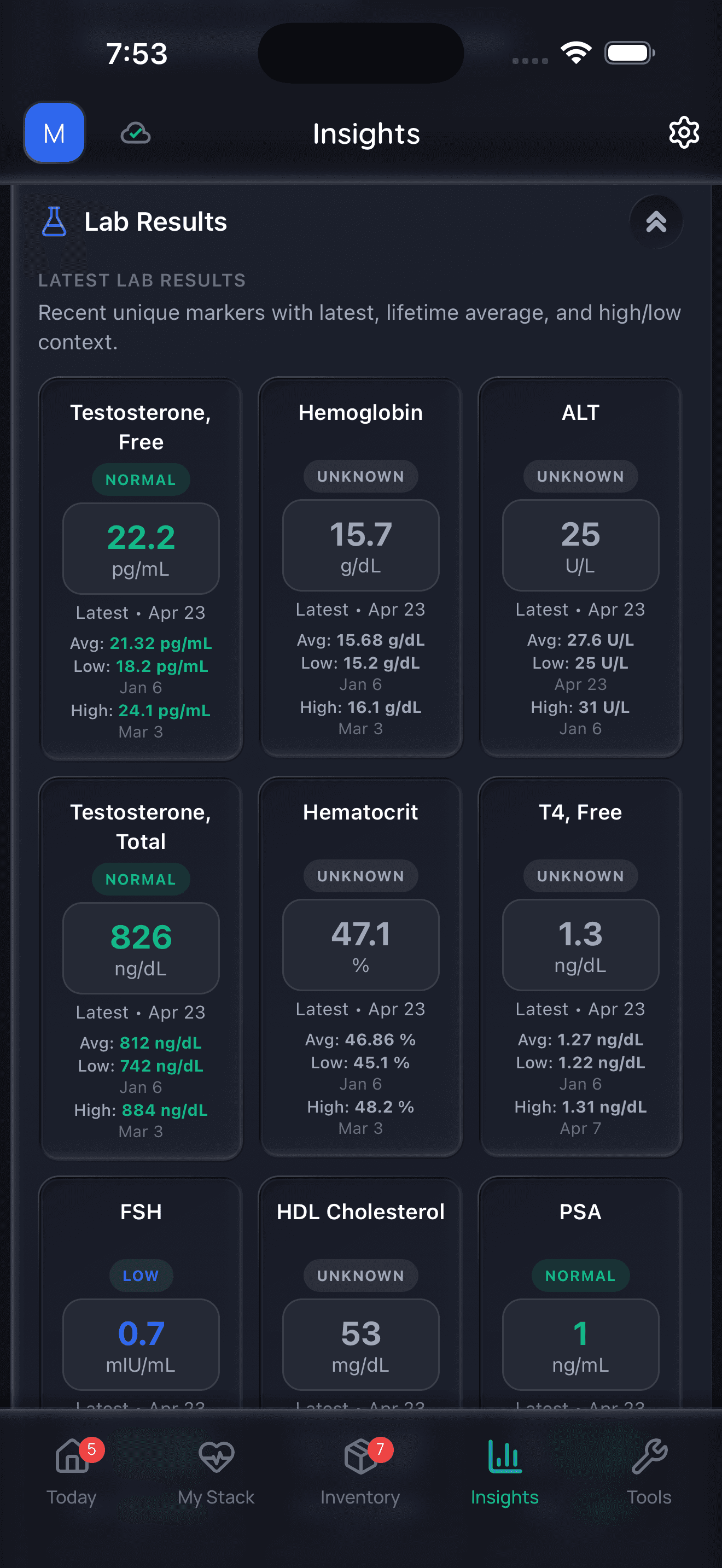
Doserly organizes data; it does not diagnose or interpret labs for you.
Side Effects & Safety
The Basics
One of saw palmetto's genuine advantages is its safety profile. In clinical trials lasting up to 3 years, side effects have been mild and, in most studies, not significantly different from placebo [3][33]. The most commonly reported side effects are digestive issues (stomach upset, diarrhea, nausea), headache, fatigue, and rhinitis (stuffy nose) [11][33].
That said, community reports paint a somewhat different picture from clinical trial data. Some users describe more significant side effects that may be related to saw palmetto's mechanism of blocking DHT production, the same mechanism behind finasteride side effects. These include decreased libido, mood changes, and anxiety. While these reports represent a minority of users, they are consistent enough to warrant awareness [33].
There are also rare but documented case reports of more serious adverse events: liver damage, pancreatitis, prolonged bleeding time, and hormonal disruption in children. Women who are pregnant or breastfeeding should avoid saw palmetto. Anyone taking blood-thinning medications, anticoagulants, or NSAIDs should consult a healthcare provider before use, as saw palmetto may have additive effects on bleeding risk [11][34].
One reassuring finding is that saw palmetto does not appear to affect PSA (prostate-specific antigen) levels, even at doses up to three times the standard amount. This means it is unlikely to mask prostate cancer screening results, unlike finasteride which lowers PSA [10][35].
The Science
Clinical trial safety data: A comprehensive safety assessment based on the CAMUS trial (n=369, doses up to 960 mg/day) found no serious adverse events attributable to saw palmetto. The most common adverse events were GI-related and occurred at similar rates in the saw palmetto and placebo groups [33].
A 2009 systematic review of adverse events (Agbabiaka et al.) across multiple trials confirmed that adverse effects are "few and mild" with incidences "not significantly different compared to placebo" [33].
Case reports of serious adverse events:
- Hepatotoxicity: One case of severe liver damage in a 58-year-old man [34]
- Pancreatitis: One case in a 65-year-old man after 1 week of use [36]
- Coagulopathy: Hematuria and impaired blood clotting in a 79-year-old on multiple medications, with improvement after saw palmetto discontinuation [37]
- Intraoperative hemorrhage: Prolonged bleeding in a 53-year-old during surgery; bleeding time normalized after discontinuation [38]
- Hemopericardium: In a patient taking rivaroxaban; saw palmetto may have contributed to increased anticoagulant activity [39]
- Hormonal effects in children: Two case reports of hot flashes in young girls (ages 10-11) treated with saw palmetto for hair conditions, with cessation upon discontinuation [40][41]
Drug interactions:
- CYP450 inhibition: In vitro inhibition of CYP3A4, CYP2D6, and CYP2C9 demonstrated, though clinical relevance is unknown [42]
- UGT inhibition: In vitro inhibition of UGT enzymes may increase side effects of drugs metabolized by this pathway [43]
- Anticoagulants/antiplatelets: Additive anticoagulant effects based on case reports; bleeding time prolongation documented [37][38][39]
- NSAIDs: Potential for increased side effects based on case report evidence [37]
Managing side effect risks across a multi-supplement stack can feel overwhelming, especially when interactions between supplements, medications, and foods add layers of complexity. Doserly brings all of that into a single safety view so nothing falls through the cracks.
Rather than researching every possible interaction yourself, the app checks your full stack automatically and flags supplement-drug and supplement-supplement interactions that warrant attention. If you do experience something unexpected, logging it takes seconds, and over time the app helps you spot patterns: whether symptoms correlate with specific doses, timing, or combinations. One place for the safety picture that matters most when your stack grows beyond a few bottles.
Capture changes while they are still fresh.
Log symptoms, energy, sleep, mood, and other observations alongside protocol events so patterns do not live only in memory.
Trend view
Symptom timeline
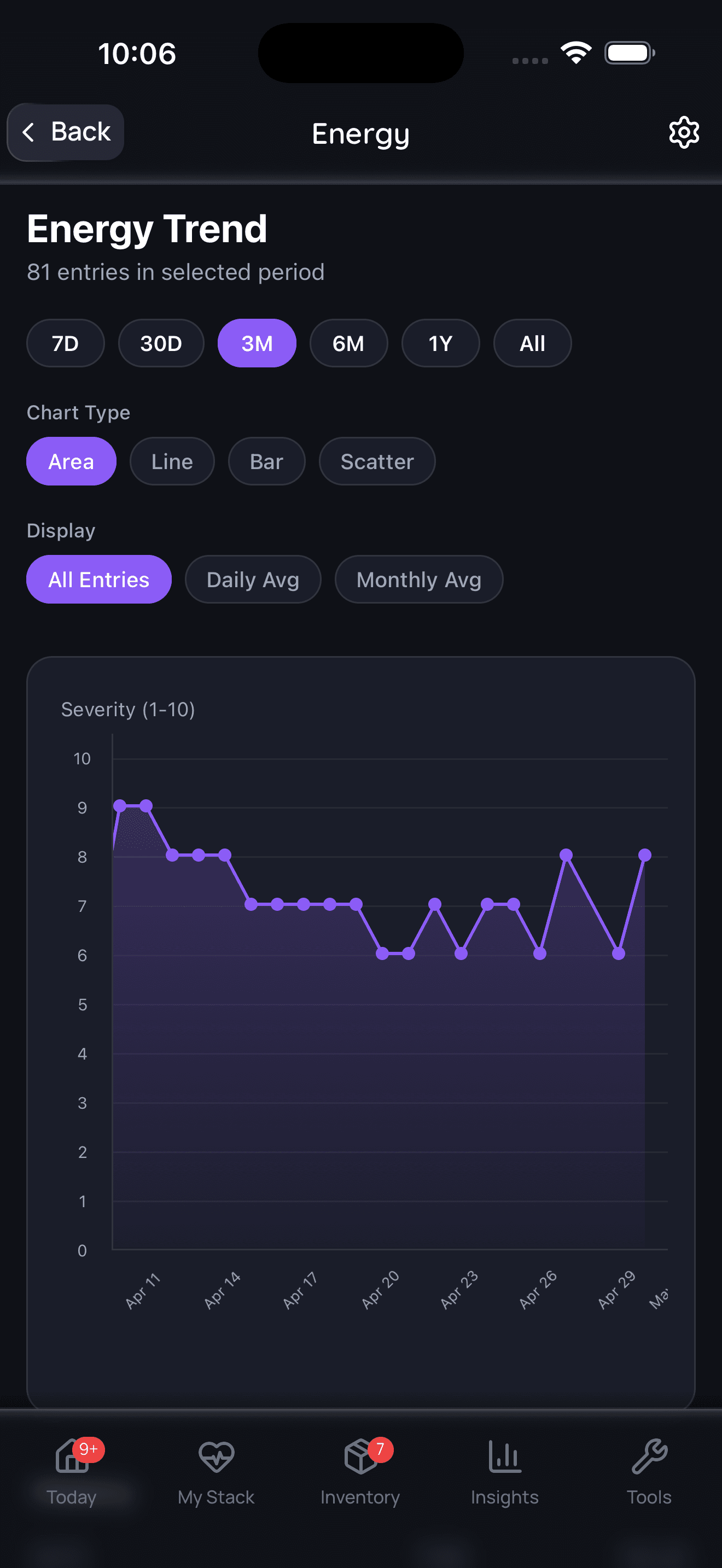
Symptom tracking is informational and should be interpreted with a qualified clinician.
Dosing & Usage Protocols
The Basics
The standard dose of saw palmetto used in most clinical research is 320 mg per day of a standardized extract, typically split into two 160 mg doses or taken as a single daily dose. This is the dose that has been studied most extensively for both prostate symptoms and hair loss [3][4][5].
The form of saw palmetto matters as much as the dose. Standardized extracts with high free fatty acid content (over 80%) have produced more consistent results in clinical research than raw berry powders or poorly standardized products. Looking for products that specify the fatty acid content or use recognized extraction methods (hexane or supercritical CO2) may help ensure you are getting a product closer to what was tested in clinical trials [5][7].
Higher doses have been tested (up to 960 mg/day in the CAMUS trial) without showing additional benefit, which suggests that simply taking more does not improve results [10].
The Science
Standard therapeutic dose: 320 mg/day of standardized lipidosterolic extract, consistent across the majority of clinical trials. This dose approximates plasma concentrations of approximately 10 mcg/mL, which achieves 72-76% inhibition of both 5-alpha-reductase isoforms in vitro [12].
Dose-response evidence: The CAMUS trial (Barry et al., 2011) tested saw palmetto at 320 mg, 640 mg, and 960 mg daily over 72 weeks with no dose-dependent improvement in LUTS [10]. This contrasts with observational data suggesting sustained benefit at 320 mg/day over decades of use [30].
Administration protocol considerations:
- Split dosing (160 mg twice daily) is used in some trials but there is no evidence that split dosing is superior to a single 320 mg dose
- Co-administration with food containing dietary fat may improve bioavailability of lipophilic compounds
- No loading phase is described in any clinical protocol
- No cycling is recommended or studied
Combination protocols studied:
- SPE 320 mg + tamsulosin 0.4 mg: Additive benefits reported for LUTS [28]
- SPE 320 mg + selenium + lycopene: Non-inferior to tadalafil 5 mg for IPSS improvement [29]
- SPE + nettle root + curcumin + quercetin: Benefits reported for chronic bacterial prostatitis [44]
When your stack includes several supplements, each with its own dose, form, and timing requirements, the logistics alone can derail consistency. Doserly consolidates all of it into one protocol view, so every dose across your entire routine is accounted for without spreadsheets or guesswork.
The app also tracks cumulative intake for nutrients that appear in multiple products. If your multivitamin, standalone supplement, and fortified protein shake all contain the same nutrient, Doserly adds them up and shows you the total alongside recommended and upper limits. Managing a thoughtful supplement protocol shouldn't require a degree in nutrition science. The app handles the complexity so you can focus on staying consistent.
Track injection timing, draw notes, and site rotation.
Doserly helps keep syringe-related notes, injection site history, reminders, and reconstitution context together for easier review.
Injection log
Site rotation
Injection logs support record-keeping; follow clinician instructions for administration.
What to Expect (Timeline)
Weeks 1-2: Most users will not notice significant changes during this initial period. Some may experience mild GI symptoms as the body adjusts. A small number of users report reduced scalp oiliness within the first week, which may reflect early DHT-related changes in sebum production.
Weeks 3-4: If urinary symptoms are present, some users begin to notice modest improvements in urinary frequency or nocturia. Others may notice no change. This is consistent with the short-term clinical data showing minimal effects at one month.
Months 2-3: This is the timeframe where the most commonly cited positive effects emerge in clinical studies. Permixon showed reductions in prostatic inflammation markers and tissue DHT levels after 3 months of use [14][18]. For hair loss, this is too early to expect visible changes; most hair growth effects take 3-6 months minimum.
Months 3-6: Users reporting benefits for urinary symptoms generally see maximum effect within this window. For hair, some users begin to notice reduced shedding. The clinical trial comparing saw palmetto to finasteride for hair loss was conducted over 2 years, so patience is necessary [24].
Months 6-12+: Long-term observational studies suggest that benefits for urinary symptoms, if present, are maintained over years of continued use. For hair, the limited evidence suggests ongoing stabilization rather than dramatic regrowth [24][30].
Important context: The timeline above reflects a best-case scenario based on studies that showed positive results. The largest, most rigorous clinical trials found no significant improvement over placebo at any timepoint, so individual expectations should be tempered [3][4][10].
Interactions & Compatibility
SYNERGISTIC
- Nettle Root (Urtica dioica): Commonly combined in European prostate support formulas. A combination of saw palmetto and nettle reduced nighttime urinary frequency and was comparable to some medications in patients with LUTS/BPH [45].
- Lycopene and Selenium: A triple combination (SPE + selenium + lycopene) was comparable to tadalafil 5 mg for IPSS improvement and was more effective than any single component alone [29].
- Pygeum: Often combined in prostate support formulations. Traditional pairing, though limited head-to-head data.
- Beta-Sitosterol: The primary phytosterol in saw palmetto. Additional beta-sitosterol supplementation has independent evidence for BPH symptom improvement [46].
- Pumpkin Seed Oil: Combined in one clinical trial with phytosterol from both sources, showing BPH symptom improvement [47].
- Quercetin and Turmeric/Curcumin: Combined with saw palmetto and nettle for chronic bacterial prostatitis with reported benefits [44].
CAUTION / AVOID
- Finasteride and Dutasteride: Both are prescription 5-alpha-reductase inhibitors. Combining with saw palmetto is theoretically redundant and may increase the risk of anti-androgenic side effects. No clinical data supports additive benefit.
- Iron: Saw palmetto contains tannic acids that bind iron and may reduce its bioavailability. Separate administration by at least 2 hours [6].
- Warfarin and other anticoagulants: Case reports suggest saw palmetto may have additive anticoagulant effects and prolong bleeding time. Consult a healthcare provider before combining [37][38][39].
- Clopidogrel and other antiplatelets: May increase the effects of these drugs based on case reports [11].
- NSAIDs (ibuprofen, naproxen, aspirin): May increase risk of side effects when combined with saw palmetto [37].
- Rivaroxaban and other direct oral anticoagulants: One case of hemopericardium reported in a patient taking rivaroxaban with saw palmetto [39].
- CYP3A4, CYP2D6, CYP2C9 substrates: In vitro inhibition documented; clinical significance unknown. Exercise caution with narrow-therapeutic-index drugs metabolized by these enzymes [42].
How to Take / Administration Guide
Recommended forms: Standardized lipidosterolic extract (hexane or supercritical CO2 extraction) with documented fatty acid content of at least 80% for maximum alignment with clinical research. Softgel capsules are the most common delivery form and may offer better bioavailability for these lipophilic compounds than hard capsules or tablets.
Timing considerations: Most commonly taken with meals, particularly meals containing some dietary fat, to support absorption of fat-soluble active compounds. No specific time of day has been shown to be superior. Some practitioners suggest evening dosing if used primarily for nocturia, though this is based on clinical logic rather than trial evidence.
Stacking guidance: If combining with other prostate support supplements (nettle root, pygeum, lycopene, selenium), these can generally be taken at the same time. However, if also taking iron supplements, separate saw palmetto from iron by at least 2 hours due to tannic acid content. If taking medications (especially anticoagulants or drugs metabolized by CYP3A4/2D6/2C9), consult a healthcare provider before starting saw palmetto.
Cycling guidance: No evidence-based cycling protocols exist for saw palmetto. Long-term continuous use (up to 15 years in one observational study, up to 3 years in controlled safety assessments) has not raised safety concerns [30][33]. Unlike some supplements, there is no documented tolerance or diminishing returns with continued use.
What to avoid: Raw dried berry powder provides a fraction of the active fatty acid content found in standardized extracts (as low as 8 mg total fatty acids per dose vs. hundreds of milligrams in standardized extracts). Products that do not specify extraction method or fatty acid content may not be comparable to the preparations used in clinical research [7].
Choosing a Quality Product
Third-party certifications: Look for products tested by USP, NSF International, or ConsumerLab. These certifications verify that the product contains what the label claims and is free from common contaminants (heavy metals, pesticides, microbial contamination). For athletes, NSF Certified for Sport or Informed Sport certification provides additional assurance that the product is free from banned substances.
Extraction method matters: The extraction method is the single most important quality marker for saw palmetto. Hexane extraction (as used in Permixon) yields the highest free fatty acid content (>80%) and has produced the most consistent clinical results. Supercritical CO2 extraction is also well-characterized. Ethanol extraction and raw berry powder are less standardized [5][7].
Fatty acid content: Look for products that specify total fatty acid content on the label. The European Pharmacopoeia standard requires lauric acid to represent at least 20% of total fatty acids. Products that state "standardized to 85-95% fatty acids and sterols" are generally aligned with clinical research formulations.
Red flags:
- Products that do not specify extraction method or fatty acid content
- Proprietary blends that hide the actual saw palmetto dose within a complex formula
- Dried berry powder sold at premium extract prices
- Claims of "10x potency" or similar marketing without substantiation
- Products making therapeutic claims about treating BPH or curing hair loss
DNA authentication: One study found that some saw palmetto supplements contain species other than Serenoa repens, highlighting the importance of purchasing from reputable manufacturers with quality control processes [48].
Storage & Handling
Saw palmetto extract, being rich in fatty acids, is susceptible to oxidation when exposed to heat, light, or air. Store in a cool, dry place, ideally below 25 degrees Celsius (77 degrees Fahrenheit). Keep the container tightly sealed between uses. Softgel capsules generally offer better protection against oxidation than loose powder forms.
Shelf life varies by product but is typically 2-3 years for properly stored softgel capsules. Discard any product that develops an unusual odor (rancid oil smell), changes color significantly, or becomes unusually soft or sticky, as these may indicate oxidation of the fatty acid content.
Do not store in the bathroom or other high-humidity environments. Refrigeration is not necessary for most encapsulated products but may extend shelf life for liquid extracts.
Lifestyle & Supporting Factors
Diet: A diet rich in zinc, essential fatty acids (omega-3s from fish or algal oil), and lycopene (from tomatoes, watermelon, pink grapefruit) may support prostate health through complementary mechanisms. Limiting alcohol consumption and caffeine intake, particularly in the evening, may help manage urinary symptoms independently of supplementation.
Exercise: Regular physical activity, particularly moderate aerobic exercise, has been associated with reduced BPH symptom severity in observational studies. Pelvic floor exercises (Kegel exercises) may also help manage urinary symptoms.
Hydration: Managing fluid intake timing (reducing fluids 2-3 hours before bedtime) can help with nocturia independently. This behavioral approach is recommended alongside any supplement strategy for nighttime urinary frequency.
Monitoring: Men using saw palmetto for prostate symptoms should maintain regular check-ups with a urologist or healthcare provider. While saw palmetto does not appear to affect PSA levels, relying on it should not replace proper medical evaluation for prostate health, especially given the debated efficacy evidence.
Signs of deficiency: Saw palmetto is not an essential nutrient, so there is no deficiency state. However, symptoms that commonly lead people to consider saw palmetto (urinary frequency, weak stream, nocturia, hair thinning) should be evaluated by a healthcare provider to determine the underlying cause before self-treating with any supplement.
Regulatory Status & Standards
United States (FDA): Saw palmetto is regulated as a dietary supplement under DSHEA. It is not approved by the FDA for the treatment of BPH, hair loss, or any other medical condition. The FDA does not evaluate dietary supplements for efficacy before marketing. Saw palmetto has GRAS (Generally Recognized as Safe) status for use in foods.
Canada (Health Canada): Saw palmetto is available as a licensed Natural Health Product (NHP) with authorized health claims related to prostate health and urinary function. Products must comply with NHP monograph specifications.
European Union (EFSA/EMA): The European Medicines Agency (EMA) has issued a well-established use monograph for Serenoa repens for the symptomatic relief of LUTS related to BPH. The European Pharmacopoeia specifies quality standards including minimum lauric acid content of 20% of total fatty acids. SPE is widely prescribed in European countries, particularly France, Germany, and Italy.
Australia (TGA): Available as a complementary medicine. Listed on the Australian Register of Therapeutic Goods for use in relieving symptoms of medically diagnosed BPH.
Athlete & Sports Regulatory Status
WADA: Saw palmetto is NOT on the World Anti-Doping Agency Prohibited List. It is permitted at all times, both in-competition and out-of-competition.
National Anti-Doping Agencies (USADA, UKAD, Sport Integrity Canada, etc.): No specific warnings or alerts have been issued regarding saw palmetto. However, athletes should be aware that any herbal supplement carries some risk of contamination with prohibited substances.
Professional Sports Leagues (NFL, NBA, MLB, NHL, NCAA): Saw palmetto is not specifically banned by any major professional sports league. NCAA policies recommend that athletic departments only provide supplements certified by NSF Certified for Sport or Informed Sport.
Athlete Certification Programs: NSF Certified for Sport and Informed Sport-certified saw palmetto products are available from some manufacturers. Athletes should verify individual product certification at sport.wetestyoutrust.com (Informed Sport) or nsfsport.com (NSF Certified for Sport).
GlobalDRO: Athletes can verify saw palmetto status at GlobalDRO.com. Note that GlobalDRO checks the substance itself; individual products may contain additional ingredients that require separate verification.
Regulatory status and prohibited substance classifications change frequently. Athletes should always verify the current status of any supplement with their sport's governing body, their national anti-doping agency, and a qualified sports medicine professional before use. Third-party certification (Informed Sport, NSF Certified for Sport) reduces but does not eliminate the risk of contamination with prohibited substances.
Frequently Asked Questions
Does saw palmetto actually work for prostate problems?
The evidence is genuinely mixed. While some studies and formulations (particularly the hexane extract used in European research) have shown modest benefits for urinary symptoms like nocturia, the most rigorous clinical trials funded by the NIH found no significant benefit over placebo. The 2023 Cochrane review concluded that saw palmetto monotherapy provides "little or no benefit." Individual results vary, and the quality of the extract may play a significant role.
Is saw palmetto a good alternative to finasteride for hair loss?
Based on available evidence, saw palmetto appears to be a weaker option than finasteride for hair loss. One study found that 38% of saw palmetto users reported improvement over two years, compared to 66% for finasteride. Saw palmetto may be considered by individuals who wish to avoid prescription medications, but expectations should be calibrated accordingly. Discussing options with a dermatologist is advisable.
Can women take saw palmetto?
Some women use saw palmetto for PCOS-related hair loss, and limited research has explored its effects in female patients with urinary symptoms. However, women who are pregnant, trying to conceive, or breastfeeding should avoid saw palmetto due to its anti-androgenic properties. Women considering saw palmetto should consult with a healthcare provider.
Does saw palmetto have the same side effects as finasteride?
Both share the same general mechanism (5-alpha-reductase inhibition), which means similar types of side effects are theoretically possible. However, clinical trial data for saw palmetto shows side effects that are generally mild and comparable to placebo. Community reports of more significant side effects (sexual dysfunction, anxiety, mood changes) exist but represent a minority of users.
How long does it take for saw palmetto to work?
Clinical studies typically assess outcomes at 3-6 months. For urinary symptoms, any benefit is most commonly reported between 1-3 months. For hair loss, visible effects may take 6 months or longer. The largest rigorous trials found no significant benefit at any timepoint up to 72 weeks.
Does saw palmetto lower testosterone?
Saw palmetto does not appear to lower serum testosterone levels. In fact, by blocking the conversion of testosterone to DHT, it may modestly increase testosterone levels within prostate tissue. Short-term studies in healthy men have shown no effect on circulating testosterone or DHT.
Does saw palmetto affect PSA test results?
Available evidence indicates that saw palmetto does not significantly affect PSA levels, even at doses up to three times the standard amount. This is an important distinction from finasteride, which does lower PSA and can complicate prostate cancer screening.
What is the best form of saw palmetto to take?
Based on clinical research, standardized extracts with high free fatty acid content (>80%), produced through hexane or supercritical CO2 extraction, have the strongest evidence base. Raw dried berry powder provides substantially lower amounts of active compounds.
Can saw palmetto be taken with other medications?
Saw palmetto has potential interactions with anticoagulants, antiplatelet drugs, and NSAIDs based on case reports of increased bleeding risk. It may also inhibit certain CYP450 enzymes. Anyone taking prescription medications should consult a healthcare provider before adding saw palmetto.
Is saw palmetto safe for long-term use?
Clinical safety data supports use for up to 3 years, and one observational study reports use for up to 15 years without safety concerns. Side effects in clinical trials are mild and comparable to placebo.
Myth vs. Fact
Myth: Saw palmetto is a proven treatment for enlarged prostate.
Fact: While saw palmetto has been widely used for BPH symptoms, the most rigorous clinical evidence does not support its use as a standalone treatment. The 2023 Cochrane review of 27 studies concluded that saw palmetto monotherapy provides "little or no benefit" for urinary symptoms [3]. Some specific extract formulations have shown more favorable results in smaller studies, but the evidence does not support saw palmetto as a proven BPH treatment.
Myth: Saw palmetto is "just like finasteride but natural."
Fact: Both saw palmetto and finasteride inhibit 5-alpha-reductase, but they differ in important ways. Finasteride selectively inhibits the type II isoform with well-documented clinical efficacy for both BPH and hair loss. Saw palmetto inhibits both type I and type II isoforms but at weaker potency, with less consistent clinical evidence. "Natural" does not mean safer; both share the same potential for anti-androgenic side effects [5][12].
Myth: All saw palmetto supplements are the same.
Fact: The composition of saw palmetto products varies dramatically depending on the extraction method. Hexane extracts contain over 80% free fatty acids and have the most clinical evidence, while dried berry powder may contain less than 1% of the active compounds per dose. A comparative study of 10 brands found significant variation in 5-alpha-reductase inhibitory potency [5][7].
Myth: Saw palmetto has no side effects because it is herbal.
Fact: While clinical trials show that side effects are generally mild and comparable to placebo, saw palmetto is a 5-alpha-reductase inhibitor with documented case reports of liver damage, pancreatitis, bleeding complications, and hormonal effects in children. "Natural" does not equal "side-effect free" [33][34][36].
Myth: Saw palmetto can cure hair loss.
Fact: Limited evidence suggests saw palmetto may modestly slow hair loss in some users, with one study showing 38% improvement over 2 years (vs. 66% for finasteride). It has not been shown to cause significant regrowth, and the evidence base for hair loss is much smaller than for BPH [24][25].
Myth: Higher doses of saw palmetto work better.
Fact: The CAMUS trial tested saw palmetto at doses up to 960 mg/day (three times the standard dose) and found no improvement in urinary symptoms at any dose level compared to placebo [10].
Myth: Saw palmetto will interfere with prostate cancer screening.
Fact: Unlike finasteride, saw palmetto does not appear to significantly affect PSA (prostate-specific antigen) levels, even at higher-than-usual doses. This means saw palmetto should not interfere with PSA-based prostate cancer screening [10][35].
Sources & References
Clinical Trials & RCTs
[1] Plosker GL, Brogden RN. Serenoa repens (Permixon). A review of its pharmacology and therapeutic efficacy in benign prostatic hyperplasia. Drugs Aging. 1996 Nov;9(5):379-95.
[4] Bent S, Kane C, Shinohara K, et al. Saw palmetto for benign prostatic hyperplasia. N Engl J Med. 2006;354(6):557-566.
[10] Barry MJ, Meleth S, Lee JY, et al. Effect of increasing doses of saw palmetto extract on lower urinary tract symptoms: a randomized trial. JAMA. 2011;306(12):1344-1351.
[18] Di Silverio F, Monti S, Sciarra A, et al. Effects of long-term treatment with Serenoa repens on the concentrations and regional distribution of androgens and epidermal growth factor in benign prostatic hyperplasia. Prostate. 1998;37(2):77-83.
[19] Strauch G, Perles P, Vergult G, et al. Comparison of finasteride (Proscar) and Serenoa repens (Permixon) in the inhibition of 5-alpha reductase in healthy male volunteers. Eur Urol. 1994;26(3):247-252.
[24] Rossi A, Mari E, Scarno M, et al. Comparitive effectiveness of finasteride vs Serenoa repens in male androgenetic alopecia: a two-year study. Int J Immunopathol Pharmacol. 2012;25(4):1167-73.
[25] Prager N, Bickett K, French N, Marcovici G. A randomized, double-blind, placebo-controlled trial to determine the effectiveness of botanically derived inhibitors of 5-alpha-reductase in the treatment of androgenetic alopecia. J Altern Complement Med. 2002;8(2):143-152.
[27] Debruyne F, Boyle P, Silva F, et al. Evaluation of the clinical benefit of permixon and tamsulosin in severe BPH patients. Eur Urol. 2004;45(6):773-780.
[28] Hizli F, Uygur MC. A prospective study of the efficacy of Serenoa repens, tamsulosin, and combination treatment for BPH. Int Urol Nephrol. 2007;39(3):879-86.
[29] Morgia G, Vespasiani G, Pareo RM, et al. Serenoa repens + selenium + lycopene vs tadalafil 5 mg for the treatment of LUTS/BPH (SPRITE study). BJU Int. 2018;122(2):317-325.
[30] Vinarov AZ, Spivak LG, Platonova DV, et al. 15 years' survey of safety and efficacy of Serenoa repens extract in BPH patients with risk of progression. Urologia Journal. 2018;86(1):17-22.
[31] Ablon G. The Safety and Efficacy of a Novel Saw Palmetto (Serenoa repens) Extract for Promoting Hair Growth in Adults With Self-Perceived Thinning Hair. J Cosmet Dermatol. 2026;25(2):e70717.
[35] Andriole GL, McCullum-Hill C, Sandhu GS, et al. The effect of increasing doses of saw palmetto fruit extract on serum prostate specific antigen. J Urol. 2013;189(2):486-492.
Systematic Reviews & Meta-Analyses
[3] Franco JV, Trivisonno L, Sgarbossa NJ, et al. Serenoa repens for the treatment of lower urinary tract symptoms due to benign prostatic enlargement. Cochrane Database Syst Rev. 2023;6(6):CD001423.
[8] Tacklind J, MacDonald R, Rutks I, Wilt TJ. Serenoa repens for benign prostatic hyperplasia. Cochrane Database Syst Rev. 2012;12:CD001423.
[9] Vela-Navarrete R, Alcaraz A, Rodriguez-Antolin A, et al. Efficacy and safety of a hexanic extract of Serenoa repens (Permixon) for LUTS/BPH: systematic review and meta-analysis. BJU Int. 2018;122:1049-1065.
[26] Lok W, Lin T, Cao D, et al. Is Serenoa repens effective for CP/CPPS? A systematic review and meta-analysis. Asian Journal of Surgery. 2022;45(9):1746-1747.
[33] Agbabiaka TB, Pittler MH, Wider B, et al. Serenoa repens (saw palmetto): a systematic review of adverse events. Drug Saf. 2009;32(8):637-647.
Preclinical & Mechanistic Studies
[2] Suzuki M, Ito Y, Fujino T, et al. Pharmacological effects of saw palmetto extract in the lower urinary tract. Acta Pharmacol Sin. 2009;30(3):227-281.
[5] Kwon Y. Use of saw palmetto (Serenoa repens) extract for benign prostatic hyperplasia. Food Sci Biotechnol. 2019;28(6):1599-1606. PMC6859144.
[6] Individual primary studies cited throughout. Fatty acid composition data from NIST Standard Reference Material SRM 3250/3251 analyses.
[7] Habib FK, Wyllie MG. Not all brands are created equal: a comparison of selected components of different brands of Serenoa repens extract. Prostate Cancer Prostatic Dis. 2004;7:195-200.
[11] Memorial Sloan Kettering Cancer Center. Saw Palmetto herb monograph. Last Updated: October 16, 2023. (Primary sources cited individually.)
[12] Bayne CW, Donnelly F, Ross M, Habib FK. Serenoa repens (Permixon): a 5-alpha-reductase types I and II inhibitor. Prostate. 1999;40(4):232-241.
[13] Silvestri I, Cattarino S, Agliano A, et al. Effect of Serenoa repens (Permixon) on the expression of inflammation-related genes. J Inflamm. 2013;10:11.
[14] Latil A, Petrissans MT, Rouquet J, et al. Effects of hexanic extract of Serenoa repens on inflammation biomarkers in LUTS/BPH treatment. Prostate. 2015;75(16):1857-1867.
[15] Goepel M, Hecker U, Krege S, et al. Saw palmetto extracts potently and noncompetitively inhibit human alpha1-adrenoceptors in vitro. Prostate. 1999;38(3):208-215.
[16] Raynaud JP, Cousse H, Martin PM. Inhibition of type 1 and type 2 5-alpha-reductase activity by free fatty acids. J Steroid Biochem Mol Biol. 2002;82(2-3):233-239.
[17] Liu J, Shimizu K, Kondo R. Anti-androgenic activity of fatty acids. Chem Biodivers. 2009;6(4):503-512.
[20] Bernichtein S, Pigat N, Camparo P, et al. Anti-inflammatory properties of Lipidosterolic extract of Serenoa repens in a mouse model of prostate hyperplasia. Prostate. 2015;75(7):706-722.
[21] Vela-Navarrete R, Escribano-Burgos M, Farre AL, et al. Serenoa repens treatment modifies bax/bcl-2 index expression and caspase-3 activity in prostatic tissue. J Urol. 2005;173(2):507-510.
[22] Wadsworth TL, Carroll JM, Mallinson RA, et al. Saw palmetto extract suppresses IGF-I signaling in human prostate epithelial cells. Endocrinology. 2004;145(7):3205-3214.
[23] Chevalier G, et al. Distribution study of radioactivity in rats after oral administration of the lipido/sterolic extract of Serenoa repens. Eur J Drug Metab Pharmacokinet. 1997;22:73-83.
Government/Institutional Sources
[32] Anceschi R, Bisi M, Ghidini N, et al. Serenoa repens (Permixon) reduces intra- and postoperative complications of surgical treatments of BPH. Minerva Urol Nefrol. 2010;62(3):219-23.
[34] Lapi F, Gallo E, Giocaliere E, et al. Acute liver damage due to Serenoa repens: a case report. Br J Clin Pharmacol. 2010;69(5):558-60.
[36] Wargo KA, Allman E, Ibrahim F. A possible case of saw palmetto-induced pancreatitis. South Med J. 2010;103(7):683-5.
[37] Villanueva S, Gonzalez J. Coagulopathy induced by saw palmetto: a case report. Bol Asoc Med P R. 2009;101(3):48-50.
[38] Cheema P, El-Mefty O, Jazieh AR, et al. Intraoperative haemorrhage associated with the use of extract of Saw Palmetto herb. J Intern Med. 2001;250(2):167-9.
[39] Shivamurthy P, Brar N, Therrien ML. Isolated hemopericardium associated with rivaroxaban. Pharmacotherapy. 2014;34(9):e169-172.
[40] Miroddi M, Carnì A, Mannucci C, et al. Hot flashes in a young girl: a wake-up call concerning Serenoa repens use in children. Pediatrics. 2012;130(5):e1374-6.
[41] Morabito P, Miroddi M, Giovinazzo S, et al. Serenoa repens as an Endocrine Disruptor in a 10-Year-Old Young Girl. Pharmacology. 2015;96(1-2):41-43.
[42] Yale SH, Glurich I. Analysis of the inhibitory potential of Ginkgo biloba, Echinacea purpurea, and Serenoa repens on CYP3A4, 2D6, and 2C9. J Altern Complement Med. 2005;11(3):433-9.
[43] Mohamed ME, Frye RF. Inhibitory Effects of Commonly Used Herbal Extracts on UGT1A4, 1A6, and 1A9 Enzyme Activities. Drug Metab Dispos. 2011;39(9):1522-8.
[44] Cai T, Mazzoli S, Bechi A, et al. Serenoa repens associated with Urtica dioica and curcumin and quercetin extracts improve efficacy of prulifloxacin in bacterial prostatitis. Int J Antimicrob Agents. 2009;33(6):549-53.
[45] Lopatkin N, Sivkov A, Schlafke S, et al. Efficacy and safety of a combination of Sabal and Urtica extract in LUTS: long-term follow-up. Int Urol Nephrol. 2007;39(4):1137-46.
[46] Klippel KF, Hiltl DM, Schipp B. A multicentric, placebo-controlled, double-blind clinical trial of beta-sitosterol for BPH. Br J Urol. 1997;80(3):427-432.
[47] Carbin BE, Larsson B, Lindahl O. Treatment of BPH with phytosterols. Br J Urol. 1990;66(6):639-641.
[48] Little DP, Jeanson ML. DNA barcode authentication of saw palmetto herbal dietary supplements. Sci Rep. 2013;3:3518.
Related Supplement Guides
Same Category (Herbal — Prostate & Hormonal Support)
Common Stacks / Pairings
Related Health Goal
- Biotin (hair health)
- Fish Oil (EPA/DHA) (anti-inflammatory)
- Boron (hormonal support)
- D-Aspartic Acid (hormonal support)