
Fenugreek: The Complete Supplement Guide
On this page
Quick Reference Card
Attribute
Common Name
- Detail
- Fenugreek
Attribute
Other Names / Aliases
- Detail
- Trigonella foenum-graecum, Methi, Hu Lu Ba, Bockshornsame, Greek Hayseed, Bird's Foot
Attribute
Category
- Detail
- Herbal Extract (Legume family, Fabaceae)
Attribute
Primary Forms & Variants
- Detail
- Whole seed powder (most traditional); standardized seed extract (e.g., Testofen, 50% fenusides); defatted seed extract; fenugreek gum (soluble fiber fraction, galactomannan); Furocyst (furostanol saponin extract for PCOS); SFSE-T (standardized hydroalcoholic extract, 84% trigonelline)
Attribute
Typical Dose Range
- Detail
- Seed powder: 2,000-5,000 mg/day; standardized extract: 500-600 mg/day; galactomannan fiber: 4-8 g/day
Attribute
RDA / AI / UL
- Detail
- No RDA, AI, or UL established. Not an essential nutrient.
Attribute
Common Delivery Forms
- Detail
- Capsules, powder, whole seeds (soaked or ground), tea, incorporated into food (bread, curry)
Attribute
Best Taken With / Without Food
- Detail
- Most sources suggest taking with meals. The fiber component is thought to work better when consumed alongside carbohydrate-containing food.
Attribute
Key Cofactors
- Detail
- Fish oil may enhance postprandial blood sugar benefits. No strict cofactor requirements.
Attribute
Storage Notes
- Detail
- Store in a cool, dry place away from moisture and direct sunlight. Whole seeds retain potency longer than ground powder.
Overview
The Basics
Fenugreek is one of those herbs that sits at the intersection of kitchen spice and traditional medicine, and it has done so for roughly 6,000 years. Native to the Mediterranean, southern Europe, and western Asia, it belongs to the same plant family as chickpeas and lentils (the legume family), and its seeds have been used in Indian, Middle Eastern, and African cuisines for centuries. If you have ever noticed a warm, maple-syrup-like aroma wafting from a curry, there is a good chance fenugreek was involved [1].
In traditional Ayurvedic medicine, fenugreek seeds were used as a tonic, a digestive aid, and a remedy for inflammation. More recently, the supplement industry has latched onto fenugreek for two primary claims: blood sugar management and testosterone support. The blood sugar angle has the stronger evidence base, with multiple clinical trials showing modest reductions in fasting blood glucose and HbA1c in people with type 2 diabetes [2][3]. The testosterone claim is more contentious and depends heavily on which extract and dose are being studied [4].
What makes fenugreek interesting from a biological standpoint is that its seeds are loaded with an unusually diverse range of bioactive compounds: saponins (like diosgenin and protodioscin), the unique amino acid 4-hydroxyisoleucine, the alkaloid trigonelline, and a substantial amount of soluble fiber in the form of galactomannan. Each of these compounds appears to contribute to different effects, which partly explains why fenugreek shows up in such a wide range of traditional uses [1][5].
The Science
Trigonella foenum-graecum L. is an annual herbaceous plant of the family Fabaceae, cultivated across the Indian subcontinent, the Mediterranean basin, and parts of North Africa and East Asia. The pharmacological interest centers on the seed, which contains a complex phytochemical profile including steroidal saponins (diosgenin, yamogenin, protodioscin), the branched-chain amino acid derivative 4-hydroxyisoleucine, the pyridine alkaloid trigonelline, soluble galactomannan fiber (6.28-9.3% of seed weight, galactose:mannose ratio of 1.5:1), and various phenolic compounds including protocatechuic acid, gallic acid, and flavonoid glycosides (apigenin-7-O-glycoside, luteolin-7-O-glycoside) [1][5].
The protein content of fenugreek seeds ranges from 12.9% to 28.4%, and the fatty acid profile is dominated by linoleic acid (50%), linolenic acid (24.4%), and oleic acid (16.3%), with total lipids comprising 4.51-7.1% of dry seed weight [1]. The mineral content includes potassium (603 +/- 15 mg/100g), iron (25.8 +/- 1.2 mg/100g), magnesium (75 +/- 9 mg/100g), calcium (42 +/- 5 mg/100g), and zinc (2.4 +/- 0.2 mg/100g) [1].
Historical use spans Ayurvedic, Unani, and Traditional Chinese Medicine systems, where fenugreek was employed as a demulcent, laxative, galactagogue, and anti-inflammatory agent [6]. The compound sotolon (3-hydroxy-4,5-dimethyl-2(5H)-furanone) is responsible for the characteristic maple syrup aroma and is the same compound that, when detected in urine, characterizes Maple Syrup Urine Disease (MSUD), a point of clinical relevance for false-positive diagnoses [1][7].
Chemical & Nutritional Identity
Property
Chemical Name
- Value
- Trigonella foenum-graecum (seed extract)
Property
Botanical Family
- Value
- Fabaceae (Leguminosae)
Property
Category
- Value
- Herbal supplement / Botanical extract
Property
Key Bioactive Compounds
- Value
- 4-Hydroxyisoleucine, Trigonelline, Diosgenin, Protodioscin, Sotolon, Galactomannan fiber
Property
CAS Number (Trigonelline)
- Value
- 535-83-1
Property
CAS Number (Diosgenin)
- Value
- 512-04-9
Property
PubChem CID (Trigonelline)
- Value
- 5570
Property
PubChem CID (Diosgenin)
- Value
- 99474
Property
RDA / AI / UL
- Value
- Not established (not a nutrient)
Property
Fiber Content
- Value
- 6.28-9.3% of seed dry weight (galactomannan)
Property
Protein Content
- Value
- 12.9-28.4% of seed weight
Property
Lipid Content
- Value
- 4.51-7.1% of seed dry weight
Common supplement forms and their characteristics:
- Whole seed powder: The most traditional form. Contains the full spectrum of bioactives including fiber, saponins, trigonelline, and 4-hydroxyisoleucine. Most commonly used in studies on blood sugar management. Typical doses are higher (2-5 g/day) because the active compounds are not concentrated.
- Standardized seed extract (e.g., Testofen): Concentrated to 50% fenusides (furostanol saponins). Used primarily in studies on testosterone and libido. Typical dose: 500-600 mg/day.
- Furocyst: A patented furostanol saponin extract studied for polycystic ovary syndrome (PCOS). Typical dose: 500 mg twice daily.
- SFSE-T: A standardized hydroalcoholic extract with 84% trigonelline content. Studied for neuroprotective applications.
- Fenugreek gum (galactomannan isolate): The soluble fiber fraction, studied for appetite modulation and drug delivery. Typical dose: 4-8 g/day.
- Fenugreek tea: Prepared from whole or crushed seeds. Studied in lactation contexts. Dosing varies by preparation.
Mechanism of Action
The Basics
Fenugreek works through several different pathways, which is part of why it shows up in so many different traditional uses. Think of it as a multitool rather than a single-purpose tool.
Its most well-understood mechanism involves blood sugar. The soluble fiber in fenugreek seeds (galactomannan) acts like a sponge in your digestive tract, slowing down how quickly carbohydrates are broken down and absorbed. This means the sugar from your meal enters your bloodstream more gradually rather than in a sharp spike. Fenugreek also contains a unique amino acid called 4-hydroxyisoleucine that can nudge your pancreas to release more insulin, but only when blood sugar is already elevated. It does not force insulin release when levels are normal, which is a useful built-in safety feature [5][8].
On the hormonal side, fenugreek appears to influence testosterone metabolism, though not in the way most marketing suggests. Rather than directly increasing testosterone production, fenugreek may slow down the enzymes that convert testosterone into other hormones (specifically, it may inhibit 5-alpha-reductase, the enzyme that converts testosterone to DHT, and possibly aromatase, which converts testosterone to estrogen). The practical result: more testosterone stays as testosterone for longer. Whether this translates to meaningful changes in blood levels or physical outcomes remains debated [4][9].
Fenugreek also has some activity in the brain. Its compounds can inhibit monoamine oxidase (MAO), the enzyme that breaks down mood-related neurotransmitters like serotonin and dopamine. This could theoretically contribute to mood effects, but it also raises a safety concern for people taking antidepressant medications [10].
The Science
The pharmacological activity of fenugreek is attributable to multiple bioactive constituents operating through distinct molecular pathways:
Glucose Metabolism:
The hypoglycemic mechanism involves at least three complementary pathways. First, galactomannan fiber reduces gastrointestinal glucose absorption by forming a viscous gel that slows carbohydrate digestion and glucose transport across the intestinal mucosa [8]. Second, fenugreek inhibits alpha-amylase and maltase enzymatic activity, reducing the rate of starch and maltose hydrolysis (46% and 37% reduction for pancreatic alpha-amylase and maltase, respectively, in diabetic rat models at 5% fenugreek oil feed concentration) [1]. Third, 4-hydroxyisoleucine potentiates glucose-dependent insulin secretion from pancreatic beta-cells without stimulating secretion at euglycemic concentrations, distinguishing it from sulfonylurea-type insulin secretagogues [8][11].
Additionally, fenugreek saponins demonstrate protective effects on pancreatic beta-cells in diabetic models and normalize the activities of glucose and lipid-metabolizing enzymes in hepatic tissue [5][8].
Hormonal Modulation:
Fenugreek furostanol saponins (protodioscin, diosgenin) appear to modulate testosterone metabolism through inhibition of 5-alpha-reductase (the enzyme responsible for conversion of testosterone to dihydrotestosterone) and potentially aromatase (CYP19A1). In rats, 10-35 mg/kg fenugreek furostanols for 4 weeks increased levator ani muscle weight (an androgen-responsive tissue) without altering circulating testosterone concentrations, suggesting possible androgenic receptor-mediated effects independent of serum hormone levels [1][4].
Fenugreek also acts as an estrogen receptor modulator in vitro, stimulating MCF-7 estrogen receptor-positive breast cancer cells and inducing cell cycle arrest and apoptosis in separate experimental conditions [6][12].
Neurological Activity:
An ethanolic seed extract inhibits MAO-A (IC50: 4 microg/mL) and MAO-B (IC50: 391 microg/mL for high-trigonelline extract), with the alkaloid trigonelline identified as a partial contributor to this activity [1][10]. Acetylcholinesterase inhibition has been demonstrated in vitro (IC50: 9.23-53 microg/mL depending on extract fraction), providing a rationale for investigation in Alzheimer's disease [1][13].
Lipid Metabolism:
The fiber component suppresses intestinal uptake of cholesterol and bile acids, contributing to hypolipidemic effects observed in clinical studies among subjects with existing metabolic dysfunction [1][8].
Absorption & Bioavailability
The Basics
Fenugreek behaves differently from most supplements because it is not a single compound with a single absorption profile. It is a complex plant material with multiple active components that follow different paths through your body.
The fiber component (galactomannan) is not absorbed at all, and that is actually the point. It stays in your gut, forming a gel that slows down how quickly other things (like sugar and cholesterol) get absorbed. The bioactive compounds like trigonelline, 4-hydroxyisoleucine, and the saponins (diosgenin, protodioscin) are absorbed to varying degrees through the intestinal wall, though detailed pharmacokinetic data for most of these compounds in humans is limited [1][5].
One practical takeaway: the form you choose matters for what you are trying to achieve. Whole seed powder delivers the fiber along with the other bioactives, making it better suited for blood sugar and digestive goals. Standardized extracts concentrate specific compounds (like saponins for hormonal effects) but strip out the fiber. Taking fenugreek with food generally makes sense because the fiber-mediated effects are designed to work alongside a meal.
The Science
Detailed human pharmacokinetic data for individual fenugreek bioactives remain sparse. The available data suggest the following absorption characteristics:
- Galactomannan fiber: Not systemically absorbed. Exerts effects exclusively within the gastrointestinal lumen through gel formation, reducing glycemic index of co-ingested carbohydrates and binding bile acids. De-gumming fenugreek (removing soluble fiber) significantly reduces its ability to attenuate postprandial glucose spikes, confirming the functional importance of this non-absorbed fraction [1].
- 4-Hydroxyisoleucine: Absorbed through the intestinal epithelium, though bioavailability parameters in humans have not been precisely characterized. In animal models, doses of 50 mg/kg bodyweight achieve sufficient systemic concentrations to stimulate glucose-dependent insulin secretion [8][11].
- Trigonelline: A water-soluble alkaloid that appears well-absorbed orally. The compound is also found in coffee and alfalfa. Pharmacokinetic studies specific to fenugreek-derived trigonelline are limited [1].
- Steroidal saponins (diosgenin, protodioscin): Saponin bioavailability is generally low due to poor intestinal permeability and extensive first-pass metabolism. However, steroidal saponins may undergo partial hydrolysis by gut microbiota, releasing aglycones (like diosgenin) that have improved membrane permeability [5].
- Sotolon: Sufficiently absorbed and excreted renally to produce the characteristic maple syrup odor in urine, which can occur within days of supplementation and has led to false-positive diagnoses of MSUD in infants of mothers consuming fenugreek [1][7].
The interaction with drug absorption is notable: fenugreek gum (the soluble fiber component) can alter the pharmacokinetics of co-administered drugs. In an animal model, fenugreek altered theophylline bioavailability [6]. The gum can also extend the intestinal release of acarbose from 1 hour to up to 8 hours in vitro, suggesting potential synergism with alpha-glucosidase inhibitors [1].
Research & Clinical Evidence
Blood Sugar and Type 2 Diabetes
Blood sugar management is the area where fenugreek has the most substantial clinical evidence. Multiple studies have tested fenugreek in people with type 2 diabetes and prediabetes, and the results are generally positive, though not dramatic. The effects appear to be most meaningful for people who already have elevated blood sugar, with less impact in healthy individuals [2][3][14].
The practical translation: fenugreek is not a replacement for diabetes medication, but it may offer a modest additional benefit when used alongside standard care. It appears to work best when taken with meals, which aligns with its mechanism of slowing carbohydrate absorption.
An updated meta-analysis of 26 RCTs (Chehregosha et al., 2025) demonstrated statistically significant improvements in glycemic parameters with fenugreek supplementation: fasting blood glucose (WMD: -16.75 mg/dL; 95% CI: -23.36 to -10.15; p < 0.001), 2-hour postprandial glucose (WMD: -22.28 mg/dL; 95% CI: -34.42 to -10.15; p < 0.001), and HbA1c (WMD: -0.63%; 95% CI: -0.76; p < 0.001) [2].
An earlier meta-analysis of 14 RCTs (Shabil et al., 2023; n=894) found significant reduction in HbA1c (MD: -0.88; 95% CI: -1.49 to -0.27; p = 0.00) but non-significant reductions in fasting blood glucose and postprandial glucose, likely due to higher heterogeneity across included studies [3].
A study incorporating fenugreek flour into bread at 5% by weight demonstrated reduced postprandial glucose spikes in diabetic subjects without adverse taste effects, suggesting practical food-based delivery is feasible [1]. One trial using 1 g daily of a hydroalcoholic extract in type 2 diabetic patients reported a 53% increase in insulin sensitivity as measured by HOMA [1].
Testosterone and Male Hormonal Effects
This is where fenugreek's reputation runs well ahead of its evidence. Fenugreek extract (particularly the branded Testofen product standardized to 50% fenusides) has been marketed as a testosterone booster, and some studies do show effects on total testosterone levels. However, the picture is more nuanced than the marketing suggests [4][9].
Some studies show a modest increase in total testosterone, while others find no significant change. What is more consistently observed is a decrease in DHT (dihydrotestosterone), which is a more potent androgen formed from testosterone. This suggests fenugreek may be redistributing how testosterone is metabolized rather than increasing total production. For some men, this redistribution could be beneficial; for others, reducing DHT could cause unwanted effects [1][4].
A meta-analysis of 4 clinical trials (Mansoori et al., 2020) reported that fenugreek extract supplementation significantly increased total serum testosterone in male subjects [4]. However, individual study results are inconsistent: one 8-week trial using 500 mg Testofen in resistance-trained males showed increased testosterone relative to placebo, while a comparable study found no significant effect on total or free testosterone despite observing a 9.42% decrease in DHT from baseline [1].
A 6-week trial using 600 mg Testofen in otherwise healthy men similarly failed to find testosterone elevation [1]. A systematic review with meta-analysis (Isenmann et al., 2023) evaluated the anabolic effects of fenugreek, finding some support for improved muscle strength and body composition in conjunction with resistance training, though the hormonal mechanism remains unclear [15].
Libido and Sexual Function
Fenugreek may have effects on sexual desire that operate independently of testosterone levels. A study using 600 mg per day of Testofen (50% fenusides) for 6 weeks found improvements in self-reported sexual desire and satisfaction with orgasm in men, and these effects appeared even though testosterone changes were minimal [1][16]. The mechanism may involve effects on estrogen signaling, mood, or other hormonal pathways rather than testosterone itself.
A double-blind, placebo-controlled trial (not affiliated with the supplement manufacturer) reported that 600 mg/day of Testofen for 6 weeks produced significant improvements on the Derogatis Interview for Sexual Functioning Self-Report (DISF-SR) scale, including subscales for orgasm satisfaction and sexual desire in healthy men [1][16]. A separate study using the Libifem formulation in women found improvements in sexual function alongside exercise participation [17].
Lactation
Fenugreek is one of the most commonly recommended herbs for increasing breast milk production, particularly in Ayurvedic and folk medicine traditions. A few studies suggest it may work, with one trial showing nearly double the milk output compared to placebo after three days of fenugreek tea consumption. However, the evidence base is small, and results are mixed across studies. Importantly, fenugreek does not work for everyone, with some women reporting decreased milk supply [1][18].
A Cochrane systematic review (Foong et al., 2020) evaluated oral galactagogues including fenugreek for increasing breast milk production in mothers of non-hospitalized term infants. The review found limited evidence with mixed results, concluding that more well-designed studies are needed [18]. In one trial, fenugreek tea for three days produced 73.2 +/- 53.5 mL milk production versus 31.1 +/- 12.9 mL (control) and 38.8 +/- 16.3 mL (placebo), though the high standard deviation indicates substantial individual variability [1].
Other Investigated Areas
Small studies have shown potential benefits of fenugreek for mild asthma, metabolic syndrome, menopausal symptoms, PCOS, and Alzheimer's disease, but all require larger confirmatory trials [6][13][19][20][21].
Evidence & Effectiveness Matrix
Category
Hormonal Symptoms
- Evidence Strength
- 5/10
- Reported Effectiveness
- 5/10
- Summary
- Multiple RCTs on testosterone and hormonal effects with inconsistent results. Community reports sharply divided on hormonal outcomes. Effects appear gender-dependent and possibly estrogen-mediated.
Category
Libido
- Evidence Strength
- 5/10
- Reported Effectiveness
- 4/10
- Summary
- One well-designed RCT shows improvement in male sexual desire. Community reports highly contradictory, with some men reporting improvement and others reporting decreased libido and ED.
Category
Sexual Function
- Evidence Strength
- 4/10
- Reported Effectiveness
- 3/10
- Summary
- Limited clinical data. Community reports notable for male ED reports alongside some positive erection reports. Direction appears to depend on hormonal baseline.
Category
Mood & Wellbeing
- Evidence Strength
- 3/10
- Reported Effectiveness
- 6/10
- Summary
- MAO inhibition demonstrated in vitro. Community reports moderate mood improvement and increased confidence, but some users report irritability.
Category
Energy Levels
- Evidence Strength
- 3/10
- Reported Effectiveness
- 6/10
- Summary
- No dedicated energy RCTs. Community reports sustained energy and reduced afternoon crashes, possibly secondary to blood sugar stabilization.
Category
Blood Pressure
- Evidence Strength
- 4/10
- Reported Effectiveness
- 6/10
- Summary
- Animal and limited human data supporting modest blood pressure effects. One specific community report of BP normalization.
Category
Nausea & GI Tolerance
- Evidence Strength
- 5/10
- Reported Effectiveness
- 3/10
- Summary
- GI side effects (diarrhea, nausea) documented in clinical literature and confirmed by community. A meaningful minority reports severe GI intolerance.
Category
Skin Health
- Evidence Strength
- 2/10
- Reported Effectiveness
- 3/10
- Summary
- No clinical studies on skin. Community reports acne associated with hormonal effects.
Category
Hair Health
- Evidence Strength
- 2/10
- Reported Effectiveness
- 4/10
- Summary
- No clinical studies on hair growth from supplementation. Community reports mixed: some note hair growth, others note reduced body hair (DHT-related).
Category
Stress Tolerance
- Evidence Strength
- 2/10
- Reported Effectiveness
- 5/10
- Summary
- MAO inhibition mechanism plausible. Limited community signal, but those reporting trend positive.
Category
Joint Health
- Evidence Strength
- 2/10
- Reported Effectiveness
- 5/10
- Summary
- Anti-inflammatory properties demonstrated preclinically. One community report of improved joint comfort.
Category
Emotional Regulation
- Evidence Strength
- 2/10
- Reported Effectiveness
- 4/10
- Summary
- No clinical data. Community reports mixed: some users report irritability and anger, others improved emotional stability.
Category
Side Effect Burden
- Evidence Strength
- 6/10
- Reported Effectiveness
- 4/10
- Summary
- GI effects, body odor (maple syrup), hormonal variability well-documented. The ubiquitous body odor is a distinctive tolerability factor.
Category
Appetite & Satiety
- Evidence Strength
- 4/10
- Reported Effectiveness
- —
- Summary
- Animal and limited human data showing appetite modulation. Community data not yet collected for this category.
Category
Gut Health
- Evidence Strength
- 3/10
- Reported Effectiveness
- —
- Summary
- Prebiotic fiber content (galactomannan). Community data not yet collected.
Category
Immune Function
- Evidence Strength
- 2/10
- Reported Effectiveness
- —
- Summary
- Antimicrobial properties in vitro. Community data not yet collected.
Categories not scored (insufficient data): Fat Loss, Muscle Growth, Weight Management, Food Noise, Sleep Quality, Focus & Mental Clarity, Memory & Cognition, Anxiety, Motivation & Drive, Emotional Aliveness, Physical Performance, Recovery & Healing, Digestive Comfort, Heart Health, Heart Rate & Palpitations, Temperature Regulation, Fluid Retention, Body Image, Bone Health, Longevity & Neuroprotection, Cravings & Impulse Control, Social Connection, Treatment Adherence, Withdrawal Symptoms, Daily Functioning, Pain Management, Inflammation
Benefits & Potential Effects
The Basics
Fenugreek's most evidence-supported benefit is its ability to help manage blood sugar levels, particularly in people with type 2 diabetes or prediabetes. The fiber and bioactive compounds work together to slow down sugar absorption from meals and support insulin function. For people dealing with blood sugar challenges, this combination can translate to more stable energy levels throughout the day and modest improvements in key markers like fasting glucose and HbA1c [2][3].
Beyond blood sugar, fenugreek has shown preliminary promise in several other areas. It may support healthy cholesterol levels by interfering with cholesterol absorption in the gut. Some men report improvements in libido and sexual desire, though the effects are inconsistent and may depend on individual hormonal profiles. For women, fenugreek may help with menstrual discomfort and has been traditionally used to support breast milk production, though the evidence for the latter is mixed [1][6][18].
The metabolic syndrome angle is worth noting. A dose-response meta-analysis found that fenugreek supplementation can positively affect multiple components of metabolic syndrome simultaneously, which makes sense given its effects on blood sugar, lipids, and body weight [22].
The Science
The benefit profile of fenugreek, organized by strength of evidence:
Moderate evidence (multiple RCTs/meta-analyses):
- Reduction in fasting blood glucose in type 2 diabetes (WMD: -16.75 mg/dL across 26 RCTs) [2]
- Reduction in HbA1c (WMD: -0.63%) [2]
- Reduction in postprandial glucose (WMD: -22.28 mg/dL) [2]
- Improvement in insulin sensitivity (53% HOMA improvement in one trial with 1 g/day hydroalcoholic extract) [1]
Preliminary evidence (single RCTs or small trials):
- Improvement in blood lipid parameters in diabetic patients with CAD (2,500 mg twice daily for 3 months) [1]
- Improvement in self-reported sexual desire in men (600 mg/day Testofen, 6 weeks) [16]
- Reduction in menopausal symptoms (de-husked seed extract) [20]
- Improvement in PCOS symptoms (Furocyst, 500 mg twice daily, 3 months) [19]
- Improvement in mild asthma symptoms [21]
- Improvement in Alzheimer's disease cognitive scores (seed extract, RCT) [13]
- Enhanced muscle strength and lean body mass when combined with resistance training [15]
Preclinical/mechanistic evidence only:
- Hepatoprotective effects against alcohol-induced liver damage [1]
- Chemopreventive properties (cell cycle arrest and apoptosis in cancer cell lines) [6][12]
- Neuroprotective effects in Parkinson's disease models [1]
- Antimicrobial activity [6]
When you're taking multiple supplements, it's hard to know which one is doing the heavy lifting. The benefits described above may overlap with effects from other items in your stack, lifestyle changes, or seasonal variation. Doserly helps you untangle that by keeping everything in one place, with timestamps, doses, and outcomes logged together.
Over time, this builds something more valuable than any product review: your personal evidence record. You can see exactly when you started this supplement, what else was in your routine at the time, and how your tracked health markers responded. That clarity makes the difference between guessing and knowing, whether you're talking to a healthcare provider or simply deciding if it's worth reordering.
Connect protocol changes to labs and health markers.
Doserly can keep lab results, biomarkers, symptoms, and dose history close together so follow-up conversations have better context.
Insights
Labs and trends
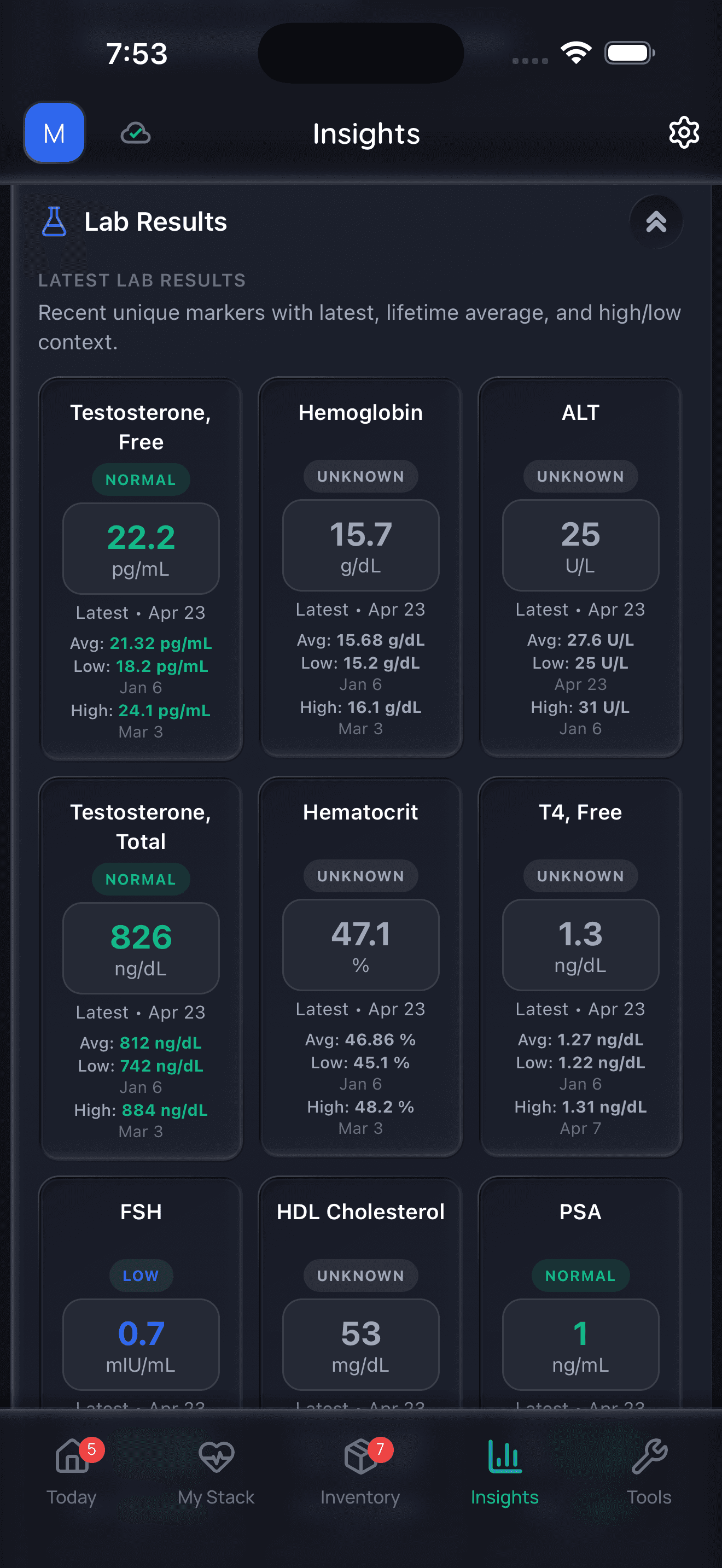
Doserly organizes data; it does not diagnose or interpret labs for you.
Side Effects & Safety
The Basics
Fenugreek is generally considered safe at culinary doses (the amounts found in food). At supplement doses, most people tolerate it without serious issues, but there are several side effects worth knowing about before you start [23][24].
The most universally reported effect is a distinctive maple syrup odor in sweat, urine, and other body fluids. This is caused by sotolon, one of fenugreek's aromatic compounds, and it happens to nearly everyone who takes it at supplement doses. It is harmless but can be socially noticeable and, in newborns, has occasionally led to unnecessary medical workups for Maple Syrup Urine Disease [1][7].
Digestive side effects are the most common complaint: diarrhea, nausea, gas, and stomach discomfort. For some people, these are mild and pass within a few days; for others, they can be severe enough to require stopping the supplement entirely [23][24].
The most important safety consideration is pregnancy. Fenugreek has historically been used as an abortifacient (a substance that can induce miscarriage), and animal studies have shown teratogenic effects (birth defect potential) at high doses. It should be avoided during pregnancy in amounts greater than those found in food [6][23][24].
People taking medications for diabetes, blood thinning (warfarin), or depression (SSRIs) should exercise particular caution due to potential interactions [6][10].
The Science
Common side effects:
- Maple syrup odor in sweat, urine, and body fluids (sotolon excretion; nearly universal at supplement doses) [1][7]
- Gastrointestinal disturbances: diarrhea, nausea, bloating, flatulence, abdominal discomfort [23][24]
- Hypoglycemia risk at high doses, particularly in combination with diabetic medications [24]
Documented adverse reactions (case reports):
- Serotonin syndrome: reported in a 38-year-old woman taking sertraline (SSRI) alongside fenugreek supplements for lactation. Symptoms included nausea, anxiety, dilated pupils, sweating, rapid heartbeat, twitching, and spasms [10][6]
- Severe coagulation failure: associated with excessive fenugreek milk porridge consumption in a patient with compensated cirrhosis [6]
- IgE-mediated anaphylaxis: documented in a 34-year-old woman with multiple food allergies. A challenge test with fenugreek induced full anaphylaxis [6]
- Pulmonary embolism: reported in a 75-year-old man using a fenugreek-containing supplement marketed for erectile dysfunction [6]
- Allergic reactions: cross-reactivity exists within the Leguminosae family; individuals allergic to chickpeas may also react to fenugreek [1][6]
Reproductive safety concerns:
- Fenugreek has been used historically as an abortifacient and has demonstrated teratogenic potential in rats at doses of 800 mg/kg bodyweight (approximately 128 mg/kg human equivalent dose), potentially through inhibition of stem cell differentiation [1][23]
- Both NCCIH and MSKCC advise against use during pregnancy in amounts greater than those found in food [6][24]
- Safety during breastfeeding at supplemental doses is not well-established, despite traditional galactagogue use [24]
Estrogenic concerns:
- Fenugreek acts as an estrogen receptor modulator and stimulated MCF-7 breast cancer cells in vitro. Patients with hormone-sensitive cancers should consult their physician before using fenugreek in supplemental amounts [6][12]
Toxicology:
- Acute oral LD50: 3.5 g/kg (female mice), 4.1 g/kg (male mice) [1]
- An oral dose of 3 g/kg ethanol-extract fenugreek failed to show adverse effects in animal studies [1]
Managing side effect risks across a multi-supplement stack can feel overwhelming, especially when interactions between supplements, medications, and foods add layers of complexity. Doserly brings all of that into a single safety view so nothing falls through the cracks.
Rather than researching every possible interaction yourself, the app checks your full stack automatically and flags supplement-drug and supplement-supplement interactions that warrant attention. If you do experience something unexpected, logging it takes seconds, and over time the app helps you spot patterns: whether symptoms correlate with specific doses, timing, or combinations. One place for the safety picture that matters most when your stack grows beyond a few bottles.
Capture changes while they are still fresh.
Log symptoms, energy, sleep, mood, and other observations alongside protocol events so patterns do not live only in memory.
Trend view
Symptom timeline
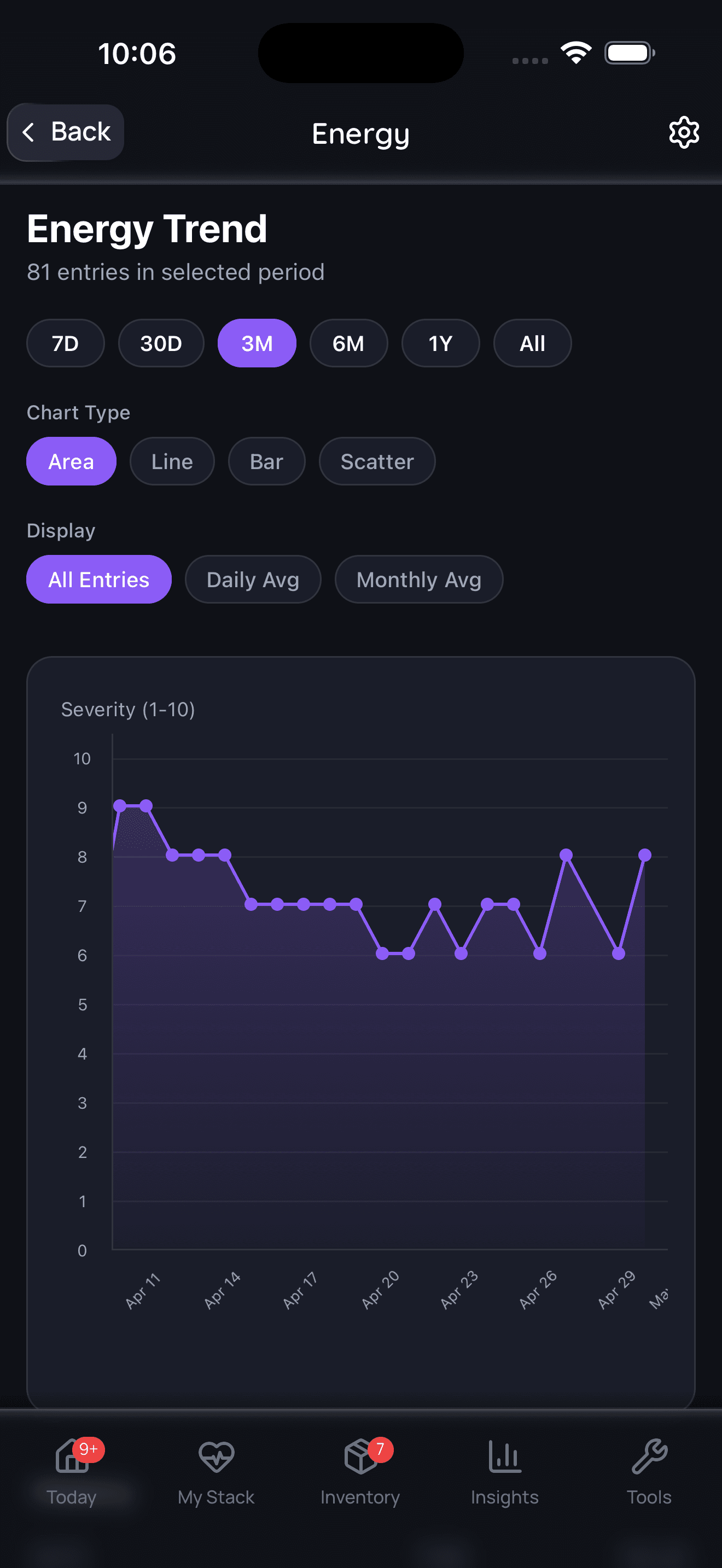
Symptom tracking is informational and should be interpreted with a qualified clinician.
Dosing & Usage Protocols
The Basics
Fenugreek dosing varies significantly depending on which form you are using and what outcome you are pursuing. This is not a one-size-fits-all supplement, and the confusion around dosing is understandable given the range of products on the market [1][2][14].
For blood sugar management, the research has primarily used whole seed powder or defatted seed powder at higher doses, typically in the range of 2 to 5 grams per day, often divided across meals. The idea is to have the fiber component present in the gut when you eat, so timing alongside meals makes the most sense for this use case [1][2][3].
For hormonal and libido effects, standardized extracts (like Testofen or similar 50% fenuside products) have been studied at 500 to 600 mg per day, typically divided into two doses. These products concentrate the saponin compounds that are thought to influence testosterone metabolism [1][4][16].
For lactation support, fenugreek tea (at least 3 cups or 600 mL daily) has been used in the studies that showed positive results, though capsules are also commonly used in practice [1][18].
The Science
Blood sugar management (T2D/prediabetes):
- Whole seed powder: 2,000-5,000 mg/day with meals, based on the majority of included RCTs in meta-analyses [2][3]
- Defatted seed powder: 100 g/day was used in one type 1 diabetes study, though this high dose is impractical for long-term supplementation [1]
- Hydroalcoholic extract: 1 g/day showed 53% improvement in HOMA-IR in one RCT [1]
- Food incorporation: 5% fenugreek flour in bread demonstrated postprandial glucose reduction [1]
Testosterone/libido:
PCOS:
- Furocyst: 500 mg twice daily for 3 months [19]
Lactation:
- Fenugreek tea: 3+ cups (600 mL+) daily [1]
- Capsule dose for lactation is less standardized
Muscle performance:
Galactomannan fiber for satiety:
- 4-8 g/day of isolated fiber [1]
No Tolerable Upper Intake Level has been established. The gap between traditional culinary doses and supplement doses is substantial, and long-term safety data at high supplemental doses are limited.
When your stack includes several supplements, each with its own dose, form, and timing requirements, the logistics alone can derail consistency. Doserly consolidates all of it into one protocol view, so every dose across your entire routine is accounted for without spreadsheets or guesswork.
The app also tracks cumulative intake for nutrients that appear in multiple products. If your multivitamin, standalone supplement, and fortified protein shake all contain the same nutrient, Doserly adds them up and shows you the total alongside recommended and upper limits. Managing a thoughtful supplement protocol shouldn't require a degree in nutrition science. The app handles the complexity so you can focus on staying consistent.
Track injection timing, draw notes, and site rotation.
Doserly helps keep syringe-related notes, injection site history, reminders, and reconstitution context together for easier review.
Injection log
Site rotation
Injection logs support record-keeping; follow clinician instructions for administration.
What to Expect (Timeline)
Week 1-2:
The most noticeable effect in the first week is likely to be the maple syrup odor in sweat and urine, which can begin within days of starting supplementation. Some users report digestive adjustment (gas, loose stools), which often improves as the body acclimates to the fiber content. Blood sugar effects may begin to emerge for those taking fenugreek with meals, as the fiber-mediated carbohydrate absorption effects are relatively immediate. Mood changes, if they occur, may begin in this window.
Week 3-4:
Users pursuing blood sugar management may begin noticing more stable energy levels and reduced postprandial fatigue. Libido effects, for those who experience them, often emerge in this timeframe. GI side effects should have either resolved or become clearly problematic enough to prompt discontinuation.
Week 5-8:
This is the timeframe used in most testosterone and libido studies (6-8 weeks). Any hormonal effects should be apparent by now. Glycemic improvements continue to accrue, and some meta-analyses included studies running 4 to 12 weeks showing progressive improvement in HbA1c.
8-12+ weeks:
Longer-term benefits for blood sugar management and metabolic syndrome components continue to develop. The 3-month timeframe was used in studies on PCOS (Furocyst) and metabolic syndrome. Consistent supplementation is likely required to maintain effects, as they appear to be sustained only with ongoing use.
Important caveat: Individual responses to fenugreek appear to be highly variable based on community reports, particularly for hormonal and sexual function effects. Some users report rapid onset of positive effects, while others experience negative outcomes (particularly ED in males) in the same timeframe. If unwanted hormonal effects appear, discontinuation typically resolves them within 1 to 2 weeks.
Interactions & Compatibility
Synergistic
- Fish Oil (EPA/DHA): A combination of fish oil and fenugreek (5% of feed, half each) showed greater attenuation of postprandial blood sugar spikes than fenugreek alone, suggesting complementary mechanisms for glycemic control [1].
- Creatine: Fenugreek (900 mg) combined with creatine monohydrate (3.5 g) was as effective at increasing lean body mass and strength over 8 weeks as creatine with 70 g dextrose, suggesting fenugreek may enhance creatine uptake without the need for high carbohydrate loading [1][15].
- Acarbose (alpha-glucosidase inhibitor): Fenugreek gum extends the intestinal release of acarbose from 1 hour to up to 8 hours, enhancing drug delivery. The combination works synergistically on drug delivery and additively on glucose attenuation [1].
- Vitamin D3: No direct interaction studied, but both support blood sugar regulation and may complement each other in metabolic protocols.
Caution / Avoid
- Warfarin and anticoagulants: Case reports indicate fenugreek may potentiate the effects of warfarin, increasing INR and bleeding risk. Monitor closely if co-administering [6][25].
- SSRI antidepressants (sertraline, fluoxetine, etc.): A documented case of serotonin syndrome has been reported with concurrent fenugreek and sertraline use. The mechanism may involve 4-hydroxyisoleucine increasing serotonin turnover in the brain. Avoid supplemental doses of fenugreek while taking SSRIs [6][10].
- Diabetes medications (metformin, insulin, sulfonylureas): Fenugreek may enhance hypoglycemic effects, increasing the risk of dangerously low blood sugar. Close monitoring and potential dose adjustment of diabetes medication may be needed [1][2][24].
- Theophylline: Fenugreek altered theophylline bioavailability in an animal model. Clinical significance is uncertain but caution is warranted [6].
- Cyclophosphamide: Animal studies suggest fenugreek may interfere with the cytotoxic effects of this chemotherapy drug [6].
- Oral medications (general): The fiber component may slow absorption of co-administered oral drugs. Spacing fenugreek 1-2 hours from medications is advisable [1].
- Hormone-sensitive conditions (breast cancer, PCOS, endometriosis): Fenugreek acts as an estrogen receptor modulator and stimulated breast cancer cells in vitro. Consultation with a physician is essential before use [6][12].
How to Take / Administration Guide
Recommended forms by goal:
- Blood sugar management: Whole seed powder or defatted seed powder, taken with meals. The fiber component is important for this use case and is absent from many standardized extracts.
- Hormonal/libido support: Standardized extract (50% fenusides or similar saponin standardization), taken in divided doses (morning and evening).
- Lactation support: Fenugreek tea (whole or crushed seeds steeped in hot water) or whole seed capsules.
Timing considerations:
- Most sources suggest taking fenugreek with meals, particularly for blood sugar benefits. The fiber-mediated effects require co-presence with food in the digestive tract.
- For hormonal effects, the timing relative to meals is less critical; consistency of daily intake matters more.
Preparation methods:
- Soaked seeds: Traditional method involves soaking whole seeds in water overnight and consuming the seeds and water in the morning. This softens the seeds and may improve palatability.
- Powder: Can be mixed into water, yogurt, or smoothies. Has a distinctive bitter, slightly sweet flavor.
- Tea: 1 teaspoon of seeds per cup of boiling water, steeped for 5-10 minutes. The maple-like flavor is most pleasant in tea form.
Cycling guidance:
No formal cycling protocols have been studied. Some community users report that libido effects diminish after several weeks, suggesting periodic cycling (e.g., 6-8 weeks on, 2-4 weeks off) may help maintain responsiveness, though this is not evidence-based.
Stacking considerations:
- Space fenugreek apart from medications by 1-2 hours to minimize fiber-mediated absorption interference.
- The fenugreek-creatine combination has research support for muscle performance goals.
- Avoid combining with SSRIs or anticoagulants without medical supervision.
Choosing a Quality Product
Third-party certifications:
- Look for USP Verified, NSF Certified for Sport, or ConsumerLab approved products where available. Fenugreek is less commonly tested by these programs compared to mainstream vitamins and minerals, so availability of certified products may be limited.
- GMP (Good Manufacturing Practice) certification is a minimum quality indicator.
Form and standardization:
- For blood sugar goals, whole seed powder is the most studied and does not require standardization. Verify that the product states "fenugreek seed" (not leaf or root).
- For hormonal goals, look for products standardized to a specific saponin or fenuside content (e.g., "50% fenusides," "standardized to X% saponins"). Products that do not specify standardization may contain variable amounts of active compounds.
- Testofen, Furocyst, and Libifem are branded extracts that have been used in specific clinical trials. Using these formulations provides the closest match to study conditions.
Red flags:
- Products making specific testosterone-boosting claims without citing research or disclosing standardization.
- Proprietary blends that hide the actual fenugreek dose. Given the dose-dependent nature of fenugreek's effects, knowing the exact amount is important.
- Products combining fenugreek with multiple other "test boosters" at undisclosed doses.
- Unrealistically low prices may indicate substitution or contamination.
Supplement-specific quality markers:
- Seed source should be identified (Indian-origin fenugreek is most common and most studied).
- Extraction method (hydroalcoholic, ethanol, water) affects which compounds are concentrated.
- Certificate of Analysis (COA) availability for heavy metal testing is important for botanical products, which can accumulate environmental contaminants.
Storage & Handling
Store fenugreek supplements in a cool, dry place away from direct sunlight and moisture. Whole seeds are the most shelf-stable form and can retain potency for 1-2 years when stored properly. Ground powder is more susceptible to degradation and should be used within 6-12 months of opening.
Capsules and tablets should be kept in their original sealed container. Fenugreek powder is hygroscopic (absorbs moisture), so keeping it tightly sealed is important in humid environments.
Fenugreek oil should be stored in a dark container in a cool location to prevent oxidation of its fatty acid components. Tea-grade seeds should be stored in an airtight container away from other spices, as their aroma can transfer.
Lifestyle & Supporting Factors
Dietary context:
Fenugreek is traditionally consumed as part of a whole-food diet in cultures where it is native. Incorporating fenugreek into cooking (curries, bread, soups) provides both the bioactive compounds and the fiber fraction in a food matrix, which may optimize absorption and glycemic effects. Foods rich in fiber from other sources (vegetables, legumes, whole grains) complement fenugreek's blood sugar benefits.
Exercise:
For those using fenugreek with a fitness or body composition goal, resistance training appears to be an important co-factor. The studies showing improvements in lean body mass and strength all involved structured resistance exercise programs. Fenugreek may enhance glycogen resynthesis after high-intensity interval training (80% VO2 max) but not after moderate aerobic exercise (50% VO2 max), suggesting it pairs better with intense training [1][15].
Blood sugar monitoring:
Individuals using fenugreek for blood sugar management should consider regular glucose monitoring, particularly when initiating supplementation or adjusting doses of diabetes medications. The combination of fenugreek with diabetes drugs could produce excessive blood sugar lowering.
Hydration:
Fenugreek's fiber content requires adequate water intake to function properly and to minimize GI side effects (particularly constipation or bloating). Increasing water intake when starting fenugreek supplementation is advisable.
Signs that fenugreek may be relevant for you:
- Elevated fasting blood glucose or HbA1c levels
- Prediabetic or type 2 diabetic diagnosis (as adjunct to standard care)
- Interest in natural insulin-sensitizing agents
- Men interested in exploring effects on sexual desire (with awareness of mixed evidence)
Regulatory Status & Standards
United States (FDA):
Fenugreek is regulated as a dietary supplement under DSHEA. Fenugreek seed is listed as GRAS (Generally Recognized as Safe) for use as a food flavoring. As a supplement, it is not approved for the treatment of any disease. The FDA has not evaluated fenugreek for therapeutic efficacy.
Canada (Health Canada):
Fenugreek is available as a Licensed Natural Health Product with NPN (Natural Product Number). Health Canada has issued monographs recognizing traditional use as an appetite stimulant and for mild digestive disorders.
European Union (EFSA):
Fenugreek is permitted as a food ingredient and available as a food supplement. EFSA has not approved specific health claims for fenugreek.
Australia (TGA):
Fenugreek is available as a Listed Medicine (complementary medicine category) through the TGA.
Active clinical trials:
Multiple clinical trials for fenugreek are registered on ClinicalTrials.gov for diabetes, metabolic syndrome, testosterone, and PCOS applications.
Athlete & Sports Regulatory Status:
- WADA: Fenugreek is not on the WADA Prohibited List. However, fenugreek-containing "testosterone booster" products may also contain undeclared prohibited substances. Athletes should use only third-party tested products.
- National Anti-Doping Agencies: No specific alerts issued by USADA, UKAD, Sport Integrity Canada, or Sport Integrity Australia regarding fenugreek itself. However, USADA has issued general warnings about testosterone booster supplements being commonly contaminated with prohibited substances.
- NCAA: Fenugreek is not banned by the NCAA. However, the NCAA requires that supplements provided by athletic departments be certified by NSF Certified for Sport or Informed Sport. Athletes should verify certification of specific products.
- Athlete Certification Programs: Informed Sport, NSF Certified for Sport, Cologne List, and BSCG may have certified fenugreek products. Athletes should check current databases directly, as availability of certified products varies.
- GlobalDRO: Athletes can verify fenugreek product status at GlobalDRO.com for US, UK, Canada, Australia, Japan, Switzerland, and New Zealand.
Regulatory status and prohibited substance classifications change frequently. Athletes should always verify the current status of any supplement with their sport's governing body, their national anti-doping agency, and a qualified sports medicine professional before use. Third-party certification (Informed Sport, NSF Certified for Sport) reduces but does not eliminate the risk of contamination with prohibited substances.
Frequently Asked Questions
Does fenugreek actually increase testosterone?
The evidence is mixed. One meta-analysis of 4 clinical trials found a statistically significant increase in total serum testosterone, but individual study results are inconsistent. Some studies show no change in free or total testosterone despite other hormonal effects (like reduced DHT). The practical effects that users report (changes in libido, mood, energy) may operate through mechanisms other than direct testosterone elevation. Based on available data, fenugreek is not a reliable testosterone booster for most individuals.
Why does fenugreek make you smell like maple syrup?
Fenugreek contains sotolon (3-hydroxy-4,5-dimethyl-2(5H)-furanone), an aromatic compound with a strong maple syrup scent. When consumed at supplement doses, sotolon is excreted through sweat, urine, and other body fluids, producing the characteristic odor. This effect occurs in nearly all users and is harmless, though it can be socially noticeable. It is the same compound that characterizes the genetic condition Maple Syrup Urine Disease (MSUD), so fenugreek use can occasionally trigger false-positive MSUD screening in newborns of mothers consuming fenugreek.
Is fenugreek safe during pregnancy?
No, fenugreek should not be taken during pregnancy in amounts greater than those typically found in food. Fenugreek has a historical use as an abortifacient and has demonstrated teratogenic effects in animal studies at high doses. Both the NCCIH and MSKCC advise against supplemental doses during pregnancy. The NCCIH specifically notes that fenugreek use has been linked to increased risks of birth defects in both animals and people.
Can fenugreek lower blood sugar too much?
At typical supplemental doses alone, the risk of clinically significant hypoglycemia in healthy individuals is low. However, the risk increases substantially when fenugreek is combined with diabetes medications (metformin, insulin, sulfonylureas), as the effects may be additive. Anyone taking diabetes medication should consult their healthcare provider before starting fenugreek and should monitor blood glucose closely.
What is the best form of fenugreek to take?
The best form depends on the goal. For blood sugar management, whole seed powder taken with meals is the most studied approach because it preserves the galactomannan fiber that slows carbohydrate absorption. For hormonal or libido-related goals, standardized saponin extracts (like those containing 50% fenusides) have been used in the relevant clinical trials. For lactation support, fenugreek tea has the most traditional use and some preliminary evidence.
Does fenugreek affect estrogen levels?
Fenugreek acts as an estrogen receptor modulator in vitro. This means it can interact with estrogen receptors, potentially producing estrogenic effects. This is relevant for women with hormone-sensitive conditions (breast cancer, PCOS, endometriosis) and for men concerned about estrogenic side effects. The practical significance in humans at typical supplement doses is not well-established, but the in vitro findings warrant caution.
How long does it take for fenugreek to work?
For blood sugar effects, the fiber-mediated mechanism begins working with the first meal where fenugreek is co-consumed. Measurable improvements in fasting glucose and HbA1c may take 4 to 12 weeks of consistent use. For libido and hormonal effects, most studies used 6 to 8-week protocols. The maple syrup body odor typically appears within the first week.
Can you take fenugreek with antidepressants?
Caution is strongly advised. A documented case of serotonin syndrome occurred in a woman taking fenugreek alongside sertraline (an SSRI). Fenugreek contains compounds (including 4-hydroxyisoleucine) that may increase serotonin turnover in the brain, and the seed extract demonstrates MAO inhibition in vitro. Anyone taking SSRI or SNRI antidepressants should consult their physician before taking fenugreek supplements.
Why do some men report erectile dysfunction from fenugreek?
This may be related to fenugreek's apparent inhibition of 5-alpha-reductase, the enzyme that converts testosterone to DHT (dihydrotestosterone). DHT is a more potent androgen than testosterone and plays a role in sexual function. Reducing DHT levels can, in some men, negatively affect erectile function and libido. This effect appears to be individual-dependent, with some men reporting improved sexual function and others reporting the opposite.
Is fenugreek the same as Testofen?
No. Testofen is a branded, standardized extract of fenugreek that is concentrated to contain 50% fenusides (furostanol saponins). It represents one specific fraction of the fenugreek seed's many bioactive compounds. Whole fenugreek seed powder contains the full spectrum of compounds (fiber, saponins, trigonelline, 4-hydroxyisoleucine) at much lower concentrations. The effects of Testofen and whole fenugreek seed are not interchangeable.
Myth vs. Fact
Myth: Fenugreek is a proven, reliable testosterone booster.
Fact: The evidence is inconsistent. While one meta-analysis of 4 trials found a statistically significant effect on total testosterone, individual studies show mixed results, with some finding no change and one finding decreased DHT. The testosterone-boosting reputation is partly driven by marketing from branded extract manufacturers. Users who get blood work done often report minimal changes in actual hormone levels despite subjective improvements in libido or mood [1][4].
Myth: Fenugreek will make you lactate (regardless of gender).
Fact: Fenugreek's galactagogue effect has been observed primarily in postpartum women, and even in that population the results are mixed (some women report increased supply, others decreased supply). There is no evidence that fenugreek induces lactation in men or in women who are not postpartum. The concern about male lactation appears to originate from the supplement's estrogenic receptor modulation properties, but documented cases are not found in the literature [1][18].
Myth: Fenugreek is completely safe and natural, so there are no risks.
Fact: Fenugreek has documented safety concerns including teratogenic effects in pregnancy, potential for serotonin syndrome when combined with SSRIs, allergic cross-reactivity with chickpeas, coagulation effects with warfarin, and cases of severe GI distress. "Natural" does not mean risk-free [6][23][24].
Myth: All fenugreek supplements are the same.
Fact: The form matters significantly. Whole seed powder contains fiber and the full compound spectrum, while standardized extracts concentrate specific fractions (saponins, trigonelline). Different forms have been studied for different outcomes, and the effects are not interchangeable. A 500 mg standardized extract is not equivalent to 500 mg of ground seed [1].
Myth: Fenugreek cures diabetes.
Fact: Fenugreek supplementation has shown modest, statistically significant improvements in glycemic parameters (fasting blood glucose, HbA1c) in people with type 2 diabetes, but the effect sizes are moderate and not sufficient to replace standard diabetic medications. It is best considered as a potential adjunct therapy, not a cure [2][3][24].
Myth: The maple syrup smell from fenugreek means something is wrong.
Fact: The maple syrup odor in sweat and urine is a normal, expected, and harmless effect caused by the compound sotolon. It occurs in nearly everyone who takes fenugreek at supplement doses and is not an indication of any metabolic problem. However, in newborns, this odor can trigger unnecessary medical workups for MSUD, so maternal fenugreek use should be disclosed to pediatricians [1][7].
Myth: Fenugreek works the same for men and women.
Fact: Community reports and some clinical evidence suggest gender-dependent responses. Women more consistently report benefits for menstrual pain relief and hormonal symptom improvement. Men show highly variable responses for sexual function, with some reporting improvement and others reporting erectile dysfunction or reduced libido. This variability may be related to individual hormonal profiles and the complex interplay between fenugreek's estrogenic and anti-androgenic (5-alpha-reductase inhibition) properties [1][6].
Sources & References
Clinical Trials & RCTs
[1] Bordia A, Verma SK, Srivastava KC. Effect of ginger and fenugreek on blood lipids, blood sugar, and platelet aggregation in patients with coronary artery disease. Prostaglandins Leukotrienes and Essential Fatty Acids. 1997;56:379-84.
[2] Chehregosha F, Fakhr L, Tarighat-Esfanjani A, et al. The effects of fenugreek seed on glycemic parameters: An updated systematic review and meta-analysis of randomized controlled trials. PMC. 2025. PMID: 41509111.
[3] Shabil M, Bushi G, Bodige PK, et al. Effect of fenugreek on hyperglycemia: a systematic review and meta-analysis. Medicina (Kaunas). 2023;59(2):248.
[4] Mansoori A, Hosseini S, Zilaee M, et al. Effect of fenugreek extract supplement on testosterone levels in male: A meta-analysis of clinical trials. Phytotherapy Research. 2020;34:1550-1555.
[13] Foroumandi E, et al. The effects of fenugreek seed extract supplementation in patients with Alzheimer's disease: A randomized, double-blind, placebo-controlled trial. Phytother Res. 2023;37(1):285-294.
[16] Steels E, Rao A, Vitetta L. Physiological aspects of male libido enhanced by standardized Trigonella foenum-graecum extract and mineral formulation. Phytother Res. 2011;25(9):1294-300.
[17] Rao A, Clayton P, Briskey D. Libifem in conjunction with exercise on muscle strength, power, endurance, and body composition in females. Front Sports Act Living. 2023;5:1207013.
[19] Swaroop A, Jaipuriar AS, Gupta SK, et al. Efficacy of a Novel Fenugreek Seed Extract (Furocyst) in Polycystic Ovary Syndrome (PCOS). Int J Med Sci. 2015;12(10):825-31.
[20] Steels E, Steele ML, Harold M, Coulson S. Efficacy of a Proprietary Trigonella foenum-graecum L. De-Husked Seed Extract in Reducing Menopausal Symptoms. Phytother Res. 2017;31(9):1316-1322.
[21] Emtiazy M, et al. Investigating the effectiveness of fenugreek seeds in mild asthma. Allergy Asthma Clin Immunol. 2018;14:19.
Systematic Reviews & Meta-Analyses
[15] Isenmann E, Alisauskas P, Flenker U, Schalla J, Diel P. The Anabolic Effect of Fenugreek: A Systematic Review with Meta-analysis. Int J Sports Med. 2023;44(10):692-703.
[18] Foong SC, Tan ML, Foong WC, et al. Oral galactagogues (natural therapies or drugs) for increasing breast milk production. Cochrane Database of Systematic Reviews. 2020;(5):CD011505.
[22] Fakhr L, et al. Effects of fenugreek supplementation on the components of metabolic syndrome: A systematic review and dose-response meta-analysis of randomized clinical trials. Pharmacol Res. 2023;187:106594.
[25] Askarpour M, et al. Effect of fenugreek supplementation on blood lipids and body weight: A systematic review and meta-analysis of randomized controlled trials. J Ethnopharmacol. 2020;253:112538.
Government/Institutional Sources
[5] Visuvanathan T, Than LTL, Stanslas J, et al. Revisiting Trigonella foenum-graecum L.: pharmacology and therapeutic potentialities. Plants (Basel). 2022;11(11):1450.
[6] Memorial Sloan Kettering Cancer Center. Fenugreek. About Herbs database. Updated December 2023.
[7] Sewell AC, Mosandl A, Bohles H. False diagnosis of maple syrup urine disease owing to ingestion of herbal tea. N Engl J Med. 1999;341:769.
[23] Ouzir M, El Bairi K, Amzazi S. Toxicological properties of fenugreek (Trigonella foenum graecum). Food and Chemical Toxicology. 2016;96:145-154.
[24] National Center for Complementary and Integrative Health (NCCIH). Fenugreek. Updated February 2025.
Preclinical & Mechanistic Studies
[8] Broca C, et al. 4-Hydroxyisoleucine: experimental evidence of its insulinotropic and antidiabetic properties. Am J Physiol. 1999;277:E617-23.
[9] Kim J, Noh W, Kim A, Choi Y, Kim YS. The Effect of Fenugreek in Type 2 Diabetes and Prediabetes: A Systematic Review and Meta-Analysis of Randomized Controlled Trials. Int J Mol Sci. 2023;24(18):13999.
[10] Doolabh K, Finnegan D, Pehlivan N, et al. Oral fenugreek seed consumption and serotonin syndrome. Aust N Z J Psychiatry. 2019;53(12):1225.
[11] Vijayakumar MV, Bhat MK. Hypoglycemic effect of a novel dialysed fenugreek seeds extract is sustainable and is mediated, in part, by the activation of hepatic enzymes. Phytother Res. 2008;22(4):500-505.
[12] Sreeja S, Anju VS, Sreeja S. In vitro estrogenic activities of fenugreek Trigonella foenum graecum seeds. Indian J Med Res. 2010;131:814-9.
[14] Gupta A, Gupta R, Lal B. Effect of Trigonella foenum-graecum (fenugreek) seeds on glycaemic control and insulin resistance in type 2 diabetes mellitus: a double blind placebo controlled study. J Assoc Physicians India. 2001;49:1057-61.
Related Supplement Guides
Same Category (Herbal)
Common Stacks / Pairings
- Fish Oil (EPA/DHA) — synergistic for blood sugar management
- Creatine (via BCAAs) — studied for enhanced creatine uptake
- Zinc — commonly co-supplemented in testosterone protocols
- Vitamin D3 — complementary for metabolic health
Related Health Goal
- Berberine — blood sugar management
- Chromium — insulin sensitivity
- Saw Palmetto — 5-alpha-reductase inhibition (comparison)
- D-Aspartic Acid — testosterone support
- Shatavari — women's hormonal health (Ayurvedic comparison)