
Estrogen Management on TRT
On this page
Quick Reference Card
Attribute
Guide Topic
- Value
- Estrogen Management on TRT
Attribute
Category
- Value
- Treatment Overview Guide
Attribute
Key Concept
- Value
- Aromatization of testosterone to estradiol during TRT
Attribute
Primary AI Medication
- Value
- Anastrozole (Arimidex)
Attribute
Other AIs
- Value
- Letrozole, Exemestane (less common in TRT)
Attribute
Standard Guideline Position
- Value
- Routine AI use is NOT recommended (Endocrine Society, AUA)
Attribute
When AI May Be Indicated
- Value
- Gynecomastia, symptomatic high E2 with E2 >60 pg/mL
Attribute
Typical AI Dose (if used)
- Value
- Anastrozole 0.25-0.5 mg 2-3x/week
Attribute
Key Monitoring
- Value
- E2 only if symptomatic; routine monitoring not recommended by guidelines
Attribute
Critical Safety Concern
- Value
- Aggressive E2 suppression causes bone loss, joint pain, mood disturbance
Overview / What Is Estrogen Management on TRT?
The Basics
If you are on testosterone replacement therapy, your body is doing something entirely normal with that testosterone: converting some of it to estradiol, a form of estrogen. This is not a malfunction. Men need estradiol. It protects your bones, supports your cardiovascular system, helps maintain libido, and plays a role in cognitive function and mood regulation. The conversion happens through an enzyme called aromatase, which is found primarily in fat tissue but also in the brain, bone, and testes.
The challenge comes when this conversion produces too much or too little estradiol. Too much can cause breast tissue tenderness, fluid retention, and mood swings. Too little can cause joint pain, dry skin, depression, and, paradoxically, reduced libido. The question most men on TRT eventually encounter is whether they need to actively manage their estradiol levels, and if so, how.
This is one of the most debated topics in men's health. Online communities have strong opinions. TRT clinics have protocols that may or may not align with what clinical guidelines actually recommend. And the clinical guidelines themselves take a more conservative position than many men expect: the Endocrine Society and AUA do not recommend routine estradiol monitoring or routine aromatase inhibitor use during TRT. Their position is that estrogen management should be symptom-driven, not number-driven.
This guide breaks down the clinical evidence, explains how aromatization works, describes when estrogen management is genuinely indicated, and presents both the clinical guideline perspective and the community perspective so you can have an informed conversation with your provider.
The Science
Aromatization is the enzymatic conversion of C19 androgens (testosterone, androstenedione) to C18 estrogens (estradiol, estrone) catalyzed by aromatase (CYP19A1), a cytochrome P450 enzyme. In adult males, the total estradiol production rate is approximately 35-45 mcg/day, with roughly 60% derived from direct testicular secretion or conversion of testicular androgens and the remaining 40% from peripheral conversion of adrenal androgens in adipose tissue [1][2].
Aromatase expression is highest in adipose tissue, which explains the well-documented association between obesity and relative hyperestrogenemia in men. Higher body fat percentage correlates with increased aromatase activity, greater testosterone-to-estradiol conversion, and the establishment of a hypogonadal-obesity cycle: excess adiposity increases E2 production, elevated E2 suppresses GnRH pulse frequency and LH secretion via hypothalamic-pituitary negative feedback, lower LH reduces testicular testosterone production, and lower testosterone promotes further adipose accumulation [3].
When exogenous testosterone is administered during TRT, serum testosterone levels rise, providing increased substrate for aromatase. The degree of aromatization is influenced by testosterone dose, route of administration (IM injections produce higher peak levels and more aromatization substrate than transdermal formulations), injection frequency (less frequent injections produce higher peaks), body composition, and individual genetic variation in aromatase expression and activity [4][5].
Medical / Chemical Identity
Aromatase Inhibitors Used in TRT Context:
Property
Brand Name
- Anastrozole
- Arimidex
- Letrozole
- Femara
- Exemestane
- Aromasin
Property
Type
- Anastrozole
- Nonsteroidal (reversible)
- Letrozole
- Nonsteroidal (reversible)
- Exemestane
- Steroidal (irreversible)
Property
Generation
- Anastrozole
- Third
- Letrozole
- Third
- Exemestane
- Third
Property
FDA-Approved Indication
- Anastrozole
- Breast cancer in postmenopausal women
- Letrozole
- Breast cancer in postmenopausal women
- Exemestane
- Breast cancer in postmenopausal women
Property
Use in Men
- Anastrozole
- Off-label
- Letrozole
- Off-label
- Exemestane
- Off-label
Property
Mechanism
- Anastrozole
- Competitive binding to aromatase heme group
- Letrozole
- Competitive binding to aromatase heme group
- Exemestane
- Substrate analog; irreversible inactivation
Property
E2 Reduction in Men
- Anastrozole
- Reduces E2:T ratio by ~77%
- Letrozole
- Reduces E2:T ratio by ~77%
- Exemestane
- Similar efficacy to anastrozole
Property
Half-life
- Anastrozole
- ~50 hours
- Letrozole
- ~48 hours
- Exemestane
- ~24 hours
Important: None of these medications are FDA-approved for use in men. All use in the TRT context is off-label. The FDA-approved indication is hormone receptor-positive breast cancer in postmenopausal women.
Key Hormones in Estrogen Management:
Hormone
Estradiol (E2)
- Role
- Primary active estrogen; bone health, cardiovascular protection, neuroprotection, sexual function
- Normal Male Range
- 10-40 pg/mL (standard assay); varies by lab
Hormone
Testosterone (T)
- Role
- Primary androgen; aromatase substrate
- Normal Male Range
- 264-916 ng/dL (varies by lab and guideline)
Hormone
SHBG
- Role
- Binds and transports sex hormones; affects free T and free E2
- Normal Male Range
- 10-57 nmol/L
Hormone
DHT
- Role
- Potent androgen (from 5-alpha reductase); NOT an aromatase substrate
- Normal Male Range
- 30-85 ng/dL
Mechanism of Action / Pathophysiology
The Basics
To understand estrogen management on TRT, you need to know three things about how testosterone moves through your body.
First, testosterone does not stay as testosterone forever. Your body converts it into other hormones. One pathway uses an enzyme called 5-alpha reductase to turn testosterone into dihydrotestosterone (DHT), a more potent androgen responsible for effects on hair, skin, and the prostate. The other pathway uses aromatase to turn testosterone into estradiol, the form of estrogen that matters most for men's health.
Second, aromatase lives mostly in your fat tissue. The more body fat you carry, the more aromatase you have, and the more testosterone gets converted to estradiol. This is why body composition matters for estrogen management, and why weight loss can be an effective (and medication-free) way to bring estradiol levels down.
Third, estradiol is not the enemy. Your body converts testosterone to estradiol on purpose because you need it. Estradiol helps maintain your bone density, protects your cardiovascular system, supports brain function, and, counterintuitively, plays a role in maintaining healthy libido. Men with genetic aromatase deficiency (who cannot produce estradiol at all) have severely reduced bone density, unfused growth plates, and metabolic dysfunction. Estradiol is not a "female hormone" that needs to be eliminated; it is an essential hormone that your body produces in carefully regulated amounts.
The clinical question is not "how do I get rid of estrogen?" but rather "is my estradiol level causing problems, and if so, what is the most appropriate way to address them?"
The Science
Aromatase (CYP19A1) catalyzes three sequential hydroxylation reactions converting the A-ring of C19 androgens from a cyclohexanone to a phenol, producing the characteristic aromatic A-ring of C18 estrogens. This irreversible reaction consumes three molecules of NADPH and three molecules of O2 per conversion. The primary substrates are testosterone (converted to estradiol) and androstenedione (converted to estrone) [6].
In men, aromatase is expressed in adipose tissue (quantitatively the largest source), Leydig cells of the testes, brain (hypothalamus, hippocampus, cortex), bone (osteoblasts), vascular endothelium, and skin fibroblasts. Expression is regulated by tissue-specific promoters, with adipose tissue using promoter I.4 (regulated by glucocorticoids and inflammatory cytokines such as TNF-alpha and IL-6) and gonadal tissue using promoter II (regulated by gonadotropins) [7].
Third-generation aromatase inhibitors (anastrozole, letrozole) are nonsteroidal competitive inhibitors that bind to the heme group of aromatase, preventing substrate access. In men, these agents reduce the mean plasma estradiol-to-testosterone ratio by approximately 77%, but they do not achieve complete E2 suppression due to the high molar ratio of testosterone substrate to inhibitor, particularly in the testes where intratesticular testosterone concentrations are 40-100 times higher than serum levels [2][8].
When exogenous testosterone is administered and the HPG axis is suppressed, testicular testosterone production drops dramatically. However, aromatase in peripheral tissues (particularly adipose) continues to convert circulating testosterone to estradiol. The degree of peripheral conversion correlates with total body fat mass, serum testosterone concentration, and genetic polymorphisms in the CYP19A1 gene [9].
Pathway & System Visualization
Pharmacokinetics / Hormone Physiology
The Basics
Understanding how testosterone moves through your body helps explain why estrogen management is more relevant for some TRT protocols than others.
When you inject testosterone, your blood levels spike within a day or two and then gradually decline over the following week or two (depending on the ester). During that initial spike, more testosterone is available for aromatase to convert to estradiol. The higher the peak, the more aromatization occurs. This is one reason why injection frequency matters for estrogen management: splitting your weekly dose into two or more smaller injections produces lower peaks and, in theory, less aromatization. Many men who switch from once-weekly to twice-weekly or daily injections report improvement in estrogen-related symptoms without needing an aromatase inhibitor.
Transdermal testosterone (gels, creams, patches) produces a different pharmacokinetic profile. Rather than sharp peaks and troughs, topical application creates relatively stable day-to-day levels. This typically results in less aromatization compared to weekly IM injections at equivalent weekly doses.
How quickly your body converts testosterone to estradiol also depends on your body composition. Aromatase lives primarily in fat tissue. If you carry more body fat, you have more aromatase enzyme, and you will convert more testosterone to estradiol. For some men, losing weight can be the most effective estrogen management strategy, potentially eliminating the need for any medication.
The Science
The aromatization rate is a function of substrate concentration, enzyme availability, and enzyme kinetics. Following a 100-200 mg IM injection of testosterone cypionate, peak serum concentrations of 800-1200 ng/dL are typically reached within 24-48 hours. This supraphysiological peak provides a burst of aromatase substrate, producing a corresponding estradiol surge that typically peaks 48-72 hours post-injection [10].
Splitting the same weekly dose into more frequent administrations (e.g., 50 mg twice weekly, 25 mg every other day, or 15-20 mg daily subcutaneously) reduces peak testosterone concentration and produces a flatter pharmacokinetic curve. While no large RCTs have directly compared injection frequency as an estrogen management strategy, smaller studies and clinical experience suggest that lower peak-to-trough fluctuation is associated with reduced estradiol excursions and fewer aromatization-related side effects [11][12].
Transdermal testosterone (gel 1-2%, cream, patches) achieves steady-state concentrations of 300-600 ng/dL with daily application, producing less peak-to-trough variation than weekly IM injections. The lower peak concentrations result in less aromatization substrate. The TRAVERSE trial, which used 1.62% testosterone gel, did not include estrogen monitoring or AI co-prescription in its protocol and demonstrated cardiovascular safety [13].
Research & Clinical Evidence
The Basics
The evidence on estrogen management during TRT is less robust than many men expect. There are no large randomized controlled trials specifically studying whether aromatase inhibitors improve outcomes when added to TRT. The clinical guideline recommendations against routine AI use are based on expert consensus, the known physiological importance of estradiol in men, documented harms of aggressive E2 suppression, and the absence of evidence showing that routine E2 management improves TRT outcomes.
What the research does tell us is that estradiol is not a waste product. It is essential for bone health (men with aromatase deficiency have osteoporosis), cardiovascular protection (estradiol improves endothelial function and lipid profiles in men), and sexual function (low E2 is associated with decreased libido, a finding that surprises many men).
The largest clinical evidence we have for TRT safety comes from the TRAVERSE trial, which enrolled over 5,200 men with hypogonadism and cardiovascular risk factors, treated them with testosterone gel for an average of 33 months, and found no increase in major cardiovascular events. Notably, this trial did not include AI co-prescription, suggesting that the cardiovascular safety profile of TRT does not depend on active estrogen suppression.
The Science
The evidence base for estrogen management on TRT consists primarily of observational studies, small interventional trials, and extrapolation from aromatase deficiency case reports.
Aromatase deficiency in men: Case reports of men with congenital aromatase (CYP19A1) deficiency demonstrate the critical role of estradiol. These men present with unfused epiphyses, tall stature (continued longitudinal growth), severe osteoporosis, metabolic syndrome, and insulin resistance. Administration of exogenous estradiol normalizes bone metabolism, closes epiphyses, and improves metabolic parameters, confirming that estradiol is essential for male health [14][15].
AI use during TRT: The largest clinical series evaluating anastrozole during TRT found that only 2.6% of men on testosterone therapy had estradiol levels warranting AI treatment (>60 pg/mL regardless of symptoms, or 40-60 pg/mL with symptoms). In those who received anastrozole 0.5 mg three times weekly, 76% achieved complete E2 normalization with maintenance of testosterone levels [16].
AI for obesity-related hypogonadism: A 2022 meta-analysis of three RCTs (118 patients) evaluating AIs as primary treatment for obesity and aging-related hypogonadism found significant increases in total testosterone (MD 7.08 nmol/L at 3 months, P<0.01) and significant decreases in estradiol. However, lumbar spine bone mineral density was significantly lower after 6 months of AI use (MD -0.04 g/cm2, P=0.03), raising safety concerns for long-term use [17].
TRAVERSE trial context: The TRAVERSE trial (n=5,246) demonstrated non-inferiority of testosterone therapy vs placebo for the primary composite endpoint of major adverse cardiovascular events (HR 0.96, 95% CI: 0.78-1.17) over a mean follow-up of 33 months. The trial used transdermal testosterone gel without AI co-prescription and without routine estradiol monitoring. Notable adverse events in the testosterone group included increased incidence of atrial fibrillation, pulmonary embolism, and acute kidney injury [13].
Evidence & Effectiveness Matrix
Category
Sexual Function & Libido
- Evidence Strength
- 7/10
- Reported Effectiveness
- 7/10
- Summary
- Both high and low E2 impair sexual function. E2 management (avoiding extremes) supports libido and erectile function.
Category
Mood & Emotional Wellbeing
- Evidence Strength
- 6/10
- Reported Effectiveness
- 7/10
- Summary
- Low E2 from aggressive AI use strongly linked to depression. Moderate E2 supports mood stability.
Category
Gynecomastia & Estrogen
- Evidence Strength
- 7/10
- Reported Effectiveness
- 8/10
- Summary
- AIs are effective for gynecomastia treatment when indicated. Most men on TRT do not develop clinical gynecomastia.
Category
Bone Health
- Evidence Strength
- 8/10
- Reported Effectiveness
- 4/10
- Summary
- Strong clinical evidence that E2 is essential for male BMD. AI use decreases lumbar spine BMD. Low community awareness.
Category
Cardiovascular Health
- Evidence Strength
- 7/10
- Reported Effectiveness
- 3/10
- Summary
- E2 has documented cardioprotective effects. Aggressive suppression may remove this protection. Low community awareness.
Category
Energy & Vitality
- Evidence Strength
- 4/10
- Reported Effectiveness
- 5/10
- Summary
- Low E2 associated with fatigue. Limited evidence isolating E2 effects from T level effects.
Category
Cognitive Function
- Evidence Strength
- 5/10
- Reported Effectiveness
- 4/10
- Summary
- E2 has neuroprotective properties. Low E2 associated with brain fog. Limited direct study in TRT context.
Category
Fluid Retention & Edema
- Evidence Strength
- 5/10
- Reported Effectiveness
- 6/10
- Summary
- Elevated E2 contributes to fluid retention. AIs reduce bloating when E2 is genuinely elevated.
Category
Skin & Hair
- Evidence Strength
- 3/10
- Reported Effectiveness
- 5/10
- Summary
- Limited evidence linking E2 management to skin/hair outcomes specifically.
Category
Sleep Quality
- Evidence Strength
- 3/10
- Reported Effectiveness
- 5/10
- Summary
- Both high and low E2 may affect sleep. Insufficient evidence for clear direction.
Category
Anxiety & Stress Response
- Evidence Strength
- 3/10
- Reported Effectiveness
- N/A
- Summary
- Community data not yet collected in sufficient volume.
Category
Muscle Mass & Strength
- Evidence Strength
- 3/10
- Reported Effectiveness
- N/A
- Summary
- Not primarily mediated by E2 management.
Category
Body Fat & Composition
- Evidence Strength
- 4/10
- Reported Effectiveness
- N/A
- Summary
- Aromatase activity correlates with adiposity; weight loss reduces aromatization. Indirect relationship.
Category
Metabolic Health
- Evidence Strength
- 5/10
- Reported Effectiveness
- N/A
- Summary
- E2 supports insulin sensitivity. AI-induced E2 suppression may worsen metabolic parameters.
Category
Fertility & Reproductive
- Evidence Strength
- 6/10
- Reported Effectiveness
- N/A
- Summary
- AIs preserve spermatogenesis (unlike exogenous T), but this is a different clinical context.
Category
Polycythemia & Hematologic
- Evidence Strength
- 2/10
- Reported Effectiveness
- N/A
- Summary
- Not directly linked to E2 management.
Category
Prostate Health
- Evidence Strength
- 3/10
- Reported Effectiveness
- N/A
- Summary
- Insufficient evidence linking E2 management to prostate outcomes.
Category
Overall Quality of Life
- Evidence Strength
- 4/10
- Reported Effectiveness
- N/A
- Summary
- Community data not yet collected in sufficient volume.
Benefits & Therapeutic Effects
The Basics
The benefits of appropriate estrogen management on TRT are best understood as avoiding the harms of extremes. When estradiol sits in a physiologically appropriate range relative to your testosterone level, you are likely to experience the full benefits of TRT without the complications that come from too-high or too-low estrogen.
For the small percentage of men on TRT who genuinely develop elevated estradiol with symptoms, an aromatase inhibitor can provide meaningful relief. Breast tenderness and early gynecomastia typically resolve. Fluid retention and bloating decrease. Mood swings may stabilize. And for some men, sexual function improves when estradiol comes down from very high levels.
For the majority of men on TRT, the most beneficial estrogen management strategy is doing nothing. Allowing estradiol to rise proportionally with testosterone is the body's expected response, and that estradiol provides real health benefits: stronger bones, cardiovascular protection, better cognitive function, and maintained libido.
The evidence suggests that the most common estrogen management mistake is excessive suppression, not insufficient treatment. Men who feel worse after starting an AI are experiencing the predictable consequences of driving estradiol too low.
The Science
The therapeutic benefits of estrogen management, when genuinely indicated, are mediated through the reduction of estrogen receptor activation in estrogen-sensitive tissues:
Gynecomastia prevention and treatment is the strongest evidence-based indication. Testosterone aromatization to estradiol stimulates ductal epithelial proliferation in male breast tissue via ER-alpha. In a clinical series of men on testosterone therapy, anastrozole 0.5 mg three times weekly reduced estradiol to physiologic levels in 76% of treated men, with resolution of breast tenderness [16].
Fluid balance improves when pathologically elevated E2 is reduced. Estradiol promotes sodium and water retention via mineralocorticoid receptor cross-reactivity and direct effects on renal tubular function. Reducing E2 from significantly elevated levels can decrease peripheral edema and subjective bloating [18].
The protective effects of maintaining adequate E2 levels include: maintenance of bone mineral density via ER-alpha-mediated inhibition of osteoclastogenesis and promotion of osteoblast function [19]; cardiovascular protection via endothelial nitric oxide synthase (eNOS) activation, improved lipid profiles (increased HDL, decreased LDL), and anti-atherosclerotic effects [20]; and neuroprotection via ER-alpha and ER-beta mediated effects on synaptic plasticity, neuroinflammation, and mitochondrial function [21].
Risks, Side Effects & Safety
The Basics
The risks of estrogen management on TRT fall into two categories: the risks of elevated estradiol and the risks of suppressing estradiol too aggressively. In clinical practice, the second category causes more problems than the first.
Risks of elevated estradiol include gynecomastia (breast tissue growth, not just chest fat), significant fluid retention, mood instability, and at very high levels, reduced sexual function. These symptoms affect a minority of men on TRT. In the largest published clinical series, only about 2.6% of men on testosterone therapy had estradiol levels that warranted AI treatment.
Risks of aggressively suppressed estradiol include bone density loss (the most clinically significant risk, as estradiol is the primary regulator of bone metabolism in men), joint pain and stiffness, decreased libido (counterintuitively, since many men take AIs hoping to improve libido), depression and emotional flatness, dry skin, fatigue, and potential loss of cardiovascular protection.
Aromatase inhibitors are generally well-tolerated in men over the short term. The meta-analysis data shows no statistically significant increase in treatment-emergent or serious adverse events with AI use compared to placebo in studies lasting up to 12 months. However, bone mineral density at the lumbar spine was significantly decreased after 6 months of AI use, with a mean difference of -0.04 g/cm2 (P=0.03). This raises legitimate concern about long-term AI use, particularly in older men who may already be at risk for osteoporosis.
The TRAVERSE trial provides important context here. Over 5,200 men on testosterone therapy for an average of 33 months showed no increase in major adverse cardiovascular events (HR 0.96, 95% CI: 0.78-1.17) without routine AI use. This suggests that the cardiovascular safety of TRT does not depend on active estrogen suppression. Notable adverse events in the TRAVERSE testosterone group included increased incidence of non-fatal arrhythmias, venous thromboembolic events, and acute kidney injury, none of which have been attributed to estradiol levels.
Standard TRT monitoring recommended by clinical guidelines focuses on hematocrit (threshold >54% for intervention), PSA, testosterone levels (trough for injectables), and lipid panels. Estradiol monitoring is recommended only if clinical symptoms suggest elevated estrogen. The Endocrine Society and AUA do not specify a target estradiol range for men on TRT.
The Science
Bone density impact: A meta-analysis of RCTs evaluating anastrozole 1 mg daily in hypogonadal men found significantly lower lumbar spine BMD after 6 months (MD -0.04 g/cm2, 95% CI: -0.08 to -0.01, P=0.03) compared to placebo, though hip and femoral neck BMD were not significantly affected at this timepoint. Men with congenital aromatase deficiency exhibit severe osteoporosis with markedly reduced BMD at all skeletal sites, confirming estradiol's essential role in male bone metabolism [17][14].
Cardiovascular considerations: Estradiol exerts cardioprotective effects via ER-alpha-mediated activation of eNOS, anti-inflammatory effects on vascular endothelium, and favorable effects on lipid metabolism. Epidemiological data show that men with estradiol levels below 5 pg/mL have significantly increased cardiovascular mortality. The clinical significance of AI-induced estradiol reduction on cardiovascular risk in the TRT context has not been studied prospectively [20].
Polycythemia context: TRT increases hematocrit via testosterone-mediated stimulation of erythropoietin and direct effects on erythroid progenitor cells. The threshold for clinical concern is hematocrit >54%. This risk is primarily dose-dependent and route-dependent (IM higher than transdermal), not related to estradiol levels. AI use does not affect polycythemia risk [13].
Fertility: Exogenous testosterone suppresses the HPG axis, leading to reduced LH, FSH, intratesticular testosterone, and spermatogenesis. Approximately 40-60% of men on TRT achieve azoospermia by 6 months. AI use does not prevent this suppression during exogenous testosterone use. AIs preserve fertility only when used as an alternative to exogenous testosterone (by raising endogenous T through HPG axis stimulation) [22].
Understanding your personal risk profile is not a one-time calculation; it evolves as your treatment progresses. Doserly helps you see the bigger picture by analyzing side effect patterns over time, showing whether issues are resolving, persisting, or emerging as your body adjusts to testosterone therapy.
The app's analytics can reveal connections between side effects and specific aspects of your protocol, like whether hematocrit creep correlates with a recent dose increase, or whether splitting your weekly dose into two injections reduced estrogen-related symptoms. This kind of insight helps you and your provider make informed adjustments based on your actual experience, not just population-level averages.
Connect protocol changes to labs and health markers.
Doserly can keep lab results, biomarkers, symptoms, and dose history close together so follow-up conversations have better context.
Insights
Labs and trends
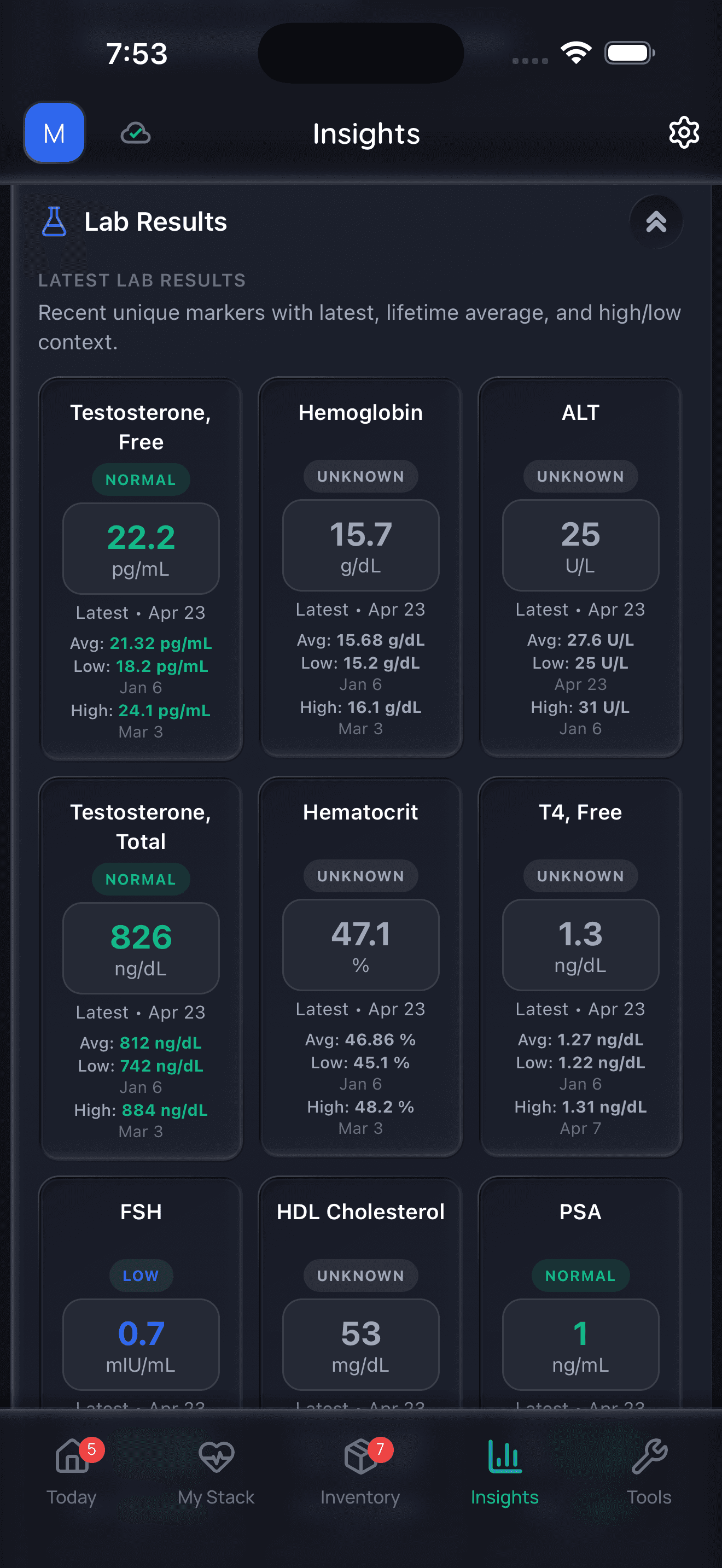
Doserly organizes data; it does not diagnose or interpret labs for you.
Dosing & Treatment Protocols
The Basics
There are several approaches to managing estradiol on TRT, and the right one depends on whether you actually need to manage it at all. For most men, the answer is no.
Approach 1: No intervention. This is the approach recommended by clinical guidelines. Allow estradiol to rise proportionally with testosterone. Only investigate if symptoms develop (breast tenderness, significant fluid retention, mood instability). Most men on TRT fall into this category.
Approach 2: Protocol optimization. Before reaching for medication, many providers and experienced patients adjust the TRT protocol itself to reduce aromatization. Options include increasing injection frequency (daily or EOD instead of weekly), reducing testosterone dose, switching from IM to SubQ injection, or switching to transdermal formulations. Weight loss also reduces aromatase activity.
Approach 3: Aromatase inhibitor. When genuinely symptomatic high estradiol persists despite protocol optimization, the most commonly used AI is anastrozole. The typical starting dose in TRT practice is much lower than the breast cancer dose: 0.25 mg two to three times per week, or 0.5 mg twice weekly. Some providers start as low as 0.125 mg (quarter tablet) weekly and titrate based on symptoms and labs. The goal is symptom resolution, not a target number.
One important point: dosing an AI alongside TRT is notoriously difficult to get right. Anastrozole has a long half-life (approximately 50 hours), and small dose changes can produce large swings in estradiol over days. Many men describe a frustrating cycle of over-correction and under-correction, oscillating between high-E2 and low-E2 symptoms. This is why protocol optimization (approach 2) is generally preferred when feasible.
The Science
Anastrozole pharmacokinetics in men: After oral administration, anastrozole reaches peak plasma concentration in approximately 2 hours. The elimination half-life is approximately 50 hours. In men, anastrozole 1 mg daily reduces mean plasma E2/T ratio by approximately 77%. Lower doses (0.5 mg 3x/week, equivalent to ~0.21 mg/day) produce less dramatic suppression and may maintain E2 in a more physiologic range [2][8].
Dose-response considerations: Aromatase inhibition is dose-dependent and follows a saturation curve. The relationship between AI dose and E2 suppression is not linear; small dose increases at the lower end of the dose range produce proportionally larger effects on E2 than equivalent increases at higher doses. This non-linear pharmacodynamics makes precise dose titration challenging and explains the clinical difficulty many patients experience [8].
Alternative approaches with evidence:
- Injection frequency: Pharmacokinetic modeling suggests that daily or every-other-day SC micro-dosing produces lower peak testosterone concentrations and reduced aromatization substrate compared to weekly IM injection. Clinical experience supports this approach, though RCT evidence is lacking [11][12].
- Weight loss: Reducing adipose tissue reduces aromatase expression. In obese hypogonadal men, weight loss has been shown to reduce estradiol and increase testosterone independently of exogenous therapy [3].
- DIM (diindolylmethane): Community-popular supplement purported to favorably modify estrogen metabolism. Limited clinical evidence in the TRT context. Mechanism involves shifting estrogen metabolism toward 2-hydroxylation rather than 16-alpha-hydroxylation. Clinical significance in men on TRT is unclear [23].
Dosing protocols often change over the course of treatment, starting doses get adjusted, injection frequencies get split, esters get switched. Doserly maintains a complete history of every protocol change, giving you and your provider a clear picture of what's been tried and how each adjustment affected your symptoms and lab values.
The app's adherence analytics show your consistency patterns and can highlight whether missed doses or timing variations correlate with symptom changes. When your provider is considering a dose adjustment based on your trough levels, having this data available makes the conversation more productive and the decision more informed.
Turn symptom and safety notes into a clearer timeline.
Doserly helps you log doses, symptoms, and safety observations side by side so patterns are easier to discuss with a qualified clinician.
Pattern view
Logs and observations

Pattern visibility is informational and should be reviewed with a clinician.
What to Expect (Timeline)
If you begin an aromatase inhibitor or make protocol changes to manage estradiol, here is a general timeline of what to expect. Individual responses vary significantly.
- Days 1-7: If starting anastrozole, estradiol levels begin to decline. Some men report reduced bloating within days. Others notice joint stiffness or mood changes if the AI dose is too aggressive.
- Weeks 2-4: Estradiol reaches a new steady state. Gynecomastia-related tenderness typically begins to improve. Fluid retention decreases. If E2 drops too low, joint pain, dry skin, and mood changes may appear.
- Months 1-3: Full impact of AI on symptoms becomes clear. Lab work at this point reveals the new E2 equilibrium. Dose adjustments are commonly needed. If injection frequency was changed instead, E2 stabilization occurs within 4-6 weeks of the new protocol.
- Months 3-6: Long-term tolerability becomes apparent. Bone density effects of chronic AI use begin (though not clinically detectable without DEXA). If protocol optimization (injection frequency, dose reduction) resolved symptoms, most men feel stable by this point.
- Months 6-12: Annual review. If on AI, bone density and cardiovascular risk factors should be considered. Many providers reassess the need for continued AI use.
- Ongoing maintenance: Estrogen management is not typically a static protocol. Body composition changes, TRT dose adjustments, aging, and other factors can alter aromatization rates. Periodic reassessment is appropriate.
Realistic expectations: finding the right estrogen balance can take months of adjustment. Some men find a stable protocol quickly; others describe a frustrating trial-and-error process. Patience and systematic tracking of symptoms are more valuable than chasing specific lab numbers.
Fertility Preservation & HPG Axis
Estrogen management intersects with fertility in two distinct ways.
Exogenous testosterone and fertility: All exogenous testosterone suppresses the HPG axis, reducing LH, FSH, and intratesticular testosterone. This leads to spermatogenesis suppression, often to azoospermia within 6 months. Adding an AI to a TRT protocol does NOT prevent this fertility suppression. The fertility impact comes from the exogenous testosterone itself, not from estradiol levels. Men on TRT who want to preserve fertility need HCG co-administration, clomiphene/enclomiphene as an alternative to exogenous T, or sperm banking before TRT initiation.
AIs as alternative to TRT for fertility-desiring men: In a fundamentally different clinical context, AIs can be used instead of exogenous testosterone. By blocking peripheral aromatization, AIs reduce estradiol-mediated negative feedback on the hypothalamus and pituitary, increasing LH and FSH secretion and thereby stimulating endogenous testosterone production in the testes. Because intratesticular testosterone is maintained (and even increased), spermatogenesis is preserved. This use of AIs is recognized by the AUA/ASRM (Guideline Statement 41, Conditional Recommendation, Grade C evidence) for infertile males with low serum testosterone [22].
These are two entirely different clinical scenarios. Using an AI during TRT to manage E2 side effects is NOT the same as using an AI instead of TRT to preserve fertility. Conflating these two contexts is a common source of confusion.
Interactions & Compatibility
Drug-Drug Interactions:
- Anastrozole + Tamoxifen: Co-administration reduces plasma anastrozole concentration by approximately 27%. Not typically relevant in TRT context.
- Anastrozole + CYP3A4 inducers (rifampin, phenytoin, carbamazepine): May reduce anastrozole plasma levels.
- Anastrozole + CYP3A4 inhibitors (ketoconazole, itraconazole): May increase anastrozole levels.
- Testosterone + anticoagulants: Testosterone may enhance anticoagulant effect. Monitor INR if on warfarin.
- Testosterone + insulin/diabetes medications: TRT may improve insulin sensitivity; diabetes medication adjustment may be needed.
Supplement Interactions:
- DIM (diindolylmethane): Purported natural estrogen metabolizer. Limited evidence. May shift estrogen metabolism but clinical significance in TRT context is unclear. See Supplements: DIM.
- Zinc: Supports testosterone production and may have mild anti-aromatase activity. Evidence is preliminary.
- Boron: May modestly increase free testosterone and lower E2 in some studies. Effects are small.
- Grape seed extract, resveratrol, curcumin: Community-popular natural aromatase modulators. Laboratory evidence of aromatase inhibition exists but clinical translation in men on TRT is unproven.
Related TRT Guides:
Decision-Making Framework
Deciding whether you need active estrogen management on TRT is best approached systematically. Here are the key questions to work through with your provider:
1. Do you have symptoms of elevated estradiol?
Gynecomastia (not just chest fat), significant fluid retention, emotional lability, nipple sensitivity. If yes, lab work to confirm elevated E2 is appropriate. If no symptoms, routine E2 testing is not recommended by current guidelines.
2. If E2 is elevated, is your TRT dose appropriate?
Many estrogen problems resolve by lowering the testosterone dose. Supraphysiological testosterone levels produce more aromatization substrate. If your total T is consistently above 900-1000 ng/dL, a dose reduction may resolve E2 symptoms without adding a second medication.
3. Can you optimize your protocol before adding medication?
Increasing injection frequency, switching to SubQ, switching to transdermal, and losing weight can all reduce aromatization. These interventions have no side effects and address the root cause rather than adding another drug.
4. If an AI is genuinely needed, what is the minimum effective dose?
Start low (0.125-0.25 mg anastrozole weekly) and titrate slowly. The goal is symptom resolution, not a target number. Monitor for low-E2 symptoms (joint pain, mood changes, decreased libido) and reduce or stop if they appear.
5. Questions to ask your provider:
- "Do you recommend routine AI use with TRT, and if so, what is the clinical basis?"
- "What symptoms would warrant starting an AI?"
- "What estradiol level would concern you, and why?"
- "How often should we reassess whether the AI is still needed?"
- "Are you monitoring my bone density given the AI use?"
Finding a qualified provider: Endocrinologists, urologists with andrology expertise, and men's health specialists are most likely to follow evidence-based guidelines on estrogen management. Be cautious of clinics that prescribe AI to every TRT patient from the start without symptom-based indication.
Administration & Practical Guide
Aromatase inhibitors used in TRT are oral medications taken as tablets. There are no injection or topical forms relevant to this context.
Anastrozole (Arimidex):
- Available as 1 mg tablets
- In the TRT context, full tablets are rarely appropriate. Most men who need AI use quarter or half tablets.
- Tablet splitting: Anastrozole tablets can be split with a pill cutter. Pharmacy compounding can provide custom doses (0.125 mg, 0.25 mg capsules) for more precise dosing.
- Timing: Can be taken with or without food. Many men take it on injection days for consistency.
- Storage: Room temperature, away from moisture and heat.
Practical tips for estrogen management without medication:
- Body composition: Reducing body fat percentage directly reduces aromatase activity. This is the most underutilized estrogen management strategy.
- Injection frequency: If on IM testosterone, consider discussing with your provider whether more frequent, lower-dose injections might reduce E2-related symptoms.
- Tracking symptoms: Keep a log of symptoms that may be E2-related (nipple sensitivity, fluid retention, mood changes, joint pain). This is more valuable than chasing lab numbers.
- Lab work: If E2 is being tested, request the sensitive (LC-MS/MS) estradiol assay, not the standard immunoassay. The standard assay has poor accuracy at the lower E2 levels found in men.
Monitoring & Lab Work
Estradiol Testing on TRT:
The Endocrine Society and AUA do not recommend routine estradiol monitoring during TRT. E2 should be tested only when clinical symptoms suggest elevated or suppressed estrogen. If testing is performed:
- Use the sensitive (LC-MS/MS) assay. The standard immunoassay has significant cross-reactivity and poor accuracy at male estradiol concentrations. The sensitive assay provides reliable results.
- Timing: For men on injectable TRT, E2 levels fluctuate with testosterone levels. Trough-day blood draws (immediately before next injection) provide the most consistent and interpretable results.
- Reference ranges: Standard male reference ranges (typically 10-40 pg/mL or 8-35 pg/mL depending on lab) were established in eugonadal men not on TRT. Men on TRT with testosterone levels above the natural range will proportionally have higher E2 levels. A higher E2 in the context of higher T may be physiologically appropriate.
If on an aromatase inhibitor:
Lab
Estradiol (sensitive)
- Frequency
- 4-6 weeks after starting or adjusting AI
- Purpose
- Confirm E2 reduction; check for over-suppression
Lab
Total testosterone
- Frequency
- Concurrent with E2
- Purpose
- Ensure T levels maintained
Lab
Hematocrit
- Frequency
- Every 6-12 months
- Purpose
- Standard TRT monitoring (>54% threshold)
Lab
PSA
- Frequency
- Per age-appropriate guidelines
- Purpose
- Standard TRT monitoring
Lab
DEXA (bone density)
- Frequency
- Consider annually if on AI long-term
- Purpose
- Monitor for bone density loss
Annual review checklist for men using AI on TRT:
- Are symptoms that prompted AI use still present without it? (Consider trial off AI)
- Is bone density being monitored?
- Is the minimum effective AI dose being used?
- Has body composition changed in ways that might alter aromatization?
- Is the sensitive E2 assay being used?
Estrogen Management on TRT
This section serves as the core reference for the guide's primary topic. The key clinical principles are:
1. Aromatization is normal and necessary.
Testosterone conversion to estradiol via aromatase is a physiological process that produces a hormone essential for male health. The goal is never to eliminate estradiol.
2. Clinical guidelines do not recommend routine AI use.
The Endocrine Society 2018 guideline, AUA guidelines, EAU guidelines, and BSSM guidelines all do not recommend routine estradiol monitoring or AI co-prescription during TRT.
3. When AI is indicated, use the minimum effective dose.
Anastrozole 0.25-0.5 mg two to three times weekly is the most commonly cited range in TRT practice. Start lower. Titrate to symptom resolution, not to a target number.
4. Low E2 is worse than mildly elevated E2 for most men.
Low estradiol causes bone loss, joint pain, mood disturbance, decreased libido, dry skin, and fatigue. These risks are clinically documented and often more impactful than the symptoms of mildly elevated E2.
5. Target E2 ranges are not evidence-based.
The community-popular target of 20-35 pg/mL on the sensitive assay has no basis in clinical guidelines or clinical trials. E2 should be assessed in proportion to testosterone levels and in the context of symptoms, not as an isolated number.
6. Natural approaches have limited evidence.
DIM, grape seed extract, resveratrol, and curcumin have laboratory evidence of aromatase inhibition but lack clinical evidence demonstrating meaningful E2 reduction in men on TRT. They may be reasonable to try for men with borderline symptoms before escalating to pharmaceutical AI, but expectations should be managed appropriately.
The relationship between your testosterone dose, injection frequency, and estradiol levels is unique to you. Doserly's analytics help you see how changes to your TRT protocol affect estrogen-related symptoms over time, revealing correlations that a single lab draw cannot capture.
The app can surface insights like whether splitting your dose reduced estrogen-related symptoms without needing an AI, or whether estradiol levels trend differently in the days following an injection. These patterns help you and your provider optimize your protocol with a focus on keeping estrogen in a healthy range rather than reflexively suppressing it.
Capture changes while they are still fresh.
Log symptoms, energy, sleep, mood, and other observations alongside protocol events so patterns do not live only in memory.
Trend view
Symptom timeline
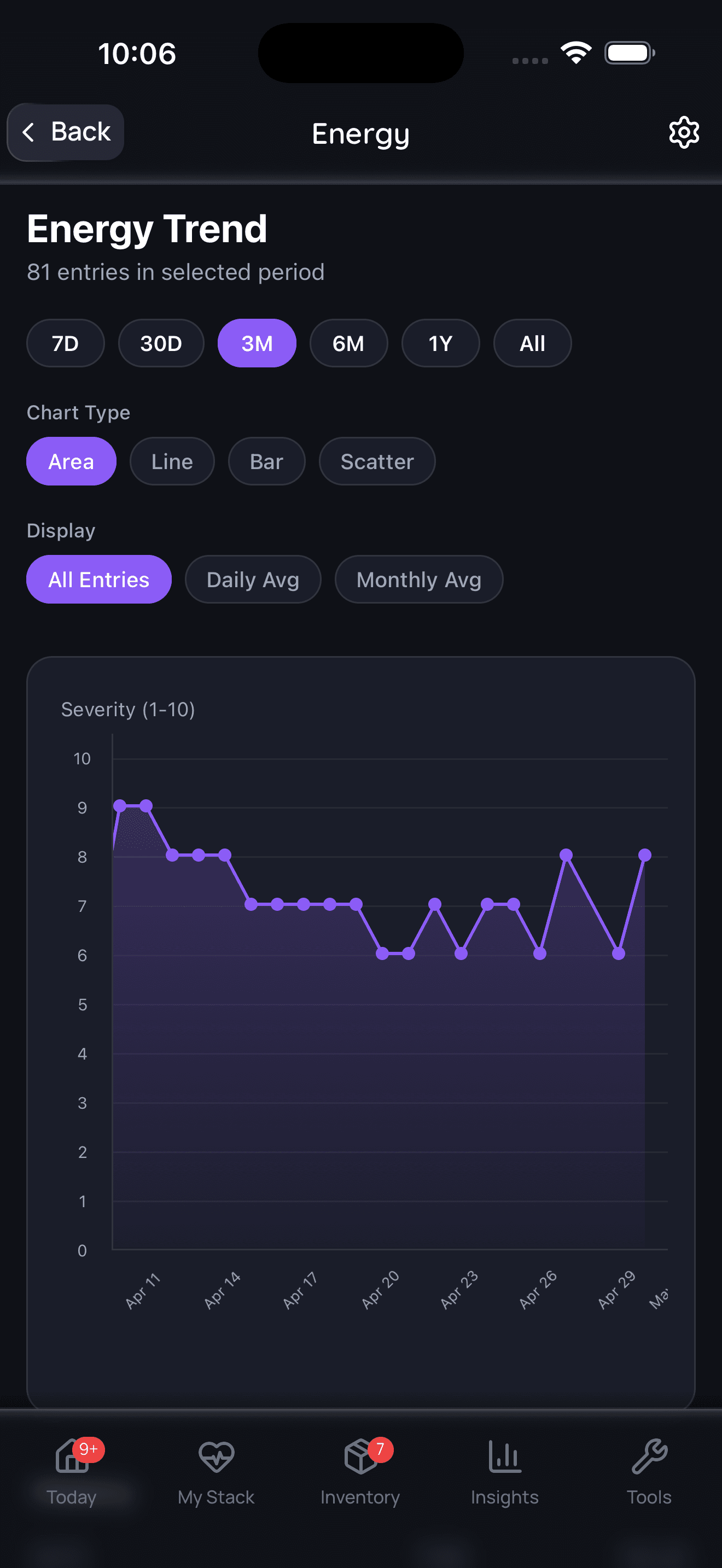
Symptom tracking is informational and should be interpreted with a qualified clinician.
Stopping TRT / Post-Cycle Considerations
Estrogen management considerations when stopping TRT include:
E2 rebound after stopping AI: If you have been taking an aromatase inhibitor and stop it abruptly while remaining on TRT, estradiol levels can rebound aggressively. The aromatase enzyme is still present, and removing the inhibitor allows accumulated substrate (testosterone) to be rapidly converted. Tapering AI rather than abrupt discontinuation may reduce rebound symptoms.
E2 during HPG axis recovery: When stopping TRT, the HPG axis gradually recovers (over 6-24+ months, if recovery occurs). During this period, endogenous testosterone production is low, which means less aromatase substrate and therefore lower estradiol. Some men experience low-E2 symptoms during recovery. SERMs (clomiphene, tamoxifen) used in PCT protocols work by blocking estrogen receptors in the hypothalamus, stimulating increased GnRH and LH secretion.
Primary vs secondary hypogonadism: Men with primary hypogonadism (testicular failure) may have limited ability to produce either testosterone or estradiol after TRT discontinuation. Men with secondary hypogonadism (pituitary/hypothalamic dysfunction) have better prognosis for HPG axis recovery and endogenous hormone production.
Special Populations & Situations
Obese Men
Obesity is the single strongest modifiable risk factor for excessive aromatization during TRT. Adipose tissue is the primary site of aromatase expression, and higher body fat percentage directly correlates with greater testosterone-to-estradiol conversion. For obese men on TRT experiencing high E2 symptoms, weight loss should be the first-line intervention. Losing 10-15% of body weight can significantly reduce aromatase activity and may eliminate the need for AI medication.
Older Men (>65)
Older men are at higher baseline risk for osteoporosis. Adding an AI to TRT in this population should be approached with particular caution due to the documented bone density impact of estradiol suppression. If AI use is necessary, bone density monitoring with DEXA is especially important.
Men with Cardiovascular Disease History
The TRAVERSE trial demonstrated non-inferiority of TRT for cardiovascular safety. Estradiol's cardioprotective effects are well-documented. Aggressive E2 suppression in men with cardiovascular risk factors should be avoided unless clearly indicated by symptoms. TRAVERSE used transdermal testosterone without AI, and this is arguably the safest approach for this population.
Transgender Men (FTM)
Testosterone therapy for gender affirmation typically uses higher doses with different therapeutic goals than male hypogonadism treatment. Estradiol management in transgender men follows different clinical considerations and should be guided by experienced transgender healthcare providers.
Men Using HCG Alongside TRT
HCG stimulates intratesticular testosterone production, which can increase aromatization (the testes have high aromatase expression). Men using HCG + testosterone may experience higher E2 levels than those on testosterone alone. This is a recognized phenomenon and may require more nuanced E2 management.
Regulatory, Insurance & International
United States:
- All testosterone products are Schedule III controlled substances (DEA)
- Anastrozole is NOT a controlled substance but is available by prescription only
- All AI use in men is off-label (FDA-approved only for breast cancer in postmenopausal women)
- Insurance may not cover AI prescriptions for off-label use in men
- Generic anastrozole is widely available and inexpensive ($10-30/month at most pharmacies)
- Compounding pharmacies can prepare custom AI doses (0.125 mg, 0.25 mg capsules)
International Availability:
- Anastrozole is available by prescription in most countries
- Off-label use policies vary by jurisdiction
- In the UK, private TRT clinics may include AI as part of their protocols; NHS TRT protocols generally do not include routine AI
Frequently Asked Questions
Q: Does every man on TRT need an aromatase inhibitor?
A: No. Clinical guidelines (Endocrine Society, AUA) do not recommend routine AI use during TRT. The majority of men on TRT do not develop symptoms of elevated estradiol. In the largest published clinical series, only about 2.6% of men on testosterone therapy had E2 levels that warranted AI treatment. AI should be considered only when clinical symptoms are present and confirmed by lab work.
Q: What is a "normal" estradiol level for men on TRT?
A: There is no established "normal" E2 for men on TRT. Standard male reference ranges (10-40 pg/mL) were established in men not receiving testosterone therapy. Men on TRT with testosterone levels above the natural range will proportionally have higher E2, and this may be physiologically appropriate. Clinical guidelines do not specify a target E2 range. The relevant question is whether E2 is causing symptoms, not whether it fits within a reference range.
Q: Can I manage estrogen by changing my injection frequency?
A: Splitting your testosterone dose into more frequent smaller injections (e.g., daily or every-other-day SubQ instead of weekly IM) produces lower peak testosterone levels and theoretically less aromatization. Many men report improvement in E2-related symptoms with more frequent dosing. While clinical trial evidence is limited, the pharmacokinetic rationale is sound, and this approach avoids the risks of AI medication.
Q: Is DIM effective for estrogen management on TRT?
A: DIM (diindolylmethane) is a popular supplement purported to favorably modify estrogen metabolism. Laboratory evidence of aromatase modulation exists, but clinical evidence demonstrating meaningful E2 reduction in men on TRT is lacking. It may be reasonable to try for mild symptoms, but expectations should be modest.
Q: What are the symptoms of low estradiol in men?
A: Joint pain and stiffness, dry skin, decreased libido (paradoxically), depression, emotional flatness, fatigue, hot flashes, and bone pain. These symptoms are commonly reported by men who take too much AI. If you experience these symptoms after starting an AI, low E2 is the most likely cause.
Q: What are the symptoms of high estradiol in men?
A: Gynecomastia (breast tissue growth), nipple tenderness, excessive fluid retention and bloating, mood swings, and at very high levels, decreased libido and erectile dysfunction. Not all men with elevated E2 on lab work experience symptoms.
Q: Should I chase a specific estradiol number?
A: No. Clinical guidelines recommend symptom-based management, not targeting a specific number. The community-popular target of 20-35 pg/mL has no basis in clinical evidence. Your optimal E2 level depends on your testosterone level, your individual physiology, and how you feel.
Q: Can losing weight help with estrogen management?
A: Yes. Aromatase is expressed primarily in adipose tissue. Reducing body fat directly reduces aromatase activity and testosterone-to-estradiol conversion. For obese men on TRT with high E2, weight loss may be the most effective intervention.
Q: Is anastrozole safe long-term?
A: Short-term safety data (up to 12 months) shows no significant increase in adverse events compared to placebo. However, lumbar spine bone mineral density is significantly reduced after 6 months of AI use. Long-term safety data in men on TRT is lacking. If AI use is necessary long-term, bone density monitoring is prudent.
Q: What is the sensitive estradiol assay, and why does it matter?
A: The sensitive estradiol assay uses liquid chromatography-tandem mass spectrometry (LC-MS/MS) and provides accurate results at the low estradiol levels found in men. The standard immunoassay has cross-reactivity issues and poor accuracy at male E2 concentrations, potentially giving falsely elevated or falsely low results. Always request the sensitive assay when monitoring E2 on TRT.
Myth vs. Fact
Myth: Estrogen is a "female hormone" that men should minimize.
Fact: Estradiol is essential for male health. It maintains bone density, supports cardiovascular function, contributes to libido, and plays a role in cognitive function. Men with genetic aromatase deficiency who cannot produce estradiol develop osteoporosis, unfused growth plates, and metabolic dysfunction. The goal is balance, not elimination [14][15].
Myth: Every man on TRT needs an aromatase inhibitor.
Fact: Clinical guidelines (Endocrine Society, AUA, EAU, BSSM) do not recommend routine AI use during TRT. In the largest published clinical series, only 2.6% of men on testosterone therapy had E2 levels warranting AI treatment. Most men on TRT manage their estradiol naturally without medication [16].
Myth: Estradiol should be kept between 20-35 pg/mL on TRT.
Fact: No clinical guideline specifies a target E2 range for men on TRT. The 20-35 pg/mL target is a community-derived number without clinical evidence supporting it. E2 should be assessed in proportion to testosterone levels and in the context of clinical symptoms, not as an isolated number.
Myth: A higher estradiol level always means more side effects.
Fact: Many men on TRT with E2 levels of 50-80 pg/mL have no symptoms at all. Others develop symptoms at lower levels. Individual sensitivity varies significantly. The presence or absence of symptoms matters more than the absolute number.
Myth: Aromatase inhibitors have no significant side effects in men.
Fact: Meta-analysis data shows that AI use significantly decreases lumbar spine bone mineral density after 6 months (MD -0.04 g/cm2, P=0.03). Low E2 from AI over-use causes joint pain, mood disturbance, decreased libido, dry skin, fatigue, and cardiovascular risk from loss of E2-mediated cardioprotection [17].
Myth: TRT causes heart attacks, and managing estrogen prevents this.
Fact: The TRAVERSE trial (n=5,246), the largest RCT designed to assess cardiovascular safety of TRT, found no significant increase in major adverse cardiovascular events (HR 0.96, 95% CI: 0.78-1.17) over 33 months without routine AI use. There is no evidence that estrogen management during TRT affects cardiovascular risk [13].
Myth: If your nipples are sensitive, you have gynecomastia and need an AI immediately.
Fact: Nipple sensitivity on TRT is common, especially in the first few months, and is often self-resolving. True gynecomastia involves palpable glandular tissue growth behind the nipple, not just temporary sensitivity. Not all nipple awareness requires AI treatment.
Myth: Daily injections eliminate the need for estrogen management entirely.
Fact: Daily or EOD micro-dosing reduces peak testosterone levels and may reduce aromatization, but it does not eliminate it. Some men still experience elevated E2 even with daily injections, particularly those with high body fat or genetically high aromatase expression. More frequent dosing is a useful tool, not a guarantee.
Sources & References
Clinical Guidelines:
[1] Bhasin S, Brito JP, Cunningham GR, et al. Testosterone therapy in men with hypogonadism: An Endocrine Society clinical practice guideline. J Clin Endocrinol Metab. 2018;103(5):1715-1744.
[2] de Ronde W, de Jong FH. Aromatase inhibitors in men: effects and therapeutic options. Reprod Biol Endocrinol. 2011;9:93. PMC3143915.
[3] Cohen PG. The hypogonadal-obesity cycle: role of aromatase in modulating the testosterone-estradiol shunt. Med Hypotheses. 1999;52:49-51.
Landmark Trials:
[4] Mulhall JP, Trost LW, Brannigan RE. Evaluation and management of testosterone deficiency: AUA guideline. J Urol. 2018;200:423-432.
[5] Swislocki ALM, Eisenberg ML. A review on testosterone:estradiol ratio. Sex Med Rev. 2025;13(1). PMID: 39344113.
Systematic Reviews & Meta-Analyses:
[6] Russell N, Grossmann M. Mechanisms in endocrinology: estradiol as a male hormone. Eur J Endocrinol. 2019;181:R23-R43.
[7] Simpson ER, et al. Aromatase expression in health and disease. Recent Prog Horm Res. 2002;57:317-338.
[8] Dutta D, Mohindra R, Kumar M, Sharma M. Role of aromatase inhibitors in managing hypogonadism in adult males related to obesity and aging: a systematic review and meta-analysis. Indian J Endocrinol Metab. 2022;26(6):501-509. PMC11245298.
[9] Vermeulen A, Kaufman JM, Goemaere S, van Pottelbergh I. Estradiol in elderly men. Aging Male. 2002;5(2):98-102.
[10] Testosterone cypionate prescribing information. DailyMed/FDA.
[11] Al-Futaisi AM, Al-Zakwani IS, Almahrezi AM, Morris D. Subcutaneous administration of testosterone: a pilot study report. Sultan Qaboos Univ Med J. 2006;6(1):69-72.
[12] Spratt DI, Stewart II, Savage C, et al. Subcutaneous injection of testosterone is an effective and preferred alternative to intramuscular injection. J Clin Endocrinol Metab. 2017;102(7):2349-2355.
[13] Lincoff AM, Bhasin S, Flevaris P, et al. Cardiovascular safety of testosterone-replacement therapy. N Engl J Med. 2023;389(2):107-117.
Observational Studies:
[14] Smith EP, Boyd J, Frank GR, et al. Estrogen resistance caused by a mutation in the estrogen-receptor gene in a man. N Engl J Med. 1994;331:1056-1061.
[15] Carani C, Qin K, Simoni M, et al. Effect of testosterone and estradiol in a man with aromatase deficiency. N Engl J Med. 1997;337:91-95.
[16] Punjani N, Bernie H, Salter C, et al. The utilization and impact of aromatase inhibitor therapy in men with elevated estradiol levels on testosterone therapy. Sex Med. 2021;9:100378. PMC8360915.
[17] Dutta D, et al. Meta-analysis: AIs for hypogonadism in obesity/aging. Indian J Endocrinol Metab. 2022;26(6):501-509.
Government/Institutional Sources:
[18] Stachenfeld NS. Sex hormone effects on body fluid regulation. Exerc Sport Sci Rev. 2008;36(3):152-159.
[19] Cauley JA. Estrogen and bone health in men and women. Steroids. 2015;99:11-15.
[20] Manavathi B, Kumar R. Steering estrogen signals from the plasma membrane to the nucleus: two sides of the coin. J Cell Physiol. 2006;207(3):594-604.
[21] Metabolic benefits afforded by estradiol and testosterone in both sexes. J Clin Invest. 2024;134(17):e180073.
[22] AUA/ASRM Guideline: Diagnosis and Treatment of Infertility in Men (2020, Amended 2024).
[23] Thomson CA, Ho E, Strom MB. Chemopreventive properties of 3,3'-diindolylmethane in breast cancer. Future Oncol. 2016;12(1):132-141.
Related Guides & Cross-Links
Same Category (Treatment Overview Guides):
- Testosterone Injections Guide
- Testosterone Gels & Topicals Guide
- Oral Testosterone Guide
- Fertility Preservation on TRT
- TRT Blood Work Guide
- TRT for Beginners
Related Treatment Options (Estrogen Management Medications):
Related Medications:
Complementary Approaches:
Educational Guides: