
Clomiphene Citrate (Clomid)
On this page
Quick Reference Card
Attribute
Brand Name(s)
- Value
- Clomid (US), Serophene (US, discontinued)
Attribute
Generic Name
- Value
- Clomiphene Citrate
Attribute
Drug Class / Type
- Value
- Selective Estrogen Receptor Modulator (SERM)
Attribute
DEA Schedule
- Value
- Not scheduled (prescription only)
Attribute
FDA-Approved Indications
- Value
- Ovulatory dysfunction in women desiring pregnancy
Attribute
Off-Label Use in Men
- Value
- Hypogonadism, testosterone deficiency, male infertility
Attribute
Common Doses (Men)
- Value
- 25-50 mg every other day
Attribute
Route of Administration
- Value
- Oral (tablet)
Attribute
Dosing Schedule
- Value
- Every other day (preferred) or daily
Attribute
Key Monitoring Requirements
- Value
- Total T, Free T, LH, FSH, Estradiol, SHBG, CBC, PSA
Attribute
FDA Approval Date
- Value
- 1967 (ovulatory dysfunction in women)
Attribute
Isomer Composition
- Value
- Enclomiphene 50-70% (trans, antiestrogen) + Zuclomiphene 30-50% (cis, mixed agonist)
Attribute
Key Candidacy Criterion
- Value
- Baseline LH <6 IU/mL (secondary hypogonadism)
Overview / What Is Clomiphene Citrate (Clomid)?
The Basics
Clomiphene citrate, most commonly known by the brand name Clomid, is a medication that takes a fundamentally different approach to treating low testosterone than testosterone replacement therapy. Instead of adding testosterone from the outside, clomiphene works by encouraging your body to make more of its own.
Here is how it works in simple terms: your brain constantly monitors your hormone levels through a feedback system. When estrogen levels are adequate, the brain reduces its signal to produce more testosterone. Clomiphene blocks the estrogen receptors in your brain, essentially tricking it into thinking estrogen levels are low. In response, your brain ramps up its signal to the testes, telling them to produce more testosterone. The result is a natural increase in your body's own testosterone production.
This approach matters for one critical reason: it preserves fertility. When a man takes external testosterone (TRT), his brain detects the incoming testosterone and shuts down the signals that drive both testosterone production and sperm production in the testes. Many men on TRT experience significant declines in sperm count, sometimes to zero. Clomiphene avoids this problem entirely because it works through the brain's signaling system rather than bypassing it.
Clomiphene was originally developed in the 1950s and FDA-approved in 1967 for treating ovulatory dysfunction in women. Its use in men is off-label, meaning it has not been formally approved by the FDA for male hypogonadism. However, both the American Urological Association and the European Association of Urology recommend clomiphene as a treatment option for men with low testosterone who want to preserve their fertility [1][2]. A growing body of clinical evidence supports its effectiveness and safety in this population.
The Science
Clomiphene citrate is a nonsteroidal triphenylethylene derivative and a selective estrogen receptor modulator (SERM). It is a racemic mixture of two geometric isomers: enclomiphene (trans-isomer, 50-70% of the mixture), which has predominantly antiestrogenic properties, and zuclomiphene (cis-isomer, 30-50%), which exhibits mixed estrogenic and antiestrogenic activity with a longer biological half-life [3].
The pharmacological action of clomiphene in males centers on competitive antagonism of estrogen receptors (primarily ERalpha) in the hypothalamus. By occupying hypothalamic estrogen receptors, clomiphene disrupts the negative feedback of circulating estradiol on gonadotropin-releasing hormone (GnRH) pulse frequency and amplitude. This results in increased pulsatile GnRH secretion, which in turn stimulates anterior pituitary gonadotrophs to increase synthesis and secretion of both luteinizing hormone (LH) and follicle-stimulating hormone (FSH) [4][5].
Elevated LH stimulates Leydig cell steroidogenesis, increasing endogenous testosterone production. Elevated FSH stimulates Sertoli cell function, supporting spermatogenesis. This dual action on both LH and FSH distinguishes clomiphene from exogenous testosterone, which suppresses both gonadotropins and leads to impaired spermatogenesis [6].
In vitro data have demonstrated that clomiphene also acts at the pituitary level, sensitizing gonadotroph cells to GnRH stimulation [7]. This dual-site action (hypothalamic and pituitary) contributes to its efficacy in raising both LH and testosterone levels in men with functional (secondary) hypogonadism.
A 2025 systematic review and meta-analysis of randomized controlled trials found that SERM therapy (clomiphene and enclomiphene) significantly increased total testosterone by a mean difference of 273.76 ng/dL (95% CI: 191.87-355.66) compared to placebo, with no significant difference in achieved testosterone levels compared to testosterone gel [8].
Medical / Chemical Identity
Property
Generic Name
- Detail
- Clomiphene Citrate
Property
Brand Names (US)
- Detail
- Clomid, Serophene (discontinued)
Property
Chemical Name
- Detail
- 2-[p-(2-chloro-1,2-diphenylvinyl)phenoxy]triethylamine citrate (1:1)
Property
Chemical Class
- Detail
- Nonsteroidal triphenylethylene SERM
Property
Molecular Formula
- Detail
- C26H28ClNO·C6H8O7
Property
Molecular Weight
- Detail
- 598.10 g/mol
Property
CAS Number
- Detail
- 50-41-9 (clomiphene); 911-45-5 (citrate salt)
Property
Isomers
- Detail
- Enclomiphene (trans, 50-70%), Zuclomiphene (cis, 30-50%)
Property
Physical Description
- Detail
- White to pale yellow, essentially odorless, crystalline powder
Property
Solubility
- Detail
- Freely soluble in methanol; soluble in ethanol; slightly soluble in water
Property
FDA Approval Date
- Detail
- 1967 (ovulatory dysfunction in women)
Property
NDA/ANDA Number
- Detail
- ANDA075528 (Cosette Pharmaceuticals)
Property
Original Developer
- Detail
- Frank P. Palopoli, MS (1956)
Property
Original Manufacturer
- Detail
- William S. Merrell Pharmaceutical Company
Property
Current Manufacturers
- Detail
- Cosette Pharmaceuticals (Clomid), multiple generic manufacturers
Property
Regulatory Status (US)
- Detail
- Prescription only; NOT a controlled substance
Property
Tablet Strength
- Detail
- 50 mg
Property
Storage
- Detail
- 15-30°C (59-86°F); protect from heat, light, and excessive humidity
Mechanism of Action / Pathophysiology
The Basics
To understand how clomiphene works, it helps to understand the communication loop between your brain and your testes. Your hypothalamus (a region of the brain) sends a hormone signal called GnRH to the pituitary gland, which responds by releasing two hormones: LH (luteinizing hormone) and FSH (follicle-stimulating hormone). LH tells the testes to make testosterone, and FSH tells the testes to make sperm.
Normally, when testosterone rises, some of it gets converted to estrogen (estradiol) by an enzyme called aromatase. This estrogen signals back to the hypothalamus: "We have enough testosterone, ease off." The hypothalamus then reduces GnRH output, and the cycle balances itself.
Clomiphene works by blocking the estrogen receptors in the hypothalamus. With those receptors blocked, the brain cannot "see" the estrogen signal telling it to slow down. It interprets this as a sign that testosterone (and estrogen) levels are too low, so it increases GnRH output. The pituitary responds by releasing more LH and FSH, and the testes respond by producing more testosterone and more sperm.
This is why clomiphene only works in men whose testes can still respond to LH stimulation. If the problem is in the testes themselves (primary hypogonadism), sending a louder signal to the testes will not help because they lack the capacity to respond. Clomiphene is most effective in men with secondary hypogonadism, where the brain and pituitary are not sending enough of the signal, but the testes are capable of responding.
The Science
Clomiphene citrate exerts its primary pharmacological effect through competitive antagonism of estrogen receptor alpha (ERalpha) in the hypothalamus. By occupying these receptors, clomiphene blocks the negative feedback exerted by circulating 17-beta-estradiol on GnRH-secreting neurons in the arcuate nucleus and median eminence. This releases the tonic inhibition of GnRH pulse generation, resulting in increased GnRH pulse frequency and amplitude [4][5].
The increased GnRH drive stimulates anterior pituitary gonadotrophs, elevating both LH and FSH secretion. LH binds to LH/hCG receptors (LHCGR) on testicular Leydig cells, activating the Gs-cAMP-PKA signaling cascade and upregulating steroidogenic acute regulatory protein (StAR), driving cholesterol transport and subsequent testosterone biosynthesis through the steroidogenic enzyme cascade (CYP11A1, 3-beta-HSD, CYP17A1, 17-beta-HSD) [9].
Simultaneously, elevated FSH binds to FSH receptors on Sertoli cells, stimulating the production of androgen-binding protein, inhibin B, and growth factors essential for spermatogenesis. This dual gonadotropin elevation distinguishes clomiphene from exogenous testosterone, which suppresses LH and FSH through negative feedback, leading to intratesticular testosterone depletion and spermatogenic arrest [6][10].
The two isomers of clomiphene have distinct pharmacological profiles. Enclomiphene (trans-isomer) is predominantly antiestrogenic at the hypothalamus and is primarily responsible for the therapeutic increase in gonadotropins. Zuclomiphene (cis-isomer) has mixed agonist/antagonist activity, with estrogenic effects predominating at some tissue sites, including possibly the brain. Zuclomiphene has a substantially longer half-life, with detectable levels persisting for more than a month after administration. This differential isomer activity may contribute to the mood-related side effects reported by some users [3][11].
Candidate responsiveness to clomiphene can be predicted by baseline LH levels. Men with LH below 6 IU/mL (indicating functional hypothalamic-pituitary suppression) are more likely to achieve therapeutic testosterone increases, as their Leydig cells retain the capacity to respond to gonadotropin stimulation. Men with elevated baseline LH (suggesting primary testicular failure) are less likely to benefit, as the testes are already receiving maximal stimulation [12].
Pathway & System Visualization
Pharmacokinetics / Hormone Physiology
The Basics
Clomiphene is taken as an oral tablet, which makes it considerably more convenient than injectable testosterone. After swallowing, it is readily absorbed from the gut and enters the bloodstream. However, its pharmacokinetics are more complex than most oral medications because it contains two different chemical forms (isomers) that behave very differently in the body.
The enclomiphene isomer (the one responsible for most of the therapeutic benefit) is cleared from the body relatively quickly. The zuclomiphene isomer, however, lingers much longer. Detectable levels of zuclomiphene have been found in the body more than a month after a single dose. This extended presence may be related to a recycling process where the drug is absorbed from the gut, processed by the liver, excreted into bile, and then reabsorbed from the intestines.
The testosterone response to clomiphene is not as immediate as with injectable testosterone. After starting clomiphene, it typically takes several weeks for testosterone levels to reach their new steady state, because the drug must first build up sufficiently to block estrogen receptors, then the brain must increase GnRH, then the pituitary must increase LH, and then the testes must ramp up production. Most providers check testosterone levels 4 weeks after starting treatment.
The testosterone levels achieved on clomiphene are generally in the range of 400-600 ng/dL, comparable to testosterone gel therapy. They are typically lower than what injectable testosterone produces at standard doses. This is because clomiphene can only stimulate the testes to produce what they are capable of producing; it cannot supplement beyond that capacity.
The Science
Clomiphene citrate is readily absorbed orally. Based on 14C-labeled studies, cumulative urinary and fecal excretion averaged approximately 50% of the oral dose after 5 days. Fecal excretion predominated (~42%) over urinary excretion (~8%), and residual 14C label was detectable in feces 6 weeks post-administration, indicating significant enterohepatic recirculation [3].
The two isomers exhibit markedly different pharmacokinetic profiles. Enclomiphene (trans) has a shorter half-life, while zuclomiphene (cis) has a substantially longer half-life with detectable levels persisting for more than one month after single-dose administration. This stereospecific difference is attributed to differential enterohepatic recycling or tissue sequestration of zuclomiphene [3].
Clomiphene is primarily eliminated via fecal excretion following hepatic metabolism. The drug does not appear to undergo significant renal clearance. The extended tissue residence time of zuclomiphene is clinically relevant because it may contribute to the sustained (or cumulative) estrogenic effects at brain receptors, potentially explaining the mood-related side effects that some patients experience [11].
The hormonal response cascade following clomiphene administration proceeds as follows: estrogen receptor blockade at the hypothalamus (hours) leads to increased GnRH pulsatility (days), followed by elevated LH and FSH (days to weeks), resulting in increased testicular testosterone production (weeks). Steady-state hormonal response is typically achieved by 4-8 weeks of continuous therapy [12][13].
Typical testosterone response in men with secondary hypogonadism: baseline total testosterone of 200-300 ng/dL increases to 400-600 ng/dL on clomiphene 25-50 mg every other day. The 2025 meta-analysis reported a mean TT increase of 273.76 ng/dL above placebo [8]. A retrospective study of 153 men found TT increased from a mean of 9 to 16 nmol/L (approximately 260 to 461 ng/dL) [14].
Clomiphene also raises estradiol levels as a downstream consequence of increased testosterone (via aromatase conversion). Estradiol increases to 40-80 pg/mL are common and require monitoring [13].
Tracking the hormonal changes that come with clomiphene therapy involves monitoring multiple biomarkers over time. Understanding how your testosterone, LH, and estradiol levels respond to treatment helps your provider optimize your dose and catch any issues early.
Doserly's protocol tracking tools let you log your clomiphene doses, lab results, and symptoms in one place, so you can see how your hormonal response develops over weeks and months. When it's time for your follow-up appointment, you'll have a clear picture of your treatment trajectory to share with your provider, making dose adjustment conversations more data-driven and productive.
See where a dose, cycle, or change fits in time.
Doserly gives each protocol a timeline so dose changes, pauses, restarts, and observations are easier to compare later.
Timeline
Cycle history
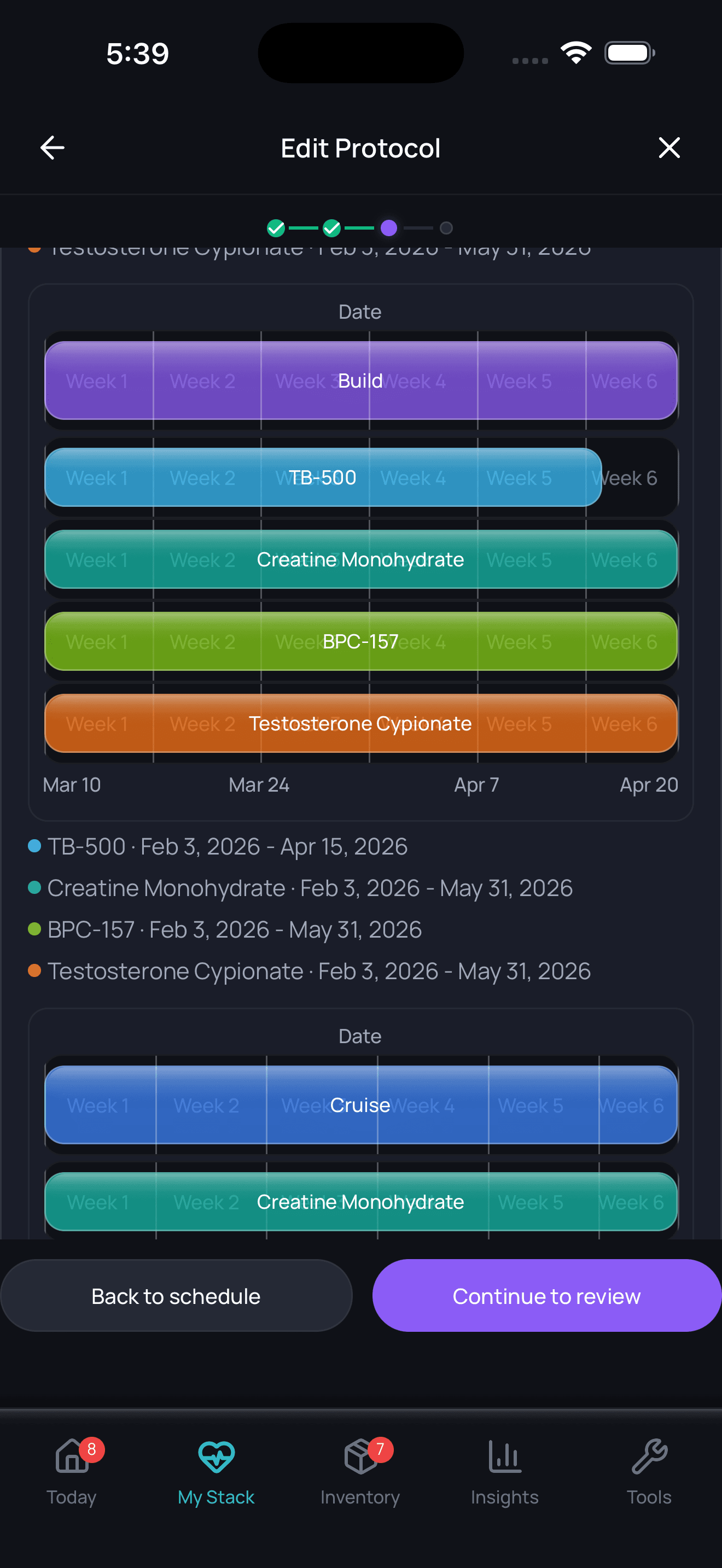
Timeline tracking helps with recall; it is not a treatment recommendation.
Research & Clinical Evidence
The Basics
The evidence base for clomiphene in men has grown substantially in recent years, though it remains smaller than the evidence for testosterone replacement therapy. Most of the data comes from retrospective studies, case series, and a growing number of randomized controlled trials.
The most important finding is that clomiphene consistently raises testosterone levels in men with functional (secondary) hypogonadism. Multiple studies show that 75-90% of men achieve meaningful testosterone increases, with average improvements of 250-300 ng/dL above baseline. For most men, this brings testosterone from below-normal into the therapeutic range of 400-600 ng/dL.
The symptom improvement data is also encouraging. Studies report that 70-77% of men experience meaningful improvement in hypogonadism symptoms including energy, mood, sexual function, and overall quality of life. However, some men report that the subjective improvement on clomiphene does not feel as dramatic as on testosterone therapy, possibly because clomiphene produces physiological testosterone levels rather than the higher peaks that injectable testosterone can produce.
On safety, the evidence is reassuring. The largest long-term study (400 men, some treated for over 3 years) found no serious adverse events. Side effects were reported by only 8% of long-term users, and these were primarily mild (mood changes, visual symptoms, breast tenderness). Unlike testosterone therapy, clomiphene does not cause polycythemia (elevated red blood cells), does not suppress sperm production, and does not cause testicular atrophy.
The Science
Efficacy Data:
A 2025 systematic review and meta-analysis of RCTs (Hohl et al.) evaluated SERM therapy (clomiphene and enclomiphene) versus placebo and testosterone gel in men with functional hypogonadism. Key findings: SERM therapy increased total testosterone by 273.76 ng/dL (95% CI: 191.87-355.66; p<0.01) compared to placebo, with no significant difference in achieved TT levels compared to testosterone gel. SERM therapy significantly increased LH (MD: 4.66 IU/L) and FSH (MD: 4.59 IU/L) compared to both placebo and testosterone gel [8].
An earlier systematic review and meta-analysis (Huijben et al., 2022) confirmed that clomiphene citrate effectively improved both biochemical markers and clinical symptoms of male hypogonadism. The analysis noted few reported side effects and good safety aspects across included studies [15].
A retrospective study of 153 men (Huijben et al., 2023) demonstrated sustained efficacy: TT increased from 9 to 16 nmol/L, with biochemical improvement in 89% and symptom improvement in 74%. Importantly, in men who continued treatment, elevated TT persisted after 8 years of therapy [14].
Long-Term Safety Data:
Khodamoradi et al. (2019) conducted the largest long-term safety study: 400 men across 2 institutions (2010-2018), with 120 men treated for more than 3 years (mean 51.93 months). Among long-term users: 88% achieved eugonadism, 77% reported symptom improvement, 8% reported side effects (mood changes in 5, blurred vision in 3, breast tenderness in 2). No serious adverse events were recorded in any patient [16].
Fertility Outcomes:
The 2025 meta-analysis demonstrated favorable sperm concentration outcomes with SERM therapy compared to testosterone gel, consistent with clomiphene's mechanism of preserving the HPG axis. Case series and observational data consistently show that men on clomiphene maintain or improve spermatogenesis, in contrast to the azoospermia frequently observed with exogenous testosterone [8][10].
Predictors of Response:
Baseline LH level is the strongest predictor of clomiphene response. Mazzola et al. (2014) demonstrated that the ability to achieve therapeutic testosterone levels decreases with increasing baseline LH. The clinical care pathway from Memorial Sloan Kettering recommends against clomiphene when LH exceeds 6 IU/mL, as elevated LH suggests primary testicular dysfunction [12][13].
Evidence & Effectiveness Matrix
Category
Sexual Function & Libido
- Evidence Strength
- 6/10
- Reported Effectiveness
- 5/10
- Summary
- Testosterone elevation improves libido in many men, but community reports are mixed. Some men report reduced libido on CC despite higher T, possibly due to estrogen receptor blockade effects.
Category
Energy & Vitality
- Evidence Strength
- 6/10
- Reported Effectiveness
- 6/10
- Summary
- Multiple studies show symptom improvement including energy. 74-77% of men report overall symptom improvement. Community reports generally positive vs baseline.
Category
Mood & Emotional Wellbeing
- Evidence Strength
- 5/10
- Reported Effectiveness
- 4/10
- Summary
- Clinical data shows low side effect rates, but community reports reveal a notable minority experiencing depression, anxiety, irritability, or mood instability. Zuclomiphene isomer effects suspected.
Category
Anxiety & Stress Response
- Evidence Strength
- 4/10
- Reported Effectiveness
- Not Scored
- Summary
- Limited data specific to anxiety outcomes. Some men report anxiety improvement with higher T; others report new-onset anxiety as CC side effect.
Category
Cognitive Function
- Evidence Strength
- 4/10
- Reported Effectiveness
- 4/10
- Summary
- Limited direct evidence. Some improvement in brain fog reported with testosterone elevation. Insufficient data for confident scoring.
Category
Muscle Mass & Strength
- Evidence Strength
- 4/10
- Reported Effectiveness
- 4/10
- Summary
- CC achieves physiological T levels (400-600 ng/dL), producing modest body composition effects compared to exogenous T. Limited community discussion.
Category
Body Fat & Composition
- Evidence Strength
- 3/10
- Reported Effectiveness
- Not Scored
- Summary
- Insufficient evidence specific to CC. Testosterone elevation may support modest fat loss, but CC-specific body composition data is scarce.
Category
Bone Health
- Evidence Strength
- 4/10
- Reported Effectiveness
- Not Scored
- Summary
- CC raises testosterone which supports bone density. However, concern exists that estrogen receptor blockade could theoretically impair estrogen-mediated bone protection. 3-year bone density data shows no changes [13].
Category
Cardiovascular Health
- Evidence Strength
- 3/10
- Reported Effectiveness
- Not Scored
- Summary
- No CC-specific cardiovascular safety trials exist. TRAVERSE trial studied exogenous testosterone, not SERMs. Theoretical concern about estrogen receptor blockade on cardiovascular protection.
Category
Metabolic Health
- Evidence Strength
- 3/10
- Reported Effectiveness
- Not Scored
- Summary
- Limited evidence. Some studies assessed metabolic parameters but results are inconclusive [15].
Category
Sleep Quality
- Evidence Strength
- 2/10
- Reported Effectiveness
- Not Scored
- Summary
- Insufficient data. CC does not have the sleep apnea exacerbation concern of exogenous testosterone.
Category
Fertility & Reproductive
- Evidence Strength
- 8/10
- Reported Effectiveness
- 7/10
- Summary
- Strong evidence that CC preserves and improves spermatogenesis through FSH elevation. Primary clinical advantage over TRT. Community reports confirm fertility improvements.
Category
Polycythemia & Hematologic
- Evidence Strength
- 7/10
- Reported Effectiveness
- 8/10
- Summary
- CC does NOT cause the erythrocytosis seen with exogenous T. Studies show no clinically important changes in hemoglobin or hematocrit. Major safety advantage.
Category
Prostate Health
- Evidence Strength
- 4/10
- Reported Effectiveness
- Not Scored
- Summary
- Limited data. PSA monitoring shows no significant changes on CC [14][16].
Category
Skin & Hair
- Evidence Strength
- 3/10
- Reported Effectiveness
- Not Scored
- Summary
- CC achieves physiological T levels, so androgenic side effects (acne, hair loss) are less common than with exogenous T. Insufficient community data.
Category
Gynecomastia & Estrogen
- Evidence Strength
- 5/10
- Reported Effectiveness
- 5/10
- Summary
- CC raises estradiol alongside testosterone. Breast tenderness reported by some users. Estradiol monitoring and dose adjustment (or AI addition) may be needed.
Category
Fluid Retention & Edema
- Evidence Strength
- 2/10
- Reported Effectiveness
- Not Scored
- Summary
- Insufficient data. CC is not associated with the fluid retention commonly seen with exogenous testosterone.
Category
Overall Quality of Life
- Evidence Strength
- 6/10
- Reported Effectiveness
- 5/10
- Summary
- Studies show 74-77% symptom improvement. Community reports are polarized: excellent for some, problematic (mood) for others.
Categories scored: 12
Categories with community data: 10
Categories not scored (insufficient data): Anxiety, Body Fat, Bone Health, Cardiovascular, Metabolic, Sleep, Prostate, Skin & Hair, Fluid Retention
Benefits & Therapeutic Effects
The Basics
Clomiphene's benefits come from its ability to raise your body's own testosterone production, and this approach offers several advantages that testosterone replacement therapy cannot match.
The most significant benefit is fertility preservation. For men who want to have children now or in the future, this is often the deciding factor. External testosterone shuts down sperm production, sometimes taking months or years to recover (and recovery is not guaranteed). Clomiphene actually supports sperm production by raising FSH, the hormone that drives the testes to make sperm.
Beyond fertility, men on clomiphene commonly report improvements in the symptoms that brought them to seek treatment in the first place: energy, mood, motivation, and sexual function. Studies show that roughly three-quarters of men experience meaningful symptom improvement. For some men, the change is life-altering. One published long-term study found that 88% of men on clomiphene for more than 3 years achieved normal testosterone levels, and 77% reported sustained symptom improvement.
Another benefit is what clomiphene does not do. It does not cause testicular atrophy because it preserves the brain-to-testes signaling pathway. It does not cause the elevated red blood cell counts (polycythemia) that require monitoring and sometimes phlebotomy with testosterone therapy. And it carries no risk of skin-to-skin transfer, which is a concern with testosterone gels.
On a practical level, clomiphene is a small oral tablet taken every other day, which many men find more convenient than injections or daily gel application. It is also generally less expensive than branded testosterone products, though insurance coverage for off-label use can be variable.
The Science
The therapeutic effects of clomiphene citrate in men with functional hypogonadism can be categorized by the mechanistic pathway through which they are mediated:
LH-Mediated Benefits (Testosterone Elevation):
Increased Leydig cell testosterone production improves androgen-dependent functions including libido, erectile function, energy, mood, lean mass maintenance, and bone mineral density. The 2025 meta-analysis demonstrated a mean TT increase of 273.76 ng/dL vs placebo, comparable to testosterone gel [8]. Long-term data show sustained efficacy for at least 8 years in appropriately selected patients [14][16].
FSH-Mediated Benefits (Spermatogenesis):
Elevated FSH stimulates Sertoli cell function, supporting the full spermatogenic cycle. This distinguishes clomiphene from all forms of exogenous testosterone, which suppress FSH through negative feedback and impair spermatogenesis. The AUA/ASRM guideline explicitly states that clinicians should not prescribe exogenous testosterone for males interested in current or future fertility (Clinical Principle), positioning SERMs like clomiphene as the primary pharmacological alternative [1][2].
Safety Profile Benefits:
Clomiphene demonstrates a distinctly favorable safety profile compared to exogenous testosterone: no clinically significant changes in hematocrit or hemoglobin (eliminating the polycythemia risk that requires monitoring with TRT), no HPG axis suppression, no testicular atrophy, and no spermatogenic impairment [14][15][16].
Benefits don't always appear on a single timeline. Libido may shift within weeks while energy patterns develop over months. Doserly's analytics help you see the full picture by correlating your treatment timeline with changes across every symptom you're tracking, surfacing patterns that are easy to miss when you're living through the adjustment period day by day.
The app can help you understand which benefits came first, whether improvements plateau or continue building, and how different aspects of your health connect to each other. When you can see the trajectory clearly, it's easier to stay the course through the initial weeks and to share meaningful updates with your provider.
Capture changes while they are still fresh.
Log symptoms, energy, sleep, mood, and other observations alongside protocol events so patterns do not live only in memory.
Trend view
Symptom timeline
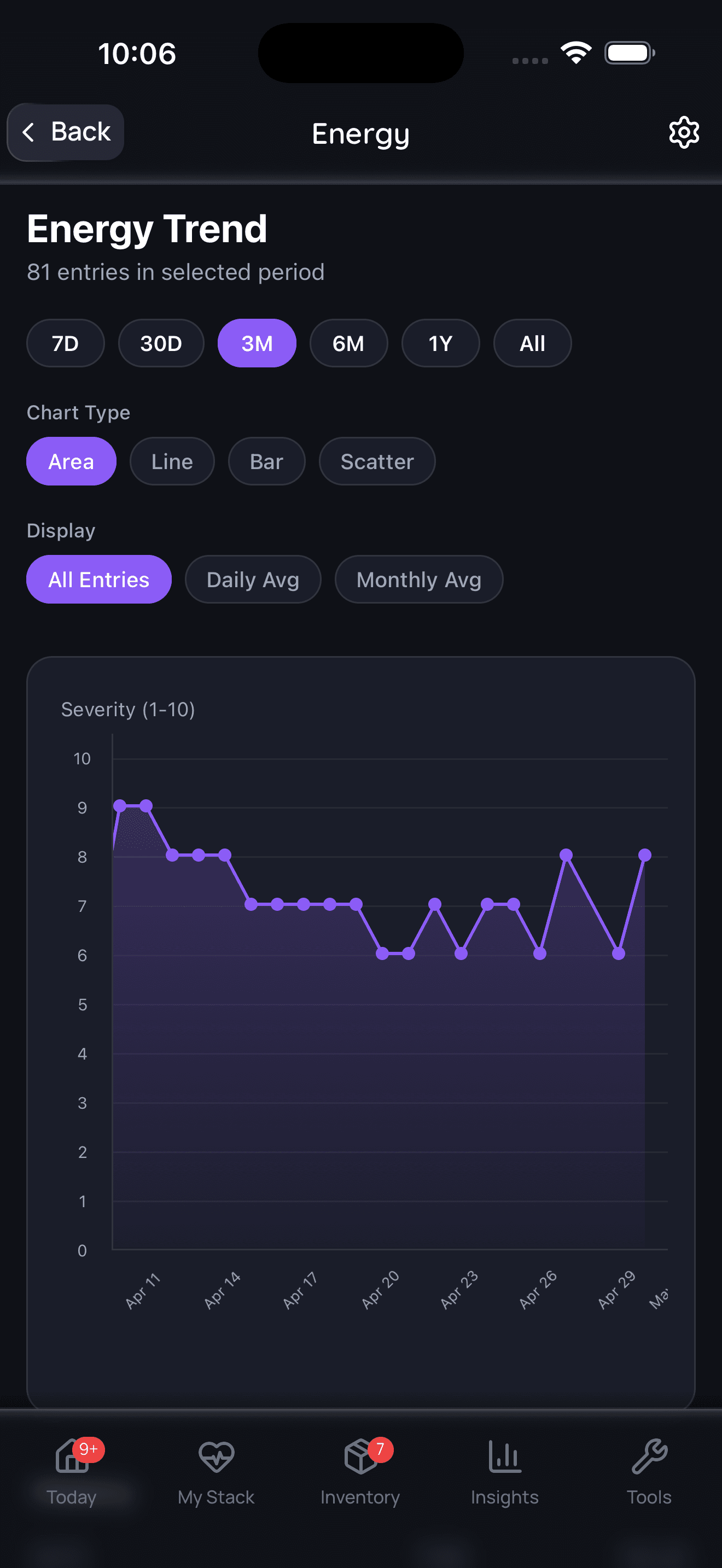
Symptom tracking is informational and should be interpreted with a qualified clinician.
Risks, Side Effects & Safety
The Basics
Clomiphene is generally well tolerated, and serious side effects are uncommon. However, it is important to understand the potential risks before starting treatment.
The most commonly discussed side effects in men are mood changes, visual disturbances, and elevated estrogen levels. Mood changes are the most frequent concern reported by men using clomiphene. These can include irritability, mood swings, depression, or anxiety. In clinical studies, these effects are reported by a minority of patients (roughly 5-10%), but they are significant enough that providers should monitor for them. If mood changes become problematic, reducing the dose or switching to enclomiphene (the isolated trans-isomer) may help.
Visual disturbances are the side effect that warrants the most caution. These can include blurred vision, floaters, flashes of light, or sensitivity to light. While uncommon (about 1.5% in clinical trials), visual symptoms are a signal to stop the medication and see an ophthalmologist promptly. In most cases, visual changes resolve after stopping clomiphene, but cases of prolonged or irreversible visual disturbance have been reported, particularly with higher doses or longer treatment duration.
Unlike testosterone therapy, clomiphene does not cause polycythemia (dangerous elevation of red blood cell counts). This is a meaningful safety advantage, as polycythemia is one of the most common reasons men on TRT need dose adjustments, route changes, or therapeutic phlebotomy. Studies of men on long-term clomiphene show no clinically significant changes in hematocrit or hemoglobin levels.
Clomiphene raises estradiol alongside testosterone, because increased testosterone is partly converted to estradiol by the aromatase enzyme. Elevated estradiol can cause breast tenderness, fluid retention, or mood effects. Your provider should monitor estradiol levels and adjust the clomiphene dose or add an aromatase inhibitor if estradiol rises above 60 pg/mL.
There is also a rare risk of venous thromboembolism (blood clots), though most reported cases have been in individuals with preexisting clotting disorders. The rate in clinical trials is less than 1%.
The Science
Common Adverse Effects (Clinical Trial Data, n=8,029):
Adverse event rates from the FDA prescribing information (predominantly female data, as male-specific trial data is limited): vasomotor flushes (10.4%), abdominal-pelvic discomfort (5.5%), nausea/vomiting (2.2%), breast discomfort (2.1%), visual symptoms (1.5%), headache (1.3%) [3].
In male-specific studies, side effect rates are lower. Khodamoradi et al. (2019) found only 8% of men on long-term clomiphene (>3 years) reported any side effects, with mood changes (n=5), blurred vision (n=3), and breast tenderness (n=2) being most common among 120 long-term users. No serious adverse events were recorded [16].
Visual Disturbances:
Ophthalmological effects include blurring, spots, flashes (scintillating scotomata), photophobia, diplopia, and in rare cases, retinal cell function changes detectable on electroretinography. These symptoms increase in incidence with higher doses and longer treatment duration. While usually reversible upon discontinuation, cases of prolonged and potentially irreversible visual disturbance have been reported in postmarketing surveillance. The mechanism is not fully understood but may involve retinal phototransduction pathway interference [3].
Hematologic Safety:
In contrast to exogenous testosterone, which stimulates erythropoiesis and frequently elevates hematocrit above 50% (with clinical concern at >54%), clomiphene does not produce clinically significant changes in hemoglobin or hematocrit. The 153-patient retrospective study reported no clinically important changes in these parameters [14]. This represents a substantial safety advantage, particularly for men at elevated cardiovascular risk where polycythemia poses additional thrombotic risk.
Estradiol Elevation:
Clomiphene increases estradiol as a downstream consequence of testosterone elevation (via peripheral aromatase conversion). Reported estradiol increases range from baseline levels to 40-80 pg/mL. The MSK clinical pathway recommends maintaining estradiol between 20-40 pg/mL and reducing the CC dose if levels exceed 60 pg/mL [13].
Thrombotic Risk:
Venous thromboembolism has been reported at a rate <1% in clinical trials, with postmarketing reports including pulmonary embolism and retinal thrombosis. Most cases occurred in patients with family thrombophilia predisposition or prior DVT history [3][13].
Bone Density Consideration:
Long-term estrogen receptor blockade raises theoretical concern about bone density loss, since estradiol plays a role in male bone health. The MSK pathway performs bone densitometry every 2 years for long-term CC users and reports no bone density changes at 3-year follow-up [13].
Tachyphylaxis:
Approximately 10% of men on clomiphene experience tachyphylaxis, defined as a diminishing testosterone response associated with reduced LH levels over time. The mechanism likely involves chronic estrogen receptor occupancy leading to receptor desensitization or downregulation. Tachyphylaxis is managed by dose adjustment or switching to exogenous testosterone [12][13].
Contraindications:
Liver disease or history of liver dysfunction, hypersensitivity to clomiphene, organic intracranial lesion (pituitary tumor), and active thromboembolic disease [3].
Understanding your personal risk profile isn't a one-time calculation; it evolves as your treatment progresses. Doserly helps you see the bigger picture by analyzing side effect patterns over time, showing whether issues are resolving, persisting, or emerging as your body adjusts to clomiphene therapy.
The app's analytics can reveal connections between side effects and specific aspects of your protocol, like whether estradiol-related symptoms correlate with a recent dose increase, or whether switching from daily to every-other-day dosing reduced mood-related symptoms. This kind of insight helps you and your provider make informed adjustments based on your actual experience, not just population-level averages.
Connect protocol changes to labs and health markers.
Doserly can keep lab results, biomarkers, symptoms, and dose history close together so follow-up conversations have better context.
Insights
Labs and trends
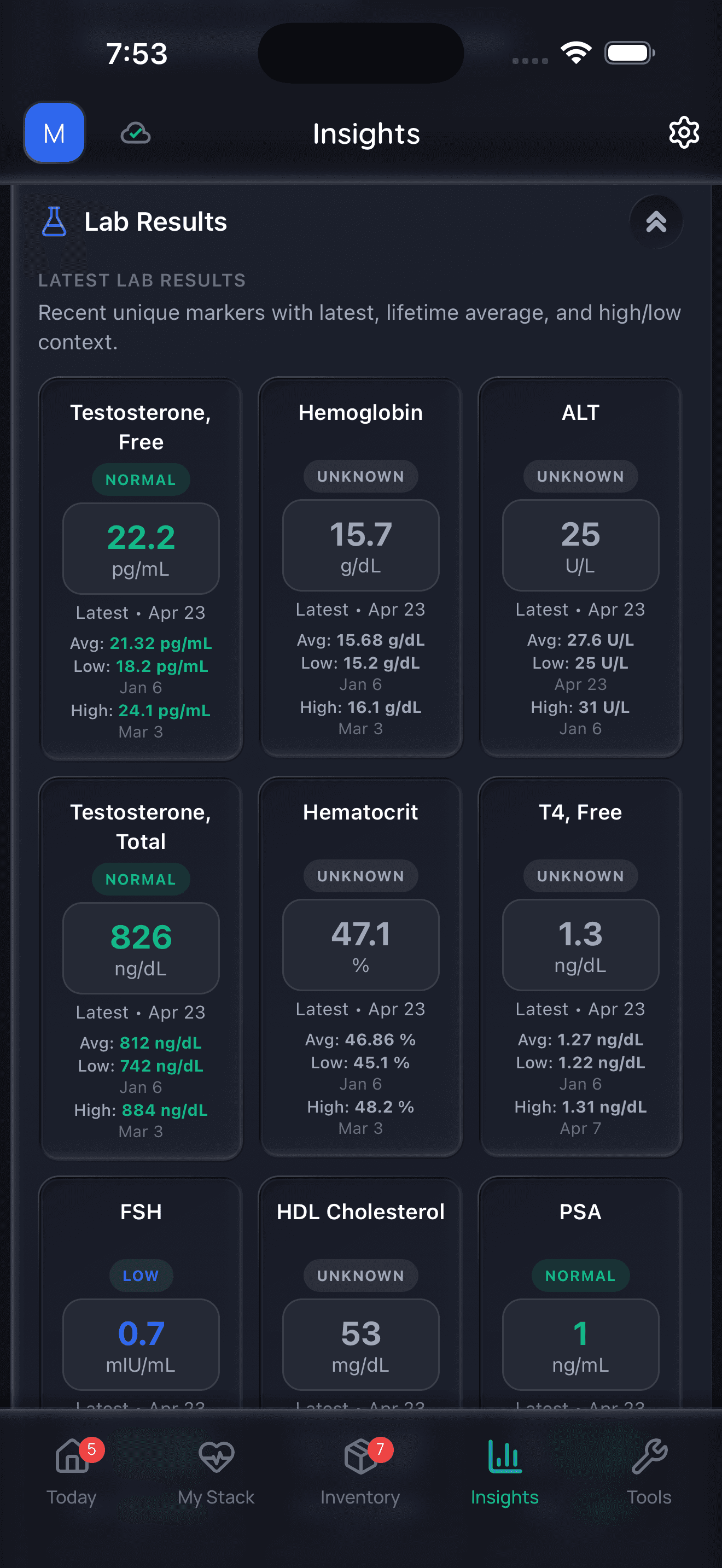
Doserly organizes data; it does not diagnose or interpret labs for you.
Dosing & Treatment Protocols
The Basics
Clomiphene dosing in men is different from the dosing used in women. For men with low testosterone, the typical starting dose is 25 mg every other day, taken by mouth as a tablet. This every-other-day schedule is preferred over daily dosing because daily use appears to carry a higher risk of the medication becoming less effective over time (a phenomenon called tachyphylaxis).
If 25 mg every other day does not raise testosterone into the therapeutic range (generally 400-600 ng/dL), the dose can be increased to 50 mg every other day. Some providers use 25 mg or 50 mg daily, though the every-other-day approach is more commonly recommended by specialists. Doses above 50 mg per day are rarely used in men and are associated with higher rates of side effects, particularly visual symptoms.
Your provider should check your testosterone level about 4 weeks after starting clomiphene to see if it is working. If your testosterone is rising and your LH level has increased, the medication is working as expected. If your LH rises but testosterone does not, your testes may not be responding adequately, and switching to testosterone therapy may be necessary.
After your testosterone reaches the therapeutic range, follow-up labs are typically done every 6 months. The monitoring panel usually includes total testosterone, free testosterone, LH, estradiol, SHBG, PSA, and a complete blood count.
One important consideration: approximately two-thirds of men achieve a robust response at the starting dose of 25 mg every other day (defined as total testosterone above 400 ng/dL with at least a 200-point improvement). The remaining third may need dose escalation.
The Science
Dosing Protocols:
No FDA-approved dosing exists for male use. Published protocols are empirically derived:
Protocol
MSK Clinical Pathway
- Dose
- 25 mg starting, up-titrate to 50 mg
- Schedule
- Every other day
- Source
- Flores et al. 2023 [13]
Protocol
AUA Referenced Protocols
- Dose
- 25-50 mg
- Schedule
- Daily or every other day
- Source
- AUA Guideline 2024 [1]
Protocol
Retrospective Studies
- Dose
- 25-50 mg
- Schedule
- Every other day
- Source
- Huijben 2023, Khodamoradi 2019 [14][16]
Protocol
Late-Onset Hypogonadism
- Dose
- 50 mg
- Schedule
- Every other day
- Source
- Tsujimura 2025 [17]
Response Assessment:
Testosterone monitoring should occur at 4-week intervals until therapeutic levels are achieved. The on-treatment panel should include: Total T, Free T, LH, SHBG, Estradiol, PSA, and CBC. On-treatment LH informs whether the pituitary is responding (LH rise) or not (no/minimal LH rise). If T remains low despite LH elevation, testicular dysfunction is present and dose escalation will not help [12][13].
Response Rates:
Approximately 66% of men achieve robust response (TT >400 ng/dL with 200+ point improvement) on 25 mg EOD. Up-titration permits most non-responders to reach adequate levels. Overall biochemical response rates range from 88-89% across studies [14][16].
What to Expect (Timeline)
Days 1-7: No noticeable changes expected. The medication is beginning to block estrogen receptors in the hypothalamus. Any perceived changes in the first few days are likely placebo effect.
Weeks 2-4: GnRH, LH, and FSH begin rising. Testosterone levels start to increase. Some men may begin to notice subtle improvements in energy or mood. First lab check typically occurs at week 4 to assess hormonal response.
Months 1-3: Testosterone levels reach steady state for most men. Symptom improvements become more noticeable: energy, motivation, and libido changes are often reported first. If mood side effects are going to occur, they typically manifest during this period as well. Sperm production begins to improve (though full spermatogenic cycle is approximately 74 days).
Months 3-6: Full therapeutic effect becomes apparent. Sexual function improvements stabilize. Body composition changes (if any) may begin to appear. Estradiol levels should be monitored and managed if elevated. Tachyphylaxis, if it occurs, typically becomes apparent during this period as a declining testosterone level despite stable dosing.
Months 6-12: Long-term response pattern is established. Most men who respond well to clomiphene will have stable, consistent testosterone levels by this point. Semen parameters should be significantly improved in men using CC for fertility.
Ongoing maintenance: Clomiphene can be continued long-term. Published data support safety and efficacy for at least 3-5 years, with one study showing sustained testosterone elevation at 8 years. Monitoring every 6 months includes testosterone, LH, estradiol, CBC, and PSA. Periodic bone density assessment (every 2 years) is recommended by some experts for long-term users.
Realistic expectations: Not everyone responds equally. Roughly 10-12% of men will not achieve adequate testosterone levels on clomiphene, usually because of underlying testicular dysfunction. For these men, switching to exogenous testosterone is appropriate. Additionally, some men who achieve good laboratory numbers still feel better on exogenous testosterone than on clomiphene, possibly due to differences in peak testosterone levels or the effects of estrogen receptor blockade on brain function.
Fertility Preservation & HPG Axis
Fertility preservation is the primary clinical advantage of clomiphene citrate over exogenous testosterone therapy. This distinction is so fundamental that it drives most treatment decisions about when to use clomiphene versus TRT.
Why Clomiphene Preserves Fertility:
Exogenous testosterone suppresses the HPG axis through negative feedback on GnRH, LH, and FSH. The resulting decline in intratesticular testosterone (normally 40-100 times higher than serum levels) impairs Sertoli cell function and spermatogenesis. Approximately 40-60% of men on TRT achieve azoospermia by 6 months, with the remainder typically showing severe oligospermia [6][10].
Clomiphene does the opposite: by increasing LH and FSH, it maintains or enhances intratesticular testosterone levels and directly supports spermatogenesis. The 2025 meta-analysis showed favorable sperm concentration outcomes with SERM therapy compared to testosterone gel [8].
Clinical Guideline Recommendations:
The AUA/ASRM guideline states unequivocally: "For the male interested in current or future fertility, clinicians should not prescribe exogenous testosterone therapy" (Clinical Principle). The guideline recommends SERMs (including clomiphene) as a pharmacological alternative for these patients [1][2].
Sperm Recovery After TRT:
For men who have been on TRT and wish to recover fertility, clomiphene (sometimes combined with HCG) is commonly used as part of a recovery protocol. Recovery of spermatogenesis is variable (6-24+ months), not guaranteed, and depends on duration of TRT use, age, pre-TRT testicular function, and whether HCG was used during TRT.
Sperm Banking Recommendation:
Regardless of treatment choice, men of reproductive age should be counseled about sperm banking before starting any hormonal therapy. This applies to clomiphene as well, not because CC suppresses sperm production, but because the underlying condition (hypogonadism) may worsen with age, potentially affecting future fertility.
Primary vs Secondary Hypogonadism Implications:
Men with primary hypogonadism (testicular failure) have limited capacity to respond to clomiphene or any gonadotropin stimulation. Fertility counseling should emphasize that if the testes cannot produce adequate testosterone in response to LH, they are also unlikely to produce adequate sperm. For these men, options include donor sperm, adoption, or assisted reproductive technologies with surgically retrieved sperm (if viable spermatogenesis exists in pockets of the testis).
Interactions & Compatibility
Drug-Drug Interactions:
The DailyMed prescribing information states: "Drug interactions with clomiphene citrate have not been documented" [3]. However, clinical consideration should be given to:
- Aromatase inhibitors (anastrozole): Sometimes co-prescribed to manage estradiol elevation on CC. The MSK pathway uses AI when CC dose reduction alone does not normalize estradiol. Long-term AI use raises bone density concerns [13]. See Anastrozole (Arimidex).
- HCG: CC and HCG can be used in combination, with CC addressing central signaling and HCG providing direct Leydig cell stimulation. The 2025 meta-analysis found that combined SERM+HCG produced higher testosterone than HCG alone [8]. See Human Chorionic Gonadotropin (HCG).
- Exogenous testosterone: CC is not typically used concurrently with TRT, as exogenous T would suppress the HPG axis that CC is attempting to stimulate.
- 5-alpha reductase inhibitors (finasteride, dutasteride): These block DHT conversion. Theoretical interaction with CC's mechanism, but no clinical data on co-administration in hypogonadal men.
- Opioids: Opioids suppress the HPG axis and may be the underlying cause of secondary hypogonadism. Opioid taper should be considered before or alongside CC initiation.
Supplement Interactions:
- DHEA: Additive androgenic effects; CC already raises endogenous testosterone, so supplemental DHEA may be unnecessary
- Boron: May increase free testosterone by reducing SHBG; could theoretically complement CC
- Zinc: Supports testosterone production and may support CC's mechanism
- DIM (diindolylmethane): May modulate estrogen metabolism; sometimes used alongside CC to manage estrogen-related symptoms
Lifestyle Factors:
- Alcohol: Suppresses testosterone production and increases aromatization; may reduce CC effectiveness
- Exercise: Resistance training is synergistic with CC's testosterone-elevating effects
- Sleep: Critical for testosterone production; adequate sleep optimizes CC response
- Body composition: Excess adipose tissue increases aromatase activity and estrogen production; weight loss may improve CC response and reduce estradiol elevation
Cross-links: See Enclomiphene Citrate for comparison with the isolated trans-isomer. See Gonadorelin for another HPG axis-targeting approach. See Fertility Preservation on TRT for a comprehensive overview.
Decision-Making Framework
Deciding whether clomiphene is the right treatment requires understanding where it fits in the landscape of options for men with low testosterone.
When Clomiphene Is a Strong Candidate:
- Men with secondary (functional) hypogonadism and baseline LH below 6 IU/mL
- Men who want to preserve fertility or may want children in the future
- Men who prefer to avoid injections and topical medications
- Men concerned about testicular atrophy on TRT
- Men who want to avoid the polycythemia risk associated with exogenous testosterone
- Younger men (under 40) where long-term TRT commitment is premature
When Clomiphene Is Less Appropriate:
- Primary hypogonadism (testicular failure) with elevated baseline LH
- Men who have failed clomiphene trial (no testosterone response or intolerable side effects)
- Men with liver disease or history of liver dysfunction
- Men with history of retinal disease, cataracts, or significant visual impairment
- Men with personal or family history of venous thromboembolism
- Men seeking the most robust testosterone elevation (injectable T typically achieves higher levels)
Questions to Ask Your Provider:
- "Is my low testosterone due to a problem with my brain signaling (secondary) or my testes themselves (primary)? What do my LH levels suggest?"
- "Am I a candidate for clomiphene based on my LH level and fertility goals?"
- "What monitoring schedule would you recommend, and what estradiol level would prompt a dose change?"
- "If clomiphene does not work for me, what would the next step be?"
- "Are there any concerns about using clomiphene long-term given my health history?"
Finding a Qualified Provider:
Urologists with andrology expertise, reproductive endocrinologists, and some endocrinologists are most familiar with clomiphene use in men. Men's health clinics that offer TRT may also prescribe clomiphene as a first-line option. When evaluating a provider, ask whether they monitor LH and estradiol (not just testosterone) during clomiphene treatment, as this indicates familiarity with SERM management.
Shared decision-making works best when both you and your provider have good data. Doserly gives you a personalized health picture that makes treatment discussions more meaningful, covering your symptoms, their severity, how they've changed over time, and how they connect to your current protocol and lab values.
Whether you're evaluating whether to start clomiphene, considering a switch to TRT or enclomiphene, or discussing whether it's time to adjust your dose based on lab values, having your own tracked data alongside the clinical evidence puts you in a stronger position to make decisions that reflect your individual experience and goals.
Keep side effects, flags, and follow-up notes visible.
Doserly helps you document safety observations, side effects, medication changes, and follow-up questions so important context is not scattered.
Safety log
Flags and notes
Safety notes are not emergency guidance; seek medical help when appropriate.
Administration & Practical Guide
Clomiphene is an oral medication, making its administration straightforward compared to injectable or topical testosterone formulations.
Oral Administration:
- Take the prescribed dose (typically one 50 mg tablet or half-tablet for 25 mg) with or without food
- Every-other-day dosing is preferred by most specialists. Some men set alternating calendar reminders
- Consistent timing (same time of day) may optimize hormonal response, though this has not been formally studied
- If a dose is missed, take it when remembered unless it is close to the next scheduled dose. Do not double up
- Tablets can be split in half (scored) to achieve 25 mg dosing
Storage:
- Store at controlled room temperature (15-30°C / 59-86°F)
- Protect from heat, light, and excessive humidity
- Keep in closed containers
Practical Tips:
- Some men find it helpful to pair clomiphene dosing with another routine activity (morning coffee, evening routine) on dosing days
- Keep a log of dosing days to track adherence, especially with every-other-day scheduling
- If visual symptoms occur at any point (blurring, floaters, light flashes), stop taking the medication and contact your provider
Monitoring & Lab Work
Pre-Treatment Baseline Labs:
- Total testosterone (two morning draws, before 10 AM)
- Free testosterone (calculated or equilibrium dialysis)
- LH (critical for candidacy assessment; >6 IU/mL suggests primary hypogonadism)
- FSH
- Estradiol
- SHBG
- CBC with hematocrit
- PSA (age-appropriate)
- Comprehensive metabolic panel (liver function)
- DEXA scan (bone density baseline, recommended by MSK pathway)
- Semen analysis (if fertility is a treatment goal)
Initial Follow-Up (4 Weeks):
- Total T, Free T, LH, SHBG, Estradiol, PSA, CBC
- Assess: Has LH risen? Has testosterone risen? Is estradiol elevated?
- Clinical symptom assessment and side effect screening (especially mood and visual symptoms)
Dose Optimization Phase (Every 4 Weeks Until Stable):
- Continue monitoring until therapeutic testosterone levels are achieved
- If LH rises but T does not: suspect testicular dysfunction; consider switching to TRT
- If LH does not rise: consider dose increase (25 mg to 50 mg EOD)
- If estradiol exceeds 60 pg/mL: reduce CC dose first; add aromatase inhibitor if needed
Ongoing Monitoring (Every 6 Months After Stabilization):
- Total T, Free T, LH, Estradiol, SHBG, PSA, CBC
- Symptom reassessment
- Side effect screening (mood, visual symptoms)
- Semen analysis (if fertility is an ongoing goal)
Periodic Assessments:
- Bone densitometry (DEXA): every 2 years for long-term users (recommended by MSK pathway)
- Comprehensive metabolic panel: annually (liver function)
Estrogen Management on TRT
This section is less directly applicable to clomiphene than to exogenous testosterone, but estrogen management is still relevant because CC raises estradiol as a downstream effect of testosterone elevation.
Why Estradiol Rises on Clomiphene:
Clomiphene increases testosterone production. A portion of this testosterone is converted to estradiol by the aromatase enzyme, primarily in adipose tissue. Unlike exogenous testosterone, which also raises estradiol, clomiphene has an additional complication: it simultaneously blocks estrogen receptors. This means that the brain cannot "see" the rising estrogen, which is actually the mechanism by which CC works. However, peripheral tissues (breast tissue, bone, cardiovascular system) are still exposed to elevated estradiol, which can produce symptoms.
When Estrogen Management Is Needed:
According to the MSK clinical pathway, estradiol should be maintained between 20-40 pg/mL during CC therapy. If levels exceed 60 pg/mL, the first intervention is reducing the CC dose. If dose reduction does not normalize estradiol, an aromatase inhibitor (typically anastrozole at low doses) may be added. In most cases, dose reduction alone is sufficient [13].
Aromatase Inhibitor Considerations:
If an AI is needed alongside CC, bone density monitoring becomes important. Estradiol plays a protective role in male bone health, and excessive suppression can lead to bone density loss, joint pain, and adverse mood effects. The MSK pathway performs periodic DEXA scans for patients on AI co-therapy.
Important Distinction from TRT Estrogen Management:
On exogenous testosterone, estrogen management is needed because exogenous T provides supraphysiological peaks that drive increased aromatization. On clomiphene, testosterone levels are physiological (not supraphysiological), so estradiol elevations are generally more modest. The need for AI co-therapy is less common with CC than with injectable testosterone.
Stopping Clomiphene / Post-Cycle Considerations
What Happens When You Stop Clomiphene:
Unlike exogenous testosterone, stopping clomiphene does not leave you in a suppressed hormonal state. Because CC works by stimulating your own HPG axis rather than replacing it, there is no "axis recovery" needed in the same way as after TRT discontinuation. When you stop taking clomiphene, the estrogen receptor blockade resolves, normal negative feedback resumes, and your testosterone typically returns to its pre-treatment baseline level over a period of weeks to months.
Why Testosterone Drops After Stopping:
If your baseline testosterone was low due to functional hypogonadism, it will return to that low level after discontinuation. Clomiphene treats the symptom (low T) but does not correct the underlying cause (hypothalamic-pituitary underactivity). This is analogous to how blood pressure medications control blood pressure without curing hypertension.
Is Clomiphene Lifelong?
For many men with functional hypogonadism, continued treatment of some kind (CC, enclomiphene, or TRT) is needed to maintain therapeutic testosterone levels. Some men use CC for a defined period (e.g., during fertility planning) and then switch to TRT when fertility is no longer a priority. Others remain on CC long-term, with published safety data supporting at least 3-5 years of continuous use [16].
Addressing Reversible Causes:
Before committing to long-term CC therapy, addressing reversible causes of secondary hypogonadism may reduce or eliminate the need for medication:
- Weight loss in obese men (adipose tissue increases aromatase activity and estrogen-mediated HPG suppression)
- Treatment of obstructive sleep apnea
- Opioid taper or discontinuation
- Stress management and sleep optimization
- Assessment for pituitary pathology (MRI if LH/FSH are very low)
Transitioning from CC to TRT:
Men who do not respond to CC, experience intolerable side effects (particularly mood), or prefer the more robust testosterone elevation provided by TRT can transition. No taper is needed when switching from CC to TRT. However, sperm banking should be discussed before starting exogenous testosterone.
CC as Recovery Agent After TRT:
Clomiphene is sometimes used to help restart the HPG axis after TRT discontinuation, functioning similarly to a "post-cycle therapy" SERM protocol. Typical protocols involve 25-50 mg daily for 4-8 weeks to stimulate LH/FSH recovery. Recovery is variable and depends on duration of prior TRT use, age, and baseline testicular function.
Special Populations & Situations
Young Men (Under 35)
Clomiphene is particularly well-suited for younger men with secondary hypogonadism because it preserves fertility, avoids the long-term commitment of TRT, and allows for reassessment as lifestyle factors (weight, sleep, stress) are optimized. The AUA guideline emphasizes that exogenous testosterone should not be prescribed for males interested in current or future fertility [1].
Obese Men
Obesity is a common cause of secondary hypogonadism through increased aromatase activity in adipose tissue, which converts testosterone to estradiol and suppresses the HPG axis. Weight loss alone may normalize testosterone in some obese men. If CC is used, higher aromatase activity may produce more pronounced estradiol elevations, potentially requiring closer monitoring or AI co-therapy. Weight loss during CC therapy may improve response by reducing the aromatase load.
Men with Prior TRT Use
Men transitioning from TRT to CC for fertility recovery require patience. The HPG axis may take weeks to months to resume normal function after TRT suppression. CC can accelerate this recovery by stimulating LH and FSH production. Response depends on residual testicular function and duration of prior TRT use.
Men with History of Depression or Anxiety
Given the reported mood side effects of clomiphene (particularly attributed to the zuclomiphene isomer), men with a history of mood disorders should be monitored more closely during the initial weeks of CC therapy. Enclomiphene (if available) may be a preferable alternative for these patients, though it is not currently FDA-approved as a standalone drug.
Men with Visual History
Men with pre-existing retinal disease, cataracts, or significant visual impairment should discuss the visual disturbance risk with their ophthalmologist before starting CC. Any visual changes during treatment require immediate discontinuation and ophthalmological evaluation.
Transgender Men (FTM)
Clomiphene is not typically used in FTM transgender individuals because the treatment goal (masculinizing testosterone levels) requires supraphysiological doses that CC cannot achieve. Exogenous testosterone is the standard of care for gender-affirming hormone therapy.
Regulatory, Insurance & International
United States:
- FDA Status: Approved only for ovulatory dysfunction in women (1967). All male use is off-label.
- DEA Schedule: Not a controlled substance (unlike testosterone, which is Schedule III)
- Prescription Status: Prescription only
- Insurance Coverage: Variable. Some insurers cover off-label CC for men; many do not cover it as a "fertility drug" or because male hypogonadism indication is off-label. Generic clomiphene is inexpensive ($20-40/month without insurance).
- Generic Availability: Widely available from multiple manufacturers. Brand Clomid and Serophene have been largely replaced by generics.
- Compounding: Not typically compounded, as the tablet formulation is adequate for male dosing (25-50 mg EOD). Half-tablets are used for 25 mg dosing.
International Availability:
Clomiphene citrate is available by prescription in most countries. Off-label use in men varies by jurisdiction. The EAU guidelines (European) recognize CC as an off-label treatment option for male hypogonadism with fertility concerns [2].
Enclomiphene Regulatory Status:
Enclomiphene (the isolated trans-isomer of clomiphene) is not FDA-approved as a standalone drug. It has been studied in clinical trials (Androxal by Repros Therapeutics) but did not receive FDA approval. Access is primarily through compounding pharmacies or research chemical suppliers, which introduces quality and purity concerns. Some international pharmacies carry enclomiphene.
Frequently Asked Questions
Q: Is clomiphene the same as testosterone replacement therapy?
A: No. Clomiphene is fundamentally different from TRT. TRT provides external testosterone, which replaces your body's natural production. Clomiphene stimulates your body to produce more of its own testosterone by blocking estrogen feedback in the brain. This preserves fertility and the HPG axis.
Q: Why isn't clomiphene FDA-approved for men?
A: Clomiphene was developed and approved in the 1960s for female ovulatory dysfunction. Pursuing a new FDA indication for male hypogonadism would require expensive clinical trials, and since the drug is generic (off-patent), no manufacturer has financial incentive to fund this process. Off-label use in men is supported by clinical evidence and recommended by the AUA and EAU guidelines.
Q: Will clomiphene affect my fertility?
A: Clomiphene preserves and may improve fertility. Unlike exogenous testosterone, which suppresses sperm production, clomiphene raises FSH, which supports spermatogenesis. This is the primary reason many providers choose CC for men of reproductive age.
Q: What are the most common side effects in men?
A: The most commonly reported side effects in men are mood changes (irritability, depression, anxiety), visual disturbances (blurring, floaters), hot flashes, breast tenderness, and headache. Most are mild and resolve with dose adjustment or discontinuation.
Q: How long does it take for clomiphene to work?
A: Testosterone levels typically begin to rise within 2-4 weeks. Full symptom improvement may take 2-3 months. Lab monitoring at 4 weeks helps assess response.
Q: Can I take clomiphene with TRT?
A: Generally no. Exogenous testosterone suppresses the HPG axis, which is what clomiphene is trying to stimulate. Using them together is counterproductive. HCG is sometimes used alongside CC for synergistic effect instead.
Q: Is enclomiphene better than clomiphene?
A: Enclomiphene is the isolated antiestrogen isomer of clomiphene. Some evidence and community experience suggest it may have fewer mood-related side effects (since it lacks the zuclomiphene isomer). However, enclomiphene is not FDA-approved and availability is limited. Clinical data comparing the two directly in men is limited.
Q: What if clomiphene doesn't work for me?
A: If your LH rises but testosterone does not, your testes may not be responding adequately (primary component to your hypogonadism). If neither LH nor testosterone rises, a dose increase may help. If CC fails entirely, exogenous testosterone therapy is the next option.
Q: Can clomiphene cause permanent side effects?
A: Most side effects are reversible upon discontinuation. The exception is visual disturbances: cases of prolonged or potentially irreversible visual changes have been reported, though they are rare and primarily associated with higher doses or longer treatment courses.
Q: Is clomiphene safe for long-term use?
A: Published data support safety for at least 3-5 years, with one study showing sustained efficacy and safety at more than 5 years of continuous use. Long-term monitoring of testosterone, estradiol, bone density, and visual symptoms is recommended.
Q: Do I need to cycle clomiphene?
A: There is no established need to cycle CC in men. It is typically used continuously. Some providers use intermittent protocols, but the most common approach is daily or every-other-day dosing without breaks.
Q: Will clomiphene raise my estrogen?
A: Yes. By raising testosterone, CC indirectly raises estradiol (since testosterone is partially converted to estradiol by aromatase). Your provider should monitor estradiol levels and manage if they become elevated above 60 pg/mL.
Myth vs. Fact
Myth: "Clomiphene is only for women."
Fact: Clomiphene was originally developed and FDA-approved for female ovulatory dysfunction, but it has been used off-label in men for decades. Both the AUA and EAU guidelines recognize CC as a treatment option for male hypogonadism, particularly in men who want to preserve fertility. Its mechanism of action (stimulating endogenous testosterone production via HPG axis activation) is well-established in male physiology [1][2].
Myth: "Clomiphene doesn't work as well as testosterone."
Fact: This depends on how "working" is defined. For achieving very high testosterone levels (800+ ng/dL), exogenous testosterone is more reliable. However, the 2025 meta-analysis found that SERM therapy achieved comparable total testosterone levels to testosterone gel, and 74-88% of men achieve eugonadism on CC [8][14][16]. For men whose goal is normalized testosterone with preserved fertility, CC can be equally effective.
Myth: "Everyone feels terrible on Clomid."
Fact: Clinical studies consistently show that side effects occur in a minority of men (8% in the largest long-term study). The community perception of widespread mood issues is amplified by negative experience bias: men who have bad experiences are more likely to post about them. Clinical data and the positive user reports that do exist suggest that most men tolerate CC well [16].
Myth: "Clomiphene causes vision loss."
Fact: Visual disturbances occur in approximately 1.5% of users in clinical trials. While prolonged or irreversible visual changes have been reported (particularly at higher doses), they are rare. Most visual symptoms resolve after discontinuation. However, any visual changes should be taken seriously and prompt immediate discontinuation and ophthalmological evaluation [3].
Myth: "Clomiphene stops working after a few months."
Fact: Tachyphylaxis (reduced response over time) occurs in approximately 10% of users. For the remaining 90%, CC maintains its effectiveness long-term. Published data demonstrate sustained testosterone elevation for at least 3-8 years of continuous therapy [14][16].
Myth: "Clomiphene is a controlled substance like testosterone."
Fact: Clomiphene is NOT a controlled substance. It is a prescription medication without DEA scheduling. This means fewer restrictions on prescribing, refills, and travel compared to testosterone, which is Schedule III. This also means fewer insurance barriers related to controlled substance management.
Myth: "You can just switch from TRT to Clomid and feel the same."
Fact: Many men report feeling subjectively better on exogenous testosterone than on CC, even when laboratory testosterone levels are similar. This may be because injectable testosterone produces higher peak levels, CC blocks estrogen receptors in the brain (affecting mood and cognition), or the zuclomiphene isomer has direct mood effects. Transitioning expectations should be realistic [11].
Myth: "Clomiphene is unsafe for long-term use."
Fact: The largest long-term study (400 men, up to 5+ years) found no serious adverse events. Safety monitoring (including bone density, liver function, and visual assessment) is recommended, but the available data do not support concerns about long-term harm when properly monitored [16].
Sources & References
Clinical Guidelines
[1] Mulhall JP, Trost LW, Brannigan RE, et al. Evaluation and management of testosterone deficiency: AUA guideline. J Urol. 2018;200:423-432. Updated 2024. https://www.auanet.org/guidelines-and-quality/guidelines/testosterone-deficiency-guideline
[2] Salonia A, Bettocchi C, Boeri L, et al. European Association of Urology guidelines on sexual and reproductive health, 2021 update: male sexual dysfunction. Eur Urol. 2021;80:333-357.
Prescribing Information
[3] Clomid (clomiphene citrate) Tablets, USP. Prescribing Information. Cosette Pharmaceuticals, Inc. Revised 01/2025. DailyMed. https://dailymed.nlm.nih.gov/dailymed/fda/fdaDrugXsl.cfm?setid=2ca373c1-4dba-4126-8616-5c533d606fe5
Pharmacology & Mechanism
[4] Pelusi C, Fanelli F, Baccini M, et al. Effect of clomiphene citrate treatment on the Sertoli cells of dysmetabolic obese men with low testosterone levels. Clin Endocrinol. 2020;92:38-45.
[5] Hsueh AJ, Erickson GF, Yen SS. Sensitisation of pituitary cells to luteinising hormone releasing hormone by clomiphene citrate in vitro. Nature. 1978;273:57-59.
HPG Axis & Fertility
[6] Bhasin S, Brito JP, Cunningham GR, et al. Testosterone therapy in men with hypogonadism: an Endocrine Society clinical practice guideline. J Clin Endocrinol Metab. 2018;103:1715-1744.
[7] Mbi Feh MK, Wadhwa R. Clomiphene. StatPearls Publishing; 2022.
Systematic Reviews & Meta-Analyses
[8] Hohl A, Chavez MP, Pasqualotto E, et al. Clomiphene or enclomiphene citrate for the treatment of male hypogonadism: a systematic review and meta-analysis of randomized controlled trials. Arch Endocrinol Metab. 2025;69(5):e250093.
[9] Wheeler KM, Sharma D, Kavoussi PK, Smith RP, Costabile R. Clomiphene citrate for the treatment of hypogonadism. Sex Med Rev. 2019;7:272-276.
[10] AUA/ASRM Guideline: Diagnosis and Treatment of Infertility in Men (2020; Amended 2024). https://www.auanet.org/guidelines-and-quality/guidelines/male-infertility
Observational Studies
[11] Lockie AWC, Grice P, Mathur R, et al. Diagnosis and treatment of hypogonadism in men seeking to preserve fertility: what are the options? Int J Impot Res. 2025;37:109-113.
[12] Mazzola CR, Katz DJ, Loghmanieh N, Nelson CJ, Mulhall JP. Predicting biochemical response to clomiphene citrate in men with hypogonadism. J Sex Med. 2014;11:2302-2307.
[13] Flores JM, Salter CA, Mulhall JP. Clomiphene citrate therapy for testosterone deficiency: a proposed clinical care pathway. J Sex Med. 2023;20(5):588-590.
[14] Huijben M, Lock M, de Kemp VF, Beck JJH, De Kort LMO, van Breda HMK. Clomiphene citrate: a potential alternative for testosterone therapy in hypogonadal males. Endocrinol Diabetes Metab. 2023;6:e416.
[15] Huijben M, Lock M, de Kemp VF, de Kort LMO, van Breda HMK. Clomiphene citrate for men with hypogonadism: a systematic review and meta-analysis. Andrology. 2022;10:451-469.
[16] Khodamoradi K, Khosravizadeh Z, Parmar M, et al. Long-term safety and efficacy of clomiphene citrate for the treatment of hypogonadism. J Urol. 2019;202(5):1029-1035.
[17] Tsujimura A, et al. Efficacy and safety of clomiphene citrate for late-onset hypogonadism. 2025. PMID: 41250569.
Government/Institutional Sources
[18] Guo DP, Zlatev DV, Li S, Baker LC, Eisenberg ML. Demographics, usage patterns, and safety of male users of clomiphene in the United States. World J Mens Health. 2020;38:220-225.
Related Guides & Cross-Links
Same Category (Ancillary: Fertility & HPG Axis)
- Human Chorionic Gonadotropin (HCG) — LH receptor agonist for fertility preservation on TRT
- Gonadorelin — GnRH analog for HPG axis stimulation
- Enclomiphene Citrate — Isolated trans-isomer of clomiphene; may have fewer mood effects
Related Treatment Options
- Testosterone Cypionate (Depo-Testosterone) — Most common injectable TRT
- Testosterone Gel (AndroGel) — Topical TRT option
- Intranasal Testosterone (Natesto) — Nasal TRT with possibly less HPG suppression
Ancillary: Estrogen Management
- Anastrozole (Arimidex) — Aromatase inhibitor sometimes co-prescribed with CC
- Tamoxifen (Nolvadex) — Alternative SERM, sometimes used for gynecomastia
Treatment Overview Guides
- Fertility Preservation on TRT — Comprehensive fertility guide
- Estrogen Management on TRT — Estrogen monitoring and management
- TRT for Beginners — Overview of all treatment options
Conditions & Causes
- Secondary Hypogonadism — The primary condition CC treats
- Late-Onset Hypogonadism (Age-Related) — Age-related low T
- Obesity-Related Hypogonadism — Weight as a driver of secondary hypogonadism
Educational Guides
- TRT Blood Work Guide — Understanding lab monitoring
- Stopping TRT & Post-Cycle Recovery — Discontinuation and recovery