
Obesity-Related Hypogonadism
On this page
Quick Reference Card
Attribute
Condition Name
- Value
- Obesity-Related Hypogonadism (Male Obesity-Related Secondary Hypogonadism, MOSH)
Attribute
ICD-10 Code(s)
- Value
- E29.1 (Testicular hypofunction), E66.x (Obesity)
Attribute
Definition
- Value
- Functional hypogonadotropic hypogonadism caused by excess adiposity, characterized by low testosterone with inappropriately normal or low gonadotropins
Attribute
Classification
- Value
- Secondary (hypogonadotropic) hypogonadism; Functional (not organic)
Attribute
Prevalence
- Value
- 30-50% of men with obesity (BMI >= 30); 8.7-fold higher risk compared to normal-weight men
Attribute
Diagnostic Criteria
- Value
- BMI >= 30 + clinical symptoms + morning total T < 300 ng/dL on 2 occasions + low/normal LH/FSH + no other identifiable cause
Attribute
Testosterone Thresholds
- Value
- Total T < 300 ng/dL (AUA), < 264 ng/dL (Endocrine Society), with confirmatory free T if SHBG confounded
Attribute
Key Differentiator
- Value
- Potentially reversible with weight loss (unlike organic hypogonadism)
Attribute
First-Line Treatment
- Value
- Lifestyle modification (weight loss through diet, exercise, behavioral changes)
Attribute
Second-Line Treatment
- Value
- Anti-obesity medications (GLP-1 RAs: semaglutide, tirzepatide), bariatric surgery
Attribute
Third-Line Treatment
- Value
- Testosterone replacement therapy (if lifestyle/weight loss measures fail)
Attribute
Key Biomarkers
- Value
- Total testosterone, free testosterone, LH, FSH, estradiol, SHBG, HbA1c, fasting insulin, hematocrit, PSA
Attribute
When to Seek Help
- Value
- Persistent fatigue, low libido, erectile dysfunction, depression, and/or difficulty losing weight despite effort
Overview / What Is Obesity-Related Hypogonadism?
The Basics
If you are carrying significant extra weight and experiencing symptoms like persistent fatigue, low sex drive, difficulty building muscle, or depressed mood, there may be a connection between these two problems that goes deeper than you realize. Obesity-related hypogonadism is a condition where excess body fat actively suppresses your body's ability to produce testosterone. It creates a frustrating loop: low testosterone makes it harder to lose weight, and carrying extra weight drives your testosterone even lower.
This is not the same as the testosterone decline that happens naturally with aging. Obesity-related hypogonadism is a specific, recognized medical condition that results from how excess fat tissue interacts with your hormonal system. The good news is that it is classified as "functional" hypogonadism, meaning that unlike conditions where the testes or pituitary gland are permanently damaged, the suppression can often be reversed. For many men, meaningful weight loss restores testosterone levels without requiring lifelong medication.
The condition goes by several names in medical literature, including Male Obesity-Related Secondary Hypogonadism (MOSH), functional hypogonadism, and obesity-associated hypogonadotropic hypogonadism. Regardless of the terminology, the core problem is the same: your brain's signaling system that tells your testes to produce testosterone is being disrupted by the metabolic consequences of excess body fat.
Understanding this condition matters because the treatment approach differs from other forms of low testosterone. While testosterone replacement therapy (TRT) is effective, clinical guidelines consistently recommend addressing the obesity itself as the first step. For some men, weight loss alone normalizes testosterone levels. For others, TRT may serve as a bridge therapy that provides enough energy and motivation to pursue the lifestyle changes needed for sustained improvement.
The Science
Obesity-related hypogonadism is classified as functional hypogonadotropic hypogonadism, defined by low serum testosterone concentrations with inappropriately normal or low gonadotropins (LH and FSH) in the setting of obesity (BMI >= 30 kg/m2), in the absence of organic hypothalamic-pituitary pathology [1][2].
The condition represents the most common cause of secondary hypogonadism in adult men. Epidemiological data from the European Male Ageing Study (EMAS) demonstrated that obesity is the single most significant risk factor for testosterone deficiency, with a BMI > 30 kg/m2 conferring an 8.7-fold higher risk of hypogonadism compared to normal-weight men [1]. The Endocrine Society estimates that 30-50% of men with obesity or type 2 diabetes have hypogonadism [3]. Notably, only 0.6% of healthy men and 0.4% of lean men in the EMAS developed functional hypogonadism, underscoring the causal role of adiposity [1].
The distinction between functional and organic hypogonadism has direct clinical implications. Unlike structural causes of hypogonadism (Klinefelter syndrome, pituitary tumors, prior chemotherapy), functional hypogonadism in obesity is potentially reversible with treatment of the underlying metabolic condition. This reversibility is supported by a meta-analysis of 24 trials demonstrating significant testosterone increases following both caloric restriction (mean TT increase: 2.87 nmol/L) and bariatric surgery (mean TT increase: 8.73 nmol/L, approximately three times greater), with the degree of weight loss being the strongest predictor of testosterone recovery [4].
Medical / Chemical Identity
Condition Name: Obesity-Related Hypogonadism (Male Obesity-Related Secondary Hypogonadism, MOSH)
ICD-10 Codes:
- E29.1: Testicular hypofunction
- E66.01: Morbid (severe) obesity due to excess calories
- E66.09: Other obesity due to excess calories
- E66.9: Obesity, unspecified
Diagnostic Classification:
- Secondary (central/hypogonadotropic) hypogonadism
- Functional (non-organic, potentially reversible)
- Hypothalamic defect (GnRH neuron suppression), not pituitary
Diagnostic Criteria (Composite from Endocrine Society/AUA):
- BMI >= 30 kg/m2
- Signs/symptoms consistent with testosterone deficiency
- Morning total testosterone < 300 ng/dL (AUA) or below local lab lower limit (Endocrine Society) on at least 2 separate early morning (7-10 AM) measurements
- Low or inappropriately normal LH and FSH (indicating secondary rather than primary hypogonadism)
- Exclusion of other causes: pituitary pathology (prolactinoma, other tumors), medications (opioids, glucocorticoids), Klinefelter syndrome, hemochromatosis
Testosterone Threshold Controversy:
Key Note for Obese Men: SHBG is typically reduced in obesity, which lowers total testosterone independent of actual androgenic activity. Free testosterone measurement (by equilibrium dialysis or calculated using a reliable formula) is recommended when BMI > 30, as total testosterone alone may overestimate the severity of hypogonadism in obese men [3][5].
Mechanism of Action / Pathophysiology
The Basics
To understand why obesity causes low testosterone, it helps to know how your body normally manages testosterone production. Your brain runs a feedback system involving three players: the hypothalamus (the control center), the pituitary gland (the relay station), and the testes (the factory). The hypothalamus sends a signal (GnRH) to the pituitary, which sends signals (LH and FSH) to the testes, which produce testosterone. When testosterone levels are adequate, the brain receives that feedback and dials back the signal. This is called the HPG axis.
In obesity, several things go wrong with this system simultaneously, creating a perfect storm of hormonal disruption:
First, fat tissue is not just storage. It is an active hormonal organ. Fat cells contain an enzyme called aromatase that converts testosterone into estradiol (a form of estrogen). The more fat tissue you carry, the more aromatase activity you have, and the more of your testosterone gets converted to estrogen. That excess estrogen then tells your brain to produce even less testosterone, because the brain interprets high estrogen as a signal that enough sex hormones are circulating.
Second, obesity creates leptin resistance. Leptin is a hormone produced by fat cells that normally helps regulate appetite and plays a role in reproductive signaling. In obesity, leptin levels are chronically elevated, and the brain stops responding appropriately. This disrupts the kisspeptin neurons in the hypothalamus, which are critical for triggering testosterone production.
Third, the insulin resistance that accompanies obesity reduces the liver's production of SHBG (sex hormone-binding globulin), a protein that carries testosterone in the blood. Lower SHBG means lower total testosterone on lab tests, though in some cases the free (active) testosterone may be less affected.
Fourth, chronic inflammation from excess fat tissue (involving cytokines like TNF-alpha, IL-1, and IL-6) directly suppresses both the brain's signaling centers and the testes' ability to produce testosterone.
The result is a vicious cycle: obesity causes low testosterone, and low testosterone makes it easier to gain fat and harder to build muscle, which worsens the obesity. This bidirectional relationship is often described as the "hypogonadal-obesity cycle" and is why the condition requires an approach that addresses both problems simultaneously.
The Science
The pathophysiology of MOSH involves multiple interconnected mechanisms converging on suppression of the hypothalamic-pituitary-gonadal (HPG) axis at the hypothalamic level [1][2]:
1. Excess Aromatase Activity (Testosterone-Estradiol Shunt)
Adipose tissue, particularly visceral fat, expresses high levels of aromatase (CYP19A1), which catalyzes the irreversible conversion of testosterone to 17-beta-estradiol. The resulting hyperestrogenism exerts negative feedback on hypothalamic GnRH pulse frequency and pituitary LH secretion, suppressing gonadotropin-driven testicular testosterone production. This mechanism, originally proposed by Cohen as the "hypogonadal-obesity hypothesis," is considered the primary driver of MOSH [1][6].
2. Leptin Resistance and Kisspeptin Disruption
Leptin, an adipokine produced in proportion to fat mass, normally stimulates kisspeptin neurons in the arcuate and periventricular nuclei of the hypothalamus, which in turn activate GnRH neurons. In obesity, chronic hyperleptinaemia leads to central leptin resistance, impairing kisspeptin signaling and reducing GnRH pulse amplitude. This represents a hypothalamic defect, as MOSH patients demonstrate preserved LH and FSH responses to exogenous GnRH stimulation, indicating intact pituitary function [1][2].
3. Insulin Resistance and Hyperinsulinemia
Obesity-associated insulin resistance produces compensatory hyperinsulinemia, which suppresses hepatic SHBG synthesis. Reduced SHBG lowers total testosterone measurements, though the reduction in bioavailable testosterone may be less pronounced. Hyperinsulinemia also directly impairs Leydig cell function and may suppress GnRH neurons independently of estrogen-mediated feedback [1][2].
4. Pro-inflammatory Cytokine Suppression
Expanded visceral adipose tissue produces elevated levels of TNF-alpha, IL-1, and IL-6, which suppress GnRH neuron function and directly impair Leydig cell steroidogenesis. This inflammatory milieu represents an extension of Cohen's hypothesis, termed the "hypogonadal-obesity-adipocytokine hypothesis" [1].
5. Sleep Apnea-Mediated Suppression
Obstructive sleep apnea (OSA), prevalent in 40-70% of obese men, independently suppresses testosterone production through intermittent hypoxia-induced disruption of the hypothalamic-pituitary axis, fragmentation of slow-wave sleep (during which testosterone is predominantly secreted), and activation of the HPA stress axis. OSA-induced hypogonadism may compound obesity-related hypogonadism, and CPAP treatment may partially reverse the testosterone suppression [1][7].
6. Bidirectional Feedback (Hypogonadal-Obesity Cycle)
Testosterone deficiency promotes adipogenesis through altered pluripotent stem cell differentiation (favoring adipocyte over myocyte lineage), reduces lipolysis, and decreases energy expenditure. This testosterone deficiency-driven fat accumulation further increases aromatase activity, creating a self-perpetuating cycle that can only be broken by substantial weight loss, testosterone replacement, or both [1][2].
Pathway & System Visualization
Pharmacokinetics / Hormone Physiology
The Basics
While obesity-related hypogonadism is a condition rather than a specific medication, understanding a few key hormonal dynamics helps explain why the condition behaves the way it does and why certain treatments work.
Your body produces testosterone primarily in the testes, with peak production occurring during sleep (particularly deep sleep) and early morning hours. This is why testosterone blood tests are drawn between 7 and 10 AM. In obese men, both the quantity and quality of sleep are often compromised (frequently by undiagnosed sleep apnea), which can suppress this sleep-dependent testosterone production.
Once testosterone enters your bloodstream, about 98% of it binds to carrier proteins, primarily SHBG and albumin. Only the small remaining fraction circulates as "free" testosterone, which is the biologically active form that can enter cells and exert effects. In obesity, SHBG levels are typically reduced because insulin resistance suppresses the liver's production of this protein. This is why total testosterone may look lower on a lab test than the actual hormonal activity would suggest, and why providers often check free testosterone levels when evaluating obese men.
The conversion of testosterone to estradiol by the aromatase enzyme in fat tissue follows a dose-dependent pattern: more fat tissue means more conversion. This is part of why visceral (belly) fat is particularly problematic. Visceral fat has higher aromatase expression than subcutaneous fat, making central obesity especially harmful to testosterone levels.
The Science
The hormonal physiology of MOSH involves several quantifiable parameters relevant to diagnosis and monitoring [1][2][3]:
Testosterone Production and Diurnal Rhythm: Normal testosterone production follows a circadian pattern with peak serum concentrations at 7-9 AM and nadir levels in late evening. In obese men, this diurnal variation may be blunted, though early morning measurements remain the standard for diagnosis [3].
SHBG Dynamics: In obesity, hepatic SHBG synthesis is suppressed by hyperinsulinemia. This reduces total testosterone disproportionately to free testosterone, as the SHBG-bound fraction constitutes approximately 60-70% of circulating testosterone. The Endocrine Society recommends measuring free testosterone (by equilibrium dialysis or reliable calculated methods) when SHBG is suspected to be confounding total testosterone interpretation, particularly in men with BMI > 30 [3].
Aromatase Kinetics: Aromatase (CYP19A1) expression in adipose tissue is proportional to fat mass, with visceral adipose tissue demonstrating higher expression than subcutaneous depots. The testosterone-to-estradiol conversion rate increases approximately linearly with BMI, contributing to the inverse relationship between BMI and serum testosterone observed in population studies [1][6].
Gonadotropin Response: Despite low testosterone, LH and FSH levels in MOSH are characteristically low-normal rather than elevated, reflecting the functional suppression of the HPG axis. This distinguishes MOSH from primary hypogonadism, where gonadotropin levels rise in response to low testosterone. The intact pituitary response to GnRH stimulation confirms the defect is hypothalamic [1][2].
Research & Clinical Evidence
The Basics
The research on obesity-related hypogonadism has established several important findings that shape how the condition is understood and treated today.
The most fundamental finding is that weight loss works. Multiple studies consistently show that losing weight raises testosterone levels, and the more weight you lose, the greater the increase. A large analysis of 24 studies found that men who lost weight through dieting saw their testosterone rise by about 2.87 nmol/L on average, while men who underwent weight-loss surgery (which typically produces much greater weight loss) saw increases of about 8.73 nmol/L, roughly three times more [4]. Younger men, men without diabetes, and men who started with higher BMIs tended to see the largest improvements.
This research is why clinical guidelines recommend weight loss as the first-line approach. The Endocrine Society guideline on testosterone therapy explicitly states that conditions like obesity that can cause hypogonadism should be addressed before testosterone therapy is considered [3]. This does not mean TRT is never appropriate for obese men; rather, it means the underlying cause should be treated alongside or before hormonal intervention.
More recently, the emergence of GLP-1 receptor agonist medications (like semaglutide and tirzepatide, marketed as Ozempic, Wegovy, Mounjaro, and Zepbound) has introduced a new treatment option. Research presented at the Endocrine Society's 2025 annual meeting showed that men with obesity or type 2 diabetes treated with these medications saw their rate of normal testosterone levels increase from 53% to 77% alongside approximately 10% weight loss. These medications are particularly promising because they address the obesity while preserving the HPG axis, meaning they do not suppress the body's own testosterone production or impair fertility [8][9].
The Science
Weight Loss and Testosterone Recovery:
Corona et al. (2013) conducted a systematic review and meta-analysis of 24 trials examining the effect of weight loss on sex hormone levels in obese men. Both caloric restriction and bariatric surgery produced statistically significant increases in total testosterone (P < 0.0001 vs baseline). Bariatric surgery was approximately three times more effective (TT increase: 8.73 nmol/L, 95% CI: 6.51-10.95) compared to caloric restriction alone (TT increase: 2.87 nmol/L, 95% CI: 1.68-4.07). Multiple regression analysis identified degree of weight loss as the strongest predictor of testosterone increase (B = 2.50, P = 0.029). Weight loss was also associated with decreased estradiol and increased gonadotropin levels, indicating HPG axis recovery [4].
GLP-1 Receptor Agonists and Testosterone:
A meta-analysis of GLP-1RA studies (2025) found a significant increase in total serum testosterone with a standardized mean difference of 1.39 ng/mL (95% CI: 0.70-2.09, P < 0.0001). Importantly, GLP-1RAs preserved or increased gonadotropin levels, contrasting with exogenous testosterone which suppresses LH and FSH. A 2026 systematic review of 10 studies (639 men) confirmed consistent associations between GLP-1RA use and increased total testosterone, particularly in men with obesity, type 2 diabetes, or functional hypogonadism, while maintaining gonadotropin function [8][9].
Cardiovascular Considerations (TRAVERSE Trial Context):
The TRAVERSE trial (n = 5,246, men aged 45-80 with hypogonadism and preexisting or high risk for cardiovascular disease) evaluated the cardiovascular safety of testosterone gel versus placebo. The trial demonstrated non-inferiority for the primary MACE endpoint (HR 0.96, 95% CI: 0.78-1.17). While TRAVERSE enrolled men with various causes of hypogonadism including obesity-related, subgroup analyses specific to obesity-related hypogonadism have not been separately reported. The trial did note increased incidence of atrial fibrillation, pulmonary embolism, and acute kidney injury in the testosterone group, warranting continued monitoring in all TRT patients, including those with obesity, who may have additional cardiovascular risk factors [10].
Evidence & Effectiveness Matrix
Category
Sexual Function & Libido
- Evidence Strength
- 6/10
- Community-Reported Effectiveness
- 6/10
- Summary
- Moderate evidence that testosterone normalization (via weight loss or TRT) improves libido and erectile function. Effects confounded by concurrent weight loss and improved self-image.
Category
Energy & Vitality
- Evidence Strength
- 7/10
- Community-Reported Effectiveness
- 7/10
- Summary
- Consistent evidence from both clinical trials and community reports. TRT provides energy to pursue lifestyle changes, which then independently improve vitality.
Category
Mood & Emotional Wellbeing
- Evidence Strength
- 6/10
- Community-Reported Effectiveness
- 7/10
- Summary
- Meta-analyses support testosterone's association with reduced depressive symptoms. Community reports positive mood changes, though confounded with lifestyle improvements.
Category
Anxiety & Stress Response
- Evidence Strength
- 3/10
- Community-Reported Effectiveness
- N/A
- Summary
- Limited evidence specific to obesity-related hypogonadism. Improvements likely secondary to mood and energy changes.
Category
Cognitive Function
- Evidence Strength
- 4/10
- Community-Reported Effectiveness
- N/A
- Summary
- TTrials showed modest cognitive improvements in older hypogonadal men, but data specific to obesity-related hypogonadism is lacking.
Category
Muscle Mass & Strength
- Evidence Strength
- 6/10
- Community-Reported Effectiveness
- 6/10
- Summary
- Testosterone normalization supports lean mass preservation during weight loss. Resistance training combined with TRT or weight loss shows synergistic effects.
Category
Body Fat & Composition
- Evidence Strength
- 7/10
- Community-Reported Effectiveness
- 7/10
- Summary
- Strong evidence that testosterone replacement reduces fat mass and increases lean mass. Weight loss independently improves body composition. Bariatric surgery most effective for both.
Category
Bone Health
- Evidence Strength
- 5/10
- Community-Reported Effectiveness
- N/A
- Summary
- Moderate evidence that testosterone supports bone density. Obesity itself may be partially protective for bone density (mechanical loading).
Category
Cardiovascular Health
- Evidence Strength
- 5/10
- Community-Reported Effectiveness
- 4/10
- Summary
- TRAVERSE trial showed non-inferiority for TRT. Weight loss independently improves cardiovascular risk markers. Obese men with hypogonadism have elevated baseline cardiovascular risk.
Category
Metabolic Health
- Evidence Strength
- 7/10
- Community-Reported Effectiveness
- 5/10
- Summary
- Strong evidence that testosterone normalization improves insulin sensitivity and metabolic parameters in hypogonadal men with obesity and metabolic syndrome.
Category
Sleep Quality
- Evidence Strength
- 4/10
- Community-Reported Effectiveness
- 5/10
- Summary
- Mixed evidence. OSA requires independent treatment (CPAP). TRT may worsen untreated OSA. Weight loss improves sleep apnea and sleep quality.
Category
Fertility & Reproductive
- Evidence Strength
- 6/10
- Community-Reported Effectiveness
- 5/10
- Summary
- Well-documented that TRT suppresses fertility. GLP-1 RAs preserve gonadotropin function. Weight loss alone can restore fertility and testosterone. Critical clinical consideration.
Category
Polycythemia & Hematologic
- Evidence Strength
- 5/10
- Community-Reported Effectiveness
- 4/10
- Summary
- Standard TRT risk. Hematocrit monitoring required. No evidence of increased polycythemia risk specific to obese men on TRT.
Category
Prostate Health
- Evidence Strength
- 4/10
- Community-Reported Effectiveness
- N/A
- Summary
- Standard TRT monitoring applies. No evidence of increased prostate risk specific to obesity-related hypogonadism.
Category
Skin & Hair
- Evidence Strength
- 3/10
- Community-Reported Effectiveness
- N/A
- Summary
- Androgenic side effects (acne, hair changes) may occur with TRT but are not specific to obesity-related hypogonadism.
Category
Gynecomastia & Estrogen
- Evidence Strength
- 5/10
- Community-Reported Effectiveness
- 6/10
- Summary
- Obese men on TRT may have higher aromatization rates, requiring closer estrogen monitoring. Community reports confirm estrogen management as a particular concern for this population.
Category
Fluid Retention & Edema
- Evidence Strength
- 3/10
- Community-Reported Effectiveness
- N/A
- Summary
- Standard TRT consideration. Community reports initial water weight gain on TRT, which can be concerning for men already struggling with weight.
Category
Overall Quality of Life
- Evidence Strength
- 7/10
- Community-Reported Effectiveness
- 7/10
- Summary
- Consistent evidence that addressing obesity-related hypogonadism (through weight loss, TRT, or both) improves overall quality of life.
Categories scored: 18
Categories with community data: 12
Categories not scored (insufficient data): None (all scored, though several at low evidence levels)
Benefits & Therapeutic Effects
The Basics
Treating obesity-related hypogonadism, whether through weight loss, medication, or TRT, can produce meaningful improvements across multiple areas of health and daily life. The benefits are not just about testosterone numbers on a lab report; they affect how you feel, function, and experience your day.
The most commonly reported improvement is energy. Men with obesity-related hypogonadism frequently describe a persistent fatigue that goes beyond normal tiredness, a heaviness that makes even basic tasks feel effortful. When testosterone levels normalize (by any means), many men describe feeling "like the lights turned back on." This energy improvement is particularly valuable because it enables the physical activity and dietary discipline needed to address the underlying obesity.
Mood and motivation improvements are closely linked to energy. Many men report reduced depressive symptoms, improved emotional stability, and a renewed sense of drive and purpose. Research supports this connection, with a systematic review and meta-analysis published in JAMA Psychiatry finding that testosterone treatment was associated with significant reduction in depressive symptoms [11].
Sexual function improvements are also common, including restored libido, improved erectile function, and increased sexual confidence. However, it is worth noting that sexual health improvements are often multifactorial. Weight loss itself improves sexual function through better cardiovascular health, reduced estrogen, improved self-image, and sometimes resolution of related conditions like sleep apnea.
Body composition changes, including reduced fat mass and preserved or increased lean muscle mass, are well-documented with testosterone normalization. These changes contribute to improved metabolic health, including better insulin sensitivity, reduced HbA1c, and improvement in metabolic syndrome components.
Reading about the potential benefits gives you a framework for what to look for. Tracking whether those benefits are actually showing up in your own experience turns hope into evidence. Doserly lets you monitor the specific outcomes that matter most to you, from energy and libido to mood and body composition, building a personal record of how your testosterone therapy is working.
When it's time for your next provider appointment, you'll have concrete data showing which symptoms have improved, which haven't changed, and when shifts started happening. That kind of detail makes follow-up conversations more productive and dose adjustments more precise.
Capture changes while they are still fresh.
Log symptoms, energy, sleep, mood, and other observations alongside protocol events so patterns do not live only in memory.
Trend view
Symptom timeline
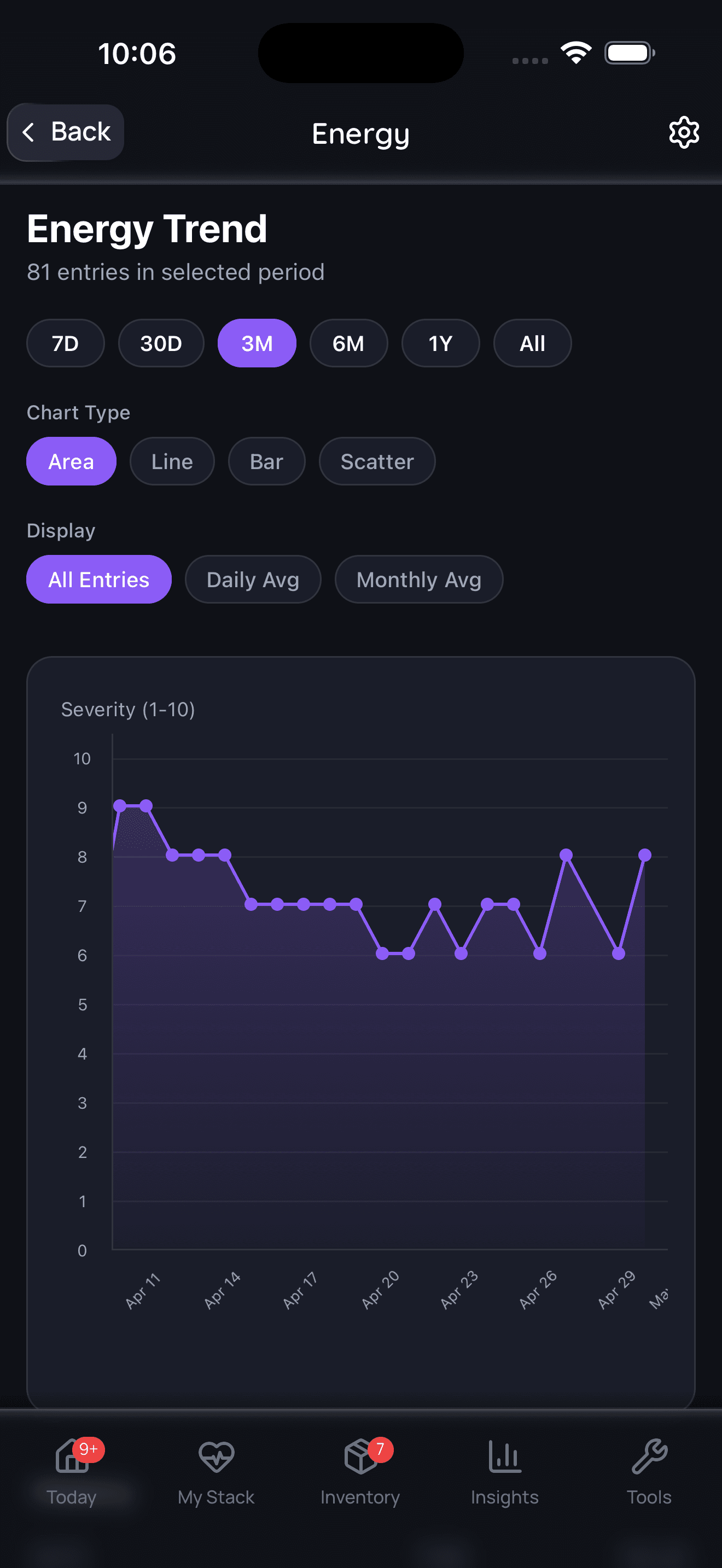
Symptom tracking is informational and should be interpreted with a qualified clinician.
The Science
Evidence for the therapeutic benefits of testosterone normalization in obese hypogonadal men comes from multiple study types [1][2][3][4]:
Body Composition and Metabolic Health: Testosterone replacement in hypogonadal men with obesity consistently reduces total body fat mass (particularly visceral adipose tissue) and increases lean body mass. A meta-analysis of weight loss interventions demonstrated that the testosterone increase from bariatric surgery (mean 8.73 nmol/L) was accompanied by significant reductions in BMI, improvements in insulin sensitivity, and reduced markers of metabolic syndrome [4]. The metabolic benefits may create a positive feedback loop where improved body composition further supports endogenous testosterone production.
Mood and Depression: A systematic review and meta-analysis in JAMA Psychiatry (Walther et al., 2019) found that testosterone treatment was associated with significant alleviation of depressive symptoms in men, with larger effect sizes in studies using supraphysiological doses, though clinically meaningful improvements were observed at replacement doses as well [11].
Energy and Vitality: The TTrials (Testosterone Trials), a coordinated set of seven placebo-controlled trials in men aged 65+ with low testosterone, demonstrated significant improvements in self-reported vitality and physical function with testosterone gel treatment over 12 months [12].
Sexual Function: Both the TTrials and observational studies demonstrate improved sexual desire, erectile function (measured by IIEF), and overall sexual activity with testosterone normalization. In obesity-related hypogonadism, improvements are often amplified by concurrent weight loss, which independently improves cardiovascular-dependent erectile function and reduces estrogen-mediated libido suppression [3][12].
Risks, Side Effects & Safety
The Basics
Every medical treatment carries risks, and TRT is no exception. For men with obesity-related hypogonadism, the risk-benefit calculation involves some unique considerations.
The most important safety monitoring parameter during TRT is hematocrit, the percentage of your blood composed of red blood cells. Testosterone stimulates red blood cell production, which is beneficial when levels are low (as in anemia) but potentially dangerous when they rise too high. Most guidelines recommend intervention when hematocrit exceeds 54%, as elevated hematocrit increases blood viscosity and the risk of blood clots, stroke, and other cardiovascular events. Regular blood monitoring (typically every 3-6 months initially, then annually) is required for all men on TRT.
For men with obesity, there are additional considerations. The cardiovascular risk profile of obese men is already elevated due to hypertension, dyslipidemia, insulin resistance, and increased inflammatory markers. Adding TRT to this picture requires careful assessment. The TRAVERSE trial, the largest randomized controlled trial examining testosterone's cardiovascular safety (5,246 men, mean follow-up 33 months), found no significant increase in major adverse cardiovascular events (heart attack, stroke, cardiovascular death) with testosterone gel compared to placebo. The hazard ratio was 0.96 (95% CI: 0.78-1.17), meeting the prespecified non-inferiority threshold. However, the testosterone group did show increased incidence of atrial fibrillation, pulmonary embolism, and acute kidney injury [10].
It is essential to express these risks in absolute terms. In the TRAVERSE trial, MACE occurred in approximately 7.0% of testosterone-treated men versus 7.3% of placebo-treated men over the study period, a difference of about 3 fewer events per 1,000 patient-years in the testosterone group. These rates reflect a population already at high cardiovascular risk (all participants had preexisting cardiovascular disease or multiple risk factors). For the individual obese man considering TRT, the risk depends heavily on his specific cardiovascular profile, which must be assessed by a healthcare provider [10].
Fertility suppression is another critical risk. Exogenous testosterone suppresses the HPG axis, reducing or eliminating sperm production. Approximately 40-60% of men on TRT achieve azoospermia (zero sperm count) by 6 months. This effect is usually reversible after discontinuation, but recovery is not guaranteed and may take 6-24 months or longer. For men with obesity-related hypogonadism who may want children, this risk is particularly important because weight loss alone or GLP-1 receptor agonists can raise testosterone without suppressing fertility.
Estrogen-related side effects may be more pronounced in obese men on TRT. Because excess adipose tissue increases aromatase activity, a portion of the administered testosterone can be converted to estradiol, potentially causing or worsening gynecomastia (breast tissue growth), water retention, and mood changes. Close monitoring of estradiol levels is recommended, particularly in men with higher BMI.
Other common side effects of TRT include acne, oily skin, injection site reactions (for injectable formulations), and potential worsening of sleep apnea. Given that obstructive sleep apnea is already prevalent in obese men (40-70%), sleep apnea screening and treatment should precede or accompany TRT initiation.
The Science
Polycythemia and Hematologic Risk:
Testosterone stimulates erythropoiesis through enhanced production of erythropoietic stimulating factors. Erythrocytosis (hematocrit > 54%) is the most common dose-limiting adverse effect of TRT, occurring in approximately 3-18% of treated men depending on route, dose, and individual factors. Injectable testosterone formulations produce higher peak serum concentrations and are associated with greater polycythemia risk compared to transdermal preparations. Clinical guidelines uniformly recommend hematocrit monitoring at 3-6 months after initiation and periodically thereafter, with intervention (dose reduction, route change, or therapeutic phlebotomy) if hematocrit exceeds 54% [3][5][10].
Cardiovascular Safety (TRAVERSE Trial):
The TRAVERSE trial (Lincoff et al., 2023) enrolled 5,246 men aged 45-80 with hypogonadism (two morning total testosterone < 300 ng/dL) and either preexisting cardiovascular disease or multiple cardiovascular risk factors, including obesity. The primary endpoint of first occurrence of MACE was non-inferior with testosterone gel versus placebo (HR 0.96, 95% CI: 0.78-1.17; upper bound below prespecified non-inferiority margin of 1.20). In absolute terms, MACE occurred at a rate of approximately 7.0% in the testosterone group versus 7.3% in the placebo group. Secondary analyses showed significantly higher rates of atrial fibrillation (HR 1.69, 95% CI: 1.05-2.73), pulmonary embolism (HR 2.02, 95% CI: 1.12-3.66), and acute kidney injury (HR 1.52, 95% CI: 1.07-2.15) in the testosterone group [10].
Fertility Suppression:
Exogenous testosterone suppresses the HPG axis through negative feedback on GnRH and gonadotropin secretion. Intratesticular testosterone concentrations, normally 40-100 times serum levels, decline dramatically on exogenous TRT, leading to Sertoli cell dysfunction and spermatogenic arrest. Approximately 40-60% of men achieve azoospermia by 6 months, with the remainder typically showing severe oligospermia. Recovery after TRT discontinuation occurs in most men (67-90% within 12 months), but is not guaranteed. Duration of TRT use, age, and baseline fertility status influence recovery probability [3][5].
Dosing & Treatment Protocols
The Basics
Because obesity-related hypogonadism is a condition rather than a medication, the "dosing" question centers on which treatment approach (or combination of approaches) is most appropriate for each individual situation.
Clinical guidelines are clear that lifestyle modification targeting weight loss is the first-line treatment. For most obese men with functional hypogonadism, losing 5-10% of body weight can produce clinically meaningful increases in testosterone. The U.S. Preventive Services Task Force recommends intensive, behavior-based weight loss interventions, which can achieve average weight loss of 2-3 kg per year and up to 9 kg with more intensive programs.
When lifestyle changes alone are insufficient, several medication-based options exist:
Anti-obesity medications, particularly GLP-1 receptor agonists (semaglutide 2.4 mg weekly for obesity, tirzepatide), have emerged as an attractive option because they address both the obesity and the resulting hypogonadism while preserving the HPG axis and fertility. Research shows these medications can increase the proportion of men with normal testosterone from 53% to 77%.
If TRT is pursued, common protocols for obese men follow the same general parameters as other hypogonadal men: testosterone cypionate or enanthate 50-200 mg every 1-2 weeks (or split into more frequent injections), transdermal gel (e.g., 1% testosterone gel 50-100 mg daily), or other formulations. Providers may need to adjust dosing based on the higher aromatization rates in obese men and should monitor estradiol levels more closely.
SERMs (such as clomiphene citrate or enclomiphene) represent another option, particularly for men concerned about fertility. These medications stimulate the body's own testosterone production by blocking estrogen's negative feedback on the HPG axis, which can be particularly relevant in MOSH where excess estrogen is part of the problem.
The Science
Lifestyle Intervention Protocols:
Weight loss of 5-10% of initial body weight can produce clinically significant testosterone increases. Low-calorie diets produce average TT increases of 2.87 nmol/L. Ketogenic diets have shown correlations between post-diet testosterone rise and degree of weight loss. Bariatric surgery, with mean weight loss of 32%, produces TT increases of approximately 8.73 nmol/L [4].
TRT Dosing Considerations for Obese Men:
Standard TRT protocols apply (testosterone cypionate/enanthate 100-200 mg IM weekly, or equivalent transdermal dosing), with the following obesity-specific considerations [1][2][3]:
- Higher aromatization rates may require dose adjustment or more frequent injection protocols to minimize supraphysiological testosterone peaks (which drive greater aromatization)
- Estradiol monitoring is recommended, particularly in the first 3-6 months
- SHBG is typically low in obese men; free testosterone may be a more reliable monitoring parameter than total testosterone
- Subcutaneous injection absorption may be less predictable in men with significant subcutaneous fat
What to Expect (Timeline)
If pursuing weight loss as primary treatment:
- Weeks 1-4: Initial dietary changes. Metabolic adaptation begins. No significant testosterone changes expected yet.
- Months 1-3: With consistent caloric deficit, initial weight loss of 2-5% body weight. Early improvements in energy and mood may occur independently of testosterone changes. Sleep quality may improve if weight loss reduces sleep apnea severity.
- Months 3-6: Measurable testosterone increases begin with 5-10% weight loss. SHBG and gonadotropin levels start to recover. Improved insulin sensitivity. Sexual function may begin improving.
- Months 6-12: With sustained weight loss of 10-15%, testosterone normalization is possible for many men. Full metabolic improvements become evident. Estradiol levels decrease as fat mass decreases.
- 12+ months: Sustained weight maintenance is critical for maintaining testosterone gains. Bariatric surgery patients typically show the greatest testosterone recovery during this period (mean TT increase of 8.73 nmol/L).
If pursuing TRT:
- Days 1-7: Depending on formulation, initial testosterone elevation. No significant symptomatic changes expected.
- Weeks 2-4: Early energy and mood improvements may begin. Libido may start increasing. Initial water weight gain (5-15 lbs) is common and can be discouraging for men already struggling with weight.
- Months 1-3: More consistent energy, mood, and sexual function improvements. Hematocrit should be checked at this stage. Estradiol may need monitoring, particularly in obese men with high aromatase activity. Body composition changes are beginning but may not be visually apparent.
- Months 3-6: Body composition changes become more noticeable (reduced fat, increased lean mass). Erythrocytosis risk peaks. Metabolic markers may improve (insulin sensitivity, fasting glucose). Sleep apnea should be reassessed.
- Months 6-12: Full stabilization of benefits. Bone density improvements begin. If TRT was intended as bridge therapy, reassess whether concurrent weight loss has been sufficient to consider dose reduction or discontinuation.
Knowing what to expect is helpful. Documenting your own journey week by week creates something even more valuable, a personal timeline that captures exactly how your testosterone therapy is unfolding. Doserly's symptom journal lets you record changes as they happen, building a detailed record from your first injection.
The early weeks of TRT can feel uncertain. Having a clear log of what's changing, and what hasn't shifted yet, helps you stay grounded in your actual progress rather than relying on memory. When you look back after three months, you'll see how far you've come in ways that are easy to forget without documentation.
Connect protocol changes to labs and health markers.
Doserly can keep lab results, biomarkers, symptoms, and dose history close together so follow-up conversations have better context.
Insights
Labs and trends
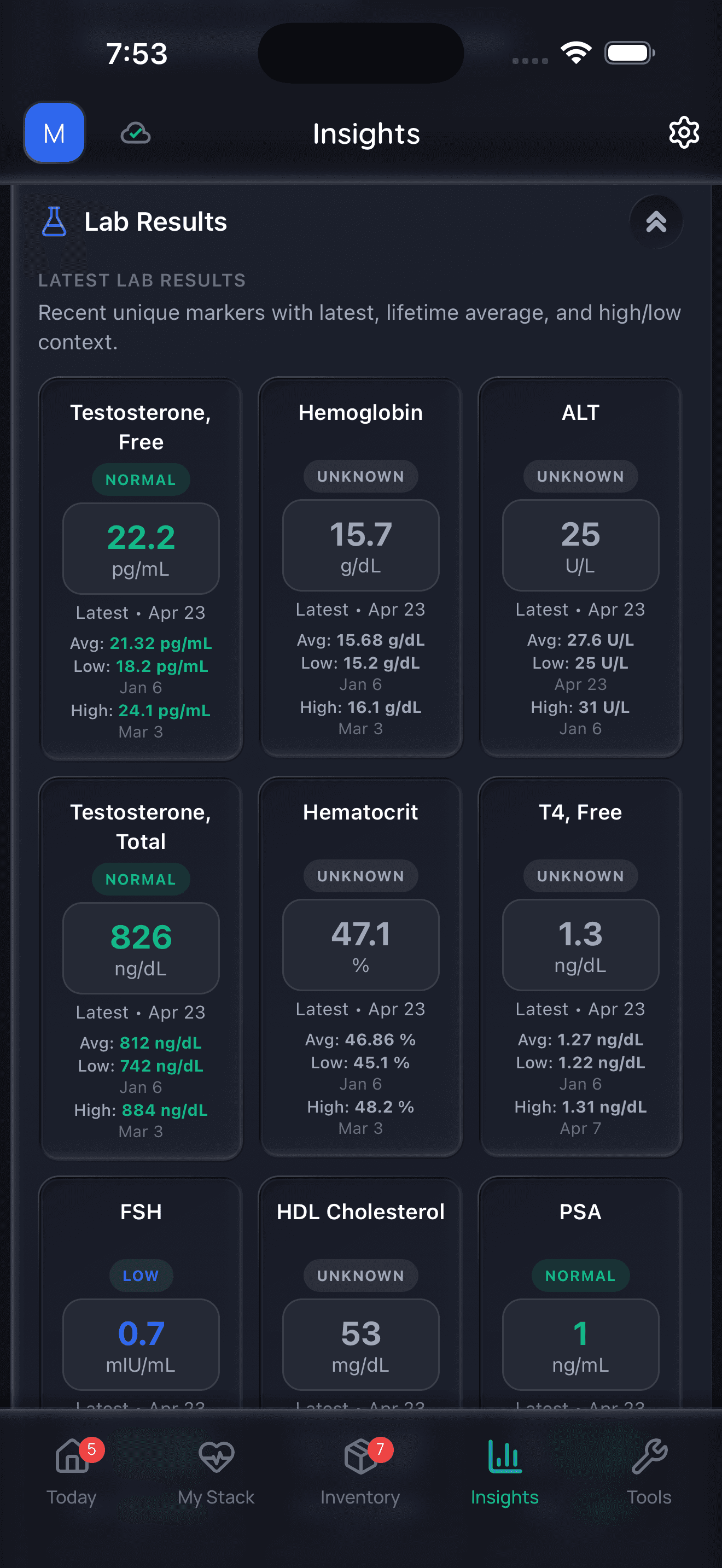
Doserly organizes data; it does not diagnose or interpret labs for you.
Fertility Preservation & HPG Axis
The Basics
Fertility is a critical consideration for any man considering testosterone treatment, but it carries particular nuance for men with obesity-related hypogonadism.
Here is the fundamental issue: exogenous testosterone (TRT) suppresses your body's own hormone production, including the signals that drive sperm production. Your brain interprets the testosterone in your bloodstream as sufficient and stops telling your testes to produce sperm. For many men on TRT, sperm counts drop dramatically, and roughly 40-60% reach azoospermia (zero sperm) within six months. While this usually reverses after stopping TRT, recovery is not guaranteed and can take 6-24 months or longer.
What makes obesity-related hypogonadism different from other causes of low testosterone is that you have an alternative path. Because the condition is functional (your testes are capable of producing testosterone; they just are not receiving the right signals), treatments that address the underlying obesity can restore fertility and testosterone simultaneously. Weight loss, anti-obesity medications like GLP-1 receptor agonists, or SERMs like clomiphene can all raise testosterone without suppressing sperm production.
If you are considering starting a family now or in the future, this distinction is extremely important. Before starting any form of TRT, discuss fertility preservation with your provider. Options include sperm banking before TRT initiation, using HCG alongside TRT to maintain some testicular function, or pursuing weight loss and non-suppressive therapies (GLP-1 RAs, clomiphene, enclomiphene) instead of or before exogenous testosterone.
The Science
The HPG axis suppression in MOSH occurs at the hypothalamic level, with preserved pituitary and testicular responsiveness. This has direct implications for treatment strategy and fertility [1][2][5]:
Fertility-Preserving Treatment Options:
- Weight loss: Restores HPG axis function from the top down, improving GnRH pulsatility, gonadotropin secretion, and ultimately testicular function. Meta-analysis data shows weight loss is associated with increased gonadotropin levels, confirming HPG axis recovery [4].
- GLP-1 receptor agonists: Preserve or increase gonadotropin levels while promoting weight loss. A 2026 systematic review found LH and FSH were maintained or increased with GLP-1RA use, in contrast to suppression with exogenous testosterone [9].
- SERMs (clomiphene, enclomiphene): Block estrogen receptor-mediated negative feedback at the hypothalamus and pituitary, increasing GnRH, LH, and FSH secretion. Particularly relevant in MOSH where hyperestrogenism contributes to HPG axis suppression. Preserve or improve spermatogenesis while raising testosterone [5].
- HCG: Can be used concurrently with TRT to maintain intratesticular testosterone and spermatogenesis. Does not address the underlying obesity.
Exogenous TRT and Fertility:
If TRT is used in MOSH, fertility suppression follows the same pattern as in other hypogonadal men: negative feedback on GnRH/LH/FSH leads to reduced intratesticular testosterone (from 40-100x serum levels to near-serum levels), Sertoli cell dysfunction, and spermatogenic arrest. Recovery after TRT discontinuation: 67-90% of men recover some spermatogenesis within 6-12 months, but full recovery to pre-treatment levels is not guaranteed [5].
Interactions & Compatibility
Drug-Drug Interactions Relevant to MOSH:
- Anti-obesity medications (GLP-1 RAs): Can be used concurrently with TRT. No direct drug-drug interactions. The combination addresses both obesity and hypogonadism but adds complexity to hormonal monitoring.
- Insulin / Oral hypoglycemics: Testosterone may improve insulin sensitivity, potentially requiring dose adjustment of diabetes medications. Close glucose monitoring recommended when starting TRT in diabetic men.
- Aromatase inhibitors (anastrozole): Sometimes used in obese men on TRT to manage excess estradiol from aromatization. Controversial; not routinely recommended by major guidelines.
- SERMs (clomiphene): Alternative to TRT for MOSH; should not be used concurrently with exogenous testosterone (defeats the purpose of SERM-mediated HPG axis stimulation).
- 5-alpha reductase inhibitors (finasteride, dutasteride): Used for BPH or hair loss; reduce DHT conversion. May alter the balance of testosterone metabolites during TRT.
- Opioids: Common cause of secondary hypogonadism independent of obesity. If present, opioid-induced hypogonadism may compound obesity-related hypogonadism.
- Corticosteroids: Can suppress HPG axis and worsen insulin resistance, compounding MOSH pathophysiology.
- Anticoagulants (warfarin): TRT may potentiate anticoagulant effects; INR monitoring recommended.
Supplement Considerations:
- Vitamin D: Deficiency is common in obese men and may contribute to low testosterone. Supplementation recommended if deficient.
- Zinc: Essential cofactor for testosterone synthesis. Deficiency may contribute to hypogonadism.
- Fenugreek (Trigonella foenum-graecum): Some evidence for modest testosterone-supporting effects.
- DHEA: Converts to testosterone and estrogen. Use with caution in men already receiving testosterone.
Lifestyle Interactions:
- Resistance training: Synergistic with testosterone normalization for body composition improvement
- Sleep optimization: Critical for testosterone production; addressing OSA is a prerequisite
- Alcohol: Moderate to heavy use suppresses testosterone and worsens obesity
- Caloric restriction: Can temporarily lower testosterone; extreme dieting may paradoxically worsen hypogonadism
Cross-links:
- Testosterone Cypionate
- Testosterone Enanthate
- Clomiphene Citrate
- Enclomiphene Citrate
- HCG
- Anastrozole
- Secondary Hypogonadism
Decision-Making Framework
Making the decision about how to address obesity-related hypogonadism involves navigating several important questions. This framework is educational, not prescriptive. All treatment decisions should be made with a qualified healthcare provider.
Step 1: Confirm the Diagnosis
- Have you had at least two early morning (7-10 AM) testosterone measurements below 300 ng/dL?
- Were LH and FSH checked? Low or normal values suggest secondary hypogonadism.
- Has free testosterone been measured (important when BMI > 30 due to reduced SHBG)?
- Have other causes been excluded? (Pituitary MRI, prolactin, thyroid function, medication review, sleep study)
Step 2: Evaluate Reversible Factors
- Is sleep apnea present? (Must be treated before or concurrent with TRT)
- Are opioid medications contributing? (Opioid-induced hypogonadism is common)
- Is type 2 diabetes present and optimally managed?
- Are there other medications suppressing testosterone?
Step 3: Discuss Treatment Goals
- Is fertility a current or future concern? (If yes, weight loss, GLP-1 RAs, or SERMs should be considered before TRT)
- What symptoms are most bothersome? (Energy, libido, mood, body composition)
- How much weight loss is realistic given your current situation?
- Is this hypogonadism likely to resolve with weight loss, or are symptoms severe enough to warrant TRT as bridge therapy?
Questions to Ask Your Provider:
- Based on my labs, is my hypogonadism primarily caused by my weight?
- If I lose significant weight, how likely is it that my testosterone will normalize?
- Should I try weight loss alone first, or would TRT as bridge therapy be appropriate?
- Are GLP-1 receptor agonists (semaglutide, tirzepatide) an option for addressing both my weight and testosterone simultaneously?
- If we start TRT, what is the plan for monitoring estradiol given my body composition?
- How often will we reassess whether TRT is still needed if I am losing weight?
- Do I need a sleep study before starting TRT?
Finding a Qualified Provider:
For obesity-related hypogonadism, the ideal provider has expertise in both endocrinology and obesity medicine. Consider:
- Endocrinologists with experience in male hypogonadism
- Urologists specializing in men's health and andrology
- Obesity medicine specialists
- Integrated practices offering both metabolic and hormonal management
Navigating TRT Clinics:
Be cautious of clinics that prescribe testosterone without adequate diagnostic workup, particularly for obese men where the diagnosis of MOSH should prompt investigation of reversible causes rather than immediate TRT. Red flags include prescribing without two confirmed low testosterone measurements, not checking LH/FSH, not screening for sleep apnea, and not discussing weight loss as a treatment option.
The best TRT decisions happen when you walk into your appointment prepared. Doserly helps you organize your symptom data, lab results, and questions ahead of time, so you can make the most of your consultation time and ensure nothing important gets forgotten.
The app generates appointment-ready summaries of your recent symptom trends, current protocol, hematocrit and PSA values, and any side effects you've logged. Instead of trying to recall three months of experience in a ten-minute appointment, you have a clear, organized record to share with your provider.
Keep side effects, flags, and follow-up notes visible.
Doserly helps you document safety observations, side effects, medication changes, and follow-up questions so important context is not scattered.
Safety log
Flags and notes
Safety notes are not emergency guidance; seek medical help when appropriate.
Administration & Practical Guide
Because obesity-related hypogonadism is a condition with multiple treatment pathways, practical guidance varies by chosen approach:
If Pursuing Weight Loss (First-Line):
- Work with a registered dietitian experienced in obesity management
- Aim for 5-10% body weight loss as initial goal
- Resistance training 2-3 times per week supports lean mass preservation and testosterone production
- Sleep optimization: address OSA, aim for 7-9 hours nightly
- Regular lab monitoring (testosterone, metabolic panel) every 3-6 months during weight loss
If Using Anti-Obesity Medications (GLP-1 RAs):
- These are prescription medications requiring provider supervision
- Follow prescribed dosing and titration schedules
- Monitor testosterone levels at baseline and every 3-6 months during treatment
- Report GI side effects (nausea, which is common) and weight loss progress
If Using TRT (Injectable Testosterone):
- Standard injection technique applies (IM or subcutaneous)
- For obese men, subcutaneous injection may require longer needles or careful site selection to ensure proper depot placement
- Intramuscular injection sites: ventrogluteal (preferred), vastus lateralis, deltoid
- Storage: room temperature, away from light
- Travel: carry prescription documentation (controlled substance)
- Sharps disposal: use approved containers
If Using SERMs (Clomiphene):
- Oral medication, typically 25-50 mg every other day or daily
- No injection technique needed
- Monitor testosterone, estradiol, and visual symptoms (rare but documented side effect of clomiphene)
Monitoring & Lab Work
Pre-Treatment Baseline Labs:
- Total testosterone (two early morning draws, 7-10 AM)
- Free testosterone (by equilibrium dialysis or reliable calculation; critical when BMI > 30)
- LH, FSH (to confirm secondary hypogonadism)
- Estradiol (likely elevated in obese men due to aromatization)
- SHBG (typically low in obesity)
- CBC with hematocrit (baseline before TRT; threshold > 54% requires intervention)
- PSA (men over 40, per age-appropriate guidelines)
- Lipid panel
- HbA1c and fasting glucose (screen for diabetes/insulin resistance)
- Metabolic panel (liver, kidney function)
- Prolactin (exclude prolactinoma as cause of secondary hypogonadism)
- Thyroid function (exclude hypothyroidism)
- Consider: sleep study for OSA, DEXA for bone density and body composition, insulin levels
During Treatment (TRT):
- 3-month review: trough testosterone, hematocrit, estradiol, PSA (if indicated), symptoms
- 6-month review: comprehensive labs including metabolic panel, lipids
- Ongoing: hematocrit every 6-12 months (PRIMARY SAFETY METRIC; threshold > 54% requires intervention per guidelines); PSA per age-appropriate guidelines; estradiol if symptomatic; lipid panel annually; body composition assessment
During Treatment (Weight Loss / GLP-1 RAs):
- Testosterone levels every 3-6 months to track recovery
- Metabolic markers (HbA1c, fasting glucose, lipid panel) every 3-6 months
- Weight, waist circumference, body composition at each visit
- Sleep apnea reassessment after significant weight loss
Hematocrit Management:
Hematocrit is the primary safety metric during TRT. Erythrocytosis (hematocrit > 54%) requires intervention:
- First-line: dose reduction or switch to a route with lower peak levels (e.g., transdermal)
- Second-line: increased injection frequency with lower per-injection dose
- Third-line: therapeutic phlebotomy
- If refractory: consider TRT discontinuation
Estrogen Management on TRT
Estrogen management is particularly relevant for obese men considering or undergoing TRT, because excess adipose tissue increases aromatase activity, the enzyme that converts testosterone to estradiol.
Why Estrogen Matters for Obese Men on TRT:
When an obese man starts TRT, the additional testosterone substrate is exposed to higher-than-normal aromatase activity. This can lead to elevated estradiol levels, potentially causing gynecomastia (breast tissue growth), nipple sensitivity, water retention, mood changes, and paradoxically reduced libido.
Normal Estradiol Physiology in Men:
Men need some estradiol. It is essential for bone mineral density, cardiovascular protection, cognitive function, and healthy libido. Crashing estradiol with overaggressive aromatase inhibitor (AI) use is harmful, causing joint pain, fatigue, depression, low libido, and bone loss. Most men on properly dosed TRT do not need an AI.
When Is Estrogen Management Appropriate?
- When clinical symptoms of elevated estradiol are present (gynecomastia, significant water retention, mood instability)
- When estradiol levels on lab work are significantly elevated and accompanied by symptoms
- Not based on lab numbers alone; symptom-driven management is the guideline-recommended approach
Management Strategies for Obese Men:
- Weight loss: Reduces aromatase activity; the single most effective long-term estrogen management strategy for MOSH
- Injection frequency: More frequent, lower-dose injections (e.g., twice weekly instead of biweekly) produce lower testosterone peaks, reducing the substrate available for aromatization
- Dose adjustment: Lowering the TRT dose may resolve estrogen-related symptoms
- AI use (controversial): Anastrozole 0.25-0.5 mg 2-3 times weekly is sometimes used. Clinical guidelines (Endocrine Society, AUA) do not recommend routine AI use. The community debate between routine AI co-prescription and symptom-driven management remains active.
- DIM (diindolylmethane): A supplement promoted for estrogen metabolism support; limited evidence, considered safe but unproven
The AI Debate:
Clinical guidelines increasingly discourage routine AI use during TRT, emphasizing that most men on properly dosed TRT maintain appropriate estradiol levels. Online men's health communities and some TRT clinics take a more aggressive approach to E2 management, often targeting specific lab ranges (commonly cited as 20-35 pg/mL on sensitive assay). The clinical evidence favors symptom-driven management over lab-number targeting.
Stopping TRT / Post-Cycle Considerations
For men with obesity-related hypogonadism, the question of stopping TRT has a different flavor than for men with organic hypogonadism.
When Stopping May Be Appropriate:
- You have achieved significant weight loss (> 10-15% body weight) and want to assess whether your body can now produce sufficient testosterone independently
- You achieved your weight loss goals and want to test endogenous recovery
- Fertility is now a priority
- Intolerable side effects (polycythemia, mood changes, prostate concerns)
- Personal preference to discontinue
When Stopping May Not Be Advisable:
- Weight loss has not been achieved; stopping TRT without addressing obesity will likely result in return to symptomatic hypogonadism
- Symptoms were severe and weight loss alone may not be sufficient
What Happens When You Stop:
After discontinuing exogenous testosterone, the HPG axis must recover. Because MOSH involves a hypothalamic defect caused by obesity rather than structural damage, recovery potential is generally better than in other forms of hypogonadism, provided the underlying obesity has been addressed.
Recovery Timeline:
- Weeks 1-4: Testosterone levels will decline as exogenous testosterone clears
- Months 1-3: LH and FSH should begin rising (assuming obesity has been reduced)
- Months 3-6: Endogenous testosterone production gradually resumes
- Months 6-12: Most men who have successfully lost weight will know whether endogenous production is adequate
- Recovery is NOT guaranteed. Duration of TRT use, age, and degree of weight loss all influence recovery.
Medical Supervision During Discontinuation:
- Always taper or discontinue TRT under medical supervision
- Monitor testosterone, LH, FSH, and symptoms at regular intervals
- Some providers use a short course of clomiphene or HCG to facilitate HPG axis recovery
- Be prepared for symptom recurrence during the recovery period
Special Populations & Situations
Young Men (< 30) with Obesity-Related Hypogonadism
Thorough diagnostic workup before TRT is essential. Fertility implications are paramount for this age group. Weight loss should be aggressively pursued as first-line therapy. Reversible causes (sleep apnea, medication effects, dietary deficiencies) must be excluded. SERMs or GLP-1 RAs may be preferred over TRT to preserve fertility. Many young men with MOSH can fully normalize testosterone with lifestyle changes alone.
Older Men (> 65) with Obesity
Overlapping risk factors: age-related testosterone decline compounds obesity-related suppression. TRAVERSE trial data provides cardiovascular safety context, but the population studied had high baseline cardiovascular risk. Polycythemia risk increases with age. Shared decision-making is critical, weighing benefits (energy, mood, bone density, muscle mass) against risks (cardiovascular events, polycythemia) in the context of already elevated baseline risk.
Type 2 Diabetes and MOSH
The relationship is bidirectional and synergistic. Up to 50% of men with type 2 diabetes have hypogonadism. Testosterone normalization improves insulin sensitivity, HbA1c, and metabolic syndrome components. GLP-1 receptor agonists address both diabetes, obesity, and hypogonadism simultaneously. Weight loss through any means improves all three conditions. Insulin and diabetes medication doses may require adjustment when starting TRT.
Sleep Apnea and MOSH
OSA is present in 40-70% of obese men and independently suppresses testosterone. OSA must be screened for and treated (CPAP or other interventions) before or concurrent with TRT. TRT may worsen untreated OSA. Weight loss improves OSA severity and may eliminate the need for CPAP. CPAP compliance should be optimized before attributing hypogonadism solely to obesity.
Cardiovascular Disease History
TRAVERSE trial context is essential for shared decision-making. Obesity compounds cardiovascular risk. Comprehensive cardiovascular risk assessment before TRT initiation. Consider transdermal formulations (lower polycythemia risk, more physiologic testosterone levels) over injectable in men with significant cardiovascular risk. Weight loss itself is the most effective cardiovascular risk reduction strategy.
Bariatric Surgery Candidates
Bariatric surgery produces the most dramatic testosterone recovery (mean TT increase of 8.73 nmol/L). Surgery should be considered for men with BMI >= 40 or BMI >= 35 with obesity-related comorbidities (including hypogonadism). Post-surgical testosterone monitoring recommended at 3-6 months. Many men achieve testosterone normalization post-surgery, potentially avoiding lifelong TRT. Nutritional monitoring is critical post-surgery (vitamin D, zinc deficiency can independently affect testosterone).
Men Considering Fertility
Exogenous TRT should be avoided in men planning conception. Weight loss, GLP-1 RAs, clomiphene, or enclomiphene are fertility-preserving alternatives. Sperm banking should be discussed if TRT is considered necessary despite fertility concerns. Obesity itself impairs semen quality through multiple mechanisms (hormonal, thermal, oxidative stress).
Regulatory, Insurance & International
United States:
- Testosterone is a Schedule III controlled substance (DEA classification)
- FDA-approved for hypogonadism confirmed by low testosterone levels
- FDA has not approved TRT for age-related testosterone decline without confirmed hypogonadism
- Insurance coverage: Prior authorization often required; many insurers require two documented low testosterone levels plus symptoms
- GLP-1 receptor agonists: Semaglutide (Wegovy) and tirzepatide (Zepbound) FDA-approved for obesity; insurance coverage varies widely
- Telehealth TRT clinics: widely available but quality varies; may not adequately evaluate MOSH or recommend weight loss first
United Kingdom:
- Testosterone is a prescription-only medication (not scheduled as controlled substance as in US)
- NHS prescribing for confirmed hypogonadism; functional hypogonadism may be less readily treated
- Private TRT clinics available
- GLP-1 RAs available on NHS for obesity (BMI >= 35 with comorbidities) and type 2 diabetes
Canada:
- Testosterone requires prescription; DIN-registered products available
- Provincial formulary coverage varies
- GLP-1 RAs covered under most provincial drug plans for diabetes; obesity indication coverage expanding
Australia:
- Testosterone is Schedule 4 (prescription medication) via TGA
- PBS listing for confirmed hypogonadism
- GLP-1 RAs available for type 2 diabetes and obesity under PBS
European Union:
- Testosterone products authorized via national agencies (Nebido, Sustanon, Testogel)
- EMA oversight for centrally authorized products
- GLP-1 RA access varies by country
FAQ
Q: Is my low testosterone caused by being overweight?
A: It could be. Obesity is the single most significant risk factor for testosterone deficiency in men. Studies show that men with a BMI over 30 have an 8.7 times higher risk of hypogonadism compared to normal-weight men. A thorough evaluation by a healthcare provider can determine whether your testosterone levels are likely to improve with weight loss.
Q: Can I raise my testosterone just by losing weight?
A: Research shows that weight loss can significantly increase testosterone levels. A meta-analysis found that bariatric surgery increased total testosterone by approximately 8.73 nmol/L, while caloric restriction increased it by about 2.87 nmol/L. The more weight you lose, the greater the testosterone increase tends to be. For some men, weight loss alone normalizes testosterone.
Q: Should I start TRT or try to lose weight first?
A: Clinical guidelines generally recommend addressing the obesity before starting TRT when the hypogonadism is obesity-related. However, this is a decision that depends on your individual situation, including the severity of your symptoms, your ability to pursue weight loss, fertility goals, and other health conditions. Discuss the options with your provider.
Q: Will TRT help me lose weight?
A: TRT can improve body composition by reducing fat mass and increasing lean mass. However, TRT alone is not a weight-loss medication. Diet and exercise remain essential. Many men find that TRT provides the energy and motivation needed to pursue weight loss more effectively, acting as a catalyst for lifestyle change rather than a direct weight-loss intervention.
Q: What about semaglutide (Ozempic/Wegovy) or tirzepatide (Mounjaro/Zepbound)?
A: GLP-1 receptor agonists are emerging as a promising option for men with obesity-related hypogonadism. These medications promote significant weight loss, which in turn raises testosterone levels, while preserving the body's own hormone production and fertility. They address both the obesity and the resulting hypogonadism simultaneously. Discuss with your provider whether these medications are appropriate for your situation.
Q: Does obesity-related hypogonadism affect fertility?
A: Yes, in two ways. First, the condition itself can impair fertility through reduced testosterone and altered hormonal environment. Second, if TRT is used to treat it, exogenous testosterone suppresses sperm production. For men concerned about fertility, weight loss, GLP-1 RAs, or SERMs are preferred because they can raise testosterone without suppressing the HPG axis.
Q: How is obesity-related hypogonadism diagnosed?
A: Diagnosis requires at least two early morning blood tests showing low testosterone (generally below 300 ng/dL) combined with symptoms of hypogonadism, in a man with BMI >= 30. Additional blood work including LH, FSH, estradiol, SHBG, and free testosterone helps confirm the secondary (central) nature of the condition and distinguish it from other causes of hypogonadism.
Q: Is this the same as "low T" from aging?
A: Not exactly. While testosterone naturally declines with age (about 1% per year after age 30), obesity-related hypogonadism is a distinct, more pronounced suppression caused by the metabolic effects of excess body fat. Unlike age-related decline, it is potentially reversible with weight loss. Some men have both age-related decline and obesity-related suppression occurring simultaneously.
Q: If I start TRT, will I be on it for life?
A: Not necessarily. Unlike men with permanent causes of hypogonadism (Klinefelter syndrome, testicular damage), men with obesity-related hypogonadism may be able to discontinue TRT if they achieve substantial weight loss. The HPG axis can recover once the obesity-driven suppression is removed. However, recovery is not guaranteed, and some men may need ongoing treatment.
Q: What role does sleep apnea play?
A: Obstructive sleep apnea is common in obese men (40-70%) and independently suppresses testosterone production. It is important to be screened for and treat OSA as part of addressing obesity-related hypogonadism. Treating OSA alone may improve testosterone levels. CPAP compliance and weight loss are the primary treatments.
Q: What is estrogen doing in this picture?
A: Fat tissue converts testosterone to estradiol (a form of estrogen) through an enzyme called aromatase. The more fat you carry, the more conversion occurs. Elevated estradiol then signals your brain to produce less testosterone, worsening the hypogonadism. This excess aromatization is one reason why obese men on TRT may need closer estrogen monitoring than lean men.
Q: Can bariatric surgery cure my low testosterone?
A: For many men with obesity-related hypogonadism, bariatric surgery can normalize testosterone levels. Research shows it produces approximately three times the testosterone increase compared to dieting alone. However, not all men achieve full normalization, and surgical candidacy depends on meeting specific BMI and health criteria.
Myth vs. Fact
Myth: "Low testosterone is just an excuse for being overweight."
Fact: The relationship between obesity and low testosterone is bidirectional and clinically well-established. Obesity suppresses testosterone production through multiple physiological mechanisms (excess aromatase activity, leptin resistance, insulin resistance, inflammation). At the same time, low testosterone promotes fat accumulation and reduces lean mass, creating a vicious cycle. Neither condition is a simple consequence of willpower; both require medical recognition and treatment [1][2].
Myth: "All obese men have low testosterone."
Fact: While obesity significantly increases the risk of hypogonadism (8.7-fold with BMI > 30), not all obese men develop testosterone deficiency. The EMAS study found that approximately 30-50% of obese men have biochemical hypogonadism. Individual factors including genetics, age, degree of visceral adiposity, sleep quality, and comorbidities determine who develops the condition [1][3].
Myth: "TRT will make me lose weight without changing my diet."
Fact: TRT can improve body composition (reducing fat mass and increasing lean mass), but it is not a weight-loss medication. The primary benefit of TRT for obese hypogonadal men may be the energy and motivation boost that enables the dietary and exercise changes necessary for weight loss. Diet and exercise remain essential for meaningful weight loss [1][2].
Myth: "Once you start TRT, you can never stop."
Fact: For men with obesity-related hypogonadism, TRT is not necessarily lifelong. Because the condition is functional (not caused by permanent structural damage), the HPG axis can recover if the underlying obesity is addressed through weight loss. Some men successfully discontinue TRT after achieving significant weight loss. Recovery is not guaranteed, but the potential for it distinguishes MOSH from organic hypogonadism [4].
Myth: "TRT causes heart attacks."
Fact: The TRAVERSE trial (n = 5,246), the largest randomized controlled trial examining testosterone's cardiovascular safety, found no significant increase in major cardiovascular events with testosterone gel compared to placebo (HR 0.96, 95% CI: 0.78-1.17). In absolute terms, this represented approximately 3 fewer MACE events per 1,000 patient-years in the testosterone group. The trial did identify increased rates of atrial fibrillation and pulmonary embolism, underscoring the importance of ongoing monitoring [10].
Myth: "Total testosterone tells the whole story."
Fact: In obese men, total testosterone can be misleadingly low because obesity reduces SHBG (which carries most circulating testosterone). Free testosterone, measured by equilibrium dialysis or reliable calculation, provides a more accurate picture of actual hormonal activity. This is why guidelines recommend free testosterone measurement when evaluating obese men for hypogonadism [3][5].
Myth: "Weight loss surgery is cheating."
Fact: Bariatric surgery is a legitimate, evidence-based medical intervention for severe obesity. It produces the greatest testosterone recovery documented in the literature (mean TT increase of 8.73 nmol/L vs 2.87 nmol/L with dieting). For men with BMI >= 40 or >= 35 with comorbidities, bariatric surgery may be the most effective single intervention for both obesity and hypogonadism [4].
Myth: "GLP-1 medications are just for diabetes, not for low testosterone."
Fact: Emerging research shows that GLP-1 receptor agonists (semaglutide, tirzepatide) significantly raise testosterone levels in men with obesity, likely through weight loss-mediated reduction in aromatase activity and HPG axis recovery. They also preserve gonadotropin function, making them a fertility-sparing option. While not specifically approved for hypogonadism, they address both the cause (obesity) and the consequence (low testosterone) [8][9].
Sources & References
Clinical Practice Guidelines
- Fernandez CJ, Chacko EC, Pappachan JM. Male Obesity-related Secondary Hypogonadism: Pathophysiology, Clinical Implications and Management. Eur Endocrinol. 2019;15(2):83-90. doi:10.17925/EE.2019.15.2.83. PMID: 31616498.
- Shenoy MT, Mondal S, Fernandez CJ, Pappachan JM. Management of male obesity-related secondary hypogonadism: A clinical update. World J Exp Med. 2024;14(2):93689. doi:10.5493/wjem.v14.i2.93689. PMID: 38948417.
- Bhasin S, Brito JP, Cunningham GR, et al. Testosterone therapy in men with hypogonadism: An Endocrine Society Clinical Practice Guideline. J Clin Endocrinol Metab. 2018;103(5):1715-1744. doi:10.1210/jc.2018-00229.
Systematic Reviews & Meta-Analyses
- Corona G, Rastrelli G, Monami M, et al. Body weight loss reverts obesity-associated hypogonadotropic hypogonadism: a systematic review and meta-analysis. Eur J Endocrinol. 2013;168(6):829-843. doi:10.1530/EJE-12-0955. PMID: 23482592.
Guideline Statements
- Mulhall JP, Trost LW, Brannigan RE, et al. Evaluation and management of testosterone deficiency: AUA Guideline. J Urol. 2018;200(2):423-432. doi:10.1016/j.juro.2018.03.115.
Epidemiological Studies
- Cohen PG. The hypogonadal-obesity cycle: role of aromatase in modulating the testosterone-estradiol shunt. Med Hypotheses. 1999;52(1):49-51.
- Louters M, Grossmann M, Gianatti EJ. Functional hypogonadism among patients with obesity, diabetes, and metabolic syndrome. Int J Impot Res. 2022;34(5):439-448. doi:10.1038/s41443-021-00483-y. PMID: 34775481.
GLP-1 Receptor Agonist Studies
- Effects of glucagon-like peptide 1 receptor agonists on testicular function: a systematic review and meta-analysis. Andrology. 2025. PMID: 40105090.
- Effects of glucagon-like peptide-1 receptor agonists on male sexual and reproductive function: a systematic review. Reprod BioMed Online. 2026. PMID: 41498523.
Landmark Trials
- Lincoff AM, Bhasin S, Fleg JL, et al. Cardiovascular safety of testosterone-replacement therapy. N Engl J Med. 2023;389(2):107-117. doi:10.1056/NEJMoa2215025 (TRAVERSE trial).
Supporting Evidence
- Walther A, Breidenstein J, Miller R. Association of testosterone treatment with alleviation of depressive symptoms in men: a systematic review and meta-analysis. JAMA Psychiatry. 2019;76(1):31-40.
- Snyder PJ, Bhasin S, Cunningham GR, et al. Effects of testosterone treatment in older men. N Engl J Med. 2016;374(7):611-624 (TTrials).
Related Guides & Cross-Links
Same Category (Conditions & Causes)
- Primary Hypogonadism — Understanding the distinction between primary (testicular) and secondary (central) hypogonadism
- Secondary Hypogonadism — Broader overview of central hypogonadism causes beyond obesity
- Late-Onset Hypogonadism — Age-related testosterone decline, which can compound obesity effects
- Opioid-Induced Androgen Deficiency — Another common cause of secondary hypogonadism that may coexist with obesity
Related Treatment Options
- Testosterone Cypionate — Most commonly prescribed injectable testosterone in the US
- Testosterone Enanthate — Alternative injectable formulation
- Testosterone Gel (AndroGel) — Transdermal option with lower polycythemia risk
- Clomiphene Citrate — Fertility-preserving alternative to TRT
- Enclomiphene Citrate — Selective SERM for testosterone support
- HCG — Fertility preservation during TRT
Treatment Overview Guides
- TRT for Beginners — Starting guide for men new to testosterone therapy
- TRT Blood Work Guide — Understanding labs and monitoring
- Fertility Preservation on TRT — Detailed fertility management strategies
- Estrogen Management on TRT — Comprehensive guide to aromatization and AI use
- Natural Testosterone Optimization — Lifestyle approaches to testosterone improvement
Complementary Supplement Guides
- Vitamin D — Common deficiency in obese men; may support testosterone
- Zinc — Essential mineral for testosterone synthesis
- Fenugreek — Evidence for modest testosterone support
- Ashwagandha — Adaptogen with preliminary testosterone-supporting evidence