
Natural Testosterone Optimization
On this page
Quick Reference Card
Attribute
Guide Topic
- Value
- Natural Testosterone Optimization
Attribute
Category
- Value
- Treatment Overview Guide
Attribute
What Is It?
- Value
- Nonpharmacological approaches to improving testosterone levels through lifestyle modification, nutrition, exercise, sleep, and evidence-based supplementation
Attribute
Who Benefits Most
- Value
- Men with functional hypogonadism due to modifiable factors (obesity, poor sleep, sedentary lifestyle, nutritional deficiencies, chronic stress)
Attribute
Strongest Evidence
- Value
- Weight loss in obese men (4.8 nmol/L average TT gain), sleep optimization, resistance training
Attribute
Moderate Evidence
- Value
- Zinc supplementation (in deficient men), vitamin D (in deficient men), ashwagandha (600mg/day)
Attribute
Limited/Weak Evidence
- Value
- Most commercial "testosterone boosters," tribulus terrestris, D-aspartic acid, maca
Attribute
Realistic Expectations
- Value
- Typical natural gains: 100-200 ng/dL in men with modifiable risk factors; minimal gains in already-healthy men
Attribute
When TRT May Be Needed
- Value
- If lifestyle optimization over 3-6 months fails to resolve symptoms and testosterone remains below diagnostic thresholds
Attribute
Key Monitoring
- Value
- Total testosterone, free testosterone, SHBG, vitamin D, zinc, body composition
Overview / What Is Natural Testosterone Optimization?
The Basics
Natural testosterone optimization is the practice of improving your body's own testosterone production through lifestyle changes, nutritional strategies, and evidence-based supplementation, without the use of prescription testosterone or other hormonal medications.
If you have been told your testosterone is low, or if symptoms like persistent fatigue, reduced sex drive, difficulty building muscle, or declining mood have prompted you to investigate, you are not alone. Population studies suggest that testosterone levels in men have been declining for decades, with factors like rising obesity rates, increased stress, poor sleep habits, and environmental exposures contributing to the trend [1].
The encouraging news is that for many men, particularly those whose testosterone is low due to modifiable lifestyle factors, meaningful improvements are possible without medication. The less encouraging news is that natural approaches have limits. They work best for men whose testosterone decline is driven by weight gain, poor sleep, chronic stress, or nutritional deficiencies. For men with primary hypogonadism (testicular failure) or significant secondary hypogonadism, natural optimization alone is unlikely to be sufficient.
The Endocrine Society and other major clinical guidelines recommend investigating and addressing reversible causes of low testosterone before initiating testosterone replacement therapy [2]. This means that for many men, natural optimization is not a fringe alternative; it is the medically recommended first step.
This guide separates the evidence-based approaches from the marketing noise. It covers what actually works, what probably does not, and how to know when it is time to have a conversation with your provider about whether TRT is the right next step.
The Science
Functional hypogonadism, also referred to as secondary or mixed hypogonadism associated with comorbid conditions, represents the most common form of testosterone deficiency encountered in clinical practice. Unlike primary hypogonadism (testicular failure) or organic secondary hypogonadism (pituitary or hypothalamic pathology), functional hypogonadism arises when modifiable health factors suppress the hypothalamic-pituitary-gonadal (HPG) axis, resulting in inappropriately low luteinizing hormone (LH) and follicle-stimulating hormone (FSH) relative to circulating testosterone levels [2][3].
Key modifiable contributors to functional hypogonadism include obesity (adipose tissue expresses aromatase, converting testosterone to estradiol, which suppresses the HPG axis via negative feedback), insulin resistance, obstructive sleep apnea (OSA), chronic opioid use, excessive alcohol consumption, chronic stress (HPA axis hyperactivation suppresses GnRH pulsatility), and nutritional deficiencies (zinc, vitamin D, magnesium) [2][3][4].
An Endocrine Society Scientific Statement on Hormones and Aging (2024) noted that lifestyle confounders, specifically overweight/obesity, insulin resistance or diabetes, smoking, cardiovascular disease, and depression, explain most or all apparent age-related reductions in serum testosterone when measured by accurate LC-MS assays. Recent data from Japanese and Chinese populations, as well as pooled Western LC-MS studies, show no significant age-related testosterone decline after controlling for these confounders [3].
The Endocrine Society Clinical Practice Guideline (2018) recommends that clinicians investigate and address reversible causes of low testosterone (obesity, medications, sleep disorders, chronic illness) before initiating TRT. For functional hypogonadism, lifestyle intervention targeting the underlying cause is considered the appropriate first-line approach [2].
Medical / Chemical Identity
Testosterone (4-Androsten-17β-ol-3-one) is the principal androgen in males, produced primarily by Leydig cells in the testes (approximately 95%) with a small adrenal contribution (approximately 5%). Normal endogenous production is approximately 5-7 mg per day.
Reference Ranges (Total Testosterone by LC-MS/MS):
Age Group
20-39 years
- Typical Range (ng/dL)
- 400-900
- Notes
- Peak reproductive years
Age Group
40-59 years
- Typical Range (ng/dL)
- 350-800
- Notes
- Gradual decline begins
Age Group
60+ years
- Typical Range (ng/dL)
- 300-700
- Notes
- Continued decline, varies widely
Diagnostic Thresholds:
- Endocrine Society: Below lower limit of normal (laboratory-specific, typically 264-300 ng/dL) on two morning measurements, plus symptoms
- AUA: Below 300 ng/dL, plus symptoms
- EAU: Below 12.1 nmol/L (approximately 350 ng/dL)
Key Hormones in the Optimization Context:
- SHBG (Sex Hormone-Binding Globulin): Binds approximately 44% of circulating testosterone, making it unavailable for tissue uptake. Elevated SHBG reduces free testosterone. SHBG increases with age, hyperthyroidism, and liver disease; decreases with obesity, insulin resistance, and androgen excess.
- Free Testosterone: Approximately 2-3% of total testosterone. The biologically active fraction. Calculated from total T, SHBG, and albumin, or measured by equilibrium dialysis.
- Estradiol (E2): Produced from testosterone via aromatase (CYP19A1), primarily in adipose tissue. Essential for bone health, cardiovascular function, and cognitive function in men. Elevated in obesity due to increased aromatase activity.
- Cortisol: Produced by the adrenal glands in response to stress. Chronic elevation suppresses GnRH pulsatility, reducing LH secretion and testosterone production.
Mechanism of Action / Pathophysiology
The Basics
Understanding how your body makes testosterone helps explain why certain natural strategies work and others do not.
Your brain and your testes communicate through a feedback loop. The hypothalamus, a small region at the base of your brain, sends a signal (GnRH) to the pituitary gland. The pituitary then sends two hormones (LH and FSH) to your testes. LH tells the Leydig cells in your testes to produce testosterone. FSH supports sperm production. When testosterone levels rise to an adequate level, your brain senses this and reduces the signal, keeping production in balance.
Natural testosterone optimization works by removing factors that interfere with this feedback loop. When you carry excess body fat, the aromatase enzyme in fat tissue converts testosterone to estrogen, which tells your brain to reduce the production signal. Losing fat reduces this conversion, allowing your brain to ramp up testosterone production. When you sleep poorly, the pulsatile release of GnRH (which peaks during sleep) is disrupted, reducing the production signal. Fixing sleep restores it. When chronic stress keeps cortisol elevated, it directly suppresses GnRH release, and managing stress removes that suppression.
This is also why supplements that "boost testosterone" in a vacuum are usually disappointing. If the underlying interference (excess fat, poor sleep, chronic stress, nutritional deficiency) is not addressed, supplementing with individual nutrients rarely produces meaningful results.
The Science
The HPG axis operates through a classical neuroendocrine negative feedback loop. Hypothalamic GnRH neurons release GnRH in a pulsatile fashion (approximately every 60-90 minutes), stimulating gonadotropin release from the anterior pituitary. LH acts on Leydig cell LH receptors via the cAMP/PKA signaling cascade, upregulating steroidogenic enzymes (StAR, CYP11A1, CYP17A1, 17β-HSD) and promoting the conversion of cholesterol to testosterone through the delta-4 and delta-5 steroidogenic pathways [5].
Obesity-Mediated Suppression: Adipose tissue expresses aromatase (CYP19A1), which converts testosterone to estradiol (E2). Elevated E2 suppresses hypothalamic GnRH pulse frequency via estrogen receptor alpha (ERα) negative feedback, resulting in reduced LH secretion and subsequent Leydig cell testosterone output. Additionally, obesity-associated insulin resistance and chronic low-grade inflammation (elevated IL-6, TNF-alpha, CRP) independently suppress HPG axis function. Leptin resistance in obesity further disrupts the kisspeptin-GnRH-LH axis [4][6].
Sleep-Mediated Effects: Testosterone secretion follows a circadian and ultradian pattern, with secretory pulses linked to sleep cycles. The majority of daily testosterone release occurs during sleep, particularly during REM phases. Total sleep deprivation (greater than or equal to 24 hours) significantly reduces serum testosterone, and chronic sleep restriction (5 hours/night for one week) has been shown to decrease daytime testosterone by 10-15% in young healthy men [7][8].
Stress-Mediated Suppression: The hypothalamic-pituitary-adrenal (HPA) axis and HPG axis are reciprocally inhibitory. Chronic cortisol elevation suppresses GnRH pulse generator activity, reduces pituitary LH responsiveness to GnRH, and directly inhibits Leydig cell steroidogenesis. This bidirectional antagonism means that chronic psychological or physiological stress directly suppresses testosterone production [5].
Nutritional Dependencies: Testosterone synthesis requires specific micronutrient cofactors. Zinc is essential for the activity of several steroidogenic enzymes and for maintaining pituitary LH secretion. Vitamin D receptors are present on Leydig cells, and vitamin D may modulate testosterone synthesis, though supplementation effects are primarily observed in deficient individuals. Magnesium supports enzymatic processes in the steroidogenic cascade and may influence SHBG binding [9][10].
Pathway & System Visualization
Pharmacokinetics / Hormone Physiology
The Basics
Unlike injectable testosterone, which delivers a controlled dose of exogenous hormone, natural optimization works through your body's own production machinery. This means the results are inherently more variable and more gradual than pharmaceutical intervention.
Your body produces roughly 5-7 mg of testosterone per day, mostly in the morning. Testosterone levels peak shortly after waking and decline throughout the day, reaching their lowest point in the evening. This is why clinical guidelines require morning blood draws for accurate assessment.
After testosterone enters your bloodstream, about 44% binds to SHBG (making it biologically unavailable), about 54% binds loosely to albumin (partially available), and only about 2% circulates freely. This free fraction is what your tissues can actually use. This is why free testosterone, not just total testosterone, matters for how you feel. Some natural interventions (like boron supplementation) may work primarily by reducing SHBG, thereby increasing the free fraction without changing total production.
Natural testosterone increases from lifestyle changes typically occur over weeks to months, not days. Weight loss, the most potent natural intervention, produces measurable testosterone changes over 3-6 months. Sleep optimization may show effects within 1-2 weeks of consistent improvement. Micronutrient repletion (zinc, vitamin D) typically takes 4-12 weeks to reach full effect.
The Science
Endogenous testosterone production follows a diurnal pattern, with peak serum concentrations in the early morning (6:00-8:00 AM) and nadir levels in the late evening. This circadian rhythm is driven by sleep-entrained GnRH pulsatility, with the highest amplitude LH pulses occurring during sleep onset [5][7].
In circulation, testosterone distribution is approximately: 44% bound to SHBG (high affinity, biologically unavailable), 54% bound to albumin (lower affinity, partially bioavailable), and 2% free (fully bioavailable). The free and albumin-bound fractions together constitute bioavailable testosterone. SHBG production is primarily hepatic and is regulated by multiple factors: increased by aging, hyperthyroidism, estrogens, and hepatic disease; decreased by obesity, insulin, androgens, and hypothyroidism [5].
Weight Loss Kinetics: A meta-analysis of 44 studies (1,774 participants) demonstrated that weight loss produces clinically meaningful testosterone increases: low-calorie diet yielded 2.5 nmol/L (95% CI: 1.9-3.1), bariatric surgery 7.2 nmol/L (95% CI: 6.0-8.4), and combined 4.8 nmol/L (95% CI: 3.9-5.6) total testosterone gain. Predictors of greater gain included higher baseline BMI and lower baseline testosterone. Older men (>40 years) gained more total testosterone, while younger men (40 years or less) gained more free testosterone for equivalent weight loss [6].
Research & Clinical Evidence
The Basics
The research on natural testosterone optimization is a story of realistic expectations. Some approaches have strong evidence, some have moderate evidence, and many popular strategies have weak or no evidence at all.
What the evidence strongly supports:
Weight loss stands out as the single most impactful natural intervention for men who are overweight or obese. A large meta-analysis found that weight loss through diet alone can raise testosterone by approximately 72 ng/dL on average, and bariatric surgery can raise it by approximately 208 ng/dL [6]. For context, that diet-induced gain could take a man from borderline low (250 ng/dL) into the normal range (320+ ng/dL). This is not a theoretical benefit; it is one of the most well-replicated findings in the field.
Sleep optimization is the second pillar with strong support. A landmark study found that restricting sleep to 5 hours per night for just one week reduced daytime testosterone by 10-15% in young healthy men [7]. The message is straightforward: if you are sleeping poorly, fixing your sleep may be one of the highest-return things you can do for testosterone.
What the evidence moderately supports:
Correcting nutritional deficiencies, specifically zinc and vitamin D, can normalize testosterone in men who are deficient. The key word is "deficient." If your zinc and vitamin D levels are already adequate, supplementing more is unlikely to raise testosterone further [9][10].
Ashwagandha (Withania somnifera) at 600 mg/day has shown consistent effects across multiple randomized controlled trials, primarily through cortisol reduction rather than direct testosterone stimulation. Effects are most pronounced in stressed or overweight men [11][12].
What the evidence does not support (despite marketing claims):
A systematic review of 52 studies examining 27 proposed testosterone boosters found that most fail to increase total testosterone. Tribulus terrestris, D-aspartic acid (beyond short-term spikes), maca, and the vast majority of proprietary "test booster" blends do not have convincing evidence [13].
The Science
Weight Loss and Testosterone:
A meta-analysis by Ken-Dror et al. (2023) comprising 44 studies and 1,774 participants is the most comprehensive analysis of weight-loss-mediated testosterone changes to date. Total testosterone gains were 2.5 nmol/L (72 ng/dL) via low-calorie diet and 7.2 nmol/L (208 ng/dL) via bariatric surgery, with combined gain of 4.8 nmol/L (138 ng/dL). Free testosterone gains were 19.9 pmol/L (diet) and 58.0 pmol/L (surgery). Predictors of greater response included higher baseline BMI and lower baseline testosterone, supporting the mechanistic role of adipose aromatase activity [6].
Exercise and Testosterone:
Potter et al. (2021) conducted a systematic review and meta-analysis of exercise training effects on resting testosterone in insufficiently active men. The overall effect was negligible (SMD 0.00, 95% CI: -0.20 to 0.20), with no significant moderation by training mode (aerobic, resistance, or combined), age, or body mass status. This finding challenges popular belief that resistance training directly "boosts" testosterone. The primary testosterone benefit of exercise appears indirect: through reductions in body fat, improvements in insulin sensitivity, enhanced sleep quality, and cortisol regulation [14].
However, acute post-exercise testosterone elevations are well-documented, particularly following heavy resistance training involving large muscle groups (squats, deadlifts, bench press). These elevations are transient, typically returning to baseline within 30-60 minutes, and their contribution to chronic testosterone levels is uncertain [15].
Sleep and Testosterone:
O'Callaghan et al. (2021) conducted a systematic review and meta-analysis demonstrating that total sleep deprivation (24 or more hours) significantly reduces male testosterone, while short-term partial sleep deprivation showed no significant effect (SMD = -0.22, 95% CI crossing zero). The landmark Leproult and Van Cauter (2011) study demonstrated that one week of sleep restriction to 5 hours per night decreased daytime testosterone by 10-15% in young healthy men, establishing sleep as a critical modifiable factor [7][8].
Supplement Evidence:
The Endocrine Society position statement on Hormones and Aging (2024) noted that no testosterone products are approved for use in male aging and that "nonpharmacologic interventions to increase serum testosterone might be better than testosterone supplementation for overall health and to avoid adverse effects" [3].
Evidence & Effectiveness Matrix
Category
Sexual Function & Libido
- Evidence Strength (1-10)
- 5
- Reported Effectiveness (1-10)
- 6
- Evidence Summary
- Moderate evidence that weight loss and specific supplements (tongkat ali, ashwagandha) improve libido. Some effects may be testosterone-independent.
Category
Energy & Vitality
- Evidence Strength (1-10)
- 6
- Reported Effectiveness (1-10)
- 7
- Evidence Summary
- Strong evidence for sleep optimization and weight loss. Lifestyle changes consistently improve energy, though attribution to testosterone specifically is difficult.
Category
Mood & Emotional Wellbeing
- Evidence Strength (1-10)
- 5
- Reported Effectiveness (1-10)
- 6
- Evidence Summary
- Moderate evidence. Ashwagandha reduces cortisol and improves mood in stressed individuals. Exercise and sleep independently improve mood.
Category
Anxiety & Stress Response
- Evidence Strength (1-10)
- 5
- Reported Effectiveness (1-10)
- 6
- Evidence Summary
- Ashwagandha has consistent evidence for cortisol reduction and anxiety improvement. Effects are likely adaptogenic rather than testosterone-mediated.
Category
Cognitive Function
- Evidence Strength (1-10)
- 3
- Reported Effectiveness (1-10)
- 4
- Evidence Summary
- Limited evidence for natural optimization affecting cognition. Exercise and sleep improve cognitive function through non-testosterone pathways.
Category
Muscle Mass & Strength
- Evidence Strength (1-10)
- 4
- Reported Effectiveness (1-10)
- 4
- Evidence Summary
- Exercise builds muscle regardless of testosterone changes. Natural testosterone increases (100-200 ng/dL) are unlikely to produce meaningful additional hypertrophy beyond what training alone provides [14].
Category
Body Fat & Composition
- Evidence Strength (1-10)
- 8
- Reported Effectiveness (1-10)
- 7
- Evidence Summary
- Strong bidirectional evidence: weight loss raises testosterone, and higher testosterone supports favorable body composition. Meta-analytic data supports clinically meaningful effects [6].
Category
Bone Health
- Evidence Strength (1-10)
- 3
- Reported Effectiveness (1-10)
- N/A
- Evidence Summary
- Insufficient community data. Long-term bone density effects of natural optimization are not well-studied.
Category
Cardiovascular Health
- Evidence Strength (1-10)
- 4
- Reported Effectiveness (1-10)
- 5
- Evidence Summary
- Lifestyle factors that optimize testosterone (exercise, weight loss, healthy diet) independently improve cardiovascular health. Direct testosterone-mediated cardiovascular effects from natural optimization are unquantified.
Category
Metabolic Health
- Evidence Strength (1-10)
- 6
- Reported Effectiveness (1-10)
- N/A
- Evidence Summary
- Weight loss and exercise improve insulin sensitivity and metabolic markers. Testosterone normalization through weight loss may contribute to metabolic improvement. Community data not yet collected.
Category
Sleep Quality
- Evidence Strength (1-10)
- 7
- Reported Effectiveness (1-10)
- 7
- Evidence Summary
- Strong bidirectional evidence: sleep improves testosterone, and testosterone normalization may improve sleep. Ashwagandha and magnesium support sleep quality.
Category
Fertility & Reproductive
- Evidence Strength (1-10)
- 7
- Reported Effectiveness (1-10)
- N/A
- Evidence Summary
- Natural optimization preserves fertility (unlike exogenous TRT, which suppresses spermatogenesis). This is a significant advantage of natural approaches.
Category
Polycythemia & Hematologic
- Evidence Strength (1-10)
- N/A
- Reported Effectiveness (1-10)
- N/A
- Evidence Summary
- Not applicable. Natural testosterone optimization does not elevate hematocrit.
Category
Prostate Health
- Evidence Strength (1-10)
- N/A
- Reported Effectiveness (1-10)
- N/A
- Evidence Summary
- Not applicable. Natural testosterone optimization does not carry prostate concerns.
Category
Skin & Hair
- Evidence Strength (1-10)
- 2
- Reported Effectiveness (1-10)
- N/A
- Evidence Summary
- Limited data. Some community reports of tongkat ali causing hair thinning, possibly via increased DHT.
Category
Gynecomastia & Estrogen
- Evidence Strength (1-10)
- N/A
- Reported Effectiveness (1-10)
- N/A
- Evidence Summary
- Not applicable for most natural approaches. Weight loss may reduce estradiol by lowering aromatase activity.
Category
Fluid Retention & Edema
- Evidence Strength (1-10)
- N/A
- Reported Effectiveness (1-10)
- N/A
- Evidence Summary
- Not applicable. Natural optimization does not cause fluid retention.
Category
Overall Quality of Life
- Evidence Strength (1-10)
- 6
- Reported Effectiveness (1-10)
- 7
- Evidence Summary
- Consistent improvements reported from comprehensive lifestyle optimization, though attribution to testosterone vs. general health improvement is difficult to disentangle.
Benefits & Therapeutic Effects
The Basics
The benefits of natural testosterone optimization extend well beyond testosterone numbers on a lab report. When you improve your sleep, manage stress, exercise consistently, and achieve a healthier body composition, nearly every system in your body benefits. Whether those improvements come primarily from the testosterone increase itself or from the lifestyle changes that produced it is, in many ways, beside the point.
That said, here is what the evidence supports as realistic benefits of natural optimization:
Body composition is where the evidence is strongest. Losing excess body fat, particularly visceral fat around the midsection, reduces aromatase activity and allows testosterone to rise. The testosterone increase then further supports lean mass maintenance and fat loss, creating a positive feedback cycle. Men who lose significant weight often report feeling substantially different, and the testosterone data supports that subjective experience.
Energy and vitality improvements are among the most commonly reported benefits. Better sleep, regular exercise, reduced stress, and improved nutrition all contribute to feeling more energetic, and the testosterone improvements from these changes likely play a supporting role.
Sexual function and libido often improve, though results vary. Some men see significant libido improvements from weight loss or specific supplements (tongkat ali, ashwagandha, zinc). Others find that natural approaches produce modest libido improvements that fall short of what they experience on TRT.
Mood and emotional stability frequently improve with lifestyle optimization. Exercise, sleep, and stress management are all independently proven mood interventions. The contribution of testosterone normalization to mood improvement is real but difficult to separate from the direct effects of better health habits.
Preservation of fertility is a critical advantage of natural optimization over TRT. Exogenous testosterone suppresses the HPG axis and can cause azoospermia. Natural optimization, by working through the body's own production pathways, preserves spermatogenesis and fertility. For men of reproductive age, this is often a decisive factor favoring natural approaches.
Reading about the potential benefits gives you a framework for what to look for. Tracking whether those benefits are actually showing up in your own experience turns hope into evidence. Doserly lets you monitor the specific outcomes that matter most to you, from energy and libido to mood and body composition, building a personal record of how your testosterone optimization is working.
When it's time for your next provider appointment, you'll have concrete data showing which symptoms have improved, which haven't changed, and when shifts started happening. That kind of detail makes follow-up conversations more productive and dose adjustments more precise.
Capture changes while they are still fresh.
Log symptoms, energy, sleep, mood, and other observations alongside protocol events so patterns do not live only in memory.
Trend view
Symptom timeline
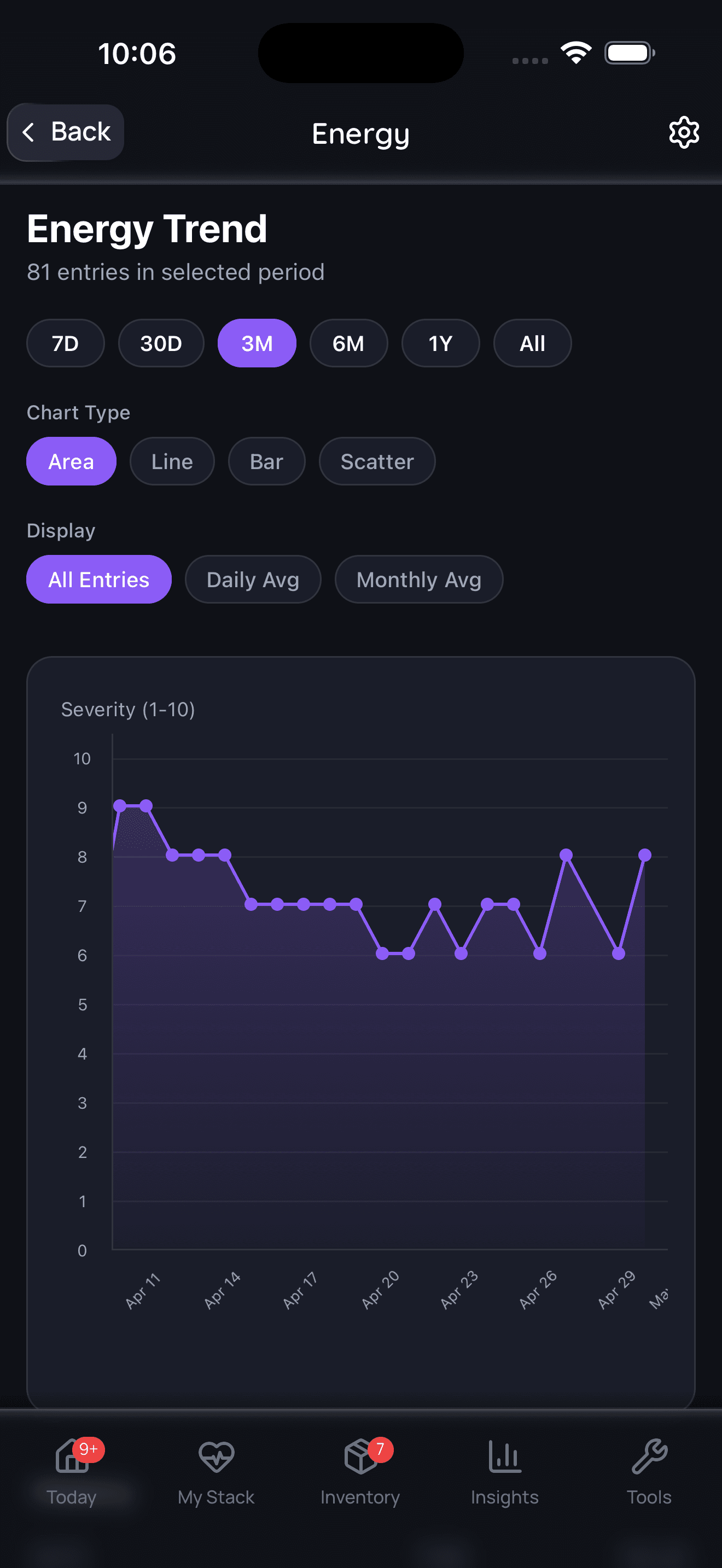
Symptom tracking is informational and should be interpreted with a qualified clinician.
The Science
The therapeutic effects of natural testosterone optimization operate through both direct androgenic pathways (increased AR activation from higher circulating free testosterone) and indirect pathways (improved insulin sensitivity, reduced inflammatory markers, improved sleep architecture, cortisol normalization).
Weight loss in obese hypogonadal men produces measurable improvements in sexual function (IIEF scores), energy levels, and mood, with corresponding increases in total and free testosterone. The bidirectional relationship between adiposity and testosterone (the hypogonadal-obesity cycle) means that weight loss both results from and contributes to testosterone normalization [6][16].
A key advantage of natural optimization is the preservation of HPG axis function. Unlike exogenous testosterone, which suppresses GnRH, LH, and FSH through negative feedback (often resulting in azoospermia within 6 months of TRT initiation), natural approaches that enhance endogenous production maintain intratesticular testosterone concentrations and spermatogenesis [2][17].
Risks, Side Effects & Safety
The Basics
One of the primary advantages of natural testosterone optimization is its favorable safety profile compared to pharmaceutical testosterone replacement. However, there are risks and limitations to be aware of.
The risk of doing nothing. For men with genuinely low testosterone caused by modifiable factors, the biggest risk may be inaction. Low testosterone is associated with increased cardiovascular mortality, metabolic syndrome, reduced bone density, depression, and diminished quality of life. If natural optimization can raise testosterone into the normal range, it addresses these risks without the side effects of TRT. If it cannot, continuing to avoid treatment while symptoms persist carries its own health consequences.
Supplement safety concerns. The supplement industry is not regulated to the same standard as prescription medications. A 2019 analysis found that supplements marketed as "testosterone boosters" contained a mean of 8.3 ingredients, some at supra-therapeutic doses (1,291% of RDA for vitamin B12, 272% for zinc). Some contained ingredients with data suggesting a negative effect on testosterone. Quality control, contamination, and accurate labeling are ongoing concerns in the supplement industry [18].
Over-supplementation risks. Excessive zinc intake (over 40 mg daily long-term) can cause copper deficiency, which may lead to anemia and neurological symptoms. Excessive vitamin D (over 10,000 IU daily for extended periods without monitoring) can cause hypercalcemia. High-dose ashwagandha has been associated with rare cases of liver injury in case reports.
Delay of appropriate treatment. Perhaps the most significant risk of natural optimization is spending months or years pursuing lifestyle changes that, while beneficial for general health, do not adequately address testosterone deficiency. For men with primary hypogonadism (testicular failure), natural approaches cannot overcome the underlying pathology. Prolonged delay in initiating TRT in these men means prolonged exposure to the health consequences of testosterone deficiency, including bone loss, cardiovascular risk, and quality of life impairment.
When to recognize that natural optimization is not enough. If after 3-6 months of genuine, consistent lifestyle optimization (improved sleep, regular exercise, weight loss if indicated, stress management, nutritional optimization) testosterone remains below diagnostic thresholds and symptoms persist, this is a signal to discuss pharmaceutical options with a qualified provider.
Being informed about potential risks is important. Being able to track and document any side effects you actually experience is what turns awareness into safety. Doserly lets you log side effects as they happen, with timestamps and severity ratings, so nothing falls through the cracks between appointments.
If you're noticing acne, water retention, mood changes, or any other shift, having a documented timeline helps your provider distinguish between expected adjustment effects and signals that warrant a protocol change. The app also tracks your hematocrit and PSA values over time, alerting you when levels approach thresholds that need attention.
Connect protocol changes to labs and health markers.
Doserly can keep lab results, biomarkers, symptoms, and dose history close together so follow-up conversations have better context.
Insights
Labs and trends
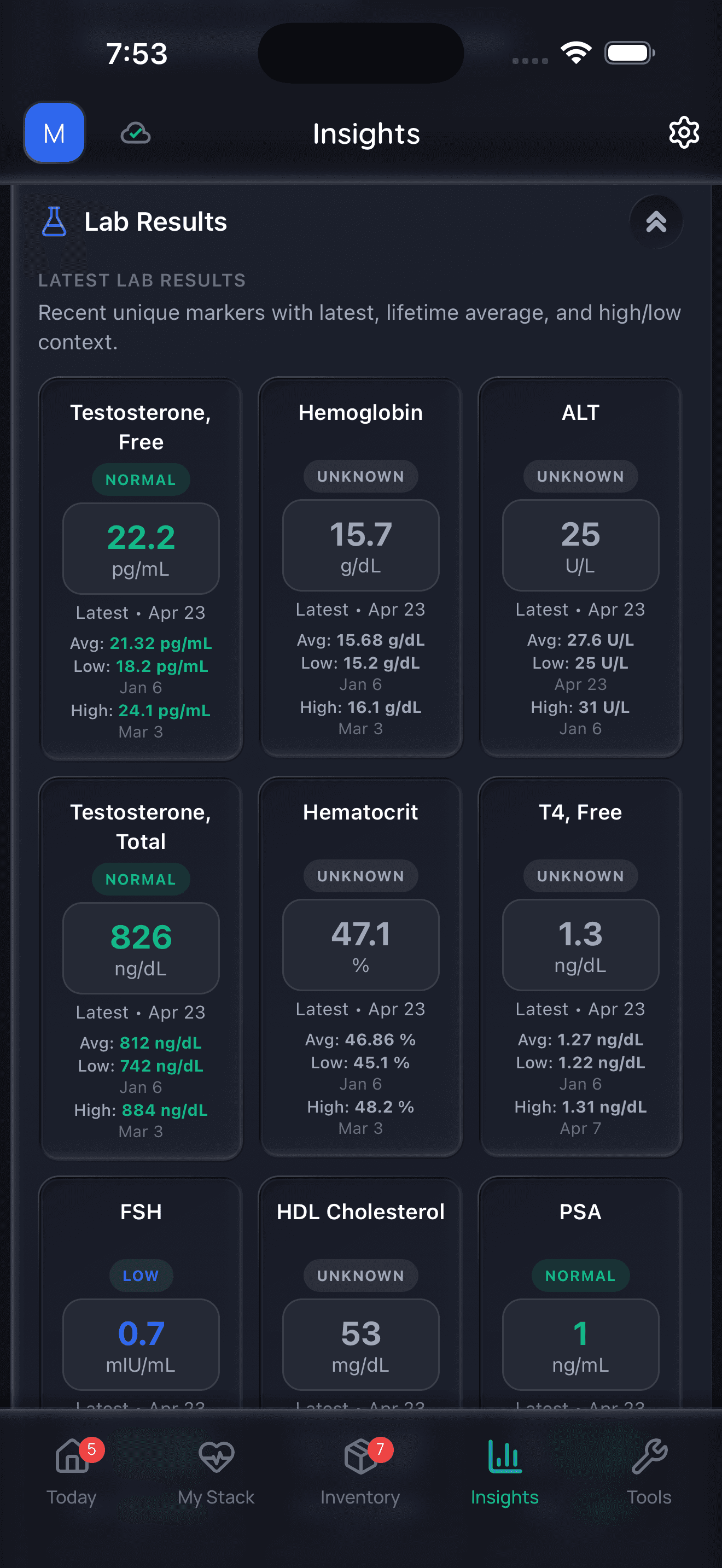
Doserly organizes data; it does not diagnose or interpret labs for you.
The Science
The safety profile of natural testosterone optimization is generally favorable relative to exogenous TRT, primarily due to the absence of HPG axis suppression, polycythemia risk (hematocrit elevation above 54%), and the regulatory complexities associated with Schedule III controlled substances.
However, several risks merit clinical attention:
Supplement adulteration and mislabeling: An analysis of 50 commercially available "testosterone booster" supplements found that 10.1% contained ingredients with published data suggesting a negative effect on testosterone. Only 24.8% had any published data supporting a testosterone increase [18]. The FDA's 2017 advisory noted that dietary supplements are not subject to pre-market safety evaluation.
Zinc toxicity: The upper tolerable intake level for zinc is 40 mg/day for adults. Chronic intake above this threshold can impair copper absorption, leading to copper deficiency anemia, neutropenia, and myeloneuropathy. Zinc supplementation should be guided by documented deficiency or clinical indication [9].
Vitamin D toxicity: Cholecalciferol supplementation at doses exceeding 10,000 IU/day without monitoring 25(OH)D levels can produce hypercalcemia, with symptoms including nephrolithiasis, nausea, polyuria, and in severe cases, cardiac arrhythmia. The Endocrine Society recommends targeting 25(OH)D levels of 30-50 ng/mL, not maximizing beyond this range [10].
Ashwagandha hepatotoxicity: Rare case reports of clinically apparent liver injury have been associated with ashwagandha products, typically resolving upon discontinuation. The Iceland-based DILI (Drug-Induced Liver Injury) prospective study identified ashwagandha as an emerging cause of herbal hepatotoxicity [19].
TRAVERSE trial context for risk comparison: The TRAVERSE trial (n=5,246) demonstrated non-inferiority of testosterone gel vs placebo for MACE (HR 0.96, 95% CI: 0.78-1.17) but noted increased incidence of atrial fibrillation, pulmonary embolism, and acute kidney injury in the testosterone group. Natural optimization avoids these TRT-specific risks entirely. However, for men with testosterone levels below diagnostic thresholds who do not respond adequately to lifestyle modification, delaying appropriate TRT exposes them to the health consequences of untreated hypogonadism [20].
Polycythemia: Exogenous testosterone stimulates erythropoiesis, with hematocrit elevation above 54% constituting a safety threshold requiring dose reduction or therapeutic phlebotomy. Natural testosterone optimization does not carry this risk, as endogenous production is regulated by normal feedback mechanisms.
Dosing & Treatment Protocols
The Basics
Natural testosterone optimization does not involve pharmaceutical dosing in the traditional sense, but the interventions do follow evidence-based protocols with recommended "doses" for each component.
Weight Loss Protocol:
For overweight or obese men, targeting a caloric deficit of 500-750 calories per day supports sustainable weight loss of 0.5-1 kg per week. The goal is not rapid weight loss (which can temporarily suppress testosterone through caloric restriction) but steady, sustainable fat loss that preserves muscle mass. Combining caloric restriction with resistance training protects lean mass during weight loss.
Exercise Protocol:
Resistance training 3-4 times per week, focusing on compound movements (squats, deadlifts, bench press, overhead press, rows) that recruit large muscle groups. Moderate to high intensity. Sessions of 45-60 minutes. Combined with 150+ minutes per week of moderate-intensity cardiovascular activity (walking, cycling, swimming). Avoid overtraining, which can temporarily suppress testosterone by elevating cortisol.
Sleep Protocol:
Target 7-9 hours per night. Consistent sleep and wake times. Cool, dark sleeping environment. Limit screen exposure before bed. Screen for obstructive sleep apnea if snoring or daytime sleepiness is present. Treat OSA with CPAP if diagnosed, as OSA independently suppresses testosterone.
Stress Management:
Evidence-based stress reduction: meditation, mindfulness practices, adequate recovery from training, social connection. Ashwagandha (600 mg/day of standardized extract with 5% withanolides) for cortisol reduction.
Supplementation Protocol (Only in Cases of Documented Deficiency or Clinical Indication):
Supplement
Zinc (glycinate or picolinate)
- Dose
- 15-30 mg/day
- Condition
- Documented deficiency or heavy exercise
- Evidence Level
- Moderate; corrects deficiency-related testosterone suppression
Supplement
Vitamin D3
- Dose
- 2,000-5,000 IU/day
- Condition
- 25(OH)D below 30 ng/mL
- Evidence Level
- Moderate; effects limited to deficient individuals
Supplement
Magnesium (glycinate or citrate)
- Dose
- 400 mg/day
- Condition
- Inadequate dietary intake
- Evidence Level
- Low-moderate; supports sleep quality and enzymatic function
Supplement
Ashwagandha (KSM-66 or Sensoril)
- Dose
- 600 mg/day
- Condition
- Elevated stress/cortisol
- Evidence Level
- Moderate; cortisol reduction, indirect testosterone support
Supplement
Tongkat Ali (Eurycoma longifolia)
- Dose
- 200-400 mg/day (standardized 2% eurycomanones)
- Condition
- Suboptimal testosterone after lifestyle optimization
- Evidence Level
- Low-moderate; may lower SHBG and increase free testosterone
Supplement
Boron
- Dose
- 6-10 mg/day
- Condition
- Adjunctive
- Evidence Level
- Low; limited evidence for SHBG reduction
The Science
The hierarchical approach to natural testosterone optimization reflects the relative evidence strength and effect sizes of each intervention:
- Weight loss (SMD: 4.8 nmol/L combined TT gain) represents the highest-impact modifiable factor for overweight/obese men [6].
- Sleep optimization (10-15% testosterone improvement from correcting chronic sleep restriction) addresses a fundamental physiological requirement [7].
- Micronutrient repletion (zinc, vitamin D, magnesium) corrects deficiency-mediated suppression of steroidogenic pathways [9][10].
- Stress management and adaptogens (ashwagandha: cortisol reduction of 15-28% in stressed adults) reduce HPA-axis-mediated HPG suppression [11][12].
- Herbal interventions (tongkat ali, fenugreek) provide modest additional effects in some populations but lack the robust evidence base of the above interventions [11][13].
Note: Aggressive caloric restriction (below 1,200 kcal/day) or chronic energy availability below 30 kcal/kg FFM/day can paradoxically suppress testosterone by signaling energy insufficiency to the HPG axis. Weight loss protocols should maintain adequate caloric intake to avoid this effect [5].
What to Expect (Timeline)
Days 1-7: Beginning new sleep habits, exercise routines, and dietary changes. No measurable testosterone changes yet. Possible improved energy from better sleep and nutrition. Possible muscle soreness from new exercise routine.
Weeks 2-4: Sleep quality improvements may begin. If zinc or vitamin D supplementation was started, levels are beginning to correct. Early subjective improvements in energy and mood are common but may be partly driven by motivation and placebo response. Ashwagandha users may begin to notice reduced anxiety and improved sleep.
Months 1-3: If weight loss is occurring (0.5-1 kg/week), 2-6 kg of fat loss may produce measurable testosterone improvement. Exercise adaptations developing. Sleep habits consolidating. First follow-up testosterone test is reasonable at 8-12 weeks if lifestyle changes have been genuinely consistent.
Months 3-6: This is where the most meaningful testosterone changes occur in men pursuing weight loss. Body composition improvements become visible. If testosterone has improved, libido and energy may have noticeably increased. If testosterone has not improved meaningfully despite consistent effort, this is the appropriate time to reassess with a provider.
Months 6-12: Sustained lifestyle changes produce cumulative benefits. Body composition continues to improve with consistent training. Testosterone levels should have stabilized at a new, higher baseline in men who had modifiable risk factors. Improvements in mood, sleep, and sexual function should be apparent if natural optimization is working for your situation.
Ongoing maintenance: Natural optimization is not a short-term intervention. The lifestyle factors that improve testosterone (healthy body composition, regular exercise, adequate sleep, stress management) must be maintained consistently. Reverting to previous habits will typically result in testosterone returning to previous levels.
Fertility Preservation & HPG Axis
Natural testosterone optimization carries a significant advantage over exogenous TRT when it comes to fertility: it preserves the HPG axis and spermatogenesis.
Exogenous testosterone suppresses the hypothalamic-pituitary-gonadal axis via negative feedback on GnRH, LH, and FSH secretion. This causes intratesticular testosterone concentrations to plummet (normally 40-100 times serum levels), resulting in Sertoli cell dysfunction and spermatogenic arrest. Approximately 40-60% of men on TRT achieve azoospermia by 6 months, with the remainder typically showing severe oligospermia [17].
Natural optimization approaches, by working through the body's own production pathways, maintain normal intratesticular testosterone concentrations and normal spermatogenesis. This makes natural optimization the preferred approach for men of reproductive age who desire current or future biological children.
For men who have pursued natural optimization and found it insufficient, alternatives to exogenous testosterone that preserve fertility include:
- Clomiphene citrate (off-label): 25-50 mg/day or every other day. SERM that blocks estrogen negative feedback on the pituitary, increasing LH and FSH secretion, thereby raising endogenous testosterone while preserving spermatogenesis.
- Enclomiphene: More selective SERM with fewer estrogenic side effects than clomiphene.
- HCG (Human Chorionic Gonadotropin): LH analogue that directly stimulates Leydig cell testosterone production, maintaining intratesticular testosterone and spermatogenesis.
These pharmacological options bridge the gap between natural optimization and full TRT for men who need testosterone support but wish to preserve fertility.
Interactions & Compatibility
Drug Interactions Relevant to Natural Optimization:
- Opioids: Suppress HPG axis. If testosterone is low due to opioid use, tapering or discontinuing opioids (under medical supervision) may normalize testosterone.
- Corticosteroids: Chronic use suppresses HPG axis. Addressing underlying conditions requiring corticosteroids may improve testosterone.
- 5-alpha reductase inhibitors (finasteride, dutasteride): Block conversion of testosterone to DHT. May cause post-finasteride syndrome with persistent low testosterone symptoms in some men.
- Statins: Mixed evidence on testosterone effects. Some data suggest mild suppression through cholesterol pathway reduction.
- GLP-1 receptor agonists (semaglutide, tirzepatide): Emerging evidence that weight loss from these medications can significantly improve testosterone in obese men. May represent a pharmacological bridge between pure lifestyle modification and TRT.
Supplement Interactions:
- Zinc + copper: Chronic zinc supplementation above 40 mg/day can deplete copper. Consider copper supplementation (1-2 mg/day) if taking zinc long-term.
- Ashwagandha + thyroid medications: Ashwagandha may increase thyroid hormone levels. Monitor thyroid function if taking levothyroxine.
- Ashwagandha + sedatives/anxiolytics: Additive sedation possible due to GABAergic activity.
- Tongkat ali + anticoagulants: Theoretical interaction; insufficient data.
Lifestyle Factors:
- Alcohol: Directly suppresses testosterone production and increases aromatase activity. Reducing or eliminating alcohol is one of the most impactful lifestyle changes for testosterone.
- Cannabis: May suppress LH secretion and reduce testosterone. Effects vary by frequency of use.
- Endocrine disruptors (BPA, phthalates): Environmental exposure associated with lower testosterone levels. Practical measures: reduce plastic food container use, choose BPA-free products, filter drinking water.
Cross-links:
- Ashwagandha
- Fenugreek
- Tongkat Ali
- Zinc
- Vitamin D
- Testosterone Cypionate (if TRT becomes necessary)
- TRT for Beginners (next step if natural optimization is insufficient)
Decision-Making Framework
Making the right decision about natural optimization versus TRT is not a binary choice. It is a process of systematic investigation, honest self-assessment, and collaborative discussion with a qualified healthcare provider.
Step 1: Get proper diagnostics. Before pursuing any testosterone optimization strategy, obtain at minimum two morning total testosterone measurements (drawn before 10 AM, fasting), along with free testosterone (calculated or equilibrium dialysis), SHBG, LH, FSH, estradiol, prolactin (if secondary hypogonadism is suspected), CBC with hematocrit, thyroid panel, and fasting glucose/HbA1c. The Endocrine Society requires two morning testosterone levels below the lower limit of normal plus symptoms for a diagnosis of hypogonadism [2].
Step 2: Identify modifiable factors. Ask honestly:
- Am I overweight or obese? (BMI above 25, or elevated waist circumference)
- Am I getting 7-9 hours of quality sleep consistently?
- Do I have untreated sleep apnea?
- Am I chronically stressed?
- Is my diet adequate in zinc, vitamin D, and overall nutrition?
- Am I sedentary?
- Am I using substances that suppress testosterone (opioids, excessive alcohol)?
If the answer to any of these is yes, natural optimization addressing those factors is the medically recommended first approach [2][3].
Step 3: Commit to 3-6 months of genuine optimization. This does not mean taking a supplement for two weeks and testing again. It means consistent lifestyle changes: regular exercise, improved sleep, weight loss if indicated, nutritional optimization, and stress management. Track your progress.
Step 4: Retest and reassess. After 3-6 months of genuine lifestyle optimization, repeat testosterone testing. If levels have improved and symptoms have resolved, continue the lifestyle approach. If levels remain below diagnostic thresholds and symptoms persist despite genuine effort, it is time to discuss pharmaceutical options with a provider.
Questions to bring to your appointment:
- What are my total and free testosterone levels?
- Is my LH/FSH pattern consistent with primary or secondary hypogonadism?
- Are there reversible causes of my low testosterone that should be addressed first?
- If TRT is recommended, what are my fertility preservation options?
- How will TRT be monitored, and what are the stopping criteria?
Finding a qualified provider: Endocrinologists, urologists with andrology interest, and men's health specialists are the most qualified to evaluate and manage testosterone issues. Be cautious with "low T clinics" that prescribe testosterone without adequate diagnostic workup or monitoring. Red flags include prescribing testosterone without two confirmed low testosterone measurements, not checking LH/FSH, not discussing fertility implications, and not establishing a monitoring plan.
The best TRT decisions happen when you walk into your appointment prepared. Doserly helps you organize your symptom data, lab results, and questions ahead of time, so you can make the most of your consultation time and ensure nothing important gets forgotten.
The app generates appointment-ready summaries of your recent symptom trends, current protocol, hematocrit and PSA values, and any side effects you've logged. Instead of trying to recall three months of experience in a ten-minute appointment, you have a clear, organized record to share with your provider.
Keep side effects, flags, and follow-up notes visible.
Doserly helps you document safety observations, side effects, medication changes, and follow-up questions so important context is not scattered.
Safety log
Flags and notes
Safety notes are not emergency guidance; seek medical help when appropriate.
Administration & Practical Guide
Natural testosterone optimization does not involve injection technique or medication administration in the traditional sense. However, practical guidance for implementing each intervention is valuable.
Exercise Implementation:
- Resistance training: 3-4 sessions per week. Focus on compound movements: squats, deadlifts, bench press, overhead press, rows, chin-ups/pull-ups. Moderate to heavy loads (65-85% of 1RM). 3-5 sets of 5-12 repetitions.
- Cardiovascular training: 150+ minutes per week of moderate-intensity activity. Walking, cycling, swimming, rowing.
- Recovery: Allow 48 hours between training the same muscle groups. Prioritize sleep for recovery. Avoid overtraining (symptoms: persistent fatigue, declining performance, elevated resting heart rate, mood disturbance).
Supplement Administration:
- Zinc: Take with food to minimize nausea. Evening dosing with magnesium may support sleep.
- Vitamin D3: Take with a fat-containing meal for optimal absorption (fat-soluble vitamin).
- Ashwagandha: Take with food. Can be taken morning or evening. Evening dosing may benefit sleep.
- Magnesium: Evening dosing supports sleep. Glycinate form is well-tolerated and has calming effects.
Sleep Hygiene Protocol:
- Consistent sleep and wake times, even on weekends (within 30-60 minutes).
- Cool bedroom (65-68 degrees F / 18-20 degrees C).
- Dark environment (blackout curtains, remove or cover LED lights).
- Blue light reduction 1-2 hours before bed (screen filters or blue-light-blocking glasses).
- Caffeine cutoff 8-10 hours before bedtime.
- Alcohol avoidance in the 3-4 hours before sleep (disrupts sleep architecture even if it feels sedating).
Monitoring & Lab Work
Baseline Labs Before Starting Natural Optimization:
- Total testosterone (morning, fasting, two measurements)
- Free testosterone (calculated or equilibrium dialysis)
- SHBG
- LH, FSH
- Estradiol
- Prolactin (if secondary hypogonadism suspected)
- CBC with hematocrit
- Comprehensive metabolic panel
- Fasting glucose/HbA1c
- Lipid panel
- 25-hydroxyvitamin D
- Zinc (serum or RBC zinc)
- Thyroid panel (TSH, free T4)
- PSA (age-appropriate)
- Body composition measurement (waist circumference, body fat percentage, or DEXA)
Follow-Up Testing (8-12 Weeks After Initiating Optimization):
- Total testosterone, free testosterone, SHBG
- Vitamin D (if supplementing)
- Body weight and composition
- Symptom assessment
Ongoing Monitoring (Every 3-6 Months in the First Year, Then Annually):
- Total and free testosterone
- Body composition
- Symptom tracking
- Lipid panel, metabolic panel
- Vitamin D (if supplementing)
When to Escalate to TRT Evaluation:
- Testosterone remains below diagnostic threshold after 3-6 months of consistent lifestyle optimization
- Symptoms persist despite lifestyle changes
- LH/FSH pattern suggests primary hypogonadism (elevated LH/FSH with low testosterone indicates testicular failure, which natural optimization cannot overcome)
Estrogen Management on TRT
This section is less directly relevant to natural testosterone optimization than to TRT, but understanding estrogen balance is valuable in the natural optimization context.
In natural optimization, estrogen management occurs primarily through weight loss. Adipose tissue expresses aromatase (CYP19A1), which converts testosterone to estradiol. Men with higher body fat percentages have higher estrogen levels and lower testosterone levels. Losing body fat reduces aromatase activity, lowering estrogen and allowing testosterone to rise.
No evidence supports the use of aromatase inhibitors (anastrozole) for natural testosterone optimization. AI use in the absence of exogenous testosterone is not recommended by any clinical guideline and carries risks including bone density loss, joint pain, adverse mood effects, and paradoxically decreased libido from excessive estrogen suppression.
DIM (diindolylmethane), a supplement derived from cruciferous vegetables, is popular in the natural optimization community for estrogen modulation. Evidence for its efficacy in men is limited, and its effects on testosterone are not well-characterized.
The most evidence-based approach to estrogen management in the natural optimization context is simply maintaining a healthy body fat percentage (ideally 12-20% for men), which naturally keeps aromatase activity and estradiol levels in an appropriate range.
Stopping TRT / Post-Cycle Considerations
This section is included for context, as many men exploring natural testosterone optimization are either considering TRT, have been on TRT and wish to discontinue, or want to understand the distinction between natural and pharmacological approaches.
For men considering natural optimization instead of TRT: The primary advantage is that natural optimization does not suppress the HPG axis. There is nothing to "stop" or "recover from" because your body's own production machinery was never shut down.
For men who have been on TRT and wish to transition to natural optimization: HPG axis recovery after TRT discontinuation is variable. Recovery depends on duration of TRT use, age, pre-TRT hormonal status, and whether HCG was used concurrently. Recovery may take 6-24+ months and is not guaranteed.
Post-TRT recovery protocols (community-derived, limited formal evidence):
- HCG taper: 1,000-2,000 IU every other day for 2-4 weeks
- Clomiphene citrate: 25-50 mg daily for 4-8 weeks to stimulate LH/FSH recovery
- Enclomiphene: Selective SERM, fewer side effects than clomiphene
- These protocols are not standardized in clinical guidelines for TRT discontinuation
Primary vs secondary hypogonadism implications: Men with primary hypogonadism (testicular failure) are unlikely to achieve adequate testosterone through natural optimization or post-TRT recovery. Men with secondary hypogonadism (especially functional/obesity-related) have a better prognosis for both natural optimization and HPG axis recovery after TRT.
Special Populations & Situations
Obese Men
Weight loss is the single most impactful natural testosterone intervention for this population. Meta-analytic data shows an average total testosterone gain of 4.8 nmol/L (138 ng/dL) with weight loss. For men with BMI above 30, addressing obesity should be the primary focus before considering TRT. GLP-1 receptor agonists represent an emerging pharmacological aid for weight loss that may secondarily normalize testosterone [6].
Men with Sleep Apnea
Untreated obstructive sleep apnea independently suppresses testosterone through hypoxia-mediated mechanisms and sleep fragmentation. CPAP optimization should precede any testosterone-specific intervention. Treating OSA alone may normalize testosterone in some men [7][8].
Men with Type 2 Diabetes
Insulin resistance and metabolic syndrome are strongly associated with reduced testosterone. Weight loss, glycemic control, and exercise may improve both metabolic parameters and testosterone. TRT may improve insulin sensitivity in hypogonadal diabetic men, but lifestyle optimization should be attempted first.
Young Men (Under 30)
Low testosterone in young men should prompt investigation of underlying causes (Klinefelter syndrome, pituitary pathology, chronic illness, substance use) rather than defaulting to lifestyle optimization alone. Natural optimization is appropriate for young men with functional hypogonadism related to obesity, poor sleep, or stress, but organic causes must be ruled out.
Older Men (Over 65)
The distinction between age-related testosterone decline and true hypogonadism is particularly important in older men. Natural optimization (exercise, adequate nutrition, weight management) provides broad health benefits regardless of testosterone effects. The TRAVERSE and TTrials data were primarily derived from this population.
Athletes and Active Men
For men who are already lean, well-nourished, sleeping well, and managing stress, the ceiling for natural testosterone improvement is much lower. The meta-analytic finding that exercise training has negligible effect on resting testosterone in already-active eugonadal men applies directly to this population [14]. Overtraining and chronic energy restriction (common in athletes) can paradoxically suppress testosterone.
Transgender Men (FTM)
Natural testosterone optimization is not applicable for gender-affirming testosterone therapy, which requires exogenous testosterone at masculinizing doses under specialized medical supervision.
Regulatory, Insurance & International
Natural testosterone optimization through lifestyle modification and dietary supplements exists in a different regulatory landscape than prescription TRT.
Supplement Regulation (United States):
Dietary supplements are regulated under DSHEA (Dietary Supplement Health and Education Act of 1994). Supplements do not require pre-market FDA approval for safety or efficacy. Manufacturers are responsible for their own quality control. The FDA can only act against supplements after they are on the market and shown to be unsafe or adulterated. Third-party testing (USP, NSF, ConsumerLab) provides some quality assurance but is voluntary.
Schedule III Considerations:
Unlike TRT, natural optimization approaches do not involve Schedule III controlled substances. This means no prescriptions, no DEA registration requirements, no insurance prior authorization, and no travel restrictions related to controlled substance possession. This accessibility is a practical advantage of natural approaches.
Insurance Coverage:
Insurance does not typically cover dietary supplements or lifestyle coaching for testosterone optimization. However, insurance does cover the diagnostic workup (blood tests, sleep studies) and many of the underlying conditions that contribute to low testosterone (obesity treatment, sleep apnea treatment, mental health services).
International Availability:
Most natural testosterone optimization supplements (zinc, vitamin D, magnesium, ashwagandha, tongkat ali) are widely available internationally without prescription. Regulatory oversight of supplement quality varies significantly by country.
Frequently Asked Questions
Can I really raise my testosterone naturally?
Yes, but with realistic expectations. Men with modifiable risk factors (obesity, poor sleep, stress, nutritional deficiencies) can see meaningful improvements, sometimes 100-200 ng/dL or more. Men who are already lean, active, well-rested, and well-nourished will see much smaller gains. Natural approaches rarely raise testosterone as much as TRT.
What is the single most effective natural testosterone booster?
Weight loss, for men who are overweight or obese. Meta-analytic data shows an average gain of approximately 138 ng/dL from weight loss. No supplement comes close to this effect size.
Do testosterone booster supplements actually work?
Most do not. Systematic reviews find that the majority of commercial testosterone boosters fail to increase total testosterone. The exceptions with some evidence include ashwagandha, tongkat ali, and correcting deficiencies in zinc, vitamin D, and magnesium. Even the effective supplements produce modest effects (typically 10-15% increase).
How long does natural testosterone optimization take?
Expect 3-6 months of consistent effort before meaningful changes in testosterone levels. Sleep improvements may produce effects faster (1-2 weeks). Weight loss and exercise adaptations require months to show full hormonal effects.
Will resistance training boost my testosterone?
Resistance training is excellent for health, muscle mass, and functional capacity. However, a meta-analysis found that exercise training has negligible effect on resting testosterone in healthy men. The testosterone benefits of exercise come primarily through indirect mechanisms: weight loss, improved insulin sensitivity, better sleep, and stress reduction.
Should I get my testosterone tested before starting?
Yes. Baseline testing is essential both for identifying whether natural optimization is appropriate and for tracking whether it is working. At minimum, obtain total testosterone, free testosterone, and SHBG on a morning, fasting blood draw.
Is ashwagandha safe long-term?
Ashwagandha has been used traditionally for centuries and is generally well-tolerated at recommended doses (600 mg/day). However, rare cases of liver injury have been reported, and long-term safety data from controlled trials exceeding 12 weeks is limited. Discuss with a healthcare provider if you plan to use it long-term.
When should I consider TRT instead of natural optimization?
Consider discussing TRT with a provider if: (1) your testosterone remains below diagnostic thresholds after 3-6 months of genuine lifestyle optimization, (2) you have primary hypogonadism (testicular failure) where natural approaches cannot overcome the underlying pathology, or (3) your symptoms significantly impair quality of life and warrant more aggressive intervention.
Does alcohol affect testosterone?
Yes. Alcohol directly suppresses testicular testosterone production and increases aromatase activity (converting testosterone to estrogen). Heavy drinking can significantly reduce testosterone. Even moderate regular drinking may have measurable effects. Reducing or eliminating alcohol is one of the most impactful lifestyle changes for testosterone optimization.
Can stress really lower my testosterone?
Yes. Chronic stress elevates cortisol through HPA axis activation. Cortisol and testosterone are reciprocally inhibitory, meaning chronic cortisol elevation directly suppresses testosterone production. Stress management is a legitimate and evidence-based testosterone optimization strategy.
Myth vs. Fact
Myth: "Testosterone boosters at the supplement store can replace TRT."
Fact: Systematic reviews of 27-52 proposed testosterone boosters found that most fail to increase total testosterone. The supplements with some evidence (ashwagandha, tongkat ali, zinc, vitamin D) produce modest effects (typically 10-15%) that do not approach the testosterone levels achieved with pharmaceutical TRT. Supplements cannot replace TRT for men with genuine hypogonadism [11][13][18].
Myth: "Lifting weights directly increases your testosterone levels."
Fact: While acute post-exercise testosterone spikes are well-documented, a meta-analysis of exercise training effects on resting testosterone found a negligible overall effect (SMD 0.00). Exercise benefits testosterone primarily through indirect pathways: weight loss, improved insulin sensitivity, better sleep, and cortisol regulation [14].
Myth: "Eating more protein will boost testosterone."
Fact: Adequate protein is important for overall health and muscle preservation during weight loss, but there is no evidence that increasing protein intake above adequate levels raises testosterone. Very high-protein, very low-fat diets may actually suppress testosterone, as cholesterol (derived from dietary fat) is a precursor to steroid hormone synthesis.
Myth: "You just need to sleep more and your testosterone will fix itself."
Fact: Sleep is critical for testosterone production, and chronic sleep deprivation does reduce testosterone. However, sleep optimization alone is insufficient for men with testosterone deficiency due to other causes (obesity, primary hypogonadism, medications). Sleep is one component of a comprehensive approach, not a standalone solution [7][8].
Myth: "All men over 40 should take testosterone boosters."
Fact: Not all men over 40 have low testosterone. The Endocrine Society notes that when lifestyle confounders are controlled, apparent age-related testosterone decline is much smaller than previously believed. Many men maintain adequate testosterone levels well into older age through healthy lifestyle practices [3].
Myth: "Tribulus terrestris is a proven testosterone booster."
Fact: Despite being one of the most widely marketed testosterone-boosting herbs, tribulus terrestris has consistently failed to increase testosterone in controlled studies. It may have modest effects on libido through non-testosterone pathways, but it is not an effective testosterone booster [11][13].
Myth: "If natural optimization doesn't work, there's nothing to do except TRT injections."
Fact: Between natural optimization and injectable TRT, there are several intermediate options: SERMs (clomiphene, enclomiphene) that raise endogenous testosterone while preserving fertility, HCG that stimulates testicular production, and various TRT delivery methods (gels, patches, nasal, oral) that may be more appropriate than injections for some men.
Myth: "Soy products lower testosterone in men."
Fact: The evidence does not support that moderate soy consumption significantly lowers testosterone in men. A meta-analysis of clinical studies found that soy protein or isoflavone intake does not affect total or free testosterone in men. This myth originated from case reports of extremely high soy intake and animal studies with limited human applicability.
Sources & References
Clinical Guidelines
[1] Travison TG, Araujo AB, O'Donnell AB, Kupelian V, McKinlay JB. A population-level decline in serum testosterone levels in American men. J Clin Endocrinol Metab. 2007;92(1):196-202.
[2] Bhasin S, Brito JP, Cunningham GR, et al. Testosterone Therapy in Men with Hypogonadism: An Endocrine Society Clinical Practice Guideline. J Clin Endocrinol Metab. 2018;103(5):1715-1744.
[3] Endocrine Society. Hormones and Aging: An Endocrine Society Scientific Statement. 2024.
Systematic Reviews & Meta-Analyses
[4] Platz EA, et al. Nationally Representative Estimates of Serum Testosterone Concentration in Never-Smoking, Lean Men Without Aging-Associated Comorbidities. J Endocr Soc.
[5] Nassar GN, Leslie SW. Physiology, Testosterone. StatPearls [Internet]. Treasure Island (FL): StatPearls Publishing; 2025.
[6] Ken-Dror G, Fry CH, Murray P, Fluck D, Han TS. Meta-analysis and construction of simple-to-use nomograms for approximating testosterone levels gained from weight loss in obese men. Andrologia. 2023;55(6):e14997.
[7] O'Callaghan VS, et al. Effect of partial and total sleep deprivation on serum testosterone in healthy males: a systematic review and meta-analysis. Sleep Med. 2021;88:267-273.
[8] Leproult R, Van Cauter E. Effect of 1 Week of Sleep Restriction on Testosterone Levels in Young Healthy Men. JAMA. 2011;305(21):2173-2174.
[9] Khodamoradi K, et al. Nonpharmacological Interventions for the Management of Testosterone and Sperm Parameters: A Scoping Review. Curr Urol Rep. 2022;23(7):147-160.
[10] Pilz S, Frisch S, Koertke H, et al. Effect of vitamin D supplementation on testosterone levels in men. Horm Metab Res. 2011;43(3):223-225.
[11] Smith SJ, Lopresti AL, Teo SYM, Fairchild TJ. Examining the Effects of Herbs on Testosterone Concentrations in Men: A Systematic Review. Adv Nutr. 2021;12(3):744-765.
[12] Wankhede S, et al. Examining the effect of Withania somnifera supplementation on muscle strength and recovery: a randomized controlled trial. J Int Soc Sports Nutr. 2015;12:43.
[13] Morgado A, et al. Do "testosterone boosters" really increase serum total testosterone? A systematic review. Int J Impot Res. 2023;35:729-737.
[14] Potter NJ, et al. Effects of Exercise Training on Resting Testosterone Concentrations in Insufficiently Active Men: A Systematic Review and Meta-Analysis. J Strength Cond Res. 2021;35(12):3521-3528.
[15] Kraemer WJ, Ratamess NA. Hormonal responses and adaptations to resistance exercise and training. Sports Med. 2005;35(4):339-361.
Observational Studies
[16] Wu FC, Tajar A, Pye SR, et al. Hypothalamic-pituitary-testicular axis disruptions in older men are differentially linked to age and modifiable risk factors: the European Male Aging Study. J Clin Endocrinol Metab. 2008;93(7):2737-2745.
Government/Institutional Sources
[17] Endocrine Society. Patient Education: Hypogonadism in Men. 2022.
[18] Clemesha CG, Thaker H, Samplaski MK. 'Testosterone Boosting' Supplements Composition and Claims Are Not Supported by the Academic Literature. World J Mens Health. 2020;38(1):115-122.
Safety Data
[19] Bjornsson HK, et al. Ashwagandha-induced liver injury: A case series from Iceland and the US Drug-Induced Liver Injury Network. Liver Int. 2020.
[20] Lincoff AM, Bhasin S, Flevaris P, et al. Cardiovascular Safety of Testosterone-Replacement Therapy. N Engl J Med. 2023;389(2):107-117. (TRAVERSE trial)
Related Guides & Cross-Links
Same Category (Treatment Overview Guides)
- TRT for Beginners
- Testosterone Injections Guide
- Testosterone Gels & Topicals Guide
- Oral Testosterone Guide
- Fertility Preservation on TRT
- Estrogen Management on TRT
- TRT Blood Work Guide