
TRT Access in the United States
On this page
Quick Reference Card
Attribute
Country
- Value
- United States
Attribute
Regulatory Authority
- Value
- FDA (Food and Drug Administration)
Attribute
Enforcement Agency
- Value
- DEA (Drug Enforcement Administration)
Attribute
Controlled Substance Classification
- Value
- Schedule III (Controlled Substances Act)
Attribute
Prescription Required
- Value
- Yes (valid prescription from licensed practitioner)
Attribute
FDA-Approved Indication
- Value
- Male hypogonadism due to an associated medical condition
Attribute
Age-Related Low T Status
- Value
- NOT FDA-approved; "Limitation of Use" retained on all labels
Attribute
Available Formulations
- Value
- Injectable, topical gel, transdermal patch, oral capsule, nasal gel, buccal, pellet
Attribute
Insurance Coverage
- Value
- Possible with documented hypogonadism and prior authorization
Attribute
Typical Out-of-Pocket (with insurance)
- Value
- $30-80/month
Attribute
Typical Out-of-Pocket (cash pay)
- Value
- $100-300/month
Attribute
Generic Testosterone Cypionate (pharmacy)
- Value
- $30-60 per 10mL vial
Attribute
Telehealth Prescribing
- Value
- Legal with state-licensed provider; DEA special registration rules apply
Attribute
Refill Limit
- Value
- Maximum 5 refills within 6 months per prescription
Attribute
Key Monitoring Required
- Value
- Hematocrit (>54% threshold), testosterone levels, PSA, lipids
Overview / What Is This Guide?
The Basics
If you are exploring testosterone replacement therapy in the United States, one of the first things you will discover is that access is not straightforward. Testosterone is a prescription medication classified as a Schedule III controlled substance, which means it carries more regulatory requirements than most prescriptions. Getting started involves navigating a system of diagnostic criteria, insurance requirements, provider selection, and ongoing monitoring obligations that can feel overwhelming before you even fill your first prescription.
This guide covers the practical side of TRT access in the US: how testosterone is regulated, what it costs, how insurance coverage works (and often does not), what telehealth options exist, and what to expect from the process of obtaining and maintaining a prescription. It is not a guide to the clinical effects of testosterone therapy. Those topics are covered in detail in the medication-specific and treatment overview guides on this site.
The US has one of the most complex landscapes for TRT access in the world. Testosterone is available in more formulations here than in most countries, yet access barriers related to insurance, controlled substance regulations, and variable medical attitudes toward testosterone deficiency mean that many men who could benefit from treatment face significant hurdles to getting it.
Understanding how the system works puts you in a better position to advocate for yourself, ask the right questions, and choose the access pathway that makes the most sense for your situation and budget.
The Science
The United States regulates testosterone as a Schedule III controlled substance under the Controlled Substances Act (CSA), a classification established by the Anabolic Steroids Control Act of 1990 [1]. The Drug Enforcement Administration (DEA) enforces these regulations, which require DEA registration for all prescribers, licensed pharmacy dispensing, and Prescription Drug Monitoring Program (PDMP) reporting in most states [2].
The FDA approves testosterone products exclusively for replacement therapy in adult males with conditions associated with a deficiency or absence of endogenous testosterone, specifically primary hypogonadism (testicular failure) and hypogonadotropic hypogonadism (hypothalamic-pituitary dysfunction) [3]. The FDA has explicitly retained "Limitation of Use" language on all testosterone product labels stating that safety and efficacy in men with "age-related hypogonadism" have not been established [3].
In February 2025, the FDA issued class-wide labeling changes for all testosterone products following review of the TRAVERSE trial results and postmarket ambulatory blood pressure monitoring (ABPM) studies. The TRAVERSE trial (n=5,246, HR 0.96, 95% CI: 0.78-1.17) demonstrated non-inferiority for major adverse cardiovascular events, leading the FDA to remove the cardiovascular-related Boxed Warning from all testosterone labels. Concurrently, the FDA added a new class-wide warning about increased blood pressure based on ABPM study data [4].
Medical / Chemical Identity
Testosterone and its ester derivatives are classified under the following regulatory frameworks in the United States:
- DEA Schedule: Schedule III controlled substance (21 U.S.C. § 812)
- Legislative basis: Anabolic Steroids Control Act of 1990, as amended by the Anabolic Steroid Control Act of 2004
- ICD-10 code for hypogonadism: E29.1 (Testicular hypofunction)
- FDA-approved indication: Replacement therapy in adult males for conditions associated with deficiency or absence of endogenous testosterone
- Prescription limitations: Maximum 5 refills within 6 months per prescription (21 U.S.C. § 829)
Mechanism of Action / Pathophysiology
The Basics
The regulatory framework for testosterone in the US exists because testosterone is a powerful hormone that affects multiple body systems. When prescribed for legitimate hypogonadism, TRT restores testosterone to levels the body can no longer produce adequately on its own. Understanding why testosterone is regulated as a controlled substance rather than a standard prescription helps explain the access barriers that many men encounter.
Testosterone was placed on the controlled substance schedule because of its potential for misuse at doses far exceeding therapeutic levels. At replacement doses (typically targeting testosterone levels in the normal physiological range of 300-1000 ng/dL), testosterone therapy aims to restore deficient levels. The Schedule III classification reflects the reality that testosterone has legitimate medical uses alongside a documented history of non-medical use for performance enhancement.
The Science
Exogenous testosterone administered at replacement doses undergoes the same metabolic pathways as endogenous testosterone: binding to intracellular androgen receptors, conversion to dihydrotestosterone (DHT) via 5-alpha reductase, and aromatization to estradiol via CYP19A1 (aromatase). The Schedule III classification under the CSA reflects the pharmacological profile of anabolic-androgenic steroids: accepted medical use, lower abuse potential than Schedule I/II substances, and the possibility of moderate physical dependence or high psychological dependence with misuse [1][2].
Pathway & System Visualization
Pharmacokinetics / Hormone Physiology
The pharmacokinetic profiles of FDA-approved testosterone formulations influence access decisions in the US, as insurance coverage, cost, and convenience vary significantly by delivery method. For detailed pharmacokinetic profiles, see the individual medication guides: Testosterone Cypionate, Testosterone Enanthate, Testosterone Gel (AndroGel), and Oral Testosterone Guide.
The most commonly prescribed TRT formulation in the US is generic testosterone cypionate for intramuscular injection, largely because it is the most affordable option and is most consistently covered by insurance.
Research & Clinical Evidence
The Basics
The regulatory landscape for testosterone in the US has been shaped by evolving clinical evidence, particularly around cardiovascular safety. For years, the FDA required testosterone labels to carry warnings about potential cardiovascular risks based on earlier observational studies and meta-analyses. This created a climate of caution among prescribers and insurers alike.
The TRAVERSE trial, published in 2023, changed that conversation significantly. As the first large randomized controlled trial specifically designed to assess cardiovascular outcomes of testosterone therapy, TRAVERSE found no significant increase in major adverse cardiovascular events in men using testosterone gel compared to placebo. This led the FDA in February 2025 to remove the cardiovascular-related Boxed Warning from all testosterone product labels.
At the same time, the FDA added a new class-wide warning about blood pressure increases, based on ambulatory blood pressure monitoring studies. The net effect is that the regulatory narrative around TRT safety has shifted: the cardiovascular scare has been addressed with rigorous trial data, while blood pressure monitoring has been added as a new safety consideration.
The Science
The TRAVERSE trial (Testosterone Replacement Therapy for Assessment of Long-term Vascular Events and Efficacy Response in Hypogonadal Men) enrolled 5,246 men aged 45-80 with hypogonadism and preexisting or high risk for cardiovascular disease. The primary composite endpoint was the first occurrence of death from cardiovascular causes, nonfatal myocardial infarction, or nonfatal stroke. The trial demonstrated non-inferiority of testosterone gel (AndroGel 1.62%) vs placebo with a hazard ratio of 0.96 (95% CI: 0.78-1.17) over a mean follow-up of 33 months. The incidence of major adverse cardiovascular events (MACE) was 7.0% for testosterone and 7.3% for placebo [5][6].
Following the TRAVERSE results, the FDA in February 2025 issued class-wide labeling changes: removing the cardiovascular Boxed Warning, adding TRAVERSE trial data to all testosterone product labels, and adding blood pressure warnings based on completed ABPM studies that confirmed increased blood pressure across all testosterone products [4].
The Endocrine Society Clinical Practice Guideline (2018) remains the primary diagnostic and treatment reference for US clinicians. It recommends diagnosis only when both symptoms and consistently low morning fasting total testosterone concentrations are confirmed on at least two separate occasions using accurate assays (LC-MS/MS preferred) [7].
Evidence & Effectiveness Matrix
This guide covers access to TRT in the United States, not the clinical effects of specific testosterone formulations. For detailed Evidence & Effectiveness Matrix scoring, refer to the medication-specific guides such as Testosterone Cypionate, Testosterone Enanthate, or the TRT for Beginners guide.
Community sentiment specific to US access:
Category
Overall Quality of Life
- Evidence Strength
- 7/10
- Reported Effectiveness
- 7/10
- Notes
- Strong community reports of QoL improvement once access is secured; access barriers themselves are a significant negative
Category
Energy & Vitality
- Evidence Strength
- 7/10
- Reported Effectiveness
- 7/10
- Notes
- Frequently cited as primary motivator for seeking TRT access
Category
Sexual Function & Libido
- Evidence Strength
- 7/10
- Reported Effectiveness
- 7/10
- Notes
- Commonly reported as first noticeable improvement after gaining access
For the remaining 15 symptom/outcome categories, see the medication-specific TRT guides.
Benefits & Therapeutic Effects
The benefits of testosterone replacement therapy are covered in detail in the medication-specific guides. In the context of US access, the key point is that the FDA-approved indication is limited to men with documented hypogonadism due to a known medical cause. The benefits that have been demonstrated in clinical trials and supported by Endocrine Society guidelines include improvement in sexual function, energy, mood, body composition, and bone density in hypogonadal men [5][7].
The distinction between FDA-approved use (treating confirmed hypogonadism) and off-label use (treating age-related testosterone decline) is central to the US access landscape. Insurance coverage, prescribing guidelines, and regulatory oversight all revolve around this distinction.
Doserly lets you monitor the specific outcomes that matter most to you, from energy and libido to mood and body composition, building a personal record of how your testosterone therapy is working.
When it's time for your next provider appointment, you'll have concrete data showing which symptoms have improved, which haven't changed, and when shifts started happening. That kind of detail makes follow-up conversations more productive and dose adjustments more precise.
Turn symptom and safety notes into a clearer timeline.
Doserly helps you log doses, symptoms, and safety observations side by side so patterns are easier to discuss with a qualified clinician.
Pattern view
Logs and observations

Pattern visibility is informational and should be reviewed with a clinician.
Risks, Side Effects & Safety
The Basics
Understanding the safety profile of TRT is important for navigating the US access system because monitoring requirements drive a significant portion of the ongoing cost and complexity of treatment. The most important safety considerations for US-based TRT patients include polycythemia (elevated red blood cell count), blood pressure, and fertility suppression.
The FDA requires that all testosterone labels warn about these risks, and the monitoring protocols recommended by the Endocrine Society define what responsible medical supervision looks like in practice. Insurance companies use these monitoring requirements as part of their coverage criteria.
The Science
Cardiovascular Safety (TRAVERSE Trial Context)
The TRAVERSE trial (n=5,246) demonstrated non-inferiority of testosterone gel vs placebo for the primary composite MACE endpoint (HR 0.96, 95% CI: 0.78-1.17) over 33 months of follow-up. MACE incidence was 7.0% in the testosterone group and 7.3% in the placebo group. This translates to approximately 3 fewer events per 1,000 patient-years in the testosterone group, though this difference was not statistically significant [5][6].
TRAVERSE also noted increased incidence of atrial fibrillation (HR 1.73, 95% CI: 1.14-2.64), pulmonary embolism (HR 1.92, 95% CI: 1.13-3.25), and acute kidney injury in the testosterone group [5].
In February 2025, the FDA removed the cardiovascular Boxed Warning from all testosterone labels based on TRAVERSE data. However, the FDA simultaneously added class-wide blood pressure warnings based on ABPM studies confirming blood pressure increases with all testosterone formulations [4].
Polycythemia/Hematocrit
Testosterone stimulates erythropoiesis via EPO upregulation. Hematocrit elevation above 54% is the threshold for dose reduction, route change, or therapeutic phlebotomy. Polycythemia rates vary by route: injectable testosterone produces higher peak levels and is associated with higher rates of hematocrit elevation compared to transdermal formulations. Monitoring hematocrit every 6-12 months is standard practice per Endocrine Society guidelines [7].
Fertility Suppression
Exogenous testosterone suppresses the hypothalamic-pituitary-gonadal (HPG) axis, leading to reduced LH and FSH secretion and suppression of spermatogenesis. Approximately 40-60% of men on TRT achieve azoospermia by 6 months. This is a critical safety consideration that must be discussed before TRT initiation. See Fertility Preservation on TRT for comprehensive coverage [7].
Contraindications
Absolute contraindications to TRT include: breast cancer, known or suspected prostate cancer, palpable prostate nodule, PSA >4 ng/mL (or >3 ng/mL with high risk), elevated hematocrit at baseline, untreated severe obstructive sleep apnea, uncontrolled heart failure, recent MI or stroke within 6 months, thrombophilia, and desire for near-term fertility [7].
Dosing & Treatment Protocols
The Basics
Dosing and protocol specifics are covered in the medication-specific guides. In the US access context, the most relevant point is that insurance coverage typically favors the least expensive formulation and route, which is generic testosterone cypionate for intramuscular injection.
Common starting protocols in the US include 100 mg of testosterone cypionate injected intramuscularly weekly, with dose adjustments based on trough testosterone levels and symptom response at 4-12 week follow-up. Many clinicians and patients have moved toward more frequent, lower-dose protocols (e.g., 50-80 mg twice weekly or daily subcutaneous micro-doses) to reduce peak-to-trough fluctuation, though these more frequent protocols are not specifically addressed in major clinical guidelines.
The Science
The Endocrine Society guideline recommends that clinicians aim to achieve testosterone levels in the mid-normal range, using the formulation that best balances patient preference, pharmacokinetics, adverse effect profile, treatment burden, and cost [7]. For injectable testosterone cypionate, commonly prescribed doses in the US range from 50-200 mg weekly or 100-200 mg every two weeks [3][7].
What to Expect (Timeline)
For men in the US who are beginning the TRT access process, here is a realistic timeline of what to expect:
Weeks 1-4: Diagnosis
- Initial appointment with provider (PCP, urologist, endocrinologist, or telehealth)
- First morning fasting testosterone blood draw
- Results return in 3-7 days
- Second confirmatory testosterone blood draw on a separate day (required by Endocrine Society guidelines and most insurers)
- Additional labs if indicated (LH, FSH, prolactin, thyroid, metabolic panel)
Weeks 4-8: Insurance & Authorization
- Provider submits prior authorization request with labs, diagnosis, clinical notes
- Insurance review (days to weeks)
- Possible denial and appeal process
- Step therapy requirements may apply (try generic injectable before gels)
- Alternative: bypass insurance and go cash-pay or telehealth clinic
Weeks 6-12: Treatment Initiation
- Prescription filled at pharmacy (or shipped from compounding/telehealth pharmacy)
- First injection or application
- Initial follow-up at 4-12 weeks: trough testosterone level, hematocrit, symptom assessment
Months 3-6: Stabilization
- Dose adjustments based on levels and symptoms
- Monitoring: hematocrit, testosterone, PSA (age-appropriate), estradiol (if symptomatic)
- Insurance reauthorization may be required annually
Ongoing: Maintenance
- Prescription renewals (maximum 5 refills within 6 months per Schedule III rules)
- Regular monitoring every 6-12 months
- Annual review of treatment indication and risk-benefit balance
Fertility Preservation & HPG Axis
Fertility preservation is a critical consideration for any man starting TRT in the United States. Exogenous testosterone suppresses the hypothalamic-pituitary-gonadal (HPG) axis, leading to reduced intratesticular testosterone and suppression of spermatogenesis. Approximately 40-60% of men on TRT achieve azoospermia by 6 months, with the remainder typically showing severe oligospermia [7].
For comprehensive coverage of fertility preservation strategies (HCG co-administration, clomiphene/enclomiphene alternatives, sperm banking, recovery timelines), see Fertility Preservation on TRT.
In the US access context, key points include:
- HCG availability has been affected by FDA compounding regulations (503A/503B pharmacy requirements)
- Clomiphene citrate is used off-label for male hypogonadism and fertility preservation
- Enclomiphene is an emerging alternative with potentially fewer side effects
- Sperm banking is recommended before TRT initiation for men who may want biological children
- Not all insurance plans cover HCG, clomiphene, or sperm banking for TRT-related fertility preservation
Interactions & Compatibility
Drug interactions for testosterone are covered in the medication-specific guides. In the US access context, key interactions that may affect insurance coverage or provider willingness to prescribe include:
- Opioids: Chronic opioid use suppresses the HPG axis and is a recognized cause of secondary hypogonadism. Insurance coverage for TRT may be more readily approved with documented opioid-induced androgen deficiency. See Opioid-Induced Androgen Deficiency.
- Anticoagulants: Testosterone may enhance anticoagulant effects; additional monitoring required. This may affect provider comfort with prescribing.
- 5-alpha reductase inhibitors: Finasteride and dutasteride may be co-prescribed for hair preservation or prostate management, which may add complexity to insurance authorization.
- Aromatase inhibitors: Anastrozole is commonly co-prescribed at TRT clinics but is rarely covered by insurance for this off-label use. See Estrogen Management on TRT.
For cross-references with supplements, see: Zinc, Vitamin D, DHEA, Boron.
Decision-Making Framework
Deciding whether to pursue TRT in the United States involves both medical and practical considerations. This section focuses on the practical access decisions.
Choosing Your Access Pathway
Option 1: Traditional Medical Practice (PCP, Endocrinologist, Urologist)
- Pros: Insurance billing, comprehensive medical oversight, access to full diagnostic workup, established medical records
- Cons: Many PCPs uncomfortable prescribing TRT, may target lower testosterone levels, prior authorization delays, step therapy requirements
- Cost: $30-80/month with insurance; dependent on copays and deductible
Option 2: Specialized Hormone Clinic (In-Person)
- Pros: TRT-focused expertise, more personalized protocols, comprehensive lab panels, dedicated support
- Cons: Usually cash-pay only ($150-300/month), may not be covered by insurance, quality varies significantly between clinics
- Red flags: Prescribing without lab work, no ongoing monitoring, marketing testosterone as lifestyle enhancement
Option 3: Telehealth TRT Platform
- Pros: Convenience, access regardless of location, competitive pricing, rapid prescription processing
- Cons: Usually cash-pay ($80-200/month), limited physical examination, quality varies, some platforms prioritize volume over individualized care
- Major platforms: Ro, Hims, Keeps, specialized TRT telehealth providers
- Legal requirements: Provider must be licensed in patient's state, DEA registration required for controlled substance prescribing
Questions to Ask Your Provider
- What diagnostic criteria do you use for hypogonadism? (Endocrine Society recommends two morning fasting total T measurements plus symptoms)
- What testosterone level do you target, and why?
- What monitoring schedule will you follow? (Hematocrit, PSA, testosterone levels, estradiol if symptomatic)
- How do you handle fertility concerns? Will you discuss HCG or alternative approaches?
- Do you accept insurance, and will you assist with prior authorization?
- How do you handle prescription renewals given Schedule III refill limitations?
Self-Advocacy Guidance
If your symptoms are dismissed:
- Request a comprehensive hormonal panel (total T, free T, SHBG, LH, FSH, estradiol, prolactin)
- Ensure blood draws are done fasting and in the morning (before 10 AM) when testosterone levels peak
- Document your symptoms in writing
- Consider seeking a second opinion from an endocrinologist or urologist with andrology expertise
- Telehealth TRT platforms offer an alternative pathway if local providers are unwilling to investigate
Shared decision-making works best when both you and your provider have good data. Doserly gives you a personalized health picture that makes treatment discussions more meaningful, including your symptoms, their severity, how they've changed over time, and how they connect to your current protocol and lab values.
Whether you're evaluating whether to start TRT, considering a switch from gel to injections, or discussing whether it's time to adjust your dose based on trough levels, having your own tracked data alongside the clinical evidence puts you in a stronger position to make decisions that reflect your individual experience and goals.
Bring cleaner notes into the conversation.
Use Doserly to keep doses, symptoms, labs, inventory, and questions organized before a clinician visit or protocol review.
Visit prep
Review packet
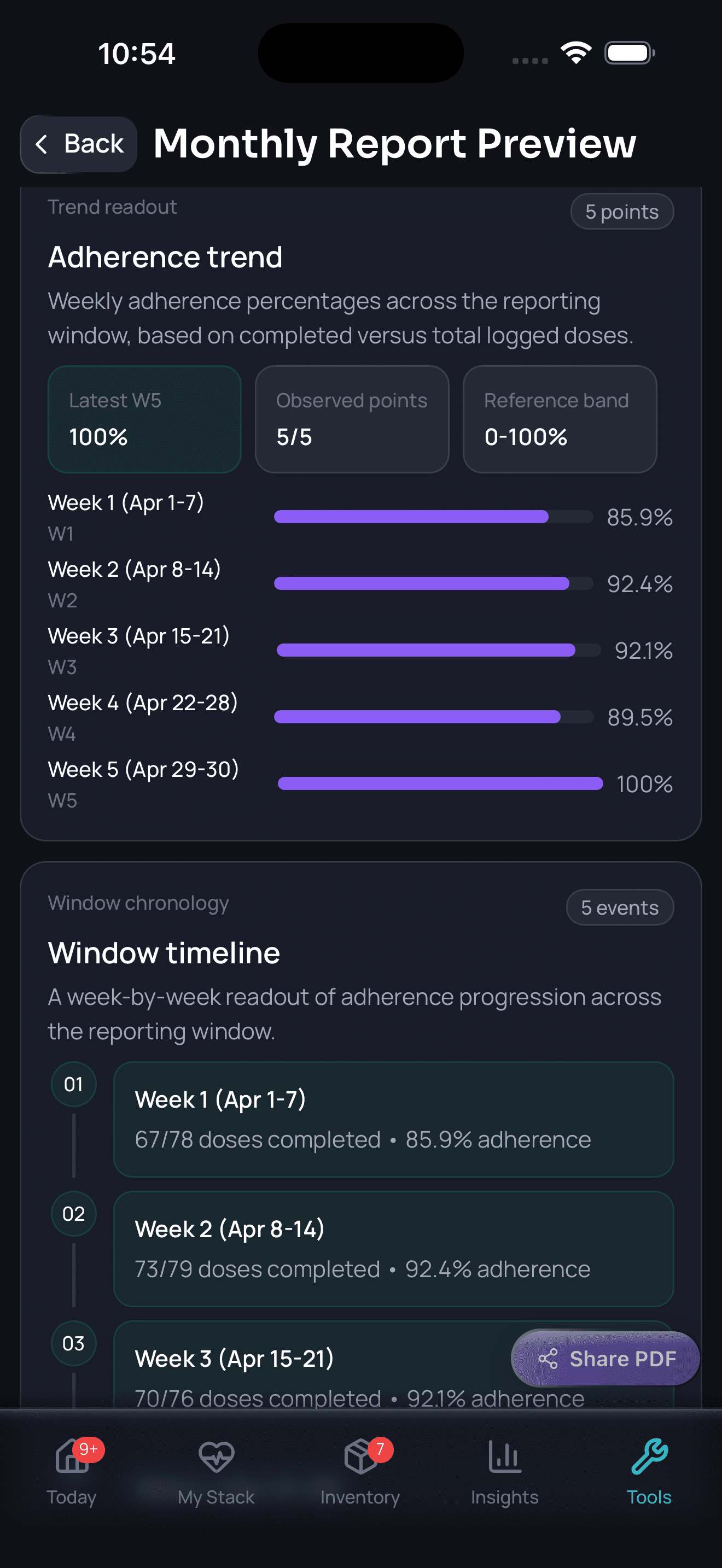
Organized notes can support better conversations with your care team.
Administration & Practical Guide
Administration details are covered in the formulation-specific guides. See:
- Testosterone Injections Guide for IM and SubQ injection technique
- Testosterone Gels & Topicals Guide for transdermal application
- Oral Testosterone Guide for oral formulation guidance
In the US context, self-injection is the most common administration method for men using testosterone cypionate or enanthate. Most telehealth platforms and clinics ship supplies (syringes, needles, alcohol swabs) directly to patients. Sharps disposal regulations vary by state and locality.
Monitoring & Lab Work
Monitoring requirements in the US are defined by the Endocrine Society guidelines and influence both insurance coverage and ongoing care:
Pre-TRT Baseline Labs:
- Total testosterone (two morning fasting draws on separate days)
- Free testosterone (calculated or equilibrium dialysis, if total T is borderline or SHBG is abnormal)
- LH, FSH (to distinguish primary from secondary hypogonadism)
- Estradiol, SHBG, prolactin (if secondary hypogonadism suspected)
- CBC with hematocrit
- PSA (age-appropriate, per guidelines for men over 40)
- Lipid panel, comprehensive metabolic panel
- DEXA if osteoporosis risk
Initial Follow-Up (4-12 weeks):
- Trough testosterone level (for injectables, drawn just before next injection)
- Hematocrit
- Symptom assessment
- Side effect evaluation
Ongoing Monitoring:
- Hematocrit: Every 6-12 months; >54% threshold for intervention
- Testosterone levels: Trough for injectables, any-time for transdermal
- PSA: Per age-appropriate screening guidelines
- Estradiol: Only if symptomatic (not routine per Endocrine Society)
- Lipid panel: Annually
- Bone density (DEXA): If osteoporosis was indication for TRT
Insurance and Monitoring:
- Most insurers require ongoing lab monitoring as a condition of continued coverage
- Prior authorization renewals typically require recent lab results
- Some insurers set maximum testosterone level thresholds for continued coverage
Estrogen Management on TRT
Estrogen management considerations are consistent across US access pathways. The key access-related point is that aromatase inhibitors (primarily anastrozole) are frequently prescribed by TRT clinics but are rarely covered by insurance for this off-label use. This adds to the out-of-pocket cost for patients at cash-pay clinics.
The Endocrine Society and AUA guidelines do not recommend routine aromatase inhibitor use during TRT. Estradiol monitoring is recommended only when symptoms suggest elevated estrogen (gynecomastia, significant fluid retention, mood effects). For comprehensive coverage, see Estrogen Management on TRT.
The relationship between your testosterone dose, injection frequency, and estradiol levels is unique to you. Doserly's analytics help you see how changes to your TRT protocol affect estrogen-related symptoms over time, revealing correlations that a single lab draw can't capture.
The app can surface insights like whether splitting your dose reduced estrogen-related symptoms without needing an AI, or whether estradiol levels trend differently in the days following an injection. These patterns help you and your provider optimize your protocol with a focus on keeping estrogen in a healthy range rather than reflexively suppressing it.
Capture changes while they are still fresh.
Log symptoms, energy, sleep, mood, and other observations alongside protocol events so patterns do not live only in memory.
Trend view
Symptom timeline
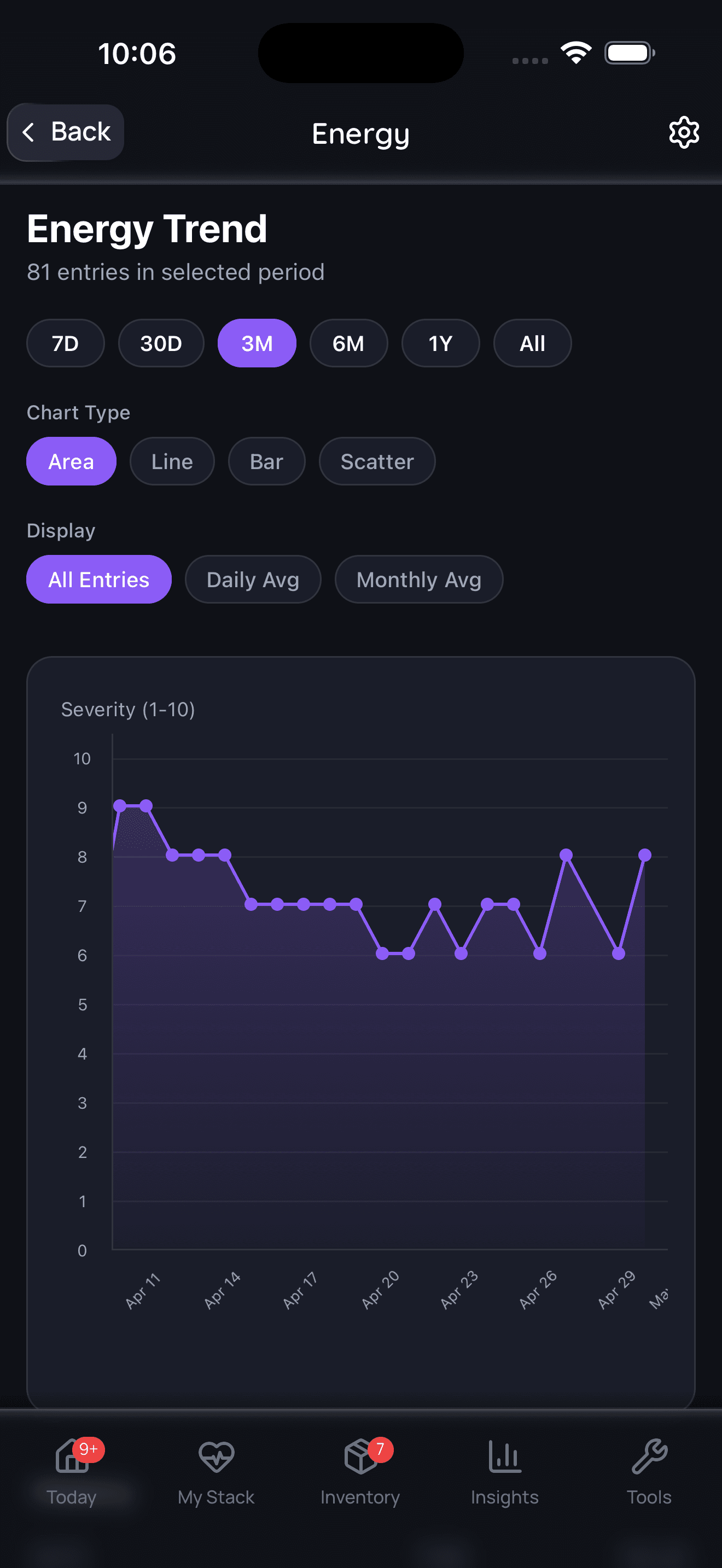
Symptom tracking is informational and should be interpreted with a qualified clinician.
Stopping TRT / Post-Cycle Considerations
Stopping TRT in the US context involves the same physiological considerations as anywhere: HPG axis recovery takes 6-24+ months and is not guaranteed, particularly for men with primary hypogonadism. For comprehensive coverage of PCT protocols, recovery timelines, and practical guidance, see Stopping TRT & Post-Cycle Recovery.
US-specific access considerations when stopping TRT:
- Prescription cancellation is straightforward; no regulatory barriers to discontinuation
- If you later want to restart, you may need to re-qualify through the diagnostic process (two low testosterone levels plus symptoms)
- Insurance prior authorization may need to be re-submitted
- Telehealth clinic re-enrollment is typically faster than the initial insurance pathway
Special Populations & Situations
Obese Men
Obesity is a common cause of low testosterone, and weight loss alone may normalize levels. Some US insurers require documentation of lifestyle intervention attempts before approving TRT coverage. The Endocrine Society recommends evaluating for and addressing obesity before initiating TRT in men with secondary hypogonadism and BMI >30 [7]. See Obesity-Related Hypogonadism.
Veterans
VA healthcare covers TRT for veterans with documented hypogonadism. The VA system has its own formulary and prescribing protocols. DEA's January 2025 telemedicine rules include a specific exemption for VA practitioners from special registration requirements for telehealth prescribing of controlled substances [2].
Men Without Insurance
Access options for uninsured men in the US include:
- Telehealth TRT clinics ($80-200/month all-inclusive)
- GoodRx and prescription discount programs (generic testosterone cypionate as low as $30-60 per vial)
- Medicaid (state-specific; may cover TRT with documented hypogonadism)
- Community health centers (sliding scale fees)
- HSA/FSA accounts can be used for TRT expenses with a valid prescription
Gender-Affirming Testosterone Access
Testosterone for gender-affirming care follows different access pathways than hypogonadism-based TRT. Insurance coverage varies significantly by state and plan. Many states require coverage of gender-affirming care under ACA provisions, though enforcement is evolving. This guide focuses on hypogonadism-based TRT access; gender-affirming care has distinct clinical protocols and insurance considerations.
Older Men (>65)
The Endocrine Society suggests against routinely prescribing TRT to all men over 65 with low testosterone. TRAVERSE and TTrials data are primarily from this age group. Medicare Part D may cover TRT with documented hypogonadism and prior authorization, but formulary restrictions and cost-sharing apply [7].
Men with Cardiovascular Disease History
The TRAVERSE trial specifically enrolled men with cardiovascular risk factors, providing the most relevant safety data for this population. The removal of the cardiovascular Boxed Warning in February 2025 has made some providers more willing to prescribe, though careful monitoring remains essential [4][5].
Regulatory, Insurance & International
This is the primary content section for this country-access guide.
Federal Regulatory Framework
Schedule III Classification
Testosterone is classified as a Schedule III controlled substance under the Controlled Substances Act (21 U.S.C. § 812). This classification was established by the Anabolic Steroids Control Act of 1990 and expanded by the Anabolic Steroid Control Act of 2004 [1].
Schedule III characteristics:
- Currently accepted medical use in the United States
- Potential for abuse less than Schedule I or II substances
- Abuse may lead to moderate or low physical dependence or high psychological dependence
Practical implications of Schedule III for patients:
- Valid prescription from a licensed practitioner is required for legal possession
- Maximum 5 refills per prescription within a 6-month window (21 U.S.C. § 829)
- After 5 refills or 6 months, a new prescription must be written
- Pharmacies report dispensing to state PDMPs
- DEA registration required for prescribers
- Some pharmacies have additional verification procedures for controlled substances
Penalties for unauthorized possession or distribution:
- Possession without prescription (first offense): up to 1 year imprisonment, minimum $1,000 fine
- Manufacturing or distribution: up to 10 years imprisonment, up to $500,000 fine for individuals
- Penalties increase for repeat offenses [1][2]
FDA-Approved Products
The FDA has approved testosterone in multiple formulations. All are classified as Schedule III:
Injectable Formulations:
- Depo-Testosterone (testosterone cypionate) 100 mg/mL and 200 mg/mL
- Delatestryl (testosterone enanthate) 200 mg/mL
- Aveed (testosterone undecanoate) 750 mg/3 mL (requires REMS due to risk of POME and anaphylaxis; administered in healthcare setting only)
- Xyosted (testosterone enanthate) 50, 75, 100 mg auto-injector for subcutaneous use
- Testosterone Cypionate Auto-Injector (Azmiro)
Topical Gels:
- AndroGel (testosterone gel) 1% and 1.62% (Boxed Warning: secondary exposure risk to children)
- Testim (testosterone gel) 1%
- Vogelxo (testosterone gel)
- Fortesta (testosterone gel) 2%
Oral Formulations:
- Jatenzo (testosterone undecanoate capsules) (Boxed Warning: blood pressure increases)
- Kyzatrex (testosterone undecanoate capsules)
- Tlando (testosterone undecanoate capsules)
Other Formulations:
- Androderm (testosterone transdermal patch)
- Natesto (testosterone nasal gel)
- Striant (testosterone buccal system)
- Testopel (testosterone subcutaneous pellets)
Generic Availability:
Generic testosterone cypionate is the most widely available and affordable formulation. Generic testosterone enanthate is also available. Most topical gels now have generic equivalents. Oral formulations remain primarily brand-name with higher costs.
FDA-Approved Indications vs. Off-Label Use
The FDA approves testosterone products only for men who lack or have low testosterone levels in conjunction with an associated medical condition. The FDA has explicitly stated that none of the approved testosterone products are approved for use in men with low testosterone levels who lack an associated medical condition (age-related hypogonadism or "low T") [3][4].
February 2025 Labeling Changes
Following review of TRAVERSE trial data and postmarket ABPM studies, the FDA issued class-wide labeling changes [4]:
Changes:
- Removed cardiovascular-related Boxed Warning language from all testosterone products
- Retained "Limitation of Use" language stating safety and efficacy in age-related hypogonadism have not been established
- Added TRAVERSE trial results to all testosterone product labels
- Added class-wide blood pressure warnings based on ABPM study data
- Added product-specific blood pressure information for products with completed ABPM studies
Insurance Coverage
Coverage Requirements
Most US health insurance plans treat testosterone as a covered prescription when medical necessity is documented. Requirements typically include [8][9]:
- Two documented low testosterone levels: Morning fasting testosterone below insurer's threshold (usually 250-350 ng/dL, most commonly 300 ng/dL) on two separate days
- Formal diagnosis: Hypogonadism diagnosis (ICD-10: E29.1) documented in medical records
- Symptoms: Documented symptoms consistent with testosterone deficiency
- Rule out other causes: Evaluation of thyroid function, prolactin, and other potential causes may be required
- Prior authorization: Most plans require PA before covering testosterone prescriptions
Coverage by Insurance Type
Employer-Sponsored Plans:
Most employer-sponsored health plans and ACA marketplace plans include testosterone on their formulary. Coverage and cost-sharing vary significantly between plans. Generic injectables are most consistently covered; brand-name products often require step therapy (try generic first) or may not be on formulary [8][9].
Medicare:
Medicare Part D may cover testosterone with documented hypogonadism. Coverage depends on the specific Part D plan formulary. Prior authorization is typically required. Cost-sharing varies between plans [8].
Medicaid:
Coverage varies by state. Many state Medicaid programs cover testosterone for hypogonadism with prior authorization. Formulary restrictions apply. Availability of specific formulations varies by state [8].
Cost Data
With Insurance Coverage:
Item
Generic testosterone cypionate (10mL vial)
- Typical Cost
- $0-30 copay
Item
Syringes and needles
- Typical Cost
- Usually covered
Item
Lab work (in-network)
- Typical Cost
- $0-50 copay
Item
Doctor visits
- Typical Cost
- $20-50 copay
Item
Monthly total
- Typical Cost
- $30-80
Without Insurance (Cash Pay):
Item
Generic testosterone cypionate (10mL vial)
- Typical Cost
- $30-60
Item
Syringes and needles
- Typical Cost
- $5-15
Item
Lab work (comprehensive panel)
- Typical Cost
- $100-250
Item
Clinic visits/monitoring
- Typical Cost
- $50-150
Item
Monthly total
- Typical Cost
- $100-300
Prescription Discount Programs:
GoodRx and similar discount programs can reduce the cost of generic testosterone cypionate at retail pharmacies to $30-60 per 10mL vial for uninsured or underinsured patients.
HSA/FSA Eligibility:
TRT expenses (medication, labs, provider visits, supplies) are eligible expenses under Health Savings Accounts and Flexible Spending Accounts when prescribed by a licensed provider, allowing payment with pre-tax dollars [8].
Telehealth Prescribing
DEA Telemedicine Rules (January 2025)
The DEA announced three new telemedicine rules in January 2025 that directly affect testosterone prescribing [2]:
- Special Registrations for Telemedicine: New special registrations permit patients to receive Schedule III-V controlled substances (including testosterone) through telemedicine without an in-person medical evaluation, subject to registration requirements
- Platform Registration: Online platforms facilitating controlled substance prescriptions must register with DEA
- National PDMP: Establishment of a nationwide Prescription Drug Monitoring Program
- In-Person Exception: Once a patient has had an in-person visit with a medical provider, that provider may prescribe through telemedicine indefinitely without additional requirements
State-Level Telehealth Variation
Telehealth prescribing of controlled substances is regulated at both federal and state levels. Key variations include:
- Some states allow testosterone prescribing via telemedicine without an in-person examination
- Others require at least one in-person visit before initiating controlled substance prescribing
- Provider must be licensed in the patient's state
- Prescription quantity limits may vary by state
- Corporate Practice of Medicine doctrine restricts non-physician ownership of TRT clinics in many states
Telehealth TRT Clinic Landscape
The US has a growing landscape of telehealth TRT providers. Types include:
- Large telemedicine platforms (Ro, Hims, Keeps) offering TRT alongside other men's health services
- Specialized TRT telehealth clinics dedicated exclusively to hormone therapy
- Concierge/optimization clinics offering premium, personalized protocols at higher cost
Typical telehealth process:
- Online consultation ($75-150; some platforms offer free initial assessment)
- Lab work ordered (at-home kit or local lab draw, $75-150)
- Lab results reviewed by licensed physician
- Prescription issued and medication shipped or sent to pharmacy
- Follow-up consultations and ongoing monitoring
Quality considerations:
- Verify the provider is licensed in your state
- Confirm they require lab work before prescribing (this is non-negotiable for legitimate practice)
- Ask about ongoing monitoring protocols
- Be cautious of clinics that prescribe without adequate evaluation or monitoring
- The cheapest option is not always the best option; quality of medical oversight matters
Compounding Pharmacies
503A Pharmacies (Traditional Compounding)
- Compound according to prescriptions for specific individual patients
- Regulated by state boards of pharmacy
- Must comply with USP standards
- Cannot compound products that are essentially copies of commercially available drugs (with exceptions)
- Most common for compounded testosterone creams/gels
503B Outsourcing Facilities
- FDA-regulated facilities that can manufacture larger batches
- Do not require patient-specific prescriptions
- Must adhere to Current Good Manufacturing Practice (CGMP) regulations
- Can provide office-use products directly to prescribers
- Subject to FDA inspection
- Used by many TRT clinics for testosterone pellets and injectable formulations
Compounded testosterone considerations:
- Not FDA-approved; exempt from standard approval under specific conditions
- Quality varies between compounding pharmacies; 503B facilities are held to higher standards
- Rarely covered by insurance
- Popular for testosterone cream formulations not commercially available in FDA-approved forms
- Cost can be competitive with branded products but varies widely
Travel Considerations
Traveling within and outside the United States with testosterone requires planning:
Domestic travel:
- Carry testosterone in original pharmacy-labeled container
- Bring a copy of your prescription or a letter from your prescriber
- TSA permits medically necessary liquids and needles through security with proper documentation
International travel:
- Testosterone is a controlled substance in many countries; some countries prohibit importation entirely
- Contact the embassy or consulate of your destination country before traveling
- Carry documentation: prescription, letter from prescriber, and potentially a DEA import/export permit for some destinations
- Quantity limits typically apply (30-90 day supply)
- Some countries have different scheduling or require separate importation permits
Frequently Asked Questions
Is testosterone legal in the United States?
Yes. Testosterone is a legal prescription medication when obtained with a valid prescription from a licensed healthcare provider. It is classified as a Schedule III controlled substance, meaning it requires a prescription, has refill limitations, and unauthorized possession or distribution carries legal penalties.
Do I need a specialist to prescribe TRT?
No. Primary care physicians, endocrinologists, urologists, and (depending on state law) nurse practitioners and physician assistants can all prescribe testosterone. However, not all providers are comfortable prescribing TRT. Telehealth platforms staffed by TRT-focused providers are an alternative if local physicians are unwilling to prescribe.
How much does TRT cost in the US?
Costs vary widely depending on your access pathway. With insurance coverage, generic testosterone cypionate may cost $30-80/month including copays for labs and visits. Without insurance, expect $100-300/month. Generic testosterone cypionate at a retail pharmacy with a discount coupon (GoodRx) typically costs $30-60 per 10mL vial.
Will my insurance cover TRT?
Insurance can cover TRT if you have documented hypogonadism (typically two morning testosterone levels below 300 ng/dL) with symptoms, and if prior authorization is obtained. Coverage varies significantly by plan. Generic injectable testosterone is most likely to be covered. Brand-name formulations, compounded products, and ancillary medications (HCG, anastrozole) often are not covered.
What happens if my insurance denies TRT coverage?
You can appeal the denial with additional documentation from your provider. First denials are common and appeals frequently succeed. Alternatively, you can fill the prescription without insurance using a pharmacy discount program, switch to a cash-pay clinic, or use a telehealth TRT provider.
Can I get TRT through telehealth?
Yes. Multiple telehealth platforms legally prescribe testosterone in the US. The provider must be licensed in your state and follow DEA requirements for controlled substance prescribing. Legitimate platforms require lab work confirming low testosterone before issuing a prescription.
How often do I need to see my doctor for TRT?
Initial follow-up is typically at 4-12 weeks. After stabilization, most guidelines recommend monitoring every 6-12 months with lab work (hematocrit, testosterone levels, PSA) and symptom assessment. Insurance coverage renewal may require periodic lab documentation.
Can I travel with testosterone?
Yes, within the US. Carry testosterone in original pharmacy packaging with your prescription label. For international travel, contact the destination country's embassy regarding controlled substance importation rules, carry prescriber documentation, and bring only the quantity needed for your trip.
Is testosterone from online clinics legitimate?
Legitimate online TRT clinics prescribe through licensed physicians and dispense from licensed pharmacies (either retail or compounding). Verify that your provider is licensed in your state and that they require blood work before prescribing. Be cautious of services that prescribe without adequate evaluation.
What is the difference between FDA-approved TRT and "low T" clinics?
FDA-approved TRT indication covers men with documented hypogonadism due to a known medical condition. Many "low T" or "hormone optimization" clinics treat men with symptoms of testosterone deficiency who may not meet the strict diagnostic criteria for hypogonadism or whose testosterone levels are above the typical insurance coverage threshold. These clinics often operate on a cash-pay basis.
Why do TRT prescriptions have refill limits?
Because testosterone is a Schedule III controlled substance, federal law limits prescriptions to a maximum of 5 refills within 6 months. After that, a new prescription must be written. This is a DEA requirement that applies to all Schedule III medications, not just testosterone.
Can I use HSA or FSA funds for TRT?
Yes. TRT-related expenses (medication, lab work, provider visits, supplies) are eligible for Health Savings Account and Flexible Spending Account reimbursement when prescribed by a licensed provider, effectively allowing payment with pre-tax dollars.
Myth vs. Fact
Myth: You can buy testosterone over the counter in the US.
Fact: Testosterone is a Schedule III controlled substance and requires a valid prescription from a licensed healthcare provider. Over-the-counter "testosterone boosters" are dietary supplements that do not contain testosterone and are not regulated as drugs by the FDA. Possession of testosterone without a prescription can result in up to 1 year imprisonment and a $1,000 fine for a first offense [1][2].
Myth: Insurance never covers TRT.
Fact: Most insurance plans can cover TRT when medical necessity is documented. The typical requirements are two morning testosterone levels below the insurer's threshold (usually 300 ng/dL), symptoms of hypogonadism, a formal diagnosis, and prior authorization. Generic injectable testosterone is most commonly covered. The process can be cumbersome, but coverage is available for many patients who meet diagnostic criteria [8][9].
Myth: Telehealth TRT clinics are illegal.
Fact: Telehealth TRT prescribing is legal in the US when done by a licensed provider who meets DEA requirements for controlled substance prescribing. The provider must be licensed in the patient's state, a valid patient-provider relationship must exist, and lab work confirming low testosterone is required before prescribing. The DEA's January 2025 telemedicine rules established a framework for ongoing telehealth prescribing of Schedule III-V controlled substances [2].
Myth: TRT is too expensive for most people.
Fact: Generic testosterone cypionate, the most commonly prescribed TRT formulation in the US, costs approximately $30-60 per 10mL vial at a retail pharmacy with a discount coupon. With insurance coverage, monthly costs can be as low as $30-80. While telehealth clinics and specialized hormone clinics charge more ($100-300/month), the medication itself is relatively inexpensive [8][9].
Myth: Any doctor can prescribe any amount of testosterone.
Fact: While licensed physicians with DEA registration can prescribe testosterone, they are bound by medical practice standards and DEA regulations. Prescriptions must be for a legitimate medical purpose. Prescribing without proper diagnostic evaluation or medical justification can result in loss of medical license and DEA registration. State medical boards and the DEA actively investigate inappropriate prescribing [2].
Myth: TRT causes heart attacks.
Fact: The TRAVERSE trial (n=5,246), the first large RCT designed to assess cardiovascular safety of testosterone therapy, demonstrated non-inferiority of testosterone gel vs placebo for major adverse cardiovascular events (HR 0.96, 95% CI: 0.78-1.17) over 33 months. MACE incidence was 7.0% in the testosterone group and 7.3% in the placebo group. Based on TRAVERSE data, the FDA in February 2025 removed the cardiovascular-related Boxed Warning from all testosterone product labels. However, increased blood pressure was confirmed across all formulations, and monitoring is warranted [4][5][6].
Myth: Compounded testosterone is the same quality as FDA-approved products.
Fact: Compounded testosterone is not FDA-approved and is not subject to the same manufacturing standards as commercially available products. Quality varies between compounding pharmacies. 503B outsourcing facilities are held to higher standards (CGMP, FDA inspection) than traditional 503A pharmacies. While compounded testosterone can be a legitimate option for specific formulations not commercially available, patients should be aware of the quality variance [10].
Myth: You need to see an endocrinologist to get TRT.
Fact: Primary care physicians, urologists, nurse practitioners (state-dependent), physician assistants (state-dependent), and telehealth providers can all prescribe testosterone in the US. While endocrinologists have specialized expertise in hormonal conditions, they are not required for TRT prescribing. Many men successfully obtain TRT from their primary care provider or a telehealth platform.
Sources & References
Clinical Guidelines
[1] U.S. Congress. Anabolic Steroids Control Act of 1990. 21 U.S.C. § 802(41)(A). Established Schedule III classification for anabolic steroids including testosterone.
[2] U.S. Drug Enforcement Administration. DEA Announces Three New Telemedicine Rules. January 16, 2025. https://www.dea.gov/press-releases/2025/01/16/dea-announces-three-new-telemedicine-rules-continue-open-access
Government/Regulatory Sources
[3] U.S. Food and Drug Administration. Testosterone Information. https://www.fda.gov/drugs/postmarket-drug-safety-information-patients-and-providers/testosterone-information
[4] U.S. Food and Drug Administration. FDA Issues Class-Wide Labeling Changes for Testosterone Products. February 28, 2025. https://www.fda.gov/drugs/drug-safety-and-availability/fda-issues-class-wide-labeling-changes-testosterone-products
Landmark Trials
[5] Lincoff AM, Bhasin S, Flevaris P, et al. Cardiovascular Safety of Testosterone-Replacement Therapy. N Engl J Med. 2023;389(2):107-117. TRAVERSE trial demonstrating non-inferiority for MACE endpoint (HR 0.96, 95% CI: 0.78-1.17).
[6] Bhasin S, Lincoff AM, Engelen FJAE, et al. Effects of Testosterone Replacement Therapy on Cardiovascular Risk Factors and Outcomes. TRAVERSE trial secondary outcomes analysis.
Clinical Practice Guidelines
[7] Bhasin S, Brito JP, Cunningham GR, et al. Testosterone Therapy in Men With Hypogonadism: An Endocrine Society Clinical Practice Guideline. J Clin Endocrinol Metab. 2018;103(5):1715-1744. doi:10.1210/jc.2018-00229
Regulatory and Legal References
[8] 21 U.S.C. § 829. Prescriptions; Schedule III controlled substance refill limitations (maximum 5 refills within 6 months).
[9] 21 U.S.C. § 844. Penalties for simple possession of controlled substances.
[10] U.S. Food and Drug Administration. Compounded Drug Products That Are Essentially Copies of a Commercially Available Drug Product Under Section 503A of the Federal Food, Drug, and Cosmetic Act. Guidance for Industry. January 2018.
Related Guides & Cross-Links
Same Category (Country Access)
- TRT Access in the United Kingdom
- TRT Access in Canada
- TRT Access in Australia
- TRT Access in the European Union
Related Treatment Options
- TRT for Beginners
- Testosterone Injections Guide
- Testosterone Gels & Topicals Guide
- Oral Testosterone Guide
- TRT Blood Work Guide
Medication Guides
- Testosterone Cypionate
- Testosterone Enanthate
- Testosterone Gel (AndroGel)
- Jatenzo
- Compounded Testosterone Cream
Condition Guides
- Primary Hypogonadism
- Secondary Hypogonadism
- Late-Onset Hypogonadism
- Obesity-Related Hypogonadism
- Opioid-Induced Androgen Deficiency