
TRT Access in the European Union
On this page
Quick Reference Card
Attribute
Guide Topic
- Value
- TRT Access in the European Union
Attribute
Category
- Value
- Country Access Guide
Attribute
Regulatory Body
- Value
- EMA (European Medicines Agency) + National Competent Authorities
Attribute
Legal Classification
- Value
- Prescription-only medicine (EU-wide); additional controlled substance scheduling varies by member state
Attribute
Primary Clinical Guidelines
- Value
- EAU Guidelines on Male Hypogonadism (2024); EAA Guidelines on Functional Hypogonadism (2020); Endocrine Society Clinical Practice Guideline (2018)
Attribute
EAU Diagnostic Threshold
- Value
- Total testosterone < 12 nmol/L (~350 ng/dL) on two fasting morning blood samples
Attribute
EAA Harmonized Lower Limit
- Value
- 9.2 nmol/L (264 ng/dL) at 2.5th percentile; 10.5 nmol/L (303 ng/dL) at 5th percentile
Attribute
Widely Available Formulations
- Value
- Nebido (testosterone undecanoate IM), Sustanon 250, Testogel/Androgel (gel), Testosterone Enantate IM, Andriol/Undestor Testocaps (oral undecanoate)
Attribute
Key Prescribing Pathway
- Value
- Specialist-initiated in most countries (endocrinologist, urologist); GP continuation varies by country
Attribute
Approximate Cost
- Value
- Public healthcare: low copay in most countries; Private clinics: EUR 1,000-3,000/year
Attribute
Telemedicine Access
- Value
- Varies by country; initial prescriptions for controlled substances often require in-person evaluation
Attribute
Cross-Border Prescriptions
- Value
- Limited practical validity; EU Directive 2011/24/EU provides framework but controlled substance restrictions apply
Overview / What Is TRT Access in the European Union?
The Basics
Accessing testosterone replacement therapy in the European Union is a study in contrasts. On the surface, the EU offers a framework of shared medical standards, mutual recognition of prescriptions, and cross-border healthcare directives. In practice, getting TRT can look completely different depending on which of the 27 member states you live in.
The European Medicines Agency oversees the approval and safety monitoring of testosterone products at the EU level. All testosterone-containing medicines are authorized for the treatment of male hypogonadism, the clinical term for testosterone deficiency confirmed by both symptoms and blood tests. Importantly, using testosterone to address age-related decline in otherwise healthy older men is not an authorized indication in the EU. This is a meaningful distinction from the landscape in some other countries, where testosterone is more commonly prescribed for age-related symptoms without a formal hypogonadism diagnosis.
For a man experiencing symptoms of low testosterone in the EU, the typical path begins with a visit to a general practitioner. From there, the journey diverges sharply based on geography. In Germany, specialist oversight from an endocrinologist or urologist is expected, and insurance typically covers treatment once a diagnosis is confirmed. In France, TRT is often initiated in a hospital setting with careful monitoring. Spain takes a somewhat more flexible approach, with growing acceptance of telemedicine platforms. Sweden, by contrast, maintains one of the most conservative prescribing postures in the EU, often requiring lifestyle interventions before considering hormone therapy.
This variation can be frustrating for men who research their condition and find that the diagnostic thresholds and prescribing norms in their country differ significantly from those used elsewhere. The European Association of Urology uses a diagnostic threshold of 12 nmol/L (approximately 350 ng/dL), which is actually more inclusive than the US Endocrine Society's threshold of 300 ng/dL. Yet the practical ease of obtaining treatment often depends more on local medical culture than on guideline thresholds.
The growth of private TRT clinics and telemedicine services across the EU reflects this gap between what guidelines permit and what public healthcare systems routinely provide. Understanding both pathways, public and private, along with their costs, regulatory requirements, and practical limitations, is essential for any man in the EU considering testosterone therapy.
The Science
The EU regulatory framework for testosterone is built on two pillars: centralized EMA oversight and national-level implementation by each member state's Competent Authority [1].
The EMA conducted a formal referral review of testosterone-containing medicines in 2014, triggered by concerns about cardiovascular safety. The Pharmacovigilance Risk Assessment Committee (PRAC) concluded that evidence regarding cardiovascular risk was inconsistent: some studies suggested increased risk while others did not, and methodological limitations weakened the conclusions of several concerning studies. The Committee for Mutual Recognition and Decentralised Procedures (CMDh) endorsed this finding by consensus and required updated product information, including warnings that testosterone therapy should only be initiated after confirming deficiency through both clinical features and biochemical tests [1].
The primary European clinical guideline for male hypogonadism management comes from the European Association of Urology (EAU), last updated in 2024. The EAU guideline uses a diagnostic threshold of total testosterone < 12 nmol/L (3.5 ng/mL) for late-onset hypogonadism (LOH), supported by a strong recommendation to measure morning fasting testosterone with a reliable assay on at least two separate occasions [2]. The European Academy of Andrology (EAA) guideline, endorsed by the European Society of Endocrinology, provides harmonized reference ranges based on international population cohorts, establishing lower limits of 9.2 nmol/L (264 ng/dL) at the 2.5th percentile and 10.5 nmol/L (303 ng/dL) at the 5th percentile for healthy, non-obese young men aged 19-39 [3].
Medical / Chemical Identity
Testosterone replacement therapy in the European Union uses exogenous testosterone in formulations authorized at either the EU or national level.
EU Regulatory Framework:
- European Medicines Agency (EMA): Central authority for medicine evaluation and safety monitoring
- National Competent Authorities: Responsible for marketing authorization, prescribing rules, and controlled substance scheduling within each member state
- Testosterone status: Prescription-only medicine (EU-wide); additional controlled substance classification varies by country
Testosterone Products Available Across EU Member States:
Product
Testosterone undecanoate 1000mg/4mL
- Type
- IM injection (long-acting)
- Common Brand Names
- Nebido
- Key Markets
- All major EU markets
Product
Testosterone blend (4 esters)
- Type
- IM injection
- Common Brand Names
- Sustanon 250
- Key Markets
- Netherlands, Finland, Slovakia, Latvia, Czech Republic, Portugal
Product
Testosterone enanthate 250mg/mL
- Type
- IM injection
- Common Brand Names
- Testoviron Depot, Testosterone Enantate
- Key Markets
- Germany, Italy, UK/XI
Product
Testosterone undecanoate 40mg
- Type
- Oral capsule
- Common Brand Names
- Andriol, Undestor Testocaps, Pantestone
- Key Markets
- France, Romania, multiple EU states
Product
Testosterone gel 1%
- Type
- Transdermal
- Common Brand Names
- Testogel, Androgel
- Key Markets
- Most EU markets
Product
Testosterone patch
- Type
- Transdermal
- Common Brand Names
- Androderm
- Key Markets
- Limited availability
Products NOT widely available in the EU:
- Testosterone cypionate (Depo-Testosterone): Primarily a US product; available through some compounding pharmacies
- Natesto (nasal testosterone), Jatenzo/Tlando/Kyzatrex (oral SEDDS formulations), Xyosted (auto-injector), Testopel (pellets): US-market formulations not authorized in EU
Mechanism of Action / Pathophysiology
The Basics
Understanding the regulatory landscape for TRT in the EU requires some context about what testosterone deficiency actually is. Hypogonadism occurs when the body does not produce enough testosterone to maintain normal health and function. The EU approach to diagnosis and treatment is firmly rooted in the principle that a low testosterone number alone does not equal a disease. Both the European Association of Urology and the European Academy of Andrology emphasize that clinical symptoms must accompany low laboratory values before treatment is considered.
This emphasis matters because testosterone levels naturally decline with age, typically by about 1-2% per year after age 30. The EU medical establishment draws a clear line between this natural decline and pathological hypogonadism caused by identifiable problems with the testes, the pituitary gland, or the hypothalamus. Age-related decline in an otherwise healthy man is explicitly not an authorized indication for testosterone therapy in the EU.
The Science
The EAU guidelines classify male hypogonadism into primary (hypergonadotropic) hypogonadism, characterized by testicular failure with elevated LH and FSH, and secondary (hypogonadotropic) hypogonadism, characterized by hypothalamic-pituitary dysfunction with low or inappropriately normal LH and FSH [2]. The EAA guidelines add functional hypogonadism (previously termed late-onset hypogonadism) as a distinct entity, characterized by low testosterone with clinical symptoms in the absence of identifiable organic pathology [3].
Diagnostic assessment per EAU guidelines requires serum total testosterone measurement between 07:00 and 11:00, in the fasting state, on at least two separate occasions. SHBG and calculated free testosterone should be measured when indicated. Pituitary MRI is recommended in secondary severe hypogonadism (total testosterone < 6 nmol/L) [2].
Pathway & System Visualization
Pharmacokinetics / Hormone Physiology
The Basics
The testosterone formulations available in the EU fall into three main categories: long-acting injections, daily topical products, and oral capsules. The most widely prescribed formulation in the EU is Nebido (testosterone undecanoate 1000mg), a long-acting injection given every 10 to 14 weeks. This differs from the US market, where shorter-acting testosterone cypionate and enanthate are more common for regular self-injection.
Sustanon 250, a blend of four testosterone esters, is available in many EU countries and is typically administered every 2-3 weeks. Testosterone enanthate 250mg is available in Germany, Italy, and some other markets for more frequent injection schedules.
Daily gels (Testogel, Androgel) provide steady testosterone levels when applied consistently, with the main considerations being transfer risk to partners or children and the need for daily application.
Oral testosterone undecanoate (Andriol, Undestor Testocaps) has been available in Europe longer than in the US. It requires administration with fatty food for adequate absorption, and its bioavailability is variable, which is why many prescribers prefer other formulations.
The Science
Nebido (testosterone undecanoate 1000mg/4mL in castor oil) achieves steady-state testosterone concentrations after the third or fourth injection, with Cmax typically reached approximately 7-14 days post-injection and levels remaining within the physiological range for 10-14 weeks in most patients. The long injection interval reduces treatment burden but limits dose titration flexibility compared to shorter-acting esters [4].
Sustanon 250 contains testosterone propionate (30mg), testosterone phenylpropionate (60mg), testosterone isocaproate (60mg), and testosterone decanoate (100mg), providing both rapid onset and sustained release. Peak levels occur within 24-48 hours, with the decanoate component maintaining levels for 2-3 weeks [4].
The EAU guidelines recommend transdermal testosterone (gels) rather than long-acting depot administration when starting initial treatment in high-risk men, due to the ability to discontinue rapidly if adverse effects emerge [2].
Research & Clinical Evidence
The Basics
The evidence base guiding TRT prescribing in Europe draws from the same major studies used worldwide, but European guidelines interpret and apply this evidence with particular caution. The TRAVERSE trial, the largest randomized controlled trial ever conducted on testosterone therapy's cardiovascular safety, enrolled men aged 45-80 with hypogonadism and either existing cardiovascular disease or high risk for it. The trial found that testosterone gel was non-inferior to placebo for major cardiovascular events, providing important reassurance about cardiac safety.
European regulatory bodies reviewed cardiovascular safety data before TRAVERSE was published. The EMA's 2014 review found no consistent evidence of increased cardiovascular risk with testosterone therapy, though this review preceded the more definitive TRAVERSE data.
The Science
The TRAVERSE trial (n=5,246) demonstrated non-inferiority of testosterone gel versus placebo for the primary composite endpoint of major adverse cardiovascular events (MACE: death from cardiovascular causes, nonfatal myocardial infarction, nonfatal stroke) with a hazard ratio of 0.96 (95% CI: 0.78-1.17) over a mean follow-up of 33 months. The upper bound of the 95% CI was below the prespecified non-inferiority margin of 1.20 [5].
The EAU guidelines note that men with hypogonadism have an increased risk of cardiovascular disease, but whether this relationship is causal remains uncertain. The guidelines recommend assessing men with known cardiovascular disease for cardiovascular symptoms before starting testosterone therapy and during regular follow-up [2].
The EMA's PRAC review (2014) evaluated the same observational data that prompted FDA label changes in the United States and concluded that the evidence was inconsistent. Some studies suggested increased risk while others did not. The PRAC noted that methodological problems (healthy user bias, confounding by indication) limited the conclusions from observational data [1].
Evidence & Effectiveness Matrix
For a country-access guide, the Evidence & Effectiveness Matrix focuses on the access-relevant outcomes. Treatment outcome evidence is better captured in individual medication and condition guides.
Category
Sexual Function & Libido
- Evidence Strength
- 7/10
- Reported Effectiveness
- 5/10
- Summary
- Strong clinical evidence for improvement in hypogonadal men. Community reports limited in EU access context.
Category
Energy & Vitality
- Evidence Strength
- 6/10
- Reported Effectiveness
- 5/10
- Summary
- TTrials and observational data support modest improvement. EU community reports focused on access barriers rather than outcomes.
Category
Mood & Emotional Wellbeing
- Evidence Strength
- 5/10
- Reported Effectiveness
- N/A
- Summary
- Mixed clinical evidence; TTrials showed modest benefit. Community data not scored for this guide.
Category
Cardiovascular Health
- Evidence Strength
- 8/10
- Reported Effectiveness
- N/A
- Summary
- TRAVERSE trial provides strong safety data (non-inferiority). Not scored for community effectiveness in access guide.
Category
Overall Quality of Life
- Evidence Strength
- 6/10
- Reported Effectiveness
- 6/10
- Summary
- Community reports reflect frustration with access barriers but significant improvement once treatment is established.
Category
Fertility & Reproductive
- Evidence Strength
- 8/10
- Reported Effectiveness
- N/A
- Summary
- Strong evidence for spermatogenesis suppression. Critical safety domain.
Category
Polycythemia & Hematologic
- Evidence Strength
- 7/10
- Reported Effectiveness
- N/A
- Summary
- Well-established dose and route-dependent erythrocytosis risk. Hematocrit >54% threshold.
Categories not scored due to insufficient data in the context of this access guide: Anxiety & Stress Response, Cognitive Function, Muscle Mass & Strength, Body Fat & Composition, Bone Health, Metabolic Health, Sleep Quality, Prostate Health, Skin & Hair, Gynecomastia & Estrogen, Fluid Retention & Edema.
Benefits & Therapeutic Effects
The Basics
The benefits of TRT for men with confirmed hypogonadism are well-documented across European and international research. When testosterone levels are genuinely deficient, treatment can improve sexual function and desire, energy levels, mood stability, body composition (reduced fat mass, increased lean mass), and bone density. These improvements typically develop over weeks to months, with sexual function changes often noticeable first and body composition changes taking longer.
It is worth noting that the EAU guidelines specifically recommend against using testosterone therapy to improve cognition, vitality, and physical strength in aging men who do not have diagnosed hypogonadism. This reflects the European medical establishment's conservative approach to distinguishing treatable disease from normal aging.
The Science
The Testosterone Trials (TTrials), a coordinated set of seven placebo-controlled trials enrolling men aged 65 and older with total testosterone below 275 ng/dL, demonstrated improvements in sexual function and desire (Sexual Function Trial), walking distance (Physical Function Trial), and bone mineral density and estimated bone strength (Bone Trial). Effects on vitality and mood were modest [6].
The EAU guidelines note that testosterone therapy in men with hypogonadism (total testosterone < 12 nmol/L) may have a beneficial effect on several aspects of sexual function, including libido, erectile function, and sexual satisfaction [2].
Benefits don't always arrive all at once. Libido may improve in weeks while body composition changes take months. Doserly's analytics help you see the full picture by correlating your treatment timeline with changes across every symptom you're tracking, surfacing patterns that are easy to miss when you're living through the adjustment period day by day.
The app can help you understand which benefits came first, whether improvements plateau or continue building, and how different aspects of your health connect to each other. When you can see the trajectory clearly, it's easier to stay the course through the initial weeks and to share meaningful updates with your provider.
Turn symptom and safety notes into a clearer timeline.
Doserly helps you log doses, symptoms, and safety observations side by side so patterns are easier to discuss with a qualified clinician.
Pattern view
Logs and observations

Pattern visibility is informational and should be reviewed with a clinician.
Risks, Side Effects & Safety
The Basics
All testosterone formulations carry risks that require monitoring. The most commonly discussed side effects include acne and oily skin, fluid retention, testicular shrinkage (as the body reduces its own testosterone production), and changes in red blood cell count. More serious risks include polycythemia (blood thickening), which requires monitoring and potentially treatment if hematocrit exceeds 54%. The effects on fertility are significant: exogenous testosterone suppresses sperm production, sometimes to zero, and this effect may not be fully reversible.
Regarding heart health, the TRAVERSE trial provided important reassurance. In a population of over 5,200 men aged 45-80 with cardiovascular risk factors or existing heart disease, testosterone gel did not significantly increase the rate of major cardiovascular events compared to placebo over nearly three years of follow-up. The absolute risk of the primary MACE endpoint was 7.0% in the testosterone group versus 7.3% in the placebo group, a difference that was not statistically significant (HR 0.96, 95% CI: 0.78-1.17) [5]. TRAVERSE did note higher rates of atrial fibrillation, pulmonary embolism, and acute kidney injury in the testosterone group, underscoring the importance of ongoing monitoring.
The Science
Erythrocytosis (hematocrit elevation) is the most common laboratory adverse effect of testosterone therapy. The EAU guidelines specify that a hematocrit >54% requires testosterone therapy adjustment or withdrawal and venesection if required [2]. Rates of clinically significant erythrocytosis are higher with intramuscular formulations than with transdermal preparations, due to supraphysiological testosterone peaks achieved with injection depot release.
The EMA's 2014 PRAC review found no consistent evidence of increased cardiovascular risk across the totality of available data, though individual studies produced conflicting results. The subsequent TRAVERSE trial (published 2023) provided the strongest evidence to date for cardiovascular safety of testosterone therapy in a high-risk population [1][5].
Contraindications per EAU guidelines include untreated breast or prostate cancer, uncontrolled or poorly controlled congestive heart failure, severe lower urinary tract symptoms (IPSS > 19, relative), desire for fertility, and hematocrit >54% at baseline [2].
Prostate safety: PSA and digital rectal examination should be undertaken in men over 40 before initiating TRT. Current evidence does not support a causal link between physiological testosterone replacement and prostate cancer initiation, consistent with the androgen saturation model [2].
Dosing & Treatment Protocols
The Basics
Dosing protocols in the EU reflect the formulations available in each country. Unlike the US, where testosterone cypionate 100-200mg weekly self-injection is the most common protocol, the EU landscape is dominated by Nebido (every 10-14 weeks), Sustanon 250 (every 2-3 weeks), and daily gel application.
Treatment typically starts at the lower end of the dosing range and is adjusted based on trough testosterone levels and symptom response. Most guidelines recommend reassessment at 4-12 weeks, with dose adjustment to achieve trough levels within the physiological range.
It is important to note that all TRT dosing in the EU requires a prescription and medical supervision. The information below reflects commonly prescribed ranges from clinical guidelines and is not a substitute for individualized prescriber guidance.
The Science
Common EU TRT protocols by formulation:
Formulation
Nebido (TU 1000mg/4mL)
- Typical Starting Dose
- 1000mg IM
- Dosing Interval
- Every 10-14 weeks (after loading)
- Notes
- Loading: second injection at 6 weeks
Formulation
Sustanon 250
- Typical Starting Dose
- 250mg IM
- Dosing Interval
- Every 2-3 weeks
- Notes
- Four-ester blend
Formulation
Testosterone enanthate
- Typical Starting Dose
- 250mg IM
- Dosing Interval
- Every 2-3 weeks (or 125mg weekly)
- Notes
- Available in Germany, Italy
Formulation
Testogel 1%
- Typical Starting Dose
- 50mg daily
- Dosing Interval
- Daily application
- Notes
- Gel pump or sachets
Formulation
Andriol/Undestor Testocaps
- Typical Starting Dose
- 120-160mg
- Dosing Interval
- Daily (with food)
- Notes
- Variable absorption
What to Expect (Timeline)
When testosterone therapy is initiated, the timeline for symptom improvement generally follows a predictable pattern, regardless of the country where treatment is prescribed:
- Days 1-7: Possible initial energy or mood changes (partly placebo effect). Injection site soreness if receiving IM injection. Skin irritation possible with transdermal formulations.
- Weeks 2-4: Libido changes are often the first noticeable effect. Energy improvements may begin. Possible mood shifts during adjustment.
- Months 1-3: Sexual function improvements become more apparent. Initial body composition changes may begin. Mood stabilization. Hematocrit begins to rise, requiring monitoring.
- Months 3-6: Body composition changes become more noticeable (reduced fat mass, increased lean mass). Strength improvements. Bone density changes beginning at the cellular level.
- Months 6-12: Full sexual function benefits realized. Significant body composition changes. Bone density improvements measurable on DEXA.
- Ongoing: Annual review, dose reassessment, continued monitoring of hematocrit, PSA, lipids, and symptom response.
Individual responses vary widely. Not all symptoms resolve with TRT alone, and dose adjustment during the first 3-6 months is common. Patience and consistent monitoring are essential.
Fertility Preservation & HPG Axis
Exogenous testosterone suppresses the hypothalamic-pituitary-gonadal (HPG) axis via negative feedback, reducing LH and FSH secretion. This leads to dramatic declines in intratesticular testosterone concentrations and suppression of spermatogenesis. Approximately 40-60% of men on TRT achieve azoospermia (zero sperm count) by 6 months, with most remaining men showing severe oligospermia [7].
Fertility counseling is essential before starting TRT in the EU, as in all jurisdictions. This applies regardless of which EU country prescribes the treatment.
Key considerations:
- Sperm banking should be discussed with all men of reproductive age before TRT initiation
- HCG co-administration (250-500 IU 2-3x weekly) can help maintain intratesticular testosterone and spermatogenesis, though it is not universally available or prescribed across EU countries
- Clomiphene and enclomiphene are alternatives that can raise endogenous testosterone without suppressing spermatogenesis, though their use for this indication is off-label in most EU countries
- Recovery after TRT discontinuation is variable (6-24+ months) and not guaranteed. Duration of TRT use, age, and pre-TRT hormonal status affect recovery potential
The EAU guidelines specifically state that testosterone therapy suppresses gonadotropin and endogenous testosterone secretion as well as spermatogenesis, and therefore testosterone therapy is contraindicated in individuals who desire fertility [2].
Interactions & Compatibility
Key interactions relevant to men on TRT in the EU:
Drug-drug interactions:
- Anticoagulants (warfarin, DOACs): Testosterone may enhance anticoagulant effect; closer INR monitoring recommended
- Insulin and diabetes medications: Testosterone may improve insulin sensitivity, potentially requiring dose reduction of diabetes medications
- Corticosteroids: Additive fluid retention risk
- 5-alpha reductase inhibitors (finasteride, dutasteride): Block conversion of testosterone to DHT; may affect TRT side effect profile
Supplement interactions:
- DHEA: Additive androgenic effects; discuss with prescriber
- Zinc: Supports testosterone production; commonly used alongside TRT
- Vitamin D: Associated with testosterone levels; deficiency common in Northern European populations
Lifestyle factors:
- Alcohol: Suppresses testosterone production and increases aromatization
- Sleep: Critical for testosterone production; TRT may worsen obstructive sleep apnea
- Exercise: Resistance training is synergistic with TRT for body composition changes
- Weight management: Weight loss alone may normalize testosterone in obese men, reducing or eliminating the need for TRT
Related Doserly guides: Testosterone Cypionate, Testosterone Enanthate, Testosterone Undecanoate Injectable, Anastrozole, HCG, Natural Testosterone Optimization
Decision-Making Framework
Navigating the TRT decision in the EU involves understanding both the clinical criteria and the practical realities of the healthcare system in your country.
Diagnostic Criteria
The EAU recommends a diagnosis based on:
- Two fasting morning total testosterone measurements below 12 nmol/L (350 ng/dL)
- Clinical symptoms consistent with testosterone deficiency
- Exclusion of reversible causes (obesity, sleep apnea, opioid use, pituitary pathology)
The EAA specifies that hypogonadism is highly unlikely with testosterone values above 12 nmol/L but more likely below 8 nmol/L [3].
When to Investigate Underlying Causes First
Before considering TRT, European guidelines emphasize addressing reversible factors:
- Obesity: Weight loss may normalize testosterone levels. The EAU recommends lifestyle changes and weight reduction as the first approach in overweight and obese men [2].
- Sleep apnea: CPAP optimization before and during TRT
- Medications: Opioids, corticosteroids, and other drugs can suppress testosterone. Withdrawal or modification should be considered when possible.
- Pituitary pathology: Secondary hypogonadism with very low testosterone (< 6 nmol/L) warrants MRI investigation
Finding a Qualified Provider in the EU
- Endocrinologists are the primary specialists for testosterone deficiency evaluation and treatment across most EU countries
- Urologists with an interest in andrology also manage male hypogonadism, particularly through the EAU network
- General practitioners can often initiate the diagnostic workup and may continue TRT prescriptions after specialist initiation, depending on the country
Questions to Ask Your Provider
- Has my testosterone been confirmed as low on two separate morning blood tests?
- Have reversible causes of low testosterone been investigated?
- Which formulation is most appropriate for my situation?
- What is the monitoring schedule, and what laboratory values will be tracked?
- What are the implications for my fertility?
- What will this cost, and is it covered by my health insurance?
Shared decision-making works best when both you and your provider have good data. Doserly gives you a personalized health picture that makes treatment discussions more meaningful, your symptoms, their severity, how they've changed over time, and how they connect to your current protocol and lab values.
Whether you're evaluating whether to start TRT, considering a switch from gel to injections, or discussing whether it's time to adjust your dose based on trough levels, having your own tracked data alongside the clinical evidence puts you in a stronger position to make decisions that reflect your individual experience and goals.
Bring cleaner notes into the conversation.
Use Doserly to keep doses, symptoms, labs, inventory, and questions organized before a clinician visit or protocol review.
Visit prep
Review packet
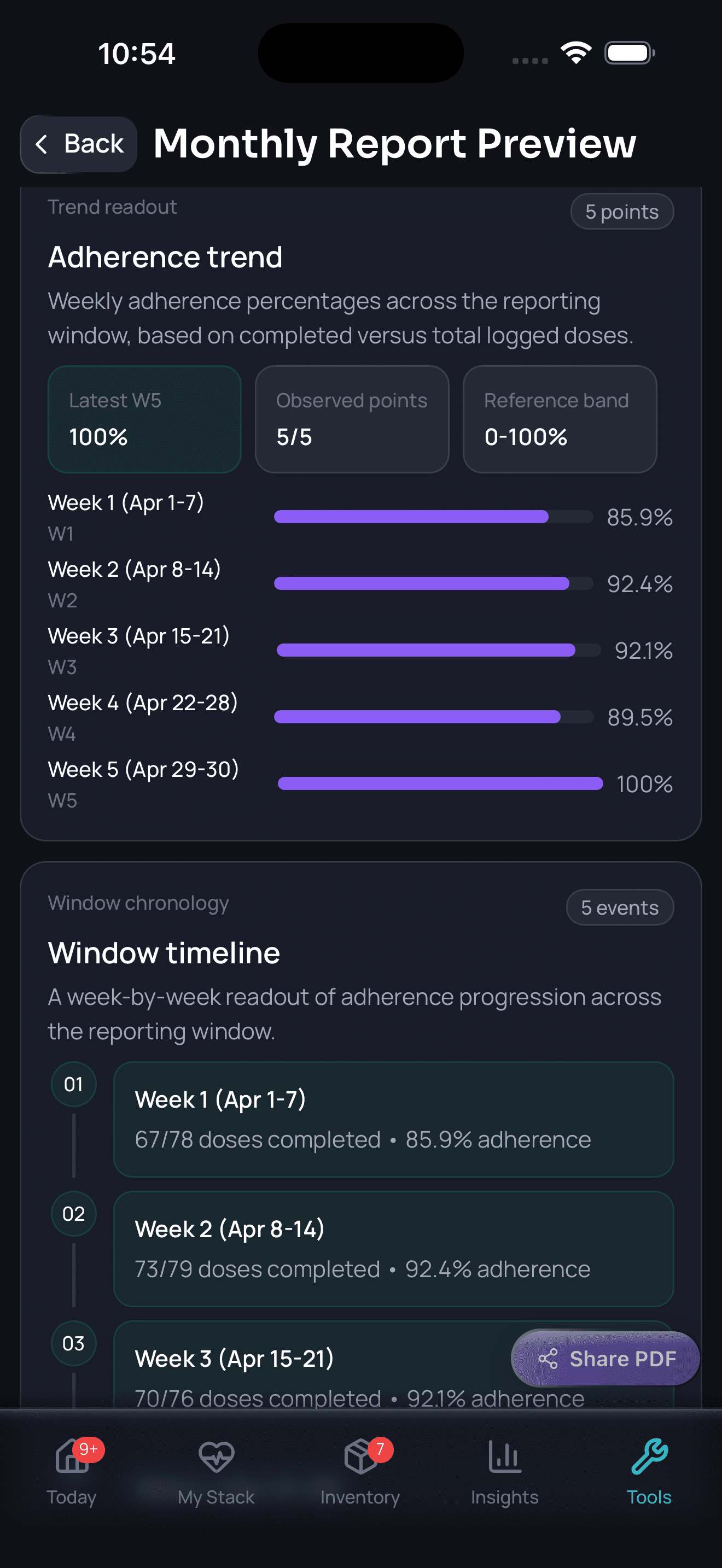
Organized notes can support better conversations with your care team.
Administration & Practical Guide
Practical administration guidance depends on the formulation prescribed, which varies by EU country and prescriber preference.
Nebido (testosterone undecanoate 1000mg IM): Administered by a healthcare professional every 10-14 weeks. The injection volume is large (4mL) and is given into the gluteal muscle. Patients cannot self-administer this formulation. Post-injection observation of 30 minutes is recommended by the manufacturer due to the rare risk of pulmonary oil microembolism (POME).
Sustanon 250 (IM): Can be administered by a healthcare professional or, in some countries, self-injected after training. Typical injection sites include the gluteal or deltoid muscle.
Testosterone enanthate (IM): Self-injection is more common with this formulation. Standard injection technique applies (vastus lateralis, ventrogluteal, or deltoid). Subcutaneous injection is increasingly discussed in community settings but is not formally indicated in European product labeling.
Testogel and other transdermal gels: Apply to clean, dry skin on shoulders, upper arms, or abdomen. Allow to dry for 5-10 minutes before dressing. Critical: avoid skin-to-skin contact with partners and children until the gel is fully absorbed and the area is washed or covered. Apply at the same time each day.
Andriol/Undestor Testocaps (oral): Take with a meal containing adequate fat for absorption. Swallow whole; do not chew. Typically taken twice daily.
This section provides general educational information only. Always follow the specific instructions provided by your prescriber and pharmacist.
Monitoring & Lab Work
Monitoring requirements are consistent across EU guidelines:
Pre-TRT baseline labs:
- Total testosterone (two morning draws, 07:00-11:00, fasting)
- Free testosterone (calculated or measured) when indicated
- LH, FSH (to distinguish primary from secondary hypogonadism)
- SHBG
- Prolactin (if secondary hypogonadism suspected)
- Estradiol
- CBC with hematocrit
- PSA (age-appropriate, men > 40)
- Lipid panel
- Comprehensive metabolic panel (liver, kidney function)
- DEXA if osteoporosis is suspected
Initial follow-up (4-12 weeks):
- Trough testosterone level
- Hematocrit
- Symptom assessment
- Side effect evaluation
- Dose adjustment consideration
Ongoing monitoring:
- Hematocrit: Every 6-12 months. The EAU specifies that hematocrit >54% requires therapy adjustment, withdrawal, or venesection [2]
- PSA: Per age-appropriate screening guidelines, typically annually for men > 40-50
- Testosterone levels: Trough levels for injectables; any-time for transdermal (after steady state)
- Estradiol: Only if symptomatic (gynecomastia, significant fluid retention), not routine per guidelines
- Lipid panel: Annually
- Bone density (DEXA): If osteoporosis was an indication, repeat per clinical protocol
Estrogen Management on TRT
Testosterone is converted to estradiol via the aromatase enzyme, primarily in adipose tissue. This conversion is a normal physiological process, and estradiol is important for bone health, cardiovascular health, libido, and cognitive function in men.
European clinical guidelines (EAU, EAA) do not recommend routine aromatase inhibitor use during TRT. Estradiol monitoring is advised only when clinical symptoms suggest elevated estrogen, such as gynecomastia, significant fluid retention, or mood changes.
The online men's health community places heavy emphasis on estradiol management, often advocating for specific target ranges (commonly 20-35 pg/mL on sensitive assay) and routine anastrozole co-prescription. Clinical evidence does not support this approach. Aggressive estradiol suppression is associated with joint pain, decreased libido, adverse mood effects, and bone density loss.
The balanced approach recommended by European guidelines is to treat symptoms rather than chase lab numbers, and to use aromatase inhibitors only when clinically indicated.
The relationship between your testosterone dose, injection frequency, and estradiol levels is unique to you. Doserly's analytics help you see how changes to your TRT protocol affect estrogen-related symptoms over time, revealing correlations that a single lab draw can't capture.
The app can surface insights like whether splitting your dose reduced estrogen-related symptoms without needing an AI, or whether estradiol levels trend differently in the days following an injection. These patterns help you and your provider optimize your protocol with a focus on keeping estrogen in a healthy range rather than reflexively suppressing it.
Capture changes while they are still fresh.
Log symptoms, energy, sleep, mood, and other observations alongside protocol events so patterns do not live only in memory.
Trend view
Symptom timeline
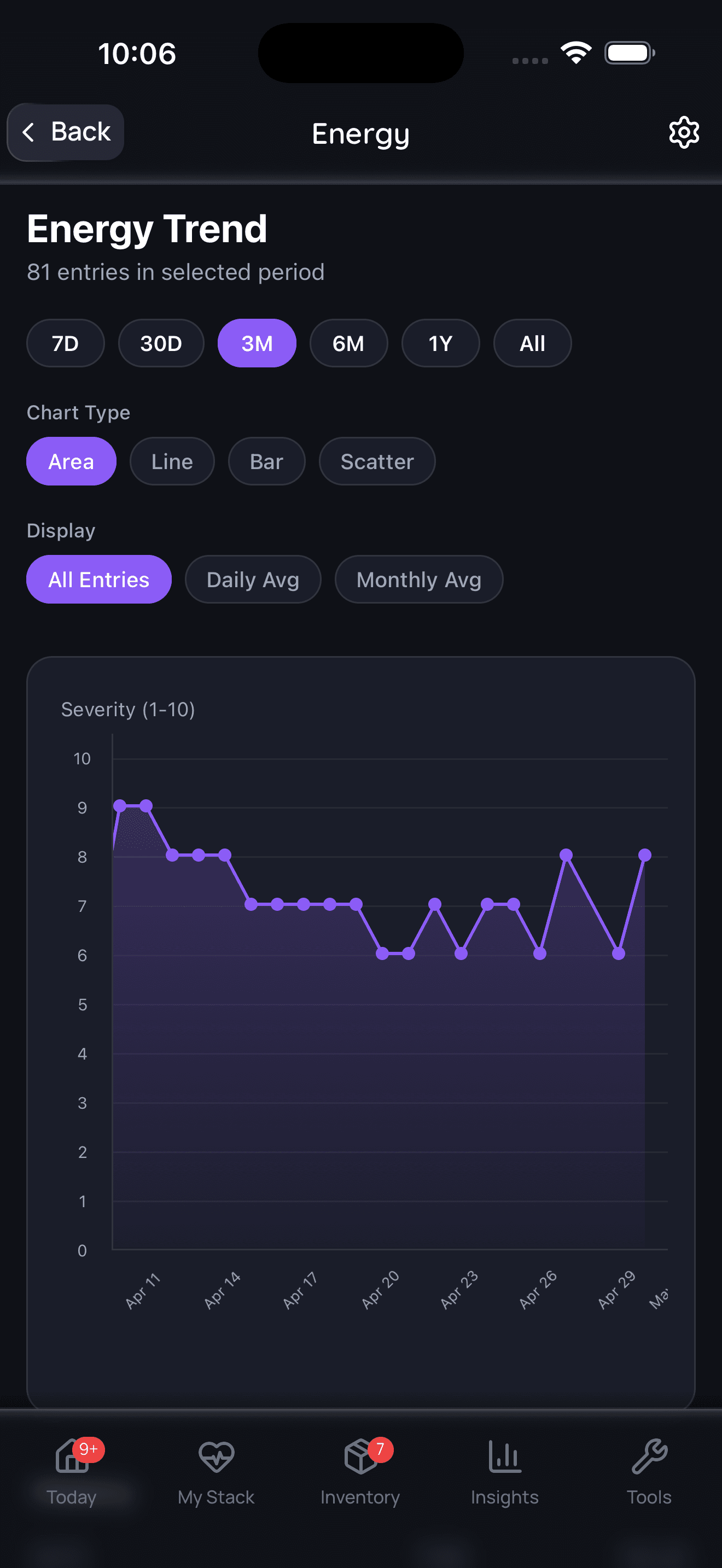
Symptom tracking is informational and should be interpreted with a qualified clinician.
Stopping TRT / Post-Cycle Considerations
Discontinuing TRT triggers a period of HPG axis recovery as the hypothalamus and pituitary resume signaling to the testes. LH and FSH remain suppressed for weeks to months after stopping. Endogenous testosterone production may take 6-24 months or longer to recover, and recovery to pre-TRT levels is not guaranteed.
Primary hypogonadism (testicular failure): Recovery of endogenous production is often limited, as the underlying testicular pathology persists.
Secondary hypogonadism: Better prognosis for HPG axis recovery, especially with SERM support and when underlying causes (obesity, medications) have been addressed.
Post-TRT support protocols (HCG taper, clomiphene, enclomiphene, tamoxifen) are community-derived adaptations that lack standardization in clinical guidelines. Their availability and prescribing patterns vary across EU countries.
Men considering TRT should discuss the possibility that treatment may be long-term or lifelong with their prescriber before initiation.
Special Populations & Situations
Obese Men
Weight loss alone may normalize testosterone in obese men. European guidelines specifically recommend lifestyle changes and weight reduction as the first approach before considering TRT [2][3].
Men with Sleep Apnea
TRT may exacerbate obstructive sleep apnea. CPAP optimization is recommended before and during TRT. Sleep study should be considered before initiation.
Men with Cardiovascular Disease History
TRAVERSE trial data provide reassurance for cardiovascular safety in a high-risk population. The EAU recommends transdermal testosterone (gels) rather than long-acting depot injections for initial treatment in high-risk men, allowing rapid discontinuation if adverse effects emerge [2].
Older Men (>65)
The EAU strongly recommends against using testosterone therapy to improve cognition, vitality, and physical strength in aging men [2]. Age-related decline is not the same as hypogonadism. However, men over 65 with confirmed hypogonadism and symptoms may still benefit from carefully monitored treatment.
Transgender Men (FTM)
Testosterone for gender-affirming care follows different prescribing pathways than TRT for hypogonadism in most EU countries. Access varies significantly: Spain offers relatively streamlined access; Scandinavian countries have longer evaluation pathways. Dosing goals and monitoring parameters differ from male hypogonadism treatment.
Regulatory, Insurance & International
This is the primary content section for this country-access guide.
EU-Level Regulatory Framework
The European Medicines Agency (EMA) provides centralized oversight of testosterone product safety and pharmacovigilance. However, marketing authorizations for most testosterone products are held at the national level through national procedures, mutual recognition procedures (MRP), or decentralized procedures (DCP).
Key EMA positions on testosterone:
- Testosterone is authorized in the EU exclusively for the treatment of male hypogonadism (confirmed by clinical features and biochemical tests)
- Use to boost testosterone levels in healthy older men with age-related decline is NOT an authorized use in the EU
- The 2014 PRAC cardiovascular safety review found no consistent evidence of increased heart risk [1]
- Product information must clearly state that deficiency should be confirmed before treatment
- Cardiovascular safety continues to be monitored as part of regular safety assessments
Controlled Substance Classification
Testosterone classification varies by EU member state. In all EU countries, testosterone is at minimum a prescription-only medicine. Many countries additionally classify it under their controlled substances or misuse of drugs legislation:
Country
Germany
- Classification
- Prescription-only; Betaubungsmittelgesetz (narcotics law) provisions for anabolic steroids
- Key Notes
- Insurance covers medically necessary TRT
Country
France
- Classification
- Prescription-only; classified as doping substance under sports law
- Key Notes
- Hospital initiation common
Country
Italy
- Classification
- Prescription-only; anabolic steroid classification
- Key Notes
- Specialist prescription required
Country
Spain
- Classification
- Prescription-only
- Key Notes
- More flexible prescribing; growing telehealth acceptance
Country
Netherlands
- Classification
- Prescription-only
- Key Notes
- Evidence-based approach; GP referral to endocrinologist standard
Country
Sweden
- Classification
- Prescription-only; strict national guidelines
- Key Notes
- Very conservative; lifestyle interventions first
Country
Finland
- Classification
- Prescription-only
- Key Notes
- Nebido widely prescribed via PBS
Country
Austria
- Classification
- Prescription-only
- Key Notes
- Specialist referral typically required
Country
Belgium
- Classification
- Prescription-only
- Key Notes
- Not provided
Country
Portugal
- Classification
- Prescription-only
- Key Notes
- Not provided
Country
Czech Republic
- Classification
- Prescription-only
- Key Notes
- Sustanon available
Country
Poland
- Classification
- Prescription-only
- Key Notes
- Not provided
Prescribing Pathways by Country
Germany
Germany places strong emphasis on specialist oversight. TRT typically requires diagnosis by an endocrinologist or urologist following comprehensive blood testing. Statutory health insurance (gesetzliche Krankenversicherung, GKV) covers medically necessary TRT, including Nebido, Sustanon, and Testogel. Private insurance covers the same. Online prescribing is possible through licensed telemedicine platforms operating under German law, but cross-border prescriptions are rarely accepted. Co-payments (Zuzahlung) for prescriptions are typically EUR 5-10 per item.
France
TRT in France is often initiated in a hospital endocrinology department, with careful long-term monitoring and follow-up. A specialist prescription (usually from an endocrinologist) is required. The French social security system (Securite sociale) covers testosterone products listed on its formulary. Initial prescriptions are rarely available online. Follow-up consultations may be done via licensed French telemedicine platforms. Available formulations include Pantestone (oral testosterone undecanoate), Nebido, and Androgel.
Italy
Italian regulations are evolving. A specialist endocrinologist prescription is required, with strict diagnostic criteria. Initial assessments are typically conducted in person, though online follow-ups are becoming more common. The Italian national health service (Servizio Sanitario Nazionale, SSN) covers TRT for diagnosed hypogonadism. Available formulations include Testoviron, Sustanon, and Testogel.
Spain
Spain takes a more flexible approach than many EU countries. A general practitioner can initiate the diagnostic workup, though specialist referral is often recommended. The Spanish national health system covers TRT for diagnosed hypogonadism at minimal copay. Growing acceptance of licensed telemedicine providers under Spanish medical board regulations. Testosterone products are relatively accessible, with some reports of over-the-counter availability in certain regions (though this is not standard practice).
Netherlands
The Netherlands employs a highly evidence-based approach requiring thorough documentation and medical justification. GP referral to an endocrinologist is standard. TRT is not prescribed solely for age-related decline. Dutch health insurance covers TRT for confirmed hypogonadism. Minimal online access for initial prescriptions. Available formulations include Sustanon 250, Nebido, and Testogel.
Sweden
Sweden maintains one of the most conservative approaches to TRT in the EU. Lifestyle interventions are usually attempted first. Specialist diagnosis (endocrinologist) required following strict national guidelines. Initial testosterone prescriptions are not available online. The Swedish national health system covers treatment when indicated. Wait times for specialist evaluation can be significant.
Nordic Countries Generally
Finland, Denmark, and Norway follow similarly cautious prescribing patterns, with public health coverage for diagnosed hypogonadism but limited flexibility in prescribing criteria.
Insurance and Reimbursement
Most EU countries with universal or near-universal healthcare coverage include TRT in their formularies for diagnosed hypogonadism. Out-of-pocket costs for patients in public systems are typically limited to standard prescription copayments.
Private TRT clinics operate in many EU countries, offering faster access and broader prescribing criteria at higher cost. Annual costs for private TRT typically range from EUR 1,000 to EUR 3,000 depending on country, formulation, and monitoring frequency.
Telemedicine and Online TRT
EU Directive 2011/24/EU provides a framework for cross-border healthcare, but controlled substance prescriptions face additional national restrictions. Key principles:
- Initial diagnosis and prescription typically require at least a video consultation with a licensed healthcare professional
- Some countries prohibit online-only initial prescriptions for controlled substances
- Follow-up care and prescription renewals are more commonly permitted via telemedicine
- A prescription from one EU country may not be accepted in another, despite mutual recognition directives
- Patients should verify that any online clinic uses doctors licensed in their country of residence
Cross-Border Prescriptions and Travel
EU cross-border healthcare directives theoretically allow prescription recognition across member states. In practice, controlled substance prescriptions face significant barriers:
- Carry medication in original packaging with prescription documentation and ID
- A Schengen certificate or medical letter may be required when traveling with controlled medications
- Verify the import regulations of the destination country before traveling
- Do not mail testosterone across borders without appropriate permits
- Consider carrying a letter from your prescriber in both your home language and the language of your destination country
- Bring sufficient supply for your trip; obtaining refills in another EU country can be difficult
Comparison with Other Jurisdictions
Feature
Authorized indication
- EU
- Male hypogonadism only
- United States
- Male hypogonadism (broader interpretation)
- United Kingdom
- Male hypogonadism
- Australia
- Male hypogonadism (strict PBS criteria)
Feature
Age-related decline
- EU
- NOT authorized
- United States
- Widely prescribed off-label
- United Kingdom
- Not routinely treated on NHS
- Australia
- NOT authorized on PBS
Feature
Scheduling
- EU
- Prescription-only + varies by country
- United States
- Schedule III controlled substance
- United Kingdom
- Class C / Schedule 4 Part II
- Australia
- Schedule 4/Schedule 8 by state
Feature
Diagnostic threshold
- EU
- 12 nmol/L (EAU)
- United States
- ~300 ng/dL (Endocrine Society)
- United Kingdom
- Varies (NHS more restrictive)
- Australia
- 6 nmol/L (PBS)
Feature
Specialist required
- EU
- Usually yes
- United States
- Not always
- United Kingdom
- NHS: endocrinology referral; Private: varies
- Australia
- Specialist-initiated
Feature
Telemedicine
- EU
- Country-dependent
- United States
- Widely available
- United Kingdom
- Private clinics available
- Australia
- Growing telehealth sector
Feature
Cost (public)
- EU
- Low copay
- United States
- Insurance-dependent
- United Kingdom
- NHS: standard prescription charge
- Australia
- PBS: ~AUD 25-31
Feature
Cost (private)
- EU
- EUR 1,000-3,000/year
- United States
- USD 100-300/month
- United Kingdom
- GBP 1,200-3,000/year
- Australia
- AUD 1,300-2,600/year
Frequently Asked Questions
Is testosterone replacement therapy legal in the EU?
Yes. TRT is legal across the EU when prescribed by a licensed healthcare professional for diagnosed male hypogonadism. Testosterone is a prescription-only medicine in all EU countries, with additional controlled substance restrictions in some jurisdictions. Obtaining testosterone without a valid prescription is illegal.
What testosterone level qualifies for TRT in the EU?
The EAU guidelines use a diagnostic threshold of total testosterone below 12 nmol/L (approximately 350 ng/dL), confirmed on two separate morning blood tests. However, a low number alone is not sufficient; clinical symptoms must also be present, and reversible causes should be investigated first. National healthcare systems may apply stricter criteria for reimbursement.
Can I get TRT online in the EU?
In many EU countries, some form of telemedicine is available for TRT. However, rules vary significantly by country. Initial prescriptions for controlled substances often require at least a video consultation (not just an online form). Some countries require in-person evaluation for initial diagnosis. Follow-up appointments via telemedicine are more widely accepted. Always verify that the prescribing doctor is licensed in your country of residence.
Will my TRT prescription from one EU country work in another?
In theory, EU cross-border healthcare directives allow prescription recognition. In practice, controlled substance prescriptions face significant barriers. Many pharmacies will not fill a testosterone prescription from another EU country. If you plan to travel or relocate, discuss continuity of care with your prescriber before your move.
How much does TRT cost in the EU?
Through public healthcare systems, TRT costs are typically limited to standard prescription copayments (often EUR 5-15 per item). Private clinics charge significantly more, typically EUR 1,000-3,000 per year including consultations and monitoring. Cost varies widely by country and formulation.
Is TRT covered by health insurance in the EU?
Most EU countries with universal healthcare cover TRT for diagnosed hypogonadism. However, coverage criteria (particularly diagnostic thresholds for reimbursement) can be stricter than the clinical guidelines. Private insurance coverage varies by policy.
Can I travel within the EU with testosterone medication?
Yes, but preparation is important. Carry your medication in original packaging with your prescription and identification. A Schengen certificate or medical letter from your prescriber may be required. Verify the import regulations of your destination country. Do not mail testosterone products across borders without appropriate documentation.
What formulations are available in the EU?
The most commonly available formulations are Nebido (testosterone undecanoate injection, every 10-14 weeks), Sustanon 250 (injection, every 2-3 weeks), testosterone enanthate (injection), Testogel/Androgel (daily gel), and Andriol/Undestor Testocaps (oral capsules). Availability varies by country. US-specific formulations like testosterone cypionate, Natesto, Jatenzo, and Xyosted are generally not available.
Do I need to see a specialist to get TRT in the EU?
In most EU countries, yes. Specialist involvement (endocrinologist or urologist) is typically required for initial diagnosis and prescription. In some countries (Spain, for example), a GP can initiate the process, but specialist referral is recommended. After treatment is established, GPs may continue prescriptions in some jurisdictions.
Is TRT prescribed for age-related testosterone decline in the EU?
No. The EMA explicitly states that using testosterone to boost levels in healthy older men with age-related decline is not an authorized use in the EU. Treatment is reserved for men with diagnosed hypogonadism confirmed by both clinical symptoms and laboratory testing. This position differs from the more permissive approach common in the United States.
Myth vs. Fact
Myth: TRT is freely available across the EU, just like in the US.
Fact: EU prescribing is significantly more conservative than the US. Testosterone is authorized only for diagnosed hypogonadism, not for age-related decline. Most countries require specialist involvement, and diagnostic thresholds for reimbursement can be stricter than clinical guideline thresholds. Access varies dramatically from country to country.
Myth: A testosterone prescription from one EU country is automatically valid everywhere in the EU.
Fact: While EU Directive 2011/24/EU provides a framework for cross-border prescription recognition, controlled substance prescriptions face significant practical barriers. Many pharmacies will not fill a testosterone prescription from another EU country without additional verification, and some may refuse entirely.
Myth: TRT causes heart attacks.
Fact: The largest randomized controlled trial on this question, TRAVERSE (n=5,246), found no significant increase in major cardiovascular events with testosterone gel versus placebo in men aged 45-80 with cardiovascular risk factors (HR 0.96, 95% CI: 0.78-1.17) over 33 months. The EMA's own 2014 review similarly found no consistent evidence of increased cardiovascular risk [1][5]. However, TRAVERSE did note higher rates of atrial fibrillation and pulmonary embolism, underscoring the need for ongoing monitoring.
Myth: Once you start TRT, you can never stop.
Fact: Recovery of endogenous testosterone production after stopping TRT is possible, though it is variable and not guaranteed. Men with secondary hypogonadism and those who used TRT for shorter durations generally have better recovery prospects. However, men with primary hypogonadism (testicular failure) may have limited recovery potential. This should be discussed before starting treatment.
Myth: TRT is just steroids and is illegal in Europe.
Fact: Testosterone at replacement doses is a legitimate medical therapy prescribed under medical supervision for a diagnosed condition. While testosterone is classified as a controlled substance in many EU countries, its medical use is legal with a valid prescription. The distinction between therapeutic testosterone replacement (targeting normal physiological levels) and supraphysiological steroid abuse is fundamental.
Myth: All EU countries have the same TRT policies.
Fact: TRT access varies dramatically across the EU. Spain is relatively flexible, while Sweden is highly conservative. Germany emphasizes specialist oversight with good insurance coverage. France often requires hospital initiation. The Netherlands demands thorough documentation. Each country's National Competent Authority sets its own prescribing rules, controlled substance scheduling, and reimbursement criteria.
Myth: Private TRT clinics are unregulated in the EU.
Fact: Private clinics must operate under the medical regulations of their country. Doctors must be licensed, prescriptions must be valid, and medications must be sourced from regulated pharmacies. However, the quality of care, thoroughness of diagnostics, and monitoring protocols do vary significantly between clinics. Patients should verify licensing and look for red flags such as prescribing without adequate blood testing.
Myth: You need to be very old to qualify for TRT in the EU.
Fact: Age is not the criterion. TRT is indicated for men of any age with confirmed hypogonadism. A 30-year-old with primary hypogonadism qualifies just as a 60-year-old with the same diagnosis would. The key requirement is documented low testosterone with clinical symptoms, not age.
Sources & References
Clinical Guidelines
[1] European Medicines Agency. "Testosterone-containing medicines - referral. No consistent evidence of an increased risk of heart problems with testosterone medicines." EMA/706140/2014. November 2014. https://www.ema.europa.eu/en/medicines/human/referrals/testosterone-containing-medicines
[2] European Association of Urology. "EAU Guidelines on Sexual and Reproductive Health: Male Hypogonadism." 2024 Update. https://uroweb.org/guidelines/sexual-and-reproductive-health/chapter/male-hypogonadism
[3] Corona G, Goulis DG, Huhtaniemi I, et al. "European Academy of Andrology (EAA) guidelines on investigation, treatment and monitoring of functional hypogonadism in males." Andrology. 2020;8(5):970-987. doi:10.1111/andr.12770
Landmark Trials
[4] Corona G, Rastrelli G, Morgentaler A, Sforza A, Mannucci E, Maggi M. "Developments and challenges for new and emergent preparations for male hypogonadism treatment." Expert Opin Drug Saf. 2023. doi:10.1080/14740338.2023.2277928
[5] Lincoff AM, Bhasin S, Flevaris P, et al. "Cardiovascular Safety of Testosterone-Replacement Therapy." N Engl J Med. 2023;389(2):107-117. doi:10.1056/NEJMoa2215025
[6] Snyder PJ, Bhasin S, Cunningham GR, et al. "Lessons from the Testosterone Trials." Endocr Rev. 2018;39(3):369-386. doi:10.1210/er.2017-00234
Government/Institutional Sources
[7] Bhasin S, Brito JP, Cunningham GR, et al. "Testosterone Therapy in Men With Hypogonadism: An Endocrine Society Clinical Practice Guideline." J Clin Endocrinol Metab. 2018;103(5):1715-1744. doi:10.1210/jc.2018-00229
[8] European Medicines Agency. "List of nationally authorised medicinal products: Active substance testosterone (all formulations apart from topical use)." PSUSA/00010631/202112. September 2022.
Related Guides & Cross-Links
Same Category
- TRT Access in the United States
- TRT Access in the United Kingdom
- TRT Access in Canada
- TRT Access in Australia
Related Treatment Options
- Testosterone Cypionate
- Testosterone Enanthate
- Testosterone Undecanoate Injectable (Aveed/Nebido)
- Sustanon 250
- Testosterone Gel (AndroGel)
- Testosterone Injections Guide
- Testosterone Gels & Topicals Guide
Complementary Approaches
- Natural Testosterone Optimization
- Fertility Preservation on TRT
- Estrogen Management on TRT
- TRT Blood Work Guide
- TRT for Beginners