
TRT Access in the United Kingdom
On this page
Quick Reference Card
Attribute
Guide Topic
- Value
- TRT Access in the United Kingdom
Attribute
Category
- Value
- Country Access Guide
Attribute
Regulatory Body
- Value
- MHRA (Medicines and Healthcare products Regulatory Agency)
Attribute
Legal Classification
- Value
- Class C controlled substance (Misuse of Drugs Act 1971); Schedule 4 Part II (Misuse of Drugs Regulations 2001)
Attribute
UK Clinical Guidelines
- Value
- BSSM Guidelines on Male Adult Testosterone Deficiency (2023 update)
Attribute
Diagnostic Threshold
- Value
- Total testosterone <12 nmol/L (~346 ng/dL) on two fasting morning samples plus symptoms
Attribute
Available Formulations
- Value
- Transdermal gels (Testogel, Tostran, Testavan, Testim), IM injections (Nebido, Sustanon 250)
Attribute
NHS Prescription Cost
- Value
- ~£9.90 per item (England); free in Scotland, Wales, Northern Ireland
Attribute
Private TRT Cost
- Value
- £99-300/month (varies by clinic)
Attribute
Key Prescribing Pathway
- Value
- Specialist-initiated (endocrinologist or urologist), then shared care with GP
Attribute
NHS Waiting Time
- Value
- 30-50+ weeks for endocrinology referral in some NHS Trusts
Attribute
Private Regulation
- Value
- CQC registration required (England); GMC-registered prescribers
Overview / What Is TRT Access in the UK?
The Basics
Accessing testosterone replacement therapy in the United Kingdom follows a different path than in many other countries. The UK has two parallel systems: the National Health Service (NHS), which provides publicly funded care, and a growing private clinic sector that offers faster access with more treatment flexibility.
For men experiencing symptoms of low testosterone, the first step is usually a visit to their GP (general practitioner). The GP can order blood tests to check testosterone levels, but in most cases will not prescribe TRT directly. Instead, the GP refers the patient to a specialist, typically an endocrinologist or urologist, who makes the decision about whether to start treatment. This specialist-initiated model means that men often face significant waiting times before they can begin therapy.
The UK uses different measurement units (nmol/L) and diagnostic thresholds compared to the United States (ng/dL). The BSSM (British Society for Sexual Medicine), which sets the primary UK clinical guidelines for testosterone deficiency, recommends a total testosterone threshold of 12 nmol/L (approximately 346 ng/dL) for considering treatment. This is somewhat different from the US Endocrine Society threshold of 300 ng/dL (approximately 10.4 nmol/L).
For men who find the NHS pathway too slow or restrictive, a growing number of CQC-registered private TRT clinics offer an alternative. These clinics typically provide faster access, a wider range of formulations, and more frequent monitoring, but at a cost that ranges from approximately £99 to £300 per month.
Understanding both pathways, their advantages, limitations, and the regulatory framework that governs them is essential for any man in the UK considering testosterone therapy.
The Science
The United Kingdom's approach to testosterone deficiency management is guided primarily by the British Society for Sexual Medicine (BSSM) Guidelines on Male Adult Testosterone Deficiency, most recently updated in 2023 [1]. These guidelines provide 25 evidence-based statements across five key areas: screening, diagnosis, initiation, benefits and risks of therapy, and follow-up. Seven statements are supported by Level 1 evidence, eight by Level 2, five by Level 3, and five by Level 4 [1].
Testosterone is classified under UK law as a Class C controlled substance under the Misuse of Drugs Act 1971 and as a Schedule 4 Part II (anabolic steroid) drug under the Misuse of Drugs Regulations 2001 [2]. This classification is less restrictive than the US DEA Schedule III in several ways: personal possession for personal use is not a criminal offence in the UK (though supply is illegal), and Schedule 4 Part II prescriptions do not require handwritten entries or special controlled drug prescription forms [2].
The MHRA (Medicines and Healthcare products Regulatory Agency) is responsible for licensing and safety monitoring of all testosterone products marketed in the UK. Following the UK's departure from the European Union, the MHRA functions as an independent regulatory body, no longer operating under EMA (European Medicines Agency) oversight for new product approvals [3].
Epidemiological data suggests that testosterone deficiency affects approximately 8-12% of men aged 40-69 in the UK, with higher prevalence among men with obesity, type 2 diabetes, and chronic kidney disease [1][4]. Despite this prevalence, underdiagnosis remains a significant issue, with many men reporting years of symptomatic suffering and misdiagnosis before testosterone levels are checked [1].
Medical / Chemical Identity
Testosterone replacement therapy in the UK uses exogenous testosterone in various formulations. The regulatory and product landscape differs from the United States and other jurisdictions.
UK Legal Classification:
- Misuse of Drugs Act 1971: Class C controlled substance
- Misuse of Drugs Regulations 2001: Schedule 4 Part II (anabolic steroid)
- Prescription status: Prescription Only Medicine (POM)
- Regulatory body: MHRA (Medicines and Healthcare products Regulatory Agency)
MHRA-Approved Testosterone Products for Male Hypogonadism:
Product
Testogel (sachets)
- Formulation
- Testosterone 1% gel
- Manufacturer
- Besins Healthcare
- Route
- Transdermal
Product
Testogel (pump)
- Formulation
- Testosterone 16.2 mg/g gel
- Manufacturer
- Besins Healthcare
- Route
- Transdermal
Product
Tostran
- Formulation
- Testosterone 2% gel
- Manufacturer
- Kyowa Kirin
- Route
- Transdermal
Product
Testavan
- Formulation
- Testosterone 20 mg/g gel
- Manufacturer
- Ferring
- Route
- Transdermal
Product
Testim
- Formulation
- Testosterone 1% gel
- Manufacturer
- Ferring
- Route
- Transdermal
Product
Nebido
- Formulation
- Testosterone undecanoate 250 mg/ml
- Manufacturer
- Bayer
- Route
- Intramuscular
Product
Sustanon 250
- Formulation
- Testosterone ester blend
- Manufacturer
- Aspen
- Route
- Intramuscular
Products NOT commonly available in the UK:
- Testosterone cypionate (Depo-Testosterone): Available through some private clinics but not on standard NHS formularies
- Testosterone enanthate: Limited availability, some private clinics use imported or compounded versions
- Natesto (nasal testosterone), Jatenzo/Tlando/Kyzatrex (oral testosterone undecanoate), Xyosted (auto-injector), Androderm (patch), Testopel (pellets): US-only formulations not available in the UK
Mechanism of Action / Pathophysiology
The Basics
Understanding TRT access in the UK requires some context about why testosterone deficiency occurs and why treatment matters. Testosterone deficiency (also called hypogonadism in medical terminology) happens when the body does not produce enough testosterone. This can result from problems with the testes themselves (primary hypogonadism), problems with the brain signals that tell the testes to produce testosterone (secondary hypogonadism), or a combination of both.
The most common form in the UK is secondary (or "functional") testosterone deficiency, which is strongly associated with obesity, type 2 diabetes, chronic illness, and the use of certain medications, particularly opioids [1]. This is also the form most likely to generate disagreement between NHS and private providers about whether treatment is warranted, since addressing the underlying cause (weight loss, medication changes) may sometimes restore testosterone levels without medication.
The Science
The BSSM 2023 guidelines distinguish three pathophysiological categories: primary hypergonadotropic testosterone deficiency (testicular failure, characterized by low testosterone with elevated LH and FSH), secondary hypogonadotropic testosterone deficiency (hypothalamic-pituitary dysfunction, characterized by low testosterone with low or inappropriately normal LH and FSH), and combined primary and secondary deficiency [1]. A fourth category, impaired action or suppression of testosterone (particularly by medications such as opioids), is increasingly recognized [1][5].
The diagnostic pathway in the UK requires serum testosterone measurement between 7am and 11am, on at least two occasions, preferably four weeks apart, using a reliable assay method. LH and FSH differentiate primary from secondary causes. Prolactin is required for men with total testosterone below 5.2 nmol/L with low LH and FSH to exclude hyperprolactinaemia and potential pituitary pathology (referral to endocrinology or pituitary MRI indicated) [1].
Pathway & System Visualization
Pharmacokinetics / Hormone Physiology
The Basics
The testosterone products available in the UK fall into two main categories: gels that you apply to your skin daily, and injections given at varying intervals. Each works differently in terms of how testosterone enters your bloodstream and how stable your levels stay between doses.
Gels (like Testogel and Tostran) provide a steady daily dose of testosterone through the skin. Levels tend to be relatively stable, which can mean fewer mood and energy fluctuations. The downside is that the gel must be applied every morning, and there is a risk of transferring testosterone to partners or children through skin contact before the gel dries.
Nebido (testosterone undecanoate) is a long-acting injection given every 10 to 14 weeks. It provides steady levels for most of the interval but some men experience a significant drop in energy and mood toward the end of each cycle. Sustanon 250 is given every 2 to 3 weeks and contains a blend of four different testosterone esters, but its shorter action often creates noticeable peaks and troughs.
Some private UK clinics offer testosterone cypionate or enanthate, which can be injected more frequently (once or twice per week, or even every other day) for more stable levels. These formulations are not widely available through the NHS.
The Science
The pharmacokinetic profiles of UK-available testosterone formulations differ meaningfully, with clinical implications for symptom control and side effect management.
Transdermal gels (Testogel, Tostran, Testavan, Testim): Absorption via skin provides relatively stable serum testosterone over 24 hours. Peak levels occur 2-6 hours post-application. Bioavailability varies by individual (approximately 10-14% of applied dose is absorbed). The BSSM recommends trough level measurement 2-6 hours after application, avoiding the application site for blood drawing [1].
Testosterone undecanoate IM (Nebido): Long-acting depot injection with a half-life of approximately 34 days. Steady-state achieved after the second or third injection. Loading protocol: second injection 6 weeks after first, then every 10-14 weeks thereafter. Trough levels should be maintained above 12 nmol/L [1][6].
Testosterone ester blend (Sustanon 250): Contains testosterone propionate (30 mg), phenylpropionate (60 mg), isocaproate (60 mg), and decanoate (100 mg). The multiple esters create a multi-phasic release profile with rapid initial peak (propionate, half-life approximately 1-2 days) and extended release (decanoate, half-life approximately 15 days). Administered every 2-3 weeks, though significant trough effects are common at the end of each cycle [1].
Erythrocytosis (haematocrit elevation) develops more commonly with intramuscular preparations than with transdermal formulations, and is extremely rare with oral testosterone undecanoate [6].
Research & Clinical Evidence
The Basics
The research evidence that guides UK TRT practice comes from several major studies and clinical guidelines. The most important for understanding safety is the TRAVERSE trial, the largest clinical trial ever conducted specifically to assess the cardiovascular safety of testosterone therapy.
The TRAVERSE trial enrolled over 5,200 men aged 45 to 80 who already had or were at high risk for cardiovascular disease. After following these men for an average of 33 months, the trial found no significant increase in heart attacks, strokes, or cardiovascular death with testosterone treatment compared to placebo [7]. This was reassuring, as earlier, smaller studies had raised concerns about potential heart risks.
In the UK, the BSSM guidelines reviewed 1,714 articles including 52 clinical trials and 32 placebo-controlled randomised trials when developing their 2023 update. Their conclusion is that there is no evidence that testosterone therapy is associated with increased risk of prostate cancer or cardiovascular events, and current evidence suggests likely benefit in cardiovascular outcomes, particularly in men with chronic kidney disease and atrial fibrillation [1].
The Science
The TRAVERSE trial (Testosterone Replacement Therapy for Assessment of Long-term Vascular Events and Efficacy Response in Hypogonadal Men; n=5,246, mean age 63, all with pre-existing or high risk of cardiovascular disease) demonstrated non-inferiority of 1.62% testosterone gel versus placebo for the primary composite MACE endpoint (cardiovascular death, nonfatal MI, nonfatal stroke), with a hazard ratio of 0.96 (95% CI: 0.78-1.17) over a mean follow-up of 33 months [7]. Notably, TRAVERSE also identified increased incidence of atrial fibrillation, pulmonary embolism, and acute kidney injury in the testosterone group.
The T4DM trial (Testosterone for Prevention of Type 2 Diabetes Mellitus) demonstrated a 41% reduction in progression from pre-diabetes to overt type 2 diabetes with testosterone therapy combined with lifestyle intervention [8]. The BSSM 2023 guidelines incorporate this finding, recommending a lower diagnostic threshold of 14 nmol/L (rather than 12 nmol/L) for men with pre-diabetes [1].
UK-specific registry data from the European Male Ageing Study (EMAS) has contributed to understanding age-related testosterone decline in European populations, with free testosterone and SHBG levels shown to be closely related to increased cardiovascular risk and mortality [1][9].
Evidence & Effectiveness Matrix
The Evidence & Effectiveness Matrix for this country-access guide focuses on outcomes relevant to UK access discussions rather than comprehensive clinical scoring. For detailed clinical evidence on specific testosterone formulations, see the individual medication guides.
Category
Overall Quality of Life
- Evidence Strength
- 8/10
- Reported Effectiveness
- 8/10
- Summary
- Strong clinical and community evidence that TRT improves quality of life in hypogonadal men. UK community reports are overwhelmingly positive for men who successfully access treatment.
Category
Sexual Function & Libido
- Evidence Strength
- 8/10
- Reported Effectiveness
- 7/10
- Summary
- Well-established benefit for hypogonadal men. BSSM guidelines specifically address TRT for erectile dysfunction at TT <8 nmol/L, and for ED treatment failures at TT <10.4 nmol/L [1].
Category
Energy & Vitality
- Evidence Strength
- 7/10
- Reported Effectiveness
- 7/10
- Summary
- Consistently reported in UK community as one of the first and most noticeable improvements. Clinical evidence supports improvement in fatigue and energy levels.
Category
Mood & Emotional Wellbeing
- Evidence Strength
- 7/10
- Reported Effectiveness
- 7/10
- Summary
- BSSM guidelines note improvement in depressed mood and cognitive function [1]. UK community reports highlight mood improvement, particularly among men previously misdiagnosed with depression.
Categories scored: 4
Categories with community data: 4
Categories not scored (country-access guide): Sexual Function details, Cognitive Function, Anxiety, Muscle Mass, Body Fat, Bone Health, Cardiovascular Health, Metabolic Health, Sleep Quality, Fertility, Polycythemia, Prostate Health, Skin & Hair, Gynecomastia & Estrogen, Fluid Retention
Benefits & Therapeutic Effects
The Basics
The benefits of TRT for men with genuine testosterone deficiency are well documented and recognised by UK clinical guidelines. The BSSM guidelines note that testosterone therapy, especially when achieving normal levels, improves sexual and erectile function, bone mineral density, corrects unexplained anaemia, improves skeletal muscle mass and physical function, mood, and cognitive function [1].
For many UK men, accessing TRT marks a significant turning point. Community reports consistently describe improvements in energy, libido, mood stability, and overall sense of wellbeing. Some men report that years of unexplained fatigue, low mood, and reduced motivation resolved within weeks of starting appropriate testosterone therapy.
It is worth noting that benefits depend on having genuinely low testosterone levels. The BSSM guidelines are clear that there is no evidence that giving testosterone to men with normal androgen levels improves their symptoms [1].
The Science
The TTrials (Testosterone Trials) consortium of seven coordinated placebo-controlled trials in men aged 65 and older with low testosterone demonstrated improvements in sexual desire, erectile function, physical activity, walking distance, vitality, and mood with testosterone gel over 12 months [10]. Bone mineral density improvements were seen at 12 months with effects continuing at 24-month follow-up.
The BSSM 2023 guidelines report that testosterone therapy reduces progression from pre-diabetes to overt type 2 diabetes by 41% (T4DM trial), reduces the need for more invasive second- and third-line erectile dysfunction treatments, and is associated with improved renal function and reduced incidence of atrial fibrillation in observational analyses [1][8].
Reading about the potential benefits gives you a framework for what to look for. Tracking whether those benefits are actually showing up in your own experience turns hope into evidence. Doserly lets you monitor the specific outcomes that matter most to you, from energy and libido to mood and body composition, building a personal record of how your testosterone therapy is working.
When it's time for your next provider appointment, you'll have concrete data showing which symptoms have improved, which haven't changed, and when shifts started happening. That kind of detail makes follow-up conversations more productive and dose adjustments more precise.
Connect protocol changes to labs and health markers.
Doserly can keep lab results, biomarkers, symptoms, and dose history close together so follow-up conversations have better context.
Insights
Labs and trends
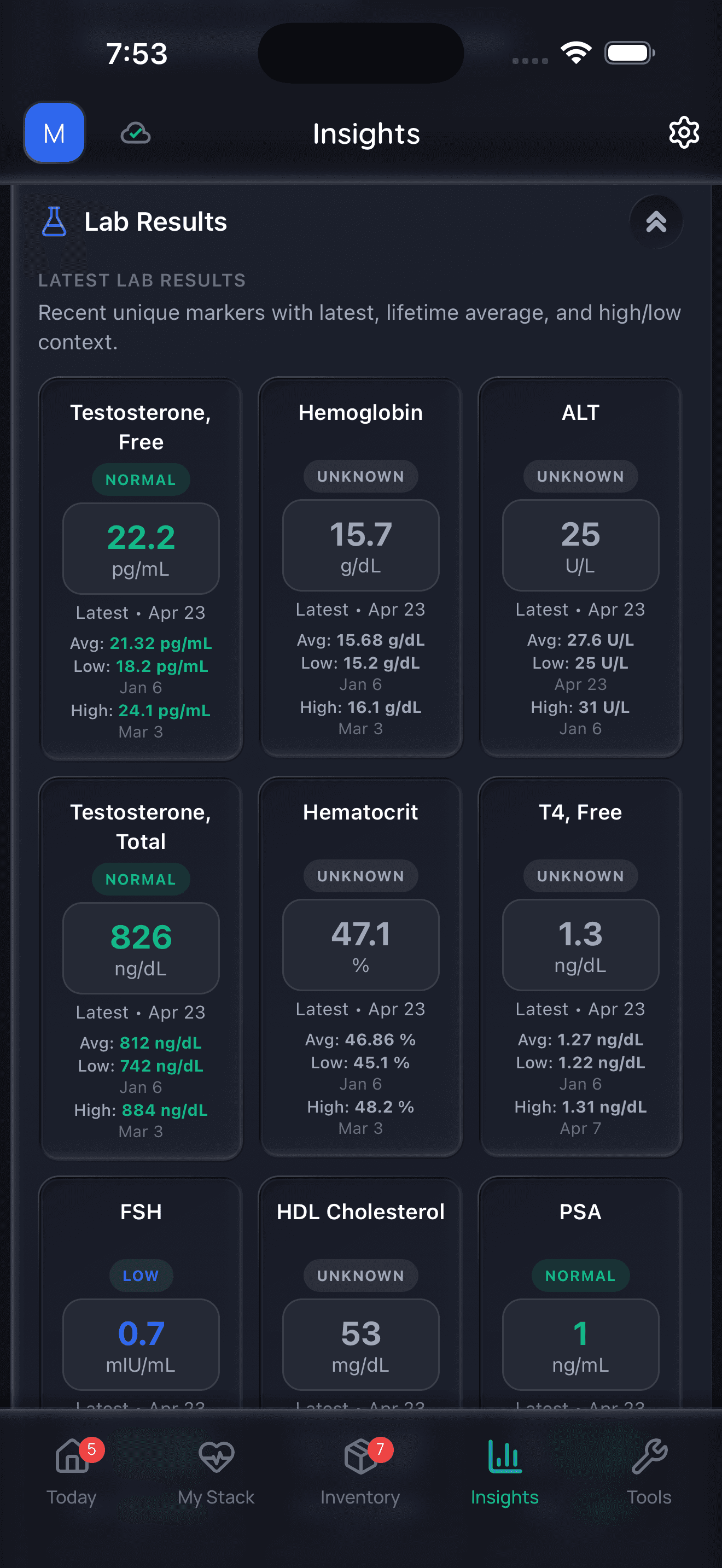
Doserly organizes data; it does not diagnose or interpret labs for you.
Risks, Side Effects & Safety
The Basics
All medications carry risks, and testosterone is no exception. Understanding these risks is particularly important in the UK context, where monitoring protocols may vary between NHS and private providers.
The most common side effects of testosterone therapy include acne, oily skin, injection site reactions (for injectable formulations), fluid retention, and mood changes. These are generally mild and manageable.
The most important safety concern is polycythaemia (an increase in red blood cells that makes the blood thicker). The BSSM guidelines set a clear threshold: if haematocrit exceeds 54%, the dose should be reduced or the preparation switched. If haematocrit remains elevated, testosterone therapy should be stopped [1]. This risk is higher with injectable formulations than with gels.
Regarding heart safety, the TRAVERSE trial (the largest study specifically designed to answer this question) found no increase in heart attacks, strokes, or cardiovascular death with testosterone therapy over 33 months of follow-up. The hazard ratio was 0.96 (95% CI: 0.78-1.17), meaning the rate of cardiovascular events was essentially the same in the testosterone and placebo groups [7]. However, TRAVERSE did find increased rates of atrial fibrillation and pulmonary embolism, so ongoing cardiovascular monitoring remains important.
Testosterone therapy suppresses sperm production and can cause infertility. This is discussed in detail in Section 14.
The Science
The BSSM 2023 guidelines identify the following contraindications to testosterone therapy: prostate cancer (locally advanced or metastatic), male breast cancer, active desire to have children, haematocrit >54%, and severe chronic heart failure (NYHA class IV) [1].
Cardiovascular risk assessment should be performed before initiating testosterone therapy and monitored throughout treatment (BSSM LoE 1b, Grade A) [1]. The TRAVERSE trial provides the strongest current evidence that testosterone therapy does not significantly increase MACE risk in men aged 45-80 with pre-existing cardiovascular disease or risk factors. The absolute event rate was 7.0% in the testosterone group versus 7.3% in the placebo group over 33 months [7].
Polycythaemia monitoring is mandatory. Haematocrit should be checked before treatment, at 3-6 months, 12 months, and annually thereafter. The threshold for intervention is haematocrit >54% (0.54). If elevated, options include dose reduction, switching from intramuscular to transdermal formulation, or discontinuation [1]. Erythrocytosis rates are higher with intramuscular injections than with transdermal preparations.
PSA should be assessed before commencing TRT, then at 3-6 months, 12 months, and annually. A PSA increase >1.4 ng/ml over any 1-year period or a velocity >0.4 ng/ml/year warrants urological evaluation and more intensive surveillance [1].
Dosing & Treatment Protocols
The Basics
Dosing of testosterone in the UK varies depending on the formulation prescribed and whether treatment is through the NHS or a private clinic.
Most NHS patients start on either a testosterone gel (typically Tostran or Testogel) applied daily, or Nebido injections given every 10 to 14 weeks. Some NHS services prescribe Sustanon 250 injections every 2 to 3 weeks. The gel is usually preferred initially because it can be stopped quickly if side effects occur.
Private clinics in the UK may offer additional options, including testosterone cypionate or enanthate injected one to three times per week for more stable blood levels. More frequent, lower-dose injection protocols are increasingly popular in private practice because they reduce the "peaks and troughs" that can cause mood swings, energy fluctuations, and other symptoms between doses.
The Science
The BSSM therapeutic target is a total testosterone level of 15-30 nmol/L [1]. Failure to benefit within a reasonable time frame (defined as 6 months for libido, sexual function, muscle function, and improved body fat) should prompt treatment review and investigation for other causes of symptoms [1].
What to Expect (Timeline)
For UK men starting TRT, the timeline of benefits is broadly consistent with international evidence, though the route to accessing treatment may be longer.
- Days 1-7: Possible initial energy or mood changes (partly placebo). If starting gel, possible skin irritation at application site. If starting injectable, injection site soreness.
- Weeks 2-4: Libido changes are often the first noticeable improvement. Energy levels may begin to improve. Some mood variability as the body adjusts.
- Months 1-3: Sexual function improvements become more apparent. Initial body composition changes may begin. Mood stabilisation. Haematocrit beginning to rise (first monitoring blood test typically at 3 months).
- Months 3-6: Body composition changes more noticeable (fat loss, lean mass increase). Strength improvements. BSSM guidelines note this is the minimum trial period before concluding whether treatment is effective.
- Months 6-12: Full sexual function benefits. Significant body composition changes. Bone density improvements measurable.
- Ongoing: Annual review including symptom reassessment, haematocrit, PSA, lipid panel, and dose optimisation. BSSM recommends lifelong monitoring for men on continued therapy [1].
Individual response varies widely. Some men notice benefits within weeks; others require several months of dose adjustment before finding their optimal protocol.
Fertility Preservation & HPG Axis
Exogenous testosterone suppresses the hypothalamic-pituitary-gonadal (HPG) axis, reducing LH and FSH secretion and thereby suppressing intratesticular testosterone production and spermatogenesis. Approximately 40-60% of men on TRT achieve azoospermia (zero sperm count) by 6 months, with most others showing severe oligospermia [11].
The BSSM guidelines list "an active desire to have children, currently or possibly in the future" as a contraindication to testosterone therapy [1]. For men with secondary hypogonadism who desire fertility, the BSSM recommends human chorionic gonadotropin (hCG) or clomiphene citrate (used off-label in men in the UK) as preferred alternatives that can raise endogenous testosterone without suppressing spermatogenesis [1].
UK-specific considerations:
- HCG availability has been inconsistent through UK pharmacies, with some patients reporting difficulty obtaining it [12]
- Clomiphene citrate is not specifically licensed for male use in the UK; prescribing is off-label
- Enclomiphene citrate is not yet widely available in the UK
- Sperm banking before TRT initiation is recommended for men of reproductive age who may want biological children in the future
- Recovery of spermatogenesis after TRT discontinuation is variable (6-24+ months) and not guaranteed
Any man considering TRT who may want children should discuss fertility preservation with his healthcare provider before starting treatment. This conversation should happen regardless of whether treatment is through the NHS or a private clinic.
Interactions & Compatibility
Drug-drug interactions relevant to UK prescribing:
- Anticoagulants (warfarin, DOACs): Testosterone may enhance anticoagulant effect; INR monitoring recommended
- Insulin and diabetes medications: Testosterone may improve insulin sensitivity, potentially requiring dose adjustment of diabetes medications
- Corticosteroids: Additive fluid retention risk
- Opioids: Chronic opioid use suppresses the HPG axis and is a common cause of secondary hypogonadism in the UK; addressing opioid use may normalize testosterone levels
- 5-alpha reductase inhibitors (finasteride, dutasteride): Block DHT conversion, affecting both efficacy and side effect profile of TRT
Supplement interactions: See DHEA, Boron, Zinc, Vitamin D
Related TRT guides: Testosterone Cypionate, Testosterone Enanthate, Sustanon 250, Testosterone Undecanoate Injectable, Testosterone Gel (AndroGel)
Decision-Making Framework
Deciding whether to pursue TRT in the UK involves both clinical and practical considerations. The diagnostic pathway, the choice between NHS and private care, and the selection of treatment formulation all require informed decision-making.
Diagnostic Criteria (UK Practice)
The BSSM 2023 guidelines require the combination of characteristic signs and symptoms PLUS reduced serum testosterone levels for diagnosis [1]:
- Total testosterone <12 nmol/L (approximately 346 ng/dL) or free testosterone <225 pmol/L (<0.225 nmol/L) usually requires testosterone therapy
- Total testosterone between 8-12 nmol/L represents a "grey zone" where a trial of therapy for a minimum of 6 months may be appropriate based on symptoms and free testosterone levels
- Total testosterone below 8 nmol/L (approximately 231 ng/dL) almost always warrants treatment if symptoms are present
When to investigate underlying causes first: Obesity (weight loss may normalize testosterone), obstructive sleep apnoea (CPAP optimisation), opioid use (taper if clinically possible), pituitary pathology (MRI if secondary hypogonadism with very low levels), thyroid dysfunction, depression.
Finding a Provider in the UK
NHS pathway:
- Start with your GP. Request a morning fasting testosterone test (taken between 7am and 11am)
- If low, a second confirmatory test approximately 4 weeks later
- GP refers to endocrinology or urology for specialist assessment
- Specialist decides whether to initiate treatment and which formulation
- Once stable, prescribing often transfers to GP under shared care arrangements
Private pathway:
- Research CQC-registered private TRT clinics
- Verify the prescribing clinician is GMC-registered
- Initial blood test (often fingerprick at-home test), followed by comprehensive venous blood panel
- Doctor consultation (often remote/telehealth)
- If clinically indicated, treatment initiated with regular monitoring
Questions to Ask Your Provider
- What are my testosterone levels and what do they mean?
- Are there reversible causes of my low testosterone that should be addressed first?
- Which formulations are available to me through this pathway?
- How often will I need blood tests and follow-up appointments?
- What happens if my haematocrit rises above 54%?
- How will fertility be affected, and what are my options for preservation?
- What are the costs involved (if private)?
- Can treatment be transferred between NHS and private care if needed?
The best TRT decisions happen when you walk into your appointment prepared. Doserly helps you organize your symptom data, lab results, and questions ahead of time, so you can make the most of your consultation time and ensure nothing important gets forgotten.
The app generates appointment-ready summaries of your recent symptom trends, current protocol, hematocrit and PSA values, and any side effects you've logged. Instead of trying to recall three months of experience in a ten-minute appointment, you have a clear, organized record to share with your provider.
Keep side effects, flags, and follow-up notes visible.
Doserly helps you document safety observations, side effects, medication changes, and follow-up questions so important context is not scattered.
Safety log
Flags and notes
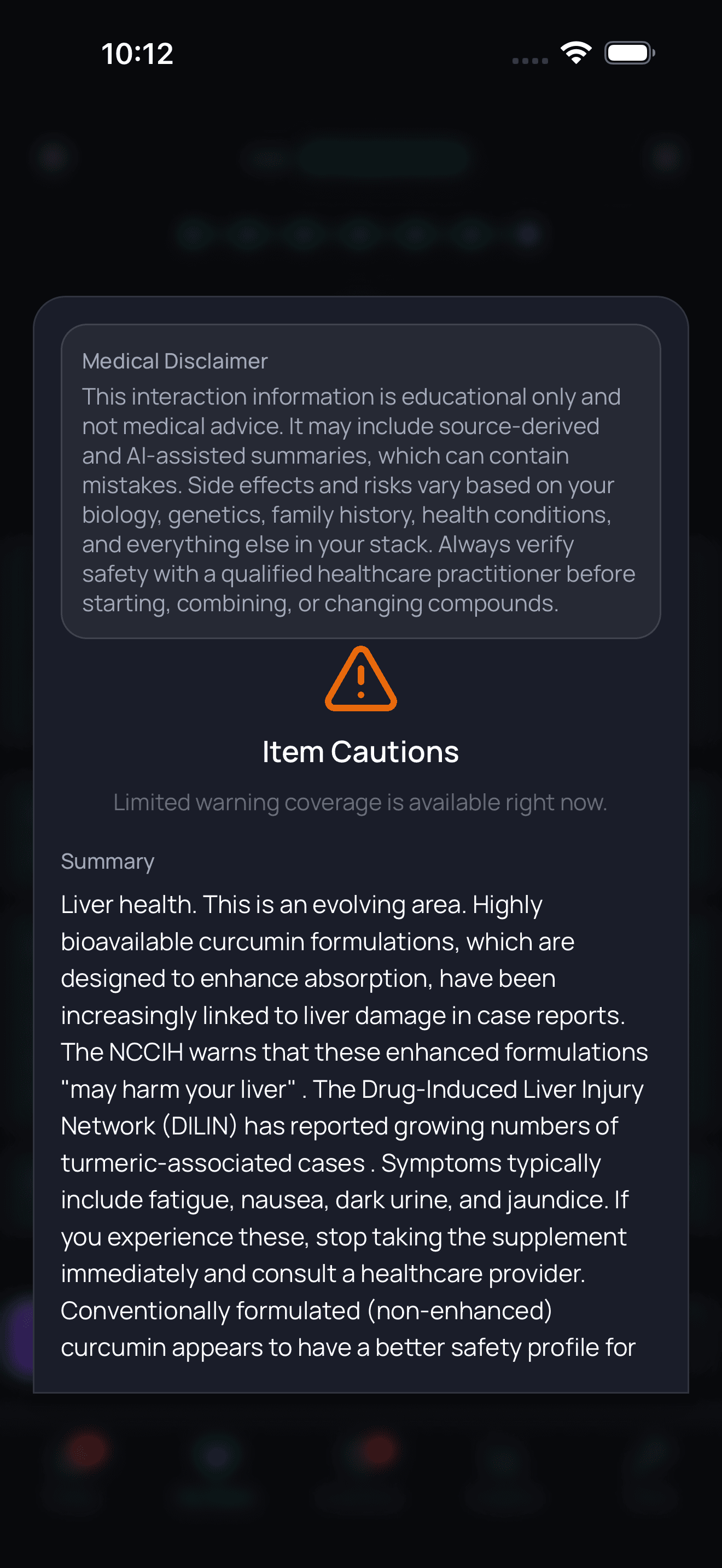
Safety notes are not emergency guidance; seek medical help when appropriate.
Administration & Practical Guide
Transdermal gel application (Testogel, Tostran, Testavan, Testim):
- Apply once daily, preferably in the morning, to clean, dry, unbroken skin
- Application sites: shoulders, upper arms, or abdomen (not genitals for most gel formulations)
- Wash hands thoroughly after application
- Avoid swimming or showering for at least 6 hours after application
- Skin-to-skin transfer risk: cover the application site with clothing once dry, and wash the application site before physical contact with partners or children (MHRA safety alert 2023) [3]
- Dose titration: testosterone level checked 2-6 hours after application
Nebido (testosterone undecanoate) injection:
- Given by deep intramuscular injection into the gluteal muscle
- Should be warmed and injected slowly
- Usually administered by GP, practice nurse, or specialist
- Loading protocol: first and second injections 6-8 weeks apart, then every 10-14 weeks
- Trough testosterone measured just before the third injection and periodically thereafter
Sustanon 250 injection:
- Intramuscular injection every 2-4 weeks
- Can be self-administered as subcutaneous injection following appropriate training (same effectiveness and tolerability as IM per NHS guidance) [13]
- Common injection sites: vastus lateralis, ventrogluteal, or deltoid
Self-injection in the UK:
- Some NHS services and most private clinics support self-injection
- Training usually provided at the clinic or via instructional sessions
- Sharps disposal: UK local councils provide free sharps bins through community pharmacies or council waste services
Monitoring & Lab Work
Pre-TRT baseline labs (UK standard):
- Total testosterone (two fasting morning draws between 7-11am, at least 4 weeks apart)
- LH and FSH (to distinguish primary from secondary hypogonadism)
- SHBG and calculated free testosterone (if total testosterone is borderline 8-12 nmol/L)
- Prolactin (if total testosterone <5.2 nmol/L with low LH/FSH)
- Full blood count (FBC) including haematocrit
- PSA (prostate-specific antigen)
- Lipid profile
- Renal and liver function tests
- HbA1c or fasting glucose (screening for diabetes, particularly relevant given T4DM data)
Follow-up monitoring (BSSM recommendations):
- Assess response at 3, 6, and 12 months, then annually
- Haematocrit: before treatment, at 3-6 months, 12 months, and annually. Threshold >54% requires dose reduction, formulation switch, or discontinuation
- PSA and DRE: before commencing, then at 3-6 months, 12 months, and annually
- Testosterone levels: trough for injectables, 2-6 hours post-application for gels
- Target total testosterone: 15-30 nmol/L
- Cardiovascular risk assessment: before initiation and throughout therapy
- Bone density (DEXA): if osteoporosis was an indication for treatment
Private clinic monitoring: Often includes additional markers not routinely checked on the NHS, such as free testosterone (calculated), oestradiol (estradiol), DHEA, and more frequent blood testing (every 6-12 weeks in the initial optimisation phase).
Estrogen Management on TRT
Testosterone converts to oestradiol (estradiol) via the aromatase enzyme, primarily in adipose tissue. This is a normal physiological process and oestradiol is important for bone health, cardiovascular protection, and cognitive function in men.
The BSSM guidelines do not recommend routine oestradiol monitoring or aromatase inhibitor (AI) use during TRT. Oestradiol should only be checked if symptoms suggest elevated levels (gynaecomastia, significant fluid retention, mood changes) [1]. This position aligns with the Endocrine Society and AUA guidelines.
NHS practice generally does not include oestradiol monitoring as part of routine TRT follow-up. Some private UK clinics include oestradiol in their monitoring panels and may prescribe anastrozole if clinically indicated, though this practice is not supported by UK clinical guidelines for routine use.
Aggressive oestradiol suppression with aromatase inhibitors can cause joint pain, decreased libido, adverse mood effects, and bone density loss. Low oestradiol symptoms can be more problematic than mildly elevated oestradiol.
Managing estrogen on TRT is about data, not guesswork. Doserly lets you track your estradiol lab values alongside the symptoms that might signal imbalance, whether that's water retention, nipple sensitivity, or mood changes, so you and your provider can make decisions based on the full picture rather than isolated data points.
If you're taking an aromatase inhibitor, the app logs every dose and correlates it with how you feel, helping you find the minimum effective approach. The goal is balanced estrogen, not crashed levels, and having tracked data makes it far easier to dial in the right strategy with your prescriber.
Capture changes while they are still fresh.
Log symptoms, energy, sleep, mood, and other observations alongside protocol events so patterns do not live only in memory.
Trend view
Symptom timeline
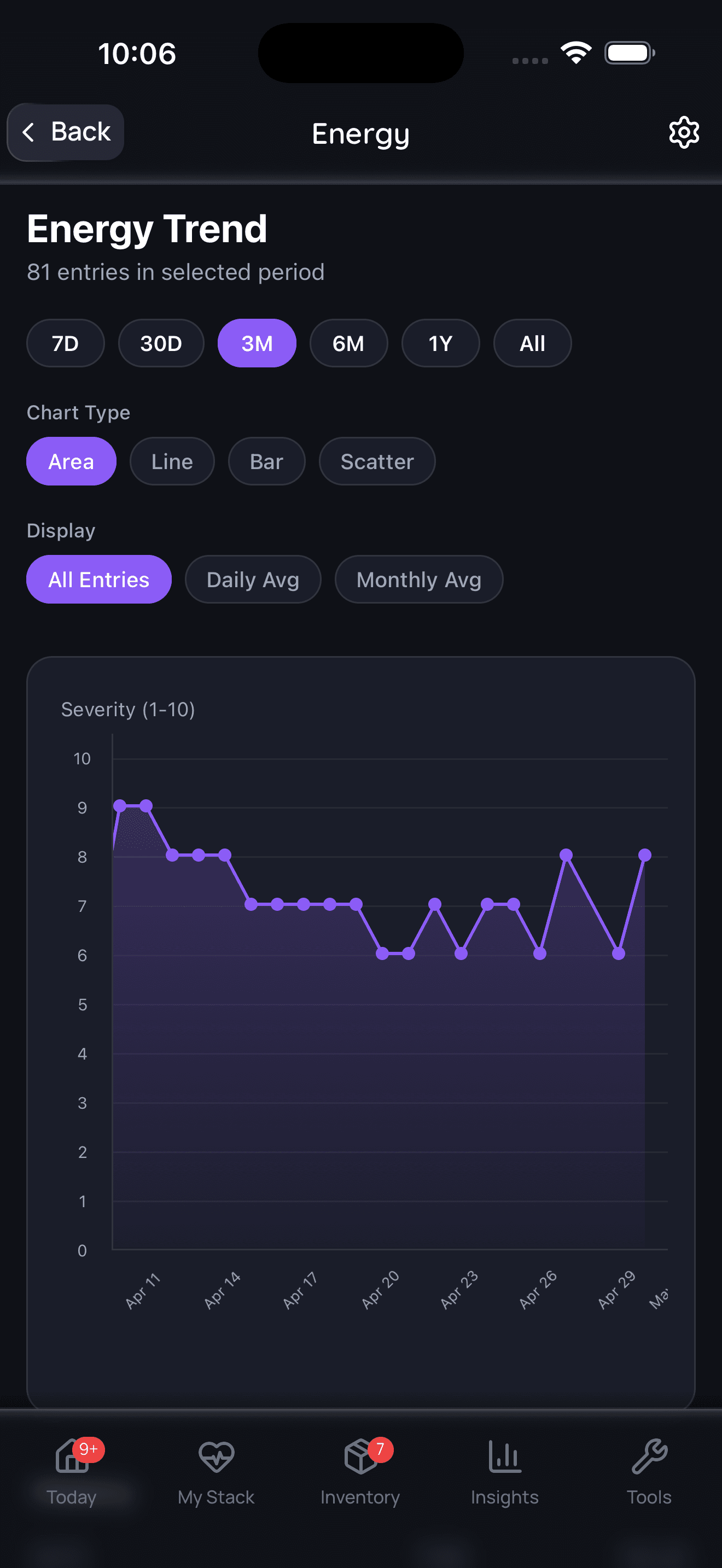
Symptom tracking is informational and should be interpreted with a qualified clinician.
Stopping TRT / Post-Cycle Considerations
Stopping testosterone replacement therapy leads to suppression of the HPG axis, with endogenous testosterone production potentially taking months to recover. Recovery is not guaranteed and depends on the underlying cause, duration of therapy, and individual factors.
Primary hypogonadism: Men with testicular failure may have limited recovery capacity regardless of how long they used TRT.
Secondary hypogonadism: Better prognosis for axis recovery, especially if underlying causes (obesity, opioid use) have been addressed during the treatment period.
Recovery support (community-derived, limited formal evidence):
- HCG taper to stimulate testicular function
- Clomiphene citrate to stimulate LH/FSH recovery (off-label in UK)
- These protocols are not standardised in UK clinical guidelines
The BSSM guidelines recommend that failure to benefit within 6 months should prompt treatment review [1]. If treatment is discontinued, patients should be counselled that symptom return is expected and that recovery of endogenous production may take 6-24+ months.
Special Populations & Situations
Obese Men in the UK
Weight loss alone may normalise testosterone levels. The BSSM guidelines recommend lifestyle modification and management of comorbidities before initiating testosterone therapy where possible [1]. The T4DM trial showed that combined testosterone therapy and lifestyle intervention reduced diabetes progression by 41% in obese men with low testosterone [8].
Men with Sleep Apnoea
TRT may exacerbate obstructive sleep apnoea. CPAP optimisation should be pursued before and during TRT. The NHS pathway typically screens for sleep apnoea before initiating testosterone therapy.
Older Men (>65)
Age-related testosterone decline is not the same as hypogonadism. The BSSM guidelines and NHS practice distinguish between men with genuine testicular or pituitary pathology and those experiencing age-related decline. Treatment of age-related decline remains more controversial in the UK than in the US.
Transgender Men (FTM)
Testosterone for gender-affirming care follows a different pathway in the UK, typically through NHS Gender Identity Clinics (GICs) or private gender care providers. Waiting times for NHS GICs are significantly longer than for standard endocrinology referrals. Different dosing goals apply (masculinising doses rather than replacement levels).
Regulatory, Insurance & International
This is the primary content section for this country-access guide.
UK Regulatory Framework
Legal classification:
- Misuse of Drugs Act 1971: Class C controlled substance
- Misuse of Drugs Regulations 2001: Schedule 4 Part II (anabolic steroid)
- All esters and ethers of testosterone are controlled under the same classification
- Personal possession for personal use is not a criminal offence (unlike the United States, where possession without a valid prescription is illegal under DEA Schedule III)
- Supply, intent to supply, or importation/exportation for supply is illegal (up to 14 years imprisonment)
Regulatory oversight:
- MHRA is responsible for licensing, safety monitoring, and market authorisation of all testosterone products
- Post-Brexit, the MHRA operates independently from the EMA
- Yellow Card Scheme enables reporting of suspected adverse reactions
- All testosterone products are Prescription Only Medicines (POM) in addition to their controlled drug classification
NHS Access Pathway
Step 1: GP Assessment
- Present symptoms of testosterone deficiency to your GP
- GP orders morning fasting testosterone blood test (7-11am)
- If low, a second confirmatory test approximately 4 weeks later
Step 2: Specialist Referral
- GPs rarely initiate TRT directly in the UK
- Referral to endocrinologist or urologist for specialist assessment
- Waiting times vary significantly by NHS Trust: 30-50+ weeks in some regions for endocrinology appointments
- Some areas have dedicated testosterone deficiency pathways with shorter waiting times
Step 3: Specialist Assessment
- Full hormonal workup: LH, FSH, prolactin, SHBG, free testosterone
- Assessment for underlying causes (obesity, sleep apnoea, medications, pituitary pathology)
- If testosterone deficiency confirmed and no contraindications, treatment initiated
Step 4: Shared Care
- Once treatment is established and stable, prescribing often transfers to the GP under a shared care protocol
- GP continues monitoring (blood tests, symptoms, side effects) with specialist oversight
- Annual review typically conducted
NHS formulary options:
- First-line: Testosterone gel (Tostran, Testogel, Testavan)
- Second-line: Nebido (testosterone undecanoate) every 10-14 weeks
- Third-line: Sustanon 250 every 2-4 weeks
- Oral testosterone (Restandol): Not recommended in UK practice
NHS Cost
Item
NHS prescription charge (England, per item)
- Cost
- ~£9.90
Item
Prescription Prepayment Certificate (3 months)
- Cost
- ~£31.25
Item
Prescription Prepayment Certificate (12 months)
- Cost
- ~£111.60
Item
Scotland, Wales, Northern Ireland prescriptions
- Cost
- Free
Item
Exemptions (age 60+, certain medical conditions, low income)
- Cost
- Free
NHS cost to the service:
- Testosterone gel (Tostran 60g): approximately £28.63 per pack
- Nebido injection: approximately £80-90 per injection
- Sustanon 250 ampoule: approximately £3-5 per ampoule
Private TRT Access
CQC Regulation:
- Private TRT clinics in England must be registered with the Care Quality Commission (CQC)
- Healthcare Inspectorate Wales (HIW) in Wales
- Healthcare Improvement Scotland (HIS) in Scotland
- Regulation and Quality Improvement Authority (RQIA) in Northern Ireland
- All prescribing clinicians must be registered with the General Medical Council (GMC)
Private clinic costs (typical range):
Item
Initial blood test (fingerprick)
- Cost Range
- £45-100
Item
Comprehensive blood panel
- Cost Range
- £100-200
Item
Initial consultation
- Cost Range
- £99-400
Item
Monthly treatment plan (medication, monitoring, consultations)
- Cost Range
- £99-199
Item
Follow-up blood tests
- Cost Range
- Included in monthly plan or £50-150 separately
Advantages of private TRT in the UK:
- Faster access (days to weeks vs months to years)
- Wider range of formulations (cypionate, enanthate available)
- More frequent monitoring
- More individualised protocols
- HCG co-administration for fertility preservation available
- Advanced monitoring panels (oestradiol, free testosterone, SHBG)
Concerns with private TRT clinics:
- Cost is ongoing (£1,200-3,600+ per year)
- Quality variance between providers
- Some clinics may prescribe aggressively
- Not all private clinics maintain adequate monitoring protocols
- Transferring between NHS and private can involve gaps in care
NHS and private co-existence:
- Men can pursue NHS and private care simultaneously
- Private blood test results can be shared with NHS GPs (though not all GPs accept them)
- Private prescriptions for testosterone are valid at any UK pharmacy
- Some men start private while waiting for NHS specialist appointments
Private Health Insurance
Most UK private health insurance policies do not cover TRT unless it is related to a specific diagnosed underlying condition (such as Klinefelter syndrome, post-orchidectomy hypogonadism, or pituitary failure). Testosterone deficiency related to aging or functional hypogonadism is typically excluded.
Formulation Availability Comparison
Formulation
Testosterone gel (various brands)
- UK Availability
- Yes (NHS and private)
- US Availability
- Yes
Formulation
Testosterone undecanoate IM (Nebido)
- UK Availability
- Yes (NHS and private)
- US Availability
- Yes (as Aveed, REMS restricted)
Formulation
Sustanon 250 (testosterone ester blend)
- UK Availability
- Yes (NHS and private)
- US Availability
- No
Formulation
Testosterone cypionate
- UK Availability
- Limited (private clinics only, often imported)
- US Availability
- Yes (widely available)
Formulation
Testosterone enanthate
- UK Availability
- Limited (private clinics only)
- US Availability
- Yes
Formulation
Oral testosterone undecanoate (Jatenzo/Tlando/Kyzatrex)
- UK Availability
- No
- US Availability
- Yes
Formulation
Nasal testosterone (Natesto)
- UK Availability
- No
- US Availability
- Yes
Formulation
Testosterone pellets (Testopel)
- UK Availability
- No
- US Availability
- Yes
Formulation
Testosterone patch (Androderm)
- UK Availability
- No (discontinued)
- US Availability
- Limited
Formulation
Testosterone auto-injector (Xyosted)
- UK Availability
- No
- US Availability
- Yes
Travel Considerations
- UK residents travelling with testosterone should carry a copy of their prescription and a letter from their prescriber
- A Home Office export licence may be required for quantities exceeding 3 months' supply
- Different countries have different controlled substance classifications for testosterone; some are more restrictive than the UK
- Contact the embassy of the destination country for specific requirements before travel
- Keep medication in original pharmacy-labelled packaging
Frequently Asked Questions
Can I get TRT on the NHS?
Yes, TRT is available through the NHS for men who meet the diagnostic criteria for testosterone deficiency. This requires two fasting morning blood tests showing low testosterone levels, plus symptoms consistent with deficiency, and a specialist assessment. However, access varies by region and waiting times can be significant.
How long is the NHS waiting time for TRT?
Waiting times for endocrinology or urology referral vary significantly across NHS Trusts. Some areas report waits of 30-50+ weeks for a specialist appointment. Some regions have dedicated testosterone deficiency pathways with shorter waits.
What testosterone formulations are available on the NHS?
The NHS primarily prescribes testosterone gels (Testogel, Tostran, Testavan), Nebido injections (every 10-14 weeks), and Sustanon 250 injections (every 2-4 weeks). Testosterone cypionate and enanthate are not typically available through NHS formularies.
How much does private TRT cost in the UK?
Private TRT typically costs between £99 and £300 per month, depending on the clinic, treatment type, and level of monitoring included. Initial consultations range from £99 to £400, with comprehensive blood tests costing £100 to £200.
Is it legal to possess testosterone in the UK?
Personal possession of testosterone for personal use is not a criminal offence in the UK under the Misuse of Drugs Act 1971 (Class C, Schedule 4 Part II). However, supplying testosterone to others or importing/exporting it without authority is illegal. A valid prescription is required to obtain testosterone from a pharmacy.
Can I transfer between NHS and private TRT?
Yes. Men can move between NHS and private care. Private blood test results can be shared with NHS GPs, and private prescriptions are valid at any UK pharmacy. Some men maintain NHS registration while receiving private TRT treatment.
What is the difference between UK and US testosterone classification?
In the UK, testosterone is a Class C / Schedule 4 Part II controlled substance. In the US, it is a Schedule III controlled substance. The UK classification is less restrictive in several ways: personal possession is legal, and standard prescription forms can be used without special controlled drug requirements.
Will my GP prescribe TRT?
Most UK GPs do not initiate TRT prescribing. The standard pathway is specialist initiation (endocrinologist or urologist) with subsequent transfer to GP prescribing under a shared care arrangement. Some GPs may be reluctant to continue prescribing TRT initiated by a private clinic.
Does private health insurance cover TRT in the UK?
Most UK private health insurance policies do not cover TRT unless it is related to a specific diagnosed underlying condition. Functional or age-related testosterone deficiency is typically excluded from coverage.
Can I self-inject testosterone in the UK?
Yes. Many private clinics and some NHS services support self-injection. Training is usually provided, and local councils provide free sharps bins for safe disposal through community pharmacies or council waste services.
Myth vs. Fact
Myth: TRT is illegal in the UK.
Fact: TRT is a legal, regulated medical treatment in the UK. Testosterone is a Class C controlled substance and a Prescription Only Medicine. When prescribed by a registered medical practitioner and obtained from a pharmacy, it is entirely legal. Personal possession for personal use is also not a criminal offence under UK law, though supply is illegal [2].
Myth: You can only get TRT through the NHS in the UK.
Fact: TRT is available through both the NHS and CQC-registered private clinics. Private clinics offer an alternative pathway with faster access and a wider range of treatment options, though at greater cost [12].
Myth: NHS TRT is free.
Fact: NHS prescriptions in England carry a standard charge of approximately £9.90 per item. This can be reduced with a Prescription Prepayment Certificate (approximately £111.60 per year for unlimited prescriptions). Prescriptions are free in Scotland, Wales, and Northern Ireland, and for eligible exemptions in England (age 60+, certain medical conditions, low income).
Myth: TRT causes heart attacks.
Fact: The TRAVERSE trial (n=5,246), the largest study designed to assess cardiovascular safety of testosterone therapy, found no increase in major adverse cardiovascular events (heart attack, stroke, cardiovascular death) with testosterone therapy versus placebo over 33 months (HR 0.96, 95% CI: 0.78-1.17) [7]. The BSSM 2023 guidelines state there is no evidence of increased cardiovascular risk with testosterone therapy [1].
Myth: TRT causes prostate cancer.
Fact: Current evidence does not support a causal link between testosterone therapy at physiological levels and prostate cancer. The BSSM guidelines note there is no evidence of increased prostate cancer risk [1]. However, regular PSA monitoring is recommended, and active prostate cancer remains a contraindication to TRT.
Myth: Once you start TRT, you can never stop.
Fact: This is nuanced. For men with permanent testicular failure (primary hypogonadism), TRT may indeed be lifelong. For secondary hypogonadism, addressing underlying causes (weight loss, stopping opioids) may restore endogenous production. Recovery of the HPG axis after TRT discontinuation is possible but not guaranteed and may take 6-24+ months [1].
Myth: All UK TRT clinics are the same quality.
Fact: There is significant quality variance among UK private TRT clinics. Look for CQC registration, GMC-registered prescribers, comprehensive blood testing before and during treatment, transparent pricing, and clear informed consent processes. Be cautious of clinics that prescribe without adequate assessment or monitoring.
Myth: The NHS threshold for treatment is the same everywhere in the UK.
Fact: While the BSSM guidelines provide national recommendations, NHS implementation varies by region. Diagnostic thresholds, referral pathways, and available formulations differ between NHS Trusts. Some areas are more progressive in their approach to testosterone deficiency than others [1].
Sources & References
Clinical Guidelines
[1] Hackett G, Kirby M, Rees RW, et al. The British Society for Sexual Medicine Guidelines on Male Adult Testosterone Deficiency, with Statements for Practice. World J Mens Health. 2023;41:e33. https://doi.org/10.5534/wjmh.221027
[4] Jayasena C, Anderson RA, Llahana S, et al. Society for Endocrinology Guidelines on testosterone replacement in male hypogonadism. Clin Endocrinol (Oxf). 2021;96:200-219.
[5] Bawor M, Bami H, Dennis BB, et al. Testosterone suppression in opioid users: a systematic review and meta-analysis. Drug Alcohol Depend. 2015;149:1-9.
Landmark Trials
[7] Lincoff AM, Bhasin S, Flevaris P, et al. Cardiovascular Safety of Testosterone-Replacement Therapy. N Engl J Med. 2023;389(2):107-117. https://doi.org/10.1056/NEJMoa2215025 (TRAVERSE trial)
[8] Wittert G, Bracken K, Robledo KP, et al. Testosterone treatment to prevent or revert type 2 diabetes in men enrolled in a lifestyle programme (T4DM). Lancet Diabetes Endocrinol. 2021;9:32-45.
[10] Snyder PJ, Bhasin S, Cunningham GR, et al. Lessons From the Testosterone Trials. Endocr Rev. 2018;39(3):369-386. (TTrials)
Systematic Reviews & Observational Studies
[9] Antonio L, Wu FCW, Moors H, et al. Erectile dysfunction predicts mortality in middle-aged and older men independent of their sex steroid status. Age Ageing. 2022;51:afac094. (European Male Ageing Study data)
[11] Patel AS, Leong JY, Ramasamy R. Prediction of male infertility by the World Health Organization laboratory manual for assessment and processing of human semen: a systematic review. Arab J Urol. 2018;16(1):96-102.
Government/Institutional Sources
[2] UK Government. List of most commonly encountered drugs currently controlled under the misuse of drugs legislation. Home Office. Updated April 2025. https://www.gov.uk/government/publications/controlled-drugs-list--2
[3] MHRA Drug Safety Update. Topical testosterone (Testogel): risk of harm to children following accidental exposure. January 2023. https://www.gov.uk/drug-safety-update/topical-testosterone-testogel-risk-of-harm-to-children-following-accidental-exposure
[6] Cheshire and Merseyside Area Prescribing Group. Testosterone for men with secondary androgen deficiency, guidance for primary care prescribing. NHS. 2025.
[12] UK TRT Community Reports. r/UKTRT Reddit community. 2023-2026. (Community source, anecdotal)
[13] North Cumbria Integrated Care NHS Foundation Trust. Testosterone replacement therapy (TRT) patient information leaflet. 2023.
Related Guides & Cross-Links
Same Category (Country Access Guides)
- TRT Access in the United States
- TRT Access in Canada
- TRT Access in Australia
- TRT Access in the European Union
Related Treatment Options
- Testosterone Undecanoate Injectable (Nebido)
- Sustanon 250
- Testosterone Gel (AndroGel)
- Testosterone Cypionate
- Testosterone Enanthate
Condition & Decision Guides
- TRT for Beginners
- Primary Hypogonadism
- Secondary Hypogonadism
- Late-Onset Hypogonadism
- TRT Blood Work Guide
- Fertility Preservation on TRT
- Estrogen Management on TRT