
Opioid-Induced Androgen Deficiency
On this page
Quick Reference Card
Attribute
Definition
- Value
- Testosterone deficiency caused by opioid suppression of the hypothalamic-pituitary-gonadal (HPG) axis (hypogonadotropic hypogonadism)
Attribute
ICD-10 Code
- Value
- E29.1 (Testicular hypofunction); E23.0 (Hypopituitarism)
Attribute
Common Abbreviation
- Value
- OPIAD (Opioid-Induced Androgen Deficiency)
Attribute
Prevalence
- Value
- 20-90% of men on chronic opioid therapy, depending on study population and testosterone threshold used
Attribute
Diagnostic Criteria
- Value
- Two morning total T measurements < 300 ng/dL + low or inappropriately normal LH/FSH + symptoms + chronic opioid use (typically >3 months)
Attribute
Testosterone Thresholds
- Value
- Total T < 300 ng/dL (AUA); free T below lab-specific lower limit
Attribute
Key Differentiating Feature
- Value
- Low or normal LH/FSH (secondary hypogonadism) in the context of ongoing opioid use
Attribute
First-Line Approach
- Value
- Opioid dose reduction or rotation (especially to buprenorphine) when clinically feasible
Attribute
Second-Line Treatment
- Value
- TRT, clomiphene citrate (off-label SERM), enclomiphene, HCG
Attribute
Key Biomarkers
- Value
- Total T, free T, LH, FSH, prolactin, SHBG, estradiol, hematocrit, PSA, DHEAS
Attribute
Clinical Significance
- Value
- Massively underdiagnosed: <10% of affected men are diagnosed at 5 years; up to 5 million US men affected
Attribute
When to Seek Medical Help
- Value
- Persistent fatigue, low libido, erectile dysfunction, depression, unexplained weight gain, muscle wasting, increased pain sensitivity while on chronic opioids
Overview / What Is Opioid-Induced Androgen Deficiency?
The Basics
If you are taking opioid pain medication regularly and you have noticed a drop in your energy, sex drive, mood, or strength, your pain medication may be affecting your hormones. Opioid-induced androgen deficiency (sometimes called OPIAD or opioid-induced hypogonadism) is a condition where chronic opioid use causes your body to produce significantly less testosterone than it needs.
This happens because opioid medications interfere with a signaling chain in your brain that controls testosterone production. Your hypothalamus, a region deep in the brain, normally sends regular signals that eventually tell your testicles to produce testosterone. Opioids suppress these signals, and when the signals weaken, testosterone production falls. The result is testosterone levels that can drop by 50% or more within hours of taking an opioid, and with chronic use, these levels stay suppressed.
This is not a rare side effect. Research suggests that somewhere between one in five and nine in ten men on chronic opioid therapy have testosterone levels below normal, depending on the type of opioid, the dose, and how long they have been taking it [1]. Despite this high prevalence, the condition is dramatically underdiagnosed. A large U.S. study of over 100,000 men found that fewer than 10% of men on chronic opioids were diagnosed with hypogonadism over a five-year period, and only about 17% were even screened for it [2]. Many men and their healthcare providers attribute symptoms like fatigue, low libido, and depression to the chronic pain condition itself, to the opioids' sedating effects, or to a separate psychiatric condition, when low testosterone is actually a major contributing factor.
The good news is that this condition is treatable. For some men, reducing the opioid dose or switching to a different opioid (particularly buprenorphine, which suppresses testosterone less) can allow testosterone levels to recover. For men who need to continue their current opioid therapy, testosterone replacement or other medications that stimulate the body's own testosterone production can effectively restore levels and relieve symptoms [3].
The Science
Opioid-induced androgen deficiency (OPIAD) is a form of hypogonadotropic hypogonadism (secondary hypogonadism) resulting from opioid-mediated suppression of the hypothalamic-pituitary-gonadal (HPG) axis. The condition was first identified in the 1970s when decreased serum testosterone concentrations were documented in male heroin and methadone users [4].
The primary mechanism involves mu-opioid receptor activation in the hypothalamus, which inhibits gonadotropin-releasing hormone (GnRH) synthesis and secretion. The resulting decrease in GnRH pulse frequency leads to reduced anterior pituitary secretion of luteinizing hormone (LH) and follicle-stimulating hormone (FSH), which in turn decreases testicular testosterone production and spermatogenesis [1][5]. Secondary mechanisms include opioid-induced hyperprolactinemia, which further suppresses GnRH secretion via tonic inhibition, and possible direct effects on testicular steroidogenesis [6][7].
The biochemical signature of OPIAD is characteristic: low serum total and free testosterone with low or inappropriately normal LH and FSH levels, distinguishing it from primary hypogonadism (where LH and FSH would be elevated). Testosterone suppression occurs rapidly, with levels dropping more than 50% within hours of opioid administration [8]. With chronic use, suppression is sustained, and recovery upon opioid cessation may take weeks to months depending on dose and duration of exposure [8][9].
Epidemiologically, the condition is estimated to affect up to 5 million men in the United States [10]. The prevalence varies considerably across studies (20-90%), influenced by the specific opioid used, route of administration (intrathecal > oral > transdermal), dose (with a dose-response relationship established at OR 1.44 per 100-unit increase in morphine equivalent daily dose [MEDD]) [11], duration of exposure, patient age, and the testosterone threshold used for diagnosis. Long-acting opioids (methadone, sustained-release formulations) are associated with higher rates of hypogonadism than short-acting formulations, and certain agents (transdermal fentanyl, oral methadone, oral oxycodone) carry higher odds compared to hydrocodone [5]. Buprenorphine, a partial mu-opioid receptor agonist, is associated with significantly less HPG axis suppression and lower rates of sexual dysfunction compared to full agonists [12][13].
Medical / Chemical Identity
Attribute
Condition Name
- Value
- Opioid-Induced Androgen Deficiency (OPIAD)
Attribute
Alternative Names
- Value
- Opioid-Induced Hypogonadism (OIH), Opioid-Induced Endocrinopathy (OIE)
Attribute
ICD-10 Codes
- Value
- E29.1 (Testicular hypofunction), E23.0 (Hypopituitarism)
Attribute
Classification
- Value
- Secondary (hypogonadotropic) hypogonadism; functional hypogonadism
Attribute
Endocrine Society Classification
- Value
- Functional hypogonadism due to reversible systemic condition
Attribute
AUA Classification
- Value
- Acquired testosterone deficiency with identifiable cause
Attribute
Mechanism Category
- Value
- Drug-induced HPG axis suppression
Attribute
Causative Agent Class
- Value
- Opioid receptor agonists (mu-opioid receptor primary)
Attribute
First Described
- Value
- 1973 (Azizi et al., decreased testosterone in heroin/methadone users)
Mechanism of Action / Pathophysiology
The Basics
To understand how opioids lower testosterone, it helps to understand the chain of command that controls testosterone production. Your brain has a built-in signaling system that works like a thermostat. The hypothalamus monitors testosterone levels and sends a hormone called GnRH to the pituitary gland when levels are low. The pituitary responds by releasing two hormones (LH and FSH) that travel to the testicles and tell them to produce testosterone and sperm.
Opioid medications disrupt this system at the top of the chain. They act on receptors in the hypothalamus, suppressing the GnRH signal. When the hypothalamus goes quiet, the pituitary reduces its output of LH and FSH, and the testicles, receiving fewer instructions, produce less testosterone. Your testicles are capable of working normally; they are simply not receiving the signals to do so. This is why the condition is called "secondary" hypogonadism: the problem originates in the brain, not in the testicles themselves.
This has two important implications. First, because the testicles are not damaged, the condition is potentially reversible if opioid use is reduced or stopped. Second, treatments that work by stimulating the brain's own hormonal signaling (such as clomiphene citrate) can be effective, which is not the case for primary testicular failure.
Opioids can also cause a mild increase in prolactin levels in some men, which adds another layer of hormonal suppression. And there is emerging evidence that the testosterone deficiency itself may worsen pain perception (a phenomenon called opioid-induced hyperalgesia), potentially creating a cycle where low testosterone leads to more pain, which leads to higher opioid doses, which leads to even lower testosterone [5].
The Science
The pathophysiology of OPIAD involves multiple interconnected mechanisms operating predominantly at the hypothalamic level, with secondary effects at the pituitary and gonadal levels [1][5][6].
Primary mechanism: GnRH suppression. Opioid agonists bind to mu-opioid receptors (and to a lesser extent delta and kappa receptors) expressed on hypothalamic neurons, directly inhibiting the synthesis and pulsatile secretion of GnRH. This reduces both the frequency and amplitude of GnRH pulses, leading to diminished anterior pituitary gonadotroph stimulation. The downstream effect is decreased LH and FSH secretion, resulting in reduced Leydig cell testosterone production and impaired Sertoli cell-supported spermatogenesis [5][7].
Secondary mechanism: Hyperprolactinemia. Opioids modulate dopaminergic neurotransmission, which can result in reduced tonic dopaminergic inhibition of lactotroph cells, leading to elevated prolactin levels. Hyperprolactinemia provides an additional suppressive signal on GnRH secretion. While not all opioid users develop clinically significant prolactin elevation, it may contribute to the severity of hypogonadism in a subset of patients [6][7].
Tertiary mechanism: Direct gonadal effects. Some evidence suggests that opioids may exert direct inhibitory effects on testicular steroidogenesis independent of central HPG axis suppression, although this mechanism is less well characterized in humans [6][14].
HPA axis co-suppression. Opioids simultaneously suppress the hypothalamic-pituitary-adrenal (HPA) axis, reducing DHEAS levels and potentially blunting cortisol response to physiological stress. This has clinical significance: patients on chronic opioids may be at risk for adrenal insufficiency during acute illness or surgery [10].
The hyperalgesia-hypogonadism cycle. An emerging and clinically significant concept is the relationship between testosterone deficiency and pain perception. Preclinical data and population studies suggest that testosterone has anti-nociceptive properties. Opioid-induced testosterone deficiency may therefore contribute to opioid-induced hyperalgesia, creating a pathological feedback loop: chronic opioid use suppresses testosterone, which increases pain sensitivity, which may lead to increased opioid requirements, which further suppresses testosterone [1][5]. Early clinical trial data supports this hypothesis, with testosterone therapy demonstrating reduced pain scores and decreased opioid requirements in men with OPIAD [15].
Pathway & System Visualization
Pharmacokinetics / Hormone Physiology
The Basics
Different opioid medications suppress testosterone to different degrees. This matters because the choice of opioid and how it is administered can significantly influence your risk of developing androgen deficiency.
As a general rule, long-acting opioids are more likely to cause testosterone suppression than short-acting ones. Methadone, sustained-release oxycodone, and transdermal fentanyl patches are among the strongest suppressors. Buprenorphine (found in Suboxone and Subutex) is an exception: despite being long-acting, it is a partial opioid agonist and appears to cause significantly less hormonal disruption than full agonists [12][13].
The route of administration also matters. Intrathecal opioid delivery (directly into the spinal fluid) causes the most severe testosterone suppression, with studies showing hypogonadism in 86-96% of men receiving intrathecal opioids [16][17]. Oral opioids cause intermediate suppression, and buprenorphine-based formulations cause the least.
There is also a clear dose-response relationship: higher opioid doses are associated with greater testosterone suppression. For every 100 mg increase in daily morphine equivalent dose, the odds of developing hypogonadism increase by approximately 44% [11].
The Science
The endocrine impact of opioids varies by pharmacological profile, dose, route of administration, and duration of exposure [1][5].
Onset and duration of suppression: Testosterone levels decline more than 50% within hours of opioid administration. With chronic use, suppression is sustained. Upon cessation, recovery is variable: levels may return to baseline within 24-72 hours after short-term use, but with chronic use (months to years), full recovery may take weeks to months, and complete restoration to pre-opioid levels is not guaranteed [8][9].
Opioid-specific risk hierarchy:
Opioid
Intrathecal morphine
- Route
- Intrathecal
- Relative HPG Suppression
- Very High
- Notes
- 86-96% hypogonadism prevalence
Opioid
Methadone
- Route
- Oral
- Relative HPG Suppression
- High
- Notes
- Strong HPG suppression; long half-life
Opioid
Transdermal fentanyl
- Route
- Transdermal
- Relative HPG Suppression
- High
- Notes
- Higher odds vs hydrocodone
Opioid
Oxycodone (sustained-release)
- Route
- Oral
- Relative HPG Suppression
- High
- Notes
- Higher odds vs hydrocodone
Opioid
Morphine (sustained-release)
- Route
- Oral
- Relative HPG Suppression
- Moderate-High
- Notes
- Dose-dependent
Opioid
Hydrocodone
- Route
- Oral
- Relative HPG Suppression
- Moderate
- Notes
- Reference comparator in several studies
Opioid
Tramadol
- Route
- Oral
- Relative HPG Suppression
- Moderate
- Notes
- Weak opioid; less data
Opioid
Buprenorphine
- Route
- Sublingual/IM
- Relative HPG Suppression
- Low
- Notes
- Partial agonist; significantly less HPG suppression
Dose-response relationship: Eshraghi et al. (2021) demonstrated a significant positive linear association between chronic opioid dose and odds of hypogonadism (OR 1.44 per 100-unit increase in maximum MEDD; 95% CI: 1.16-1.78; P<0.001) [11].
Research & Clinical Evidence
The Basics
Research on opioid-induced androgen deficiency has grown significantly over the past two decades, driven in part by the opioid prescribing epidemic. While there is no single landmark randomized controlled trial equivalent to the TRAVERSE trial in the broader TRT field, the evidence consistently supports three conclusions: opioids commonly cause testosterone deficiency, this deficiency produces real clinical harm, and testosterone treatment appears beneficial.
The largest population study to date (Baillargeon et al., 2019) analyzed data from over 107,000 men using a national commercial insurance database and found that prolonged opioid users were 74% more likely to be diagnosed with hypogonadism and 141% more likely to receive testosterone therapy compared to short-term users. Critically, even with these elevated rates, fewer than 10% of chronic opioid users were ever diagnosed, suggesting massive underrecognition [2].
On the treatment side, a study at UC San Diego found that men with opioid-induced hypogonadism who received testosterone therapy reported significantly lower pain scores and used less opioid medication compared to those who did not receive testosterone, providing early evidence that treating the testosterone deficiency may actually help with pain management [15].
The Science
Epidemiological evidence. Multiple studies have established the association between chronic opioid use and hypogonadism:
- Daniell (2002): 89% of 54 men on oral opioids had significantly decreased free testosterone, with 87% reporting severe ED or diminished libido [18]
- Abs et al. (2000): 96% of men on intrathecal opioids developed decreased libido or impotence; 86% had testosterone below 9 nmol/L [16]
- Baillargeon et al. (2019): In 107,776 men, prolonged opioid users had HR 1.74 for hypogonadism diagnosis and HR 2.41 for testosterone therapy receipt vs short-term users [2]
- Eshraghi et al. (2021): Dose-response relationship confirmed (OR 1.44 per 100 MEDD increase) [11]
Treatment evidence. Limited but growing:
- Basaria et al. (UCSD pain center): Testosterone therapy in OIH reduced median pain score (NRS 0 vs 2 in non-treatment group, p=0.02) and decreased mean morphine equivalent dose by 21 mg vs 2.5 mg increase in controls (p<0.05) [15]
- Daniell et al. (2006): Open-label pilot of testosterone patch in OPIAD showed improved sexual function [19]
- Kafel et al. (2025): Systematic review confirms testosterone therapy improves libido, body composition, and certain quality of life domains in OPIAD; anti-nociceptive effects confirmed in preclinical and population studies [1]
Cardiovascular safety context. The TRAVERSE trial (n=5,246), the largest RCT designed to assess cardiovascular safety of TRT, demonstrated non-inferiority of testosterone gel versus placebo for major adverse cardiovascular events (MACE) with HR 0.96 (95% CI: 0.78-1.17) over 33 months in men aged 45-80 with cardiovascular risk factors. While TRAVERSE did not specifically study the OPIAD population, its findings provide reassurance regarding cardiovascular safety of TRT in men with hypogonadism and comorbidities. TRAVERSE also noted increased incidence of atrial fibrillation, pulmonary embolism, and acute kidney injury in the testosterone group, warranting continued monitoring [20].
Evidence & Effectiveness Matrix
Category
Sexual Function & Libido
- Evidence Strength
- 7/10
- Reported Effectiveness
- 7/10
- Summary
- Strong observational evidence that OPIAD causes severe sexual dysfunction; clinical trials show improvement with TRT. Community reports consistent.
Category
Energy & Vitality
- Evidence Strength
- 6/10
- Reported Effectiveness
- 7/10
- Summary
- Clinical evidence supports fatigue as prominent OPIAD symptom; improvement with TRT documented but confounded by opioid-related fatigue.
Category
Mood & Emotional Wellbeing
- Evidence Strength
- 5/10
- Reported Effectiveness
- 6/10
- Summary
- Depression common in OPIAD; some evidence of mood improvement with TRT but high confounding from chronic pain and psychiatric comorbidities.
Category
Muscle Mass & Strength
- Evidence Strength
- 5/10
- Reported Effectiveness
- 5/10
- Summary
- General TRT evidence supports lean mass gains in hypogonadal men; limited OPIAD-specific data. Chronic pain may limit exercise capacity.
Category
Body Fat & Composition
- Evidence Strength
- 5/10
- Reported Effectiveness
- N/A
- Summary
- General TRT evidence supports fat mass reduction; limited OPIAD-specific community data.
Category
Bone Health
- Evidence Strength
- 6/10
- Reported Effectiveness
- N/A
- Summary
- Well-documented association between OPIAD and bone loss/osteoporosis. TRT expected to improve BMD based on general hypogonadism data.
Category
Overall Quality of Life
- Evidence Strength
- 6/10
- Reported Effectiveness
- 7/10
- Summary
- Clinical trials show QoL improvement with TRT in OPIAD. Strong community reports of dramatic improvement.
Category
Cognitive Function
- Evidence Strength
- 3/10
- Reported Effectiveness
- N/A
- Summary
- Limited data specific to OPIAD. Cognitive effects of opioids confound assessment. Community data not yet collected.
Category
Sleep Quality
- Evidence Strength
- 3/10
- Reported Effectiveness
- 5/10
- Summary
- Limited data. Opioid-related sleep disturbance is a major confounder.
Category
Cardiovascular Health
- Evidence Strength
- 5/10
- Reported Effectiveness
- N/A
- Summary
- TRAVERSE provides general TRT cardiovascular safety data; no OPIAD-specific CV studies. OPIAD patients may have elevated baseline CV risk from comorbidities.
Category
Metabolic Health
- Evidence Strength
- 4/10
- Reported Effectiveness
- N/A
- Summary
- General evidence that TRT improves insulin sensitivity in hypogonadal men; limited OPIAD-specific data.
Category
Fertility & Reproductive
- Evidence Strength
- 5/10
- Reported Effectiveness
- 4/10
- Summary
- Both opioids and exogenous TRT suppress spermatogenesis. OPIAD creates a dual-suppression scenario. HCG and SERMs are important alternatives.
Category
Polycythemia & Hematologic
- Evidence Strength
- 5/10
- Reported Effectiveness
- 5/10
- Summary
- Standard TRT monitoring applies. No specific evidence of altered polycythemia risk in OPIAD population.
Category
Prostate Health
- Evidence Strength
- 4/10
- Reported Effectiveness
- N/A
- Summary
- Standard TRT monitoring applies. No OPIAD-specific prostate data. Community data not yet collected.
Category
Anxiety & Stress Response
- Evidence Strength
- 4/10
- Reported Effectiveness
- N/A
- Summary
- Limited OPIAD-specific data. Anxiety common in chronic pain populations. Community data not yet collected.
Category
Skin & Hair
- Evidence Strength
- 2/10
- Reported Effectiveness
- N/A
- Summary
- Not specifically studied in OPIAD context. Community data not yet collected.
Category
Gynecomastia & Estrogen
- Evidence Strength
- 3/10
- Reported Effectiveness
- N/A
- Summary
- Not specifically studied in OPIAD context. Community data not yet collected.
Category
Fluid Retention & Edema
- Evidence Strength
- 2/10
- Reported Effectiveness
- N/A
- Summary
- Not specifically studied in OPIAD context. Community data not yet collected.
Categories scored with community data: 8
Categories with community data: 8
Categories not scored (insufficient data): Skin & Hair, Fluid Retention & Edema
Benefits & Therapeutic Effects
The Basics
Treating opioid-induced androgen deficiency can produce meaningful improvements across several areas of health and quality of life. The benefits that men report most consistently include restored sexual function and libido, improved energy and reduced fatigue, better mood and emotional stability, and an overall improved sense of wellbeing.
Perhaps the most intriguing finding from recent research is that testosterone therapy may actually improve pain management. Early evidence suggests that testosterone has pain-reducing (anti-nociceptive) properties, and men with OPIAD who receive testosterone treatment have reported lower pain scores and reduced opioid requirements [15]. This is significant because it suggests that treating the hormone deficiency may help address the very condition that led to chronic opioid use in the first place.
It is important to set realistic expectations. Testosterone therapy can address the hormonal deficit, but it cannot resolve chronic pain, reverse opioid dependence, or treat all of the other medical conditions that commonly accompany long-term opioid use. Benefits typically develop gradually over weeks to months, and not every symptom will respond equally.
The Science
Clinical evidence supports several domains of benefit from testosterone therapy in OPIAD:
Sexual function: Sexual dysfunction is the most consistently documented consequence of OPIAD. Daniell (2002) reported that 87% of men on chronic opioids developed severe erectile dysfunction or diminished libido [18]. Testosterone replacement improves sexual function in this population, with the Daniell et al. (2006) open-label pilot study demonstrating improvements using testosterone patches [19].
Anti-nociceptive effects: The UCSD pain center study demonstrated that testosterone-treated OPIAD patients had lower pain scores (median NRS 0 vs 2, p=0.02) and reduced opioid requirements (mean MED decreased by 21 mg vs increased by 2.5 mg, p<0.05) compared to untreated controls [15]. This aligns with preclinical evidence of testosterone's anti-nociceptive properties and population-level associations between low testosterone and increased pain sensitivity [1].
Body composition: General hypogonadism literature supports improvements in lean body mass and reduction in fat mass with TRT. OPIAD-specific data from Kafel et al. (2025) confirms body composition improvement as a treatment outcome [1].
Quality of life: Both clinical trial data and community reports indicate meaningful improvements in overall quality of life, with particular improvements in functional capacity and daily activity levels [1][10].
Benefits don't always arrive all at once. Libido may improve in weeks while body composition changes take months. Doserly's analytics help you see the full picture by correlating your treatment timeline with changes across every symptom you're tracking, surfacing patterns that are easy to miss when you're living through the adjustment period day by day.
The app can help you understand which benefits came first, whether improvements plateau or continue building, and how different aspects of your health connect to each other. When you can see the trajectory clearly, it's easier to stay the course through the initial weeks and to share meaningful updates with your provider.
Connect protocol changes to labs and health markers.
Doserly can keep lab results, biomarkers, symptoms, and dose history close together so follow-up conversations have better context.
Insights
Labs and trends
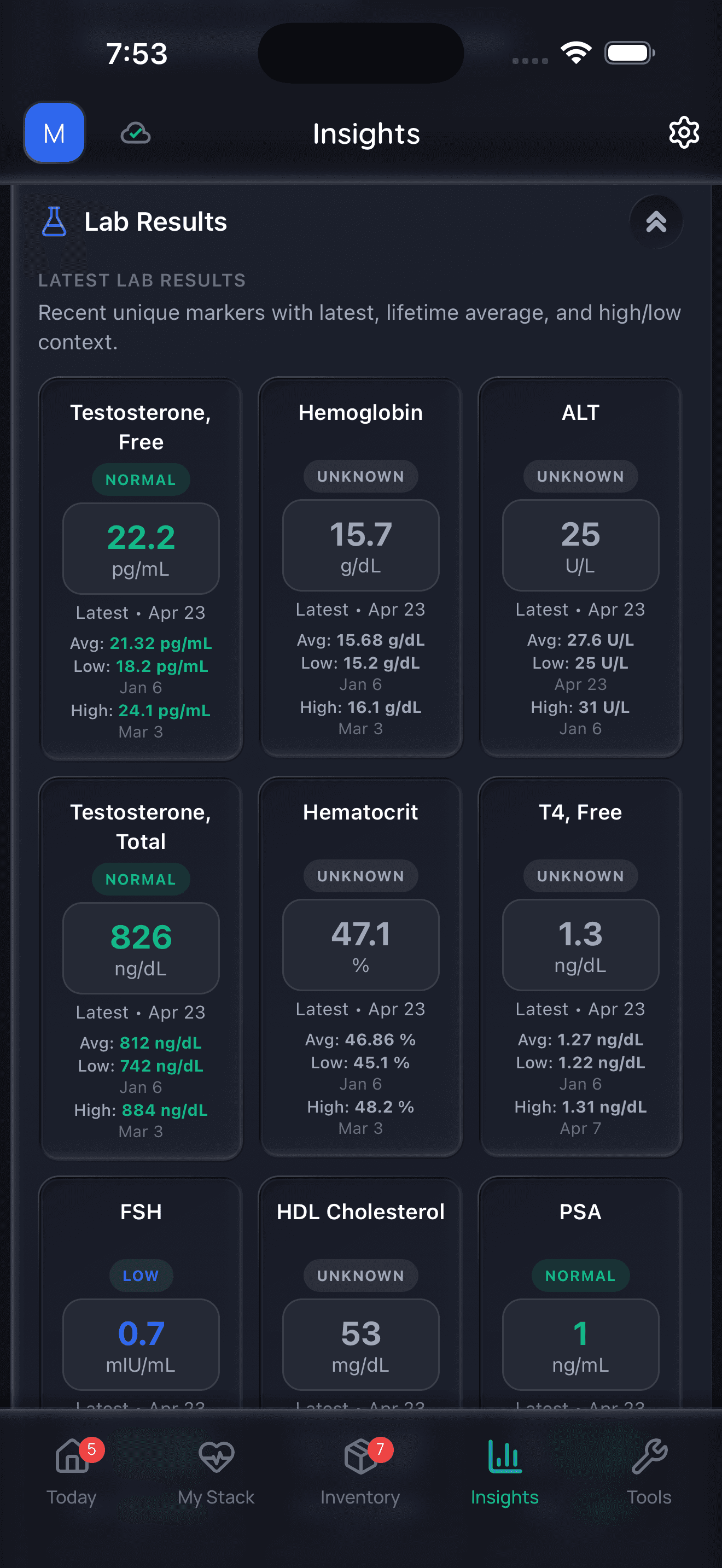
Doserly organizes data; it does not diagnose or interpret labs for you.
Risks, Side Effects & Safety
The Basics
Testosterone therapy for opioid-induced androgen deficiency carries the same risks as TRT for any form of hypogonadism. The most important ones to understand include changes to your blood thickness (polycythemia), effects on fertility, and general side effects like acne or fluid retention.
One risk that deserves special mention in the context of OPIAD is the interaction between testosterone therapy and ongoing opioid use. Both your pain management and your hormone replacement need to be coordinated by healthcare providers who communicate with each other. Changes in one treatment can affect the other.
The good news regarding cardiovascular safety is that the TRAVERSE trial, the largest study ever designed to test whether testosterone therapy increases heart risk, found no significant increase in major cardiovascular events (heart attack, stroke, or cardiovascular death) compared to placebo over nearly three years of follow-up. The hazard ratio was 0.96 (95% CI: 0.78-1.17) in men aged 45-80 who already had cardiovascular risk factors [20].
For blood thickness (polycythemia), hematocrit levels above 54% require intervention, which may include dose reduction, temporary treatment suspension, or therapeutic phlebotomy (blood donation). Injectable testosterone tends to cause more hematocrit elevation than gels or patches.
The Science
Common side effects: Acne, oily skin, injection site reactions (for injectable formulations), fluid retention, mood changes (typically irritability in the initial adjustment period), and testicular atrophy.
Polycythemia/erythrocytosis: Testosterone stimulates erythropoiesis. Hematocrit monitoring is mandatory, with the threshold for intervention set at >54%. Rates of polycythemia vary by route: intramuscular injection produces higher peak levels and greater erythrocytosis risk compared to transdermal formulations. In the OPIAD population, baseline hematocrit should be assessed carefully, as chronic illness and opioid use may independently affect red blood cell parameters [20].
Cardiovascular events (MACE): The TRAVERSE trial (n=5,246) demonstrated non-inferiority of testosterone gel vs placebo for the primary composite MACE endpoint (HR 0.96, 95% CI: 0.78-1.17) over a mean 33-month follow-up in men 45-80 with preexisting or high risk for CVD. TRAVERSE also observed increased incidence of atrial fibrillation, pulmonary embolism, and acute kidney injury in the testosterone group. The OPIAD population was not specifically studied in TRAVERSE, and these patients may carry additional cardiovascular risk factors from chronic illness, sedentary lifestyle secondary to pain, and metabolic comorbidities [20].
Fertility suppression: Exogenous testosterone suppresses the HPG axis and spermatogenesis, often to azoospermia. In the OPIAD population, this is particularly complex because opioids themselves already suppress spermatogenesis via HPG axis suppression. Adding exogenous testosterone compounds this effect. Fertility preservation strategies are discussed in Section 14.
Sleep apnea: TRT may exacerbate obstructive sleep apnea. Screening is recommended before initiation, particularly given that many chronic pain patients have risk factors for OSA (obesity, sedating medications).
Prostate effects: PSA monitoring per age-appropriate guidelines. Current evidence does not support a causal link between TRT and prostate cancer initiation, though monitoring remains standard of care.
Hepatotoxicity: Minimal risk with modern non-17-alpha-alkylated formulations. Not a significant concern with standard injectable or transdermal testosterone.
Drug interactions in OPIAD context: Testosterone may enhance anticoagulant effects (relevant for patients on concurrent anticoagulation), improve insulin sensitivity (requiring diabetes medication adjustment), and interact with concurrent medications common in the OPIAD population (SSRIs, gabapentinoids, benzodiazepines).
Contraindications: Breast cancer (male), active untreated prostate cancer, hematocrit >54% at baseline, uncontrolled heart failure, desire for near-term fertility (without HCG co-administration), untreated severe OSA.
Dosing & Treatment Protocols
The Basics
Treatment for opioid-induced androgen deficiency follows a step-wise approach recommended by clinical guidelines. Before starting testosterone therapy, healthcare providers should first consider whether the opioid regimen itself can be modified. Reducing the opioid dose, rotating to a different opioid (particularly buprenorphine, which causes less testosterone suppression), or transitioning to non-opioid pain management can allow testosterone levels to recover naturally [5].
When testosterone therapy is needed, the same formulations used for other forms of hypogonadism are available: injectable testosterone (cypionate or enanthate), transdermal gels or creams, patches, and other delivery methods. The choice depends on individual factors including insurance coverage, preference, lifestyle, and the desire to avoid peak-trough fluctuations. Commonly prescribed starting ranges include 50-100 mg of testosterone cypionate or enanthate weekly by injection, or daily application of 50 mg testosterone gel [10].
For men concerned about fertility or who may want to preserve their own hormonal signaling, clomiphene citrate (a SERM) is an alternative that stimulates the brain to produce more LH and FSH, which then drives testicular testosterone production. This approach preserves spermatogenesis and may be particularly relevant in younger OPIAD patients [3].
The Science
Treatment hierarchy per Endocrine Society (2024):
- First-line: Opioid dose reduction or cessation (reverses HPG axis suppression)
- Second-line: Opioid rotation to buprenorphine or agent with milder HPG suppression
- Third-line: Testosterone replacement therapy or SERM therapy
TRT dosing (when indicated):
- Injectable testosterone cypionate or enanthate: 75-100 mg IM weekly or 150-200 mg every two weeks (more frequent lower-dose injections preferred for stable levels)
- Transdermal gel: 50 mg daily, titrate based on trough levels and symptom response
- Follow-up labs at 2-3 week intervals during initial titration [10]
- Target: trough total testosterone 450-700 ng/dL with symptom improvement
SERM therapy:
- Clomiphene citrate: 25-50 mg daily or every other day (off-label)
- Enclomiphene: emerging alternative with potentially fewer side effects
- Monitoring: total T, free T, LH, FSH, estradiol at 4-6 week intervals
What to Expect (Timeline)
Treatment response in opioid-induced androgen deficiency depends on the treatment approach chosen:
If opioid dose is reduced or switched to buprenorphine:
- Days to weeks: Testosterone levels may begin to recover
- 1-3 months: Gradual improvement in symptoms if levels normalize
- Recovery timeline: Highly variable; depends on dose, duration of prior use, and individual factors
If testosterone therapy is initiated (while continuing opioids):
- Days 1-7: Possible initial mood or energy changes (partly placebo or anticipation); injection site soreness if using IM route
- Weeks 2-4: Libido changes often the first noticeable improvement; energy may begin to increase; possible mood shifts
- Months 1-3: Sexual function improvements become more consistent; initial body composition changes; mood stabilization; hematocrit beginning to rise (monitor)
- Months 3-6: Body composition changes more apparent; strength improvements (if pain allows exercise); bone density changes beginning; potential reduction in pain sensitivity (anti-nociceptive effect)
- Months 6-12: Full sexual function benefits; significant body composition changes (if exercise is possible); potential for reduced opioid requirements based on improved pain tolerance
- Ongoing: Annual review with assessment of continued need, dose optimization, monitoring (hematocrit, PSA, lipids, symptoms)
Individual response varies widely. Some men notice improvement within weeks; others require months of dose optimization. Pain conditions, concurrent medications, sleep quality, and activity level all influence the treatment response. Not all symptoms may resolve with testosterone therapy alone, particularly if they are also related to chronic pain or opioid side effects.
Timelines in clinical literature describe averages. Your own timeline is what matters. Doserly's trend analysis turns your daily symptom entries into visual trajectories, showing you how each outcome is progressing over weeks and months of testosterone therapy.
The app helps you see patterns that day-to-day experience can obscure, like a gradual improvement in energy that started two weeks after switching to twice-weekly injections, or libido steadily building even when individual off days make it feel like nothing has changed. These insights give both you and your provider a clearer picture of treatment response.
Turn symptom and safety notes into a clearer timeline.
Doserly helps you log doses, symptoms, and safety observations side by side so patterns are easier to discuss with a qualified clinician.
Pattern view
Logs and observations

Pattern visibility is informational and should be reviewed with a clinician.
Fertility Preservation & HPG Axis
Fertility considerations in OPIAD are uniquely complex because both the condition itself and its most common treatment (exogenous testosterone) suppress the HPG axis and spermatogenesis.
Dual suppression problem: Chronic opioid use already suppresses GnRH, LH, and FSH, leading to reduced spermatogenesis. Adding exogenous testosterone further suppresses the HPG axis, potentially driving sperm counts to zero (azoospermia) in approximately 40-60% of men by 6 months.
Fertility-preserving treatment options:
- Opioid modification first: Reducing opioid dose or switching to buprenorphine may partially restore HPG axis function and spermatogenesis
- Clomiphene citrate: Stimulates LH and FSH release, supporting both testosterone production and spermatogenesis. Particularly appropriate for OPIAD patients of reproductive age
- HCG co-administration: 250-500 IU 2-3 times weekly alongside TRT to maintain intratesticular testosterone and spermatogenesis
- Enclomiphene: Newer SERM with potentially fewer side effects than clomiphene; stimulates endogenous testosterone production while preserving fertility
- Sperm banking: Recommended before TRT initiation for men who may want biological children
Recovery after TRT discontinuation: Variable timeline (6-24+ months). Recovery is influenced by duration of both opioid use and TRT, age, pre-treatment hormonal status, and whether HCG was used during treatment. Recovery is not guaranteed.
Clinical importance: Every man of reproductive age with OPIAD should receive fertility counseling before starting testosterone therapy. The dual-suppression scenario (opioids + exogenous T) makes fertility preservation particularly critical in this population.
Interactions & Compatibility
Drug-drug interactions:
- Anticoagulants (warfarin, DOACs): Testosterone may enhance anticoagulant effect; INR monitoring required
- Insulin and diabetes medications: Testosterone may improve insulin sensitivity, potentially requiring dose adjustment
- Corticosteroids: Additive fluid retention; both may affect bone density
- 5-alpha reductase inhibitors (finasteride, dutasteride): Block DHT conversion; affect efficacy and side effect profile
- Aromatase inhibitors (anastrozole): Controversial co-prescription; see Section Section 18
- Opioids: The causative agent; dose adjustments in either direction may affect the other. Testosterone may reduce opioid requirements via anti-nociceptive effects [15]
- SSRIs/SNRIs: Commonly prescribed to OPIAD patients for depression; sexual side effects may overlap with and mask OPIAD symptoms
- Gabapentinoids (gabapentin, pregabalin): Commonly co-prescribed in chronic pain; may independently affect hormonal function
Supplement interactions:
- DHEA (additive androgenic effects; DHEAS may also be suppressed by opioids)
- Zinc (supports testosterone production)
- Vitamin D (associated with testosterone levels; often deficient in chronic pain populations)
- Ashwagandha (some evidence for modest testosterone support; popular in community)
Lifestyle factors:
- Alcohol: Suppresses testosterone production and increases aromatization; common comorbidity in opioid use populations
- Sleep: Critical for testosterone production; chronic pain and opioid use both disrupt sleep
- Exercise: Resistance training synergistic with TRT; limited by chronic pain in many OPIAD patients
- Body composition: Weight loss may independently improve testosterone levels; obesity is a common comorbidity in OPIAD (see Obesity-Related Hypogonadism)
Related guides:
- Secondary Hypogonadism (OPIAD is a subtype)
- Testosterone Cypionate
- Clomiphene
- HCG
- Enclomiphene
Decision-Making Framework
If you are on chronic opioid therapy and experiencing symptoms that could indicate low testosterone, the path forward involves several key considerations.
When to investigate opioid-induced androgen deficiency:
- You have been on opioid therapy for more than 3 months
- You are experiencing fatigue, low libido, erectile dysfunction, depression, muscle wasting, or increased pain sensitivity
- The AUA guideline explicitly recommends measuring total testosterone in patients with "chronic narcotic use" even without classic hypogonadal symptoms [21]
- The Endocrine Society recommends screening patients on long-term opioid treatment (>3 months) who report relevant symptoms [5]
Diagnostic confirmation:
- Two morning fasting total testosterone measurements below 300 ng/dL (AUA threshold)
- Low or inappropriately normal LH and FSH (confirming secondary hypogonadism)
- Prolactin level (rule out concurrent hyperprolactinemia)
- Consider pituitary MRI if total T <150 ng/dL with low/normal LH
The reversibility question: Before starting testosterone therapy, discuss with your provider whether your opioid regimen can be modified. Opioid dose reduction, rotation to buprenorphine, or transition to non-opioid pain management may allow natural testosterone recovery. This is the recommended first step per Endocrine Society guidance [5]. However, many patients cannot safely reduce or change their opioid therapy, and testosterone treatment should not be withheld solely because opioid modification is being attempted.
Questions to ask your provider:
- "Could my opioid medication be affecting my testosterone levels?"
- "Should I have my testosterone checked?"
- "Would switching to buprenorphine be an option for my pain management?"
- "If I need testosterone treatment, what form would be best for my situation?"
- "Should I see an endocrinologist for this?"
- "If I want to have children in the future, what options preserve fertility?"
Finding a qualified provider: Endocrinologists, urologists with andrology interest, and men's health specialists are well-equipped to manage OPIAD. Pain management specialists should be aware of the condition but may not routinely screen for it. Coordination between your pain management provider and your hormone-prescribing provider is essential.
Shared decision-making works best when both you and your provider have good data. Doserly gives you a personalized health picture that makes treatment discussions more meaningful, including your symptoms, their severity, how they've changed over time, and how they connect to your current protocol and lab values.
Whether you're evaluating whether to start TRT, considering a switch from gel to injections, or discussing whether it's time to adjust your dose based on trough levels, having your own tracked data alongside the clinical evidence puts you in a stronger position to make decisions that reflect your individual experience and goals.
Bring cleaner notes into the conversation.
Use Doserly to keep doses, symptoms, labs, inventory, and questions organized before a clinician visit or protocol review.
Visit prep
Review packet
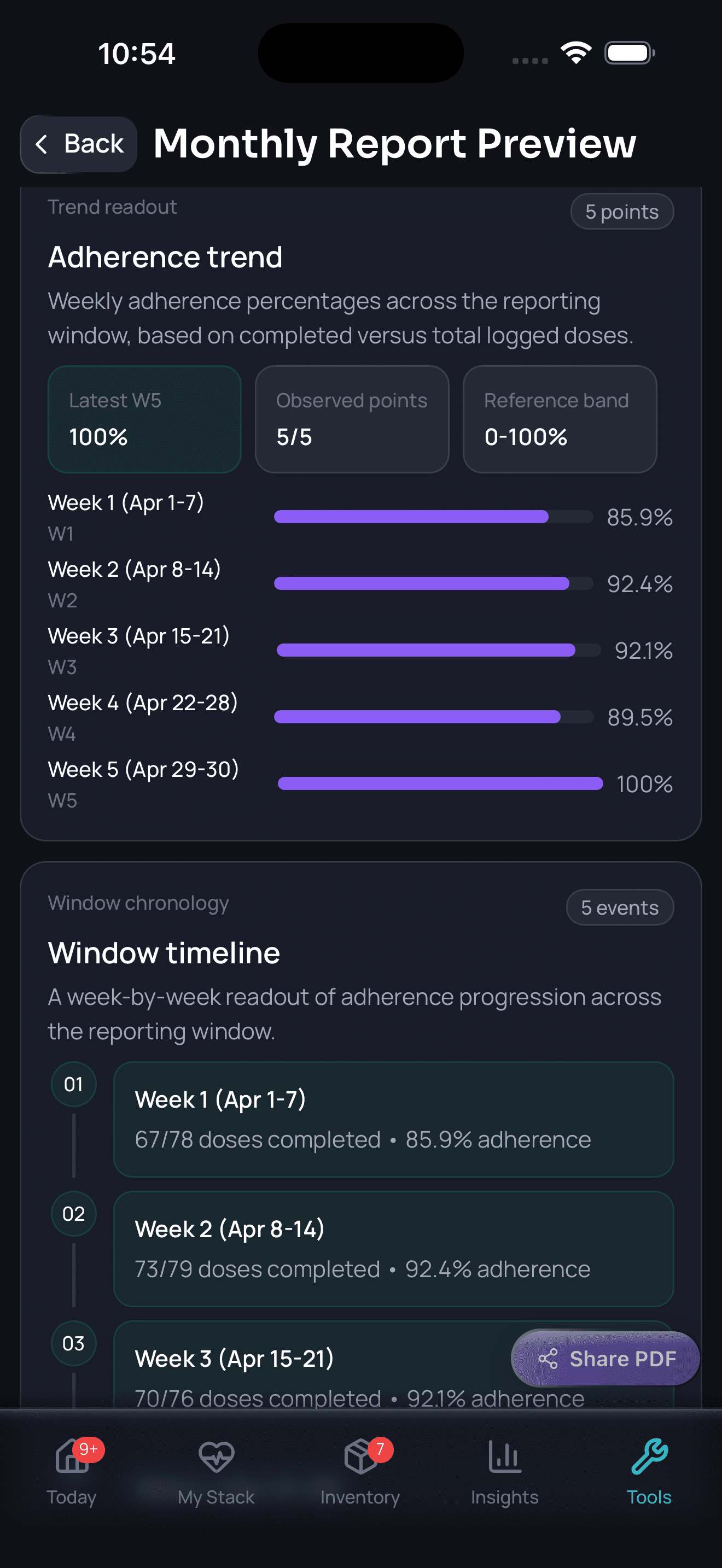
Organized notes can support better conversations with your care team.
Administration & Practical Guide
When testosterone therapy is prescribed for OPIAD, the same administration methods apply as for other forms of hypogonadism. Choice of delivery method should consider patient preference, insurance coverage, and the specific needs of chronic pain patients (e.g., injection site rotation may need to account for existing injection sites for other medications, and men with chronic pain may have limited injection site options due to musculoskeletal conditions).
- Intramuscular injection: Vastus lateralis, ventrogluteal, or deltoid. Standard needle gauge (22-25G, 1-1.5"). Self-injection education and site rotation.
- Subcutaneous injection: Growing evidence supports SubQ testosterone with smaller needles (27-30G).
- Transdermal gel/cream: Daily application; may be preferred for men who wish to avoid injections or who have needle fatigue from other medical procedures. Transfer precautions critical for partners and children.
- Transdermal patch: Alternative for injection-averse patients; adhesion and skin irritation are common issues.
For men on medication-assisted treatment (methadone, buprenorphine), coordination with the prescribing provider is important. Transdermal formulations may be preferred by some MAT programs to minimize concerns about injectable controlled substances.
This section is for educational information only and does not replace pharmacy instructions or prescriber guidance.
Monitoring & Lab Work
Pre-treatment baseline:
- Total testosterone (two morning draws, fasting)
- Free testosterone (calculated or equilibrium dialysis)
- LH, FSH (to confirm secondary hypogonadism)
- Prolactin (rule out hyperprolactinemia; opioids can occasionally elevate prolactin)
- SHBG, estradiol
- DHEAS (often suppressed by opioids; assesses adrenal androgen function)
- CBC with hematocrit
- PSA (age-appropriate)
- Lipid panel, comprehensive metabolic panel
- DEXA if osteoporosis risk factors present (chronic opioid use is a risk factor for bone loss)
Initial follow-up (4-12 weeks):
- Trough testosterone level
- Hematocrit
- Symptom assessment and side effect evaluation
- Dose adjustment consideration
Ongoing monitoring:
- Hematocrit: Every 6-12 months; threshold >54% for intervention
- PSA: Per age-appropriate guidelines
- Testosterone levels: Trough for injectables, any-time for transdermal (after steady state)
- Estradiol: Only if symptomatic
- Lipid panel: Annually
- DEXA: If bone loss was an indication; repeat per clinical protocol
- Pain scores and opioid requirements: Monitor for anti-nociceptive benefit
Annual review checklist:
- Continued indication for TRT
- Opioid regimen status (any changes in dose, formulation, or tapering progress)
- Symptom reassessment
- Risk-benefit discussion
- Consider periodic attempt at opioid reduction to assess HPG axis recovery potential
Estrogen Management on TRT
Aromatization of testosterone to estradiol occurs via aromatase enzyme, primarily in adipose tissue. This is a normal physiological process. Estradiol is important for bone health, cardiovascular function, libido, and cognitive function in men.
In the OPIAD population, estrogen management follows the same principles as in other hypogonadal men:
- Routine AI use is NOT recommended by Endocrine Society or AUA guidelines
- Aromatase inhibitor use (anastrozole) should only be considered when clinical symptoms of elevated estrogen are present (gynecomastia, excessive fluid retention)
- Over-suppression of estradiol causes joint pain, mood disturbance, decreased libido, and bone density loss
- Many OPIAD patients are on multiple medications; adding unnecessary AI therapy increases polypharmacy burden
- Community emphasis on E2 management may not reflect clinical evidence; symptom-based management is preferred over number targeting
Stopping TRT / Post-Cycle Considerations
Stopping testosterone therapy in OPIAD requires careful consideration because the underlying cause (opioid use) may still be present.
Scenarios for TRT discontinuation:
- Opioid cessation or significant dose reduction: If opioids are tapered or discontinued, endogenous testosterone production may recover. A trial of TRT discontinuation with monitoring is reasonable.
- Opioid rotation to buprenorphine: Switching from a full agonist to buprenorphine may allow sufficient HPG recovery to discontinue TRT.
- Fertility planning: Transitioning to clomiphene or HCG may allow sperm recovery while maintaining testosterone support.
HPG axis recovery: Recovery depends on the duration of both opioid use and TRT use, the patient's age, and whether HCG was used during therapy. Testosterone levels typically fall after TRT cessation, and if the underlying opioid exposure continues, levels will remain suppressed. Recovery of endogenous production requires both removal of the opioid suppressive signal and time for HPG axis function to restore.
PCT considerations: Community-derived PCT protocols (HCG taper, clomiphene, tamoxifen) may support recovery, though these are not standardized in clinical guidelines for TRT discontinuation. In the OPIAD context, continuing opioid use during a PCT attempt is likely to prevent meaningful HPG axis recovery.
Realistic expectations: For men who remain on chronic opioid therapy, TRT may be a long-term or lifelong treatment. The decision should be reassessed annually in the context of the overall pain management plan.
Special Populations & Situations
Men on Medication-Assisted Treatment (Methadone/Buprenorphine)
Men on MAT for opioid use disorder represent a unique subpopulation. Methadone is a particularly potent HPG axis suppressant, and hypogonadism rates are very high in this group. Buprenorphine-based MAT (Suboxone, Sublocade) causes significantly less testosterone suppression and may be preferred when clinically feasible. Testosterone therapy should be coordinated with the MAT prescriber to avoid complications and ensure comprehensive care.
Chronic Pain Patients
Many OPIAD patients have debilitating chronic pain that limits physical activity. Exercise, one of the most effective adjuncts to TRT, may need to be modified or adapted. Pain management and hormone treatment should be integrated.
Obese Men on Opioids
Obesity itself causes testosterone suppression (via increased aromatase activity in adipose tissue). Combined with opioid-induced suppression, these men may have severely low testosterone. Weight loss, if achievable, can improve levels independent of hormonal treatment. See Obesity-Related Hypogonadism.
Men with Sleep Apnea
Chronic opioid use increases the risk of central sleep apnea. TRT may exacerbate obstructive sleep apnea. Sleep study recommended before initiation. CPAP optimization during TRT is important.
Older Men (>65)
Age-related testosterone decline compounds opioid-induced suppression. Lower starting doses of TRT are often appropriate. Polycythemia risk is increased. TRAVERSE and TTrials data provide reassurance regarding safety in this age group.
Men with Cardiovascular Disease History
OPIAD patients frequently have cardiovascular comorbidities. TRAVERSE trial data provides reassurance for non-inferiority of TRT. Route consideration: transdermal may be preferred for hematocrit management. Hematocrit monitoring is critical.
Men with Substance Use Disorder History
Sensitivity is required when prescribing controlled substances (testosterone is Schedule III) to patients with substance use disorder history. Some MAT programs may have policies regarding concurrent controlled substance prescriptions. Open communication between providers is essential.
Regulatory, Insurance & International
United States:
- Testosterone is Schedule III (DEA). Opioids are typically Schedule II.
- Dual controlled substance prescriptions may trigger additional pharmacy or insurance scrutiny
- FDA-approved indication for TRT: treatment of classical hypogonadism (confirmed low T with symptoms)
- Insurance coverage: Prior authorization common; lab documentation of low T typically required
- Compounded testosterone available from 503A and 503B pharmacies
Key regulatory note: OPIAD is recognized as a legitimate cause of hypogonadism by both the Endocrine Society and AUA. The AUA guideline specifically lists "chronic narcotic use" as a condition warranting testosterone screening even in the absence of symptoms [21]. This clinical recognition should support insurance authorization.
International considerations: Similar regulatory frameworks exist in the UK (MHRA), Canada (Health Canada), Australia (TGA), and EU (EMA). In jurisdictions where both opioids and testosterone are controlled substances, patients traveling internationally should carry documentation for both prescriptions.
Frequently Asked Questions
Q: Can opioid pain medication really lower my testosterone?
Yes. Chronic opioid use is one of the most common and well-documented causes of low testosterone in men. Research suggests that 20-90% of men on chronic opioid therapy have testosterone levels below normal, depending on the type of opioid, dose, and duration of use.
Q: How do I know if my symptoms are from low testosterone or from the opioids themselves?
Many symptoms overlap: fatigue, low libido, depression, and decreased motivation can all be caused by both opioids and low testosterone. The only way to distinguish is through blood testing. Two morning fasting testosterone levels below 300 ng/dL with low or normal LH/FSH strongly suggests opioid-induced androgen deficiency.
Q: Should I stop my opioids to fix my testosterone?
This is a decision to make with your healthcare provider. If opioid reduction is clinically feasible and safe, it is the recommended first step because testosterone levels often recover. However, many patients need their opioid therapy for pain management, and testosterone treatment should not be withheld just because opioid tapering is not possible.
Q: Is buprenorphine (Suboxone) better for testosterone levels?
Yes. Research consistently shows that buprenorphine causes significantly less testosterone suppression than full opioid agonists like methadone, oxycodone, and morphine. If clinically appropriate, switching to buprenorphine may allow testosterone levels to improve without additional hormone therapy.
Q: Will testosterone therapy help with my pain?
Emerging evidence suggests it might. Early clinical studies show that men with OPIAD who receive testosterone therapy report lower pain scores and require lower opioid doses. However, this research is still developing and testosterone is not a pain medication.
Q: Is it safe to be on both opioids and testosterone at the same time?
Yes, with appropriate medical supervision. There are no dangerous drug interactions between opioids and testosterone. However, both are controlled substances, and coordination between your pain management provider and your hormone-prescribing provider is important.
Q: Why didn't my doctor check my testosterone?
Unfortunately, opioid-induced androgen deficiency remains dramatically underdiagnosed. Research shows that fewer than 10% of men on chronic opioids are diagnosed with hypogonadism, and only about 17% are even screened. Many providers are not aware of how commonly this occurs. You can ask your doctor to check your testosterone levels.
Q: Can I use clomiphene instead of testosterone?
Yes. Clomiphene citrate is an alternative that works by stimulating your brain to produce more LH and FSH, which drives your own testosterone production. It preserves fertility and may be particularly appropriate for younger men or those planning to have children. It is used off-label for this purpose.
Q: Will my testosterone come back if I stop opioids?
In many cases, yes. Testosterone levels typically recover after opioid cessation, though the timeline is variable (weeks to months) and full recovery to pre-opioid levels is not guaranteed, especially after prolonged use.
Q: Should I see an endocrinologist or my pain doctor?
Ideally, both should be involved. Your pain management provider can assess whether opioid modification is possible, and an endocrinologist or men's health specialist can manage the hormone replacement. Coordination between providers leads to the best outcomes.
Myth vs. Fact
Myth: "Low energy and low libido are just normal side effects of pain medication. There's nothing you can do about it."
Fact: While opioids do cause sedation, the sexual dysfunction and fatigue that many men experience on chronic opioids are often caused by testosterone deficiency, not just the opioid itself. This is a treatable medical condition. Research shows that testosterone therapy improves libido, energy, and quality of life in men with opioid-induced androgen deficiency [1][10].
Myth: "Only heroin users get low testosterone from opioids."
Fact: Any chronic opioid use can suppress testosterone, including prescription medications like oxycodone, morphine, methadone, hydrocodone, and fentanyl patches. The risk increases with higher doses and longer-acting formulations. Even tramadol, a weaker opioid, can affect testosterone levels [5].
Myth: "TRT is too risky if you're already on opioids."
Fact: There are no dangerous drug interactions between opioids and testosterone. The TRAVERSE trial demonstrated cardiovascular non-inferiority of TRT (HR 0.96, 95% CI: 0.78-1.17) in men with existing cardiovascular risk factors. Standard monitoring protocols (hematocrit, PSA) apply as with any TRT patient [20].
Myth: "If my testosterone is low from opioids, it will fix itself."
Fact: Testosterone levels remain suppressed as long as opioid use continues. Unlike a temporary suppression, chronic use leads to sustained hypogonadism. Levels may recover after opioid cessation, but this requires actual reduction or discontinuation, and recovery is not always complete [8][9].
Myth: "TRT causes heart attacks."
Fact: The TRAVERSE trial, the largest randomized controlled trial specifically designed to assess cardiovascular safety of testosterone therapy (n=5,246 men aged 45-80 with cardiovascular risk factors), found no significant increase in major adverse cardiovascular events compared to placebo over 33 months. Earlier observational studies that raised concerns had significant methodological limitations [20].
Myth: "All testosterone replacement makes you permanently infertile."
Fact: Exogenous testosterone does suppress spermatogenesis, but this is usually reversible after discontinuation (though recovery takes 6-24+ months and is not guaranteed). Alternatives like clomiphene citrate preserve fertility while treating the testosterone deficiency. HCG co-administration during TRT can also help maintain spermatogenesis [3].
Myth: "My doctor would have told me if my opioids were affecting my hormones."
Fact: Research shows that opioid-induced androgen deficiency is dramatically underdiagnosed. A study of over 107,000 men found that only 17% of chronic opioid users were even screened for testosterone deficiency over a 5-year period, and only 9.4% were diagnosed [2]. Proactively asking your provider about testosterone testing is reasonable if you are on chronic opioid therapy.
Myth: "Testosterone therapy will make me need more opioids."
Fact: The opposite may be true. Early evidence from clinical studies suggests that testosterone therapy in men with OPIAD can actually reduce pain scores and decrease opioid requirements, possibly due to testosterone's anti-nociceptive properties [1][15].
Sources & References
Clinical Guidelines
[1] Kafel H, Braga-Basaria M, Basaria S. Opioid-induced androgen deficiency in men: Prevalence, pathophysiology, and efficacy of testosterone therapy. Clinical Endocrinology. 2025. PMID: 39982737.
[2] Baillargeon J, Raji MA, Urban RJ, et al. Opioid-Induced Hypogonadism in the United States. Mayo Clinic Proceedings: Innovations, Quality & Outcomes. 2019;3(3):276-284. PMC6713891.
[3] O'Rourke TK Jr, Wosnitzer MS. Opioid-Induced Androgen Deficiency (OPIAD): Diagnosis, Management, and Literature Review. Current Urology Reports. 2016;17(10):76. PMID: 27586511.
[5] Karavitaki N, Bettinger JJ, Biermasz N, et al. Exogenous Opioids and the Human Endocrine System: An Endocrine Society Scientific Statement. Endocrine Reviews. 2024;bnae023. PMID: 39441725.
Landmark Trials & Major Studies
[20] Lincoff AM, Bhasin S, Fleg JL, et al. Cardiovascular Safety of Testosterone-Replacement Therapy. New England Journal of Medicine. 2023;389(2):107-117. (TRAVERSE Trial)
[11] Eshraghi Y, et al. Establishing a Dose-Response Relationship Between Opioid Use and Hypogonadism: A Retrospective Case-Control Study. Ochsner Journal. 2021;21(3). PMID: 34566505.
Observational Studies & Reviews
[4] Azizi F, Vagenakis AG, Longcope C, Ingbar SH, Braverman LE. Decreased serum testosterone concentration in male heroin and methadone addicts. Steroids. 1973;22(4):467-472.
[6] Reddy RG, Aung T, Karavitaki N, Wass JAH. Opioid induced hypogonadism. BMJ. 2010;341:c4462. PMC2974597.
[7] Vuong C, Van Uum SH, O'Dell LE, Lutfy K, Friedman TC. The effects of opioids and opioid analogs on animal and human endocrine systems. Endocrine Reviews. 2010;31(1):98-132.
[8] Mendelson JH, Ellingboe J, Judson B, Goldstein A. Plasma testosterone and luteinizing hormone levels during levo-alpha-acetylmethadol maintenance and withdrawal. Clinical Pharmacology & Therapeutics. 1984;35:545-547.
[9] Woody GM, O'Brien C, Persky H, et al. Hormone secretion in methadone-dependent and abstinent patients. NIDA Research Monograph. 1988;81:216-223.
[10] Medina II WA, Conermann T. Opioid-Induced Endocrinopathy. StatPearls [Internet]. Last update: November 15, 2022. PMID: 32644637.
[12] Bliesener N, Albrecht S, Schwager A, et al. Plasma testosterone and sexual function in men receiving buprenorphine maintenance for opioid dependence. Journal of Clinical Endocrinology & Metabolism. 2005;90:203-206.
[13] Hallinan R, Byrne A, Agho K, et al. Erectile dysfunction in men receiving methadone and buprenorphine maintenance treatment. Journal of Sexual Medicine. 2008;5:684-692.
[14] Adams ML, Sewing B, Forman JB, Meyer ER, Cicero TJ. Opioid-induced suppression of rat testicular function. Journal of Pharmacology and Experimental Therapeutics. 1993;266(1):323-328.
[15] Rubinstein AL, Carpenter DM, Minkoff JR. Hypogonadism in men with chronic pain linked to the use of long-acting rather than short-acting opioids. Clinical Journal of Pain. 2013;29(10):840-845.
[16] Abs R, Verhelst J, Maeyaert J, et al. Endocrine consequences of long-term intrathecal administration of opioids. Journal of Clinical Endocrinology & Metabolism. 2000;85(6):2215-2222.
[17] Roberts LJ, Finch PM, Pullan PT, et al. Sex hormone suppression by intrathecal opioids: a prospective study. Clinical Journal of Pain. 2002;18:144-148.
[18] Daniell HW. Hypogonadism in men consuming sustained-action oral opioids. Journal of Pain. 2002;3:377-384.
[19] Daniell HW, Lentz R, Mazer NA. Open-label pilot study of testosterone patch therapy in men with opioid-induced androgen deficiency. Journal of Pain. 2006;7:200-210.
Government/Institutional Sources
[21] AUA. Evaluation and Management of Testosterone Deficiency: AUA Guideline. 2018 (Updated 2024). https://www.auanet.org/guidelines-and-quality/guidelines/testosterone-deficiency-guideline
Related Guides & Cross-Links
Same Category (Conditions & Causes)
Related Treatment Options
- Testosterone Cypionate
- Testosterone Enanthate
- Testosterone Gel (AndroGel)
- Clomiphene Citrate
- Enclomiphene
- HCG
Complementary Approaches
- TRT for Beginners
- TRT Blood Work Guide
- Fertility Preservation on TRT
- Estrogen Management on TRT
- Stopping TRT & Post-Cycle Recovery