
Boron: The Complete Supplement Guide
On this page
Quick Reference Card
Attribute
Common Name
- Detail
- Boron
Attribute
Other Names / Aliases
- Detail
- B, Boric acid (metabolized form in the body), Sodium borate, Borax (industrial form)
Attribute
Category
- Detail
- Trace Mineral (non-essential but bioactive)
Attribute
Primary Forms & Variants
- Detail
- Boron citrate, Boron glycinate, Boron aspartate, Calcium fructoborate (naturally occurring plant-based form; well-studied for osteoarthritis), Sodium tetraborate, Boron picolinate, Boron amino acid chelate
Attribute
Typical Dose Range
- Detail
- 3-10 mg/day elemental boron from supplements
Attribute
RDA / AI / UL
- Detail
- No RDA, AI, or EAR established (insufficient data per IOM). UL: 20 mg/day for adults 19+ (IOM). WHO acceptable safe range: 1-13 mg/day.
Attribute
Common Delivery Forms
- Detail
- Capsule, tablet, powder
Attribute
Best Taken With / Without Food
- Detail
- Can be taken with or without food. Morning dosing generally preferred by users due to mild stimulatory properties.
Attribute
Key Cofactors
- Detail
- Vitamin D (boron supports vitamin D metabolism), Magnesium (boron may enhance magnesium absorption and retention), Calcium (boron influences calcium metabolism)
Attribute
Storage Notes
- Detail
- Store at room temperature in a dry place. Keep away from moisture and direct sunlight. No refrigeration needed.
Overview
The Basics
Boron is a trace mineral that most people have never heard of, yet it appears to influence some of the body's most important systems. It is found naturally in fruits, vegetables, legumes, and nuts, and it plays well-established roles in plant biology. Its role in human health is less clear, and scientists have not yet classified it as an essential nutrient, meaning your body's specific need for boron has not been formally proven [1][2].
What makes boron worth paying attention to is the growing body of research suggesting it is more important than its obscure reputation would suggest. Studies have linked adequate boron intake to healthy bone metabolism, hormone regulation (including estrogen, testosterone, and vitamin D), reduced inflammation, and improved brain function. The review titled "Nothing Boring About Boron" summarized evidence for at least eleven distinct roles in human health [3].
Most people in Western countries consume roughly 1 to 1.5 mg of boron daily from food, primarily from coffee, milk, apples, beans, and potatoes. Vegetarians tend to get more because boron is concentrated in plant foods. The amount of boron in food varies by geography; regions with boron-rich soil (parts of Turkey, California, Chile) produce foods with higher boron content [1][2].
The research base for boron supplementation is smaller than for minerals like zinc or magnesium, and the studies that do exist tend to be small. But the signals are consistent: benefits appear to begin at intakes of 3 mg per day or more, and the safety margin is generous, with a tolerable upper intake level of 20 mg per day for adults [1][3].
The Science
Boron (B), atomic number 5, is the lightest metalloid element and the smallest known metalloid in biological systems. Although it has not been accepted as an essential nutrient for humans by the Institute of Medicine (IOM), it is classified as "probably essential" by some researchers based on accumulating evidence of its biological roles [1][2][3].
Boron is present in foods and beverages as inorganic borates and as mono- or di-sugar-borate esters, such as calcium fructoborate [1]. Upon ingestion, most boron is hydrolyzed to boric acid (H3BO3) within the gastrointestinal tract. Boric acid is the predominant form of boron in blood, urine, and other body fluids [1][2].
The biological functions of boron remain an active area of investigation. Current evidence suggests involvement in: (1) calcium and bone metabolism, potentially through effects on osteoblast and osteoclast activity; (2) steroid hormone metabolism, including modulation of estrogen, testosterone, and vitamin D half-life and bioavailability; (3) inflammatory regulation via suppression of proinflammatory cytokines (TNF-alpha, IL-6, hs-CRP); (4) antioxidant enzyme activity (SOD, catalase, glutathione peroxidase); (5) brain electrical activity and cognitive function; and (6) formation of key biomolecules including S-adenosyl methionine (SAM-e) and nicotinamide adenine dinucleotide (NAD+) [1][2][3].
Median dietary intakes from food range from 0.87 to 1.35 mg/day in adults according to NHANES III data [1]. The IOM found insufficient evidence to establish an RDA, AI, or EAR, but did set a UL of 20 mg/day based on reproductive and developmental toxicity data in animals [1][4].
Chemical & Nutritional Identity
Property
Chemical Name
- Value
- Boron
Property
Symbol
- Value
- B
Property
Atomic Number
- Value
- 5
Property
Atomic Weight
- Value
- 10.81 g/mol
Property
CAS Number
- Value
- 7440-42-8
Property
PubChem CID
- Value
- 5462311
Property
Category
- Value
- Trace mineral (metalloid); not classified as essential for humans
Property
Primary Biological Form
- Value
- Boric acid (H3BO3) in blood and body fluids
Property
RDA (IOM)
- Value
- Not established
Property
AI (IOM)
- Value
- Not established
Property
EAR (IOM)
- Value
- Not established
Property
UL (IOM 2001)
- Value
- Adults 19+: 20 mg/day; 14-18 years: 17 mg/day; 9-13 years: 11 mg/day
Property
DV (FDA)
- Value
- Not established (no DV assigned)
Property
WHO Safe Range
- Value
- 1-13 mg/day for adults
Property
Median Dietary Intake (US adults)
- Value
- 0.87-1.35 mg/day
Property
Body Distribution
- Value
- Does not accumulate; higher levels in bone, nails, and hair
Property
Primary Excretion
- Value
- Urinary (~98% at dietary intakes)
Common Supplement Forms
Form
Boron citrate
- Type
- Chelated
- Notes
- Common supplement form
Form
Boron glycinate
- Type
- Chelated
- Notes
- Common supplement form
Form
Boron aspartate
- Type
- Chelated
- Notes
- Note: aspartate is an excitatory amino acid; some users report stimulatory effects
Form
Calcium fructoborate
- Type
- Natural plant-based
- Notes
- Most studied form for osteoarthritis; naturally occurring in fruits
Form
Sodium tetraborate
- Type
- Inorganic
- Notes
- Used in the Naghii 2011 testosterone/cytokine study
Form
Boron picolinate
- Type
- Chelated
- Notes
- Common supplement form
Form
Boron amino acid chelate
- Type
- Chelated
- Notes
- General-purpose form
No data are available on the relative bioavailability of different forms of supplemental boron [1].
Mechanism of Action
The Basics
Boron's exact mechanism in the human body is still being mapped out, which is part of why it has not been officially classified as essential. What researchers do know is that it participates in several important processes, even if the precise biochemical pathways are not fully understood [1][2][3].
One of boron's most notable actions involves hormones. It appears to extend the biological half-life of both estrogen and vitamin D in the body, essentially making these hormones available for longer. It also influences testosterone by reducing sex hormone-binding globulin (SHBG), which frees up more testosterone for the body to use. In one study of healthy men, a week of boron supplementation increased free testosterone by about 28% while reducing estradiol by nearly 40% [3][5].
Boron also has anti-inflammatory properties. It reduces levels of C-reactive protein (CRP), tumor necrosis factor alpha (TNF-alpha), and interleukin-6 (IL-6), all markers that rise during chronic inflammation. This anti-inflammatory effect may be one reason boron appears to help with conditions like osteoarthritis [3][5].
At the cellular level, boron acts as a Lewis acid, meaning it can bind to hydroxyl groups. It also influences the formation of SAM-e and NAD+, two molecules involved in methylation and energy metabolism throughout the body [3].
The Science
Boron's biological mechanisms are multifaceted and not fully elucidated. The current evidence points to several pathways [1][2][3][5]:
Steroid hormone modulation: Boron increases the biological half-life and bioavailability of 17-beta-estradiol and 25-hydroxyvitamin D [3]. The mechanism for estrogen appears to involve inhibition of hydroxylation at position 2, the simplest and preferred pathway for estrogen catabolism. For vitamin D, boron may inhibit 24-hydroxylase (CYP24A1), the enzyme responsible for vitamin D inactivation [3].
In a controlled study (n=8 healthy males), 10 mg/day boron (as sodium tetraborate) for 7 days produced: free testosterone increase from 11.83 to 15.18 pg/mL (p<0.05); estradiol decrease from 42.33 to 25.81 pg/mL; hs-CRP decrease from 1.63 to 0.80 mg/L (~50% reduction); TNF-alpha decrease by 19.1%; IL-6 decrease from 1.55 to 0.87 pg/mL [5].
Anti-inflammatory effects: Boron reduces proinflammatory cytokines (TNF-alpha, IL-6) and acute-phase reactants (hs-CRP, fibrinogen, ESR). The mechanism may involve NF-kB pathway modulation or direct effects on cyclooxygenase activity [3][5].
Antioxidant enzyme induction: Boron supplementation has been shown to raise levels of superoxide dismutase (SOD), catalase, and glutathione peroxidase, the major endogenous antioxidant defense enzymes [3].
Bone metabolism: Boron affects both osteoblast and osteoclast activity. It influences calcium and magnesium metabolism, reduces urinary calcium excretion, and modulates serum levels of calcitonin and osteocalcin. The bone effects are likely mediated partly through boron's influence on steroid hormone levels (estrogen, vitamin D) and partly through direct cellular effects [1][3].
Cognitive effects: Boron deficiency (intake < 0.23 mg/day) alters electroencephalographic (EEG) patterns, enhancing delta wave power (associated with drowsiness and reduced alertness) and reducing higher-frequency activity. Repletion with 3 mg/day boron normalized these patterns [1][3][6].
NAD+ and SAM-e: Boron influences the formation of nicotinamide adenine dinucleotide (NAD+) and S-adenosyl methionine (SAM-e), key molecules in cellular energy metabolism and methylation reactions [3].
Absorption & Bioavailability
The Basics
Boron is one of the most efficiently absorbed trace minerals. Your body absorbs approximately 85-90% of ingested boron, regardless of the form or whether you take it with food [1][2]. This high absorption rate means the differences between supplement forms are less about getting boron into your body and more about other considerations like tolerability and what else comes along with the boron compound.
Once absorbed, boron is rapidly converted to boric acid, which circulates in your blood. It does not accumulate significantly in most tissues, though bone, nails, and hair tend to hold more boron than other parts of the body [1]. Your body maintains relatively stable blood boron levels even when intake increases substantially, suggesting an efficient homeostatic system that adjusts urinary excretion to match intake [1].
Boron from food is absorbed just as well as boron from supplements. The richest food sources are fruits (especially prunes, avocados, raisins, and grapes), legumes, and nuts. The boron content of plant foods varies by soil, so where your food was grown matters [1].
After taking a boron supplement, plasma levels begin rising within about an hour and typically peak around 4 hours [2][5]. The body eliminates boron primarily through urine (about 98% at dietary intake levels), with minimal fecal loss [2].
The Science
Boron absorption occurs primarily in the gastrointestinal tract with approximately 85-90% bioavailability. The exact mechanisms and site of absorption are not well characterized, but passive transport through aquaporins has been proposed as a possible pathway, given boron's status as the smallest known metalloid [1][2].
Oral administration of 11.4 mg boron (via 102.6 mg sodium tetraborate decahydrate) alongside a meal elevated plasma boron concentrations within 1 hour (from baseline 0.008-0.016 mg/L to 0.058 mg/L), peaking at 4 hours (0.136 mg/L) [2][5].
Body distribution is relatively uniform, with the exception of bone, nails, and hair, which accumulate higher concentrations. Fat tissue has lower boron levels. Boric acid (H3BO3) is the predominant circulating form [1][2].
The lack of substantial changes in blood boron levels in response to large increases in dietary intake suggests efficient homeostatic regulation, primarily through renal excretion. At dietary levels, fecal boron loss is approximately 2%, with the remainder excreted in urine. At higher intakes, volatile dimethyl selenide analogues have not been reported, but urinary excretion increases proportionally [1][2].
No data are currently available on the relative bioavailability of different supplemental forms (citrate, glycinate, aspartate, fructoborate, picolinate). However, calcium fructoborate, a naturally occurring sugar-borate ester found in fruits, has been specifically studied in clinical trials for osteoarthritis with positive results, suggesting adequate bioavailability for this form [7][8].
Managing absorption timing across multiple supplements gets complicated fast. Some need to be taken with food, others on an empty stomach. Some compete for the same absorption pathways, others enhance each other. Doserly organizes all of this into a single schedule that accounts for the interactions between everything in your stack.
Instead of juggling mental notes about which supplements to separate and which to pair, the app handles the coordination for you. It flags timing conflicts, suggests optimal windows based on the forms you're using, and builds a daily routine that gives each supplement its best chance of being absorbed effectively. One place for all the details that are easy to forget.
Turn symptom and safety notes into a clearer timeline.
Doserly helps you log doses, symptoms, and safety observations side by side so patterns are easier to discuss with a qualified clinician.
Pattern view
Logs and observations

Pattern visibility is informational and should be reviewed with a clinician.
Research & Clinical Evidence
Osteoarthritis and Joint Health
The Basics
The evidence for boron and joint health is among the most consistent in boron research. Epidemiological data from around the world shows a striking pattern: regions with higher soil boron levels tend to have lower rates of osteoarthritis, while regions with boron-depleted soil have higher rates. In areas where estimated daily boron intake is 1 mg or less, arthritis rates range from 20-70%. Where intake is 3-10 mg, rates drop to 0-10% [3].
Clinical trials, though small, support this pattern. Several studies using 6 mg of boron per day (often as calcium fructoborate) have shown reduced joint pain, improved mobility, decreased use of pain medication, and lower levels of inflammatory markers in people with osteoarthritis [7][8][9].
The mechanism likely involves boron's anti-inflammatory properties, specifically its ability to reduce C-reactive protein and other inflammatory markers that drive joint destruction [3][9].
The Science
A placebo-controlled pilot study (n=20; mean age ~65 years) found that 6 mg/day boron for 8 weeks reduced osteoarthritis symptoms compared to placebo [9]. An 8-week open-label study (n=20) using calcium fructoborate (6 mg boron for mild-moderate OA, 12 mg for severe OA) reported reduced joint rigidity, decreased ibuprofen use, and increased mobility and flexibility [8].
A double-blind, placebo-controlled trial (n=60; age 59-68) tested 1.5, 3, and 6 mg/day boron as calcium fructoborate for 2 weeks on inflammatory biomarkers in osteoarthritis patients. All doses significantly reduced CRP and fibrinogen levels [9]. A separate double-blind, placebo-controlled trial (n=60; mean age 50) found that 6 mg/day calcium fructoborate for 2 weeks significantly reduced knee discomfort [10].
In rheumatoid arthritis, calcium fructoborate used as adjuvant therapy with etanercept (n=80) reduced CRP, ESR, TNF-alpha, IL-1-alpha, and IL-6 levels [11].
Steroid Hormones and Testosterone
The Basics
One of boron's most talked-about effects is its influence on hormones, particularly testosterone. In a widely cited study of eight healthy men, one week of boron supplementation at 10 mg per day increased free testosterone by about 28% and reduced estradiol (a form of estrogen) by nearly 40%. It also cut C-reactive protein, a marker of inflammation, roughly in half [5].
In postmenopausal women, boron repletion after a deficient diet increased both estrogen and testosterone levels. These effects are thought to occur because boron extends the half-life of these hormones, keeping them active in the body longer [1][3].
It is worth noting that the testosterone study was very small (8 participants), and a separate study in bodybuilders (n=19) using 2.5 mg boron for 10 months found no effects on testosterone or body composition [12]. This suggests that the hormonal effects may be dose-dependent, more pronounced in those with lower baseline boron status, or both.
The Science
Nielsen et al. (1987; n=13 postmenopausal women) demonstrated that boron repletion (3 mg/day for 49 days) after a low-boron diet significantly increased serum 17-beta-estradiol (from 21.1 to 41.4 pg/mL in the low-magnesium group) and testosterone (from 0.31 to 0.58 ng/mL) [13].
Naghii et al. (2011; n=8 healthy males) found that 10 mg/day boron (sodium tetraborate) for 7 days significantly increased free testosterone (11.83 to 15.18 pg/mL, p<0.05), decreased estradiol (42.33 to 25.81 pg/mL), decreased sex hormone-binding globulin (SHBG), decreased hs-CRP (~50%), decreased TNF-alpha (19.1% reduction), and decreased IL-6 (1.55 to 0.87 pg/mL). Acute supplementation (6 hours) did not affect testosterone [5].
Green and Ferrando (1994; n=19 male bodybuilders) found that 2.5 mg/day boron (as aspartate, citrate, and glycinate mix) for 10 months with a boron-sufficient diet failed to influence testosterone, lean body mass, or strength [12].
The hormonal mechanism appears to involve: (1) inhibition of the hydroxylation pathways that catabolize estradiol and testosterone, thereby extending their biological half-life; (2) reduction of SHBG, increasing the free (bioavailable) fraction of sex steroids [3][5].
Bone Health
The Basics
Boron's relationship with bone health has been studied for decades, though the evidence in humans remains indirect. Animal studies consistently show that boron deficiency causes abnormal bone development, while supplementation improves bone strength. In humans, the picture is more nuanced [1][3].
Low boron intake appears to increase urinary losses of calcium and magnesium, both critical for bones, while boron supplementation may help retain these minerals. Boron also supports bone health indirectly through its effects on vitamin D and estrogen, both of which are crucial for maintaining bone density [1][3].
A 10-month study of female athletes found that 3 mg/day boron reduced serum phosphorus and increased serum magnesium (changes associated with improved bone metabolism), though bone mineral density itself was not directly affected during the study period [14].
The Science
Animal studies demonstrate that boron deficiency results in abnormal limb development, delayed growth plate maturation, and decreased bone strength, bone volume fraction, and trabecular thickness [1][3].
In humans, dietary boron restriction (0.25 mg/2,000 kcal) elevated urinary calcium and magnesium excretion and lowered serum estrogen concentrations in postmenopausal women. Low boron intakes (0.23 mg/2,000 kcal) reduced plasma calcium and serum 25-hydroxyvitamin D while raising calcitonin and osteocalcin, changes that could negatively affect bone mineral density [1].
Meacham et al. (1994; n=28; 17 athletes + 11 sedentary females) found that 3 mg/day boron for 10 months significantly decreased serum phosphorus and increased serum magnesium in sedentary women but did not directly alter bone mineral density during the study period [14].
An observational study in 134 Korean women (mean age 41) found that dietary boron intake (mean 0.9 mg/day) was not significantly correlated with bone mineral density in the lumbar spine or femoral regions [15].
Vitamin D Interaction
The Basics
Boron appears to play a supporting role in how your body uses vitamin D. When boron intake is low, serum levels of 25-hydroxyvitamin D (the form measured in blood tests) tend to drop. When boron is replenished, vitamin D levels recover. This suggests that boron helps your body hold onto and use vitamin D more effectively, possibly by slowing the enzyme that breaks vitamin D down [1][3].
For anyone supplementing vitamin D, this relationship means that adequate boron intake could make the vitamin D more effective, while very low boron intake could partially counteract vitamin D supplementation.
The Science
Boron deficiency exacerbates the effects of vitamin D deficiency, particularly in the context of marginal magnesium status. Repletion with 3 mg boron after 49 days of a boron-depleted diet resulted in increased serum 25-hydroxyvitamin D levels [1][3]. An intervention using 6 mg fructoborate similarly showed increases in circulating vitamin D [2][3].
The proposed mechanism involves boron's inhibition of 24-hydroxylase (CYP24A1), which catalyzes the conversion of 25(OH)D to the inactive metabolite 24,25(OH)2D. By slowing this inactivation pathway, boron effectively increases the half-life of circulating 25(OH)D [3].
Brain Function and Cognitive Performance
The Basics
Boron may play a role in brain function, though the evidence is limited. Studies have found that people on very low boron diets (less than 0.23 mg per day) show changes in brain wave patterns that look similar to drowsiness or reduced alertness. When boron is added back to the diet, brain activity normalizes [1][3][6].
For older adults, one study found that boron supplementation improved short-term memory and cognitive performance. These effects are modest and have not been tested in large clinical trials, but they add to the picture of boron as a mineral that quietly supports brain health at adequate intake levels [3][6].
The Science
Penland (1994) demonstrated that dietary boron deficiency (< 0.23 mg/day) altered EEG activity, with increased delta wave power (1-3 Hz) and theta wave power (4-7 Hz) at the expense of higher-frequency alpha and beta activity. This pattern is consistent with decreased alertness and impaired cognitive processing. Boron repletion normalized these patterns [6].
Cognitive testing during periods of low boron intake showed poorer performance on tasks assessing motor speed, dexterity, attention, and short-term memory compared to periods of adequate boron intake [3][6].
Cancer Prevention
The Basics
Several observational studies have found that populations with higher boron intakes have lower rates of certain cancers, including prostate, lung, and cervical cancers. In one study, women with the lowest boron intake had roughly double the risk of lung cancer compared to those with the highest intake [1][16].
These are epidemiological associations, not proof that boron prevents cancer. No clinical trials have tested boron for cancer prevention. The biological plausibility exists, given boron's effects on inflammation, antioxidant enzyme activity, and hormone metabolism, but this remains a hypothesis rather than an established benefit [1][3].
The Science
In a case-control study (n=763 women with lung cancer, n=838 controls), those in the lowest quartile of boron intake (< 0.78 mg/day) had an adjusted odds ratio of 1.89 for lung cancer compared to the highest quartile (> 1.25 mg/day) [16].
Epidemiological data from Turkey found that men with higher boron intakes (~6 mg/day) had significantly smaller prostate volumes than men with lower intakes (0.64-0.88 mg/day), though PSA levels did not differ significantly [1][17].
Laboratory studies have demonstrated boron's ability to activate the EIF2-alpha/ATF4 and ATF6 unfolded protein response pathways at physiological concentrations, as well as to enhance Nrf2-mediated antioxidant gene expression [3].
Evidence & Effectiveness Matrix
Category
Joint Health
- Evidence Strength
- 6/10
- Reported Effectiveness
- 7/10
- Summary
- Multiple small RCTs show reduced OA symptoms, inflammatory markers, and pain. Strong epidemiological signal. Consistent positive community reports.
Category
Inflammation
- Evidence Strength
- 6/10
- Reported Effectiveness
- 6/10
- Summary
- Consistent reductions in CRP (~50%), TNF-alpha, and IL-6 across studies. Community reports align with research.
Category
Hormonal Symptoms
- Evidence Strength
- 5/10
- Reported Effectiveness
- 7/10
- Summary
- Small study (n=8) showed significant free testosterone increase and estradiol decrease. Community reports strongly positive but study base is very small.
Category
Bone Health
- Evidence Strength
- 5/10
- Reported Effectiveness
- 5/10
- Summary
- Strong animal evidence; indirect human evidence through mineral metabolism effects. Community reports limited.
Category
Libido
- Evidence Strength
- 3/10
- Reported Effectiveness
- 7/10
- Summary
- No direct clinical trials; community reports consistently cite increased libido, likely mediated by testosterone effects.
Category
Energy Levels
- Evidence Strength
- 3/10
- Reported Effectiveness
- 6/10
- Summary
- Limited clinical data. Community reports positive but often bundled with hormone and mood effects.
Category
Mood & Wellbeing
- Evidence Strength
- 3/10
- Reported Effectiveness
- 6/10
- Summary
- Deficiency alters brain EEG patterns. Community reports positive but inconsistent.
Category
Focus & Mental Clarity
- Evidence Strength
- 4/10
- Reported Effectiveness
- 5/10
- Summary
- EEG data shows impaired alertness during deficiency. Some community reports of improved mental clarity.
Category
Sleep Quality
- Evidence Strength
- 2/10
- Reported Effectiveness
- 4/10
- Summary
- No clinical data. Community reports suggest boron may disrupt sleep if taken late in the day (mild stimulatory effect).
Category
Skin Health
- Evidence Strength
- 2/10
- Reported Effectiveness
- 4/10
- Summary
- Very limited data. One detailed community report of improved skin appearance.
Category
Recovery & Healing
- Evidence Strength
- 4/10
- Reported Effectiveness
- 5/10
- Summary
- "Nothing Boring About Boron" review highlights wound healing effects. One anecdotal fracture recovery report.
Category
Heart Rate & Palpitations
- Evidence Strength
- 1/10
- Reported Effectiveness
- 3/10
- Summary
- No clinical data. Two community reports of palpitations as a side effect.
Category
Hair Health
- Evidence Strength
- 1/10
- Reported Effectiveness
- 3/10
- Summary
- One community report of hair loss, potentially mediated by DHT increase.
Categories scored: 13
Categories with community data: 13
Categories not scored (insufficient data): Fat Loss, Muscle Growth, Weight Management, Appetite & Satiety, Food Noise, Memory & Cognition, Anxiety, Stress Tolerance, Motivation & Drive, Emotional Aliveness, Emotional Regulation, Sexual Function, Pain Management, Physical Performance, Gut Health, Digestive Comfort, Nausea & GI Tolerance, Heart Health, Blood Pressure, Temperature Regulation, Fluid Retention, Body Image, Immune Function, Longevity & Neuroprotection, Cravings & Impulse Control, Social Connection, Side Effect Burden, Treatment Adherence, Withdrawal Symptoms, Daily Functioning
Benefits & Potential Effects
The Basics
Boron's potential benefits span several areas of health, though it is important to note that the evidence base is smaller and less robust than for many better-known minerals. The benefits that have the strongest support include joint health (particularly for osteoarthritis), hormonal balance, and anti-inflammatory effects [1][3].
For joint health, boron may reduce pain, stiffness, and inflammation, and some users report being able to reduce their use of anti-inflammatory medications. For hormones, boron appears to support healthy testosterone and estrogen levels, primarily by reducing the protein that binds these hormones (SHBG) and by extending their active life in the body [3][5].
Boron also supports how the body uses vitamin D and magnesium, two nutrients that many people are already trying to optimize. By improving the retention and utilization of these cofactors, boron may amplify the benefits of a well-rounded supplement regimen [1][3].
Less well-established potential benefits include cognitive support (particularly preventing the brain fog associated with deficiency), wound healing acceleration, and antioxidant defense enhancement. These areas need more research before firm conclusions can be drawn [3].
The Science
Well-supported benefits (multiple studies):
- Reduction of inflammatory biomarkers: CRP reduction of approximately 50%, TNF-alpha reduction of ~19%, IL-6 reduction across multiple trials [3][5][9][11]
- Osteoarthritis symptom improvement: Reduced joint rigidity, pain, and NSAID use in 4 clinical trials [7][8][9][10]
- Steroid hormone modulation: Increased free testosterone (28.3%), decreased SHBG, and increased estradiol and testosterone in postmenopausal women after boron repletion [3][5][13]
- Vitamin D metabolism support: Increased 25(OH)D levels following boron repletion, potentially through 24-hydroxylase inhibition [1][3]
Emerging/preliminary evidence:
- Bone mineral metabolism: Reduced urinary calcium and magnesium excretion, altered osteocalcin and calcitonin levels [1][14]
- Cognitive function: Normalized EEG patterns and improved cognitive performance after repletion from deficiency [3][6]
- Antioxidant enzyme induction: Increased SOD, catalase, and glutathione peroxidase levels [3]
- Cancer risk reduction: Inverse epidemiological associations with prostate, lung, and cervical cancer (observational only) [1][3][16][17]
- Dysmenorrhea: One study (n=118) found reduced severity and duration of menstrual pain [18]
- NAD+ and SAM-e formation: Involvement in methylation and energy metabolism pathways [3]
When you're taking multiple supplements, it's hard to know which one is doing the heavy lifting. The benefits described above may overlap with effects from other items in your stack, lifestyle changes, or seasonal variation. Doserly helps you untangle that by keeping everything in one place, with timestamps, doses, and outcomes logged together.
Over time, this builds something more valuable than any product review: your personal evidence record. You can see exactly when you started this supplement, what else was in your routine at the time, and how your tracked health markers responded. That clarity makes the difference between guessing and knowing, whether you're talking to a healthcare provider or simply deciding if it's worth reordering.
Capture changes while they are still fresh.
Log symptoms, energy, sleep, mood, and other observations alongside protocol events so patterns do not live only in memory.
Trend view
Symptom timeline
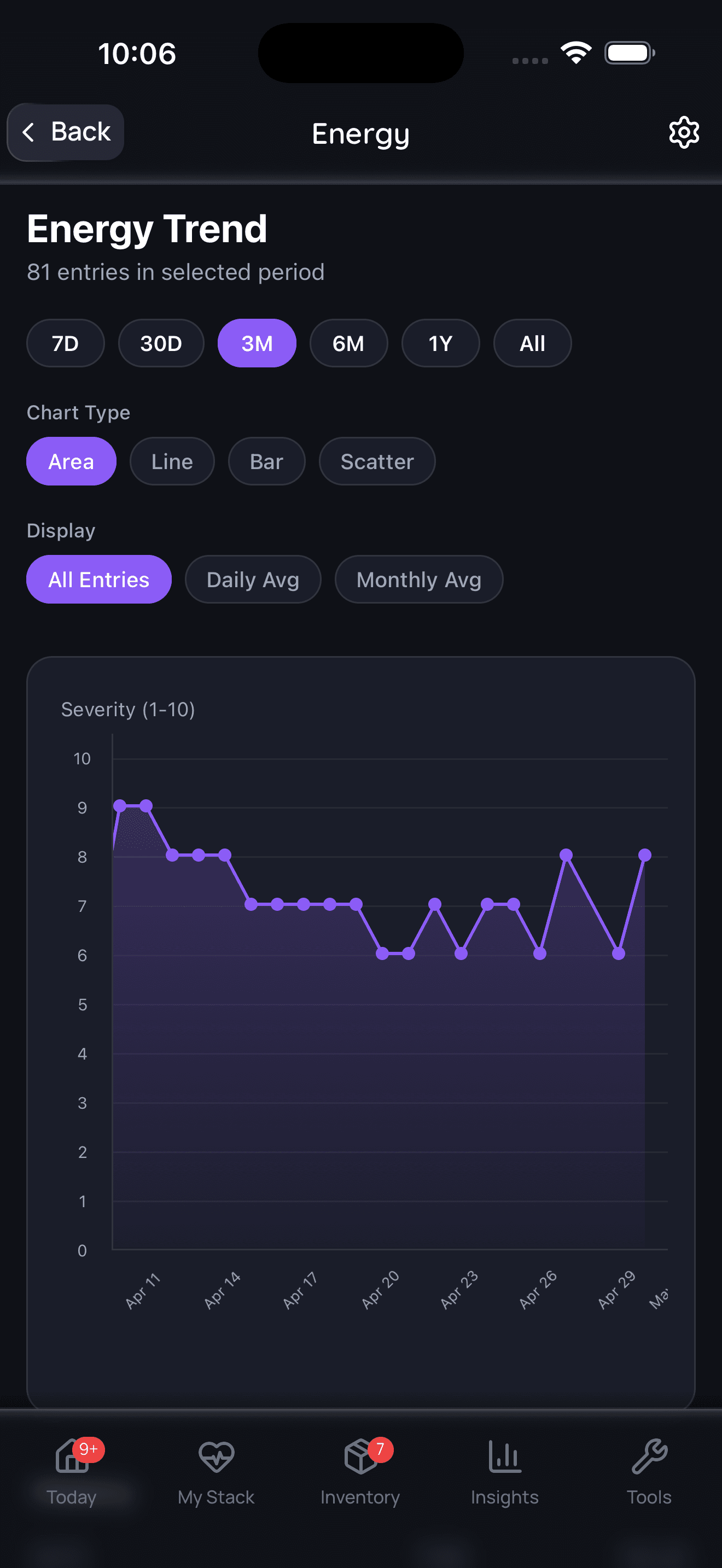
Symptom tracking is informational and should be interpreted with a qualified clinician.
Side Effects & Safety
The Basics
Boron from food and standard supplement doses (3-10 mg per day) appears to be well tolerated. No adverse effects from dietary boron have been reported, and clinical trials using doses up to 10 mg per day for various durations have not documented significant side effects [1][3].
The most commonly reported issue from community experience is sleep disruption when boron is taken in the evening, likely related to its mild stimulatory effects on brain activity. This is easily managed by taking boron in the morning [1][3].
The tolerable upper intake level for adults is 20 mg per day, providing a generous safety margin above typical supplement doses. However, boron toxicity is a real concern at much higher doses (far beyond supplement levels). Accidental ingestion of boric acid or borax (found in some cleaning products and pesticides) can cause nausea, vomiting, diarrhea, skin rash, convulsions, and at extremely high doses (15,000-20,000 mg), death [1].
Some community members report cycling boron (2 weeks on, 1 week off or 5 days on, 2 off) to avoid potential riboflavin (vitamin B2) depletion with long-term use, though this concern is not well-documented in clinical research.
The Science
No adverse effects have been documented in human supplementation trials at doses up to 10 mg/day [1][3]. The UL of 20 mg/day was established by the IOM based on reproductive and developmental toxicity observed in animal studies, specifically reduced fetal body weight in rats at maternal doses of approximately 9.6 mg/kg/day [1][4].
Acute boron toxicity from accidental boric acid or borax ingestion produces gastrointestinal symptoms (nausea, vomiting, diarrhea), dermatological effects (flushing, rash, dermatitis), and neurological symptoms (excitation, convulsions, depression). Chronic excessive exposure can cause alopecia, anorexia, renal injury, and hypothermia. The lethal dose in adults is estimated at 15,000-20,000 mg [1].
Regarding hormonal effects as potential side effects, the estrogen-modulating properties of boron may be problematic for individuals with estrogen-sensitive conditions. Community reports indicate that some users experience symptoms of estrogen dominance (bone pain, prostate flares) with even low doses, particularly those with a tendency toward high aromatase activity.
The iron interaction claim appearing in community discussions (boron substituting for iron leading to iron accumulation) lacks strong supporting evidence in the peer-reviewed literature and should be interpreted cautiously.
Dosing & Usage Protocols
The Basics
The question of how much boron to take does not have a single definitive answer, in part because no RDA has been established. What the research consistently shows is that boron's beneficial effects do not appear at intakes below 3 mg per day, and most clinical studies have used doses between 3 and 10 mg per day [1][3].
For general health support, 3 mg per day is the lowest dose that has shown effects in clinical studies, particularly for supporting hormonal parameters in postmenopausal women and for maintaining bone-related mineral metabolism [2][3].
For osteoarthritis, most studies have used 6 mg per day as calcium fructoborate, with some using up to 12 mg for more severe cases [7][8][9].
For hormonal effects (testosterone, SHBG reduction), the most cited study used 10 mg per day. This dose produced significant changes within one week [5]. A lower dose of 2.5 mg per day in bodybuilders did not produce hormonal effects [12], suggesting the threshold for hormonal effects may be higher than for anti-inflammatory effects.
The UL of 20 mg per day for adults provides a generous safety margin. The WHO considers 1-13 mg per day an acceptable safe range [1].
The Science
Dose-response summary from clinical evidence:
Dose
2.5 mg/day
- Form
- Mixed chelates
- Duration
- 10 months
- Effect
- No hormonal or body composition effects
- Study
- Green & Ferrando 1994 [12]
Dose
3 mg/day
- Form
- Various
- Duration
- 49 days
- Effect
- Hormonal changes in boron-depleted women
- Study
- Nielsen 1987 [13]
Dose
3 mg/day
- Form
- Various
- Duration
- 10 months
- Effect
- Altered serum phosphorus and magnesium (bone markers)
- Study
- Meacham 1994 [14]
Dose
6 mg/day
- Form
- Calcium fructoborate
- Duration
- 2-8 weeks
- Effect
- Reduced OA symptoms, inflammatory markers
- Study
- Multiple [7][8][9]
Dose
10 mg/day
- Form
- Sodium tetraborate
- Duration
- 7 days
- Effect
- Increased free testosterone, decreased estradiol, decreased CRP
- Study
- Naghii 2011 [5]
Dose
12 mg/day
- Form
- Calcium fructoborate
- Duration
- 8 weeks
- Effect
- Reduced severe OA symptoms
- Study
- Scorei 2011 [8]
Median dietary intake in US adults is approximately 1 mg/day, meaning supplemental doses of 3-10 mg represent intakes 3-10x above typical dietary levels [1].
When your stack includes several supplements, each with its own dose, form, and timing requirements, the logistics alone can derail consistency. Doserly consolidates all of it into one protocol view, so every dose across your entire routine is accounted for without spreadsheets or guesswork.
The app also tracks cumulative intake for nutrients that appear in multiple products. If your multivitamin, standalone supplement, and fortified protein shake all contain the same nutrient, Doserly adds them up and shows you the total alongside recommended and upper limits. Managing a thoughtful supplement protocol shouldn't require a degree in nutrition science. The app handles the complexity so you can focus on staying consistent.
Track injection timing, draw notes, and site rotation.
Doserly helps keep syringe-related notes, injection site history, reminders, and reconstitution context together for easier review.
Injection log
Site rotation
Injection logs support record-keeping; follow clinician instructions for administration.
What to Expect (Timeline)
Weeks 1-2: Boron is rapidly bioavailable, with plasma levels rising within hours of the first dose. In the Naghii 2011 study, significant changes in free testosterone, estradiol, and inflammatory markers were observed within 7 days at 10 mg/day. Some users report noticeable effects on energy, mood, or libido within the first week, though this varies considerably by individual and baseline boron status. Sleep disruption may occur if taken in the evening.
Weeks 3-4: Anti-inflammatory effects may become more noticeable, particularly for those with joint discomfort. Hormonal effects may shift during this period. Short-term estradiol suppression seen in the first 1-2 weeks may begin to reverse, with estradiol levels rising toward or above baseline. This is why some community members recommend cycling protocols during this period.
Weeks 5-8: Clinical trials for osteoarthritis typically show meaningful symptom improvement by 8 weeks at 6 mg/day. Reduced joint stiffness, improved mobility, and decreased need for pain medication have been reported in this timeframe. Bone-related mineral metabolism changes (serum phosphorus, magnesium) begin to manifest.
Months 3-10: Longer-term supplementation at moderate doses (3-6 mg/day) has been studied for up to 10 months. Changes in bone-related biochemical markers (serum phosphorus reduction, serum magnesium increase) were observed in the 10-month Meacham trial, though direct bone mineral density changes were not detected within this period. Bone density changes, if they occur, would likely require much longer observation periods.
Long-term considerations: The long-term effects of boron supplementation beyond 10 months have not been well-studied. Community protocols often involve cycling (2 weeks on / 1 week off, or 5 days on / 2 off), though the evidence base for cycling is not established in controlled trials.
Interactions & Compatibility
Synergistic
- Vitamin D3: Boron supports vitamin D metabolism by potentially inhibiting 24-hydroxylase, the enzyme that inactivates 25(OH)D. Boron deficiency has been shown to reduce serum 25-hydroxyvitamin D levels, and repletion restores them. Taking boron alongside vitamin D may enhance vitamin D's effectiveness.
- Magnesium: Boron appears to reduce urinary magnesium excretion, helping the body retain more magnesium. Boron also supports magnesium absorption. These two minerals complement each other, particularly for bone and hormonal health.
- Calcium: Boron reduces urinary calcium excretion and supports calcium metabolism. This synergy is relevant for bone health, where both minerals play essential roles.
- Vitamin K2: While not directly studied together, both boron and vitamin K2 support calcium metabolism and bone health through complementary mechanisms. Vitamin K2 directs calcium into bones; boron helps retain calcium.
- Zinc: Boron and zinc are both involved in testosterone metabolism and are commonly stacked together. No direct interaction studies, but the combination is frequently used in the community.
Caution / Avoid
- Estrogen-sensitive conditions: Due to boron's effects on estrogen metabolism (increased half-life and bioavailability of estradiol), individuals with estrogen-sensitive conditions (certain breast cancers, endometriosis, fibroids) should exercise caution and consult a healthcare provider before supplementing.
- Iron: One widely cited but poorly sourced community claim suggests boron may interfere with iron metabolism. While the peer-reviewed evidence for this is thin, individuals with iron-related disorders (hemochromatosis, iron overload) may wish to monitor iron levels during boron supplementation.
- Riboflavin / Vitamin B2: Community reports and some theoretical considerations suggest boron may bind to riboflavin, potentially depleting B2 with long-term high-dose use. This is not confirmed in clinical trials but is frequently cited as a reason for cycling protocols.
- Medications: Boron is not known to have any clinically relevant interactions with medications according to the NIH ODS.
How to Take / Administration Guide
Recommended forms: No single form has been proven superior for general supplementation, as comparative bioavailability data does not exist. For osteoarthritis specifically, calcium fructoborate is the most studied form. For general use, boron citrate, boron glycinate, or boron amino acid chelate are common choices. Some users report that boron aspartate has more noticeable stimulatory effects, which may be related to the excitatory amino acid aspartate rather than the boron itself.
Timing considerations: Morning dosing is generally preferred. Community reports consistently indicate that taking boron in the evening or before bed can disrupt sleep due to its mild stimulatory properties. Taking it with breakfast or lunch is the most common approach.
Food pairing: Boron can be taken with or without food. Taking it with a meal containing some fat may improve tolerability, though absorption is already high regardless of food intake.
Stacking guidance: Boron pairs well with vitamin D, magnesium, calcium, and zinc. There is no known absorption competition between boron and these minerals. Boron can typically be taken at the same time as other supplements without concern. If cycling, a common protocol from the community is 5 days on / 2 days off, or 2-3 weeks on / 1 week off.
Starting dose: Many practitioners recommend starting at 3 mg per day and assessing tolerance before increasing. Some users report pronounced effects on the first dose, particularly if they were boron-deficient.
Choosing a Quality Product
Third-party certifications: Look for products that have been tested by independent quality verification organizations such as USP (U.S. Pharmacopeia), NSF International, or other independent testing laboratories. These certifications verify that the product contains what the label states and is free from significant contamination. NSF Certified for Sport or Informed Sport certification is available for some boron products and is relevant for competitive athletes.
Active vs. inexpensive forms: Because no comparative bioavailability data exists for boron, there is no strong basis for choosing one form over another on absorption grounds. Calcium fructoborate has the strongest clinical evidence for osteoarthritis. For general supplementation, boron citrate, glycinate, and amino acid chelate are all reasonable choices.
Red flags: Avoid products that make aggressive testosterone-boosting claims, as the evidence base for this is limited to one very small study. Be cautious of products listing boron compound weight rather than elemental boron weight. Products should declare elemental boron content on the Supplement Facts label.
Dosage accuracy: Look for products providing 3-6 mg of elemental boron per serving, as this range aligns with the clinical evidence. Products offering much higher doses (>10 mg per capsule) may make cycling more necessary.
Purity considerations: Boron supplements are generally straightforward mineral products with few adulteration concerns. Standard quality considerations apply: avoid proprietary blends, check for unnecessary fillers, and verify that the product has been tested for heavy metals.
Storage & Handling
Store boron supplements at room temperature in a cool, dry place away from direct sunlight and moisture. No refrigeration is required. Boron supplements are generally stable and not particularly sensitive to heat, light, or humidity under normal household conditions. Keep containers tightly sealed. Follow the manufacturer's expiration date.
Lifestyle & Supporting Factors
Dietary sources: The richest food sources of boron are plant-based: prune juice (1.43 mg/cup), avocados (1.07 mg/half cup), raisins (0.95 mg/1.5 oz), peaches (0.80 mg/medium), grape juice (0.76 mg/cup), and apples (0.66 mg/medium). Wine, cider, and beer also contain boron. A diet rich in fruits, vegetables, and legumes naturally provides more boron [1].
Signs of potential deficiency: While formal deficiency criteria do not exist, research suggests that very low boron intake (< 0.23 mg/day) may be associated with impaired brain function, altered mineral metabolism (increased calcium and magnesium loss), and reduced steroid hormone levels. People eating highly processed diets low in fruits and vegetables may have suboptimal boron intake [1][3].
Exercise: For those supplementing boron for joint health, maintaining an appropriate exercise program (including low-impact activities if dealing with osteoarthritis) complements the anti-inflammatory benefits. Resistance training may synergize with boron's potential hormonal effects, though this has not been directly studied.
Monitoring: Blood boron levels are not routinely measured in clinical practice. The most practical monitoring approach for those taking boron for hormonal support is periodic hormone panels (free testosterone, estradiol, SHBG) to assess individual response.
Soil depletion context: Boron content in food depends on soil levels. High-rainfall regions (including much of the United States, Brazil, Japan) tend to have lower soil boron due to leaching. Arid regions (California, Turkey, Chile, parts of Argentina, Russia, China, Peru) tend to have higher soil boron levels [1].
Regulatory Status & Standards
United States (FDA): Boron is regulated as a dietary supplement ingredient under DSHEA. It does not have an FDA-established Daily Value because the IOM has not set an RDA or AI. The UL of 20 mg/day is established by the IOM. Boron is permitted in dietary supplements in various forms.
Canada (Health Canada): Boron is recognized as a permitted supplemental ingredient. Products containing boron may require an NPN (Natural Product Number).
European Union (EFSA): The EU permits boron in food supplements. Maximum permitted levels vary by member state. EFSA has not established a specific tolerable upper intake level but defers to the IOM UL of 20 mg/day.
Australia (TGA): Boron compounds are included in the Australian Register of Therapeutic Goods as permitted ingredients in listed medicines at specified maximum doses.
Athlete & Sports Regulatory Status:
WADA: Boron is NOT on the WADA Prohibited List. It is permitted in-competition and out-of-competition.
National Anti-Doping Agencies: No major NADOs (USADA, UKAD, Sport Integrity Canada, Sport Integrity Australia, NADA Germany) have issued specific guidance or alerts about boron supplements.
Professional Sports Leagues: Boron is not restricted by the NFL, NBA, MLB, NHL, MLS, or NCAA. However, athletes should be aware that combination products containing boron alongside prohibited substances are possible.
NCAA: Boron is not on the NCAA banned substance list. As with all supplements, athletes at NCAA institutions should use products that are NSF Certified for Sport or Informed Sport certified to minimize contamination risk.
Athlete Certification Programs: NSF Certified for Sport, Informed Sport, Cologne List, and BSCG-certified boron products are available, though the selection is smaller than for more popular supplements.
GlobalDRO: Athletes can verify the status of boron-containing products at GlobalDRO.com.
Regulatory status and prohibited substance classifications change frequently. Athletes should always verify the current status of any supplement with their sport's governing body, their national anti-doping agency, and a qualified sports medicine professional before use. Third-party certification (Informed Sport, NSF Certified for Sport) reduces but does not eliminate the risk of contamination with prohibited substances.
Frequently Asked Questions
Does boron increase testosterone?
Based on available data, boron supplementation at doses of 6-10 mg per day has been associated with increases in free testosterone in some studies. The most cited study (n=8 healthy males) found a 28% increase in free testosterone after one week of 10 mg/day supplementation. However, a longer study using a lower dose (2.5 mg/day for 10 months) in bodybuilders found no testosterone effect. Individual responses appear to vary considerably. Consult a healthcare provider for personalized guidance.
How much boron should I take per day?
Commonly reported doses in clinical studies range from 3 to 10 mg per day of elemental boron. 3 mg/day is the lowest dose that has shown effects in research, while 6 mg/day is the most studied dose for osteoarthritis. There is no established RDA. A healthcare provider can help determine an appropriate dose based on individual needs.
Should I cycle boron?
Cycling (for example, 2 weeks on and 1 week off, or 5 days on and 2 days off) is a common community practice, particularly among those taking boron for hormonal effects. The rationale is that the testosterone-boosting effects may diminish with continuous use and that long-term use may deplete riboflavin (vitamin B2). However, no controlled clinical trials have specifically studied cycling protocols. Some clinical trials have used continuous supplementation for up to 10 months without reported issues.
What is the best form of boron?
No comparative bioavailability studies exist for different boron forms. Calcium fructoborate is the most clinically studied form for osteoarthritis. For general supplementation, boron citrate, glycinate, and amino acid chelate are all common choices. Boron aspartate may have more stimulatory properties due to the excitatory amino acid aspartate.
Can boron help with osteoarthritis?
Multiple small clinical trials have shown that boron supplementation (typically 6 mg/day as calcium fructoborate) can reduce osteoarthritis symptoms, including joint stiffness, pain, and the need for NSAIDs. Epidemiological data also suggests that populations with higher boron intake have lower osteoarthritis rates. However, the clinical trial evidence consists of small studies, and larger confirmatory trials are needed.
Is boron safe?
Boron from food and supplements at doses within the UL of 20 mg/day for adults appears to be safe. No adverse effects have been documented in clinical trials at doses up to 10 mg/day. The safety concern is with accidental ingestion of boric acid or borax (industrial/cleaning products), which can be toxic at high doses.
Can women take boron?
Boron has been studied in both men and women. In postmenopausal women, boron supplementation has been shown to support estrogen levels, reduce urinary calcium loss, and may support bone health. Women with estrogen-sensitive conditions should consult a healthcare provider before supplementing, as boron increases the half-life of estradiol.
When should I take boron?
Based on community experience, morning dosing is recommended. Multiple users report sleep disruption when taking boron in the evening. Taking it with a meal is optional but may improve tolerability.
Does boron interact with vitamin D?
Available data suggests that boron supports vitamin D metabolism. Low boron intake has been associated with lower serum 25-hydroxyvitamin D levels, and boron supplementation may increase vitamin D levels by inhibiting the enzyme that breaks it down. Boron and vitamin D appear to work synergistically.
Does boron deplete vitamin B2 (riboflavin)?
This is a concern raised in some community discussions and is based on the observation that boron can bind to riboflavin. However, clinical evidence confirming B2 depletion from standard boron supplementation doses is lacking. Some users supplement with B2 or take a B-complex as a precaution.
Myth vs. Fact
Myth: Boron is a powerful testosterone booster comparable to hormonal therapies.
Fact: The evidence for boron's testosterone effects comes primarily from a single study of 8 men taking 10 mg/day for one week, which found a 28% increase in free testosterone [5]. While this is a notable finding, the study is extremely small, and a separate 10-month study using a lower dose found no testosterone effects [12]. Boron may modestly support free testosterone levels, primarily by reducing SHBG, but it is not comparable to pharmaceutical testosterone replacement.
Myth: Boron is an essential nutrient.
Fact: Despite growing evidence of its biological importance, the Institute of Medicine has not classified boron as essential for humans because a specific biochemical function has not been definitively identified [1]. It is considered "bioactive" and "probably essential" by some researchers. No RDA, AI, or EAR has been established.
Myth: All boron supplements are the same.
Fact: Boron is available in many different forms (citrate, glycinate, aspartate, fructoborate, picolinate, and others). While no comparative bioavailability data exists, clinical evidence for specific conditions is form-dependent. Calcium fructoborate is the most studied form for osteoarthritis [7][8][9]. The aspartate form may have different subjective effects due to aspartate being an excitatory amino acid.
Myth: You can get enough boron from a normal diet without supplements.
Fact: Median dietary boron intake in US adults is 0.87-1.35 mg/day [1], while the threshold for beneficial effects in research begins at 3 mg/day [3]. It is theoretically possible to reach 3+ mg from diet alone with a diet very high in fruits, legumes, and nuts, but most people fall well short. Supplementation provides a more reliable way to reach the doses used in clinical studies.
Myth: Boron supplementation requires strict cycling to be safe.
Fact: No clinical trials have demonstrated safety concerns with continuous boron supplementation at standard doses (3-10 mg/day) for durations up to 10 months. The cycling practice (common in online communities) is based on theoretical concerns about riboflavin depletion and diminishing hormonal effects, neither of which has been confirmed in controlled studies. The UL of 20 mg/day provides a substantial safety margin [1][4].
Myth: Boron causes dangerous iron accumulation.
Fact: This claim circulates in online forums but lacks substantial support in peer-reviewed literature. While some theoretical basis exists for boron-iron interactions at the cellular level, no clinical studies have demonstrated that standard boron supplementation doses cause clinically meaningful iron accumulation. Individuals with existing iron metabolism disorders should consult a healthcare provider.
Myth: Boron eliminates arthritis.
Fact: The epidemiological association between high boron intake regions and low osteoarthritis rates is striking, but clinical trials show symptom reduction, not disease elimination [7][8][9]. Boron supplementation may reduce pain, stiffness, and inflammation in osteoarthritis, but it is not a cure. The clinical evidence consists of small trials, and results should be interpreted with appropriate caution.
Sources & References
Clinical Trials & RCTs
[5] Naghii MR, Mofid M, Asgari AR, Hedayati M, Daneshpour MS. Comparative effects of daily and weekly boron supplementation on plasma steroid hormones and proinflammatory cytokines. J Trace Elem Med Biol. 2011;25(1):54-58. https://pubmed.ncbi.nlm.nih.gov/21129941/
[7] Pietrzkowski Z, Phelan MJ, Keller R, Shu C, Argumedo R, Reyes-Izquierdo T. Short-term efficacy of calcium fructoborate on subjects with knee discomfort: a comparative, double-blind, placebo-controlled clinical study. Clin Interv Aging. 2014;9:895-899. https://pubmed.ncbi.nlm.nih.gov/24940054/
[8] Newnham RE. Essentiality of boron for healthy bones and joints. Environ Health Perspect. 1994;102 Suppl 7:83-85. https://pubmed.ncbi.nlm.nih.gov/7889887/
[9] Scorei R, Mitrut P, Petrisor I, Scorei I. A double-blind, placebo-controlled pilot study to evaluate the effect of calcium fructoborate on systemic inflammation and dyslipidemia markers for middle-aged people with primary osteoarthritis. Biol Trace Elem Res. 2011;144(1-3):253-263. https://pubmed.ncbi.nlm.nih.gov/21556820/
[10] Pietrzkowski Z et al. Short-term efficacy of calcium fructoborate on subjects with knee discomfort. Clin Interv Aging. 2014;9:895-899.
[11] Hussain SA, Abood SJ, Gorial FI. The adjuvant use of calcium fructoborate and borax with etanercept in patients with rheumatoid arthritis: Pilot study. J Intercult Ethnopharmacol. 2016;6(1):58-64.
[12] Green NR, Ferrando AA. Plasma boron and the effects of boron supplementation in males. Environ Health Perspect. 1994;102 Suppl 7:73-77. https://pubmed.ncbi.nlm.nih.gov/7889884/
[13] Nielsen FH, Hunt CD, Mullen LM, Hunt JR. Effect of dietary boron on mineral, estrogen, and testosterone metabolism in postmenopausal women. FASEB J. 1987;1(5):394-397. https://pubmed.ncbi.nlm.nih.gov/3678698/
[14] Meacham SL, Taper LJ, Volpe SL. Effects of boron supplementation on bone mineral density and dietary, blood, and urinary calcium, phosphorus, magnesium, and boron in female athletes. Environ Health Perspect. 1994;102 Suppl 7:79-82. https://pubmed.ncbi.nlm.nih.gov/7889886/
[18] Nikkhah S, Dolatian M, Naghii MR, Zaeri F, Taheri SM. Effects of boron supplementation on the severity and duration of pain in primary dysmenorrhea. Complement Ther Clin Pract. 2015;21(2):79-83. https://pubmed.ncbi.nlm.nih.gov/25921554/
Systematic Reviews & Meta-Analyses
[3] Pizzorno L. Nothing Boring About Boron. Integr Med (Encinitas). 2015;14(4):35-48. PMC4712861. https://pmc.ncbi.nlm.nih.gov/articles/PMC4712861/
Observational Studies
[15] Kim MH, Bae YJ, Lee YS, Choi MK. Estimation of boron intake and its relation with bone mineral density in free-living Korean female subjects. Biol Trace Elem Res. 2008;125(3):213-222.
[16] Mahabir S, Spitz MR, Barrera SL, Dong YQ, Eastham C, Forman MR. Dietary boron and hormone replacement therapy as risk factors for lung cancer in women. Am J Epidemiol. 2008;167(9):1070-1080.
[17] Muezzinoglu T, Korkmaz M, Nese N, Bakirdere S, Arslan Y, Ataman OY, et al. Prevalence of prostate cancer in high boron-exposed population: a community-based study. Biol Trace Elem Res. 2011;144(1-3):49-57.
Government / Institutional Sources
[1] Office of Dietary Supplements, National Institutes of Health. Boron: Fact Sheet for Health Professionals. Updated June 9, 2022. https://ods.od.nih.gov/factsheets/Boron-HealthProfessional/
[4] Institute of Medicine, Food and Nutrition Board. Dietary Reference Intakes for Vitamin A, Vitamin K, Arsenic, Boron, Chromium, Copper, Iodine, Iron, Manganese, Molybdenum, Nickel, Silicon, Vanadium, and Zinc. Washington, DC: National Academy Press; 2001.
Other Sources
[2] Hunt CD. Dietary boron: progress in establishing essential roles in human physiology. J Trace Elem Med Biol. 2012;26(2-3):157-160. https://pubmed.ncbi.nlm.nih.gov/22575536/
[6] Penland JG. Dietary boron, brain function, and cognitive performance. Environ Health Perspect. 1994;102 Suppl 7:65-72. https://pubmed.ncbi.nlm.nih.gov/7889882/
Related Supplement Guides
Same Category
Common Stacks / Pairings
- Vitamin D3 (boron supports vitamin D metabolism)
- Magnesium (boron enhances magnesium retention)
- Vitamin K2 (complementary bone health support)
- Zinc (commonly stacked for hormonal support)
Related Health Goal
- Calcium (bone health)
- Potassium (mineral balance)
- Vitamin D3 (bone and hormonal health)
- Ashwagandha (hormonal support, stress)
- Shilajit (mineral complex containing trace boron)