
Tamoxifen (Nolvadex)
On this page
Quick Reference Card
Attribute
Brand Name(s)
- Value
- Nolvadex (US, discontinued), Soltamox (US, oral solution), various generics
Attribute
Generic Name
- Value
- Tamoxifen citrate
Attribute
Drug Class / Type
- Value
- Selective Estrogen Receptor Modulator (SERM); Nonsteroidal Triphenylethylene Derivative
Attribute
DEA Schedule
- Value
- Not scheduled (prescription only)
Attribute
FDA-Approved Indications
- Value
- Breast cancer treatment (males and females), DCIS, breast cancer risk reduction
Attribute
Off-Label Use in TRT
- Value
- Gynecomastia treatment/prevention, estrogen management, PCT, secondary hypogonadism, male infertility
Attribute
Common Doses (Men, Off-Label)
- Value
- 10-20 mg daily
Attribute
Route of Administration
- Value
- Oral (tablet or solution)
Attribute
Half-Life
- Value
- 5-7 days (tamoxifen); 14 days (N-desmethyl tamoxifen)
Attribute
Time to Steady State
- Value
- 4-6 weeks
Attribute
Key Metabolizing Enzyme
- Value
- CYP2D6 (pharmacogenomics relevant)
Attribute
Key Monitoring Requirements
- Value
- CBC, liver function, estradiol, testosterone, visual symptoms
Overview / What Is Tamoxifen (Nolvadex)?
The Basics
Tamoxifen belongs to a class of medications called selective estrogen receptor modulators, or SERMs. If that sounds complicated, the essential concept is straightforward: tamoxifen blocks estrogen's effects in some tissues while mimicking estrogen in others. Where it blocks estrogen matters most for men on TRT; where it mimics estrogen turns out to be surprisingly useful too.
In the TRT world, tamoxifen is most commonly encountered in three situations. First, it is used to treat or prevent gynecomastia (the development of breast tissue in men), which can occur when testosterone converts to estradiol through a process called aromatization. Second, some providers prescribe it as an alternative to aromatase inhibitors like anastrozole for managing estrogen-related side effects during TRT. Third, it appears in post-cycle therapy protocols, where it helps restart the body's own testosterone production after a period of exogenous testosterone use.
Tamoxifen was first synthesized in 1962 and was originally intended as a birth control pill. It failed at that purpose spectacularly but went on to become one of the most important medications in cancer treatment history. It has been used for decades to treat hormone receptor-positive breast cancer in both women and men, and it remains FDA-approved for that indication today [1]. Its use in men for estrogen management during TRT is entirely off-label, meaning it has not been formally approved for this purpose by the FDA. However, substantial clinical evidence and widespread clinical practice support its effectiveness in this context.
What makes tamoxifen particularly interesting compared to aromatase inhibitors is a fundamental difference in how it works. Anastrozole and other AIs reduce the total amount of estrogen your body produces by blocking the aromatase enzyme. Tamoxifen takes a different approach: it leaves your estrogen levels largely intact but blocks estrogen from activating its receptors in specific tissues, particularly breast tissue. This distinction matters because estrogen is not the enemy. Men need estrogen for bone health, cardiovascular function, brain health, and even libido. The goal of estrogen management on TRT is balance, not elimination.
The Science
Tamoxifen citrate ((Z)-2-[4-(1,2-diphenyl-1-butenyl)phenoxy]-N,N-dimethylethanamine 2-hydroxy-1,2,3-propanetricarboxylate) is the trans-isomer of a triphenylethylene derivative and a first-generation selective estrogen receptor modulator (SERM). It was synthesized in 1962 by Dora Richardson at ICI Pharmaceuticals (now AstraZeneca) and gained FDA approval for breast cancer treatment in 1977 [1].
Tamoxifen demonstrates tissue-specific pharmacology through differential interaction with estrogen receptor (ER) coactivators and corepressors. In tissues where ERalpha activation requires both activating function 1 (AF-1) and activating function 2 (AF-2) domains for transcriptional activity, tamoxifen acts as an antagonist by blocking AF-2-dependent coactivator recruitment. In tissues where AF-1 alone is sufficient for ER-mediated transcription (such as bone and uterine endometrium), tamoxifen functions as an agonist [2].
In the context of male hormone physiology, tamoxifen's hypothalamic ER antagonism is the primary mechanism of clinical interest. By competitively occupying ERalpha in the hypothalamus, tamoxifen disrupts the negative feedback of circulating estradiol on gonadotropin-releasing hormone (GnRH) pulse frequency and amplitude. This results in increased pulsatile GnRH secretion, stimulating anterior pituitary gonadotrophs to increase synthesis and release of both luteinizing hormone (LH) and follicle-stimulating hormone (FSH). Elevated LH stimulates Leydig cell steroidogenesis, increasing endogenous testosterone production by approximately 40% in men with functional testes. Elevated FSH supports Sertoli cell function and spermatogenesis, distinguishing tamoxifen from exogenous testosterone, which suppresses both gonadotropins [3][4].
Medical / Chemical Identity
Property
Generic Name
- Detail
- Tamoxifen citrate
Property
Brand Names (US)
- Detail
- Nolvadex (discontinued), Soltamox (oral solution)
Property
Brand Names (International)
- Detail
- Nolvadex-D (UK), Tamofen (Canada), Genox (Australia)
Property
Chemical Name
- Detail
- (Z)-2-[4-(1,2-diphenyl-1-butenyl)phenoxy]-N,N-dimethylethanamine 2-hydroxy-1,2,3-propanetricarboxylate (1:1)
Property
Chemical Class
- Detail
- Nonsteroidal triphenylethylene SERM
Property
Molecular Formula
- Detail
- C26H29NO (free base); with citrate salt
Property
Molecular Weight
- Detail
- 371.52 g/mol (free base); 563.64 g/mol (citrate salt)
Property
CAS Number
- Detail
- 10540-29-1 (tamoxifen free base); 54965-24-1 (citrate salt)
Property
DEA Schedule
- Detail
- Not scheduled
Property
FDA Approval Date
- Detail
- 1977 (breast cancer)
Property
Original Manufacturer
- Detail
- ICI Pharmaceuticals (now AstraZeneca)
Property
Current Availability
- Detail
- Multiple generic manufacturers; oral solution (Soltamox)
Property
Relationship to Other SERMs
- Detail
- First-generation SERM; clomiphene, raloxifene, and toremifene are related compounds
Property
Key Active Metabolite
- Detail
- Endoxifen (4-hydroxy-N-desmethyl tamoxifen), formed via CYP2D6
Mechanism of Action / Pathophysiology
The Basics
To understand how tamoxifen works, it helps to think of estrogen receptors as locks and estrogen as a key. When estrogen inserts into the lock, it turns on various cellular processes. Tamoxifen fits into the same lock but only partially turns it. In some tissues this partial turn does nothing meaningful (blocking estrogen's effect), while in others it activates the lock just enough to produce estrogen-like effects.
In breast tissue, tamoxifen effectively jams the lock. Estrogen cannot get in, and the breast cells that might otherwise grow or enlarge in response to estrogen are left without their growth signal. This is why tamoxifen works for gynecomastia: it directly blocks the estrogen receptors in male breast tissue that respond to the estradiol produced when testosterone aromatizes.
In the brain's hypothalamus, tamoxifen also blocks the estrogen receptor. This might sound like a problem, but the hypothalamus uses estrogen levels as a thermostat for hormone production. When tamoxifen blocks estrogen signaling there, the hypothalamus "thinks" estrogen is low and responds by telling the pituitary gland to release more LH and FSH. These hormones then signal the testes to produce more testosterone and sperm. This is fundamentally different from what happens when a man takes exogenous testosterone, which tells the hypothalamus that enough hormone is present and shuts down natural production.
In bone tissue, tamoxifen actually mimics estrogen. This is a genuinely beneficial effect: it helps maintain bone density rather than reducing it. This is one of the important advantages tamoxifen holds over aromatase inhibitors, which block estrogen everywhere and can contribute to bone density loss over time.
The Science
Tamoxifen's pharmacology is defined by its tissue-selective modulation of estrogen receptor (ER) signaling, mediated through differential recruitment of nuclear receptor coactivators and corepressors.
Breast tissue (ER antagonist): Tamoxifen competes with 17-beta-estradiol for binding to ERalpha. Upon binding, tamoxifen induces a conformational change in ERalpha that prevents recruitment of critical coactivators (SRC-1, SRC-3/AIB1) required for AF-2-dependent transcription. Instead, the tamoxifen-ER complex recruits corepressors (NCoR, SMRT), suppressing estrogen-responsive gene transcription. This results in G1 cell cycle arrest in ER-positive cells, classifying tamoxifen as cytostatic rather than cytotoxic [2][5].
Hypothalamus (ER antagonist): Tamoxifen competitively inhibits ERalpha-mediated negative feedback of circulating estradiol on GnRH neuron pulse frequency. Studies in subfertile men demonstrate that tamoxifen 20 mg daily produces statistically significant increases in LH, FSH, and serum testosterone compared to raloxifene and toremifene, suggesting potent hypothalamic ER antagonism [3].
Bone (ER agonist): In osteoblasts and osteoclasts, tamoxifen activates ERalpha through AF-1-dependent transcription, mimicking estradiol's bone-protective effects. This results in increased osteoblast activity and decreased bone resorption, maintaining bone mineral density [6].
Liver (partial ER agonist): Tamoxifen increases sex hormone-binding globulin (SHBG) synthesis by approximately 20% and decreases insulin-like growth factor 1 (IGF-1) by approximately 25% through hepatic estrogenic activity. The increase in SHBG may reduce free testosterone availability, which is clinically relevant when tamoxifen is used alongside TRT [7].
Pathway & System Visualization
Pharmacokinetics / Hormone Physiology
The Basics
Tamoxifen is taken as a pill and is absorbed well from the gut. It reaches its highest blood levels about five hours after you swallow it, but the important thing about tamoxifen is how long it sticks around. The drug itself has a half-life of five to seven days, and its main breakdown product (which is also active) lasts about 14 days. This means tamoxifen builds up gradually in your system and takes four to six weeks to reach its full working level (called steady state). It also means that if you stop taking it, the drug takes several weeks to fully clear from your body.
The long half-life has practical implications: missing a single dose is unlikely to cause any noticeable change, and some men take tamoxifen every other day or even a few times per week rather than daily, with their prescriber's guidance.
Your liver does most of the work breaking down tamoxifen, and one particular liver enzyme called CYP2D6 is especially important. CYP2D6 converts tamoxifen into endoxifen, which is actually the most potent active form of the drug. This matters because some people carry genetic variations that make their CYP2D6 enzyme work slowly or not at all. These individuals (called "poor metabolizers") may get less benefit from tamoxifen because they produce less endoxifen. Certain medications, particularly the antidepressants paroxetine and fluoxetine, also block CYP2D6 and can reduce tamoxifen's effectiveness.
The Science
Absorption: Tamoxifen is rapidly absorbed after oral administration with peak plasma concentrations (Cmax) achieved within approximately 5 hours. Bioavailability is not significantly affected by food. Plasma concentrations decline in a biphasic pattern [8].
Distribution: Tamoxifen is extensively distributed throughout the body with high protein binding (>99%, primarily albumin). Tissue concentrations, particularly in breast tissue, are several-fold higher than plasma concentrations. N-desmethyl tamoxifen is the predominant circulating metabolite [8].
Metabolism: Tamoxifen undergoes extensive hepatic metabolism via multiple cytochrome P450 pathways. The primary metabolic pathway involves CYP3A4/5 to N-desmethyl tamoxifen (major circulating metabolite) and CYP2D6 to 4-hydroxytamoxifen. Both are subsequently converted to endoxifen (4-hydroxy-N-desmethyl tamoxifen) primarily by CYP2D6. Endoxifen has approximately 100-fold greater affinity for ERalpha than tamoxifen and is considered the most pharmacologically active metabolite [9].
CYP2D6 Pharmacogenomics: CYP2D6 genotype significantly influences endoxifen plasma concentrations. Poor metabolizers (PM, approximately 7-10% of Caucasians) achieve endoxifen concentrations approximately 75% lower than extensive metabolizers (EM). Intermediate metabolizers (IM) show proportionally reduced endoxifen levels. Meta-analyses suggest impaired CYP2D6 metabolism is associated with reduced clinical efficacy in breast cancer; the implications for off-label male use are less studied but mechanistically analogous [9][10].
Elimination: Tamoxifen is primarily excreted in feces as polar conjugates via biliary elimination. Less than 30% appears in urine. Terminal half-life: tamoxifen 5-7 days; N-desmethyl tamoxifen 14 days. Time to steady state: 4-6 weeks with standard dosing [8].
Parameter
Tmax
- Value
- ~5 hours
Parameter
Half-life (tamoxifen)
- Value
- 5-7 days
Parameter
Half-life (N-desmethyl tamoxifen)
- Value
- 14 days
Parameter
Half-life (endoxifen)
- Value
- ~70 hours
Parameter
Protein binding
- Value
- >99% (albumin)
Parameter
Primary metabolism
- Value
- CYP3A4, CYP2D6, CYP2C9
Parameter
Active metabolite
- Value
- Endoxifen (CYP2D6-dependent)
Parameter
Steady state
- Value
- 4-6 weeks
Parameter
Primary excretion
- Value
- Fecal (biliary)
Research & Clinical Evidence
The Basics
The research on tamoxifen in men comes primarily from three areas: gynecomastia treatment studies, male infertility research, and the broader body of breast cancer treatment data that incidentally provides safety and efficacy information applicable to male use.
For gynecomastia, the strongest evidence comes from two randomized controlled trials comparing tamoxifen to anastrozole in men taking bicalutamide (a prostate cancer drug that commonly causes breast tissue growth). In the Boccardo et al. study (2005), tamoxifen 20 mg daily reduced gynecomastia incidence to just 10% compared to 73% in the placebo group. Anastrozole 1 mg daily reduced it to 51%, making tamoxifen clearly superior for this indication [11]. The Saltzstein et al. study (2005) confirmed these findings and additionally noted that tamoxifen increased serum testosterone levels relative to placebo [12]. While these studies were conducted in prostate cancer patients rather than TRT users, the mechanism of gynecomastia (estrogen stimulation of breast tissue) is the same.
For male fertility and testosterone stimulation, research consistently shows that tamoxifen increases LH, FSH, and testosterone levels in men with functional testes. A comparison of three SERMs in 284 subfertile men found that tamoxifen 20 mg daily produced the most pronounced increase in gonadotropin levels among the SERMs tested [3].
The Science
Gynecomastia Prevention and Treatment
Two multicenter randomized controlled trials provide the strongest evidence for tamoxifen's gynecomastia efficacy in men:
Boccardo et al. (2005, n=451): Randomized patients receiving bicalutamide 150 mg/day to concurrent tamoxifen 20 mg/day, anastrozole 1 mg/day, or no additional treatment. Gynecomastia incidence at 48 weeks: tamoxifen 10%, anastrozole 51%, no treatment 73% (P<0.001 for tamoxifen vs both comparators). Breast pain incidence similarly favored tamoxifen (6% vs 46% vs 74%) [11].
Saltzstein et al. (2005, n=107): Double-blind, placebo-controlled trial of tamoxifen 20 mg/day and anastrozole 1 mg/day for bicalutamide-induced gynecomastia. Tamoxifen significantly reduced incidence of gynecomastia/breast pain both prophylactically and therapeutically. Anastrozole did not reach significance. Serum testosterone increased with tamoxifen relative to placebo [12].
HPG Axis Stimulation in Men
Tsourdi et al. (2008, n=284): Prospective comparison of tamoxifen 20 mg/day (n=94), toremifene 60 mg/day (n=99), and raloxifene 60 mg/day (n=91) in subfertile men with idiopathic oligozoospermia. All three SERMs significantly increased gonadotropin levels. Tamoxifen and toremifene produced more marked increases in LH and FSH compared to raloxifene (P<0.05), consistent with stronger hypothalamic ER antagonism [3].
Tamoxifen-Testosterone Combination for Oligospermia
Adamopoulos et al. (1997/2003, n=randomized): Combined tamoxifen citrate 10 mg twice daily with testosterone undecanoate 40 mg three times daily in men with idiopathic oligozoospermia. The combination produced superior improvement in total sperm number, motility, and functional sperm fraction compared to either agent alone at 3 and 6 months. This suggests tamoxifen can partially counteract the spermatogenesis-suppressive effects of exogenous testosterone, though this cannot be extrapolated to standard TRT doses of injectable testosterone [13].
TRAVERSE Trial Relevance
The TRAVERSE trial (n=5,246) assessed cardiovascular safety of testosterone gel in men aged 45-80 with hypogonadism and cardiovascular risk factors. Tamoxifen was not evaluated in this trial. However, the TRAVERSE findings (HR 0.96, 95% CI: 0.78-1.17 for MACE non-inferiority) are relevant context for any medication used alongside TRT. Men using tamoxifen as an adjunct to TRT are still subject to the cardiovascular risk profile of their testosterone therapy. TRAVERSE did note increased incidence of atrial fibrillation, pulmonary embolism, and acute kidney injury in the testosterone group [14].
Evidence & Effectiveness Matrix
Category
Gynecomastia & Estrogen
- Evidence Strength
- 9/10
- Reported Effectiveness
- 7/10
- Summary
- Two RCTs demonstrate tamoxifen superiority over anastrozole for gynecomastia prevention/treatment. Community reports broadly positive for early gyno, mixed for established tissue.
Category
Sexual Function & Libido
- Evidence Strength
- 4/10
- Reported Effectiveness
- 4/10
- Summary
- Limited formal study in TRT context. Community reports highly variable: some experience libido increase, others report ED and libido loss. Dose-dependent effects suspected.
Category
Fertility & Reproductive
- Evidence Strength
- 7/10
- Reported Effectiveness
- 7/10
- Summary
- Multiple studies confirm LH/FSH increase and spermatogenesis support. Key advantage over exogenous testosterone. Community recognizes fertility-preserving properties.
Category
Energy & Vitality
- Evidence Strength
- 3/10
- Reported Effectiveness
- 6/10
- Summary
- No RCTs measuring energy as primary endpoint in men. Community reports positive for those achieving testosterone normalization (secondary hypogonadism).
Category
Mood & Emotional Wellbeing
- Evidence Strength
- 4/10
- Reported Effectiveness
- 3/10
- Summary
- Case reports of depression and suicidal ideation. Community reports brain fog, mood disturbance, particularly at higher doses (20-40mg). Score reflects negative community signal.
Category
Cognitive Function
- Evidence Strength
- 3/10
- Reported Effectiveness
- 3/10
- Summary
- Clinical data limited to case reports. Community reports brain fog as notable side effect. May be dose-dependent.
Category
Bone Health
- Evidence Strength
- 6/10
- Reported Effectiveness
- N/A
- Summary
- Tamoxifen acts as ER agonist in bone, preserving BMD. Evidence from postmenopausal women; limited male-specific data. Community data not yet collected.
Category
Cardiovascular Health
- Evidence Strength
- 3/10
- Reported Effectiveness
- N/A
- Summary
- Thromboembolic risk documented (DVT, PE). One small study suggested cardiovascular benefit in men with triple vessel disease. Community data not yet collected.
Category
Fluid Retention & Edema
- Evidence Strength
- 2/10
- Reported Effectiveness
- 4/10
- Summary
- Limited clinical data for men. Community reports contradictory: some report increased water retention, others report reduction.
Category
Overall Quality of Life
- Evidence Strength
- 3/10
- Reported Effectiveness
- 5/10
- Summary
- No formal QoL studies in TRT context. Community signal mixed: gynecomastia resolution improves QoL, but side effect burden can offset benefit.
Category
Polycythemia & Hematologic
- Evidence Strength
- 2/10
- Reported Effectiveness
- N/A
- Summary
- Tamoxifen does not directly affect erythropoiesis. Thrombocytopenia reported rarely. Community data not yet collected.
Category
Prostate Health
- Evidence Strength
- 2/10
- Reported Effectiveness
- N/A
- Summary
- PSA declined in tamoxifen-treated groups in gynecomastia studies. Insufficient data for TRT context. Community data not yet collected.
Category
Muscle Mass & Strength
- Evidence Strength
- 1/10
- Reported Effectiveness
- N/A
- Summary
- Not studied. SHBG increase may reduce free testosterone. Community data not yet collected.
Category
Body Fat & Composition
- Evidence Strength
- 1/10
- Reported Effectiveness
- N/A
- Summary
- Not studied in this context. Community data not yet collected.
Category
Sleep Quality
- Evidence Strength
- 1/10
- Reported Effectiveness
- N/A
- Summary
- Not studied. Community data not yet collected.
Category
Metabolic Health
- Evidence Strength
- 1/10
- Reported Effectiveness
- N/A
- Summary
- Not studied in TRT context. Community data not yet collected.
Category
Anxiety & Stress Response
- Evidence Strength
- 2/10
- Reported Effectiveness
- N/A
- Summary
- Limited data. One case report of anxiety. Community data not yet collected.
Category
Skin & Hair
- Evidence Strength
- 1/10
- Reported Effectiveness
- N/A
- Summary
- Alopecia reported rarely as adverse effect. Community data not yet collected.
Categories scored: 10
Categories with community data: 7
Categories not scored (insufficient data): Bone Health, Cardiovascular Health, Polycythemia & Hematologic, Prostate Health, Muscle Mass & Strength, Body Fat & Composition, Sleep Quality, Metabolic Health, Anxiety & Stress Response, Skin & Hair
Benefits & Therapeutic Effects
The Basics
Tamoxifen offers several distinct benefits that make it valuable in the TRT toolkit, each tied to its selective estrogen receptor modulation.
The most well-documented benefit is gynecomastia management. For men who develop breast tissue enlargement or tenderness on TRT (or from other causes of elevated estrogen), tamoxifen directly blocks the estrogen receptors in breast tissue. Clinical trials show it reduces gynecomastia incidence from 73% to just 10% when used preventively, outperforming anastrozole for this specific indication [11]. It works best when gynecomastia is recent and the tissue is still hormonally responsive; established fibrotic gynecomastia (lasting more than 12 months) responds less predictably.
Another important benefit is fertility preservation. Unlike exogenous testosterone (which suppresses the HPG axis and can cause azoospermia), tamoxifen stimulates LH and FSH production, maintaining or even enhancing spermatogenesis. This makes it a valuable option for men who want to address low testosterone or estrogen management while preserving their ability to father children.
Tamoxifen also protects bone density through its estrogenic activity in bone tissue. This is an advantage over aromatase inhibitors, which can accelerate bone loss by reducing estrogen's protective effects on bone.
The Science
Gynecomastia prevention and treatment: Tamoxifen's efficacy for gynecomastia is supported by Level 1 evidence (RCTs). The mechanism is direct competitive antagonism of ERalpha in mammary gland epithelial cells, preventing estrogen-stimulated ductal proliferation and stromal expansion. Two well-designed randomized trials demonstrate superiority over anastrozole with NNT (number needed to treat) of approximately 1.6 for gynecomastia prevention in the bicalutamide-treated population [11][12].
Endogenous testosterone stimulation: Tamoxifen increases serum testosterone by approximately 40% through hypothalamic ER antagonism and subsequent gonadotropin elevation. This effect is maintained with chronic dosing and is clinically meaningful in men with secondary hypogonadism (functional testes but impaired hypothalamic-pituitary signaling) [3][7].
Spermatogenesis support: By increasing FSH secretion, tamoxifen stimulates Sertoli cell function and supports spermatogenic activity. Combined with testosterone undecanoate, tamoxifen improved sperm parameters beyond either agent alone in men with idiopathic oligozoospermia [13].
Bone density preservation: Tamoxifen's estrogenic activity at ERalpha in osteoblasts provides bone-protective effects analogous to estradiol. While most data comes from postmenopausal women, the mechanism is applicable to men, where estrogen (via aromatization of testosterone) is essential for bone mineral density maintenance [6].
Risks, Side Effects & Safety
The Basics
Tamoxifen is generally well-tolerated, but like all medications, it carries risks that deserve honest discussion. The side effect profile differs somewhat from what most TRT users expect because most published safety data comes from women taking tamoxifen for breast cancer, often for five or more years. Short-term use at lower doses in men appears to carry a lower overall risk burden, though male-specific long-term safety data is limited.
The most commonly reported side effects in men include hot flashes, mood changes, decreased libido (at higher doses), and visual changes. Some men report brain fog or cognitive dulling, particularly at doses of 20 mg or higher. These side effects are dose-dependent and often improve with dose reduction.
More serious but less common risks include thromboembolic events (blood clots in veins, pulmonary embolism). The absolute risk of venous thromboembolism with tamoxifen in men is not precisely quantified but is estimated to be small. In the NSABP P-1 breast cancer prevention trial (primarily women), the rate of deep vein thrombosis was 0.84 per 1,000 patient-years with tamoxifen versus 0.36 per 1,000 patient-years with placebo, representing approximately 5 additional DVT events per 10,000 women per year [15]. Men with a personal or family history of blood clots should discuss this risk carefully with their provider before starting tamoxifen.
Visual side effects warrant attention. Tamoxifen has been associated with corneal changes, retinopathy, and an increased risk of cataracts. These effects are generally seen with prolonged use (years) and at standard breast cancer doses (20 mg daily). For men using tamoxifen intermittently at lower doses for TRT adjunct purposes, the risk appears lower but is not zero. Any changes in vision should prompt ophthalmologic evaluation.
Tamoxifen does carry a boxed warning for uterine malignancies, stroke, and pulmonary embolism. These warnings are primarily relevant to women in the breast cancer risk reduction setting and are proportionally less concerning for male use, where uterine cancer is obviously not applicable.
The Science
Common adverse effects (men, off-label use):
- Hot flashes (most commonly reported, dose-dependent)
- Mood disturbance, depression (case reports of suicidal ideation; psychiatric monitoring recommended in patients with preexisting mood disorders) [16]
- Decreased libido and erectile dysfunction (dose-dependent, more common at 20-40 mg/day)
- Cognitive effects ("brain fog"), particularly at higher doses
- Nausea, GI disturbance
- Fluid retention (variable reports)
Serious risks with absolute risk context:
Thromboembolic events: In the NSABP P-1 trial (n=13,388, primarily women), deep vein thrombosis occurred at a rate of 0.84 per 1,000 patient-years with tamoxifen vs 0.36 with placebo. Pulmonary embolism occurred at 0.45 vs 0.20 per 1,000 patient-years. This translates to approximately 5 additional DVT events and 2-3 additional PE events per 10,000 patients per year of tamoxifen use [15]. Male-specific thrombotic risk data is limited, but one community report describes two DVTs from tamoxifen during PCT use.
Visual effects: Tamoxifen retinopathy prevalence may be higher than previously estimated. Risk factors include high BMI and hyperlipidemia. Cataracts: increased risk with prolonged use. Long-term tamoxifen use significantly raises the risk of cataract development and need for surgery. Corneal changes and impaired color vision reported [17].
Hepatic effects: Tamoxifen may cause fatty liver and elevated transaminases. Hepatotoxicity is generally mild and reversible. Periodic liver function monitoring recommended [8].
Bone effects (sex-dependent): In postmenopausal women, tamoxifen preserves BMD (ER agonist in bone). In premenopausal women, tamoxifen may cause bone loss (competing with higher endogenous estrogen). In men, the expected effect is bone-protective, though direct RCT data is limited [6].
QT prolongation: Noted at doses higher than standard 20 mg/day. Risk low at typical doses but caution advised with concomitant QT-prolonging medications [18].
Contraindications:
- Known hypersensitivity to tamoxifen or components
- History of deep vein thrombosis or pulmonary embolism (relative contraindication for off-label use in men; absolute for breast cancer risk reduction in women)
- Concurrent warfarin use (interaction)
- Concurrent use with anastrozole (reduces anastrozole efficacy)
- Pregnancy (if partner, no direct relevance but tamoxifen in semen is unknown)
Hematocrit and polycythemia: Tamoxifen does not directly stimulate erythropoiesis and is not expected to raise hematocrit. However, men on concurrent TRT should continue routine hematocrit monitoring with threshold for intervention at hematocrit >54%, regardless of adjunct medications.
TRAVERSE trial context: While tamoxifen was not studied in TRAVERSE, men using tamoxifen alongside TRT remain subject to the cardiovascular risk profile of their testosterone therapy. TRAVERSE (n=5,246) demonstrated non-inferiority of testosterone gel for major adverse cardiovascular events (HR 0.96, 95% CI: 0.78-1.17) over 33 months in men aged 45-80 with cardiovascular risk factors [14].
Being informed about potential risks is important. Being able to track and document any side effects you actually experience is what turns awareness into safety. Doserly lets you log side effects as they happen, with timestamps and severity ratings, so nothing falls through the cracks between appointments.
If you're noticing acne, water retention, mood changes, or any other shift, having a documented timeline helps your provider distinguish between expected adjustment effects and signals that warrant a protocol change. The app also tracks your hematocrit and PSA values over time, alerting you when levels approach thresholds that need attention.
Capture changes while they are still fresh.
Log symptoms, energy, sleep, mood, and other observations alongside protocol events so patterns do not live only in memory.
Trend view
Symptom timeline
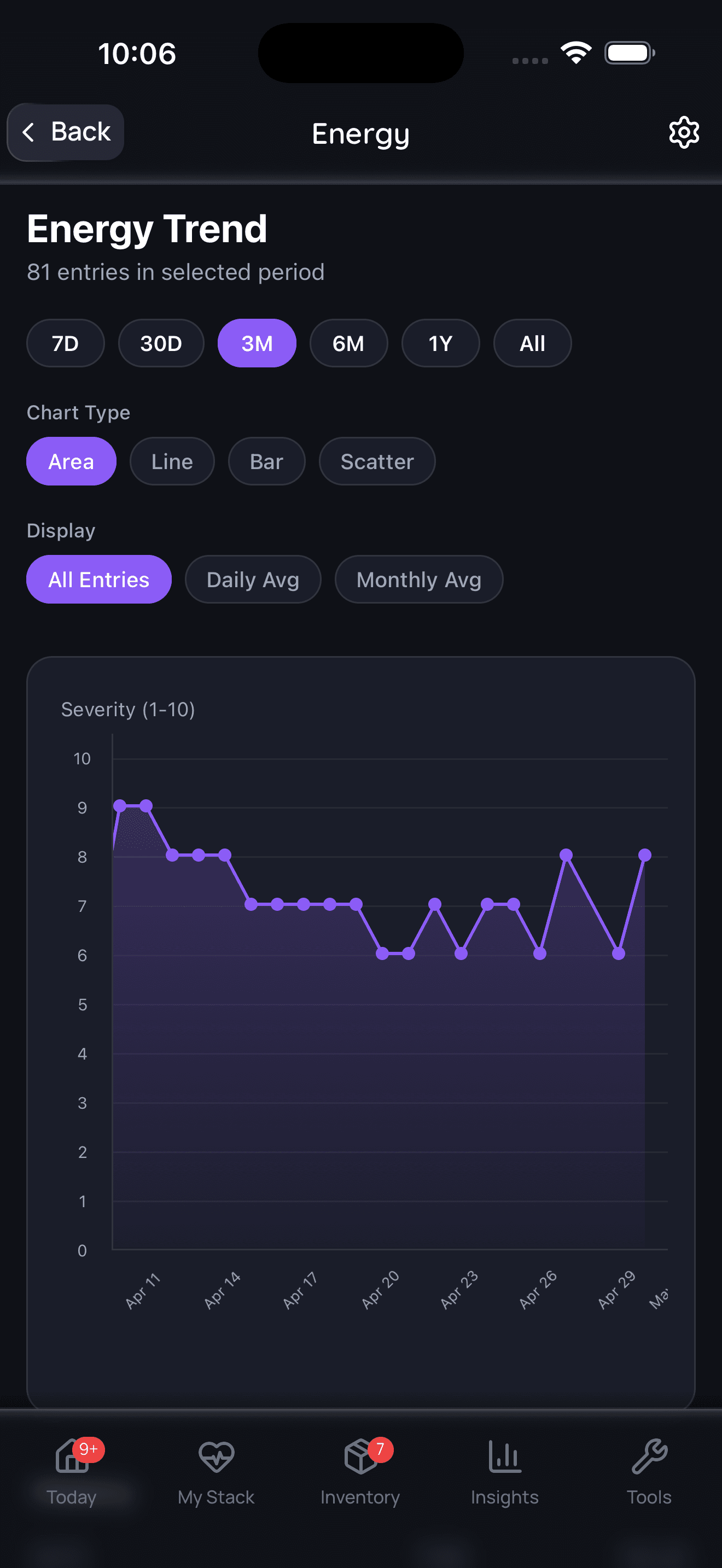
Symptom tracking is informational and should be interpreted with a qualified clinician.
Dosing & Treatment Protocols
The Basics
Tamoxifen dosing in men for TRT-related purposes varies considerably from the standard breast cancer dosing of 20 mg daily. Because tamoxifen's long half-life (5-7 days) means the drug accumulates over weeks, lower and less frequent dosing is often effective for estrogen management.
For gynecomastia treatment or prevention on TRT, many providers prescribe 10 mg daily as a starting dose. Some men use as little as 10 mg every other day with satisfactory results. Clinical studies have used 20 mg daily for gynecomastia prevention, but community experience suggests that lower doses are often sufficient and better tolerated, particularly for side effects affecting mood and libido.
For post-cycle therapy (PCT), community-derived protocols typically use higher initial doses: 40 mg daily for 2 weeks, then 20 mg daily for 2-4 additional weeks. These protocols are not standardized in clinical guidelines and are adapted from anabolic steroid community practices. They aim to rapidly stimulate HPG axis recovery after suppression by exogenous testosterone.
For secondary hypogonadism (as an alternative to TRT), tamoxifen 10-20 mg daily has been used to stimulate endogenous testosterone production while preserving fertility. This approach works only in men with secondary hypogonadism (pituitary/hypothalamic dysfunction) and functional testes; it is ineffective for primary hypogonadism (testicular failure).
All tamoxifen use in men is off-label and requires a prescription. Dosing decisions should be made collaboratively with a qualified healthcare provider who can monitor hormonal levels and adjust the protocol based on individual response.
The Science
Indication
Gynecomastia prevention (TRT)
- Dose
- 10-20 mg
- Schedule
- Daily
- Duration
- Duration of TRT or as needed
- Evidence Level
- RCT (20 mg), clinical practice (10 mg)
Indication
Gynecomastia treatment (active)
- Dose
- 20 mg
- Schedule
- Daily
- Duration
- 3-6 months minimum
- Evidence Level
- Retrospective studies
Indication
Estrogen management (TRT adjunct)
- Dose
- 10 mg
- Schedule
- Daily or EOD
- Duration
- As needed
- Evidence Level
- Clinical practice
Indication
Secondary hypogonadism (alternative to TRT)
- Dose
- 10-20 mg
- Schedule
- Daily
- Duration
- Months to years
- Evidence Level
- Small clinical trials
Indication
PCT after AAS/TRT
- Dose
- 40 mg then 20 mg
- Schedule
- Daily (taper)
- Duration
- 4-6 weeks
- Evidence Level
- Community-derived, not formally studied
Indication
Male infertility
- Dose
- 20 mg
- Schedule
- Daily
- Duration
- 3-6 months
- Evidence Level
- Small RCTs
CYP2D6 considerations: Patients who are CYP2D6 poor metabolizers may require dose escalation to achieve therapeutic endoxifen concentrations. A dose escalation study in breast cancer patients demonstrated that increasing tamoxifen from 20 mg to 40 mg in CYP2D6 poor metabolizers normalized endoxifen levels without increasing toxicity [9]. Whether similar dose adjustments are warranted for off-label male use has not been studied.
Medications that reduce tamoxifen efficacy via CYP2D6 inhibition:
- Strong inhibitors (avoid concurrent use): paroxetine, fluoxetine, bupropion, quinidine
- Moderate inhibitors (use with caution): duloxetine, sertraline (at higher doses)
- Minimal effect: venlafaxine, citalopram, escitalopram [10]
Getting the dosing right often takes time and fine-tuning with your provider. Keeping an accurate record of what you're actually taking, doses, frequency, and any adjustments, makes that process smoother. Doserly tracks your tamoxifen doses alongside everything else in your health stack, so your full protocol is always in one place.
Never wonder whether you took your dose today or when your last one was. The app logs every dose with a timestamp and sends reminders when your next one is due, helping you maintain the consistency that makes therapy most effective.
Track injection timing, draw notes, and site rotation.
Doserly helps keep syringe-related notes, injection site history, reminders, and reconstitution context together for easier review.
Injection log
Site rotation
Injection logs support record-keeping; follow clinician instructions for administration.
What to Expect (Timeline)
Days 1-7: Tamoxifen begins absorbing and accumulating. No noticeable effects expected in most men. Some may notice mild GI discomfort or hot flashes.
Weeks 2-4: Drug levels building toward steady state. If treating active gynecomastia with breast tenderness, some men report reduced sensitivity within 2-3 weeks. Hormonal changes (LH, FSH, testosterone increases) begin but are not yet at peak. Some men report mood changes, brain fog, or libido shifts.
Months 1-3: Steady state reached (4-6 weeks). Gynecomastia reduction becomes more noticeable, particularly for recent-onset tissue. Testosterone levels plateau at new baseline (if using for secondary hypogonadism). Full side effect profile becomes apparent. Dose adjustments commonly made during this period based on symptoms and labs.
Months 3-6: For gynecomastia treatment, this is the window where maximal medical response occurs. Some studies suggest continuing for at least 6 months for optimal effect, particularly if initial disc diameter exceeds 3 cm [19]. For estrogen management on TRT, protocol should be well-established with regular monitoring.
Months 6-12: Long-term users should have ophthalmologic assessment if continuing beyond 6 months. Liver function monitoring recommended. For PCT, therapy should be completed within this timeframe with hormonal recovery assessed.
Ongoing: If using tamoxifen as a long-term TRT adjunct, annual review of continued indication, dose optimization, and risk-benefit assessment recommended. Periodic ophthalmologic screening for long-term users.
Realistic expectations: Individual response varies significantly. Not all gynecomastia will respond to tamoxifen, particularly established fibrotic tissue. Side effects are dose-dependent and may require dose adjustment. Some men tolerate tamoxifen well at lower doses; others may need alternative approaches.
Fertility Preservation & HPG Axis
Tamoxifen's relationship with fertility is fundamentally different from exogenous testosterone. While TRT suppresses the HPG axis and often causes azoospermia or severe oligospermia by shutting down LH and FSH, tamoxifen does the opposite: it stimulates LH and FSH production by blocking hypothalamic estrogen receptors.
This makes tamoxifen uniquely positioned in several fertility-relevant scenarios:
As an alternative to TRT: For men with secondary hypogonadism who want to maintain or improve fertility, tamoxifen can raise endogenous testosterone by approximately 40% without suppressing spermatogenesis. This is supported by studies showing that tamoxifen 20 mg daily increases gonadotropin levels, testosterone, and sperm parameters in subfertile men [3][13].
Combined with TRT: The Adamopoulos studies demonstrated that tamoxifen 10 mg twice daily combined with oral testosterone undecanoate improved sperm parameters beyond either agent alone [13]. However, this finding cannot be directly extrapolated to standard TRT protocols using injectable testosterone cypionate or enanthate, which produce substantially higher and more sustained testosterone levels and more profound HPG axis suppression.
During PCT: When discontinuing TRT, tamoxifen is used to accelerate HPG axis recovery by stimulating LH and FSH production. The timeline for recovery varies: some men recover within weeks, others require months. Recovery is not guaranteed and depends on duration of prior testosterone use, age, and pre-TRT hormonal status.
Key points for men of reproductive age:
- Exogenous testosterone suppresses the HPG axis, reducing intratesticular testosterone to near-serum levels and causing spermatogenic arrest. Approximately 40-60% of men on TRT achieve azoospermia by 6 months [20].
- Tamoxifen preserves or enhances spermatogenesis by maintaining/increasing LH and FSH.
- Sperm banking before TRT initiation is recommended for men who may want biological children.
- If fertility is a primary concern, tamoxifen (or other SERMs like enclomiphene or clomiphene) should be discussed as alternatives to exogenous testosterone.
- Recovery of spermatogenesis after TRT discontinuation typically takes 6-24+ months and is not guaranteed.
Fertility counseling should be part of every TRT initiation conversation for men of reproductive age. Tamoxifen, clomiphene, enclomiphene, and HCG are all tools that can help preserve fertility during or after testosterone therapy, each with different advantages and limitations.
Interactions & Compatibility
Drug-Drug Interactions:
- CYP2D6 inhibitors (paroxetine, fluoxetine, bupropion, quinidine): Significantly reduce endoxifen levels, potentially reducing tamoxifen efficacy. Avoid concurrent use when possible. If an antidepressant is needed, venlafaxine or citalopram have minimal CYP2D6 interaction [10].
- Anastrozole: Tamoxifen reduces anastrozole plasma concentrations. These should NOT be used concurrently [8].
- Warfarin/anticoagulants: Tamoxifen may enhance anticoagulant effect. Concurrent use requires close INR monitoring or is contraindicated.
- Rifampin: Reduces tamoxifen levels via CYP3A4 induction [21].
- Letrozole: Tamoxifen may reduce letrozole efficacy.
- QT-prolonging medications: Caution at higher tamoxifen doses (potential additive QT prolongation) [18].
Supplement Interactions:
- DIM (diindolylmethane): May alter estrogen metabolism. Theoretical interaction; no formal interaction studies.
- Zinc: Supports testosterone production. No known interaction with tamoxifen.
- Boron: May increase free testosterone and reduce SHBG. Theoretically complementary but unstudied.
Lifestyle Factors:
- Alcohol: Increases aromatase activity, potentially increasing estrogen burden. Does not directly interact with tamoxifen but may increase the need for estrogen management.
- Body composition: Higher body fat increases aromatase activity, potentially increasing estrogen levels. Weight loss may reduce estrogen-related symptoms and need for tamoxifen.
- Exercise: Resistance training synergistic with testosterone therapy. No direct interaction with tamoxifen.
Cross-links to related guides:
- Anastrozole (Arimidex) -- alternative AI for estrogen management
- Clomiphene Citrate (Clomid) -- related SERM with different isomer profile
- Enclomiphene Citrate -- newer SERM with potentially cleaner side effect profile
- HCG -- complementary fertility preservation agent
- Estrogen Management on TRT -- comprehensive estrogen management guide
Decision-Making Framework
When considering tamoxifen as part of a TRT protocol, several questions can guide the conversation with your healthcare provider:
Is tamoxifen the right tool?
- If the primary concern is gynecomastia (breast tissue growth or tenderness): tamoxifen has the strongest evidence and is often the first-line choice.
- If the primary concern is broad estrogen-related symptoms (water retention, mood changes) without gynecomastia: an aromatase inhibitor may be more appropriate, as it reduces systemic estrogen levels.
- If the primary concern is fertility preservation while addressing low testosterone: tamoxifen (or enclomiphene/clomiphene) may be an alternative to TRT rather than an adjunct.
Questions to ask your provider:
- "What is my current estradiol level, and is it causing symptoms?"
- "Would a SERM like tamoxifen or an AI like anastrozole be more appropriate for my situation?"
- "Am I a CYP2D6 poor metabolizer? Should we test for this?"
- "What dose should I start with, and how will we monitor response?"
- "What are the signs that I should stop taking tamoxifen?"
- "Should I have an eye exam before starting?"
When tamoxifen may NOT be appropriate:
- History of deep vein thrombosis or pulmonary embolism
- Active use of CYP2D6-inhibiting antidepressants (paroxetine, fluoxetine)
- Concurrent use of anastrozole (drug interaction)
- Primary hypogonadism (tamoxifen cannot stimulate testes that are unable to respond)
- Desire for systemic estrogen reduction (tamoxifen does not lower circulating estradiol)
Administration & Practical Guide
Tamoxifen administration is straightforward: it is taken orally as a tablet (10 mg or 20 mg) or oral solution. It can be taken with or without food, at any time of day. Consistency in timing helps maintain stable drug levels, though the long half-life makes exact timing less critical than with shorter-acting medications.
Practical considerations:
- Tablet splitting: The 20 mg tablet can be split to achieve 10 mg dosing if 10 mg tablets are not available.
- Timing: Many men take tamoxifen in the morning, though there is no evidence that timing affects efficacy. Some men who experience insomnia take it in the morning; those with fatigue may prefer evening dosing.
- Missed dose: Due to the 5-7 day half-life, missing a single dose has minimal impact on drug levels. Simply take the next scheduled dose; do not double up.
- Storage: Store at room temperature (68-77 degrees F / 20-25 degrees C) in a light-resistant container.
- Duration: Follow your provider's prescribed duration. For gynecomastia treatment, typical courses are 3-6 months. For ongoing TRT adjunct use, duration is individualized.
Starting tamoxifen:
- Baseline labs recommended: total testosterone, free testosterone, estradiol, LH, FSH, SHBG, CBC, liver function tests
- Consider baseline ophthalmologic examination if planning use beyond 6 months
- Start at 10 mg daily (lower dose than clinical studies but better tolerated for TRT adjunct use, per clinical practice consensus)
- Reassess at 4-6 weeks with repeat labs (after steady state is reached)
Monitoring & Lab Work
Pre-tamoxifen baseline labs:
- Total testosterone, free testosterone
- Estradiol (sensitive assay preferred)
- LH, FSH
- SHBG
- CBC with hematocrit (baseline for concurrent TRT monitoring)
- Comprehensive metabolic panel including liver function (AST, ALT)
- Lipid panel (tamoxifen may affect triglycerides)
- PSA (age-appropriate, if on concurrent TRT)
Initial follow-up (4-6 weeks):
- Estradiol (to verify SERM activity vs potential estrogen changes)
- Total testosterone, free testosterone (assess HPG axis stimulation)
- LH, FSH (confirm gonadotropin increase)
- Liver function tests
- Symptom assessment (gynecomastia, mood, libido, visual changes)
- Side effect evaluation
Ongoing monitoring (if continuing tamoxifen):
- Liver function: every 3-6 months
- CBC: per TRT monitoring schedule (every 6-12 months), hematocrit threshold >54%
- Estradiol and testosterone: every 3-6 months or with dose changes
- Lipid panel: annually (tamoxifen may increase triglycerides)
- Ophthalmologic examination: recommended if use extends beyond 12 months, or if any visual symptoms develop
- PSA: per age-appropriate screening guidelines
When to contact your provider urgently:
- Leg pain, swelling, or redness (possible DVT)
- Sudden shortness of breath or chest pain (possible PE)
- Changes in vision (blurriness, visual disturbances)
- Severe depression or mood changes
- Severe or persistent headache
Estrogen Management on TRT
Tamoxifen represents one of two main pharmacological approaches to estrogen management on TRT, alongside aromatase inhibitors. Understanding the fundamental difference between these approaches is essential for making informed treatment decisions.
Tamoxifen (SERM approach): Blocks estrogen receptors in specific tissues (breast, hypothalamus) while leaving circulating estradiol levels largely unchanged. Estrogen continues to exert its beneficial effects on bone, cardiovascular health, and brain function. The trade-off is that systemic estrogen-related symptoms (fluid retention, blood pressure) may not be fully addressed because circulating estrogen remains elevated.
Aromatase inhibitors (AI approach): Reduce estradiol production systemically by blocking the aromatase enzyme. This lowers circulating estradiol and addresses systemic estrogen-related symptoms. The trade-off is loss of estrogen's beneficial effects on bone, cardiovascular health, and brain function. Aggressive AI use can "crash" estrogen, causing joint pain, low libido, fatigue, and depression.
When to consider tamoxifen over an AI:
- Gynecomastia is the primary concern
- Desire to preserve bone density (tamoxifen is bone-protective)
- Desire to preserve fertility (tamoxifen increases LH/FSH)
- Concern about estrogen being too low (tamoxifen does not lower systemic E2)
- Poor response to or intolerance of anastrozole
When an AI may be preferred:
- Broad estrogen-mediated symptoms (significant fluid retention, blood pressure elevation)
- Desire to reduce circulating estradiol levels
- Estradiol levels significantly above the physiological range
- Contraindication to tamoxifen (thrombotic history)
Community perspective: The TRT community is increasingly cautious about routine AI use, recognizing that low estrogen symptoms can be as problematic as high estrogen symptoms. Tamoxifen offers a targeted approach that addresses gynecomastia without the risk of crashing estrogen levels. However, some community members and clinics continue to favor AIs for their broader systemic effect. The trend in evidence-based practice aligns with the clinical guidelines: manage estrogen symptoms, not lab numbers.
Managing estrogen on TRT is about data, not guesswork. Doserly lets you track your estradiol lab values alongside the symptoms that might signal imbalance, whether that's water retention, nipple sensitivity, or mood changes, so you and your provider can make decisions based on the full picture rather than isolated data points.
If you're taking tamoxifen or an aromatase inhibitor, the app logs every dose and correlates it with how you feel, helping you find the minimum effective approach. The goal is balanced estrogen, not crashed levels, and having tracked data makes it far easier to dial in the right strategy with your prescriber.
Connect protocol changes to labs and health markers.
Doserly can keep lab results, biomarkers, symptoms, and dose history close together so follow-up conversations have better context.
Insights
Labs and trends
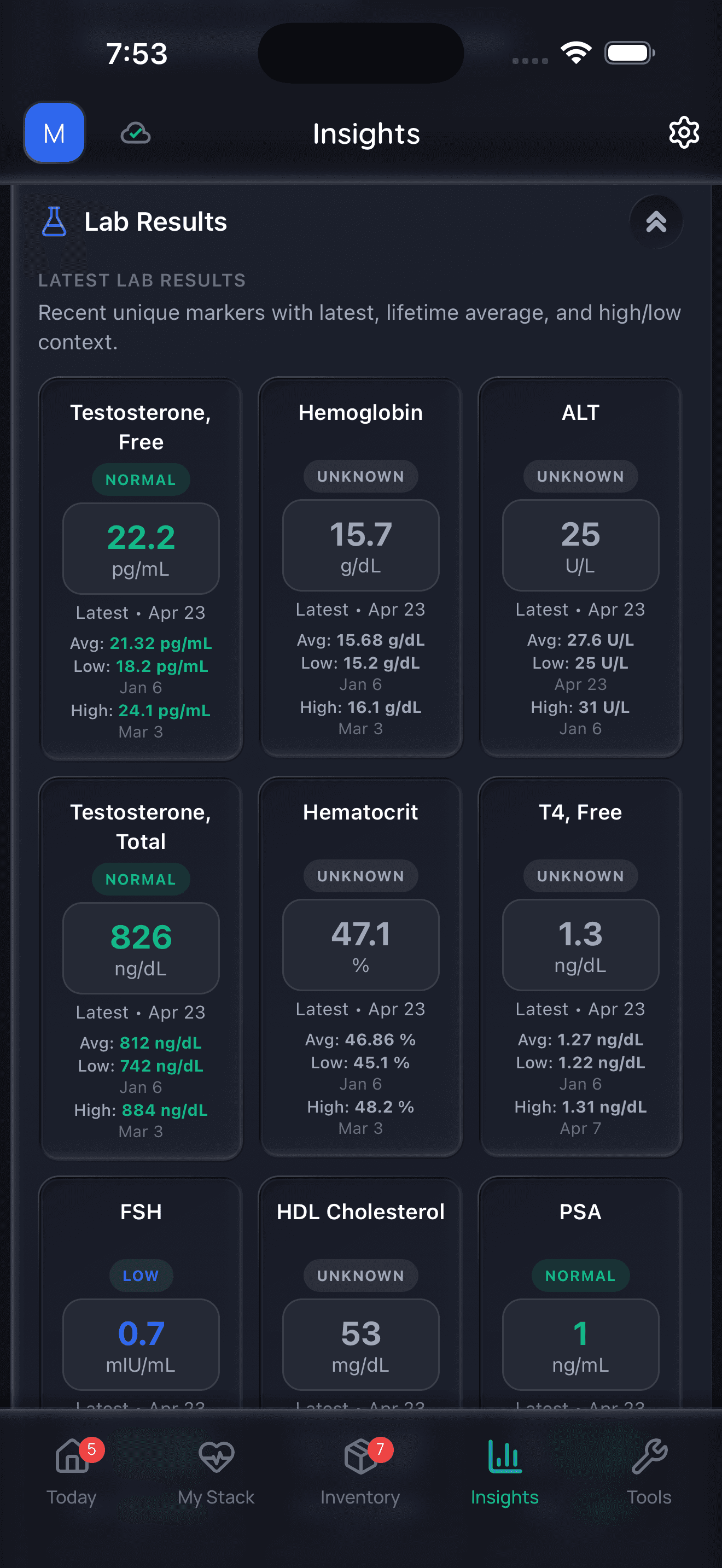
Doserly organizes data; it does not diagnose or interpret labs for you.
Stopping TRT / Post-Cycle Considerations
Tamoxifen plays a specific role in post-TRT and post-cycle recovery. When exogenous testosterone is discontinued, the HPG axis remains suppressed for a variable period. Tamoxifen can accelerate recovery by blocking hypothalamic estrogen receptors, stimulating LH and FSH release, and promoting endogenous testosterone production.
PCT protocols involving tamoxifen (community-derived):
- Standard: 40 mg daily for 2 weeks, then 20 mg daily for 2-4 weeks
- Modified: 20 mg daily for 4-6 weeks
- Low-dose: 10 mg daily for 4-8 weeks (increasingly popular due to better tolerability)
These protocols are not standardized in clinical guidelines for TRT discontinuation. They are adapted from anabolic steroid community practices with limited formal study.
Tamoxifen vs other PCT agents:
- Tamoxifen: Strong hypothalamic ER antagonism, increases LH/FSH, preserves bone density. Side effects: mood effects, potential libido suppression, thromboembolic risk.
- Clomiphene: Similar mechanism but contains zuclomiphene (estrogenic isomer) that accumulates over time, potentially causing more estrogenic side effects. Better studied for long-term male hypogonadism use [22].
- Enclomiphene: Pure trans-isomer (antiestrogenic only), shorter half-life, potentially cleaner side effect profile. Increasingly favored for PCT and secondary hypogonadism [23].
- HCG: Directly stimulates Leydig cells (mimics LH). Preserves testicular volume. Often used in the initial taper phase before SERMs.
Recovery expectations:
- Primary hypogonadism (testicular failure): Limited recovery potential regardless of PCT protocol
- Secondary hypogonadism: Better prognosis for HPG axis recovery, especially with SERM support
- Recovery timeline: Variable, typically 1-6 months with PCT, potentially 6-24+ months without
- Not guaranteed: Some men do not recover to pre-TRT testosterone levels
- Factors: Duration of TRT use, age, pre-TRT hormonal status, concurrent HCG use during TRT
Special Populations & Situations
Men with Thrombotic History
Tamoxifen carries an increased risk of thromboembolic events. Men with a personal history of DVT, PE, or other thrombotic events should generally avoid tamoxifen. Alternative approaches for estrogen management include aromatase inhibitors (which do not carry the same thrombotic risk) or dose/route adjustment of testosterone to reduce aromatization.
Obese Men
Higher body fat increases aromatase activity and estrogen production. Obese men on TRT may require more aggressive estrogen management. Weight loss itself may reduce estrogen-related symptoms. Tamoxifen's hepatic estrogenic effects (increasing SHBG) may be more pronounced in obese men.
Men Taking CYP2D6-Inhibiting Medications
SSRIs (particularly paroxetine and fluoxetine) significantly reduce tamoxifen efficacy by blocking conversion to endoxifen. If tamoxifen is needed, consider switching to a CYP2D6-neutral antidepressant (venlafaxine, citalopram, escitalopram) or using an alternative estrogen management strategy.
Men with Liver Disease
Tamoxifen is hepatically metabolized and may cause hepatotoxicity. Men with pre-existing liver disease should use tamoxifen with caution and more frequent liver function monitoring.
Older Men (>65)
No significant age-related differences in tamoxifen tolerability have been documented. However, older men may have increased thrombotic risk due to age-related cardiovascular factors. Lower doses and closer monitoring may be appropriate.
Transgender Men (FTM)
Tamoxifen may be used for gynecomastia management in transgender men who have not undergone chest surgery. Dosing and monitoring considerations are similar to cisgender male use.
Regulatory, Insurance & International
United States:
- Tamoxifen is FDA-approved for breast cancer treatment in both males and females. All use in men for TRT-related estrogen management is off-label.
- Not a DEA-scheduled substance. Available as generic (multiple manufacturers) at relatively low cost.
- Generic tamoxifen 10 mg and 20 mg tablets are widely available. Typical cost: $10-30/month without insurance.
- Soltamox (oral solution, 10 mg/5 mL) is a branded formulation at higher cost.
- Insurance coverage for off-label use varies. Many insurance plans cover generic tamoxifen regardless of indication.
United Kingdom:
- Available as generic tamoxifen. NHS may prescribe for gynecomastia (off-label).
- Nolvadex brand discontinued; generic equivalents available.
Canada:
- Available as generic tamoxifen. Off-label prescribing for gynecomastia or estrogen management permitted.
Australia:
- Available on the PBS for breast cancer. Off-label prescribing at prescriber's discretion.
Travel considerations:
- Tamoxifen is not a controlled substance and does not have the same travel restrictions as testosterone. Carry a copy of your prescription for international travel.
Frequently Asked Questions
Is tamoxifen the same as an aromatase inhibitor like anastrozole?
No. Tamoxifen and anastrozole work through completely different mechanisms. Tamoxifen blocks estrogen receptors in certain tissues without lowering your blood estrogen levels. Anastrozole blocks the aromatase enzyme, reducing the total amount of estrogen your body produces. This distinction has practical consequences: tamoxifen preserves estrogen's beneficial effects on bone and brain, while anastrozole may reduce these benefits.
Will tamoxifen lower my estrogen levels?
Generally, no. Tamoxifen does not reduce circulating estradiol levels through its primary mechanism. Some individual variation exists, and rare cases of apparent estradiol reduction have been reported, but this is not the expected or intended effect. If your goal is to lower total circulating estrogen, an aromatase inhibitor is the appropriate tool.
Can I take tamoxifen while on TRT?
Yes, with medical supervision. Tamoxifen is commonly used alongside TRT to manage gynecomastia or as part of a broader estrogen management strategy. It is off-label for this use and requires a prescription.
How long does tamoxifen take to work for gynecomastia?
Most men notice improvement within 2-6 weeks for breast tenderness. Reduction in breast tissue size typically takes 1-3 months. Optimal results may require 3-6 months of treatment. Established, fibrotic gynecomastia (present for more than 12 months) responds less predictably.
Does tamoxifen affect fertility?
Tamoxifen preserves or enhances fertility by increasing LH and FSH. This is the opposite of exogenous testosterone, which suppresses fertility. Tamoxifen is sometimes prescribed specifically to men who want to address low testosterone while maintaining sperm production.
Can I take tamoxifen and anastrozole together?
No. Tamoxifen reduces anastrozole plasma concentrations, making the AI less effective. These medications should not be used concurrently.
Does tamoxifen cause blood clots?
Tamoxifen modestly increases the risk of thromboembolic events (DVT, PE). The absolute risk increase is small (approximately 5 additional DVT events per 10,000 patients per year based on breast cancer prevention data). Men with a history of blood clots should discuss this risk with their provider before starting tamoxifen.
Should I have my CYP2D6 tested before taking tamoxifen?
It is not routinely required but may be valuable. CYP2D6 poor metabolizers (7-10% of the Caucasian population) produce significantly less endoxifen (the most active tamoxifen metabolite) and may experience reduced efficacy. If tamoxifen does not seem to be working despite adequate dosing, CYP2D6 testing can help identify this issue.
Is tamoxifen better than raloxifene for gynecomastia?
Clinical evidence and community reports suggest tamoxifen is more effective than raloxifene for gynecomastia treatment. Tamoxifen produces stronger gonadotropin stimulation and has more clinical data supporting its gynecomastia efficacy. Raloxifene may have fewer cognitive side effects for some individuals.
How long can I safely take tamoxifen?
Men have taken tamoxifen for years under medical supervision (breast cancer treatment lasting 5-10 years). For TRT adjunct use, most courses are shorter (3-6 months). Long-term use requires periodic monitoring of liver function, visual health, and thromboembolic risk.
Myth vs. Fact
Myth: Tamoxifen lowers estrogen levels like an AI.
Fact: Tamoxifen does not reduce circulating estradiol. It blocks estrogen receptors in specific tissues (breast, hypothalamus) while leaving systemic estrogen intact. This means men retain estrogen's beneficial effects on bone, cardiovascular, and brain health. Aromatase inhibitors like anastrozole actually reduce estrogen production.
Myth: You need tamoxifen whenever you start TRT.
Fact: Most men on TRT do not need tamoxifen or any estrogen management medication. The Endocrine Society and AUA guidelines recommend treating estrogen-related symptoms, not prophylactically medicating. Tamoxifen should be considered only when specific indications (gynecomastia, breast tenderness) are present.
Myth: Tamoxifen has no serious side effects because it's "just a SERM."
Fact: Tamoxifen carries a boxed warning for thromboembolic events. It can cause mood disturbance, cognitive effects, visual changes, and hepatic effects. While these risks are generally low at the doses used for TRT adjunct purposes, they are not zero and warrant medical supervision.
Myth: Tamoxifen is only for women with breast cancer.
Fact: Tamoxifen is FDA-approved for breast cancer treatment in both men and women. Its use for gynecomastia, male infertility, and estrogen management is off-label but supported by clinical evidence and widespread clinical practice.
Myth: Taking tamoxifen during TRT will restore fertility.
Fact: While tamoxifen stimulates LH and FSH production (which supports spermatogenesis), it cannot fully overcome the HPG axis suppression caused by exogenous testosterone at standard TRT doses. The Adamopoulos study showed benefits with oral testosterone undecanoate (which produces lower, more variable testosterone levels), but this cannot be directly extrapolated to injectable TRT. If fertility is a priority, discussing TRT alternatives (SERMs alone, HCG) with your provider is recommended.
Myth: Higher tamoxifen doses work better.
Fact: Clinical studies of breast cancer treatment found no additional benefit from doses above 20 mg daily. For TRT adjunct use, community experience and clinical practice suggest 10 mg daily or every other day is often sufficient and better tolerated than 20 mg. Higher doses increase side effect burden, particularly mood and cognitive effects, without proportional benefit.
Myth: Tamoxifen and anastrozole can be combined for better estrogen control.
Fact: These medications should NOT be used together. Tamoxifen reduces anastrozole's plasma concentration, making the AI less effective. Additionally, combining them offers no pharmacological advantage since they target estrogen through different mechanisms that can interfere with each other.
Myth: Everyone on tamoxifen gets the same effect.
Fact: Tamoxifen's efficacy depends significantly on CYP2D6 metabolizer status. Approximately 7-10% of the Caucasian population are CYP2D6 poor metabolizers who produce substantially less endoxifen (the most active metabolite). Common medications like paroxetine and fluoxetine also block CYP2D6 and can reduce tamoxifen's effectiveness.
Sources & References
Clinical Guidelines
- Quirke VM. Tamoxifen from Failed Contraceptive Pill to Best-Selling Breast Cancer Medicine. Front Pharmacol. 2017;8:620.
- Lee WL, et al. The role of selective estrogen receptor modulators on breast cancer. Taiwan J Obstet Gynecol. 2008;47(1):24-31.
Key Clinical Studies
- Tsourdi E, et al. The effect of selective estrogen receptor modulator administration on the hypothalamic-pituitary-testicular axis in men with idiopathic oligozoospermia. Fertil Steril. 2009;91(4):1427-30.
- Khashaba S, et al. Efficacy of clomiphene citrate and tamoxifen on pregnancy rates in idiopathic male subfertility: A systematic review and meta-analysis. Andrology. 2025.
- Chang M. Tamoxifen resistance in breast cancer. Biomol Ther (Seoul). 2012;20(3):256-67.
- Kristensen B, et al. Tamoxifen and bone metabolism in postmenopausal low-risk breast cancer patients. J Clin Oncol. 1994;12(5):992-7.
Pharmacology & Pharmacokinetics
- Neyman A, Eugster EA. Treatment of Girls and Boys with McCune-Albright Syndrome with Precocious Puberty. Pediatr Endocrinol Rev. 2017;15(2):136-141.
- Patel P, Jacobs TF. Tamoxifen. StatPearls [Internet]. 2025 Mar 28.
- Hertz DL, et al. Tamoxifen Dose Escalation in Patients With Diminished CYP2D6 Activity Normalizes Endoxifen Concentrations Without Increasing Toxicity. Oncologist. 2016;21(7):795-803.
- Jin Y, et al. CYP2D6 genotype, antidepressant use, and tamoxifen metabolism during adjuvant breast cancer treatment. J Natl Cancer Inst. 2005;97(1):30-9.
Gynecomastia Studies
- Boccardo F, et al. Evaluation of tamoxifen and anastrozole in the prevention of gynecomastia and breast pain induced by bicalutamide monotherapy of prostate cancer. J Clin Oncol. 2005;23(4):808-15.
- Saltzstein D, et al. Prevention and management of bicalutamide-induced gynecomastia and breast pain: randomized endocrinologic and clinical studies with tamoxifen and anastrozole. J Urol. 2005;173(2):351-6.
- Adamopoulos DA, et al. Effectiveness of combined tamoxifen citrate and testosterone undecanoate treatment in men with idiopathic oligozoospermia. Fertil Steril. 2003;80(4):914-20.
Landmark Trials & Safety
- Lincoff AM, et al. Cardiovascular Safety of Testosterone-Replacement Therapy (TRAVERSE). N Engl J Med. 2023;389(2):107-117.
- Fisher B, et al. Tamoxifen for the prevention of breast cancer: current status of the National Surgical Adjuvant Breast and Bowel Project P-1 study. J Natl Cancer Inst. 2005;97(22):1652-62.
Adverse Effects & Safety
- Singh J, et al. Possible Link Between Tamoxifen and Suicidality: A Case Report. Cureus. 2024;16(9):e69545.
- Paganini-Hill A, Clark LJ. Eye problems in breast cancer patients treated with tamoxifen. Breast Cancer Res Treat. 2000;60(2):167-72.
- Fung K, et al. The clinical significance of QT prolongation associated with tamoxifen. J Oncol Pharm Pract. 2018;24(7):525-530.
Gynecomastia Treatment Duration
- Sabanci E, et al. Tamoxifen Treatment for Pubertal Gynecomastia: When to Start and How Long to Continue. Horm Res Paediatr. 2023.
Fertility & HPG Axis
- Bhasin S, et al. Testosterone therapy in men with androgen deficiency syndromes: an Endocrine Society clinical practice guideline. J Clin Endocrinol Metab. 2018.
- Binkhorst L, et al. Effects of CYP induction by rifampicin on tamoxifen exposure. Clin Pharmacol Ther. 2012;92(1):62-7.
Related SERMs
- Da Ros CT, et al. The role of clomiphene citrate in late onset male hypogonadism. Int Braz J Urol. 2022;48:850-856.
- Kim ED, et al. Oral enclomiphene citrate raises testosterone and preserves sperm counts in obese hypogonadal men, unlike topical testosterone. BJU Int. 2016.
Government/Institutional Sources
- DailyMed. Tamoxifen Citrate Prescribing Information. National Library of Medicine.
- Basheer B, et al. Management of Adverse Effects in Testosterone Replacement Therapy. Int Braz J Urol. 2025;51(3).
Related Guides & Cross-Links
Same Category (Estrogen Management)
- Anastrozole (Arimidex) -- Aromatase inhibitor, alternative approach to estrogen management
Related Treatment Options
- Clomiphene Citrate (Clomid) -- Related SERM with different isomer composition
- Enclomiphene Citrate -- Pure trans-isomer SERM, potentially cleaner side effect profile
- HCG (Human Chorionic Gonadotropin) -- Direct LH analog, fertility preservation
- Gonadorelin -- GnRH analog, alternative to HCG
Treatment Overview Guides
- Estrogen Management on TRT -- Comprehensive estrogen management strategies
- Fertility Preservation on TRT -- Complete fertility preservation guide
- TRT for Beginners -- Foundational TRT guide
- Stopping TRT & Post-Cycle Recovery -- PCT and recovery guide
Complementary Approaches
- DIM (Diindolylmethane) -- Natural estrogen metabolism modifier
Conditions & Causes
- Secondary Hypogonadism -- Condition where tamoxifen may be used as alternative to TRT