
Menopause and Mental Health: The Complete HRT Guide
On this page
Quick Reference Card
Attribute
Topic
- Value
- Menopause-related mental health symptoms: depression, anxiety, cognitive changes
Attribute
Affected Population
- Value
- Perimenopausal and postmenopausal women (perimenopause is peak vulnerability window)
Attribute
Prevalence
- Value
- Up to 70% of women experience mood-related symptoms during menopause transition
Attribute
Key Symptoms
- Value
- Depression, anxiety, brain fog, memory difficulties, irritability, mood swings, sleep disruption
Attribute
Neurobiological Basis
- Value
- Estrogen modulates serotonin, GABA, and allopregnanolone; fluctuations disrupt mood regulation
Attribute
First-Line for Depressive Symptoms
- Value
- Antidepressants and psychotherapy for clinical depression; HRT may be considered for mild menopause-associated depressive symptoms (NICE NG23)
Attribute
HRT Evidence (Mood)
- Value
- Transdermal estradiol has demonstrated antidepressant effects in perimenopausal women in RCTs
Attribute
HRT Evidence (Cognition)
- Value
- Early initiation may preserve verbal memory; late initiation shows no benefit and possible harm
Attribute
Non-Hormonal Options
- Value
- CBT, SSRIs/SNRIs, exercise, Mediterranean diet, social engagement
Attribute
When to Seek Help
- Value
- Persistent low mood for 2+ weeks, inability to function, suicidal thoughts, significant anxiety interfering with daily life
Overview / What Is Menopause and Mental Health?
The Basics
If you have found yourself feeling unlike yourself during perimenopause or menopause, struggling with low mood, anxiety that seems to come from nowhere, brain fog that makes simple tasks feel impossible, or a general sense that "the spark has gone," you are not imagining it, and you are not alone. These experiences are real, they are common, and they have a biological basis.
Menopause is far more than the end of menstrual cycles. It marks a period of profound hormonal change that affects nearly every system in the body, including the brain. Estrogen, progesterone, and testosterone all play roles in regulating mood, cognition, sleep, and stress response. When these hormones fluctuate (during perimenopause) and eventually decline (at menopause), the ripple effects can show up as depression, anxiety, difficulty concentrating, memory lapses, irritability, and sleep disruption.
For many women, perimenopause is the most challenging phase. The unpredictable swings in estrogen levels can be more destabilizing than the eventual low-estrogen steady state of post-menopause. This is why mental health symptoms are often at their worst during the transition, rather than after it is complete.
The relationship between menopause and mental health is bidirectional: menopause symptoms (hot flashes, night sweats, sleep disruption) can worsen mood and cognitive function, while mood and sleep difficulties can amplify the perception of other menopause symptoms. Untangling what is hormonal, what is psychological, and what is situational requires careful assessment and, often, a multifaceted approach to treatment.
The good news is that effective treatments exist. For some women, hormone therapy addresses the root hormonal cause. For others, antidepressants, psychotherapy, lifestyle changes, or a combination provides the best relief. Understanding your options is the first step toward feeling like yourself again.
The Science
The menopause transition represents a period of heightened vulnerability to mood disorders and cognitive changes, driven by the neuromodulatory effects of declining and fluctuating reproductive hormones [1][2]. Estrogen receptors (ER-alpha and ER-beta) are widely distributed throughout the brain, with particularly high density in regions critical for mood regulation (prefrontal cortex, amygdala, hippocampus), cognition (hippocampus, prefrontal cortex), and thermoregulation (hypothalamic preoptic area) [3].
The Study of Women's Health Across the Nation (SWAN), a longitudinal multi-ethnic study of over 16,000 women aged 40 to 55, documented that cognitive complaints, mood disturbance, and sleep disruption are significantly more prevalent during the menopausal transition than in the premenopausal years [4]. The concept of a "window of vulnerability" has been formalized by multiple expert groups: the perimenopause (encompassing the early and late menopause transition stages and early post-menopause) is a period when some women are particularly sensitive to the mood-destabilizing effects of hormonal fluctuations [2][5].
Epidemiological evidence from a systematic review of 22 studies (8 cross-sectional, 1 retrospective cohort, 13 prospective cohort) confirmed that menopause increases vulnerability to both depression and anxiety, with estrogen fluctuations affecting serotonin and GABA neurotransmitter systems as a proposed mechanism [6]. The interaction between hormonal changes, psychosocial stressors of midlife, sleep disruption, and vasomotor symptoms creates a complex, multifactorial clinical picture [2][5].
Medical / Chemical Identity
Property
Topic Classification
- Value
- Symptom and system guide: menopause-related mental health
Property
ICD-10 Codes
- Value
- N95.1 (Menopausal and female climacteric states), F32 (Depressive episode), F41.1 (Generalized anxiety disorder)
Property
Key Hormones Involved
- Value
- 17-beta estradiol (E2), progesterone, testosterone, allopregnanolone
Property
Key Neurotransmitter Systems
- Value
- Serotonin (5-HT), gamma-aminobutyric acid (GABA), norepinephrine, dopamine
Property
Receptor Distribution
- Value
- ER-alpha and ER-beta in prefrontal cortex, amygdala, hippocampus, hypothalamus
Property
Diagnostic Frameworks
- Value
- STRAW+10 (menopausal staging), DSM-5 (major depressive disorder, generalized anxiety disorder), Maki et al. 2019 guidelines (perimenopausal depression)
Property
Key Clinical Guidelines
- Value
- NICE NG23 (2024), Maki et al. 2019 Perimenopausal Depression Guidelines, NAMS 2022 Position Statement
Mechanism of Action / Pathophysiology
The Basics
Your brain relies on estrogen in ways that may surprise you. Estrogen helps regulate your internal thermostat (which is why hot flashes happen when levels drop), but it also plays a direct role in mood regulation, memory formation, stress response, and sleep quality. Think of estrogen as a conductor in an orchestra of brain chemicals: it helps keep serotonin (your "feel-good" chemical), GABA (your calming chemical), and other neurotransmitters working in harmony.
During perimenopause, estrogen does not simply decline in a straight line. Instead, it swings unpredictably, sometimes spiking higher than premenopausal levels before crashing. These erratic fluctuations appear to be more destabilizing to mood than the eventual low-estrogen state of post-menopause. This is why many women experience their worst mental health symptoms during the transition itself, rather than afterward.
Progesterone also matters for mental health. One of progesterone's metabolites, allopregnanolone, acts on GABA receptors in the brain and has calming, anti-anxiety effects. When progesterone levels decline during menopause, this natural calming influence diminishes. Testosterone, which also declines with age and after surgical menopause, plays a role in energy, motivation, and mood stability.
The picture is further complicated by the fact that sleep disruption (whether from night sweats, hormonal changes in sleep architecture, or anxiety) can itself worsen mood and cognitive function. Poor sleep, low estrogen, and mood symptoms can create a cycle that is difficult to break without addressing multiple factors simultaneously.
The Science
The neurobiological mechanisms linking menopause to mood and cognitive changes involve multiple interconnected pathways [1][3][7]:
Serotonergic system: Estradiol modulates tryptophan hydroxylase (the rate-limiting enzyme in serotonin synthesis), serotonin transporter (SERT) expression, and 5-HT receptor density. Declining estradiol reduces serotonergic tone, which is associated with depressive symptoms, anxiety, and sleep disruption [1][3].
GABAergic system: Progesterone is metabolized to allopregnanolone, a potent positive allosteric modulator of GABA-A receptors. Allopregnanolone has anxiolytic, sedative, and anticonvulsant properties. The decline in progesterone during menopause reduces allopregnanolone-mediated GABAergic inhibition, potentially contributing to increased anxiety, insomnia, and emotional lability [1][7].
Thermoregulatory-mood interface: Declining estradiol narrows the thermoneutral zone in the hypothalamic preoptic area. The resulting vasomotor symptoms (hot flashes, night sweats) directly disrupt sleep architecture, and chronic sleep disruption independently worsens mood and cognitive performance [8].
Neuroplasticity and neuroprotection: Estrogen promotes dendritic spine density in the hippocampus and prefrontal cortex, supports brain-derived neurotrophic factor (BDNF) expression, and has anti-inflammatory and antioxidant effects in the central nervous system. The decline in estrogen during menopause reduces synaptic plasticity, which may contribute to cognitive complaints including memory difficulties and "brain fog" [3][7][9].
Hypothalamic-pituitary-adrenal (HPA) axis: Estrogen modulates cortisol reactivity and HPA axis sensitivity. Fluctuating estrogen levels during perimenopause may heighten stress reactivity, contributing to anxiety and mood instability [7].
Pathway & System Visualization
Pharmacokinetics / Hormone Physiology
The Basics
Understanding how hormones work in the brain helps explain why mental health can change so dramatically during menopause, and why different treatment approaches may work for different women.
Estrogen does not just circulate in the blood. It crosses the blood-brain barrier and acts directly on brain cells. The form of estrogen matters: 17-beta estradiol (E2) is the most potent natural estrogen and the form most active in the brain. During perimenopause, estradiol levels can swing wildly from one day to the next. After menopause, levels settle at a much lower baseline.
When estradiol is given as hormone therapy, the route of administration affects how it reaches the brain. Transdermal estradiol (patches, gels) bypasses the liver and produces steadier blood levels than oral estradiol, which undergoes significant liver processing. This steadier delivery may be particularly relevant for mental health, as fluctuations in estrogen levels are thought to be more destabilizing to mood than low-but-stable levels.
Progesterone taken orally is metabolized in the liver to allopregnanolone, the calming GABA modulator. This is why oral micronized progesterone can have sedative effects (and is often taken at bedtime), while progesterone delivered through an intrauterine device (which acts locally) does not produce the same brain-calming effects.
The Science
Estradiol readily crosses the blood-brain barrier due to its lipophilic nature and small molecular size. Brain concentrations of estradiol correlate with plasma levels, making systemic estrogen therapy relevant to central nervous system effects [3][9].
Transdermal 17-beta estradiol achieves steady-state plasma concentrations of 40 to 100 pg/mL (depending on dose and formulation) while avoiding first-pass hepatic metabolism. This route produces a more physiological estradiol-to-estrone (E2:E1) ratio of approximately 1:1, compared to 1:4 to 1:5 with oral administration [10]. The steadier plasma profile may be relevant to mood stability, as estradiol fluctuations are implicated in serotonergic and GABAergic dysregulation [1][7].
Oral micronized progesterone undergoes extensive first-pass hepatic metabolism, producing high levels of the neuroactive metabolite allopregnanolone (3-alpha-hydroxy-5-alpha-pregnan-20-one). Allopregnanolone acts as a potent positive allosteric modulator at the GABA-A receptor, producing anxiolytic and sedative effects [1]. The levonorgestrel-releasing intrauterine device delivers progesterone locally and does not produce significant systemic allopregnanolone levels, which has different central nervous system implications [11].
Research & Clinical Evidence
The Basics
The research on menopause and mental health has evolved considerably. For decades, mood symptoms during menopause were often dismissed or attributed to psychosocial factors alone. Today, there is robust evidence that hormonal changes play a direct role in depression, anxiety, and cognitive changes during the menopausal transition.
Depression: Multiple studies, including a landmark expert panel guideline in 2019, have established that perimenopause is a distinct window of vulnerability for depression. Women with a history of depression are at greatest risk, but even women with no prior episodes can develop depression during perimenopause for the first time. Estrogen therapy has demonstrated antidepressant effects in perimenopausal women, particularly those with concurrent vasomotor symptoms, though it is not approved as a standalone depression treatment.
Anxiety: The evidence for anxiety is less consistent than for depression. A systematic review presented at The Menopause Society's 2025 annual meeting found that estrogen-based HRT does not consistently reduce anxiety in midlife women, although modest benefits were noted in perimenopausal or early postmenopausal women with active symptoms. Route, dose, and baseline severity appear to influence outcomes.
Cognitive function: Brain fog, memory difficulties, and concentration problems are common during perimenopause. Research consistently shows that perimenopausal women perform worse on objective cognitive tests than premenopausal women, particularly in verbal memory and executive function. The good news is that cognitive function generally improves in post-menopause, suggesting the decline is related to the transition itself rather than permanent brain damage.
The timing hypothesis for cognition: A major theme in the research is that when hormone therapy is started matters enormously for the brain. Starting HRT during or close to the menopause transition may preserve cognitive function, while starting years later (in the late 60s or beyond) may not help and could potentially worsen outcomes. This aligns with the broader timing hypothesis that applies to cardiovascular outcomes as well.
The Science
Perimenopausal depression:
The 2019 expert panel guidelines (Maki et al.) conducted a systematic review and established that the perimenopause represents a window of vulnerability for the development of both depressive symptoms and major depressive episodes [2]. Epidemiological data indicate that most midlife women experiencing major depressive episodes during perimenopause have a prior history of depression, though first-onset cases occur as well [2].
Evidence from randomized controlled trials demonstrates that transdermal 17-beta estradiol has antidepressant effects in perimenopausal women. The Maki guidelines note that although estrogen therapy is not FDA-approved for depression treatment, there is sufficient evidence of its antidepressant properties, particularly in women with concomitant vasomotor symptoms [2]. A large retrospective cohort study from the UK's largest specialist menopause clinic (n = 920) found that initiation or optimization of MHT was associated with a 44.59% decrease in Meno-D depression scores (95% CI -46.83% to -42.34%, P < 0.001) after a mean follow-up of 107 days [11].
Anxiety:
A systematic review presented at The Menopause Society's 2025 annual meeting evaluated multiple RCTs and observational studies (>1,200 participants in trials, larger observational populations) and concluded that estrogen-based HRT does not consistently reduce anxiety symptoms in midlife women [12]. Modest benefits were noted in perimenopausal or early postmenopausal women who were symptomatic, with route, dose, and baseline severity influencing outcomes. A comparative study of oral vs transdermal HRT in >3,800 postmenopausal women found that transdermal HRT was associated with a lower incidence of anxiety and depression compared to oral HRT [13].
Cognitive function:
A meta-analysis of 34 RCTs (14,914 participants) found that menopause hormone therapy had no overall effects on cognitive domain scores [9]. However, subgroup analyses revealed important nuances:
- Treatment for surgical menopause (mostly estrogen-only) improved global cognition (SMD = 1.575, 95% CI 0.228 to 2.921, P = 0.043)
- Estrogen therapy initiated in midlife or close to menopause onset improved verbal memory (SMD = 0.394, 95% CI 0.014 to 0.774, P = 0.046), while late-life initiation had no effects
- Estrogen-progestogen therapy for spontaneous menopause was associated with a decline in MMSE scores (most studies in late-life populations; SMD = -1.853, 95% CI -2.974 to -0.733, P = 0.030)
An updated systematic review and meta-analysis across 26 articles (9,428 participants) confirmed that perimenopausal women exhibited poorer cognitive outcomes than premenopausal women, with a moderate effect size. Notably, no significant differences were found between perimenopausal and postmenopausal women, suggesting cognitive difficulties may peak during the transition itself [14].
Dementia risk:
A systematic review and meta-analysis published in The Lancet (2025) examining ten studies with over 1,016,055 participants found no significant association between MHT use and risk of mild cognitive impairment or dementia. Subgroup analyses by timing, duration, and type of MHT showed no significant effects [15]. This reinforces current guidance that MHT should not be prescribed for dementia prevention, but neither should dementia concerns prevent appropriate HRT use for menopausal symptoms.
Evidence & Effectiveness Matrix
Category
Mood & Emotional Wellbeing
- Evidence Strength (1-10)
- 8
- Reported Effectiveness (1-10)
- 8
- Summary
- Strong RCT and guideline evidence for estradiol's antidepressant effects in perimenopause. Community reports are overwhelmingly positive for mood improvement.
Category
Anxiety & Stress Response
- Evidence Strength (1-10)
- 5
- Reported Effectiveness (1-10)
- 6
- Summary
- Mixed RCT evidence; systematic review shows inconsistent anxiety reduction. Community reports split: dramatic improvement for some, worsening for others.
Category
Cognitive Function
- Evidence Strength (1-10)
- 7
- Reported Effectiveness (1-10)
- 7
- Summary
- Meta-analytic evidence supports timing-dependent cognitive benefits. Community reports consistent 70-90% brain fog improvement.
Category
Sleep Quality
- Evidence Strength (1-10)
- 6
- Reported Effectiveness (1-10)
- 5
- Summary
- HRT improves sleep primarily via vasomotor symptom reduction. Community reports mixed: progesterone helps some, insomnia persists for others.
Category
Vasomotor Symptoms
- Evidence Strength (1-10)
- 9
- Reported Effectiveness (1-10)
- 8
- Summary
- Strongest evidence base for HRT efficacy. Hot flash and night sweat reduction consistently reported in both clinical trials and community.
Category
Energy & Fatigue
- Evidence Strength (1-10)
- 4
- Reported Effectiveness (1-10)
- 5
- Summary
- Limited direct evidence for HRT on fatigue. Community reports inconsistent; fatigue often persists when mood improves.
Category
Sexual Function & Libido
- Evidence Strength (1-10)
- 5
- Reported Effectiveness (1-10)
- 6
- Summary
- Indirect benefits via mood improvement. Testosterone specifically credited for libido in community reports.
Category
Breast Cancer Risk
- Evidence Strength (1-10)
- 7
- Reported Effectiveness (1-10)
- 3
- Summary
- Well-characterized risk data (WHI, E3N). Community discussion dominated by fear rather than experienced outcomes.
Category
Thrombotic Risk
- Evidence Strength (1-10)
- 7
- Reported Effectiveness (1-10)
- 3
- Summary
- Route-dependent risk well-established (transdermal preferred). Minimal community discussion in mental health context.
Category
Joint & Musculoskeletal Health
- Evidence Strength (1-10)
- 4
- Reported Effectiveness (1-10)
- 6
- Summary
- Limited direct evidence in mental health context. Community reports peripheral improvements alongside mood.
Categories scored: 10
Categories with community data: 10
Categories not scored (insufficient data for this guide): Genitourinary Health, Bone Health, Cardiovascular Health, Metabolic Health, Body Composition, Skin/Hair, Headache/Migraine, Endometrial Safety, Menstrual/Reproductive, Other Physical Symptoms
Benefits & Therapeutic Effects
The Basics
The potential benefits of addressing menopause-related mental health symptoms through hormone therapy and other treatments extend well beyond just "feeling less depressed." When mood, cognition, and sleep improve, the effects ripple across every area of life.
Mood stabilization is often the most immediately noticeable benefit. Many women describe a return to feeling like themselves: the persistent low mood lifts, irritability softens, and the emotional volatility of perimenopause calms. For women whose depression or anxiety is primarily hormonally driven, estrogen therapy can produce meaningful improvement, sometimes within weeks. The combination of HRT with antidepressants appears to be more effective than either alone for women with moderate to severe symptoms.
Cognitive recovery is another significant benefit, though it typically takes longer than mood improvement. Brain fog, word-finding difficulties, and concentration problems often improve as hormone levels stabilize. Research suggests that women who start hormone therapy close to the menopause transition may see better cognitive outcomes than those who start much later.
Sleep improvement often follows vasomotor symptom control: when night sweats stop, sleep quality naturally improves. Oral micronized progesterone has additional sedative properties that help some women with sleep onset and maintenance.
Quality of life improvements are cumulative. When mood, sleep, and cognition are better managed, women report being able to return to work effectively, maintain relationships, engage in activities they had withdrawn from, and regain a sense of agency over their lives.
It is important to acknowledge that not every woman will experience all of these benefits, and that HRT is not the right approach for everyone. The severity of symptoms, individual risk factors, and personal preferences all factor into treatment decisions, which should be made in partnership with a healthcare provider.
The Science
Clinical evidence supports multiple domains of benefit when menopause-related mental health symptoms are effectively treated:
Depressive symptoms: The Maki et al. (2019) expert panel found evidence that transdermal estradiol has antidepressant effects in perimenopausal women, with the strongest effects in those with concurrent vasomotor symptoms [2]. A retrospective cohort study (n = 920) documented a 44.59% mean reduction in depression scores following MHT initiation or optimization, with significant improvement across all individual mood symptoms (P < 0.01 per symptom) [11]. Improvement occurred in both perimenopausal and postmenopausal women and across all MHT regimen types tested.
Cognitive function: A meta-analysis of 34 RCTs found that estrogen therapy initiated close to menopause onset improved verbal memory (SMD = 0.394, P = 0.046) [9]. Estrogen-only treatment for surgical menopause improved global cognition (SMD = 1.575, P = 0.043) [9]. NICE NG23 does not recommend HRT specifically to improve cognition in naturally menopausal women, but acknowledges that treating vasomotor symptoms and sleep disruption may indirectly improve cognitive function [16].
Sleep: HRT improves sleep primarily through vasomotor symptom reduction. Oral micronized progesterone has additional sedative properties via allopregnanolone-mediated GABA-A receptor modulation [1]. NICE recommends considering CBT for sleep difficulties associated with menopause [16].
Non-hormonal benefits: CBT has demonstrated efficacy for depressive symptoms, anxiety, and sleep difficulties associated with menopause [16]. Exercise interventions may improve anxiety and depression symptoms, though evidence for direct effects on vasomotor symptoms is limited [16].
Reading about the potential benefits gives you a framework for what to look for. Tracking whether those benefits are actually showing up in your own experience turns hope into evidence. Doserly lets you monitor the specific symptoms that matter most to you, from hot flashes and sleep quality to mood and energy, building a personal record of how your treatment is working.
When it is time for your next provider appointment, you will have concrete data showing which symptoms have improved, which have not changed, and when shifts started happening. That kind of detail makes follow-up conversations more productive and dose adjustments more precise.
Capture changes while they are still fresh.
Log symptoms, energy, sleep, mood, and other observations alongside protocol events so patterns do not live only in memory.
Trend view
Symptom timeline
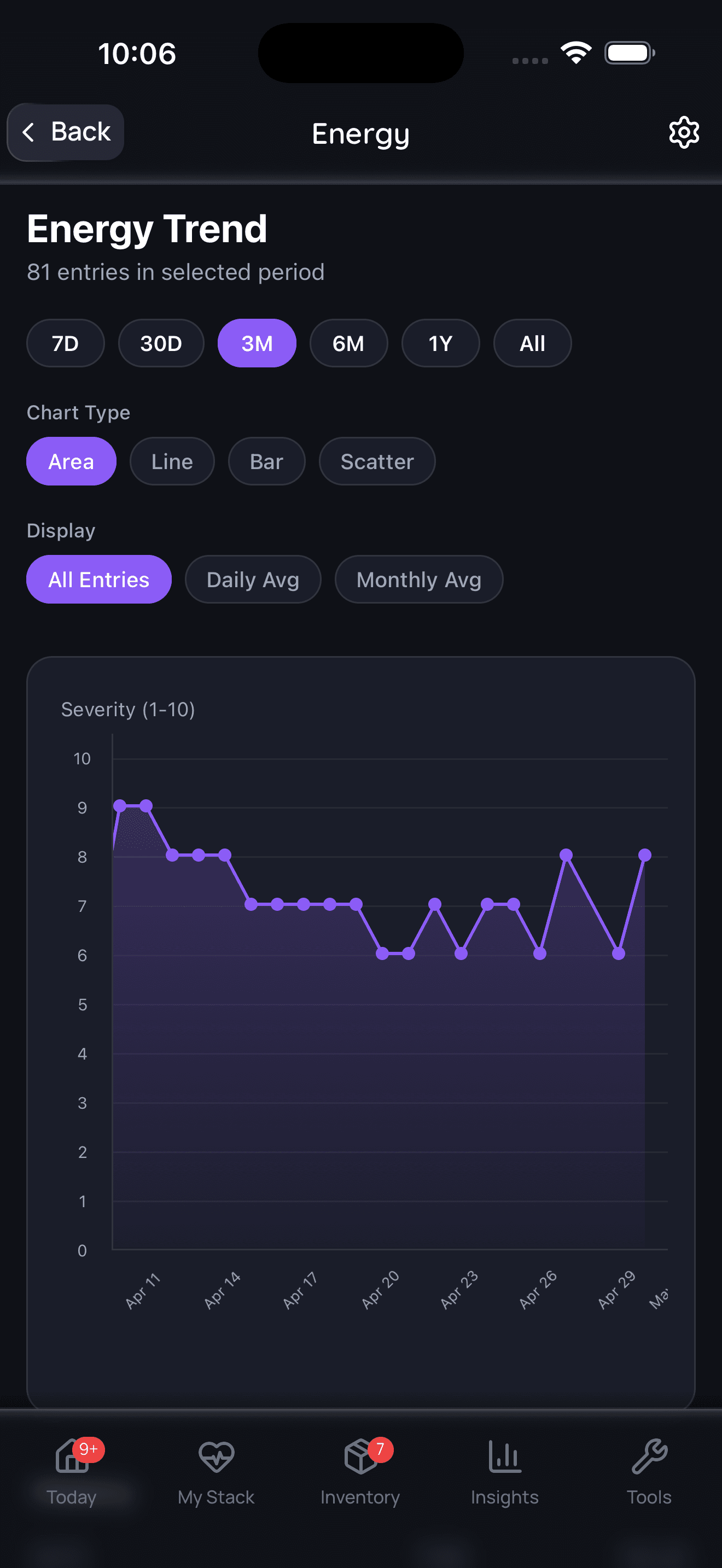
Symptom tracking is informational and should be interpreted with a qualified clinician.
Risks, Side Effects & Safety
The Basics
Any conversation about hormone therapy for mental health symptoms must include an honest discussion of risks. The goal is not to scare you away from treatment, but to provide the context you need to make an informed decision with your healthcare provider.
Common side effects that can occur when starting HRT include breast tenderness, bloating, headaches, nausea, and breakthrough bleeding. These are usually temporary and often settle within the first few months. Progesterone, in particular, can cause mood changes in some women. This is an important consideration when treating mental health symptoms: for some women, progesterone improves mood and sleep, while for others, it worsens irritability or depression. If progesterone affects your mood negatively, discuss alternative progestogen types or delivery methods with your prescriber.
The risk perspective: For women under 60 or within 10 years of menopause onset with no contraindications, the major medical societies agree that the benefit-risk ratio of HRT is favorable [10][16]. The absolute risks of serious adverse events (blood clots, stroke, breast cancer) are small for this population, and they vary significantly by the type, route, and duration of therapy.
Route matters for safety: Transdermal estrogen (patches, gels, sprays) does not carry the same blood clot risk as oral estrogen, because it bypasses the liver's first-pass processing. This is particularly relevant for women who have risk factors for blood clots. A study presented at The Menopause Society in 2025 also found that transdermal HRT was associated with lower incidence of anxiety and depression compared to oral HRT [13].
The Science
Common side effects: Breast tenderness, bloating, headache, nausea, mood changes (progestogen-related), and breakthrough bleeding are the most commonly reported adverse events with HRT initiation [10]. These typically resolve within 1 to 3 months of therapy.
Venous thromboembolism (VTE): Oral estrogen increases VTE risk approximately 2-fold (WHI: HR 2.06, 95% CI 1.57 to 2.70 for oral CEE, corresponding to approximately 18 additional VTE events per 10,000 women per year). Transdermal estrogen does not significantly increase VTE risk (ESTHER study: adjusted OR 0.9, 95% CI 0.4 to 2.1) [10].
Breast cancer: The WHI found an additional 8 breast cancer cases per 10,000 women per year with combined estrogen-progestin therapy (HR 1.26, 95% CI 1.00 to 1.59). Estrogen-only therapy in hysterectomized women showed a non-significant reduction in breast cancer incidence (HR 0.77, 95% CI 0.59 to 1.01) over 7.2 years [10]. The E3N cohort found no increased risk with estrogen plus micronized progesterone (HR 1.00, 95% CI 0.83 to 1.22), while synthetic progestins were associated with increased risk (HR 1.69, 95% CI 1.50 to 1.91) [10]. Type of progestogen matters considerably.
Cardiovascular and stroke risk: Risk depends on timing of initiation. For women under 60 or within 10 years of menopause, HRT has a favorable cardiovascular profile. Late initiation (beyond 60 years or 10+ years post-menopause) carries greater absolute risks [10][16].
Mental health-specific considerations: The Danish cohort study (n > 800,000) found that systemic HRT initiated before or during menopause was associated with higher rates of depression diagnosis in the year following initiation (IRR 1.66, 95% CI 1.30 to 2.14), though this likely reflects confounding by indication rather than a causal effect [17]. Locally administered HRT was associated with lower depression risk when initiated after age 54 (HR 0.80, 95% CI 0.70 to 0.91) [17].
Contraindications: Absolute contraindications to systemic HRT include undiagnosed vaginal bleeding, active breast cancer, active venous thromboembolism, active liver disease, and known high-risk thrombophilia [10][16].
Dosing & Treatment Protocols
The Basics
Treatment for menopause-related mental health symptoms is not one-size-fits-all. The best approach depends on the severity of your symptoms, whether the mood changes are primarily hormonal or part of a broader depressive or anxiety disorder, your medical history, and your personal preferences.
For mild depressive symptoms associated with menopause: NICE guidelines recommend considering HRT, particularly if you also have vasomotor symptoms or other menopause symptoms. CBT is also recommended [16].
For moderate to severe depression or clinical anxiety disorders: Antidepressants and psychotherapy are the established first-line treatments, regardless of menopausal status. HRT may be added as an adjunctive treatment and can enhance the response to antidepressants [2].
HRT regimens for mood: Transdermal estradiol is the most-studied form for mood benefits. Common starting doses range from 25 to 50 micrograms per day (patch) or 0.5 to 1.5 mg per day (gel). Oral micronized progesterone (100 to 200 mg at bedtime) is commonly paired for uterine protection in women with an intact uterus, and its sedative properties may additionally help with sleep.
Non-hormonal pharmacological options: SSRIs and SNRIs (such as venlafaxine, desvenlafaxine, escitalopram, citalopram) are effective for both depression and hot flashes in menopausal women. Paroxetine low-dose (Brisdelle) is FDA-approved specifically for vasomotor symptoms.
Dose adjustment is common: Many women need one or more dose adjustments to find the right balance for their symptoms. This process typically takes 3 to 6 months and should be guided by symptom response and side effect profile.
The Science
NICE NG23 recommendations (2024):
- Consider HRT to alleviate mild depressive symptoms with onset in association with other menopause symptoms [16]
- Consider CBT for depressive symptoms associated with menopause [16]
- For suspected or diagnosed depression during menopause, combine menopause and depression treatment pathways [16]
Maki et al. (2019) guideline recommendations:
- Front-line treatments for perimenopausal depression: antidepressants and psychotherapy [2]
- Estrogen therapy (not FDA-approved for depression) has demonstrated antidepressant effects in perimenopausal women, particularly with concurrent vasomotor symptoms [2]
- Data on estrogen plus progestin for mood are sparse and inconclusive [2]
Transdermal estradiol dosing for mood: Clinical trials demonstrating antidepressant effects have typically used transdermal 17-beta estradiol at doses of 50 to 100 mcg/day [2][11]. The minimum effective dose principle applies: start at a lower dose and titrate upward based on symptom response [10].
What to Expect (Timeline)
Days 1 to 7: Initial adjustment period. Some women notice improved sleep within the first few days if taking oral progesterone at bedtime. Others may experience breast tenderness, mild nausea, or headache. Mood changes are unlikely to be apparent this early, though a psychological sense of hope from starting treatment can provide some immediate relief.
Weeks 2 to 4: Early responders may begin to notice mood stabilization. Vasomotor symptoms often start improving in this window, which can indirectly help sleep and mood. Some women report feeling "lighter" or "more like myself." Anxiety may fluctuate as hormones adjust. Side effects like breast tenderness typically begin to settle.
Months 1 to 3: Most women who will respond to HRT for mood symptoms see meaningful improvement in this timeframe. Depression scores in a large cohort study decreased by approximately 45% over an average of 107 days [11]. Brain fog and cognitive symptoms may start improving, though this is often slower than mood improvement. Sleep quality tends to stabilize. If no improvement is seen by 3 months, dose adjustment or addition of other treatments should be discussed with your provider.
Months 3 to 6: Full therapeutic effect for mood and cognitive symptoms is typically reached. Dose optimization may still be ongoing. Women who needed dose adjustments often report improvement following changes. Combination therapy (HRT plus antidepressant or CBT) may be refined.
Ongoing maintenance: Annual review with your provider to assess symptom control, side effects, and continued appropriateness of treatment. Dose adjustments may be needed as hormonal status continues to evolve. Mental health monitoring should remain part of the overall menopause management plan.
Realistic expectations: Not every woman will respond to HRT for mental health symptoms. Individual variation is significant. Some women need combination therapy. Some find that specific formulations work better than others (for example, patches versus gel, or micronized progesterone versus the levonorgestrel IUD). Patience and ongoing communication with your healthcare provider are essential.
Knowing what to expect is helpful. Documenting your own journey week by week creates something even more valuable, a personal timeline that captures exactly how your treatment is unfolding. Doserly's symptom journal lets you record changes as they happen, building a detailed record from day one.
The early weeks of HRT can feel uncertain. Having a clear log of what is changing, and what has not shifted yet, helps you stay grounded in your actual progress rather than relying on memory. When you look back after three months, you will see how far you have come in ways that are easy to forget without documentation.
Connect protocol changes to labs and health markers.
Doserly can keep lab results, biomarkers, symptoms, and dose history close together so follow-up conversations have better context.
Insights
Labs and trends
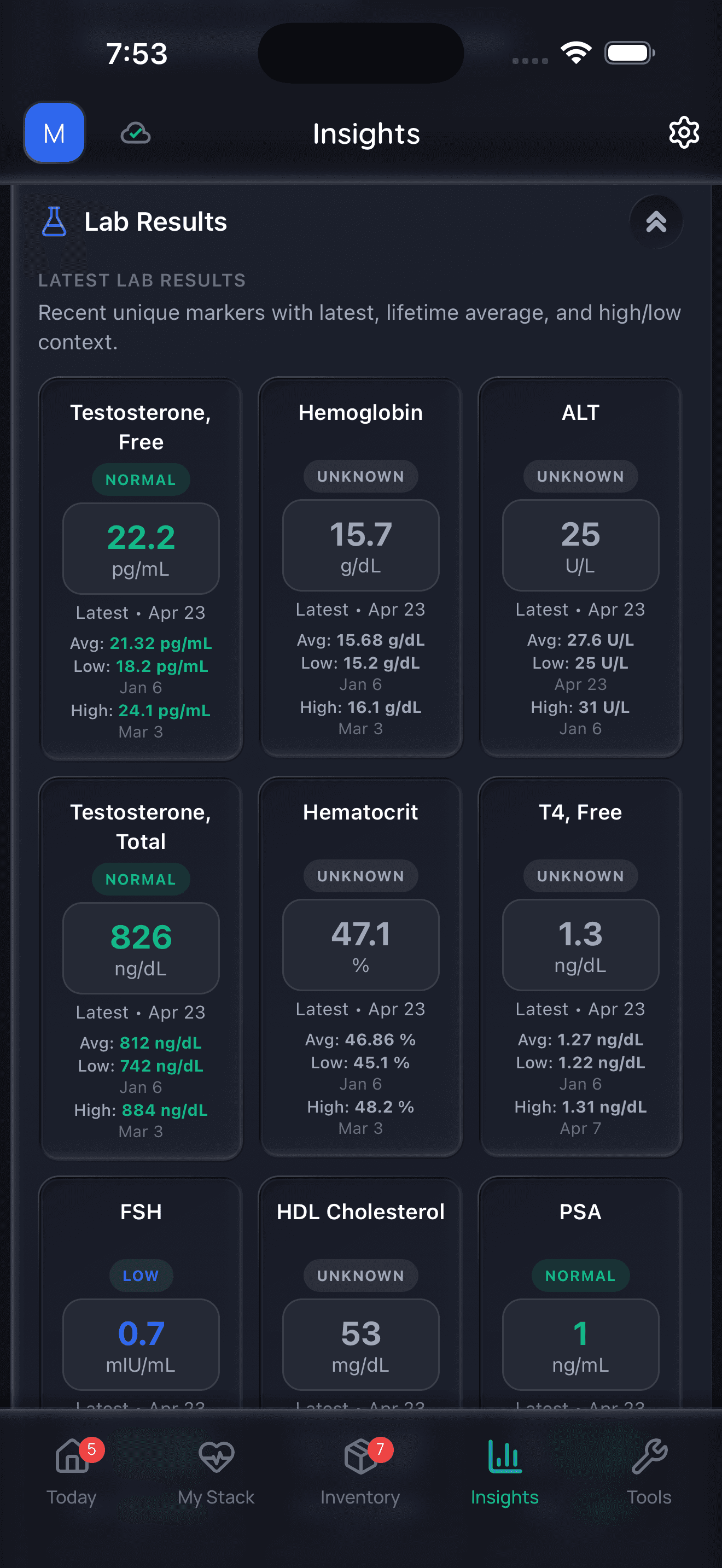
Doserly organizes data; it does not diagnose or interpret labs for you.
Timing Hypothesis & Window of Opportunity
The timing hypothesis, one of the most important concepts in modern HRT research, proposes that hormone therapy initiated within 10 years of menopause onset or before age 60 has a more favorable risk-benefit profile than therapy started later. This concept applies to mental health outcomes as well as cardiovascular and cognitive effects.
Cognitive outcomes are strongly timing-dependent. The meta-analysis of 34 RCTs found that estrogen therapy initiated in midlife or close to menopause onset improved verbal memory (SMD = 0.394, P = 0.046), while late-life initiation showed no benefit [9]. More concerning, combined estrogen-progestogen therapy initiated in late life was associated with cognitive decline on the MMSE [9].
The WHIMS findings in context: The Women's Health Initiative Memory Study (WHIMS) found increased dementia risk with combined HRT, but the study population had a mean age of 63 at enrollment, well outside the proposed window of opportunity. The 2025 Lancet meta-analysis (>1 million participants) found no overall association between MHT use and dementia risk, reinforcing that timing is the critical variable [15].
Mood outcomes may also be timing-sensitive. The Maki guidelines note that estrogen therapy has demonstrated antidepressant effects specifically in perimenopausal women, with less clear efficacy in postmenopausal depression [2]. The narrative review (2025) concluded that efficacy in postmenopausal depression is less established than in perimenopausal depression [3].
Clinical implications: For women experiencing mood or cognitive symptoms during perimenopause or early post-menopause, this evidence suggests that earlier intervention may be more effective than waiting. However, the timing hypothesis remains an area of active research, and no RCT has been specifically designed and powered to test it definitively for mental health outcomes.
Interactions & Compatibility
Drug-drug interactions relevant to mental health treatment:
- SSRIs/SNRIs with HRT: Generally safe to use together. Some SSRIs (paroxetine, fluoxetine) are CYP2D6 inhibitors and can reduce the conversion of tamoxifen to its active metabolite (relevant for breast cancer survivors, not for general menopausal use). Venlafaxine and desvenlafaxine are preferred when avoiding CYP2D6 interactions.
- Lamotrigine: Estrogen can significantly reduce lamotrigine levels by inducing its glucuronidation. Women taking lamotrigine for bipolar disorder or seizures may need dose adjustments when starting or stopping HRT.
- Thyroid medications: Estrogen increases thyroxine-binding globulin (TBG), which may require levothyroxine dose adjustment in women on thyroid replacement. Thyroid dysfunction can mimic or worsen menopausal mood symptoms, so thyroid function should be assessed as part of the differential diagnosis.
- Benzodiazepines: Sometimes prescribed for menopausal anxiety but carry risks of dependence and cognitive impairment. Not recommended for long-term use.
- CYP3A4 interactions: Estradiol is metabolized by CYP3A4. Strong inducers (rifampin, carbamazepine, phenytoin, St. John's Wort) can reduce estrogen levels. St. John's Wort is particularly relevant as it is commonly used as a "natural" antidepressant.
Supplement interactions:
- St. John's Wort: CYP3A4 inducer that can reduce estrogen levels. Also interacts with SSRIs (serotonin syndrome risk). Should be discussed with a healthcare provider before combining with HRT or antidepressants.
- Black cohosh: Sometimes used for menopausal symptoms. Limited evidence of efficacy. May interact with hepatically metabolized medications. See /supplements/black-cohosh.
- Omega-3 fatty acids: Emerging evidence for mood benefits. No significant interactions with HRT. See /supplements/omega-3-fish-oil.
- Magnesium: May support sleep and mood. No significant HRT interactions. See /supplements/magnesium.
- Vitamin D: Important for bone health and may play a role in mood regulation. No HRT interactions. See /supplements/vitamin-d.
Related guides: Micronized Progesterone, 17B-Estradiol, Paroxetine Low-Dose (Brisdelle), Gabapentin for Menopause
Decision-Making Framework
Shared decision-making is essential for menopause-related mental health treatment. The overlap between hormonal symptoms, clinical depression, and psychosocial factors means that treatment needs to be individualized based on a careful assessment of your specific situation.
Key questions to discuss with your healthcare provider:
Assessment questions:
- Are my mood symptoms primarily associated with the menopause transition, or do they suggest a standalone mood disorder?
- Do I have concurrent vasomotor symptoms that might benefit from HRT?
- What is my personal and family history of depression and anxiety?
- What are my risk factors for HRT (VTE history, breast cancer risk, cardiovascular history)?
Treatment approach questions:
- Would HRT, antidepressants, CBT, or a combination be most appropriate for my situation?
- If starting HRT, which route (transdermal vs oral) and which type of progesterone might be best for my mental health profile?
- How will we monitor my response and when should we consider adjusting?
- What is the plan if the initial approach does not adequately improve my symptoms?
Finding the right provider: Menopause-related mental health symptoms are best managed by providers who understand both menopause and mental health. NAMS-certified menopause practitioners, reproductive psychiatrists, and gynecologists with menopause expertise are well positioned to offer comprehensive care. If your current provider is not familiar with the intersection of menopause and mental health, it is appropriate to request a referral or seek a specialist.
Self-advocacy: Many women report being offered antidepressants without any discussion of whether their symptoms might be hormonally driven. If your mood symptoms coincide with other menopause symptoms (hot flashes, irregular periods, sleep disruption, brain fog), it is reasonable to ask about hormonal assessment and treatment options. A thorough evaluation should consider both hormonal and psychological contributors.
Telehealth options: Menopause-focused telehealth platforms have expanded access to specialist care, which is particularly valuable for women who do not have local access to menopause-trained providers.
Administration & Practical Guide
Because this is a symptom-system guide rather than a medication guide, detailed administration guidance is covered in the individual medication guides for relevant treatments:
- Transdermal estradiol patches, gels, and sprays: See 17B-Estradiol guide for application sites, rotation, and practical tips
- Oral micronized progesterone: See Micronized Progesterone guide for timing, food interactions, and bedtime dosing guidance
- SSRIs/SNRIs for menopausal symptoms: See Paroxetine (Brisdelle) guide for the FDA-approved non-hormonal option
General practical guidance for managing menopause mental health:
- Keep a symptom diary: tracking mood, sleep, hot flashes, anxiety, and cognitive function helps you and your provider identify patterns and treatment responses
- Note your menstrual cycle timing if still in perimenopause: mood symptoms often have cyclical patterns
- Allow adequate time for treatment to work (typically 4 to 12 weeks for HRT mood effects)
- Communicate with your provider if side effects occur, particularly mood changes with progesterone
Monitoring & Lab Work
Pre-treatment baseline:
- Assessment of menopausal status (STRAW+10 staging)
- Depression and anxiety screening with validated instruments (PHQ-9, GAD-7)
- Thyroid function tests (TSH, free T4, free T3) to exclude thyroid dysfunction mimicking menopausal mood symptoms
- Consideration of FSH and estradiol levels (though NICE notes these are not routinely needed for diagnosis in women over 45 with typical symptoms)
- General health assessment: blood pressure, lipid panel, mammography
Initial follow-up (4 to 12 weeks):
- Symptom reassessment using the same screening instruments
- Side effect evaluation
- Mood-specific assessment: has depression/anxiety improved, stayed the same, or worsened?
- Sleep quality assessment
- Cognitive complaint assessment
- Consideration of dose adjustment if response is insufficient
Ongoing monitoring:
- Regular mood screening (PHQ-9, GAD-7) at each visit, at minimum annually
- Mammography per national screening guidelines
- Lipid panel per cardiovascular risk profile
- Bone density (DEXA) as indicated for osteoporosis screening
- Annual review of HRT appropriateness: reassess symptoms, risks, and continued need
- Mental health monitoring should not end when vasomotor symptoms resolve: mood and cognitive symptoms may have different timelines
When to escalate care:
- If suicidal thoughts develop or worsen: immediate psychiatric evaluation
- If severe depression does not respond to initial treatment within 8 to 12 weeks: consider specialist referral (reproductive psychiatrist)
- If cognitive symptoms are progressive or severe: neuropsychological testing to rule out other causes
Complementary Approaches & Lifestyle
Hormone therapy and medication are not the only tools for managing menopause-related mental health symptoms. Evidence-based lifestyle strategies can complement medical treatment, and for some women with milder symptoms, these approaches may be sufficient on their own.
Cognitive Behavioral Therapy (CBT): NICE recommends CBT for both depressive symptoms and sleep difficulties associated with menopause [16]. CBT addresses the thought patterns and behaviors that worsen mood and anxiety, and it has been shown to improve emotional wellbeing and quality of life in menopausal women. CBT specifically designed for menopause symptoms is available through therapists and increasingly through digital platforms.
Exercise: Regular physical activity is one of the most consistently beneficial interventions for mood and cognitive function. While exercise has not been shown to reduce hot flashes directly, it may improve anxiety and depression symptoms, sleep quality, and overall wellbeing [16]. A combination of cardiovascular exercise (walking, swimming, cycling), resistance training (for bone and muscle health), and mind-body practices (yoga, tai chi) is ideal. Aim for at least 150 minutes of moderate activity per week.
Mediterranean diet: Evidence supports the Mediterranean dietary pattern (rich in fruits, vegetables, whole grains, fish, olive oil, and nuts) for cognitive health and mood. Omega-3 fatty acids (from fatty fish, walnuts, flaxseed) may have modest antidepressant effects. Limiting alcohol is particularly important during menopause, as alcohol can worsen hot flashes, disrupt sleep, and increase breast cancer risk.
Sleep hygiene: Keeping the bedroom cool, maintaining a consistent sleep-wake schedule, limiting screen time before bed, and avoiding caffeine after noon can improve sleep quality. Temperature management is especially important for women experiencing night sweats.
Social connection: Maintaining an active social network has been associated with better cognitive function and mood in midlife women. Peer support groups (online and in-person) for menopause can reduce isolation and provide practical coping strategies.
Mindfulness and stress management: Mindfulness-based stress reduction (MBSR) and meditation practices may help with anxiety and stress reactivity during the menopause transition. These practices complement other treatments rather than replacing them.
Supplements with some evidence:
- Vitamin D: Deficiency is common in midlife and associated with low mood. Supplementation if deficient is recommended. See /supplements/vitamin-d.
- Omega-3 fatty acids: Modest evidence for mood support. See /supplements/omega-3-fish-oil.
- Magnesium: May support sleep and relaxation. See /supplements/magnesium.
- Phytoestrogens (soy isoflavones): Limited evidence for mood effects; may help mild vasomotor symptoms. See /supplements/soy-isoflavones.
Non-hormonal prescription options: For women who cannot or choose not to use HRT, SSRIs, SNRIs, gabapentin, and fezolinetant (Veozah) are available for vasomotor symptoms and, in some cases, mood symptoms. See Non-Hormonal Menopause Treatments.
HRT does not exist in a vacuum. Diet, exercise, sleep, and stress all influence how you feel during the menopausal transition and how well your treatment works. Doserly lets you track these lifestyle factors alongside your HRT protocol, giving you a complete picture of what is contributing to how you feel on any given day.
Log your workouts, sleep quality, stress levels, and dietary choices right alongside your hormone doses and symptom scores. Over time, the app helps you see which lifestyle habits amplify the benefits of your treatment and which ones might be working against it.
Keep sensitive protocol records in a purpose-built app.
Doserly is designed for private health tracking with structured records, offline-ready workflows, and exportable history when you need it.
Privacy
Health records
Privacy controls help you manage records; keep clinical records where required.
Stopping HRT / Discontinuation
When to consider stopping: There is no fixed duration for HRT use for mental health symptoms. The decision should be individualized, taking into account ongoing symptom burden, risk factors, and the availability of alternative treatments. The traditional "5-year limit" is outdated and does not reflect current evidence or guidelines.
Tapering considerations for mental health: Because abrupt hormone changes can trigger mood instability, gradual tapering is generally preferred over sudden discontinuation. A step-down approach (reducing dose over weeks to months) allows monitoring of symptom recurrence at each stage.
Symptom recurrence: An estimated 50% of women experience some return of symptoms after stopping HRT. For mental health symptoms specifically, the risk of depression recurrence should be assessed before discontinuation, and alternative treatments (antidepressants, CBT) may need to be in place before tapering begins.
Transition options: Low-dose vaginal estrogen may be continued for genitourinary symptoms even after systemic HRT is stopped. Non-hormonal treatments for persistent mood symptoms should be discussed as part of the discontinuation plan.
Special Populations & Situations
Breast Cancer Survivors
Systemic HRT is generally contraindicated in women with a history of hormone receptor-positive breast cancer. This creates a significant treatment gap for menopausal mental health, as these women may experience severe mood symptoms without access to hormonal treatment. Non-hormonal options (SSRIs/SNRIs, CBT, lifestyle interventions) become the primary treatment approach. Venlafaxine and desvenlafaxine are preferred over paroxetine and fluoxetine in women taking tamoxifen due to CYP2D6 interactions. See /hrt/paroxetine-brisdelle.
Premature Ovarian Insufficiency (POI)
Women with POI experience an abrupt and early loss of ovarian hormones, which carries particularly high risk for depression, anxiety, and cognitive decline. HRT in POI is physiological replacement (restoring what should be present) and is typically continued until at least the average age of natural menopause (~51). Mental health monitoring should be an integral part of POI management. See /hrt/premature-ovarian-insufficiency.
Surgical Menopause
Bilateral oophorectomy produces an immediate and profound drop in estrogen, progesterone, and testosterone. Mental health effects can be severe and of sudden onset. Research suggests that estrogen-only therapy for surgical menopause improves global cognition [9]. Prompt initiation of HRT after surgical menopause is generally recommended. See /hrt/surgical-menopause.
Pre-existing Mental Health Conditions
Women with a history of depression or anxiety disorders are at higher risk for menopause-related mood deterioration. These women often benefit from a combined approach: continuation of existing psychiatric medications alongside HRT optimization. Close collaboration between menopause specialists and mental health providers is ideal.
Migraine with Aura
Transdermal estrogen with stable, continuous delivery is preferred for women with migraine with aura, as estrogen fluctuations can trigger migraines. Oral estrogen (with its more variable blood levels) may exacerbate migraine patterns.
Regulatory, Insurance & International
United States (FDA): HRT is FDA-approved for vasomotor symptoms and osteoporosis prevention, but not for the treatment of depression or anxiety. Use for menopause-related mood symptoms is off-label but supported by clinical guidelines. Insurance coverage for HRT varies by plan; generic transdermal estradiol and oral micronized progesterone are widely available and relatively affordable.
United Kingdom (MHRA/NICE): NICE NG23 explicitly recommends considering HRT for mild depressive symptoms associated with menopause. The NHS HRT prepayment certificate (currently around 20 GBP per year) covers unlimited HRT prescriptions, making access relatively affordable. The UK has been a leader in integrating menopause mental health into clinical guidelines.
Canada (Health Canada): HRT is available by prescription. Provincial coverage varies. The Society of Obstetricians and Gynaecologists of Canada (SOGC) endorses consideration of HRT for menopausal mood symptoms.
Australia (TGA): HRT is available on the Pharmaceutical Benefits Scheme (PBS) for menopausal symptoms. The Australasian Menopause Society provides guidance that includes mood symptom management.
European Union (EMA): Availability and guidance vary by country. The European Menopause and Andropause Society (EMAS) and International Menopause Society (IMS) provide guidelines that include consideration of HRT for mood symptoms.
Frequently Asked Questions
Q: Is it normal to feel depressed or anxious during menopause?
A: Yes. Research indicates that the perimenopause and early post-menopause are periods of increased vulnerability to depression and anxiety. Up to 70% of women report mood-related symptoms during the menopause transition. These symptoms have a biological basis in hormonal changes and are not a sign of personal weakness or "just in your head."
Q: Can HRT treat depression?
A: HRT is not approved as a treatment for clinical depression. However, clinical evidence and guidelines support considering HRT for mild depressive symptoms that arise in association with other menopause symptoms. For moderate to severe depression, antidepressants and psychotherapy remain the established first-line treatments, though HRT may be used alongside them.
Q: Will HRT help my brain fog?
A: Many women report improvement in brain fog after starting HRT, particularly when started close to the menopause transition. Research supports that early-initiated estrogen therapy may improve verbal memory. However, NICE does not recommend HRT specifically to improve cognition. Treating vasomotor symptoms and sleep disruption can indirectly improve cognitive function. Brain fog during menopause is typically temporary and improves in post-menopause.
Q: Should I try HRT or antidepressants first?
A: This depends on your specific situation and should be discussed with your healthcare provider. If your mood symptoms are primarily associated with other menopause symptoms (hot flashes, sleep disruption), HRT may address the root cause. If you have moderate to severe depression or a history of mood disorders, antidepressants may be more appropriate as a first step. Many women benefit from both.
Q: Can progesterone worsen my mood?
A: For some women, yes. Progesterone (particularly synthetic progestins like medroxyprogesterone acetate) can worsen irritability, depression, or anxiety. Micronized progesterone is generally better tolerated for mood than synthetic progestins, and its metabolite allopregnanolone has calming properties. If progesterone negatively affects your mood, discuss alternative progestogen types or delivery methods (such as the levonorgestrel IUD) with your provider.
Q: How long does it take for HRT to improve mood?
A: Most women who respond to HRT for mood symptoms see meaningful improvement within 4 to 12 weeks. Some report noticeable changes within days. Others need dose adjustments over several months. If no improvement is seen after 3 months, reassessment of the treatment approach is warranted.
Q: Is menopause brain fog the same as dementia?
A: No. Menopause-related cognitive changes (brain fog) are typically temporary and related to the hormonal transition. They are not early signs of Alzheimer's disease or dementia. A systematic review of over 1 million participants found no association between MHT use and dementia risk. If cognitive symptoms are severe, progressive, or accompanied by other concerning signs, a medical evaluation is appropriate.
Q: Can I take HRT and antidepressants at the same time?
A: Yes. HRT and antidepressants can generally be used together safely. In fact, evidence suggests that estrogen may enhance the response to antidepressants in perimenopausal women. Your healthcare provider can guide you on the most appropriate combination.
Q: What about testosterone for mental health?
A: There is emerging evidence that testosterone may play a role in mood stabilization and cognitive function in menopausal women, though the data are limited. Some community reports describe significant mood improvements with testosterone addition. Testosterone therapy for women is not yet widely approved for this indication and should be discussed with a specialist.
Q: Are there natural alternatives to HRT for menopause mood symptoms?
A: CBT has established evidence for menopause-related depressive symptoms and sleep difficulties. Exercise, Mediterranean diet, social engagement, and stress management all have evidence supporting mood benefits. Supplements such as omega-3 fatty acids and vitamin D may provide modest support. However, for moderate to severe symptoms, these approaches may be insufficient on their own.
Q: Does the type of HRT matter for mental health?
A: Yes. Transdermal estradiol appears to be the most studied and potentially beneficial form for mood outcomes. The type of progestogen matters too: micronized progesterone is generally better tolerated for mood than synthetic progestins. Route-specific differences are also relevant: a study found transdermal HRT was associated with lower incidence of anxiety and depression compared to oral HRT.
Q: I feel worse since starting HRT. Is that normal?
A: Some women experience an adjustment period when starting HRT, with mood fluctuations in the first few weeks. This is usually temporary. If symptoms worsen significantly or persist beyond 4 to 6 weeks, contact your healthcare provider. Dose adjustment, formulation changes, or additional treatments may be needed.
Myth vs. Fact
Myth: "Feeling depressed during menopause is just a normal part of aging. You should be able to cope with it."
Fact: Menopause-related depression has a biological basis in hormonal changes affecting neurotransmitter systems. It is not a character flaw or lack of resilience. Clinical guidelines (NICE, Maki et al.) recognize it as a medical condition warranting treatment [2][16].
Myth: "HRT is too dangerous to use for mood symptoms."
Fact: For women under 60 or within 10 years of menopause onset with no contraindications, the benefit-risk ratio of HRT is favorable according to all major medical societies [10][16]. Absolute risks of serious adverse events are small. Transdermal estrogen does not increase blood clot risk (ESTHER study OR 0.9, 95% CI 0.4 to 2.1) [10].
Myth: "You should just take antidepressants instead of HRT for menopause mood symptoms."
Fact: Antidepressants are effective for depression and anxiety, but they do not address the underlying hormonal cause of menopause-related mood changes. For women whose symptoms are primarily hormonally driven, HRT may be more appropriate or a valuable addition. Current guidelines recommend individualized treatment based on symptom profile and severity [2][16].
Myth: "HRT causes depression."
Fact: A Danish cohort study found increased depression diagnoses after HRT initiation, but this likely reflects confounding by indication (women with mood symptoms are more likely to seek HRT) rather than a causal relationship. RCT evidence demonstrates that estradiol has antidepressant effects in perimenopausal women [2][11][17].
Myth: "Brain fog during menopause means you're getting dementia."
Fact: Menopause-related cognitive changes are typically temporary and improve after the transition. A meta-analysis of over 1 million participants found no association between MHT use and dementia risk [15]. Brain fog during perimenopause is related to hormonal fluctuations, not progressive neurodegeneration.
Myth: "Bioidentical hormones are always safer for mental health than conventional HRT."
Fact: "Bioidentical" simply means the hormone is structurally identical to what the body produces. FDA-approved bioidentical options (transdermal estradiol, micronized progesterone) are the most-studied formulations for mood outcomes. Compounded bioidentical hormones lack standardized quality testing and may have inconsistent dosing. The type and route of hormone matter more than the "bioidentical" label.
Myth: "You should only take HRT for 5 years maximum."
Fact: The arbitrary 5-year limit is outdated. Current guidelines recommend individualized duration based on ongoing symptom burden and risk assessment. For women with menopause-related mental health symptoms, stopping HRT solely because of a time limit may result in symptom recurrence that significantly impairs quality of life [10][16].
Myth: "If HRT doesn't work in the first month, it's not going to help."
Fact: While some women notice mood improvement within days, most require 4 to 12 weeks to see meaningful effects. Dose optimization may take 3 to 6 months. A single month is insufficient to judge effectiveness [11].
Myth: "Menopause mental health symptoms are all in your head."
Fact: Estrogen modulates serotonin, GABA, and allopregnanolone, and estrogen receptors are densely present in brain regions that regulate mood and cognition. Hormonal changes directly affect brain chemistry. The symptoms are as physiologically real as hot flashes [1][3][7].
Myth: "Exercise and meditation alone can fix menopause depression."
Fact: While exercise and mindfulness practices have evidence supporting mood benefits during menopause, they are often insufficient for moderate to severe symptoms. They work best as complementary approaches alongside hormonal or pharmacological treatment when needed [16].
Sources & References
Clinical Guidelines
- Crockett C, Lichtveld G, Macdonald R, Newson L, Rampling KJ. Menopause and Mental Health. Drugs Aging. 2025;41(12). PMID: 41269515.
- Maki PM, Kornstein SG, Joffe H, et al. Guidelines for the Evaluation and Treatment of Perimenopausal Depression: Summary and Recommendations. J Womens Health (Larchmt). 2019;28(2):117-134. PMID: 30182804.
Narrative Reviews
- The role of hormone replacement therapy in the management of perimenopausal mental health symptoms: A narrative review. 2025. PMID: 41363157.
- Bromberger JT, Kravitz HM, et al. Study of Women's Health Across the Nation (SWAN). Longitudinal data on mood and cognitive changes through the menopause transition.
- Soares CN. Menopause and Mood: The Role of Estrogen in Midlife Depression and Beyond. 2023. PMID: 37500244.
Systematic Reviews & Meta-Analyses
- Alblooshi S, et al. Does menopause elevate the risk for developing depression and anxiety? Results from a systematic review. Australas Psychiatry. 2024;32(4). PMID: 36961547.
- Liu Y, et al. The Role and Mechanism of Estrogen in Perimenopausal Depression. 2025. PMID: 40277106.
- Ruchika G, Munshi A. Sleep and Brain Function at Menopause. PMC. 2025. PMC11824937.
- Systematic review and meta-analysis of the effects of menopause hormone therapy on cognition. Front Endocrinol. 2024. PMID: 38501109.
- Cognitive functioning in perimenopause: An updated systematic review and meta-analysis. 2025. PMID: 41066270.
- Menopause hormone therapy and risk of mild cognitive impairment or dementia: a systematic review and meta-analysis. The Lancet. 2025. PMID: 41448220.
Clinical Trials & Observational Studies
- The 2022 Hormone Therapy Position Statement of The North American Menopause Society. Menopause. 2022;29(7):767-794.
- Glynne S, et al. Transdermal oestradiol and testosterone therapy for menopausal depression and mood symptoms: retrospective cohort study. BJPsych. 2025. PMID: 40519046.
- Feeling Anxious During Menopause? Hormone Therapy May or May Not Help. The Menopause Society Press Release. October 2025.
- Oral or Transdermal Hormone Therapy? The Mental Health Risks Are Not the Same. The Menopause Society Press Release. October 2025.
Government & Institutional Sources
- NICE Guideline NG23: Menopause: identification and management. Last reviewed November 2024. https://www.nice.org.uk/guidance/ng23/
- Wium-Andersen MK, et al. Association of Hormone Therapy With Depression During Menopause in a Cohort of Danish Women. JAMA Netw Open. 2022;5(11). PMID: 36318208.
Related Guides & Cross-Links
Same Category (Symptom & System Guides)
Related Treatment Options
- 17B-Estradiol (Bioidentical)
- Micronized Progesterone (Prometrium)
- Paroxetine Low-Dose (Brisdelle)
- Gabapentin for Menopause
- Non-Hormonal Menopause Treatments
- Fezolinetant (Veozah)
Related Conditions
Complementary Approaches (Supplements)
Treatment Overviews
- Getting Started with HRT
- Transdermal HRT (Patches, Gels, Sprays)
- Compounded & Bioidentical HRT
- Stopping & Tapering HRT
Educational Resources
- HRT Myths vs Facts
- The WHI Study Explained
- HRT Monitoring & Lab Work Guide
- Menopause Nutrition & Lifestyle