
Menopause, Heart Health, Bone Loss, and HRT
On this page
Quick Reference Card
Attribute
Topic
- Value
- Cardiovascular and skeletal health changes during and after menopause
Attribute
Affected Population
- Value
- Perimenopausal and postmenopausal women; premature menopause carries elevated risk
Attribute
Prevalence (CVD)
- Value
- 1 in 3 US women will die of cardiovascular disease; risk accelerates after menopause
Attribute
Prevalence (Osteoporosis)
- Value
- 1 in 2 postmenopausal women will develop osteoporosis; most will suffer a fracture
Attribute
Key Risk Factors
- Value
- Age, estrogen decline, family history, smoking, sedentary lifestyle, low BMI, premature menopause
Attribute
Key Biomarkers
- Value
- DEXA T-score (bone density), lipid panel (LDL, HDL, triglycerides), blood pressure, fasting glucose, coronary artery calcium score
Attribute
Primary Treatment Options
- Value
- HRT (FDA-approved for bone loss prevention), bisphosphonates, denosumab, SERMs, lifestyle modification
Attribute
HRT and CVD
- Value
- Not recommended for primary CVD prevention; favorable effects when initiated within 10 years of menopause
Attribute
HRT and Bone
- Value
- FDA-approved for prevention of postmenopausal osteoporosis; reduces fracture risk by 30-50%
Attribute
When to Seek Help
- Value
- Fragility fracture, DEXA T-score below -2.5, chest pain, shortness of breath, sudden weakness, premature menopause
Overview / What Is Menopause, Heart & Bone Health?
The Basics
Menopause is often discussed in terms of hot flashes, mood changes, and sleep disruption. But two of the most consequential health shifts happen quietly, without obvious symptoms, in your cardiovascular system and your bones. Understanding these changes is not about creating fear; it is about recognizing that menopause marks a point where proactive health management can make a significant difference in your long-term quality of life.
Before menopause, estrogen helps protect your heart and blood vessels in several ways. It supports healthy cholesterol levels, helps keep blood vessel walls flexible, and influences how your body processes insulin. When estrogen levels decline during perimenopause and drop further after menopause, these protective effects diminish. Cholesterol levels tend to rise in the early years after menopause, blood pressure becomes more common, and the risk of atherosclerosis (plaque buildup in arteries) increases. Cardiovascular disease is the leading cause of death for women worldwide, and the risk accelerates notably after menopause.
The bone story follows a similar trajectory. Estrogen plays a critical role in maintaining the balance between bone building and bone breakdown. When estrogen levels fall, bone breakdown outpaces bone rebuilding, and women can lose up to 20% of their bone density in the first five to seven years after menopause. This rapid bone loss can lead to osteopenia (moderate bone thinning) or osteoporosis (significant bone weakening), increasing the risk of fractures that can be devastating to mobility and independence.
The encouraging reality is that effective strategies exist for protecting both your heart and your bones during and after menopause. These include lifestyle approaches (exercise, nutrition, not smoking), medical monitoring (lipid panels, blood pressure checks, DEXA bone density scans), and, for appropriate candidates, hormone therapy. HRT remains the most effective intervention for preventing menopausal bone loss and is FDA-approved for this indication. Its relationship with cardiovascular health is more complex, with timing of initiation playing a critical role.
This guide walks through the evidence for how menopause affects cardiovascular and skeletal health, what the research says about HRT in this context, and what practical steps you can take to protect yourself.
The Science
The menopause transition is associated with accelerated cardiovascular and skeletal aging, driven primarily by the decline in endogenous 17-beta estradiol (E2) [1]. Estrogen receptors (ER-alpha and ER-beta) are expressed in cardiomyocytes, vascular endothelial cells, smooth muscle cells, osteoblasts, osteoclasts, and osteocytes, making both the cardiovascular and skeletal systems directly responsive to estrogen status [2][3].
Cardiovascular risk in women increases with age, but the rate of increase accelerates during the menopause transition. The Study of Women's Health Across the Nation (SWAN), a longitudinal multi-ethnic cohort study, documented that the menopause transition is associated with adverse changes in lipid profiles (increased LDL cholesterol, decreased HDL cholesterol), increased carotid intima-media thickness, and accelerated coronary artery calcium deposition [4]. The Framingham Heart Study first identified menopause as an independent risk factor for cardiovascular disease in 1976 [5], and subsequent data have confirmed that premature menopause (before age 40) and early menopause (before age 45) are associated with significantly elevated cardiovascular risk [6].
In bone metabolism, estrogen promotes osteoblast survival and function while inducing osteoclast apoptosis, primarily through ER-alpha-mediated regulation of the OPG/RANKL signaling pathway. Estrogen deficiency shifts the remodeling balance toward net bone resorption, with trabecular bone loss accelerating to 2-3% per year in the first 5-7 years post-menopause [3]. The 2022 Endocrine Society position states that "one in two postmenopausal women will have osteoporosis, and most will suffer a fracture during their lifetime" [7].
The intersection of cardiovascular and skeletal health in menopause is not coincidental. Both systems share estrogen-dependent protective mechanisms, and both are subject to accelerated decline during estrogen deficiency. This dual vulnerability makes the menopause transition a critical window for preventive intervention [1][4].
Medical / Chemical Identity
Property
Topic Classification
- Value
- Symptom and system guide: menopause-related cardiovascular and bone health
Property
ICD-10 Codes
- Value
- N95.1 (Menopausal and female climacteric states), M81.0 (Age-related osteoporosis without pathological fracture), I25.1 (Atherosclerotic heart disease)
Property
Key Hormones Involved
- Value
- 17-beta estradiol (E2), estrone (E1), progesterone, testosterone
Property
Cardiovascular Targets
- Value
- Vascular endothelium, cardiomyocytes, hepatic lipid metabolism, coagulation cascade
Property
Skeletal Targets
- Value
- Osteoblasts, osteoclasts, osteocytes (OPG/RANKL pathway)
Property
Key Diagnostic Tools
- Value
- DEXA scan (bone density), FRAX score (fracture risk), lipid panel, coronary artery calcium score, blood pressure
Property
Diagnostic Thresholds
- Value
- Osteoporosis: DEXA T-score <= -2.5; Osteopenia: T-score -1.0 to -2.5
Property
Key Clinical Guidelines
- Value
- NAMS 2022 Position Statement, NICE NG23 (dernière mise à jour le 15 avril 2026), Endocrine Society, AHA/ACC CVD Risk Assessment
Mechanism of Action / Pathophysiology
The Basics
To understand why menopause affects your heart and bones, it helps to understand what estrogen was doing for these systems all along.
In your cardiovascular system, estrogen works behind the scenes in several important ways. It helps your blood vessels stay flexible and responsive, which keeps blood flowing smoothly. It supports healthy cholesterol levels by helping your liver process fats efficiently. It also helps control inflammation in blood vessel walls. Think of estrogen as a maintenance crew for your cardiovascular system: when the crew leaves (at menopause), things that were being quietly maintained start to deteriorate.
In your bones, estrogen acts as a traffic controller for the ongoing process of bone renewal. Throughout your life, your body constantly breaks down old bone and builds new bone. Estrogen keeps this process balanced by encouraging the bone-building cells (osteoblasts) and restraining the bone-dismantling cells (osteoclasts). When estrogen levels drop at menopause, the bone-dismantling cells become more active while the bone-building cells slow down. The result is a net loss of bone that can be rapid, particularly in the first several years after menopause.
These two systems are affected simultaneously because estrogen receptors exist in both cardiovascular tissue and bone tissue. This is why menopause creates a "double challenge" for long-term health that deserves attention even when you may be more focused on immediate symptoms like hot flashes.
The Science
Cardiovascular pathophysiology: Estrogen affects vascular tone, lipids, inflammation, and endothelial biology, but those mechanisms do not prove that menopausal hormone therapy prevents cardiovascular events. Current counseling should separate symptom or bone-related HRT decisions from standard cardiovascular risk prevention, which still depends on blood pressure, lipids, diabetes, smoking, exercise, weight, sleep, and family history [2][4][8].
The first-pass hepatic effect is clinically significant: oral estrogen stimulates hepatic production of coagulation factors (VII, X, fibrinogen), C-reactive protein, and angiotensinogen, which accounts for the differential thrombotic and stroke risk between oral and transdermal administration routes [9]. Transdermal estrogen bypasses hepatic first-pass metabolism and has less effect on prothrombotic factors.
Skeletal pathophysiology: Estrogen deficiency increases osteoclast differentiation and activity through upregulation of RANKL (receptor activator of nuclear factor kappa-B ligand) and downregulation of osteoprotegerin (OPG) in osteoblasts and bone marrow stromal cells [3]. The resulting imbalance in bone remodeling leads to increased bone resorption that outpaces formation. Trabecular bone (vertebral bodies, distal radius) is affected earlier and more severely than cortical bone, with annual losses of 2-3% in the first 5-7 years post-menopause, compared to 0.5-1% per year subsequently [3][7].
Visual guide
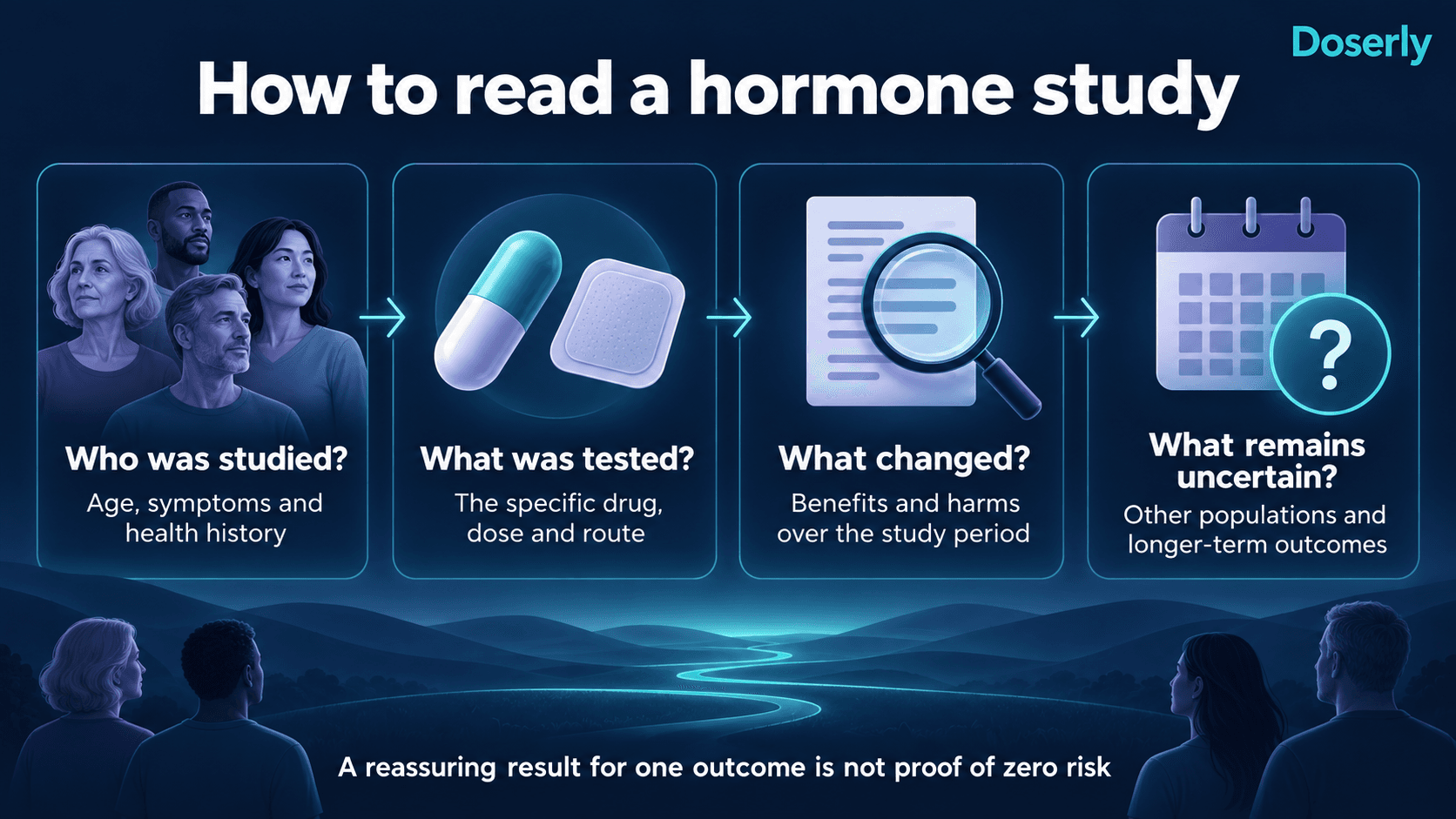
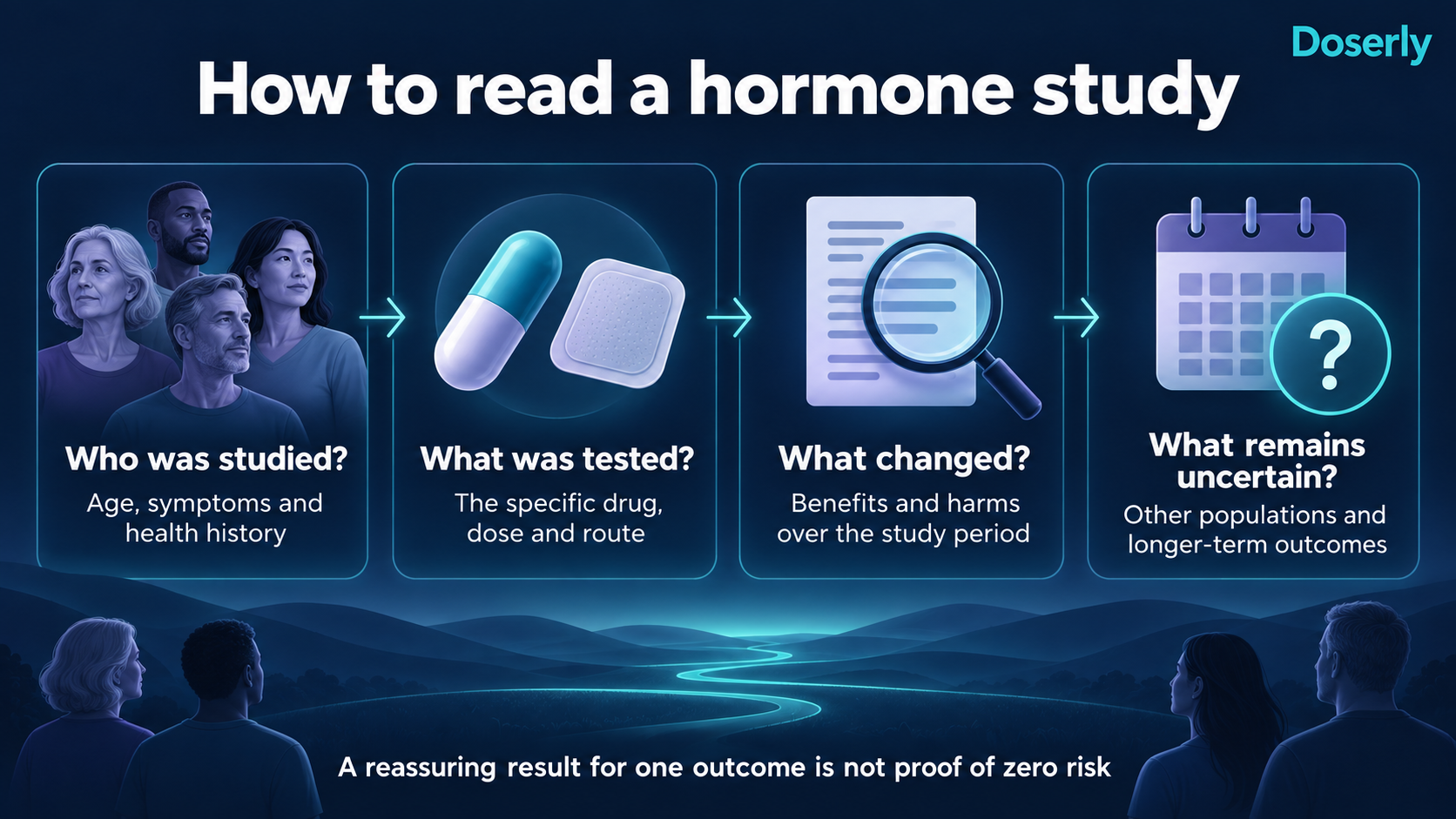
Study results belong to the population, formulation and follow-up period tested. A change in one outcome or a product warning does not establish safety for every person, route or long-term outcome.
NHLBI Women’s Health Initiative.
Pharmacokinetics / Hormone Physiology
The Basics
Understanding how estrogen works in your body and how different forms of HRT deliver it can help you have more informed conversations with your healthcare provider.
Your body's natural estrogen (primarily estradiol, or E2) circulates through your bloodstream and reaches tissues throughout your body, including your heart, blood vessels, and bones. Before menopause, your ovaries produce estradiol in a cyclical pattern. After menopause, production drops dramatically, and the small amounts your body still makes come primarily from fat tissue converting other hormones into a weaker form of estrogen called estrone.
When HRT is used, the delivery route matters significantly for cardiovascular safety. Oral estrogen passes through your liver before reaching the rest of your body (called "first-pass metabolism"). This liver processing triggers the production of clotting factors and other proteins that can increase the risk of blood clots and stroke. Transdermal estrogen (patches, gels, sprays) enters your bloodstream through the skin, bypassing the liver entirely. This is why transdermal estrogen carries substantially lower thrombotic risk than oral estrogen, and why many guidelines now prefer transdermal delivery, particularly for women with cardiovascular risk factors.
For bone protection, both oral and transdermal estrogen have demonstrated efficacy. The key factor for bone health is achieving adequate circulating estrogen levels rather than the specific delivery route.
The Science
Endogenous 17-beta estradiol declines from premenopausal levels of 100-400 pg/mL (varying cyclically) to post-menopausal levels typically below 20 pg/mL [10]. The residual estrogen in post-menopausal women is predominantly estrone (E1), produced by peripheral aromatization of adrenal androgens in adipose tissue, with an E2:E1 ratio shifting from approximately 1:1 premenopausally to 1:3-5 postmenopausally [10].
Oral 17-beta estradiol undergoes extensive first-pass hepatic metabolism (bioavailability approximately 5%), with CYP3A4-mediated conversion to estrone and estrone sulfate. This hepatic processing stimulates increased synthesis of SHBG, CRP, coagulation factors (VII, X, fibrinogen), and angiotensinogen [9]. Transdermal administration achieves a physiological E2:E1 ratio of approximately 1:1 while avoiding prothrombotic hepatic effects [9].
For bone protection, the WHI demonstrated that standard-dose HRT (CEE 0.625 mg/day with or without MPA) reduced hip fracture risk by 34% (HR 0.66, 95% CI 0.45-0.98 in the E+P arm) [11]. The KEEPS trial confirmed that lower doses (oral CEE 0.45 mg/day or transdermal E2 50 mcg/day) maintained trabecular and cortical bone density of the spine and hip compared to placebo over 4 years [12].
Research & Clinical Evidence
The Basics: Cardiovascular Evidence
The relationship between menopause, HRT, and heart health has been one of the most debated topics in medicine over the past two decades. Here is what the evidence actually shows.
Before 2002, observational studies suggested that women who took HRT had lower rates of heart disease. Then the Women's Health Initiative (WHI), a large randomized trial, reported that combined HRT (conjugated equine estrogens plus medroxyprogesterone acetate) slightly increased heart disease risk in the study population. This finding caused widespread alarm and led many women to stop HRT abruptly.
However, the story proved to be more nuanced than the initial headlines suggested. The average age of WHI participants was 63, meaning most women in the trial started HRT many years after menopause. When researchers went back and analyzed the data by age group, a different picture emerged: women who started HRT closer to menopause (ages 50-59 or within 10 years of menopause) appeared to have a more favorable cardiovascular profile than those who started later.
This observation, supported by several subsequent trials, gave rise to the "timing hypothesis": the idea that HRT may have different cardiovascular effects depending on when it is started relative to menopause. When started early, while blood vessels are still relatively healthy, HRT may help maintain cardiovascular protection. When started later, after atherosclerosis has already progressed, the effects may be neutral or potentially harmful.
Current guidelines from major medical societies are consistent: HRT is not recommended for the primary prevention of heart disease at any age. However, for women who start HRT within 10 years of menopause onset for symptom management, the cardiovascular risk-benefit profile is generally favorable, particularly with transdermal estrogen.
The Science: Cardiovascular Evidence
A 2024 systematic review and meta-analysis of 33 RCTs involving 44,639 postmenopausal women found no significant difference between MHT and placebo for all-cause mortality (RR 0.96, 95% CI 0.85-1.09) or cardiovascular events (RR 0.97, 95% CI 0.82-1.14) in the overall population [13]. However, MHT increased the risk of stroke (RR 1.23, 95% CI 1.08-1.41) and venous thromboembolism (RR 1.86, 95% CI 1.39-2.50) [13].
Critically, the same meta-analysis demonstrated timing-dependent effects: women who started MHT within 10 years after menopause had lower all-cause mortality (P = 0.02) and cardiovascular events (P = 0.002) compared to those starting later [13]. MHT also improved flow-mediated arterial dilation (FMD), a surrogate marker for endothelial function (SMD 1.46, 95% CI 0.86-2.07) [13].
The Cochrane systematic review (Boardman et al. 2015) assessed HRT for CVD prevention and confirmed that HRT gave no overall benefit for primary or secondary CVD prevention, but subgroup analysis found that women who started HRT within 10 years of menopause had reduced risk of a composite endpoint including mortality and coronary heart disease [14].
The Danish Osteoporosis Prevention Study (DOPS) provided the longest randomized follow-up data: women receiving HRT early after menopause showed reduced risk of mortality, heart failure, and myocardial infarction over 10 years of randomized treatment plus 5.7 years of post-interventional follow-up, without increased cancer, VTE, or stroke risk [14][15].
A 2024 WHI biomarker analysis found that both CEE-alone and CEE+MPA had favorable long-term effects on cardiovascular biomarkers: HDL-C increased by 13% (CEE-alone) and 7% (CEE+MPA), LDL-C decreased by approximately 11% for both, and insulin resistance (HOMA-IR) decreased by 14% (CEE-alone) and 8% (CEE+MPA). The exception was triglycerides, which were not favorably affected [16].
The Basics: Bone Health Evidence
The evidence for HRT protecting bones is considerably more straightforward than the cardiovascular evidence. HRT is FDA-approved for the prevention of postmenopausal osteoporosis, and the data supporting this indication are strong.
The WHI trial showed that women taking HRT had significantly fewer fractures, including a 34% reduction in hip fractures. This benefit was consistent across multiple studies and has been confirmed in subsequent research. Both the KEEPS trial and other studies have shown that even lower doses of HRT maintain bone density compared to placebo.
The critical consideration with bone health and HRT is that the protective effect lasts only as long as you continue treatment. When HRT is stopped, bone loss resumes at a rate similar to what would be expected at the time of menopause. This is an important factor in decisions about how long to continue treatment.
For women who cannot or choose not to take HRT, other effective medications exist for osteoporosis, including bisphosphonates, denosumab, SERMs like raloxifene, and bone-building agents like teriparatide. Weight-bearing exercise, adequate calcium and vitamin D, and fall prevention are important regardless of medication use.
The Science: Bone Health Evidence
The WHI estrogen-plus-progestin arm demonstrated significant fracture risk reduction: hip fracture HR 0.66 (95% CI 0.45-0.98), vertebral fracture HR 0.66 (95% CI 0.44-0.98), and total fracture HR 0.76 (95% CI 0.69-0.83) [11]. The estrogen-alone arm showed similar fracture reduction: hip fracture HR 0.61 (95% CI 0.41-0.91) [17].
The KEEPS trial (n=727, 4 years) confirmed that lower-dose HRT (oral CEE 0.45 mg/day or transdermal E2 50 mcg/day, both with micronized progesterone 200 mg/day cyclically) maintained trabecular and cortical bone mineral density of the spine and hip compared to placebo [12].
A 2025 meta-analysis of 24 RCTs (n=5,089) found that HRT significantly improved lumbar bone density compared to controls (SMD 1.52, 95% CI 1.33-1.71, P < 0.001), with favorable results across multiple HRT regimens including estradiol plus norethindrone acetate, estradiol alone, and conjugated equine estrogen/estradiol [18].
A study of 80,955 postmenopausal women found that after discontinuation of MHT (following WHI results), fracture rates increased significantly, underscoring that bone protection requires ongoing treatment [19].
Benefits & Therapeutic Effects
The Basics
The benefits of addressing cardiovascular and bone health during menopause fall into two categories: what HRT can offer and what lifestyle strategies contribute.
Bone Protection. HRT is one of the most effective tools available for preventing menopausal bone loss. Studies have shown it reduces hip fracture risk by approximately 30-40% and vertebral fracture risk by a similar margin. For women who are already experiencing hot flashes and other menopause symptoms, the bone protection provided by HRT is an additional and significant benefit of treatment they may already have reason to consider.
Cardiovascular Biomarkers. While HRT is not recommended specifically for heart disease prevention, women who start HRT within 10 years of menopause for symptom management often see improvements in their cardiovascular risk profile. These can include improved cholesterol levels (higher HDL, lower LDL), improved insulin sensitivity, and better endothelial function (the ability of blood vessels to dilate properly).
Quality of Life. The relief of menopause symptoms (hot flashes, sleep disruption, mood changes) indirectly supports cardiovascular and bone health. Poor sleep and chronic stress are independent risk factors for cardiovascular disease, and the fatigue and discomfort from untreated menopause symptoms can make it harder to maintain the exercise habits that protect both heart and bones.
Symptom Relief Beyond the Obvious. Many women who start HRT for hot flashes or bone protection report unexpected improvements in joint pain, energy levels, and general physical well-being. While the evidence for some of these benefits is more anecdotal than others, they contribute meaningfully to the overall health picture.
The Science
Bone: HRT reduces fracture risk across all skeletal sites. The WHI demonstrated hip fracture HR of 0.66 (95% CI 0.45-0.98) with combined HRT and 0.61 (95% CI 0.41-0.91) with estrogen alone [11][17]. The 2022 NAMS Position Statement confirms HRT has been shown to prevent bone loss and fracture, listing it as an approved indication [20]. The mechanism involves estrogen-mediated suppression of RANKL and promotion of OPG, restoring the osteoblast/osteoclast balance toward net bone formation [3].
Cardiovascular: The 2024 WHI biomarker analysis demonstrated that both CEE-alone and CEE+MPA produced favorable effects on HDL-C (+13% and +7% respectively), LDL-C (approximately -11% for both), insulin resistance (HOMA-IR -14% and -8%), and lipoprotein(a) [16]. These biomarker improvements were sustained long-term. The 2024 meta-analysis of 33 RCTs confirmed improved endothelial function (FMD) with MHT, particularly with early initiation [13].
Timing-Dependent Benefits: The aggregate evidence from KEEPS, ELITE, DOPS, and WHI age-stratified analyses supports the concept that early initiation of HRT (within 10 years of menopause or before age 60) is associated with a more favorable cardiovascular risk-benefit profile than late initiation [12][13][14][15][21].
Reading about the potential benefits gives you a framework for what to look for. Tracking whether those benefits are actually showing up in your own experience turns hope into evidence. Doserly lets you monitor the specific symptoms that matter most to you, from hot flashes and sleep quality to mood and energy, building a personal record of how your treatment is working.
When it is time for your next provider appointment, you will have concrete data showing which symptoms have improved, which have not changed, and when shifts started happening. That kind of detail makes follow-up conversations more productive and dose adjustments more precise.
Risks, Side Effects & Safety
The Basics
Discussing risks honestly is essential for making informed decisions about HRT in the context of heart and bone health. The risks are real, but they are also more nuanced than media coverage often suggests. Context matters enormously: the specific type of HRT, how it is delivered, when it is started, and individual risk factors all influence the actual level of risk for a given person.
Common side effects of HRT include breast tenderness, bloating, headache, mood changes, and breakthrough bleeding (with combined HRT). These are typically mild and often resolve within the first few months of treatment.
Blood clots (VTE). Oral estrogen increases the risk of venous thromboembolism. In the WHI, the combined HRT arm showed approximately 18 additional VTE events per 10,000 women per year compared to placebo. Transdermal estrogen has a lower VTE signal than oral estrogen in observational studies; the ESTHER study found an adjusted odds ratio of 0.9 (95% CI 0.4-2.1) for transdermal estrogen [22]. Personal clot-risk factors still need individual review.
Stroke. A meta-analysis of 33 RCTs found that HRT increased stroke risk (RR 1.23, 95% CI 1.08-1.41) [13]. This translates to a small absolute increase. The baseline population risk of stroke in women under 60 is very low, and combined HRT with transdermal estrogen is unlikely to increase stroke risk per NICE guidelines.
Breast cancer. The WHI estrogen-plus-progestin arm showed a hazard ratio of 1.26 (95% CI 1.00-1.59) for invasive breast cancer, corresponding to 8 additional cases per 10,000 women per year (38 vs 30 per 10,000) [23]. Notably, the estrogen-alone arm (women without a uterus) showed a non-significant reduction in breast cancer incidence (HR 0.77, 95% CI 0.59-1.01) over 7.2 years [24]. The type of progestogen matters: the E3N cohort study (n=80,377) found no significant breast cancer increase with estrogen plus micronized progesterone (HR 1.00, 95% CI 0.83-1.22) while estrogen plus synthetic progestins showed a significant increase (HR 1.69, 95% CI 1.50-1.91) [25].
Important context. The WHI study population had a mean age of 63, and most participants started HRT many years after menopause. The risk profile for women starting HRT in their 50s, within 10 years of menopause, appears more favorable across multiple outcomes.
The Science
VTE risk stratification by route: Oral estrogen increases hepatic synthesis of coagulation factors through first-pass metabolism, increasing VTE risk. A meta-analysis of RCTs found VTE RR of 1.86 (95% CI 1.39-2.50) for HRT overall [13]. Observational data indicate the VTE signal is lower with transdermal estrogen than with oral formulations; the ESTHER case-control study reported an adjusted OR of 0.9 (95% CI 0.4-2.1) for transdermal estrogen [22]. The distinction between oral and transdermal VTE risk is one of the most clinically significant findings in HRT safety research.
Stroke risk: The 2024 meta-analysis found stroke RR of 1.23 (95% CI 1.08-1.41) for MHT overall [13]. NICE NG23 (dernière mise à jour le 15 avril 2026) provides further nuance: CHD risk does not increase with either oestrogen-only or combined HRT; combined HRT with transdermal oestrogen is unlikely to increase stroke risk; oral oestrogen may increase stroke risk, with risk increasing with higher doses and longer duration [26].
Breast cancer: The WHI E+P arm (n=16,608) found invasive breast cancer HR 1.26 (95% CI 1.00-1.59), corresponding to an absolute excess of 8 cases per 10,000 women per year [23]. The E-alone arm (n=10,739) found a non-significant reduction (HR 0.77, 95% CI 0.59-1.01) over 7.2 years [24]. Progestogen type is a critical modifier: the E3N cohort (n=80,377, median 8.1 years follow-up) found no significant breast cancer increase with micronized progesterone (HR 1.00, 95% CI 0.83-1.22) versus significant increase with synthetic progestins (HR 1.69, 95% CI 1.50-1.91) [25].
Risk modifiers:
- BMI: Obesity independently increases VTE and cardiovascular risk, which compounds with oral HRT
- Smoking: Dramatically increases cardiovascular and VTE risk, particularly with oral HRT
- Family history: BRCA1/2 carriers and those with first-degree relatives with breast cancer require individualized risk assessment
- Prior VTE: Transdermal route strongly preferred; individual assessment essential
Dosing & Treatment Protocols
The Basics
HRT for bone and cardiovascular health is prescribed as part of a broader approach to menopause management, not as an isolated bone or heart treatment. The dosing principles follow general HRT guidance, with some considerations specific to skeletal protection.
For bone protection, clinical guidelines generally recommend standard HRT doses rather than ultra-low doses, as some evidence suggests that lower doses may provide less consistent bone protection. Common starting regimens include transdermal estradiol at 50 mcg/day (patch) or oral estradiol at 1-2 mg/day, typically paired with progesterone for women with an intact uterus.
The general principle is to start at the lowest effective dose that controls symptoms and is appropriate for the treatment goal, then adjust based on symptom response, tolerability, bleeding pattern, and risk profile. For bone protection, clinicians usually follow guideline-supported dose ranges and use bone-density follow-up when indicated rather than chasing a serum estradiol target.
These are commonly used protocols, not dosing instructions. All HRT prescribing decisions should be made in consultation with a qualified healthcare provider who can assess your individual risk factors and treatment goals.
The Science
The WHI demonstrated fracture reduction with standard-dose CEE 0.625 mg/day [11]. The KEEPS trial showed bone density maintenance with lower doses: oral CEE 0.45 mg/day and transdermal E2 50 mcg/day [12]. Some evidence suggests that ultra-low-dose estradiol (0.5 mg oral or 14 mcg transdermal) may provide partial bone protection, but the fracture reduction evidence is strongest for standard doses [12][20].
For women with an intact uterus, endometrial protection requires adequate progesterone. Micronized progesterone 200 mg/day for 12-14 days per cycle (sequential) or 100 mg daily (continuous) is commonly used. The choice between sequential and continuous regimens depends on menopausal stage and bleeding pattern preferences [20].
What to Expect (Timeline)
When starting HRT with bone and cardiovascular health as goals (alongside symptom management), here is a general timeline of what to expect.
Days 1-7: Initial adjustment period. Some women notice immediate effects on mood and sleep. Common early side effects include breast tenderness, mild bloating, and spotting (with combined regimens). These are typically temporary.
Weeks 2-4: Vasomotor symptoms (hot flashes, night sweats) often begin to improve. This is typically the first noticeable benefit. Side effects may persist but often start to settle.
Months 1-3: Most women experience significant improvement in vasomotor symptoms by this point. Sleep quality and mood stabilization often follow. Joint pain, if present, may start to improve. Your provider may schedule a follow-up to assess response and adjust dosing.
Months 3-6: Full therapeutic effect for most symptoms. Bone density stabilization begins, though measurable changes on DEXA scanning require longer treatment. Cardiovascular biomarkers (lipid panel) may show improvement. Side effects that persist beyond this point should be discussed with your provider.
Months 6-12: Bone density preservation is established. Cardiovascular risk profile assessment may show favorable changes. Some providers recommend a DEXA scan after 1-2 years of treatment to confirm bone density response.
Ongoing (Annual): Annual review with your provider to reassess the benefit-risk balance. Continued monitoring of symptoms, bone density (DEXA every 2-3 years), lipid panel, blood pressure, and breast screening per guidelines. The decision to continue, adjust, or discontinue HRT is individualized and should be revisited regularly.
Individual responses vary considerably. Some women notice benefits within days; others need several weeks. Dose adjustments may be necessary. The key is open communication with your healthcare provider about what you are experiencing.
Knowing what to expect is helpful. Documenting your own journey week by week creates something even more valuable, a personal timeline that captures exactly how your treatment is unfolding. Doserly's symptom journal lets you record changes as they happen, building a detailed record from day one.
The early weeks of HRT can feel uncertain. Having a clear log of what is changing, and what has not shifted yet, helps you stay grounded in your actual progress rather than relying on memory. When you look back after three months, you will see how far you have come in ways that are easy to forget without documentation.
Timing Hypothesis & Window of Opportunity
The timing hypothesis is central to understanding HRT's cardiovascular effects and is one of the most important concepts in modern menopause medicine.
The hypothesis proposes that the cardiovascular effects of HRT depend critically on when treatment is initiated relative to menopause onset. Specifically, HRT started within approximately 10 years of menopause (or before age 60) may have a more favorable cardiovascular risk-benefit profile than HRT started later.
Supporting Evidence:
The KEEPS trial (n=727) enrolled women within 3 years of menopause and found no adverse cardiovascular effects of either oral or transdermal HRT over 4 years, with trends toward reduced coronary artery calcium with oral CEE [12].
The ELITE trial (n=643), the only RCT specifically designed to test the timing hypothesis, found that oral estradiol slowed carotid artery atherosclerosis progression in early postmenopausal women (<6 years since menopause) but had limited effect in late postmenopausal women (>=10 years since menopause) [21].
WHI age-stratified subgroup analyses showed that women aged 50-59 at randomization had a more favorable coronary heart disease risk profile with HRT compared to women aged 60-69 or 70-79 [11].
The Danish Osteoporosis Prevention Study (DOPS) demonstrated reduced mortality, heart failure, and myocardial infarction in women who started HRT early after menopause, with no increased cancer or VTE risk, over 16 years of combined randomized and observational follow-up [15].
The "Healthy Endothelium" Explanation:
The proposed mechanism is that estrogen exerts protective effects on blood vessels that are still relatively healthy (with intact endothelial function and minimal atherosclerosis), but these protective effects are diminished or potentially harmful in vessels with established atherosclerotic disease. In healthy vessels, estrogen promotes vasodilation and anti-inflammatory effects. In diseased vessels, estrogen may destabilize existing atherosclerotic plaques.
Important Limitations:
No RCT has been specifically designed and adequately powered to test the timing hypothesis for clinical cardiovascular endpoints. ELITE tested surrogate markers (CIMT) rather than clinical events. The WHI subgroup analyses, while suggestive, carry the inherent limitations of post-hoc subgroup analysis. The timing hypothesis remains well-supported but not definitively proven for hard cardiovascular endpoints.
Clinical Relevance:
The timing hypothesis has been incorporated into major clinical guidelines. NAMS, NICE, and other organizations recommend that HRT is most appropriate for symptomatic women who are within 10 years of menopause onset or younger than 60, with the understanding that the risk-benefit balance becomes less favorable with later initiation.
Interactions & Compatibility
Drug-Drug Interactions:
- Thyroid medications: Estrogen increases thyroxine-binding globulin (TBG), potentially requiring levothyroxine dose adjustment. Monitor TSH levels after starting or changing HRT.
- Anticoagulants (warfarin): Estrogen may affect warfarin metabolism; monitor INR more frequently after HRT initiation.
- Statins: Commonly co-prescribed with HRT in postmenopausal women managing cardiovascular risk. No significant interactions, but monitor lipid panels.
- Bisphosphonates: Can be used alongside HRT for severe osteoporosis. Some providers use both for women with established osteoporosis who also need menopause symptom management.
- Calcium supplements: Take separately from thyroid medications and bisphosphonates (2-hour separation). No interaction with HRT.
- Lamotrigine: Estrogen significantly reduces lamotrigine levels; dose adjustment necessary.
- CYP3A4 inducers (rifampin, certain anticonvulsants): May reduce estrogen levels.
Supplement Interactions:
- Vitamin D: Essential for calcium absorption and bone health. 800-1,000 IU/day recommended for postmenopausal women. No interaction with HRT; complementary effect on bone health.
- Calcium: 700-1,200 mg/day (preferably from dietary sources). Complements HRT for bone protection.
- Vitamin K2: May support calcium deposition in bone rather than arteries. Community-popular supplement; evidence is emerging.
- St. John's Wort: CYP3A4 inducer that can reduce estrogen levels, potentially undermining both bone protection and symptom relief. AVOID concurrent use.
- Black cohosh: Sometimes used as a non-hormonal alternative for hot flashes. Limited evidence; does not provide cardiovascular or bone protection. See Black Cohosh supplement guide.
Lifestyle Factors:
- Smoking: Dramatically increases cardiovascular risk and VTE risk, particularly with oral estrogen. Smoking is the single most important modifiable risk factor for CVD in women.
- Alcohol: Moderate consumption (>1 drink/day) can increase breast cancer risk independently and may compound HRT-associated risk. Also contributes to bone loss.
- Grapefruit: CYP3A4 inhibitor that may increase estrogen levels. Clinical significance is modest.
Related Guides:
Decision-Making Framework
Making decisions about HRT in the context of heart and bone health involves weighing multiple factors with your healthcare provider. This is a shared decision, not a one-size-fits-all recommendation.
Factors That Favor HRT Consideration:
- Bothersome menopause symptoms (hot flashes, sleep disruption, mood changes)
- Within 10 years of menopause onset or younger than 60
- Osteopenia or osteoporosis on DEXA scan
- Family history of osteoporosis or hip fracture
- Premature or early menopause (HRT strongly recommended until average age of natural menopause)
- No contraindications to HRT
Factors That Require Careful Assessment:
- History of cardiovascular disease (transdermal route preferred, specialist consultation recommended)
- Family history of breast cancer (individualized risk assessment needed)
- History of VTE (transdermal route strongly preferred)
- BMI over 30 (increased baseline VTE risk)
- Age over 60 or more than 10 years since menopause
Absolute Contraindications to HRT:
- Undiagnosed vaginal bleeding
- Active breast cancer or history of hormone-receptor-positive breast cancer
- Active VTE or pulmonary embolism
- Active liver disease
- Untreated endometrial hyperplasia
Questions to Ask Your Provider:
- "Given my age and time since menopause, what is my cardiovascular risk-benefit profile with HRT?"
- "What is my current bone density, and how does that factor into my treatment decision?"
- "Which delivery route (transdermal vs oral) would you recommend for my risk profile?"
- "How often should we reassess whether I should continue HRT?"
- "Should I have a coronary artery calcium score or other cardiovascular screening?"
Finding a Menopause Specialist:
- NAMS Certified Menopause Practitioners: search at menopause.org
- British Menopause Society registered specialists (UK)
- Ask your primary care provider for referral to a gynecologist or endocrinologist with menopause expertise
Administration & Practical Guide
Since this is a symptom-system guide rather than a specific medication guide, administration guidance is general. Specific administration instructions depend on the HRT formulation prescribed.
Transdermal Patches: Apply to clean, dry skin on the abdomen or buttock. Rotate application sites. Replace per schedule (typically twice weekly or weekly depending on product). Do not apply to breasts. Can shower, swim, and exercise with patch in place.
Gels and Sprays: Apply to clean, dry skin (inner arm, thigh, or as directed). Allow to dry completely before dressing. Avoid skin-to-skin contact with others at the application site for several hours. Apply sunscreen after gel has fully dried.
Oral Tablets: Take at the same time daily with or without food. Consistency in timing helps maintain stable hormone levels.
For Bone Health Specifically: Ensure adequate calcium intake (700-1,200 mg/day, preferably from food) and vitamin D (800-1,000 IU/day). Weight-bearing exercise and resistance training complement HRT for bone protection.
Important: Always follow the specific instructions provided by your prescriber and pharmacist. This section provides general educational information only.
Monitoring & Lab Work
Pre-HRT Baseline Assessments:
- DEXA bone density scan (establishes baseline T-scores)
- Lipid panel (total cholesterol, LDL, HDL, triglycerides)
- Fasting glucose and/or HbA1c
- Blood pressure measurement
- Mammogram (per screening guidelines)
- Pelvic ultrasound (if indicated)
- Thyroid function (TSH)
- Body weight and waist circumference
Initial Follow-Up (4-12 Weeks):
- Symptom assessment (vasomotor symptoms, side effects)
- Blood pressure check
- Evaluate tolerability and consider dose adjustment
Ongoing Monitoring:
- DEXA scan: Repeat after 2-3 years of HRT to confirm bone density maintenance or improvement. Subsequent scans every 2-5 years depending on results and risk level.
- Lipid panel: Annually or per cardiovascular risk profile. Compare to pre-HRT baseline.
- Blood pressure: Regular monitoring, at least annually.
- Mammography: Per national screening guidelines (typically every 1-2 years for women 40+).
- Endometrial monitoring: Transvaginal ultrasound if unexpected bleeding occurs on HRT.
- Thyroid function: Recheck TSH 6-8 weeks after starting HRT (estrogen increases TBG).
- Body composition: Track weight and waist circumference annually.
Annual Review Checklist:
- Are symptoms adequately controlled?
- Has the risk-benefit balance changed? (new diagnoses, family history changes)
- Review current bone density status
- Review cardiovascular risk factors
- Breast screening up to date?
- Is the current dose and route still appropriate?
- Discuss continuation, adjustment, or tapering plan
Complementary Approaches & Lifestyle
Lifestyle interventions are foundational for both cardiovascular and bone health during and after menopause. They complement HRT and are important regardless of whether HRT is used.
Exercise:
Exercise is the single most impactful lifestyle intervention for both heart and bone health at menopause.
- Weight-bearing exercise (walking, jogging, dancing, stair climbing): Directly stimulates bone formation. At least 30 minutes most days.
- Resistance training (weightlifting, resistance bands, body-weight exercises): Builds muscle mass and strength, supports bone loading, and improves metabolic health. Two to three sessions per week targeting major muscle groups is a common goal when safe and feasible.
- Impact exercises (jumping, plyometrics): Evidence suggests these stimulate bone formation effectively. Even brief daily jumping routines may benefit bone density. Consider pelvic floor health before starting.
- Cardiovascular exercise (brisk walking, cycling, swimming): Promotes heart health, healthy blood pressure, and weight management. 150 minutes of moderate or 75 minutes of vigorous activity per week per guidelines.
- Balance training (tai chi, yoga, balance exercises): Reduces fall risk, which is critical for fracture prevention in women with osteopenia or osteoporosis.
Nutrition:
- Calcium: 700-1,200 mg/day, preferably from dietary sources (dairy, fortified foods, leafy greens, sardines). Calcium supplementation if dietary intake is inadequate. Take calcium supplements in divided doses (500 mg or less per dose) for better absorption.
- Vitamin D: 800-1,000 IU/day for postmenopausal women. Essential for calcium absorption. Many women need 2,000-4,000 IU to maintain optimal blood levels (>30 ng/mL). Get levels tested.
- Vitamin K2: Emerging evidence suggests it may help direct calcium to bones rather than arteries. Found in fermented foods (natto, some cheeses) or available as supplements.
- Protein: Adequate protein intake (1.0-1.2 g/kg body weight) supports muscle mass and bone health.
- Mediterranean diet pattern: Associated with reduced cardiovascular risk. Emphasizes fruits, vegetables, whole grains, olive oil, fish, and nuts.
- Omega-3 fatty acids: From fatty fish or supplements. May support cardiovascular health and reduce inflammation.
- Limit alcohol: More than one drink per day increases both cardiovascular and breast cancer risk and contributes to bone loss.
- Limit sodium: High sodium intake increases calcium excretion and can raise blood pressure.
Supplements with menopause evidence:
- Magnesium (supports bone health and cardiovascular function)
- Collagen peptides (emerging evidence for bone density, community-popular)
- Prunes (dried plums): Evidence for bone density improvement (5-7 daily)
- See Calcium, Vitamin D, Magnesium, Omega-3
Smoking Cessation: The single most important modifiable risk factor for cardiovascular disease. Women who smoke are two to six times more likely to have a heart attack than nonsmokers. Smoking also accelerates bone loss.
Stress Management: Chronic stress contributes to cardiovascular risk. Mind-body practices (meditation, yoga, deep breathing) may help manage stress alongside other menopause symptoms.
Non-Hormonal Prescription Alternatives: For women who cannot use HRT, options for bone protection include bisphosphonates, denosumab, raloxifene, and bone-building agents. For cardiovascular risk, standard primary prevention strategies apply (statin therapy if indicated, blood pressure management, diabetes prevention).
HRT does not exist in a vacuum. Diet, exercise, sleep, and stress all influence how you feel during the menopausal transition and how well your treatment works. Doserly lets you track these lifestyle factors alongside your HRT protocol, giving you a complete picture of what is contributing to how you feel on any given day.
Log your workouts, sleep quality, stress levels, and dietary choices right alongside your hormone doses and symptom scores. Over time, the app helps you see which lifestyle habits amplify the benefits of your treatment and which ones might be working against it.
Stopping HRT / Discontinuation
The decision to stop HRT is as individual as the decision to start it. For women taking HRT partly for bone protection, the implications of discontinuation deserve careful consideration.
Bone Health After Discontinuation:
Bone protective effects of HRT do not persist after treatment stops. Bone loss resumes at a rate similar to the early postmenopausal period, and fracture rates increase. A study of over 80,000 postmenopausal women found that fracture rates rose significantly after MHT discontinuation [19]. This is different from bisphosphonates, which have some residual effect after discontinuation due to their incorporation into bone matrix.
If bone protection was a significant reason for taking HRT, your provider may recommend transition to a bone-specific medication (such as a bisphosphonate or denosumab) when HRT is discontinued.
Cardiovascular Considerations:
Any favorable cardiovascular biomarker effects of HRT (lipid improvements, insulin sensitivity) will likely reverse upon discontinuation. Standard cardiovascular risk management (diet, exercise, statin therapy if indicated, blood pressure management) becomes the primary strategy.
Tapering vs. Abrupt Cessation:
Most experts recommend gradual dose reduction over several weeks to months rather than abrupt cessation. This may reduce the likelihood and severity of symptom recurrence (estimated 50% of women experience some return of vasomotor symptoms). Step-down protocols might include reducing patch strength, switching to lower-dose oral estrogen, or reducing dosing frequency.
Ongoing Monitoring After Stopping:
- DEXA scan 1-2 years after discontinuation to assess bone density change
- Lipid panel to reassess cardiovascular risk markers
- Symptom monitoring for vasomotor symptom recurrence
- Discussion of alternative strategies for bone and heart protection
Restarting HRT:
If symptoms recur significantly or bone density declines concerning after discontinuation, restarting HRT may be appropriate. The timing hypothesis still applies: the risk-benefit calculation should be reassessed based on current age and time since menopause.
Special Populations & Situations
Premature Ovarian Insufficiency (POI)
Women with POI (menopause before age 40) have significantly elevated cardiovascular and osteoporosis risk due to prolonged estrogen deficiency. HRT is strongly recommended until the average age of natural menopause (approximately 51) to provide cardiovascular and bone protection. This is physiological replacement, not elective therapy. Both NAMS and NICE guidelines emphasize that untreated POI is associated with increased risks of cardiovascular disease, osteoporosis, cognitive decline, and dementia [20][26].
Surgical Menopause / Oophorectomy
Abrupt loss of ovarian hormones following bilateral oophorectomy results in accelerated bone loss and immediate cardiovascular risk changes. HRT initiation is typically recommended promptly after surgery unless contraindicated. Women who undergo oophorectomy before age 45 without HRT replacement have significantly increased cardiovascular mortality in observational studies.
Breast Cancer Survivors
Systemic HRT is generally contraindicated in women with a history of hormone-receptor-positive breast cancer due to the theoretical risk of recurrence. This creates a significant challenge for bone health management, as these women are often on aromatase inhibitors that further accelerate bone loss. Alternative bone protection strategies (bisphosphonates, denosumab, exercise, calcium, vitamin D) are essential. Vaginal estrogen for genitourinary symptoms may be considered on an individual basis with oncologist consultation.
Cardiovascular Disease History
Women with established cardiovascular disease require careful individualized assessment. The timing hypothesis suggests that initiating HRT in the setting of existing atherosclerosis may not be beneficial and could potentially be harmful. Transdermal estrogen is the preferred route if HRT is considered. Specialist consultation (cardiology and menopause specialist) is recommended.
History of VTE
Transdermal estrogen is strongly preferred because it avoids first-pass hepatic stimulation of coagulation-factor production. Women with inherited thrombophilias (Factor V Leiden, prothrombin gene mutation) require individualized assessment. Some may be able to use transdermal HRT with appropriate anticoagulation.
Type 2 Diabetes
Menopause is associated with worsening insulin resistance and increased diabetes risk. HRT has shown favorable effects on insulin sensitivity in WHI biomarker data (HOMA-IR improvement of 8-14%) [16]. NICE notes that HRT is not associated with adverse effects on blood glucose control in people with diabetes [26].
Migraine with Aura
Transdermal estrogen is preferred to minimize estrogen level fluctuations. Oral estrogen can worsen migraine in some women. Stable estrogen delivery via patches may reduce migraine frequency.
Regulatory, Insurance & International
United States (FDA):
HRT is FDA-approved for prevention of postmenopausal osteoporosis and treatment of moderate-to-severe vasomotor symptoms. It is not FDA-approved for cardiovascular disease prevention. FDA labeling is now in a product-specific transition. FDA requested broad MHT label revisions in November 2025 and approved updated prescribing information for six products on February 12, 2026; current counseling should check the label for the exact product being used. Generic estradiol patches and oral estradiol are widely available and relatively affordable.
United Kingdom (MHRA/NHS):
HRT is available on NHS prescription. NICE NG23 was last updated April 15, 2026. The HRT Prescription Prepayment Certificate in England costs £19.80 for 12 months and applies only to covered HRT medicines. Transdermal estrogen is often preferred when clot, migraine, triglyceride, gallbladder, or first-pass hepatic concerns matter.
Canada (Health Canada):
Approved for menopause symptoms and osteoporosis prevention. Provincial coverage varies. Generic options available.
Australia (TGA):
Listed on PBS for menopause symptoms. Guidelines from the Australasian Menopause Society (AMS) align broadly with NAMS/BMS positions.
European Union (EMA):
Available across EU member states with some variation in specific formulations. EMAS guidelines support use for menopause symptoms and osteoporosis prevention.
Cost Considerations:
Generic transdermal estradiol patches and oral estradiol are among the most affordable HRT options. Branded combination products are more expensive. Compounded HRT is generally not recommended as first-line due to lack of standardized quality testing and FDA oversight.
Frequently Asked Questions
Does menopause cause heart disease?
Menopause itself does not directly cause heart disease, but the decline in estrogen removes protective effects on the cardiovascular system. Cholesterol levels, blood pressure, and insulin resistance tend to worsen during and after menopause, increasing cardiovascular risk over time. Premature menopause (before age 40) is an established independent risk factor for cardiovascular disease.
Should I take HRT to protect my heart?
Current guidelines do not recommend starting HRT specifically for heart disease prevention. However, for women who are starting HRT for menopause symptoms within 10 years of menopause onset, the cardiovascular risk-benefit profile is generally favorable, particularly with transdermal estrogen. Discuss your individual cardiovascular risk factors with your healthcare provider.
How quickly do I lose bone after menopause?
Bone loss accelerates significantly in the first 5-7 years after menopause, with potential losses of 2-3% per year in trabecular bone (spine, wrist). After this initial rapid phase, bone loss continues at a slower rate (0.5-1% per year). Cumulative loss of up to 20% of bone density is possible in the first 5-7 years without intervention.
When should I get a DEXA scan?
Current US guidelines recommend DEXA screening for all women at age 65, or earlier for postmenopausal women under 65 with risk factors. Many menopause specialists advocate for baseline DEXA scans closer to age 50, particularly for women with family history of osteoporosis or other risk factors. Discuss timing with your provider.
Does HRT reverse osteoporosis?
HRT is most effective at preventing bone loss rather than reversing established osteoporosis. It can maintain and modestly improve bone density, and it significantly reduces fracture risk. For women with established osteoporosis, bone-specific medications (bisphosphonates, denosumab, bone-building agents) may be more appropriate, though HRT may be used alongside these.
What happens to my bones when I stop HRT?
Bone loss resumes after HRT is discontinued, at a rate similar to the early postmenopausal period. This is different from bisphosphonates, which have some residual bone protection after stopping. If bone health is a major concern, discuss transition strategies with your provider.
Is transdermal estrogen safer for my heart than pills?
Evidence consistently shows that transdermal estrogen carries lower thrombotic (blood clot) risk than oral estrogen because it bypasses first-pass liver metabolism. The ESTHER study supports this lower observed VTE signal with transdermal estrogen. For women with cardiovascular risk factors, transdermal delivery is generally preferred.
Can exercise really help my bones?
Yes. Weight-bearing exercise (walking, jogging, dancing) and resistance training (lifting weights) have been shown to improve and maintain bone density. Impact exercises (jumping, plyometrics) also stimulate bone formation. Exercise also reduces fall risk, which is critical for fracture prevention. Exercise is important regardless of whether you are taking HRT or other bone medications.
I had breast cancer. Can I still protect my bones?
Yes, though your options may be different. If systemic HRT is contraindicated, effective bone protection alternatives include bisphosphonates, denosumab, raloxifene, and lifestyle measures (exercise, calcium, vitamin D). Work with your oncologist and a bone health specialist to develop an appropriate plan.
What is the "window of opportunity" for starting HRT?
The timing hypothesis suggests that HRT has the most favorable risk-benefit profile when started within 10 years of menopause onset or before age 60. Starting HRT later may still be appropriate for some women, but the cardiovascular risk-benefit balance becomes less clearly favorable. Your provider can help assess whether HRT is appropriate based on your specific timeline and health status.
How does smoking affect my heart and bone risk at menopause?
Smoking is the single most important modifiable risk factor for cardiovascular disease in women, increasing heart attack risk two to six fold. It also accelerates bone loss and increases fracture risk. Women who smoke tend to reach menopause earlier, extending the period of estrogen deficiency. Quitting smoking at any point reduces cardiovascular risk quickly.
Do I need to take calcium supplements?
Aim for 700-1,200 mg of calcium daily, preferably from food sources (dairy, fortified foods, leafy greens). Supplements may be appropriate if dietary intake is consistently inadequate, but calcium from food is better absorbed. Take supplements in divided doses (500 mg or less at a time). Adequate vitamin D is essential for calcium absorption.
Myth vs. Fact
Myth: HRT causes heart attacks.
Fact: The relationship between HRT and cardiovascular health depends on timing, formulation, and delivery route. The 2024 meta-analysis of 33 RCTs (44,639 women) found no significant difference in all-cause mortality or cardiovascular events between MHT and placebo in the overall population [13]. Women who start HRT within 10 years of menopause show lower rates of all-cause death and cardiovascular events (P = 0.02 and P = 0.002, respectively). Transdermal estrogen has a more favorable cardiovascular safety profile than oral formulations.
Myth: Menopause does not significantly affect heart health.
Fact: Cardiovascular disease is the leading cause of death for women worldwide, and risk accelerates after menopause. Cholesterol levels rise, blood pressure increases, and insulin resistance worsens during the menopause transition. Premature menopause is an established independent risk factor for CVD [6]. One in three US women will die of heart disease.
Myth: HRT is only for hot flashes, not for bone protection.
Fact: HRT is FDA-approved for the prevention of postmenopausal osteoporosis. The WHI demonstrated that HRT reduces hip fracture risk by 34-39% and total fracture risk by approximately 24% [11][17]. The NAMS 2022 Position Statement confirms that HRT "has been shown to prevent bone loss and fracture" [20].
Myth: You should only take HRT for 5 years maximum.
Fact: The "5-year rule" is outdated and not supported by current guidelines. Both NAMS and NICE state that HRT does not need to be routinely discontinued at a specific age or duration. The decision to continue should be based on individual benefit-risk assessment, revisited annually [20][26]. For bone protection specifically, benefits persist only as long as treatment continues.
Myth: All forms of HRT carry the same cardiovascular risk.
Fact: Cardiovascular risk differs significantly by route and formulation. Observational data show a lower VTE signal with transdermal estrogen than with oral estrogen (ESTHER study OR 0.9, 95% CI 0.4-2.1) [22], while oral estrogen increases VTE risk. Micronized progesterone has a different breast cancer risk profile compared to synthetic progestins like MPA [25]. These distinctions are clinically important.
Myth: Calcium supplements are all you need for bone health.
Fact: Calcium alone is insufficient to prevent menopausal bone loss. Estrogen is "like the mortar that holds the bricks together" (Mayo Clinic analogy). While adequate calcium (700-1,200 mg/day) and vitamin D (800-1,000 IU/day) are important foundations, they do not replace the role of estrogen in maintaining bone remodeling balance. Weight-bearing exercise is also essential.
Myth: Once you have osteoporosis, it is too late for HRT to help.
Fact: HRT can improve or stabilize bone density in some women with established osteoporosis, particularly when started near menopause and combined with appropriate lifestyle and fall-prevention measures. However, bone-specific medications such as bisphosphonates, denosumab, or anabolic agents may be more appropriate as primary treatment for severe osteoporosis or high fracture risk.
Myth: Bioidentical HRT is always safer than synthetic for heart health.
Fact: "Bioidentical" refers to the molecular structure of the hormone (identical to human hormones), not to safety profile. FDA-approved bioidentical estradiol (transdermal patches, oral tablets) has well-documented safety data. Compounded bioidentical HRT lacks the standardized quality testing and regulatory oversight of FDA-approved products. The term "bioidentical" is not a guarantee of safety or superiority [20].
Myth: If you exercise enough, you do not need to worry about bone loss at menopause.
Fact: Exercise is important for bone health but cannot fully compensate for the bone loss caused by estrogen deficiency. Many physically active women with excellent exercise habits still develop osteopenia or osteoporosis after menopause. Exercise is most effective when combined with adequate nutrition and, when appropriate, HRT or other bone protection medications.
Sources & References
Clinical Guidelines
[1] El Khoudary SR, Aggarwal B, Beckie TM, et al. Menopause Transition and Cardiovascular Disease Risk: Implications for Timing of Early Prevention. Circulation. 2020;142(25):e506-e532.
[2] Raz L. Estrogen and Cerebrovascular Regulation in Menopause. Mol Cell Endocrinol. 2014;389(1-2):22-30.
[3] Khosla S, Oursler MJ, Monroe DG. Estrogen and the skeleton. Trends Endocrinol Metab. 2012;23(11):576-81. PubMed: 22595550. DOI: 10.1016/j.tem.2012.03.008.
[20] The 2022 Hormone Therapy Position Statement of The North American Menopause Society Advisory Panel. Menopause. 2022;29(7):767-794.
[26] NICE. Menopause: identification and management (NG23). Last updated April 15, 2026. https://www.nice.org.uk/guidance/ng23
Landmark Trials
[11] Rossouw JE, Anderson GL, Prentice RL, et al. Risks and Benefits of Estrogen Plus Progestin in Healthy Postmenopausal Women: Principal Results From the Women's Health Initiative Randomized Controlled Trial. JAMA. 2002;288(3):321-333.
[12] Harman SM, Black DM, Naftolin F, et al. Arterial Imaging Outcomes and Cardiovascular Risk Factors in Recently Menopausal Women: A Randomized Trial (KEEPS). Ann Intern Med. 2014;161(4):249-260.
[15] Schierbeck LL, Rejnmark L, Tofteng CL, et al. Effect of Hormone Replacement Therapy on Cardiovascular Events in Recently Postmenopausal Women: Randomised Trial (DOPS). BMJ. 2012;345:e6409.
[17] Anderson GL, Limacher M, Assaf AR, et al. Effects of conjugated equine estrogen in postmenopausal women with hysterectomy: the Women's Health Initiative randomized controlled trial. JAMA. 2004;291(14):1701-12. PubMed: 15082697. DOI: 10.1001/jama.291.14.1701.
[21] Hodis HN, Mack WJ, Henderson VW, et al. Vascular Effects of Early versus Late Postmenopausal Treatment with Estradiol (ELITE). N Engl J Med. 2016;374(13):1221-1231.
Systematic Reviews & Meta-Analyses
[13] Gu Y, et al. The Benefits and Risks of Menopause Hormone Therapy for the Cardiovascular System in Postmenopausal Women: A Systematic Review and Meta-analysis. Reprod Biol Endocrinol. 2024;22(1):10.
[14] Boardman HMP, Hartley L, Eisinga A, et al. Hormone Therapy for Preventing Cardiovascular Disease in Post-Menopausal Women. Cochrane Database Syst Rev. 2015;(3):CD002229.
[18] Tang Y, et al. Effectiveness and Safety of Hormone Replacement Therapy in the Treatment of Menopausal Syndrome: A Meta-analysis. Front Med (Lausanne). 2025;12:1487553.
Observational Studies
[4] El Khoudary SR, Greendale G, Crawford SL, et al. The Menopause Transition and Women's Health at Midlife: A Progress Report from the Study of Women's Health Across the Nation (SWAN). Menopause. 2019;26(10):1213-1227.
[5] Kannel WB, Hjortland MC, McNamara PM, Gordon T. Menopause and Risk of Cardiovascular Disease: The Framingham Study. Ann Intern Med. 1976;85(4):447-452.
[19] Karim R, Dell RM, Greene DF, et al. Hip Fracture in Postmenopausal Women After Cessation of Hormone Therapy: Results from a Prospective Study in a Large Health Management Organization. Menopause. 2011;18(11):1172-1177.
[22] Canonico M, Oger E, Plu-Bureau G, et al. Hormone Therapy and Venous Thromboembolism Among Postmenopausal Women: Impact of the Route of Estrogen Administration and Progestogens (ESTHER Study). Circulation. 2007;115(7):840-845.
[25] Fournier A, Berrino F, Clavel-Chapelon F. Unequal Risks for Breast Cancer Associated with Different Hormone Replacement Therapies: Results from the E3N Cohort Study. Breast Cancer Res Treat. 2008;107(1):103-111.
Government/Institutional Sources
[6] D'Costa Z, et al. Cardiovascular Risk Associated with Menopause and Menopause Hormone Therapy: A Review and Contemporary Approach to Risk Assessment. Curr Atheroscler Rep. 2025.
[7] Endocrine Society. Clinical Practice Guideline on Osteoporosis in Postmenopausal Women. 2022.
[8] Mendelsohn ME, Karas RH. Molecular and Cellular Basis of Cardiovascular Gender Differences. Science. 2005;308(5728):1583-1587.
[9] Canonico M, Plu-Bureau G, Lowe GD, Scarabin PY. Hormone Replacement Therapy and Risk of Venous Thromboembolism in Postmenopausal Women: Systematic Review and Meta-analysis. BMJ. 2008;336(7655):1227-1231.
[10] Burger HG, Hale GE, Robertson DM, Dennerstein L. A Review of Hormonal Changes During the Menopausal Transition. Hum Reprod Update. 2007;13(6):559-565.
[16] WHI Investigators. The Long-Term Effect of Hormone Therapy on Cardiovascular Biomarkers in the Women's Health Initiative. Presented at 2024 Annual Meeting of The Menopause Society.
[23] Chlebowski RT, et al. Breast Cancer After Use of Estrogen Plus Progestin and Estrogen Alone: Analyses of Data from 2 Women's Health Initiative Randomized Clinical Trials. JAMA Oncol. 2015;1(3):296-305.
[24] Anderson GL, et al. Conjugated Equine Oestrogen and Breast Cancer Incidence and Mortality in Postmenopausal Women with Hysterectomy: Extended Follow-Up of the WHI Randomised Placebo-Controlled Trial. Lancet Oncol. 2012;13(5):476-486.
Related Guides & Cross-Links
Same Category (Symptom & System Guides)
Related Conditions
- Menopause
- Perimenopause
- Post-Menopause
- Premature Ovarian Insufficiency
- Early Menopause
- Surgical Menopause
Related Treatment Options
- Estradiol
- Micronized Progesterone
- Conjugated Equine Estrogens
- Getting Started with HRT
- Transdermal HRT (Patches, Gels, Sprays)