
Micronized Progesterone: Uses, Dosing and Side Effects
On this page
Quick Reference Card
Attribute
Brand Name(s)
- Value
- Prometrium (US, Canada); Utrogestan (UK, EU, Australia); generic micronized progesterone widely available
Attribute
Generic Name
- Value
- Progesterone (micronized)
Attribute
Drug Class / Type
- Value
- Bioidentical progestogen; natural steroid hormone
Attribute
FDA-Approved Indications
- Value
- Prevention of endometrial hyperplasia (with conjugated estrogens); secondary amenorrhea
Attribute
Common Doses
- Value
- 100 mg, 200 mg capsules (oral); 100-200 mg (vaginal, off-label for HRT)
Attribute
Route(s) of Administration
- Value
- Oral; vaginal (off-label for HRT)
Attribute
Dosing Schedule
- Value
- Sequential/cyclic: 200 mg/day for 12-14 days per cycle; Continuous combined: 100 mg/day
Attribute
Key Monitoring Requirements
- Value
- Endometrial assessment for abnormal bleeding, symptom evaluation, mammography per guidelines
Overview / What Is Micronized Progesterone?
The Basics
Progesterone is a hormone your body produces naturally, primarily in the ovaries after ovulation each month. It plays a critical role in preparing the uterine lining for a potential pregnancy, and it also influences sleep, mood, and brain function in ways that most people do not realize until those levels start to decline.
During perimenopause and after menopause, progesterone production drops significantly. If you are taking estrogen as part of hormone replacement therapy and you still have your uterus, you need progesterone (or another progestogen) to protect the uterine lining from the overgrowth that unopposed estrogen can cause. Without this protection, the risk of endometrial hyperplasia and endometrial cancer increases substantially [1].
Micronized progesterone is a pharmaceutical form of progesterone that is molecularly identical to the progesterone your ovaries produce. The term "micronized" refers to a manufacturing process that breaks the progesterone particles into very small sizes (less than 10 micrometers), which significantly improves how well your body can absorb it when taken orally [2]. Without micronization, natural progesterone is too poorly absorbed to be effective as an oral medication.
Prometrium is the best-known US brand name, while Utrogestan is the most common brand in the UK, Europe, and Australia. Generic versions are widely available. One important note: Prometrium capsules contain peanut oil as an excipient, which means they are contraindicated for anyone with a peanut allergy [1].
Micronized progesterone has gained considerable clinical interest because research suggests it may carry a more favorable safety profile compared to synthetic progestins (such as medroxyprogesterone acetate, or MPA) across several outcomes including breast cancer risk, cardiovascular effects, and metabolic impact [3][4].
As of September 13, 2026, Prometrium is included among FDA’s updated menopausal hormone-labeling products, while oral micronized progesterone evidence should not be used to validate compounded topical progesterone for endometrial protection. [17][18]
The Science
Progesterone (pregn-4-ene-3,20-dione) is a C-21 steroid hormone with a molecular weight of 314.47 g/mol and molecular formula C21H30O2. It is the principal endogenous progestogen, synthesized primarily by the corpus luteum during the luteal phase of the menstrual cycle, with daily production rates of approximately 25 mg during the luteal phase and minimal production during the follicular phase. During pregnancy, the placenta becomes the dominant source, producing up to 300 mg/day by the third trimester [2].
Pharmaceutical micronized progesterone is synthesized from plant-derived precursors, typically diosgenin extracted from wild yam (Dioscorea species) or soy. The resulting molecule is structurally and functionally identical to endogenous ovarian progesterone [1][2]. This distinguishes it from synthetic progestins such as medroxyprogesterone acetate (MPA), norethindrone acetate, and drospirenone, which have modified chemical structures that alter their receptor binding profiles and biological activities [5].
The micronization process reduces particle size to less than 10 micrometers, increasing the total surface area available for dissolution and gastrointestinal absorption. This technique, first employed clinically in France in the 1980s, transformed progesterone from a poorly bioavailable oral compound into a practical oral therapeutic agent [2]. The oral bioavailability of micronized progesterone is approximately 15-20%, substantially higher than unmicronized progesterone but still subject to extensive first-pass hepatic metabolism [2].
The FDA initially approved Prometrium (NDA 019781) in 1998 for the prevention of endometrial hyperplasia and treatment of secondary amenorrhea [1]. It has since become the most widely recommended progestogen for use in menopausal hormone therapy by multiple clinical guidelines, including the Menopause Society (formerly NAMS), British Menopause Society, and International Menopause Society [6][7].
Medical / Chemical Identity
Generic Name: Progesterone (micronized)
Chemical Name: Pregn-4-ene-3,20-dione
Molecular Formula: C21H30O2
Molecular Weight: 314.47 g/mol
CAS Number: 57-83-0
Physical Description: White or creamy white, odorless, crystalline powder. Practically insoluble in water, soluble in alcohol, acetone, and dioxane. Sparingly soluble in vegetable oils. Melting point: 126-131 degrees C.
FDA Initial Approval: 1998 (NDA 019781)
Drug Class: Progestogen (bioidentical)
Brand Names by Country:
Country
United States
- Oral Brand(s)
- Prometrium (brand); generics available
- Notes
- 100 mg, 200 mg capsules in peanut oil
Country
United Kingdom
- Oral Brand(s)
- Utrogestan (Besins Healthcare)
- Notes
- 100 mg capsules
Country
Canada
- Oral Brand(s)
- Prometrium; generics
- Notes
- 100 mg, 200 mg
Country
Australia
- Oral Brand(s)
- Prometrium; Utrogestan
- Notes
- Available on PBS
Country
European Union
- Oral Brand(s)
- Utrogestan (most markets)
- Notes
- Various national brands
Manufacturer(s): Acertis Pharmaceuticals, LLC (US, current distributor). Originally developed by Solvay Pharmaceuticals. Besins Healthcare (international).
NDC Codes: 72989-372-30 (100 mg), 72989-373-30 (200 mg)
Key Excipient Alert: Prometrium capsules contain peanut oil NF. Contraindicated in patients with peanut allergy. Utrogestan (UK) contains soya lecithin; contraindicated in soy allergy.
Mechanism of Action
The Basics
Progesterone works by binding to progesterone receptors found throughout your body, not just in the uterus. Think of it as a messenger that tells your cells to shift from a growth-oriented state to a more stable, maintenance-oriented state. In the uterus, this means transforming the lining from a building phase (driven by estrogen) to a mature, organized phase that can either support pregnancy or be shed as a menstrual period [2].
This is why progesterone is essential when you take estrogen therapy with an intact uterus. Estrogen alone would continuously stimulate the uterine lining to grow. Progesterone provides the necessary counterbalance, telling the lining when to stop growing and organize itself. Without this signal, the lining can become abnormally thick (hyperplasia), which over time can progress toward endometrial cancer [1].
Beyond the uterus, progesterone has effects that may surprise you. When you take micronized progesterone orally, your liver converts some of it into a metabolite called allopregnanolone. This metabolite acts on GABA receptors in the brain, the same system targeted by anti-anxiety medications and sleep aids [8]. This helps explain why oral micronized progesterone is usually dosed at bedtime and why drowsiness is a common adverse effect. It is also why drowsiness is a commonly reported side effect and why bedtime dosing is recommended.
Progesterone also has mild anti-inflammatory properties, supports water balance through its interaction with mineralocorticoid receptors (it acts as a mild natural diuretic), and influences body temperature regulation [2].
The Science
Progesterone exerts its primary biological effects through binding to intracellular progesterone receptors (PR-A and PR-B), which are members of the nuclear receptor superfamily. Upon ligand binding, PRs dimerize and translocate to the nucleus, where they bind to progesterone response elements (PREs) in target gene promoters, modulating transcription [2][5].
In the endometrium, progesterone binding to PR-B mediates the transformation of proliferative (estrogen-stimulated) endometrium to secretory endometrium. This involves downregulation of estrogen receptors, induction of 17-beta-hydroxysteroid dehydrogenase (which converts potent estradiol to weaker estrone locally), and stromal decidualization [2]. These mechanisms collectively oppose estrogen-driven endometrial proliferation and are the basis for progesterone's endometrial protective role in HRT.
Progesterone also inhibits pituitary gonadotropin secretion at the hypothalamic level, suppressing LH pulsatility and, at sufficient doses, inhibiting ovulation. This anti-gonadotropic activity operates through progesterone receptor-mediated effects on kisspeptin, neurokinin B, and dynorphin (KNDy) neurons in the arcuate nucleus [2].
A pharmacologically significant feature of oral micronized progesterone is its hepatic metabolism to 5-alpha-pregnanolone (allopregnanolone), a potent positive allosteric modulator of the GABA-A receptor [8][2]. Allopregnanolone enhances chloride ion conductance through GABA-A receptor channels, producing sedative, anxiolytic, and anticonvulsant effects analogous to benzodiazepines but through a distinct binding site. This neurosteroid pathway is unique to oral administration; vaginal micronized progesterone largely bypasses hepatic first-pass metabolism and produces substantially less allopregnanolone [8].
Additionally, progesterone demonstrates antimineralocorticoid activity (competing with aldosterone at the mineralocorticoid receptor), which may explain its relatively neutral effect on blood pressure and body weight compared to synthetic progestins lacking this property [3][5].
Visual guide
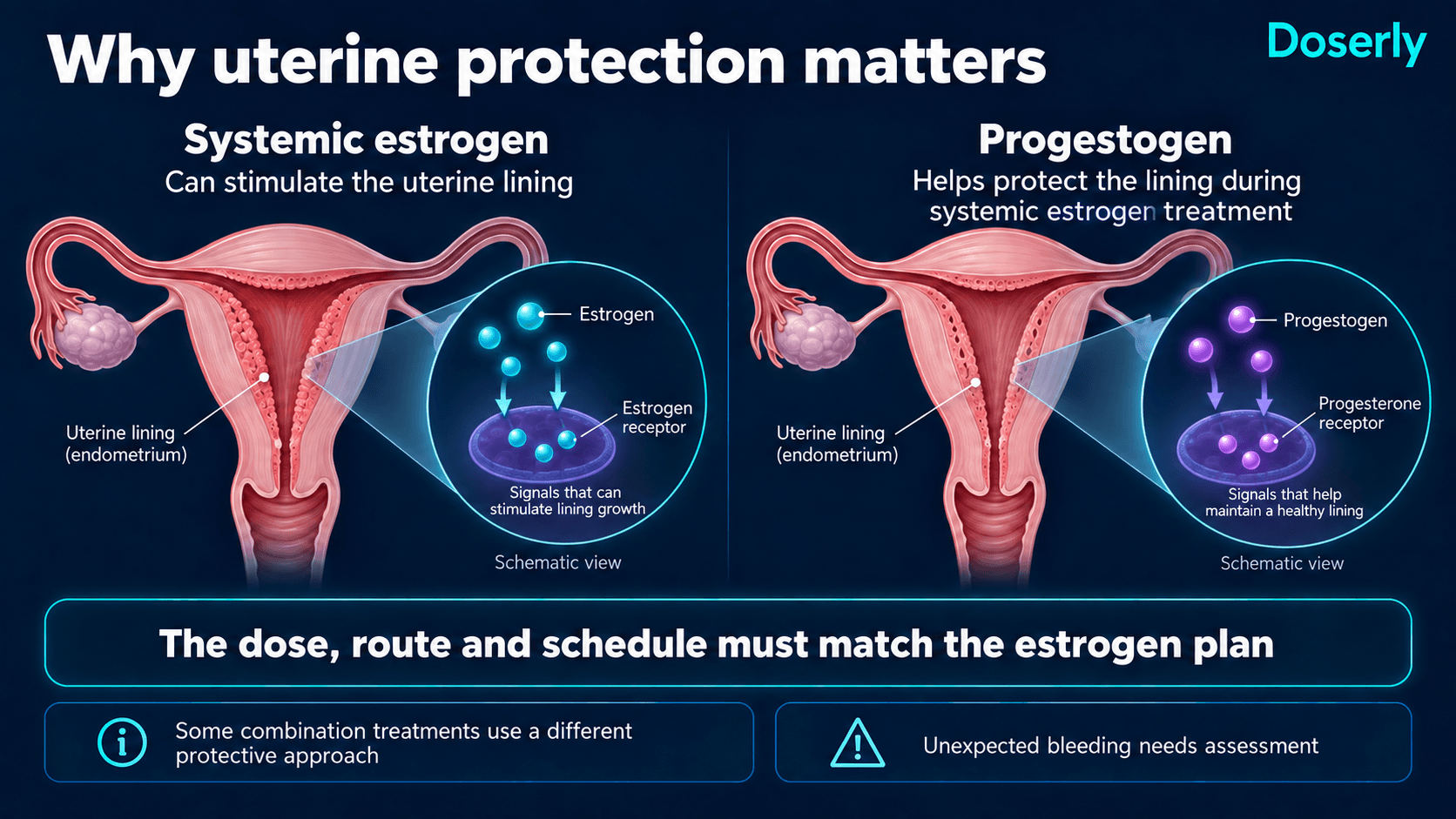
The illustration summarizes endometrial effects, not a dosing schedule or exact receptor structure. Progestogen dose, route and duration must provide protection for the estrogen regimen. Unexpected bleeding requires clinical assessment.
NICE menopause recommendations.
Pharmacokinetics / Hormone Physiology
The Basics
When you swallow a micronized progesterone capsule, your body absorbs it through the digestive system, and it travels first to the liver before entering the general circulation. This "first-pass" through the liver is actually important for micronized progesterone because it is where a significant portion gets converted into allopregnanolone, the metabolite responsible for the sleep and calming benefits [8].
Peak blood levels typically occur within about 1 to 3 hours after taking the capsule. The effects then taper off relatively quickly; progesterone has a short effective window compared to many other hormones. This is why it is taken once daily and why consistent timing matters [1].
An important practical detail: taking micronized progesterone with food dramatically increases absorption (by 3 to 6 times for peak levels). However, the original clinical trials were conducted under fasting conditions, which is what the FDA-approved dosing is based on. If you eat shortly before or after taking it, you may experience stronger effects (including more drowsiness), so consistency in how you take it matters [1].
Some people use the oral capsules vaginally, which is an off-label practice that providers sometimes recommend. When used vaginally, progesterone reaches higher concentrations in the uterus (because of the "uterine first-pass effect") while producing lower blood levels and less of the allopregnanolone metabolite. This can mean better endometrial protection with fewer systemic side effects like drowsiness and mood changes [8].
The Science
Absorption: After oral administration of micronized progesterone as a soft-gelatin capsule, maximum serum concentrations are attained within 1.5 to 3 hours. Pharmacokinetic parameters from multiple-dose studies in postmenopausal women show dose-proportional increases [1]:
Parameter
Cmax (ng/mL)
- 100 mg QD
- 17.3 +/- 21.9
- 200 mg QD
- 38.1 +/- 37.8
- 300 mg QD
- 60.6 +/- 72.5
Parameter
Tmax (hr)
- 100 mg QD
- 1.5 +/- 0.8
- 200 mg QD
- 2.3 +/- 1.4
- 300 mg QD
- 1.7 +/- 0.6
Parameter
AUC(0-10) (ng x hr/mL)
- 100 mg QD
- 43.3 +/- 30.8
- 200 mg QD
- 101.2 +/- 66.0
- 300 mg QD
- 175.7 +/- 170.3
Note the substantial interindividual variability (high standard deviations), which partly explains why individual responses to the same dose can vary widely.
Co-administration with food increases Cmax by 3.7-fold to 6.5-fold and AUC by 1.3-fold to 2.4-fold [1]. This food effect has clinical implications for dosing consistency.
Distribution: Progesterone is approximately 96-99% bound to serum proteins, primarily to serum albumin (50-54%) and transcortin (corticosteroid-binding globulin, 43-48%) [1].
Metabolism: Progesterone undergoes extensive first-pass hepatic metabolism (oral bioavailability approximately 15-20%). The principal metabolic pathways involve reduction by 5-alpha-reductase and 3-alpha-hydroxysteroid dehydrogenase to form the neuroactive metabolites 5-alpha-pregnanolone (allopregnanolone) and 5-beta-pregnanolone. Pregnanediols and pregnanolones are subsequently conjugated to glucuronide and sulfate metabolites [1][2]. CYP3A4 plays a role in progesterone metabolism, making it susceptible to interactions with CYP3A4 inhibitors and inducers [1].
Elimination: Progesterone metabolites are eliminated primarily by renal excretion (50-60% of the dose). Biliary excretion also occurs, with potential for enterohepatic recirculation of deconjugated metabolites [1].
Vaginal Route (Off-Label for HRT): Vaginal administration achieves the "uterine first-pass effect," with progesterone concentrations in the endometrium approximately 10-fold higher than with equivalent oral doses, despite lower serum concentrations. This route produces substantially less allopregnanolone, reducing the sedative and mood-altering side effects of oral administration while providing effective endometrial protection [8].
Understanding how your body absorbs and metabolizes hormones is one thing. Tracking your actual protocol — doses, timing, and route — gives you the data to have more productive conversations with your prescriber. Doserly lets you log every dose with route-specific detail, building a clear record of your hormone protocol over time.
Whether you're on patches, gels, oral tablets, or a combination, the app tracks your schedule and flags when doses are due. When your provider asks how your protocol has been going, you'll have a precise answer instead of a best guess.
Research & Clinical Evidence
The Basics
The story of progesterone in hormone therapy is inseparable from the story of the Women's Health Initiative (WHI) and its aftermath. The WHI, which published its landmark findings in 2002, used medroxyprogesterone acetate (MPA), a synthetic progestin, not micronized progesterone. This distinction matters enormously because subsequent research has consistently shown that micronized progesterone and synthetic progestins behave differently across several key outcomes [9][3].
The most significant body of evidence distinguishing micronized progesterone from synthetic progestins comes from the French E3N cohort study, which followed over 80,000 postmenopausal women. This study found that women using estrogen combined with micronized progesterone had no statistically significant increase in breast cancer risk, while those using estrogen combined with synthetic progestins had a 69% increased risk [3]. This finding has been replicated in subsequent analyses and is now widely cited in clinical guidelines.
For its primary approved use, endometrial protection, micronized progesterone has strong evidence. The PEPI trial (Postmenopausal Estrogen/Progestin Interventions) demonstrated that 200 mg of micronized progesterone given cyclically for 12 days per month was effective at preventing endometrial hyperplasia in women taking conjugated estrogens [10].
Regarding sleep and mood, a randomized controlled trial from the University of British Columbia found that 300 mg of oral micronized progesterone at bedtime improved perceived night sweats and sleep quality in perimenopausal women, though the primary vasomotor symptom endpoint did not reach statistical significance [11].
The Science
Endometrial Protection (PEPI Trial):
The Postmenopausal Estrogen/Progestin Interventions trial (n=875, 3 years) compared five regimens including conjugated equine estrogen (CEE) 0.625 mg alone, CEE + MPA (cyclic and continuous), CEE + micronized progesterone 200 mg cyclically (12 days/month), and placebo. CEE alone produced a 62% rate of simple hyperplasia at 36 months. All progestogen-containing regimens effectively prevented hyperplasia, with micronized progesterone showing comparable endometrial protection to MPA while demonstrating more favorable lipid effects (preserving the HDL increase from estrogen, which MPA partially attenuated) [10].
Breast Cancer Risk (E3N Cohort):
The E3N prospective cohort (n=80,377 postmenopausal women, median follow-up 8.1 years) reported markedly different breast cancer risks by progestogen type. Estrogen combined with micronized progesterone: RR 1.00 (95% CI: 0.83-1.22). Estrogen combined with other synthetic progestins: RR 1.69 (95% CI: 1.50-1.91). The heterogeneity between progesterone and synthetic progestins was statistically significant (p < 0.001) [3].
Clinical context — Breast cancer risk with long-term MP use (>5 years).
A 2016 systematic review and meta-analysis confirmed the differential risk, reporting a pooled relative risk of 0.67 (95% CI: 0.55-0.81) for progesterone versus synthetic progestins in combination with estrogen [4]. An international expert panel concluded that estrogens combined with oral micronized progesterone do not increase breast cancer risk for up to 5 years, with limited evidence regarding longer durations [12].
Primate data supports these findings: a randomized crossover trial in postmenopausal monkeys found that estradiol plus MPA significantly increased breast epithelial proliferation (Ki67), while estradiol plus micronized progesterone did not [13].
Cardiovascular and Metabolic Effects:
Multiple reviews and observational studies have reported a more favorable cardiovascular and metabolic profile for micronized progesterone compared to synthetic progestins [5][3]. Key findings include:
- Neutral effect on blood pressure (antimineralocorticoid activity) [5]
- No significant increase in VTE risk (unlike some synthetic progestins, particularly MPA) [7]
- Preservation of the favorable HDL cholesterol increase from estrogen therapy (PEPI trial) [10]
- Neutral effect on insulin sensitivity and glucose metabolism [5]
Vasomotor Symptoms (Prior et al., 2023):
A Phase III randomized placebo-controlled trial (n=189 perimenopausal women) tested 300 mg oral micronized progesterone at bedtime versus placebo over 3 months. The primary outcome (VMS Score) did not reach statistical significance, but participants perceived significant decreases in night sweats (P=0.023) and improved sleep quality (P=0.005). The trial was underpowered for its primary endpoint [11].
Neurosteroid Effects:
Oral micronized progesterone produces allopregnanolone, a potent GABA-A receptor positive allosteric modulator. Clinical studies have demonstrated anxiolytic effects, improved sleep quality, and improved working memory in peri- and postmenopausal women [2][8]. These neurosteroid benefits are specific to oral (and to a lesser extent rectal) administration; vaginal progesterone produces substantially less allopregnanolone.
Benefits & Therapeutic Effects
The Basics
The primary and most important benefit of micronized progesterone in HRT is protecting the uterine lining. If you have an intact uterus and take estrogen, you need a progestogen. Micronized progesterone fills this role while potentially carrying fewer risks than synthetic alternatives [3][10].
Beyond endometrial protection, oral micronized progesterone can cause sedation through metabolites such as allopregnanolone, which interact with GABA-A receptor signaling. This is clinically relevant for bedtime dosing, next-day grogginess, and fall-risk counseling [8].
For some, micronized progesterone also improves mood stability, reduces anxiety (particularly nighttime rumination), and helps regulate menstrual cycles during the perimenopausal transition. It may contribute modestly to vasomotor symptom relief, particularly night sweats, though estrogen remains the primary treatment for hot flashes [11].
The potential breast cancer safety advantage is among the most discussed benefits. While this remains an area of active research, the available observational evidence consistently shows that micronized progesterone, when combined with estrogen for up to 5 years, does not appear to carry the same breast cancer risk increase as synthetic progestins [3][4]. This has led many clinical guidelines to recommend it as the preferred progestogen for menopausal HRT when possible [6][7].
The Science
Endometrial Protection: Micronized progesterone at 200 mg/day for 12-14 days per cycle provides effective opposition to estrogen-stimulated endometrial proliferation. In the PEPI trial, the rate of endometrial hyperplasia was comparable between micronized progesterone and MPA regimens, confirming adequate endometrial protection [10]. The mechanism involves PR-B-mediated downregulation of endometrial estrogen receptors, induction of 17-beta-hydroxysteroid dehydrogenase, and stromal decidualization [2].
Favorable Lipid Profile: Unlike MPA, which partially attenuates the estrogen-mediated increase in HDL cholesterol, micronized progesterone preserves this beneficial lipid effect. In the PEPI trial, the CEE + micronized progesterone group maintained the most favorable lipid profile among all progestogen-containing arms [10].
Neurosteroid Benefits: Oral micronized progesterone produces allopregnanolone, which at physiological concentrations enhances GABA-A receptor function, producing anxiolysis, improved sleep architecture, and potential neuroprotective effects. A review of clinical evidence noted improved working memory, decreased anxiety, and improved sleep quality in peri- and postmenopausal women receiving oral MP [2][8].
Blood Pressure Neutrality: Progesterone competes with aldosterone at the mineralocorticoid receptor, producing mild natriuretic effects. This antimineralocorticoid activity explains the neutral-to-favorable effect on blood pressure observed in clinical studies, in contrast to some synthetic progestins [5][3].
Risks, Side Effects & Safety
The Basics
Like all hormonal medications, micronized progesterone carries both common side effects and more serious risks that you should understand before starting treatment.
Common side effects include drowsiness (this is the most frequently reported, and it is why the medication is taken at bedtime), dizziness, headache, breast tenderness, bloating, and mood changes. Most of these are transient and often improve within the first 2-3 months of use [1].
Mood effects deserve special attention. While most people tolerate micronized progesterone well, depression, irritability, or anxiety can occur and are listed among clinically relevant adverse effects [1]. If you notice a marked mood change, especially hopelessness or suicidal thoughts, contact your healthcare provider promptly. Dose reduction, route change, or switching to another endometrial-protection strategy may be appropriate under clinician supervision.
Regarding serious risks, it is critical to understand the distinction between data from the WHI (which used MPA, a synthetic progestin) and the available data on micronized progesterone specifically:
The FDA label for Prometrium carries warnings based on the WHI class data for all estrogen-plus-progestin therapies, including increased risks of stroke, DVT, and breast cancer. However, the WHI studied conjugated equine estrogen (CEE) combined with MPA, not micronized progesterone. Observational studies suggest that micronized progesterone may not carry the same magnitude of risk for several of these endpoints [3][5][7].
Breast cancer: The E3N cohort found no significant increase in breast cancer risk with estrogen plus micronized progesterone for up to the median follow-up period of 8.1 years (RR 1.00, 95% CI: 0.83-1.22), compared to a RR of 1.69 (95% CI: 1.50-1.91) for estrogen plus synthetic progestins [3]. An international expert panel concluded that estrogens combined with oral micronized progesterone do not increase breast cancer risk for up to 5 years, though evidence for longer durations is more limited [12]. It is important to understand these are observational findings, not randomized controlled trial data, and all combined HRT counseling should include discussion of breast cancer risk regardless of progestogen type.
VTE (blood clots): The risk of venous thromboembolism with HRT is primarily associated with oral estrogen and its first-pass hepatic effects on clotting factors. Observational data suggest that micronized progesterone does not add substantial additional VTE risk beyond the estrogen component, unlike MPA [7]. Transdermal estrogen combined with micronized progesterone appears to carry the lowest thrombotic risk of available combined HRT regimens.
Cardiovascular: No randomized trial has specifically evaluated cardiovascular outcomes with micronized progesterone in a menopausal population. The neutral-to-favorable cardiovascular signals observed come from observational studies and surrogate marker data (lipid profiles, blood pressure, inflammatory markers) [5][10].
The Science
Common adverse reactions from clinical trials (PROMETRIUM 200 mg + CEE 0.625 mg, n=178) [1]:
Adverse Reaction
Headache
- Incidence
- 31%
Adverse Reaction
Breast tenderness
- Incidence
- 27%
Adverse Reaction
Joint pain
- Incidence
- 20%
Adverse Reaction
Depression
- Incidence
- 19%
Adverse Reaction
Dizziness
- Incidence
- 15%
Adverse Reaction
Abdominal bloating
- Incidence
- 12%
Adverse Reaction
Nausea/vomiting
- Incidence
- 8%
Breast Cancer Risk Stratification:
Regimen
CEE + MPA (WHI)
- Study
- WHI E+P arm [9]
- Risk Estimate
- HR 1.26 (95% CI: 1.00-1.59)
- Absolute Context
- 8 additional cases per 10,000 women/year
Regimen
Estrogen + micronized progesterone
- Study
- E3N cohort [3]
- Risk Estimate
- RR 1.00 (95% CI: 0.83-1.22)
- Absolute Context
- No significant increase observed
Regimen
Estrogen + synthetic progestins
- Study
- E3N cohort [3]
- Risk Estimate
- RR 1.69 (95% CI: 1.50-1.91)
- Absolute Context
- Significant increase
Regimen
Estrogen alone (WHI)
- Study
- WHI E-alone arm [9]
- Risk Estimate
- HR 0.77 (95% CI: 0.59-1.01)
- Absolute Context
- Non-significant reduction
Clinical context — VTE risk with micronized progesterone.
Contraindications [1]:
- Undiagnosed abnormal genital bleeding
- Known, suspected, or history of breast cancer
- Known or suspected estrogen- or progesterone-dependent neoplasia
- Active or history of DVT, PE
- Active or history of arterial thromboembolic disease (stroke, MI)
- Known liver dysfunction or disease
- Known or suspected pregnancy
- Peanut allergy (Prometrium contains peanut oil)
Risk modifiers to discuss with your prescriber:
- Smoking significantly amplifies cardiovascular and VTE risks with HRT
- Obesity increases VTE risk independently
- Family history of breast cancer or BRCA carrier status
- History of migraines with aura (transdermal estrogen preferred if HRT used)
- Prior VTE or known thrombophilia (transdermal estrogen preferred; MP may be safer than MPA)
Being informed about potential risks is important. Being able to track and document any side effects you actually experience is what turns awareness into safety. Doserly lets you log side effects as they happen, with timestamps and severity ratings, so nothing falls through the cracks between appointments.
If you're experiencing breakthrough bleeding, headaches, breast tenderness, or any other change, having a documented timeline helps your provider distinguish between expected adjustment effects and signals that warrant a protocol change. The app also checks for interactions between your HRT and any other medications or supplements you're taking.
Dosing & Treatment Protocols
The Basics
Micronized progesterone dosing depends on how it is being used and the overall HRT regimen your provider selects. The most common scenarios are:
Sequential/cyclic regimen: 200 mg per day at bedtime for 12 to 14 days per month (or per 28-day cycle), combined with daily estrogen. This approach typically produces a predictable withdrawal bleed at the end of each progesterone phase, similar to a menstrual period. It is often preferred in perimenopause or early postmenopause [1][10].
Continuous combined regimen: 100 mg per day at bedtime, taken every day alongside daily estrogen. This approach aims to avoid monthly bleeding and is typically used in women who are at least 12 months past their last menstrual period [6].
Progesterone-only (off-label for VMS): 300 mg per day at bedtime has been studied for perimenopausal vasomotor symptoms, though this is not an FDA-approved indication [11].
Key practical points:
- Always take at bedtime due to the sedative effect
- Consistency matters: take it at roughly the same time each evening
- The FDA-approved dosing was established under fasting conditions. Taking it with food significantly increases absorption. If you choose to take it with food, maintain that pattern consistently so your effective dose remains stable [1]
- The minimum effective dose principle applies: your provider should prescribe the lowest dose that achieves the therapeutic goals
Clinical context — Optimal continuous combined dose.
The Science
FDA-approved dosing [1]:
- Endometrial hyperplasia prevention: 200 mg/day orally at bedtime, 12 sequential days per 28-day cycle, with conjugated estrogens
- Secondary amenorrhea: 400 mg/day orally at bedtime for 10 days
Guideline-supported regimens:
Regimen
Sequential cyclic
- Dose
- 200 mg/day
- Schedule
- 12-14 days per cycle
- Evidence Base
- PEPI trial; FDA-approved for endometrial protection [10]
Regimen
Continuous combined
- Dose
- 100 mg/day
- Schedule
- Daily
Regimen
Vaginal (off-label)
- Dose
- 100-200 mg/day
- Schedule
- Daily or 12-14 days per cycle
- Evidence Base
- Clinical practice; higher endometrial concentration [8]
Regimen
Perimenopausal VMS (off-label)
- Dose
- 300 mg/day
- Schedule
- Daily at bedtime
- Evidence Base
- Phase III RCT [11]
Dose titration considerations:
- Starting dose is typically determined by the regimen type (100 mg continuous or 200 mg sequential)
- Dose adjustment is based on tolerability and bleeding patterns
- If mood-related side effects occur at 200 mg, discuss dose reduction, route change, or a different progestogen strategy with the prescriber [1][8]
- Endometrial adequacy of lower doses should be monitored with ultrasound if dose is reduced below guideline recommendations
Getting the dosing right often takes time and fine-tuning with your provider. Keeping an accurate record of what you're actually taking — doses, timing, and any adjustments — makes that process smoother. Doserly tracks your HRT doses alongside everything else in your health stack, so your full protocol is always in one place.
Never wonder whether you took your morning dose or when you last changed your patch. The app logs every dose with a timestamp and sends reminders when your next one is due, helping you maintain the consistency that makes hormone therapy most effective.
What to Expect (Timeline)
Days 1-7: The most noticeable effect is typically drowsiness after taking the capsule. Drowsiness can occur from the first dose. Some experience next-day grogginess, bloating, breast tenderness, or mild headache. If severe mood changes develop, contact your provider promptly rather than waiting it out [1].
Weeks 2-4: Sleep benefits often become more consistent. Initial side effects like breast tenderness and bloating may begin to settle. If you are taking progesterone cyclically, you may experience a withdrawal bleed at the end of the progesterone phase. Some breakthrough bleeding or spotting is common in the first 1-3 cycles.
Months 1-3: Side effects typically diminish significantly. Sleep quality improvement is usually well established. If on a continuous combined regimen, irregular spotting should begin to decrease.
Months 3-6: Full adjustment to the medication. If mood side effects have not resolved by this point, they are unlikely to resolve spontaneously and may require a dosing or route change. Endometrial protective effects are established. The broader benefits of the combined HRT regimen (estrogen + progesterone) should be apparent, including improvement in vasomotor symptoms, mood stability, and energy levels.
Ongoing maintenance: Annual review with your provider is recommended. Topics to address include symptom adequacy, side effects, bleeding patterns, mammography schedule, and whether to continue, adjust, or taper therapy. The duration of use should be individualized based on ongoing benefit-risk assessment.
Timing Hypothesis & Window of Opportunity
The timing hypothesis primarily relates to estrogen therapy and cardiovascular outcomes: HRT initiated within 10 years of menopause onset or before age 60 appears to have a more favorable cardiovascular risk-benefit profile than late initiation [15][16]. Supporting evidence comes from the WHI age-subgroup analyses, the KEEPS trial (Kronos Early Estrogen Prevention Study), the ELITE trial (Early vs Late Intervention Trial with Estradiol), and the Danish Osteoporosis Prevention Study [16].
For micronized progesterone specifically, the timing hypothesis is less directly studied, as progesterone is typically initiated alongside estrogen. However, the type of progestogen may interact with timing: the Menopause Society's 2022 position statement notes that breast cancer risk with combined HRT may be lower with micronized progesterone used intermittently and when HRT is started early [6].
The cardiovascular neutrality data for micronized progesterone (preservation of HDL effects, no VTE signal, neutral blood pressure) may be particularly relevant in the early initiation window, where the favorable cardiovascular effects of transdermal estrogen plus micronized progesterone may be most pronounced [7].
This remains an area of evolving evidence. No randomized trial has been specifically designed and powered to test the timing hypothesis for micronized progesterone alone.
Interactions & Compatibility
Drug-Drug Interactions:
- CYP3A4 inhibitors (ketoconazole, itraconazole, erythromycin, clarithromycin, grapefruit juice): May increase progesterone bioavailability and blood levels, potentially intensifying side effects [1]
- CYP3A4 inducers (rifampin, carbamazepine, phenytoin, phenobarbital, St. John's Wort): May decrease progesterone levels, potentially reducing its endometrial protective efficacy [1]
- Thyroid medications (levothyroxine): Estrogen in the HRT regimen increases thyroid-binding globulin (TBG), potentially requiring levothyroxine dose adjustment. Progesterone itself has minimal thyroid interaction
- Anticoagulants (warfarin): Progesterone may affect coagulation tests including prothrombin time. Monitoring recommended when initiating or changing progesterone therapy [1]
- Lamotrigine: Estrogen in the HRT regimen can reduce lamotrigine levels significantly. Progesterone itself has minimal lamotrigine interaction, but the combined regimen warrants monitoring
- SSRIs/SNRIs: No significant pharmacokinetic interaction with micronized progesterone. Both may affect mood, so monitoring is prudent
- Diabetes medications: Progesterone may cause a modest decrease in glucose tolerance in some patients [1]. Monitoring recommended
Supplement Interactions:
- St. John's Wort: CYP3A4 inducer; may reduce progesterone efficacy. Avoid concurrent use or monitor closely
- Vitamin D and Calcium: No interaction; recommended as part of comprehensive bone health strategy during HRT
- Black cohosh: No known interaction with progesterone. Sometimes used alongside HRT for residual vasomotor symptoms
- Phytoestrogen supplements (soy isoflavones, red clover): Weak estrogenic activity; unlikely to interact meaningfully with progesterone
Lifestyle Factors:
- Smoking: Significantly amplifies cardiovascular and VTE risks with HRT overall. Cessation counseling is critical for HRT users
- Alcohol: Moderate alcohol consumption may affect hepatic progesterone metabolism. The combination may enhance sedative effects
- Food: As noted in the pharmacokinetics section, co-administration with food increases progesterone absorption by 3-6 fold [1]. Consistency in taking with or without food is important
Related Doserly Guides:
- Medroxyprogesterone Acetate (MPA / Provera) — the synthetic progestin most commonly compared to micronized progesterone
- 17B-Estradiol (Bioidentical) — the most common estrogen partner in HRT regimens with micronized progesterone
- Conjugated Equine Estrogens (Premarin) — the estrogen used in the FDA-approved Prometrium indication
- Drospirenone — another progestogen with antimineralocorticoid activity
- Dydrogesterone (Duphaston) — another progestogen with a favorable breast cancer signal in E3N
- Levonorgestrel (Mirena IUD) — IUD-based endometrial protection alternative
Decision-Making Framework
Starting HRT, including the choice of progestogen, should be a shared decision between you and your healthcare provider based on your individual circumstances, risk factors, and treatment goals.
Candidate assessment factors for micronized progesterone:
- Intact uterus requiring endometrial protection during estrogen therapy
- Sleep difficulties or nighttime anxiety (may benefit from allopregnanolone effects)
- Concern about breast cancer risk profile with combined HRT
- History of side effects with synthetic progestins (MPA, norethindrone)
- Desire for a bioidentical hormone regimen
Factors that may favor alternatives:
- Peanut allergy (Prometrium contains peanut oil; Utrogestan contains soya lecithin)
- History of progesterone intolerance or significant mood deterioration on progesterone
- Need for contraception alongside HRT (levonorgestrel IUD may serve dual purpose)
- Preference for IUD-based endometrial protection
Questions to discuss with your provider:
- "Given my risk profile, what type of progestogen do you recommend and why?"
- "Should I take progesterone cyclically or continuously?"
- "If I experience mood side effects, what alternatives are available?"
- "Is vaginal administration an option if I don't tolerate oral progesterone?"
- "How will we monitor whether my endometrium is adequately protected?"
Finding a menopause specialist:
- Menopause Society Certified Menopause Practitioners: menopause.org
- ISSWSH (International Society for the Study of Women's Sexual Health): isswsh.org
- British Menopause Society: thebms.org.uk
Administration & Practical Guide
Oral capsules (standard):
- Swallow whole with water at bedtime
- Take as a single daily dose, not split throughout the day
- Bedtime administration is specifically recommended to minimize the sedative/dizziness effects of allopregnanolone
- Be consistent about taking with or without food; the food effect on absorption is substantial
- If you miss a dose, take it when you remember unless it is almost time for the next dose. Do not double up
- Store at room temperature (25 degrees C/77 degrees F)
Vaginal insertion of oral capsules (off-label):
- Some prescribers recommend inserting the oral capsules vaginally
- This achieves higher endometrial progesterone concentrations with lower systemic levels
- Produces less allopregnanolone, meaning less sedation and fewer mood effects, but also less sleep benefit
- Insert at bedtime, lie down afterward
- Some mild vaginal discharge of the capsule shell residue is normal
- This approach is widely used in clinical practice though technically off-label for this indication
For both routes:
- Do not use if allergic to peanuts (Prometrium) or soy (Utrogestan)
- If switching between oral and vaginal use, discuss with your provider as the effective dose may differ
- Never adjust your dose without medical guidance
Monitoring & Lab Work
Pre-HRT baseline (before starting progesterone as part of an HRT regimen):
- Hormone levels (FSH, estradiol) if diagnosis of menopausal status is uncertain
- Mammogram (per age-appropriate guidelines)
- Pelvic ultrasound (endometrial thickness assessment; baseline before starting HRT)
- Lipid panel
- Liver function tests (particularly relevant for oral progesterone)
- Blood pressure
- DEXA scan if osteoporosis risk factors are present
- Thyroid function
Initial follow-up (4-12 weeks):
- Symptom assessment (side effects, bleeding pattern, sleep, mood)
- Blood pressure check
- No routine hormone level monitoring needed once on a stable regimen; progesterone serum levels do not reliably correlate with clinical effect due to rapid metabolism and high interindividual variability [1]
Ongoing monitoring:
- Mammography: per national guidelines (typically annually starting at age 40-50, depending on country and risk factors)
- Endometrial assessment: transvaginal ultrasound if any unexpected bleeding occurs on a stable HRT regimen. Routine ultrasound monitoring is not required if bleeding patterns are as expected
- Lipid panel: annually or per cardiovascular risk profile
- Liver function: periodic assessment for oral HRT users
- DEXA scan: baseline and follow-up per osteoporosis risk
- Blood pressure: at each visit
Annual review checklist:
- Are symptoms adequately controlled?
- Are there any new side effects or changes?
- Is the bleeding pattern acceptable (if on sequential regimen)?
- Has anything changed in your medical history or risk profile?
- Should we continue at the current dose, adjust, or consider tapering?
- Mammography up to date?
- Any new medications or supplements that might interact?
Complementary Approaches & Lifestyle
Evidence-based complementary strategies that may support your HRT regimen:
Supplements:
- Vitamin D: 1000-2000 IU daily; important for bone health and may support mood. Many menopausal women are deficient
- Calcium: 1000-1200 mg daily from food and supplements combined; foundational for bone density alongside HRT
- Magnesium: 200-400 mg daily; may support sleep quality and reduce muscle cramps. Glycinate or citrate forms preferred
- Omega-3 fatty acids: Anti-inflammatory properties; may support cardiovascular and cognitive health
Exercise:
- Weight-bearing exercise (walking, jogging, dancing) for bone health
- Resistance training for lean muscle mass preservation and metabolic health
- Cardiovascular exercise for heart health
- Balance training for fall prevention (particularly important for bone fracture risk reduction)
Diet:
- Mediterranean diet pattern: associated with improved menopausal symptoms and cardiovascular health
- Phytoestrogen-rich foods (soy, flaxseed): modest estrogenic activity that may complement HRT
- Calcium-rich foods (dairy, fortified foods, leafy greens)
- Limit alcohol and caffeine (both may worsen vasomotor symptoms and disrupt sleep)
Sleep hygiene (complementing progesterone's sleep benefits):
- Cool bedroom temperature (important for managing night sweats)
- Consistent sleep schedule
- Limit screen time before bed
- CBT-I (Cognitive Behavioral Therapy for Insomnia) for persistent sleep difficulties
Pelvic floor therapy: For urinary symptoms and GSM, in conjunction with vaginal estrogen
Related supplement guides:
Stopping HRT / Discontinuation
When to consider stopping:
- Symptom reassessment is recommended at least annually. Many women review their HRT regimen every 2-5 years, though there is no mandatory stopping point
- The Menopause Society's position is that age alone should not dictate discontinuation [6]
- Changing risk factors (new cancer diagnosis, VTE event, significant cardiovascular event) may necessitate reassessment
Tapering strategies:
- Gradual dose reduction over weeks to months is generally preferred over abrupt cessation
- For sequential progesterone, reducing to continuous combined (lower dose) before stopping is one approach
- For continuous combined, reducing the progesterone dose first while maintaining estrogen may allow identification of which hormone is contributing to which benefits
- Some providers recommend transitioning to lower-dose or vaginal-only estrogen before fully discontinuing
Symptom recurrence:
- Approximately 50% of women experience some return of vasomotor symptoms after stopping HRT
- The severity of recurrent symptoms is typically similar to pre-treatment levels, not worse
- Symptom recurrence is more likely in women who had severe symptoms before starting HRT and in those who stop abruptly
Vaginal estrogen after stopping systemic HRT:
- Vaginal estrogen for persistent GSM symptoms may continue even when systemic HRT is stopped
- This is a separate clinical decision and generally considered safe for most women
Monitoring during discontinuation:
- Symptom diary to track any recurrence
- Bone density follow-up (especially if bone protection was an indication)
- Cardiovascular risk reassessment
Special Populations & Situations
Breast Cancer Survivors
Systemic HRT (including micronized progesterone) is generally contraindicated in women with a history of breast cancer, particularly hormone receptor-positive disease. Some oncologists may consider vaginal estrogen for severe GSM in breast cancer survivors, but systemic progesterone is typically avoided. Non-hormonal alternatives (fezolinetant, SSRIs/SNRIs, gabapentin) should be considered for vasomotor symptoms [6].
Premature Ovarian Insufficiency (POI)
Women with POI should receive HRT until at least the typical age of natural menopause (approximately 51 years). Micronized progesterone is commonly used as the progestogen component. HRT in POI is replacement therapy, not supplemental, and is critical for cardiovascular and bone protection [6].
Surgical Menopause / Oophorectomy
After bilateral oophorectomy, estrogen-only therapy is typically used since there is no uterus-related indication for progesterone (assuming concurrent hysterectomy). If only oophorectomy was performed and the uterus is intact, progesterone remains necessary. Higher initial doses of estrogen may be needed due to the abrupt hormone loss.
Cardiovascular Disease History
Route of estrogen (transdermal preferred) is more relevant than progestogen type for cardiovascular risk. Micronized progesterone's neutral-to-favorable cardiovascular profile makes it the preferred progestogen if combined therapy is needed [7].
Type 2 Diabetes
Micronized progesterone has a neutral metabolic profile and does not adversely affect insulin sensitivity, unlike some synthetic progestins. The antimineralocorticoid activity may also be beneficial [5].
Migraine with Aura
Stable hormone delivery (continuous rather than cyclic regimen) may reduce migraine frequency. Transdermal estrogen is preferred. Micronized progesterone's effect on migraines is variable; some report improvement, others worsening.
History of VTE
Transdermal estrogen is strongly preferred (avoids first-pass hepatic clotting factor induction). Micronized progesterone is generally preferred over MPA based on observational data suggesting a more favorable thrombotic profile [7].
BRCA Carriers (Without Breast Cancer)
Women with BRCA mutations who undergo risk-reducing salpingo-oophorectomy may use HRT until the age of natural menopause. The choice of progestogen (if uterus intact) should be discussed with a genetic counselor and oncologist.
Regulatory, Insurance & International
United States (FDA):
- Prometrium: FDA-approved (NDA 019781, 1998). 100 mg and 200 mg capsules
- Generic micronized progesterone: available and widely prescribed
- Carries class-wide black box warning for estrogen-plus-progestin therapies (based on WHI data with MPA)
- Insurance coverage: generally covered by most commercial plans and Medicare Part D; generic versions are cost-effective
- Note: compounded progesterone preparations are also available but lack FDA oversight, batch-to-batch consistency testing, and clinical efficacy data. The Endocrine Society and ACOG recommend FDA-approved formulations over compounded when available [6]
United Kingdom (MHRA):
- Utrogestan: licensed for HRT use. Available as 100 mg capsules
- NHS: Available on prescription. Covered under the HRT prepayment certificate (currently capped at approximately 19 GBP per year for all HRT prescriptions)
- NICE guideline NG23 supports the use of micronized progesterone in HRT
Canada (Health Canada):
- Prometrium and generics: approved and available
- Provincial coverage varies
Australia (TGA):
- Prometrium/Utrogestan: registered on the ARTG
- Available on the PBS (Pharmaceutical Benefits Scheme)
European Union (EMA):
- Utrogestan and equivalents available across EU member states
- Prescribing patterns vary by country
Frequently Asked Questions
Q: Is micronized progesterone the same as the progestin used in the WHI study?
A: No. The WHI used medroxyprogesterone acetate (MPA), a synthetic progestin with a different chemical structure and biological activity profile. Micronized progesterone is molecularly identical to the progesterone your body produces naturally. Research suggests they have different risk profiles across several outcomes, particularly breast cancer [3][9].
Q: Do I need to take progesterone if I've had a hysterectomy?
A: If you have had a complete hysterectomy (uterus removed), the primary medical indication for progesterone (endometrial protection) no longer applies. Most clinical guidelines recommend estrogen-only therapy after hysterectomy. Some individuals choose to take progesterone for its sleep or mood effects, but this should be discussed with a healthcare provider as it is not a standard recommendation [6].
Q: Why does micronized progesterone make me sleepy?
A: When taken orally, your liver converts a portion of progesterone into allopregnanolone, which acts on GABA-A receptors in the brain, the same receptor system targeted by anti-anxiety and sleep medications. This is why bedtime dosing is recommended and why many people experience improved sleep quality [8].
Q: Can I take the capsule vaginally instead of orally?
A: Many providers recommend vaginal insertion of the oral capsule as an off-label alternative. This route achieves higher progesterone concentrations in the uterus while producing lower systemic levels and less of the sedative metabolite allopregnanolone. It may be preferable for individuals who experience significant drowsiness or mood effects with oral administration [8].
Q: Will micronized progesterone cause weight gain?
A: Evidence on weight change is mixed. Progesterone has antimineralocorticoid activity (mild natural diuretic effect), which may actually reduce bloating. Clinical studies have not shown consistent weight gain with micronized progesterone. Individual responses vary [5].
Q: Is 100 mg or 200 mg the right dose for me?
A: Dosing depends on the regimen. For continuous combined therapy, 100 mg daily is the standard guideline-supported dose. For sequential/cyclic therapy, 200 mg for 12-14 days per cycle is the FDA-approved dose. Your provider will determine the appropriate regimen based on your specific situation.
Q: What if progesterone makes me depressed or anxious?
A: Mood-related adverse effects can occur even though many people tolerate micronized progesterone well. Options to discuss include reducing the dose, changing route, trying a different progestogen, or using a levonorgestrel IUD for endometrial protection instead. Do not discontinue without consulting your provider [1][8].
Q: Is Prometrium safe for people with a peanut allergy?
A: No. Prometrium capsules contain peanut oil and are contraindicated in peanut allergy. Utrogestan (available in the UK and some other markets) contains soya lecithin instead, which is suitable for peanut-allergic individuals but contraindicated in soy allergy. Some compounded formulations may avoid both allergens [1].
Q: How long can I take micronized progesterone?
A: Duration should be individualized. There is no mandatory stopping point based on time alone. An international expert panel found no increase in breast cancer risk with estrogen plus micronized progesterone for up to 5 years, with limited evidence for longer durations [12]. Annual reassessment of the risk-benefit balance is recommended.
Q: Is compounded progesterone the same as Prometrium?
A: Compounded progesterone contains the same molecule but is prepared by compounding pharmacies without the standardized manufacturing, quality testing, and FDA oversight that applies to Prometrium and other FDA-approved products. The Endocrine Society and ACOG recommend FDA-approved formulations unless a specific clinical need (true allergy to excipients, unavailable dose) requires compounding [6].
Myth vs. Fact
Myth: "Progesterone and progestins are the same thing."
Fact: Micronized progesterone is molecularly identical to the progesterone produced by the human ovary. Synthetic progestins (like MPA/Provera, norethindrone/Aygestin) have different chemical structures and different biological activity profiles. The E3N cohort study found that estrogen combined with micronized progesterone showed no significant increase in breast cancer risk (RR 1.00, 95% CI: 0.83-1.22), while estrogen combined with synthetic progestins showed a significant increase (RR 1.69, 95% CI: 1.50-1.91) [3].
Myth: "The WHI proved that progesterone causes breast cancer."
Fact: The WHI used medroxyprogesterone acetate (MPA), not micronized progesterone. The WHI estrogen-plus-MPA arm found an additional 8 cases of invasive breast cancer per 10,000 women per year. The estrogen-alone arm (no progestogen) actually showed a non-significant reduction in breast cancer. The type of progestogen matters [9][3].
Myth: "Bioidentical hormones are always safer than synthetic ones."
Fact: The term "bioidentical" means the molecule is identical to the one your body produces. For progesterone specifically, observational data does suggest a more favorable safety profile compared to some synthetic progestins. However, "bioidentical" does not automatically mean "risk-free." All combined HRT carries some level of risk, and individual risk assessment is essential [6].
Myth: "You should only take HRT for 5 years maximum."
Fact: The "5-year rule" is outdated and has been abandoned by major menopause societies. The Menopause Society advises that duration should be individualized based on ongoing benefit-risk assessment, not arbitrary time limits. Age alone should not dictate when to stop [6].
Myth: "Compounded progesterone is better because it's custom-made."
Fact: Compounded progesterone uses the same molecule, but compounding pharmacies are not held to the same manufacturing standards as FDA-approved manufacturers. Products may not contain the precise amount of hormone stated, which can mean inadequate endometrial protection (if too low) or excessive side effects (if too high). FDA-approved formulations should be used when available [6].
Myth: "Progesterone is only for women with a uterus."
Fact: The primary evidence-based indication for progesterone in HRT is endometrial protection in women with an intact uterus. Some individuals without a uterus choose to take progesterone for its sleep or anxiolytic effects, but this is not a guideline-supported recommendation. For women without a uterus, estrogen-only therapy may offer a more favorable risk profile [6].
Myth: "If progesterone makes you feel bad, it will always make you feel bad."
Fact: Many people experience significant side effects in the first few weeks that resolve with continued use. Clinical experience suggest that a 2-3 month adjustment period is common. Dose reduction, route change (oral to vaginal), or timing adjustments may also resolve issues without stopping the medication entirely.
Myth: "Natural progesterone cream from health food stores is equivalent to prescription progesterone."
Fact: Over-the-counter progesterone creams are classified as cosmetic products, not medications. They typically contain much lower and less controlled amounts of progesterone than prescription formulations. They have not been shown to provide reliable endometrial protection and should not be used as a substitute for prescription micronized progesterone in HRT [6].
Sources & References
Clinical Guidelines
[1] Prometrium (progesterone, USP) Prescribing Information. Acertis Pharmaceuticals, LLC. NDA 019781. FDA label updated 2024. Available at: https://dailymed.nlm.nih.gov/dailymed/drugInfo.cfm?setid=1cf237ff-c4f8-4faa-a7aa-77599c856889
[6] The Menopause Society. 2022 Hormone Therapy Position Statement. Available at: https://menopause.org
[7] Newson LR, Lass A. Effectiveness of transdermal oestradiol and natural micronised progesterone for menopausal symptoms. Br J Gen Pract. 2018;68(675):499-500. doi:10.3399/bjgp18X699353
Landmark Trials and Key Studies
[9] Rossouw JE, Anderson GL, Prentice RL, et al. Risks and benefits of estrogen plus progestin in healthy postmenopausal women: principal results From the Women's Health Initiative randomized controlled trial. JAMA. 2002;288(3):321-33. PubMed: 12117397. DOI: 10.1001/jama.288.3.321.
[10] Effects of estrogen or estrogen/progestin regimens on heart disease risk factors in postmenopausal women. The Postmenopausal Estrogen/Progestin Interventions (PEPI) Trial. The Writing Group for the PEPI Trial. JAMA. 1995;273(3):199-208. PubMed: 7807658.
[11] Prior JC, et al. Oral micronized progesterone for perimenopausal night sweats and hot flushes: a Phase III Canada-wide randomized placebo-controlled 4-month trial. Sci Rep. 2023;13(1):9082. doi:10.1038/s41598-023-35826-w
[15] Hodis HN, Mack WJ, Henderson VW, et al. Vascular Effects of Early versus Late Postmenopausal Treatment with Estradiol. N Engl J Med. 2016;374(13):1221-31. PubMed: 27028912. DOI: 10.1056/NEJMoa1505241.
[16] Schierbeck LL, Rejnmark L, Tofteng CL, et al. Effect of hormone replacement therapy on cardiovascular events in recently postmenopausal women: randomised trial. BMJ. 2012;345:e6409. PubMed: 23048011. DOI: 10.1136/bmj.e6409.
Systematic Reviews & Observational Studies
[3] Fournier A, Berrino F, Clavel-Chapelon F. Unequal risks for breast cancer associated with different hormone replacement therapies: results from the E3N cohort study. Breast Cancer Res Treat. 2008;107(1):103-11. PubMed: 17333341. DOI: 10.1007/s10549-007-9523-x.
[4] Asi N, Mohammed K, Haydour Q, et al. Progesterone vs. synthetic progestins and the risk of breast cancer: a systematic review and meta-analysis. Syst Rev. 2016;5(1):121. PubMed: 27456847. DOI: 10.1186/s13643-016-0294-5.
[12] Stute P, Wildt L, Neulen J. The impact of micronized progesterone on breast cancer risk: a systematic review. Climacteric. 2018;21(2):111-122. PubMed: 29384406. DOI: 10.1080/13697137.2017.1421925.
[13] Wood CE, Register TC, Lees CJ, et al. Effects of estradiol with micronized progesterone or medroxyprogesterone acetate on risk markers for breast cancer in postmenopausal monkeys. Breast Cancer Res Treat. 2007;101(2):125-34. PubMed: 16841178. DOI: 10.1007/s10549-006-9276-y.
Pharmacology & Review Articles
[2] Regidor PA. Progesterone in Peri- and Postmenopause: A Review. Geburtshilfe Frauenheilkd. 2014;74(11):995-1002. PubMed: 25484373. DOI: 10.1055/s-0034-1383297.
[5] Hipolito Rodrigues MA, Gompel A. Micronized progesterone, progestins, and menopause hormone therapy. Women Health. 2021;61(1):3-14. PubMed: 32957843. DOI: 10.1080/03630242.2020.1824956.
[8] Memi E, Pavli P, Papagianni M, et al. Diagnostic and therapeutic use of oral micronized progesterone in endocrinology. Rev Endocr Metab Disord. 2024;25(4):751-772. PubMed: 38652231. DOI: 10.1007/s11154-024-09882-0.
Additional Regulatory and Guideline Sources
[17] DailyMed: PROMETRIUM prescribing information. https://dailymed.nlm.nih.gov/dailymed/drugInfo.cfm?setid=1cf237ff-c4f8-4faa-a7aa-77599c856889. Accessed September 13, 2026.
[18] FDA menopausal hormone therapy drug-class information. https://www.fda.gov/drugs/information-drug-class/information-menopausal-hormone-therapy. Accessed September 13, 2026.
[19] FDA press announcement on menopausal hormone therapy boxed warning changes. https://www.fda.gov/news-events/press-announcements/fda-asks-companies-remove-black-box-warning-menopausal-hormone-therapy-products. Accessed September 13, 2026.
[20] ACOG Clinical Consensus: Compounded Bioidentical Menopausal Hormone Therapy. https://www.acog.org/clinical/clinical-guidance/clinical-consensus/articles/2023/11/compounded-bioidentical-menopausal-hormone-therapy. Accessed September 13, 2026.
Related Guides & Cross-Links
Same Category (Progestogens)
- Medroxyprogesterone Acetate (MPA / Provera) — synthetic progestin; most commonly compared to micronized progesterone
- Norethindrone Acetate (Aygestin) — synthetic progestin used in combined HRT and continuous regimens
- Drospirenone — progestogen with antimineralocorticoid activity (like micronized progesterone)
- Dydrogesterone (Duphaston) — retroprogesterone with favorable E3N breast cancer data
- Levonorgestrel (Mirena IUD) — IUD-based endometrial protection alternative
- Nomegestrol Acetate — progestogen used in some international markets
Related Treatment Options
- 17B-Estradiol (Bioidentical) — the most commonly paired estrogen
- Conjugated Equine Estrogens (Premarin) — estrogen used in the FDA-approved Prometrium indication
- Estradiol + Progesterone (Bijuva) — fixed-dose combination of estradiol and micronized progesterone
- Compounded & Bioidentical HRT — overview of compounded preparations
- Getting Started with HRT — introductory guide for HRT decision-making
- Transdermal HRT — guide to patch, gel, and spray estrogen delivery
Complementary Approaches
- Magnesium — sleep and musculoskeletal support
- Vitamin D — bone health support
- Melatonin — sleep support (may complement progesterone's sleep effects)
Conditions & Stages
- Perimenopause — stage where cyclic progesterone is commonly initiated
- Menopause — transition to continuous combined regimen
- Premature Ovarian Insufficiency (POI) — progesterone as part of replacement HRT