
Magnesium: The Complete Supplement Guide
On this page
Quick Reference Card
Attribute
Common Name
- Detail
- Magnesium
Attribute
Other Names / Aliases
- Detail
- Mg, Magnesium Ion (Mg2+)
Attribute
Category
- Detail
- Major Mineral (Essential Macromineral)
Attribute
Primary Forms & Variants
- Detail
- Magnesium Glycinate/Bisglycinate (high absorption, calming), Magnesium Citrate (good absorption, mild laxative effect), Magnesium Oxide (highest elemental content but lowest absorption), Magnesium L-Threonate (crosses blood-brain barrier, cognitive focus), Magnesium Malate (energy support), Magnesium Taurate (cardiovascular support), Magnesium Chloride (good absorption, topical use)
Attribute
Typical Dose Range
- Detail
- 200-400 mg elemental magnesium per day from supplements
Attribute
RDA / AI / UL
- Detail
- RDA: 310-320 mg/day (adult women), 400-420 mg/day (adult men); AI: 30-75 mg/day (infants). UL: 350 mg/day from supplements only (IOM). UL does not include magnesium from food.
Attribute
Common Delivery Forms
- Detail
- Capsule, tablet, powder, liquid, gummy, topical (Epsom salts)
Attribute
Best Taken With / Without Food
- Detail
- Best taken with food to reduce GI side effects and improve absorption. Some forms (glycinate, malate) are well-tolerated on an empty stomach.
Attribute
Key Cofactors
- Detail
- Vitamin D (magnesium required for vitamin D metabolism and activation), Vitamin B6 (enhances intracellular magnesium accumulation), Calcium (magnesium helps regulate calcium balance), Potassium (magnesium supports potassium retention)
Attribute
Storage Notes
- Detail
- Store in a cool, dry place away from direct sunlight and moisture. No refrigeration required. Keep containers tightly sealed.
Overview
The Basics
Magnesium is one of the most abundant minerals in your body and one of the hardest-working. It serves as a helper molecule in more than 300 enzyme systems, supporting everything from energy production and muscle function to nerve signaling and blood sugar regulation [1]. Your body contains roughly 25 grams of it, with the majority stored in your bones and soft tissues, and less than 1 percent circulating in your blood [1].
Despite its importance, nearly half of Americans consume less magnesium than recommended [1]. This widespread shortfall has made magnesium one of the most popular and widely recommended supplements. Modern diets, which tend to favor processed and refined foods over the whole grains, leafy greens, nuts, and seeds that naturally provide magnesium, are a significant contributor to this gap.
Magnesium is available in many supplemental forms, each with distinct absorption characteristics and intended uses. This variety can make choosing the right form feel complicated, but it also means there is a form suited to nearly every need, from improving sleep quality to supporting cardiovascular health to alleviating muscle cramps.
The Science
Magnesium (Mg2+) is an essential divalent cation that functions as a cofactor in over 300 enzymatic reactions, including those governing ATP production via oxidative phosphorylation and glycolysis, nucleic acid synthesis (DNA and RNA), protein synthesis, and glutathione production [1][2]. It is the fourth most abundant mineral in the human body, with approximately 50 to 60 percent sequestered in bone hydroxyapatite, 39 percent in intracellular compartments (predominantly skeletal muscle and soft tissues), and less than 1 percent in extracellular fluid [1].
Serum magnesium concentrations are maintained within a narrow physiological range of 0.75 to 0.95 mmol/L through a tightly regulated homeostatic system involving intestinal absorption, renal filtration and reabsorption, and bone surface exchange [1]. Hypomagnesemia is clinically defined as serum magnesium below 0.75 mmol/L [1]. Magnesium homeostasis is primarily governed by the kidneys, which excrete approximately 120 mg/day and can reduce excretion when systemic levels are low [1].
Analysis of NHANES 2013-2016 data indicates that 48 percent of Americans consume less magnesium from food and beverages than their respective Estimated Average Requirements (EARs), with the highest prevalence of inadequacy among adolescents and men over age 71 [1]. This widespread subclinical insufficiency has prompted significant research interest in the role of magnesium supplementation in chronic disease prevention and management.
Chemical & Nutritional Identity
Property
Chemical Name
- Value
- Magnesium
Property
Symbol
- Value
- Mg
Property
Atomic Number
- Value
- 12
Property
Atomic Weight
- Value
- 24.305 g/mol
Property
Ion Form
- Value
- Mg2+ (divalent cation)
Property
CAS Number
- Value
- 7439-95-4
Property
PubChem CID
- Value
- 5462224
Property
Category
- Value
- Essential macromineral
Property
Body Content
- Value
- ~25 g in adults
Property
Distribution
- Value
- 50-60% in bone, ~39% in soft tissues, <1% in serum
Property
Normal Serum Range
- Value
- 0.75-0.95 mmol/L
Property
FDA Daily Value
- Value
- 420 mg (adults and children age 4+)
Property
RDA (IOM)
- Value
- Men 19-30: 400 mg; Men 31+: 420 mg; Women 19-30: 310 mg; Women 31+: 320 mg
Property
AI (IOM)
- Value
- Infants 0-6 months: 30 mg; 7-12 months: 75 mg
Property
UL (IOM)
- Value
- 350 mg from supplemental sources (does not include dietary magnesium)
Common Supplement Forms and Elemental Magnesium Content
Form
Magnesium Oxide
- ~Elemental Mg
- ~60%
- Absorption
- Low
- Common Use
- Laxative, antacid, cost-effective supplementation
Form
Magnesium Citrate
- ~Elemental Mg
- ~16%
- Absorption
- Good
- Common Use
- General supplementation, constipation relief
Form
Magnesium Glycinate/Bisglycinate
- ~Elemental Mg
- ~14%
- Absorption
- High
- Common Use
- Sleep, anxiety, general supplementation
Form
Magnesium Malate
- ~Elemental Mg
- ~15%
- Absorption
- Good
- Common Use
- Energy production, muscle recovery
Form
Magnesium L-Threonate
- ~Elemental Mg
- ~8%
- Absorption
- Moderate
- Common Use
- Cognitive function (BBB penetration)
Form
Magnesium Taurate
- ~Elemental Mg
- ~9%
- Absorption
- Good
- Common Use
- Cardiovascular health
Form
Magnesium Chloride
- ~Elemental Mg
- ~12%
- Absorption
- Good
- Common Use
- General supplementation, topical use
Form
Magnesium Sulfate (Epsom Salts)
- ~Elemental Mg
- ~10%
- Absorption
- Low (oral)
- Common Use
- Topical soaking, laxative
Form
Magnesium Lactate
- ~Elemental Mg
- ~12%
- Absorption
- Good
- Common Use
- General supplementation
Form
Magnesium Aspartate
- ~Elemental Mg
- ~7%
- Absorption
- Good
- Common Use
- General supplementation
Note: Higher elemental content does not equate to higher bioavailability. Magnesium oxide has the highest elemental content per gram of compound but the lowest intestinal absorption rate. Forms that dissolve well in liquid (citrate, aspartate, lactate, chloride) are more completely absorbed than less soluble forms (oxide, sulfate) [1][5].
Mechanism of Action
The Basics
Think of magnesium as the behind-the-scenes manager that keeps hundreds of processes running smoothly in your body. Every time your muscles contract, your heart beats, or your nerves send a signal, magnesium is involved.
At its core, magnesium helps your body produce and use energy. The molecule ATP (adenosine triphosphate), which is your body's primary energy currency, must bind to magnesium in order to be biologically active. Without magnesium, your cells cannot efficiently produce, store, or use the energy they need to function.
Magnesium also acts as a natural calcium channel blocker. While calcium activates muscle contraction, magnesium promotes relaxation. This balancing act between the two minerals is why magnesium deficiency can contribute to muscle cramps, tension, and restlessness. The same calcium-regulating mechanism plays a role in blood vessel relaxation, which helps explain magnesium's effects on blood pressure.
In your nervous system, magnesium helps regulate the NMDA receptor, a gateway for nerve signals related to learning, memory, and pain perception. By modulating this receptor, magnesium can dampen overexcited nerve activity, which may contribute to its calming and sleep-promoting effects.
The Science
Magnesium participates in enzymatic reactions through two primary mechanisms: direct binding to enzymes to alter their conformation (e.g., enolase, pyruvate kinase), and binding to substrates to form complexes that serve as the true enzymatic substrate, most notably Mg-ATP [1][2].
Energy Metabolism: Magnesium is an obligate cofactor for all reactions involving ATP transfer. It binds directly to the phosphate groups of ATP, stabilizing the molecule for enzymatic hydrolysis. This renders magnesium critical to oxidative phosphorylation, glycolysis, and the citric acid cycle [1][2].
Vascular and Cardiovascular Function: Magnesium negatively regulates vascular calcification and osteogenic differentiation through restoration of transient receptor potential melastatin 7 (TRPM7) channel activity. It influences blood pressure through interactions with the renin-angiotensin system, functions as a physiological calcium channel antagonist to reduce vascular resistance, and modulates vascular tone and reactivity. It also contributes to electrolyte homeostasis via sodium-potassium ATPase activation [2][3].
Glucose and Insulin Metabolism: As a cofactor in all phosphorylation reactions, magnesium is a major determinant of insulin and glucose metabolism. Deficiency is associated with insulin resistance, impaired insulin secretion, and hyperglycemia. The observed relationships between deficiency and metabolic dysfunction reflect magnesium's critical role in carbohydrate metabolism regulation [1][2][3].
Immune and Inflammatory Modulation: Magnesium serves an immunomodulatory function by regulating NF-kB activation and cytokine production, limiting systemic inflammation. Adequate magnesium status reduces markers of systemic inflammation and endothelial dysfunction, including C-reactive protein [2][3].
Neuromuscular Function: Magnesium acts as a voltage-dependent blocker of the NMDA receptor ion channel, modulating excitatory neurotransmission. Deficiency can lead to neuronal hyperexcitability, contributing to muscle cramps, seizures, and personality changes. It also participates in active transport of calcium and potassium across cell membranes, a process essential for nerve impulse conduction, muscle contraction, and cardiac rhythm regulation [1].
Bone Metabolism: Magnesium influences the activities of osteoblasts and osteoclasts and affects concentrations of both parathyroid hormone (PTH) and the active form of vitamin D (1,25(OH)2D), which are major regulators of bone homeostasis. Approximately 50 to 60 percent of total body magnesium is incorporated into bone mineral [1][3].
Absorption & Bioavailability
The Basics
Your body absorbs roughly 30 to 40 percent of the magnesium you consume from food and beverages [1]. This absorption happens primarily in your small intestine, with some additional uptake in the large intestine.
The form of magnesium supplement you choose makes a significant difference in how much actually reaches your bloodstream. Forms that dissolve easily in water, such as citrate, glycinate, and chloride, are absorbed more efficiently than less soluble forms like oxide and sulfate [1][5]. This is why a lower-dose glycinate supplement can be more effective than a higher-dose oxide supplement.
Several factors can enhance or reduce magnesium absorption. Taking magnesium with food generally improves tolerance and may enhance absorption. Vitamin D helps regulate magnesium absorption in the gut, which is one reason these two nutrients work well together. On the other hand, very high doses of zinc supplements (above 142 mg/day) can interfere with magnesium absorption [1]. Phytates in whole grains and oxalates in certain vegetables can also bind to magnesium and reduce absorption, though these effects are modest in the context of a normal diet.
Your kidneys play a critical role in maintaining magnesium balance. They typically filter and reabsorb most circulating magnesium, excreting roughly 120 mg/day in urine. When your magnesium levels are low, the kidneys reduce excretion to conserve supplies [1].
The Science
Intestinal magnesium absorption occurs through two distinct pathways: a saturable, active transcellular route mediated primarily by the transient receptor potential melastatin channels TRPM6 and TRPM7 (predominant in the distal small intestine), and a passive paracellular pathway driven by electrochemical gradients and solvent drag (distributed throughout the intestine, with particular importance in the ileum and colon) [1][2].
At physiological intakes, active transcellular transport via TRPM6/TRPM7 accounts for the majority of absorption. At higher intakes, paracellular transport becomes increasingly important as the active channels approach saturation. This dual mechanism explains the observed nonlinear absorption kinetics: fractional absorption decreases as intake increases [1].
Form-dependent bioavailability: Small controlled studies have demonstrated that organic magnesium salts (aspartate, citrate, lactate, chloride, glycinate) exhibit significantly higher bioavailability compared with inorganic salts (oxide, sulfate). Walker et al. (2003) found magnesium citrate to be more bioavailable than oxide in a randomized, double-blind study [5]. Ranade and Somberg (2001) reported similar bioavailability advantages for aspartate and lactate forms [6]. The difference is attributable to greater aqueous solubility: forms that dissolve readily in the intestinal milieu present more ionized Mg2+ for transporter-mediated uptake.
Factors influencing absorption:
- Vitamin D status: 1,25(OH)2D enhances intestinal magnesium absorption, and magnesium status reciprocally influences vitamin D metabolism [2][3]
- High-dose zinc supplementation (>142 mg/day): can interfere with magnesium absorption and disrupt the magnesium balance [1]
- Renal regulation: approximately 2,400 mg/day is filtered by the glomeruli, with 95 to 97 percent reabsorbed. The thick ascending limb of the loop of Henle accounts for roughly 60 to 70 percent of renal reabsorption, with the distal convoluted tubule handling fine-tuning via TRPM6 channels [1]
- Aging: intestinal absorption efficiency decreases and renal excretion increases with age [1]
Note on transdermal magnesium: Despite widespread marketing claims, a systematic review by Grober et al. (2017) concluded that evidence for clinically significant systemic absorption of magnesium through the skin (e.g., from Epsom salt baths or magnesium oil) is insufficient [7]. Topical magnesium may provide local effects, but should not be relied upon for correcting systemic magnesium status.
Understanding how your body absorbs a supplement is only useful if you can act on it. Doserly lets you log exactly when you take each form, whether it's a capsule with a meal, a sublingual tablet on an empty stomach, or a liquid taken with a cofactor, so you can see how timing and form choices affect your results over time.
The app also tracks cofactor pairings that influence absorption. If a supplement works better alongside vitamin C, fat, or black pepper extract, Doserly reminds you to take them together and logs both. Over weeks, your personal data reveals whether those pairing strategies are translating into measurable differences in the biomarkers you're tracking.
Track injection timing, draw notes, and site rotation.
Doserly helps keep syringe-related notes, injection site history, reminders, and reconstitution context together for easier review.
Injection log
Site rotation
Injection logs support record-keeping; follow clinician instructions for administration.
Research & Clinical Evidence
The Basics
Magnesium has been studied extensively for its effects on blood pressure, type 2 diabetes, bone health, and migraine prevention. The evidence is strongest for modest blood pressure reduction and diabetes risk reduction, with promising but less definitive data for bone health and migraines.
Blood Pressure: Multiple reviews and meta-analyses have found that magnesium supplementation modestly lowers blood pressure by approximately 2 to 4 mmHg systolic and 2 to 3 mmHg diastolic [8][9]. While this reduction is relatively small for any individual, it is meaningful at a population level. In 2022, the FDA approved a qualified health claim stating that "consuming diets with adequate magnesium may reduce the risk of high blood pressure" [10].
Type 2 Diabetes: Large observational studies consistently show that people with higher magnesium intakes have a lower risk of developing type 2 diabetes. One analysis found that every additional 100 mg per day of magnesium was associated with a 15 percent lower risk [11]. However, clinical trials using magnesium supplements to improve blood sugar control in people who already have diabetes have produced mixed results.
Bone Health: Magnesium is essential for bone formation and influences how your body uses calcium and vitamin D. Several population studies have found positive associations between magnesium intake and bone mineral density [1][3]. However, more research is needed to confirm whether magnesium supplements specifically prevent or treat osteoporosis.
Migraines: People who experience migraines tend to have lower levels of magnesium. Three out of four small clinical trials found that supplementing with up to 600 mg per day modestly reduced migraine frequency [1]. The American Academy of Neurology and the American Headache Society have concluded that magnesium is "probably effective" for migraine prevention [12].
The Science
Hypertension and Cardiovascular Disease:
A Cochrane Review of 12 clinical trials (n=545 hypertensive participants) reported that magnesium supplementation for 8 to 26 weeks resulted in a 2.2 mmHg reduction in diastolic blood pressure, with doses ranging from 243 to 973 mg/day [8]. A larger meta-analysis of 22 studies (n=1,173 normotensive and hypertensive adults) found systolic reductions of 3 to 4 mmHg and diastolic reductions of 2 to 3 mmHg over 3 to 24 weeks [9]. The FDA-approved qualified health claim (2022) requires products to provide at least 84 mg per serving and no more than 350 mg from supplements [10].
Prospective data from the Atherosclerosis Risk in Communities (ARIC) Study (n=14,232) demonstrated that individuals in the highest quartile of serum magnesium (>=0.88 mmol/L) had a 38 percent reduced risk of sudden cardiac death compared with those in the lowest quartile [13]. The Nurses' Health Study (n=88,375 women, 26-year follow-up) reported 37 percent lower risk of sudden cardiac death in the highest quartile of dietary magnesium intake and 77 percent lower risk in the highest quartile of plasma magnesium [14]. A meta-analysis of prospective studies found that an additional 100 mg/day dietary magnesium was associated with an 8 percent decrease in total stroke risk and a 9 percent decrease in ischemic stroke [15].
Type 2 Diabetes:
A meta-analysis of 7 prospective cohort studies (n=286,668, 10,912 diabetes cases) found that each 100 mg/day increase in total magnesium intake decreased diabetes risk by 15 percent [11]. A separate meta-analysis of 13 studies (n=536,318, 24,516 diabetes cases) confirmed the inverse association in a dose-responsive fashion, reaching statistical significance only among overweight individuals (BMI >= 25) [16]. Clinical trial results are mixed: a Brazilian trial found that 600 mg elemental magnesium (as oxide) daily improved glycemic control after 30 days [17], while a Mexican trial reported significant reductions in fasting glucose and HbA1c with 300 mg/day magnesium chloride for 16 weeks [18]. The American Diabetes Association states that insufficient evidence exists to recommend routine magnesium supplementation for glycemic control [19].
Osteoporosis:
Magnesium influences bone homeostasis through effects on osteoblast and osteoclast activity and regulation of PTH and 1,25(OH)2D concentrations [1]. Population-based studies report positive associations between magnesium intake and bone mineral density in both men and women [1]. Women with osteoporosis have lower serum magnesium than women with osteopenia or normal bone density [20]. A short-term study found that 290 mg/day magnesium citrate for 30 days suppressed bone turnover markers in postmenopausal women with osteoporosis [21]. Larger trials are needed.
Migraine Headaches:
Magnesium deficiency is related to factors promoting headaches, including neurotransmitter release and vasoconstriction [1]. Individuals who experience migraines have lower serum and tissue magnesium levels. Three of four small, placebo-controlled trials reported modest reductions in migraine frequency with doses up to 600 mg/day [1]. The American Academy of Neurology and American Headache Society concluded that magnesium therapy is "probably effective" for migraine prevention [12]. A suggested prophylaxis regimen is 300 mg twice daily, alone or combined with medication [22]. Note that the typical migraine prevention dose exceeds the UL and should only be used under healthcare provider supervision.
Evidence & Effectiveness Matrix
Category
Blood Pressure
- Evidence Strength
- 8/10
- Community-Reported Effectiveness
- 5/10
- Summary
- Strong clinical evidence from multiple meta-analyses showing 2-4 mmHg systolic and 2-3 mmHg diastolic reductions. Community rarely discusses BP as a primary motivation.
Category
Sleep Quality
- Evidence Strength
- 5/10
- Community-Reported Effectiveness
- 8/10
- Summary
- Limited RCT data specifically for sleep, though mechanistic rationale is strong. Community overwhelmingly reports improved sleep, particularly with glycinate and threonate forms.
Category
Anxiety
- Evidence Strength
- 4/10
- Community-Reported Effectiveness
- 7/10
- Summary
- Mechanistic evidence via NMDA receptor modulation. Clinical trials limited. Community frequently reports reduced baseline anxiety as an unexpected benefit.
Category
Mood & Wellbeing
- Evidence Strength
- 4/10
- Community-Reported Effectiveness
- 7/10
- Summary
- Conflicting clinical data on depression. Strong community sentiment for mood improvement, particularly with glycinate.
Category
Stress Tolerance
- Evidence Strength
- 4/10
- Community-Reported Effectiveness
- 6/10
- Summary
- Mechanistic basis through cortisol modulation and GABA support. Limited clinical trials specifically for stress. Community reports calming effects.
Category
Focus & Mental Clarity
- Evidence Strength
- 3/10
- Community-Reported Effectiveness
- 6/10
- Summary
- Threonate-specific evidence for cognitive benefits is emerging but limited. Community enthusiasm driven partly by expert recommendations.
Category
Energy Levels
- Evidence Strength
- 5/10
- Community-Reported Effectiveness
- 5/10
- Summary
- Magnesium is critical for ATP production. Deficiency clearly impairs energy. Supplementation benefits primarily seen in those who are deficient.
Category
Heart Health
- Evidence Strength
- 7/10
- Community-Reported Effectiveness
- 5/10
- Summary
- Strong epidemiological evidence linking higher magnesium to reduced cardiovascular mortality and sudden cardiac death risk. Prospective studies with large cohorts.
Category
Bone Health
- Evidence Strength
- 6/10
- Community-Reported Effectiveness
- 3/10
- Summary
- Positive associations with bone mineral density in population studies. Magnesium's role in PTH and vitamin D metabolism supports bone homeostasis. Rarely discussed by community.
Category
Physical Performance
- Evidence Strength
- 5/10
- Community-Reported Effectiveness
- 5/10
- Summary
- Examine evidence grade B for muscle soreness. Relevant to exercise recovery. Malate form specifically associated with performance.
Category
Migraine Prevention
- Evidence Strength
- 7/10
- Community-Reported Effectiveness
- Community data not yet collected
- Summary
- AAN/AHS "probably effective" rating. Three of four small RCTs showed benefit. 300-600 mg/day dosing range used in trials.
Category
Type 2 Diabetes Risk
- Evidence Strength
- 7/10
- Community-Reported Effectiveness
- Community data not yet collected
- Summary
- Robust epidemiological data with dose-response relationship. Clinical trials mixed. ADA states insufficient evidence for routine supplementation.
Category
Digestive Comfort
- Evidence Strength
- 3/10
- Community-Reported Effectiveness
- 5/10
- Summary
- Form-dependent. Oxide and citrate associated with GI distress; glycinate and malate well-tolerated.
Category
Side Effect Burden
- Evidence Strength
- 7/10
- Community-Reported Effectiveness
- 8/10
- Summary
- Well-characterized safety profile. Low risk when used appropriately. Community perceives magnesium (especially glycinate) as very safe.
Benefits & Potential Effects
The Basics
Magnesium supplementation is most commonly pursued for its effects on sleep, muscle relaxation, stress reduction, and cardiovascular health. The benefits you experience may depend on your current magnesium status, the form you choose, and the specific health outcome you are targeting.
Well-established benefits (strong evidence):
- Blood pressure support: Modest but consistent reductions in both systolic and diastolic blood pressure, particularly in people with hypertension [8][9]
- Diabetes risk reduction: Higher magnesium intake is associated with significantly lower risk of developing type 2 diabetes [11][16]
- Bone health support: Magnesium contributes to bone mineral density and influences calcium and vitamin D metabolism [1]
- Migraine prevention: Rated "probably effective" by leading neurology societies, with evidence supporting 300-600 mg/day [1][12]
Emerging benefits (preliminary evidence):
- Sleep quality improvement: Growing interest based on mechanistic rationale (GABA support, NMDA receptor modulation) and strong community reports, though dedicated RCT data remains limited
- Anxiety and stress reduction: Mechanistic evidence through nervous system calming effects. Some clinical data supports improvement in mild anxiety with supplementation
- Muscle cramp relief: May help with pregnancy-related leg cramps. Evidence does not support benefit for cramps in older adults [3]
- Depression: Conflicting clinical data, with some trials showing benefit and others showing none. Not yet established as a reliable intervention
The Science
Magnesium's therapeutic potential derives from its roles as a cofactor in ATP-dependent reactions, a modulator of ion channel function (NMDA, TRPM6/7), and a regulator of neuromuscular excitability. Clinical benefits are most reliably observed in individuals with documented or probable magnesium insufficiency.
The strongest evidence base supports modest antihypertensive effects (3-4 mmHg systolic, 2-3 mmHg diastolic reductions from multiple meta-analyses) [8][9], inverse associations with type 2 diabetes incidence (15-23 percent risk reductions in large prospective cohorts) [11][16], and "probably effective" migraine prophylaxis (AAN/AHS evidence-based guideline) [12].
Emerging evidence suggests potential benefits for glycemic control in type 2 diabetes (some RCTs positive, others negative; ADA does not recommend routine supplementation) [19], bone mineral density in postmenopausal women [21], endothelial function in overweight adults [23], and sleep quality (primarily mechanistic rationale supported by strong anecdotal evidence).
Side Effects & Safety
The Basics
Magnesium from food is essentially risk-free in healthy individuals. Your kidneys are highly efficient at excreting excess magnesium, which provides a natural safety buffer [1].
From supplements, the most common side effect is gastrointestinal discomfort. Diarrhea, nausea, and abdominal cramping can occur, particularly with certain forms. Magnesium oxide, citrate, chloride, and carbonate are the forms most likely to cause loose stools, while glycinate, malate, and taurate are generally better tolerated [1][5].
The established Upper Tolerable Intake Level (UL) for supplemental magnesium is 350 mg per day for adults. This applies specifically to magnesium from supplements and medications, not from food [1]. It is important to note that therapeutic doses for migraine prevention (up to 600 mg/day) exceed this UL and should only be pursued under medical supervision.
True magnesium toxicity is rare but serious. It has been reported primarily in individuals taking very large doses of magnesium-containing laxatives or antacids (typically above 5,000 mg/day) and in people with impaired kidney function who cannot efficiently excrete excess magnesium [1][3].
Populations requiring special caution:
- People with kidney disease or impaired renal function (reduced ability to excrete magnesium)
- People with heart block or cardiac conduction disorders
- People with bowel obstruction or severe GI disorders
- People taking medications that affect magnesium levels (see Interactions section)
The Science
The laxative effect of magnesium salts results from osmotic activity of unabsorbed salt in the intestinal lumen and stimulation of gastric motility [1]. The UL of 350 mg/day from supplements was established based on the osmotic diarrhea threshold rather than systemic toxicity risk.
Signs and symptoms of magnesium toxicity typically develop when serum concentrations exceed 1.74 to 2.61 mmol/L and may include: hypotension, nausea, vomiting, facial flushing, urinary retention, ileus, depression, and lethargy, progressing to muscle weakness, difficulty breathing, extreme hypotension, irregular heartbeat, and cardiac arrest [1].
Reported fatalities from hypermagnesemia include a 28-month-old child given excessive magnesium supplements [24] and elderly patients using magnesium-containing laxatives [25]. These cases uniformly involved either massive doses exceeding 5,000 mg/day, impaired renal function, or gastrointestinal pathology that altered magnesium absorption and retention [1][3].
Pregnancy considerations: Magnesium supplementation during pregnancy may be beneficial for leg cramps (systematic review evidence) [3], but intravenous magnesium sulfate for preeclampsia requires careful medical monitoring. Oral supplementation at RDA levels is generally considered safe during pregnancy and lactation [1].
Dosing & Usage Protocols
The Basics
The right magnesium dose depends on your age, sex, health goals, and current dietary intake. For most adults, the RDA provides a baseline: 310 to 320 mg per day for women and 400 to 420 mg per day for men [1]. Keep in mind that this includes magnesium from all sources (food, beverages, and supplements combined).
Since the average American diet provides roughly 250 to 350 mg of magnesium from food, many people find that supplementing with 200 to 400 mg of elemental magnesium daily, in addition to their diet, helps them meet or slightly exceed the RDA.
When reading supplement labels, focus on the "elemental magnesium" content, not the total weight of the compound. For example, a 500 mg magnesium glycinate capsule may contain only about 70 mg of elemental magnesium. The Supplement Facts panel should list the elemental magnesium content.
Goal-based dosing guidance (general ranges from clinical literature):
Goal
General health / fill dietary gap
- Elemental Mg/Day
- 200-400 mg
- Suggested Form(s)
- Glycinate, Citrate, Malate
Goal
Sleep support
- Elemental Mg/Day
- 200-400 mg (evening)
- Suggested Form(s)
- Glycinate, Threonate
Goal
Migraine prevention
- Elemental Mg/Day
- 400-600 mg (split doses)
- Suggested Form(s)
- Citrate, Oxide (under medical supervision)
Goal
Blood pressure support
- Elemental Mg/Day
- 300-500 mg
- Suggested Form(s)
- Citrate, Taurate
Goal
Muscle cramp relief
- Elemental Mg/Day
- 200-400 mg
- Suggested Form(s)
- Glycinate, Malate
Goal
Cognitive support
- Elemental Mg/Day
- 144-2,000 mg as Magtein (threonate)
- Suggested Form(s)
- L-Threonate
Goal
Cardiovascular support
- Elemental Mg/Day
- 200-400 mg
- Suggested Form(s)
- Taurate, Citrate
The Science
Dosing considerations reflect the balance between achieving therapeutic tissue concentrations and avoiding the osmotic diarrhea that limits oral magnesium tolerance. The IOM UL of 350 mg/day from supplements was derived from the no-observed-adverse-effect level (NOAEL) for osmotic diarrhea, not from systemic toxicity data [1].
Fractional absorption of magnesium decreases as intake increases due to saturation of active transport channels (TRPM6/TRPM7). Splitting daily doses into two or three administrations may improve total absorption and reduce GI side effects [1][5].
Clinical trial dosing has varied widely: 243 to 973 mg/day in antihypertensive studies [8][9], 300 to 600 mg/day in migraine prophylaxis [1][12], and 300 to 600 mg/day in diabetes trials [17][18]. These doses typically exceed the UL and were administered under study conditions with medical monitoring.
Getting the dose right matters more than most people realize. Too little may be ineffective, too much wastes money or introduces risk, and inconsistency undermines both. Doserly tracks every dose you take, across every form, giving you a clear record of what you're actually consuming versus what you planned.
The app helps you compare RDA recommendations against therapeutic ranges discussed in the research, so you can see exactly where your intake falls. If you switch forms, say from a standard capsule to a liposomal liquid, Doserly adjusts your tracking to account for different bioavailabilities. Pair that with smart reminders that keep your timing consistent, and the precision that makes a real difference in outcomes becomes effortless.
Turn symptom and safety notes into a clearer timeline.
Doserly helps you log doses, symptoms, and safety observations side by side so patterns are easier to discuss with a qualified clinician.
Pattern view
Logs and observations

Pattern visibility is informational and should be reviewed with a clinician.
What to Expect (Timeline)
The timeline for noticing effects from magnesium supplementation varies based on your starting magnesium status, the form used, the dose, and the specific outcome you are tracking. Some effects appear quickly while others require weeks of consistent supplementation.
Days 1-3: Acute Effects
- GI effects may appear immediately, particularly with oxide or citrate forms (looser stools or mild cramping)
- Some users report a sense of physical relaxation within the first evening dose, especially with glycinate
- Muscle cramp relief can begin within the first few days of supplementation
Weeks 1-2: Early Changes
- Sleep quality improvements often become noticeable, with reports of faster sleep onset and reduced nighttime waking
- Muscle tension and cramping typically show improvement
- Some users report subtle reductions in baseline anxiety
Weeks 3-4: Building Effects
- Mood and stress tolerance benefits may become more apparent
- Energy levels may improve, particularly if starting from a deficient state
- Cognitive benefits from threonate may begin to emerge
Weeks 5-8+: Established Effects
- Blood pressure effects typically require at least 3 to 4 weeks of consistent supplementation to manifest, with clinical trials measuring effects over 8 to 26 weeks [8][9]
- Full body magnesium repletion in a deficient individual can take several weeks to months
- Migraine frequency reduction typically requires 8 to 12 weeks of consistent supplementation at prophylactic doses [1]
- Bone-related effects operate on much longer timescales and are not meaningfully measurable in weeks
Important note: Some community members report no noticeable effects from magnesium, particularly those who already consume adequate dietary magnesium. The most dramatic improvements tend to occur in individuals who were previously deficient or insufficient.
Interactions & Compatibility
Synergistic
- Vitamin D3: Magnesium is required for vitamin D metabolism. Magnesium status influences 25(OH)D levels, and vitamin D enhances magnesium absorption. These two nutrients have a bidirectional relationship that makes co-supplementation beneficial [2][3].
- Vitamin K2: Works alongside magnesium and vitamin D to direct calcium to bones and away from soft tissues and arteries.
- Calcium: Magnesium helps regulate calcium balance and is needed for calcium absorption. However, these should ideally be taken at separate times as they may compete for absorption.
- Potassium: Magnesium supports potassium retention. Severe magnesium deficiency can cause refractory hypokalemia (low potassium that does not respond to potassium supplementation alone) [1].
- Vitamin B6: Enhances intracellular magnesium accumulation. Often combined in supplements.
- Zinc: Complementary mineral often taken together, though very high zinc doses (>142 mg/day) can interfere with magnesium absorption [1].
- Vitamin B12: No direct interaction, but commonly part of multi-mineral/vitamin protocols.
- Creatine: Both support energy production via ATP metabolism. Commonly stacked in fitness and longevity protocols.
Caution / Avoid
- Bisphosphonates (alendronate, risedronate): Magnesium reduces absorption. Separate by at least 2 hours [1].
- Tetracycline antibiotics (doxycycline, demeclocycline): Magnesium forms insoluble complexes. Take antibiotics at least 2 hours before or 4-6 hours after magnesium [1].
- Quinolone antibiotics (ciprofloxacin, levofloxacin): Same chelation concern as tetracyclines. Separate administration [1].
- Loop diuretics (furosemide, bumetanide): Increase urinary magnesium loss and may cause deficiency. Monitor magnesium levels [1].
- Thiazide diuretics (hydrochlorothiazide): Also increase magnesium excretion. Monitor [1].
- Proton pump inhibitors (omeprazole, esomeprazole): Long-term use (>1 year) can cause hypomagnesemia. FDA has issued safety communications about this risk [1].
- Calcium channel blockers: Magnesium may potentiate blood pressure-lowering effects. Monitor for hypotension [3].
- Digoxin: Magnesium depletion can increase digoxin toxicity. Magnesium and electrolyte levels should be monitored in patients on digoxin [3].
- Levothyroxine: Magnesium-containing products may reduce thyroid medication absorption. Separate by at least 4 hours [3].
- Sulphonylurea drugs (diabetes medications): Magnesium may increase absorption and potentially cause low blood sugar [3].
- Neuromuscular blockers: Magnesium may potentiate effects. Relevant in clinical/surgical settings [3].
Supplement-Food Interactions
- Phytates (whole grains, legumes): Can reduce magnesium absorption by binding to the mineral, though the effect is modest at normal dietary levels.
- Oxalates (spinach, rhubarb, beet greens): May also reduce magnesium absorption.
- Alcohol: Chronic alcohol use significantly depletes magnesium through multiple mechanisms including poor dietary intake, GI malabsorption, and increased renal excretion [1].
- Caffeine: High caffeine intake may modestly increase urinary magnesium excretion.
How to Take / Administration Guide
Oral Administration (most common):
- Take with food to minimize GI side effects, unless using a form known to be well-tolerated on an empty stomach (glycinate, malate)
- If taking more than 300 mg elemental magnesium daily, split into two doses (morning and evening) to improve absorption and reduce GI effects
- Take in the evening if using for sleep support (glycinate, threonate)
- Take in the morning if using primarily for energy (malate)
Form Selection Guide:
- For sleep and relaxation: Magnesium glycinate or bisglycinate, taken 30-60 minutes before bed
- For cognitive support: Magnesium L-threonate, taken 3-6 hours before bed (based on community reports of optimal timing)
- For constipation relief: Magnesium citrate or oxide (use short-term)
- For cardiovascular support: Magnesium taurate
- For energy and muscle recovery: Magnesium malate, taken in the morning
- For general supplementation: Magnesium glycinate, citrate, or chloride
Powder forms: Mix thoroughly with water or juice. Some powders can be mixed into smoothies. Allow effervescent formulas to fully dissolve before drinking.
Topical (Epsom salt baths): Dissolve 1-2 cups magnesium sulfate in a warm bath. May provide local muscle relaxation and stress relief. Evidence for significant systemic magnesium absorption through skin is limited [7].
Cycling: Magnesium is an essential mineral and does not require cycling. Continuous daily supplementation is appropriate for most people. However, if using high-dose magnesium for a specific therapeutic purpose (e.g., migraine prevention), periodic reevaluation with a healthcare provider is advisable.
Common stacking protocols:
- Sleep stack: Magnesium glycinate (200-400 mg) + L-theanine + apigenin (per Huberman protocol)
- Bone health stack: Magnesium + Vitamin D3 + Vitamin K2 + Calcium
- Cardiovascular stack: Magnesium taurate + CoQ10 + Omega-3
Choosing a Quality Product
When selecting a magnesium supplement, several factors deserve attention beyond simply choosing a form.
Active forms vs. cheap forms:
- Magnesium oxide provides the highest elemental magnesium per capsule but has the lowest bioavailability (as low as 4 percent in some studies). It is inexpensive and appropriate as a laxative but not ideal for addressing deficiency or achieving therapeutic effects.
- Magnesium glycinate, citrate, malate, and taurate offer substantially better absorption and are preferred for supplementation.
- "Magnesium complex" blends containing multiple forms can be a reasonable choice if they include at least one well-absorbed form (glycinate, citrate, malate).
Label transparency:
- Look for the "elemental magnesium" content, not just the total weight of the magnesium compound
- Example: "Magnesium (as Magnesium Glycinate) 200 mg" means 200 mg of elemental magnesium
- Avoid products that only list the compound weight without specifying elemental content
Third-party certifications to seek:
- USP Verified Mark: Tests for identity, strength, purity, and performance
- NSF International: NSF/ANSI 173 standard for dietary supplements
- NSF Certified for Sport: Important for athletes; screens for 280+ banned substances
- ConsumerLab Seal: Independent testing for quality and label accuracy
- Informed Sport: Batch testing for WADA-banned substances
Red flags to avoid:
- Proprietary blends that obscure the amount of each magnesium form
- Products that only list "Magnesium" without specifying the form
- Excessive fillers, artificial colors, or unnecessary additives
- Unrealistic marketing claims ("cures insomnia," "eliminates anxiety")
- Products claiming significant systemic absorption from transdermal/topical application
Excipient considerations:
- Magnesium stearate (a common flow agent) is safe and does not meaningfully impact absorption
- Cellulose capsules are suitable for vegetarians/vegans
- Gelatin capsules may not be suitable for vegetarians
- Some gummy formulations contain added sugars
Storage & Handling
- Store in a cool, dry place at room temperature (15-25 C / 59-77 F)
- Keep away from direct sunlight and excessive heat
- Keep containers tightly sealed to prevent moisture absorption
- Magnesium supplements are generally stable and do not require refrigeration
- Powder forms are more susceptible to moisture; consider desiccant packets
- Liquid forms may have shorter shelf life after opening (typically 30-90 days; check label)
- Effervescent tablets should be kept in their sealed blister packaging until use
- Typical shelf life: 2-3 years from manufacture for capsules and tablets when stored properly
- Discard if the product shows clumping, discoloration, or unusual odor
Lifestyle & Supporting Factors
The effectiveness of magnesium supplementation is influenced by several lifestyle factors that can either support or undermine your magnesium status.
Diet and Nutrition:
- Prioritize magnesium-rich whole foods: dark leafy greens (spinach, Swiss chard), pumpkin seeds, almonds, cashews, black beans, edamame, and dark chocolate
- Processed and refined foods are significantly lower in magnesium than their whole-food counterparts. Refining grains removes the magnesium-rich germ and bran [1]
- Mineral water can contribute meaningful magnesium (1 to >120 mg/L depending on source) [1]
- A high-fat diet may reduce magnesium absorption from food
Hydration:
- Adequate water intake supports renal magnesium handling and overall mineral balance
- Excessive caffeine or alcohol consumption can increase urinary magnesium losses
Exercise:
- Physical activity can increase magnesium requirements due to losses through sweat and increased metabolic demand
- Athletes and regular exercisers may benefit from slightly higher magnesium intake
- Magnesium malate may be particularly relevant for exercise recovery
Sleep:
- Magnesium's calming effects on the nervous system may support sleep quality
- Taking glycinate or threonate in the evening aligns with their relaxation-promoting properties
- Good sleep hygiene practices amplify the benefits of magnesium supplementation for sleep
Stress Management:
- Chronic psychological stress increases magnesium excretion and can deplete body stores
- Magnesium has been described as an "anti-stress mineral" due to its role in regulating the hypothalamic-pituitary-adrenal (HPA) axis
- Combining magnesium supplementation with active stress management practices (meditation, breathing exercises, regular exercise) may produce synergistic benefits
Lab Monitoring:
- Standard serum magnesium tests measure only ~1 percent of total body magnesium and can miss subclinical deficiency
- If you suspect deficiency, discuss with your healthcare provider whether RBC magnesium testing (which reflects intracellular stores more accurately) may be appropriate
- Magnesium status should be checked in anyone on long-term PPIs, diuretics, or other medications that affect magnesium levels
The lifestyle factors above, nutrition, exercise, sleep, stress, are not just nice-to-haves alongside a supplement routine. They're the foundation that determines whether a supplement can do its job effectively. Doserly lets you track these inputs alongside every supplement in your stack, building a complete picture of what your body is receiving and how it's responding.
With AI-powered health analytics, the app surfaces correlations that are nearly impossible to spot on your own. You might discover that your supplement delivers noticeably better results during weeks when your sleep is consistent, or that exercise timing amplifies the benefits you're tracking. That kind of insight transforms general lifestyle advice into specific, actionable intelligence tailored to your body.
Capture changes while they are still fresh.
Log symptoms, energy, sleep, mood, and other observations alongside protocol events so patterns do not live only in memory.
Trend view
Symptom timeline
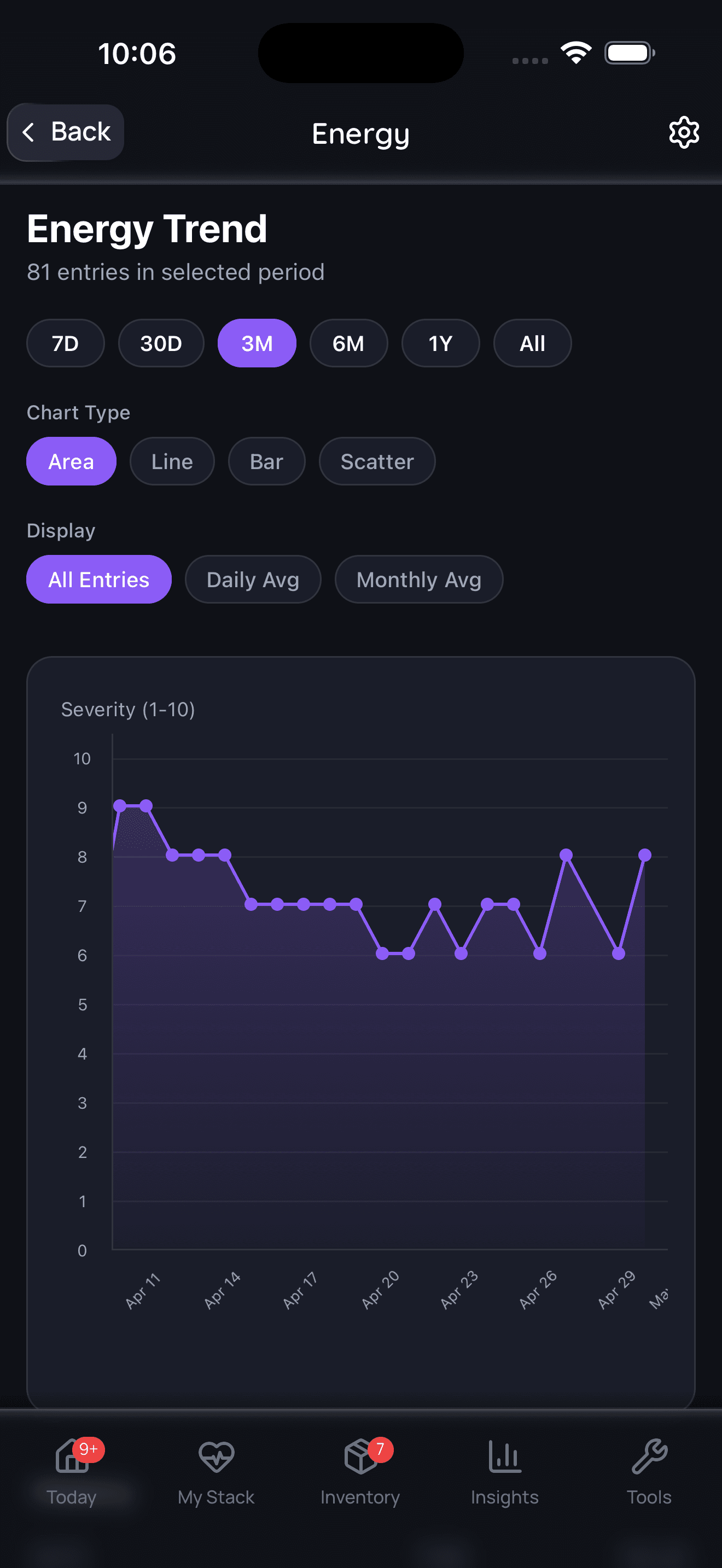
Symptom tracking is informational and should be interpreted with a qualified clinician.
Regulatory Status & Standards
United States (FDA):
- Magnesium supplements are regulated as dietary supplements under DSHEA (1994), not as drugs
- GRAS (Generally Recognized as Safe) status for multiple magnesium forms used in food
- The FDA Daily Value for magnesium is 420 mg
- In 2022, the FDA approved a qualified health claim for magnesium and reduced risk of high blood pressure: "Consuming diets with adequate magnesium may reduce the risk of high blood pressure (hypertension). However, FDA has concluded that the evidence is inconsistent and inconclusive." Products carrying this claim must provide at least 84 mg per serving and no more than 350 mg from supplements [10]
- Magnesium hydroxide (Milk of Magnesia) and magnesium citrate are also available as OTC drugs (laxatives/antacids) subject to FDA OTC drug monographs
Canada (Health Canada):
- Magnesium is licensed as a Natural Health Product (NHP)
- NPN (Natural Product Number) required for sale
- Health Canada monograph for magnesium includes recommended doses and approved health claims
European Union (EFSA):
- Magnesium is authorized for use in food supplements
- Authorized health claims include contributions to normal muscle function, normal nervous system function, normal energy metabolism, and maintenance of normal bones and teeth
- Maximum permitted levels in supplements vary by member state
Australia (TGA):
- Listed medicine in the Australian Register of Therapeutic Goods (ARTG)
- Multiple magnesium salts are approved for listed medicines
Active Clinical Trials:
- ClinicalTrials.gov lists numerous active and recruiting trials for magnesium across conditions including preeclampsia, migraine, sleep quality, depression, and metabolic syndrome
Athlete & Sports Regulatory Status:
- WADA: Magnesium is NOT on the WADA Prohibited List. It is permitted in-competition and out-of-competition at all times.
- National Anti-Doping Agencies (USADA, UKAD, Sport Integrity Canada, Sport Integrity Australia, NADA Germany): No restrictions or warnings specific to magnesium.
- Professional Sports Leagues (NFL, NBA, MLB, NHL, MLS, NCAA): Magnesium is not a banned or restricted substance in any major professional sports league.
- NCAA: Magnesium is not on the NCAA banned substance list. Athletic departments may provide magnesium supplements to student-athletes. For institutional supplement programs, NSF Certified for Sport or Informed Sport certification is required.
- Athlete Certification Programs: Certified magnesium products are widely available through Informed Sport, NSF Certified for Sport, Cologne List, and BSCG programs. Athletes are encouraged to choose third-party tested products to minimize contamination risk.
- GlobalDRO: Magnesium-containing products can be checked at GlobalDRO.com for athletes in the US, UK, Canada, Australia, Japan, Switzerland, and New Zealand.
Regulatory status and prohibited substance classifications change frequently. Athletes should always verify the current status of any supplement with their sport's governing body, their national anti-doping agency, and a qualified sports medicine professional before use. Third-party certification (Informed Sport, NSF Certified for Sport) reduces but does not eliminate the risk of contamination with prohibited substances.
Frequently Asked Questions
What is the best form of magnesium to take?
The best form depends on your primary health goal. Magnesium glycinate is widely regarded as the best all-around option due to its high absorption rate and low GI side effect profile. For sleep and relaxation, glycinate or threonate are commonly recommended. For constipation, citrate is often suggested. For cardiovascular support, taurate may be preferable. For energy and muscle recovery, malate is a popular choice. Consult a healthcare provider for personalized guidance.
How much magnesium should I take daily?
The RDA for magnesium is 310-320 mg/day for adult women and 400-420 mg/day for adult men, from all sources combined. Since most people get 250-350 mg from diet, supplementing with 200-400 mg of elemental magnesium daily is a common range. The UL for supplemental magnesium is 350 mg/day, though many healthcare providers recommend up to 400-500 mg based on individual needs.
Can I take too much magnesium?
Magnesium from food is unlikely to cause problems in healthy individuals. From supplements, doses above 350 mg/day may cause diarrhea and GI discomfort, especially with oxide and citrate forms. Serious toxicity is rare and typically occurs only with very high doses (>5,000 mg/day) or in people with kidney dysfunction. If you have kidney disease, consult your physician before supplementing.
When is the best time to take magnesium?
For sleep support, take magnesium 30-60 minutes before bedtime (glycinate) or 3-6 hours before bed (threonate). For energy support with malate, morning administration is preferred. For general health, consistency matters more than timing. Taking with food reduces GI side effects for most forms.
Does magnesium help with sleep?
Many people report improved sleep quality with magnesium supplementation, particularly with glycinate and threonate forms. While dedicated RCT data specifically on sleep is limited, the mechanistic rationale is strong (GABA support, NMDA receptor modulation, nervous system calming). Community reports are overwhelmingly positive. Results may take 1-4 weeks of consistent supplementation.
Does magnesium help with anxiety?
Magnesium has calming properties through its effects on the nervous system, including NMDA receptor regulation and GABA support. Many users report reduced baseline anxiety, particularly with glycinate. However, clinical trial data specifically for anxiety is limited. Magnesium supplementation should not be considered a replacement for evidence-based anxiety treatments.
Can I take magnesium with other supplements?
Magnesium pairs well with vitamin D3 (they have a synergistic relationship), vitamin K2, and B vitamins. It should be separated by at least 2 hours from iron, calcium, zinc (at very high doses), antibiotics, and bisphosphonates to avoid absorption interference.
Why does magnesium oxide cause diarrhea?
Magnesium oxide has low bioavailability, meaning most of it remains unabsorbed in the intestine. The unabsorbed magnesium draws water into the bowel through osmosis, which is the same mechanism that makes it effective as a laxative. Forms with higher bioavailability (glycinate, citrate, malate) leave less unabsorbed magnesium in the gut and are less likely to cause this effect.
Should athletes take magnesium?
Athletes may benefit from magnesium supplementation because physical activity increases magnesium requirements through sweat losses and elevated metabolic demand. Magnesium is not on any prohibited substance lists. Athletes should choose products certified by Informed Sport or NSF Certified for Sport to ensure they are free from banned substance contamination.
How do I know if I am magnesium deficient?
Subclinical magnesium deficiency is common and difficult to detect. Standard serum magnesium tests measure only about 1 percent of total body magnesium and can be normal even when tissue stores are low. Symptoms of deficiency include muscle cramps, fatigue, irritability, weakness, and poor sleep. Risk factors include low dietary intake, chronic stress, alcohol use, type 2 diabetes, GI disease, and use of certain medications (PPIs, diuretics). If you suspect deficiency, discuss testing options (including RBC magnesium) with your healthcare provider.
Myth vs. Fact
Myth: All magnesium supplements are the same.
Fact: Magnesium supplements vary significantly in their bioavailability, GI tolerability, and specific health applications. Magnesium oxide, for example, contains the highest percentage of elemental magnesium (~60%) but has the lowest intestinal absorption rate. Magnesium glycinate, citrate, and malate have substantially higher bioavailability. The form you choose should align with your specific health goals [1][5].
Myth: You can get all the magnesium you need from diet alone.
Fact: While magnesium-rich foods are the ideal primary source, NHANES data shows that 48 percent of Americans consume less than their Estimated Average Requirement from food and beverages [1]. Modern food processing, soil depletion, and dietary patterns that favor refined grains over whole foods have made dietary adequacy challenging for many people.
Myth: Magnesium supplements are dangerous.
Fact: Magnesium from supplements has an excellent safety profile when used at recommended doses. The UL of 350 mg/day for supplemental magnesium is based on the threshold for GI side effects (diarrhea), not serious toxicity. Serious adverse effects are extremely rare and occur almost exclusively with massive doses (>5,000 mg/day) or in people with severely impaired kidney function [1].
Myth: Magnesium oil and Epsom salt baths raise your body's magnesium levels.
Fact: A systematic review by Grober et al. (2017) found insufficient evidence that magnesium is absorbed through the skin in clinically significant amounts [7]. While topical magnesium and Epsom salt baths may provide local relaxation benefits, they should not be relied upon as a primary strategy for correcting magnesium insufficiency.
Myth: If your blood test shows normal magnesium, you are not deficient.
Fact: Standard serum magnesium tests measure less than 1 percent of total body magnesium. Serum levels are maintained within a tight range (0.75-0.95 mmol/L) even when bone and tissue stores are depleted. A normal serum result does not rule out subclinical deficiency. RBC magnesium testing may provide a better reflection of intracellular status, though no single test is considered fully satisfactory [1].
Myth: More magnesium is always better.
Fact: Magnesium absorption follows a nonlinear curve: as intake increases, the percentage absorbed decreases [1]. Taking very large single doses primarily increases the amount that passes through the gut unabsorbed, causing diarrhea rather than raising tissue levels. Splitting doses and choosing well-absorbed forms is more effective than simply increasing the amount.
Myth: Magnesium threonate is the only form that reaches the brain.
Fact: All forms of magnesium contribute to systemic magnesium status, and serum magnesium crosses the blood-brain barrier. Threonate has been specifically studied for its ability to elevate brain magnesium levels in animal models, and it is marketed under the "Magtein" brand for cognitive benefits. However, glycinate and other well-absorbed forms also support neurological function. The claim that only threonate "reaches the brain" is an oversimplification.
Sources & References
Government / Institutional Sources
- National Institutes of Health, Office of Dietary Supplements. Magnesium Fact Sheet for Health Professionals. Updated January 6, 2026. https://ods.od.nih.gov/factsheets/magnesium-HealthProfessional/
- Memorial Sloan Kettering Cancer Center. About Herbs: Magnesium. Updated August 31, 2023. https://www.mskcc.org/cancer-care/integrative-medicine/herbs/magnesium
- Memorial Sloan Kettering Cancer Center. Magnesium, Clinical Summary and Herb-Drug Interactions section. 2023.
- MedlinePlus. Magnesium in Diet. Updated January 21, 2025. https://medlineplus.gov/ency/article/002423.htm
Bioavailability Studies
- Walker AF, Marakis G, Christie S, Byng M. Mg citrate found more bioavailable than other Mg preparations in a randomised, double-blind study. Magnes Res. 2003 Sep;16(3):183-91.
- Ranade VV, Somberg JC. Bioavailability and pharmacokinetics of magnesium after administration of magnesium salts to humans. Am J Ther. 2001 Sep-Oct;8(5):345-57.
- Grober U, Werner T, Vormann J, Kisters K. Myth or Reality-Transdermal Magnesium? Nutrients. 2017 Jul 28;9(8):813.
Systematic Reviews & Meta-Analyses
- Dickinson HO, Nicolson D, Campbell F, et al. Magnesium supplementation for the management of primary hypertension in adults. Cochrane Database of Systematic Reviews. 2006: CD004640.
- Kass L, Weekes J, Carpenter L. Effect of magnesium supplementation on blood pressure: a meta-analysis. Eur J Clin Nutr. 2012;66:411-8.
- U.S. Food and Drug Administration. Petition for a qualified health claim for magnesium and reduced risk of high blood pressure (hypertension). January 10, 2022.
- Larsson SC, Wolk A. Magnesium intake and risk of type 2 diabetes: a meta-analysis. J Intern Med. 2007;262:208-14.
- Holland S, Silberstein SD, Freitag F, et al. Evidence-based guideline update: NSAIDs and other complementary treatments for episodic migraine prevention in adults. Neurology. 2012;78:1346-53.
Prospective Cohort Studies
- Peacock JM, Ohira T, Post W, et al. Serum magnesium and risk of sudden cardiac death in the Atherosclerosis Risk in Communities (ARIC) Study. Am Heart J. 2010;160:464-70.
- Chiuve SE, Korngold EC, Januzzi JL Jr, et al. Plasma and dietary magnesium and risk of sudden cardiac death in women. Am J Clin Nutr. 2011;93:253-60.
- Larsson SC, Orsini N, Wolk A. Dietary magnesium intake and risk of stroke: a meta-analysis of prospective studies. Am J Clin Nutr. 2012;95:362-6.
- Dong JY, Xun P, He K, Qin LQ. Magnesium intake and risk of type 2 diabetes: meta-analysis of prospective cohort studies. Diabetes Care. 2011;34:2116-22.
Clinical Trials
- Lima MDL, Cruz T, Pousada JC, et al. The effect of magnesium supplementation in increasing doses on the control of type 2 diabetes. Diabetes Care. 1998;21:682-6.
- Rodriguez-Moran M, Guerrero-Romero F. Oral magnesium supplementation improves insulin sensitivity and metabolic control in type 2 diabetic subjects: a randomized double-blind controlled trial. Diabetes Care. 2003;26:1147-52.
Position Statements
- Evert AB, Boucher JL, Cypress M, et al. Nutrition therapy recommendations for the management of adults with diabetes. Diabetes Care. 2013;36:3821-42.
Bone Health Studies
- Mutlu M, Argun M, Kilic E, et al. Magnesium, zinc and copper status in osteoporotic, osteopenic and normal post-menopausal women. J Int Med Res. 2007;35:692-5.
- Aydin H, Deyneli O, Yavuz D, et al. Short-term oral magnesium supplementation suppresses bone turnover in postmenopausal osteoporotic women. Biol Trace Elem Res. 2010;133:136-43.
Migraine Studies
- Schurks M, Diener HC, Goadsby P. Update on the prophylaxis of migraine. Cur Treat Options Neurol. 2008;10:20-9.
Endothelial Function
- Joris PJ, Plat J, Bakker SJ, Mensink RP. Long-term magnesium supplementation improves arterial stiffness in overweight and obese adults: results of a randomized, double-blind, placebo-controlled intervention trial. Am J Clin Nutr. 2016;103(5):1260-6.
Case Reports (Toxicity)
- McGuire JK, Kulkarni MS, Baden HP. Fatal hypermagnesemia in a child treated with megavitamin/megamineral therapy. Pediatrics. 2000;105:E18.
- Onishi S, Yoshino S. Cathartic-induced fatal hypermagnesemia in the elderly. Intern Med. 2006;45:207-10.
Related Supplement Guides
Same Category (Major Minerals)
Common Stacks / Pairings
Related Health Goals
- Iron (mineral metabolism)
- 5-HTP (sleep and mood support)
- L-Theanine (relaxation and sleep stacking)
- Ashwagandha (stress and anxiety support)
- Melatonin (sleep support)
- CoQ10 (cardiovascular health, energy production)