
Non-Hormonal Menopause Treatments: The Complete HRT Guide
On this page
Quick Reference Card
Attribute
Topic
- Value
- Evidence-based non-hormonal treatments for menopause symptoms
Attribute
Best-established use
- Value
- Vasomotor symptoms (hot flashes and night sweats) when HRT is contraindicated, declined, or not preferred
Attribute
Main prescription options
- Value
- Fezolinetant (Veozah), elinzanetant (Lynkuet), low-dose paroxetine (Brisdelle), off-label SSRIs/SNRIs, gabapentin, oxybutynin, clonidine
Attribute
GSM-focused non-hormonal options
- Value
- Vaginal moisturizers, lubricants, pelvic floor support, ospemifene for selected patients
Attribute
Strongest non-drug option
- Value
- Menopause-specific cognitive behavioral therapy (CBT)
Attribute
Most effective overall treatment for hot flashes
- Value
- Hormone therapy still remains most effective
Attribute
Typical reasons to choose non-hormonal care
- Value
- Breast or endometrial cancer history, clot or stroke history, liver concerns, personal preference, incomplete symptom fit for HRT
Attribute
Key monitoring issues
- Value
- Liver tests for fezolinetant and elinzanetant; interaction review for paroxetine; sedation / dizziness for gabapentin; anticholinergic burden for oxybutynin
Attribute
Pregnancy / fertility note
- Value
- Some women in perimenopause can still become pregnant; non-hormonal menopause drugs are not automatically safe in pregnancy
Attribute
When to seek urgent help
- Value
- Jaundice, dark urine, severe abdominal pain, suicidal thoughts, severe allergic reaction, stroke / clot symptoms, postmenopausal bleeding
Overview / What Are Non-Hormonal Menopause Treatments?
The Basics
Non-hormonal menopause treatments are treatments used to manage menopause symptoms without replacing estrogen or progesterone. They matter because not every woman can take hormone therapy, and not every woman wants to. Some have clear contraindications, such as estrogen-sensitive cancer, prior venous thromboembolism, certain liver problems, or a poor prior experience with hormones. Others simply prefer to start elsewhere.
This category is broader than many women expect. It includes prescription drugs that directly reduce hot flashes, therapies that help you cope with symptoms better even if they do not “turn off” the biology, and practical symptom-management tools for vaginal dryness, pain with sex, or sleep disruption. It also includes a long list of treatments that are widely marketed but weakly supported by evidence.
The most important thing to understand is that “non-hormonal” is not a single treatment path. A woman whose main problem is severe hot flashes may need a very different plan from a woman whose main problem is vaginal dryness, or from a breast cancer survivor whose hot flashes, insomnia, and anxiety all interact. Some non-hormonal options are FDA-approved specifically for menopausal vasomotor symptoms. Others are used off-label because trial data support them, even though menopause is not the indication on the package insert.
This also means the tradeoffs differ. One option may reduce hot flashes well but require liver monitoring. Another may help sleep and night sweats but cause grogginess. Another may be useful for vaginal dryness but carry its own clotting and endometrial cautions. The right question is not “Which non-hormonal treatment is best?” but “Which non-hormonal treatment best matches my symptom pattern, medical history, and risk tolerance?”
The Science
The modern non-hormonal treatment landscape changed substantially between 2023 and 2025. The Menopause Society's 2023 nonhormone position statement concluded that several non-hormonal options now have evidence-based support for vasomotor symptoms, including CBT, clinical hypnosis, SSRIs/SNRIs, gabapentin, fezolinetant, and oxybutynin [1]. As of March 25, 2026, the United States also has two FDA-approved neurokinin-pathway drugs for moderate to severe vasomotor symptoms: fezolinetant, approved in May 2023, and elinzanetant, approved on October 24, 2025 [6][11][12].
These therapies target different parts of the menopausal symptom experience. Neurokinin antagonists act on hypothalamic thermoregulatory signaling. SSRIs/SNRIs appear to modulate central neurotransmitter pathways involved in thermoregulation and symptom perception. Gabapentin likely reduces vasomotor symptoms through calcium-channel-related effects in the central nervous system and may also help sleep. Oxybutynin likely reduces sweating-related symptoms through anticholinergic effects, though tolerability limits its appeal for some women [1][3][4][5].
For genitourinary syndrome of menopause, the non-hormonal evidence is more modest. The 2025 AUA/SUFU/AUGS guideline recommends vaginal moisturizers and lubricants for dryness and dyspareunia, but also notes that supplements and energy-based therapies do not have strong supportive evidence [10]. This is an important distinction: non-hormonal support can be meaningful, but it is not automatically equivalent to estrogen-based tissue restoration.
NICE's 2024 menopause guideline update sharpened another key point: menopause-specific CBT is now recommended as an option for vasomotor symptoms, sleep problems linked to vasomotor symptoms, and depressive symptoms around menopause, especially when HRT is contraindicated or declined [2]. That is a meaningful shift away from seeing non-hormonal care as “just antidepressants or supplements.”
Medical / Chemical Identity
Property
Guide Type
- Value
- Treatment overview
Property
Core symptom target
- Value
- Vasomotor symptoms; selected coverage of sleep, mood, and GSM
Property
FDA-approved non-hormonal VMS drugs in the U.S.
- Value
- Paroxetine 7.5 mg (Brisdelle), Fezolinetant (Veozah), Elinzanetant (Lynkuet)
Property
Common off-label VMS drugs
- Value
- Venlafaxine, desvenlafaxine, escitalopram, citalopram, gabapentin, oxybutynin, clonidine
Property
GSM-focused non-hormonal / non-estrogen options
- Value
- Moisturizers, lubricants, pelvic floor support, ospemifene
Property
Newest major U.S. approval in this space
- Value
- Elinzanetant (Lynkuet), FDA approval on October 24, 2025 [12]
Property
Fezolinetant class
- Value
- Neurokinin 3 receptor antagonist
Property
Elinzanetant class
- Value
- Neurokinin 1 and 3 receptor antagonist
Property
Paroxetine class
- Value
- Selective serotonin reuptake inhibitor
Property
Ospemifene class
- Value
- Selective estrogen receptor agonist / antagonist with tissue-selective effects
Property
Important note
- Value
- “Non-hormonal” does not always mean risk-free, monitoring-free, or universally interchangeable
A practical classification
For patients, these options are easiest to understand in four buckets:
- Vasomotor-targeting prescriptions: fezolinetant, elinzanetant, paroxetine, other SSRIs/SNRIs, gabapentin, oxybutynin, clonidine.
- Behavioral therapies: especially menopause-specific CBT.
- GSM symptom support: moisturizers, lubricants, pelvic floor interventions, and in some cases ospemifene.
- Low-evidence or not-recommended approaches: many supplements, “detox” regimens, and vaginal laser marketed outside trials.
Mechanism of Action / Pathophysiology
The Basics
Hot flashes happen because menopause changes how the brain regulates body temperature. Declining estrogen affects a temperature-control network in the hypothalamus, so the body starts overreacting to small internal temperature shifts. A tiny change that once would have gone unnoticed can now trigger sudden heat, flushing, sweating, palpitations, and sometimes a sense of panic or dread.
Different non-hormonal treatments interrupt that process in different ways. The newer neurokinin drugs act closest to the current scientific model of hot flashes. Antidepressants do not replace estrogen, but they can still reduce symptom frequency and severity in some women. Gabapentin often helps most with night sweats and sleep disruption. Oxybutynin is a bladder drug, but because it reduces sweating-related pathways, it can also reduce hot flashes for some women.
Not all menopause symptoms share the same biology. A treatment that helps hot flashes may do almost nothing for vaginal dryness. A treatment that helps sleep may do so mostly because it reduces night sweats, not because it corrects estrogen loss in every tissue. That is why non-hormonal treatment often works best when it is symptom-specific.
The Science
The current neurokinin hypothesis centers on kisspeptin / neurokinin B / dynorphin neurons in the hypothalamus. Declining estrogen alters KNDy neuron signaling and narrows the thermoneutral zone, producing vasomotor symptoms. Fezolinetant blocks NK3 receptor signaling. Elinzanetant blocks both NK1 and NK3 receptor signaling, with the therapeutic goal of modulating thermoregulatory activity associated with hot flashes [6][11].
SSRIs and SNRIs appear to improve vasomotor symptoms through central serotonergic and noradrenergic effects on thermoregulation. These effects are meaningful but generally smaller than those seen with systemic estrogen [1][8]. Low-dose paroxetine is the only SSRI with a menopause-specific U.S. indication, but several other SSRIs / SNRIs have supporting trial data summarized in guidelines [1].
Gabapentin does not work through estrogen receptors. Trial and meta-analysis data show it can reduce hot flash frequency and composite hot flash scores, likely through effects on calcium-channel signaling and central excitability. Its benefit in sleep may partly reflect reduced night sweats and partly a direct sedating effect [5].
Oxybutynin is an antimuscarinic drug. In vasomotor trials, it reduced hot flash frequency and severity relative to placebo, likely through sweat-gland and autonomic effects, but adverse effects such as dry mouth and urinary difficulty are common [3][4].
For GSM, non-hormonal moisturizers and lubricants mainly reduce friction and improve comfort; they do not reverse estrogen-deficiency changes in the same way that local estrogen or vaginal DHEA can. Ospemifene is often grouped into “non-hormonal” menopause therapy because it is not estrogen replacement, but biologically it still has selective estrogenic tissue effects, especially in the endometrium [9][10].
Pathway & System Visualization
Diagram placeholder: future visual should map non-hormonal menopause treatment pathways, including thermoregulation / KNDy neuron signaling, serotonergic-noradrenergic pathways, anticholinergic pathway, and GSM symptom-support pathways.
Pharmacokinetics / Hormone Physiology
The Basics
Because these are non-hormonal therapies, this section is less about estrogen absorption and more about matching symptom physiology to treatment type.
- Neurokinin drugs are designed for hot flashes and night sweats, not for bone protection or vaginal tissue restoration.
- SSRIs/SNRIs can reduce hot flashes and may be especially useful when mood symptoms overlap, but they also bring interaction and discontinuation issues.
- Gabapentin often fits best when night sweats and sleep are prominent.
- Oxybutynin can reduce hot flashes, but many women stop because of dryness, constipation, or urinary side effects.
- Moisturizers and lubricants work locally and symptomatically for GSM, often with immediate practical benefit but without changing deeper tissue biology.
The Science
Fezolinetant is given as a 45 mg once-daily oral tablet and currently requires baseline and serial hepatic laboratory monitoring because of clinically important liver safety concerns [6][7]. Elinzanetant is given as 120 mg orally once daily at bedtime, with baseline hepatic testing and repeat hepatic transaminases at 3 months; it is primarily metabolized through CYP3A4 pathways, so inhibitor / inducer exposure matters [11].
Brisdelle uses a much lower paroxetine dose than psychiatric indications: 7.5 mg once daily at bedtime [8]. That lower dose may reduce some side effects, but it does not remove important SSRI-class cautions such as serotonin syndrome, hyponatremia, abnormal bleeding risk, and CYP2D6 interaction with tamoxifen [8].
Gabapentin dosing in hot flash studies often ranges higher than patients expect, but clinical practice frequently starts lower, especially for bedtime-only use. The 2023 meta-analysis confirmed efficacy but also showed higher rates of dizziness and somnolence than controls [5]. Oxybutynin trial regimens differ substantially across studies, ranging from extended-release 15 mg daily to 2.5 mg or 5 mg twice daily immediate-release dosing [3][4].
For GSM, moisturizers increase hydration and reduce friction, while lubricants are usually used around sexual activity. Ospemifene is orally dosed at 60 mg daily with food and should be understood as a systemic SERM-like therapy rather than a simple “comfort product” [9].
Research & Clinical Evidence
Vasomotor Symptom Relief
The Basics
This is where non-hormonal treatment has its best evidence. If your main problem is hot flashes or night sweats and HRT is not an option, there are now real evidence-based alternatives.
The best-supported options are not identical. Some work quickly. Some help sleep more than daytime symptoms. Some are easier to prescribe but harder to taper. Some are highly effective but expensive or lab-intensive. In general, estrogen still works better than non-hormonal therapy for hot flashes, but the gap is no longer “effective versus ineffective.” It is now “most effective versus somewhat less effective, but still useful.”
The Science
The Menopause Society's 2023 position statement recommended SSRIs/SNRIs, gabapentin, fezolinetant, and oxybutynin for vasomotor symptoms, with CBT and clinical hypnosis also recommended as non-drug options [1]. Gabapentin meta-analysis data showed significant reductions in hot flash frequency and composite scores versus placebo, though estrogen remained more effective [5].
Oxybutynin showed clinically meaningful benefit in two randomized trials. In one 12-week postmenopausal trial, mean hot flash frequency changed by -9.48 episodes per day with oxybutynin versus -4.69 with placebo at week 12, but dry mouth occurred in 52.1% of treated participants and led to discontinuation in 6.8% [3]. In another randomized study that included many women with breast cancer history or hormone-therapy contraindications, both 2.5 mg twice daily and 5 mg twice daily improved weekly hot flash score and frequency more than placebo [4].
Fezolinetant and elinzanetant represent the most targeted non-hormonal vasomotor pharmacology currently available in the U.S. Fezolinetant has strong efficacy data but now also carries a boxed liver warning and intensive monitoring requirements [6][7]. Elinzanetant entered the U.S. market later, in October 2025, with once-daily bedtime dosing, CNS-effect cautions, baseline liver testing, and repeat hepatic transaminases at 3 months [11][12].
CBT, Sleep, and Symptom Burden
The Basics
CBT does not “treat menopause” in the way a drug treats a receptor target, but it can make symptoms more manageable and reduce how much they disrupt your life. That matters. For many women, the suffering is not just the flash itself. It is the anticipation, the broken sleep, the spiraling anxiety, the exhaustion, and the feeling of losing control.
The Science
NICE now recommends menopause-specific CBT as an option for vasomotor symptoms, sleep problems associated with vasomotor symptoms, and depressive symptoms around menopause, especially when HRT is contraindicated or declined [2]. The Menopause Society also recommends CBT and clinical hypnosis for vasomotor symptoms [1]. This makes CBT one of the few non-pharmacologic menopause treatments with strong guideline support.
Genitourinary Symptoms of Menopause
The Basics
This is where non-hormonal treatment is useful, but usually more limited. Moisturizers and lubricants can help dryness, irritation, and pain with sex. They are especially important for women avoiding hormones. But they do not usually restore tissue health to the same degree as local estrogenic therapy.
The Science
The 2025 AUA/SUFU/AUGS guideline recommends vaginal moisturizers and lubricants for vaginal dryness and dyspareunia, either alone or with other therapies [10]. NICE recommends non-hormonal moisturizers and lubricants when vaginal estrogen is contraindicated or declined, and recommends them first for women with a personal history of breast cancer and GSM [2]. Ospemifene is an oral option for dyspareunia and vaginal dryness, but because it has estrogenic endometrial effects and clot-related cautions, it belongs in a more selective category than simple over-the-counter support [9].
Supplements, Herbal Remedies, and Other Popular Alternatives
The Basics
This is the area where marketing is often stronger than evidence. Many women try supplements before prescription treatment. Some report benefit. But guideline-quality evidence is much weaker here than for prescription non-hormonal therapies or CBT.
The Science
The Menopause Society does not recommend supplements / herbal remedies for vasomotor symptoms, and the AUA/SUFU/AUGS GSM guideline says evidence does not support alternative supplements for GSM treatment [1][10]. NICE allows that some people may wish to try black cohosh or isoflavones, but emphasizes uncertainty in safety, purity, interaction burden, and product consistency [2]. This is not the same as a strong recommendation.
Evidence & Effectiveness Matrix
Category
Vasomotor Symptoms
- Evidence Strength
- 8/10
- Community-Reported Effectiveness
- 7/10
- Summary
- Best-supported non-hormonal domain. CBT, SSRIs/SNRIs, gabapentin, fezolinetant, elinzanetant, and oxybutynin all have meaningful evidence, but HRT still performs better overall [1][5].
Category
Sleep Quality
- Evidence Strength
- 6/10
- Community-Reported Effectiveness
- 7/10
- Summary
- Sleep often improves when night sweats improve. Gabapentin and targeted VMS therapies are especially relevant; CBT also has guideline support [2][5].
Category
Mood & Emotional Wellbeing
- Evidence Strength
- 5/10
- Community-Reported Effectiveness
- 5/10
- Summary
- Some benefit may come from SSRIs/SNRIs or reduced symptom burden, but outcomes are mixed and often indirect.
Category
Anxiety & Stress Response
- Evidence Strength
- 4/10
- Community-Reported Effectiveness
- 5/10
- Summary
- Limited direct menopause-specific evidence. Community reports suggest some women experience less anticipatory “dread,” while others struggle with medication side effects or withdrawal.
Category
Cognitive Function
- Evidence Strength
- 2/10
- Community-Reported Effectiveness
- 4/10
- Summary
- Very limited direct evidence. Cognitive downside is discussed more than benefit, especially with sedating or anticholinergic drugs.
Category
Sexual Function & Libido
- Evidence Strength
- 3/10
- Community-Reported Effectiveness
- 3/10
- Summary
- Little evidence that non-hormonal menopause treatment broadly restores libido. Ospemifene can help dyspareunia-related sexual pain, which is not the same as increasing desire [9].
Category
Genitourinary Health (GSM)
- Evidence Strength
- 5/10
- Community-Reported Effectiveness
- 4/10
- Summary
- Moisturizers and lubricants help symptoms, but usually less robustly than local estrogenic therapy. Ospemifene is useful for selected women with dyspareunia / dryness [2][9][10].
Category
Energy & Fatigue
- Evidence Strength
- 3/10
- Community-Reported Effectiveness
- 5/10
- Summary
- Improvement is usually secondary to better sleep and fewer hot flashes rather than a direct energy effect.
Category
Headache & Migraine
- Evidence Strength
- 2/10
- Community-Reported Effectiveness
- 4/10
- Summary
- Sparse evidence. Some drugs can worsen headaches or dizziness; others help indirectly by improving sleep.
Category
Breast Cancer Risk Context
- Evidence Strength
- 7/10
- Community-Reported Effectiveness
- 6/10
- Summary
- Non-hormonal therapy is especially important for women with hormone-sensitive cancer histories or strong contraindication concerns. This is a high-value use case rather than a symptom score.
Category
Body Composition & Weight
- Evidence Strength
- 1/10
- Community-Reported Effectiveness
- 3/10
- Summary
- Non-hormonal menopause drugs are not reliable weight treatments. Side effects such as bloating may be more relevant than benefit.
Category
Other Physical Symptoms
- Evidence Strength
- 3/10
- Community-Reported Effectiveness
- 5/10
- Summary
- Side-effect burden is a major real-world issue: dry mouth, dizziness, somnolence, diarrhea, abdominal pain, and urinary discomfort often shape treatment choices more than efficacy itself.
Categories not scored (insufficient direct data): Bone Health & Osteoporosis, Cardiovascular Health, Metabolic Health & Insulin Sensitivity, Joint & Musculoskeletal Health, Skin / Hair / Appearance, Endometrial Safety, Thrombotic Risk, Menstrual & Reproductive
Benefits & Therapeutic Effects
The Basics
The biggest benefit of non-hormonal menopause treatment is choice. If HRT is unsafe for you, not acceptable to you, or not the right fit for your symptoms, you are not limited to “just suffer through it.”
For hot flashes and night sweats, the right non-hormonal treatment can be genuinely life-improving. Some women go from waking drenched multiple times per night to sleeping through the night again. Others regain enough control over daytime flushing that they can work, travel, or socialize without constant fear of a flash. For women with a personal history of breast cancer or other contraindications to estrogen, that can be a major quality-of-life improvement.
For women with GSM who cannot or do not want to use vaginal estrogen, moisturizers, lubricants, pelvic floor support, and in selected cases ospemifene can reduce discomfort and improve sexual function. For women overwhelmed by distress, insomnia, or symptom-related anxiety, menopause-specific CBT can provide structure and coping that medication alone may not.
What non-hormonal care usually does not provide is the broader tissue-level effect of estrogen on bone, vulvovaginal tissue, or long-term cardiometabolic menopause physiology. That is why these treatments should be seen as targeted symptom tools, not one-for-one replacements for everything HRT does.
The Science
Non-hormonal vasomotor therapies now have enough evidence that major guideline bodies recommend them rather than merely listing them as fallback options [1][2]. Gabapentin significantly reduces hot flash frequency versus placebo, though less than estrogen, and oxybutynin has shown meaningful trial-level reductions in both frequency and severity [3][4][5]. Fezolinetant and elinzanetant offer targeted receptor-based treatment for moderate to severe vasomotor symptoms and are the most menopause-specific prescription non-hormonal hot flash drugs currently approved in the U.S. [6][11][12].
For GSM, non-hormonal moisturizers and lubricants improve dryness and dyspareunia symptom burden and are recommended by both NICE and the 2025 GSM guideline, especially when vaginal estrogen is contraindicated or declined [2][10]. Ospemifene can help moderate to severe dyspareunia and vaginal dryness, but it should be used with full awareness of its boxed warnings and contraindications [9].
Benefits don't always arrive all at once. Some symptoms respond in days, others take weeks or months to shift. Doserly's analytics help you see the full picture by correlating your treatment timeline with changes across every symptom you're tracking, surfacing patterns that are easy to miss when you're living through the transition day by day.
The app can help you understand which benefits came first, whether improvements plateau or continue building, and how different aspects of your health connect to each other. When you can see the trajectory clearly, it's easier to stay the course through the adjustment period and to share meaningful updates with your provider.
Capture changes while they are still fresh.
Log symptoms, energy, sleep, mood, and other observations alongside protocol events so patterns do not live only in memory.
Trend view
Symptom timeline
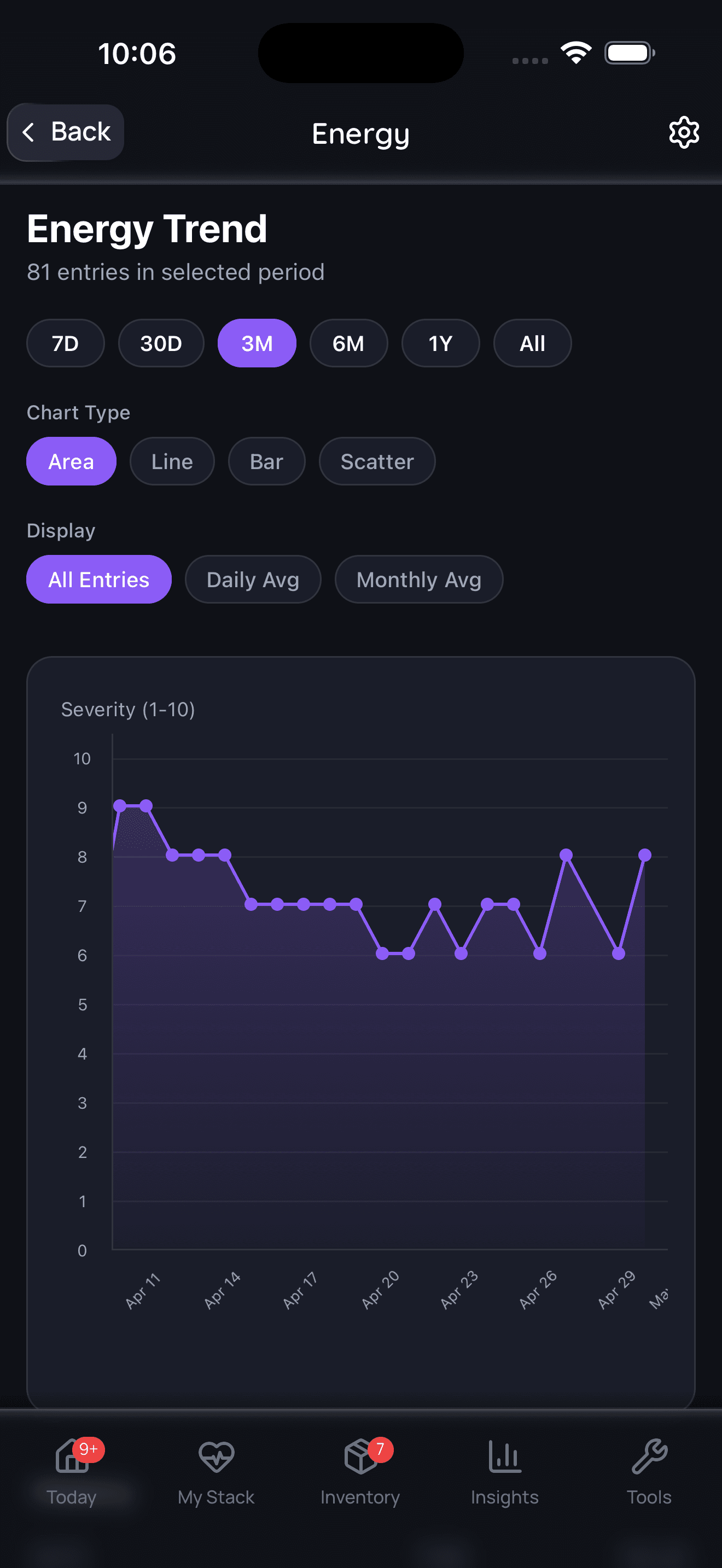
Symptom tracking is informational and should be interpreted with a qualified clinician.
Risks, Side Effects & Safety
The Basics
“Non-hormonal” is not the same as “risk-free.” Every serious menopause option involves tradeoffs. The main difference is that the tradeoffs are different from estrogen-based therapy.
Neurokinin drugs: Fezolinetant and elinzanetant are designed specifically for hot flashes, but both bring liver-related caution. Fezolinetant now carries the stricter current U.S. liver warning burden, including baseline liver tests, monthly tests for the first 3 months, and repeat testing at months 6 and 9 [6][7]. Elinzanetant also requires liver testing, but its current label monitoring is lighter: baseline testing and repeat hepatic transaminases at 3 months [11].
Paroxetine and other SSRIs/SNRIs: These can help hot flashes, but they may also cause nausea, fatigue, sexual dysfunction, serotonin syndrome risk when combined with other serotonergic drugs, and withdrawal symptoms if stopped suddenly. Paroxetine deserves extra caution in women taking tamoxifen because CYP2D6 inhibition may reduce tamoxifen effectiveness [8].
Gabapentin: Often useful for night sweats and sleep, but dizziness and somnolence are common. In the 2023 meta-analysis, dizziness and somnolence were substantially more common than in control groups [5]. Community experience also suggests some women struggle with tapering after longer-term use, though that experience varies widely.
Oxybutynin: Often works better than many patients expect, but anticholinergic side effects are the main limiting factor. In one vasomotor trial, dry mouth occurred in 52.1% of treated participants versus 5.3% on placebo, and 6.8% discontinued because of it [3]. Constipation, abdominal pain, urinary difficulty, blurred vision, and cognitive tolerability are practical concerns.
Ospemifene: Although usually discussed as a non-hormonal menopause treatment, it is not low-risk. Its label includes boxed warnings about endometrial cancer and cardiovascular disorders, and women with clot history, stroke history, undiagnosed bleeding, or estrogen-dependent neoplasia are not appropriate candidates [9].
The Science
The major safety themes in this guide are route- and drug-specific rather than class-wide. Fezolinetant's current label instructs clinicians not to start treatment when aminotransferases or bilirubin are at or above 2 times the upper limit of normal, and to stop treatment for specific lab thresholds or symptoms of liver injury [6][7]. Elinzanetant also requires baseline hepatic testing and follow-up at 3 months, and should be used cautiously given somnolence, dizziness, and seizure warning language in patients with relevant histories [11].
Brisdelle's safety profile includes antidepressant-class warnings plus menopause-specific practical issues. In pooled trials, about 20% of women reported at least one adverse reaction, and the most common were headache, fatigue / malaise / lethargy, and nausea / vomiting [8]. It also carries a class warning for suicidal thoughts and behaviors, even though the dose is low and the indication is not psychiatric [8].
Ospemifene's label provides absolute event rates from its trial program. In the clinical trials used in labeling, thromboembolic and hemorrhagic stroke incidence rates were 1.13 and 3.39 per thousand women-years, respectively, versus 3.15 and 0 per thousand women-years with placebo; DVT incidence was 2.26 per thousand women-years versus 3.15 per thousand women-years with placebo [9]. Those are small absolute numbers, but they are not zero, and the endometrial warning is clinically important in women with a uterus.
Understanding your personal risk profile isn't a one-time calculation — it evolves as your treatment progresses. Doserly helps you see the bigger picture by analyzing side effect patterns over time, showing whether issues are resolving, persisting, or emerging as your body adjusts to therapy.
The app's analytics can reveal connections between side effects and specific aspects of your protocol — like whether symptoms correlate with a particular point in your treatment cycle or after adding a second medication. This kind of insight helps you and your provider make informed adjustments based on your actual experience, not just population-level averages.
Connect protocol changes to labs and health markers.
Doserly can keep lab results, biomarkers, symptoms, and dose history close together so follow-up conversations have better context.
Insights
Labs and trends
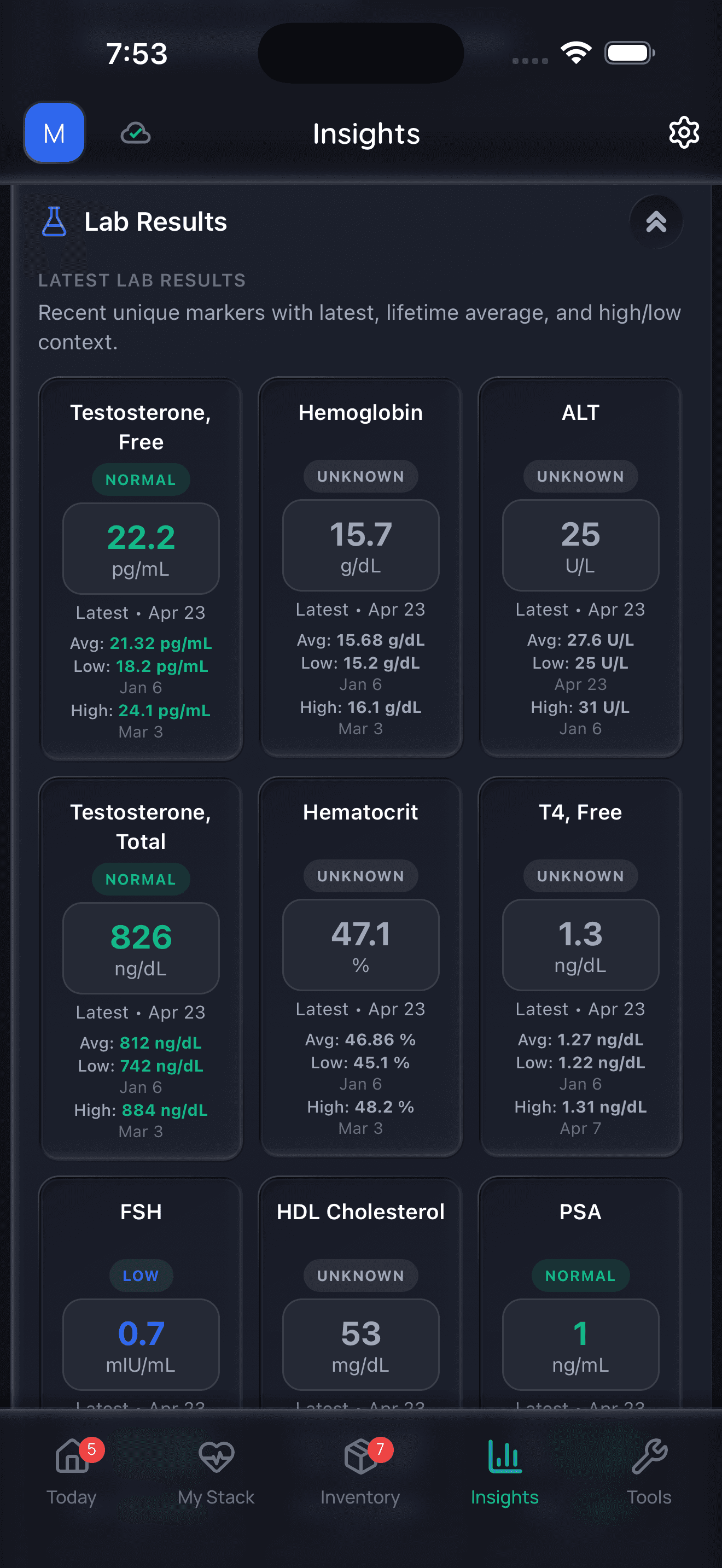
Doserly organizes data; it does not diagnose or interpret labs for you.
Dosing & Treatment Protocols
The Basics
This is an overview section, not a prescribing protocol. Dose, route, comorbidities, and interacting drugs matter enough here that women should not assume “standard menopause dose” means the same thing for every treatment.
Common real-world patterns include:
- Brisdelle: 7.5 mg at bedtime.
- Other SSRIs/SNRIs: often started low and individualized.
- Gabapentin: often started at night, especially when sleep disruption dominates.
- Oxybutynin: used in more than one regimen depending on whether immediate- or extended-release formulations are chosen.
- Veozah: fixed labeled dose with strict monitoring expectations.
- Lynkuet: fixed labeled bedtime dosing with interaction review and baseline liver testing.
- Moisturizers / lubricants: used as needed or on a regular schedule depending on symptom burden.
- Ospemifene: fixed once-daily oral dosing with food.
The Science
Treatment
Paroxetine (Brisdelle)
- Typical Menopause Use Pattern
- 7.5 mg once daily at bedtime [8]
- Notes
- FDA-approved for VMS
Treatment
Fezolinetant (Veozah)
- Typical Menopause Use Pattern
- 45 mg once daily [6]
- Notes
- FDA-approved; liver monitoring required
Treatment
Elinzanetant (Lynkuet)
- Typical Menopause Use Pattern
- 120 mg once daily at bedtime [11]
- Notes
- FDA-approved; CYP3A4 interaction cautions
Treatment
Gabapentin
- Typical Menopause Use Pattern
- Often bedtime-first, then individualized escalation
- Notes
- Off-label; trial regimens vary [5]
Treatment
Oxybutynin
- Typical Menopause Use Pattern
- IR 2.5 mg BID to 5 mg BID, or ER 15 mg daily in trials [3][4]
- Notes
- Off-label; anticholinergic side effects matter
Treatment
Clonidine
- Typical Menopause Use Pattern
- Less favored due to weaker evidence / tolerability
- Notes
- Not routinely first-line [1][2]
Treatment
Ospemifene
- Typical Menopause Use Pattern
- 60 mg orally once daily with food [9]
- Notes
- GSM-related dyspareunia / dryness
Treatment
Moisturizers / lubricants
- Typical Menopause Use Pattern
- Regular moisturizer schedule; lubricant around sex
- Notes
- Symptom-directed, local support
What to Expect (Timeline)
Days 1-7: Some women notice improvement quickly, especially with neurokinin-pathway drugs or oxybutynin. Others feel little change yet. Early side effects such as nausea, dry mouth, dizziness, or sleepiness may appear first.
Weeks 2-4: This is when many women can judge whether the treatment is plausibly working. Hot flash frequency and night sweats may begin to fall meaningfully. CBT benefits may start to show up as better symptom coping, less panic around symptoms, and better sleep routines.
Weeks 4-8: For many prescription options, this is a more realistic checkpoint for benefit versus tolerability. If side effects remain unacceptable and symptom improvement is minimal, the treatment may be a poor fit.
Months 2-3: Formal review is reasonable for most treatments. For fezolinetant and elinzanetant, this period also aligns with important lab follow-up milestones [6][11].
Longer term: If the treatment works, the main long-term questions become sustainability, affordability, tolerability, and whether the treatment still matches your symptoms. Menopause symptoms evolve. A woman who first needs a hot flash drug may later need GSM-specific treatment or a different sleep strategy.
Community reports suggest that women often judge success by three practical questions:
- Am I sleeping again?
- Am I less afraid of the next flash?
- Can I keep taking this treatment without the side effects, cost, or monitoring becoming too much?
Timing Hypothesis & Window of Opportunity
The Basics
This section exists because many women considering non-hormonal treatment are really making a broader decision: “Should I avoid hormones entirely, or am I choosing between HRT and a non-hormonal option?”
That distinction matters. HRT remains the most effective treatment for vasomotor symptoms and may offer broader benefits for some women when started within the usual “window of opportunity,” generally before age 60 or within 10 years of menopause onset [1]. Non-hormonal treatment is not automatically the better choice just because it avoids estrogen. It is the better choice when the woman has a contraindication, prefers it after informed discussion, or needs symptom-specific help that fits her medical context better.
The Science
The timing hypothesis is rooted in HRT rather than non-hormonal therapy, but it still shapes this guide because it changes the comparison standard. The Menopause Society position statement explicitly reiterates that hormone therapy remains the most effective treatment for vasomotor symptoms and should be considered in women who are within 10 years of the final menstrual period and appropriate candidates [1]. NICE also continues to recommend offering HRT for vasomotor symptoms while supporting CBT and other non-hormonal options when hormones are contraindicated or declined [2].
In practical terms, the timing hypothesis means this:
- If a woman is an appropriate HRT candidate, non-hormonal therapy should usually be framed as an alternative, not the default “safer” answer.
- If a woman has a meaningful contraindication, non-hormonal treatment is not second-rate care. It is the evidence-based next path.
- If a woman wants to avoid hormones for personal reasons, informed comparison is still important so that she understands what symptom control she may gain and what broader menopause effects may remain untreated.
Interactions & Compatibility
Synergistic
- Menopause-specific CBT + prescription non-hormonal therapy: reasonable when symptom distress and hot flashes both matter [1][2]
- Moisturizers or lubricants + other GSM treatment: guideline-supported [2][10]
- Symptom tracking + shared decision-making: especially helpful when several symptom clusters overlap
Caution
- Paroxetine + tamoxifen: may reduce tamoxifen effectiveness through CYP2D6 inhibition [8]
- Paroxetine / other serotonergic drugs + other serotonergic agents: serotonin syndrome risk [8]
- Gabapentin + other sedating medications or alcohol: additive sedation risk
- Oxybutynin + other anticholinergics: more dry mouth, constipation, urinary retention, or cognitive burden
- Elinzanetant + CYP3A4 inhibitors / inducers: exposure changes matter [11]
- Fezolinetant + liver disease / interacting drugs: review current label carefully [6]
Avoid
- Ospemifene + estrogens / estrogen agonist-antagonists: label advises against concomitant use [9]
- Veozah + contraindicated liver or renal contexts per label: avoid outside labeling [6]
- Lynkuet + pregnancy: contraindicated [11]
Related Guide Cross-Links
/hrt-guides/fezolinetant-veozah/hrt-guides/elinzanetant-lynkuet/hrt-guides/paroxetine-brisdelle/hrt-guides/gabapentin-menopause/hrt-guides/ospemifene-osphena/hrt-guides/menopause/hrt-guides/gsm
Decision-Making Framework
Start by sorting your symptoms into the problem you most need solved.
If your main problem is hot flashes / night sweats:
- Consider whether HRT is appropriate first, because it remains most effective [1][2].
- If HRT is not appropriate or not desired, compare:
- neurokinin drugs for targeted hot flash treatment
- SSRIs / SNRIs when mood symptoms overlap
- gabapentin when sleep disruption dominates
- oxybutynin when other options fail and anticholinergic risks are acceptable
If your main problem is vaginal dryness / pain with sex:
- Non-hormonal moisturizers and lubricants are reasonable first steps, especially with cancer history [2][10].
- If that is not enough, ask whether local estrogen, vaginal DHEA, or ospemifene is more appropriate than repeatedly trying weak OTC solutions.
If your main problem is distress, poor sleep, or fear around symptoms:
- Ask specifically about menopause-focused CBT [2].
- This is especially important if you are being offered antidepressants when the real problem is symptom burden rather than major depression.
Questions to ask your clinician
- What symptom is this treatment most likely to help?
- What symptom is it unlikely to help?
- What monitoring will I need?
- What would make you tell me to stop it?
- If this fails, what is the next option?
- If I have cancer history / clot history / liver issues, which options move up or down the list?
- How will we judge success: fewer flashes, better sleep, fewer awakenings, less distress, or better sexual comfort?
Shared decision-making works best when both you and your provider have good data. Doserly gives you a personalized health picture that makes treatment discussions more meaningful — your symptoms, their severity, how they've changed over time, and how they connect to your current protocol.
Whether you're evaluating whether to start HRT, considering a non-hormonal route, or trying to decide if it is time to switch because of side effects, having your own tracked data alongside the clinical evidence puts you in a stronger position to make decisions that reflect your individual experience and goals.
Keep side effects, flags, and follow-up notes visible.
Doserly helps you document safety observations, side effects, medication changes, and follow-up questions so important context is not scattered.
Safety log
Flags and notes
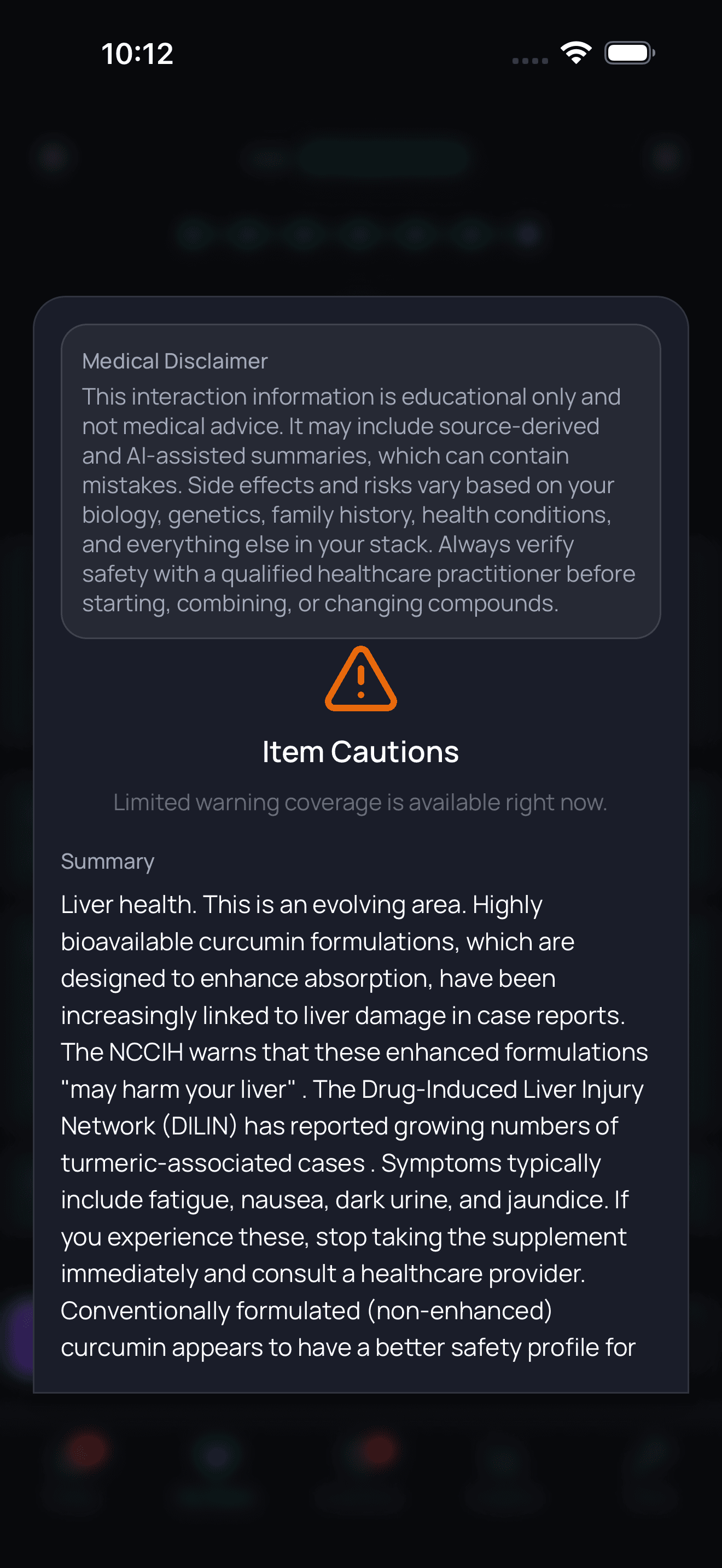
Safety notes are not emergency guidance; seek medical help when appropriate.
Administration & Practical Guide
- Brisdelle: usually taken at bedtime. Review all interacting drugs first.
- Veozah: take exactly as labeled; keep liver lab schedule visible so it does not get missed.
- Lynkuet: bedtime dosing is preferred by label because somnolence and daytime impairment can occur [11].
- Gabapentin: bedtime-first use is common when night sweats dominate; do not assume stopping is as simple as skipping several days.
- Oxybutynin: monitor how your mouth, bowels, bladder, and thinking feel, not just whether the flashes improve.
- Moisturizers: work best when used regularly rather than only after symptoms become severe.
- Lubricants: use around sexual activity; water-, silicone-, or oil-based choices differ in feel and compatibility.
- Ospemifene: take daily with food and report bleeding promptly if you are postmenopausal.
Practical success often depends on matching the drug to the symptom pattern:
- Night sweats and insomnia: gabapentin or targeted VMS therapy may fit best.
- Daytime flushing with minimal sleep complaint: neurokinin drugs, paroxetine, or oxybutynin may make more sense.
- GSM pain with sex: local symptom support or ospemifene is more rational than hot flash drugs.
Monitoring & Lab Work
Treatment
Fezolinetant
- Baseline
- ALT, AST, ALP, bilirubin [6]
- Follow-up
- Monthly first 3 months, then months 6 and 9 [6][7]
- Main reason
- Rare but serious liver injury
Treatment
Elinzanetant
- Baseline
- Pregnancy exclusion if relevant; baseline liver tests [11]
- Follow-up
- Hepatic transaminases at 3 months [11]
- Main reason
- Liver safety, CNS effects
Treatment
Paroxetine
- Baseline
- Medication interaction review; mood history
- Follow-up
- Clinical review for benefit, hyponatremia risk in selected patients, bleeding / serotonin warnings
- Main reason
- SSRI-class safety
Treatment
Gabapentin
- Baseline
- Sedation, fall-risk, kidney context review
- Follow-up
- Clinical tolerability review
- Main reason
- Dizziness, somnolence
Treatment
Oxybutynin
- Baseline
- Anticholinergic burden, urinary retention / glaucoma / constipation context
- Follow-up
- Clinical tolerability review
- Main reason
- Dry mouth, urinary and cognitive side effects
Treatment
Ospemifene
- Baseline
- Bleeding history, clot history, cancer history review [9]
- Follow-up
- Reevaluate periodically; urgent review for bleeding [9]
- Main reason
- Endometrial and thrombotic safety
Treatment
Moisturizers / lubricants
- Baseline
- No lab monitoring
- Follow-up
- Symptom review
- Main reason
- Local symptom response
If a treatment is working but difficult to live with, that still counts as an important monitoring result. Good follow-up is not only about lab values. It is also about deciding whether the treatment is sustainable.
Complementary Approaches & Lifestyle
The evidence-based complementary tools in this space are more behavioral than botanical.
- Menopause-specific CBT: strongest non-drug evidence for vasomotor distress, sleep, and depressive symptoms around menopause [1][2]
- Weight loss: may help some women with vasomotor symptoms and has broader health benefits [1]
- Sleep hygiene: especially useful when flashes cluster at night
- Exercise: improves general health, sleep, and coping, even when it does not directly eliminate hot flashes
- Trigger management: caffeine, alcohol, stress, heavy bedding, and warm rooms matter for some women but not all
- Moisturizers / lubricants: important supportive care for GSM [2][10]
What to be skeptical about:
- expensive supplement stacks marketed as “menopause balancing”
- unregulated “natural progesterone” creams for this purpose
- vaginal laser marketed as established therapy outside trials
- any product claiming to replace estrogen effects throughout the body without meaningful risk or tradeoff
Stopping HRT / Discontinuation
For this guide, “discontinuation” mostly means stopping non-hormonal therapy rather than stopping HRT.
- Neurokinin drugs: symptoms may return when the drug is stopped.
- SSRIs/SNRIs: generally should not be stopped abruptly without a clinician-guided taper.
- Gabapentin: tapering is usually safer than abrupt discontinuation, especially after longer-term use.
- Clonidine: should also be tapered rather than stopped suddenly.
- Oxybutynin: stopping is usually simpler, but symptom recurrence is common if it was effective.
- Ospemifene: GSM symptoms may recur when stopped.
- Moisturizers / lubricants: can be used long-term as needed, but stopping them often means symptoms return.
If the drug works but side effects are the problem, switching is often more useful than abandoning non-hormonal treatment entirely. This is especially true for women who cannot use HRT and need to preserve at least one viable symptom-control option.
Special Populations & Situations
Breast cancer survivorsThis is one of the highest-value use cases for non-hormonal menopause care. Hot flash drugs, CBT, moisturizers, lubricants, and selected GSM strategies often matter here more than in the general menopause population [1][2][10].
Endometrial cancer historyOften shifts women away from systemic hormone options and toward non-hormonal hot flash treatment, but GSM management still requires individualized discussion.
Women with prior VTE or strokeNon-hormonal treatment is often attractive here, but avoid assuming every non-hormonal option is clot-neutral. Ospemifene is not appropriate for many of these women [9].
Women with liver diseaseFezolinetant and elinzanetant require particular caution and may be inappropriate depending on the context [6][11].
Women taking tamoxifenParoxetine deserves extra caution because of possible CYP2D6-mediated reduction in tamoxifen efficacy [8].
Women with severe insomniaGabapentin or CBT may fit better than a purely daytime-focused strategy.
Women with glaucoma, constipation, urinary retention, or cognitive vulnerabilityOxybutynin may move down the list because anticholinergic effects matter more.
Women with severe GSM but no major hot flashesA GSM-specific plan is more rational than a vasomotor drug. This often means moisturizers / lubricants first, then discussion of vaginal estrogen, vaginal DHEA, or ospemifene depending on contraindications and goals [2][9][10].
Perimenopause versus postmenopauseSome women in perimenopause still need contraception and still have endogenous hormone fluctuation. Non-hormonal symptom treatment does not solve fertility questions or irregular bleeding workup.
Regulatory, Insurance & International
United States (FDA)The clearest current regulatory picture is in the U.S.:
- Brisdelle, Veozah, Lynkuet, and Osphena are FDA-approved.
- Gabapentin, venlafaxine, escitalopram, oxybutynin, and clonidine are generally menopause uses without menopause-specific FDA approval.
- Fezolinetant and elinzanetant both require clinicians to pay attention to liver safety, though the monitoring burden differs [6][11][12].
United Kingdom (NICE / MHRA context)NICE supports menopause-specific CBT and non-hormonal GSM measures, and recommends against routinely offering SSRIs / SNRIs or clonidine as first-line treatment for vasomotor symptoms alone [2]. Detailed product-by-product access should be confirmed locally.
Canada / Australia / EUDetailed jurisdiction-specific product availability, pricing, and formulary access vary and should be confirmed from current national regulators or formularies before making access claims.
Insurance and affordability
Community experience suggests access barriers are substantial, especially in the U.S. Newer vasomotor drugs may work well clinically but still fail in practice because of copay burden, exclusions, or prior authorization friction. Cost is often the deciding factor between “best tolerated” and “actually usable.”
FAQ
1. Are non-hormonal treatments as effective as HRT for hot flashes?Usually no. HRT remains the most effective treatment for vasomotor symptoms, but non-hormonal options can still provide meaningful relief [1][2].
2. What is the best non-hormonal hot flash medication right now?There is no universal best choice. The main evidence-backed options currently include fezolinetant, elinzanetant, paroxetine, other SSRIs/SNRIs, gabapentin, and oxybutynin [1].
3. If I have breast cancer history, do I still have options?Yes. This is one of the main reasons non-hormonal menopause care matters. The exact choice depends on symptoms and oncology context [2][10].
4. Do I need liver tests for all non-hormonal menopause drugs?No. Liver monitoring is especially relevant for fezolinetant and elinzanetant, not for every drug in this category [6][11].
5. Is Veozah safer than antidepressants because it is not an antidepressant?Not automatically. It avoids some antidepressant-class issues, but it has its own important liver-related safety burden [6][7].
6. Does CBT really count as treatment?Yes. Menopause-specific CBT is recommended by major guidelines for vasomotor symptom burden, sleep problems, and depressive symptoms around menopause [1][2].
7. Do vaginal moisturizers work as well as vaginal estrogen?Usually not. They can help comfort and dryness, but they do not typically provide the same tissue-level effect as local estrogenic therapy [2][10].
8. Is ospemifene just another simple non-hormonal option?No. It is a selective estrogen receptor agonist / antagonist with boxed warnings and important contraindications [9].
9. Can I just try supplements first?You can, but guideline-quality evidence is much weaker than for the better-supported prescription and CBT options [1][2][10].
10. If a drug works but side effects are annoying, should I push through?Not automatically. Many women do better by switching within the non-hormonal category rather than enduring a poor fit.
11. What if my main problem is sleep, not daytime flashes?A bedtime-focused strategy such as gabapentin or CBT may make more sense than choosing a drug solely because it lowers daytime hot flash counts.
12. If I cannot take HRT, does that mean nothing will help the rest of menopause?No. But symptom-specific planning becomes more important because no single non-hormonal treatment replaces every systemic effect of estrogen loss.
Myth vs. Fact
Myth: Non-hormonal means safer for everyone.Fact: Each option has its own safety profile. Some require labs, some have interaction risk, and some have boxed warnings [6][8][9][11].
Myth: Supplements are the gentle first step and prescription options are the “serious” treatments.Fact: The best-supported non-hormonal treatments are mostly prescription drugs and CBT, not supplement stacks [1][2].
Myth: If I cannot take HRT, there is nothing effective left.Fact: There are now several evidence-based non-hormonal options for vasomotor symptoms [1].
Myth: Ospemifene is risk-free because it is non-hormonal.Fact: It has estrogenic endometrial effects and boxed warnings for endometrial cancer and cardiovascular disorders [9].
Myth: CBT is only for women whose symptoms are “in their head.”Fact: CBT is guideline-supported for real menopause symptom burden, especially vasomotor distress, sleep problems, and depressive symptoms around menopause [1][2].
Myth: If a drug reduces hot flashes, it will also help vaginal dryness.Fact: Vasomotor and GSM symptoms often need different treatments.
Myth: All antidepressants are the same for hot flashes.Fact: Evidence, side effects, and interactions differ. Paroxetine has a menopause-specific approval, but tamoxifen interaction issues matter [8].
Myth: Oxybutynin is just a bladder drug, so it cannot be a real menopause treatment.Fact: Randomized trials show it can reduce hot flashes, though side effects limit its fit for some women [3][4].
Myth: Newer neurokinin drugs have no major downside because they are targeted.Fact: Targeted does not mean monitoring-free. Liver safety remains an important issue, especially with fezolinetant [6][7][11].
Myth: If I use non-hormonal treatment, I have fully replaced what HRT would do.Fact: Non-hormonal treatment can control symptoms well, but it does not reproduce all the systemic effects of estrogen therapy.
Sources & References
Clinical Practice Guidelines
- The Menopause Society. The 2023 nonhormone therapy position statement of The North American Menopause Society. Menopause. 2023. PMID: 37252752.
- National Institute for Health and Care Excellence. Menopause: identification and management (NG23). Updated November 7, 2024.
- American Urological Association / Society of Urodynamics, Female Pelvic Medicine & Urogenital Reconstruction / American Urogynecologic Society. Genitourinary Syndrome of Menopause Guideline. Approved April 2025.
Randomized Controlled Trials and Meta-Analyses
- Shan D, et al. Efficacy and safety of gabapentin and pregabalin in patients with vasomotor symptoms: a systematic review and meta-analysis. Am J Obstet Gynecol. 2023. PMID: 31870736.
- Simon JA, et al. Extended-release oxybutynin therapy for vasomotor symptoms in women: a randomized clinical trial. Menopause. 2016. PMID: 27760081.
- Leon-Ferre RA, et al. Oxybutynin vs placebo for hot flashes in women with or without breast cancer: a randomized, double-blind clinical trial. J Natl Cancer Inst. 2020. PMID: 32337497.
Regulatory Sources
- U.S. Food and Drug Administration. VEOZAH (fezolinetant) prescribing information. Revised December 2024.
- U.S. Food and Drug Administration. FDA adds warning about rare occurrence of serious liver injury with use of Veozah (fezolinetant) for hot flashes due to menopause. Updated December 2024.
- U.S. Food and Drug Administration. BRISDELLE (paroxetine) prescribing information. Revised August 2023.
- U.S. Food and Drug Administration. OSPHENA (ospemifene) prescribing information. Revised February 2025.
- U.S. Food and Drug Administration. LYNKUET (elinzanetant) prescribing information. Revised October 2025.
- U.S. Food and Drug Administration. Novel Drug Approvals for 2025. Lynkuet (elinzanetant) approval dated October 24, 2025.
Supporting Review
- Iyer TK, et al. Nonhormone therapies for vasomotor symptom management. Cleveland Clinic Journal of Medicine. 2024. PMID: 38561208.
Related Guides & Cross-Links
Same Category
- Fezolinetant (Veozah)
- Elinzanetant (Lynkuet)
- Paroxetine Low-Dose (Brisdelle)
- Gabapentin for Menopause
- Clonidine for Menopause
- Ospemifene (Osphena)
Related Conditions
Related Treatment Approaches
- Getting Started with HRT
- Transdermal HRT (Patches, Gels, Sprays)
- Vaginal Estrogen Therapy
- Testosterone Therapy for Women