
Menopause Sexual Health: Pain, Desire, GSM, and HRT
On this page
Quick Reference Card
Attribute
Topic
- Value
- Sexual health changes during the menopause transition: desire, arousal, orgasm, pain
Attribute
Affected Population
- Value
- Perimenopausal and postmenopausal women; 68% to 87% report sexual concerns
Attribute
Key Sexual Domains
- Value
- Desire (libido), arousal, orgasm, sexual pain (dyspareunia)
Attribute
Primary Hormonal Drivers
- Value
- Estradiol decline, testosterone decline, progesterone decline
Attribute
Genitourinary Connection
- Value
- GSM affects 50%+ of postmenopausal women; vaginal dryness, atrophy, and urinary symptoms directly affect sexual function
Attribute
First-Line for GSM-Related Pain
- Value
- Vaginal estrogen (cream, tablet, ring, insert), vaginal DHEA (Intrarosa), ospemifene
Attribute
First-Line for Low Desire
- Value
- Biopsychosocial assessment first; systemic HRT; testosterone supplementation if HRT alone insufficient (NICE NG23)
Attribute
Non-Hormonal Options
- Value
- CBT, mindfulness, pelvic floor therapy, lubricants, moisturizers
Attribute
Key Clinical Guidelines
- Value
- NAMS 2022, NICE NG23 (dernière mise à jour le 15 avril 2026), ISSWSH HSDD Process of Care (2018), ISSWSH Testosterone Guideline (2021), BMS Testosterone Tool (2026), AUA/ISSWSH GSM Guidelines (2025)
Attribute
When to Seek Help
- Value
- Persistent sexual distress affecting quality of life or relationships, painful intercourse not resolved by OTC lubricants, recurrent UTIs
Overview / What Is Sexual Health During Menopause?
The Basics
If your interest in sex has faded, if intimacy has become uncomfortable or painful, or if your body simply does not respond the way it used to, you are not imagining it. These changes are common, they have a biological basis, and they are treatable.
Sexual health during menopause is not just about libido, though that gets most of the attention. It encompasses four interconnected domains: desire (wanting sex), arousal (your body's physical response), orgasm (the ability to climax), and pain (discomfort during sexual activity). Menopause can affect any or all of these, and the effects can ripple into self-esteem, body image, relationship quality, and overall wellbeing.
The numbers are striking. Between 68% and 87% of peri- and postmenopausal women report some form of sexual concern [1]. Yet despite how common these changes are, they remain underdiagnosed and undertreated. Many women never raise the topic with their healthcare providers, and many providers never ask.
The hormonal changes of menopause are a major driver, but they are not the whole story. Sexual health at midlife sits at the intersection of biology (declining estrogen, testosterone, and progesterone), psychology (mood changes, stress, body image), relationships (partner health, communication, life transitions), and social context (caregiving responsibilities, career pressures, cultural expectations). A complete picture requires considering all of these factors.
The encouraging news is that effective treatments exist across all four domains of sexual dysfunction. Vaginal estrogen can relieve pain and dryness. Testosterone can improve desire in many women when other approaches have not been enough. Cognitive behavioral therapy and mindfulness-based interventions show real benefits. And simple practical strategies, from lubricants to pelvic floor exercises, can make a meaningful difference. The first step is understanding what is happening in your body and knowing what options are available.
The Science
The menopause transition involves the decline of ovarian estradiol (E2), progesterone, and androgens (testosterone, DHEA, androstenedione), each of which contributes to different aspects of sexual function [1][2]. The World Health Organization classifies sexual function as a cornerstone of quality of life irrespective of aging [3].
Female sexual dysfunction (FSD) encompasses disorders of desire, arousal, orgasm, and pain, as defined by the DSM-5 and ICD-11 classification systems [4]. The DSM-5 (2022 text revision) consolidated hypoactive sexual desire disorder (HSDD) and female sexual arousal disorder into a single entity: female sexual interest/arousal disorder (FSIAD) [5]. The International Society for the Study of Women's Sexual Health (ISSWSH) has developed consensus definitions and process of care guidelines for these conditions [6][7].
Epidemiological data from the Women's International Study of Health and Sexuality (WISHeS) found that HSDD affects approximately 12% to 53% of peri- and postmenopausal women depending on the definition used and the population studied [8]. The SWAN (Study of Women's Health Across the Nation) longitudinal cohort documented significant declines in sexual desire, arousal, and frequency across the menopause transition [9].
The relationship between menopausal sexual dysfunction and genitourinary syndrome of menopause (GSM) is clinically significant. GSM describes the constellation of vulvovaginal, sexual, and urinary symptoms resulting from declining estrogen and androgen concentrations in the genitourinary tract [10]. The 2025 AUA/ISSWSH GSM Guidelines, endorsed by The Menopause Society, formalize screening and treatment recommendations for this progressive condition [11].
Medical / Chemical Identity
Property
Topic Classification
- Value
- Symptom and system guide: menopause-related sexual health
Property
Coding note
- Value
- Coding depends on the assessed problem: menopausal symptoms, HSDD/arousal disorder, dyspareunia, GSM, vulvar pain, infection, or another diagnosis should be coded separately rather than bundled into one menopause-sexual-health code
Property
DSM-5 Classification
- Value
- Female Sexual Interest/Arousal Disorder (FSIAD, combining former HSDD and FSAD)
Property
Key Hormones Involved
- Value
- 17-beta estradiol (E2), testosterone, DHEA/DHEA-S, progesterone/allopregnanolone
Property
Receptor Systems
- Value
- Estrogen receptors (ER-alpha, ER-beta) in vaginal epithelium, clitoris, vestibular glands; androgen receptors (AR) in vulvar tissue, brain
Property
Diagnostic Frameworks
- Value
- DSM-5 (FSIAD), ICD-11, ISSWSH HSDD Process of Care, 2025 AUA/ISSWSH GSM Guidelines
Property
Key Clinical Guidelines
- Value
- NICE NG23 (dernière mise à jour le 15 avril 2026), NAMS 2022 Position Statement, ISSWSH Testosterone Guideline (2021), BMS Testosterone Tool for Clinicians (2026)
Mechanism of Action / Pathophysiology
The Basics
Your sexual response involves a remarkably complex interplay between your brain, your hormones, your nervous system, and your genital tissues. When estrogen and testosterone levels decline during menopause, this system is affected at multiple levels simultaneously.
Estrogen maintains the health and blood supply of your vaginal and vulvar tissues. When estrogen drops, the vaginal lining becomes thinner, drier, and less elastic. Blood flow decreases, and the natural lubrication that occurs during arousal diminishes. These physical changes can make intercourse painful, which in turn reduces desire and arousal. This is the genitourinary syndrome of menopause (GSM), and it is progressive, meaning it tends to worsen over time without treatment.
Testosterone, which many people think of as a "male hormone," plays a significant role in female sexual function as well. Your body produces testosterone throughout your life (healthy premenopausal women produce approximately 100 to 400 micrograms per day), and it contributes to sexual desire, arousal, and the capacity for orgasm. Testosterone levels decline gradually with age, but the drop can be more abrupt after surgical menopause (removal of the ovaries).
In the brain, estrogen and testosterone both influence the neurotransmitter systems that drive sexual desire. Estrogen modulates serotonin and dopamine pathways. Testosterone acts on dopamine and norepinephrine systems that are central to sexual motivation. When these hormones decline, the brain's "accelerator" for sexual interest becomes less responsive, while the "brakes" (stress, fatigue, pain) become more dominant.
It is important to understand that the loss of desire during menopause is not simply "in your head" or a failure of willpower. It reflects real changes in hormone-sensitive tissues, blood flow, nerve sensitivity, and brain chemistry.
The Science
Menopausal sexual difficulties usually reflect a mix of genital tissue changes, arousal biology, desire, pain, sleep, mood, medications, and relationship context [2][7].
Peripheral (genital) mechanisms: Declining estradiol leads to progressive urogenital atrophy. Vaginal epithelial thinning results from reduced mitotic activity in the basal and parabasal layers. Decreased submucosal vascularity reduces transudate-mediated lubrication during arousal. Loss of collagen and elastin in the vaginal wall decreases tissue compliance. Vaginal pH rises from 3.5-4.5 to 6.0-7.5, altering the microbiome and increasing susceptibility to infection [10][13]. Clitoral and vestibular gland atrophy may reduce arousal sensitivity.
Androgen physiology: Testosterone acts through both genomic (androgen receptor-mediated transcription) and non-genomic pathways in sexual function. In the brain, testosterone modulates dopaminergic pathways in the mesolimbic reward system, influencing sexual motivation and desire [14]. Peripherally, androgens maintain vulvar and clitoral smooth muscle mass, nerve fiber density, and nitric oxide-mediated vasocongestion [15]. The intracrinological metabolism of testosterone (local conversion from precursors like DHEA within target tissues) may be more functionally important than circulating levels, which partly explains why serum testosterone concentrations do not reliably correlate with sexual desire [16].
Central (brain) mechanisms: Sexual response depends on the balance between excitation and inhibition. Hormone changes can interact with stress, sleep disruption, pain, medications, depression, anxiety, and relationship strain, so low desire or arousal is rarely explained by one hormone level alone [2][7].
Visual guide
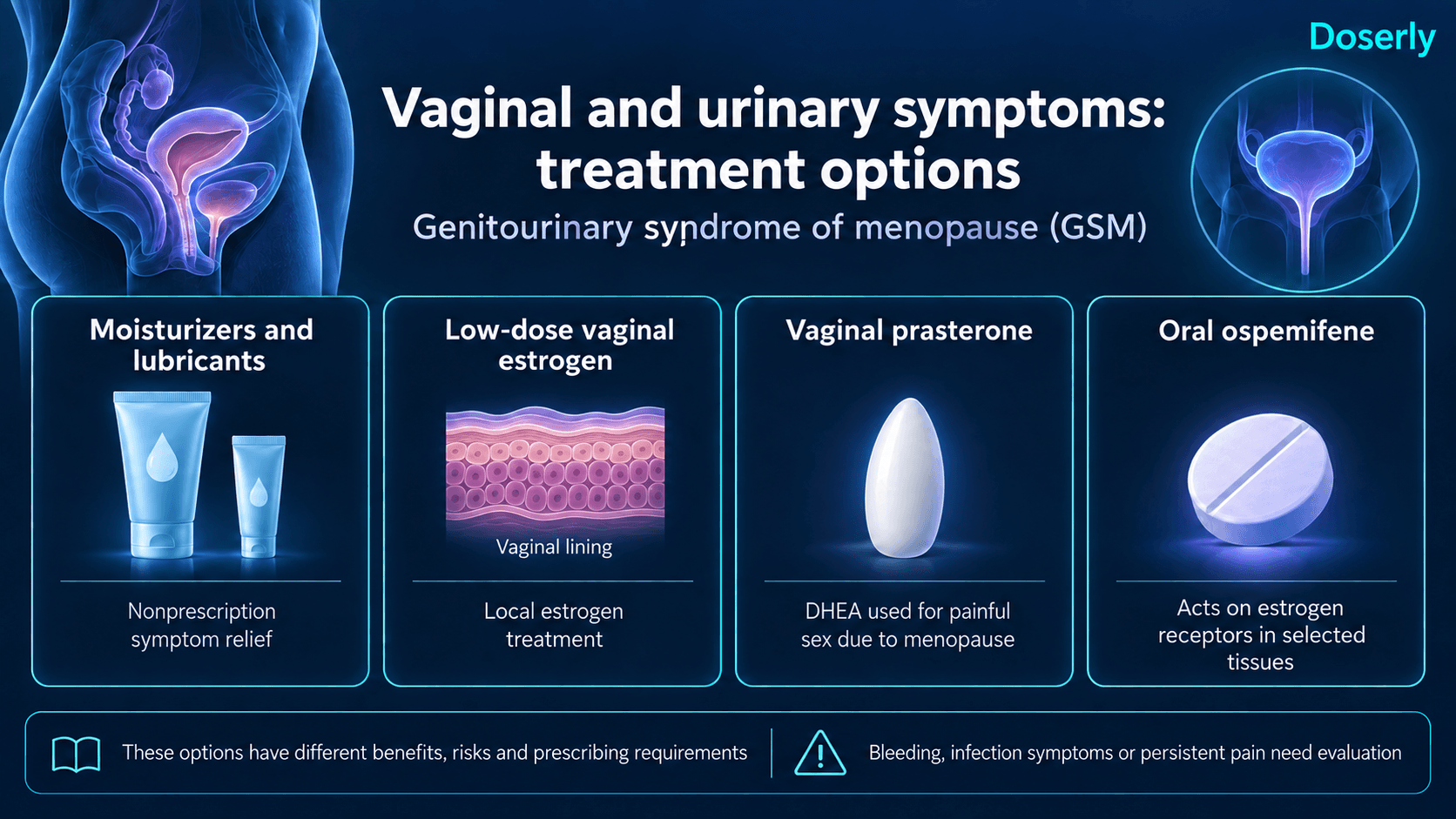
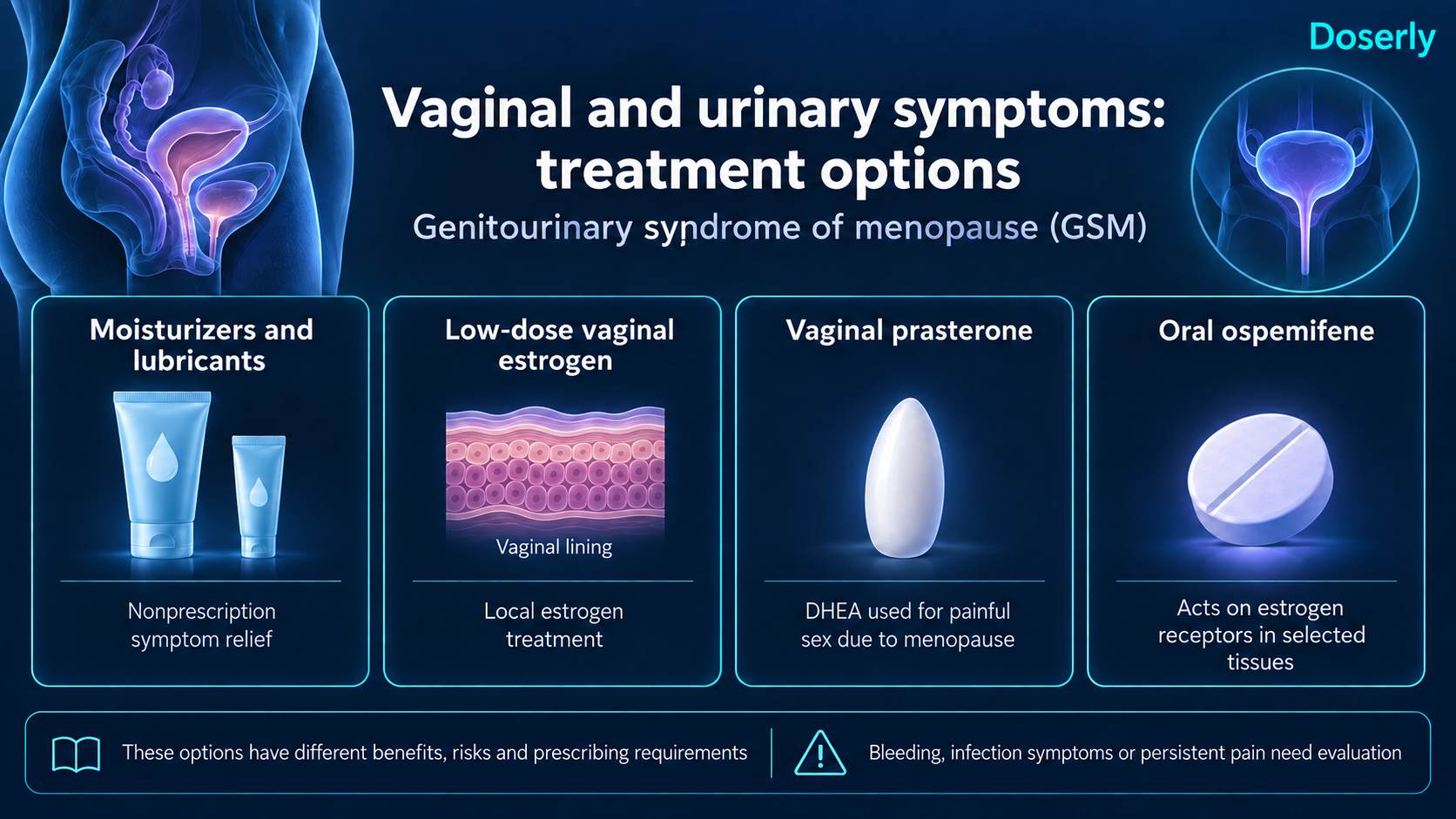
The options differ in indication, evidence and contraindications. Prasterone is a vaginal hormone precursor; ospemifene is an oral estrogen-receptor modulator. The diagram is not a head-to-head efficacy comparison or a recommendation to combine treatments.
Pharmacokinetics / Hormone Physiology
The Basics
The hormones that support sexual function reach their target tissues through the bloodstream, but the route matters enormously.
Estrogen affects sexual function both systemically (throughout the body, including the brain) and locally (in the vaginal and vulvar tissues). When estrogen is taken by mouth, it passes through the liver first, which converts a large portion to less active forms. When applied to the skin as a patch or gel, estrogen enters the bloodstream more directly and maintains steadier levels. And when applied directly to the vagina, estrogen works primarily on the local tissues without significant systemic absorption, making it an option even for women who cannot or choose not to take systemic HRT.
Testosterone in women is produced by the ovaries and the adrenal glands, and also converted locally within tissues from precursors like DHEA. When testosterone is used therapeutically for low sexual desire, it is typically given as a transdermal gel or cream applied to the skin at one-tenth the dose used in men. This approach maintains testosterone within the female physiological range and minimizes side effects.
The timing of response varies by treatment. Vaginal estrogen may begin improving dryness and comfort within 2 to 4 weeks. Testosterone's effects on libido typically take 8 to 12 weeks to become clinically noticeable, and the BMS recommends trialing treatment for a minimum of 3 to 6 months before assessing efficacy.
The Science
Estradiol pharmacology for sexual function:
Systemic estradiol (transdermal or oral) achieves plasma concentrations of 40 to 100 pg/mL at therapeutic doses. Transdermal delivery maintains a physiological E2:E1 ratio of approximately 1:1 and avoids first-pass hepatic effects that increase SHBG production, potentially reducing free testosterone bioavailability [17].
Vaginal estrogen preparations (estradiol cream, tablets, ring; conjugated estrogen cream) produce primarily local effects. Low-dose vaginal estradiol (10 mcg tablet, 7.5 mcg ring) achieves serum estradiol levels that remain within the postmenopausal range while effectively restoring vaginal epithelial maturation, increasing submucosal blood flow, and normalizing vaginal pH [18].
Testosterone pharmacology:
Transdermal testosterone (300 mcg/day, equivalent to approximately 5 mg of a 2% gel preparation at one-tenth the male dose) achieves total testosterone concentrations in the premenopausal range (15 to 46 ng/dL). Oral testosterone undergoes extensive first-pass hepatic metabolism and is generally not recommended for women [16][19]. Intravaginal DHEA (prasterone 6.5 mg daily, marketed as Intrarosa) is converted locally to both estrogen and androgens, improving all domains of sexual function related to GSM [20].
Research & Clinical Evidence
The Basics
Estrogen and sexual function
The largest body of evidence on estrogen and sexual function comes from a Cochrane review updated in 2023, which analyzed 47 randomized controlled trials involving nearly 36,000 women. The overall finding was that estrogen therapy may slightly improve sexual function, particularly in the areas of lubrication, pain reduction, and satisfaction. The benefit was most clear in women with menopausal symptoms or those in early postmenopause (within 5 years of their last period) [21].
This is an important finding to interpret carefully. Estrogen reliably improves the physical aspects of sexual function (reducing dryness, improving tissue health, reducing pain), but its effect on desire is modest and inconsistent. For many women, estrogen addresses the conditions that make sex uncomfortable without necessarily restoring the drive to seek it out.
Testosterone and desire
Testosterone therapy has a stronger evidence base specifically for improving sexual desire. Multiple randomized controlled trials in surgically and naturally postmenopausal women have shown that transdermal testosterone improves the frequency of sexually satisfying events, desire, arousal, and orgasm [22][23]. The ISSWSH clinical practice guideline (2021) concluded that there is a "moderate therapeutic benefit" of testosterone for postmenopausal women with HSDD [24].
In clinical trials, approximately two-thirds of women with low libido responded positively to testosterone supplementation [16]. However, testosterone is not a universal solution. Response varies, and the biopsychosocial context (relationship quality, stress, mood, partner health) significantly influences outcomes.
Non-hormonal approaches
Cognitive behavioral therapy (CBT) has shown meaningful results for menopausal sexual concerns. A study presented at The Menopause Society's 2024 meeting found that a four-session CBT protocol improved sexual functioning, body image, couple satisfaction, and reduced menopause symptoms, depression, and anxiety [25]. Pelvic floor therapy and mindfulness-based interventions also have supporting evidence.
The Science
Cochrane meta-analysis (Lara et al., 2023):
The updated Cochrane review included 34 RCTs (15,079 participants) in the meta-analysis. Estrogen therapy vs control showed SMD 0.16 (95% CI: 0.02 to 0.29; I2 = 59%; 16 studies, 2,925 participants). In symptomatic/early postmenopausal women, the effect was larger: SMD 0.50 (95% CI: 0.04 to 0.96; 3 studies, 699 women; moderate-quality evidence). Estrogen combined with progestogens showed SMD 0.11 (95% CI: -0.07 to 0.29; 7 studies, 2,432 participants), with uncertain benefit [21].
Testosterone evidence:
A 2019 systematic review of RCTs confirmed that testosterone therapy improves sexual function in postmenopausal women, with effects on desire, arousal, orgasm, and frequency of sexually satisfying events [22]. A 2024 review (PMID: 39690483) summarized that available evidence from large cohort and registry studies does not show potentially concerning cardiovascular or breast safety signals with physiological levels of testosterone [23]. The ISSWSH guideline (2021, Parish et al.) based on review by 16 international experts concluded moderate therapeutic benefit for HSDD [24].
Non-hormonal treatment evidence:
A systematic review (Sarmento et al., 2020; PMID: 36446564) evaluated 55 studies across multiple non-hormonal approaches. Lubricants and moisturizers (18 studies), phytoestrogens (14 studies), DHEA (8 studies), and ospemifene (5 studies) had the largest evidence bases. Pelvic floor exercises and vaginal CO2 laser had limited but promising data [26].
Benefits & Therapeutic Effects
The Basics
The benefits of treating menopausal sexual dysfunction extend far beyond the bedroom. When sexual discomfort is addressed, the effects often cascade into improved self-confidence, stronger intimate relationships, better sleep, and a renewed sense of identity.
Vaginal estrogen is often the first treatment that makes the biggest practical difference. By restoring moisture, elasticity, and blood flow to vaginal tissues, it can transform sex from something painful and dreaded into something comfortable again. Many women describe this as a "game changer," and the relief can be felt within weeks of starting treatment.
Systemic HRT (estrogen patches, gels, or pills, with or without progesterone) addresses the broader hormonal environment. By improving vasomotor symptoms, sleep, and mood, systemic HRT can remove barriers to sexual interest even when desire does not increase directly. Some women experience a return of desire on systemic HRT alone, while others notice improvement only in physical comfort.
Testosterone supplementation has the most targeted evidence for improving sexual desire specifically. Women who add testosterone after trying HRT alone frequently describe a meaningful return of interest, spontaneity, and responsiveness. Beyond libido, some women report improvements in energy, motivation, and overall vitality.
Non-hormonal approaches also offer real benefits. CBT can help women reframe their relationship with desire, address body image concerns, and improve communication with partners. Pelvic floor therapy strengthens the muscles that support arousal and orgasm. And lubricants and moisturizers, while they do not address the underlying cause, can make a significant practical difference for daily comfort and during sexual activity.
The Science
Estrogen benefits for sexual function:
The Cochrane review (2023) demonstrated estrogen therapy's primary benefits in the lubrication, pain, and satisfaction domains of sexual function composite scores [21]. Local vaginal estrogen effectively reverses atrophic changes: increasing vaginal epithelial thickness, restoring lactobacillus-dominant flora, normalizing pH, and improving the vaginal maturation index [18]. These changes directly reduce dyspareunia and improve genital arousal response.
Testosterone benefits:
Meta-analyses demonstrate that transdermal testosterone at physiological female doses (300 mcg/day) significantly increases: sexually satisfying events (mean increase of approximately 1 additional event per 4-week period), sexual desire, arousal, orgasm, and responsiveness [22][23]. The benefit appears independent of whether testosterone is used with or without concomitant estrogen, though BMS guidance notes that concomitant estrogen may optimize outcomes [16].
DHEA/Prasterone benefits:
Intravaginal DHEA (prasterone 6.5 mg daily) improves all four domains measured by the Female Sexual Function Index: desire, arousal, lubrication/orgasm, and pain. It acts through local intracrine conversion to both estrogens and androgens in the vaginal tissue [20].
Benefits don't always arrive all at once. Some symptoms respond in days, others take weeks or months to shift. Doserly's analytics help you see the full picture by correlating your treatment timeline with changes across every symptom you're tracking, surfacing patterns that are easy to miss when you're living through the transition day by day.
The app can help you understand which benefits came first, whether improvements plateau or continue building, and how different aspects of your health connect to each other. When you can see the trajectory clearly, it's easier to stay the course through the adjustment period and to share meaningful updates with your provider.
Risks, Side Effects & Safety
The Basics
Every treatment has a risk-benefit balance, and sexual health treatments are no exception. Understanding the actual risks (not the exaggerated fears) helps you make informed decisions with your healthcare provider.
Vaginal estrogen has an excellent safety profile. Because it works locally and produces minimal systemic absorption at low doses, the risks associated with systemic HRT (blood clots, breast cancer concerns) generally do not apply. It can be used long-term, and current guidelines confirm that vaginal estrogen does not require progesterone opposition in women with a uterus when used at low doses. Common side effects are mild and local: vaginal discharge, mild irritation, or spotting that typically resolves within the first few weeks.
Systemic HRT carries the same risk considerations discussed in other guides on this site. The most important points for the sexual health context: transdermal estrogen has a lower observed clot-risk signal than oral estrogen, and timing matters. When started within 10 years of menopause or before age 60, the risk-benefit balance is generally more favorable for appropriate candidates.
Testosterone side effects at female-appropriate doses (one-tenth the male dose) are uncommon but include: acne, increased facial or body hair growth, and weight gain. These are usually reversible with dose reduction or discontinuation. More concerning side effects like voice deepening, scalp hair loss, or clitoral enlargement are rare when testosterone is maintained within the female physiological range. Long-term safety data beyond 2 years is limited, which is an acknowledged gap in the evidence [16][24]. No concerning cardiovascular or breast cancer safety signals have been identified in available data from large cohort and registry studies [23].
Flibanserin and bremelanotide are approved only for premenopausal women with HSDD in the US. Flibanserin can cause low blood pressure, dizziness, and fainting, especially when combined with alcohol. Bremelanotide can cause nausea, particularly with initial doses.
The Science
Vaginal estrogen safety:
The 2025 AUA/SUFU/AUGS GSM guideline supports low-dose vaginal estrogen as the best-studied local therapy for GSM, with minimal systemic absorption for low-dose products and no routine progestogen requirement in guideline-based care [11][18]. U.S. labeling should now be checked product by product: Estring was included in the February 2026 FDA label-update list, while other vaginal estrogen products may still carry older systemic-estrogen warning language. New or postmenopausal bleeding still requires evaluation.
Systemic HRT risk in context:
For combined HRT (estrogen plus progestogen), the WHI found a hazard ratio of 1.26 (95% CI: 1.00 to 1.59) for invasive breast cancer, corresponding to 8 additional cases per 10,000 women per year of use. Transdermal estradiol with micronized progesterone has a more favorable risk profile than oral conjugated estrogens with MPA based on observational data from the E3N cohort [27]. Venous thromboembolism risk is increased with oral estrogen (approximately 18 additional events per 10,000 women per year in the WHI) but not with transdermal estrogen (ESTHER study: adjusted OR 0.9, 95% CI: 0.4 to 2.1) [28].
Testosterone safety:
The ISSWSH guideline (2021) recommends monitoring total testosterone, SHBG, and free androgen index (FAI) at baseline, 3 months, 6 months, and annually during testosterone therapy. Testosterone levels should be maintained within the female physiological range. Baseline renal, lipid, liver, and metabolic panels are advised. No FDA-approved female testosterone products exist in the US; UK approval of Androfeme (1% testosterone cream) by the MHRA in August 2025 represents the first female-specific product in that market [16][19][24].
Dosing & Treatment Protocols
The Basics
Treatment for menopausal sexual dysfunction is typically stepped, starting with the simplest approaches and adding more targeted therapies based on response.
Step 1: Address GSM and physical comfort. Vaginal estrogen is the foundation. Options include estradiol cream (applied 2 to 3 times weekly after an initial daily loading phase), estradiol tablets (10 mcg inserted vaginally twice weekly), the estradiol ring (replaced every 90 days), or vaginal DHEA inserts (6.5 mg nightly). Over-the-counter lubricants (water-based or silicone-based) and long-acting vaginal moisturizers (used 2 to 3 times weekly regardless of sexual activity) are complementary.
Step 2: Optimize systemic HRT. If vasomotor symptoms, mood changes, or sleep disruption are contributing to sexual dysfunction, systemic estrogen (transdermal preferred for safety profile) with appropriate progesterone should be optimized. Adequate systemic estrogen may improve general wellbeing enough to allow sexual interest to return.
Step 3: Consider testosterone. If HRT alone has not sufficiently improved desire, testosterone supplementation may be considered. The typical approach uses male testosterone preparations at reduced doses: Tostran 2% gel (1 metered pump provides 10 mg; half a pump or one-tenth used for women, delivering approximately 5 mg daily) or Testogel sachets at an equivalent reduced dose. Testosterone is applied to clean, dry skin on the lower abdomen or upper thighs. Hands should be washed immediately after application.
Step 4: Non-hormonal approaches. For women who cannot or prefer not to use hormonal treatments, ospemifene (60 mg daily, an oral SERM) addresses GSM-related pain. CBT, mindfulness, and pelvic floor therapy address psychological and muscular components of sexual dysfunction.
Response timelines: vaginal estrogen may show initial improvement within 2 to 4 weeks but full benefit may take 3 months. Testosterone typically requires 8 to 12 weeks for noticeable effect on desire, with full assessment recommended after 3 to 6 months.
The Science
Vaginal estrogen dosing protocols:
Estradiol cream 0.01%: loading phase of 0.5g to 1g daily for 2 weeks, then maintenance of 0.5g to 1g 2 to 3 times weekly. Estradiol tablets (Vagifem/Imvexxy): 10 mcg daily for 2 weeks, then twice weekly. Estradiol ring (Estring): 7.5 mcg/24h, replaced every 90 days. Conjugated estrogen cream (Premarin): 0.5g daily for 2 weeks, then 0.5g 1 to 3 times weekly [11][18].
Testosterone dosing:
The ISSWSH guideline recommends transdermal testosterone at doses achieving premenopausal physiological levels (total testosterone 15 to 46 ng/dL). Typical starting doses: Tostran 2% gel at approximately 5 mg/day (half a metered pump); Testogel 40.5mg sachets at approximately one-tenth sachet. Dose titration based on clinical response and FAI levels [16][19][24].
Prasterone (Intrarosa) dosing: 6.5 mg vaginal insert nightly. FDA-approved for dyspareunia related to GSM.
Ospemifene dosing: 60 mg orally once daily with food. FDA-approved for dyspareunia due to GSM.
What to Expect (Timeline)
Days 1 to 7: If starting vaginal estrogen, mild local effects (discharge, mild irritation) may occur as tissues begin responding. If starting testosterone, no noticeable effects yet. Lubricants and moisturizers provide immediate comfort during this period.
Weeks 2 to 4: Vaginal estrogen begins showing effects: improved moisture, reduced friction, less discomfort. Some women notice that intimacy becomes more comfortable within this window. Systemic HRT, if newly started, may bring initial side effects (breast tenderness, bloating, mood fluctuations) that typically settle.
Months 1 to 3: Vaginal tissues continue to improve. If testosterone was started, early signs of increased sexual interest may emerge, though 8 to 12 weeks is typical for noticeable change. Some women describe the return of sexual thoughts or a renewed interest in physical closeness. Improved lubrication and reduced pain continue to build confidence around intimacy.
Months 3 to 6: Full therapeutic effect of vaginal estrogen is typically achieved. Testosterone, if being used, should show meaningful improvement in desire and arousal by this point. If no improvement is noted after 6 months of testosterone, reassessment is warranted (dose adjustment, alternative preparation, or reconsideration of diagnosis). Overall quality of life improvements from HRT (better sleep, stable mood, fewer hot flashes) contribute to a more favorable environment for sexual interest.
Ongoing maintenance: Annual review of all hormone therapies with your healthcare provider. Vaginal estrogen can be continued indefinitely. Testosterone levels should be monitored annually. Dose adjustments may be needed as the body's hormone environment continues to change with aging. Partner health, relationship dynamics, and psychosocial factors should be revisited periodically, as these are not static.
Timelines in clinical literature describe averages. Your own timeline is what matters. Doserly's trend analysis turns your daily symptom entries into visual trajectories, showing you how each symptom is progressing over weeks and months of treatment.
The app helps you see patterns that day-to-day experience can obscure, like a gradual improvement in comfort that started two weeks after a dose increase, or sexual interest returning steadily even when individual days make it feel like nothing has changed. These insights give both you and your provider a clearer picture of treatment response.
Timing Hypothesis & Window of Opportunity
The timing hypothesis, most commonly discussed in the context of cardiovascular outcomes, also has implications for sexual health. The general principle is that HRT initiated within 10 years of menopause onset or before age 60 tends to have a more favorable risk-benefit profile than late initiation [29].
For sexual health specifically, early intervention matters for a different reason. GSM is progressive: the longer vaginal tissues go without estrogen support, the more atrophic they become, and the more difficult (though not impossible) it is to reverse the changes. Starting vaginal estrogen at the first signs of dryness or discomfort is more effective than waiting until tissues are severely atrophied.
The Cochrane review data support this: estrogen therapy showed larger improvements in sexual function composite scores in women within 5 years of amenorrhea (SMD 0.50) compared to unselected postmenopausal women (SMD 0.64, but with a wider confidence interval crossing zero) [21].
For testosterone, the timing evidence is less clear. The ISSWSH guideline does not specify a window of optimal initiation relative to menopause, and clinical trials have included women at varying intervals post-menopause [24].
Current guideline positions from NAMS, BMS, and IMS converge on the principle that earlier treatment of GSM is preferable, and that the benefit of systemic HRT for sexual function is most clear in symptomatic women in early postmenopause.
Interactions & Compatibility
Drug-drug interactions relevant to sexual health treatments:
SYNERGISTIC:
- Vaginal estrogen + systemic HRT: complementary; systemic HRT provides general hormonal support while vaginal estrogen targets local tissue health
- Testosterone + systemic estrogen: estrogen may optimize the tissue environment for testosterone's effects; BMS notes concomitant estrogen may enhance outcomes
- Vaginal DHEA (Intrarosa) + systemic HRT: can be used together for women who need both systemic and local treatment
CAUTION:
- Oral estrogen + testosterone: oral estrogens (especially conjugated equine estrogens) increase sex hormone-binding globulin (SHBG), reducing free testosterone and potentially diminishing testosterone therapy benefit. Transdermal estrogen has less impact on SHBG [16]
- SSRIs/SNRIs + sexual function: SSRIs are a common cause of iatrogenic sexual dysfunction (reduced desire, arousal, and orgasm difficulty). If SSRIs are contributing to sexual dysfunction, discuss alternatives with your prescriber. Bupropion has a more favorable sexual side effect profile
- Lamotrigine + oral estrogen: estrogen reduces lamotrigine levels significantly, requiring dose adjustment
- Thyroid medications: estrogen increases thyroid-binding globulin (TBG); levothyroxine dose may need adjustment when starting systemic HRT
AVOID:
- Testosterone + pregnancy/breastfeeding: absolutely contraindicated
- Testosterone in women with active hormone-sensitive breast cancer (off-label exceptions may apply under specialist guidance)
Internal cross-links:
- Estradiol (Bioidentical) for detailed estradiol pharmacology
- Micronized Progesterone for progesterone options
- DHEA/Prasterone (Intrarosa) for vaginal DHEA details
- Ospemifene (Osphena) for non-hormonal SERM option
- Tibolone (Livial) for combined estrogenic/androgenic/progestogenic option
- GSM Guide for comprehensive genitourinary syndrome coverage
Decision-Making Framework
Is treatment right for me?
Sexual health during menopause is deeply personal. Not every woman who experiences changes in desire or arousal wants or needs treatment. The key question is whether the changes are causing you distress or negatively affecting your relationships and quality of life.
A biopsychosocial assessment comes first. Before starting any medication for sexual dysfunction, a comprehensive evaluation should address:
- Biological factors: menopausal status, current medications (SSRIs, beta-blockers, antihistamines), chronic health conditions (diabetes, cardiovascular disease, thyroid disorders), pain during intercourse, vaginal dryness
- Psychological factors: depression, anxiety, stress, body image concerns, history of sexual trauma, grief related to hormonal changes
- Social/relational factors: relationship quality and satisfaction, partner sexual health and function, communication about sexual needs, life stressors (caregiving, career transitions), cultural and religious beliefs about sexuality
Questions to ask your provider:
- Could any of my current medications be contributing to sexual changes?
- Would vaginal estrogen be appropriate for me even if I am not on systemic HRT?
- Should we discuss testosterone supplementation, and if so, what monitoring would be needed?
- Are there non-hormonal approaches that might help alongside or instead of medication?
- Can you refer me to a pelvic floor therapist or sex therapist if needed?
Finding a specialist:
- NAMS Certified Menopause Practitioners (MSCP): searchable directory at menopause.org
- ISSWSH members: specialists in women's sexual health
- Pelvic floor physiotherapists: for musculoskeletal contributions to sexual pain
- Sex therapists: for psychological and relational dimensions (look for AASECT-certified providers)
Self-advocacy guidance: If your provider dismisses your sexual health concerns, you have the right to seek a second opinion. Sexual dysfunction during menopause is a recognized medical condition with evidence-based treatments. You are not "just getting older," and your concerns deserve serious clinical attention.
Administration & Practical Guide
Vaginal estrogen application:
- Cream (Estrace, Premarin): Use the measured applicator provided. Insert gently into the vagina, typically at bedtime. Apply a thin layer to the vulvar area if prescribed. Start with daily use for 2 weeks, then reduce to 2 to 3 times weekly.
- Tablet/insert (Vagifem, Imvexxy): Insert into the vagina with the provided applicator or by finger. Daily for 2 weeks, then twice weekly.
- Ring (Estring): Insert into the upper third of the vagina. It remains in place continuously for 90 days, then is replaced. It can be left in during intercourse in most cases.
- DHEA insert (Intrarosa): Insert one suppository nightly using the applicator provided.
Testosterone gel application:
- Apply to clean, dry skin on the lower abdomen or upper thighs. Rotate application sites.
- Wash hands thoroughly after application.
- Avoid skin-to-skin transfer: do not allow others (especially children or pregnant women) to contact the application site until the gel has dried completely (at least 1 to 2 hours).
- Apply before bedtime if possible to minimize transfer risk.
- Do not apply to the breasts or face.
Lubricant and moisturizer guidance:
- Lubricants (used during sexual activity): water-based lubricants are compatible with condoms and most toys. Silicone-based lubricants last longer but are not compatible with silicone toys. Avoid products with glycerin (can promote yeast infections), parabens, or fragrances.
- Moisturizers (used regularly for daily comfort): long-acting hyaluronic acid-based or polycarbophil-based vaginal moisturizers (e.g., Replens, Hyalo GYN) applied 2 to 3 times weekly, regardless of sexual activity.
Monitoring & Lab Work
Before starting testosterone:
- Total testosterone, SHBG, and free androgen index (FAI): to establish baseline and rule out androgen excess
- Lipid panel: testosterone may affect HDL cholesterol
- Liver function tests: particularly if using oral preparations
- Renal function: baseline metabolic panel
During testosterone therapy:
- Total testosterone, SHBG, and FAI: at 3 months, 6 months, then annually
- Clinical assessment of side effects: acne, hirsutism, scalp hair changes, voice changes
- Lipid panel: monitor HDL cholesterol
- Blood testosterone should remain within the female physiological range (total testosterone typically below 70 ng/dL)
For vaginal estrogen:
- No routine blood monitoring required for low-dose vaginal estrogen
- No endometrial monitoring required (no progesterone opposition needed at low doses)
- Clinical assessment of symptom response at 3 to 6 months
General menopause monitoring:
- Mammography per national screening guidelines
- DEXA scan if osteoporosis risk factors present
- Annual review of all HRT including assessment of ongoing need
Complementary Approaches & Lifestyle
Evidence-based complementary strategies for sexual health:
Exercise: Regular physical activity improves sexual function through multiple mechanisms: increased blood flow to genital tissues, improved mood and body image, reduced stress hormones, and enhanced cardiovascular fitness. Resistance training may be particularly beneficial for maintaining muscle tone, energy, and body composition. Yoga has shown promise for improving arousal and orgasm in studies of midlife women.
Pelvic floor therapy: Pelvic floor physiotherapy can improve arousal, orgasm, and reduce pain during intercourse. Strengthening the pelvic floor muscles supports blood flow to the genital region and enhances the muscular contractions involved in orgasm. A pelvic floor therapist can also identify and treat pelvic floor muscle tension (hypertonicity), which can be a hidden cause of sexual pain.
Diet: A Mediterranean dietary pattern is associated with improved sexual function in observational studies. Adequate vitamin D, omega-3 fatty acids, and zinc support overall hormonal health. Phytoestrogen-rich foods (soy, flaxseed) may provide modest benefit for mild symptoms but should not be expected to replace hormonal treatment for significant dysfunction.
Sleep hygiene: Poor sleep directly reduces sexual interest and arousal capacity. Temperature management (cool bedroom, breathable bedding), consistent sleep schedule, and addressing night sweats through appropriate treatment all support sexual wellbeing.
Mindfulness and CBT: Mindfulness-based interventions help women reconnect with bodily sensations, reduce performance anxiety, and increase present-moment awareness during sexual activity. CBT can address negative thought patterns about aging, body image, and sexuality that suppress desire.
Communication: Open communication with a partner about changes in desire, new preferences, and emotional needs is consistently cited as one of the most important factors in maintaining sexual satisfaction through the menopause transition.
Supplements with limited evidence: Maca, ashwagandha, and other supplements marketed for libido have limited or inconsistent evidence. They should not be considered substitutes for evaluating GSM, relationship factors, mood, sleep, medication effects, pelvic pain, or evidence-based therapies when indicated.
The research is clear that lifestyle factors and HRT work together. But knowing that in general and seeing it in your own data are two different things. Doserly's cross-factor analytics reveal how your exercise, nutrition, sleep, and stress patterns interact with your hormone therapy outcomes.
The app can surface insights you might not connect on your own, like whether your comfort during intimacy improves during weeks when you hit your exercise targets, or whether sleep quality improvements correlate with consistent magnesium supplementation alongside your HRT. These personalized patterns help you and your provider build a truly holistic treatment approach.
Stopping HRT / Discontinuation
Decisions about stopping sexual health treatments should be individualized and made in consultation with your healthcare provider.
Vaginal estrogen: Current guidelines from NAMS, BMS, and the Endocrine Society support indefinite use of vaginal estrogen for GSM. Unlike systemic HRT, there is no recommended duration limit. GSM symptoms typically return when vaginal estrogen is discontinued, as the underlying cause (estrogen deficiency) persists. Many women continue vaginal estrogen for decades.
Testosterone: Annual reassessment is recommended. If testosterone has been beneficial, most guidelines support continuation with ongoing monitoring. If no benefit is observed after 6 months, discontinuation and diagnostic reassessment are appropriate. There is no established maximum duration of use, but long-term safety data beyond 2 years from RCTs is limited. Tapering is not typically required; testosterone can be stopped abruptly if needed.
Systemic HRT: If systemic HRT was initiated primarily for vasomotor symptoms and those have resolved, gradual tapering (reducing dose over weeks to months) is generally preferred over abrupt cessation. Sexual function may decline if systemic HRT is stopped, particularly if it was contributing to overall wellbeing, mood, and sleep. Vaginal estrogen should typically be continued even when systemic HRT is discontinued, as GSM does not resolve with menopause progression.
Non-hormonal treatments: CBT skills and pelvic floor exercises provide durable benefits that persist after treatment ends. Lubricant and moisturizer use can be adjusted based on current need.
Special Populations & Situations
Surgical Menopause
Women who undergo bilateral oophorectomy experience abrupt loss of both ovarian estrogen and testosterone. Sexual dysfunction can be more severe and more sudden than in natural menopause. The BMS notes that "libido loss can be more prominent than in a natural menopause" because post-menopausal ovaries normally continue producing androgens [30]. HRT is particularly important for this population, and testosterone supplementation may be considered earlier in the treatment sequence given the more profound androgen deficiency.
Premature Ovarian Insufficiency (POI)
Women with POI (menopause before age 40) experience sexual health changes decades earlier than expected. HRT in this context is physiological replacement, not elective supplementation, and should continue until at least the average age of natural menopause (approximately 51). Sexual health should be actively assessed and treated as part of comprehensive POI management.
Breast Cancer Survivors
Systemic HRT is generally contraindicated in hormone receptor-positive breast cancer survivors. This creates a significant challenge for sexual health, as many breast cancer treatments (aromatase inhibitors, tamoxifen) worsen GSM and sexual dysfunction. Options include: non-hormonal vaginal moisturizers and lubricants, ospemifene (contraindicated with tamoxifen, requires oncology guidance), vaginal estrogen (increasingly supported by evidence as safe in this population, but requires informed consent and oncology discussion), pelvic floor therapy, and psychological interventions [11].
Women on SSRIs
Selective serotonin reuptake inhibitors are a common iatrogenic cause of sexual dysfunction, affecting desire, arousal, and orgasm. If SSRIs are necessary for depression or anxiety management, strategies include: switching to bupropion (lower sexual side effect profile), dose reduction if clinically appropriate, adding bupropion as augmentation, and addressing hormonal factors concurrently. This requires coordination between mental health and menopause-focused providers.
Women Without Partners
Sexual health is not defined by partnered activity. Solo sexual function, self-pleasure, and genital tissue health remain important aspects of wellbeing regardless of relationship status. Vaginal estrogen maintains tissue health and comfort independent of sexual activity. Maintaining pelvic floor strength supports urinary continence and overall genital health.
LGBTQ+ Individuals
Sexual health during menopause is relevant regardless of sexual orientation or gender identity. Treatment approaches are the same, though provider communication should be sensitive to individual needs and terminology preferences. Trans masculine individuals and non-binary people assigned female at birth may have unique considerations regarding testosterone therapy in the context of gender-affirming care.
Regulatory, Insurance & International
United States (FDA):
- Vaginal estrogen products (Vagifem, Imvexxy, Estring, Estrace cream): FDA-approved for treatment of vulvar and vaginal atrophy due to menopause
- Prasterone/DHEA (Intrarosa): FDA-approved for moderate to severe dyspareunia due to GSM
- Ospemifene (Osphena): FDA-approved for moderate to severe dyspareunia due to GSM
- Flibanserin (Addyi) and bremelanotide (Vyleesi): FDA-approved for premenopausal HSDD only (not approved for postmenopausal women)
- Testosterone: No FDA-approved product for women. Off-label use of male products (AndroGel, Testim) at reduced doses is common
- Insurance coverage varies; prior authorization may be required for brand-name vaginal estrogen products. Generic estradiol cream is widely available
United Kingdom (MHRA):
- Vaginal estrogen widely available on NHS prescription
- Androfeme 1% testosterone cream: received MHRA approval August 2025 (first female-specific testosterone product in the UK market)
- Off-label testosterone (Tostran 2%, Testogel): prescribed following BMS and NICE guidance
- HRT Prepayment Certificate available for cost savings
Canada (Health Canada):
- Vaginal estrogen products approved and available
- Testosterone for women remains off-label
- Provincial formulary coverage varies
Australia (TGA):
- Androfeme 1% testosterone cream: registered and available (the only specifically female-licensed testosterone product globally prior to UK MHRA approval)
- Vaginal estrogen products available on PBS
Frequently Asked Questions
Is it normal for my sex drive to disappear during menopause?
Changes in sexual desire during menopause are very common, affecting 68% to 87% of peri- and postmenopausal women. While common, this does not mean it is inevitable or untreatable. If these changes are causing you distress, discuss them with a healthcare provider who is knowledgeable about menopause.
Will HRT bring back my libido?
It depends. Systemic HRT (estrogen with or without progesterone) may improve desire in some women, particularly if vasomotor symptoms, mood changes, or sleep disruption were suppressing libido. However, the Cochrane review shows that estrogen's direct effect on desire is modest. For women whose primary concern is low desire, testosterone supplementation after a trial of HRT has a stronger evidence base. Response is individual and not guaranteed.
Is testosterone safe for women?
At physiological female doses (one-tenth the male dose), available data from clinical trials and large cohort studies do not show concerning cardiovascular or breast cancer safety signals. Common side effects include acne and increased facial hair, which are usually reversible. Long-term safety data beyond 2 years from RCTs is limited. A healthcare provider should monitor testosterone levels and side effects during treatment.
Can I use vaginal estrogen if I have had breast cancer?
This is a nuanced question that requires discussion with your oncologist. Increasingly, evidence supports the safety of low-dose vaginal estrogen even in breast cancer survivors, as systemic absorption is minimal. However, the decision involves weighing individual risk factors, cancer type, and current treatment. Non-hormonal alternatives (moisturizers, lubricants, ospemifene in some cases, pelvic floor therapy) are available.
I have no interest in sex at all. Is that a problem?
Not necessarily. Sexual desire exists on a spectrum, and if the absence of desire is not causing you personal distress or relationship difficulties, it does not require treatment. The key criterion for sexual dysfunction is that the change causes clinically significant distress. If you are content, no intervention is needed.
My partner and I haven't had sex in years. Is this abnormal?
There is no "normal" frequency for sexual activity at any age. If both partners are satisfied with the level of intimacy in the relationship (which may or may not include intercourse), there is nothing to be concerned about. If there is conflict or distress around the issue, couples counseling with a therapist experienced in sexual health may be helpful.
Should I take supplements for menopause-related sexual dysfunction?
The evidence for supplements (maca, ashwagandha, DHEA taken orally, ginseng) for menopausal sexual dysfunction is limited and inconsistent. The 2025 AUA/ISSWSH GSM Guidelines specifically note that evidence does not support the use of alternative supplements for GSM treatment. Evidence-based hormonal and non-hormonal treatments are more likely to be effective.
What about vaginal laser treatments?
Vaginal laser therapy (fractional CO2 laser) and radiofrequency treatments have shown some promise in small studies for improving vaginal dryness and sexual function, but evidence remains limited and these treatments are not yet recommended as standard of care by major menopause societies. They are typically not covered by insurance.
Can pelvic floor exercises really help with sexual function?
Yes. Pelvic floor exercises improve blood flow to genital tissues, strengthen muscles involved in arousal and orgasm, and can reduce pain during intercourse. A pelvic floor physiotherapist can also identify and treat pelvic floor tension (hypertonicity), which is an underrecognized cause of sexual pain.
What is the difference between spontaneous and responsive desire?
Spontaneous desire is the experience of wanting sex seemingly out of nowhere. Responsive desire is interest that develops in response to a sexual cue (touch, intimacy, arousing context). Many women notice a shift from primarily spontaneous to primarily responsive desire during and after menopause. This is a normal variation, not a dysfunction, and understanding this distinction can reduce distress about perceived loss of desire.
Myth vs. Fact
Myth: Menopause means the end of your sex life.
Fact: Many women maintain active and satisfying sex lives well beyond menopause. While hormonal changes can affect sexual function, effective treatments exist for every domain of sexual difficulty. Some women report that sex actually improves after menopause, freed from concerns about pregnancy and with greater self-knowledge [1].
Myth: Low libido during menopause is "just in your head."
Fact: Menopausal sexual changes have measurable biological underpinnings, including declining estradiol and testosterone levels, vaginal tissue atrophy, altered neurotransmitter activity, and changes in genital blood flow. While psychological and relational factors also play important roles, dismissing hormonal contributions is not evidence-based [2][7].
Myth: HRT will definitely bring back your sex drive.
Fact: The Cochrane review of 47 RCTs found that estrogen therapy may slightly improve sexual function, with the most consistent benefits in the domains of lubrication, pain reduction, and satisfaction rather than desire specifically. Testosterone has a stronger evidence base for desire, but response is not universal. Approximately one-third of women do not respond to testosterone for HSDD [21][22][24].
Myth: Testosterone is a "male hormone" that is inappropriate for women.
Fact: Testosterone is produced naturally by women throughout their lives. Healthy premenopausal women produce 100 to 400 micrograms per day. It plays essential roles in female sexual function, bone health, and body composition. At physiological female doses, testosterone supplementation has been endorsed by NICE, BMS, and ISSWSH for treatment of menopausal HSDD [16][24].
Myth: Vaginal dryness is just a minor inconvenience.
Fact: GSM is a progressive condition affecting over 50% of postmenopausal women. Without treatment, it worsens over time, leading to significant pain during intercourse, recurrent urinary tract infections, and reduced quality of life. Vaginal estrogen effectively treats GSM and can be used long-term [10][11].
Myth: If you use it or lose it, so regular sex prevents menopause-related changes.
Fact: While regular sexual activity (partnered or solo) supports vaginal blood flow and tissue health, it does not prevent estrogen-dependent atrophic changes. Women who are sexually active can still develop GSM. Vaginal estrogen addresses the underlying cause that activity alone cannot [18].
Myth: Natural remedies are just as effective as hormones for menopausal sexual dysfunction.
Fact: Supplements such as maca, ashwagandha, and herbal phytoestrogens have limited and inconsistent evidence for menopausal sexual dysfunction. The 2025 AUA/ISSWSH GSM Guidelines specifically note that evidence does not support alternative supplements for GSM. Evidence-based hormonal treatments (vaginal estrogen, systemic HRT, testosterone) have substantially stronger evidence [11][26].
Myth: Vaginal estrogen will increase my cancer risk.
Fact: Low-dose vaginal estrogen produces minimal systemic absorption and does not significantly raise serum estradiol above postmenopausal levels. The FDA class labeling on vaginal estrogen products (which includes a black box warning) reflects the labeling requirements for all estrogen products rather than specific evidence of risk at low vaginal doses. Major professional societies (NAMS, ACOG, Endocrine Society) support its safety [11][18].
Myth: There is nothing you can do about sexual dysfunction during menopause; it is just part of aging.
Fact: Multiple effective treatments exist: vaginal estrogen, systemic HRT, testosterone, ospemifene, DHEA, CBT, pelvic floor therapy, and mindfulness-based interventions. The belief that sexual dysfunction is an inevitable consequence of aging leads to undertreatment of a condition that significantly affects quality of life [1][6].
Sources & References
Clinical Guidelines
[1] The Menopause Society. Position Statement: Management of symptomatic vulvovaginal atrophy. Menopause. 2020;27(9):976-992.
[2] Simon JA, Davis SR, Althof SE, et al. Sexual well-being after menopause: an International Menopause Society White Paper. Climacteric. 2018;21(5):415-427. doi:10.1080/13697137.2018.1482647
[6] Clayton AH, Goldstein I, Kim NN, et al. The International Society for the Study of Women's Sexual Health Process of Care for Management of Hypoactive Sexual Desire Disorder in Women. Mayo Clin Proc. 2018;93(4):467-487. doi:10.1016/j.mayocp.2017.11.002
[7] Goldstein I, Kim NN, Clayton AH, et al. Hypoactive Sexual Desire Disorder: International Society for the Study of Women's Sexual Health (ISSWSH) Expert Consensus Panel Review. Mayo Clin Proc. 2017;92(1):114-128. doi:10.1016/j.mayocp.2016.09.018
[11] 2025 AUA/ISSWSH GSM Guidelines (endorsed by The Menopause Society and ISSWSH). American Urological Association. 2025.
[24] Parish S, Simon J, Davis S, et al. International Society for the Study of Women's Sexual Health Clinical Practice Guideline for the Use of Systemic Testosterone for Hypoactive Sexual Desire Disorder in Women. J Sex Med. 2021;18(5):849-867. doi:10.1016/j.jsxm.2020.10.009
[29] NICE. Menopause: identification and management (NG23). Last updated April 15, 2026. https://www.nice.org.uk/guidance/ng23
Systematic Reviews & Meta-Analyses
[21] Lara LA, et al. Hormone therapy for sexual function in perimenopausal and postmenopausal women. Cochrane Database Syst Rev. 2023;8:CD009672. doi:10.1002/14651858.CD009672.pub3
[22] Islam RM, Bell RJ, Green S, et al. Safety and efficacy of testosterone for women: a systematic review and meta-analysis of randomised controlled trial data. Lancet Diabetes Endocrinol. 2019;7(10):754-766.
[23] Simon JA, Ohleth K. Testosterone for Treating Female Sexual Dysfunction. Clin Obstet Gynecol. 2025;68(1):60-67. PubMed: 39690483. DOI: 10.1097/GRF.0000000000000916.
[26] Sarmento ACA, Costa APF, Lírio J, et al. Efficacy of Hormonal and Nonhormonal Approaches to Vaginal Atrophy and Sexual Dysfunctions in Postmenopausal Women: A Systematic Review. Rev Bras Ginecol Obstet. 2022;44(10):986-994. PubMed: 36446564. DOI: 10.1055/s-0042-1756148.
Landmark Studies & Observational Data
[3] World Health Organization. Sexual health and its linkages to reproductive health. WHO Technical Report Series. 2017.
[4] American Psychiatric Association. Diagnostic and Statistical Manual of Mental Disorders, 5th Edition, Text Revision (DSM-5-TR). 2022.
[5] DSM-5 Female Sexual Interest/Arousal Disorder diagnostic criteria. APA. 2022.
[8] Leiblum SR, Koochaki PE, Rodenberg CA, et al. Hypoactive sexual desire disorder in postmenopausal women: US results from the Women's International Study of Health and Sexuality (WISHeS). Menopause. 2006;13:46-56.
[9] Avis NE, Brockwell S, Randolph JF Jr, et al. Longitudinal changes in sexual functioning as women transition through menopause: results from the Study of Women's Health Across the Nation. Menopause. 2009;16(3):442-452.
[25] The Menopause Society. CBT for sexual function in postmenopausal women (2024 Annual Meeting abstract). 2024.
[27] Fournier A, Berrino F, Clavel-Chapelon F. Unequal risks for breast cancer associated with different hormone replacement therapies: results from the E3N cohort study. Breast Cancer Res Treat. 2008;107(1):103-111.
[28] Canonico M, Oger E, Plu-Bureau G, et al. Hormone therapy and venous thromboembolism among postmenopausal women: impact of the route of estrogen administration and progestogens: the ESTHER study. Circulation. 2007;115(7):840-845.
Government/Institutional Sources
[10] Portman DJ, Gass ML; Vulvovaginal Atrophy Terminology Consensus Conference Panel. Genitourinary syndrome of menopause: new terminology for vulvovaginal atrophy. Menopause. 2014;21(10):1063-1068.
[16] British Menopause Society. Testosterone replacement in menopause: BMS Tool for Clinicians. January 2026.
[19] BMS Menopause Practice Standards. March 2026.
Pharmacological References
[13] Raz R, Stamm WE. A controlled trial of intravaginal estriol in postmenopausal women with recurrent urinary tract infections. N Engl J Med. 1993;329(11):753-756.
[14] Traish AM, Kim N, Min K, et al. Role of androgens in female genital sexual arousal: receptor expression, structure, and function. Fertil Steril. 2002;77 Suppl 4:S11-18.
[15] Traish AM, Botchevar E, Kim NN. Biochemical factors modulating female genital sexual arousal physiology. J Sex Med. 2010;7(9):2925-2946.
[17] Kuhl H. Pharmacology of estrogens and progestogens: influence of different routes of administration. Climacteric. 2005;8 Suppl 1:3-63.
[18] The North American Menopause Society. The role of local vaginal estrogen for treatment of vaginal atrophy in postmenopausal women: 2007 position statement. Menopause. 2007;14(3 Pt 1):355-369.
[20] Labrie F, Archer DF, Koltun W, et al. Efficacy of intravaginal dehydroepiandrosterone (DHEA) on moderate to severe dyspareunia and vaginal dryness, symptoms of vulvovaginal atrophy, and of the genitourinary syndrome of menopause. Menopause. 2018;25(11):1339-1353.
[30] British Menopause Society. Surgical menopause: a toolkit for healthcare professionals. September 2024.
Related Guides & Cross-Links
Same Category (Symptom & System Guides):
- Menopause and Mental Health -- mood, anxiety, and cognitive changes during menopause
- Menopause, Heart & Bone Health -- cardiovascular and skeletal considerations
- Weight, Body Composition & Menopause -- metabolic and body composition changes
Related Conditions:
- Genitourinary Syndrome of Menopause (GSM) -- comprehensive guide to vaginal and urinary symptoms
- Perimenopause -- the transition phase when many sexual changes begin
- Menopause -- overview of the menopausal transition
- Surgical Menopause -- abrupt hormone loss and its impact on sexual function
- Premature Ovarian Insufficiency -- early menopause and HRT as replacement
Related Medications:
- Estradiol (Bioidentical) -- the most commonly prescribed estrogen for HRT
- DHEA/Prasterone (Intrarosa) -- vaginal DHEA for GSM
- Ospemifene (Osphena) -- non-hormonal SERM for GSM-related dyspareunia
- Tibolone (Livial) -- combined estrogenic, progestogenic, and androgenic properties
Complementary Supplement Guides:
- Vitamin D -- supports overall hormonal health
- Omega-3 Fatty Acids -- anti-inflammatory support
- Magnesium -- sleep, stress, and muscle relaxation support