
TRT Myths vs Facts
On this page
Quick Reference Card
Attribute
Guide Topic
- Value
- TRT Myths vs Facts
Attribute
Category
- Value
- Educational Guide
Attribute
Core Myths Addressed
- Value
- 12
Attribute
Key Evidence Source
- Value
- TRAVERSE Trial (n=5,246, NEJM 2023)
Attribute
Supporting Evidence
- Value
- 41 RCTs, 19+ meta-analyses, 4 major clinical guidelines
Attribute
Guideline Bodies Referenced
- Value
- Endocrine Society, AUA, EAU, BSSM, Androgen Society
Attribute
FDA Position
- Value
- 2025 label update reflecting TRAVERSE evidence
Attribute
Target Audience
- Value
- Men considering or on TRT, partners, healthcare providers
Overview / What Is This Guide?
The Basics
Testosterone replacement therapy has been available for decades, yet it remains surrounded by myths, misconceptions, and outdated information. Some of these myths discourage men with genuine testosterone deficiency from seeking treatment. Others push men toward therapy they may not need. Both extremes can cause harm.
This guide separates fact from fiction using the most current clinical evidence, including the landmark TRAVERSE trial published in 2023, the largest randomized controlled trial ever conducted on testosterone therapy's cardiovascular safety. Whether you are researching TRT for the first time, weighing the decision to start treatment, or simply trying to cut through conflicting information, this guide provides evidence-based answers to the most common misconceptions.
The myths covered here did not appear from nowhere. Many trace back to specific studies, historical beliefs, or cultural associations that, when examined carefully, tell a more nuanced story than the headlines suggest.
The Science
The landscape of testosterone therapy evidence has shifted significantly in recent years. Prior to 2023, cardiovascular safety data relied primarily on retrospective observational studies and small randomized trials, none of which were designed or adequately powered to assess cardiovascular outcomes. The publication of the TRAVERSE trial (Testosterone Replacement Therapy for Assessment of Long-term Vascular Events and Efficacy Response in Hypogonadal Men) in the New England Journal of Medicine provided the first large-scale, prospective, randomized, placebo-controlled evidence specifically designed to evaluate cardiovascular safety [1].
Simultaneously, multiple meta-analyses encompassing up to 41 randomized controlled trials and over 16,000 participants have contributed to a more complete evidence base [2][3]. Clinical guideline bodies, including the Endocrine Society [4], the American Urological Association, and the European Academy of Andrology, have updated their positions to reflect this evolving evidence. The U.S. Food and Drug Administration convened an expert panel in December 2025 and updated testosterone product labeling to reflect the TRAVERSE findings [5].
Medical / Chemical Identity
Testosterone is the primary endogenous androgen in males, produced primarily by Leydig cells in the testes under the regulation of the hypothalamic-pituitary-gonadal (HPG) axis. Small additional amounts are produced by the adrenal glands. Testosterone is classified as a controlled substance in most jurisdictions: Schedule III in the United States, Schedule 4/8 in Australia, and a prescription-only medicine in the UK and EU.
Exogenous testosterone formulations approved for TRT include testosterone cypionate (IM), testosterone enanthate (IM), testosterone undecanoate (IM and oral), testosterone gel (transdermal), testosterone patches (transdermal), intranasal testosterone (Natesto), buccal testosterone (Striant), and testosterone pellets (Testopel). All formulations deliver the same active hormone; they differ in pharmacokinetics, route, and dosing frequency.
Mechanism of Action / Pathophysiology
The Basics
Testosterone works throughout the body, not just in the reproductive system. It supports bone density, muscle mass, red blood cell production, mood regulation, cognitive function, and cardiovascular health. Your body naturally controls testosterone production through a feedback loop involving the brain and the testes. When the brain detects adequate testosterone levels, it reduces the signal telling the testes to produce more. When levels drop, the signal increases.
When TRT introduces testosterone from an external source, the brain detects the adequate hormone levels and temporarily reduces its signals to the testes. This is normal feedback, not damage. It is the same type of regulation that occurs with thyroid medication, insulin therapy, and other hormone replacements.
Understanding this feedback loop is essential for separating myth from reality. Many misconceptions about TRT (permanent dependency, permanent infertility, shutdown) arise from misunderstanding this normal physiological process.
The Science
Exogenous testosterone exerts its biological effects through binding to the intracellular androgen receptor (AR), a member of the nuclear receptor superfamily. The classical genomic pathway involves ligand-AR binding, receptor dimerization, nuclear translocation, and interaction with androgen response elements (AREs), modulating gene transcription. Non-genomic pathways through membrane-associated receptors activate rapid second messenger cascades (MAPK/ERK, PI3K/Akt) within seconds to minutes [6].
Testosterone undergoes two primary metabolic conversions: 5-alpha reductase converts testosterone to dihydrotestosterone (DHT), which has approximately 2-3 times greater AR binding affinity and mediates androgenic effects in skin, hair follicles, and prostate tissue. Aromatase (CYP19A1) converts testosterone to 17-beta-estradiol (E2), which is essential for bone mineral density maintenance, epiphyseal closure, and neuroprotective functions in men [7].
HPG axis suppression by exogenous testosterone is mediated through both hypothalamic (reduced GnRH pulse frequency) and pituitary (reduced LH and FSH synthesis) mechanisms. Intratesticular testosterone concentrations, normally 40-100 times serum levels, decline substantially during TRT, resulting in impaired Sertoli cell function and spermatogenic arrest [8].
Pathway & System Visualization
Pharmacokinetics / Hormone Physiology
The Basics
Different TRT formulations deliver testosterone at different speeds and with different peak-trough patterns. Injectable testosterone (cypionate, enanthate) creates a depot in muscle tissue that releases testosterone over days to weeks. Gels and patches deliver a steadier, lower dose daily. Understanding these differences matters because some myths about TRT side effects are actually route-specific or dose-specific, not inherent to testosterone therapy itself.
For example, the risk of elevated hematocrit (thickened blood) is higher with injections than with transdermal formulations. Mood fluctuations may relate to peak-trough dynamics rather than testosterone itself. Separating formulation-specific effects from testosterone-specific effects is an important part of evaluating the evidence behind common myths.
The Science
Testosterone cypionate achieves peak serum concentrations (Cmax) of 800-1200 ng/dL within 24-48 hours of a standard 100-200mg IM injection, with a terminal half-life of approximately 8 days. Trough levels at 7-10 days typically range from 300-600 ng/dL depending on dose and individual metabolism. Testosterone gel (1.62%) produces more stable serum levels within 24 hours, with steady-state reached in approximately 2-3 weeks [9].
Route comparison is relevant to myth evaluation because several safety signals (polycythemia, mood fluctuation, estrogen-related effects) vary by delivery method. The TRAVERSE trial used transdermal gel, targeting testosterone levels of 350-750 ng/dL, which may limit generalizability to injection protocols that produce higher peak levels [1].
Research & Clinical Evidence
The Basics
The evidence on TRT has evolved dramatically. For years, the strongest headlines came from two observational studies in 2013-2014 that suggested testosterone therapy might increase heart attack and stroke risk. Those studies were later widely criticized for serious methodological problems, but the headlines stuck, shaping public perception and medical practice for years.
In 2023, the TRAVERSE trial changed the conversation. It was the first study specifically designed and powered to answer the cardiovascular safety question. With over 5,200 men followed for an average of 33 months, it found no increased risk of heart attack, stroke, or cardiovascular death with testosterone therapy compared to placebo. This was in a population of men who already had, or were at high risk for, cardiovascular disease, meaning the trial tested TRT in the men who would be most vulnerable to any increased risk.
Since TRAVERSE, multiple expert panels and meta-analyses have confirmed these findings. The Androgen Society declared the cardiovascular safety question "conclusively determined." The European Expert Panel for Testosterone Research reached consensus that TRT is safe from a cardiovascular standpoint when properly prescribed and monitored.
The Science
The TRAVERSE Trial (2023)
The TRAVERSE trial enrolled 5,246 men aged 45-80 with hypogonadism (two fasting testosterone levels <300 ng/dL) and preexisting cardiovascular disease or multiple CV risk factors. Participants received daily transdermal testosterone gel or placebo for a mean of 21.7 months with 33.0 months mean follow-up. The primary composite endpoint (MACE: CV death, nonfatal MI, nonfatal stroke) occurred in 182 patients (7.0%) in the testosterone group vs 190 (7.3%) in the placebo group (HR 0.96; 95% CI: 0.78-1.17; P<0.001 for noninferiority). The 372 adjudicated primary endpoint events exceeded all previous randomized testosterone trials combined [1].
Notable safety signals included higher rates of pulmonary embolism (0.9% vs 0.5%), atrial fibrillation (3.5% vs 2.4%, P=0.02), and acute kidney injury (2.3% vs 1.5%, P=0.04). Prostate cancer occurred at similar rates: 12 (0.5%) in the testosterone group vs 11 (0.4%) placebo (P=0.87) [1].
Meta-Analyses
A 2024 meta-analysis of 26 RCTs involving 10,941 participants found no statistically significant differences between TRT and control groups in all-cause mortality, cardiovascular mortality, MI, stroke, CHF, atrial fibrillation, pulmonary embolism, or venous thrombosis [2]. A 2026 meta-analysis of 41 RCTs found TRT was not associated with increased MACE (OR 0.83; 95% CI: 0.52-1.32) or prostate cancer events (OR 0.88; 95% CI: 0.52-1.51) [3].
The Flawed 2013-2014 Studies
The Vigen et al. study (JAMA, 2013) and Finkle et al. study (PLoS One, 2014) were widely criticized for incorrect patient classifications, statistical errors, and methodological limitations. Both were retrospective observational studies with inherent confounding. Multiple expert panels, including the Androgen Society, have stated that these studies' conclusions were "unsubstantiated" and "lacking credible scientific and clinical evidence" [10][11].
Evidence & Effectiveness Matrix
Category
Sexual Function & Libido
- Evidence Strength
- 8/10
- Reported Effectiveness
- 8/10
- Summary
- Strong RCT evidence for improved libido, desire, and sexual activity. Erectile function improvement more modest, especially in men with comorbidities [1][12].
Category
Energy & Vitality
- Evidence Strength
- 7/10
- Reported Effectiveness
- 7/10
- Summary
- Moderate RCT evidence for improved energy and reduced fatigue. TTrials showed improvements in vitality measures. Honeymoon phase inflation noted in community reports [12].
Category
Mood & Emotional Wellbeing
- Evidence Strength
- 6/10
- Reported Effectiveness
- 7/10
- Summary
- Moderate evidence for modest improvement in mild-moderate depressive symptoms. TRAVERSE found 50% of hypogonadal men had depression; modest improvement with TRT [13].
Category
Cognitive Function
- Evidence Strength
- 4/10
- Reported Effectiveness
- N/A
- Summary
- Limited evidence. TTrials showed no significant improvement in cognitive function. Community data not yet collected for this guide [12].
Category
Muscle Mass & Strength
- Evidence Strength
- 7/10
- Reported Effectiveness
- N/A
- Summary
- Consistent evidence for increased lean mass and some strength measures. DXA-measured improvements. Community data not scored for this guide [12].
Category
Body Fat & Composition
- Evidence Strength
- 7/10
- Reported Effectiveness
- N/A
- Summary
- Consistent evidence for reduced fat mass and waist circumference. Community data not scored for this guide [12].
Category
Bone Health
- Evidence Strength
- 7/10
- Reported Effectiveness
- N/A
- Summary
- TTrials showed improved areal and volumetric bone density in spine and hip. TRAVERSE fracture data complicated by increased fall-related fractures in early treatment [14].
Category
Cardiovascular Health
- Evidence Strength
- 8/10
- Reported Effectiveness
- 5/10
- Summary
- TRAVERSE provides robust non-inferiority evidence. 41-RCT meta-analysis confirms no increased MACE risk. Community reports mixed: awareness of TRAVERSE growing but not universal [1][2][3].
Category
Metabolic Health
- Evidence Strength
- 6/10
- Reported Effectiveness
- N/A
- Summary
- T4DM showed 41% reduction in incident diabetes. TRAVERSE suggested 22.5% reduction when properly analyzed. Improves insulin sensitivity in hypogonadal men [15].
Category
Sleep Quality
- Evidence Strength
- 4/10
- Reported Effectiveness
- N/A
- Summary
- Limited evidence. May improve subjective sleep quality but can exacerbate OSA. Community data not scored for this guide.
Category
Fertility & Reproductive
- Evidence Strength
- 8/10
- Reported Effectiveness
- 6/10
- Summary
- Strong evidence that TRT suppresses spermatogenesis (40-60% azoospermia by 6 months). Recovery typically reversible but variable (6-24+ months). 10-20% may not recover fully [8][16].
Category
Polycythemia & Hematologic
- Evidence Strength
- 8/10
- Reported Effectiveness
- 4/10
- Summary
- Well-documented hematocrit increase. TRAVERSE: no association between hematocrit change and MACE. Threshold >54% for intervention. Higher rates with IM than transdermal [1].
Category
Prostate Health
- Evidence Strength
- 8/10
- Reported Effectiveness
- 5/10
- Summary
- TRAVERSE: similar prostate cancer rates. 41-RCT meta-analysis: no increased risk. Saturation model provides mechanistic explanation. PSA monitoring remains standard [1][3][17].
Category
Skin & Hair
- Evidence Strength
- 5/10
- Reported Effectiveness
- N/A
- Summary
- DHT-mediated effects (acne, hair loss) are dose-dependent and individual. Community data not scored for this guide.
Category
Gynecomastia & Estrogen
- Evidence Strength
- 5/10
- Reported Effectiveness
- N/A
- Summary
- Aromatization to estradiol is physiological. Guidelines do not recommend routine AI use. Community data not scored for this guide.
Category
Fluid Retention & Edema
- Evidence Strength
- 4/10
- Reported Effectiveness
- N/A
- Summary
- Known dose-dependent effect, primarily in initial weeks. Community data not scored for this guide.
Category
Overall Quality of Life
- Evidence Strength
- 7/10
- Reported Effectiveness
- 8/10
- Summary
- Consistent evidence for improved quality of life scores (SF-36, AMS) in hypogonadal men. Strong community consensus that TRT improves daily functioning [12].
Categories scored: 18 | Categories with community data: 8 | Categories not scored (insufficient data): Anxiety & Stress Response
Benefits & Therapeutic Effects
The Basics
When testosterone levels are genuinely low and causing symptoms, properly prescribed TRT can meaningfully improve quality of life. The most consistently reported benefits include improved libido and sexual desire, increased energy and reduced fatigue, improved mood stability, increased muscle mass and reduced body fat, and improved bone density. These benefits are not instant; they develop over weeks to months, with some taking six months or longer to fully manifest.
It is important to understand what TRT does and does not do. TRT replaces testosterone that your body is not producing adequately. It does not create superhuman performance. It does not fix problems caused by factors other than low testosterone, such as poor sleep, chronic stress, relationship difficulties, or depression unrelated to hormone levels. Setting realistic expectations is part of separating myth from fact.
The Science
The TTrials (Testosterone Trials), a coordinated set of seven placebo-controlled trials in older men with low testosterone, demonstrated that testosterone treatment improved sexual activity, sexual desire, and erectile function; improved areal and volumetric bone density and estimated bone strength; corrected unexplained anemia; increased skeletal muscle mass, strength, and self-reported mobility; and modestly improved depressive symptoms [12].
The T4DM (Testosterone for Diabetes Mellitus) trial demonstrated a 41% reduction in incident type 2 diabetes in men with prediabetes or new-onset diabetes treated with testosterone undecanoate plus lifestyle intervention compared to lifestyle intervention alone [15].
Benefits are FDA-approved only for treatment of classical hypogonadism. Use for age-related testosterone decline is considered off-label, and the evidence base for benefit in this population is less robust [4][5].
Risks, Side Effects & Safety
The Basics
TRT, like any medical treatment, has real risks. The goal is not to dismiss these risks but to understand them accurately, with proper context about how common they are, who is most affected, and how they are managed.
The most common side effects include acne, oily skin, injection site reactions (for injectables), mild fluid retention, testicular atrophy (a normal consequence of HPG axis feedback), and potential mood changes during dose adjustments. These are generally manageable and often improve with dose optimization or route changes.
Serious risks require monitoring but are less common than headlines suggest. Polycythemia (elevated red blood cell count) is the most clinically relevant routine concern. The threshold for intervention is a hematocrit above 54%, and this is managed through dose reduction, route change, or therapeutic phlebotomy. Rates are higher with injections than with gels or patches.
The cardiovascular safety question has been the most prominent myth area. The TRAVERSE trial, the largest RCT designed to answer this question, found no increased risk of major adverse cardiovascular events (heart attack, stroke, or cardiovascular death) in men with hypogonadism and preexisting or high-risk cardiovascular disease. The hazard ratio was 0.96 (95% CI: 0.78-1.17), with 7.0% of testosterone-treated men experiencing a primary event vs 7.3% of placebo-treated men over 33 months of follow-up [1].
However, TRAVERSE did identify some signals that warrant monitoring: higher rates of pulmonary embolism (0.9% vs 0.5%), atrial fibrillation (3.5% vs 2.4%), and acute kidney injury (2.3% vs 1.5%). These findings underscore the importance of ongoing medical supervision, not as evidence that TRT is dangerous, but as reminders that all medical therapies require appropriate monitoring.
The Science
Cardiovascular Events (MACE)
The TRAVERSE trial (n=5,246) demonstrated noninferiority of transdermal testosterone vs placebo for the primary composite MACE endpoint (HR 0.96; 95% CI: 0.78-1.17). A meta-analysis of 26 RCTs (n=10,941) confirmed no statistically significant increase in any cardiovascular endpoint [2]. A 2026 meta-analysis of 41 RCTs reported MACE OR 0.83 (95% CI: 0.52-1.32) [3]. The Androgen Society position paper (2024) stated it has been "conclusively determined" that TRT is not associated with increased MACE risk [10]. Absolute risk context: in TRAVERSE, the primary event rate was approximately 2.5% per year in both groups.
Polycythemia/Erythrocytosis
Testosterone stimulates erythropoiesis. Hematocrit above 54% is the threshold for dose reduction, route change, or therapeutic phlebotomy. In TRAVERSE, only 6 participants required discontinuation due to hematocrit exceeding 54% at the lowest dose. Importantly, time-dependent Cox analysis showed no association between hematocrit change and MACE risk (HR 0.97; 95% CI: 0.92-1.02) or VTE risk (HR 0.94; 95% CI: 0.84-1.05) [1]. Rates are higher with IM injection than transdermal routes.
Prostate Effects
Prostate cancer rates were virtually identical in TRAVERSE: 12 (0.5%) testosterone vs 11 (0.4%) placebo (P=0.87). PSA increase was greater in the testosterone group (0.20 vs 0.08 ng/mL, P<0.001) but remained within normal ranges. The saturation model proposes that androgen receptor binding capacity is finite, with saturation occurring at low testosterone concentrations (~60-90 ng/dL), above which additional testosterone does not stimulate further prostate growth [17]. PSA monitoring remains standard of care per all major guidelines.
Fertility Suppression
Exogenous testosterone suppresses spermatogenesis, with 40-60% of men achieving azoospermia by 6 months. This is a predictable consequence of HPG axis suppression, not an unexpected side effect. It is typically reversible (see Section Section 13) [8][16].
Contraindications (Absolute)
Active or untreated prostate cancer, breast cancer, hematocrit above 54% at baseline, uncontrolled heart failure, desire for near-term fertility, untreated severe obstructive sleep apnea, and thrombophilia [4].
Understanding your personal risk profile evolves as treatment progresses. Doserly helps you see the bigger picture by analyzing side effect patterns over time, showing whether issues are resolving, persisting, or emerging as your body adjusts to testosterone therapy.
The app's analytics can reveal connections between side effects and specific aspects of your protocol, like whether hematocrit creep correlates with a recent dose increase, or whether splitting your weekly dose into two injections reduced estrogen-related symptoms. This kind of insight helps you and your provider make informed adjustments based on your actual experience, not just population-level averages.
Connect protocol changes to labs and health markers.
Doserly can keep lab results, biomarkers, symptoms, and dose history close together so follow-up conversations have better context.
Insights
Labs and trends
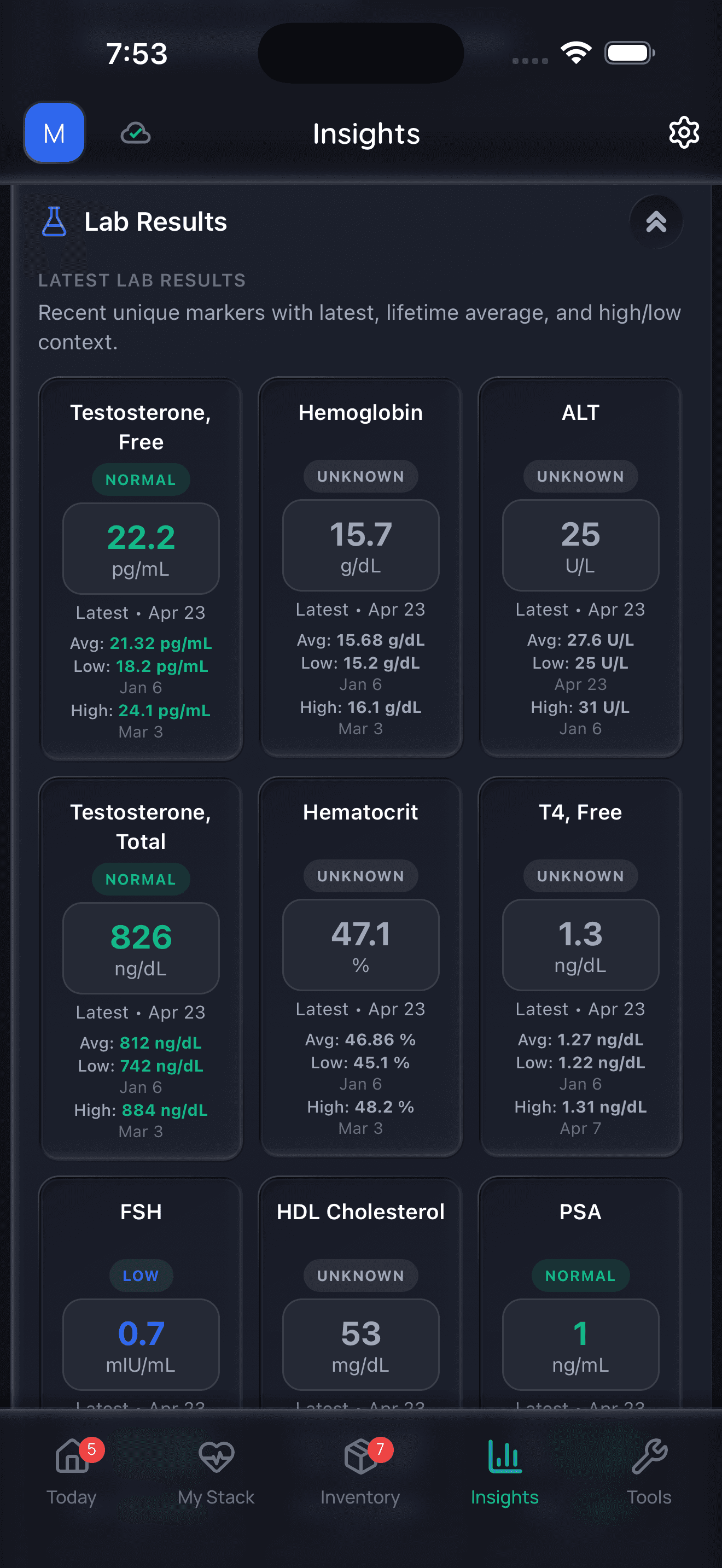
Doserly organizes data; it does not diagnose or interpret labs for you.
Dosing & Treatment Protocols
The Basics
TRT dosing is individualized and should always be managed by a prescriber. There is no single "right dose" for everyone. The goal is to restore testosterone to the normal range, typically with trough levels between 400-700 ng/dL, while minimizing side effects. Starting doses are usually conservative, with adjustments based on lab results and symptom response at 4-12 week intervals.
Common protocols include weekly or biweekly intramuscular injections (typically 100-200mg testosterone cypionate or enanthate), daily transdermal gel application, twice-daily transdermal patches, and long-acting intramuscular undecanoate every 10-14 weeks.
One important myth this guide addresses is that "higher doses are always better." Clinical evidence and guideline recommendations consistently support therapeutic replacement to normal physiological levels, not supraphysiological optimization. Side effects (polycythemia, estrogen conversion, acne, mood instability) increase with dose.
The Science
Free testosterone vs total testosterone targeting remains controversial. The Endocrine Society recommends monitoring total testosterone trough levels. Some community protocols and TRT clinics emphasize free testosterone optimization. The evidence base for free T targeting is less established [4].
What to Expect (Timeline)
Understanding the realistic timeline of TRT benefits helps separate myth from reality. TRT is not an overnight transformation.
- Days 1-7: Possible initial energy or mood changes (partly placebo effect). Injection site soreness (IM). Transdermal skin irritation possible.
- Weeks 2-4: Libido changes are often the first noticeable effect. Energy improvements may begin. Mood shifts possible during adjustment.
- Months 1-3: Sexual function improvements consolidate. Body composition changes begin (subtle). Mood stabilization. Hematocrit begins rising.
- Months 3-6: Body composition changes become more apparent (reduced fat, increased lean mass). Strength improvements. Bone density changes beginning.
- Months 6-12: Full sexual function benefits. Significant body composition changes. Bone density measurable improvements on DEXA.
- Ongoing: Annual review, dose reassessment, continued monitoring (hematocrit, PSA, lipids, symptoms).
Individual response varies widely. Not all symptoms resolve with TRT alone, and dose adjustment is common. The "honeymoon phase" (first 1-3 months) is well-documented in TRT communities: early improvements in energy, mood, and libido may attenuate somewhat before stabilizing at a new, improved baseline.
Timelines in clinical literature describe averages. Your own timeline is what matters. Doserly's trend analysis turns your daily symptom entries into visual trajectories, showing you how each outcome is progressing over weeks and months of testosterone therapy.
The app helps you see patterns that day-to-day experience can obscure, like a gradual improvement in energy that started two weeks after switching to twice-weekly injections, or libido steadily building even when individual off days make it feel like nothing has changed. These insights give both you and your provider a clearer picture of treatment response.
See where a dose, cycle, or change fits in time.
Doserly gives each protocol a timeline so dose changes, pauses, restarts, and observations are easier to compare later.
Timeline
Cycle history
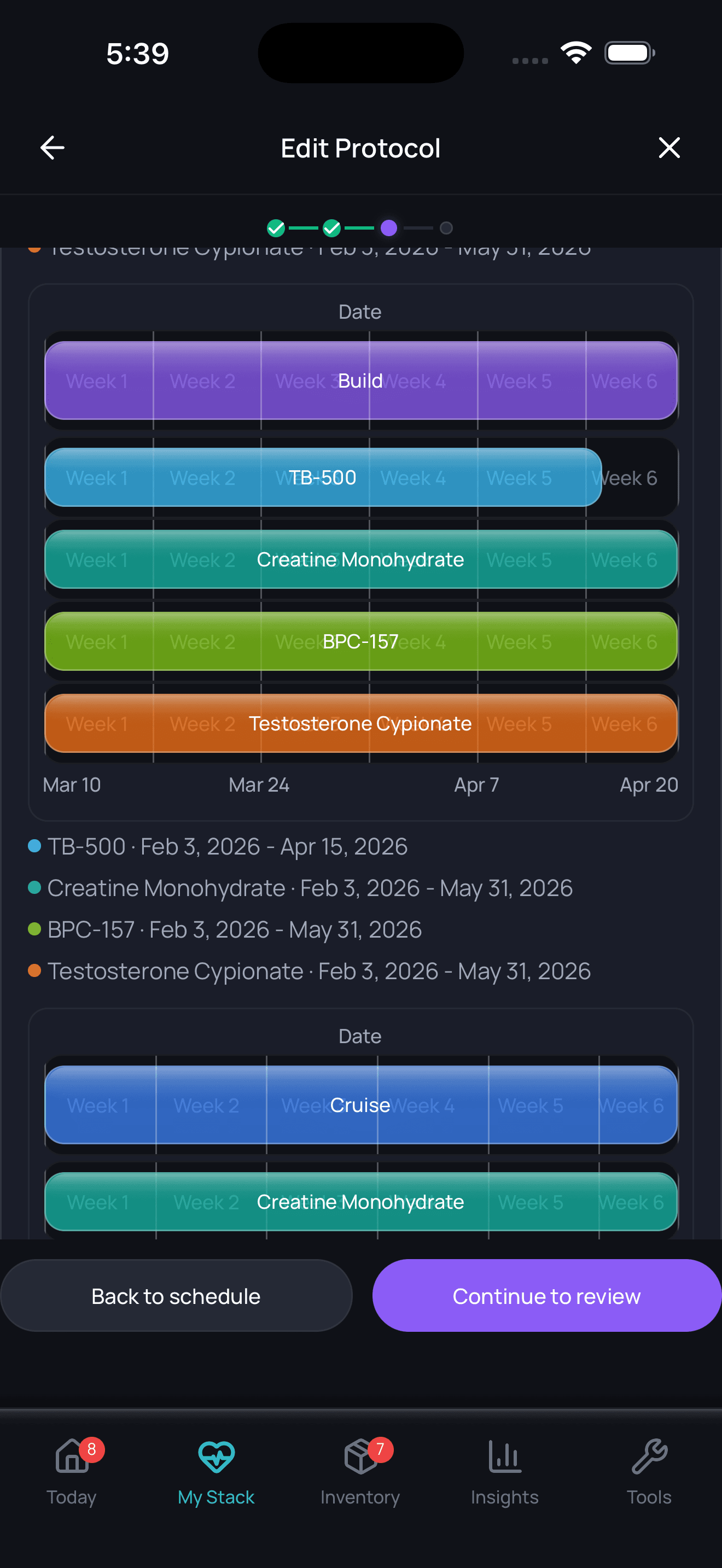
Timeline tracking helps with recall; it is not a treatment recommendation.
Fertility Preservation & HPG Axis
Exogenous testosterone suppresses the HPG axis and spermatogenesis. This is one area where the "myth" framing requires careful nuance. TRT does suppress fertility, often to azoospermia. The myth is not that this happens, but rather that it is always permanent.
HPG axis suppression: Exogenous testosterone suppresses GnRH, LH, and FSH via negative feedback, leading to intratesticular testosterone decline and spermatogenesis suppression. Approximately 40-60% of men achieve azoospermia by 6 months, with the remainder typically showing severe oligospermia [8][16].
Recovery after discontinuation: Most men recover spermatogenesis after stopping TRT, but the timeline is highly variable (6-24+ months) and recovery to pre-TRT baseline is not guaranteed. Approximately 10-20% of men may have incomplete recovery [16]. Factors affecting recovery include duration of TRT use, age, pre-TRT hormonal status, and use of HCG during treatment.
Fertility preservation strategies:
- HCG co-administration (250-500 IU 2-3x weekly) to maintain intratesticular testosterone
- Clomiphene/enclomiphene as SERM alternatives for men desiring fertility
- Sperm banking before TRT initiation
- Short-acting formulations (gel, nasal) may promote incomplete HPG axis suppression
Clinical importance: Fertility counseling should be part of every TRT initiation conversation for men of reproductive age. The AUA 2025 update emphasizes fertility preservation as part of informed consent for testosterone therapy [16].
Interactions & Compatibility
Drug-drug interactions:
- Anticoagulants (warfarin, DOACs): testosterone may enhance anticoagulant effect
- Insulin and diabetes medications: testosterone may improve insulin sensitivity, potentially requiring dose adjustment
- Corticosteroids: additive fluid retention
- 5-alpha reductase inhibitors (finasteride, dutasteride): block DHT conversion
- Aromatase inhibitors (anastrozole): common co-prescription, controversial per guidelines
Supplement interactions:
- DHEA: additive androgenic effects
- Boron: may increase free testosterone
- Zinc: supports testosterone production
- Vitamin D: associated with testosterone levels
Lifestyle factors:
- Alcohol: suppresses testosterone production and increases aromatization
- Sleep: critical for testosterone production; TRT may worsen OSA
- Exercise: resistance training is synergistic with TRT benefits
- Body composition: weight loss may normalize testosterone, reducing need for TRT
Related guides: Testosterone Cypionate, Testosterone Enanthate, Anastrozole, HCG, Clomiphene, Enclomiphene
Decision-Making Framework
Diagnostic criteria: The Endocrine Society requires two morning total testosterone measurements below the lower limit of normal (varies by lab, typically <264-300 ng/dL) plus symptoms. The AUA uses 300 ng/dL. The EAU uses 12.1 nmol/L (~350 ng/dL). The variation in thresholds itself feeds the myth that "normal" testosterone levels are poorly defined [4].
When TRT may be appropriate: Confirmed hypogonadism with symptoms, after ruling out reversible causes.
When to investigate underlying causes first: Obesity (weight loss may normalize testosterone), obstructive sleep apnea (CPAP optimization), opioid use (taper if possible), pituitary pathology (MRI if secondary hypogonadism suspected), thyroid dysfunction, depression.
FDA-approved vs off-label: FDA approves TRT only for classical hypogonadism. Use for age-related decline is off-label. This distinction matters because it affects insurance coverage, prescribing guidelines, and the strength of the evidence base.
Questions to ask your provider:
- What are my testosterone levels and are they confirmed with a second morning draw?
- Could an underlying cause be treated first?
- What formulation do you recommend and why?
- How will we monitor for side effects?
- What is the plan for fertility if relevant?
- When should I expect to see improvement?
Finding a qualified provider: Endocrinologist, urologist with andrology interest, or men's health specialist. Telehealth TRT clinics vary significantly in quality: some provide excellent individualized care, others use cookie-cutter protocols with inadequate monitoring.
Shared decision-making works best when both you and your provider have good data. Doserly gives you a personalized health picture that makes treatment discussions more meaningful, including your symptoms, their severity, how they have changed over time, and how they connect to your current protocol and lab values.
Whether you are evaluating whether to start TRT, considering a switch from gel to injections, or discussing whether it is time to adjust your dose based on trough levels, having your own tracked data alongside the clinical evidence puts you in a stronger position to make decisions that reflect your individual experience and goals.
Keep side effects, flags, and follow-up notes visible.
Doserly helps you document safety observations, side effects, medication changes, and follow-up questions so important context is not scattered.
Safety log
Flags and notes
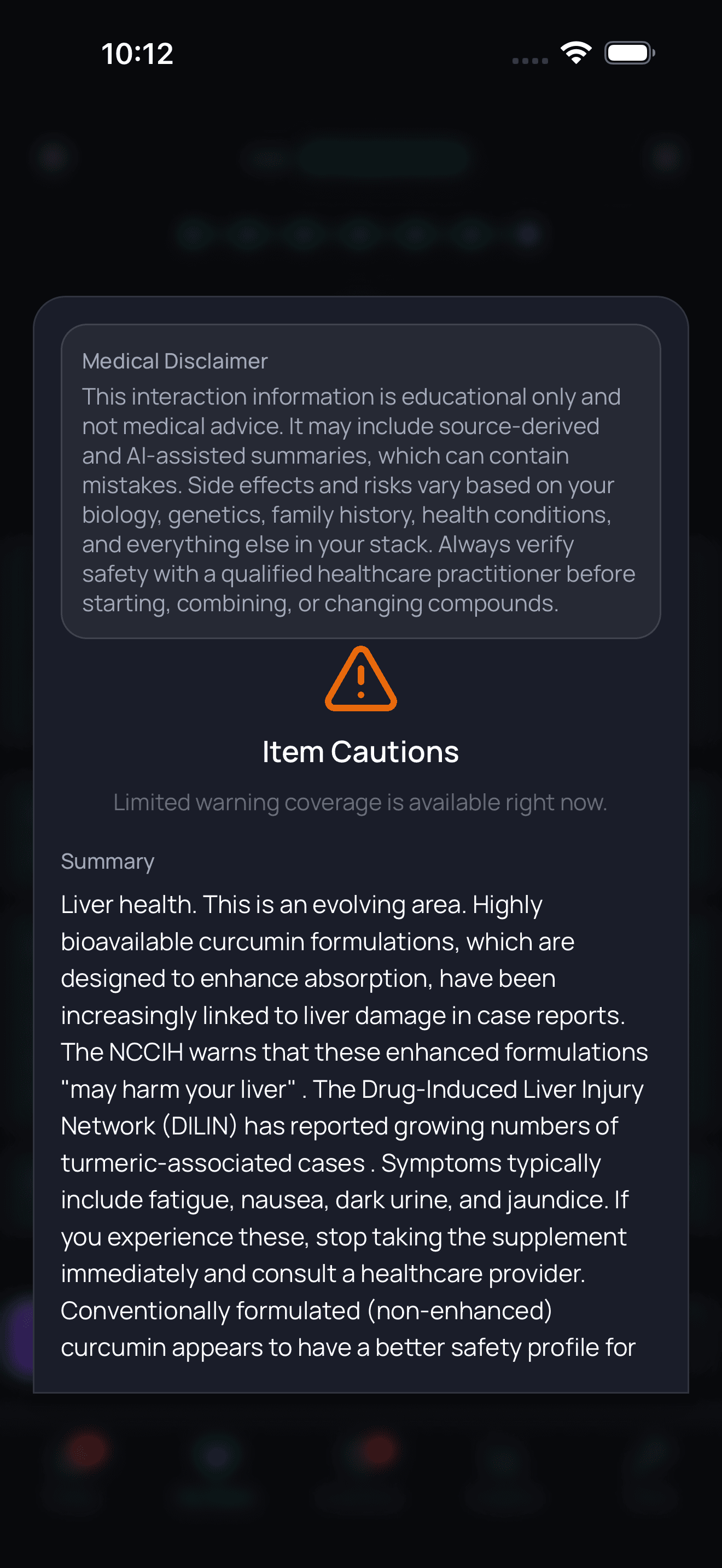
Safety notes are not emergency guidance; seek medical help when appropriate.
Administration & Practical Guide
Route-specific practical guidance (educational only; does not replace pharmacy instructions or prescriber guidance):
- Intramuscular injection: Vastus lateralis, ventrogluteal, or deltoid sites. Typical needle gauge 22-25G. Site rotation is important. Self-injection education can reduce anxiety.
- Subcutaneous injection: Growing evidence supports SubQ testosterone. Smaller needles (27-30G), potentially more stable levels with frequent low-dose injections.
- Transdermal gel/cream: Applied to shoulders, upper arms, or abdomen (not genitals for most gels). Requires drying time (5-10 minutes). Critical precaution: skin-to-skin transfer risk to partners and children.
- Transdermal patches: Rotation of application sites. Skin irritation is common.
- Nasal gel (Natesto): Applied 2-3 times daily. May have less HPG axis suppression.
- Pellet implants: Inserted every 3-6 months. Extrusion risk exists.
Monitoring & Lab Work
Pre-TRT baseline labs should include: total testosterone (two morning draws), free testosterone, LH, FSH, estradiol, SHBG, CBC with hematocrit, PSA (age-appropriate), lipid panel, and comprehensive metabolic panel.
Initial follow-up (4-12 weeks): Trough testosterone level, hematocrit, symptom assessment, side effect evaluation, dose adjustment consideration.
Ongoing monitoring:
- Hematocrit: Every 6-12 months. Threshold >54% for intervention.
- PSA: Per age-appropriate screening guidelines, annually for men >40.
- Testosterone levels: Trough for injectables, any-time for transdermal after steady state.
- Estradiol: Only if symptomatic (not routine per guidelines).
- Lipid panel: Annually.
Estrogen Management on TRT
Aromatization of testosterone to estradiol is a normal and necessary physiological process. Estradiol is important for bone health, cardiovascular protection, brain function, and libido in men.
When estrogen management matters: Only when clinical symptoms or clearly elevated E2 levels are present. The Endocrine Society and AUA do not recommend routine aromatase inhibitor (AI) use during TRT.
The community vs. guidelines gap: Online TRT communities place heavy emphasis on estrogen control, often targeting specific E2 lab ranges (20-35 pg/mL). Clinical guidelines do not specify target E2 ranges and recommend symptom-based management. Excessive E2 suppression with AIs causes joint pain, mood disturbance, decreased libido, and bone density loss.
This is one of the more nuanced "myth" areas: the community belief that "everyone on TRT needs an AI" is not supported by clinical guidelines, while the reality that some men do benefit from E2 management in specific clinical situations is also true.
Stopping TRT / Post-Cycle Considerations
HPG axis recovery: When exogenous testosterone is discontinued, LH and FSH remain suppressed for weeks to months. Endogenous testosterone production may take 6-24+ months to recover, and recovery to pre-TRT levels is not guaranteed.
Is TRT lifelong? For men with primary hypogonadism (testicular failure), often yes. For secondary hypogonadism, addressing underlying causes (weight loss, sleep apnea treatment, opioid cessation) may restore endogenous production. For age-related decline, the answer is individualized.
PCT (Post-Cycle Therapy): Community-derived protocols adapted from anabolic steroid use. Options include HCG taper, clomiphene citrate (25-50mg daily for 4-8 weeks), enclomiphene, and tamoxifen. These are not standardized in clinical guidelines for TRT discontinuation.
Realistic expectations: Not everyone recovers fully. Some men return to pre-TRT levels, some recover partially, some do not recover meaningfully. This should be discussed before starting TRT.
Special Populations & Situations
Obese Men
Weight loss alone may normalize testosterone levels. Consider lifestyle intervention first. If TRT is initiated, higher aromatization may occur due to increased adipose tissue.
Men with Sleep Apnea
TRT may exacerbate obstructive sleep apnea. CPAP optimization recommended before and during TRT. Sleep study recommended before initiation.
Men with Prostate Cancer History
Historically an absolute contraindication. Evidence is evolving: the saturation model suggests exogenous testosterone at physiological levels may not stimulate further prostate growth. Requires specialized urological consultation. Active surveillance patients are being studied.
Cardiovascular Disease History
TRAVERSE provides reassurance for non-inferiority in men with preexisting CV disease. Transdermal formulations may be preferred for hematocrit management. Close monitoring required.
Type 2 Diabetes
TRT may improve insulin sensitivity, HbA1c, and metabolic parameters in hypogonadal diabetic men. T4DM showed 41% reduction in incident diabetes with TRT plus lifestyle intervention [15].
Older Men (>65)
Age-related decline vs true hypogonadism debate. TRAVERSE and TTrials data primarily from men in this age range. Lower starting doses often appropriate. Increased polycythemia risk.
Transgender Men (FTM)
Different dosing goals (masculinizing doses). Fertility counseling critical (oocyte preservation). Voice changes are permanent.
Regulatory, Insurance & International
United States: Testosterone is a Schedule III controlled substance. FDA approves TRT only for classical hypogonadism. The FDA added a CV warning in 2015 after the flawed 2013-2014 observational studies; the December 2025 FDA Expert Panel and subsequent label changes reflect updated TRAVERSE evidence. Insurance frequently requires prior authorization and documented lab results.
United Kingdom: Available via NHS or private clinics. Controlled substance classification. Available formulations include Sustanon, Nebido, and Testogel.
Australia: PBS listing for TRT with specific eligibility criteria. Schedule 4/8 substance.
Travel considerations: Carrying controlled substances internationally requires documentation (valid prescription, original packaging, and sometimes country-specific permits).
TRT clinics: The telehealth TRT landscape has expanded rapidly. Quality varies significantly. Red flags include: no baseline labs required, no follow-up monitoring, one-size-fits-all dosing, and aggressive marketing language.
FAQ
Does TRT cause heart attacks?
The TRAVERSE trial (n=5,246), the largest RCT designed to answer this question, found no increased risk of heart attack, stroke, or cardiovascular death with testosterone therapy vs placebo in men with hypogonadism and cardiovascular risk factors. Multiple meta-analyses confirm these findings. Cardiovascular health should be discussed with your healthcare provider in the context of your individual risk profile [1][2][3].
Does TRT cause prostate cancer?
Current evidence does not support an increased risk of prostate cancer with TRT in properly screened men. TRAVERSE found virtually identical rates. The saturation model suggests androgen receptors are fully activated at low testosterone concentrations. PSA monitoring remains standard practice [1][17].
Will TRT make me aggressive?
There is no consistent evidence that TRT at therapeutic doses causes increased aggression. Research shows improvements in mood, confidence, and emotional stability. The "roid rage" association comes from supraphysiological steroid abuse, which is fundamentally different from medical TRT [12].
Will TRT make me permanently infertile?
TRT suppresses spermatogenesis during treatment, but this is typically reversible after discontinuation. Recovery takes 6-24+ months and is not guaranteed in all cases. Fertility preservation options exist, including HCG co-therapy and sperm banking [8][16].
Once I start TRT, can I ever stop?
This depends on the underlying cause. Men with primary hypogonadism (testicular failure) may need lifelong treatment. Men with secondary hypogonadism or age-related decline may be able to stop if underlying causes are addressed. Recovery is possible but not guaranteed.
Is TRT the same as taking steroids?
Medical TRT restores testosterone to normal physiological levels under physician supervision. Anabolic steroid abuse involves supraphysiological doses, often multiple compounds, without medical oversight. The doses, goals, monitoring, and risks are fundamentally different.
Do all men over 40 need TRT?
No. Age-related testosterone decline is a normal biological process and is not the same as hypogonadism. The Endocrine Society recommends TRT only for symptomatic men with confirmed low testosterone levels. Lifestyle interventions (weight loss, sleep optimization, exercise) may normalize testosterone without medication [4].
Are all TRT clinics equally qualified?
No. Quality varies significantly. Look for providers who require comprehensive baseline labs, perform regular follow-up monitoring, individualize treatment, and have credentials in endocrinology, urology, or men's health.
Does TRT cause hair loss?
Testosterone converts to DHT, which can accelerate male pattern baldness in genetically susceptible men. This is a dose-dependent, individual risk, not a universal side effect of TRT.
Should I worry about blood clots on TRT?
TRAVERSE showed a slightly higher rate of pulmonary embolism (0.9% vs 0.5%). Current guidelines recommend TRT be used with caution in men with prior thromboembolic events. Hematocrit monitoring is standard [1].
Will TRT shut down my natural testosterone production permanently?
No. HPG axis feedback is a normal physiological response. Natural production may temporarily decrease during therapy but can resume upon discontinuation. The timeline and completeness of recovery vary by individual.
Is TRT covered by insurance?
Coverage varies by plan and requires a confirmed diagnosis of hypogonadism with documented lab results. Prior authorization is common. Generic injectables are often the most affordable option.
Myth vs. Fact
Myth 1: "TRT Causes Heart Attacks"
Myth: Testosterone therapy increases the risk of cardiovascular events, heart attacks, and strokes.
Fact: The TRAVERSE trial (n=5,246), the first and largest RCT specifically designed to assess cardiovascular safety of TRT, found no increased risk of MACE (HR 0.96; 95% CI: 0.78-1.17). The primary event rate was approximately 2.5% per year in both testosterone and placebo groups. A 2026 meta-analysis of 41 RCTs confirmed no increased MACE risk (OR 0.83; 95% CI: 0.52-1.32). The cardiovascular concern originated from two methodologically flawed observational studies published in 2013-2014 that were widely criticized by multiple expert panels [1][2][3][10].
Myth 2: "TRT Causes Prostate Cancer"
Myth: Testosterone therapy feeds prostate cancer and increases cancer risk.
Fact: This belief traces to 1940s research by Huggins and Hodges showing that testosterone deprivation could shrink metastatic prostate cancer. However, the saturation model demonstrates that androgen receptor binding capacity is finite, with saturation occurring at approximately 60-90 ng/dL. Above this threshold, additional testosterone does not further stimulate prostate growth. TRAVERSE found virtually identical prostate cancer rates: 0.5% testosterone vs 0.4% placebo (P=0.87). A meta-analysis of 41 RCTs found no increased prostate cancer events (OR 0.88; 95% CI: 0.52-1.51). TRT remains contraindicated in men with active, untreated prostate cancer [1][3][17].
Myth 3: "TRT Is Just Steroids"
Myth: TRT is the same as anabolic steroid abuse and will cause "roid rage."
Fact: Medical TRT restores testosterone to normal physiological levels (typically 400-700 ng/dL) under physician supervision with regular monitoring. Anabolic steroid abuse involves supraphysiological doses (often 500-2000+ mg/week of multiple compounds) without medical oversight. Clinical research has found no consistent evidence that TRT at therapeutic doses causes increased aggression. Studies report improvements in mood stability, confidence, and emotional regulation [12].
Myth 4: "Once You Start, You Can Never Stop"
Myth: TRT creates permanent dependency; your body will never produce testosterone again.
Fact: HPG axis feedback during TRT is a normal, reversible physiological process similar to other hormone therapies. When TRT is discontinued, the axis can recover, though the timeline varies (weeks to months). For men with primary hypogonadism, the underlying condition, not TRT, may necessitate ongoing treatment. For secondary or functional hypogonadism, addressing underlying causes (obesity, sleep apnea, opioid use) may restore endogenous production. Recovery can be supported with SERMs such as clomiphene or enclomiphene [4].
Myth 5: "TRT Will Make You Permanently Infertile"
Myth: TRT permanently destroys fertility and sperm production.
Fact: TRT does suppress spermatogenesis during treatment, with 40-60% of men achieving azoospermia by 6 months. However, this effect is typically reversible after discontinuation. Most men recover sperm production within 6-12 months, though recovery can take up to 24 months and approximately 10-20% may not fully recover to pre-treatment levels. Fertility preservation strategies exist, including HCG co-therapy and sperm banking before TRT initiation. Exogenous testosterone is contraindicated in men actively trying to conceive [8][16].
Myth 6: "All Men Over 40 Need TRT"
Myth: Testosterone naturally declines with age, so all older men need testosterone therapy.
Fact: Testosterone levels decline approximately 1-1.6% per year after age 30, but this gradual decline does not constitute hypogonadism in most men. The Endocrine Society guidelines require both confirmed low testosterone levels (two morning measurements below normal) AND symptoms for a diagnosis. The FDA approves TRT only for classical hypogonadism, not age-related decline. Lifestyle factors (weight loss, improved sleep, exercise, stress management) may normalize testosterone levels without medication. Not all men with low numbers on a lab test have symptoms, and not all symptoms attributed to "low T" are actually caused by testosterone deficiency [4][5].
Myth 7: "Higher Doses Are Always Better"
Myth: More testosterone means better results. If 100mg is good, 200mg must be better.
Fact: TRT targets normal physiological testosterone levels (typically trough 400-700 ng/dL). Benefits do not continue to increase proportionally with dose above the therapeutic range. Side effects, however, do increase: higher doses are associated with greater polycythemia risk, increased aromatization to estradiol, more acne and oily skin, and potential mood instability. Clinical guidelines consistently recommend starting at conservative doses and titrating based on trough levels and symptom response, not chasing higher numbers [4].
Myth 8: "TRT Clinics Are All the Same Quality"
Myth: Any clinic that prescribes testosterone provides equally good care.
Fact: The quality of TRT providers varies enormously. Red flags include: prescribing without comprehensive baseline labs, no follow-up monitoring schedule, one-size-fits-all dosing protocols, aggressive marketing using terms like "optimization" without clinical basis, and no discussion of risks, alternatives, or fertility implications. Quality providers perform comprehensive baseline evaluation, individualize treatment plans, schedule regular follow-up labs and clinical assessments, and discuss risks transparently.
Myth 9: "TRT Is Unsafe and Unproven"
Myth: Testosterone therapy is experimental and has not been adequately studied for safety.
Fact: Testosterone therapy has been in clinical use since the 1940s. The TRAVERSE trial was specifically designed and funded at FDA request to answer the safety question, with 5,246 participants and 33 months of follow-up. Additional evidence includes the TTrials (7 coordinated RCTs), the T4DM trial, dozens of smaller RCTs, 19+ meta-analyses, and extensive registry data. Major clinical guidelines from the Endocrine Society, AUA, EAU, BSSM, and EMAS all support TRT as a safe and effective treatment for confirmed hypogonadism when properly prescribed and monitored [1][4][10].
Myth 10: "TRT Will Make You Look Like a Bodybuilder"
Myth: TRT will cause dramatic muscle growth and transformation.
Fact: TRT restores testosterone to normal physiological levels, not supraphysiological bodybuilding ranges. Studies show modest improvements in lean mass (typically 2-5 kg over 6-12 months) and reductions in fat mass. Significant body composition changes still require proper nutrition and resistance training. The dramatic transformations associated with anabolic steroid use involve doses 5-20 times higher than therapeutic TRT [12].
Myth 11: "Low T Is Not a Real Medical Condition"
Myth: Low testosterone is just normal aging, not something that needs treatment.
Fact: Hypogonadism is a recognized medical condition with established diagnostic criteria from multiple international medical organizations. It is associated with increased risk of metabolic syndrome, type 2 diabetes, osteoporosis, anemia, depression, and increased all-cause mortality. While age-related decline is normal, clinically low testosterone with symptoms represents a treatable medical condition that can significantly impact quality of life [4][12].
Myth 12: "You Can Boost Testosterone Naturally to the Same Levels as TRT"
Myth: Supplements, diet, and exercise can achieve the same testosterone levels as TRT.
Fact: Lifestyle optimization (weight loss, resistance training, sleep improvement, stress reduction) can meaningfully increase testosterone, particularly in men whose low levels are driven by modifiable factors like obesity or poor sleep. However, for men with organic hypogonadism (testicular or pituitary dysfunction), lifestyle changes alone cannot restore testosterone to normal levels. Over-the-counter "testosterone boosters" have minimal evidence for meaningful testosterone elevation. The distinction between treatable lifestyle-related low T and organic hypogonadism is clinically important [4].
Sources & References
Clinical Guidelines
[1] Lincoff AM, Bhasin S, Flevaris P, et al. Cardiovascular safety of testosterone-replacement therapy. N Engl J Med. 2023;389:107-117.
[4] Bhasin S, Brito JP, Cunningham GR, et al. Testosterone therapy in men with hypogonadism: an Endocrine Society clinical practice guideline. J Clin Endocrinol Metab. 2018;103(5):1715-1744.
[5] U.S. Food and Drug Administration. FDA drug safety communication: FDA cautions about using testosterone products for low testosterone due to aging. Updated 2025.
Landmark Trials
[12] Snyder PJ, Bhasin S, Cunningham GR, et al. Effects of testosterone treatment in older men. N Engl J Med. 2016;374:611-624. (TTrials)
[15] Wittert G, Bracken K, Robledo KP, et al. Testosterone treatment to prevent or revert type 2 diabetes in men enrolled in a lifestyle programme (T4DM). Lancet Diabetes Endocrinol. 2021;9:32-45.
[13] Bhasin S, Seidman S, Travison TG, et al. Depressive syndromes in men with hypogonadism in the TRAVERSE trial. J Clin Endocrinol Metab. 2024.
[14] Snyder PJ, Bauer DC, Ellenberg SS, et al. Testosterone treatment and fractures in men with hypogonadism. N Engl J Med. 2024;390:203-211.
Systematic Reviews & Meta-Analyses
[2] Sood A, et al. Cardiovascular outcomes of hypogonadal men receiving testosterone replacement therapy: a meta-analysis of randomized controlled trials. 26 RCTs, n=10,941. 2024.
[3] Garcia-Becerra CA, et al. Cardiovascular and prostate cancer risk associated to testosterone replacement therapy: a systematic review and meta-analysis of 41 randomized controlled trials. Int J Impot Res. 2026.
Observational Studies & Reviews
[6] Bhasin S, Travison TG, Pencina KM, et al. Prostate safety events during testosterone replacement therapy in men with hypogonadism. JAMA Netw Open. 2023;6:e2348692.
[7] Traish AM. Testosterone therapy in men with testosterone deficiency: are the benefits and cardiovascular risks real or imagined? Am J Mens Health. 2018;12(1):126-138.
[8] Nature Reviews Urology. Testosterone replacement therapy and spermatogenesis in reproductive age men. 2025.
[16] Strategies for reversing exogenous testosterone-induced infertility. PMC. 2025.
Expert Positions
[9] Hackett GI. Long term cardiovascular safety of testosterone therapy: a review of the TRAVERSE study. World J Mens Health. 2024;43(2):282-290.
[10] Morgentaler A, et al. Androgen Society position paper on cardiovascular risk with testosterone therapy. Mayo Clin Proc. 2024.
[11] Zitzmann M, et al. Cardiovascular safety of testosterone therapy: insights from the TRAVERSE trial and beyond. European Expert Panel position statement. 2025.
Government/Institutional Sources
[17] Morgentaler A, Traish AM. Shifting the paradigm of testosterone and prostate cancer: the saturation model and the limits of androgen-dependent growth. Eur Urol. 2009;55:310-320.
Related Guides & Cross-Links
Same Category (Educational Guides)
Related Treatment Options
- TRT for Beginners
- Testosterone Injections Guide
- Testosterone Gels & Topicals Guide
- TRT Blood Work Guide
- Natural Testosterone Optimization
- Fertility Preservation on TRT
- Estrogen Management on TRT