
TRT and Sexual Health
On this page
Quick Reference Card
Attribute
Topic
- Value
- TRT and Sexual Health
Attribute
Guide Type
- Value
- Symptom & System Guide
Attribute
Key Sexual Outcomes
- Value
- Libido/desire, erectile function, orgasm quality, sexual satisfaction, morning erections
Attribute
Primary Assessment Tool
- Value
- International Index of Erectile Function (IIEF)
Attribute
Testosterone Threshold for Evaluation
- Value
- Two morning total T measurements < 300 ng/dL (AUA) or < 264 ng/dL (Endocrine Society) with symptoms
Attribute
Key Distinction
- Value
- Libido/desire improves more reliably on TRT than erectile function
Attribute
Combination Therapy
- Value
- TRT + PDE5 inhibitors (e.g., tadalafil, sildenafil) for men with both hypogonadism and moderate-severe ED
Attribute
Timeline to Improvement
- Value
- Libido: 2-6 weeks; Sexual activity: 3-6 months; Erectile function: Variable, may require additional interventions
Attribute
Key Biomarkers
- Value
- Total T, free T, estradiol, SHBG, prolactin, hematocrit, PSA
Attribute
When to Seek Help
- Value
- Persistent low libido, erectile dysfunction, loss of morning erections, reduced sexual satisfaction
Overview / What Is TRT and Sexual Health?
The Basics
Sexual health is one of the most common reasons men seek testosterone evaluation, and for good reason. When testosterone levels fall below what your body needs, one of the first places you may notice it is in your sex life. Low libido, difficulty getting or maintaining erections, reduced sexual satisfaction, and the disappearance of morning erections are among the most frequently reported symptoms of testosterone deficiency.
If these changes are affecting your relationship, your confidence, or your sense of wellbeing, you are not alone. Research suggests that erectile dysfunction affects approximately 30 million men in the United States alone, and low testosterone is one of several contributing factors. For men with confirmed testosterone deficiency, treatment can meaningfully improve sexual function, though the picture is more nuanced than many people expect.
One of the most important things to understand is that testosterone affects different aspects of sexual function in different ways. Sexual desire (your interest in sex, your ability to feel aroused, and your spontaneous sexual thoughts) responds very reliably to testosterone therapy when low T is the underlying cause. Erectile function (the ability to achieve and maintain a firm erection) is more complex and depends on vascular health, nerve function, psychological factors, and hormonal status working together. For some men, restoring testosterone to normal levels resolves the entire picture. For others, testosterone helps with desire but additional support is needed for erections.
This guide walks through what the evidence says about testosterone's role in sexual health, what TRT can and cannot do, how to work with your provider to optimize sexual outcomes, and when combination therapies may be appropriate.
The Science
Male sexual function is regulated by a complex interplay of neurological, vascular, hormonal, and psychological systems. Testosterone plays a central role in sexual physiology through multiple mechanisms: modulation of central sexual desire pathways in the hypothalamus and limbic system, maintenance of nitric oxide synthase (NOS) expression in penile cavernosal tissue, support of penile smooth muscle and connective tissue architecture, and regulation of phosphodiesterase type 5 (PDE5) enzyme activity [1][2].
The distinction between central (desire-mediated) and peripheral (erection-mediated) effects of testosterone is clinically significant. Testosterone acts on androgen receptors in the medial preoptic area (MPOA) of the hypothalamus to modulate sexual motivation, arousal, and desire [2]. Peripherally, testosterone maintains the structural integrity of cavernosal smooth muscle, upregulates endothelial NOS and neuronal NOS expression (necessary for nitric oxide-mediated erection), and modulates PDE5 activity [1][3].
Hypogonadism is defined as serum testosterone below 300 ng/dL (AUA) or 264 ng/dL (Endocrine Society) on two morning measurements, accompanied by clinical symptoms [4]. The European Male Ageing Study demonstrated that sexual symptoms, particularly reduced frequency of sexual thoughts and morning erections, are the most sensitive clinical indicators of testosterone deficiency, with symptom onset typically occurring at total testosterone levels below 320 ng/dL and free testosterone below 64 pg/mL [5].
Medical / Chemical Identity
Testosterone (chemical name: 17-beta-hydroxyandrost-4-en-3-one; CAS: 58-22-0) is the primary endogenous androgen in men, produced predominantly by Leydig cells in the testes (approximately 5-7 mg/day) with minor adrenal contributions. Testosterone circulates bound to sex hormone-binding globulin (SHBG, ~44%), albumin (~54%), and as a free fraction (~2%). The free and albumin-bound fractions constitute bioavailable testosterone.
Testosterone undergoes two key metabolic conversions relevant to sexual function: 5-alpha reduction to dihydrotestosterone (DHT) by 5-alpha reductase (types I and II), and aromatization to 17-beta-estradiol (E2) by aromatase (CYP19A1). Both metabolites contribute to sexual function. DHT mediates androgenic effects on libido and genital sensitivity, while estradiol plays a recognized role in libido maintenance and bone health in men.
ICD-10 codes relevant to this guide: N52.x (Male erectile dysfunction), F52.0 (Hypoactive sexual desire disorder), E29.1 (Testicular hypofunction), R68.82 (Decreased libido).
Mechanism of Action / Pathophysiology
The Basics
To understand how testosterone affects your sex life, it helps to know that sexual function is not one single thing. It involves desire (wanting sex), arousal (becoming physically excited), erection (blood flow to the penis), orgasm, and satisfaction. Testosterone plays a role in all of these, but its influence is strongest on desire and arousal.
Think of testosterone as the fuel that keeps your sexual motivation engine running. When levels are sufficient, your brain regularly generates sexual thoughts, you respond to attractive stimuli, and your body prepares itself for sex. When testosterone drops, this whole system quiets down. You might notice that you rarely think about sex, that situations that used to excite you no longer do, or that you simply feel indifferent.
Erections involve a separate system that depends heavily on blood vessel health. Testosterone supports the blood vessels in the penis by helping maintain the chemical signals (particularly nitric oxide) that cause them to relax and fill with blood. But if the blood vessels themselves are damaged by conditions like high blood pressure, diabetes, or high cholesterol, restoring testosterone alone may not be enough to fully resolve erection difficulties.
This is why some men on TRT find that their desire comes roaring back but their erections still need additional support. It is not a failure of treatment; it reflects the multi-factorial nature of erectile function.
The Science
Testosterone modulates male sexual function through both central and peripheral mechanisms [1][2]:
Central nervous system effects: Testosterone and its metabolites act on androgen and estrogen receptors in the medial preoptic area (MPOA), bed nucleus of the stria terminalis (BNST), and amygdala. These hypothalamic and limbic structures integrate sensory, hormonal, and emotional inputs to generate sexual motivation and desire. Testosterone increases dopaminergic tone in reward circuitry and modulates serotonergic inhibition of sexual behavior [2]. The MPOA is particularly critical for copulatory behavior initiation.
Peripheral vascular effects: Testosterone maintains endothelial and neuronal nitric oxide synthase (eNOS and nNOS) expression in penile cavernosal tissue [1][3]. Nitric oxide (NO) activates soluble guanylate cyclase, producing cyclic GMP (cGMP), which relaxes cavernosal smooth muscle and enables engorgement. Testosterone deficiency results in decreased NO bioavailability, increased cavernosal fibrosis, and trabecular smooth muscle apoptosis with replacement by collagen, leading to veno-occlusive dysfunction [3].
PDE5 interaction: Testosterone regulates phosphodiesterase type 5 (PDE5) expression in cavernosal tissue. PDE5 degrades cGMP, terminating erection. Paradoxically, adequate testosterone is needed both for NO production (which starts the erection) and for optimal PDE5 inhibitor response. This explains why approximately 30-35% of men with erectile dysfunction fail to respond to PDE5 inhibitors alone, and why testosterone supplementation can rescue PDE5i non-responders in hypogonadal men [6].
Hormonal interdependence: Estradiol, produced from testosterone via aromatase in adipose tissue and brain, also contributes to male sexual function. The TTrials Sexual Function Study found that increases in both testosterone and estradiol levels correlated with improvements in sexual desire and activity [7]. This finding underscores the importance of aromatization and argues against aggressive estrogen suppression during TRT.
Pathway & System Visualization
Pharmacokinetics / Hormone Physiology
The Basics
How testosterone is delivered to your body can affect your sexual function outcomes. Injectable testosterone (cypionate and enanthate) produces peaks and troughs in blood levels throughout the injection cycle. Some men notice their libido is highest in the day or two after injection and dips before their next dose. Switching to more frequent, smaller injections (such as twice weekly or every other day) can flatten these fluctuations and lead to more stable sexual function.
Testosterone gels and creams provide steadier daily levels, which some men find produces more consistent sexual function. However, transdermal formulations produce higher DHT levels relative to total testosterone compared with injections, which may have implications for genital sensitivity and libido in some individuals.
The way your body processes testosterone also matters. A portion of testosterone is converted to estradiol (a form of estrogen) by an enzyme called aromatase, primarily in fat tissue. Both testosterone and estradiol contribute to sexual desire, which is why maintaining balanced estrogen levels is important. Completely suppressing estrogen with medications can paradoxically decrease libido.
The Science
Testosterone pharmacokinetics vary by route of administration, with implications for sexual function outcomes:
Injectable (IM/SubQ): Testosterone cypionate (half-life ~8 days) and enanthate (half-life ~4.5 days) produce peak serum concentrations 24-48 hours post-injection with trough levels at 7-14 days. Peak-trough fluctuation with weekly dosing can produce cyclical variation in libido and sexual activity. More frequent dosing (twice weekly, EOD, or daily SubQ) reduces fluctuation [8].
Transdermal (gel/patch): Produces relatively stable daily testosterone levels with higher DHT:T ratio compared with injections due to 5-alpha reductase activity in skin. Steady-state levels achieved within 2-4 weeks [8].
SHBG and bioavailability: SHBG binds testosterone with high affinity, reducing the bioavailable fraction. SHBG increases with age and thyroid excess, and decreases with obesity and insulin resistance. Free and bioavailable testosterone are more closely correlated with sexual symptoms than total testosterone [5].
Research & Clinical Evidence
The Basics: Key Studies on TRT and Sexual Health
The research on testosterone and sexual health tells a consistent story with an important nuance. Multiple large studies confirm that testosterone therapy reliably improves sexual desire, sexual activity, and overall sexual satisfaction in men with confirmed low testosterone. The improvement in desire is often one of the earliest and most noticeable changes.
Erectile function, however, shows a more variable response. Some men experience significant improvement in erections, particularly those with more severe testosterone deficiency. Others, especially those with cardiovascular risk factors, may find that testosterone helps with desire but their erection quality still benefits from additional treatments like Cialis or Viagra.
The TRAVERSE trial, the largest randomized controlled trial of testosterone therapy, enrolled over 5,200 men and followed them for more than two years. Within this study, a dedicated Sexual Function Study found that testosterone gel significantly improved sexual activity and desire over 24 months, but did not improve erectile function compared to placebo. This does not mean testosterone is unimportant for erections, but rather that in men who already have cardiovascular risk factors (as all TRAVERSE participants did), erectile dysfunction often has vascular causes that testosterone alone does not address.
The Science: Clinical Evidence by Outcome
Sexual Desire and Activity
The TRAVERSE Sexual Function Study (n=1,161 men with hypogonadism and low libido, aged 45-80) demonstrated that testosterone gel (1.62%) significantly improved sexual activity compared to placebo at 6 months (between-group difference: 0.49 acts/day, 95% CI: 0.19-0.79, P=.011), with effects sustained at 24 months [9]. Hypogonadal symptoms and sexual desire also improved significantly.
The TTrials Sexual Function Trial (n=470 men aged 65+, total T <275 ng/dL) found that testosterone gel improved 10 of 12 measures of sexual activity, including frequency of intercourse, masturbation, and nighttime erections [7]. Improvements in sexual activity and desire correlated with the magnitude of increase in both total testosterone and estradiol levels. No threshold testosterone level was identified for sexual benefit, and no baseline characteristic predicted response [7].
Erectile Function
The emerging clinical consensus is that testosterone therapy improves erectile function most reliably in men with more severe hypogonadism (total T <8 nmol/L or ~230 ng/dL) and fewer vascular comorbidities. For men with concurrent vascular disease and hypogonadism, combination therapy with PDE5 inhibitors produces superior outcomes to either treatment alone [6].
Combination Therapy (TRT + PDE5 Inhibitors)
A meta-analysis of 8 RCTs (n=913) found that combination testosterone therapy plus PDE5 inhibitors was superior to PDE5 inhibitors alone in hypogonadal men with ED (pooled SMD of erectile function: 0.663, 95% CI: 0.299-1.027, P<0.0001) [6]. The combination was effective and safe, with most adverse events being mild. This supports the treatment algorithm of adding testosterone therapy for PDE5i non-responders who have confirmed hypogonadism.
Cardiovascular Safety Context (TRAVERSE)
The parent TRAVERSE trial (n=5,246) established non-inferiority of testosterone therapy for the primary composite endpoint of major adverse cardiovascular events (HR 0.96, 95% CI: 0.78-1.17) over a mean follow-up of 33 months in men aged 45-80 with cardiovascular risk factors [13]. This provides the cardiovascular safety foundation for prescribing TRT to improve sexual function in men with concurrent cardiovascular disease.
Evidence & Effectiveness Matrix
Category
Sexual Function & Libido
- Evidence Strength (1-10)
- 9
- Reported Effectiveness (1-10)
- 8
- Summary
- Strong RCT evidence from TRAVERSE, TTrials, and multiple meta-analyses. Libido improvement is the most reliable sexual outcome. Community reports overwhelmingly positive for desire.
Category
Energy & Vitality
- Evidence Strength (1-10)
- 7
- Reported Effectiveness (1-10)
- 7
- Summary
- TTrials demonstrated improved vitality. Community frequently reports energy improvement alongside sexual function gains.
Category
Mood & Emotional Wellbeing
- Evidence Strength (1-10)
- 7
- Reported Effectiveness (1-10)
- 7
- Summary
- TTrials found improved mood. Sexual function improvement contributes to overall emotional wellbeing.
Category
Anxiety & Stress Response
- Evidence Strength (1-10)
- 4
- Reported Effectiveness (1-10)
- N/A
- Summary
- Limited direct evidence for anxiety outcomes specific to sexual health context.
Category
Cognitive Function
- Evidence Strength (1-10)
- 5
- Reported Effectiveness (1-10)
- N/A
- Summary
- TTrials showed modest cognitive effects. Not directly related to sexual function outcomes.
Category
Muscle Mass & Strength
- Evidence Strength (1-10)
- 7
- Reported Effectiveness (1-10)
- N/A
- Summary
- Consistent evidence from TTrials and meta-analyses. Not scored in sexual health context.
Category
Body Fat & Composition
- Evidence Strength (1-10)
- 7
- Reported Effectiveness (1-10)
- N/A
- Summary
- TRT reduces fat mass in hypogonadal men. Relevant as obesity attenuates sexual function benefits.
Category
Bone Health
- Evidence Strength (1-10)
- 6
- Reported Effectiveness (1-10)
- N/A
- Summary
- TTrials showed improved bone density. Not directly scored for sexual health.
Category
Cardiovascular Health
- Evidence Strength (1-10)
- 7
- Reported Effectiveness (1-10)
- N/A
- Summary
- TRAVERSE established non-inferiority for MACE. Vascular health is critical for erectile function.
Category
Metabolic Health
- Evidence Strength (1-10)
- 6
- Reported Effectiveness (1-10)
- N/A
- Summary
- Metabolic improvement may enhance sexual function indirectly. FAME 2.0 study links blood sugar to sexual decline.
Category
Sleep Quality
- Evidence Strength (1-10)
- 5
- Reported Effectiveness (1-10)
- 5
- Summary
- Limited evidence. Sleep apnea risk must be monitored. Sleep quality affects sexual function.
Category
Fertility & Reproductive
- Evidence Strength (1-10)
- 2
- Reported Effectiveness (1-10)
- 3
- Summary
- TRT suppresses spermatogenesis. Major consideration for men of reproductive age seeking sexual health improvement.
Category
Polycythemia & Hematologic
- Evidence Strength (1-10)
- 3
- Reported Effectiveness (1-10)
- 4
- Summary
- Risk of hematocrit elevation. Not a sexual function outcome but a monitoring concern.
Category
Prostate Health
- Evidence Strength (1-10)
- 5
- Reported Effectiveness (1-10)
- N/A
- Summary
- No evidence of increased prostate cancer risk. PSA monitoring required.
Category
Skin & Hair
- Evidence Strength (1-10)
- 3
- Reported Effectiveness (1-10)
- 4
- Summary
- Acne and hair loss reported as side effects. Trade-off consideration for sexual health benefits.
Category
Gynecomastia & Estrogen
- Evidence Strength (1-10)
- 5
- Reported Effectiveness (1-10)
- 6
- Summary
- E2 management affects sexual function significantly. Community reports strong E2-libido connection.
Category
Fluid Retention & Edema
- Evidence Strength (1-10)
- 3
- Reported Effectiveness (1-10)
- N/A
- Summary
- Minor consideration in sexual health context.
Category
Overall Quality of Life
- Evidence Strength (1-10)
- 8
- Reported Effectiveness (1-10)
- 8
- Summary
- Sexual function restoration is one of the most impactful QoL improvements from TRT per community reports.
Benefits & Therapeutic Effects
The Basics
When testosterone therapy works for sexual health, the effects can be genuinely life-changing. Many men describe going from feeling indifferent about sex to having their desire restored in a way that feels natural and welcome. The benefits extend beyond the bedroom: feeling sexually alive again often improves confidence, relationship satisfaction, and overall sense of wellbeing.
The most consistent benefits of TRT for sexual health include a return of sexual desire and spontaneous sexual thoughts, increased frequency of sexual activity, improvement in morning erections (an important marker of sexual health), enhanced orgasm intensity in some men, and greater overall sexual satisfaction.
Some men also find that TRT improves their physical and emotional energy, which indirectly supports better sexual experiences. Feeling less fatigued, more motivated, and emotionally stable creates a foundation where sexual interest can thrive rather than being crowded out by exhaustion or apathy.
It is important to maintain realistic expectations. TRT is not a performance-enhancing drug for men with normal testosterone levels. The benefits are most pronounced in men with confirmed hypogonadism. For men whose sexual difficulties stem primarily from vascular disease, anxiety, relationship issues, or medication side effects, testosterone therapy alone may not be the complete solution.
The Science
Evidence supporting TRT's benefits for sexual health in hypogonadal men:
Libido and sexual desire: This is the most robustly supported benefit. The TTrials demonstrated consistent improvement across multiple validated instruments, with improvements related to the magnitude of testosterone increase (no threshold effect identified) [7]. Corona et al.'s meta-analysis confirmed improvement across the libido, intercourse satisfaction, orgasm, and overall satisfaction domains of the IIEF [10].
Sexual activity frequency: The TRAVERSE Sexual Function Study showed statistically significant and sustained improvement in overall sexual activity over 24 months, with a between-group difference maintained from 6 months through study completion [9].
Orgasm and ejaculatory function: The Corona meta-analysis found significant improvement in the orgasm domain of the IIEF with testosterone therapy, though this outcome has been less extensively studied than desire and erectile function [10].
PDE5 inhibitor response rescue: For men with hypogonadism who do not respond adequately to PDE5 inhibitors alone, adding testosterone therapy can rescue the response. A meta-analysis of 8 RCTs confirmed superiority of combination therapy, supporting the clinical approach of checking testosterone levels in PDE5i non-responders [6].
Indirect benefits: Improved energy, mood, and body composition on TRT may contribute to sexual health indirectly by enhancing overall vitality, self-confidence, and relationship engagement.
Benefits don't always arrive all at once. Libido may improve in weeks while body composition changes take months. Doserly's analytics help you see the full picture by correlating your treatment timeline with changes across every symptom you're tracking, surfacing patterns that are easy to miss when you're living through the adjustment period day by day.
The app can help you understand which benefits came first, whether improvements plateau or continue building, and how different aspects of your health connect to each other. When you can see the trajectory clearly, it's easier to stay the course through the initial weeks and to share meaningful updates with your provider.
Capture changes while they are still fresh.
Log symptoms, energy, sleep, mood, and other observations alongside protocol events so patterns do not live only in memory.
Trend view
Symptom timeline
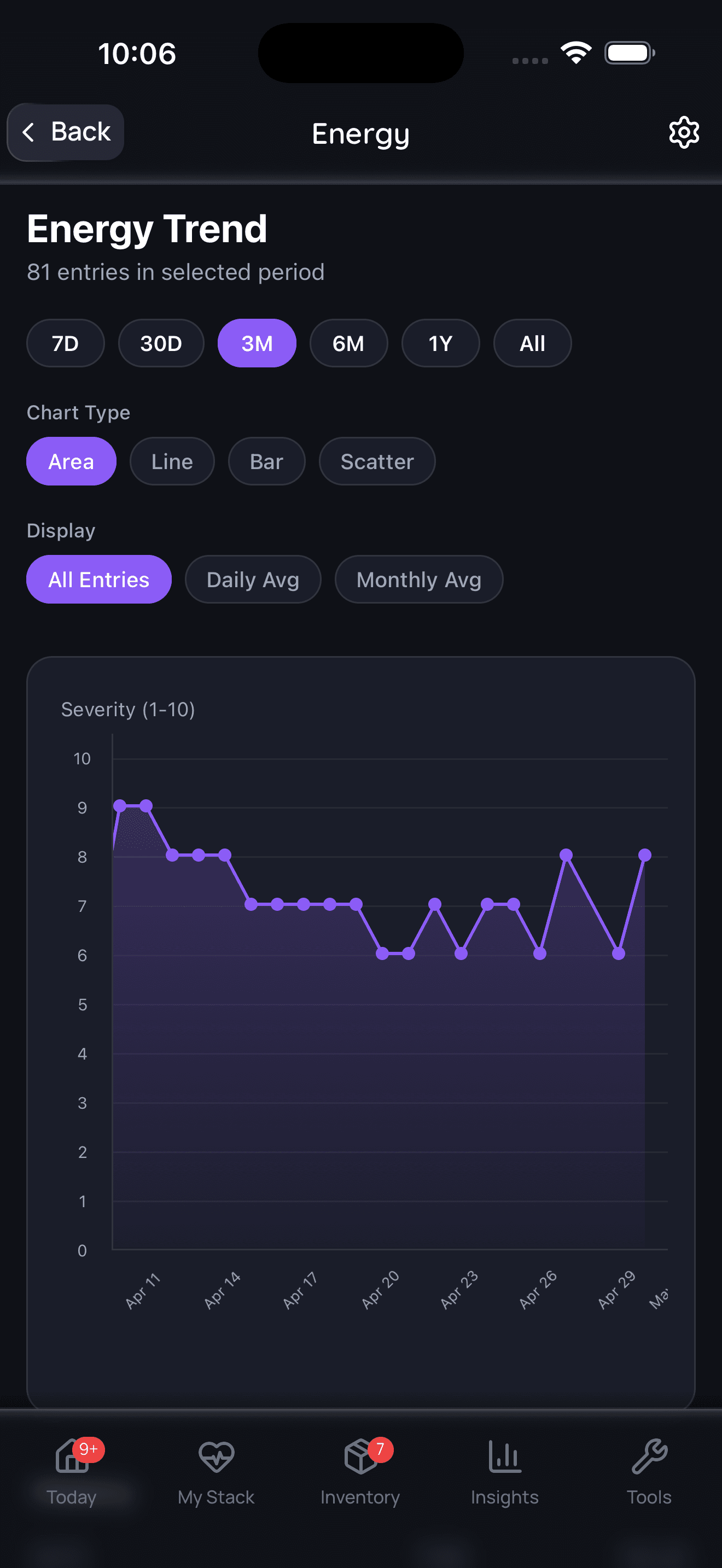
Symptom tracking is informational and should be interpreted with a qualified clinician.
Risks, Side Effects & Safety
The Basics
Like any medical treatment, TRT comes with risks and side effects that deserve honest discussion. For most men on appropriately dosed testosterone therapy under medical supervision, the side effects are manageable. But they are real, and understanding them helps you make informed decisions and monitor for problems early.
The most common side effects include acne or oily skin, mild fluid retention (especially in the first few weeks), testicular shrinkage (because external testosterone signals your testes to reduce their own production), and changes in red blood cell production. Some men notice increased body hair growth, and those with genetic susceptibility may experience accelerated male pattern hair loss.
The most important safety considerations involve your blood, your heart, your prostate, and your fertility. Here is what you need to know about each.
Blood thickness (polycythemia): Testosterone stimulates red blood cell production. If your hematocrit (the percentage of your blood made up of red cells) rises above 54%, your blood becomes thicker, increasing the risk of blood clots, stroke, and heart attack. This is the most common reason for dose reduction or temporary discontinuation. Regular blood monitoring (every 6-12 months) catches this early. Injectable testosterone tends to raise hematocrit more than gels or patches.
Heart health: The TRAVERSE trial, the largest cardiovascular safety study of TRT ever conducted, enrolled 5,246 men aged 45-80 with cardiovascular disease or high cardiovascular risk. Over 33 months, testosterone gel did not increase the rate of major cardiovascular events compared to placebo (hazard ratio 0.96, 95% confidence interval 0.78-1.17). This means that for men in this risk profile, TRT did not increase heart attack, stroke, or cardiovascular death risk [13]. However, TRAVERSE did note small increases in atrial fibrillation, pulmonary embolism, and acute kidney injury in the testosterone group, warranting continued monitoring.
Fertility: Testosterone therapy suppresses sperm production, often to zero. This is discussed in detail in Section 14.
The Science
Polycythemia and hematologic risk: Testosterone-stimulated erythropoiesis increases hematocrit in a dose-dependent and route-dependent manner. Intramuscular injections produce higher peak testosterone levels and greater hematocrit elevation compared with transdermal formulations. The hematocrit threshold for clinical intervention is >54% per Endocrine Society and AUA guidelines, at which point dose reduction, route change, or therapeutic phlebotomy is recommended [4]. In the TRAVERSE trial, polycythemia requiring intervention occurred in approximately 8-10% of testosterone-treated men vs 1-2% on placebo.
Cardiovascular safety (TRAVERSE data): The TRAVERSE trial (n=5,246; men 45-80 with hypogonadism and preexisting or high risk for CVD) demonstrated non-inferiority of testosterone gel for the primary composite MACE endpoint (HR 0.96, 95% CI: 0.78-1.17) over a mean follow-up of 33 months [13]. The absolute event rate was approximately 7% in both groups over the study period. TRAVERSE also identified increased incidence of atrial fibrillation (HR 1.96), non-fatal pulmonary embolism (HR 2.68), and acute kidney injury (HR 1.48) in the testosterone group. These secondary findings require ongoing monitoring but did not change the overall benefit-risk calculation for the primary endpoint.
Prostate considerations: Current evidence does not support a causal relationship between TRT and prostate cancer initiation at physiological replacement doses. The androgen saturation model proposes that prostate tissue achieves maximal androgen receptor stimulation at relatively low testosterone concentrations, and additional testosterone above this threshold does not further stimulate prostatic growth [14]. PSA monitoring per age-appropriate guidelines remains standard practice during TRT.
Contraindications: Absolute contraindications include active or untreated prostate cancer, male breast cancer, hematocrit >54% at baseline, uncontrolled congestive heart failure, untreated severe obstructive sleep apnea, and desire for near-term fertility without concurrent fertility preservation measures [4].
Dosing & Treatment Protocols
The Basics
If you and your provider decide that TRT is appropriate for your sexual health concerns, the starting point is usually a moderate dose with follow-up blood work and symptom assessment at 6-12 weeks. Dosing for sexual health follows the same principles as general TRT dosing: start conservative, check levels and symptoms, and adjust gradually.
Common starting protocols include testosterone cypionate 100mg intramuscularly weekly (or 50mg twice weekly for more stable levels), testosterone gel 1% or 1.62% applied daily, or testosterone enanthate in similar dosing patterns. Your provider will check your trough testosterone level, hematocrit, and symptoms at follow-up to determine whether adjustment is needed.
For sexual function specifically, some men and their providers find that more stable testosterone levels (achieved through more frequent, smaller injections or daily transdermal application) produce more consistent sexual function compared to the peaks and troughs of weekly injection.
The Science
Dosing for sexual function optimization follows standard TRT dosing guidelines, with target trough total testosterone of 400-700 ng/dL per Endocrine Society recommendations [4]. The TTrials and TRAVERSE studies used 1.62% testosterone gel titrated to maintain serum testosterone within the physiological range.
What to Expect (Timeline)
Understanding the timeline for sexual health improvements on TRT helps set realistic expectations. Individual responses vary, but research and community experience suggest a general pattern:
Days 1-7: Little to no change in sexual function. Some men report a psychological boost from initiating treatment. Injection site soreness is common with IM injections. Transdermal formulations may cause mild skin irritation.
Weeks 2-4: Early changes in libido are often the first noticeable effect. Some men report increased sexual thoughts, greater response to sexual stimuli, and the return of morning erections. These early improvements can feel dramatic, but may partly reflect the "honeymoon phase" that tends to moderate over time.
Months 1-3: Sexual desire typically shows significant improvement by this point. Morning erections become more frequent and reliable. Sexual activity frequency often increases. Erectile function improvement is less predictable and may take longer. Hematocrit begins to rise and should be monitored.
Months 3-6: Sexual function benefits generally stabilize. The initial "honeymoon phase" intensity of libido may moderate to a sustained, healthier baseline. Body composition changes (fat loss, muscle gain) begin to contribute to overall confidence and sexual health. For men using combination therapy with PDE5 inhibitors, this is typically when the full benefit picture becomes clear.
Months 6-12: Full sexual function benefits are typically realized. The TRAVERSE Sexual Function Study confirmed that benefits in sexual activity and desire were sustained at 12 months and maintained through 24 months [9]. Erectile function improvements, when they occur, may continue to develop over this longer timeframe.
Ongoing maintenance: Annual review with your provider should include assessment of sexual function alongside hematocrit, PSA, and testosterone levels. Dose adjustments may be needed over time as metabolism, weight, and SHBG levels change.
Timelines in clinical literature describe averages. Your own timeline is what matters. Doserly's trend analysis turns your daily symptom entries into visual trajectories, showing you how each outcome is progressing over weeks and months of testosterone therapy.
The app helps you see patterns that day-to-day experience can obscure, like a gradual improvement in energy that started two weeks after switching to twice-weekly injections, or libido steadily building even when individual off days make it feel like nothing has changed. These insights give both you and your provider a clearer picture of treatment response.
Connect protocol changes to labs and health markers.
Doserly can keep lab results, biomarkers, symptoms, and dose history close together so follow-up conversations have better context.
Insights
Labs and trends
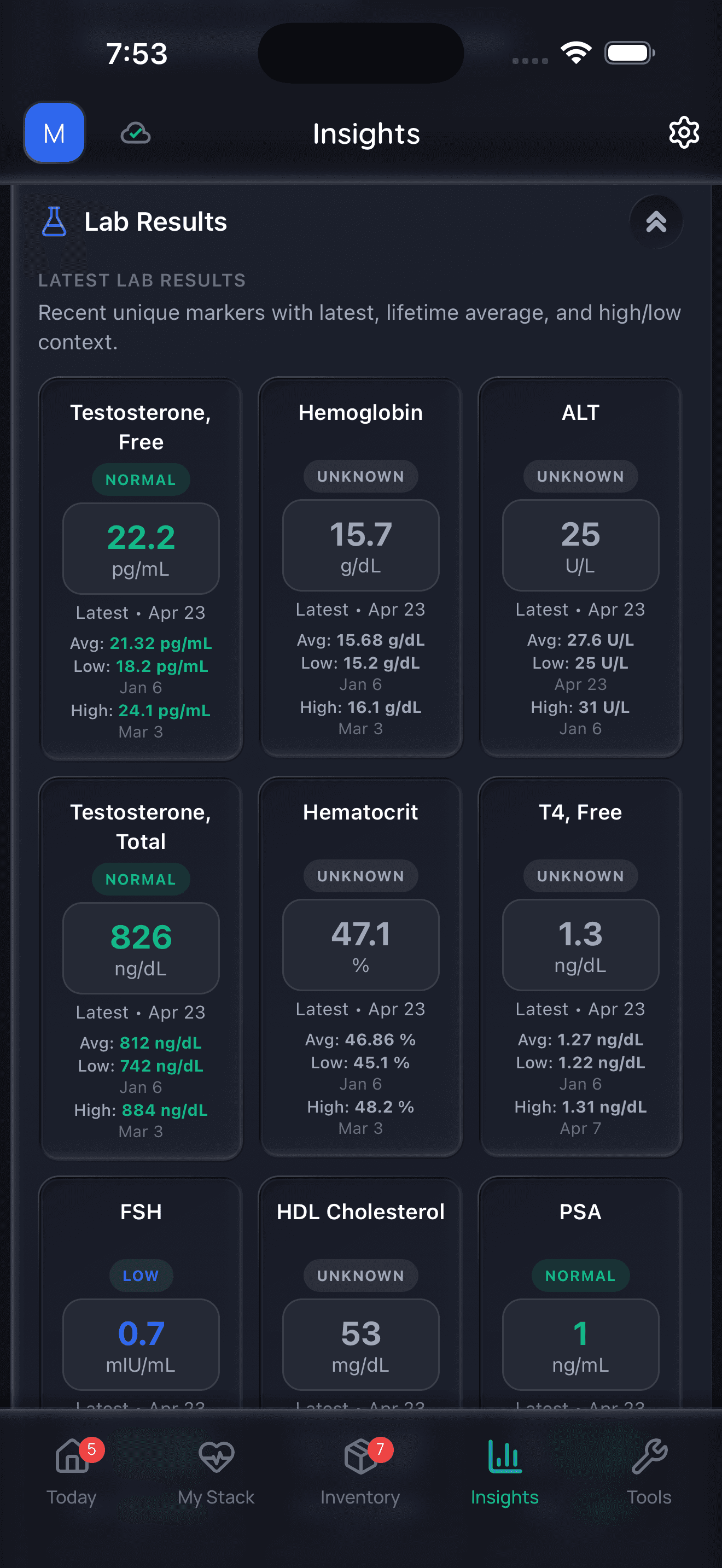
Doserly organizes data; it does not diagnose or interpret labs for you.
Fertility Preservation & HPG Axis
Testosterone therapy suppresses the hypothalamic-pituitary-gonadal (HPG) axis via negative feedback, reducing LH and FSH secretion and dramatically lowering intratesticular testosterone concentrations. This leads to spermatogenic arrest, with approximately 40-60% of men achieving azoospermia by 6 months of TRT [4].
For men seeking sexual health improvement through TRT who also desire future fertility, this requires careful discussion before treatment initiation. Options include:
- Sperm banking before TRT initiation for men who may want biological children
- HCG co-administration (250-500 IU 2-3 times weekly) to maintain intratesticular testosterone and spermatogenesis during TRT
- Clomiphene citrate or enclomiphene as alternatives that stimulate endogenous testosterone production via LH/FSH stimulation without suppressing spermatogenesis
- Recovery after discontinuation is variable (6-24+ months) and not guaranteed
The clinical importance cannot be overstated: fertility counseling should be part of every TRT initiation conversation for men of reproductive age, regardless of whether sexual health is the primary treatment indication.
Interactions & Compatibility
Drug-drug interactions relevant to sexual health:
- PDE5 inhibitors (sildenafil, tadalafil, vardenafil, avanafil): Synergistic with TRT for erectile function. Testosterone maintains NO/cGMP signaling that PDE5i amplifies. Combination is well-studied and considered safe [6]. See also: TRT for Beginners
- SSRIs/SNRIs (sertraline, fluoxetine, venlafaxine): Common cause of sexual dysfunction. TRT may partially offset SSRI-induced sexual side effects. One RCT found testosterone gel improved sexual function in depressed men on serotonergic antidepressants [15]
- 5-alpha reductase inhibitors (finasteride, dutasteride): Block conversion of testosterone to DHT. May reduce libido and erectile function. Use with TRT requires careful monitoring of sexual function
- Opioids: Suppress HPG axis and cause hypogonadism. Opioid-induced androgen deficiency is a recognized cause of sexual dysfunction. See: Opioid-Induced Androgen Deficiency
- Aromatase inhibitors (anastrozole): Reduce estradiol levels. Excessive E2 suppression can paradoxically worsen sexual function. See Section Section 18
Lifestyle factors:
- Alcohol: Acutely suppresses testosterone and increases aromatization. Chronic use causes testicular damage
- Exercise: Resistance training is synergistic with TRT for body composition and potentially sexual function. Cardiovascular exercise improves vascular health supporting erectile function
- Sleep: 7-8 hours of quality sleep supports testosterone production and sexual health. Obstructive sleep apnea may be exacerbated by TRT
- Body weight: Obesity attenuates TRT's sexual function benefits. Weight loss may independently improve both testosterone levels and sexual function. See: Obesity-Related Hypogonadism
Decision-Making Framework
If you are experiencing sexual health concerns and wondering whether testosterone might be part of the solution, the diagnostic process typically involves:
- Symptom assessment: Your provider will ask about libido, erectile function, morning erections, sexual satisfaction, energy, and mood
- Hormonal evaluation: Two morning total testosterone measurements, plus free testosterone, SHBG, LH, FSH, estradiol, and prolactin
- Ruling out other causes: Vascular disease, diabetes, depression, medication side effects, thyroid dysfunction, and relationship factors should all be evaluated
- Clinical guidelines: The Endocrine Society requires two morning total T measurements below 300 ng/dL plus symptoms. The AUA uses a similar threshold
Questions to ask your provider about sexual health and TRT: Is my sexual dysfunction likely related to low testosterone, or could there be other contributing factors? Should I try lifestyle changes first? If I start TRT, should we also consider a PDE5 inhibitor for erectile function? How will we monitor for side effects?
Administration & Practical Guide
For sexual function optimization, administration considerations include:
- Injection frequency: Some men report more consistent sexual function with twice-weekly or more frequent injections, reducing peak-trough testosterone fluctuation
- Timing: No specific injection timing relative to sexual activity is needed; TRT maintains baseline hormonal levels rather than providing acute effects
- Transdermal application: Apply testosterone gel to clean, dry skin on shoulders, upper arms, or abdomen. Allow complete drying before skin contact with partners (transfer risk, especially to women and children)
- Self-injection technique: Follow your provider's instructions for proper IM or SubQ injection technique, site rotation, and needle disposal
Monitoring & Lab Work
Pre-TRT baseline for sexual health evaluation:
Total testosterone (two morning draws), free testosterone, SHBG, LH, FSH, estradiol, prolactin (if secondary hypogonadism suspected), CBC with hematocrit, PSA (age-appropriate), lipid panel, comprehensive metabolic panel, HbA1c (if metabolic concerns)
Follow-up at 6-12 weeks:
Trough testosterone, hematocrit, symptom assessment including sexual function using a validated tool (IIEF or similar), estradiol (if symptoms of high or low E2), dose adjustment as needed
Ongoing monitoring:
Hematocrit every 6-12 months (threshold >54%), PSA per age-appropriate guidelines, testosterone levels at trough, estradiol if symptomatic, lipid panel annually, sexual function reassessment at each visit
Estrogen Management on TRT
Estrogen management is particularly relevant to sexual health on TRT. Testosterone aromatizes to estradiol via aromatase enzyme, primarily in adipose tissue. This is a normal and necessary process. Estradiol contributes to male sexual desire, bone health, cardiovascular protection, and brain function.
The TTrials Sexual Function Study found that increases in estradiol levels (alongside testosterone increases) correlated with improvements in sexual activity and desire [7], supporting the importance of adequate estradiol rather than aggressive suppression.
When estrogen affects sexual function:
- High E2 symptoms: Decreased libido, erectile difficulty, fluid retention, emotional lability, nipple sensitivity. More common in men with higher body fat (greater aromatase activity)
- Low E2 symptoms (often from AI overuse): Decreased libido (paradoxically), joint pain, dry skin, fatigue, depression, bone density loss. Low E2 symptoms can be worse than high E2 symptoms for sexual function
Aromatase inhibitor (AI) use:
The Endocrine Society and AUA guidelines do not recommend routine AI use during TRT [4]. Estradiol monitoring should occur only when symptoms suggest imbalance, not as a routine protocol. The online men's health community often targets specific E2 numbers (commonly 20-35 pg/mL), but this practice is not supported by clinical evidence and carries risks of over-suppression. The evidence-based approach is symptom-driven management.
The relationship between your testosterone dose, injection frequency, and estradiol levels is unique to you. Doserly's analytics help you see how changes to your TRT protocol affect estrogen-related symptoms over time, revealing correlations that a single lab draw can't capture.
The app can surface insights like whether splitting your dose reduced estrogen-related symptoms without needing an AI, or whether estradiol levels trend differently in the days following an injection. These patterns help you and your provider optimize your protocol with a focus on keeping estrogen in a healthy range rather than reflexively suppressing it.
Keep side effects, flags, and follow-up notes visible.
Doserly helps you document safety observations, side effects, medication changes, and follow-up questions so important context is not scattered.
Safety log
Flags and notes
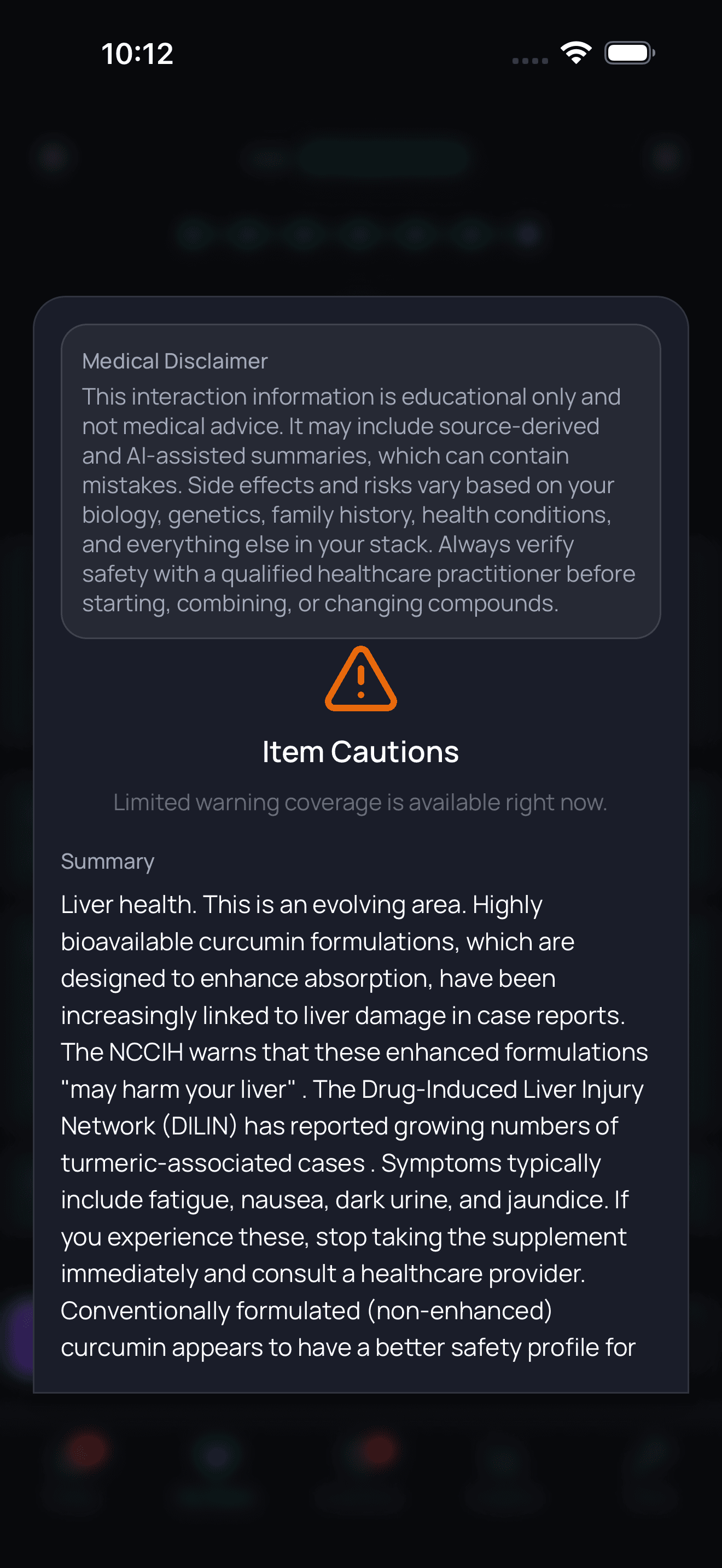
Safety notes are not emergency guidance; seek medical help when appropriate.
Stopping TRT / Post-Cycle Considerations
If you discontinue TRT after using it for sexual health improvement, expect a temporary return of low testosterone symptoms, including the sexual dysfunction that prompted treatment. HPG axis recovery takes weeks to months, with endogenous testosterone production potentially taking 6-24+ months to normalize. Recovery is not guaranteed, particularly after prolonged use.
For men with primary hypogonadism (testicular failure), endogenous recovery capacity is limited. For secondary hypogonadism, particularly functional causes like obesity, recovery prognosis is generally better.
PCT protocols (HCG taper, clomiphene, enclomiphene) are community-derived and not standardized in clinical guidelines for TRT discontinuation. Discuss any discontinuation plan with your healthcare provider.
Special Populations & Situations
Men with Cardiovascular Disease
The TRAVERSE trial provides reassurance that TRT for sexual health does not increase major cardiovascular events in men with existing CVD risk [13]. For men with erectile dysfunction and cardiovascular disease, PDE5 inhibitors are also generally safe and may provide cardiovascular benefit through improved endothelial function. Hematocrit monitoring is particularly important.
Obese Men
Obesity attenuates TRT's sexual function benefits (Corona meta-analysis found lower erectile function improvement in obese and diabetic men) [10]. Weight loss alone may normalize testosterone and improve sexual function. For men with obesity-related hypogonadism, addressing weight through lifestyle changes, GLP-1 receptor agonists, or bariatric surgery should be considered alongside or before TRT. See: Obesity-Related Hypogonadism
Men with Depression
Depression and sexual dysfunction commonly co-occur and can both be related to low testosterone. TRT may improve mood and sexual function simultaneously. For men on SSRIs/SNRIs (which frequently cause sexual side effects), testosterone gel has shown benefit in improving sexual function in one placebo-controlled trial [15].
Men with Diabetes
Type 2 diabetes is associated with both hypogonadism and erectile dysfunction. TRT may improve insulin sensitivity and metabolic parameters alongside sexual function. However, metabolic derangements attenuate the erectile function response to TRT [10].
Older Men (65+)
The TTrials enrolled men 65 and older with total T <275 ng/dL and demonstrated robust improvement in sexual desire and activity [7]. Older men may benefit from lower starting doses and more conservative titration. PDE5 inhibitors remain effective in older men and may be particularly useful as combination therapy with TRT.
Transgender Men (FTM)
Testosterone therapy for gender-affirming care involves different dosing goals (masculinizing doses) but has well-documented effects on libido and sexual function. Fertility counseling (oocyte preservation) is essential before initiation.
Regulatory, Insurance & International
Testosterone is classified as a Schedule III controlled substance in the United States (DEA). This affects prescribing requirements, insurance coverage, refill limitations, and international travel with medication. Insurance coverage for TRT varies; prior authorization is commonly required, with lab documentation of confirmed hypogonadism. PDE5 inhibitors prescribed alongside TRT may face separate coverage limitations. Generic testosterone formulations are widely available at relatively low cost. The telehealth TRT clinic landscape has expanded significantly, though quality varies considerably.
Frequently Asked Questions
Q: Will TRT fix my erectile dysfunction?
TRT reliably improves sexual desire and overall sexual activity in men with confirmed low testosterone. Erectile function improvement is more variable and depends on the underlying causes. If your ED is primarily driven by low testosterone, TRT may be sufficient. If vascular disease, diabetes, or other factors contribute, you may benefit from combination therapy with a PDE5 inhibitor. Work with your provider to identify contributing factors.
Q: How quickly will TRT improve my sex drive?
Many men notice increased sexual thoughts and desire within 2-4 weeks of starting TRT. However, this early improvement may partly reflect a "honeymoon phase" that moderates over the first 3-6 months. The TRAVERSE study confirmed sustained benefit at 24 months.
Q: Can TRT make my libido too high?
Some men report dramatically increased libido, particularly in the early months of treatment. This typically stabilizes as hormone levels reach steady state. If libido feels unmanageable, discuss dose adjustment with your provider.
Q: Should I take an aromatase inhibitor for better sexual function?
Major clinical guidelines do not recommend routine AI use during TRT. Both high and low estradiol can impair sexual function, and AI overuse (crashing estrogen) frequently makes sexual function worse, not better. Only consider AI use if you have clear symptoms of elevated estrogen, and do so under medical guidance.
Q: Will I need Viagra or Cialis along with TRT?
Many men on TRT find that testosterone addresses desire but benefit from a PDE5 inhibitor for erectile function, particularly those with cardiovascular risk factors. Low-dose daily tadalafil (5mg) is commonly used alongside TRT and has additional benefits for cardiovascular and urinary health. This is not a failure of TRT; it reflects the multi-factorial nature of erectile function.
Q: Does TRT affect orgasm quality?
Some men report improved orgasm intensity on TRT, and the Corona meta-analysis found improvement in the orgasm domain of the IIEF. However, this effect is less consistently studied and reported than libido improvement.
Q: Can I take TRT if I'm on an antidepressant?
Yes, TRT can be used alongside antidepressants. In fact, one clinical trial found that testosterone gel improved sexual function in depressed men taking serotonergic antidepressants. If your antidepressant is contributing to sexual dysfunction, discuss options with your prescriber.
Q: What if my testosterone levels are borderline but I have sexual symptoms?
The relationship between testosterone levels and sexual symptoms varies between individuals. The TTrials found no threshold testosterone level below which sexual benefits appeared. Guidelines emphasize treating symptomatic men, not lab numbers alone. A trial of TRT with careful monitoring may be appropriate, especially if symptoms are significantly impacting quality of life.
Q: Will TRT make me infertile?
TRT suppresses sperm production, often to zero. This effect is usually reversible after discontinuation (6-24+ months), but recovery is not guaranteed. If future fertility is a concern, discuss fertility preservation options (sperm banking, HCG co-administration) before starting TRT.
Q: Is the sexual benefit from TRT just placebo?
Multiple large, rigorous placebo-controlled trials (TRAVERSE, TTrials) have confirmed that testosterone therapy significantly improves sexual activity and desire compared to placebo. While expectation effects exist, the clinical benefit is real and sustained over years.
Myth vs. Fact
Myth: TRT will give every man rock-hard erections.
Fact: TRT reliably improves sexual desire and activity in men with confirmed hypogonadism, but erectile function improvement is more variable. The TRAVERSE Sexual Function Study found that TRT improved desire and activity but not erectile function scores in men with cardiovascular risk factors [9]. Erections depend on vascular health, nerve function, and hormonal status together. Many men benefit from combining TRT with a PDE5 inhibitor for optimal erectile function.
Myth: If TRT doesn't fix your erections, your testosterone isn't high enough.
Fact: Higher testosterone doses do not necessarily produce better erectile function. The TTrials found no threshold testosterone level for sexual benefit [7], and erectile function depends on multiple systems beyond testosterone. Pushing doses into supraphysiological ranges increases side effects without evidence of additional erectile benefit at therapeutic levels.
Myth: TRT causes heart attacks.
Fact: The TRAVERSE trial (n=5,246), the largest cardiovascular safety study of TRT, found no increase in major adverse cardiovascular events with testosterone gel vs placebo (HR 0.96, 95% CI 0.78-1.17) over 33 months in men with cardiovascular risk factors [13]. Earlier observational studies that raised concerns were limited by design flaws. TRAVERSE did note small increases in atrial fibrillation and pulmonary embolism, warranting monitoring.
Myth: You need an AI (aromatase inhibitor) with TRT for good sexual function.
Fact: Clinical guidelines (Endocrine Society, AUA) do not recommend routine AI use during TRT [4]. Estradiol is important for male sexual function, bone health, and cardiovascular protection. The TTrials found that estradiol increases correlated with sexual function improvement [7]. Crashing estrogen with excessive AI use frequently worsens libido and overall sexual function.
Myth: TRT is just steroids for sex.
Fact: TRT replaces a deficient hormone to restore normal physiological levels, not to achieve supraphysiological enhancement. The distinction is similar to thyroid hormone replacement for hypothyroidism versus performance use. Clinical TRT protocols target testosterone levels within the normal male reference range (typically 400-700 ng/dL at trough).
Myth: Once you start TRT, your natural testosterone never recovers.
Fact: This depends on the underlying cause. For men with functional hypogonadism (such as from obesity), endogenous production often recovers after TRT discontinuation, especially if the underlying cause (obesity) is addressed. Recovery takes time (typically 6-24 months) and may be supported with SERMs. For primary hypogonadism (testicular failure), endogenous recovery is limited regardless of TRT use. Recovery is not guaranteed for any individual.
Myth: TRT will make you permanently infertile.
Fact: TRT suppresses sperm production, and approximately 40-60% of men achieve azoospermia by 6 months [4]. However, spermatogenesis usually recovers after discontinuation, though the timeline varies (6-24+ months) and recovery to baseline is not guaranteed. HCG co-administration during TRT and sperm banking before initiation are fertility preservation strategies. Fertility counseling is essential before starting TRT.
Myth: All men with low libido need testosterone.
Fact: Low libido has many causes beyond low testosterone, including depression, medication side effects (SSRIs, opioids, finasteride), relationship issues, stress, sleep disorders, thyroid dysfunction, and chronic illness. A comprehensive evaluation should precede any assumption that testosterone is the answer.
Sources & References
Clinical Guidelines
[1] Bhasin S, et al. Testosterone therapy in men with androgen deficiency syndromes: an Endocrine Society clinical practice guideline. J Clin Endocrinol Metab. 2018;103(5):1715-1744.
[4] Mulhall JP, et al. Evaluation and management of testosterone deficiency: AUA guideline. J Urol. 2018;200(2):423-432.
Landmark Trials
[7] Cunningham GR, et al. Testosterone treatment and sexual function in older men with low testosterone levels. J Clin Endocrinol Metab. 2016;101(8):3096-3104. (TTrials Sexual Function Trial)
[9] Cunningham GR, et al. Effect of testosterone replacement therapy on sexual function and hypogonadal symptoms in men with hypogonadism. J Clin Endocrinol Metab. 2023;108(12):e1161-e1168. (TRAVERSE Sexual Function Study)
[13] Lincoff AM, et al. Cardiovascular safety of testosterone-replacement therapy. N Engl J Med. 2023;389(2):107-117. (TRAVERSE Trial)
Systematic Reviews & Meta-Analyses
[6] Zhu J, et al. Do testosterone supplements enhance response to phosphodiesterase 5 inhibitors in men with erectile dysfunction and hypogonadism: a systematic review and meta-analysis. Transl Androl Urol. 2020;9(3):1089-1101.
[10] Corona G, Rastrelli G, Morgentaler A, et al. Meta-analysis of results of testosterone therapy on sexual function based on International Index of Erectile Function scores. Eur Urol. 2017;72(6):1000-1011.
[11] Lee H, Hwang EC, Oh CK, et al. Testosterone replacement in men with sexual dysfunction. Cochrane Database Syst Rev. 2024;1:CD013071.
[12] Xu Z, Chen X, Liu L, et al. An updated systematic review and meta-analysis of the effects of testosterone replacement therapy on erectile function and prostate. Front Endocrinol. 2024;15:1335146.
Observational Studies & Mechanism
[2] Hull EM, et al. Male sexual behavior. In: Pfaff DW, ed. Hormones, Brain and Behavior. 2nd ed. Academic Press; 2009.
[3] Traish AM, et al. Testosterone deficiency. Am J Med. 2011;124(7):578-587.
[5] Wu FC, et al. Identification of late-onset hypogonadism in middle-aged and elderly men. N Engl J Med. 2010;363(2):123-135. (European Male Ageing Study)
[8] Nieschlag E, et al. Testosterone: Action, Deficiency, Substitution. 5th ed. Cambridge University Press; 2022.
[14] Morgentaler A, Traish AM. Shifting the paradigm of testosterone and prostate cancer: the saturation model and the limits of androgen-dependent growth. Eur Urol. 2009;55(2):310-320.
[15] Amiaz R, et al. Testosterone gel replacement improves sexual function in depressed men taking serotonergic antidepressants: a randomized, placebo-controlled clinical trial. J Sex Marital Ther. 2011;37(4):243-254.
Related Guides & Cross-Links
Same Category (Symptom & System Guides)
Related Treatment Options
- TRT for Beginners
- Testosterone Cypionate (Depo-Testosterone)
- Testosterone Enanthate (Delatestryl)
- Testosterone Gel (AndroGel)
- Fertility Preservation on TRT
- Estrogen Management on TRT
- TRT Blood Work Guide
Related Conditions
Ancillary Medications
Educational
- The TRAVERSE Trial Explained
- TRT Myths vs Facts
- Low Testosterone Master Guide
- Stopping TRT & Post-Cycle Recovery
- Natural Testosterone Optimization