
TRT and Mental Health
On this page
Quick Reference Card
Attribute
Topic
- Value
- TRT and Mental Health: Depression, Anxiety, Cognition, and Emotional Wellbeing
Attribute
Guide Type
- Value
- Symptom & System Guide
Attribute
Key Mental Health Domains
- Value
- Depression, anxiety, cognitive function (brain fog/memory), mood stability, emotional wellbeing, energy/vitality
Attribute
Prevalence of Depression in Hypogonadal Men
- Value
- 35-50% (cross-sectional studies); 50.8% in TRAVERSE trial population
Attribute
Evidence Quality for Depression
- Value
- Moderate-High (27 RCTs in meta-analysis, TRAVERSE sub-analysis)
Attribute
Evidence Quality for Anxiety
- Value
- Low-Moderate (inconsistent across studies)
Attribute
Evidence Quality for Cognition
- Value
- Low-Moderate (mixed findings, benefit mainly in pre-existing impairment)
Attribute
Typical Mood Improvement Timeline
- Value
- 2-6 weeks for initial changes; most substantial improvement after 18+ weeks
Attribute
Key Clinical Reference
- Value
- TRAVERSE Depression Sub-Analysis (Bhasin et al., 2024)
Attribute
Key Meta-Analysis
- Value
- Walther et al., JAMA Psychiatry 2019 (27 RCTs, n=1,890)
Attribute
Important Caveat
- Value
- TRT is complementary, not primary treatment for clinical depression or anxiety disorders
Overview / What Is TRT and Mental Health?
The Basics
If you have been experiencing persistent low mood, fatigue, difficulty concentrating, or a general sense that something is "off" mentally, and your testosterone levels have tested low, you are far from alone. Research shows that roughly half of men with hypogonadism also have significant depressive symptoms. The relationship between testosterone and mental health runs deeper than most people realize, and it flows in both directions: low testosterone can contribute to depression and cognitive difficulties, and depression itself can suppress your body's testosterone production.
This guide explores what the evidence actually says about how testosterone therapy affects mental health outcomes, including depression, anxiety, brain fog, mood stability, and overall quality of life. The answer is nuanced. For some men with confirmed hypogonadism, TRT produces meaningful improvements in mood and mental clarity that they describe as transformative. For others, the effects are modest or inconsistent. And for a smaller group, TRT does not meaningfully change their mental health at all, because the underlying cause of their symptoms was not testosterone deficiency.
Understanding these distinctions matters because testosterone therapy is not a substitute for proper psychiatric care, and mental health symptoms should never be attributed solely to testosterone levels without a thorough evaluation. At the same time, dismissing the hormonal component of mental health in men does a disservice to the many men whose suffering has a genuine endocrine basis.
The Science
The relationship between testosterone and mental health is mediated through multiple neurobiological mechanisms. Androgen receptors are widely distributed across limbic and prefrontal circuits, including the hippocampus, amygdala, and prefrontal cortex, all of which are critically involved in mood regulation, anxiety processing, and cognitive function [1][2].
Testosterone influences mental health through several pathways: modulation of serotonin, dopamine, and GABA neurotransmitter systems; enhancement of synaptic plasticity and neurogenesis; neuroprotective effects including reduction of neuroinflammation; and regulation of cerebral glucose metabolism and brain perfusion [2][3]. Additionally, testosterone interacts with the hypothalamic-pituitary-adrenal (HPA) axis, which controls the stress hormone cortisol. Low testosterone is associated with HPA axis dysregulation, resulting in exaggerated cortisol responses and impaired stress resilience [4].
The bidirectional relationship between hypogonadism and depression is well-established. Epidemiological data demonstrate that depressive symptoms are present in 35-50% of hypogonadal men in cross-sectional studies [5], and the TRAVERSE trial found that 50.8% of its 5,204 hypogonadal participants had significant depressive symptoms (PHQ score > 4) [6]. Conversely, depression can cause functional hypogonadism through HPA axis activation, weight gain, sleep disruption, and physical inactivity, creating a self-reinforcing cycle [5].
Medical / Chemical Identity
Topic Classification: Symptom & System Guide (cross-cutting across multiple TRT treatment modalities)
Relevant ICD-10 Codes:
- E29.1: Testicular hypofunction
- F32.x: Major depressive disorder, single episode
- F33.x: Major depressive disorder, recurrent
- F34.1: Dysthymic disorder
- F41.1: Generalized anxiety disorder
- R41.3: Other amnesia (brain fog/cognitive complaints)
Key Diagnostic Intersection: Men presenting with depressive symptoms or cognitive complaints should be evaluated for hypogonadism. Men diagnosed with hypogonadism should be screened for depression. The Endocrine Society recommends against routine testosterone testing in men presenting solely with depression, but clinical judgment should prevail when symptoms overlap.
Mechanism of Action / Pathophysiology
The Basics
Your brain has receptors for testosterone throughout the regions that control mood, motivation, memory, and emotional processing. When testosterone levels fall below what your body needs, these brain areas do not receive the signaling they require to function optimally. Think of it like a communications network operating at reduced capacity: the messages still get through, but they are slower, less clear, and more prone to errors.
Testosterone affects mental health through several channels. It helps regulate serotonin, the neurotransmitter most closely associated with mood stability. It supports dopamine, which drives motivation, pleasure, and reward-seeking behavior. And it modulates GABA, the brain's primary calming neurotransmitter that keeps anxiety in check. When testosterone drops, these systems can become imbalanced, leading to symptoms that often overlap with clinical depression or anxiety disorders.
There is also an important relationship between testosterone and the stress hormone cortisol. Your body's stress response system (the HPA axis) and your reproductive hormone system (the HPG axis) influence each other. Chronically elevated cortisol, whether from ongoing stress, depression, or other causes, can actively suppress testosterone production. Meanwhile, low testosterone can make your stress response system more reactive, creating a cycle where each condition worsens the other.
The Science
Testosterone exerts its central nervous system effects through both genomic and non-genomic mechanisms. The classical genomic pathway involves binding to intracellular androgen receptors (AR), which are expressed in high density in the hippocampus, amygdala, bed nucleus of the stria terminalis, medial preoptic area, and prefrontal cortex. AR activation modulates transcription of genes involved in neuronal survival, synaptic plasticity, and neurotransmitter synthesis [1][2].
Non-genomic effects occur through membrane-associated AR signaling, activating rapid second messenger cascades (MAPK/ERK, PI3K/Akt) that influence neuronal excitability within seconds to minutes [2]. Testosterone also undergoes metabolic conversion to neuroactive steroids: 5-alpha reductase converts testosterone to dihydrotestosterone (DHT), while aromatase (CYP19A1) converts testosterone to 17-beta-estradiol (E2). Both metabolites have independent CNS effects. Estradiol, in particular, is essential for neuroprotection, synaptic plasticity, and serotonergic neurotransmission in male brains [3].
The interaction between the HPA and HPG axes is bidirectional. Glucocorticoid receptors in the hypothalamus and pituitary suppress GnRH pulse frequency and LH secretion, resulting in functional hypogonadism during states of chronic stress or depression [5]. Conversely, testosterone normally exerts a buffering effect on HPA axis reactivity. Hypogonadal men demonstrate exaggerated cortisol responses to psychosocial stress, reduced stress recovery, and impaired fear extinction, all of which are features of anxiety and mood disorders [4].
Testosterone also supports neurogenesis in the hippocampus and modulates brain-derived neurotrophic factor (BDNF) expression, both of which are reduced in major depression and implicated in antidepressant response [2]. Additionally, suppression of testicular function by exogenous TRT reduces endogenous production of neurosteroids (pregnenolone, progesterone, allopregnanolone) that are potent GABA-A receptor modulators with anxiolytic and antidepressant properties. This may explain why some men develop or worsen mood symptoms on TRT despite achieving adequate testosterone levels [7].
Pathway & System Visualization
Pharmacokinetics / Hormone Physiology
The Basics
When it comes to mental health effects, the way testosterone is delivered and how stable your blood levels remain can influence how you feel. Injectable forms of testosterone (like cypionate and enanthate) create a peak in testosterone levels within 24-48 hours after injection, followed by a gradual decline until the next dose. Some men notice mood fluctuations that track with this peak-trough pattern: feeling better in the days after injection and experiencing mood dips as the next injection approaches.
Transdermal preparations (gels, creams, patches) provide more stable daily levels, which may theoretically result in smoother mood effects. However, individual responses vary considerably, and the "best" delivery method for mental health outcomes has not been established by clinical trials.
The brain does not respond only to testosterone itself. Your body converts testosterone into other hormones that also affect your mood. Estradiol (a form of estrogen) is important for serotonin function and neuroprotection. Dihydrotestosterone (DHT) has its own effects on mood and energy. And pregnenolone, progesterone, and allopregnanolone, which are neurosteroids produced in the testes, have calming, anti-anxiety properties. When TRT suppresses your natural testicular function, production of these neurosteroids can decrease, which may affect mood independently of testosterone levels.
The Science
The pharmacokinetic profile of testosterone preparations has potential implications for CNS outcomes. Injectable testosterone cypionate and enanthate achieve peak serum concentrations (Cmax 800-1200 ng/dL for a 100-200mg dose) within 24-48 hours post-injection, with trough levels at 7-10 days. The resulting peak-trough fluctuation may contribute to cyclical mood variation. More frequent, lower-dose injection protocols (e.g., 50-80mg twice weekly or daily subcutaneous micro-doses) produce flatter pharmacokinetic curves and may minimize mood-related side effects associated with supraphysiological peaks and subtherapeutic troughs [8].
Transdermal testosterone (1% gel, patches) achieves steady-state concentrations within 2-4 weeks with minimal diurnal fluctuation. The TRAVERSE trial used 1.62% transdermal testosterone gel and found modest but significant improvements in mood and energy [6], suggesting that stable serum concentrations are sufficient for CNS benefit.
A critical but underappreciated pharmacological consideration is the suppression of endogenous neurosteroid production by exogenous testosterone. TRT suppresses the HPG axis, reducing intratesticular concentrations of testosterone and its upstream precursors. This leads to decreased production of pregnenolone, progesterone, and their neuroactive metabolite allopregnanolone, a potent positive allosteric modulator of GABA-A receptors with established anxiolytic and antidepressant properties [7]. HCG co-administration (250-500 IU 2-3x/week) maintains intratesticular hormone production and may preserve neurosteroid synthesis, potentially explaining anecdotal reports of improved mood stability with HCG adjunct therapy.
Research & Clinical Evidence
The Basics
The scientific evidence on whether TRT improves mental health has grown substantially in recent years, and the overall picture is cautiously positive but complicated.
Depression: The strongest evidence supports TRT's ability to modestly improve depressive symptoms in men with hypogonadism. A large analysis combining data from 27 clinical trials involving nearly 1,900 men found that testosterone treatment was associated with a statistically significant reduction in depression compared to placebo [9]. The improvement was real but modest, roughly comparable to what you might see with a standard antidepressant. Importantly, the benefit was most clear in men with confirmed low testosterone and milder forms of depression. For men with severe major depression, testosterone alone does not appear to be enough.
The TRAVERSE trial, the largest study of testosterone therapy ever conducted (over 5,200 men), found that about half of the hypogonadal participants had significant depressive symptoms. TRT was associated with small but meaningful improvements in mood and energy, but not in cognition or sleep quality [6].
Anxiety: The evidence for anxiety is less consistent. Some individual studies show improvement, while others show no significant effect. Community reports are similarly divided: some men describe dramatic anxiety relief on TRT, while others report increased anxiety, particularly during the initial adjustment period or when estrogen levels are out of balance.
Brain fog and cognition: Many men report that TRT resolves persistent brain fog, and some studies support improvement in specific cognitive domains (verbal memory, visuospatial processing) in men who had pre-existing cognitive impairment. However, for men with normal baseline cognitive function, TRT has not consistently shown cognitive enhancement [10][11].
The Science
Depression Evidence
The most comprehensive meta-analysis to date (Walther et al., JAMA Psychiatry 2019) analyzed 27 RCTs including 1,890 men and found a significant antidepressant effect of testosterone treatment (Hedges g = 0.21; 95% CI, 0.10-0.32; efficacy OR 2.30, 95% CI 1.30-4.06) [9]. The effect size was moderated by dosage and baseline symptom variability but was not significantly moderated by baseline testosterone status, depression diagnosis, age, or treatment duration. An accompanying editorial noted methodological limitations, including that most trials did not have depression as their primary outcome [12].
A 2026 systematic review (Canal de Velasco et al., Cureus) of 11 RCTs confirmed that TRT significantly improved depressive symptoms in men with treatment-resistant depression (p < 0.05) when used as adjunctive therapy [10]. The review concluded that TRT should be considered a "complementary, not primary" approach to managing depressive symptoms in hypogonadal men.
The TRAVERSE depression sub-analysis (Bhasin et al., JCEM 2024) examined 5,204 men and found that 50.8% had significant depressive symptoms (PHQ > 4) but only 1.5% met criteria for low-grade persistent depressive disorder [6]. TRT was associated with modest but significantly greater improvements in mood and energy compared to placebo in men with significant depressive symptoms, but not in cognition or sleep quality.
Cognitive Evidence
Jung and Shin (2016) found that TRT significantly improved depression scores (BDI) and cognitive function scores (K-MMSE) in hypogonadal men, but cognitive improvement was only significant in patients with pre-existing mild cognitive impairment (K-MMSE < 25) [11]. The 2026 Canal de Velasco systematic review confirmed enhanced verbal memory and visuospatial processing (p < 0.05) in older or hypogonadal men, while global cognition outcomes were inconsistent [10].
Anxiety Evidence
Anxiety outcomes remain the most inconsistent in the evidence base. The 2026 Canal de Velasco systematic review noted that anxiety outcomes showed "inconsistent effects" across studies [10]. No large RCT has examined anxiety as a primary outcome of testosterone therapy.
Evidence & Effectiveness Matrix
Category
Mood & Emotional Wellbeing
- Evidence Strength
- 7/10
- Reported Effectiveness
- 7/10
- Summary
- Meta-analysis of 27 RCTs shows significant antidepressant effect (Hedges g = 0.21). TRAVERSE confirms modest mood improvement. Community reports strongly positive with notable exceptions.
Category
Energy & Vitality
- Evidence Strength
- 7/10
- Reported Effectiveness
- 8/10
- Summary
- TRAVERSE found significant energy improvement. Community consensus is strong. Clinical studies show 22% fatigue score reduction.
Category
Anxiety & Stress Response
- Evidence Strength
- 4/10
- Reported Effectiveness
- 6/10
- Summary
- Clinical evidence inconsistent across studies. No large RCT with anxiety as primary outcome. Community reports mixed but net positive.
Category
Cognitive Function
- Evidence Strength
- 5/10
- Reported Effectiveness
- 6/10
- Summary
- Benefits limited to men with pre-existing cognitive impairment. Brain fog resolution widely reported in community but inconsistent in RCTs. TRAVERSE found no cognition improvement.
Category
Sleep Quality
- Evidence Strength
- 4/10
- Reported Effectiveness
- 4/10
- Summary
- TRAVERSE found no significant sleep quality improvement. Community reports mixed. Possible sleep apnea exacerbation.
Category
Sexual Function & Libido
- Evidence Strength
- 8/10
- Reported Effectiveness
- 8/10
- Summary
- Consistently improved across studies. Indirectly supports mental health through improved confidence and relationship quality.
Category
Overall Quality of Life
- Evidence Strength
- 7/10
- Reported Effectiveness
- 7/10
- Summary
- Consistently improved across multiple studies and community reports. AMS score improvements significant in clinical trials.
Category
Gynecomastia & Estrogen
- Evidence Strength
- 5/10
- Reported Effectiveness
- 5/10
- Summary
- Estrogen imbalance (high or low) significantly affects mood. Community strongly emphasizes estrogen management for mental health on TRT.
Category
Polycythemia & Hematologic
- Evidence Strength
- 6/10
- Reported Effectiveness
- Not Scored
- Summary
- Safety concern requiring monitoring (hematocrit >54% threshold). Not directly related to mental health outcomes.
Category
Cardiovascular Health
- Evidence Strength
- 7/10
- Reported Effectiveness
- Not Scored
- Summary
- TRAVERSE demonstrated non-inferiority (HR 0.96, 95% CI 0.78-1.17). Safety context for mental health providers considering TRT.
Category
Fertility & Reproductive
- Evidence Strength
- 7/10
- Reported Effectiveness
- Not Scored
- Summary
- Exogenous testosterone suppresses spermatogenesis. Must be discussed before initiation. Not directly related to mental health outcomes.
Category
Prostate Health
- Evidence Strength
- 6/10
- Reported Effectiveness
- Not Scored
- Summary
- PSA monitoring standard. Not directly related to mental health outcomes.
Category
Muscle Mass & Strength
- Evidence Strength
- Not Scored
- Reported Effectiveness
- Not Scored
- Summary
- Insufficient mental-health-specific data for this guide.
Category
Body Fat & Composition
- Evidence Strength
- Not Scored
- Reported Effectiveness
- Not Scored
- Summary
- Insufficient mental-health-specific data for this guide.
Category
Bone Health
- Evidence Strength
- Not Scored
- Reported Effectiveness
- Not Scored
- Summary
- Insufficient mental-health-specific data for this guide.
Category
Metabolic Health
- Evidence Strength
- Not Scored
- Reported Effectiveness
- Not Scored
- Summary
- Insufficient mental-health-specific data for this guide.
Category
Skin & Hair
- Evidence Strength
- Not Scored
- Reported Effectiveness
- Not Scored
- Summary
- Insufficient mental-health-specific data for this guide.
Category
Fluid Retention & Edema
- Evidence Strength
- Not Scored
- Reported Effectiveness
- Not Scored
- Summary
- Insufficient mental-health-specific data for this guide.
Benefits & Therapeutic Effects
The Basics
When testosterone therapy works for mental health, the improvements that men describe tend to follow a recognizable pattern. The earliest benefit most men notice is improved energy and reduced fatigue, often within the first two to four weeks. This alone can have a meaningful impact on mental health, because chronic fatigue both mimics and worsens depression.
Mood improvement typically follows, though the timeline is more gradual. Research suggests that the most substantial reductions in depressive symptoms occur after about 18 weeks on therapy, not in the first few weeks [13]. This is important to know, because many men expect rapid mental health improvement and become discouraged when it does not happen immediately.
Brain fog resolution is one of the most consistently and specifically described benefits in the TRT community. Men describe it as a clearing of mental haze they did not fully recognize until it lifted. They report better concentration, quicker word-finding, and improved ability to follow conversations and manage work tasks.
Confidence and assertiveness improvements are commonly reported, though these are difficult to separate from the combined effects of better mood, more energy, and improved sexual function. Many men describe a positive cascade effect: when one area improves, others tend to follow.
It is important to acknowledge that not every man experiences these benefits. Some men see little or no mental health improvement from TRT, even with confirmed hypogonadism and adequate testosterone levels on treatment. Mental health is complex, and testosterone is one of many contributing factors.
The Science
Clinical evidence supports several specific mental health benefits of testosterone therapy in hypogonadal men:
Depressive symptom reduction: Meta-analytic data demonstrates a significant antidepressant effect (Hedges g = 0.21, 95% CI 0.10-0.32) with an efficacy OR of 2.30 (95% CI 1.30-4.06) compared to placebo [9]. The effect is most pronounced in men with confirmed hypogonadism, milder depression, and when higher dosages are used. TRT as adjunctive therapy for treatment-resistant depression has shown significant improvement (p < 0.05) [10].
Energy and fatigue improvement: The TRAVERSE trial demonstrated significantly greater improvements in energy in testosterone-treated vs placebo-treated men [6]. A study of approximately 800 testosterone-deficient men found a 22% reduction in fatigue scores over 6 months with testosterone gel [14].
Cognitive domain improvements: Specific cognitive benefits include enhanced verbal memory and visuospatial processing (p < 0.05) in older or hypogonadal men, particularly those with pre-existing cognitive impairment [10][11]. The mechanism involves enhancement of cerebral glucose metabolism and brain perfusion in androgen-responsive brain regions [15].
Quality of life: Quality of life and overall wellbeing consistently improved across multiple studies, with significant AMS score reductions documented in clinical trials [11][14].
Reading about the potential benefits gives you a framework for what to look for. Tracking whether those benefits are actually showing up in your own experience turns hope into evidence. Doserly lets you monitor the specific outcomes that matter most to you, from energy and libido to mood and body composition, building a personal record of how your testosterone therapy is working.
When it's time for your next provider appointment, you'll have concrete data showing which symptoms have improved, which haven't changed, and when shifts started happening. That kind of detail makes follow-up conversations more productive and dose adjustments more precise.
Turn symptom and safety notes into a clearer timeline.
Doserly helps you log doses, symptoms, and safety observations side by side so patterns are easier to discuss with a qualified clinician.
Pattern view
Logs and observations

Pattern visibility is informational and should be reviewed with a clinician.
Risks, Side Effects & Safety
The Basics
Testosterone therapy has a well-characterized safety profile, but there are important risks to understand, especially in the context of mental health.
Mood worsening: While most men experience mood improvement on TRT, a meaningful minority experience increased irritability, anxiety, or emotional instability, particularly during the initial adjustment period. This can result from testosterone dose being too high (causing supraphysiological peaks), estrogen imbalance (either too high or crashed from aggressive aromatase inhibitor use), or individual sensitivity. If your mood worsens on TRT, this is a signal to discuss dose adjustment or protocol changes with your provider, not necessarily a reason to discontinue.
Cardiovascular safety: The TRAVERSE trial (n=5,246, men aged 45-80 with cardiovascular risk factors) demonstrated non-inferiority of testosterone vs placebo for major adverse cardiovascular events (HR 0.96, 95% CI 0.78-1.17) [16]. This means TRT did not significantly increase the risk of heart attack, stroke, or cardiovascular death in this high-risk population over a mean follow-up of 33 months. However, TRAVERSE did find increased incidence of atrial fibrillation (3.5% vs 2.4%, p=0.02) and venous thromboembolic events (1.7% vs 1.2%) in the testosterone group.
Polycythemia: Testosterone stimulates red blood cell production. Hematocrit levels exceeding 54% require intervention (dose reduction, route change, or therapeutic phlebotomy). This risk is higher with injectable formulations than transdermal preparations. Hematocrit monitoring every 6-12 months is standard practice.
Fertility suppression: Exogenous testosterone suppresses the HPG axis, leading to reduced sperm production and potential azoospermia. This is discussed in detail in Section 14.
Psychiatric considerations: Men with histories of bipolar disorder, psychotic disorders, or severe personality disorders should be monitored closely when initiating TRT. While physiological TRT doses are not associated with the psychiatric risks of supraphysiological anabolic steroid abuse, individual sensitivity varies.
The Science
Cardiovascular risk contextualization: The TRAVERSE trial provided the strongest evidence to date on cardiovascular safety of TRT. In 5,246 men aged 45-80 with pre-existing or high risk for cardiovascular disease, testosterone gel was non-inferior to placebo for the composite MACE endpoint (death from cardiovascular causes, nonfatal MI, nonfatal stroke) with HR 0.96 (95% CI 0.78-1.17, p<0.001 for non-inferiority) over a mean follow-up of 33 months [16]. Notable secondary findings included a 22.5% reduction in new-onset diabetes (p=0.029), increased atrial fibrillation (91 patients [3.5%] vs 63 patients [2.4%], p=0.02), and 46% increased risk of venous thromboembolic events (absolute difference of 0.5%).
Polycythemia risk by route: Intramuscular testosterone injections carry higher polycythemia risk than transdermal preparations due to supraphysiological peak concentrations. The >54% hematocrit threshold is the standard intervention point per Endocrine Society guidelines. Rates of polycythemia requiring intervention range from 3-18% across studies, depending on route, dose, and baseline hematocrit [17].
Risk modifiers: Individual risk is influenced by baseline cardiovascular health, obesity, sleep apnea status (TRT may exacerbate OSA), hematocrit at baseline, formulation choice (IM vs transdermal vs oral), dose, and age at initiation.
Dosing & Treatment Protocols
The Basics
When testosterone therapy is being used with mental health improvement as a goal, there is no special "mental health dose." The general principles of TRT dosing apply: start at a lower dose, monitor symptoms and blood levels, and adjust based on how you respond. Most clinical guidelines suggest targeting testosterone levels within the normal physiological range, typically with trough levels between 400-700 ng/dL.
What may matter more for mental health than the specific dose is the stability of your levels. Some men notice mood fluctuations that track with their injection schedule. If you are on weekly injections and find that your mood dips before your next dose, splitting the dose into twice-weekly or every-other-day injections may help smooth out those fluctuations. This is a protocol modification to discuss with your prescriber.
The timeline for mental health improvement is important to set realistic expectations. Research suggests peak mood benefits may not be reached until 18 or more weeks after starting therapy. Adjusting your dose before allowing adequate time for the current protocol to take full effect can make it harder to find the right approach.
The Science
Dosing protocols for mental health outcomes have not been studied separately from general TRT dosing. The Walther et al. meta-analysis found that higher testosterone dosages (>0.5 g/week) were associated with stronger antidepressant effects, suggesting a dose-response relationship within the therapeutic range [9]. However, supraphysiological dosing is not recommended due to increased adverse effects without proportional mental health benefit.
The TRAVERSE trial used 1.62% transdermal testosterone gel with dose titration to maintain total testosterone between 350-750 ng/dL, and found significant mood and energy improvements at these physiological levels [6]. This supports that supraphysiological dosing is not necessary for mental health benefit.
Injection frequency may influence mood stability. More frequent injections (twice weekly, every other day, or daily subcutaneous) produce flatter pharmacokinetic curves with reduced peak-trough variation. While no RCT has compared injection frequencies for mental health outcomes specifically, the theoretical rationale is supported by the pharmacokinetic profiles and by community reports of improved mood stability with more frequent dosing [8].
What to Expect (Timeline)
Days 1-7: Most men notice little mental health change in the first week. Some report a mild energy boost or improved sense of wellbeing, though this may partly reflect placebo effect or the psychological relief of having started treatment. If using injections, some injection site soreness is normal.
Weeks 2-4: Energy improvement is often the first noticeable mental health benefit. Some men report initial mood improvement, reduced irritability, or improved motivation. Brain fog may begin to lift. This is also a period where some men experience mood instability as hormone levels adjust, including increased irritability or anxiety. These effects typically stabilize.
Months 1-3: Mood improvements become more consistent. Depression symptoms may begin to recede noticeably. Cognitive clarity often improves during this period. Sexual function improvements (libido, erectile function) can contribute to improved confidence and overall sense of wellbeing. This is also the period where provider follow-up and dose adjustment typically occur.
Months 3-6: This is when the most meaningful mental health improvements tend to consolidate. Research indicates peak depression score improvement after approximately 18 weeks [13]. Anxiety symptoms, if they were going to improve, typically show change by this point. Cognitive improvements in men with pre-existing impairment become more apparent.
Months 6-12: Mental health benefits stabilize at their long-term level. Men who experienced initial honeymoon-phase euphoria may notice a settling to a more moderate, sustainable improvement. This is normal and does not indicate that TRT has stopped working. Continued monitoring and annual review are standard.
Ongoing maintenance: Mental health on TRT is not a set-and-forget outcome. Annual review should include reassessment of mood, energy, cognition, and overall wellbeing alongside standard monitoring (hematocrit, PSA, testosterone levels, lipid panel). Lifestyle factors (exercise, sleep, diet, stress management) continue to influence outcomes significantly.
Knowing what to expect is helpful. Documenting your own journey week by week creates something even more valuable, a personal timeline that captures exactly how your testosterone therapy is unfolding. Doserly's symptom journal lets you record changes as they happen, building a detailed record from your first injection.
The early weeks of TRT can feel uncertain. Having a clear log of what's changing, and what hasn't shifted yet, helps you stay grounded in your actual progress rather than relying on memory. When you look back after three months, you'll see how far you've come in ways that are easy to forget without documentation.
See where a dose, cycle, or change fits in time.
Doserly gives each protocol a timeline so dose changes, pauses, restarts, and observations are easier to compare later.
Timeline
Cycle history
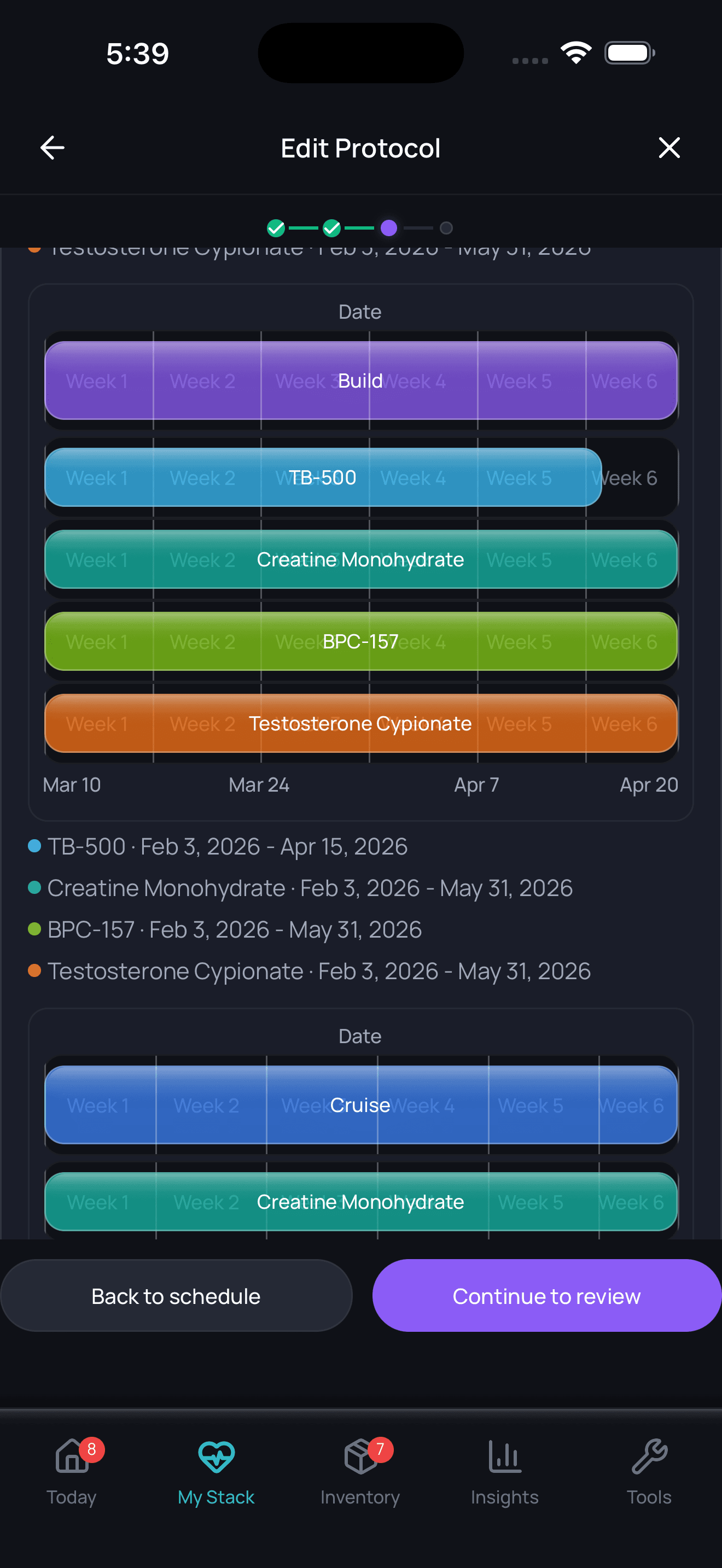
Timeline tracking helps with recall; it is not a treatment recommendation.
Fertility Preservation & HPG Axis
Exogenous testosterone suppresses the hypothalamic-pituitary-gonadal (HPG) axis via negative feedback, resulting in decreased LH and FSH secretion. This leads to reduced intratesticular testosterone concentrations and suppression of spermatogenesis, with approximately 40-60% of men achieving azoospermia by 6 months on TRT.
For men considering TRT for mental health benefits who also desire current or future fertility, this is a critical consideration. Options include HCG co-administration (250-500 IU 2-3 times weekly) to maintain intratesticular function, clomiphene or enclomiphene as alternatives that can raise endogenous testosterone without suppressing spermatogenesis (though evidence for mental health benefits of SERMs is limited), and sperm banking before TRT initiation.
Recovery of spermatogenesis after TRT discontinuation is variable (6-24+ months) and not guaranteed. The decision to start TRT should include a frank discussion about fertility implications with a qualified healthcare provider. See the Fertility Preservation on TRT guide for comprehensive coverage.
Interactions & Compatibility
Drug-Drug Interactions Relevant to Mental Health:
- Antidepressants (SSRIs/SNRIs): Testosterone can be used alongside antidepressants. Some evidence suggests TRT may enhance antidepressant response in men with treatment-resistant depression. SSRIs and SNRIs can cause sexual dysfunction that may worsen quality of life; TRT may partially counteract this effect. No major pharmacokinetic interactions.
- Benzodiazepines: No known direct interaction with testosterone. Both affect GABA systems but through different mechanisms.
- Aromatase inhibitors (anastrozole): Commonly co-prescribed with TRT. Excessive use can crash estradiol, causing depression, anxiety, fatigue, and cognitive impairment. Clinical guidelines do not recommend routine AI use.
- 5-alpha reductase inhibitors (finasteride, dutasteride): Block conversion of testosterone to DHT. Some men report depressive symptoms on finasteride ("post-finasteride syndrome"), though this remains controversial. Combination with TRT requires monitoring.
- Opioids: Suppress the HPG axis and are a common cause of secondary hypogonadism. Men on chronic opioid therapy frequently have low testosterone and depressive symptoms. Addressing opioid-induced hypogonadism with TRT may improve mood, but opioid tapering (when possible) is preferred.
Supplement Interactions:
- DHEA: May augment neurosteroid production; additive androgenic effects
- Ashwagandha: Some evidence for cortisol reduction and mild testosterone support; may complement TRT for stress management
- Zinc and Magnesium: Support testosterone production and neurotransmitter function
Lifestyle Factors:
- Exercise: Resistance training and aerobic exercise synergize with TRT for mental health improvement. The TRAVERSE depression sub-analysis noted that TRT combined with daily exercise may be more effective than TRT alone for mood outcomes [6].
- Sleep: Critical for both testosterone production and mental health. TRT may worsen sleep apnea; sleep study recommended before initiation.
- Alcohol: Suppresses testosterone production, increases aromatization to estrogen, and independently worsens depression and anxiety. Reducing alcohol intake is important for optimizing mental health outcomes on TRT.
Related guides: Estrogen Management on TRT | TRT Blood Work Guide | Natural Testosterone Optimization
Decision-Making Framework
If you are experiencing depression, anxiety, brain fog, or other mental health symptoms and wondering whether low testosterone might be a factor, the first step is a comprehensive evaluation. This should include at least two morning total testosterone measurements, a symptom assessment, and screening for other causes of mental health symptoms (thyroid function, vitamin deficiencies, sleep disorders, substance use, primary psychiatric conditions).
Questions to discuss with your provider:
- Have other causes of my mental health symptoms been ruled out?
- Are my testosterone levels consistently below the diagnostic threshold?
- Would lifestyle changes (weight loss, sleep improvement, exercise) be appropriate to try first?
- If TRT is appropriate, what is the monitoring plan for both hormonal and mental health outcomes?
- What are the fertility implications, and do I need to consider preservation options?
- Should I continue current psychiatric medications alongside TRT, or should the approach be adjusted?
Finding the right provider: An endocrinologist or urologist with men's health expertise is ideal for managing the hormonal component. If you have a diagnosed psychiatric condition, coordination between your prescriber and your mental health provider is important. Telehealth TRT clinics vary widely in quality; ensure any clinic includes comprehensive baseline evaluation and ongoing monitoring, not just testosterone prescriptions.
Administration & Practical Guide
Administration of testosterone for mental health purposes follows the same routes and techniques as for any TRT indication. The choice of delivery method may influence mood stability:
- Intramuscular injection (cypionate/enanthate): Most common. More frequent, smaller doses (e.g., twice weekly rather than biweekly) may reduce mood fluctuations associated with peak-trough dynamics.
- Subcutaneous injection: Growing evidence base. Smaller needle (27-30G), may produce more stable levels with frequent dosing protocols.
- Transdermal gel/cream: Daily application provides steady levels. Used in the TRAVERSE trial with demonstrated mood benefits. Skin-to-skin transfer precautions are essential.
- Transdermal patches: Consistent delivery but skin irritation is common.
For mental health monitoring specifically, consider keeping a daily mood journal for the first 3-6 months to track the relationship between your treatment protocol and how you feel. Note mood, energy, sleep quality, anxiety levels, and cognitive clarity. This data is valuable for provider consultations and dose adjustments.
Monitoring & Lab Work
Pre-TRT baseline labs (mental health context):
- Total testosterone (two morning draws, 7-10 AM)
- Free testosterone (calculated or equilibrium dialysis)
- LH, FSH (distinguish primary vs secondary hypogonadism)
- Estradiol (baseline for comparison)
- SHBG
- TSH, free T4 (rule out thyroid dysfunction as cause of mood/cognitive symptoms)
- CBC with hematocrit (baseline for monitoring)
- PSA (age-appropriate)
- Vitamin D, B12, folate (deficiencies can mimic low-T mood symptoms)
- Comprehensive metabolic panel
- Depression screening (PHQ-9 or BDI as baseline for tracking response)
Initial follow-up (4-12 weeks):
- Trough testosterone level
- Hematocrit
- Estradiol (if mood symptoms persist or worsen)
- Repeat depression screening for comparison
- Symptom assessment (mood, energy, cognition, sleep, anxiety)
Ongoing monitoring:
- Hematocrit every 6-12 months (threshold >54% for intervention)
- PSA per age-appropriate guidelines
- Testosterone levels (trough for injectables)
- Annual depression/mood reassessment
- Lipid panel annually
- Estradiol only if symptomatic
Estrogen Management on TRT
Estrogen management is particularly relevant to mental health on TRT because both high and low estradiol levels can significantly affect mood, anxiety, and cognitive function.
Why estrogen matters for mental health: Testosterone is converted to estradiol by the aromatase enzyme, primarily in adipose tissue. Estradiol is not just a "female hormone"; it plays essential roles in male brain function, including serotonin receptor expression, neuroprotection, and synaptic plasticity. Men need estradiol for optimal mood and cognitive function.
High estrogen symptoms affecting mental health: Emotional lability, mood swings, anxiety, brain fog, water retention, and irritability. These can be confused with depression or anxiety disorders.
Low estrogen symptoms affecting mental health: Depression, fatigue, anxiety, joint pain, decreased libido, and cognitive impairment. Low estradiol in men is associated with decreased bone density and adverse mood effects. These symptoms are often worse than high estrogen symptoms and can result from excessive aromatase inhibitor use.
Clinical guidelines vs. community practice: The Endocrine Society and AUA do not recommend routine AI use during TRT. Estradiol monitoring is recommended only when symptoms suggest imbalance. In contrast, many online TRT communities and some clinics routinely co-prescribe anastrozole to target specific estradiol ranges (often cited as 20-35 pg/mL). Clinical evidence suggests that aggressive estrogen suppression causes more harm than it prevents.
Practical approach: If you are experiencing mood instability, anxiety, or brain fog on TRT, have your estradiol checked before assuming the testosterone itself is the problem. Adjusting injection frequency (more frequent, smaller doses reduce aromatization peaks) is often a better first step than adding an aromatase inhibitor.
Managing estrogen on TRT is about data, not guesswork. Doserly lets you track your estradiol lab values alongside the symptoms that might signal imbalance, whether that's water retention, nipple sensitivity, or mood changes, so you and your provider can make decisions based on the full picture rather than isolated data points.
If you're taking an aromatase inhibitor, the app logs every dose and correlates it with how you feel, helping you find the minimum effective approach. The goal is balanced estrogen, not crashed levels, and having tracked data makes it far easier to dial in the right strategy with your prescriber.
Capture changes while they are still fresh.
Log symptoms, energy, sleep, mood, and other observations alongside protocol events so patterns do not live only in memory.
Trend view
Symptom timeline
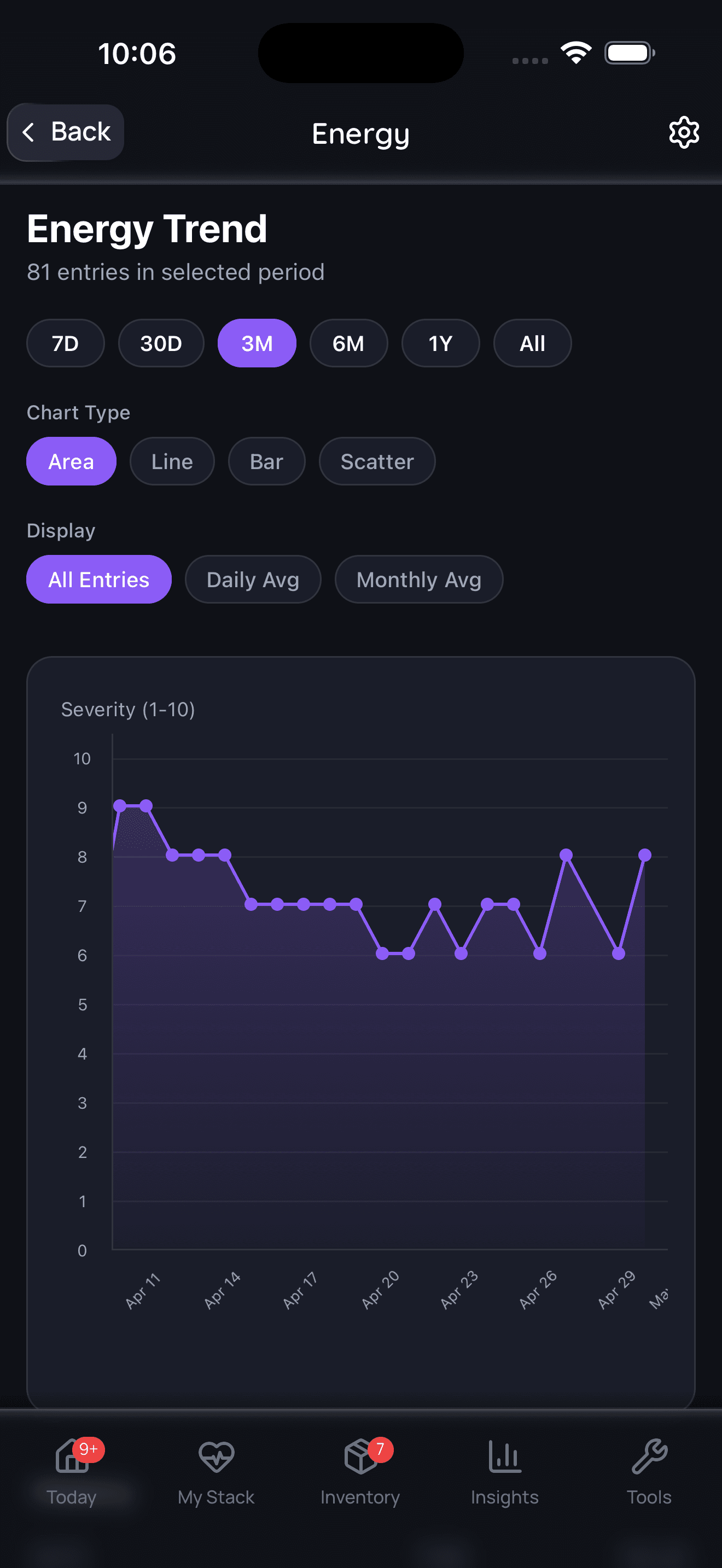
Symptom tracking is informational and should be interpreted with a qualified clinician.
Stopping TRT / Post-Cycle Considerations
Discontinuing TRT can have significant mental health implications. When exogenous testosterone is withdrawn, endogenous production may take 6-24+ months to recover, and recovery to pre-TRT levels is not guaranteed.
Mental health during discontinuation: Many men experience a return of depressive symptoms, fatigue, brain fog, and anxiety when stopping TRT. These symptoms may be worse than pre-TRT levels temporarily due to HPG axis suppression. PCT protocols (HCG taper, clomiphene) may help bridge the gap, but these are community-derived protocols with limited formal study in the TRT context.
Primary vs. secondary hypogonadism: Men with primary hypogonadism (testicular failure) have limited recovery potential regardless of PCT. Men with secondary hypogonadism may have better HPG axis recovery, especially with SERM support.
Decision framework: If TRT was initiated for mental health reasons and produced meaningful improvement, discontinuation should be carefully considered. For men with confirmed hypogonadism, TRT may need to be lifelong. For men whose hypogonadism was functional (caused by obesity, sleep apnea, stress), addressing those underlying factors may allow eventual discontinuation. See Stopping TRT & Post-Cycle Recovery for comprehensive coverage.
Special Populations & Situations
Men with Pre-existing Psychiatric Conditions
Men with diagnosed depression, bipolar disorder, anxiety disorders, or PTSD should have coordinated care between their mental health provider and their TRT prescriber. TRT is not a substitute for psychiatric medication or therapy, but may be a valuable adjunct for hypogonadal men. Close monitoring during TRT initiation is important, as hormonal fluctuations can destabilize mood in susceptible individuals.
Obese Men
Obesity is the single most significant risk factor for testosterone deficiency (8.7-fold higher risk in men with BMI > 30). Weight loss alone can significantly improve testosterone levels and mental health. For obese men with depression and low testosterone, lifestyle intervention (weight loss, exercise) should be the first-line approach. TRT may serve as a bridge therapy to provide the energy and motivation needed to pursue weight loss, but is not a substitute for addressing the underlying metabolic condition. See Obesity-Related Hypogonadism.
Men with Sleep Apnea
Untreated sleep apnea is both a cause of low testosterone and a cause of depression, fatigue, and cognitive impairment. TRT may exacerbate obstructive sleep apnea. Sleep study and CPAP optimization should precede or accompany TRT initiation. Treating sleep apnea alone may resolve both testosterone deficiency and mental health symptoms.
Older Men (>65)
The TRAVERSE trial population was men aged 45-80, providing safety data for this age group. Older men may require lower starting doses. Age-related cognitive decline should be distinguished from testosterone-related cognitive impairment.
Men on Antidepressants
TRT can be used alongside antidepressants. Some evidence supports enhanced antidepressant response when TRT is added to treatment-resistant depression. SSRI-induced sexual dysfunction may be partially ameliorated by TRT, improving overall quality of life and treatment adherence.
Men Considering TRT Primarily for Mental Health
If mental health improvement is the primary motivation for considering TRT, a thorough differential diagnosis is essential. Depression, anxiety, and cognitive complaints have many potential causes beyond testosterone deficiency, including thyroid dysfunction, vitamin B12 deficiency, sleep disorders, chronic stress, and primary psychiatric conditions. TRT should not be initiated without confirmed, persistent hypogonadism on at least two morning testosterone measurements.
Regulatory, Insurance & International
Testosterone is classified as a Schedule III controlled substance in the United States under the DEA. This classification affects prescribing, insurance coverage (prior authorization is often required), refill policies, and international travel. FDA-approved indications for testosterone include treatment of classical hypogonadism; use for age-related testosterone decline or mental health symptoms without confirmed hypogonadism is off-label.
Insurance coverage for TRT often requires documented hypogonadism with two low testosterone measurements and symptoms. Mental health symptoms alone may not satisfy prior authorization requirements without confirmed biochemical hypogonadism.
Similar controlled substance classifications exist in the UK (MHRA), Canada (Health Canada), Australia (TGA, Schedule 4), and the EU (EMA). Access pathways and available formulations vary by jurisdiction.
Frequently Asked Questions
Can low testosterone cause depression?
Research shows a strong association between low testosterone and depressive symptoms, with 35-50% of hypogonadal men experiencing significant depression. However, correlation does not equal causation. Low testosterone can contribute to depression, depression can suppress testosterone, and both can result from shared underlying factors like obesity or chronic illness. A comprehensive evaluation is needed to determine whether low testosterone is contributing to your depressive symptoms.
Will TRT cure my depression?
TRT is not a cure for clinical depression. Evidence shows it can modestly reduce depressive symptoms in men with hypogonadism, with the effect comparable to a mild antidepressant. It appears more effective for milder, chronic depression (dysthymia) than for major depressive disorder. TRT should be considered a complementary approach, not a replacement for established psychiatric treatment.
How long does it take for TRT to improve mood?
Most men notice some energy and mood improvement within 2-6 weeks, but research suggests the most substantial depression improvements occur after about 18 weeks. Patience is important. If you have seen no improvement after 4-6 months with adequate testosterone levels, the cause of your mood symptoms may not be primarily testosterone-related.
Can TRT make anxiety worse?
Some men experience increased anxiety on TRT, particularly during the initial adjustment period or if estrogen levels become elevated. If anxiety worsens on TRT, discuss with your provider. Dose adjustment, injection frequency changes, or estrogen management may help. Pre-existing anxiety disorders should be managed alongside TRT, not ignored in hopes that TRT alone will resolve them.
Does TRT help with brain fog?
Brain fog improvement is one of the most consistently reported subjective benefits in the TRT community. Clinical evidence supports modest cognitive improvements in men with pre-existing cognitive impairment, particularly in verbal memory and visuospatial processing. However, clinical trials have not consistently shown cognitive enhancement in men with normal baseline function. If brain fog persists on TRT, other causes (sleep apnea, thyroid dysfunction, nutritional deficiencies) should be investigated.
Should I stop my antidepressant when starting TRT?
No. Never discontinue psychiatric medications without guidance from your prescribing provider. TRT can be used alongside antidepressants, and some evidence suggests the combination may be more effective than either alone for hypogonadal men with treatment-resistant depression. Medication adjustments should be made gradually and under medical supervision.
Is testosterone a controlled substance?
Yes. Testosterone is classified as a Schedule III controlled substance in the United States. This means it requires a prescription, and there are legal restrictions on its possession, distribution, and use. This classification exists because of testosterone's potential for misuse at supraphysiological doses, not because therapeutic TRT is inherently dangerous.
Can I use TRT for mental health if my testosterone is in the "normal" range?
This is a complex question. Clinical guidelines generally recommend against TRT for men with testosterone levels within the normal reference range. However, reference ranges are broad (300-1000+ ng/dL), and some men with levels in the lower-normal range have symptoms that respond to treatment. This is a conversation to have with a knowledgeable provider who considers both your lab values and your clinical picture. Evidence for treating "low-normal" testosterone for mental health symptoms is limited.
Does exercise need to be part of the plan?
Exercise is strongly recommended alongside TRT for mental health outcomes. Resistance training and aerobic exercise have independent antidepressant effects, and the TRAVERSE depression analysis suggested that TRT combined with daily exercise may produce better mood outcomes than TRT alone. Exercise also helps with body composition, sleep quality, and stress management, all of which influence mental health.
What about natural alternatives before trying TRT?
For men with functional hypogonadism (caused by obesity, poor sleep, chronic stress, or sedentary lifestyle), addressing these factors may normalize testosterone levels and improve mental health without medication. Weight loss, regular exercise, sleep optimization, stress management, and alcohol reduction are evidence-supported approaches. If these interventions are insufficient and hypogonadism persists, TRT may be appropriate.
Myth vs. Fact
Myth: "TRT is basically an antidepressant for men."
Fact: TRT can modestly improve depressive symptoms in men with confirmed hypogonadism, but it is not equivalent to an antidepressant. Meta-analysis shows an effect size (Hedges g = 0.21) that is smaller than typical antidepressant effect sizes. TRT does not appear effective for major depression as a standalone treatment. Clinical guidelines recommend it as a complementary approach, not a primary antidepressant [9][10].
Myth: "If you're depressed and your testosterone is low, TRT will fix everything."
Fact: Mental health is complex and influenced by many factors beyond testosterone. Even in men with confirmed hypogonadism and depression, not everyone responds to TRT. Other contributing factors (sleep disorders, thyroid dysfunction, chronic stress, relationship issues, substance use) need to be addressed alongside hormonal treatment. TRT works best as part of a comprehensive approach.
Myth: "TRT causes aggression and mood instability."
Fact: At therapeutic (physiological) replacement doses, TRT is generally not associated with increased aggression. The "roid rage" stereotype comes from supraphysiological anabolic steroid abuse (doses 5-20x therapeutic levels), which is a completely different clinical scenario. Some men experience mild irritability during dose adjustment, but this typically resolves. Clinical data from the TRAVERSE trial (n=5,246) did not identify increased aggression as a significant finding [16].
Myth: "TRT causes heart attacks."
Fact: The TRAVERSE trial, the largest RCT designed to assess cardiovascular safety of TRT (n=5,246, men 45-80 with cardiovascular risk factors), found no significant increase in major adverse cardiovascular events (HR 0.96, 95% CI 0.78-1.17) [16]. Earlier observational studies that raised concerns had significant methodological limitations. TRT did show increased atrial fibrillation and venous thromboembolism risk, warranting continued monitoring.
Myth: "Brain fog from low testosterone is just in your head."
Fact: Androgen receptors are distributed throughout brain regions involved in cognition, including the hippocampus and prefrontal cortex. Hypogonadism is associated with measurable changes in cerebral glucose metabolism and brain perfusion [15]. While brain fog is a subjective symptom, the neurobiological basis for testosterone's effects on cognitive function is well-established. Clinical studies show improvement in specific cognitive domains (verbal memory, visuospatial processing) in hypogonadal men receiving TRT [10][11].
Myth: "You need to 'optimize' your testosterone to very high levels for the best mental health effects."
Fact: The TRAVERSE trial found mood and energy improvements with target testosterone levels of 350-750 ng/dL. The Walther meta-analysis found higher doses were associated with stronger effects, but the benefit-risk balance does not support targeting supraphysiological levels. Pushing testosterone above the normal range increases side effects (polycythemia, estrogen-related issues) without proportional mental health benefit. More is not better.
Myth: "Once you start TRT you can never stop."
Fact: This depends on the underlying cause. Men with primary hypogonadism (testicular failure) may need lifelong treatment. Men with functional hypogonadism (from obesity, sleep apnea, or lifestyle factors) may be able to discontinue TRT after addressing those underlying conditions. Recovery of endogenous testosterone production is variable and not guaranteed, but it is possible, especially with appropriate tapering protocols.
Myth: "TRT clinics are all the same."
Fact: There is significant variance in quality among TRT providers. Red flags include clinics that prescribe testosterone without requiring documented hypogonadism, those that do not perform comprehensive baseline evaluation, those that routinely start at high doses with aromatase inhibitors, and those that do not include ongoing monitoring. A quality provider evaluates the whole clinical picture, including mental health screening, and provides regular follow-up.
Sources & References
Clinical Guidelines
- Bhasin S, et al. Testosterone therapy in men with hypogonadism: An Endocrine Society clinical practice guideline. J Clin Endocrinol Metab. 2018;103(5):1715-1744.
- Mulhall JP, et al. Evaluation and management of testosterone deficiency: AUA guideline. J Urol. 2018;200(2):423-432.
Landmark Trials
- Canal de Velasco LM, et al. Psychiatric and cognitive effects of testosterone therapy in adult men: A systematic review of clinical evidence and mechanistic insights. Cureus. 2026;18(2):e102894.
- Hermans EJ, et al. Exogenous testosterone attenuates the integrated central stress response in healthy young women. Psychoneuroendocrinology. 2007;32(8-10):1052-1061.
- Zarrouf FA, et al. Testosterone and depression: systematic review and meta-analysis. J Psychiatr Pract. 2009;15(4):289-305.
- Bhasin S, et al. Depressive syndromes in men with hypogonadism in the TRAVERSE trial: Response to testosterone-replacement therapy. J Clin Endocrinol Metab. 2024;109(7):1814-1826.
Systematic Reviews & Meta-Analyses
- Community forum discussion. Behavioral effects of neurosteroids stimulated by hCG in men on TRT. 2025.
- Kaminetsky J, et al. Pharmacokinetics, safety, and efficacy of testosterone nasal gel (Natesto) compared with other testosterone delivery systems. Expert Opin Drug Deliv. 2017.
- Walther A, Breidenstein J, Miller R. Association of testosterone treatment with alleviation of depressive symptoms in men: A systematic review and meta-analysis. JAMA Psychiatry. 2019;76(1):31-40.
- Canal de Velasco LM, et al. Psychiatric and cognitive effects of testosterone therapy in adult men. Cureus. 2026;18(2):e102894.
- Jung HJ, Shin HS. Effect of testosterone replacement therapy on cognitive performance and depression in men with testosterone deficiency syndrome. World J Mens Health. 2017;34(3):194-199.
- Bhasin S, Seidman SN. Testosterone treatment of depressive disorders in men: Too much smoke, not enough high-quality evidence. JAMA Psychiatry. 2019;76(1):9-10.
Observational Studies
- Corsini C, et al. Timing of mood improvement post testosterone therapy initiation. Presented at study conference; cited on community forums. 2025.
- Wang C, et al. Long-term testosterone gel (AndroGel) treatment maintains beneficial effects on sexual function and mood. J Clin Endocrinol Metab. 2004.
Government/Institutional Sources
- Zitzmann M, et al. Changes in cerebral glucose metabolism and visuospatial capability in hypogonadal males under testosterone substitution therapy. Exp Clin Endocrinol Diabetes. 2001;109:302-304.
- Lincoff AM, et al. Cardiovascular safety of testosterone-replacement therapy. N Engl J Med. 2023;389:107-117.
- Endocrine Society. Clinical practice guideline: Testosterone therapy in men with hypogonadism. 2018.
Related Guides & Cross-Links
Same Category
Related Conditions
- Primary Hypogonadism
- Secondary Hypogonadism
- Late-Onset Hypogonadism
- Obesity-Related Hypogonadism
- Opioid-Induced Androgen Deficiency
Related Treatment Options
- TRT for Beginners
- Estrogen Management on TRT
- TRT Blood Work Guide
- Fertility Preservation on TRT
- Natural Testosterone Optimization
- Stopping TRT & Post-Cycle Recovery