
Testosterone Undecanoate Oral (Tlando)
On this page
Quick Reference Card
Attribute
Brand Name(s)
- Value
- Tlando (US)
Attribute
Generic Name
- Value
- Testosterone undecanoate (oral capsule)
Attribute
Drug Class / Type
- Value
- Androgen, oral testosterone undecanoate
Attribute
DEA Schedule
- Value
- Schedule III (CIII)
Attribute
FDA-Approved Indications
- Value
- Testosterone replacement therapy in adult males with conditions associated with deficiency or absence of endogenous testosterone (primary and hypogonadotropic hypogonadism)
Attribute
Available Strength
- Value
- 112.5 mg capsule
Attribute
Recommended Dose
- Value
- 225 mg (two 112.5 mg capsules) orally twice daily
Attribute
Route of Administration
- Value
- Oral (must be taken with food)
Attribute
Dosing Schedule
- Value
- Twice daily (morning and evening)
Attribute
Dose Titration
- Value
- Not required (fixed-dose regimen)
Attribute
Absorption
- Value
- Intestinal lymphatic system (bypasses hepatic first-pass metabolism)
Attribute
Key Monitoring
- Value
- Serum testosterone (8-9 hours after morning dose), hematocrit, blood pressure, PSA, prolactin, lipids
Attribute
FDA Approval Date
- Value
- March 28, 2022
Attribute
NDA Number
- Value
- NDA208088
Attribute
Regulatory Pathway
- Value
- 505(b)(2)
Attribute
Current Marketer
- Value
- Verity Pharmaceuticals, Inc.
Attribute
Original Developer
- Value
- Lipocine Inc.
Attribute
Non-Substitutability
- Value
- NOT interchangeable with Jatenzo or Kyzatrex
Overview / What Is Testosterone Undecanoate Oral (Tlando)?
The Basics
Tlando is a prescription oral testosterone capsule designed to replace testosterone in men whose bodies can no longer produce enough on their own. It was approved by the FDA in March 2022, making it one of three oral testosterone products currently available in the United States (alongside Jatenzo and Kyzatrex).
What sets Tlando apart from the other oral testosterone options is its fixed-dose, no-titration design. While Jatenzo and Kyzatrex require dose adjustments based on blood test results (a process that can take several office visits over months), Tlando uses a single strength capsule at a fixed dose. Your provider prescribes two capsules twice daily, checks your testosterone level a few weeks later, and confirms whether the medication is working for you. If your levels are in the normal range (300 to 1,080 ng/dL), you continue. If not, the medication is discontinued rather than adjusted.
Like all modern oral testosterone products, Tlando avoids the liver through a clever design. Instead of being absorbed through the portal vein (which would route it straight to the liver), Tlando is absorbed through the lymphatic system in your gut. Think of it as a detour that skips the liver entirely, which is why Tlando does not carry the liver toxicity risks that gave older oral testosterone pills a dangerous reputation.
Tlando is a Schedule III controlled substance, indicated specifically for men diagnosed with primary or hypogonadotropic hypogonadism. It is not approved for age-related testosterone decline, though the July 2025 FDA label revision removed the contraindication for men with "age-related hypogonadism," reflecting an evolving regulatory landscape.
The Science
Tlando (NDA208088) contains testosterone undecanoate (C30H48O3, MW 456.7), a long-chain fatty acid ester of testosterone formulated for oral administration. The product was developed by Lipocine Inc. and submitted through the FDA's 505(b)(2) regulatory pathway. After an extended regulatory review that included tentative approval in December 2020, final FDA approval was granted on March 28, 2022 [1].
Tlando's formulation differs from the other FDA-approved oral testosterone undecanoate products (Jatenzo and Kyzatrex) in both excipient composition and dosing strategy. Whereas Jatenzo uses a self-emulsifying drug delivery system (SEDDS) with oleic acid and borage seed oil, and Kyzatrex uses a phytosterol ester-based formulation, Tlando employs ascorbyl palmitate, glyceryl monolinoleate, polyethylene glycol 8000, and polyoxyl 40 hydrogenated castor oil. All three products exploit intestinal lymphatic absorption via chylomicron incorporation, but their differing excipients produce distinct pharmacokinetic profiles [2]. This is why the FDA label explicitly states that Tlando is not substitutable with other oral testosterone undecanoate products.
The pivotal efficacy study (NCT03242590, n=95) demonstrated that 80% of hypogonadal men (95% CI: 72%-88%) achieved mean 24-hour testosterone concentrations within the eugonadal range (300-1,080 ng/dL) with the fixed 225 mg twice-daily dose, without any dose adjustment. Mean testosterone Cavg at steady state was 476 +/- 184 ng/dL [3]. A subsequent blood pressure study (Study 18-001, n=138) using 24-hour ambulatory blood pressure monitoring assessed cardiovascular safety [4].
Medical / Chemical Identity
Property
Generic Name
- Detail
- Testosterone undecanoate
Property
Brand Name(s)
- Detail
- Tlando (US only)
Property
Chemical Name
- Detail
- 17beta-undecanoyloxy-4-androsten-3-one
Property
Empirical Formula
- Detail
- C30H48O3
Property
Molecular Weight
- Detail
- 456.7
Property
CAS Number
- Detail
- 5949-44-0
Property
Drug Class
- Detail
- Androgen; oral testosterone ester (non-17-alpha-alkylated)
Property
Ester Type
- Detail
- Undecanoate (C11 fatty-acid ester at 17-beta position)
Property
Active Moiety
- Detail
- Testosterone (released via ester hydrolysis)
Property
Physical Form
- Detail
- White to off-white crystalline powder
Property
DEA Schedule
- Detail
- Schedule III (CIII)
Property
FDA Approval Date
- Detail
- March 28, 2022
Property
NDA Number
- Detail
- NDA208088
Property
Regulatory Pathway
- Detail
- 505(b)(2)
Property
Original Developer
- Detail
- Lipocine Inc. (Salt Lake City, UT)
Property
Current Marketer
- Detail
- Verity Pharmaceuticals, Inc. (Ewing, NJ)
Property
NDC Code
- Detail
- 74676-0112-2
Inactive Ingredients
Capsule fill: ascorbyl palmitate, glyceryl monolinoleate, polyethylene glycol 8000, polyoxyl 40 hydrogenated castor oil.
Capsule shell: black iron oxide, gelatin, titanium dioxide. Imprint ink: ammonium hydroxide, black iron oxide, propylene glycol, shellac.
Ester Chemistry
Testosterone undecanoate features an undecanoic acid (11-carbon) ester chain attached to the 17-beta hydroxyl group of testosterone. This long-chain fatty acid ester promotes lipophilicity, enabling incorporation into intestinal chylomicrons during digestion and subsequent lymphatic transport. After lymphatic absorption, non-specific tissue and plasma esterases cleave the undecanoate side chain to release free, bioactive testosterone [1][2].
The undecanoate ester is the same ester used in the long-acting injectable formulation (Aveed/Nebido), though the oral and injectable forms have completely different pharmacokinetic profiles. The oral formulation is designed for intestinal lymphatic uptake with twice-daily dosing, while the injectable relies on slow release from an intramuscular depot over 10-14 weeks.
Comparison to Other Oral TU Products
Feature
Capsule Strengths
- Tlando
- 112.5 mg
- Jatenzo
- 158, 198, 237 mg
- Kyzatrex
- 100, 150, 200 mg
Feature
Dosing
- Tlando
- Fixed 225 mg BID
- Jatenzo
- Titratable 158-396 mg BID
- Kyzatrex
- Titratable 100-400 mg BID
Feature
Titration Required
- Tlando
- No
- Jatenzo
- Yes
- Kyzatrex
- Yes
Feature
FDA Approval
- Tlando
- March 2022
- Jatenzo
- March 2019
- Kyzatrex
- October 2022
How It Works / Mechanism of Action
The Basics
When you swallow Tlando capsules with food, the ingredients in the capsule mix with the fats from your meal and begin a journey that is fundamentally different from most medications. Instead of being absorbed through the blood vessels that lead directly to your liver (the portal vein), Tlando gets packaged into tiny fat-carrying particles called chylomicrons. These particles are absorbed through the lymphatic vessels in your intestinal wall, which eventually deliver them into your bloodstream without ever passing through the liver.
This is why Tlando must be taken with food. Without dietary fat to trigger chylomicron formation, the drug cannot be properly absorbed. Skipping food is not just a suggestion to follow; it fundamentally undermines how the medication works.
Once testosterone undecanoate reaches your bloodstream via the lymphatic system, enzymes throughout your body clip off the undecanoate ester chain, releasing free testosterone. This free testosterone then works just like the testosterone your body makes naturally, binding to androgen receptors in tissues throughout your body. Some of it gets converted to dihydrotestosterone (DHT) by the enzyme 5-alpha reductase, or to estradiol by the enzyme aromatase. Both of these conversions are normal and serve important physiological functions.
The Science
Testosterone undecanoate in Tlando's formulation undergoes intestinal lymphatic absorption via chylomicron incorporation, bypassing hepatic first-pass metabolism. The absorption mechanism involves: (1) interaction of the lipid-based formulation with gastrointestinal fluids and dietary fat, (2) solubilization and incorporation of testosterone undecanoate within chylomicrons during enterocyte processing, and (3) chylomicron transport via intestinal lacteals into the thoracic duct and systemic circulation [1][5].
This absorption pathway distinguishes all modern oral testosterone undecanoate products from the 17-alpha-alkylated oral androgens (methyltestosterone, fluoxymesterone) that predominated in earlier decades. Those compounds survived hepatic first-pass metabolism through their alkyl modification but at the cost of dose-dependent hepatotoxicity [6].
Following systemic entry, testosterone undecanoate undergoes ester hydrolysis by non-specific esterases in plasma and tissues to release free testosterone. Testosterone binds to intracellular androgen receptors, initiating both genomic signaling (nuclear translocation and transcription modulation) and non-genomic rapid signaling pathways. Approximately 44% of circulating testosterone is bound to sex hormone-binding globulin (SHBG), ~54% to albumin, with ~2% circulating as free testosterone [1].
Testosterone metabolism proceeds through two primary enzymatic pathways: 5-alpha reduction to DHT (a more potent androgen with ~2-3x greater AR binding affinity) and aromatization to estradiol via CYP19A1 (aromatase). Clinical data on Tlando specifically show a 1.9-fold increase in DHT levels in patients transitioning from other TRT to Tlando, which may have implications for hair loss and prostate effects [7].
Pathway & System Visualization
Pharmacokinetics / Hormone Physiology
The Basics
Tlando's pharmacokinetics (how the drug moves through your body) are shaped by its unique absorption pathway. After you take two capsules with a meal, the testosterone undecanoate is absorbed through the lymphatic system in your gut. Testosterone levels begin rising within about 2 hours, typically reaching their peak around 4 to 6 hours after each dose. Because you take Tlando twice daily (morning and evening), your testosterone levels follow a pattern of two daily peaks and two daily troughs.
This pattern is actually somewhat similar to the natural daily rhythm of testosterone production in men, where levels are highest in the morning and lowest in the late evening. Clinicians have noted that Tlando's pharmacokinetic profile resembles the natural diurnal variation of testosterone more closely than some other TRT delivery methods, though the pattern is driven by dosing rather than biology [7].
One important practical point: Tlando's absorption depends on food. Taking it on an empty stomach dramatically reduces how much testosterone actually reaches your bloodstream. The type and amount of fat in your meal also influence absorption, though Tlando's formulation appears less sensitive to meal fat content than some other oral testosterone products.
The Science
Following oral administration of Tlando 225 mg twice daily with food, key pharmacokinetic parameters from the pivotal study (NCT03242590, n=90 evaluable) include [3]:
- Cmax (peak): >700 ng/dL, occurring approximately 4-6 hours post-dose
- Cavg (24-hour average): 476 +/- 184 ng/dL at steady state
- Monitoring window: Serum testosterone measured 8-9 hours after the morning dose (per FDA label) to capture a representative mid-cycle level
- Continuation criteria: Total testosterone 300-1,080 ng/dL; discontinue if <300 ng/dL
The absorption of testosterone undecanoate from Tlando is primarily lymphatic, mediated by chylomicron incorporation during enterocyte lipid processing. Dietary fat content influences absorption; inadequate caloric intake or low-fat meals reduce bioavailability. Unlike Jatenzo, which specifically requires a meal containing at least 15 g of fat, Tlando's prescribing information states simply "take with food" without specifying fat content requirements [1].
After systemic entry via the thoracic duct, testosterone undecanoate undergoes ester hydrolysis to release free testosterone. Distribution follows the typical pattern: ~44% bound to SHBG, ~54% to albumin, ~2% free. Metabolism occurs via 5-alpha reductase (to DHT) and aromatase (to estradiol), with excretion primarily as urinary glucuronide and sulfate conjugates [1].
Clinical data from Weinberger et al. (n=41) demonstrated significant SHBG decrease in both treatment-naive and previously-treated patients on Tlando. DHT levels increased approximately 1.9-fold in patients transitioning from other TRT forms, approaching statistical significance (p=0.06) [7].
Understanding how your specific testosterone formulation is absorbed and metabolized is valuable context for conversations with your prescriber. Doserly lets you log each oral dose with timing detail, building a clear record of your medication protocol over time. Whether you are tracking your twice-daily Tlando schedule or comparing how your levels respond at different times of day, the app helps you bring precise data to your next appointment.
See how each compound fits into the whole protocol.
Doserly organizes compounds, supplements, peptides, medications, and hormone protocols together so overlapping routines are easier to understand.
Stack view
Connected protocol
Stack views improve organization; they do not determine compatibility.
Research & Clinical Evidence
The Basics
Tlando's clinical evidence base comes primarily from two studies conducted by Lipocine Inc. during the drug's development:
The pivotal efficacy study (Study 16-002, NCT03242590) enrolled 95 hypogonadal men across multiple U.S. sites. Participants took the fixed 225 mg dose twice daily for 24 days. The study showed that 80% of men achieved normal testosterone levels without any dose adjustment, with an average 24-hour testosterone level of 476 ng/dL. No serious drug-related adverse events occurred, and there were no liver safety concerns [3].
The blood pressure study (Study 18-001) enrolled 138 patients and used 24-hour ambulatory blood pressure monitoring to assess cardiovascular effects. The mean increase in systolic blood pressure was 4.3 mmHg and diastolic was 1.4 mmHg. Hypertension was reported as an adverse event in 5.1% of patients [4].
It is important to note that these studies were relatively small and short in duration compared to the evidence base for injectable testosterone. The pivotal efficacy study lasted only 24 days, which is sufficient to confirm pharmacokinetic performance but does not capture long-term efficacy or safety outcomes.
The Science
The clinical evidence for Tlando must be interpreted within the broader context of oral testosterone undecanoate research and general TRT evidence:
Pivotal Efficacy (Study 16-002, NCT03242590): Open-label, single-arm, multicenter. N=95 hypogonadal men (mean age 56, mean BMI 32.8, baseline total T 202 +/- 74 ng/dL, 17% aged >65). Primary endpoint: percentage achieving 24-hour Cavg of 300-1,080 ng/dL. Result: 80% (95% CI: 72%-88%) achieved target. Mean Cavg 476 +/- 184 ng/dL. Treatment compliance: 99.7%. No deaths, no drug-related SAEs, no hepatic AEs [3].
Blood Pressure Study (Study 18-001): Open-label, multicenter, single-arm with ABPM. N=138. Mean change from baseline: SBP +4.3 mmHg, DBP +1.4 mmHg. Adverse reactions leading to discontinuation in 4/138 (2.99%): dizziness (1), weight increase (1), insomnia (1), hypertension (2) [1][4].
Prior Tlando Studies: A 52-week study (NCT02081300, n=315) using a dose-titration regimen demonstrated that titration had little impact on PK profiles, supporting the rationale for the fixed-dose design [3].
Liver Safety (Pooled Oral TU Data): A review by Goldstein et al. pooling data from all three oral TU products found no clinically significant liver toxicities. LFT elevations were not generally associated with oral TU formulations [6].
TRAVERSE Trial Context: The TRAVERSE trial (n=5,246) remains the largest RCT designed to assess cardiovascular safety of TRT. While it studied testosterone gel (not oral TU), its findings of non-inferiority for MACE (HR 0.96, 95% CI: 0.78-1.17) provide the most robust cardiovascular safety context for TRT as a class. TRAVERSE also noted increased incidence of atrial fibrillation, pulmonary embolism, and acute kidney injury with testosterone treatment [8]. The blood pressure increases observed specifically with oral TU (Jatenzo, Tlando, Kyzatrex) are a route-specific finding not prominently observed in TRAVERSE (which used transdermal gel).
Evidence & Effectiveness Matrix
Category
Sexual Function & Libido
- Evidence Strength
- 5/10
- Reported Effectiveness
- 5/10
- Summary
- Pivotal study confirmed testosterone restoration but did not measure sexual function endpoints. General oral TU data suggests similar benefits to other TRT routes.
Category
Energy & Vitality
- Evidence Strength
- 5/10
- Reported Effectiveness
- 6/10
- Summary
- Not specifically measured in Tlando trials. Community reports suggest pulsatile energy pattern with twice-daily dosing.
Category
Mood & Emotional Wellbeing
- Evidence Strength
- 4/10
- Reported Effectiveness
- N/A
- Summary
- No mood outcome data from Tlando trials. General TRT literature supports mood improvement in hypogonadal men.
Category
Anxiety & Stress Response
- Evidence Strength
- 3/10
- Reported Effectiveness
- N/A
- Summary
- No Tlando-specific data. Community data not yet collected.
Category
Cognitive Function
- Evidence Strength
- 3/10
- Reported Effectiveness
- N/A
- Summary
- No Tlando-specific data. Community data not yet collected.
Category
Muscle Mass & Strength
- Evidence Strength
- 4/10
- Reported Effectiveness
- N/A
- Summary
- Not measured in Tlando trials (24-day duration too short). General TRT evidence supports lean mass gains over 3-6 months.
Category
Body Fat & Composition
- Evidence Strength
- 4/10
- Reported Effectiveness
- N/A
- Summary
- Not measured in Tlando trials. General TRT evidence supports fat mass reduction.
Category
Bone Health
- Evidence Strength
- 3/10
- Reported Effectiveness
- N/A
- Summary
- Not measured in Tlando trials. General TRT evidence supports BMD improvement over 12+ months.
Category
Cardiovascular Health
- Evidence Strength
- 5/10
- Reported Effectiveness
- 5/10
- Summary
- TRAVERSE provides class-level reassurance. Oral TU-specific BP data shows small increases (SBP +4.3 mmHg). Boxed warning removed July 2025.
Category
Metabolic Health
- Evidence Strength
- 3/10
- Reported Effectiveness
- N/A
- Summary
- Not measured in Tlando trials. Community data not yet collected.
Category
Sleep Quality
- Evidence Strength
- 3/10
- Reported Effectiveness
- 4/10
- Summary
- Community reports suggest evening dose may impact sleep. One user reported insomnia, and 1/138 discontinued due to insomnia in Study 18-001.
Category
Fertility & Reproductive
- Evidence Strength
- 6/10
- Reported Effectiveness
- N/A
- Summary
- Exogenous testosterone suppresses spermatogenesis (class effect). No Tlando-specific fertility data.
Category
Polycythemia & Hematologic
- Evidence Strength
- 7/10
- Reported Effectiveness
- 5/10
- Summary
- Hematocrit increased in 4.3% of Study 18-001 patients. Clinical data suggests hematocrit and PSA remained within normal range (n=41 real-world data).
Category
Prostate Health
- Evidence Strength
- 5/10
- Reported Effectiveness
- N/A
- Summary
- PSA monitoring required per label. No worsening of BPH/LUTS in real-world data (n=41).
Category
Skin & Hair
- Evidence Strength
- 5/10
- Reported Effectiveness
- 4/10
- Summary
- DHT increased 1.9-fold. Real-world data reports hair thinning (4/41) and acne (3/41).
Category
Gynecomastia & Estrogen
- Evidence Strength
- 4/10
- Reported Effectiveness
- 5/10
- Summary
- Gynecomastia reported in 1/41 real-world patients. Prolactin elevation noted as unique finding.
Category
Fluid Retention & Edema
- Evidence Strength
- 4/10
- Reported Effectiveness
- N/A
- Summary
- Class effect warning in prescribing information. Not specifically reported in Tlando trials.
Category
Overall Quality of Life
- Evidence Strength
- 5/10
- Reported Effectiveness
- 6/10
- Summary
- 76% symptom resolution in real-world data (n=41). Community reports mixed, with convenience praised but cost and adherence challenges noted.
Benefits & Therapeutic Effects
The Basics
The primary benefit of Tlando is straightforward: it restores testosterone levels to the normal range in most men with hypogonadism, using a simple oral capsule taken twice daily with meals. In the pivotal study, 80% of men achieved normal testosterone levels without any dose adjustments [3].
Beyond testosterone restoration, Tlando offers several practical advantages that differentiate it from other TRT options:
No needles. For men who have needle anxiety or simply prefer not to inject, an oral option eliminates injection-site pain, the need for sharps disposal, and the learning curve of self-injection technique.
No skin transfer risk. Unlike testosterone gels and creams, which carry a risk of transferring the medication to partners or children through skin contact, oral capsules eliminate this concern entirely.
No titration visits. Tlando's fixed-dose design means fewer office visits for dose adjustments. You take the same dose each time, and your provider either confirms it is working or discontinues it.
Travel convenience. Carrying pills through airport security and international customs is significantly simpler than traveling with syringes, vials, or refrigerated medications.
The Science
Tlando's therapeutic effects derive from restoration of eugonadal testosterone concentrations via oral delivery. The pivotal study demonstrated a mean 24-hour Cavg of 476 ng/dL, placing average levels solidly within the normal male reference range [3].
General TRT evidence from the TTrials (seven coordinated randomized trials in men aged 65+) demonstrated that testosterone therapy improved sexual function, physical function (walking distance), vitality, and mood, though effects on cognition were mixed. Bone mineral density improved at the spine and hip. These benefits have been demonstrated across TRT routes and are expected to apply to Tlando, though Tlando-specific long-term outcome data are limited by the short duration of the pivotal trial [9].
A unique pharmacological observation from real-world Tlando data is the significant decrease in SHBG in both treatment-naive and previously-treated patients. Since SHBG binds testosterone and reduces its bioavailability, decreased SHBG may enhance the fraction of free, biologically active testosterone available to tissues [7].
Risks, Side Effects & Safety
The Basics
Like all testosterone replacement therapy, Tlando carries real risks that you and your healthcare provider need to discuss. The most common side effects reported in clinical trials were increased prolactin (6.3%), hypertension (5.1%), increased hematocrit (4.3%), upper respiratory tract infection (3.6%), weight increase (2.1%), headache (2.1%), and musculoskeletal pain (2.1%) [1].
Blood pressure. Tlando can increase blood pressure. In the ambulatory blood pressure monitoring study, the average increase was about 4 mmHg systolic and 1.4 mmHg diastolic. While these average increases seem small, individual responses vary, and some men experienced clinically meaningful hypertension. The original FDA label carried a boxed warning about blood pressure increases, though this was removed in the July 2025 revision [1][4].
Hematocrit (blood thickness). Testosterone stimulates red blood cell production. If your hematocrit rises above 54%, your provider will need to stop Tlando until levels decrease. This is monitored every 3 months during the first year and every 6 months thereafter. Injectable testosterone typically causes more hematocrit elevation than oral or transdermal routes, but oral TU is not exempt from this risk [1].
Prolactin elevation. This is a finding somewhat unique to Tlando among TRT products. Elevated prolactin can cause breast tissue enlargement or tenderness. Your provider should check prolactin levels before starting Tlando and 3-4 months after initiation [1].
Sleep disruption. Community reports and clinical data suggest the evening dose may affect sleep quality in some men, possibly related to the testosterone peak occurring a few hours after the evening dose.
The Science
Cardiovascular risk. The TRAVERSE trial (n=5,246, men aged 45-80 with cardiovascular risk factors) demonstrated non-inferiority of testosterone therapy vs placebo for MACE (HR 0.96, 95% CI: 0.78-1.17) over a mean follow-up of 33 months. This provides class-level cardiovascular safety reassurance for TRT. However, TRAVERSE used transdermal testosterone gel, not oral TU [8].
Polycythemia. Hematocrit elevation above 54% is the threshold for dose reduction, route change, or therapeutic phlebotomy. In Tlando Study 18-001, hematocrit increased in 4.3% of patients. Real-world data (n=41) showed hematocrit values remained within normal range, though the sample size is small [1][7]. The absolute risk of clinically significant polycythemia with oral TU appears lower than with intramuscular injection but higher than zero.
Hepatotoxicity. Tlando is NOT a 17-alpha-alkylated androgen and does not carry the hepatotoxicity risk associated with methyltestosterone. Pooled data from clinical trials of all three oral TU products showed no clinically significant liver function test elevations [6]. The distinction between 17-alpha-alkylated and non-alkylated oral androgens is critical: they have fundamentally different hepatic safety profiles.
Prostate. PSA monitoring is required per the prescribing label. Real-world data (n=41) showed no worsening of BPH or lower urinary tract symptoms. Current evidence does not support a causal link between physiological TRT and prostate cancer initiation (the androgen saturation model), but monitoring remains standard practice [1][7].
Fertility suppression. Exogenous testosterone suppresses the HPG axis and spermatogenesis. This is a class effect applicable to all TRT routes, including oral. See Section Section 13 for comprehensive fertility discussion.
Contraindications (absolute): Known hypersensitivity to testosterone undecanoate or Tlando ingredients; women who are pregnant (testosterone causes fetal virilization); carcinoma of the breast or known/suspected prostate carcinoma [1].
Being informed about potential risks is important. Being able to track and document any side effects you actually experience is what turns awareness into safety. Doserly lets you log side effects as they happen, with timestamps and severity ratings, so nothing falls through the cracks between appointments.
If you are noticing blood pressure changes, mood shifts, or any other effect, having a documented timeline helps your provider distinguish between expected adjustment effects and signals that warrant a protocol change. The app also tracks your hematocrit and PSA values over time, alerting you when levels approach thresholds that need attention.
Connect protocol changes to labs and health markers.
Doserly can keep lab results, biomarkers, symptoms, and dose history close together so follow-up conversations have better context.
Insights
Labs and trends
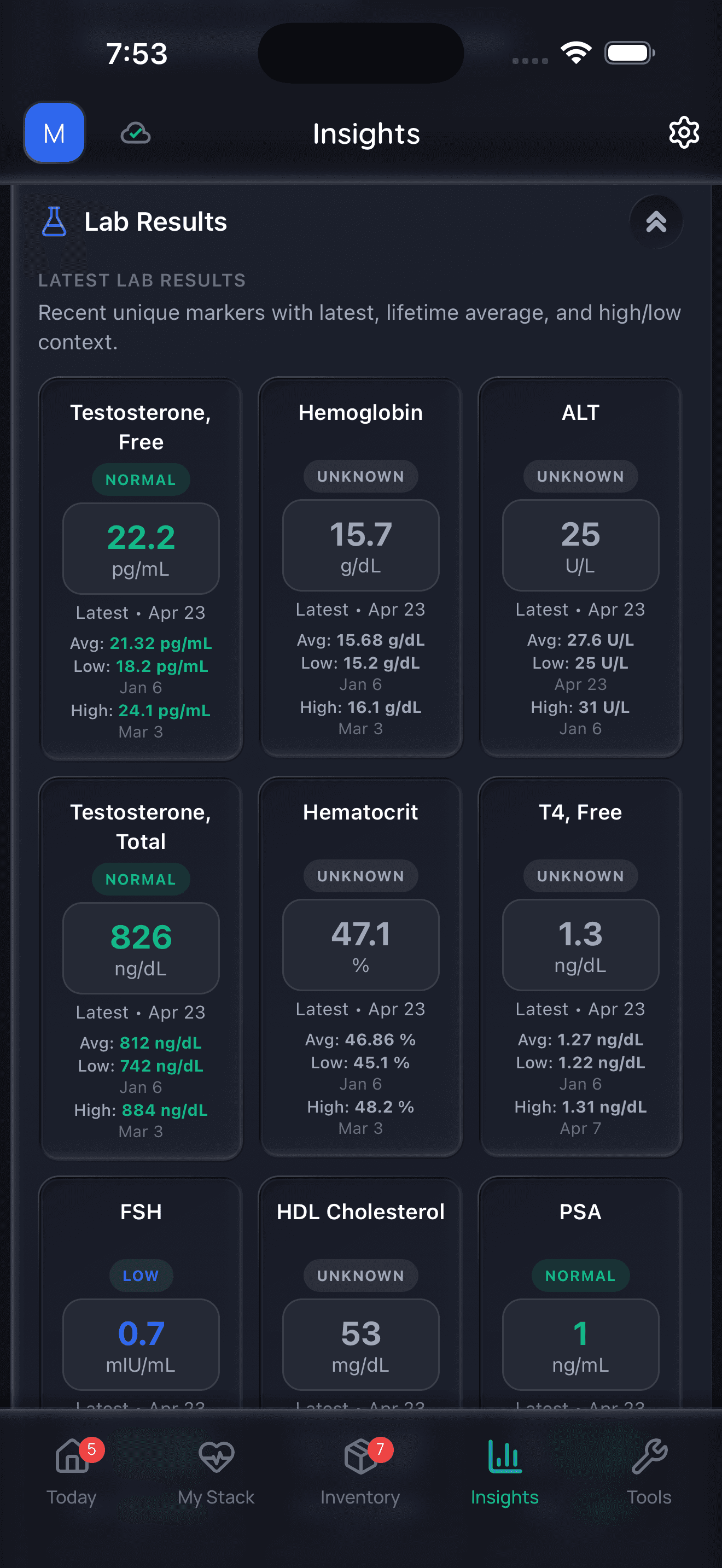
Doserly organizes data; it does not diagnose or interpret labs for you.
Dosing & Treatment Protocols
The Basics
Tlando's dosing is refreshingly simple compared to other TRT products. The dose is 225 mg (two 112.5 mg capsules) taken orally twice daily, once in the morning and once in the evening, always with food. There is no titration, no dose escalation ladder, and no complex scheduling.
Your provider will check your testosterone level 3 to 4 weeks after starting (blood drawn 8-9 hours after the morning dose). If your level is between 300 and 1,080 ng/dL, you continue. If your level is below 300 ng/dL, your provider will discontinue Tlando rather than adjust the dose. This binary continue/discontinue approach is unique among TRT products [1].
Practical tips for taking Tlando:
- Take two capsules with breakfast and two capsules with dinner
- Skipping meals means skipping effective absorption
- Store at room temperature (20-25C)
- Do not open, chew, or crush capsules
- Shelf life is 48 months from manufacture
The Science
The fixed-dose rationale stems from clinical data showing that dose titration had minimal impact on PK profiles in a prior 52-week study (NCT02081300, n=315). The 225 mg BID dose was selected as the optimal fixed dose that achieves eugonadal testosterone restoration in the majority of hypogonadal men without titration-related clinic visits [3].
Tlando's dosing schedule produces a predictable twice-daily PK curve: testosterone levels rise within 2 hours, peak at approximately 700 ng/dL around 4-6 hours post-dose, and return toward baseline by 12 hours. The monitoring window of 8-9 hours post-morning-dose captures a representative mid-cycle concentration [1][3].
It is important to note that Tlando is NOT substitutable with other oral testosterone undecanoate products. Jatenzo (starting dose 237 mg BID, titratable to 158-396 mg BID) and Kyzatrex (starting dose 200 mg BID, titratable to 100-400 mg BID) have different formulations, excipients, and PK profiles despite sharing the same active ingredient [1][2].
Dosing protocols often evolve over the course of treatment, and your experience with one testosterone product may inform decisions about switching to another. Doserly maintains a complete history of every protocol change, giving you and your provider a clear picture of what has been tried and how each formulation affected your symptoms and lab values.
Turn symptom and safety notes into a clearer timeline.
Doserly helps you log doses, symptoms, and safety observations side by side so patterns are easier to discuss with a qualified clinician.
Pattern view
Logs and observations

Pattern visibility is informational and should be reviewed with a clinician.
What to Expect (Timeline)
Days 1-7: You may notice subtle energy changes within the first few days, though much of this is adjustment and expectation. Some men report a noticeable "surge" of energy 2-4 hours after each dose as testosterone peaks. GI effects (nausea, burping) may occur initially.
Weeks 2-4: First blood test at 3-4 weeks will determine if Tlando is achieving target testosterone levels. Early libido changes may begin. Energy improvements may become more consistent. Blood pressure should be monitored.
Months 1-3: Sexual function improvements, if they occur, are typically noticeable by this point. Mood stabilization may develop. Hematocrit should be checked at 3 months. Prolactin levels should be reassessed at 3-4 months.
Months 3-6: Body composition changes (reduced fat mass, modest lean mass increase) may begin to be noticeable. Skin and hair effects (acne, hair thinning) may emerge as DHT levels increase.
Months 6-12: Full treatment effects should be apparent. Continued monitoring of hematocrit (every 6 months), PSA (per age-appropriate guidelines), and lipid panel recommended.
Ongoing maintenance: Annual review of symptoms, continued indication, risk-benefit discussion. Dose remains fixed at 225 mg BID unless discontinuation is warranted.
Individual responses vary widely. Some men experience noticeable improvements within weeks; others take several months. Not all symptoms resolve with TRT alone, particularly in men with additional contributing factors such as obesity, sleep disorders, or depression.
Fertility Preservation & HPG Axis
Exogenous testosterone, regardless of route or formulation, suppresses the hypothalamic-pituitary-gonadal (HPG) axis. This includes Tlando. When you take any form of exogenous testosterone, your brain detects elevated testosterone levels and reduces its signals (GnRH, LH, FSH) to the testes. Without LH stimulation, intratesticular testosterone concentrations plummet, and spermatogenesis is suppressed.
Key facts:
- Approximately 40-60% of men on exogenous TRT achieve azoospermia (zero sperm) by 6 months [10]
- The remainder typically develop severe oligospermia (<1 million sperm/mL)
- This suppression occurs with ALL routes of testosterone, including oral
- Recovery after discontinuation is variable (6-24+ months) and not guaranteed
If you are considering biological children in the future:
- Discuss fertility with your provider BEFORE starting Tlando
- Consider sperm banking before TRT initiation
- HCG (250-500 IU 2-3 times weekly) may be co-prescribed to maintain intratesticular testosterone and spermatogenesis, though evidence is limited and this is off-label
- Clomiphene citrate or enclomiphene may be considered as alternatives to exogenous testosterone for men with secondary hypogonadism who wish to preserve fertility
- Do not assume fertility will return after stopping TRT
Primary vs secondary hypogonadism implications: Men with primary hypogonadism (testicular failure) may have limited fertility potential regardless of TRT use. Men with secondary hypogonadism (hypothalamic-pituitary dysfunction) generally have better prognosis for HPG axis recovery after TRT discontinuation, especially with SERM support [10][11].
The Tlando prescribing information specifically warns: "Large doses of androgens like TLANDO can suppress spermatogenesis" [1]. This is not a minor footnote. Fertility counseling should be part of every TRT initiation conversation for men of reproductive age.
Interactions & Compatibility
Drug-Drug Interactions:
- Insulin and diabetes medications: Tlando may improve insulin sensitivity, potentially requiring dose reduction of anti-diabetic medications. Monitor blood glucose closely [1].
- Oral anticoagulants: Androgens may enhance anticoagulant activity. Monitor INR and prothrombin time frequently, especially at initiation and discontinuation of Tlando [1].
- Corticosteroids: Concurrent use may increase fluid retention. Monitor carefully in patients with cardiac, renal, or hepatic disease [1].
- 5-alpha reductase inhibitors (finasteride, dutasteride): These block conversion of testosterone to DHT. Given Tlando's association with 1.9-fold DHT increases, co-prescription may be relevant for men concerned about hair loss or prostate effects.
- Medications that increase blood pressure: May compound the blood pressure-elevating effect of Tlando.
Supplement Interactions:
- DHEA: Additive androgenic effects; generally unnecessary when on TRT
- Zinc: Supports testosterone production but does not replace TRT
- Boron: May modestly increase free testosterone by reducing SHBG
- Saw Palmetto: Natural 5-alpha reductase inhibitor; may be considered for DHT-related side effects
Lifestyle Factors:
- Food: Required for absorption. Skipping meals with Tlando reduces bioavailability significantly.
- Alcohol: Suppresses testosterone production and increases aromatization; may counteract TRT benefits.
- Exercise: Resistance training is synergistic with TRT for body composition and strength outcomes.
- Sleep: TRT may worsen obstructive sleep apnea; CPAP optimization recommended.
- Body composition: Weight loss may normalize endogenous testosterone in some men, potentially reducing or eliminating the need for TRT.
Related Doserly guides:
Decision-Making Framework
Deciding whether Tlando is the right TRT product for you involves several considerations beyond whether your testosterone is low:
When oral TRT like Tlando may be a good fit:
- Needle anxiety or aversion to injections
- Concern about skin transfer risk to partners or children (ruling out gels/creams)
- Desire for simple, no-titration dosing
- Travel frequently (pills are easier than syringes/vials at customs)
- Preference for twice-daily pill over weekly/biweekly injection or daily gel
When Tlando may NOT be the best choice:
- If you need precise dose titration (Tlando is fixed-dose only)
- If you have difficulty taking medication twice daily with meals consistently
- If cost is a primary concern (generic injectable testosterone cypionate is 5-10x less expensive)
- If insurance does not cover Tlando and out-of-pocket cost is prohibitive
- If you have uncontrolled hypertension (blood pressure monitoring is especially important with oral TU)
Questions to ask your provider about Tlando:
- "Is my hypogonadism primary or secondary, and does that affect which formulation is best?"
- "What monitoring schedule will we follow on Tlando?"
- "What happens if my testosterone is still below 300 ng/dL after 3-4 weeks?"
- "Are there concerns about my blood pressure or cardiovascular risk that make oral TU less appropriate?"
- "Does my insurance cover Tlando, and what will my out-of-pocket cost be?"
Administration & Practical Guide
Taking Tlando:
- Take two 112.5 mg capsules with your morning meal
- Take two 112.5 mg capsules with your evening meal
- Swallow capsules whole; do not open, chew, or crush
- Ensure meals contain adequate calories (food is required for absorption)
- Try to maintain consistent meal timing for stable absorption
Storage: Room temperature (20-25C / 68-77F), excursions permitted to 15-30C. Protect from moisture. 48-month shelf life.
Missed dose: Take as soon as possible, but skip if it is almost time for the next dose. Do not double up.
Disposal: Unused capsules should be disposed of via a drug take-back program. Do not flush or throw in household trash.
Practical considerations:
- Unlike injectable testosterone, no needle preparation, no injection site rotation, no sharps disposal
- Unlike testosterone gels, no drying time, no skin transfer risk, no shower timing restrictions
- Travel-friendly: carry pill bottle rather than syringes and vials
- The 112.5 mg capsules have a white body imprinted with "112" in black ink and a grey cap
Monitoring & Lab Work
Pre-Tlando baseline labs:
- Total testosterone (two morning draws on separate days, confirmed below normal range)
- Free testosterone (calculated or equilibrium dialysis)
- LH and FSH (to distinguish primary from secondary hypogonadism)
- Hematocrit and CBC
- PSA (age-appropriate)
- Lipid panel
- Comprehensive metabolic panel
- Prolactin (Tlando-specific)
- Blood pressure
Initial follow-up (3-4 weeks):
- Serum testosterone (8-9 hours after morning dose)
- Blood pressure check
- Continue Tlando if T 300-1,080 ng/dL; discontinue if T <300 ng/dL
Prolactin monitoring (3-4 months):
- Recheck serum prolactin (Tlando-specific recommendation)
- Discontinue if prolactin remains elevated
Ongoing monitoring:
- Hematocrit: Every 3 months during first year, then every 6 months. Threshold >54% for intervention.
- PSA: Per age-appropriate screening guidelines, annually for men >40
- Blood pressure: Periodically
- Lipid panel: Annually
- Testosterone: Periodically to confirm continued efficacy
- Estradiol: Only if symptomatic (gynecomastia, fluid retention)
Estrogen Management on TRT
Testosterone is converted to estradiol by the aromatase enzyme (CYP19A1), primarily in adipose tissue. This conversion is a normal and necessary physiological process. Estradiol is important for bone health, cardiovascular health, libido, and cognitive function in men.
Routine aromatase inhibitor (AI) use is NOT recommended by the Endocrine Society or AUA guidelines for men on TRT. Estradiol monitoring should only occur if symptoms suggest elevated estrogen (gynecomastia, significant fluid retention, mood effects) [11].
With Tlando specifically, the pulsatile PK profile (peak testosterone ~700 ng/dL followed by trough) means estradiol levels may also fluctuate more than with transdermal or long-acting injectable TRT. One user reported an estradiol level of 13 pg/mL on Tlando, which is on the low end.
The clinical evidence suggests that aggressive estradiol suppression is harmful: low estradiol in men is associated with decreased bone density, joint pain, adverse mood effects, and paradoxically decreased libido. If you are concerned about estrogen-related symptoms on Tlando, discuss with your healthcare provider rather than self-managing with AI medications.
Stopping TRT / Post-Cycle Considerations
If you and your provider decide to stop Tlando, your body's natural testosterone production will need time to recover. During TRT, the hypothalamic-pituitary-gonadal axis is suppressed; your brain has been receiving signals that testosterone is adequate and has reduced its production signals (GnRH, LH, FSH) accordingly.
What to expect after discontinuation:
- Testosterone levels will drop to pre-treatment or lower levels within days (oral TU has a short duration of action)
- Symptoms of low testosterone (fatigue, low libido, mood changes) may return
- HPG axis recovery takes weeks to months (6-24+ months in some cases)
- Recovery is not guaranteed, especially with prolonged TRT duration
Post-cycle recovery approaches (community-derived, not guideline-standardized):
- HCG taper: 1,000-2,000 IU every other day for 2-4 weeks, then taper
- Clomiphene citrate: 25-50 mg daily for 4-8 weeks to stimulate LH/FSH recovery
- Enclomiphene: newer SERM with potentially fewer side effects
Primary vs secondary hypogonadism: Men with primary hypogonadism may have limited recovery capacity regardless. Men with secondary hypogonadism generally have better prognosis for axis recovery.
Is TRT lifelong? For many men with classical hypogonadism, yes. For men whose hypogonadism is secondary to modifiable factors (obesity, sleep apnea, opioid use), addressing underlying causes may restore endogenous production.
Special Populations & Situations
Obese Men
Weight loss alone may normalize testosterone in overweight and obese men. Consider lifestyle intervention first. If TRT is initiated, higher aromatization may occur due to increased adipose tissue. Tlando's food-dependent absorption may be an advantage (obese men rarely skip meals) but variability in meal fat content could affect consistency.
Men with Sleep Apnea
TRT may exacerbate obstructive sleep apnea. CPAP optimization before and during TRT is recommended. The evening dose of Tlando, with its associated testosterone peak, may be particularly relevant for men with sleep-disordered breathing.
Men with Prostate Cancer History
Historically an absolute contraindication. Evolving evidence (androgen saturation model) suggests physiological TRT may not further stimulate prostate at normal levels. Remains controversial and requires specialized urological consultation.
Cardiovascular Disease History
TRAVERSE trial provides class-level reassurance (HR 0.96 for MACE). However, Tlando's blood pressure effect warrants careful monitoring in men with established CVD. Transdermal TRT may be preferred in this population.
Type 2 Diabetes
TRT may improve insulin sensitivity, HbA1c, and metabolic parameters in hypogonadal diabetic men. Diabetes medication dose adjustments may be needed. Tlando's prescribing information specifically notes the insulin interaction [1].
Older Men (>65)
17% of the pivotal study population was >65. TRAVERSE and TTrials data are primarily from this age group. Increased monitoring for polycythemia and cardiovascular effects is warranted.
Transgender Men (FTM)
Oral TU products like Tlando may be considered for masculinizing therapy. Dosing goals differ (masculinizing doses vs replacement). The fixed-dose design may be a limitation if precise dose titration is needed.
Regulatory, Insurance & International
United States:
- DEA Schedule III controlled substance
- NDA208088, approved March 28, 2022 via 505(b)(2) pathway
- Currently marketed by Verity Pharmaceuticals, Inc.
- July 2025 label revision removed boxed warning for blood pressure and contraindication for age-related hypogonadism
- Postmarketing requirements include pediatric study (ages 12-18), label comprehension study, and CYP interaction studies
Insurance coverage:
- Coverage varies widely by plan and pharmacy benefit manager
- Prior authorization commonly required
- Some patients report $0 copay with insurance PA; others report $300-700+ per 90-day supply
- Generic injectable testosterone cypionate is dramatically less expensive, which creates a cost barrier for oral TRT adoption
International availability:
- Tlando is approved only in the United States
- Andriol (Organon, another oral testosterone undecanoate product with a different formulation) is available in many countries outside the US but is not FDA-approved and is not interchangeable with Tlando
- Traveling internationally with Tlando requires documentation of prescription (controlled substance)
Telehealth TRT:
- Some telehealth TRT clinics prescribe oral TU products including Tlando
- Benefits: convenience, access for patients in areas with limited endocrinology/urology specialists
- Concerns: cookie-cutter protocols, inadequate monitoring, cost transparency
Frequently Asked Questions
Q: What is Tlando?
A: Tlando is an FDA-approved oral testosterone replacement therapy (TRT) that comes as a capsule taken twice daily with food. It contains testosterone undecanoate, which is absorbed through the lymphatic system rather than the liver.
Q: How is Tlando different from Jatenzo and Kyzatrex?
A: All three are oral testosterone undecanoate products, but they have different formulations, excipient compositions, and dosing strategies. Tlando uses a fixed dose (225 mg twice daily) with no titration required, while Jatenzo and Kyzatrex require dose titration. They are NOT interchangeable.
Q: Will Tlando damage my liver?
A: Tlando is NOT a 17-alpha-alkylated androgen (the type of oral testosterone historically associated with liver damage). It is absorbed through the lymphatic system, bypassing the liver. Clinical trial data and pooled safety analyses show no clinically significant liver toxicity with modern oral testosterone undecanoate products.
Q: Does Tlando require dose adjustment?
A: No. Tlando uses a fixed-dose approach. Your provider checks your testosterone level at 3-4 weeks. If it is in range (300-1,080 ng/dL), you continue. If not, the medication is discontinued. There is no titration.
Q: Do I have to take Tlando with food?
A: Yes. Tlando requires food for proper absorption through the lymphatic system. Taking it on an empty stomach significantly reduces the amount of testosterone that reaches your bloodstream.
Q: How much does Tlando cost?
A: Cost varies significantly based on insurance coverage. Some patients report near-zero copay with insurance prior authorization, while others report $300-700+ per 90-day supply. Without insurance, oral TRT is considerably more expensive than generic injectable testosterone cypionate.
Q: Can Tlando affect my fertility?
A: Yes. Like all forms of exogenous testosterone, Tlando suppresses spermatogenesis (sperm production). Men who may want biological children should discuss fertility preservation options with their healthcare provider before starting TRT.
Q: Is Tlando a steroid?
A: Testosterone is an androgenic steroid hormone that your body produces naturally. Tlando provides testosterone at physiological replacement levels to treat diagnosed hypogonadism. This is fundamentally different from supraphysiological steroid abuse.
Q: Should I start TRT?
A: This question requires individual clinical assessment. TRT decisions should be made collaboratively with a qualified healthcare provider based on confirmed low testosterone levels, symptoms, overall health status, fertility goals, and risk factors.
Q: Can I switch from injections to Tlando?
A: Some men successfully switch from injectable to oral TRT. Discuss with your provider. Real-world data shows that men transitioning from other TRT to Tlando maintained testosterone levels, with notable increases in DHT and decreases in SHBG.
Myth vs. Fact
Myth: Oral testosterone always damages the liver.
Fact: This myth originates from 17-alpha-alkylated oral androgens (methyltestosterone, fluoxymesterone) used decades ago. Tlando and other modern oral testosterone undecanoate products use lymphatic absorption to bypass the liver entirely. Pooled clinical trial data from Jatenzo, Tlando, and Kyzatrex show no clinically significant liver toxicity [6].
Myth: TRT causes heart attacks.
Fact: The TRAVERSE trial (n=5,246), the largest RCT designed to assess cardiovascular safety of TRT, found no significant increase in major adverse cardiovascular events (HR 0.96, 95% CI: 0.78-1.17) compared to placebo over 33 months of follow-up. TRAVERSE did note increased atrial fibrillation, pulmonary embolism, and acute kidney injury. Oral TU specifically has a blood pressure effect (mean SBP increase ~4 mmHg) that warrants monitoring [8].
Myth: TRT causes prostate cancer.
Fact: Current evidence does not support a causal link between physiological testosterone replacement and prostate cancer initiation. The androgen saturation model suggests that prostate tissue is maximally stimulated at relatively low testosterone concentrations, and raising levels to the normal range does not increase cancer risk. PSA monitoring remains standard practice [11].
Myth: Once you start TRT, you can never stop.
Fact: The answer depends on the underlying cause of hypogonadism. Men with irreversible primary hypogonadism typically need lifelong TRT. Men with secondary hypogonadism may recover endogenous production after stopping, particularly if underlying causes (obesity, sleep apnea, opioid use) are addressed. Recovery is variable and not guaranteed.
Myth: TRT makes you permanently infertile.
Fact: Testosterone suppresses spermatogenesis, often to azoospermia, but this is usually reversible after discontinuation. Recovery may take 6-24+ months and is not guaranteed. Sperm banking before TRT initiation is recommended for men who may want biological children [10].
Myth: All oral testosterone products are the same.
Fact: Jatenzo, Tlando, and Kyzatrex each have different formulations, excipients, pharmacokinetic profiles, and dosing strategies. They are explicitly NOT substitutable for one another per their FDA labels.
Myth: Higher testosterone doses are always better.
Fact: Therapeutic replacement targets the normal physiological range (typically 300-1,080 ng/dL). Supraphysiological levels increase side effects (polycythemia, cardiovascular strain, hormonal imbalances) without proportional benefit. Tlando's fixed dose was designed to achieve mid-range eugonadal levels.
Myth: You don't need to monitor anything on oral TRT.
Fact: All TRT requires regular monitoring. Tlando specifically requires hematocrit checks (every 3 months first year), testosterone level verification (3-4 weeks after starting), prolactin monitoring (3-4 months), and periodic blood pressure assessment [1].
Sources & References
Clinical Guidelines
[1] TLANDO (testosterone undecanoate) [package insert]. Ewing, NJ: Verity Pharmaceuticals, Inc; 2025. Available at: https://dailymed.nlm.nih.gov/dailymed/drugInfo.cfm?setid=4b0b92e9-6d3c-a0e5-e1c7-342999f72580
Comparative and Review Studies
[2] Treatment of Symptomatic Male Hypogonadism with New Oral Testosterone Therapies: A Comparative Review of Jatenzo, Tlando, and Kyzatrex. Pharmaceuticals. PMID: 41562957.
[5] Bhat SZ, Dobs AS. Testosterone Replacement Therapy: A Narrative Review with a Focus on New Oral Formulations. Touchrev Endocrinol. 2022;18(2):127-133. PMID: 36694887.
Landmark Trials and Clinical Studies
[3] DelConte A, Papangkorn K, Kim K, et al. A new oral testosterone (TLANDO) treatment regimen without dose titration requirement for male hypogonadism. Andrology. 2022;10(4):669-676. PMID: 34994093. ClinicalTrials.gov: NCT03242590.
[4] White WB, Dobs A, Carson C, et al. Effects of a novel oral testosterone undecanoate on ambulatory blood pressure in hypogonadal men. J Cardiovasc Pharmacol Ther. 2021;26(6):630-637.
[8] Lincoff AM, Bhasin S, Flevaris P, et al. Cardiovascular Safety of Testosterone-Replacement Therapy. N Engl J Med. 2023;389(2):107-117. (TRAVERSE Trial)
[9] Snyder PJ, Bhasin S, Cunningham GR, et al. Lessons From the Testosterone Trials. Endocr Rev. 2018;39(3):369-386. (TTrials)
Safety Reviews
[6] Goldstein I, et al. Newer formulations of oral testosterone undecanoate: development and liver side effects. Sex Med Rev. 2025;13(2). PMID: 39291780.
Real-World Evidence
[7] Weinberger JM, et al. Changes in Blood Test Profiles with Use of Testosterone Undecanoate Capsules (TLANDO) for the Treatment of Hypogonadism. Poster presentation. Data discussed on community forums.
Guidelines and Position Statements
[10] Bhasin S, Brito JP, Cunningham GR, et al. Testosterone therapy in men with hypogonadism: an Endocrine Society clinical practice guideline. J Clin Endocrinol Metab. 2018;103(5):1715-1744.
[11] Mulhall JP, Trost LW, Brannigan RE, et al. Evaluation and Management of Testosterone Deficiency: AUA Guideline. J Urol. 2018;200(2):423-432.
Government/Institutional Sources
[12] FDA Approval Letter, NDA 208088, March 28, 2022. Available at: https://www.accessdata.fda.gov/drugsatfda_docs/appletter/2022/208088Orig1s000ltr.pdf
Related Guides & Cross-Links
Same Category (Oral Testosterone)
- Testosterone Undecanoate Oral (Jatenzo)
- Testosterone Undecanoate Oral (Kyzatrex)
- Testosterone Undecanoate Oral (Andriol)
- Oral Testosterone Guide
Related Treatment Options
- Testosterone Cypionate (Depo-Testosterone)
- Testosterone Enanthate (Delatestryl)
- Testosterone Undecanoate Injectable (Aveed/Nebido)
- Testosterone Gel (AndroGel)
- TRT for Beginners
Complementary Approaches
Ancillary Medications
Conditions & Monitoring
- Primary Hypogonadism
- Secondary Hypogonadism
- TRT Blood Work Guide
- Estrogen Management on TRT
- Fertility Preservation on TRT