
Testosterone Pellets (Testopel)
On this page
Quick Reference Card
Attribute
Brand Name(s)
- Value
- Testopel (US)
Attribute
Generic Name
- Value
- Testosterone pellets (crystalline testosterone implant)
Attribute
Drug Class / Type
- Value
- Androgen; subcutaneous pellet implant
Attribute
DEA Schedule
- Value
- Schedule III (CIII)
Attribute
FDA-Approved Indications
- Value
- Testosterone replacement therapy in adult males with conditions associated with deficiency or absence of endogenous testosterone (primary or hypogonadotropic hypogonadism)
Attribute
Pellet Strength
- Value
- 75 mg testosterone per pellet
Attribute
FDA-Labeled Dose Range
- Value
- 150-450 mg (2-6 pellets) every 3-6 months
Attribute
Contemporary Clinical Dose
- Value
- 600-900 mg (8-12 pellets) every 3-4 months
Attribute
Route of Administration
- Value
- Subcutaneous implantation
Attribute
Dosing Schedule
- Value
- Every 3-6 months (procedure-based)
Attribute
Key Monitoring Requirements
- Value
- Serum testosterone (1 month post-implantation), hematocrit, PSA, estradiol (if symptomatic), implantation site inspection
Attribute
ANDA Number
- Value
- ANDA080911 (reference NDA 80-911, originally approved 1972)
Attribute
Current Marketer
- Value
- Endo USA, Inc. (Malvern, PA)
Attribute
Original Manufacturer
- Value
- Bartor Pharmacal (Rye, NY)
Attribute
Unique Considerations
- Value
- Longest-acting FDA-approved TRT formulation; requires in-office procedure; irreversible once implanted; no daily administration; no secondary transfer risk
Overview / What Is Testosterone Pellets (Testopel)?
The Basics
Testopel is a prescription testosterone replacement product that works unlike any injection, gel, or patch. Instead of taking medication every day or week, your provider implants tiny crystalline testosterone pellets under your skin during a brief in-office procedure. Once in place, the pellets slowly dissolve over several months, delivering a steady stream of testosterone without any daily action on your part.
Each pellet is about the size of a grain of rice (3.2mm wide, 9mm long) and contains 75mg of pure crystalline testosterone. During the procedure, your provider makes a small incision (typically in the hip or upper buttock area), uses a specialized insertion device called a trocar to place the pellets in the subcutaneous fat layer, and closes the site with a small bandage or adhesive strip. The entire procedure usually takes about 10 to 15 minutes.
The appeal of pellet therapy is straightforward: once the pellets are in place, you do not need to think about your testosterone treatment until the next appointment in three to four months. There are no daily gel applications, no weekly injections, and no risk of accidentally transferring testosterone to a partner or child through skin contact. For men who struggle with the consistency of daily or weekly treatments, or who simply value the convenience of a few procedures per year, pellets offer a genuinely different approach.
Testosterone pellets have a longer history than many people realize. The FDA first approved fused crystalline testosterone pellets in 1972, making this one of the oldest approved forms of testosterone therapy still in use. However, the product was not actively marketed in the United States until 2008, when it was reintroduced under the Testopel brand name. Like all testosterone products, Testopel is a Schedule III controlled substance and is approved specifically for men with confirmed hypogonadism, not for age-related testosterone decline.
The Science
Testopel (ANDA080911, referencing original NDA 80-911) consists of fused crystalline testosterone (C19H28O2, MW 288.42 g/mol) compressed into cylindrical pellets measuring 3.2mm in diameter and 9mm in length, with a surface area of approximately 98 mm2 per pellet. Each pellet weighs approximately 78mg (containing 75mg testosterone with stearic acid NF 0.97mg and polyvinylpyrrolidone USP 2mg as inactive ingredients) [1].
The crystalline pellet formulation was first described by Deanesly and Parkes in 1938 and received FDA approval in 1972, making it the oldest continuously approved testosterone formulation in the United States [2][3]. The product remained commercially dormant until 2008, when Slate Pharmaceuticals acquired the rights and reintroduced it as Testopel. The product is currently marketed by Endo USA, Inc. [1][4].
Following subcutaneous implantation, the pellets dissolve gradually through surface erosion in the relatively hypovascular subdermal space. This dissolution process produces first-order decay kinetics: approximately one-third of the testosterone content is absorbed in the first month, one-quarter in the second month, and one-sixth in the third month [1][5]. The gradual release mechanism distinguishes pellets from all other TRT formulations by providing continuous delivery without daily patient action and without the peak-trough fluctuations characteristic of intramuscular injections.
The regulatory history of Testopel's dosing information merits attention. The current FDA-approved prescribing information recommends 150-450mg (2-6 pellets) every 3-6 months. However, this recommendation was based on extrapolation from intramuscular testosterone propionate equivalence data from 1972, not on pharmacokinetic studies of the actual pellet formulation. No published pharmacokinetic studies on Testopel pellets existed prior to 2009 [4]. Contemporary clinical evidence consistently demonstrates that 8-12 pellets (600-900mg) are required to reliably achieve and maintain eugonadal testosterone levels for 3-4 months [6][7][8].
Medical / Chemical Identity
Property
Generic Name
- Detail
- Testosterone (crystalline pellet formulation)
Property
Brand Name(s)
- Detail
- Testopel (US)
Property
Chemical Name
- Detail
- 17-beta-hydroxyandrost-4-en-3-one
Property
Empirical Formula
- Detail
- C19H28O2
Property
Molecular Weight
- Detail
- 288.42 g/mol
Property
CAS Number
- Detail
- 58-22-0
Property
Drug Class
- Detail
- Androgen; subcutaneous crystalline testosterone pellet
Property
Ester Type
- Detail
- None (unesterified crystalline testosterone)
Property
Active Moiety
- Detail
- Testosterone (released through surface erosion of crystalline pellet, no ester hydrolysis required)
Property
Pellet Dimensions
- Detail
- 3.2mm diameter x 9mm length, surface area ~98 mm2
Property
Pellet Weight
- Detail
- ~78mg (75mg testosterone + excipients)
Property
Inactive Ingredients
- Detail
- Stearic acid NF 0.97mg, polyvinylpyrrolidone USP 2mg
Property
DEA Schedule
- Detail
- Schedule III (CIII)
Property
FDA Approval Year
- Detail
- 1972 (original NDA 80-911); 2008 (marketed as Testopel)
Property
ANDA Number
- Detail
- ANDA080911
Property
Current Marketer
- Detail
- Endo USA, Inc. (Malvern, PA 19355)
Property
Original Manufacturer
- Detail
- Bartor Pharmacal (Rye, NY 10580)
Formulation Notes
Unlike injectable testosterone formulations (cypionate, enanthate, undecanoate) that use ester prodrug chemistry to slow absorption, Testopel delivers unesterified crystalline testosterone directly. The testosterone is released through gradual dissolution of the crystalline matrix in the subcutaneous tissue, rather than through ester hydrolysis. This makes the pellet dissolution rate the sole determinant of drug delivery kinetics [4][5].
The absence of an oil vehicle also distinguishes pellets from injectable formulations. There is no cottonseed oil, sesame oil, or benzyl benzoate in the formulation, which eliminates the possibility of oil-related allergic reactions or the post-injection pain associated with intramuscular depot injections.
How It Works / Mechanism of Action
The Basics
Testosterone is the primary male sex hormone, responsible for far more than sexual function alone. It helps maintain bone density, supports muscle mass and strength, influences mood and energy levels, plays a role in cognitive function, stimulates red blood cell production, and contributes to cardiovascular health. When testosterone levels fall below what your body needs, the effects can show up across virtually every system.
Testopel works by placing pure crystalline testosterone directly under your skin, where it dissolves slowly over months. As the tiny pellets erode, testosterone enters the surrounding tissue and is absorbed into your bloodstream. From there, it functions identically to the testosterone your body produces naturally.
Once in your bloodstream, the testosterone from Testopel follows the same metabolic pathways as endogenous testosterone. Some of it binds to androgen receptors throughout your body, directly triggering the beneficial effects on muscle, bone, and other tissues. Some is converted by the enzyme 5-alpha reductase into dihydrotestosterone (DHT), a more potent androgen that plays a role in prostate health, hair growth patterns, and skin oil production. Some is converted by the enzyme aromatase into estradiol (a form of estrogen), which men also need in appropriate amounts for bone health, brain function, and cardiovascular protection.
An important aspect of pellet therapy is that once the pellets are implanted, your body's natural testosterone production shuts down. The brain detects the incoming testosterone and reduces its signal (via LH and FSH) to the testes, effectively telling them to stop producing. This is why exogenous testosterone of any form, including pellets, suppresses fertility. It also means that if the pellets need to be stopped for any reason, they cannot simply be "turned off." The testosterone will continue to be released until the pellets are fully dissolved or surgically removed.
The Science
Crystalline testosterone released from subcutaneous pellet implants enters the systemic circulation through diffusion across the subdermal capillary network. Unlike esterified injectable formulations that require plasma and tissue esterase-mediated hydrolysis to release free testosterone, pellet-derived testosterone is already in its active, unesterified form upon dissolution [4].
Free testosterone exerts biological effects through binding to the intracellular androgen receptor (AR), a ligand-activated transcription factor of the nuclear receptor superfamily. The canonical genomic pathway involves testosterone-AR binding, receptor dimerization, nuclear translocation, and interaction with androgen response elements (AREs) in target gene promoters, modulating transcription over hours to days. Non-genomic signaling through membrane-associated AR and SHBG receptor complexes activates rapid second messenger cascades (MAPK/ERK, PI3K/Akt, intracellular calcium) within seconds to minutes [9].
Testosterone undergoes two primary metabolic conversions. Type I and Type II 5-alpha reductase irreversibly convert testosterone to 5-alpha-dihydrotestosterone (DHT), which has approximately 2-3 times greater AR binding affinity and mediates androgenic effects in skin, hair follicles, and prostate tissue. CYP19A1 (aromatase), expressed predominantly in adipose tissue, brain, and bone, converts testosterone to 17-beta-estradiol (E2). In men, estradiol is essential for bone mineral density maintenance (via ER-alpha-mediated osteoblast regulation), negative feedback on GnRH/LH secretion, and neuroprotective functions [9][10].
HPG axis suppression by exogenous testosterone from pellets follows the same mechanism as other TRT modalities: reduced hypothalamic GnRH pulse frequency and amplitude, leading to decreased pituitary LH and FSH synthesis and secretion. Intratesticular testosterone concentrations, normally 40-100 times higher than serum levels, decline dramatically, resulting in Sertoli cell dysfunction and spermatogenic arrest. Handelsman (1990) demonstrated that LH was markedly and uniformly suppressed for 1-4 months following pellet implantation, with levels inversely mirroring declining serum testosterone [5].
Pathway & System Visualization
Pharmacokinetics / Hormone Physiology
The Basics
The pharmacokinetics of testosterone pellets are unique among TRT formulations. Think of the pellets as slow-dissolving time capsules buried just beneath your skin. Once implanted, they gradually erode from the outside in, releasing testosterone into the surrounding tissue at a rate that declines over time.
In the first few weeks after implantation, testosterone levels rise as the pellets begin dissolving. Peak levels are typically reached around one month after the procedure. From there, levels gradually decline in a predictable curve: approximately one-third of the testosterone is released in the first month, one-quarter in the second month, and one-sixth in the third month. By months four to six, most of the pellet mass has dissolved and testosterone levels approach baseline.
This declining curve is both the strength and the limitation of pellet therapy. The strength is that you experience relatively smooth, sustained levels without the sharp peaks and troughs of weekly injections. The limitation is that you may notice symptoms returning in the last few weeks before your next implantation as testosterone levels drop. Most providers schedule reimplantation every three to four months to minimize this end-of-cycle decline.
Body weight and composition matter with pellet therapy. Men with higher body mass index (BMI) tend to achieve lower peak testosterone levels than leaner men receiving the same number of pellets, likely because testosterone distributes into a larger tissue volume. This is why your provider may adjust the number of pellets based on your body size.
The Science
Dissolution and Absorption: Testopel pellets undergo surface erosion in the subcutaneous space, with the dissolution rate governed by the crystalline surface area in contact with interstitial fluid. Handelsman (1990) demonstrated near-linear zero-order release kinetics, with a calculated dissolution rate of 1.3 mg/day for 200mg pellets and 0.65 mg/day for 100mg pellets, and a therapeutic half-life of approximately 2.5 months [5]. Despite constant absorption rates from the pellet surface, serum testosterone follows first-order decay kinetics because the available surface area decreases as the pellet erodes, progressively reducing the amount of testosterone released per unit time [4][5].
Peak and Trough Dynamics:
Parameter
Time to peak testosterone
- Typical Range
- 2-4 weeks post-implantation
Parameter
Peak serum total T (8-12 pellets)
- Typical Range
- 600-1200 ng/dL
Parameter
Trough (month 3-4)
- Typical Range
- 300-500 ng/dL
Parameter
Time to subtherapeutic levels
- Typical Range
- 4-6 months
Parameter
Recommended reimplantation interval
- Typical Range
- 100-120 days (3-4 months)
Dose-Response Relationship:
The multi-institutional study by McCullough et al. (2012) involving 380 men and 702 insertions demonstrated dose-dependent testosterone achievement. Six to seven pellets (450-525mg) maintained therapeutic levels (>300 ng/dL) for approximately 2-3 months, while 10-12 pellets (750-900mg) sustained therapeutic levels for 4-6 months. All men were hypogonadal at 6 months regardless of initial pellet count [7].
BMI Effects: Pastuszak et al. (2012) demonstrated that BMI significantly influences pellet pharmacokinetics. Men with BMI <25 kg/m2 achieved higher peak testosterone levels than men with BMI >=25, consistent with the increased volume of distribution in larger men. However, the time to reach subtherapeutic levels (300 ng/dL) was approximately 100 days in both groups, suggesting that reimplantation timing is relatively consistent regardless of BMI [8].
Estradiol Dynamics: Estradiol levels rise in parallel with testosterone following pellet implantation. Pastuszak et al. found that E2 levels rose significantly in men receiving 10-12 pellets but not in men receiving 6-9 pellets, reflecting dose-dependent aromatization. Jockenhovel (1996) reported E2 peaking at 38 pg/mL approximately 42 days post-implantation in profoundly hypogonadal men receiving 1200mg [8][11].
Distribution: Circulating testosterone from pellets distributes normally: approximately 44% bound to SHBG, approximately 54% bound to albumin, and approximately 2% circulating as free testosterone. SHBG levels were not significantly affected by pellet therapy in Handelsman's studies [1][5].
Metabolism and Elimination: Testosterone from pellets is metabolized identically to endogenous testosterone, primarily via hepatic CYP3A4 (90%), with approximately 10% via 5-alpha reductase to DHT and approximately 1% via aromatase to estradiol. The Km of CYP3A4 metabolism is approximately 50,000 nanomoles, making metabolic saturation physiologically impossible [4]. Approximately 90% of metabolites are excreted renally as glucuronic and sulfuric acid conjugates; 6% via fecal excretion [1].
Research & Clinical Evidence
The Basics
Testosterone pellets have been used clinically since the late 1930s, making them one of the oldest forms of testosterone therapy. The modern evidence base, however, is relatively thin compared to injectable testosterone or gels. Most of what we know about pellet therapy comes from retrospective studies and open-label trials rather than large randomized controlled trials.
The available research consistently shows that pellet therapy effectively raises testosterone levels into the normal range and improves symptoms of hypogonadism (including sexual function, energy, and mood) in men who use an adequate number of pellets. Patient satisfaction is generally high among men who continue therapy, with convenience being the most valued attribute.
The most important thing to understand about the safety evidence is that no large cardiovascular outcomes trial (like the TRAVERSE trial, which studied testosterone gel) has been conducted specifically with pellet therapy. The TRAVERSE trial found that testosterone gel was non-inferior to placebo for major cardiovascular events in high-risk men, which has been broadly reassuring for TRT in general. However, since pellets produce a different pharmacokinetic profile than gels, the degree to which TRAVERSE results apply specifically to pellet therapy is uncertain.
The Science
Pharmacokinetic Evidence:
Kaminetsky et al. (2011) conducted the only FDA-approved pharmacokinetic study of Testopel in 30 hypogonadal men receiving 8, 10, or 12 pellets. Peak testosterone at 1 month was dose-dependent, with 100% of men achieving therapeutic levels at weeks 1 and 4, 86% at week 12, 75% at week 20, and 14% at week 24. Erectile function scores (IIEF) improved significantly during the first 12 weeks. No extrusions or infections were reported [6].
Safety Evidence:
Cavender and Fairall (2009) retrospectively analyzed 292 implant procedures in 80 men, finding an infection rate of 0.3% and an extrusion rate of 0.3%, substantially lower than historical rates with the older Organon pellet formulation (infection 1.4-6.8%, extrusion 8.5-12%) [12]. McMahon et al. (2017) found that implantation of 12 pellets (900mg) was well tolerated, with polycythemia and pellet extrusion as the main reported adverse events [13].
Cardiovascular Safety:
The TRAVERSE trial (n=5,246, men aged 45-80 with hypogonadism and cardiovascular risk factors) demonstrated non-inferiority of testosterone gel vs placebo for the primary composite MACE endpoint (HR 0.96, 95% CI: 0.78-1.17) over a mean 33-month follow-up [14]. While TRAVERSE provides the strongest available evidence for TRT cardiovascular safety, it studied transdermal gel rather than pellets. The pellet-specific cardiovascular evidence is limited to retrospective safety data and the absence of cardiovascular signal in the pellet studies reviewed above. Pellets may theoretically carry a different cardiovascular risk profile due to their higher initial peaks and different estradiol dynamics, though this has not been demonstrated.
Patient Satisfaction Evidence:
Kovac et al. (2014) surveyed 113 men who had used Testopel. Among respondents, 52.2% had switched from topical gels, 35.4% from injections, and 12.4% started with pellets as their first TRT modality. Convenience (68.8%) was the most important factor in choosing pellets. However, 28.3% had discontinued, with cost (50%) as the primary reason [15].
Evidence & Effectiveness Matrix
Category
Sexual Function & Libido
- Evidence Strength
- 6/10
- Reported Effectiveness
- 7/10
- Summary
- Open-label data shows IIEF improvement at 12 weeks. Community reports generally positive. Limited RCT data specific to pellets.
Category
Energy & Vitality
- Evidence Strength
- 5/10
- Reported Effectiveness
- 7/10
- Summary
- Consistent symptom improvement in observational studies. Community reports positive but note end-of-cycle decline.
Category
Mood & Emotional Wellbeing
- Evidence Strength
- 5/10
- Reported Effectiveness
- 6/10
- Summary
- McMahon 2017 showed CES-D improvement. Community reports mixed, with mood dips as pellets wane.
Category
Muscle Mass & Strength
- Evidence Strength
- 5/10
- Reported Effectiveness
- 5/10
- Summary
- No pellet-specific body composition RCTs. General TRT evidence applies. Community discussion limited.
Category
Body Fat & Composition
- Evidence Strength
- 5/10
- Reported Effectiveness
- 5/10
- Summary
- No pellet-specific data. General TRT evidence supports fat mass reduction in hypogonadal men.
Category
Bone Health
- Evidence Strength
- 5/10
- Reported Effectiveness
- N/A
- Summary
- Testosterone supports BMD via androgen receptor and estradiol-mediated pathways. No pellet-specific bone density data.
Category
Cardiovascular Health
- Evidence Strength
- 6/10
- Reported Effectiveness
- 5/10
- Summary
- TRAVERSE (gel) provides non-inferiority. No pellet-specific CV outcomes trial.
Category
Metabolic Health
- Evidence Strength
- 4/10
- Reported Effectiveness
- N/A
- Summary
- No pellet-specific metabolic outcome data. Community data not yet collected.
Category
Sleep Quality
- Evidence Strength
- 3/10
- Reported Effectiveness
- N/A
- Summary
- Insufficient pellet-specific evidence. Community data not yet collected.
Category
Fertility & Reproductive
- Evidence Strength
- 7/10
- Reported Effectiveness
- 4/10
- Summary
- Well-established HPG axis suppression. Pellets lock you in; no quick dose adjustment if fertility becomes a concern.
Category
Polycythemia & Hematologic
- Evidence Strength
- 6/10
- Reported Effectiveness
- 5/10
- Summary
- Lower rates than IM injections (~5% vs 19%). One erythrocytosis case in Pastuszak study. Hematocrit monitoring required.
Category
Prostate Health
- Evidence Strength
- 5/10
- Reported Effectiveness
- N/A
- Summary
- No PSA recurrences in Pastuszak study (including 68 men with prostate cancer history). Community data not yet collected.
Category
Skin & Hair
- Evidence Strength
- 4/10
- Reported Effectiveness
- 5/10
- Summary
- Standard androgenic side effects. No pellet-specific data distinguishing from other routes.
Category
Gynecomastia & Estrogen
- Evidence Strength
- 5/10
- Reported Effectiveness
- 5/10
- Summary
- E2 rises dose-dependently (significant with 10-12 pellets). AI co-administration discussed in literature.
Category
Fluid Retention & Edema
- Evidence Strength
- 3/10
- Reported Effectiveness
- 4/10
- Summary
- Listed in prescribing information. Sparse community data.
Category
Overall Quality of Life
- Evidence Strength
- 5/10
- Reported Effectiveness
- 7/10
- Summary
- High satisfaction (65% positive on Drugs.com). Convenience is primary driver. Cost is primary complaint.
Benefits & Therapeutic Effects
The Basics
The therapeutic benefits of testosterone pellets are fundamentally the same as those of any other form of testosterone replacement. When testosterone levels are restored to the normal range in men with confirmed hypogonadism, improvements typically include better sexual function and libido, increased energy and reduced fatigue, improved mood and emotional stability, enhanced muscle mass and strength, reduced body fat, and improved bone mineral density.
What pellets specifically offer that other formulations do not is a unique convenience profile. Once implanted, there is nothing for the patient to do: no daily gel applications, no weekly injections, no patches to change. For men who travel frequently, who have difficulty maintaining a daily or weekly medication routine, or who simply prefer a "set it and forget it" approach, this can be a meaningful quality-of-life advantage. Patient surveys consistently show that convenience is the single most important reason men choose pellet therapy.
The clinical evidence also suggests that pellet therapy provides more consistent testosterone levels than biweekly intramuscular injections, though with more gradual decline over the treatment cycle than daily gels. Some men find this steady decline more tolerable than the pronounced peak-trough swings of less frequent injections.
The Science
Clinical studies demonstrate that Testopel effectively restores eugonadal testosterone levels in hypogonadal men. In the Kaminetsky Phase IV trial, IIEF (erectile function) scores improved significantly within 12 weeks. The McMahon et al. (2017) study of 900mg implantation showed improvement in IIEF, CES-D (depression), and qADAM (androgen deficiency symptoms) scores, with 40.0% of subjects reporting "very satisfied" and 26.7% "quite satisfied" [6][13].
The convenience benefit translates to improved treatment adherence. Kovac et al. (2014) found that among men using various TRT modalities, approximately 70% were satisfied regardless of modality. However, pellets eliminated the daily compliance burden that contributes to the 25% non-adherence rate reported across TRT formulations [15]. Moskovic et al. (2012) specifically demonstrated improved compliance in adolescents with Klinefelter syndrome switched to pellet therapy [16].
The absence of secondary transfer risk is a clinically significant advantage for men with partners or children. Topical gels carry FDA-mandated black box warnings regarding secondary exposure to women and children, a concern that does not apply to subcutaneous pellet implants [1].
Risks, Side Effects & Safety
The Basics
Like all testosterone replacement therapies, pellets carry risks and side effects that require careful monitoring. Some are common to all TRT formulations, and some are specific to the pellet delivery method.
The most common side effects of TRT in general include acne and oily skin, mild fluid retention, changes in mood (both positive and negative), testicular atrophy (because exogenous testosterone signals the testes to stop producing their own), and increased red blood cell count (polycythemia). Most of these are dose-dependent and manageable with monitoring and dose adjustment.
Pellet-specific side effects include soreness and bruising at the implantation site (which typically resolves within a week), pellet extrusion (where a pellet works its way out through the skin, reported in less than 1% of procedures at experienced centers), and implantation site infection (also less than 1% at experienced centers). The implantation procedure itself involves a small incision and carries the general risks of any minor surgical procedure, including bleeding, hematoma, and scarring.
One important consideration specific to pellets is that once they are implanted, the dose cannot be easily adjusted. If you experience side effects, your provider cannot simply reduce the dose as they could with gel or injections. The pellets would need to be surgically removed if testosterone effects need to be stopped. This irreversibility is an important factor in the shared decision-making process between patient and provider.
Regarding cardiovascular safety, the TRAVERSE trial provides the strongest evidence that TRT (studied with gel) does not significantly increase the risk of major heart events in men aged 45-80 with cardiovascular risk factors (HR 0.96, 95% CI: 0.78-1.17). However, TRAVERSE also noted increased rates of atrial fibrillation, pulmonary embolism, and acute kidney injury in the testosterone group. No equivalent large-scale cardiovascular outcomes trial has been conducted specifically with pellet therapy.
The Science
Common TRT Side Effects (applicable to pellets):
- Polycythemia/erythrocytosis: Testosterone stimulates erythropoietin production. Hematocrit monitoring is mandatory, with a threshold of >54% prompting intervention (dose reduction, therapeutic phlebotomy, or route change). The AUA guideline reports polycythemia rates of approximately 5% with pellets, compared to approximately 19% with intramuscular injections and lower rates with gels [17]. This lower rate relative to IM may reflect the more stable pharmacokinetic profile of pellets, with lower peak testosterone concentrations.
- Fertility suppression: Exogenous testosterone from pellets suppresses the HPG axis identically to other formulations, leading to reduced LH, FSH, and spermatogenesis. This is discussed in detail in Section 14.
- Prostate effects: PSA monitoring should follow age-appropriate screening guidelines. Current evidence, including the saturation model hypothesis, does not support a causal link between TRT at physiological levels and prostate cancer initiation [18]. In the Pastuszak study, no PSA recurrences were observed among 68 men with prostate cancer history treated with testosterone pellets [8].
- Gynecomastia: Estradiol rises dose-dependently with pellet therapy. Breast tissue enlargement can occur and occasionally persists [1].
- Sleep apnea: Testosterone may exacerbate obstructive sleep apnea, particularly at higher doses. Screening is recommended before TRT initiation.
Pellet-Specific Adverse Events:
- Implantation site infection: Post-marketing cases report cellulitis and abscess at the insertion site. Contemporary rates with Testopel are approximately 0.3-0.4% per procedure at experienced centers, significantly lower than historical rates with the Organon formulation (1.4-6.8%) [4][12].
- Pellet extrusion: A pellet migrating through the skin before full dissolution. Contemporary rates are approximately 0.3-1.1% per procedure, compared to 8.5-12% with older formulations [4][12]. Extrusion risk decreases with provider experience and proper insertion technique.
- Hematoma and bruising: Expected post-procedure effects that typically resolve within 1-2 weeks.
- Subcutaneous fibrosis: With repeated insertions, some fibrosis may develop at the implantation site, potentially making future insertions more challenging [4].
Cardiovascular Risk Contextualization:
The TRAVERSE trial (n=5,246, men aged 45-80 with hypogonadism and preexisting or high risk for cardiovascular disease) demonstrated non-inferiority of testosterone gel vs placebo for the primary composite MACE endpoint (death from cardiovascular causes, nonfatal MI, nonfatal stroke) with HR 0.96 (95% CI: 0.78-1.17) over a mean follow-up of 33 months. The upper bound of the 95% CI (1.17) was below the prespecified non-inferiority margin of 1.20 [14]. TRAVERSE also noted increased incidence of atrial fibrillation (HR 1.27, 95% CI: 0.97-1.66), non-fatal pulmonary embolism (HR 2.07, 95% CI: 0.89-4.82), and acute kidney injury in the testosterone group.
No pellet-specific cardiovascular outcomes trial exists. Clinicians and patients should consider that TRAVERSE studied transdermal gel, and the degree to which its findings extrapolate to pellet therapy is uncertain. Testosterone from pellets may produce higher initial peaks than gel, though lower peaks than intramuscular injections.
Contraindications (absolute):
- Known or suspected prostate cancer
- Breast cancer in men
- Hematocrit >54% at baseline
- Uncontrolled or poorly controlled heart failure
- Desire for near-term fertility without concurrent fertility preservation
- Untreated severe obstructive sleep apnea
- Pregnancy (in partners; testosterone causes fetal virilization)
Being informed about potential risks is important. Being able to track and document any side effects you actually experience is what turns awareness into safety. Doserly lets you log side effects as they happen, with timestamps and severity ratings, so nothing falls through the cracks between appointments.
If you're noticing acne, water retention, mood changes, or any other shift, having a documented timeline helps your provider distinguish between expected adjustment effects and signals that warrant a protocol change. The app also tracks your hematocrit and PSA values over time, alerting you when levels approach thresholds that need attention.
Connect protocol changes to labs and health markers.
Doserly can keep lab results, biomarkers, symptoms, and dose history close together so follow-up conversations have better context.
Insights
Labs and trends
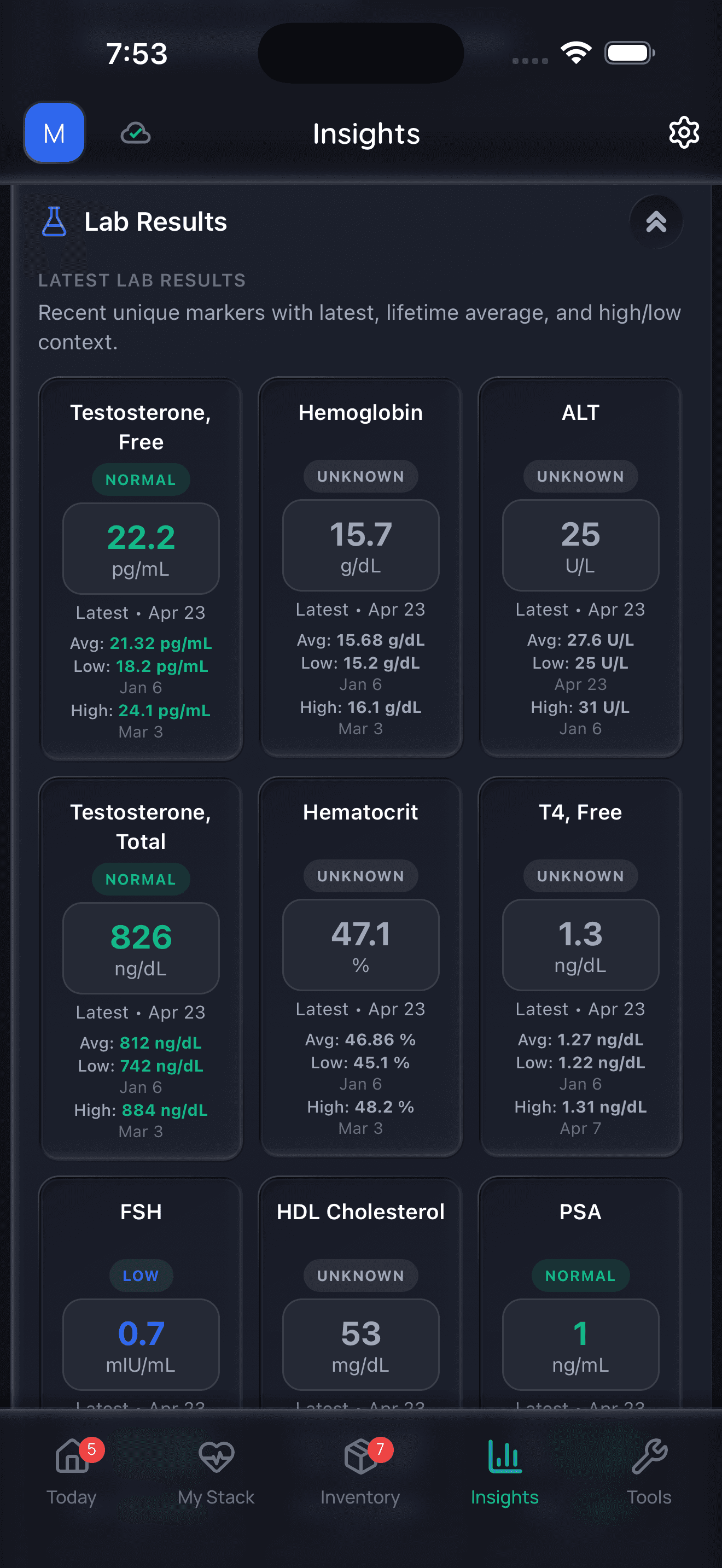
Doserly organizes data; it does not diagnose or interpret labs for you.
Dosing & Treatment Protocols
The Basics
Testosterone pellet dosing is determined by your provider based on your symptoms, body size, and previous treatment history. The FDA-approved prescribing information recommends 2-6 pellets (150-450mg) every 3-6 months. However, virtually every published clinical study demonstrates that this dose range is inadequate for most men. In contemporary clinical practice, most providers implant 8-12 pellets (600-900mg) every 3-4 months.
There is no one-size-fits-all dose. Your provider will consider your baseline testosterone level, your body mass index, your symptom severity, and your response to previous implantations when deciding how many pellets to use. Some men achieve excellent results with 8 pellets, while others need 12. The number may change over time as your provider fine-tunes the protocol.
Unlike injections or gels where you can adjust the dose between appointments, pellet dosing is locked in once the procedure is done. This means getting the dose right is important, and it may take two or three treatment cycles for your provider to dial in the optimal number of pellets for your body.
The Science
FDA-Labeled Dosing vs. Contemporary Practice:
Dosing Recommendations from Published Literature:
Patient Factor
Standard (most patients)
- Pellet Count (75mg each)
- 10-12 pellets
- Total Dose
- 750-900 mg
- Reimplantation Interval
- 3-4 months
Patient Factor
BMI <25
- Pellet Count (75mg each)
- 8-10 pellets
- Total Dose
- 600-750 mg
- Reimplantation Interval
- 3-4 months
Patient Factor
BMI >=30
- Pellet Count (75mg each)
- 10-12 pellets
- Total Dose
- 750-900 mg
- Reimplantation Interval
- 3-4 months
Patient Factor
Initial treatment
- Pellet Count (75mg each)
- 8-10 pellets
- Total Dose
- 600-750 mg
- Reimplantation Interval
- 3-4 months
Patient Factor
Subsequent adjustments
- Pellet Count (75mg each)
- Based on response
- Total Dose
- Titrate by 1-2 pellets
- Reimplantation Interval
- Based on trough timing
Monitoring Schedule:
- 4-6 weeks post-implantation: Serum total testosterone (trough), hematocrit
- Symptoms assessment at each reimplantation visit
- Annual: PSA (age-appropriate), lipid panel, comprehensive metabolic panel
Getting the dosing right often takes time and fine-tuning with your provider. Keeping an accurate record of what you're actually receiving, your symptom timeline between implantations, and lab values helps make that process smoother. Doserly tracks your testosterone protocol alongside everything else in your health stack, so your full treatment history is always in one place.
Never wonder when your last implantation was or what dose you received. The app logs every procedure with a timestamp and sends reminders when your next appointment is approaching, helping you maintain the consistency that makes pellet therapy most effective.
Turn symptom and safety notes into a clearer timeline.
Doserly helps you log doses, symptoms, and safety observations side by side so patterns are easier to discuss with a qualified clinician.
Pattern view
Logs and observations

Pattern visibility is informational and should be reviewed with a clinician.
What to Expect (Timeline)
Days 1-7: Soreness and possible bruising at the implantation site. Most men describe this as similar to a deep bruise. Activity restrictions are typically recommended for 48-72 hours (no heavy exercise, swimming, or soaking the site). Testosterone levels begin to rise but symptom improvement is not typically noticeable yet.
Weeks 2-4: Testosterone levels approach their peak. Many men notice the first signs of improvement during this window, particularly increased energy and improved mood. Libido may begin to increase. The implantation site should be fully healed.
Months 1-3: This is typically the period of maximum benefit. Testosterone levels are in the therapeutic range and stable. Sexual function, energy, mood, and cognitive clarity are often at their best during this window. Body composition changes (reduced fat, increased lean mass) may begin to become apparent with consistent exercise and nutrition.
Months 3-4: Testosterone levels begin to decline as the pellets approach the end of their effective life. Some men notice a gradual return of low-T symptoms (fatigue, reduced libido, mood dips) during this period. This is the typical window for scheduling reimplantation.
Months 4-6: For men on standard dosing protocols, this period represents the tail end of pellet effectiveness. Testosterone levels may drop below the therapeutic threshold. Most men on contemporary dosing protocols will have been reimplanted by this point.
Ongoing maintenance: Annual reviews with your provider to reassess continued indication, optimize dosing, and monitor for long-term effects (hematocrit, PSA, lipids, bone density if indicated). Individual response varies. Some men experience consistent benefits across the full treatment cycle, while others notice a more pronounced decline in the last weeks.
Fertility Preservation & HPG Axis
Exogenous testosterone from pellet implants suppresses the hypothalamic-pituitary-gonadal (HPG) axis via negative feedback on GnRH pulse frequency, resulting in reduced LH and FSH secretion. Intratesticular testosterone concentrations decline dramatically, leading to Sertoli cell dysfunction and suppression of spermatogenesis. Approximately 40-60% of men on TRT achieve azoospermia by 6 months, with the remainder typically showing severe oligospermia (<1 million/mL) [5][9].
Pellet-specific fertility considerations:
Testosterone pellets present a unique challenge for fertility preservation because the dose cannot be adjusted once implanted. With injectable testosterone, a man who decides he wants to pursue fertility can stop injections immediately and begin recovery protocols. With pellets, the testosterone will continue to be released for months until the pellets dissolve. If fertility becomes an urgent priority, surgical removal of the pellets may be considered, though this is not always straightforward and undissolved pellets may be difficult to locate.
Fertility preservation strategies:
- Sperm banking before TRT initiation: Strongly recommended for any man of reproductive age starting TRT, regardless of formulation.
- HCG co-administration: 250-500 IU subcutaneously 2-3 times weekly to maintain intratesticular testosterone and preserve spermatogenesis during TRT. Some providers co-administer HCG with pellet therapy, though this requires ongoing injections, which partially negates the convenience advantage of pellets.
- Clomiphene/enclomiphene as alternative: For men whose primary concern is fertility, SERMs can raise endogenous testosterone without suppressing spermatogenesis. These are off-label alternatives to exogenous testosterone for men who desire both symptom relief and fertility preservation.
Recovery after discontinuation:
Recovery of spermatogenesis after pellet TRT discontinuation follows the same general timeline as other TRT formulations: 6-24+ months, with recovery not guaranteed. Factors affecting recovery include duration of TRT use, age, pre-TRT hormonal status, and whether HCG was used during therapy. Primary hypogonadism (testicular failure) carries a more limited prognosis for spermatogenic recovery than secondary hypogonadism.
Clinical importance: Fertility counseling should be part of every TRT initiation conversation for men of reproductive age. The irreversibility of pellet implantation makes this especially important for pellet therapy specifically.
Interactions & Compatibility
Drug-Drug Interactions:
- Anticoagulants (warfarin, DOACs): Testosterone may enhance anticoagulant effect. Close monitoring of INR/coagulation parameters required when starting or stopping TRT [1].
- Insulin and diabetes medications: Testosterone may improve insulin sensitivity, potentially requiring dose adjustment of diabetes medications [1].
- Corticosteroids: Additive fluid retention effects.
- 5-alpha reductase inhibitors (finasteride, dutasteride): Block conversion of testosterone to DHT. May reduce certain androgenic side effects (hair loss, prostate effects) but also reduce some beneficial effects. See Testosterone Cypionate for more details on this interaction.
- Aromatase inhibitors (anastrozole): When co-administered with pellets, anastrozole has been shown to extend the effective treatment interval from approximately 124 days to 194 days by inhibiting estradiol-mediated suppression of endogenous testosterone production [4].
Supplement Interactions:
- DHEA: Additive androgenic effects. Use with caution during TRT.
- Boron: May increase free testosterone by reducing SHBG. Effect may be additive with exogenous testosterone.
- Zinc: Supports testosterone production. Supplementation may be less relevant during exogenous TRT but zinc deficiency should still be addressed.
- Saw palmetto: 5-alpha reductase inhibition similar to finasteride. See Saw Palmetto.
Lifestyle Factors:
- Alcohol: Suppresses testosterone production and increases aromatase activity. Moderation recommended during TRT.
- Sleep: Critical for hormonal health. TRT may improve sleep quality in some men but may worsen obstructive sleep apnea.
- Exercise: Resistance training is synergistic with TRT for body composition and strength improvements.
- Body composition: Weight loss alone may normalize testosterone in obese men, potentially reducing or eliminating the need for TRT.
Decision-Making Framework
Testosterone pellets may be a good fit for men who have confirmed hypogonadism (two morning total testosterone measurements below the lower limit of normal, plus symptoms), value the convenience of infrequent office procedures over daily or weekly self-administration, do not have near-term fertility goals (or have a plan for concurrent HCG use), and understand that the dose cannot be easily adjusted once implanted.
Pellets may not be the best choice for men who are new to TRT and have not yet established their optimal dose (injections or gels allow easier titration), who want maximum control over their testosterone levels, who have active near-term fertility goals without a concurrent fertility preservation plan, or who are cost-sensitive (pellets can be more expensive than generic injectable testosterone, especially without insurance coverage).
Questions to ask your provider:
- How many pellet insertions do you perform per year? (Experience reduces complication rates.)
- What is your typical dosing protocol and reimplantation schedule?
- How do you handle end-of-cycle symptom decline?
- Does my insurance cover pellet therapy?
- What are the total out-of-pocket costs including the procedure fee?
- Do you offer concurrent HCG for fertility preservation?
Administration & Practical Guide
Pellet Implantation Procedure:
The implantation is performed in-office under local anesthesia. The provider selects an insertion site, typically the lateral hip or upper buttock area above the pants line. After cleaning and numbing the area, a small incision (approximately 5mm) is made, and a specialized trocar (a hollow needle-like instrument) is used to create a subcutaneous tract. The pellets are loaded into the trocar and deposited in the fatty tissue beneath the skin. The incision is closed with adhesive strips or a single suture and covered with a pressure dressing.
The procedure typically takes 10-15 minutes. Most men describe the discomfort as comparable to a routine blood draw, with the local anesthetic preventing pain during insertion.
Post-Procedure Care:
- Keep the insertion site clean and dry for 48-72 hours
- Avoid strenuous activity, heavy lifting, and lower body exercise for 48-72 hours (some providers recommend 5-7 days)
- Avoid swimming, hot tubs, and baths for 5-7 days to reduce infection risk
- Expect soreness and possible bruising at the site for 3-7 days
- Watch for signs of infection (increasing redness, warmth, swelling, drainage, fever) and contact your provider if these occur
- Watch for pellet extrusion (a hard lump working its way toward the surface) and contact your provider if noticed
Activity Restrictions:
- 48-72 hours: No exercise, no heavy lifting
- 5-7 days: No swimming or submerging the site
- 1-2 weeks: Gradually resume normal activity as soreness resolves
Knowing when your next implantation is due and keeping track of your symptom timeline between procedures helps you and your provider optimize your pellet protocol. Doserly sends smart reminders tailored to your implantation schedule and tracks your symptom patterns over time, so you can identify exactly when in your cycle you feel best and when symptoms begin to return.
The app adapts to your routine. Set reminders for your reimplantation appointment, track how you feel at different points in your pellet cycle, and share a clear symptom timeline with your provider at each visit. This data makes dose and timing adjustments more precise with each successive implantation.
Build reminders around the routine, not just the compound.
Doserly can keep timing, skipped doses, and schedule changes organized so the plan you read about becomes easier to follow and review.
Today view
Upcoming reminders
Reminder tracking supports consistency; it does not select a protocol for you.
Monitoring & Lab Work
Pre-TRT Baseline Labs:
- Total testosterone (two morning draws, before 10 AM)
- Free testosterone (calculated or equilibrium dialysis)
- LH, FSH (to distinguish primary vs secondary hypogonadism)
- Estradiol
- SHBG
- Prolactin (if secondary hypogonadism suspected)
- CBC with hematocrit
- PSA (age-appropriate screening)
- Lipid panel
- Comprehensive metabolic panel
- DEXA bone density (if osteoporosis risk)
Post-Implantation Follow-Up:
- 4-6 weeks: Serum total testosterone (trough, drawn before reimplantation timing), hematocrit, symptom assessment
- Each reimplantation visit: Testosterone level, hematocrit, symptom evaluation, implantation site inspection
Ongoing Monitoring:
- Hematocrit: Every 6-12 months. Threshold >54% requires intervention (dose reduction at next implantation, therapeutic phlebotomy, or route change).
- PSA: Per age-appropriate screening guidelines; annually for men >40.
- Testosterone: Trough levels (drawn at the time symptoms begin returning or at the expected reimplantation interval). For pellets, the "trough" is typically drawn at 3-4 months post-implantation.
- Estradiol: Only if symptomatic (gynecomastia, fluid retention, mood changes). Not routine per Endocrine Society guidelines.
- Lipid panel: Annually.
- DEXA: If osteoporosis was an indication for TRT, repeat per clinical protocol.
Annual Review Checklist:
- Symptom reassessment
- Continued indication discussion
- Risk-benefit review
- Dose optimization (adjust pellet count for next cycle if needed)
- Implantation site assessment for fibrosis
Estrogen Management on TRT
Testosterone from pellets aromatizes to estradiol via the CYP19A1 (aromatase) enzyme, primarily in adipose tissue. This is a normal physiological process. Men need estradiol for bone health, cardiovascular function, libido, and cognitive health.
Estradiol levels rise in parallel with testosterone following pellet implantation. Pastuszak et al. found that E2 rose significantly in men receiving 10-12 pellets but not in men receiving 6-9 pellets, reflecting dose-dependent aromatization [8]. Jockenhovel reported peak E2 of 38 pg/mL at approximately 42 days post-implantation with 1200mg [11].
When estrogen management matters: Only when clinical symptoms or clearly elevated E2 levels are present. Routine aromatase inhibitor use is not recommended by the Endocrine Society or AUA guidelines. Treating symptoms rather than targeting a specific number is the evidence-based approach.
Aromatase inhibitor co-administration with pellets: McCullough et al. demonstrated that co-administering anastrozole with Testopel extended the mean reimplantation interval from 124 to 194 days by preventing estradiol-mediated suppression of endogenous LH/FSH and maintaining residual endogenous testosterone production [4]. This represents a pellet-specific use of AIs that differs from the more controversial routine AI use in other TRT modalities.
High E2 symptoms: Gynecomastia, excessive fluid retention, emotional lability, nipple sensitivity.
Low E2 symptoms: Joint pain/stiffness, low libido (paradoxically), dry skin, fatigue, depression, bone density loss.
Stopping TRT / Post-Cycle Considerations
Discontinuing pellet-based TRT is less straightforward than stopping injections or gel. Because the pellets continue to dissolve for months after implantation, you cannot simply "stop" pellet TRT. The testosterone will continue to be released until the pellets are fully dissolved. If an urgent need arises to stop TRT (e.g., fertility, cancer diagnosis, adverse reaction), surgical removal of remaining pellets may be attempted, though this is technically challenging and may not fully remove all pellet material.
HPG axis recovery after pellet TRT:
- LH and FSH remain suppressed for weeks to months after the last pellet dose is absorbed
- Endogenous testosterone production may take 6-24+ months to recover
- Recovery to pre-TRT levels is not guaranteed
- Recovery is affected by duration of TRT use, age, pre-TRT hormonal status, and underlying cause of hypogonadism
PCT protocols (community-derived, not standardized in clinical guidelines):
- HCG taper: 1000-2000 IU every other day for 2-4 weeks after last pellet dissolves, then taper
- Clomiphene citrate: 25-50mg daily for 4-8 weeks to stimulate LH/FSH recovery
- Enclomiphene: Newer SERM with potentially fewer side effects
- Note: PCT protocols for TRT discontinuation have limited formal study. These are adapted from community practices.
Is pellet TRT lifelong? For men with primary hypogonadism (testicular failure), likely yes. For secondary hypogonadism, addressing underlying causes (weight loss, sleep apnea treatment, opioid cessation) may restore endogenous production. For age-related decline, the answer is individualized.
Special Populations & Situations
Obese Men
Men with BMI >=25 achieve lower peak testosterone levels with the same pellet count compared to leaner men, consistent with increased volume of distribution [8]. Some providers increase the pellet count for obese patients. Weight loss itself may normalize testosterone, potentially reducing or eliminating the need for TRT.
Men with Sleep Apnea
TRT may exacerbate obstructive sleep apnea. Sleep study screening is recommended before TRT initiation. CPAP optimization should precede or accompany TRT.
Men with Prostate Cancer History
Historically considered an absolute contraindication. Evolving evidence supports the saturation model, which suggests that exogenous testosterone does not further stimulate prostate tissue beyond the saturation point of androgen receptors. In the Pastuszak study, no PSA recurrences were observed in 68 men with prostate cancer history treated with testosterone pellets [8]. This remains controversial and requires specialized urological consultation.
Cardiovascular Disease History
TRAVERSE provides non-inferiority data for gel-based TRT. Route consideration may favor pellets or gels over intramuscular injections for hematocrit management. Hematocrit monitoring is critical.
Type 2 Diabetes
TRT may improve insulin sensitivity, HbA1c, and metabolic parameters in hypogonadal diabetic men. Diabetes medication dose adjustment may be needed. Testosterone pellets carry a specific drug interaction with insulin and oral hypoglycemics [1].
Adolescents and Young Men
Pellets have been used in adolescents with Klinefelter syndrome with improved compliance compared to other modalities [16]. Growth plate closure risk with exogenous androgens requires monitoring of bone maturation. Fertility counseling is especially critical.
Transgender Men (FTM)
Pellets are used in transgender men for masculinizing hormone therapy. Different dosing goals than male hypogonadism. The r/ftm community reports positive experiences with pellet convenience for long-term masculinizing therapy. Fertility counseling (oocyte preservation) is important before initiation.
Older Men (>65)
Age-related decline vs true hypogonadism must be distinguished. The FDA label specifically notes that safety and efficacy in "age-related hypogonadism" have not been established [1]. Lower starting doses may be appropriate. Polycythemia monitoring is heightened in this population.
Regulatory, Insurance & International
United States (FDA/DEA):
- Schedule III controlled substance
- ANDA080911 (referencing original NDA 80-911, approved 1972)
- FDA-approved for primary and hypogonadotropic hypogonadism only; NOT approved for age-related decline
- No REMS requirement (unlike Aveed/testosterone undecanoate injectable)
- Requires in-office procedure, not self-administered
- Insurance coverage varies; some plans cover the medication but not the procedure fee, or vice versa
- Prior authorization frequently required
- Generic testosterone pellets available from compounding pharmacies (503A and 503B), though quality and bioequivalence may vary
Cost Considerations:
- Testopel brand: Varies by provider and insurance; typically $500-1,500 per implantation (including procedure fee) without insurance
- Compounded pellets: May be less expensive but are not FDA-approved and quality varies
- Cost was the primary reason for discontinuation in the Kovac patient satisfaction study (50% of discontinuers cited cost) [15]
- Compared to generic injectable testosterone cypionate ($20-40/month), pellets are significantly more expensive per month of treatment
Travel Considerations:
- Pellets are implanted, so no medication needs to be carried during travel
- This is a unique advantage over injections (requiring sharps and vials) or gels (requiring daily supplies)
- No customs or controlled substance declaration issues since the medication is inside the body
Frequently Asked Questions
Q: How many pellets will I need?
A: This varies by individual. Published research suggests that most men achieve optimal results with 8-12 pellets (600-900mg), though the FDA label recommends 2-6 pellets. Your provider will determine the right number based on your body size, symptoms, and response to previous treatments.
Q: Does the implantation procedure hurt?
A: Local anesthesia is used to numb the insertion site. Most men describe the procedure as comparable to a routine blood draw. Post-procedure soreness is common for 3-7 days.
Q: How often do I need to come back for reimplantation?
A: Typically every 3-4 months. Some men can go longer (up to 6 months), but most notice symptoms returning around month 3-4.
Q: Can the pellets be removed if I have problems?
A: In theory, yes, but surgical removal is technically challenging and may not fully retrieve all pellet material. This is an important consideration before choosing pellets as your TRT modality.
Q: Will pellets affect my fertility?
A: Yes. Like all forms of exogenous testosterone, pellets suppress spermatogenesis and can cause azoospermia. If you may want biological children in the future, discuss fertility preservation options (sperm banking, concurrent HCG) with your provider before starting.
Q: Are pellets better than injections?
A: Neither is inherently "better." Pellets offer maximum convenience (no daily or weekly dosing) but minimum control (can't adjust dose once implanted). Injections offer more dosing flexibility and lower cost but require regular self-administration. The best choice depends on your priorities and lifestyle.
Q: Does insurance cover Testopel?
A: Coverage varies widely. Some insurance plans cover the medication cost but not the procedure fee. Prior authorization is frequently required. Ask your provider's office about coverage before scheduling.
Q: What if I feel low-T symptoms before my next implantation?
A: This end-of-cycle decline is a known limitation of pellet therapy. Let your provider know. They may adjust the pellet count or reimplantation interval at your next procedure. Some providers offer a short course of injectable testosterone to bridge the gap.
Q: Can I exercise after getting pellets?
A: Avoid strenuous exercise, heavy lifting, and lower body exercise for 48-72 hours (some providers recommend 5-7 days). After that, you can gradually resume normal activity as soreness resolves.
Q: Are compounded testosterone pellets the same as Testopel?
A: Compounded pellets contain testosterone but are not FDA-approved and may differ in pellet size, purity, dissolution rate, and quality control. A 2023 randomized trial found that compounded E100 pellets (100mg each) were non-inferior to Testopel in serum testosterone levels and adverse event rates [19], though long-term comparative data is limited.
Myth vs. Fact
Myth: Pellets are a new, experimental treatment.
Fact: Testosterone pellets received FDA approval in 1972, making them one of the oldest approved forms of TRT. The modern Testopel formulation has been commercially available since 2008 with published safety data in hundreds of patients [4][6][7][12].
Myth: TRT causes heart attacks.
Fact: The TRAVERSE trial (n=5,246), the largest RCT designed to assess cardiovascular safety of TRT, found no significant increase in major adverse cardiovascular events with testosterone gel vs placebo (HR 0.96, 95% CI: 0.78-1.17) over 33 months in men aged 45-80 with cardiovascular risk factors. While TRAVERSE studied gel rather than pellets, it provides the strongest available evidence against a general cardiovascular signal with TRT [14].
Myth: TRT causes prostate cancer.
Fact: Current evidence, including the androgen receptor saturation model, does not support a causal link between TRT at physiological levels and prostate cancer initiation. In the Pastuszak pellet study, no PSA recurrences were observed among 68 men with a history of prostate cancer treated with testosterone pellets [8][18]. PSA monitoring remains standard practice.
Myth: Testosterone pellets are "just steroids."
Fact: Testopel is an FDA-approved, Schedule III prescription medication used at therapeutic doses (targeting the normal physiological range of 300-1000 ng/dL) to treat a documented medical condition (hypogonadism). This is fundamentally different from the supraphysiological doses (often 500-2000+ mg/week) used for non-medical performance enhancement.
Myth: Once you start pellets, you can never stop.
Fact: While recovery of natural testosterone production is not guaranteed and may take 6-24+ months, many men with secondary hypogonadism can restore endogenous production, especially with SERM support (clomiphene, enclomiphene). Primary hypogonadism (testicular failure) has more limited recovery potential, but this is true regardless of which TRT formulation was used [4].
Myth: Pellets will make you permanently infertile.
Fact: TRT suppresses spermatogenesis, but this is usually reversible after discontinuation. Recovery timelines vary (6-24+ months), and full recovery is not guaranteed. Sperm banking before TRT initiation is recommended for men who may want biological children. Concurrent HCG can help preserve fertility during pellet therapy [9].
Myth: The FDA dose of 2-6 pellets is the right dose.
Fact: The FDA dosing recommendation (150-450mg) was based on 1972 testosterone propionate equivalence calculations, not pharmacokinetic studies of the pellet formulation. Every published clinical study since 2009 demonstrates that 8-12 pellets (600-900mg) are needed to reliably maintain eugonadal levels for 3-4 months [4][6][7][8].
Myth: Pellets are the most convenient TRT option for everyone.
Fact: Pellets eliminate daily dosing but require an in-office procedure every 3-4 months. For men who are comfortable with self-injection (5 minutes per week), injectable testosterone may be equally convenient at lower cost. The "best" option depends on individual priorities around convenience, control, cost, and fertility.
Sources & References
Clinical Guidelines
[1] Testopel (testosterone pellets) prescribing information. Endo USA, Inc. Revised 07/2025. DailyMed. https://dailymed.nlm.nih.gov/dailymed/drugInfo.cfm?setid=03b9c0b1-5884-11e4-8ed6-0800200c9a66
[2] Deanesly R, Parkes AS. Further experiments on the administration of hormones by the subcutaneous implantation of tablets. Lancet. 1938;232(6002):606-609.
[3] FDA Application 80-911. 1972. http://www.accessdata.fda.gov/drugsatfda_docs/nda/pre96/080911.pdf
[9] Sizar O, Leslie SW, Pico J. Androgen Replacement. StatPearls [Internet]. StatPearls Publishing; 2026. https://www.ncbi.nlm.nih.gov/books/NBK534853/
[10] Bhasin S, Cunningham GR, Hayes FJ, et al. Testosterone therapy in men with androgen deficiency syndromes: an Endocrine Society Clinical Practice Guideline. J Clin Endocrinol Metab. 2010;95(6):2536-2559.
[17] Mulhall JP, Trost LW, Brannigan RE, et al. Evaluation and management of testosterone deficiency: AUA guideline. J Urol. 2018;200(2):423-432.
Landmark Trials
[14] Lincoff AM, Bhasin S, Flevaris P, et al. Cardiovascular safety of testosterone-replacement therapy. N Engl J Med. 2023;389(2):107-117. (TRAVERSE trial)
Pellet-Specific Studies
[4] McCullough A. A review of testosterone pellets in the treatment of hypogonadism. Curr Sex Health Rep. 2014;6(4):265-269. doi:10.1007/s11930-014-0033-7
[5] Handelsman DJ, Conway AJ, Boylan LM. Pharmacokinetics and pharmacodynamics of testosterone pellets in man. J Clin Endocrinol Metab. 1990;71(1):216-222.
[6] Kaminetsky JC, Moclair B, Hemani M, Sand M. A phase IV prospective evaluation of the safety and efficacy of extended release testosterone pellets for the treatment of male hypogonadism. J Sex Med. 2011;8(4):1186-1196.
[7] McCullough AR, Khera M, Goldstein I, Hellstrom WJ, Morgentaler A, Levine LA. A multi-institutional observational study of testosterone levels after testosterone pellet (Testopel) insertion. J Sex Med. 2012;9(2):594-601.
[8] Pastuszak AW, Mittakanti H, Liu JS, Gomez L, Lipshultz LI, Khera M. Pharmacokinetic evaluation and dosing of subcutaneous testosterone pellets. J Androl. 2012;33(5):927-937.
[11] Jockenhovel F, Vogel E, Kreutzer M, Reinhardt W, Lederbogen S, Reinwein D. Pharmacokinetics and pharmacodynamics of subcutaneous testosterone implants in hypogonadal men. Clin Endocrinol (Oxford). 1996;45(1):61-71.
[12] Cavender RK, Fairall M. Subcutaneous testosterone pellet implant (Testopel) therapy for men with testosterone deficiency syndrome: a single-site retrospective safety analysis. J Sex Med. 2009;6(11):3177-3192.
[13] McMahon CG, Shusterman N, Cohen B. Pharmacokinetics, clinical efficacy, safety profile, and patient-reported outcomes in patients receiving subcutaneous testosterone pellets 900 mg. J Sex Med. 2017;14(7):883-890.
Observational Studies
[15] Kovac JR, Rajanahally S, Smith RP, Coward RM, Lamb DJ, Lipshultz LI. Patient satisfaction with testosterone replacement therapies: the reasons behind the choices. J Sex Med. 2014;11(2):553-562.
[16] Moskovic DJ, Freundlich RE, Yazdani P, Lipshultz LI, Khera M. Subcutaneous implantable testosterone pellets overcome noncompliance in adolescents with Klinefelter syndrome. J Androl. 2012;33(4):570-573.
[18] Morgentaler A, Traish AM. Shifting the paradigm of testosterone and prostate cancer: the saturation model and the limits of androgen-dependent growth. Eur Urol. 2009;55(2):310-320.
[19] Patel DP, Hutson WR, Alukal JP, et al. Efficacy and safety outcomes of a compounded testosterone pellet for treatment of testosterone deficiency. J Sex Med. 2023;20(4):497-503.
Related Guides & Cross-Links
Same Category (Other Delivery Methods)
Related Treatment Options (Injectable Testosterone)
- Testosterone Cypionate (Depo-Testosterone)
- Testosterone Enanthate (Delatestryl)
- Testosterone Undecanoate Injectable (Aveed / Nebido)
Related Treatment Options (Transdermal Testosterone)
Related Treatment Options (Oral Testosterone)
Ancillary Medications
- HCG — Fertility preservation during TRT
- Anastrozole (Arimidex) — Estrogen management, pellet interval extension
- Clomiphene Citrate (Clomid) — Alternative to TRT for men desiring fertility
- Enclomiphene Citrate — Newer SERM alternative
Complementary Approaches
- Zinc — Supports testosterone production
- Vitamin D — Associated with testosterone levels
- DHEA — Androgen precursor (caution with concurrent TRT)
- Boron — May increase free testosterone