TRT8 min read
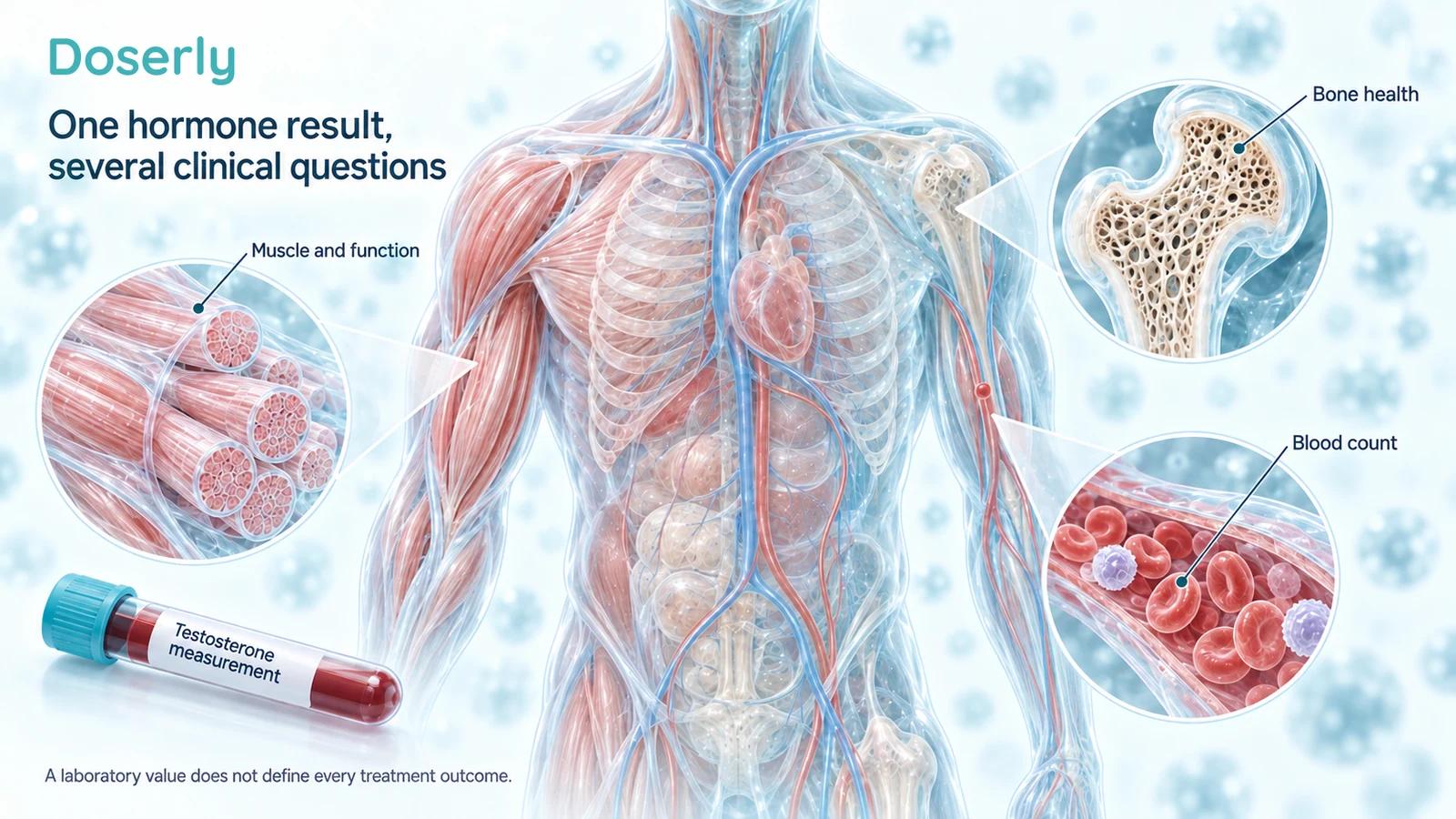
An optimal testosterone level—for which outcome?
Reference ranges describe populations. Treatment targets serve a clinical purpose. Neither establishes a universal number for energy, muscle and lifelong health.
Read articleFor informational and research purposes only.
Research, explained. Explore peptides, supplements, hormone health, longevity and red light therapy with clear, practical breakdowns of what the studies actually tell us.
Find a topic you’re curious about and take a closer look.
Reference ranges describe populations. Treatment targets serve a clinical purpose. Neither establishes a universal number for energy, muscle and lifelong health.
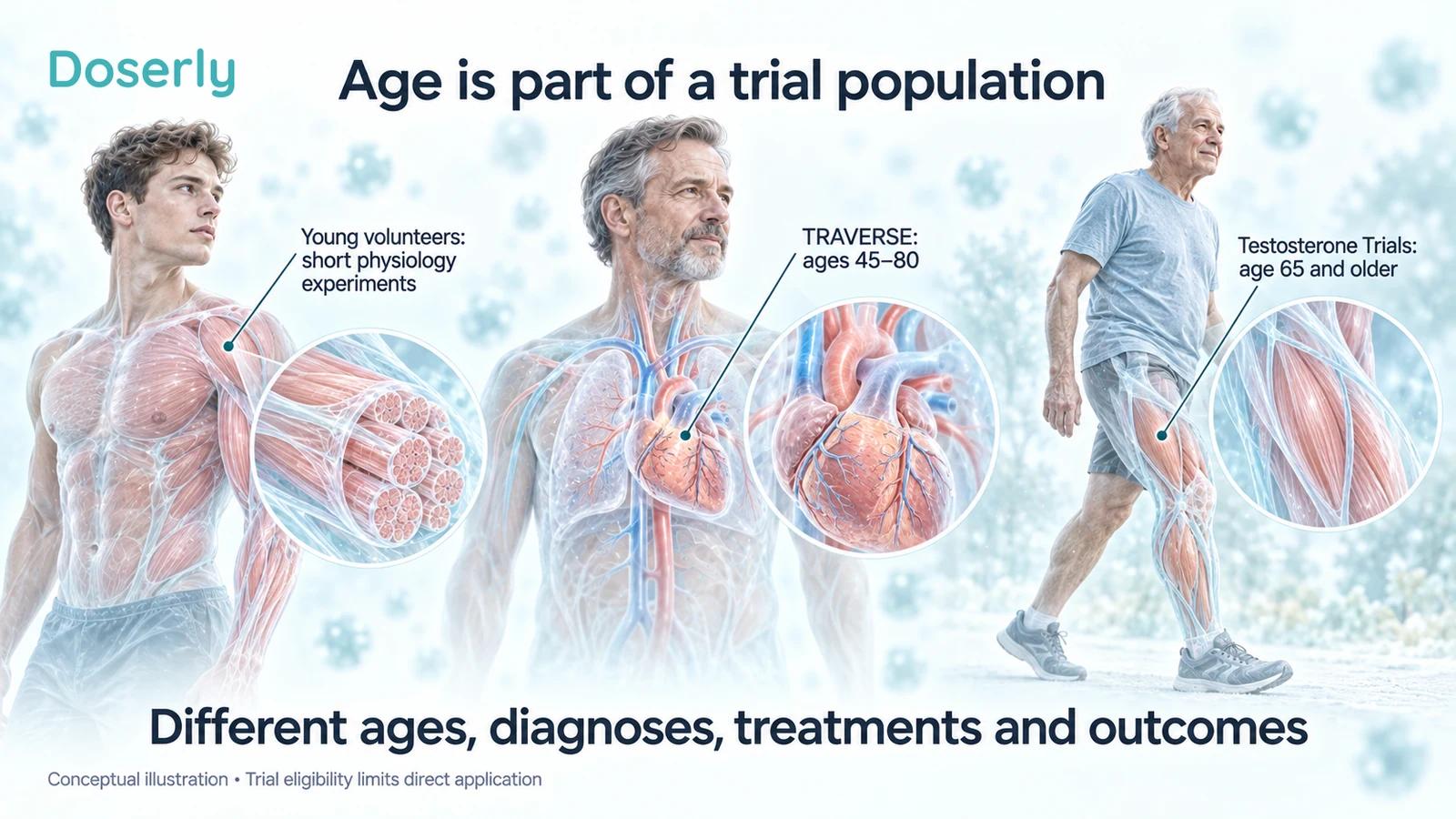
Read articleA study in older men can inform care without answering every question for a younger patient. Here is how age, diagnosis, fertility and follow-up change the evidence.
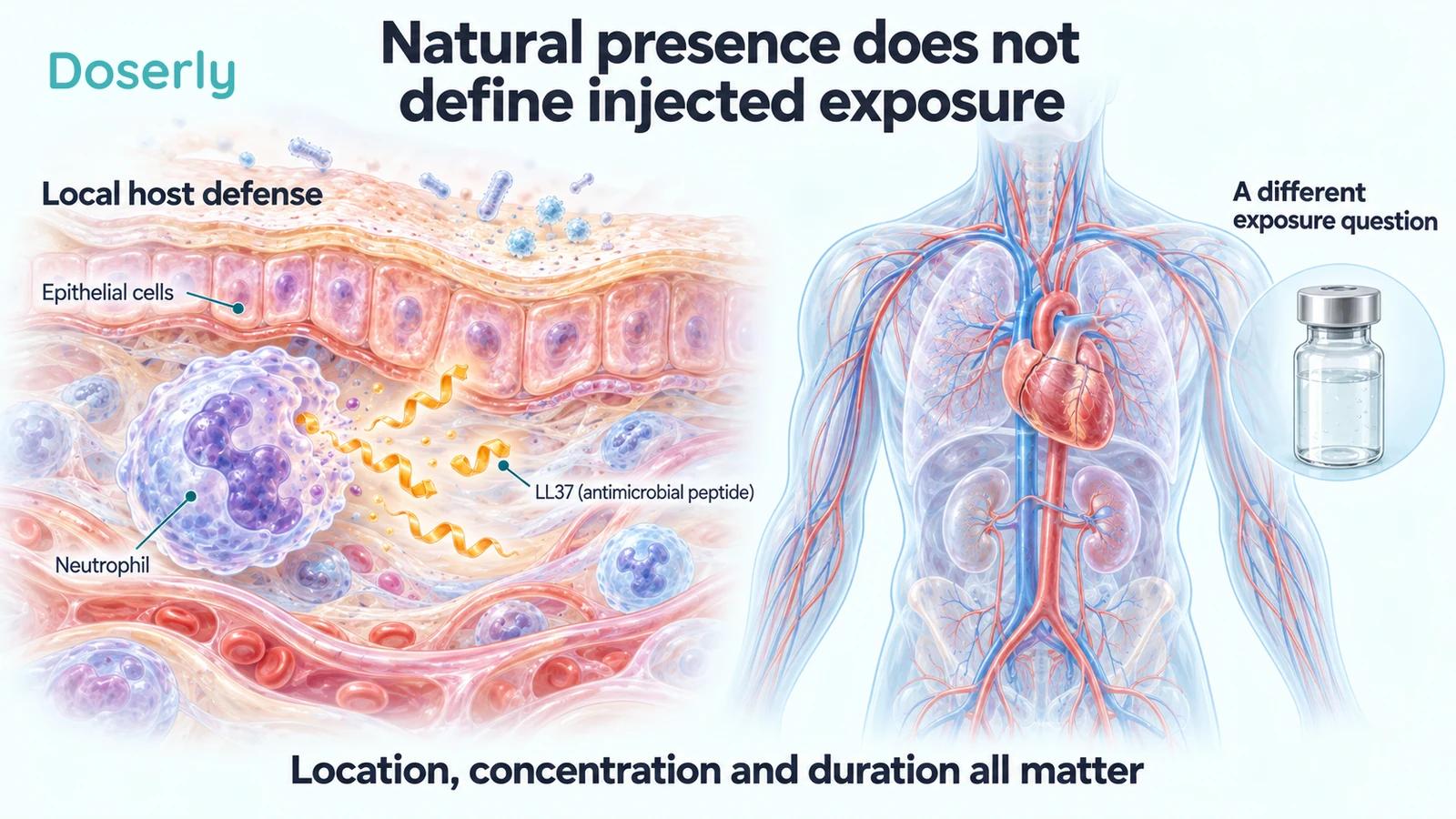
Read articleNatural origin does not establish injection safety. Read the human LL-37 exposure record, product-quality questions and the limits of topical evidence.
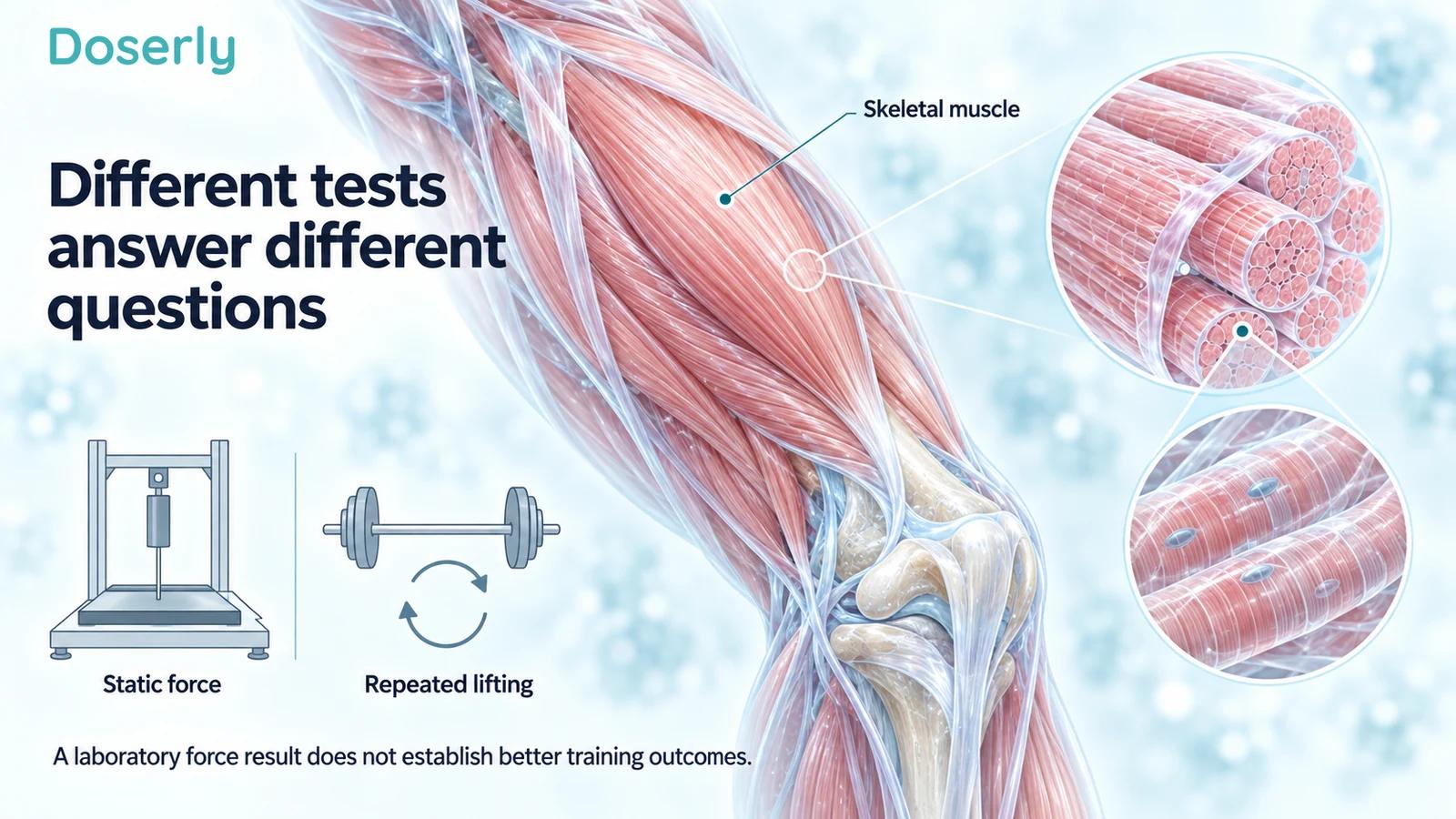
Read articleA formula can increase perceived energy without improving the lifting outcome you care about. Read the evidence by product, endpoint and timescale.
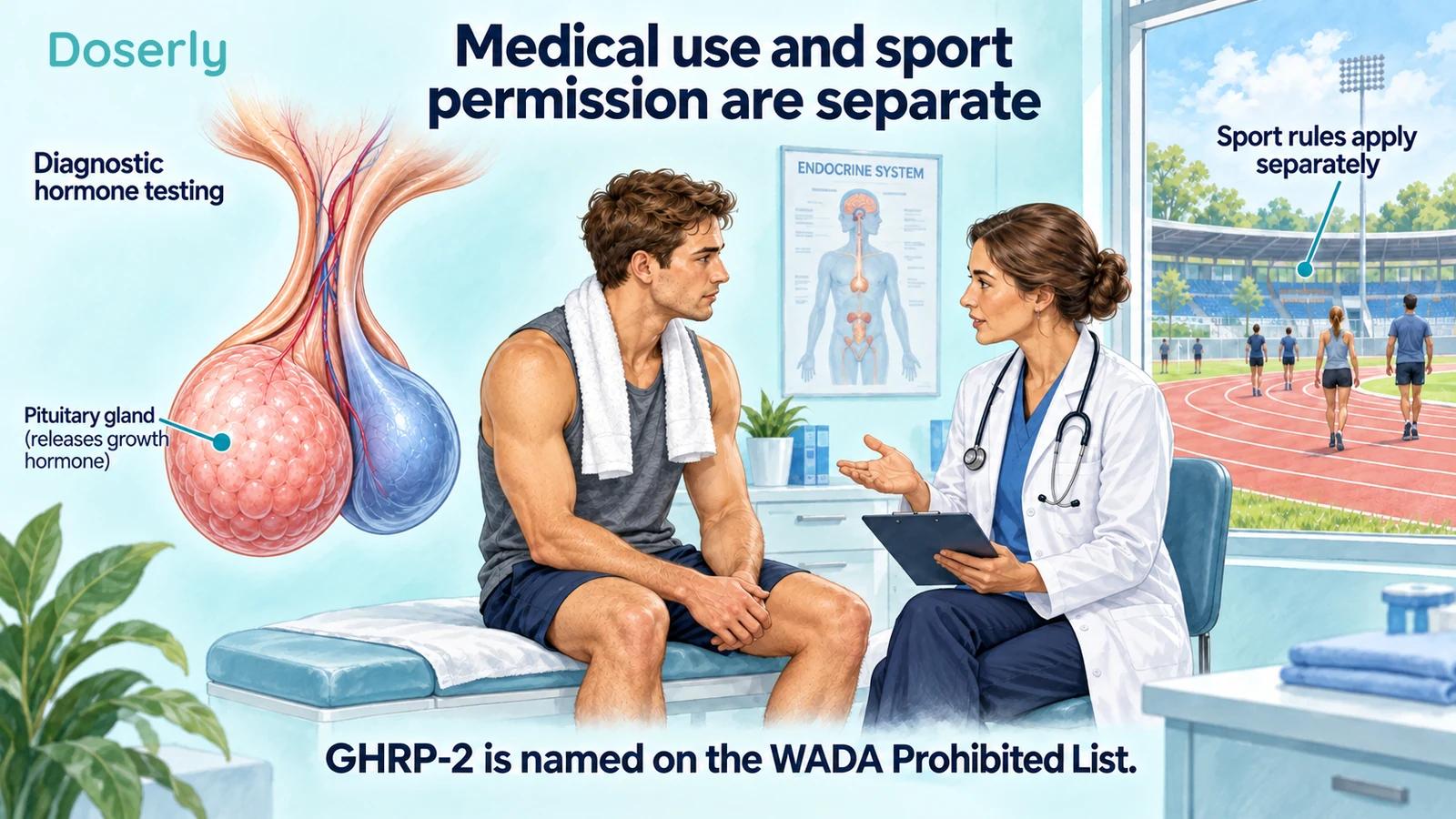
Read articleGHRP-2 is named on the 2026 and published 2027 WADA lists. Clinical use, sporting permission and laboratory detection each answer a different question.
Read articleA nonsignificant result can be informative without proving two treatments identical. Real testosterone trials show how to read the outcome, uncertainty and study design.
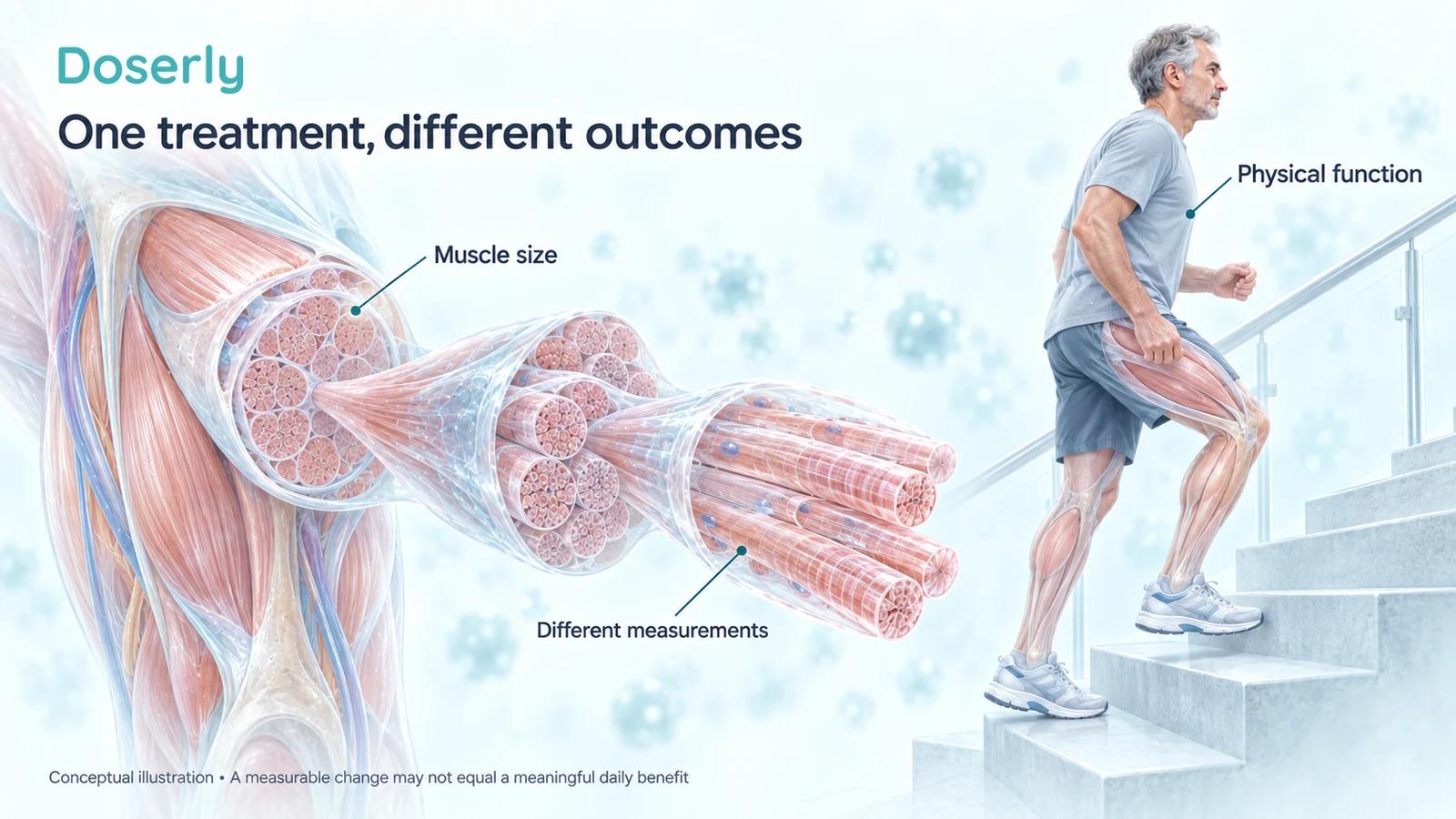
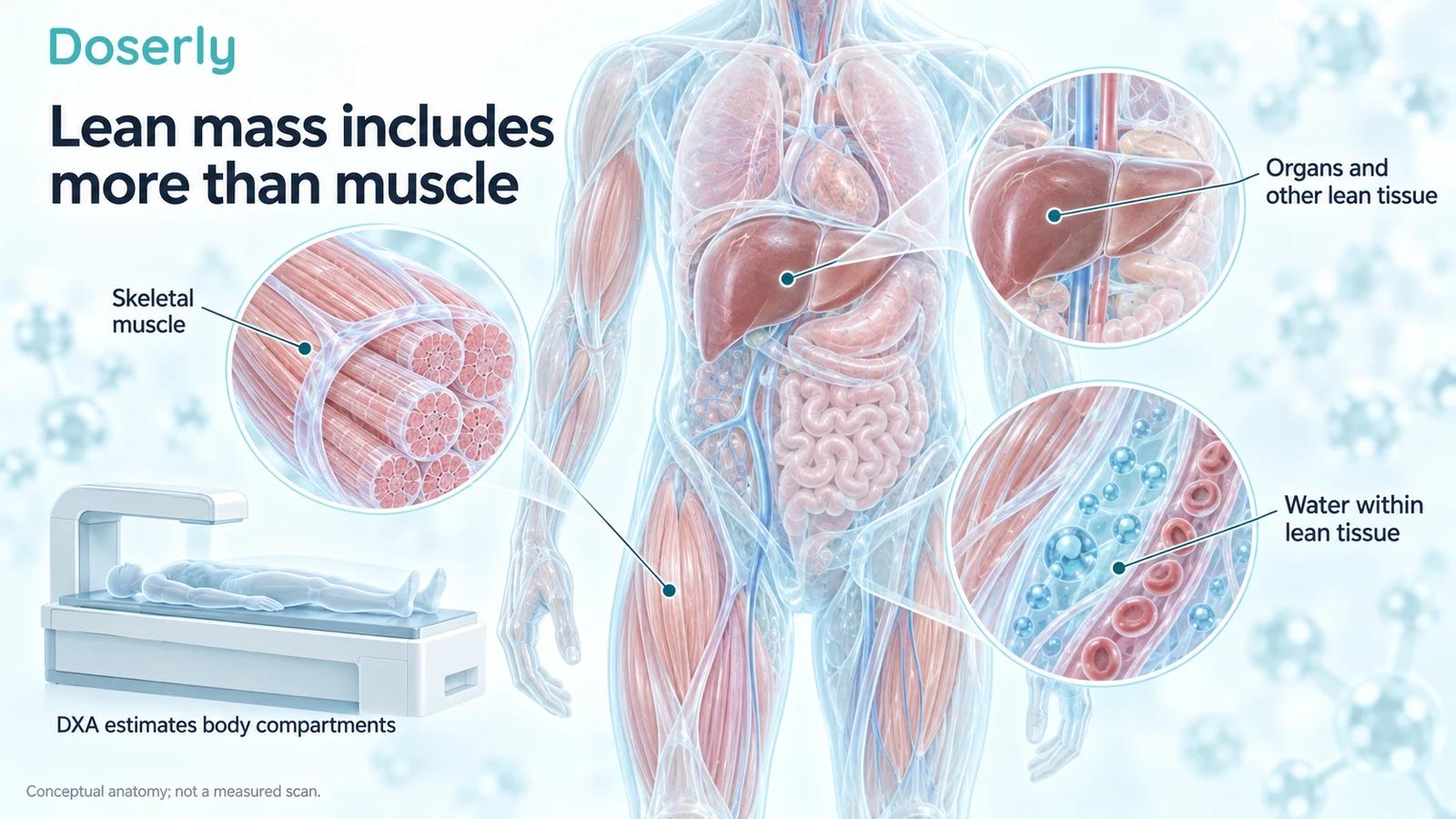
Read articleWhat STEP 1 and other human studies actually measured—and why lean mass, skeletal muscle, body-weight percentages and strength are different outcomes.
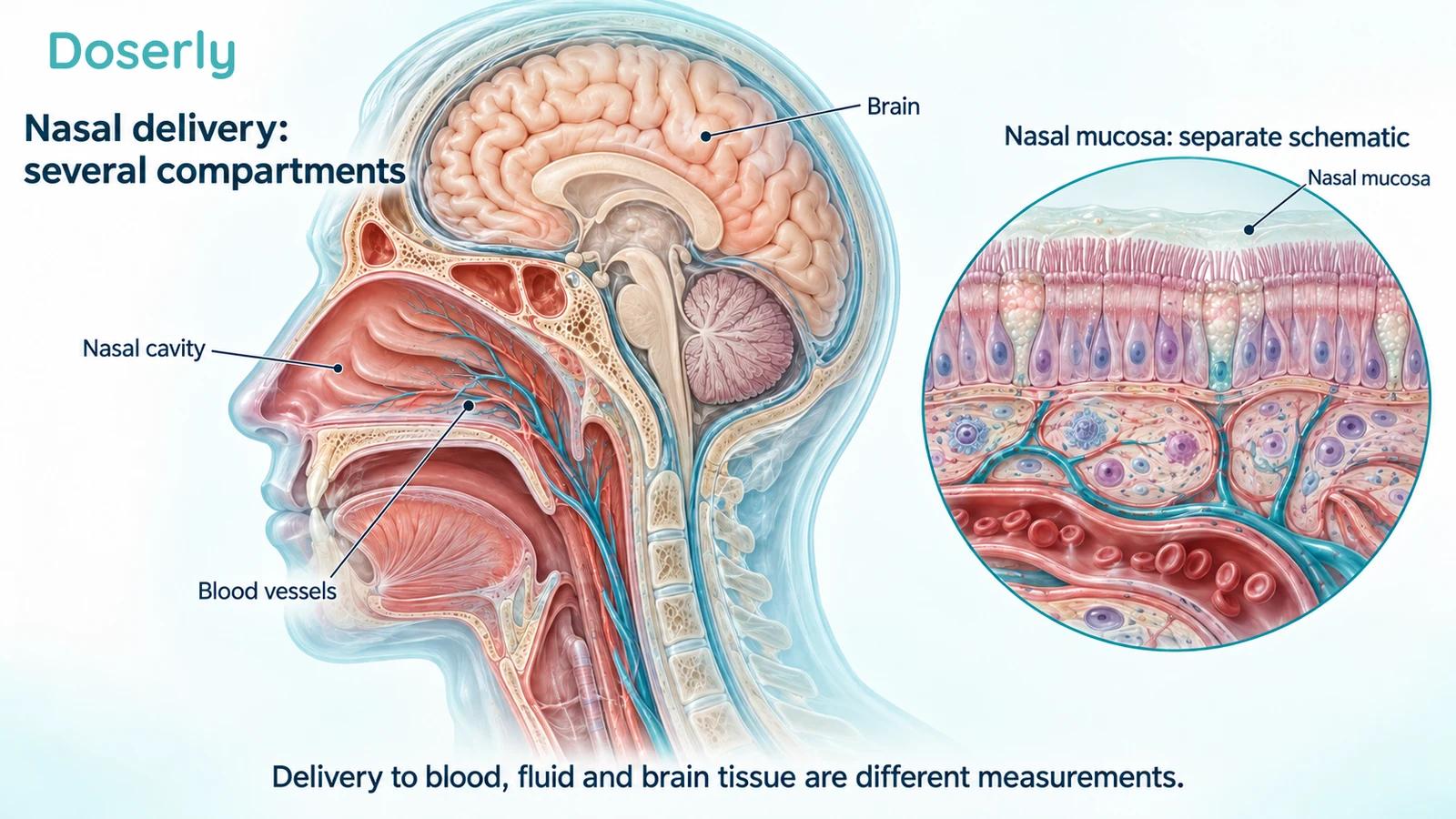
Read articleBlood, cerebrospinal fluid, brain tissue, and patient outcomes answer different questions about nasal oxytocin.
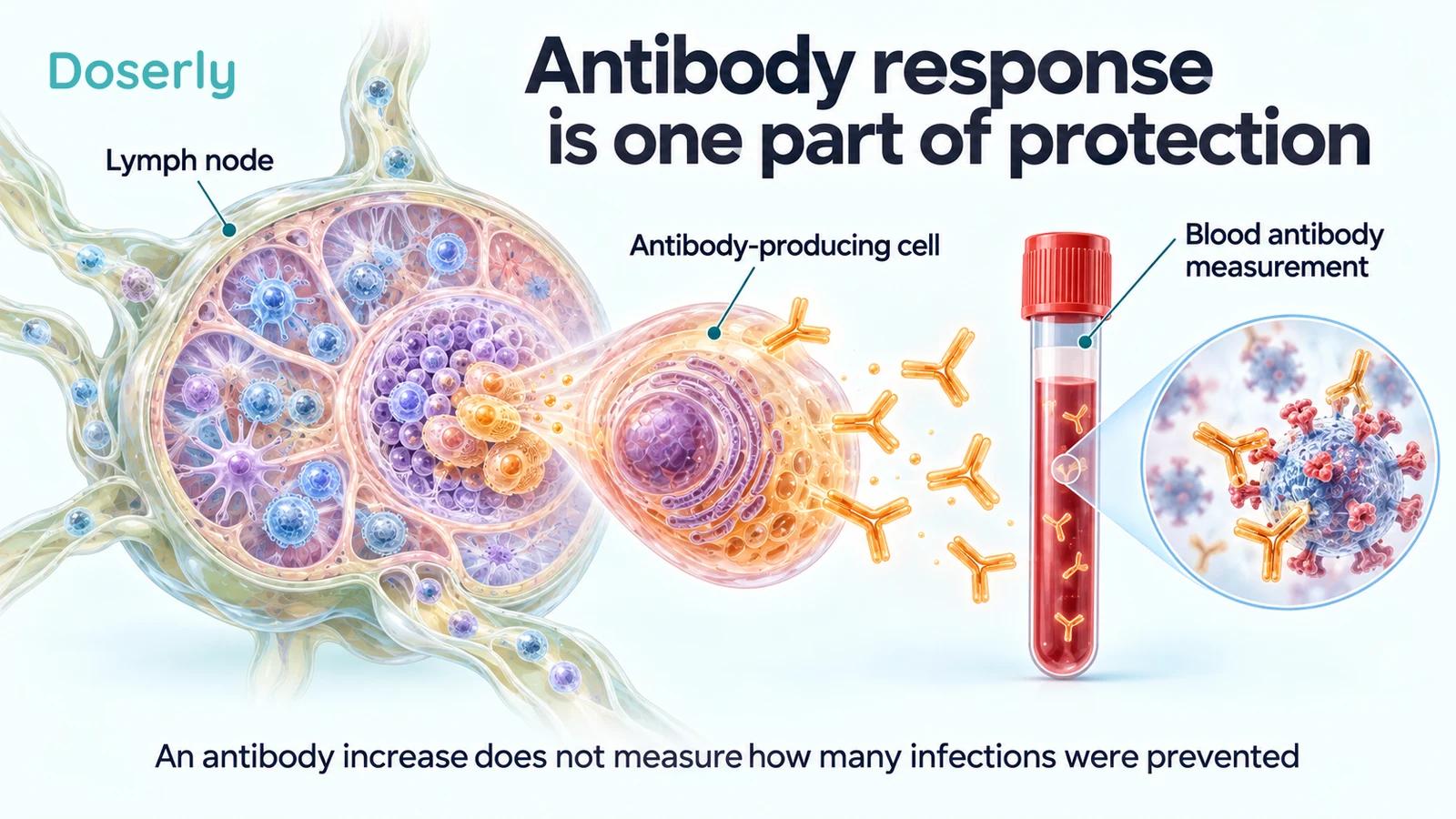
Read articleAntibody findings in vaccine trials are useful, but they do not establish general infection prevention. Explore the human studies and their practical limits.
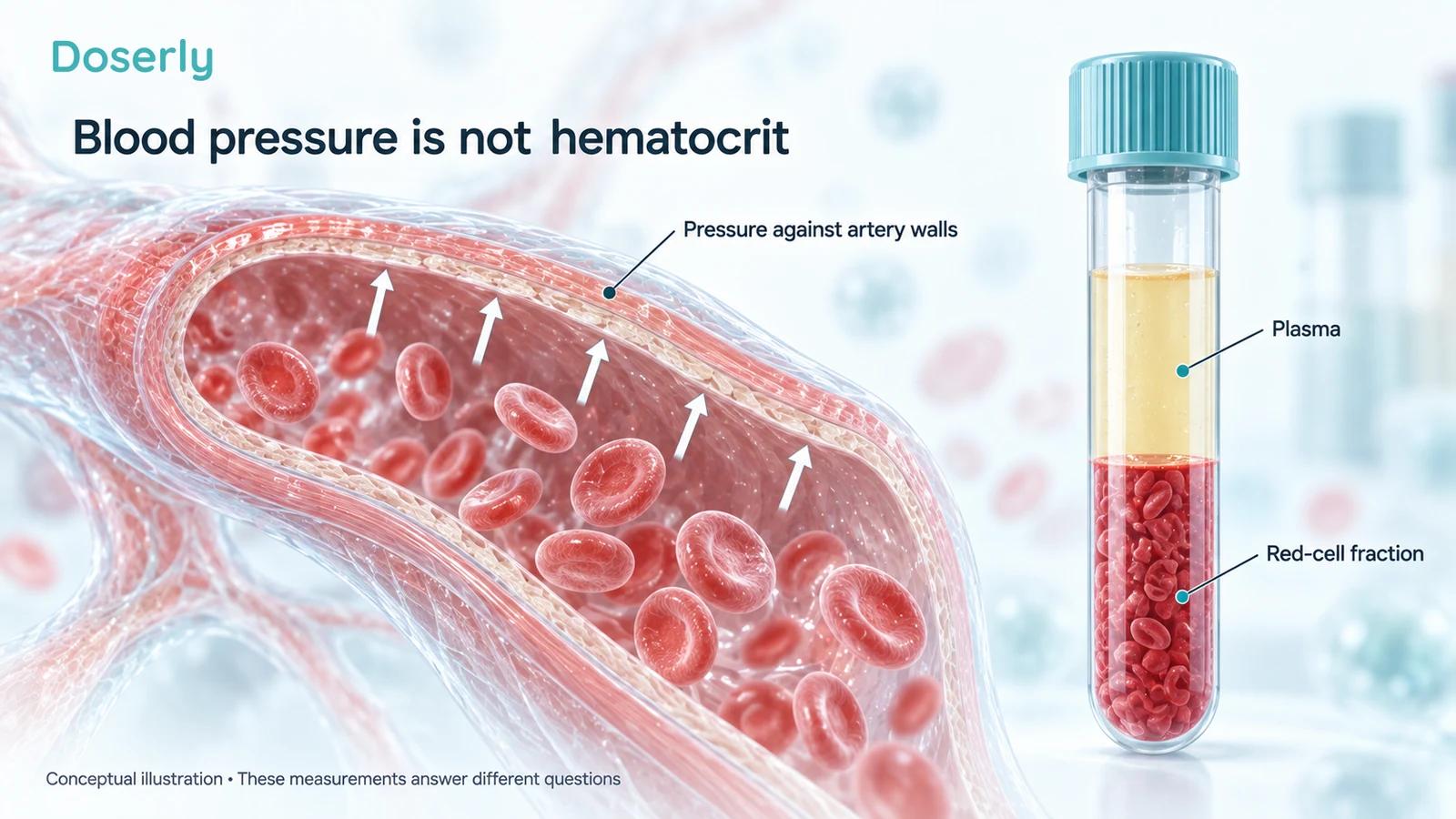
Read articleThe FDA removed cardiovascular boxed-warning language while adding a class-wide blood-pressure warning. That makes careful monitoring more relevant, not less.
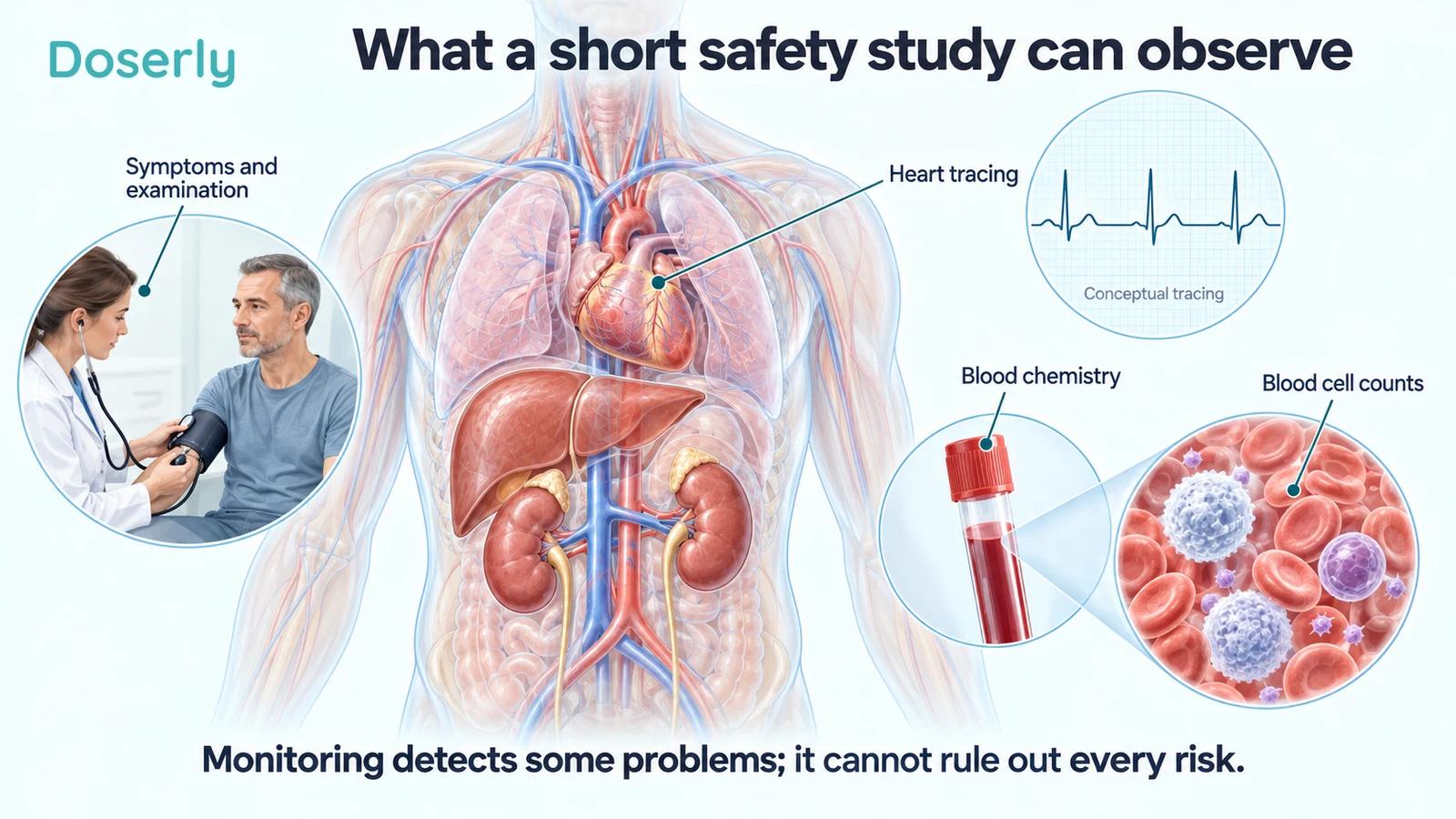
Read articleWhat ARA-290 trials monitored, which serious events were reported, and why short studies cannot settle uncommon or longer-term risks.
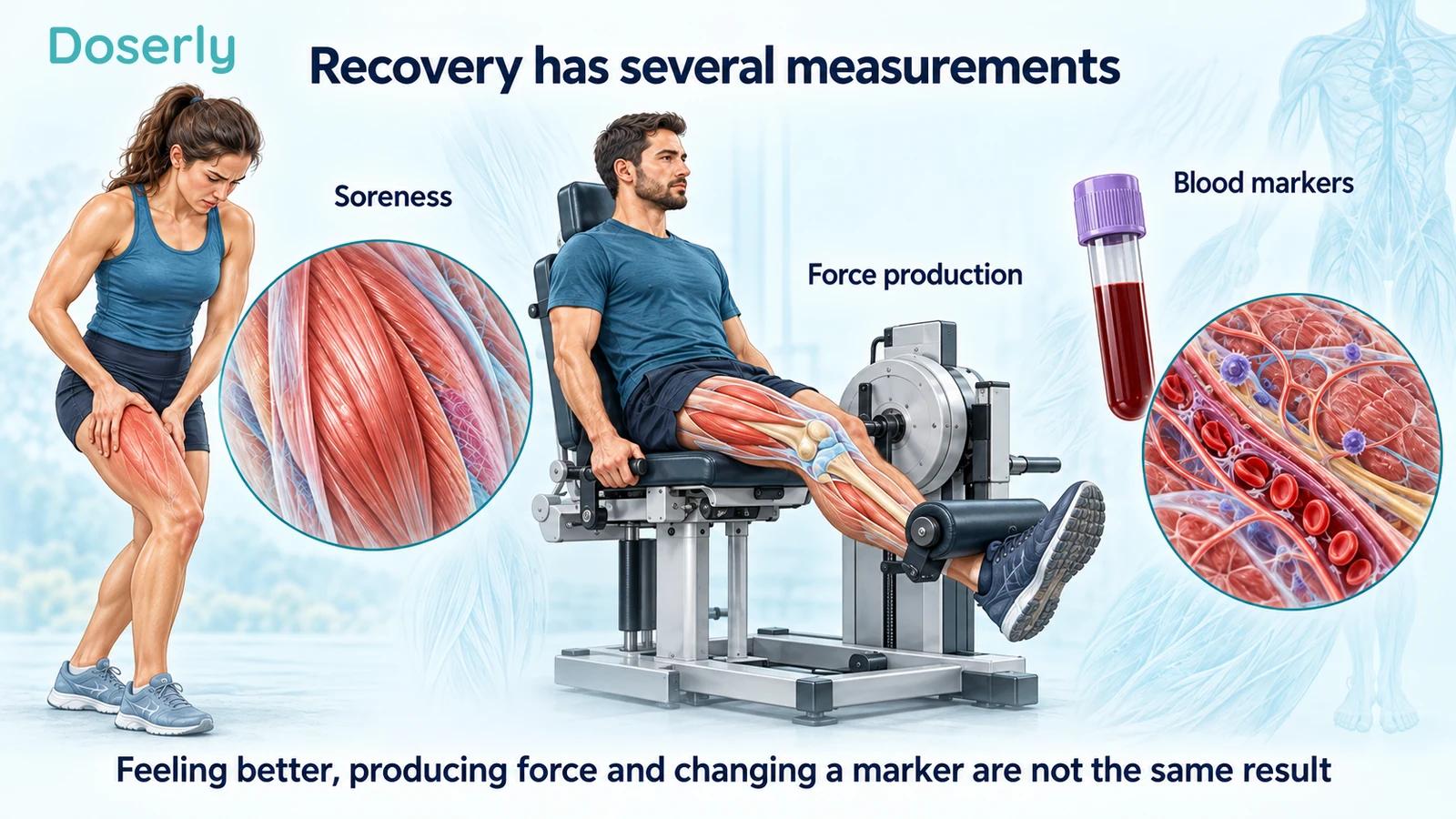
Read articleTart-cherry trials distinguish less pain, faster strength recovery and lower inflammation. None automatically proves better long-term training adaptation.
Read article338–349 of 600 articles