
Sport/Performance Multivitamins: The Complete Supplement Guide
On this page
Quick Reference Card
Attribute
Common Name
- Detail
- Sport/Performance Multivitamin
Attribute
Other Names / Aliases
- Detail
- Athletic Multivitamin, Sports Multi, Performance MVM, Sport Multi, Athlete's Multivitamin/Mineral
Attribute
Category
- Detail
- Vitamin/Mineral Complex (Sport-Targeted)
Attribute
Primary Forms & Variants
- Detail
- Basic sport multi (standard vitamins/minerals at 100% DV with added B vitamins); high-potency sport packs (multi-dose daily packs with elevated antioxidants, electrolytes, and adaptogen blends); greens-based sport multis (whole-food matrices with added superfoods); NSF Certified for Sport formulations (third-party tested for banned substances)
Attribute
Typical Dose Range
- Detail
- 1 tablet/capsule daily (basic); 2-6 tablets/capsules daily (high-potency packs)
Attribute
RDA / AI / UL
- Detail
- No single RDA for a multivitamin; contains multiple nutrients each with individual RDA/AI/UL values. See Chemical & Nutritional Identity section.
Attribute
Common Delivery Forms
- Detail
- Tablet, capsule, softgel, powder, multi-dose pack, gummy
Attribute
Best Taken With / Without Food
- Detail
- Take with food containing dietary fat to enhance absorption of fat-soluble vitamins (A, D, E, K)
Attribute
Key Cofactors
- Detail
- Dietary fat (fat-soluble vitamin absorption); Vitamin C (iron absorption); Vitamin D (calcium absorption); Vitamin K2 (calcium direction)
Attribute
Storage Notes
- Detail
- Store at room temperature in a cool, dry place away from light and moisture. Keep sealed when not in use.
Overview
The Basics
A sport or performance multivitamin is a broad-spectrum supplement designed to cover the vitamin and mineral needs of physically active individuals and athletes. Unlike standard daily multivitamins, sport formulations typically include higher doses of certain nutrients like B vitamins and antioxidants, and many add performance-adjacent extras such as CoQ10, electrolyte minerals, adaptogens, or botanical extracts.
The idea behind these products is straightforward: athletes place greater metabolic demands on their bodies, sweat out more minerals, and break down more tissue during training. In theory, a sport-specific multivitamin fills those elevated needs better than a standard multivitamin would. This makes intuitive sense, and the category has grown into a multi-billion dollar segment of the supplement industry.
The reality is more nuanced. Research consistently shows that athletes who eat a varied, calorie-adequate diet generally meet their vitamin and mineral needs through food alone [1][2]. Where deficiencies do appear, they tend to be specific: vitamin D in indoor athletes during winter, iron in female endurance athletes, or B12 in those following plant-based diets. A blanket sport multivitamin may not address these targeted gaps as effectively as individual supplements chosen based on actual blood work.
That said, sport multivitamins serve a practical role for athletes with inconsistent diets, restricted eating patterns, or heavy training loads that make food planning difficult. The International Society of Sports Nutrition notes that multivitamins offer "strong health benefits, limited ergogenic benefits" for active individuals [3]. The key word there is "limited." No multivitamin, no matter how sport-optimized its label, has been shown to directly improve athletic performance in well-nourished athletes.
The Science
Sport/performance multivitamin/mineral (MVM) supplements lack a standardized regulatory definition. The FDA does not define what constitutes a "multivitamin," and manufacturers independently determine ingredient combinations and concentrations [1]. Sport-targeted formulations typically differentiate themselves from general MVMs through elevated levels of selected nutrients (particularly B-complex vitamins, antioxidants, and select minerals) and the inclusion of non-vitamin/mineral ingredients such as coenzyme Q10, adaptogenic herbs, amino acid derivatives, or electrolyte complexes.
The physiological rationale for sport-specific MVMs rests on documented increases in nutrient turnover during exercise. Athletes demonstrate higher urinary and sweat losses of minerals including sodium, potassium, magnesium, zinc, and iron [2][4]. Exercise increases oxygen consumption and induces oxidative stress through reactive oxygen and nitrogen species (ROS/RNS) production [5]. B-vitamin requirements may increase with exercise due to their roles as cofactors in energy metabolism pathways (thiamine in carbohydrate metabolism, riboflavin in the electron transport chain, B6 in amino acid metabolism, B12 and folate in red blood cell synthesis) [4][6].
However, the evidence for enhanced nutrient requirements in athletes does not translate to evidence for enhanced performance from supplementation. A comprehensive review by Close et al. (2022) established the "food first but not always food only" framework, recommending dietary optimization as the primary strategy with supplementation reserved for confirmed deficiencies or specific clinical situations [7]. The ISSN position stand on dietary antioxidants (2026) specifically cautions that supraphysiological doses of antioxidant vitamins (C, E) may impair beneficial exercise-induced adaptations including mitochondrial biogenesis and muscle fiber hypertrophy [5].
Multiple independent reviews and meta-analyses confirm that multivitamin supplementation in well-nourished athletes does not enhance exercise capacity, strength, power output, or endurance performance [2][4][8]. The consensus position across sports nutrition governing bodies (ISSN, IOC, ACSM, AIS) is that MVMs may support general health in athletes but lack evidence for direct ergogenic effects [3][7][9].
Chemical & Nutritional Identity
Sport/performance multivitamins are multi-component formulations rather than single chemical entities. The table below lists key nutrients typically found in sport formulations with their established daily values for active adults.
Nutrient
Vitamin A
- RDA/AI (Adult)
- 900 mcg RAE (M), 700 mcg RAE (F)
- UL
- 3,000 mcg RAE
- Typical Sport MVM Amount
- 750-1,500 mcg RAE
- Quality Form Indicators
- Mixed carotenoids preferred over retinyl palmitate alone
Nutrient
Vitamin C
- RDA/AI (Adult)
- 90 mg (M), 75 mg (F)
- UL
- 2,000 mg
- Typical Sport MVM Amount
- 100-500 mg
- Quality Form Indicators
- Ascorbic acid; some use buffered forms
Nutrient
Vitamin D3
- RDA/AI (Adult)
- 600 IU (15 mcg); 800 IU (20 mcg) for 71+
- UL
- 4,000 IU (100 mcg)
- Typical Sport MVM Amount
- 1,000-2,000 IU
- Quality Form Indicators
- Cholecalciferol (D3) preferred over ergocalciferol (D2)
Nutrient
Vitamin E
- RDA/AI (Adult)
- 15 mg
- UL
- 1,000 mg
- Typical Sport MVM Amount
- 15-200 IU
- Quality Form Indicators
- d-alpha-tocopherol (natural); mixed tocopherols preferred
Nutrient
Vitamin K
- RDA/AI (Adult)
- AI: 120 mcg (M), 90 mcg (F)
- UL
- Not established
- Typical Sport MVM Amount
- 80-120 mcg
- Quality Form Indicators
- MK-7 (K2) alongside phytonadione (K1)
Nutrient
Thiamine (B1)
- RDA/AI (Adult)
- 1.2 mg (M), 1.1 mg (F)
- UL
- Not established
- Typical Sport MVM Amount
- 5-50 mg
- Quality Form Indicators
- Thiamine HCl or benfotiamine
Nutrient
Riboflavin (B2)
- RDA/AI (Adult)
- 1.3 mg (M), 1.1 mg (F)
- UL
- Not established
- Typical Sport MVM Amount
- 5-50 mg
- Quality Form Indicators
- Riboflavin-5-phosphate (active form)
Nutrient
Niacin (B3)
- RDA/AI (Adult)
- 16 mg NE (M), 14 mg NE (F)
- UL
- 35 mg (supplements)
- Typical Sport MVM Amount
- 20-50 mg NE
- Quality Form Indicators
- Niacinamide (no-flush)
Nutrient
Vitamin B6
- RDA/AI (Adult)
- 1.3 mg (19-50); 1.7 mg (M 51+)
- UL
- 100 mg
- Typical Sport MVM Amount
- 5-50 mg
- Quality Form Indicators
- Pyridoxal-5-phosphate (P5P) preferred
Nutrient
Folate (B9)
- RDA/AI (Adult)
- 400 mcg DFE
- UL
- 1,000 mcg synthetic
- Typical Sport MVM Amount
- 400-800 mcg DFE
- Quality Form Indicators
- 5-MTHF (methylfolate) preferred over folic acid
Nutrient
Vitamin B12
- RDA/AI (Adult)
- 2.4 mcg
- UL
- Not established
- Typical Sport MVM Amount
- 50-500 mcg
- Quality Form Indicators
- Methylcobalamin preferred over cyanocobalamin
Nutrient
Biotin (B7)
- RDA/AI (Adult)
- AI: 30 mcg
- UL
- Not established
- Typical Sport MVM Amount
- 100-300 mcg
- Quality Form Indicators
- D-biotin
Nutrient
Pantothenic Acid (B5)
- RDA/AI (Adult)
- AI: 5 mg
- UL
- Not established
- Typical Sport MVM Amount
- 10-50 mg
- Quality Form Indicators
- Calcium pantothenate
Nutrient
Calcium
- RDA/AI (Adult)
- 1,000-1,200 mg
- UL
- 2,500 mg
- Typical Sport MVM Amount
- 50-200 mg
- Quality Form Indicators
- Calcium citrate (better absorbed); never at full RDA
Nutrient
Iron
- RDA/AI (Adult)
- 8 mg (M), 18 mg (F premenopausal)
- UL
- 45 mg
- Typical Sport MVM Amount
- 0-18 mg
- Quality Form Indicators
- Iron bisglycinate (tolerable); many sport multis are iron-free
Nutrient
Magnesium
- RDA/AI (Adult)
- 400-420 mg (M), 310-320 mg (F)
- UL
- 350 mg (supplements)
- Typical Sport MVM Amount
- 50-100 mg
- Quality Form Indicators
- Magnesium glycinate or citrate; never at full RDA
Nutrient
Zinc
- RDA/AI (Adult)
- 11 mg (M), 8 mg (F)
- UL
- 40 mg
- Typical Sport MVM Amount
- 11-30 mg
- Quality Form Indicators
- Zinc picolinate or bisglycinate
Nutrient
Selenium
- RDA/AI (Adult)
- 55 mcg
- UL
- 400 mcg
- Typical Sport MVM Amount
- 50-200 mcg
- Quality Form Indicators
- Selenomethionine
Nutrient
Chromium
- RDA/AI (Adult)
- AI: 35 mcg (M), 25 mcg (F)
- UL
- Not established
- Typical Sport MVM Amount
- 100-200 mcg
- Quality Form Indicators
- Chromium picolinate
Nutrient
Iodine
- RDA/AI (Adult)
- 150 mcg
- UL
- 1,100 mcg
- Typical Sport MVM Amount
- 75-150 mcg
- Quality Form Indicators
- Potassium iodide
Note: No multivitamin can contain full RDA amounts of calcium, magnesium, phosphorus, potassium, or sodium. These bulk minerals require separate supplementation if needed. Sport multivitamins often add electrolyte-level amounts of sodium and potassium that are insufficient for exercise replacement [1].
Common sport-specific additions (not standard vitamins/minerals):
- CoQ10 (ubiquinone/ubiquinol): 30-100 mg
- Alpha-lipoic acid: 50-200 mg
- Lutein and lycopene: 1-6 mg
- Adaptogenic herbs (ashwagandha, rhodiola): variable, often sub-clinical doses
- Digestive enzymes
- Electrolyte blends
Mechanism of Action
The Basics
A sport multivitamin doesn't work through a single mechanism the way a targeted supplement like creatine or caffeine does. Instead, it provides raw materials that your body uses in hundreds of different processes. Think of it as restocking a workshop with basic supplies rather than buying a specific power tool.
B vitamins, for example, are part of the machinery that converts food into usable energy. When you train hard, your body runs through these vitamins faster. If your supplies run low, energy production becomes less efficient, like trying to run an assembly line with missing parts. Restoring adequate levels brings the process back to normal, but adding more than your body needs does not speed the line up further.
Minerals like iron, zinc, and magnesium each have their own roles. Iron carries oxygen in your blood. Zinc supports immune function and helps repair tissue after training. Magnesium is involved in muscle contraction, nerve signaling, and sleep quality. For athletes, sweat losses of these minerals can be significant, particularly during high-volume or hot-weather training.
The antioxidant vitamins (C and E) present an interesting wrinkle for athletes. While they protect cells from damage, recent research suggests that the mild stress your muscles experience during exercise is actually beneficial. It triggers your body to build stronger, more efficient muscle fibers. Flooding the system with extra antioxidants may blunt this adaptive response, which is why sports nutrition experts now advise caution with high-dose antioxidant supplementation during training periods [5].
The Science
The functional contributions of individual vitamins and minerals within sport MVM formulations operate through distinct biochemical pathways:
Energy Metabolism Cofactors: Thiamine (vitamin B1) serves as a cofactor for pyruvate dehydrogenase and alpha-ketoglutarate dehydrogenase in carbohydrate metabolism. Riboflavin (B2) functions within FAD-dependent enzymes of the electron transport chain. Niacin (B3) operates as NAD+/NADH in glycolysis, the citric acid cycle, and oxidative phosphorylation. Pantothenic acid (B5) is a component of coenzyme A, essential for fatty acid oxidation. Vitamin B6 (as pyridoxal-5-phosphate) is required for glycogen phosphorylase activity and amino acid transamination [4][6].
Oxygen Transport and Hematological Function: Iron is required for hemoglobin and myoglobin synthesis, directly affecting oxygen delivery to exercising muscle. Folate and vitamin B12 are essential for erythropoiesis, with deficiency producing megaloblastic anemia that impairs exercise capacity [4][10].
Redox Biology and Exercise Adaptation: Exercise-induced ROS/RNS production serves signaling functions essential for training adaptations, including activation of PGC-1alpha (regulating mitochondrial biogenesis), NF-kB (immune function), and Nrf2 (endogenous antioxidant defense) transcription factors [5]. Exogenous antioxidant supplementation at supraphysiological doses (e.g., 1,000 mg vitamin C + 235 mg vitamin E daily) has been shown to blunt these adaptive signaling cascades. In a randomized trial of 54 subjects undergoing endurance training, antioxidant supplementation significantly reduced biochemical markers of mitochondrial biogenesis without improving VO2max [11]. A parallel study in 32 subjects following strength training found antioxidant supplements reduced arm strength gains despite not affecting muscle hypertrophy [12].
Musculoskeletal Support: Vitamin D regulates calcium homeostasis through intestinal absorption, renal reabsorption, and bone mobilization. Vitamin D receptor (VDR) expression in skeletal muscle tissue has been demonstrated, with vitamin D status correlated with muscle function parameters in observational studies [13]. Magnesium is essential for over 300 enzymatic reactions including Na+/K+-ATPase activity critical for neuromuscular transmission [14].
Absorption & Bioavailability
The Basics
How much of a multivitamin your body actually absorbs depends on several factors, and sport multivitamins are no different from standard multivitamins in this regard.
Fat-soluble vitamins (A, D, E, K) need dietary fat to be absorbed effectively. Taking your sport multi with a meal that contains some fat, even a tablespoon of olive oil or a handful of nuts, makes a meaningful difference. Water-soluble vitamins (C and B vitamins) are absorbed more easily but also cleared from the body faster, which is why some sport multivitamins use time-release formulations.
The form of each mineral matters significantly. Magnesium oxide, a cheap form commonly found in budget multivitamins, is absorbed at roughly 4-10% efficiency. Magnesium glycinate or citrate absorbs at rates 2-3 times higher. Similarly, iron bisglycinate causes less stomach upset and absorbs better than ferrous sulfate. Quality sport multivitamins tend to use these better-absorbed forms, which partly justifies their higher price point.
One important limitation: minerals compete with each other for absorption. Calcium and iron, for example, use some of the same transport pathways. When they arrive in the gut simultaneously (as they do in any multivitamin containing both), each reduces the other's absorption. This is one reason some practitioners argue that targeted individual supplements may be more effective than a single multi-tablet [14].
The Science
Bioavailability of individual nutrients within MVM formulations is influenced by chemical form, matrix interactions, food co-ingestion, and inter-nutrient competition:
Form-Dependent Absorption: Organic mineral salts (citrate, glycinate, bisglycinate, picolinate) demonstrate 20-30% higher fractional absorption compared to inorganic forms (oxide, sulfate, carbonate) in human pharmacokinetic studies. This is attributed to higher solubility at intestinal pH and reduced susceptibility to inhibitory factors [14].
Fat-Soluble Vitamin Absorption: Vitamins A, D, E, and K require micellar solubilization by bile salts for absorption. Co-ingestion with dietary fat (as little as 5-10 g) significantly enhances absorption. Vitamin D3 (cholecalciferol) demonstrates superior bioavailability versus D2 (ergocalciferol), with D3 producing approximately 87% higher serum 25(OH)D per unit dose in comparative studies [13].
Mineral Competition: Divalent cations (Ca2+, Mg2+, Zn2+, Fe2+) compete for shared absorption pathways including DMT-1 (divalent metal transporter 1). High-dose calcium supplementation (>500 mg) reduces iron absorption by 30-50% when consumed simultaneously. Zinc and copper exhibit mutual antagonism at the absorptive level through metallothionein induction [14].
B-Vitamin Bioavailability: Active coenzyme forms (P5P for B6, methylcobalamin for B12, 5-MTHF for folate, riboflavin-5-phosphate for B2) bypass hepatic conversion steps required by their inactive counterparts. For individuals with MTHFR polymorphisms (estimated 30-40% of the population carries at least one variant), 5-MTHF may provide meaningfully superior folate utilization compared to synthetic folic acid [15].
Research & Clinical Evidence
The Basics
The research on sport multivitamins for athletic performance can be summarized in one sentence: they do not make well-nourished athletes perform better.
This is not controversial. Multiple reviews spanning decades have reached the same conclusion. The Irish Sports Council, the American College of Sports Medicine, the International Olympic Committee, and the Australian Institute of Sport all agree: unless you have a specific nutrient deficiency, a multivitamin will not improve your speed, strength, endurance, or power output [3][7][8][9].
What multivitamins can do is correct deficiencies that would otherwise impair performance. Vitamin D deficiency, for instance, is common among athletes who train indoors or live at high latitudes, and restoring adequate levels has been associated with improved musculoskeletal health and possibly reduced injury risk [13]. Iron-deficient female athletes who restore their iron status may see measurable improvements in work capacity [10]. But these benefits come from correcting a deficit, not from adding more on top of adequacy.
There is also a growing body of evidence suggesting that high-dose antioxidant vitamins in sport multivitamins may actually undermine training adaptations. A study of 54 athletes found that daily supplementation with 1,000 mg vitamin C and 235 mg vitamin E for 11 weeks during endurance training reduced markers of beneficial mitochondrial adaptation compared to placebo, without improving performance [11].
For general health (as opposed to performance), the picture is slightly more positive. A 2013 meta-analysis found that multivitamins produced mild improvements in anxiety, stress, fatigue, and mental clarity in healthy adults, though improvements in depression did not reach statistical significance [16]. The cognitive benefits appear most pronounced in older adults, where 1-3 years of multivitamin use has been linked to improved memory and cognitive function [1].
The Science
Performance Outcomes: A systematic review and meta-analysis examining dietary supplements in elite athletes (n=928 across 46 studies) found that performance-enhancing efficacy is highly supplement-specific. Caffeine (3-6 mg/kg), creatine, and beta-alanine demonstrated consistent performance benefits, while broad-spectrum micronutrient supplementation did not produce significant ergogenic effects [8]. The ISSN tactical athlete nutrition position stand rates multivitamins as having "strong health benefits, limited ergogenic benefits" [3].
Antioxidant Interference with Adaptation: Ristow et al. demonstrated in an RCT that supplementation with vitamin C (1,000 mg/day) and vitamin E (400 IU/day) for 4 weeks prevented exercise-induced increases in insulin sensitivity and markers of endogenous antioxidant defense (SOD, GPx), suggesting that ROS serve as necessary signaling molecules for metabolic adaptation to exercise [17]. Morrison et al. (2015) extended these findings, showing that 6 weeks of antioxidant MVM supplementation reduced improvements in VO2max among 54 amateur athletes compared to placebo [11].
Deficiency Correction Benefits: Iron supplementation in athletes with documented iron-deficiency anemia consistently improves work capacity, with improvements in VO2max of 5-15% following normalization of hemoglobin levels [10]. Vitamin D repletion (from deficient <20 ng/mL to sufficient >30 ng/mL) has been associated with improvements in lower-extremity muscle strength and reduced stress fracture risk in military recruit populations [13][18].
Mental Health and Cognitive Outcomes: A meta-analysis of 10 clinical trials (Long & Benton, 2013) found that multivitamin supplementation in non-clinical populations produced small but significant improvements in perceived stress (SMD = -0.27), mild anxiety (SMD = -0.32), and fatigue, with higher B-vitamin doses yielding more pronounced effects [16]. The COSMOS-Mind trial (2022) reported that daily multivitamin use for 3 years significantly slowed cognitive decline in adults aged 65+ compared to placebo [19].
Evidence & Effectiveness Matrix
Category
Energy Levels
- Evidence Strength
- 5/10
- Reported Effectiveness
- 4/10
- Summary
- B vitamins support energy metabolism as cofactors, but supplementation does not enhance energy in non-deficient individuals. Community reports are mixed.
Category
Physical Performance
- Evidence Strength
- 3/10
- Reported Effectiveness
- 3/10
- Summary
- Multiple reviews confirm no ergogenic benefit from MVM supplementation in well-nourished athletes. Community consensus aligns with research.
Category
Recovery & Healing
- Evidence Strength
- 4/10
- Reported Effectiveness
- 4/10
- Summary
- Limited evidence for general MVM contribution to recovery. Individual nutrients (iron, vitamin D) may support recovery when deficient.
Category
Immune Function
- Evidence Strength
- 5/10
- Reported Effectiveness
- 5/10
- Summary
- Moderate evidence that correcting micronutrient deficiencies supports immune function. MVMs serve as "nutritional insurance" during heavy training blocks.
Category
Mood & Wellbeing
- Evidence Strength
- 5/10
- Reported Effectiveness
- 4/10
- Summary
- Meta-analysis shows small improvements in stress, anxiety, and fatigue from MVM use. Effects modest and most pronounced with higher B-vitamin doses.
Category
Focus & Mental Clarity
- Evidence Strength
- 4/10
- Reported Effectiveness
- 3/10
- Summary
- Limited direct evidence for cognitive benefits from sport MVMs. Better evidence exists for individual nutrients (omega-3, B12) and in elderly populations.
Category
Sleep Quality
- Evidence Strength
- 3/10
- Reported Effectiveness
- 3/10
- Summary
- No direct evidence linking sport MVM use to sleep improvement. Magnesium and vitamin D individually show more promise.
Category
Bone Health
- Evidence Strength
- 6/10
- Reported Effectiveness
- N/A
- Summary
- Calcium + vitamin D + vitamin K2 support bone mineral density. Relevant for female athletes and those at stress fracture risk. Community data not yet collected.
Category
Side Effect Burden
- Evidence Strength
- 7/10
- Reported Effectiveness
- 6/10
- Summary
- Generally well-tolerated at recommended doses. Low side effect profile. Primary concerns are GI discomfort and interactions at high doses.
Category
Treatment Adherence
- Evidence Strength
- 5/10
- Reported Effectiveness
- 5/10
- Summary
- Multi-pill sport packs have lower adherence than single-tablet formulations. Cost is a barrier for premium sport MVMs.
Categories scored: 10
Categories with community data: 8
Categories not scored (insufficient data): Fat Loss, Muscle Growth, Weight Management, Appetite & Satiety, Food Noise, Memory & Cognition, Anxiety, Stress Tolerance, Motivation & Drive, Emotional Aliveness, Emotional Regulation, Libido, Sexual Function, Joint Health, Inflammation, Pain Management, Gut Health, Digestive Comfort, Nausea & GI Tolerance, Skin Health, Hair Health, Heart Health, Blood Pressure, Heart Rate & Palpitations, Hormonal Symptoms, Temperature Regulation, Fluid Retention, Body Image, Longevity & Neuroprotection, Cravings & Impulse Control, Social Connection, Withdrawal Symptoms, Daily Functioning
Benefits & Potential Effects
The Basics
The benefits of a sport multivitamin are best understood as protective rather than enhancing. The primary value is filling nutritional gaps that could otherwise impair health and, indirectly, training capacity. For athletes who eat well, these gaps may be minimal. For those with inconsistent diets, travel schedules, weight cuts, or restrictive eating patterns, the gaps can be significant.
The most clearly supported benefits include maintaining adequate vitamin D status (relevant to bone health, immune function, and possibly muscle function), supporting iron status in female athletes and endurance athletes prone to exercise-induced iron loss, and ensuring sufficient B-vitamin availability for energy metabolism during periods of high training volume.
Beyond deficiency correction, there is modest evidence that multivitamin use may slightly reduce self-reported stress, anxiety, and mental fatigue in healthy adults. These effects are small but consistent enough across studies to be noteworthy, particularly for athletes managing high psychological demands alongside physical training.
What sport multivitamins do not do is directly improve performance. They will not make you faster, stronger, or more powerful if your nutrient status is already adequate. Supplements with documented ergogenic effects (creatine, caffeine, beta-alanine, sodium bicarbonate) work through specific mechanisms entirely unrelated to the general micronutrient coverage a multivitamin provides [8].
The Science
Documented benefits supported by evidence:
- Nutritional adequacy maintenance: MVM use increases total nutrient intakes, reducing the probability of subclinical deficiency across multiple micronutrients simultaneously [1][2]. NHANES data confirm that MVM users have higher mean daily intakes of most vitamins and minerals compared to nonusers.
- Vitamin D repletion support: Given the high prevalence of vitamin D inadequacy among athletes (estimated 56% with levels <32 ng/mL in one meta-analysis), the 1,000-2,000 IU typically included in sport MVMs contributes meaningfully to D3 repletion, particularly during winter months or for indoor-sport athletes [13].
- Psychological well-being: The Long & Benton (2013) meta-analysis reported significant reductions in perceived stress and mild anxiety with MVM supplementation, with effects modulated by B-vitamin dose. The proposed mechanism involves B-vitamin roles in neurotransmitter synthesis (serotonin, dopamine, GABA) and homocysteine metabolism [16].
- Cognitive maintenance in aging athletes: The COSMOS-Mind trial demonstrated slowed cognitive decline over 3 years of daily MVM use in adults 65+, a finding relevant to masters-level athletes [19].
- Iron status support: For sport MVMs containing iron (8-18 mg as bisglycinate), concurrent inclusion of vitamin C enhances non-heme iron absorption through reduction of ferric to ferrous iron and chelation in the acidic gastric environment [10].
Reading about potential benefits gives you a framework. Seeing whether those benefits are showing up in your own body turns knowledge into confidence. Doserly lets you track the specific health markers relevant to this supplement, building a personal dataset that captures what's actually changing week over week.
The app's AI analytics go further than simple logging. By correlating your supplement intake with the biomarkers and health outcomes you're tracking, Doserly surfaces patterns you might miss on your own, like whether a dose adjustment three weeks ago corresponds to the improvement you're noticing now. When it's time to evaluate whether a supplement is earning its place in your stack, you have your own data to guide the decision.
Capture changes while they are still fresh.
Log symptoms, energy, sleep, mood, and other observations alongside protocol events so patterns do not live only in memory.
Trend view
Symptom timeline
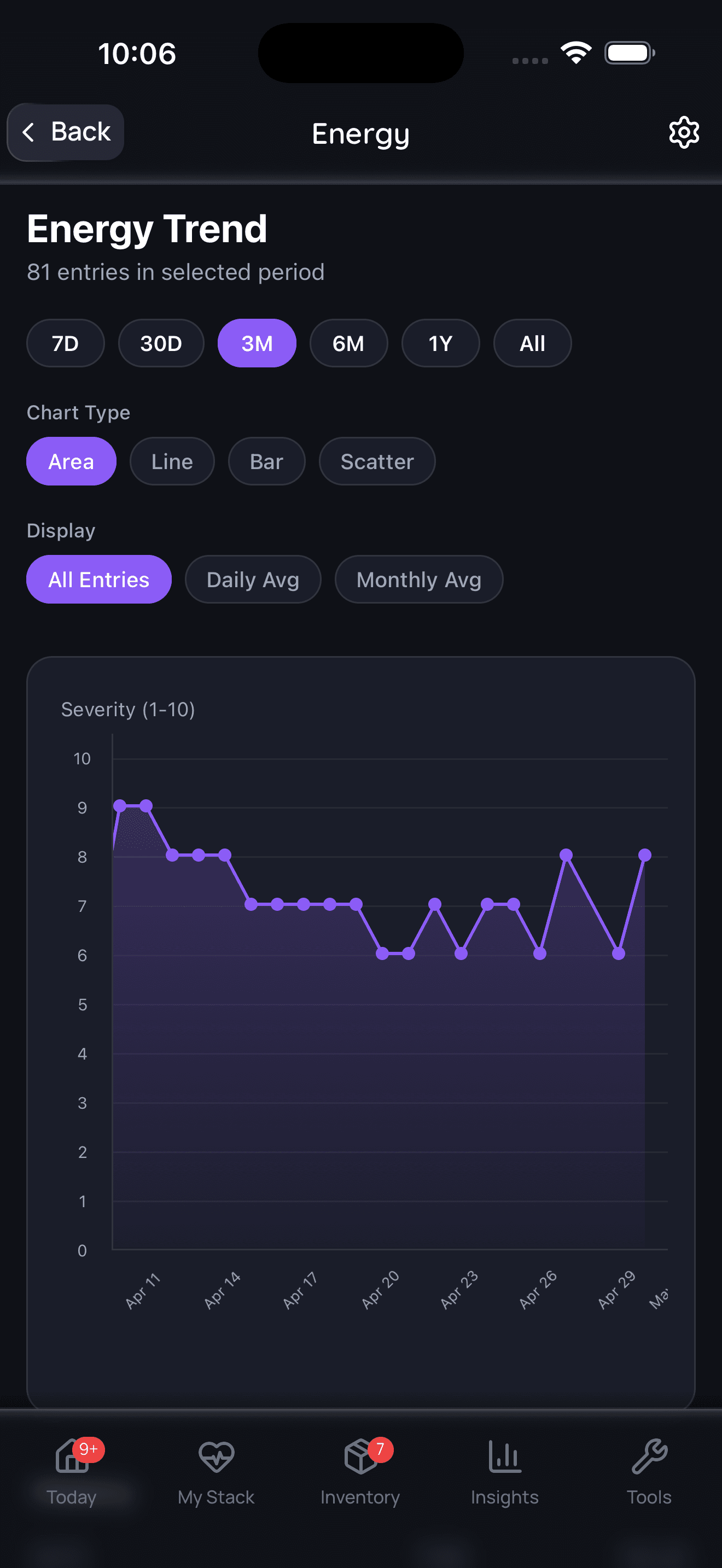
Symptom tracking is informational and should be interpreted with a qualified clinician.
Side Effects & Safety
The Basics
Sport multivitamins are generally well-tolerated when taken as directed. The most common complaint is mild stomach upset, particularly when taken on an empty stomach or when iron-containing formulas are used. Taking the supplement with food typically resolves this.
The more nuanced safety concern for athletes relates to antioxidant dosing. Many sport multivitamins contain elevated levels of vitamins C and E under the assumption that athletes need extra antioxidant protection. Current evidence suggests this assumption may be counterproductive. The oxidative stress generated during exercise serves as a training signal that drives beneficial adaptations. High-dose antioxidant supplementation may dampen these signals, potentially reducing the training benefit from the same workout [5][11][12].
Other safety considerations include the risk of exceeding Upper Tolerable Intake Levels (ULs) when a sport multivitamin is combined with additional individual supplements and fortified foods. This is most concerning for:
- Vitamin A: Excess retinol (>3,000 mcg RAE/day) can cause liver toxicity; beta-carotene in high doses is associated with increased lung cancer risk in smokers [1]
- Iron: Excess intake (>45 mg/day) causes gastrointestinal distress and, chronically, iron overload
- Zinc: Excess intake (>40 mg/day) impairs copper absorption and can reduce immune function
- Niacin: High supplemental doses (>35 mg/day) can cause flushing, though niacinamide forms avoid this
- Vitamin E: Doses exceeding 1,000 mg/day increase hemorrhagic risk; the SELECT trial linked 400 IU/day to increased prostate cancer risk in men [20]
The Science
Tolerability Profile: Systematic analyses of MVM safety in healthy populations indicate a favorable risk-benefit profile at standard doses. The most commonly reported adverse effects are gastrointestinal (nausea, abdominal discomfort, constipation), typically associated with iron-containing formulations and ameliorated by food co-ingestion [1].
Antioxidant Dose-Response Concern: The ISSN (2026) position stand on dietary antioxidants establishes that dietary supplementation with antioxidants is "best reserved for nutrient insufficiencies or deficiencies, inadequate dietary intake, or periods of high training distress" and that "long-term exercise augments endogenous antioxidant defense and should be the primary strategy for enhancing redox capacity before considering supplementation" [5]. This represents a shift from earlier recommendations that broadly endorsed antioxidant supplementation for athletes.
UL Exceedance Risk: When sport MVMs are combined with individual supplements, fortified foods, and sports nutrition products, cumulative intake of select nutrients may exceed established ULs. Particular concern exists for vitamins A (hepatotoxicity threshold), B6 (peripheral neuropathy at chronic intakes >200 mg/day), and iron (hemochromatosis risk in genetically predisposed individuals) [1][4].
Drug Interactions: Vitamin K in MVMs may reduce the efficacy of warfarin and other vitamin K antagonist anticoagulants. Iron and calcium reduce absorption of certain antibiotics (tetracyclines, quinolones) and thyroid medications (levothyroxine) when co-administered [1].
Dosing & Usage Protocols
The Basics
Dosing a sport multivitamin is straightforward in principle: follow the label directions, which typically call for 1-4 tablets or capsules daily with food. But the question worth asking is whether the dosing built into the product actually matches your needs.
Most sport multivitamins provide B vitamins at many times the RDA. You will often see B12 at 2,000% or more of the Daily Value. For water-soluble vitamins, excess is generally excreted in urine with minimal harm, though the fluorescent yellow urine that follows a high-dose B-vitamin supplement is a visible reminder of what your body is discarding.
The nutrients most likely to be under-dosed in a sport multivitamin are precisely the ones athletes may need most: magnesium, calcium, and vitamin D. These bulky minerals cannot fit into a single tablet at meaningful levels. A sport multivitamin typically provides 50-200 mg of magnesium against an RDA of 400-420 mg for men and 310-320 mg for women. If these nutrients are a priority, separate supplementation is often necessary.
For athletes specifically, sports nutrition experts generally recommend getting blood work done before choosing a supplement strategy. A targeted approach based on actual deficiencies (perhaps vitamin D, iron, and magnesium individually) may be more effective and cost-efficient than a blanket sport multivitamin [4][7].
The Science
Dosing Considerations by Nutrient Class:
- B Vitamins: Most sport MVMs provide B vitamins at 500-5,000% of DV. No established ULs exist for most B vitamins except B6 (UL: 100 mg/day) and niacin (UL: 35 mg from supplements). The rationale for supra-physiological B-vitamin doses in sport formulations lacks robust evidence. While exercise increases B-vitamin turnover through metabolic cofactor roles, requirements are generally met by adequate caloric intake [4][6].
- Antioxidant Vitamins: The current consensus (ISSN, AIS) favors dietary-level antioxidant intake from whole foods over supplemental doses for athletes in regular training. Supplementation may be considered during periods of exceptionally high training stress, illness, or inadequate dietary intake [5][7].
- Minerals: Given absorption competition among divalent cations and the physical impossibility of fitting full RDA amounts of bulk minerals into a multivitamin tablet, mineral dosing in MVMs should be viewed as partial coverage requiring dietary or supplemental augmentation for minerals of individual concern [14].
- Vitamin D: Dosing of 1,000-2,000 IU/day in sport MVMs is generally appropriate for maintenance but may be insufficient for repletion from deficient states (<20 ng/mL), where 4,000-5,000 IU/day or higher is commonly used under clinical supervision [13].
Getting the dose right matters more than most people realize. Too little may be ineffective, too much wastes money or introduces risk, and inconsistency undermines both. Doserly tracks every dose you take, across every form, giving you a clear record of what you're actually consuming versus what you planned.
The app helps you compare RDA recommendations against therapeutic ranges discussed in the research, so you can see exactly where your intake falls. If you switch forms, say from a standard capsule to a liposomal liquid, Doserly adjusts your tracking to account for different bioavailabilities. Pair that with smart reminders that keep your timing consistent, and the precision that makes a real difference in outcomes becomes effortless.
Track injection timing, draw notes, and site rotation.
Doserly helps keep syringe-related notes, injection site history, reminders, and reconstitution context together for easier review.
Injection log
Site rotation
Injection logs support record-keeping; follow clinician instructions for administration.
What to Expect (Timeline)
Weeks 1-2: Most people will not notice any perceptible change from starting a sport multivitamin. The most immediate effect, if any, may be brighter yellow urine from excess B-vitamin excretion. Some individuals report mild GI adjustment, particularly with iron-containing formulations. If nausea occurs, switching to taking the supplement with a larger meal typically helps.
Weeks 3-4: Individuals with pre-existing nutrient deficiencies may begin to notice subtle changes. Those who were vitamin D deficient may report improved mood or energy (though this is highly variable). Iron-deficient athletes may begin to experience less exercise fatigue as iron stores replenish. Most well-nourished individuals will continue to notice no subjective difference.
Months 2-3: Measurable changes in blood biomarkers become detectable. Serum 25(OH)D levels respond to supplementation on a 6-8 week timescale. Iron markers (ferritin, transferrin saturation) shift gradually over 8-12 weeks. B-vitamin status markers normalize relatively quickly (2-4 weeks) but subjective effects remain modest in non-deficient individuals.
Months 3-6+: Long-term benefits are primarily preventive and statistical rather than subjectively felt. Maintained micronutrient adequacy supports immune resilience, bone mineral density preservation, and protection against cumulative deficiency effects. The cognitive benefits observed in clinical trials (COSMOS-Mind) emerged over 1-3 years of consistent use [19].
Honest expectation setting: Unlike supplements with clear acute effects (caffeine, creatine, melatonin), multivitamins work invisibly when they work at all. The benefit is often what does not happen: the cold you did not catch during a heavy training block, the stress fracture that did not develop, the fatigue that did not accumulate. These negative outcomes are impossible to attribute to any single supplement with certainty.
Interactions & Compatibility
Synergistic
- Vitamin D3: Vitamin D enhances calcium absorption from the MVM. Many sport MVMs contain subtherapeutic D3 doses; additional D3 supplementation is frequently recommended based on blood levels.
- Vitamin K2: Directs calcium to bones rather than soft tissues. Complements vitamin D and calcium from the MVM.
- Vitamin C: Enhances non-heme iron absorption from the MVM when taken simultaneously. Most sport MVMs already include vitamin C.
- Magnesium: Sport MVMs typically underdose magnesium. Separate magnesium supplementation (glycinate, citrate, or threonate) in the evening complements the partial magnesium from the MVM.
- Fish Oil (EPA/DHA): Provides omega-3 fatty acids absent from standard MVMs. The fat content supports fat-soluble vitamin absorption from the MVM.
- Creatine: No interaction with MVM components. Can be taken alongside without concern. Combined use common in athlete supplement stacks.
- Electrolyte Powders: Complement the limited electrolyte content in sport MVMs, particularly for athletes training in heat.
Caution / Avoid
- Warfarin and anticoagulants: Vitamin K in MVMs may reduce anticoagulant efficacy. Consistent MVM use (rather than intermittent) helps maintain stable vitamin K intake.
- Tetracycline and quinolone antibiotics: Calcium, magnesium, iron, and zinc in MVMs chelate these antibiotics, reducing absorption. Separate by at least 2 hours.
- Levothyroxine: Iron and calcium in MVMs impair absorption. Take thyroid medication at least 4 hours before or after MVM.
- Individual Iron supplements: Taking additional iron alongside an iron-containing sport MVM risks exceeding the UL (45 mg/day), causing GI distress and potential iron overload.
- Individual Calcium supplements: High-dose calcium (>500 mg) taken with an iron-containing MVM significantly reduces iron absorption.
- Individual Zinc supplements: Additional zinc on top of MVM zinc may exceed the UL (40 mg/day), impairing copper absorption over time.
- High-dose Vitamin E supplements: Combining supplemental vitamin E with MVM vitamin E may exceed tolerable limits and increase hemorrhagic risk.
- High-dose Vitamin A supplements: Combining retinol-form vitamin A supplements with MVM vitamin A risks hepatotoxicity above 3,000 mcg RAE/day.
How to Take / Administration Guide
Timing: Take with the largest meal of the day, ideally one containing at least 5-10 grams of dietary fat. This maximizes fat-soluble vitamin absorption. For multi-dose sport packs, splitting between breakfast and lunch is a common approach.
With or without food: Always with food. Taking a sport multivitamin on an empty stomach is the most common cause of nausea and GI discomfort.
Splitting doses: If the product calls for multiple tablets daily, splitting between meals may improve absorption by reducing mineral competition at any single time point. Taking the morning dose with breakfast and the second dose with lunch is a practical approach.
What not to combine at the same time:
- Thyroid medications (separate by 4+ hours)
- Tetracycline or fluoroquinolone antibiotics (separate by 2+ hours)
- Individual calcium supplements >500 mg (may impair iron absorption from the MVM)
Cycling guidance: Continuous daily use is standard for multivitamins. There is no established need for cycling on and off. Some practitioners suggest periodic blood work (every 6-12 months) to confirm that long-term supplementation is not producing excessive nutrient accumulation, particularly for iron and fat-soluble vitamins.
Practical tip: If using a high-potency sport pack (4-6 tablets), do not take all tablets at once. Absorption of many nutrients (particularly B vitamins and minerals) is more efficient in smaller, divided doses than in a single large dose.
Choosing a Quality Product
Third-Party Certifications (critical for athletes):
- NSF Certified for Sport (nsfsport.com): Tests for over 280 banned substances; required by many professional leagues and NCAA athletic departments. The gold standard for competitive athletes.
- Informed Sport (sport.wetestyoutrust.com): Tests every batch for substances on the WADA Prohibited List. Trusted across international sport.
- Cologne List (koelnerliste.com): European testing standard with zero positive cases since 2006. Particularly relevant for European athletes.
- USP Verified: Tests for identity, purity, potency, and dissolution but does not screen for banned substances.
- ConsumerLab Approved: Independent testing for label accuracy and contaminant levels.
Quality Form Indicators:
- Methylcobalamin or adenosylcobalamin (B12) rather than cyanocobalamin
- Pyridoxal-5-phosphate (B6) rather than pyridoxine HCl alone
- 5-MTHF methylfolate (B9) rather than folic acid alone
- Chelated minerals (glycinate, bisglycinate, citrate, picolinate) rather than oxide forms
- Cholecalciferol (D3) rather than ergocalciferol (D2)
- Natural d-alpha-tocopherol (vitamin E) rather than synthetic dl-alpha-tocopherol
Red Flags:
- Proprietary blends that hide individual ingredient doses
- Extremely high doses of fat-soluble vitamins (A, E) without clinical justification
- Inclusion of numerous botanical extracts at sub-clinical doses (common in sport MVMs marketed for "energy" or "performance")
- Claims of direct performance enhancement (no evidence supports this for multivitamins)
- Missing third-party testing certifications for products marketed to athletes
- Mega-dosing B vitamins at 5,000-10,000% DV without clear rationale
Price vs. value: Sport multivitamins range from $0.15 to $3.00+ per daily serving. The price difference between a quality basic multivitamin with good bioavailable forms and a premium sport pack with dozens of extras often reflects marketing rather than clinically meaningful ingredient differences. A well-formulated basic multi from a reputable manufacturer (one using bioavailable forms and third-party testing) may deliver equivalent nutritional value to a product costing several times more.
Storage & Handling
Store sport multivitamins at room temperature (59-77F / 15-25C) in a cool, dry place away from direct sunlight and moisture. Bathroom medicine cabinets are poor storage locations due to humidity from showers.
Keep the container tightly sealed when not in use. Moisture accelerates degradation of water-soluble vitamins (particularly vitamin C and B vitamins) and can cause mineral tablets to crumble.
Do not refrigerate unless specifically directed on the label. Some liquid or softgel formulations may benefit from refrigeration after opening.
Check expiration dates. Potency of vitamins (particularly vitamin C and folate) degrades over time. A product past its expiration date may deliver significantly less than labeled amounts, even if it appears unchanged.
If using a multi-dose pack with individually sealed daily packets, store unopened packets in the original container and use opened packets the same day.
Lifestyle & Supporting Factors
Diet: The single most impactful lifestyle factor for nutrient status is dietary quality. A sport multivitamin supplements the diet; it does not replace it. Athletes consuming a varied diet rich in colorful fruits and vegetables, lean proteins, whole grains, nuts, and seeds will get the majority of their micronutrient needs from food. The "food first" approach is endorsed by every major sports nutrition organization [7].
Key dietary sources of nutrients commonly included in sport MVMs:
- B vitamins: whole grains, eggs, meat, legumes, leafy greens
- Vitamin D: fatty fish (salmon, sardines), egg yolks, fortified dairy
- Iron: red meat, spinach, lentils, fortified cereals
- Magnesium: pumpkin seeds, dark chocolate, almonds, black beans
- Zinc: oysters, beef, pumpkin seeds, lentils
Exercise: High training volumes (particularly endurance training exceeding 10 hours per week) increase mineral losses through sweat and may elevate B-vitamin turnover. Athletes in weight-class sports or aesthetic sports who restrict calories to make weight are at particularly high risk for micronutrient deficiency and may benefit most from MVM supplementation [4].
Sleep: Adequate sleep (7-9 hours) is foundational for nutrient metabolism and recovery. Magnesium supplementation in the evening may complement overall MVM use for athletes reporting sleep difficulties, as sport MVMs typically underdose magnesium.
Hydration: Adequate hydration supports mineral transport and utilization. Dehydration concentrates urinary minerals and may contribute to kidney stone risk, particularly relevant for athletes taking calcium-containing supplements.
Blood work monitoring: Periodic blood testing (annually, or every 6 months during intensive training phases) is the most reliable way to determine whether a sport multivitamin is meeting its intended purpose. Key markers to monitor: serum 25(OH)D, ferritin, complete blood count (CBC), serum magnesium, and vitamin B12. This data-driven approach replaces guesswork with evidence.
The lifestyle factors above, nutrition, exercise, sleep, stress, are not just nice-to-haves alongside a supplement routine. They're the foundation that determines whether a supplement can do its job effectively. Doserly lets you track these inputs alongside every supplement in your stack, building a complete picture of what your body is receiving and how it's responding.
With AI-powered health analytics, the app surfaces correlations that are nearly impossible to spot on your own. You might discover that your supplement delivers noticeably better results during weeks when your sleep is consistent, or that exercise timing amplifies the benefits you're tracking. That kind of insight transforms general lifestyle advice into specific, actionable intelligence tailored to your body.
Connect protocol changes to labs and health markers.
Doserly can keep lab results, biomarkers, symptoms, and dose history close together so follow-up conversations have better context.
Insights
Labs and trends
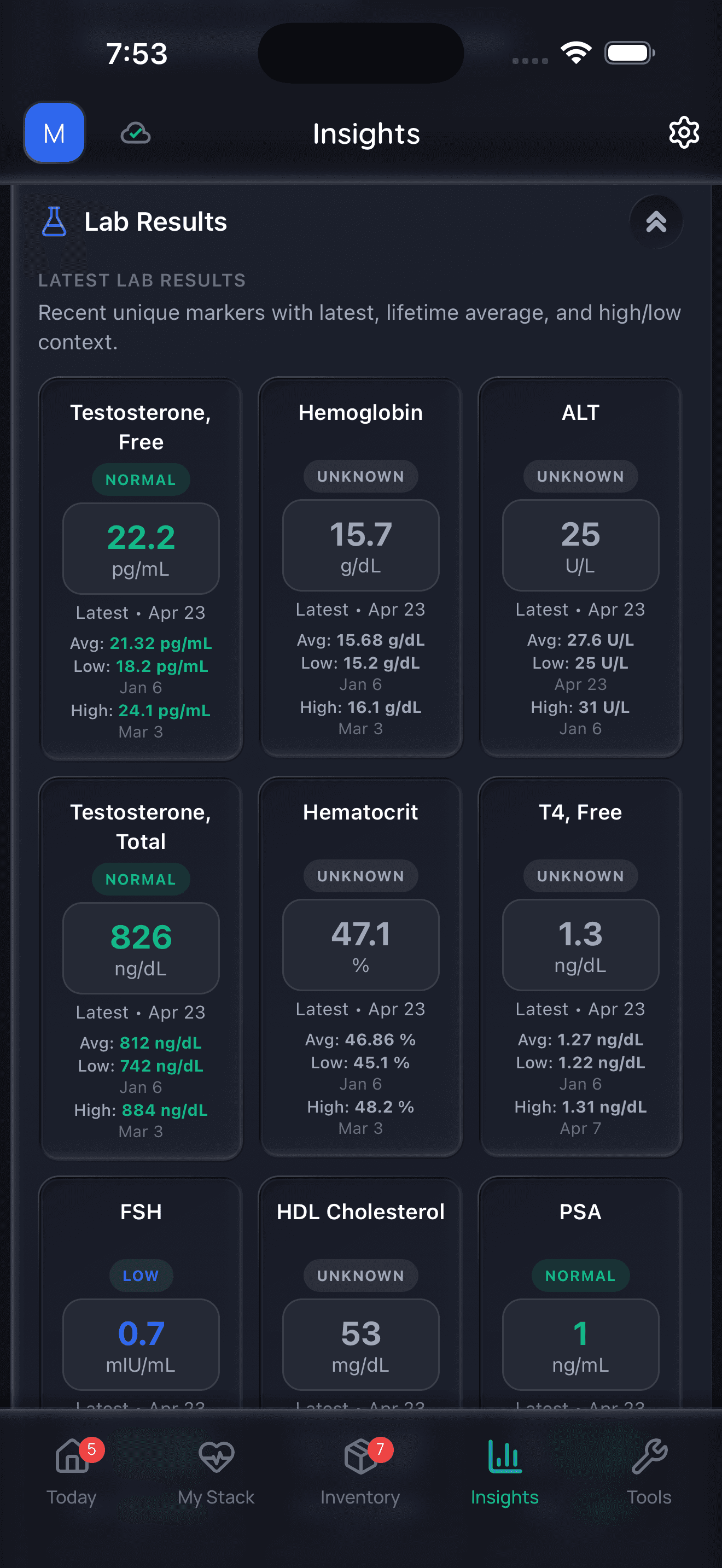
Doserly organizes data; it does not diagnose or interpret labs for you.
Regulatory Status & Standards
United States (FDA): Sport multivitamins are regulated as dietary supplements under DSHEA (1994). They do not require pre-market FDA approval for safety or efficacy. Manufacturers are responsible for ensuring product safety and label accuracy. GMP compliance is required for manufacturing facilities. The FDA can take enforcement action against products that are adulterated, misbranded, or make unapproved drug claims [1].
Canada (Health Canada): Multivitamins require a Natural Product Number (NPN) and must comply with Health Canada's Licensed Natural Health Products Database monographs. Sport-targeted claims require specific evidence review.
European Union (EFSA): Vitamins and minerals in supplements must come from approved sources listed in the EU Directive 2002/46/EC. Maximum permitted levels vary by member state. Health claims must be authorized under the EU Nutrition and Health Claims Regulation (EC) No. 1924/2006.
Australia (TGA): Listed as complementary medicines on the Australian Register of Therapeutic Goods (ARTG). Must comply with the Therapeutic Goods Act 1989. Permitted indications for vitamins and minerals are specified in the TGA's Permitted Indications determination.
Athlete & Sports Regulatory Status:
- WADA: Standard vitamins and minerals are NOT on the WADA Prohibited List. However, contamination of supplements with prohibited substances remains a documented risk. A 2004 IOC study found that approximately 15% of supplements tested contained undeclared substances that could produce a positive doping test [21].
- USADA: Recommends athletes use only third-party certified supplements (NSF Certified for Sport or Informed Sport). The USADA Supplement Connect program maintains a database of tested products.
- UKAD: Advises athletes that "no supplement can be guaranteed to be free from prohibited substances." Recommends Informed Sport or Cologne List certified products.
- NCAA: Requires athletic departments to provide only NSF Certified for Sport or Informed Sport certified supplements. Athletes using non-certified supplements assume personal risk.
- GlobalDRO: Athletes can verify the prohibited status of specific supplement ingredients at globaldro.com for the US, UK, Canada, Australia, Japan, Switzerland, and New Zealand.
Certification Programs Available for Sport Multivitamins:
- NSF Certified for Sport: Multiple sport MVM products available
- Informed Sport: Multiple sport MVM products available
- Cologne List: Multiple MVM products listed
- BSCG: Drug-free certification available for select products
Regulatory status and prohibited substance classifications change frequently. Athletes should always verify the current status of any supplement with their sport's governing body, their national anti-doping agency, and a qualified sports medicine professional before use. Third-party certification (Informed Sport, NSF Certified for Sport) reduces but does not eliminate the risk of contamination with prohibited substances.
Frequently Asked Questions
Do sport multivitamins actually improve athletic performance?
Based on the available evidence, sport multivitamins do not directly improve athletic performance in well-nourished athletes. Multiple systematic reviews and position stands from major sports nutrition organizations consistently report no ergogenic benefit from multivitamin/mineral supplementation when nutrient status is adequate. The benefits are primarily related to maintaining general health and correcting or preventing nutrient deficiencies. Athletes seeking performance-enhancing supplements are generally directed toward compounds with established ergogenic evidence, such as creatine, caffeine, and beta-alanine.
Are sport multivitamins better than regular multivitamins?
Sport multivitamins typically differ from standard multivitamins in having higher B-vitamin doses, additional ingredients like CoQ10 or adaptogens, and sometimes third-party sport-specific certifications (NSF Certified for Sport, Informed Sport). Whether these differences are worth the higher price depends on individual needs. For most athletes, a well-formulated standard multivitamin with bioavailable forms may provide equivalent nutritional value. The sport-specific certification, however, is valuable for competitive athletes subject to anti-doping testing.
Can high-dose antioxidant vitamins in sport multivitamins hurt my training gains?
Research suggests this is possible. Studies have shown that supplementation with high doses of vitamins C and E (1,000 mg and 235-400 IU respectively) during training periods may blunt beneficial adaptations including mitochondrial biogenesis and endogenous antioxidant defense upregulation. The ISSN (2026) recommends whole-food antioxidant sources over supplements for most athletes and suggests supplementation only during periods of high training distress or confirmed deficiency.
Should I take a sport multivitamin if I already eat a healthy diet?
Opinions among sports nutrition professionals vary. The "food first" consensus holds that athletes consuming a varied, calorie-adequate diet generally meet their micronutrient needs. However, some practitioners note that even good diets may fall short for specific nutrients (vitamin D, magnesium, certain B vitamins) depending on geographic location, season, training volume, and individual absorption capacity. Blood work is the most reliable way to determine if supplementation is necessary.
Are there any vitamins or minerals that athletes actually need more of?
Evidence suggests athletes may have elevated requirements for iron (particularly female and endurance athletes due to exercise-induced hemolysis and sweat/GI losses), vitamin D (indoor athletes, high-latitude training), magnesium (increased sweat losses during high-volume training), and B vitamins (increased energy metabolism during heavy training). These needs are typically best met through targeted individual supplementation based on blood work rather than through a blanket multivitamin approach.
How do I know if my sport multivitamin is third-party tested?
Look for specific certification logos on the product label or packaging: the NSF Certified for Sport mark, the Informed Sport logo, or listing on the Cologne List. General "GMP certified" or "made in an FDA-registered facility" statements are manufacturing standards, not banned-substance testing certifications. Athletes can verify certified products through NSF's online database (nsfsport.com), the Informed Sport product search (sport.wetestyoutrust.com), or the Cologne List website (koelnerliste.com).
Can I take a sport multivitamin with other individual supplements?
Yes, but attention to cumulative doses is important. When adding individual supplements (vitamin D, magnesium, zinc, iron, etc.) on top of a sport multivitamin, check that total intake of each nutrient does not exceed the Tolerable Upper Intake Level (UL). Particular caution applies to fat-soluble vitamins (A, D, E, K) and minerals (iron, zinc) where excess can accumulate. A healthcare provider or registered dietitian can review your total supplement stack for potential redundancies or excessive doses.
What is the best time of day to take a sport multivitamin?
Most sources suggest taking sport multivitamins with the largest meal of the day, preferably one containing dietary fat. This enhances absorption of fat-soluble vitamins and reduces the likelihood of stomach upset. For multi-dose formulations, splitting between breakfast and lunch is a commonly recommended approach. Avoiding late-evening dosing may be advisable for formulations containing high-dose B vitamins, which some individuals find mildly stimulating.
Do I need to cycle off a sport multivitamin?
There is no established need to cycle multivitamin use. Continuous daily use is the standard approach. However, periodic blood work (every 6-12 months) can confirm that long-term supplementation is supporting, rather than exceeding, target nutrient levels. Athletes approaching off-season periods with reduced training volume and better dietary control may choose to reassess whether continued supplementation is necessary.
Is it true that most multivitamins just give you expensive urine?
There is truth to this observation for well-nourished individuals. Water-soluble vitamins (C and B vitamins) that exceed the body's immediate needs are excreted in urine, often visibly changing its color. This does not mean the supplement is entirely wasted, as tissues may have absorbed some benefit before excretion. However, it does suggest that mega-dosing water-soluble vitamins beyond what the body can use is not cost-effective. A multivitamin providing nutrients closer to RDA levels, rather than at thousands of percent DV, is likely to produce less urinary waste.
Myth vs. Fact
Myth: Sport multivitamins will make you a better athlete.
Fact: No multivitamin has been shown to directly improve athletic performance in well-nourished individuals. Multiple systematic reviews and position stands from the ISSN, IOC, and ACSM confirm this. The benefits of sport MVMs are related to maintaining general health and preventing nutrient deficiencies, not enhancing speed, strength, or endurance [3][7][8][9].
Myth: Athletes need much higher doses of all vitamins and minerals than the general population.
Fact: While athletes do have modestly increased needs for some nutrients (iron, B vitamins, vitamin D, magnesium), the increases are generally met by the higher caloric intake that training demands. Current dietary reference intakes for vitamins and minerals are not differentiated between athletes and the general population. Mega-dosing above established needs does not produce additional benefit and may cause harm [4][6].
Myth: More antioxidants mean better recovery.
Fact: Research published since 2014 has challenged this assumption. High-dose antioxidant supplementation (vitamins C and E at supra-physiological levels) may actually impair training adaptations by blunting the oxidative stress signals that drive mitochondrial biogenesis and muscle adaptation. The ISSN (2026) recommends whole-food antioxidant sources and reserves supplementation for periods of high training distress [5][11][12].
Myth: All multivitamin forms are absorbed equally.
Fact: Absorption varies dramatically by form. Magnesium oxide may be absorbed at only 4-10%, while magnesium glycinate absorbs at 2-3 times that rate. Cyanocobalamin (cheap B12) requires hepatic conversion that methylcobalamin bypasses. Folic acid must be converted to 5-MTHF, a step that 30-40% of the population performs less efficiently due to MTHFR gene variants [14][15].
Myth: A sport multivitamin replaces the need for a good diet.
Fact: No supplement can replicate the complexity of whole foods. Foods provide fiber, phytochemicals, and nutrient interactions that supplements cannot match. Every major sports nutrition organization endorses a "food first" approach, with supplementation as a secondary safety net for specific gaps [7].
Myth: Sport multivitamins are inherently safer because they're "designed for athletes."
Fact: The sport supplement market has a documented contamination problem. A 2004 IOC study found approximately 15% of supplements contained undeclared prohibited substances. Only products carrying specific third-party certifications (NSF Certified for Sport, Informed Sport, Cologne List) have been independently verified for banned substance contamination. Generic "sport" branding does not guarantee purity [21].
Myth: You need separate men's and women's sport multivitamins.
Fact: The primary meaningful differences between men's and women's formulations are iron content (higher for premenopausal women at 18 mg RDA vs. 8 mg for men) and sometimes folate (higher for women of childbearing age). Other differences in marketing-driven formulations (lycopene for "prostate health," cranberry for "urinary health") are typically at sub-clinical doses. Choosing based on iron need is more important than sex-specific marketing.
Sources & References
Government & Institutional Sources
[1] National Institutes of Health, Office of Dietary Supplements. "Multivitamin/Mineral Supplements: Fact Sheet for Health Professionals." NIH ODS. https://ods.od.nih.gov/factsheets/MVMS-HealthProfessional/
[2] National Institutes of Health, Office of Dietary Supplements. "Dietary Supplements for Exercise and Athletic Performance: Fact Sheet for Health Professionals." NIH ODS. https://ods.od.nih.gov/factsheets/ExerciseAndAthleticPerformance-HealthProfessional/
Systematic Reviews & Meta-Analyses
[3] ISSN Position Stand: Tactical Athlete Nutrition. Journal of the International Society of Sports Nutrition. 2022;19(1). PMCID: PMC9261739.
[4] Wiacek M. "Vitamin Supplementation in Sports: A Decade of Evidence-Based Insights." Nutrients. 2026. PMCID: PMC12845069.
[5] Gonzalez DE, Dickerson BL, Roberts BM, et al. "International Society of Sports Nutrition position stand: effects of dietary antioxidants on exercise and sports." Journal of the International Society of Sports Nutrition. 2026. PMCID: PMC12915426.
[6] Larson-Meyer DE, Woolf K, Burke L. "Assessment of Nutrient Status in Athletes and the Need for Supplementation." International Journal of Sport Nutrition and Exercise Metabolism. 2018;28(2):139-158.
[7] Close GL, et al. "'Food first but not always food only': recommendations for using dietary supplements in sport." International Journal of Sport Nutrition and Exercise Metabolism. 2022;32(5):371-386.
Clinical Trials & RCTs
[8] Deng B, et al. "Effects of different dietary supplements combined with conditioning training on muscle strength, jump performance, sprint speed, and muscle mass in athletes: a systematic review and network meta-analysis." Frontiers in Nutrition. 2025;12:1636970.
[9] Yu T, Ding C. "Efficacy of dietary supplements on sports performance outcomes: a systematic review of evidence in elite athletes." Frontiers in Nutrition. 2025;12:1675654.
[10] McCormick R, et al. "Refining treatment strategies for iron deficient athletes." Sports Medicine. 2020;50(12):2111-2123.
[11] Morrison D, et al. "An antioxidant and multivitamin supplement reduced improvements in VO2max." Free Radical Biology and Medicine. 2015.
[12] Paulsen G, et al. "Vitamin C and E supplementation hampers cellular adaptation to endurance training in humans: a double-blind, randomised, controlled trial." Journal of Physiology. 2014;592(8):1887-1901.
[13] Owens DJ, et al. "Vitamin D and the Athlete: Current Perspectives and New Challenges." Sports Medicine. 2018;48(Suppl 1):3-16.
[14] Beck KL, et al. "Micronutrients and athletic performance: a review." Food and Chemical Toxicology. 2021;158:112618.
[15] Scaglione F, Panzavolta G. "Folate, folic acid and 5-methyltetrahydrofolate are not the same thing." Xenobiotica. 2014;44(5):480-488.
[16] Long SJ, Benton D. "Effects of vitamin and mineral supplementation on stress, mild psychiatric symptoms, and mood in nonclinical samples: a meta-analysis." Psychosomatic Medicine. 2013;75(2):144-153.
[17] Ristow M, et al. "Antioxidants prevent health-promoting effects of physical exercise in humans." Proceedings of the National Academy of Sciences. 2009;106(21):8665-8670.
[18] Lappe J, et al. "Calcium and Vitamin D Supplementation Decreases Incidence of Stress Fractures in Female Navy Recruits." Journal of Bone and Mineral Research. 2008;23(5):741-749.
[19] Baker LD, et al. "Effects of cocoa extract and a multivitamin on cognitive function: A randomized clinical trial." Alzheimer's & Dementia. 2023;19(4):1308-1319. (COSMOS-Mind trial)
[20] Klein EA, et al. "Vitamin E and the risk of prostate cancer: the Selenium and Vitamin E Cancer Prevention Trial (SELECT)." JAMA. 2011;306(14):1549-1556.
[21] Geyer H, et al. "Analysis of non-hormonal nutritional supplements for anabolic-androgenic steroids: Results of an international study." International Journal of Sports Medicine. 2004;25(2):124-129.
Related Supplement Guides
Same Category
- B-Complex
- Men's Multivitamins
- Women's Multivitamins
- Prenatal Vitamins
- Children's Multivitamins
- Seniors' Multivitamins