
Iron: The Complete Supplement Guide
On this page
Quick Reference Card
Attribute
Common Name
- Detail
- Iron
Attribute
Other Names / Aliases
- Detail
- Ferrum, Fe, Ferrous Iron (Fe2+), Ferric Iron (Fe3+)
Attribute
Category
- Detail
- Trace Mineral (Essential)
Attribute
Primary Forms & Variants
- Detail
- Ferrous sulfate (20% elemental iron, most common); Ferrous fumarate (33% elemental iron); Ferrous gluconate (12% elemental iron); Ferrous bisglycinate (chelated, higher bioavailability, fewer GI side effects); Heme iron polypeptide (HIP, derived from animal hemoglobin); Carbonyl iron (pure metalite iron); Polysaccharide-iron complex
Attribute
Typical Dose Range
- Detail
- 18-65 mg elemental iron per day for deficiency correction; 8-18 mg per day for maintenance (RDA-level)
Attribute
RDA / AI / UL
- Detail
- RDA: 8 mg (adult males, postmenopausal females); 18 mg (premenopausal females); 27 mg (pregnancy). UL: 45 mg (adults), 40 mg (children). Source: IOM/National Academies
Attribute
Common Delivery Forms
- Detail
- Tablet, capsule, extended-release tablet, liquid drops, elixir, chewable tablet, powder
Attribute
Best Taken With / Without Food
- Detail
- Best absorbed on an empty stomach. If GI side effects occur, take with a small amount of food. Take with vitamin C to enhance absorption. Avoid taking with calcium, dairy, coffee, tea, or high-fiber foods.
Attribute
Key Cofactors
- Detail
- Vitamin C (ascorbic acid, enhances nonheme iron absorption); Vitamin A (supports iron mobilization from stores); Copper (required for ceruloplasmin, which facilitates iron transport); Vitamin B12 and Folate (co-required for healthy red blood cell production)
Attribute
Storage Notes
- Detail
- Store at room temperature in a tightly closed container. Keep away from light, excess heat, and moisture. Keep out of reach of children (accidental overdose is a leading cause of fatal poisoning in children under 6).
Overview
The Basics
Iron is one of the most essential minerals in the human body. Its primary job is straightforward: it helps your red blood cells carry oxygen from your lungs to every tissue and organ. Without enough iron, your body simply cannot deliver oxygen efficiently, which is why iron deficiency often leaves people feeling exhausted, weak, and mentally foggy.
Your body contains about 3 to 4 grams of iron total, most of it locked inside hemoglobin in your red blood cells. The rest is stored in your liver, spleen, and bone marrow as a reserve called ferritin. Iron also plays supporting roles in muscle function (through a protein called myoglobin), energy production, immune defense, and even brain development in children.
Iron is somewhat unusual among minerals because your body has no active mechanism for excreting it. You lose small amounts daily through shed skin cells, sweat, and the GI tract, and menstruating women lose additional iron each month through blood loss. But the body's primary strategy for maintaining iron balance is regulating how much it absorbs from food rather than how much it eliminates. This makes iron a double-edged sword: too little causes deficiency and anemia, while too much can accumulate and cause organ damage.
Iron deficiency remains the most common nutritional deficiency worldwide. The World Health Organization estimates that roughly half of the 1.62 billion cases of anemia globally are caused by insufficient iron [1]. In the United States, certain populations are particularly vulnerable, including premenopausal women, pregnant women, infants, frequent blood donors, vegetarians, and people with GI disorders.
The Science
Iron (Fe) is a transition metal that exists in biological systems primarily in two oxidation states: ferrous iron (Fe2+) and ferric iron (Fe3+). This redox versatility is central to its biological function, enabling iron to participate in electron transfer reactions critical for cellular respiration, DNA synthesis, and enzymatic catalysis [2][3].
Dietary iron exists in two forms: heme iron and nonheme iron. Heme iron, formed when iron combines with protoporphyrin IX, is found exclusively in animal-source foods and contributes approximately 10-15% of total iron intake in western populations [3][4]. Nonheme iron, found in both plant and animal foods as well as fortified products, constitutes the majority of dietary iron intake.
Iron homeostasis is regulated primarily at the level of intestinal absorption, controlled by the peptide hormone hepcidin. Hepcidin is synthesized in the liver in response to iron stores, erythropoietic demand, and inflammation. It acts by binding to ferroportin, the sole known iron exporter on enterocytes and macrophages, causing its internalization and degradation. When iron stores are adequate or elevated, hepcidin levels rise and iron absorption decreases. When stores are depleted or erythropoietic demand increases, hepcidin is suppressed and absorption increases [2][5].
Approximately 3-4 g of elemental iron is present in adults, distributed as follows: hemoglobin (approximately 2.5 g), ferritin and hemosiderin storage (approximately 1 g in men, less in premenopausal women), myoglobin (approximately 300 mg), and iron-containing enzymes (approximately 200 mg). Transferrin, the primary iron transport protein in plasma, carries approximately 3 mg of iron at any given time but has a daily turnover of 25-30 mg, reflecting the high recycling efficiency of the iron economy [2].
Chemical & Nutritional Identity
Property
Chemical Name
- Value
- Iron
Property
Symbol
- Value
- Fe (from Latin: ferrum)
Property
Atomic Number
- Value
- 26
Property
Atomic Weight
- Value
- 55.845 g/mol
Property
CAS Number
- Value
- 7439-89-6
Property
PubChem CID
- Value
- 23925
Property
Category
- Value
- Essential trace mineral; Transition metal
Property
Oxidation States (biological)
- Value
- Fe2+ (ferrous), Fe3+ (ferric)
Property
RDA (Adult males, 19-50)
- Value
- 8 mg/day
Property
RDA (Adult females, 19-50)
- Value
- 18 mg/day
Property
RDA (Pregnancy)
- Value
- 27 mg/day
Property
RDA (Lactation, 19-50)
- Value
- 9 mg/day
Property
AI (Infants 0-6 months)
- Value
- 0.27 mg/day
Property
UL (Adults 19+)
- Value
- 45 mg/day
Property
UL (Children 0-13)
- Value
- 40 mg/day
Iron is the fourth most abundant element in Earth's crust and the most abundant trace mineral in the human body. In supplement form, iron is available as various salts and chelates that differ in elemental iron content and bioavailability:
Form
Ferrous sulfate
- Elemental Iron (%)
- 20%
- Elemental Iron per Standard Tablet (mg)
- 65 (from 325 mg tablet)
- Notes
- Most commonly prescribed; highest GI side effect profile
Form
Ferrous fumarate
- Elemental Iron (%)
- 33%
- Elemental Iron per Standard Tablet (mg)
- 99 (from 300 mg tablet)
- Notes
- Higher elemental iron per unit weight
Form
Ferrous gluconate
- Elemental Iron (%)
- 12%
- Elemental Iron per Standard Tablet (mg)
- 39 (from 325 mg tablet)
- Notes
- Lower elemental iron; sometimes better tolerated
Form
Ferrous bisglycinate
- Elemental Iron (%)
- ~20% (chelated)
- Elemental Iron per Standard Tablet (mg)
- Varies
- Notes
- Chelated to glycine; less affected by absorption inhibitors; fewer GI side effects
The vegetarian RDA is 1.8 times higher than the omnivore RDA (e.g., 32.4 mg for premenopausal vegetarian women vs. 18 mg for omnivores) due to the lower bioavailability of nonheme iron from plant-based diets [4].
Mechanism of Action
The Basics
Iron works in your body primarily by sitting at the center of specialized proteins that grab, hold, and release oxygen. The most important of these is hemoglobin, the protein inside your red blood cells. Each hemoglobin molecule contains four iron atoms, and each one can bind one molecule of oxygen. When blood passes through your lungs, iron-containing hemoglobin picks up oxygen; when blood reaches your muscles and organs, it releases that oxygen for cells to use.
A similar protein called myoglobin stores oxygen inside muscle cells, acting as a local reserve for when muscles need a burst of energy during exercise. This is one reason iron deficiency hits physical performance so hard: both the delivery system (hemoglobin) and the local storage (myoglobin) are compromised.
Beyond oxygen transport, iron is part of the machinery your cells use to produce energy. Inside the mitochondria (the energy factories of your cells), iron-containing proteins called cytochromes help convert the food you eat into ATP, the molecule your cells use as fuel. Iron also supports immune cell function, brain development, and the production of certain hormones and neurotransmitters, including dopamine [6].
The Science
Iron's biological roles can be categorized into four primary functional domains:
1. Oxygen Transport and Storage
Hemoglobin (Hb) contains four heme groups, each consisting of a protoporphyrin IX ring with a central Fe2+ ion. This iron atom reversibly binds molecular oxygen (O2) in a cooperative binding mechanism described by the Hill equation. Myoglobin (Mb) follows a similar structure with a single heme group, serving as an intracellular oxygen reservoir in skeletal and cardiac muscle tissue [2][3].
2. Electron Transport and Energy Metabolism
Iron-sulfur clusters (Fe-S) and heme-containing cytochromes (cytochrome c, cytochrome c oxidase) are essential components of the mitochondrial electron transport chain (Complexes I, II, III, and IV). Iron-dependent enzymes including aconitase, succinate dehydrogenase, and NADH dehydrogenase participate in the citric acid cycle and oxidative phosphorylation [3].
3. Enzymatic Catalysis
Iron serves as a cofactor for numerous enzymes: ribonucleotide reductase (DNA synthesis), prolyl and lysyl hydroxylases (collagen synthesis), tryptophan, phenylalanine, and tyrosine hydroxylases (neurotransmitter synthesis), catalase and peroxidases (reactive oxygen species detoxification), and myeloperoxidase (neutrophil antimicrobial activity) [2][7].
4. Iron Regulatory Mechanisms
Cellular iron homeostasis is maintained by the iron regulatory protein (IRP)/iron responsive element (IRE) system. When intracellular iron is low, IRPs bind to IREs in the mRNA of ferritin (suppressing translation) and transferrin receptor 1 (TfR1, stabilizing mRNA), effectively increasing iron uptake and decreasing storage. When iron is replete, IRPs dissociate, allowing ferritin synthesis and TfR1 mRNA degradation [5].
Absorption & Bioavailability
The Basics
How well your body absorbs iron depends heavily on which form you consume and what else you eat alongside it. Iron from animal sources (heme iron) is absorbed 2-3 times more efficiently than iron from plant sources (nonheme iron). This is the primary reason vegetarians need roughly 1.8 times more dietary iron than meat-eaters.
Several factors can boost or block iron absorption. Vitamin C is the best-known enhancer: eating an orange or taking a vitamin C supplement with your iron can significantly increase how much gets absorbed. On the other hand, calcium, dairy products, coffee, tea, whole grains, and legumes all contain compounds that can interfere with iron absorption. Timing matters: separating iron from these inhibitors by at least two hours is a common recommendation.
Your body also self-regulates its iron absorption through a hormone called hepcidin. When your iron stores are full, hepcidin levels rise and absorption drops. When stores are depleted, hepcidin falls and absorption increases. This system means your body absorbs a higher percentage of iron when you are deficient and a lower percentage when you are replete. Interestingly, taking iron supplements can temporarily spike hepcidin levels, which is why alternate-day dosing has gained attention as a potentially more efficient strategy than daily dosing.
The bioavailability of iron from mixed (omnivorous) diets is approximately 14-18%, while from vegetarian diets it ranges from 5-12% [4].
The Science
Heme Iron Absorption:
Heme iron is absorbed intact via the heme carrier protein 1 (HCP1) transporter on the apical membrane of duodenal enterocytes. Once internalized, heme oxygenase-1 (HO-1) cleaves the porphyrin ring, releasing Fe2+ into the enterocyte labile iron pool. Heme iron absorption is relatively resistant to dietary inhibitors and enhancers, maintaining 15-35% absorption efficiency across a range of dietary contexts [3][4].
Nonheme Iron Absorption:
Nonheme iron, predominantly present as Fe3+ in foods, must first be reduced to Fe2+ by duodenal cytochrome b (Dcytb) on the enterocyte brush border. Fe2+ is then transported across the apical membrane by divalent metal transporter 1 (DMT1). Absorption efficiency for nonheme iron is highly variable (2-20%) and significantly influenced by dietary factors [4]:
- Enhancers: Ascorbic acid (vitamin C) reduces Fe3+ to Fe2+, forming a soluble iron-ascorbate chelate that resists precipitation at intestinal pH. Meat, poultry, and seafood contain a "meat factor" (possibly cysteine-containing peptides) that enhances nonheme iron absorption.
- Inhibitors: Phytates (inositol hexaphosphate, present in grains, legumes, and seeds) form insoluble iron-phytate complexes. Polyphenols (tannins in tea and coffee, chlorogenic acid) chelate iron. Calcium competes for DMT1 transport and may inhibit both heme and nonheme absorption, though this effect is debated [4][8].
Basolateral Export and Systemic Distribution:
Once inside the enterocyte, iron is either stored as ferritin or exported across the basolateral membrane via ferroportin. Exported Fe2+ is oxidized to Fe3+ by hephaestin (a copper-dependent ferroxidase) and loaded onto plasma transferrin for systemic distribution.
Hepcidin Regulation:
Hepcidin production increases within 6-8 hours following oral iron intake. A single dose of 60 mg or more of elemental iron can elevate hepcidin levels sufficiently to reduce iron absorption from a subsequent dose taken the same day. This pharmacokinetic observation supports alternate-day supplementation strategies, which some studies suggest achieve comparable iron repletion with fewer GI side effects [5][9].
Managing absorption timing across multiple supplements gets complicated fast. Some need to be taken with food, others on an empty stomach. Some compete for the same absorption pathways, others enhance each other. Doserly organizes all of this into a single schedule that accounts for the interactions between everything in your stack.
Instead of juggling mental notes about which supplements to separate and which to pair, the app handles the coordination for you. It flags timing conflicts, suggests optimal windows based on the forms you're using, and builds a daily routine that gives each supplement its best chance of being absorbed effectively. One place for all the details that are easy to forget.
Build reminders around the routine, not just the compound.
Doserly can keep timing, skipped doses, and schedule changes organized so the plan you read about becomes easier to follow and review.
Today view
Upcoming reminders

Reminder tracking supports consistency; it does not select a protocol for you.
Research & Clinical Evidence
Iron Deficiency Anemia
The Basics
Iron deficiency anemia (IDA) is the most clear-cut use case for iron supplementation, and the evidence here is robust. When your body does not have enough iron to make adequate hemoglobin, your red blood cells become smaller and carry less oxygen, leaving you fatigued, weak, and mentally sluggish. Iron supplements effectively correct this condition in the vast majority of cases, with blood counts typically returning to normal within about two months of starting therapy [10].
However, correcting the lab values is only part of the story. Rebuilding your body's iron reserves (stored as ferritin in bone marrow) takes considerably longer, which is why clinicians recommend continuing supplementation for 6 to 12 months after hemoglobin normalizes [10][11]. Stopping too early is one of the most common reasons iron deficiency recurs.
The Science
A Cochrane Review of daily iron supplementation during pregnancy demonstrated a 70% reduction in anemia risk at term and a 57% reduction in iron deficiency at term. Mean birthweight was 31 g higher in the supplementation group [12]. ACOG recommends low-dose iron supplementation starting in the first trimester [13].
For general IDA, oral iron replacement with ferrous salts (typically 100-200 mg elemental iron daily in divided doses) remains the standard first-line treatment. Response is typically assessed at 4-6 weeks by measuring hemoglobin (expected rise of 1-2 g/dL) and at 8-12 weeks for full correction [11].
A systematic review and meta-analysis by Banerjee et al. (2024) compared daily versus intermittent oral iron supplementation for anemia prevention in pregnancy, finding both approaches effective but intermittent dosing associated with fewer GI side effects [9].
Physical Performance and Exercise
The Basics
Iron's relationship with physical performance is direct: your muscles need oxygen to work, and iron carries that oxygen. For athletes and active individuals who are iron deficient, supplementation can produce dramatic improvements in endurance, strength, and recovery. However, for people with adequate iron levels, supplementation does not appear to enhance performance and may introduce unnecessary risk.
Female athletes, distance runners, and vegetarian athletes are particularly vulnerable to iron depletion due to menstrual losses, foot-strike hemolysis (destruction of red blood cells from repeated impact), GI blood loss during intense exercise, and reduced dietary bioavailability.
The Science
Iron depletion without anemia (low ferritin with normal hemoglobin) has been associated with reduced exercise capacity and impaired adaptation to training. A meta-analysis of iron supplementation in iron-depleted, non-anemic athletes found modest but significant improvements in VO2 max and time-trial performance [14]. The effect is more pronounced in athletes with ferritin levels below 20 mcg/L.
Exercise-induced iron loss occurs through several mechanisms: GI blood loss (particularly during prolonged endurance exercise), foot-strike hemolysis (mechanical destruction of erythrocytes), increased hepcidin levels post-exercise (peaking 3-6 hours after training), and sweating [14].
Cognitive Function and Neurological Development
The Basics
Your brain consumes a disproportionate share of your body's oxygen supply, so it follows that iron deficiency hits cognitive function hard. People with iron deficiency commonly report brain fog, difficulty concentrating, and poor memory. In infants and young children, iron deficiency can lead to developmental delays that may not be fully reversible even after correction [6].
In adults, correcting iron deficiency has been associated with improvements in attention, processing speed, and executive function. There is emerging interest in the relationship between iron status and neurotransmitter synthesis, particularly dopamine, which requires iron-dependent enzymes for its production [6][7].
The Science
Iron is required by tyrosine hydroxylase, the rate-limiting enzyme in dopamine synthesis, and tryptophan hydroxylase, the rate-limiting enzyme in serotonin synthesis. Iron deficiency can therefore impair both dopaminergic and serotonergic neurotransmission [7].
In infants and children, IDA has been associated with altered myelination, impaired hippocampal development, and deficits in cognitive and motor function that may persist into adulthood even after iron repletion. The American Academy of Pediatrics recommends screening for iron deficiency in high-risk infants and iron supplementation for exclusively breastfed infants starting at 4 months [15].
Evidence & Effectiveness Matrix
The following matrix scores iron across relevant biomarker categories based on clinical evidence quality and community-reported outcomes. Iron is unique in that virtually all benefits are contingent on correcting a deficiency state. In iron-replete individuals, supplementation offers no proven benefit and may increase oxidative stress.
Category
Energy Levels
- Evidence Strength
- 9/10
- Community-Reported Effectiveness
- 8/10
- Summary
- Strong clinical and community evidence that correcting iron deficiency dramatically restores energy. Universal finding across studies and user reports. Benefits limited to deficient individuals.
Category
Physical Performance
- Evidence Strength
- 7/10
- Community-Reported Effectiveness
- 7/10
- Summary
- Well-supported by meta-analyses in iron-depleted athletes. Performance gains significant in deficient populations but absent in iron-replete individuals.
Category
Focus & Mental Clarity
- Evidence Strength
- 7/10
- Community-Reported Effectiveness
- 7/10
- Summary
- Iron-dependent neurotransmitter synthesis pathways well-established. Clinical data support cognitive improvement with deficiency correction, particularly in children. Community reports consistent.
Category
Mood & Wellbeing
- Evidence Strength
- 6/10
- Community-Reported Effectiveness
- 6/10
- Summary
- Moderate evidence from clinical studies showing mood improvement with iron correction. Community reports positive but confounded with energy restoration.
Category
Recovery & Healing
- Evidence Strength
- 6/10
- Community-Reported Effectiveness
- 6/10
- Summary
- Improved oxygen delivery supports post-exercise recovery. Athletic community reports faster recovery. Limited controlled data in isolation from overall deficiency correction.
Category
Nausea & GI Tolerance
- Evidence Strength
- 3/10
- Community-Reported Effectiveness
- 3/10
- Summary
- GI side effects are the primary tolerability barrier. Well-documented in clinical literature and universally reported by community. Strongly form-dependent: ferrous sulfate worst, bisglycinate best.
Category
Skin Health
- Evidence Strength
- 4/10
- Community-Reported Effectiveness
- 5/10
- Summary
- Deficiency causes pallor, brittle nails, and koilonychia. Limited evidence for skin benefits beyond deficiency correction. Some community reports of skin clearing.
Category
Hair Health
- Evidence Strength
- 4/10
- Community-Reported Effectiveness
- 5/10
- Summary
- Association between low ferritin and hair loss (telogen effluvium) documented. Supplementation in deficient individuals may reduce shedding. Limited controlled evidence.
Category
Sleep Quality
- Evidence Strength
- 4/10
- Community-Reported Effectiveness
- 5/10
- Summary
- Indirect improvement through reduced fatigue. Iron deficiency linked to restless leg syndrome, which can disrupt sleep. Community reports modest sleep improvement.
Category
Side Effect Burden
- Evidence Strength
- 4/10
- Community-Reported Effectiveness
- 4/10
- Summary
- Significant GI side effect profile with ferrous salts. Reduced with chelated forms. UL of 45 mg reflects narrow therapeutic window. Toxicity risk in children.
Category
Treatment Adherence
- Evidence Strength
- 5/10
- Community-Reported Effectiveness
- 5/10
- Summary
- GI side effects drive poor adherence with ferrous sulfate. Form switching and alternate-day dosing improve compliance. 6-12 month supplementation duration is a barrier.
Category
Hormonal Symptoms
- Evidence Strength
- 3/10
- Community-Reported Effectiveness
- 4/10
- Summary
- Iron deficiency exacerbates menstrual-related symptoms. Correcting deficiency may reduce menstrual cramps. Very limited data for other hormonal outcomes.
Categories Not Scored (insufficient evidence): Fat Loss, Muscle Growth, Weight Management, Appetite & Satiety, Food Noise, Memory & Cognition (scored under Focus), Anxiety, Stress Tolerance, Motivation & Drive, Emotional Aliveness, Emotional Regulation, Libido, Sexual Function, Joint Health, Inflammation, Pain Management, Gut Health, Digestive Comfort, Heart Health, Blood Pressure, Heart Rate & Palpitations, Temperature Regulation, Fluid Retention, Body Image, Immune Function, Bone Health, Longevity & Neuroprotection, Cravings & Impulse Control, Social Connection, Withdrawal Symptoms, Daily Functioning.
Benefits & Potential Effects
The Basics
Iron supplementation can be transformative when your body actually needs it. The benefits are well-documented and significant, but they come with an important caveat: they are almost exclusively observed in people who are iron deficient. If your iron levels are already normal, taking extra iron is unlikely to help and may cause harm.
Well-established benefits (in deficient individuals):
- Restored energy and reduced fatigue
- Improved exercise capacity and endurance
- Clearer thinking and reduced brain fog
- Better mood and reduced irritability
- Support for healthy pregnancy outcomes (reduced risk of preterm birth, low birthweight, maternal anemia)
- Restored healthy nail and hair growth
- Improved immune function
Preliminary or context-dependent benefits:
- Improved symptoms of restless leg syndrome (ferritin levels below 75 mcg/L)
- Support for cognitive development in iron-deficient infants and children
- Potential improvement in ADHD symptoms when co-occurring with low iron/ferritin
The Science
The therapeutic effects of iron supplementation in deficiency states are mediated through restoration of oxygen-carrying capacity (hemoglobin synthesis), cellular energy production (mitochondrial electron transport chain function), and enzymatic activity across multiple pathways.
A Cochrane Review demonstrated that daily iron supplementation during pregnancy reduces anemia risk at term by 70% and iron deficiency at term by 57%, with a mean birthweight increase of 31 g [12].
In non-anemic iron-depleted women, iron supplementation has been shown to reduce subjective fatigue even in the absence of anemia. A double-blind RCT by Vaucher et al. (2012) found that iron supplementation (80 mg/day ferrous sulfate for 12 weeks) reduced fatigue scores by 48% compared to 29% in the placebo group in non-anemic women with ferritin below 50 mcg/L [16].
For restless leg syndrome (RLS), clinical evidence supports iron supplementation when ferritin levels are below 75 mcg/L, which is the threshold recommended by the International Restless Legs Syndrome Study Group for considering iron therapy [17].
Side Effects & Safety
The Basics
Iron supplementation has a well-deserved reputation for causing digestive discomfort. The most common side effects are constipation, nausea, stomach pain, and dark or black stools (the latter is harmless and expected). These effects are dose-dependent and form-dependent: higher doses and ferrous sulfate cause the most problems, while chelated forms like ferrous bisglycinate cause substantially fewer.
Beyond GI discomfort, the more serious concern with iron is the potential for toxicity. Unlike most vitamins and minerals, your body has no efficient way to excrete excess iron. If you take more than you need over long periods, iron can accumulate and generate harmful free radicals through a process called the Fenton reaction, contributing to oxidative stress and potentially damaging organs including the liver, heart, and pancreas.
This is why iron supplementation should be guided by lab testing rather than guesswork. Taking iron "just in case" without knowing your status is not recommended by any major health organization.
Important safety notes:
- Accidental overdose of iron-containing products is a leading cause of fatal poisoning in children under 6. All iron supplements should be stored securely out of reach of children.
- People with hereditary hemochromatosis (a genetic condition causing excessive iron absorption) should not take iron supplements without medical supervision.
The Science
Gastrointestinal Effects:
High doses of supplemental iron (45 mg/day or more of elemental iron) frequently cause GI side effects including nausea, constipation, abdominal pain, vomiting, and diarrhea [4]. The mechanism involves unabsorbed iron catalyzing the production of reactive oxygen species in the intestinal lumen, leading to mucosal irritation and altered gut motility.
Case reports document iron pill-induced gastritis at doses as low as 130 mg elemental iron, with endoscopic findings of gastric erosions and brown-black iron deposits in the mucosa [18][19].
Acute Toxicity:
Acute ingestion of more than 20 mg/kg body weight can cause corrosive necrosis of the intestinal mucosa, progressing to shock, metabolic acidosis, hepatic failure, and potentially death. Ingestion of 60 mg/kg or more can be fatal. Between 1983 and 2000, at least 43 children in the United States died from iron supplement overdoses [20].
Chronic Excess:
Supplements containing 25 mg or more of elemental iron can reduce zinc absorption and plasma zinc concentrations [4][21]. Chronic iron excess in hereditary hemochromatosis (HFE gene mutation, present in approximately 1 in 250 individuals of Northern European descent as homozygotes) can lead to liver cirrhosis, hepatocellular carcinoma, cardiomyopathy, diabetes mellitus, and arthritis [22].
Contraindications:
- Hemochromatosis or other iron overload conditions
- Hemolytic anemias (anemia not caused by iron deficiency)
- Regular blood transfusion recipients
- Active peptic ulcer disease (iron may exacerbate mucosal damage)
Managing side effect risks across a multi-supplement stack can feel overwhelming, especially when interactions between supplements, medications, and foods add layers of complexity. Doserly brings all of that into a single safety view so nothing falls through the cracks.
Rather than researching every possible interaction yourself, the app checks your full stack automatically and flags supplement-drug and supplement-supplement interactions that warrant attention. If you do experience something unexpected, logging it takes seconds, and over time the app helps you spot patterns: whether symptoms correlate with specific doses, timing, or combinations. One place for the safety picture that matters most when your stack grows beyond a few bottles.
Connect protocol changes to labs and health markers.
Doserly can keep lab results, biomarkers, symptoms, and dose history close together so follow-up conversations have better context.
Insights
Labs and trends
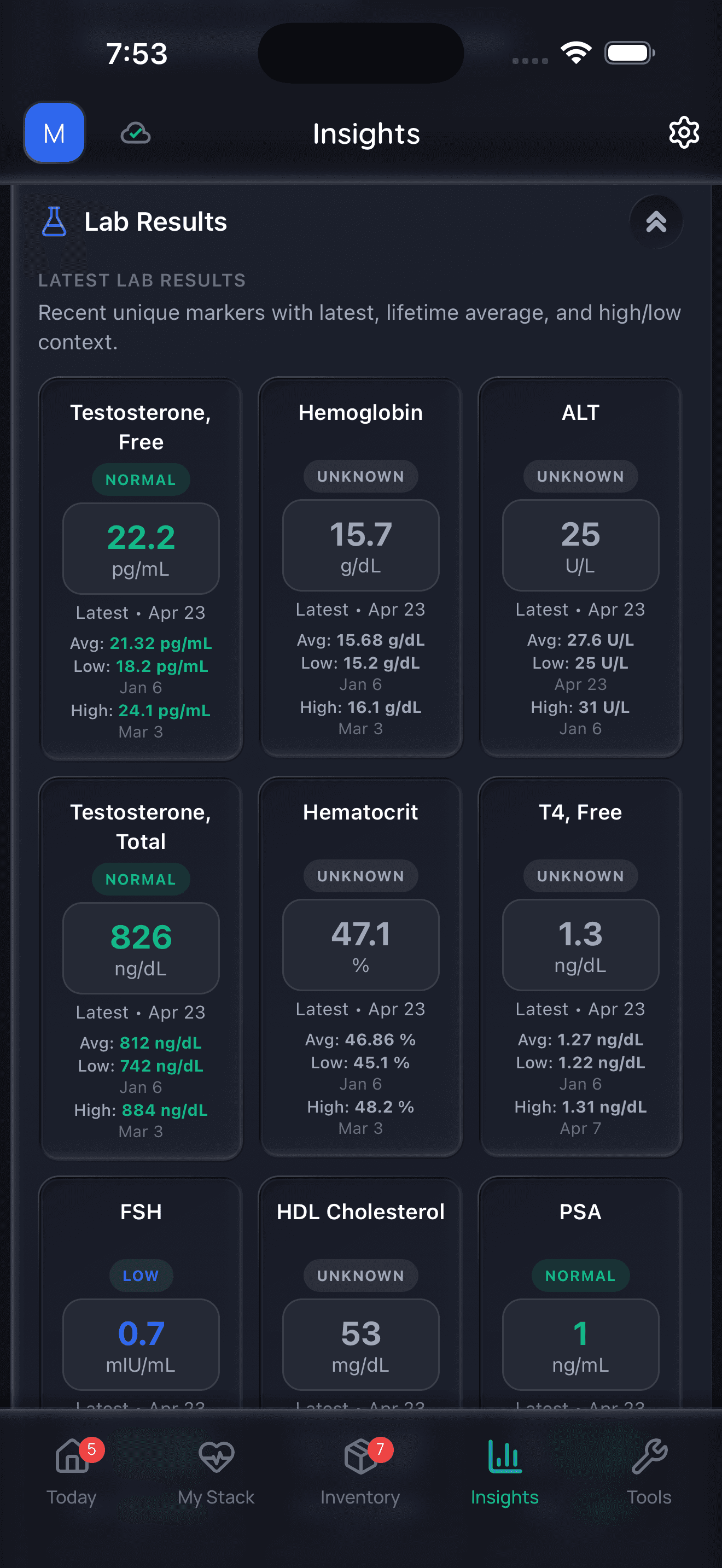
Doserly organizes data; it does not diagnose or interpret labs for you.
Dosing & Usage Protocols
The Basics
Iron dosing is more nuanced than most supplements because the amount you need depends entirely on your starting point. Someone with confirmed iron deficiency anemia needs substantially more iron than someone simply trying to maintain adequate levels through diet.
For deficiency correction (under medical supervision):
The standard therapeutic dose is 100-200 mg of elemental iron per day, often divided into 2-3 doses. This typically comes from a 325 mg ferrous sulfate tablet (providing 65 mg elemental iron) taken 2-3 times daily. Blood counts usually return to normal within about 2 months, but supplementation should continue for an additional 6-12 months to rebuild ferritin stores [10][11].
For maintenance (RDA-level intake):
- Adult males and postmenopausal women: 8 mg/day
- Premenopausal women: 18 mg/day
- Pregnant women: 27 mg/day
- Vegetarians: 1.8x the above values
Emerging dosing strategy: alternate-day supplementation
Recent research on hepcidin kinetics suggests that iron absorption may be more efficient when taken every other day rather than daily. A single dose of 60 mg or more elemental iron can elevate hepcidin levels for approximately 24 hours, potentially reducing absorption of subsequent same-day or next-day doses. Some clinicians now recommend alternate-day dosing, particularly for patients who experience GI side effects with daily dosing [9].
The Science
The UL for iron is 45 mg/day for adults and 40 mg/day for children, based on GI side effect data from supplemental iron salts [4]. Therapeutic doses for IDA routinely exceed this threshold under medical supervision.
Goal
IDA correction
- Elemental Iron
- 100-200 mg/day (divided)
- Form
- Ferrous sulfate, fumarate, or bisglycinate
- Frequency
- Daily or alternate-day
- Duration
- 2-3 months + 6-12 months maintenance
Goal
Suboptimal ferritin (no anemia)
- Elemental Iron
- 30-65 mg/day
- Form
- Ferrous bisglycinate preferred
- Frequency
- Daily or alternate-day
- Duration
- Until ferritin normalizes (typically 3-6 months)
Goal
Pregnancy (preventive)
- Elemental Iron
- 27-30 mg/day
- Form
- Per ACOG recommendation
- Frequency
- Daily
- Duration
- Throughout pregnancy
Goal
Maintenance (RDA)
- Elemental Iron
- 8-18 mg/day
- Form
- Diet + multivitamin if needed
- Frequency
- Daily
- Duration
- Ongoing
Monitoring recommendations: serum ferritin and complete blood count (CBC) at baseline, 4-6 weeks, and 3 months. Target ferritin above 30 mcg/L for general health; above 50 mcg/L for athletes; above 75 mcg/L if restless leg syndrome is present [17].
Getting the dose right matters more than most people realize. Too little may be ineffective, too much wastes money or introduces risk, and inconsistency undermines both. Doserly tracks every dose you take, across every form, giving you a clear record of what you're actually consuming versus what you planned.
The app helps you compare RDA recommendations against therapeutic ranges discussed in the research, so you can see exactly where your intake falls. If you switch forms, say from a standard capsule to a liposomal liquid, Doserly adjusts your tracking to account for different bioavailabilities. Pair that with smart reminders that keep your timing consistent, and the precision that makes a real difference in outcomes becomes effortless.
Turn symptom and safety notes into a clearer timeline.
Doserly helps you log doses, symptoms, and safety observations side by side so patterns are easier to discuss with a qualified clinician.
Pattern view
Logs and observations
Pattern visibility is informational and should be reviewed with a clinician.
What to Expect (Timeline)
Iron supplementation produces a predictable progression, though individual timelines vary based on the severity of deficiency, the form and dose used, and individual absorption capacity.
Week 1-2:
- Some people notice subtle improvements in energy within the first week, particularly if severely deficient
- Dark or black stools begin (normal and expected with iron salts)
- GI side effects (constipation, nausea) typically emerge during this period
- Reticulocyte count (immature red blood cells) begins to rise, indicating the bone marrow is responding
Week 3-4:
- Energy improvements become more noticeable
- Hemoglobin levels begin to measurably increase (typically 1-2 g/dL rise expected by week 4-6)
- Brain fog and concentration difficulties start to improve
- Physical symptoms like chapped lips and brittle nails may begin improving
Month 2-3:
- Hemoglobin typically returns to normal range
- Significant improvement in exercise tolerance and daily energy
- Fatigue reduction well-established
- Nail quality continues to improve
Month 3-6:
- Ferritin levels (iron stores) continue to rise
- Full benefit for hair quality typically requires 3-6 months
- Continued supplementation recommended even after hemoglobin normalizes
Month 6-12:
- Iron stores (ferritin) should be adequately rebuilt
- Healthcare provider may reassess whether continued supplementation is needed
- For ongoing risk factors (heavy menstruation, vegetarian diet), maintenance supplementation may be indefinite
Important: If no improvement in hemoglobin is seen by 4-6 weeks, this warrants medical investigation for potential causes including non-compliance, continued blood loss, absorption disorders, or incorrect diagnosis.
Interactions & Compatibility
Synergistic
- Vitamin C: Strongly enhances nonheme iron absorption by reducing Fe3+ to Fe2+ and forming soluble iron-ascorbate chelates. Taking 200 mg vitamin C with iron can increase absorption 2-3 fold. One of the most well-established supplement synergies.
- Vitamin A: Supports iron mobilization from hepatic stores and may improve the erythropoietic response to iron supplementation.
- Copper: Required for ceruloplasmin (ferroxidase), which oxidizes Fe2+ to Fe3+ for loading onto transferrin. Copper deficiency can present as functional iron deficiency.
- Vitamin B12: Co-required for healthy erythropoiesis. Combined deficiency of iron and B12 is common and treating only one may produce suboptimal response.
- Vitamin B9 (Folate): Also co-required for red blood cell production. Prenatal vitamins typically contain both iron and folate for this reason.
Caution / Avoid
- Calcium: May inhibit both heme and nonheme iron absorption, though the clinical significance is debated. Separate iron and calcium supplements by at least 2 hours [4][8].
- Zinc: Iron supplements containing 25 mg or more can reduce zinc absorption. When both are needed, take at different times of day [21].
- Magnesium: May compete for absorption when taken simultaneously. Separate by 2 hours.
- Coffee and Tea: Polyphenols (tannins) in coffee and tea chelate nonheme iron and can reduce absorption by 39-64%. Consume coffee and tea between meals, not with iron-rich meals or supplements.
- Dairy Products: Calcium in dairy interferes with iron absorption. Avoid taking iron with milk or cheese.
- Whole Grains, Legumes, Seeds: Phytates in these foods bind nonheme iron and reduce absorption. While these are healthy foods, they should be separated from iron supplement timing.
Drug Interactions
- Levodopa (Sinemet, Stalevo): Iron reduces levodopa absorption through chelation. Separate by at least 2 hours [23].
- Levothyroxine (Synthroid, Levoxyl): Iron significantly reduces levothyroxine efficacy. Separate by at least 4 hours [24].
- Tetracycline antibiotics: Mutual absorption interference. Separate by at least 2 hours.
- Proton pump inhibitors (omeprazole, lansoprazole): Reduce stomach acid, impairing nonheme iron absorption. May necessitate higher doses or alternate forms [25].
- Quinolone antibiotics (ciprofloxacin): Iron reduces quinolone absorption. Separate by at least 2 hours.
- Bisphosphonates (alendronate): Mutual absorption interference. Separate by at least 2 hours.
How to Take / Administration Guide
Oral Supplementation (Standard):
- Take on an empty stomach if tolerated (best absorption), or with a small amount of food if GI side effects occur
- Take with a full glass of water (8 oz)
- Co-administer with vitamin C (200 mg or a glass of orange juice) to enhance absorption
- Avoid taking with calcium, dairy, coffee, tea, high-fiber foods, or antacids
- Swallow tablets whole; do not crush, chew, or split extended-release formulations
- For liquid iron: mix with water or fruit juice (not milk). Use a straw or rinse mouth afterward to prevent tooth staining
Timing Recommendations:
- Morning on an empty stomach is optimal for absorption
- If taking multiple daily doses, space them at least 4-6 hours apart
- If using alternate-day dosing, take the full dose every other morning
- Separate from calcium supplements by at least 2 hours
- Separate from levothyroxine by at least 4 hours
- Separate from tetracycline antibiotics and quinolones by at least 2 hours
Form Selection:
- Ferrous sulfate: most evidence, lowest cost, highest GI side effect rate
- Ferrous bisglycinate: well-tolerated, less affected by food inhibitors, more expensive
- Ferrous fumarate: higher elemental iron per tablet, moderate GI effects
- Liquid iron (ferrous gluconate solutions): useful for people who cannot swallow tablets, dose flexibility for children; stains teeth, use a straw
- Heme iron polypeptide: absorbed via a different pathway than nonheme iron, less affected by dietary inhibitors, limited evidence base
Splitting Doses:
Taking 2-3 smaller doses throughout the day may improve total absorption and reduce GI side effects compared to a single large dose. However, this must be balanced against compliance and convenience.
Cycling/Breaks:
Iron is not typically cycled. Supplementation duration is guided by lab results. Once ferritin stores are adequately rebuilt (typically above 30-50 mcg/L), supplementation may be reduced to maintenance or discontinued unless ongoing risk factors persist.
Choosing a Quality Product
When selecting an iron supplement, the form of iron matters at least as much as the brand.
What to look for:
- Elemental iron content: Check the Supplement Facts panel for elemental iron, not total weight of the iron compound. A 325 mg ferrous sulfate tablet contains only 65 mg elemental iron.
- Active form: Ferrous bisglycinate (chelated) is well-documented for superior GI tolerability. Ferrous sulfate has the most clinical evidence but the worst GI profile.
- Third-party testing: Look for USP, NSF International, or ConsumerLab verification seals. These confirm that the product contains what the label claims and is free from contaminants.
- NSF Certified for Sport / Informed Sport: Essential for competitive athletes subject to anti-doping testing. These certifications screen for banned substances.
Red flags:
- Proprietary blends that do not disclose the specific form of iron
- Products claiming "gentle iron" without specifying the form (true "gentle" forms are chelated, like bisglycinate)
- Excessive additional ingredients (mega-dose B vitamins, herbs) that may complicate dosing and introduce interactions
- Modified-release or slow-release iron formulations: one study found these did not fully dissolve even after 24 hours and resulted in lower iron uptake compared to standard tablets
- Products without child-resistant packaging (required by CPSC for supplements containing 250 mg or more elemental iron per container)
Excipients and fillers: Some iron supplements contain artificial colors (including tartrazine/FD&C Yellow No. 5, which may cause allergic reactions in sensitive individuals) or sulfites. Check inactive ingredients if you have known sensitivities.
Storage & Handling
- Store at room temperature (59-86 F / 15-30 C) in a tightly closed container
- Protect from light, excess heat, and moisture
- Do not store in the bathroom (too warm and humid)
- Critical: Keep all iron supplements in child-resistant containers and out of reach of children. Accidental iron overdose is a leading cause of fatal poisoning in children under 6.
- Liquid iron should be stored according to manufacturer instructions; some formulations require refrigeration after opening
- Check expiration date; iron supplements can degrade over time, particularly in humid environments
Lifestyle & Supporting Factors
Diet:
- Include heme iron sources (red meat, poultry, fish, shellfish) for the most bioavailable dietary iron
- Pair plant-based iron sources (beans, lentils, spinach, fortified cereals) with vitamin C-rich foods
- Cook with cast iron cookware, which can contribute measurable amounts of iron to acidic foods
- Avoid drinking coffee or tea within 1 hour of iron-rich meals or supplements
Exercise:
- Monitor iron status if training intensively, particularly for endurance sports, female athletes, and vegetarian athletes
- Post-exercise hepcidin elevation peaks at 3-6 hours; taking iron supplements before this window or the following morning may optimize absorption
- Foot-strike hemolysis in runners can accelerate iron loss
Lab Monitoring:
- Serum ferritin: primary marker for iron stores (target above 30 mcg/L; athletes may benefit from above 50 mcg/L)
- Complete blood count (CBC): hemoglobin and hematocrit for anemia assessment
- Transferrin saturation: functional iron availability
- Request iron panels as part of routine annual bloodwork, especially for at-risk groups
Hydration:
- Adequate hydration supports healthy blood volume and iron transport
- Take iron supplements with a full glass of water
Regulatory Status & Standards
United States (FDA):
Iron is classified as an essential mineral and is available as a dietary supplement under DSHEA. It is also available as an over-the-counter drug for the treatment of iron deficiency anemia. The FDA requires iron-containing supplements sold in solid form to carry a warning about the risk of accidental poisoning in children. The CPSC requires child-resistant packaging for supplements containing 250 mg or more elemental iron per container.
Canada (Health Canada):
Iron supplements are available as Natural Health Products (NHPs) with assigned NPN numbers. Health Canada monographs establish permitted health claims and dosage ranges for iron-containing products.
European Union (EFSA):
Iron is an authorized mineral for use in food supplements. EFSA has established a tolerable upper intake level and approved several health claims for iron, including contributions to normal oxygen transport, cognitive function, energy-yielding metabolism, immune function, and the reduction of tiredness and fatigue.
Australia (TGA):
Iron supplements are listed on the Australian Register of Therapeutic Goods (ARTG) as complementary medicines. Low-dose formulations are available without prescription.
Athlete & Sports Regulatory Status:
- WADA: Iron is NOT on the WADA Prohibited List. It is permitted at all times, in and out of competition.
- National Anti-Doping Agencies (USADA, UKAD, Sport Integrity Canada, Sport Integrity Australia): No restrictions on oral iron supplementation. However, intravenous iron infusions may be subject to specific regulations regarding IV administration methods (WADA prohibits intravenous infusions of more than 100 mL within a 12-hour period unless medically justified).
- NCAA: Iron is not on the NCAA banned substance list. NCAA institutions may provide iron supplements to student-athletes. NSF Certified for Sport or Informed Sport certification is recommended for supplements provided by athletic departments.
- Professional Sports Leagues (NFL, NBA, MLB, NHL): No restrictions on oral iron supplementation.
- Certification Programs: Informed Sport (sport.wetestyoutrust.com), NSF Certified for Sport (nsfsport.com), Cologne List (koelnerliste.com), and BSCG (bscg.org) all certify iron supplement products. Athletes should preferentially select certified products to minimize contamination risk.
- GlobalDRO: Athletes can verify iron supplement status at GlobalDRO.com across US, UK, Canada, Australia, Japan, Switzerland, and New Zealand.
Regulatory status and prohibited substance classifications change frequently. Athletes should always verify the current status of any supplement with their sport's governing body, their national anti-doping agency, and a qualified sports medicine professional before use. Third-party certification (Informed Sport, NSF Certified for Sport) reduces but does not eliminate the risk of contamination with prohibited substances.
Frequently Asked Questions
Q: Can I take iron supplements without a blood test?
A: While iron supplements are available over-the-counter, taking iron without knowing your status is not recommended. Unlike most vitamins and minerals, excess iron cannot be excreted efficiently and can accumulate to harmful levels. A simple blood test (serum ferritin and CBC) can determine whether supplementation is appropriate. This is especially important because symptoms of iron deficiency (fatigue, weakness) overlap with many other conditions.
Q: How long does it take for iron supplements to work?
A: Most people begin to feel improvements in energy within 2-4 weeks. Blood counts (hemoglobin) typically normalize within 2-3 months. However, rebuilding iron stores (ferritin) takes 6-12 months of continued supplementation. Stopping too early is one of the most common reasons iron deficiency recurs.
Q: Why do iron supplements cause constipation?
A: Unabsorbed iron in the GI tract can alter gut motility and change the composition of gut bacteria. Ferrous sulfate is the most common offender. Strategies to manage constipation include: switching to ferrous bisglycinate (chelated iron), using alternate-day dosing, taking a stool softener (docusate sodium), increasing water and fiber intake (though high-fiber foods should be separated from iron doses by 2 hours).
Q: Is it better to take iron every day or every other day?
A: Emerging research suggests that alternate-day dosing may be as effective as daily dosing for some individuals, with fewer GI side effects. This is based on the observation that a single iron dose raises hepcidin levels for about 24 hours, which can reduce absorption of subsequent doses. However, standard clinical guidelines still recommend daily dosing for IDA correction. Discuss with your healthcare provider which approach is appropriate for your situation.
Q: Can I take iron and calcium together?
A: It is best to separate iron and calcium supplements by at least 2 hours. Calcium may interfere with iron absorption, though the clinical significance of this interaction is debated. If you take both, the simplest approach is to take iron in the morning and calcium in the evening, or vice versa.
Q: What form of iron supplement is best?
A: There is no single "best" form. Ferrous sulfate has the most clinical evidence and is the least expensive, but causes the most GI side effects. Ferrous bisglycinate (chelated iron) is better tolerated and less affected by dietary absorption inhibitors, making it a good choice for people who experience GI problems with standard iron salts. Ferrous fumarate provides the most elemental iron per tablet. The best form is the one you can take consistently.
Q: Is iron safe during pregnancy?
A: Iron supplementation during pregnancy is recommended by ACOG and the WHO to reduce the risk of maternal anemia and adverse birth outcomes. The RDA for pregnancy is 27 mg/day. Most prenatal vitamins contain iron. Pregnant women should follow their healthcare provider's specific recommendations for dosing.
Q: Can vegetarians get enough iron from diet alone?
A: It is possible but requires intentional planning. Vegetarians need 1.8 times more iron than omnivores (e.g., 32.4 mg/day for premenopausal vegetarian women). Key strategies include eating iron-rich plant foods (lentils, beans, fortified cereals, spinach) alongside vitamin C-rich foods, cooking with cast iron, and avoiding coffee/tea with meals. Many vegetarians benefit from periodic ferritin testing and may need supplementation.
Q: Does cooking with cast iron pans really add iron to food?
A: Yes, though the amount varies. Acidic foods (tomato sauce, for example) cooked for longer periods in cast iron cookware can absorb clinically meaningful amounts of iron. This is a modest but legitimate way to increase dietary iron intake, and the practice is supported by research.
Q: Should athletes take iron supplements?
A: Athletes, particularly female endurance athletes and vegetarian athletes, are at increased risk of iron depletion due to exercise-induced losses. Iron testing (serum ferritin) is recommended as part of routine athletic health screening. Supplementation should be guided by lab results, not assumed need. Athletes should select third-party certified products (NSF Certified for Sport or Informed Sport) to avoid contamination risk.
Myth vs. Fact
Myth: "More iron is better for energy."
Fact: Iron only improves energy when correcting a deficiency. In iron-replete individuals, additional iron provides no energy benefit and increases oxidative stress. Taking high-dose iron supplements without confirmed deficiency is not supported by evidence and may be harmful [4].
Myth: "Iron supplements are all the same."
Fact: Different iron forms vary substantially in bioavailability, elemental iron content, and GI tolerability. Ferrous sulfate is 20% elemental iron and causes the most GI side effects. Ferrous bisglycinate is chelated, better tolerated, and less affected by dietary absorption inhibitors. The "best" form depends on individual tolerance and clinical need.
Myth: "You can always get enough iron from food."
Fact: While a balanced diet can meet iron needs for many people, certain populations consistently struggle to meet requirements through diet alone. Pregnant women need 27 mg/day, which is difficult to achieve without supplementation. Vegetarians need 1.8 times more dietary iron due to lower bioavailability of nonheme iron. Heavy menstrual bleeding, frequent blood donation, and GI disorders further compromise dietary adequacy [4].
Myth: "Dark stools from iron supplements mean something is wrong."
Fact: Dark green or black stools are a normal and harmless side effect of iron supplementation. The color change is caused by unabsorbed iron oxidizing in the GI tract. While this can be alarming if unexpected, it is not a cause for concern unless accompanied by other symptoms like blood or tarry consistency unrelated to iron.
Myth: "Natural iron supplements are safer than synthetic ones."
Fact: The safety of an iron supplement depends on the dose and form, not whether it is labeled "natural." Both natural (e.g., heme iron polypeptide from animal sources) and synthetic (e.g., ferrous sulfate) forms carry the same fundamental risk of toxicity in excess. The UL of 45 mg/day applies regardless of source.
Myth: "Iron supplements work immediately."
Fact: While some individuals notice subtle energy improvements within 1-2 weeks, meaningful clinical improvement takes time. Hemoglobin typically normalizes over 2-3 months, and rebuilding ferritin stores requires 6-12 months. Expecting immediate results can lead to premature discontinuation and relapse.
Myth: "Spinach is the best source of dietary iron."
Fact: While spinach contains moderate amounts of iron (3 mg per half cup cooked), it also contains high levels of oxalates that significantly inhibit iron absorption. The bioavailability of iron from spinach is quite low compared to animal sources or even other plant sources like lentils or fortified cereals [26].
Sources & References
Government/Institutional Sources
- World Health Organization. Worldwide Prevalence of Anaemia 1993-2005: WHO Global Database on Anaemia. Geneva: WHO, 2008.
- Wessling-Resnick M. Iron. In: Ross AC, Caballero B, Cousins RJ, Tucker KL, Ziegler RG, eds. Modern Nutrition in Health and Disease. 11th ed. Baltimore, MD: Lippincott Williams & Wilkins; 2014:176-88.
- Aggett PJ. Iron. In: Erdman JW, Macdonald IA, Zeisel SH, eds. Present Knowledge in Nutrition. 10th ed. Washington, DC: Wiley-Blackwell; 2012:506-20.
- Institute of Medicine. Food and Nutrition Board. Dietary Reference Intakes for Vitamin A, Vitamin K, Arsenic, Boron, Chromium, Copper, Iodine, Iron, Manganese, Molybdenum, Nickel, Silicon, Vanadium, and Zinc. Washington, DC: National Academy Press; 2001.
- Drakesmith H, Prentice AM. Hepcidin and the Iron-Infection Axis. Science 2012;338:768-72. [PubMed]
- Beard JL. Iron biology in immune function, muscle metabolism and neuronal functioning. J Nutr. 2001;131(2S-2):568S-579S. [PubMed]
- Lozoff B. Iron deficiency and child development. Food Nutr Bull. 2007;28(4 Suppl):S560-S571. [PubMed]
Clinical Trials & Systematic Reviews
- Lonnerdal B. Calcium and iron absorption--mechanisms and public health relevance. Int J Vitam Nutr Res 2010;80:293-9. [PubMed]
- Banerjee A, Athalye S, Shingade P, et al. Efficacy of daily versus intermittent oral iron supplementation for prevention of anaemia among pregnant women: a systematic review and meta-analysis. EClinicalMedicine. 2024 Jul 17. [PubMed]
- Camaschella C. Iron-deficiency anemia. N Engl J Med. 2015 May 7;372(19):1832-43. [PubMed]
- DeLoughery TG. Iron deficiency anemia. Med Clin North Am. 2017 Mar;101(2):319-32. [PubMed]
- Pena-Rosas JP, De-Regil LM, Dowswell T, Viteri FE. Daily oral iron supplementation during pregnancy. Cochrane Database Syst Rev 2012;12:CD004736. [PubMed]
- The American College of Obstetricians and Gynecologists. Anemia in Pregnancy: ACOG Practice Bulletin, Number 233. Obstet Gynecol 2021;138(2):e55-e64. [PubMed]
- Pasricha SR, Low M, Thompson J, Farrell A, De-Regil LM. Iron supplementation benefits physical performance in women of reproductive age: a systematic review and meta-analysis. J Nutr. 2014;144(6):906-14. [PubMed]
Observational Studies
- Baker RD, Greer FR. Diagnosis and prevention of iron deficiency and iron-deficiency anemia in infants and young children (0-3 years of age). Pediatrics 2010;126:1040-50. [PubMed]
- Vaucher P, Druais PL, Waldvogel S, Favrat B. Effect of iron supplementation on fatigue in nonanemic menstruating women with low ferritin: a randomized controlled trial. CMAJ. 2012;184(11):1247-1254. [PubMed]
- Allen RP, Picchietti DL, Auerbach M, et al. Evidence-based and consensus clinical practice guidelines for the iron treatment of restless legs syndrome/Willis-Ekbom disease in adults and children: an IRLSSG task force report. Sleep Med. 2018;41:27-44. [PubMed]
Safety & Toxicology
- Hashash JG, Proksell S, Kuan SF, Behari J. Iron pill-induced gastritis. ACG Case Rep J. 2013;1:13-5. [PubMed]
- Melit LE, Marginean CO, Mocanu S, Marginean MO. A rare case of iron-pill induced gastritis in a female teenager. Medicine (Baltimore). 2017;96:e7550. [PubMed]
- Manoguerra AS, Erdman AR, Booze LL, et al. Iron ingestion: an evidence-based consensus guideline for out-of-hospital management. Clin Toxicol (Phila) 2005;43:553-70. [PubMed]
- Solomons NW. Competitive interaction of iron and zinc in the diet: consequences for human nutrition. J Nutr 1986;116:927-35. [PubMed]
- Bacon BR, Adams PC, Kowdley KV, Powell LW, Tavill AS. Diagnosis and management of hemochromatosis: 2011 practice guideline by the American Association for the Study of Liver Diseases. Hepatology 2011;54:328-43. [PubMed]
Drug Interactions
- Campbell NR, Hasinoff B. Ferrous sulfate reduces levodopa bioavailability: chelation as a possible mechanism. Clin Pharmacol Ther 1989;45:220-5. [PubMed]
- Campbell NR, Hasinoff BB, Stalts H, Rao B, Wong NC. Ferrous sulfate reduces thyroxine efficacy in patients with hypothyroidism. Ann Intern Med 1992;117:1010-3. [PubMed]
- Ajmera AV, Shastri GS, Gajera MJ, Judge TA. Suboptimal response to ferrous sulfate in iron-deficient patients taking omeprazole. Am J Ther 2012;19:185-9. [PubMed]
Dietary Sources
- Gillooly M, Bothwell TH, Torrance JD, et al. The effects of organic acids, phytates and polyphenols on the absorption of iron from vegetables. Br J Nutr 1983;49:331-42. [PubMed]
Related Supplement Guides
Same Category (Trace Minerals)
Common Stacks / Pairings
- Vitamin C (enhances iron absorption)
- Vitamin B12 (co-required for erythropoiesis)
- Vitamin B9 (Folate) (co-required for red blood cell production)
- Vitamin A (supports iron mobilization)
- Copper (required for ceruloplasmin-mediated iron transport)
Related Health Goals
- Calcium (take separately; competes with iron absorption)
- Magnesium (often co-deficient; take separately from iron)
- B-Complex (supports energy metabolism and red blood cell production)
- Prenatal Vitamins (contain iron for pregnancy support)