
Vitamin B6: The Complete Supplement Guide
On this page
Quick Reference Card
Attribute
Common Name
- Detail
- Vitamin B6
Attribute
Other Names / Aliases
- Detail
- Pyridoxine, pyridoxal, pyridoxamine, pyridoxine hydrochloride (HCl), pyridoxal 5'-phosphate (PLP, P-5-P), pyridoxamine 5'-phosphate (PMP)
Attribute
Category
- Detail
- Water-Soluble Vitamin (B-Complex)
Attribute
Primary Forms & Variants
- Detail
- Pyridoxine HCl (most common supplement form, inactive prodrug); pyridoxal 5'-phosphate / P-5-P (active coenzyme form, may have lower neuropathy risk); pyridoxamine (less common supplement form)
Attribute
Typical Dose Range
- Detail
- RDA: 1.3 mg/day (adults 19-50); 1.5-1.7 mg/day (adults 51+); supplemental: 10-50 mg in B-complex formulas; therapeutic: 25-100 mg (PMS, NVP); research doses up to 200 mg
Attribute
RDA / AI / UL
- Detail
- RDA: 1.3 mg (adults 19-50), 1.7 mg (males 51+), 1.5 mg (females 51+), 1.9 mg (pregnancy), 2.0 mg (lactation). AI: 0.1 mg (0-6 mo), 0.3 mg (7-12 mo). UL: 100 mg/day (IOM); 12 mg/day (EFSA 2023)
Attribute
Common Delivery Forms
- Detail
- Tablet, capsule, sublingual, liquid, B-complex formula, multivitamin
Attribute
Best Taken With / Without Food
- Detail
- Can be taken with or without food. Absorption is primarily via passive diffusion in the jejunum and does not require food for standard doses
Attribute
Key Cofactors
- Detail
- Riboflavin (B2, needed for conversion of pyridoxine to PLP via pyridox(am)ine phosphate oxidase, which requires FMN), magnesium (commonly cited for B6 utilization), zinc (B6 and zinc have reciprocal metabolic relationships), other B vitamins (B12, folate for homocysteine metabolism)
Attribute
Storage Notes
- Detail
- Store in a cool, dry place away from direct light. Stable at room temperature. No refrigeration required
Overview
The Basics
Vitamin B6 is one of the eight B vitamins, and it is one of the most versatile nutrients in your body. Your cells use B6 to carry out more than 100 different chemical reactions, most of which involve processing the protein you eat. But its reach extends well beyond protein metabolism: B6 is also essential for making neurotransmitters (the chemical messengers in your brain), maintaining healthy homocysteine levels, producing hemoglobin for your red blood cells, and supporting your immune system [1][2].
What makes B6 particularly interesting is the breadth of its involvement in brain chemistry. It is required for the production of serotonin, dopamine, GABA, and several other neurotransmitters. This means that your B6 status can influence mood, anxiety levels, sleep quality, and cognitive function in ways that are sometimes noticeable [3][4].
Most people in developed countries get enough B6 from their diet. Good sources include poultry, fish, potatoes, bananas, and chickpeas. However, certain groups are more likely to have suboptimal levels: people with alcohol use disorders, those with kidney disease, individuals with autoimmune conditions affecting the gut (such as celiac or Crohn's disease), and people taking certain medications that interfere with B6 metabolism [1][2].
B6 comes primarily in two supplemental forms: pyridoxine hydrochloride (the most common and least expensive form) and pyridoxal 5'-phosphate (P-5-P, the biologically active form). The choice between forms matters more for B6 than for many other B vitamins, because pyridoxine at high doses carries a well-documented risk of peripheral neuropathy that P-5-P may not share to the same degree [5][6].
The Science
Vitamin B6 is the generic term for six interconvertible pyridine compounds: pyridoxine, pyridoxal, and pyridoxamine, along with their respective 5'-phosphate esters. The biologically active coenzyme forms are pyridoxal 5'-phosphate (PLP) and, to a lesser extent, pyridoxamine 5'-phosphate (PMP) [1][2].
PLP participates in over 4% of all classified enzymatic reactions, making it one of the most broadly utilized coenzymes in human metabolism [3]. PLP-dependent enzymes span five structural classes (Fold Types I-V) and are involved in amino acid transamination, decarboxylation, racemization, and elimination reactions; glycogen phosphorylase activity (glucose mobilization from glycogen stores); heme biosynthesis via 5-aminolevulinic acid synthase; one-carbon metabolism through serine hydroxymethyltransferase (SHMT); and the transsulfuration pathway converting homocysteine to cysteine via cystathionine beta-synthase and cystathionine gamma-lyase [1][3][4].
In neurotransmitter biosynthesis, PLP serves as the coenzyme for aromatic L-amino acid decarboxylase (catalyzing the synthesis of dopamine from L-DOPA and serotonin from 5-hydroxytryptophan), glutamate decarboxylase (producing GABA from glutamate), and histidine decarboxylase (producing histamine). These functions establish PLP as a critical regulator of excitatory-inhibitory balance in the central nervous system [3][4].
PLP also modulates steroid hormone receptor activity by interacting with the nuclear receptor corepressor RIP140/NRIP1, potentially influencing estrogen, progesterone, and testosterone signaling [3]. Additionally, PLP availability affects the tryptophan-kynurenine pathway, which regulates immune responses through the production of immunomodulatory metabolites [3].
Chemical & Nutritional Identity
Property
Chemical Name
- Value
- Pyridoxine: 4,5-bis(hydroxymethyl)-2-methylpyridin-3-ol; Pyridoxal: 3-hydroxy-5-(hydroxymethyl)-2-methylpyridine-4-carbaldehyde
Property
Synonyms
- Value
- Pyridoxine, pyridoxal, pyridoxamine, vitamin B6, adermine (historical)
Property
Molecular Formula
- Value
- C8H11NO3 (pyridoxine); C8H9NO3 (pyridoxal)
Property
Molecular Weight
- Value
- 169.18 g/mol (pyridoxine); 167.16 g/mol (pyridoxal); 205.64 g/mol (pyridoxine HCl)
Property
CAS Number
- Value
- 65-23-6 (pyridoxine); 66-72-8 (pyridoxal); 58-56-0 (pyridoxine HCl)
Property
PubChem CID
- Value
- 1054 (pyridoxine); 1050 (pyridoxal)
Property
Category
- Value
- Water-soluble vitamin; B-complex member
Property
Active Coenzyme Forms
- Value
- Pyridoxal 5'-phosphate (PLP); pyridoxamine 5'-phosphate (PMP)
Property
RDA (IOM 1998)
- Value
- Males 19-50: 1.3 mg/day; Males 51+: 1.7 mg/day; Females 19-50: 1.3 mg/day; Females 51+: 1.5 mg/day; Pregnancy: 1.9 mg/day; Lactation: 2.0 mg/day
Property
EAR (IOM 1998)
- Value
- Males 19-50: 1.1 mg/day; Females 19-50: 1.1 mg/day
Property
AI (IOM 1998)
- Value
- 0-6 months: 0.1 mg/day; 7-12 months: 0.3 mg/day
Property
UL (IOM 1998)
- Value
- 100 mg/day for adults
Property
UL (EFSA 2023)
- Value
- 12 mg/day for adults
Property
DV (FDA)
- Value
- 1.7 mg for adults and children age 4+
Property
Physical Properties
- Value
- White crystalline powder (pyridoxine HCl); water-soluble; stable at room temperature; sensitive to light (particularly UV)
The three dietary forms of vitamin B6 (pyridoxine, pyridoxal, pyridoxamine) are all converted to PLP through sequential enzymatic reactions. Pyridoxal kinase phosphorylates all three forms at the 5' position, but only pyridoxal is directly converted to PLP. The phosphorylated products of pyridoxine and pyridoxamine require an additional oxidation step catalyzed by pyridox(am)ine phosphate oxidase (PNPO), which is an FMN-dependent enzyme, linking B6 activation directly to riboflavin (B2) status [2][3].
The most common supplement forms are pyridoxine hydrochloride and pyridoxal 5'-phosphate (P-5-P). The distinction between these forms is clinically significant: pyridoxine is an inactive prodrug that requires hepatic conversion to PLP, while P-5-P is the active coenzyme form. A 2017 cell study demonstrated that pyridoxine itself is directly toxic to dorsal root ganglion neurons at concentrations achievable with supplementation, whereas PLP showed no neurotoxicity even at high concentrations [5][6]. This finding has driven increasing interest in P-5-P as a potentially safer supplemental form, though large-scale human comparative safety data remain limited.
Mechanism of Action
The Basics
Vitamin B6's primary job is to serve as the raw material for its active form, PLP, which acts as a helper molecule (coenzyme) for over 100 different enzymes in your body. Most of these enzymes are involved in breaking down and rebuilding amino acids, the building blocks of protein.
Think of PLP as a universal adapter plug that lets many different enzymes do their jobs. Without enough of this adapter, the enzymes still exist, but they cannot function at full capacity. The effects are felt most where enzyme activity is highest, which includes your brain, your immune system, and your blood.
In the brain, PLP is needed to produce several key neurotransmitters. It helps make serotonin (which influences mood and sleep), dopamine (which drives motivation and reward), and GABA (your brain's primary calming chemical). When B6 levels are inadequate, the production of these neurotransmitters can slow down, potentially contributing to anxiety, mood instability, and sleep disruption [3][4].
B6 also plays a significant role in processing homocysteine, an amino acid that, when elevated, is considered a risk factor for cardiovascular disease. Two PLP-dependent enzymes are needed to convert homocysteine into the harmless amino acid cysteine. This is why B6 status is often discussed alongside folate and B12 in the context of cardiovascular health [1][3].
The Science
Dietary vitamin B6 vitamers are absorbed in the jejunum, dephosphorylated by intestinal phosphatases to their free forms, and then absorbed primarily by passive diffusion [1]. In the liver and peripheral tissues, pyridoxal kinase (EC 2.7.1.35) catalyzes the ATP-dependent phosphorylation of pyridoxine, pyridoxal, and pyridoxamine to their respective 5'-phosphate forms. Pyridoxine 5'-phosphate and pyridoxamine 5'-phosphate are subsequently oxidized by the FMN-dependent enzyme pyridox(am)ine phosphate oxidase (PNPO, EC 1.4.3.5) to yield PLP [2][3].
PLP degradation proceeds via dephosphorylation to pyridoxal by PLP phosphatase, followed by oxidation by aldehyde oxidase to 4-pyridoxic acid (4-PA), the primary urinary catabolite of vitamin B6 [2].
In the transsulfuration pathway, PLP serves as the coenzyme for cystathionine beta-synthase (CBS, EC 4.2.1.22), which condenses homocysteine with serine to form cystathionine, and cystathionine gamma-lyase (CSE, EC 4.4.1.1), which cleaves cystathionine to cysteine and alpha-ketobutyrate. This pathway produces cysteine, a precursor to glutathione, the cell's primary endogenous antioxidant [1][3].
In the tryptophan-kynurenine pathway, PLP-dependent kynureninase catalyzes the conversion of 3-hydroxykynurenine to 3-hydroxyanthranilic acid. PLP deficiency impairs this step, diverting tryptophan metabolism toward xanthurenic acid accumulation and limiting NAD production from tryptophan. The resulting shift in kynurenine pathway metabolites has implications for immune regulation, as several kynurenine derivatives modulate T-cell proliferation and cytokine production [3].
PLP-dependent aromatic L-amino acid decarboxylase (AADC, EC 4.1.1.28) catalyzes the final biosynthetic step for both dopamine (from L-DOPA) and serotonin (from 5-HTP). Glutamate decarboxylase (GAD, EC 4.1.1.15), also PLP-dependent, produces GABA from glutamate. The functional coupling of PLP availability to inhibitory neurotransmitter production (GABA) provides a biochemical basis for the anxiolytic effects observed with B6 supplementation in clinical trials and community reports [4][7].
Absorption & Bioavailability
The Basics
Your body absorbs vitamin B6 in the upper part of the small intestine (jejunum), primarily through passive diffusion. Unlike some nutrients that require specialized transport proteins, B6 absorption is relatively straightforward. About 75% of vitamin B6 from a mixed diet is bioavailable [1].
One practical consideration is that many plant-based foods contain a form of B6 called pyridoxine glucoside, which is only about half as bioavailable as the free vitamin found in animal foods and supplements [3]. This means that people relying heavily on plant sources for their B6 may absorb less than expected.
Both major supplement forms (pyridoxine HCl and P-5-P) are well absorbed when taken orally. The body efficiently absorbs even large pharmacological doses, but most of the excess is rapidly excreted in the urine as 4-pyridoxic acid. This rapid excretion means that unlike fat-soluble vitamins, B6 does not accumulate in body fat, but the implications for nerve tissue are different, as peripheral nerves may be exposed to high circulating levels before urinary clearance [1][2].
Studies on isolated human intestinal cells have identified saturable transporters for B6 vitamers in the jejunum. Certain fiber components (carrots in particular) may reduce the absorption of pyridoxamine and pyridoxal, though they do not appear to affect pyridoxine absorption [2].
The Science
Dietary B6 vitamers in phosphorylated forms (PLP, PMP, pyridoxine 5'-phosphate) are hydrolyzed by intestinal alkaline phosphatases to their free forms prior to absorption. Free pyridoxine, pyridoxal, and pyridoxamine are absorbed in the jejunum, with the primary mechanism being passive diffusion at nutritional doses [1][2].
Studies using Caco-2 intestinal cell models have identified saturable, pH-dependent transporters capable of absorbing PLP and pyridoxamine, distinct from colonic transporters which do not transport PLP. The presence of carrier-mediated transport at the jejunal level suggests that absorption kinetics may be dose-dependent, though passive diffusion predominates at supplemental doses [2].
Pyridoxine glucoside (PNG), the primary glycosylated form in plant foods, undergoes hydrolysis by cytosolic beta-glucosidase in intestinal cells. The hydrolysis efficiency is approximately 50%, explaining the reduced bioavailability of plant-derived B6 [3]. An in situ jejunal perfusion study demonstrated that homogenized carrots at 1-3% concentration in the perfusion medium reduced absorption of pyridoxamine and pyridoxal but not pyridoxine, suggesting food matrix effects on specific vitamer uptake [2].
Following absorption, free B6 vitamers enter the portal circulation and are taken up by the liver, where conversion to PLP occurs. PLP is released into the systemic circulation bound to serum albumin. Approximately 80% of total body PLP is found in skeletal muscle, where it is bound to glycogen phosphorylase [3]. Total body stores are limited relative to daily requirements, necessitating continuous dietary replenishment.
Plasma PLP is the most widely used biomarker of B6 status. Concentrations above 30 nmol/L are generally considered adequate, while below 20 nmol/L indicates deficiency. However, plasma PLP can be reduced by systemic inflammation independent of dietary intake, as inflammatory processes accelerate PLP catabolism to 4-pyridoxic acid. The ratio of 4-PA to (PL + PLP) has been proposed as a more reliable marker in inflammatory states [3][4].
Research & Clinical Evidence
Anxiety and GABA Enhancement
The Basics
One of the most active areas of B6 research involves its potential to reduce anxiety. The rationale is based on B6's role in producing GABA, the brain's primary calming neurotransmitter. If your body does not have enough B6 to produce adequate GABA, anxiety levels may increase.
A 2022 randomized, double-blind, placebo-controlled trial from the University of Reading found that 100 mg/day of pyridoxine for one month significantly reduced self-reported anxiety in 478 younger adults. The researchers proposed that B6 enhanced GABA synthesis, shifting the balance between neural excitation and inhibition toward a calmer state [7].
This is a single study, and the dose used (100 mg/day) is at the IOM's upper intake limit. More research is needed to determine optimal dosing, whether P-5-P might achieve the same result at lower doses, and how long the effect is sustained.
The Science
The anxiolytic mechanism of vitamin B6 is hypothesized to operate through enhanced GABAergic tone. PLP-dependent glutamate decarboxylase (GAD65 and GAD67) catalyzes the conversion of glutamate to GABA. Increased PLP availability may increase the catalytic rate of GAD, shifting the glutamate-GABA balance toward inhibition [4][7].
The University of Reading trial (n=478) randomized participants to 100 mg pyridoxine, 1000 mcg vitamin B12, or placebo for 28 days. The B6 group showed a significant reduction in anxiety scores (GAD-7) compared to placebo (p < 0.05), with no significant effect observed for B12 alone. Visual processing tasks suggested subtle changes in neural inhibition consistent with enhanced GABA activity [7].
Cardiovascular Disease and Homocysteine
The Basics
For decades, researchers have explored whether B vitamins including B6 could lower cardiovascular disease risk by reducing homocysteine levels in the blood. While B vitamin supplementation does effectively lower homocysteine, the accumulated evidence from large clinical trials shows that this reduction does not translate into fewer heart attacks, strokes, or cardiovascular deaths [1][3].
Higher dietary intakes of B6 from food sources are consistently associated with lower cardiovascular risk in observational studies. Women in the highest intake group (about 4.6 mg/day) had a 34% lower risk of coronary artery disease compared to those with the lowest intakes in the Nurses' Health Study [3]. However, this association may reflect the broader quality of diets rich in B6-containing foods rather than a direct effect of B6 itself.
The Science
In the transsulfuration pathway, PLP-dependent CBS and CSE convert homocysteine to cysteine. Vitamin B6 supplementation alone does not significantly reduce fasting homocysteine levels; this is primarily governed by folate and B12 through the remethylation pathway. However, B6 supplementation may reduce postprandial homocysteine elevations following methionine loading [3][4].
A meta-analysis of prospective cohort studies found significantly lower coronary heart disease risk with higher dietary vitamin B6 intakes (RR 0.81; 95% CI, 0.70-0.93), and an inverse association between total daily B6 intake and incident stroke [3]. However, the Cochrane review of 12 placebo-controlled B-vitamin trials found no significant reduction in myocardial infarction risk and only a very small reduction in stroke risk (RR 0.90; 95% CI, 0.82-0.99) [3].
Low plasma PLP status is associated with increased inflammatory markers (CRP, fibrinogen), but it remains unclear whether low PLP is a cause or consequence of the inflammatory processes underlying cardiovascular disease [3][4].
Cancer Risk
The Basics
Several large observational studies have linked higher dietary vitamin B6 intake with lower risks of colorectal, pancreatic, and breast cancers. A meta-analysis of observational studies found that those with the highest dietary B6 had a 43% lower risk of gastrointestinal cancers overall compared to the lowest intakes [3].
However, there is an important distinction: these protective associations come from food-derived B6, not supplements. Clinical trials of B-vitamin supplementation (including B6) have not shown cancer prevention benefits. More concerning, one study found that long-term supplementation with B6 and B12 was associated with an increased risk of lung cancer specifically in male smokers [8].
The Science
Proposed mechanisms for the inverse association between B6 status and cancer risk include: PLP participation in one-carbon metabolism essential for DNA synthesis, repair, and methylation; chromosome instability caused by B6 deficiency (elevated uracil incorporation); and potential anti-proliferative, anti-angiogenic, and anti-inflammatory effects mediated through PLP-dependent pathways [3][8].
In several cancer cell lines, B6 contributed to increased p21 gene expression via p53 activation, providing a potential tumor-suppressive mechanism [8]. However, randomized trials including the Women's Health Study found no reduction in breast cancer risk with B6, B12, and folate supplementation [8].
The VITAL cohort study found that long-term supplemental B6 use (defined as more than 10 years at doses exceeding 20 mg/day) was associated with increased lung cancer risk in male smokers (HR 1.84; 95% CI, 1.01-3.36), but not in female smokers or nonsmokers of either sex [8].
Nausea and Vomiting in Pregnancy
The Basics
Vitamin B6 has been used to treat pregnancy-related nausea since the 1940s, and it remains one of the best-studied applications of supplemental B6. The American College of Obstetricians and Gynecologists (ACOG) recommends vitamin B6 (10-25 mg three or four times daily) as first-line therapy for nausea and vomiting in pregnancy [1][3].
Two randomized, placebo-controlled trials in over 400 pregnant women showed that 25-30 mg of pyridoxine every eight hours for three to five days significantly reduced nausea. A combination of vitamin B6 with the antihistamine doxylamine (available as the prescription drug Diclegis/Bonjesta) has shown a 70% reduction in nausea and vomiting [1][3].
B6 is considered safe during pregnancy with no evidence of fetal harm at recommended doses [3].
The Science
PLP has been identified as the active antiemetic form of vitamin B6, with pyridoxine and pyridoxal serving as prodrugs [8]. The exact antiemetic mechanism is not fully understood, but may involve PLP-dependent serotonin metabolism in the brainstem vomiting centers.
Premenstrual Syndrome
A meta-analysis of nine randomized, placebo-controlled trials (approximately 1,000 women) found that vitamin B6 is more effective than placebo in reducing PMS symptoms, though study quality was generally limited. A more recent double-blind RCT in 94 women found that 80 mg pyridoxine daily over three menstrual cycles significantly reduced moodiness, irritability, forgetfulness, bloating, and especially anxiety [1].
The effectiveness of B6 for PMS may relate to its role as a cofactor in neurotransmitter biosynthesis, particularly serotonin and GABA production [1].
Cognitive Function
The Basics
Poor vitamin B6 status has been linked to cognitive decline in older adults, and higher serum B6 levels have been associated with better memory performance in some studies. However, clinical trials have not consistently shown that B6 supplementation improves cognition. A Cochrane Review concluded that there is insufficient evidence that B6 supplementation benefits cognitive function in people with normal cognition [1][3].
One area of potential promise: a randomized trial found that B6 supplementation (20 mg/day for three months) improved memory, particularly long-term memory, in healthy elderly men aged 70-79 compared to placebo [3].
The Science
Brain PLP concentrations are approximately 100 times higher than plasma levels, reflecting the high demand for PLP-dependent neurotransmitter synthesis and amino acid metabolism in the central nervous system. Vitamin B6 deficiency produces neurologic symptoms (irritability, depression, confusion, seizures) before any other clinical signs appear [3].
In the VITACOG trial, B-vitamin supplementation (including B6) in elderly subjects with mild cognitive impairment and elevated homocysteine slowed brain atrophy in gray matter regions associated with Alzheimer's disease. However, the effect was attributed primarily to vitamin B12 [3].
Evidence & Effectiveness Matrix
Category
Anxiety
- Evidence Strength
- 6/10
- Reported Effectiveness
- 8/10
- Summary
- One well-designed RCT supports 100 mg B6 for anxiety reduction via GABA enhancement. Strong community endorsement of anxiolytic effect, particularly with P-5-P.
Category
Hormonal Symptoms
- Evidence Strength
- 7/10
- Reported Effectiveness
- 7/10
- Summary
- ACOG-recommended first-line therapy for pregnancy nausea. Community-confirmed luteal phase support. Multiple RCTs support PMS symptom reduction.
Category
Nausea & GI Tolerance
- Evidence Strength
- 7/10
- Reported Effectiveness
- 7/10
- Summary
- Well-established antiemetic for pregnancy nausea. B6 + doxylamine shows 70% reduction in NVP. Strong community validation.
Category
Focus & Mental Clarity
- Evidence Strength
- 4/10
- Reported Effectiveness
- 7/10
- Summary
- Limited clinical evidence for cognitive enhancement in replete individuals. Strong community reports of brain fog clearance, especially with P-5-P and adequate cofactors.
Category
Mood & Wellbeing
- Evidence Strength
- 5/10
- Reported Effectiveness
- 7/10
- Summary
- Observational data links higher B6 with lower depression risk. Initial mood boost commonly reported but can reverse with prolonged high-dose use in sensitive individuals.
Category
Sleep Quality
- Evidence Strength
- 3/10
- Reported Effectiveness
- 6/10
- Summary
- B6 at 100-250 mg induces vivid dreams (research-supported). Community reports improved sleep quality with P-5-P. Limited clinical trial data.
Category
Energy Levels
- Evidence Strength
- 3/10
- Reported Effectiveness
- 6/10
- Summary
- Mechanistic basis through energy metabolism. Community reports initial energy boost that may be deficiency correction.
Category
Stress Tolerance
- Evidence Strength
- 3/10
- Reported Effectiveness
- 6/10
- Summary
- Supported by GABA and cortisol-modulating mechanisms. Limited direct clinical evidence.
Category
Side Effect Burden
- Evidence Strength
- 8/10
- Reported Effectiveness
- 3/10
- Summary
- Pyridoxine neuropathy is well-documented at high doses and in rare cases at low doses. The P-5-P form may be safer. Wide individual sensitivity variation.
Category
Social Connection
- Evidence Strength
- 2/10
- Reported Effectiveness
- 6/10
- Summary
- No clinical trials. Vivid community reports of reduced social anxiety and improved sociability, likely mediated through GABA/serotonin pathways.
Category
Libido
- Evidence Strength
- 2/10
- Reported Effectiveness
- 6/10
- Summary
- Mechanistic basis through prolactin suppression and dopamine synthesis. Very limited community reports.
Category
Heart Health
- Evidence Strength
- 7/10
- Reported Effectiveness
- 3/10
- Summary
- Dietary B6 inversely associated with CVD risk. Supplementation lowers homocysteine but does NOT reduce cardiovascular events.
Category
Memory & Cognition
- Evidence Strength
- 4/10
- Reported Effectiveness
- 5/10
- Summary
- One trial showed memory improvement in elderly men at 20 mg/day. Cochrane Review found insufficient evidence overall.
Category
Immune Function
- Evidence Strength
- 4/10
- Reported Effectiveness
- N/A
- Summary
- Mechanistic role in tryptophan-kynurenine pathway immune regulation. Limited direct clinical evidence. Community data not available.
Category
Skin Health
- Evidence Strength
- 2/10
- Reported Effectiveness
- 4/10
- Summary
- Deficiency causes dermatitis; toxicity causes photosensitivity and skin lesions. No evidence for skin benefits in replete individuals.
Categories scored: 15
Categories with community data: 14
Categories not scored (insufficient data): Fat Loss, Muscle Growth, Weight Management, Appetite & Satiety, Food Noise, Emotional Aliveness, Emotional Regulation, Motivation & Drive, Sexual Function, Joint Health, Inflammation, Pain Management, Recovery & Healing, Physical Performance, Digestive Comfort, Hair Health, Blood Pressure, Heart Rate & Palpitations, Temperature Regulation, Fluid Retention, Body Image, Bone Health, Longevity & Neuroprotection, Cravings & Impulse Control, Treatment Adherence, Withdrawal Symptoms, Daily Functioning
Benefits & Potential Effects
The Basics
Vitamin B6's benefits fall into several distinct categories depending on whether you are addressing a deficiency, using standard supplemental doses, or exploring higher therapeutic doses.
At the nutritional level (1-2 mg/day), B6 supports neurotransmitter production, amino acid metabolism, immune function, hemoglobin formation, and homocysteine processing. For most people eating a varied diet that includes animal products, these needs are met through food alone. Vegetarians and vegans may absorb somewhat less B6 due to the reduced bioavailability of the pyridoxine glucoside form in plant foods [1][3].
At moderate supplemental doses (10-50 mg/day), B6 has demonstrated benefits for premenstrual syndrome symptoms and may support luteal phase length in women trying to conceive. This dose range is commonly found in B-complex supplements and is generally well tolerated [1].
At higher therapeutic doses (80-100 mg/day), B6 has shown benefits for reducing pregnancy nausea (ACOG-recommended), reducing anxiety (one RCT), and possibly reducing PMS symptoms. However, these doses approach or reach the IOM's upper intake limit of 100 mg/day, and some individuals may develop neuropathic symptoms at or below this level [1][7].
The distinction between correcting a deficiency and supplementing in a replete individual is important. Many of the most dramatic benefits reported in the community likely reflect correction of undiagnosed suboptimal B6 status rather than a pharmacological effect of the supplement.
The Science
PLP-dependent neurotransmitter synthesis represents the most clinically relevant benefit pathway beyond deficiency correction. The anxiolytic effect observed in the University of Reading trial (100 mg pyridoxine for 28 days, significant GAD-7 reduction) is consistent with enhanced GABAergic tone via increased GAD activity [7].
The antiemetic application in pregnancy is supported by multiple RCTs and has the strongest evidence base, reflected in ACOG guidelines recommending 10-25 mg pyridoxine three to four times daily as first-line NVP therapy [1][3].
The epidemiological associations between higher dietary B6 and lower risks of cardiovascular disease, colorectal cancer, and breast cancer are robust but have not been replicated through supplementation trials, suggesting that dietary B6 may serve as a marker for overall diet quality rather than an independent protective factor [3][8].
Regarding hormonal effects, B6 has a suppressive effect on prolactin via PLP-mediated inhibition of prolactin secretion from pituitary cells, which may contribute to reported effects on luteal phase length and libido [2].
When your stack includes several supplements, each with its own dose, form, and timing requirements, the logistics alone can derail consistency. Doserly consolidates all of it into one protocol view, so every dose across your entire routine is accounted for without spreadsheets or guesswork.
The app also tracks cumulative intake for nutrients that appear in multiple products. If your multivitamin, standalone supplement, and fortified protein shake all contain the same nutrient, Doserly adds them up and shows you the total alongside recommended and upper limits. Managing a thoughtful supplement protocol shouldn't require a degree in nutrition science. The app handles the complexity so you can focus on staying consistent.
Keep sensitive protocol records in a purpose-built app.
Doserly is designed for private health tracking with structured records, offline-ready workflows, and exportable history when you need it.
Privacy
Health records
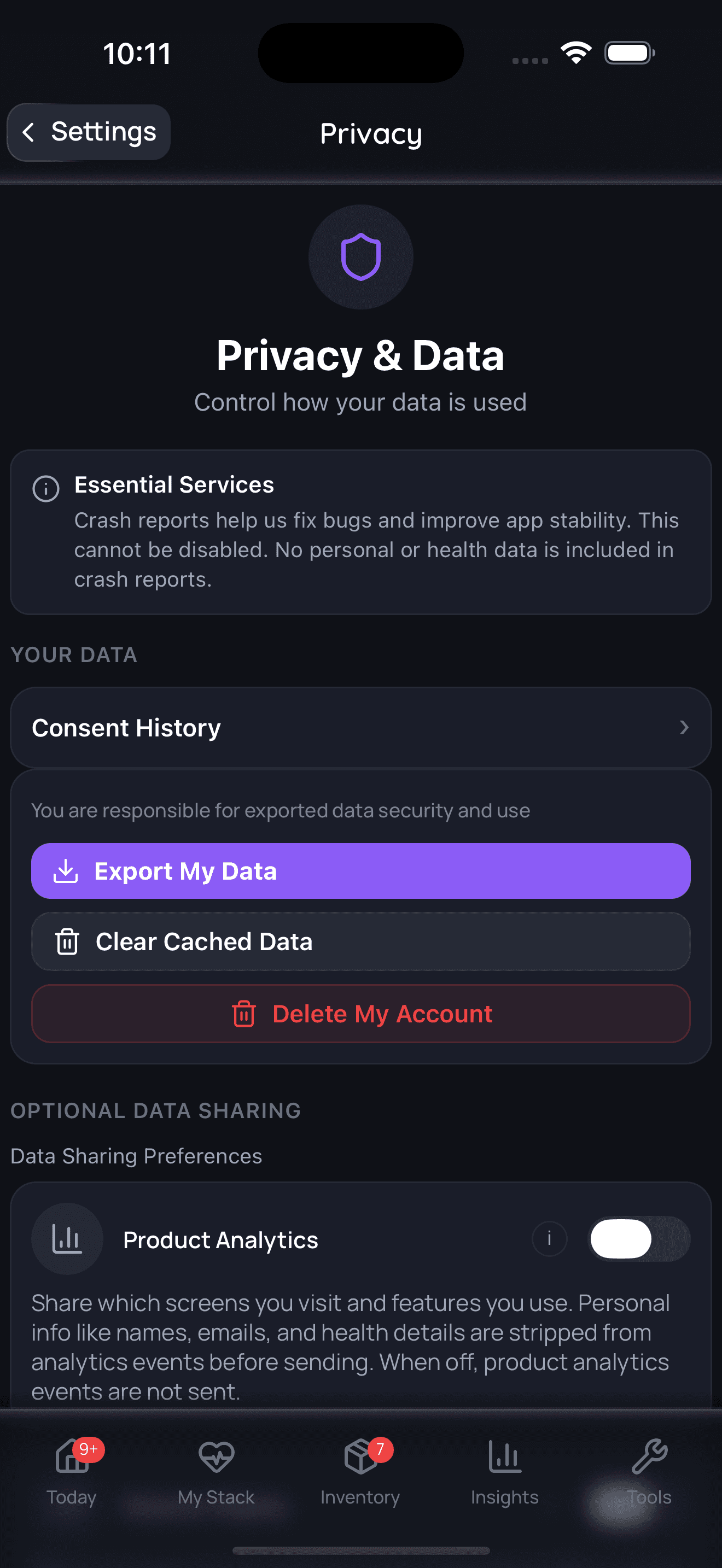
Privacy controls help you manage records; keep clinical records where required.
Side Effects & Safety
The Basics
Vitamin B6 has a unique safety profile among the water-soluble B vitamins. While most water-soluble vitamins are simply excreted when taken in excess with minimal risk, B6 carries a well-documented risk of peripheral neuropathy at high doses. This is the primary safety concern and the reason B6 has an established upper intake level.
The classic presentation of B6 toxicity involves sensory neuropathy: numbness, tingling, and pain in the hands and feet, sometimes progressing to difficulty walking due to impaired proprioception (your sense of body position). These symptoms typically develop after chronic intake of high doses (usually above 200 mg/day for months), but case reports describe neuropathy at doses as low as 50-100 mg/day, and rare individuals report sensitivity at even lower doses [1][2][5].
The important nuance is that there appear to be two levels of toxicity. At lower toxic doses, the damage takes the form of axonopathy (damage to the long nerve fibers), which is generally reversible when supplementation stops. At higher doses or with prolonged exposure, the damage can progress to sensory ganglion neuropathy, which may be irreversible [2][5].
The form of B6 matters for safety. A 2017 in vitro study found that pyridoxine itself is directly toxic to nerve cells, even at relatively low concentrations, while P-5-P (the active form) did not show neurotoxicity even at high concentrations. The proposed mechanism is that high circulating pyridoxine competes with PLP for enzyme binding sites, creating a functional PLP deficiency in nerve tissue despite high total B6 levels. This is sometimes described as a "paradoxical deficiency" [5][6].
Other reported side effects at high doses include photosensitivity, skin lesions, gastrointestinal symptoms (nausea, heartburn), and in rare cases, mood disturbances including depression and anhedonia after initially positive effects [1][2].
The Science
The pathophysiology of pyridoxine neuropathy involves direct neurotoxicity to dorsal root ganglia (DRG) neurons, which are particularly vulnerable due to the low blood-nerve barrier in this region compared to the blood-brain barrier protecting central neurons [5][8].
The 2017 in vitro study by Vrolijk et al. demonstrated that pyridoxine, but not PLP, induced dose-dependent cell death in DRG neurons at concentrations of 5-50 micromolar. The proposed mechanism involves competitive inhibition: high pyridoxine concentrations inhibit PLP-dependent enzymes by occupying the PLP binding site with inactive pyridoxine, creating a functional coenzyme deficiency. This paradoxical mechanism means that very high pyridoxine intake can produce symptoms identical to B6 deficiency [5].
MSKCC case reports document irreversible sensory ataxia in three elderly patients who consumed pyridoxine 600 mg daily in a B1-6-12 combination tablet for 3-10 years. B6 blood levels were elevated 66-104 times above the upper limit of normal. After 2 years of vitamin discontinuation, the patients showed no significant improvement [8].
MSKCC also reports neonatal B6 toxicity presenting as diffuse tremor at birth, secondary to maternal high-dose B6 intake during pregnancy and breastfeeding [8].
A secondary analysis of the Nurses' Health Study found that combined high intakes of vitamins B6 and B12 were associated with an unexpected increased risk of hip fracture in postmenopausal women [8].
Managing side effect risks across a multi-supplement stack can feel overwhelming, especially when interactions between supplements, medications, and foods add layers of complexity. Doserly brings all of that into a single safety view so nothing falls through the cracks.
Rather than researching every possible interaction yourself, the app checks your full stack automatically and flags supplement-drug and supplement-supplement interactions that warrant attention. If you do experience something unexpected, logging it takes seconds, and over time the app helps you spot patterns: whether symptoms correlate with specific doses, timing, or combinations. One place for the safety picture that matters most when your stack grows beyond a few bottles.
Keep side effects, flags, and follow-up notes visible.
Doserly helps you document safety observations, side effects, medication changes, and follow-up questions so important context is not scattered.
Safety log
Flags and notes
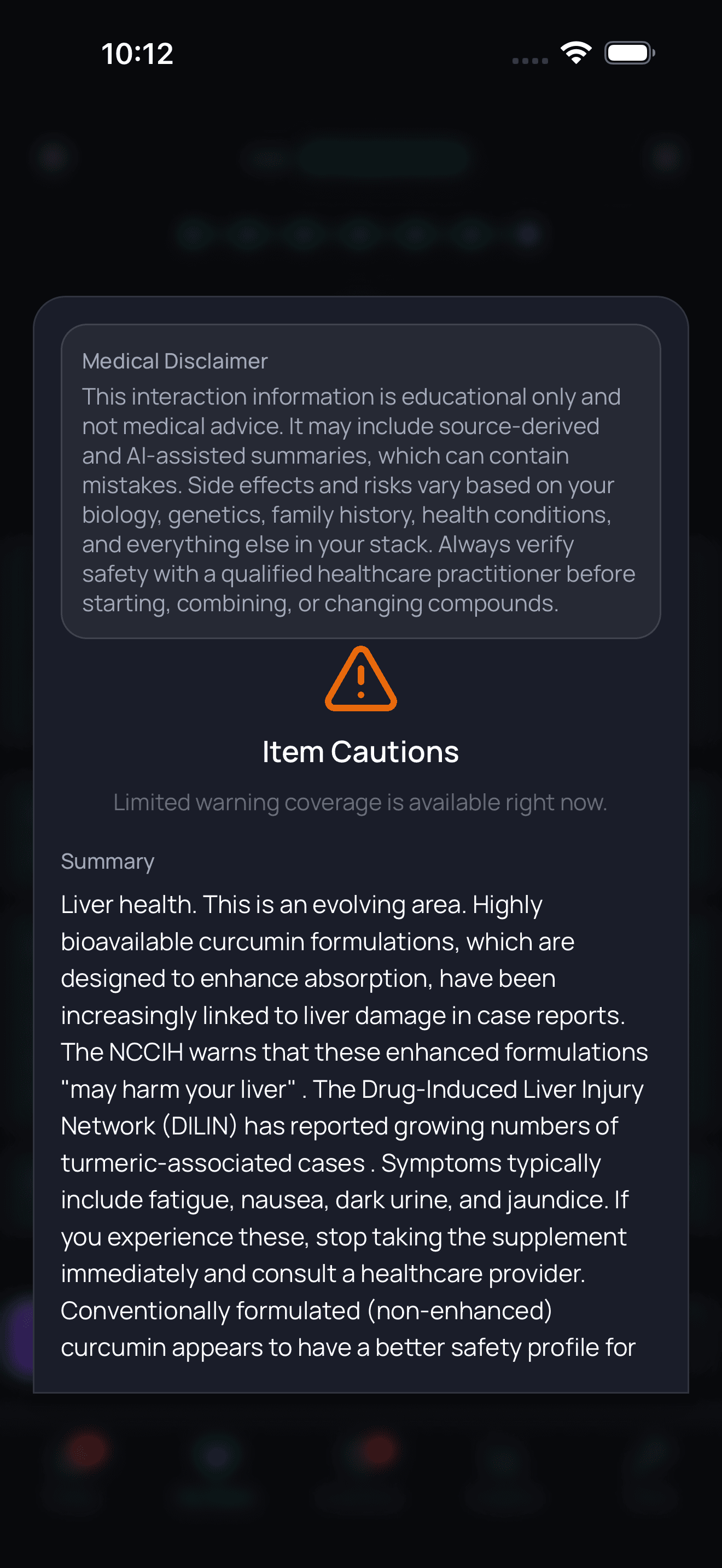
Safety notes are not emergency guidance; seek medical help when appropriate.
Dosing & Usage
The Basics
Vitamin B6 dosing depends heavily on your purpose for supplementing. Here is a summary of evidence-based dosing ranges:
Meeting nutritional needs (RDA):
- Adults 19-50: 1.3 mg/day
- Males 51+: 1.7 mg/day
- Females 51+: 1.5 mg/day
- Pregnancy: 1.9 mg/day
- Lactation: 2.0 mg/day
B-complex supplementation: Most B-complex formulas contain 10-50 mg of B6, well above the RDA but within common supplemental ranges.
Specific therapeutic uses:
- Pregnancy nausea: 10-25 mg, three to four times daily (ACOG recommendation) [1]
- PMS: Up to 80-100 mg/day during the luteal phase [1]
- Anxiety: 100 mg/day (based on one RCT; at the IOM UL) [7]
Upper intake limits:
- IOM (U.S.): 100 mg/day for adults
- EFSA (EU): 12 mg/day for adults (2023 revision)
A practical approach: for general supplementation, doses of 2-25 mg/day (in either form) are unlikely to cause problems in most people. For higher therapeutic doses, consider P-5-P, stay at or below 100 mg/day, monitor for any tingling or numbness in extremities, and consult a healthcare provider.
The Science
The RDA for vitamin B6 was established by the IOM in 1998 using plasma PLP concentration of 20 nmol/L as the adequacy indicator. The protein-B6 intake relationship was considered but not used as the primary basis for the recommendation [1][3].
The IOM UL of 100 mg/day was derived by halving 200 mg/day, the lowest dose at which studies of up to 5 years found no evidence of neuropathy [1]. The EFSA's substantially lower UL of 12 mg/day (2023) reflects a more conservative risk assessment incorporating more recent case reports of peripheral neuropathy at lower doses and applying larger uncertainty factors to available data [1].
For NVP, pharmacokinetic studies identified PLP as the active antiemetic vitamer, with pyridoxine and pyridoxal serving as prodrugs requiring hepatic conversion [8].
Supplementation with vitamin B6 alone does not significantly reduce fasting homocysteine levels; this is primarily governed by folate and B12. However, B6 may reduce postprandial homocysteine via the transsulfuration pathway [3][4].
When your stack includes several supplements, each with its own dose, form, and timing requirements, the logistics alone can derail consistency. Doserly consolidates all of it into one protocol view, so every dose across your entire routine is accounted for without spreadsheets or guesswork.
The app also tracks cumulative intake for nutrients that appear in multiple products. If your multivitamin, standalone supplement, and fortified protein shake all contain the same nutrient, Doserly adds them up and shows you the total alongside recommended and upper limits. Managing a thoughtful supplement protocol shouldn't require a degree in nutrition science. The app handles the complexity so you can focus on staying consistent.
Build reminders around the routine, not just the compound.
Doserly can keep timing, skipped doses, and schedule changes organized so the plan you read about becomes easier to follow and review.
Today view
Upcoming reminders

Reminder tracking supports consistency; it does not select a protocol for you.
What to Expect (Timeline)
Days 1-3: At adequate supplemental doses (10-50 mg), some people notice an initial increase in energy, improved mood, or reduced anxiety within the first few days. Vivid dreams may occur, particularly at doses above 100 mg. These rapid effects likely reflect improved neurotransmitter synthesis in individuals who were previously suboptimal in B6.
Weeks 1-2: Benefits typically stabilize during this period. The anxiolytic effect, if it occurs, tends to be most pronounced in the first two weeks. For pregnancy nausea, improvement is often noticeable within the first week of starting B6. Community reports suggest that initial positive effects on cognition, mood, and energy tend to peak around this time.
Weeks 2-4: This is a critical monitoring period, particularly at higher doses. Some individuals report that initial benefits plateau or reverse, with fatigue and mood changes emerging. This biphasic pattern (initial benefit followed by adverse effects) is a recurring theme in community reports and may reflect accumulation of pyridoxine at levels that begin to interfere with PLP-dependent enzyme function in nerve tissue.
1-3 months: Luteal phase lengthening (for women using B6 for cycle support) typically becomes apparent within 1-2 cycles. PMS symptom reduction at 80-100 mg/day was demonstrated over three menstrual cycles in the most recent RCT.
Ongoing monitoring: Any tingling, numbness, or unusual sensations in hands or feet should prompt immediate discontinuation and medical consultation, regardless of dose. These symptoms usually resolve within days to weeks of stopping supplementation, but delayed presentation may indicate more persistent nerve involvement.
Interactions & Compatibility
Synergistic
- Magnesium: Commonly taken together. Magnesium supports B6 utilization, and the combination appears synergistic for anxiety reduction and sleep quality. Magnesium bisglycinate formulas often include B6.
- Zinc: B6 and zinc have a reciprocal metabolic relationship. B6 may enhance zinc absorption, while adequate zinc supports B6 function. P-5-P supplementation may deplete zinc; concurrent supplementation (15-25 mg zinc) is often recommended.
- Vitamin B2 (Riboflavin): Riboflavin is required for the PNPO enzyme that converts pyridoxine to PLP. Without adequate B2, conversion of pyridoxine to its active form is impaired.
- Vitamin B12: Works alongside B6 and folate in the homocysteine metabolism pathway. Often supplemented together in B-complex formulations.
- Vitamin B9 (Folate): Essential partner in the methionine-homocysteine cycle. B6, B12, and folate are commonly co-supplemented for homocysteine management.
- Vitamin B1 (Thiamine): Benfotiamine (B1 derivative) has been reported by community members to help manage B6-induced neuropathic symptoms, though clinical data is limited.
- Doxylamine: The B6 + doxylamine combination is ACOG-recommended first-line therapy for pregnancy nausea. Available as the prescription drug Diclegis/Bonjesta.
Caution / Avoid
- Levodopa (without carbidopa): B6 enhances peripheral conversion of levodopa to dopamine by the PLP-dependent AADC enzyme, reducing the amount of levodopa reaching the brain and diminishing its therapeutic effect in Parkinson's disease. However, when levodopa is combined with carbidopa (a peripheral AADC inhibitor, as in Sinemet), this interaction is eliminated, and B6 supplementation is not contraindicated [1][3][8].
- Altretamine (chemotherapy): Pyridoxine has been shown to diminish the therapeutic effect of altretamine in cancer patients. Avoid concurrent use [8].
- Phenytoin/Phenobarbital: Pyridoxine supplementation (200 mg/day) can increase the metabolism of these antiepileptic drugs, potentially reducing their serum concentrations and anticonvulsant efficacy [1].
- NSAIDs (chronic use): Prolonged NSAID use is associated with lower PLP concentrations, which is time-dependent with larger decreases seen with longer drug usage. Monitoring B6 status may be warranted with chronic NSAID therapy [2].
- Oral contraceptives: May moderately increase pyridoxine requirements by interfering with B6 metabolism [8].
- Isoniazid (tuberculosis therapy): Reacts with PLP, increasing the risk of B6 deficiency and associated neurological symptoms. B6 supplementation is routinely recommended during isoniazid therapy [1][3].
- Theophylline: Patients treated with theophylline often have low plasma PLP concentrations, which may contribute to neurological side effects [1].
- Cycloserine: Increases urinary excretion of pyridoxine; pyridoxine supplementation is recommended to prevent seizures and neurotoxicity associated with this antibiotic [1].
How to Take / Administration Guide
Oral administration (standard):
- Vitamin B6 can be taken with or without food at any time of day
- For pregnancy nausea, the ACOG protocol specifies taking 10-25 mg three to four times daily
- For sleep and dream effects, evening dosing may be preferred
- For anxiety, morning dosing with food is a practical approach
Form selection:
- Pyridoxine HCl: the most common, least expensive, and best-studied form. Appropriate for most uses at moderate doses
- P-5-P (pyridoxal 5'-phosphate): the active coenzyme form, potentially safer at higher doses due to lower neuropathy risk. May be preferred by individuals who have experienced sensitivity to pyridoxine
- B-complex formulas: convenient for general B vitamin support. Check the B6 content to ensure it aligns with your target dose
Cycling/breaks:
- At nutritional doses (RDA level), daily continuous use is standard
- At higher supplemental doses (50-100 mg), some practitioners and community members recommend periodic breaks (e.g., 5 days on / 2 days off) to reduce neuropathy risk, though there is no clinical evidence establishing an optimal cycling protocol
- If taking B6 for luteal phase support, some women take it only during the luteal phase (post-ovulation to menstruation onset)
Cofactor considerations:
- Ensure adequate riboflavin (B2) intake, as B2 is required for conversion of pyridoxine to PLP
- Magnesium is commonly recommended as a cofactor for B6 utilization
- If taking P-5-P at doses above 20 mg, consider supplemental zinc (15-25 mg), as P-5-P may increase zinc requirements
Monitoring:
- Pay attention to any tingling, numbness, or pain in hands and feet. These are early warning signs of peripheral neuropathy and should prompt immediate discontinuation
- Plasma PLP testing is available and is the gold standard for assessing B6 status. Levels above 30 nmol/L are considered adequate
Choosing a Quality Product
When selecting a vitamin B6 supplement, consider the following quality factors:
Form verification: The label should clearly state whether the product contains pyridoxine HCl or pyridoxal 5'-phosphate (P-5-P). If you are choosing P-5-P specifically for its safety profile, verify this through the supplement facts panel, not just marketing claims.
Third-party testing: Look for products that have been independently verified by organizations such as USP (United States Pharmacopeia), NSF International, or that carry a ConsumerLab approved quality seal. These certifications verify that the product contains what it claims and is free of harmful contaminants.
Dose accuracy: B6 is often included in multivitamins and B-complex formulas. If you are also taking a standalone B6 supplement, calculate your total B6 intake from all sources. Cumulative B6 from multiple products can inadvertently push total intake above safe levels.
Athlete considerations: For competitive athletes, choose products certified by NSF Certified for Sport, Informed Sport, or the Cologne List to ensure the product has been tested for substances banned by WADA and major sports organizations. Vitamin B6 itself is not on the WADA Prohibited List.
Excipient awareness: Standard B6 supplements contain minimal excipients. However, some formulations include unnecessary additives or fillers. Prefer products with short, recognizable ingredient lists.
Avoid proprietary blends: B-complex products that list "proprietary blend" amounts without specifying individual B vitamin doses make it impossible to know how much B6 you are actually taking. Choose products that disclose exact amounts per vitamin.
Storage: Store away from direct light, as B6 (particularly pyridoxine) is light-sensitive. Room temperature storage in a closed container is adequate.
Food Sources
Vitamin B6 is widely distributed in foods, with the richest sources being animal products. Plant-based sources contain B6 primarily as pyridoxine glucoside, which has approximately 50% the bioavailability of free pyridoxine from animal foods and supplements [3].
Food
Chickpeas, canned
- Serving
- 1 cup
- Vitamin B6 (mg)
- 1.1
- % DV
- 65%
Food
Beef liver, pan fried
- Serving
- 3 oz
- Vitamin B6 (mg)
- 0.9
- % DV
- 53%
Food
Tuna, yellowfin, fresh, cooked
- Serving
- 3 oz
- Vitamin B6 (mg)
- 0.9
- % DV
- 53%
Food
Salmon, sockeye, cooked
- Serving
- 3 oz
- Vitamin B6 (mg)
- 0.6
- % DV
- 35%
Food
Chicken breast, roasted
- Serving
- 3 oz
- Vitamin B6 (mg)
- 0.5
- % DV
- 29%
Food
Potatoes, boiled
- Serving
- 1 cup
- Vitamin B6 (mg)
- 0.4
- % DV
- 25%
Food
Turkey, roasted
- Serving
- 3 oz
- Vitamin B6 (mg)
- 0.4
- % DV
- 25%
Food
Banana
- Serving
- 1 medium
- Vitamin B6 (mg)
- 0.4
- % DV
- 25%
Food
Fortified breakfast cereal
- Serving
- 1 cup
- Vitamin B6 (mg)
- 0.4-2.5
- % DV
- 25-147%
Food
Ground beef, 85% lean
- Serving
- 3 oz
- Vitamin B6 (mg)
- 0.3
- % DV
- 18%
Food
Spinach, cooked
- Serving
- 1 cup
- Vitamin B6 (mg)
- 0.44
- % DV
- 26%
Food
Avocado
- Serving
- 1/2 medium
- Vitamin B6 (mg)
- 0.26
- % DV
- 15%
DV for vitamin B6: 1.7 mg for adults and children age 4+.
About 75% of vitamin B6 from a mixed diet is bioavailable [1]. Most adults in the United States consume the recommended amounts, with average intakes of approximately 1.5 mg/day in women and 2 mg/day in men [1]. However, 24% of people who do not take B6-containing supplements have plasma PLP levels below 20 nmol/L, suggesting that the RDA may not guarantee adequate status in all population groups [1].
Regulatory Status & Standards
United States (FDA):
Vitamin B6 is classified as a dietary supplement under DSHEA. It is available over the counter in all forms (pyridoxine HCl, P-5-P) and doses. The FDA has established a Daily Value of 1.7 mg. No prescription is required for any dose level, though the IOM has set a UL of 100 mg/day.
European Union (EFSA):
Vitamin B6 is permitted as a food supplement. In 2023, EFSA revised the tolerable upper intake level to 12 mg/day for all adults, significantly lower than the IOM's 100 mg/day. This may restrict maximum doses available in EU-market supplements.
WADA / Sports Regulatory Status:
Vitamin B6 is NOT on the WADA Prohibited List and is permitted for use by athletes in all sports. It is not monitored by any national anti-doping agency (USADA, UKAD, Sport Integrity Canada, Sport Integrity Australia, NADA Germany) and does not appear in any professional league prohibited substance policies (NFL, NBA, MLB, NHL, NCAA).
Athletes can verify the status of B6-containing supplements through GlobalDRO (globaldro.com). For additional assurance, athletes should choose products certified by NSF Certified for Sport, Informed Sport, the Cologne List, or BSCG (Banned Substances Control Group).
Health Canada:
Vitamin B6 is available as a Natural Health Product (NHP). Licensed products carry an NPN (Natural Product Number).
Australia (TGA):
Available as a Listed Medicine. Compliant products carry an AUST L number.
FAQ
Is pyridoxine (standard B6) or P-5-P (active B6) better?
Both forms are effective, but they have different profiles. Pyridoxine HCl is the most studied form and is recommended by ACOG for pregnancy nausea. P-5-P is the biologically active form that does not require liver conversion and may carry lower neuropathy risk based on in vitro and animal data. If you tolerate pyridoxine well at moderate doses, there is no strong reason to switch. If you are taking higher doses or have experienced sensitivity to pyridoxine, P-5-P may be worth considering.
Can vitamin B6 help with anxiety?
Based on available data, commonly reported ranges of 25-100 mg/day have been associated with anxiety reduction. One well-designed RCT found that 100 mg pyridoxine daily for one month significantly reduced anxiety scores in younger adults, potentially through enhanced GABA production. However, this is a single trial at a dose that equals the U.S. upper intake limit. Consult a healthcare provider before using B6 specifically for anxiety management.
How much B6 is too much?
The IOM upper intake level is 100 mg/day for adults. EFSA set a much lower limit of 12 mg/day in 2023. Peripheral neuropathy is reliably induced at chronic doses above 1,000 mg/day, but case reports exist at doses as low as 50-200 mg/day. Individual sensitivity varies widely. Any tingling, numbness, or pain in hands or feet should prompt immediate discontinuation.
Does B6 cause vivid dreams?
Research supports this effect. A placebo-controlled study found that 100-250 mg of pyridoxine dose-dependently increased dream salience (subjective dream intensity). This is consistent with B6's role in serotonin synthesis, as serotonin influences REM sleep architecture. Some people find this effect enjoyable; others find it disruptive.
Should I take B6 for pregnancy nausea?
The American College of Obstetricians and Gynecologists recommends vitamin B6 (10-25 mg, three to four times daily) as first-line therapy for nausea and vomiting in pregnancy. If this alone is insufficient, the addition of doxylamine is recommended. Always discuss with your healthcare provider before starting any supplement during pregnancy.
Can I take too much B6 from a multivitamin?
Many multivitamins contain 2-10 mg of B6, which is well within safe ranges. The risk increases when B6 is taken from multiple sources: a multivitamin, a B-complex, a standalone B6 supplement, and fortified foods or energy drinks. Calculate your total intake from all sources.
Does B6 help with PMS?
A meta-analysis of nine trials found B6 more effective than placebo for PMS symptoms. The most recent RCT used 80 mg daily over three menstrual cycles and found significant reductions in anxiety, moodiness, irritability, and bloating. Doses up to 100 mg/day appear to be the most commonly studied range for PMS.
Why do some people feel worse after initially feeling better on B6?
This biphasic response (initial benefit followed by fatigue, mood changes, or neuropathic symptoms) is a recurring pattern in community reports. It may reflect: (1) accumulation of pyridoxine to levels that compete with PLP at enzyme binding sites, creating a functional deficiency; (2) depletion of cofactors like zinc that are needed to utilize the additional B6; or (3) individual sensitivity thresholds being reached. Reducing the dose, switching to P-5-P, or adding zinc and other B vitamins are strategies that have helped some users.
Does B6 interact with my medications?
B6 has clinically significant interactions with levodopa (reduces its effectiveness unless carbidopa is co-administered), phenytoin/phenobarbital (may reduce their serum levels), altretamine chemotherapy (reduces efficacy), and isoniazid (B6 supplementation is recommended during isoniazid therapy). Oral contraceptives, theophylline, and chronic NSAID use may all lower B6 levels. Discuss with your healthcare provider.
Is B6 safe for athletes?
Yes. Vitamin B6 is not on the WADA Prohibited List and is permitted in all sports. Athletes should choose products with third-party sport certifications (NSF Certified for Sport, Informed Sport) to avoid cross-contamination risk.
Myth vs. Fact
Myth: "Vitamin B6 is completely safe because it's water-soluble and you just pee out the excess."
Fact: While it is true that B6 is water-soluble and excess is excreted in urine, B6 is the exception to the general rule that water-soluble vitamins cannot cause harm. Chronic high-dose pyridoxine intake can cause peripheral neuropathy, sometimes irreversibly. The IOM established a UL of 100 mg/day specifically because of this risk, and EFSA set an even lower limit of 12 mg/day in 2023 [1][5].
Myth: "P-5-P is always superior to pyridoxine."
Fact: P-5-P may have a better safety profile at higher doses based on cell and animal studies, but most clinical trials demonstrating therapeutic benefits used pyridoxine HCl. ACOG specifically recommends pyridoxine for pregnancy nausea. P-5-P also costs more. For standard supplemental doses (under 25 mg), there is no clear advantage of P-5-P over pyridoxine for most people [5][6].
Myth: "B6 supplements prevent heart disease."
Fact: While higher dietary B6 intake is associated with lower cardiovascular risk in observational studies, supplementation trials (even those that successfully lowered homocysteine) have consistently failed to reduce heart attacks, strokes, or cardiovascular deaths. The American College of Cardiology and the American Heart Association do not support using B vitamins or homocysteine levels for cardiovascular disease prevention [1][3].
Myth: "You can't get too much B6 from supplements that are sold over the counter."
Fact: Many standalone B6 supplements are sold in doses of 50-100 mg, and some products contain 200+ mg. When combined with B6 from a multivitamin, B-complex, fortified foods, and energy drinks, total daily intake can easily exceed the UL. The availability of high-dose B6 supplements does not mean those doses are appropriate for daily long-term use [1].
Myth: "B6 supplementation will boost your energy if you're tired."
Fact: B6 is involved in energy metabolism, but supplementation only improves energy levels if you are actually deficient. For people with adequate B6 status, additional B6 does not provide an energy boost. Most healthy adults in developed countries already consume adequate B6 from food [1][3].
Myth: "Vitamin B6 cures depression."
Fact: B6 is needed to synthesize serotonin, dopamine, and GABA, all of which influence mood. Observational studies link higher B6 intake with lower depression risk. However, the most rigorous clinical trial of B6 for mood found that 100 mg/day for one month reduced anxiety but did not significantly reduce depression scores. B6 may help with mood as part of a broader approach but should not be considered a standalone treatment for clinical depression [7].
Sources & References
Government / Institutional Sources
[1] Institute of Medicine. Dietary Reference Intakes: Thiamin, Riboflavin, Niacin, Vitamin B6, Folate, Vitamin B12, Pantothenic Acid, Biotin, and Choline. Washington, DC: National Academy Press; 1998.
[2] di Salvo ML, Contestabile R, Safo MK. Vitamin B6 salvage enzymes: mechanism, structure and regulation. Biochim Biophys Acta. 2011;1814(11):1597-1608.
[3] Linus Pauling Institute, Oregon State University. Vitamin B6. Micronutrient Information Center. Available at: https://lpi.oregonstate.edu/mic/vitamins/vitamin-B6
[4] NIH Office of Dietary Supplements. Vitamin B6 Fact Sheet for Health Professionals. Updated June 16, 2023. Available at: https://ods.od.nih.gov/factsheets/VitaminB6-HealthProfessional/
Clinical Trials & Research
[5] Vrolijk MF, Opperhuizen A, Jansen EHJM, Hageman GJ, Bast A, Haenen GRMM. The vitamin B6 paradox: Supplementation with high concentrations of pyridoxine leads to decreased vitamin B6 function. Toxicol In Vitro. 2017;44:206-212.
[6] Kulkantrakorn K. Pyridoxine-induced sensory ataxic neuronopathy and neuropathy: revisited. Neurol Sci. 2014;35(11):1827-1830.
[7] Field DT, Cracknell RO, Eastwood JR, et al. High-dose Vitamin B6 supplementation reduces anxiety and strengthens visual surround suppression. Hum Psychopharmacol. 2022;37(6):e2852.
[8] Memorial Sloan Kettering Cancer Center. Vitamin B6. About Herbs Database. Updated October 5, 2023. Available at: https://www.mskcc.org/cancer-care/integrative-medicine/herbs/vitamin-b6
Systematic Reviews & Meta-Analyses
[9] Larsson SC, Orsini N, Wolk A. Vitamin B6 and risk of colorectal cancer: a meta-analysis of prospective studies. JAMA. 2010;303(11):1077-1083.
[10] Wyatt KM, Dimmock PW, Jones PW, Shaughn O'Brien PM. Efficacy of vitamin B-6 in the treatment of premenstrual syndrome: systematic review. BMJ. 1999;318(7195):1375-1381.
[11] Balk EM, Raman G, Tatsioni A, Chung M, Lau J, Rosenberg IH. Vitamin B6, B12, and folic acid supplementation and cognitive function: a systematic review of randomized trials. Arch Intern Med. 2007;167(1):21-30.
[12] EFSA NDA Panel. Scientific opinion on the tolerable upper intake level for vitamin B6. EFSA Journal. 2023;21(5):8006.
[13] Ebbing M, Bonaa KH, Arnesen E, et al. Combined analyses and extended follow-up of two randomized controlled homocysteine-lowering B-vitamin trials. J Intern Med. 2010;268(4):367-382.
[14] Kashanian M, Mazinani R, Jalalmanesh S. Pyridoxine (vitamin B6) therapy for premenstrual syndrome. Int J Gynaecol Obstet. 2007;96(1):43-44.
[15] Sahakian V, Rouse D, Sipes S, Rose N, Niebyl J. Vitamin B6 is effective therapy for nausea and vomiting of pregnancy: a randomized, double-blind placebo-controlled study. Obstet Gynecol. 1991;78(1):33-36.
[16] Morris MS, Picciano MF, Jacques PF, Selhub J. Plasma pyridoxal 5'-phosphate in the US population: the National Health and Nutrition Examination Survey, 2003-2004. Am J Clin Nutr. 2008;87(5):1446-1454.
Related Supplement Guides
Same Category
- Vitamin B1 (Thiamine)
- Vitamin B2 (Riboflavin)
- Vitamin B3 (Niacin)
- Vitamin B5 (Pantothenic Acid)
- Vitamin B7 (Biotin)
- Vitamin B9 (Folic Acid, Methylfolate)
- Vitamin B12
- B-Complex
Common Stacks / Pairings
- Magnesium — commonly paired for anxiety, sleep, and B6 utilization
- Zinc — reciprocal metabolic relationship; recommended with P-5-P supplementation
- 5-HTP — both involved in serotonin synthesis pathway (caution: do not combine high-dose B6 with 5-HTP without guidance)
Related Health Goals
- Inositol — anxiety and hormonal support
- L-Theanine — anxiety and calm focus (via different mechanism)
- Iron — B6 needed for hemoglobin synthesis; relevant for anemia evaluation
- Choline — one-carbon metabolism partner