
In this guide
What is vitamin C?
Vitamin C, or L-ascorbic acid, is an essential water-soluble vitamin. It supports collagen and carnitine synthesis, neurotransmitter pathways, antioxidant recycling, immune function and nonheme-iron absorption. Humans cannot synthesize it and need a regular dietary supply. [1]
Its essential role does not make every supplemental amount useful. Oral absorption falls at high doses, the kidneys tightly regulate circulating concentrations, and intravenous administration creates a different pharmacologic exposure.
Typical Vitamin C Protocols
| Purpose or population | Form and amount each time | Frequency | Total per day | Duration |
|---|---|---|---|---|
| RDA, adult men 19+ | Vitamin C from all sources | Daily | 90 mg | Ongoing reference intake |
| RDA, adult women 19+ | Vitamin C from all sources | Daily | 75 mg | Ongoing reference intake |
| RDA, pregnancy | Vitamin C from all sources | Daily | 85 mg | During pregnancy |
| RDA, lactation | Vitamin C from all sources | Daily | 120 mg | During lactation |
| Additional intake for people who smoke | Add to the applicable RDA | Daily | +35 mg | While smoking |
| Adult U.S. UL | Vitamin C from all sources | Daily | 2,000 mg maximum | Chronic safety boundary |
The table contains nutrition references rather than a treatment schedule. The smoking increment is added to the applicable RDA. The 2,000 mg UL is the highest chronic total intake unlikely to pose risk for most healthy adults; it is not a goal and does not guarantee safety for a person with kidney-stone or iron-overload risk. [1]
Where these amounts come from
The current NIH ODS vitamin C monograph supplies the U.S. RDAs, smoking increment, dose-dependent absorption, cold evidence, adult UL and interaction context. [1]
No common-cold treatment schedule is listed because starting vitamin C after symptoms has not shown consistent benefit. Intravenous schedules are outside this oral supplement guide.
Three different boundaries
Do not collapse a nutrition target, an absorption pattern and a safety limit.
The UL is not a goal; oral exposure is not equivalent to intravenous exposure.
Does vitamin C need to be cycled?
No authority defines a general vitamin C cycle. A food-level daily intake is different from repeated gram doses. If a clinician recommends a time-limited amount for a specific indication, preserve the indication, route, duration and stop rule together.
What happens when vitamin C is stopped?
Vitamin C does not cause a recognized withdrawal syndrome. Stopping a supplement removes that source; total intake may still be adequate from food. People being treated for scurvy or another diagnosed condition need a clinician-directed plan rather than an abrupt self-directed change.
Which foods provide vitamin C?
Citrus, peppers, kiwifruit, strawberries, broccoli, Brussels sprouts, tomatoes and fortified foods contribute vitamin C. Prolonged storage and cooking can reduce content, while varied fresh or lightly cooked produce can meet the RDA without a stand-alone supplement. [1]
Which vitamin C form should be compared?
Ascorbic acid is the standard oral form. Mineral ascorbates contain the ascorbate plus sodium, calcium or another mineral that should be counted when relevant. Current evidence does not establish a broadly superior clinical outcome for a branded form. [1]
Oral absorption is about 70%–90% at intakes of 30–180 mg/day and falls below 50% above 1 g/day. Intravenous vitamin C bypasses intestinal control and produces different plasma concentrations; oral and IV milligrams are not interchangeable. [1]
How should vitamin C be stored?
Follow the label for temperature, moisture and expiry. Vitamin C degrades with heat, light and prolonged storage. Keep products closed and out of children’s reach, and count vitamin C in powders, drinks and multivitamins.
What is vitamin C commonly used for?
Vitamin C prevents and treats deficiency, supports normal connective-tissue biology and improves absorption of nonheme iron. It is also marketed for colds, immune support, skin and antioxidant protection. Those uses require outcome-specific evidence rather than inference from an essential biochemical role. [1]
What does human research show?
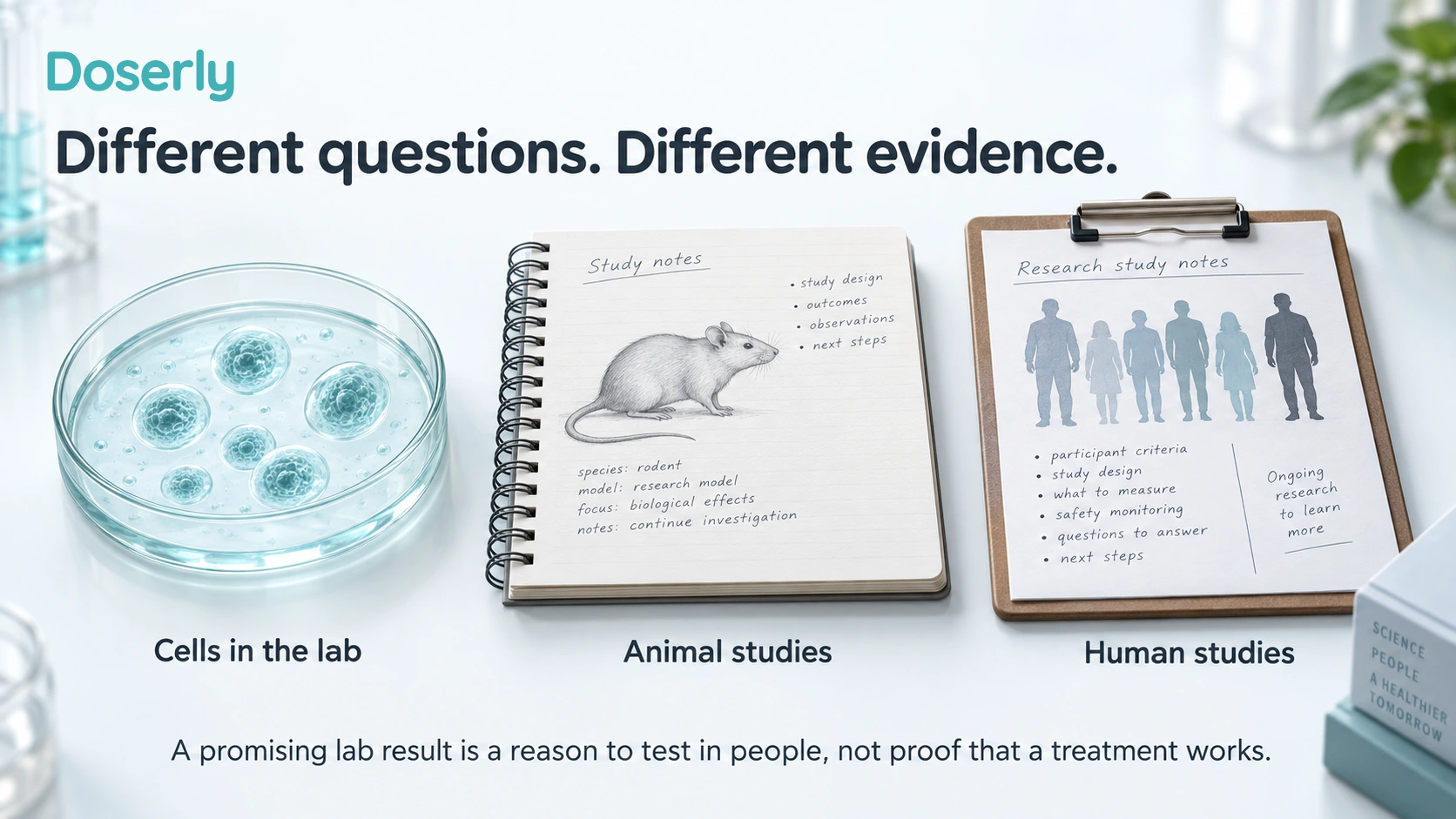
Regular vitamin C supplementation does not reduce cold incidence in the general population. Across trials it has modestly shortened cold duration and reduced symptom severity, while routine use in people under severe short-term physical stress has shown a different incidence signal. Starting vitamin C only after symptoms begin has not shown consistent benefit. [1]
This distinction matters: prevention, duration, severity and treatment after onset are separate outcomes. The evidence does not support promising that a gram dose taken at the first sneeze will prevent or cure a cold.
How does vitamin C work?
Ascorbate donates electrons in enzymatic reactions, including collagen hydroxylation and carnitine synthesis, and helps recycle other antioxidants. It also reduces ferric to ferrous iron in the gut, improving nonheme-iron absorption. Transport and renal handling tightly regulate blood concentrations after oral use. [1]
What are the risks and interactions?
High oral intakes can cause diarrhea, nausea and abdominal cramps. They can also increase urinary oxalate and uric acid. The clinical importance varies, but people with kidney disease, recurrent stones or iron-overload disorders should not treat the 2,000 mg UL as a personalized safe amount. [1]
In the United States, supplements generally do not receive FDA premarket approval for safety or effectiveness. In Canada, natural health products require a licence and authorized labels carry an NPN or DIN-HM. [2], [3]
Which medicines interact with vitamin C?
High-dose antioxidant use during chemotherapy or radiation remains controversial and should be discussed with the treating oncologist. Vitamin C combined with other antioxidants may attenuate the HDL rise from a niacin-simvastatin regimen; the relevance to other lipid regimens is unknown. [1]
What should be monitored?
For ordinary dietary intake, routine vitamin C blood testing is uncommon. Plasma vitamin C reflects recent status but is tightly controlled; suspected scurvy requires symptoms, diet, risk factors and clinical context. If high doses are used, track total intake, gastrointestinal effects, kidney history and the reason for use.
What do public communities report?
Public discussions commonly describe “megadosing,” fewer colds, stomach upset or kidney-stone worries. These accounts cannot separate natural cold recovery from treatment effect and rarely establish total intake, adherence or stone risk.
The previous Doserly dossier reviewed community material, but this overhaul did not independently recrawl or quantify it. No community consensus is treated as evidence.
How does vitamin C compare with nearby options?
| Guide | What it is | Key difference |
|---|---|---|
| Iron | Essential mineral | Vitamin C can increase nonheme-iron absorption; iron excess has separate risks |
| Zinc | Essential mineral used in cold products | Different evidence, UL and copper interaction |
| Vitamin E | Fat-soluble antioxidant vitamin | Accumulates differently and has different bleeding context |
| Women's multivitamin | Multi-nutrient product | May already contribute vitamin C to the total |
Common questions about vitamin C
Does vitamin C prevent the common cold?
Not in the general population with regular use. It may modestly shorten duration, and a different incidence signal appears in some people under severe short-term physical stress. [1]
Does starting vitamin C after symptoms help?
Trials have not shown consistent benefit when supplementation starts after symptoms. [1]
Is 2,000 mg the recommended amount?
No. It is the adult U.S. UL for chronic total intake, not a target. Adult RDAs are 75 or 90 mg/day depending on sex. [1]
Do smokers use 35 mg total?
No. They add 35 mg/day to the applicable age- and sex-specific RDA. [1]
Are buffered forms better?
Mineral ascorbates may differ in acidity and add a mineral, but current evidence does not establish broadly superior clinical outcomes. Count the accompanying sodium or calcium when relevant.
Is oral vitamin C equivalent to an infusion?
No. IV use bypasses intestinal and first-pass controls and creates a different exposure. An oral guide cannot supply an IV protocol. [1]
Can vitamin C cause kidney stones?
High intakes can increase urinary oxalate. Individual stone risk is more complex, so recurrent stones or kidney disease warrant clinical advice before gram-dose use. [1]
Glossary
Plain explanations of vitamin C, intake and evidence terms used in this guide.
- Ascorbate
- The ionized form of vitamin C that participates in electron-transfer and enzyme reactions.
- Recommended Dietary Allowance (RDA)
- A daily total intake intended to meet the needs of nearly all healthy people in a life-stage group.
- Tolerable Upper Intake Level (UL)
- A chronic total-intake boundary expected to pose little risk for most healthy people; it is not a target.
- Nonheme iron
- Iron found in plant foods and some mixed foods whose absorption vitamin C can improve.
- Oxalate
- A metabolite that can contribute to some kidney stones when urinary exposure and individual risk align.
- Pharmacokinetics
- How a substance is absorbed, distributed and cleared; oral and IV vitamin C have different profiles.
How this guide was researched
This draft uses the current NIH ODS vitamin C professional monograph and current FDA and Health Canada regulatory pages. Relevant source text was retrieved and read on October 9, 2026. The older Doserly draft identified claims to recheck but was not treated as evidence.
The manuscript separates nutrition references from cold outcomes and oral use from intravenous therapy. It does not invent a cold-treatment or oncology schedule.
How this guide was made
Research and drafting were AI-assisted. This manuscript is a draft for Doserly editorial review and has not been independently clinically reviewed. Doserly makes a health-tracking app and operates Doserly Academy, both promoted here. Read the editorial policy.
Explore the sources
Official nutrient and regulatory pages answer different questions. Source notes preserve the reviewed scope.
Showing 3 sources
- 01
Vitamin C - Health Professional Fact Sheet ↗
Official nutrient monograph
Current relevant sections reviewed.
Detail: Identity, foods, RDAs, smoking increment, absorption, common-cold evidence, UL, harms and interactions.
- 02
Questions and Answers on Dietary Supplements ↗
Regulatory overview
Current official page reviewed.
Detail: U.S. premarket and postmarket supplement framework.
- 03
Product Licensing ↗
Regulatory overview
Current official page reviewed.
Detail: Canadian product licensing and NPN or DIN-HM identifier.
No matching sources
Try a different term or show the full list.