
Children's Multivitamins: The Complete Supplement Guide
On this page
Quick Reference Card
Attribute
Common Name
- Detail
- Children's Multivitamin
Attribute
Other Names / Aliases
- Detail
- Kids' Multi, Children's MVM, Pediatric Multivitamin, Kids' Vitamin, Children's Daily Vitamin
Attribute
Category
- Detail
- Vitamin/Mineral Complex (pediatric formulation)
Attribute
Primary Forms & Variants
- Detail
- Gummy (most popular; often lacks iron and calcium), chewable tablet (broader nutrient profile, may include iron), liquid/drops (for infants and toddlers), powder (mixable, emerging format for selective eaters). Age-stratified: infant drops (0-12 months), toddler (1-3 years), children 4+ (most common), tween/teen (8-13 years).
Attribute
Typical Dose Range
- Detail
- Per product label, typically 1-2 gummies or 1 chewable tablet daily; liquid drops per dropper measurement for infants
Attribute
RDA / AI / UL
- Detail
- No single RDA for a multivitamin product. Contains multiple nutrients each with age-specific RDA/AI/UL values. Key pediatric values: Vitamin D 400-600 IU, Iron 7-10 mg (ages 1-8), Calcium 700-1,000 mg, Vitamin A 300-600 mcg RAE (ages 1-8). See Chemical & Nutritional Identity section.
Attribute
Common Delivery Forms
- Detail
- Gummy, chewable tablet, liquid drops, powder, softgel chew
Attribute
Best Taken With / Without Food
- Detail
- Take with food (enhances fat-soluble vitamin absorption and reduces GI upset)
Attribute
Key Cofactors
- Detail
- Dietary fat (enhances absorption of fat-soluble vitamins A, D, E, K); Vitamin C (enhances iron absorption)
Attribute
Storage Notes
- Detail
- Store at room temperature in a cool, dry place away from light and moisture. Keep in a childproof container out of reach of children. Iron-containing products carry specific poisoning risk warnings.
Overview
The Basics
A children's multivitamin is a supplement containing a range of vitamins and minerals formulated in smaller doses appropriate for infants, toddlers, children, and adolescents. The premise is simple: growing bodies need certain nutrients for healthy development, and a multivitamin can help fill gaps when a child's diet falls short.
The reality of pediatric nutrition, though, is more nuanced than the vitamin aisle would suggest. The American Academy of Pediatrics (AAP) states clearly that most healthy children receiving a normal, well-balanced diet do not need vitamin supplementation beyond the recommended dietary allowances [1]. About one-quarter of all children and adolescents in the United States take some form of multivitamin, with usage peaking at 34.6% among children aged 2 to 5 and declining to 17.3% among adolescents aged 12 to 19 [2].
Children's formulations differ from adult multivitamins in several important ways. The doses are smaller, reflecting the lower RDAs for pediatric age groups. Many products come in gummy, chewable, or liquid forms designed for children who cannot swallow pills. And the nutrient profiles may be adjusted: for example, many children's gummies omit iron entirely because iron is difficult to formulate into a palatable gummy and because iron poisoning is a leading cause of fatal poisoning in children under six [3].
The honest assessment: for children eating a reasonably varied diet with fruits, vegetables, dairy, grains, and protein, a multivitamin is probably unnecessary. For children with restricted diets, food allergies, chronic illness, or documented deficiencies, a well-chosen multivitamin can serve as a useful safety net. It is not, however, a substitute for improving the diet itself, and it cannot boost immunity, fix picky eating behavior, or treat conditions [1][4].
The Science
Children's multivitamin/mineral (MVM) supplements have no standard regulatory definition. The FDA does not define what constitutes a children's multivitamin, and manufacturers determine the combinations and levels of nutrients in their products [2]. Products marketed for children vary widely in composition, with analyses of 288 products labeled for children ages 1 to 4 showing that many exceeded the Daily Values for micronutrients already abundant in children's diets while simultaneously failing to provide adequate amounts of the nutrients most commonly underconsumed: vitamin D, calcium, and potassium [5].
The Dietary Reference Intakes (DRIs) for children are established by the National Academies of Sciences, Engineering, and Medicine and are stratified by age group: 0-6 months, 7-12 months, 1-3 years, 4-8 years, 9-13 years, and 14-18 years. Each age group has distinct Recommended Dietary Allowances (RDAs) or Adequate Intakes (AIs) for each essential nutrient, reflecting the different physiological needs of rapidly growing bodies at each developmental stage [6].
Analysis of 2017-2018 NHANES data demonstrates that MVM use is most common among the youngest children (34.6% of 2-5 year olds) and declines with age (17.3% of 12-19 year olds). MVM use is more prevalent among children of supplement-using parents, those from higher-income households, and those with higher parental education levels [2].
Chemical & Nutritional Identity
Children's multivitamins are multi-component formulations. The table below lists key nutrients with their age-specific RDAs/AIs and ULs established by the National Academies.
Nutrient
Vitamin A
- RDA/AI Ages 1-3
- 300 mcg RAE
- RDA/AI Ages 4-8
- 400 mcg RAE
- RDA/AI Ages 9-13
- 600 mcg RAE
- UL Ages 1-3
- 600 mcg RAE
- UL Ages 4-8
- 900 mcg RAE
- Common Forms
- Beta-carotene, retinyl palmitate
Nutrient
Vitamin C
- RDA/AI Ages 1-3
- 15 mg
- RDA/AI Ages 4-8
- 25 mg
- RDA/AI Ages 9-13
- 45 mg
- UL Ages 1-3
- 400 mg
- UL Ages 4-8
- 650 mg
- Common Forms
- Ascorbic acid
Nutrient
Vitamin D
- RDA/AI Ages 1-3
- 15 mcg (600 IU)
- RDA/AI Ages 4-8
- 15 mcg (600 IU)
- RDA/AI Ages 9-13
- 15 mcg (600 IU)
- UL Ages 1-3
- 63 mcg (2,500 IU)
- UL Ages 4-8
- 75 mcg (3,000 IU)
- Common Forms
- Cholecalciferol (D3)
Nutrient
Vitamin E
- RDA/AI Ages 1-3
- 6 mg
- RDA/AI Ages 4-8
- 7 mg
- RDA/AI Ages 9-13
- 11 mg
- UL Ages 1-3
- 200 mg
- UL Ages 4-8
- 300 mg
- Common Forms
- d-alpha-tocopherol
Nutrient
Vitamin K
- RDA/AI Ages 1-3
- AI: 30 mcg
- RDA/AI Ages 4-8
- AI: 55 mcg
- RDA/AI Ages 9-13
- AI: 60 mcg
- UL Ages 1-3
- Not established
- UL Ages 4-8
- Not established
- Common Forms
- Phytonadione (K1)
Nutrient
Thiamin (B1)
- RDA/AI Ages 1-3
- 0.5 mg
- RDA/AI Ages 4-8
- 0.6 mg
- RDA/AI Ages 9-13
- 0.9 mg
- UL Ages 1-3
- Not established
- UL Ages 4-8
- Not established
- Common Forms
- Thiamine mononitrate
Nutrient
Riboflavin (B2)
- RDA/AI Ages 1-3
- 0.5 mg
- RDA/AI Ages 4-8
- 0.6 mg
- RDA/AI Ages 9-13
- 0.9 mg
- UL Ages 1-3
- Not established
- UL Ages 4-8
- Not established
- Common Forms
- Riboflavin
Nutrient
Niacin (B3)
- RDA/AI Ages 1-3
- 6 mg
- RDA/AI Ages 4-8
- 8 mg
- RDA/AI Ages 9-13
- 12 mg
- UL Ages 1-3
- 10 mg
- UL Ages 4-8
- 15 mg
- Common Forms
- Niacinamide
Nutrient
Vitamin B6
- RDA/AI Ages 1-3
- 0.5 mg
- RDA/AI Ages 4-8
- 0.6 mg
- RDA/AI Ages 9-13
- 1.0 mg
- UL Ages 1-3
- 30 mg
- UL Ages 4-8
- 40 mg
- Common Forms
- Pyridoxine HCl
Nutrient
Folate
- RDA/AI Ages 1-3
- 150 mcg DFE
- RDA/AI Ages 4-8
- 200 mcg DFE
- RDA/AI Ages 9-13
- 300 mcg DFE
- UL Ages 1-3
- 300 mcg (synth.)
- UL Ages 4-8
- 400 mcg (synth.)
- Common Forms
- Folic acid, methylfolate
Nutrient
Vitamin B12
- RDA/AI Ages 1-3
- 0.9 mcg
- RDA/AI Ages 4-8
- 1.2 mcg
- RDA/AI Ages 9-13
- 1.8 mcg
- UL Ages 1-3
- Not established
- UL Ages 4-8
- Not established
- Common Forms
- Cyanocobalamin
Nutrient
Biotin
- RDA/AI Ages 1-3
- AI: 8 mcg
- RDA/AI Ages 4-8
- AI: 12 mcg
- RDA/AI Ages 9-13
- AI: 20 mcg
- UL Ages 1-3
- Not established
- UL Ages 4-8
- Not established
- Common Forms
- D-biotin
Nutrient
Pantothenic Acid
- RDA/AI Ages 1-3
- AI: 2 mg
- RDA/AI Ages 4-8
- AI: 3 mg
- RDA/AI Ages 9-13
- AI: 4 mg
- UL Ages 1-3
- Not established
- UL Ages 4-8
- Not established
- Common Forms
- Calcium pantothenate
Nutrient
Calcium
- RDA/AI Ages 1-3
- 700 mg
- RDA/AI Ages 4-8
- 1,000 mg
- RDA/AI Ages 9-13
- 1,300 mg
- UL Ages 1-3
- 2,500 mg
- UL Ages 4-8
- 2,500 mg
- Common Forms
- Calcium carbonate, calcium citrate
Nutrient
Iron
- RDA/AI Ages 1-3
- 7 mg
- RDA/AI Ages 4-8
- 10 mg
- RDA/AI Ages 9-13
- 8 mg
- UL Ages 1-3
- 40 mg
- UL Ages 4-8
- 40 mg
- Common Forms
- Ferrous fumarate, ferrous bisglycinate
Nutrient
Zinc
- RDA/AI Ages 1-3
- 3 mg
- RDA/AI Ages 4-8
- 5 mg
- RDA/AI Ages 9-13
- 8 mg
- UL Ages 1-3
- 7 mg
- UL Ages 4-8
- 12 mg
- Common Forms
- Zinc citrate, zinc bisglycinate
Nutrient
Iodine
- RDA/AI Ages 1-3
- 90 mcg
- RDA/AI Ages 4-8
- 90 mcg
- RDA/AI Ages 9-13
- 120 mcg
- UL Ages 1-3
- 200 mcg
- UL Ages 4-8
- 300 mcg
- Common Forms
- Potassium iodide
Nutrient
Magnesium
- RDA/AI Ages 1-3
- 80 mg
- RDA/AI Ages 4-8
- 130 mg
- RDA/AI Ages 9-13
- 240 mg
- UL Ages 1-3
- 65 mg (suppl.)
- UL Ages 4-8
- 110 mg (suppl.)
- Common Forms
- Magnesium oxide, citrate
Nutrient
Selenium
- RDA/AI Ages 1-3
- 20 mcg
- RDA/AI Ages 4-8
- 30 mcg
- RDA/AI Ages 9-13
- 40 mcg
- UL Ages 1-3
- 90 mcg
- UL Ages 4-8
- 150 mcg
- Common Forms
- Sodium selenate
Key notes: Most children's MVMs cannot provide full daily requirements of calcium, magnesium, or potassium due to the physical bulk of these minerals. Gummy formulations typically exclude iron. The FDA sets separate Daily Values for children under 4 versus children aged 4 and older (where adult DVs apply for labeling purposes), creating a labeling landscape that can confuse parents [3][6].
Mechanism of Action
The Basics
A children's multivitamin does not work through a single mechanism. It delivers a collection of essential nutrients, each of which plays specific roles in a growing child's body. Think of it as restocking a pantry with ingredients the body needs for dozens of different processes.
The B vitamins (B1, B2, B3, B5, B6, B7, B9, B12) function as helpers in energy production, converting the food your child eats into usable fuel for cells. Vitamin A supports vision, immune function, and healthy skin. Vitamin C helps build collagen (the structural protein in skin, bones, and blood vessels) and helps the body absorb iron from plant-based foods. Vitamin D acts more like a hormone, directing calcium into bones and teeth and supporting immune function. Iron is essential for making hemoglobin, the molecule in red blood cells that carries oxygen throughout the body.
For a growing child, these nutrients are not optional extras. They are the raw materials for building bone, developing the brain, forming the immune system, and producing the enzymes that make everything else work. The purpose of a children's multivitamin is not to deliver pharmacological doses of anything. It is to ensure that none of these essential processes are bottlenecked by a missing nutrient [6].
The Science
The mechanisms of action of a children's MVM are the aggregate biochemical contributions of its individual nutrient components:
Growth and development: Vitamin D activates the VDR (vitamin D receptor) to promote intestinal calcium absorption and bone mineralization via osteoblast differentiation. Vitamin A (retinol/retinoic acid) regulates gene expression involved in cellular differentiation and skeletal development. Zinc is a structural component of over 300 metalloenzymes and is essential for DNA synthesis, cell division, and linear growth [6].
Immune function: Vitamin C supports epithelial barrier integrity and enhances the oxidative burst capacity of phagocytes. Vitamin D modulates both innate and adaptive immune responses through VDR-mediated transcription. Zinc is required for T-cell maturation and natural killer cell activity. Vitamin A maintains mucosal immunity and supports antibody responses to infections [6].
Energy metabolism: Thiamine (B1), riboflavin (B2), niacin (B3), pantothenic acid (B5), and biotin (B7) serve as essential cofactors for mitochondrial electron transport chain complexes and the citric acid cycle. Iron is incorporated into cytochrome proteins in the electron transport chain [6].
Neurological development: Iron is essential for myelination and neurotransmitter synthesis during critical developmental windows. Folate and B12 are required for one-carbon metabolism, DNA methylation, and nucleotide synthesis. Iodine is the substrate for thyroid hormone (T3/T4) production, which drives brain development, particularly during the first three years of life. Choline (when included) supports acetylcholine synthesis and hippocampal development [6].
Absorption & Bioavailability
The Basics
How well a child's body absorbs the nutrients in a multivitamin depends on the form of each nutrient, what the child eats alongside it, and the product format.
Fat-soluble vitamins (A, D, E, K) need dietary fat to be absorbed properly. Taking a children's multivitamin with a meal that includes some fat, even a glass of whole milk or some peanut butter, improves absorption of these nutrients. Water-soluble vitamins (C and B-complex) absorb without fat but are not stored for long, making consistent daily intake important.
Iron absorption is a particular concern in children's products. The type of iron matters: ferrous bisglycinate (chelated iron) is generally better absorbed and gentler on the stomach than ferrous sulfate or ferrous fumarate. Taking iron alongside vitamin C (which many MVMs already contain) enhances absorption, while calcium competes with iron for the same absorption pathway.
Gummy vitamins present a significant trade-off. They are by far the most palatable format for children, but they frequently lack iron and calcium (which affect texture and taste), and some research suggests that gummy vitamin dosing may be less consistent than tablets because the nutrients are sometimes surface-sprayed rather than uniformly distributed [4][7].
The Science
Absorption of children's MVM components follows the same biochemical pathways as adult formulations, with several pediatric-specific considerations:
Mineral competition: Divalent cations (Ca2+, Fe2+, Zn2+, Mg2+) share overlapping intestinal transport pathways, particularly DMT1 (divalent metal transporter 1). Simultaneous administration of calcium can reduce iron absorption by 50-60%. Zinc at doses above the UL can inhibit copper absorption via metallothionein induction. Chelated mineral forms (amino acid chelates, bisglycinate) may partially bypass ionic competition by utilizing peptide transport pathways [6].
Fat-soluble vitamin absorption: Vitamins A, D, E, and K require incorporation into mixed micelles via bile salt solubilization. Absorption efficiency increases substantially when taken with a fat-containing meal. For young children who may consume lower-fat meals, this is a practical concern [6].
Pediatric considerations: Children's gastrointestinal systems have age-dependent differences in gastric pH, bile acid concentrations, and intestinal surface area that may influence nutrient absorption. Infants and very young children have higher gastric pH, which may affect absorption of certain mineral forms. Liquid formulations may provide more consistent dosing and faster absorption in very young children compared to chewable or gummy forms [6].
Research & Clinical Evidence
Children's MVMs and Nutritional Status
The Basics
The primary purpose of a children's multivitamin is to improve nutrient intake, and the evidence shows it does accomplish this basic function. National surveys confirm that children who take MVMs have higher total intakes of most vitamins and minerals compared to non-users [2].
However, the evidence also reveals an important paradox. A 2021 analysis of 288 children's MVM products found that many provide excessive amounts of nutrients already abundant in children's diets (biotin, B vitamins) while providing inadequate amounts of the nutrients children most commonly lack (vitamin D, calcium, potassium). The researchers concluded that reformulation could better target actual pediatric nutritional gaps [5].
The nutrients of greatest public health concern for U.S. children are vitamin D, calcium, potassium, and dietary fiber (which supplements cannot provide). Iron is also a concern for certain subpopulations, particularly toddlers with limited meat intake and adolescent girls [2][5].
The Science
Dwyer et al. (J Acad Nutr Diet, 2021): Analysis of 288 MVMs labeled for children ages 1-4 from the NIH Dietary Supplement Label Database. Found that many products exceeded DVs for micronutrients abundant in food while failing to adequately provide nutrients of public health concern. Of products containing vitamin D, calcium, and potassium, most contained less than 50% DV for these nutrients. Folic acid content exceeded the UL in 96 products. The analysis supports reformulation of children's MVMs to better match pediatric nutritional gaps [5].
NHANES data (2017-2018): MVM use among children and adolescents: 11.0% (under 2 years), 34.6% (2-5 years), 29.5% (6-11 years), 17.3% (12-19 years). Usage correlates with parental supplement use, higher income, and higher education [2].
Children's MVMs and Health Outcomes
The Basics
Unlike adult MVM research, which includes large-scale clinical trials like PHS II and COSMOS, there are very few randomized controlled trials examining whether children's MVMs improve health outcomes beyond correcting deficiencies. The AAP, Mayo Clinic, and Johns Hopkins Medicine all state that most healthy children do not benefit from routine multivitamin supplementation [1][4][8].
The evidence that does exist is largely observational and focused on specific nutrients rather than complete MVMs. Vitamin D supplementation prevents rickets and supports bone health. Iron supplementation corrects iron-deficiency anemia. These are nutrient-specific benefits, not multivitamin benefits per se.
There is no evidence that children's multivitamins boost immunity, prevent common colds, improve behavior, reduce picky eating, or enhance academic performance in well-nourished children [1][4].
The Science
AAP position (2025): The American Academy of Pediatrics states that healthy children receiving a normal, well-balanced diet do not need vitamin supplementation over and above the RDAs. The AAP specifically recommends vitamin D supplementation (400 IU/day for infants under 1 year, 600 IU/day for children over 1 year) and notes that megadoses of vitamins A, C, or D can produce toxic symptoms in children [1].
Wagner & Greer (Pediatrics, 2008): AAP Clinical Report recommending 400 IU/day vitamin D for all infants, children, and adolescents beginning soon after birth, based on evidence that vitamin D deficiency and rickets continue to be reported in the U.S. [9].
Evidence & Effectiveness Matrix
Category
Immune Function
- Evidence Strength
- 4/10
- Reported Effectiveness
- 3/10
- Summary
- Individual nutrients (D, C, zinc) support immune function. No RCT evidence that children's MVMs reduce illness frequency. Community and medical consensus: MVMs do not "boost immunity."
Category
Bone Health
- Evidence Strength
- 5/10
- Reported Effectiveness
- Community data not yet collected
- Summary
- Vitamin D and calcium are essential for pediatric bone development. MVMs provide vitamin D but typically insufficient calcium. Targeted supplementation needed.
Category
Energy Levels
- Evidence Strength
- 3/10
- Reported Effectiveness
- 2/10
- Summary
- B vitamins and iron are essential energy cofactors. No evidence of subjective energy improvement in healthy, non-deficient children. Community reports no noticeable energy change.
Category
Mood & Wellbeing
- Evidence Strength
- 2/10
- Reported Effectiveness
- 3/10
- Summary
- Very limited clinical data. Community reports no behavioral improvement from standard MVMs. "Hidden hunger" marketing claims not supported by evidence.
Category
Digestive Comfort
- Evidence Strength
- 3/10
- Reported Effectiveness
- 4/10
- Summary
- Iron-containing formulations commonly cause GI discomfort in children. Gummies better tolerated but lack iron.
Category
Nausea & GI Tolerance
- Evidence Strength
- 3/10
- Reported Effectiveness
- 4/10
- Summary
- GI side effects are the most commonly discussed issue, primarily from iron. Chewable and gummy formats generally well tolerated.
Category
Side Effect Burden
- Evidence Strength
- 5/10
- Reported Effectiveness
- 5/10
- Summary
- Basic MVMs safe when taken as directed. Iron overdose is leading poisoning risk in children under 6. Some brand-specific adverse reports in community.
Category
Treatment Adherence
- Evidence Strength
- N/A
- Reported Effectiveness
- 7/10
- Summary
- Children's MVMs have solved the compliance problem: gummies and chewables are highly accepted. Risk shifts to overconsumption rather than non-compliance.
Category
Sleep Quality
- Evidence Strength
- 2/10
- Reported Effectiveness
- 3/10
- Summary
- No clinical evidence linking children's MVMs to sleep improvement. Some brand-specific reports of sleep disruption in community.
Category
Appetite & Satiety
- Evidence Strength
- 1/10
- Reported Effectiveness
- 2/10
- Summary
- No evidence that MVMs improve appetite or picky eating behavior. Marketing claims not supported.
Categories scored: 10
Categories with community data: 9
Categories not scored (insufficient data): Fat Loss, Muscle Growth, Weight Management, Food Noise, Focus & Mental Clarity, Memory & Cognition, Anxiety, Stress Tolerance, Motivation & Drive, Emotional Aliveness, Emotional Regulation, Libido, Sexual Function, Joint Health, Inflammation, Pain Management, Recovery & Healing, Physical Performance, Gut Health, Skin Health, Hair Health, Heart Health, Blood Pressure, Heart Rate & Palpitations, Hormonal Symptoms, Temperature Regulation, Fluid Retention, Body Image, Longevity & Neuroprotection, Cravings & Impulse Control, Social Connection, Withdrawal Symptoms, Daily Functioning
Benefits & Potential Effects
The Basics
The benefits of a children's multivitamin are best understood as preventive and gap-filling rather than performance-enhancing or curative. If your child eats a variety of foods, a multivitamin is likely providing marginal benefit at best. If your child has a restricted diet, documented deficiencies, or specific medical conditions, the benefit becomes more concrete.
Well-established benefits:
- Nutritional gap coverage. Children who take MVMs have higher intakes of most vitamins and minerals. This matters most for children with limited diets, food allergies, or conditions affecting nutrient absorption [2].
- Vitamin D sufficiency. The AAP recommends vitamin D supplementation for all children, and an MVM containing adequate vitamin D (400-600 IU) helps meet this recommendation [1][9].
- Iron for at-risk children. Children who eat little or no meat, particularly toddlers, may benefit from an iron-containing multivitamin to prevent iron-deficiency anemia. Iron is critical for cognitive development and oxygen transport [6].
What MVMs will NOT do:
- Boost immunity beyond normal function [1]
- Fix picky eating behavior or improve appetite [community data]
- Improve behavior, focus, or academic performance in well-nourished children [community data]
- Replace the benefits of a varied diet (fiber, phytochemicals, and complex nutrient matrices from food are irreplaceable) [1][4]
- Prevent or treat common childhood illnesses [1]
Important context: The AAP, Mayo Clinic, and Johns Hopkins Medicine all agree that most healthy children eating a varied diet do not need a multivitamin supplement [1][4][8].
The Science
The evidence base for children's MVM benefits is considerably thinner than for adult MVMs. Unlike the adult literature, which includes large RCTs like PHS II (n=14,641) and COSMOS (n=21,442), there are no comparable large-scale randomized trials examining the health outcomes of daily MVM use in children beyond nutritional status correction.
The rationale for pediatric MVM use rests primarily on nutrient adequacy data. NHANES analyses consistently show that certain nutrients are underconsumed by U.S. children, particularly vitamin D, calcium, potassium, and fiber. Among these, only vitamin D is reliably provided at adequate levels by most children's MVMs. Calcium and potassium are present in insufficient amounts due to physical bulk constraints, and fiber is not included in any MVM formulation [2][5][6].
For children with documented deficiencies, targeted supplementation (individual vitamin D, iron, or B12) is generally more appropriate than a multivitamin, as it allows precise dosing of the deficient nutrient without adding unnecessary intake of nutrients already at adequate levels.
Reading about potential benefits gives you a framework. Seeing whether those benefits are showing up in your own body turns knowledge into confidence. Doserly lets you track the specific health markers relevant to this supplement, building a personal dataset that captures what's actually changing week over week.
The app's AI analytics go further than simple logging. By correlating your supplement intake with the biomarkers and health outcomes you're tracking, Doserly surfaces patterns you might miss on your own, like whether a dose adjustment three weeks ago corresponds to the improvement you're noticing now. When it's time to evaluate whether a supplement is earning its place in your stack, you have your own data to guide the decision.
Capture changes while they are still fresh.
Log symptoms, energy, sleep, mood, and other observations alongside protocol events so patterns do not live only in memory.
Trend view
Symptom timeline
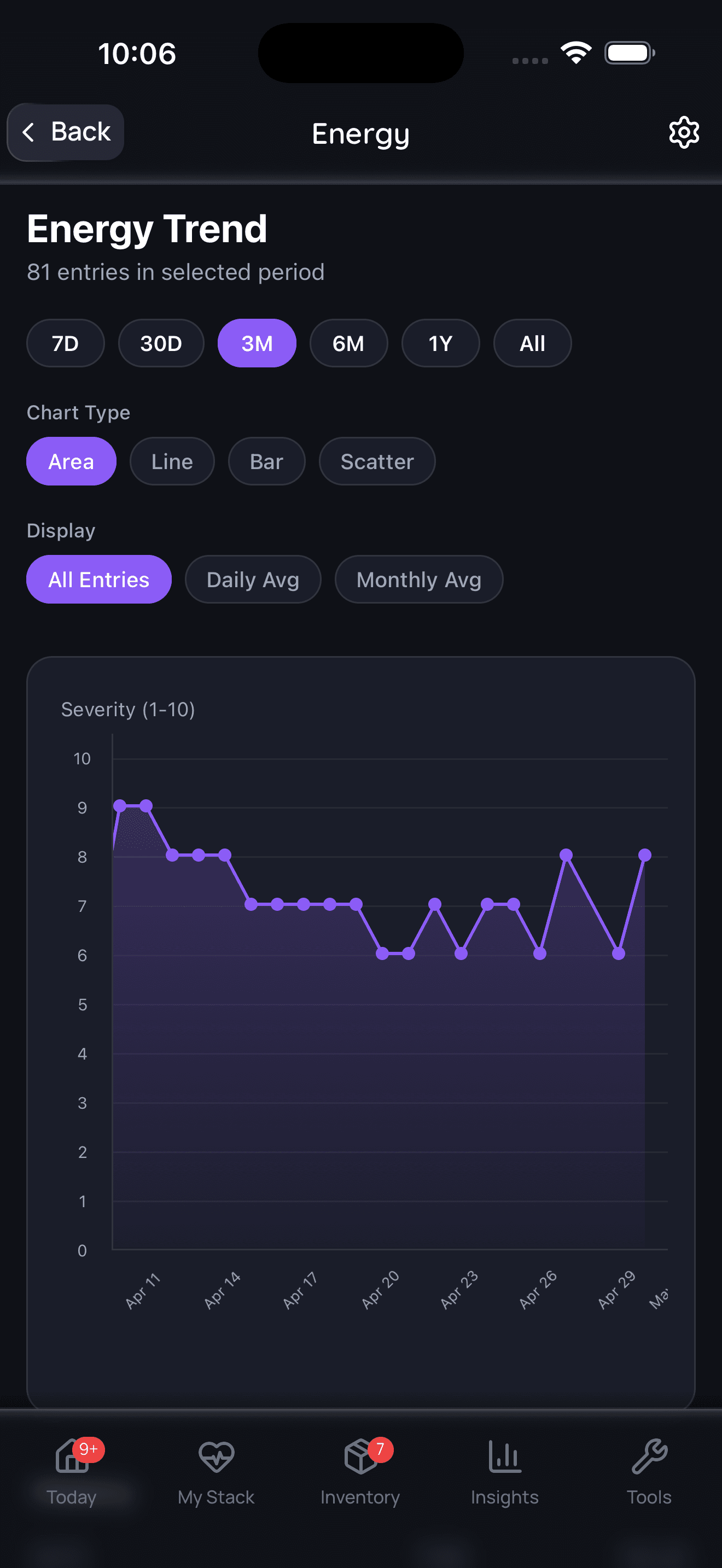
Symptom tracking is informational and should be interpreted with a qualified clinician.
Side Effects & Safety
The Basics
For most children, a basic age-appropriate multivitamin taken as directed is safe. The primary risks come from overconsumption, specific nutrient toxicities, and formulation-specific concerns.
Iron poisoning (the most serious risk). Accidental overdose of iron-containing products is a leading cause of fatal poisoning in children under six years of age. Children's chewable vitamins with iron can contain more than the lethal amount in a single bottle. The FDA requires a specific warning on all iron-containing supplements. Symptoms of iron toxicity include nausea, vomiting, abdominal pain, diarrhea, and in severe cases, organ damage and death. If you suspect a child has ingested excess iron-containing vitamins, contact Poison Control (1-800-222-1222) or seek emergency medical care immediately [3][10].
Fat-soluble vitamin toxicity. Vitamins A, D, E, and K are stored in body tissues and can accumulate to toxic levels. Vitamin A is the most concerning: the AAP notes that large amounts of vitamin A can produce symptoms ranging from nausea to rashes to headaches to more severe problems. Vitamin D toxicity can cause hypercalcemia (elevated blood calcium), leading to constipation, muscle weakness, and kidney damage. These risks increase when children consume multiple sources of fortified foods plus a supplement [1][6].
Gummy vitamin concerns. Gummy vitamins taste and look like candy, which creates an overconsumption risk. Dentists frequently recommend chewable tablets over gummies because gummies are sticky, sugar-containing, and adhere to teeth. Gummy formulations also frequently lack iron and calcium, meaning they may not provide the nutrients children most commonly need [4][7].
Niacin flushing. High-dose niacin (vitamin B3) can cause skin flushing. Children's MVMs typically provide niacin well below the UL, but combining supplements with heavily fortified cereals could push intake higher [6].
The Science
Iron toxicity: The toxic threshold for elemental iron in children is approximately 20 mg/kg body weight. For a 12 kg toddler, this means as little as 240 mg of elemental iron could cause toxicity. A bottle of children's chewable vitamins with iron (containing 10 mg per tablet, 60 tablets) contains 600 mg total elemental iron, well above the toxic dose. Iron poisoning follows a biphasic course: initial gastrointestinal hemorrhage and metabolic acidosis (0-6 hours), a deceptive quiescent phase (6-24 hours), then hepatic failure and cardiovascular collapse (12-48 hours). Cases have declined since FDA mandated unit-dose packaging and warning labels in the 1990s [3][10].
Vitamin A teratogenicity and toxicity: The UL for preformed vitamin A (retinol) in children ages 1-3 is 600 mcg RAE; ages 4-8 is 900 mcg RAE. Beta-carotene does not carry the same toxicity risk as it is subject to regulated conversion. Quality children's MVMs should provide vitamin A primarily as beta-carotene [6].
Cumulative intake risk: The primary safety analysis concern with children's MVMs is cumulative intake from supplements plus fortified foods. Many children's breakfast cereals, milks, and juices are fortified with vitamins A, D, and iron. Parents should assess total daily intake from all sources, not just the supplement [2][5].
Poison statistics: Vitamins are among the top five causes of accidental poisoning in children in the United States. More than 60,000 instances of vitamin toxicity are reported to U.S. poison control centers annually. Children under six account for the majority of cases [10].
Knowing the possible side effects is the first step. Catching them early in your own experience is what keeps a supplement routine safe. Doserly lets you log any symptoms as they arise, tagging them with severity, timing relative to your dose, and whether they resolve on their own or persist.
The app's interaction checker cross-references everything in your stack, supplements and medications alike, flagging known interactions before they become a problem. It also monitors your total intake against established upper limits, alerting you if your combined sources of a nutrient are approaching thresholds where risk increases. Think of it as a safety net that works quietly in the background while you focus on the benefits.
Connect protocol changes to labs and health markers.
Doserly can keep lab results, biomarkers, symptoms, and dose history close together so follow-up conversations have better context.
Insights
Labs and trends
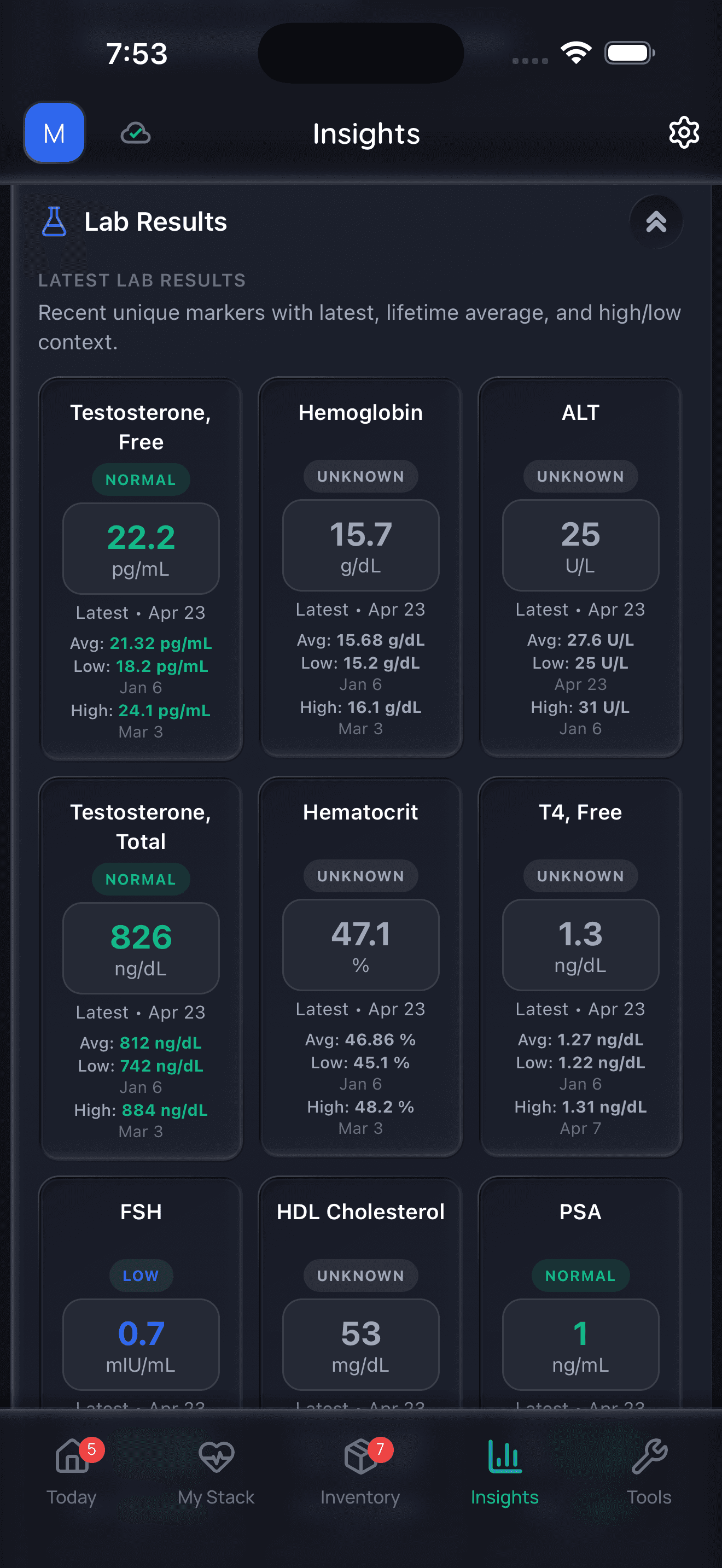
Doserly organizes data; it does not diagnose or interpret labs for you.
Dosing & Usage Protocols
The Basics
Dosing a children's multivitamin is primarily about choosing the right product for the child's age and following the label directions. Unlike many adult supplements where dosing can be optimized, children's vitamin dosing should be straightforward: the labeled dose, once daily, with food.
Age-based approach:
- Infants (0-12 months): Liquid vitamin D drops (400 IU/day) are the primary recommendation, particularly for breastfed infants. Full multivitamin drops are available but should be used only if recommended by a pediatrician [1][9].
- Toddlers (1-3 years): Products formulated for this age group provide nutrients at approximately 50-100% of the DV for children under 4. Liquid or chewable formats are typical [3].
- Children (4-8 years): The most common age group for children's MVMs. Products use adult DVs for labeling (per FDA rules), but formulate at levels appropriate for this age range [3].
- Tweens/Teens (9-18 years): Nutrient needs increase. Some children in this age range can transition to adult MVMs, particularly at age 11 or older if they prefer to swallow tablets rather than chew [7].
Format considerations:
- Gummies: Most palatable. Often lack iron and calcium. Dental concerns.
- Chewable tablets: Broader nutrient profile. May include iron. Better for teeth.
- Liquid drops: Best for infants and very young toddlers. Most precise dosing.
- Powder: Emerging format for selective eaters. Can be mixed into food or drinks undetected.
One critical rule: Choose a product that provides approximately 100% of the Daily Value, not more. Higher is not better for children, and exceeding ULs is a real risk, especially when combined with fortified foods [4][8].
The Science
RDA-based dosing considerations: The FDA establishes separate DVs for infants, children under 4, and children 4 and older (which use adult DVs). This creates a labeling complexity: a product labeled as providing "100% DV" for a 5-year-old is using adult reference values, which may be higher than the actual RDA for a 5-year-old for some nutrients and lower for others [3][6].
UL considerations in children: UL values are substantially lower in children than in adults. For example, the zinc UL for ages 1-3 is only 7 mg (compared to 40 mg for adults), meaning even modest supplementation can approach the upper limit. Niacin UL for ages 1-3 is 10 mg. Folic acid UL for ages 1-3 is 300 mcg. Products exceeding these values create a measurable risk when combined with fortified food intake [6].
Getting the dose right matters more than most people realize. Too little may be ineffective, too much wastes money or introduces risk, and inconsistency undermines both. Doserly tracks every dose you take, across every form, giving you a clear record of what you're actually consuming versus what you planned.
The app helps you compare RDA recommendations against therapeutic ranges discussed in the research, so you can see exactly where your intake falls. If you switch forms, say from a standard capsule to a liposomal liquid, Doserly adjusts your tracking to account for different bioavailabilities. Pair that with smart reminders that keep your timing consistent, and the precision that makes a real difference in outcomes becomes effortless.
Turn symptom and safety notes into a clearer timeline.
Doserly helps you log doses, symptoms, and safety observations side by side so patterns are easier to discuss with a qualified clinician.
Pattern view
Logs and observations

Pattern visibility is informational and should be reviewed with a clinician.
What to Expect (Timeline)
Most healthy children who begin taking a daily multivitamin will not display any noticeable change. This is normal and does not mean the supplement is not working. The benefits are primarily biochemical and preventive.
Days 1-3: Urine may become brighter yellow due to riboflavin (B2) excretion. This is harmless. If the product contains iron, stools may darken. Mild stomach upset is possible, especially if taken without food.
Weeks 1-2: GI adjustment period for iron-containing products. If stomach upset persists, try taking with a larger meal or switching to an every-other-day schedule (with pediatrician guidance).
Weeks 2-8: If the child had an underlying nutrient deficiency (vitamin D, iron, B12), improvements in energy, mood, or growth markers may begin to appear during this window. For iron-deficiency anemia, hemoglobin typically begins improving within 2-4 weeks of adequate iron supplementation.
Months 1-3: Blood levels of supplemented nutrients should measurably improve with consistent daily use if deficiencies existed.
Ongoing: For children without deficiencies, the multivitamin provides ongoing nutritional insurance with no expected subjective changes. The benefit is in what does not happen (deficiency-related problems) rather than what does.
Setting realistic expectations: A children's multivitamin is nutritional insurance. It is not a performance enhancer, behavior modifier, or immunity booster. If your child seems healthier, it may be because a subclinical deficiency was corrected. If nothing changes, the vitamin may still be providing a safety net your child's diet needs.
Interactions & Compatibility
Synergistic
- Vitamin D3: Children's MVMs may not contain adequate vitamin D (400-600 IU). Additional D3 supplementation is commonly recommended by pediatricians, especially for breastfed infants and children with limited sun exposure.
- Probiotics: No interaction with MVM components. May support gut health and immune function alongside MVM-provided micronutrients. Can be taken at the same time.
- Fish Oil (EPA/DHA): Most children's MVMs do not include omega-3 fatty acids. Fish oil or algal oil supplementation addresses this gap and supports brain development.
Caution/Avoid
- Additional iron supplements: Monitor total iron intake carefully. Combining an iron-containing MVM with separate iron supplementation can approach or exceed ULs. Only supplement iron beyond MVM content on healthcare provider recommendation with documented deficiency.
- Additional vitamin A supplements: Preformed vitamin A (retinol) has relatively low ULs in children (600-900 mcg RAE for ages 1-8). Combining MVM with cod liver oil or other vitamin A sources can exceed safe levels.
- Heavily fortified foods: Many children's breakfast cereals, milks, and juices are fortified with vitamins and minerals. Total daily intake from all sources should be considered to avoid exceeding ULs.
- Warfarin / Vitamin K antagonists: Rare in children, but if applicable, vitamin K in MVMs can reduce anticoagulant effectiveness.
- Levothyroxine (thyroid medication): Iron, calcium, and magnesium in MVMs can reduce levothyroxine absorption. Separate by at least 4 hours.
- Tetracycline and fluoroquinolone antibiotics: Mineral content can chelate these antibiotics. Separate by at least 2 hours.
How to Take / Administration Guide
Standard protocol: Give the recommended dose (per product label) once daily with a meal containing some dietary fat. Consistency matters more than timing.
With food: Always give with food to enhance fat-soluble vitamin absorption and reduce stomach upset. A meal or snack with some fat (milk, cheese, peanut butter, avocado) is ideal.
For infants (liquid drops): Use the provided dropper for precise measurement. Can be given directly into the mouth or mixed into a small amount of breast milk, formula, or food. Do not add to a full bottle, as the child may not finish the full dose.
For toddlers (chewable or gummy): Supervise to ensure the child chews the vitamin completely before swallowing. Do not give chewable vitamins to children under 4 unless the product is specifically formulated for that age group, due to choking risk.
If a dose is missed: Give it when remembered. If it is close to the next scheduled dose, skip the missed one. Do not double the dose.
Cycling/breaks: Not required. Children's MVMs are designed for daily continuous use.
Critical safety rules:
- Store all vitamins out of reach and sight of children, in childproof containers
- Never refer to vitamins as "candy"
- Treat vitamins as medicine: one parent should be responsible for administering the daily dose
- If a child ingests extra vitamins, especially those containing iron, contact Poison Control immediately (1-800-222-1222)
Choosing a Quality Product
Format selection based on child's needs:
- If the child needs iron supplementation: choose a chewable (not gummy, which typically lacks iron)
- If dental health is a priority: choose chewable tablets over gummies (dentist recommendation)
- If the child refuses all chewable/gummy options: consider liquid or powder formats
- If the child has sensory issues or extreme food selectivity: flavorless powder formats mixed into food may be the only viable option
Nutrient content to prioritize:
- Vitamin D at 400-600 IU (the nutrient most commonly underconsumed by children)
- Iron at 7-10 mg for children who eat limited meat (if choosing a format that includes iron)
- Avoid products with more than 100% DV for any nutrient unless directed by a healthcare provider
Third-party certifications to look for:
- USP Verified Mark
- NSF International certification
- ConsumerLab CL Seal of Approval
- For competitive young athletes: NSF Certified for Sport or Informed Sport
Red flags:
- Products exceeding 150% DV for multiple nutrients without clinical rationale
- Mega-doses of any single nutrient marketed as "immune boosting"
- Claims that the product treats, cures, or prevents any disease
- No third-party testing or verification
- Marketing campaigns centered on "hidden hunger" or behavioral improvement claims
- Subscription-only products with inflated pricing and difficult cancellation processes
- High sugar content disguised as "fruit and vegetable" ingredients
Practical quality markers:
- Clear labeling of all ingredient forms and amounts
- Appropriate age group designation on the label
- Childproof cap
- Iron-containing product warning label (required by FDA)
- GMP-certified manufacturing facility
- Expiration date clearly printed
Storage & Handling
Store at room temperature (59-77F / 15-25C) in a dry location away from direct sunlight and moisture. Do not store in bathrooms (humidity) or cars (temperature extremes). Keep the bottle tightly sealed when not in use.
Child safety is the paramount storage concern. Keep all vitamins, especially iron-containing products, in a locked cabinet or high shelf completely out of reach and sight of children. Childproof caps are not a guarantee of safety. Gummy vitamins, which look and taste like candy, present a particular overconsumption temptation.
Shelf life is typically 12-24 months from manufacture when stored properly. Opened bottles should ideally be used within 6-12 months. Signs of degradation include discoloration, unusual odor, or gummies that have become excessively sticky, melted, or hardened.
For travel, keep vitamins in their original bottle with the childproof cap secured.
Lifestyle & Supporting Factors
Diet comes first. A children's multivitamin supplements the diet; it does not replace it. The AAP, Mayo Clinic, and virtually every pediatric authority emphasizes that children should get most of their nutrients from food. Food provides fiber, phytochemicals, and complex nutrient matrices that supplements cannot replicate [1][4].
Focus on nutrients of concern. Based on dietary surveys, caregivers should prioritize these nutrients in children's diets: vitamin D (limited food sources; sun exposure dependent), calcium (dairy, fortified alternatives), potassium (fruits, vegetables), and dietary fiber (whole grains, beans, fruits, vegetables) [4].
Lab work. If you suspect nutrient deficiencies, bloodwork provides objective data. Key markers for children include serum 25(OH)D (vitamin D status), complete blood count with ferritin (iron stores), and vitamin B12. This is more informative than guessing with a supplement.
Physical activity. Active children have slightly higher nutrient needs. Sports and regular exercise increase requirements for iron (via sweat), B vitamins, and zinc. Very active children may have a stronger rationale for MVM use.
Food environment. Many children's foods are already fortified (cereals, milk, juice, bread). Parents should read labels to assess total nutrient intake from all sources before adding a supplement.
Picky eating context. Most picky eating phases in childhood are developmentally normal and temporary. A multivitamin can serve as a safety net during these phases, but working on food variety exposure remains the primary strategy. If picky eating is severe, persistent, or associated with growth faltering, evaluation by a pediatrician and/or pediatric dietitian is warranted [4][8].
Regulatory Status & Standards
United States (FDA)
Children's multivitamins are regulated as dietary supplements under DSHEA (1994), not as drugs. The FDA does not approve dietary supplements for safety or effectiveness before they are marketed. Manufacturers are responsible for ensuring their products are safe, properly labeled, and produced under current Good Manufacturing Practices (cGMPs). There is no standard FDA definition of what constitutes a children's multivitamin. The FDA requires specific iron poisoning warning labels on all iron-containing supplements [2][3].
Canada (Health Canada)
Multivitamin/mineral supplements for children require a Natural Product Number (NPN) and must comply with Health Canada's monograph for multi-ingredient products. Licensed products have been assessed for safety, efficacy, and quality.
European Union (EFSA)
EFSA sets maximum permitted levels for vitamins and minerals in supplements, which vary by member state. Health claims on supplement labels must be pre-authorized. The UK government recommends vitamins for children aged 6 months to 5 years.
Australia (TGA)
Listed as complementary medicines under the TGA. Products must comply with listed medicine requirements.
Athlete & Sports Regulatory Status
Children's multivitamins are not prohibited by WADA or any major anti-doping authority. Individual vitamins and minerals are not on the WADA Prohibited List. For young athletes in organized sports:
- NSF Certified for Sport: Recommended for any young athlete receiving supplements through a school or athletic program. NCAA requires this certification for supplements provided by athletic departments.
- Informed Sport: Batch-tests for 250+ prohibited substances.
- GlobalDRO: Athletes and parents can check ingredient status at GlobalDRO.com.
Regulatory status and prohibited substance classifications change frequently. Athletes should always verify the current status of any supplement with their sport's governing body, their national anti-doping agency, and a qualified sports medicine professional before use. Third-party certification reduces but does not eliminate the risk of contamination with prohibited substances.
Frequently Asked Questions
Do kids actually need a multivitamin?
Most healthy children eating a varied diet do not need a multivitamin, according to the AAP, Mayo Clinic, and Johns Hopkins Medicine. Children who may benefit include those with restricted diets, documented nutrient deficiencies, food allergies limiting variety, chronic conditions affecting absorption, or prolonged picky eating with limited food group intake. A pediatrician can help determine if supplementation is warranted [1][4][8].
Are gummy vitamins as good as chewable tablets?
Gummy vitamins have important trade-offs. They are more palatable and have excellent compliance, but they typically lack iron and calcium (two nutrients children commonly need), contain added sugars, stick to teeth (dentists frequently recommend chewable tablets instead), and may have less consistent nutrient dosing. A chewable tablet generally provides a more complete nutrient profile [4][7].
Can a child overdose on vitamins?
Yes. Iron-containing vitamins are the most dangerous: accidental iron overdose is a leading cause of fatal poisoning in children under six. Fat-soluble vitamins (A, D, E, K) can also accumulate to toxic levels. More than 60,000 instances of vitamin toxicity are reported to U.S. poison control centers annually. Always store vitamins out of reach, use childproof containers, and contact Poison Control (1-800-222-1222) if overconsumption is suspected [3][10].
Will a multivitamin help my picky eater?
A multivitamin can help fill nutritional gaps during picky eating phases, but it will not change picky eating behavior itself. Community experience and medical consensus agree that MVMs do not improve appetite or reduce food selectivity. Most picky eating phases are developmentally normal and temporary. If picky eating is severe or prolonged, consult a pediatrician or pediatric dietitian [community data][4].
Will vitamins boost my child's immune system?
No. While individual nutrients like vitamin D, vitamin C, and zinc support normal immune function, there is no evidence that giving a multivitamin to a well-nourished child will reduce illness frequency or severity. The AAP states that getting more vitamin A through supplements or cod liver oil does not prevent children from getting sick [1].
At what age should children start taking vitamins?
The AAP recommends vitamin D supplementation (400 IU/day) for all breastfed infants beginning soon after birth. Beyond vitamin D, routine multivitamin use is typically not recommended before age 2 unless a pediatrician identifies a specific need. Most children's MVM products are labeled for ages 2+ (chewables) or 4+ (gummies). Always check the label for age guidelines [1][9].
Should I choose a multivitamin with or without iron?
This depends on your child's diet. Children who eat little or no meat, iron-fortified cereals, or iron-rich foods may benefit from an iron-containing multivitamin. However, iron adds toxicity risk and can cause GI discomfort. Many gummy vitamins are iron-free by default. Discuss with your pediatrician, and consider bloodwork (serum ferritin) if iron status is uncertain [6][7].
Can my child just take an adult multivitamin?
Children aged 11 and older who prefer to swallow a tablet rather than chew may safely take an adult multivitamin, provided the nutrient amounts are appropriate. For younger children, adult formulations contain doses that are too high and may exceed pediatric ULs. Always use age-appropriate products for children under 11 [7].
How do I know if my child's multivitamin is safe and effective?
Look for third-party certifications (USP, NSF, ConsumerLab), clear labeling of all ingredient amounts, appropriate age group designation, a childproof cap, and iron poisoning warning labels if iron is included. Avoid products making disease treatment claims, those with mega-doses, or those sold exclusively through subscription models with aggressive marketing.
Should I give my child individual vitamins or a multivitamin?
If your child has a documented deficiency (e.g., low vitamin D or iron), targeted individual supplementation allows precise dosing. A multivitamin provides broader coverage but may not contain enough of any single nutrient to correct a true deficiency. For general nutritional insurance, a multivitamin is simpler. For specific deficiencies, individual supplements are more effective. Consult your pediatrician for guidance.
Myth vs. Fact
Myth: All children need a daily multivitamin.
Fact: The AAP states that most healthy children receiving a normal, well-balanced diet do not need vitamin supplementation beyond the RDAs. National surveys show that most children get adequate nutrition from food alone. A multivitamin is warranted only when diet is genuinely insufficient, a deficiency is documented, or specific medical conditions exist [1][2].
Myth: Children's multivitamins boost immunity and prevent colds.
Fact: While individual nutrients support normal immune function, there is no evidence that giving a multivitamin to a well-nourished child reduces illness frequency. The AAP specifically states that vitamin A supplementation does not prevent respiratory illness. Marketing claims about immune "boosting" are not supported by pediatric research [1].
Myth: Gummy vitamins are just as good as chewable tablets.
Fact: Gummy vitamins have important limitations. They typically lack iron and calcium (two nutrients children commonly need), contain added sugars, adhere to teeth (raising dental concerns), and may have less consistent nutrient dosing than tablets. Dentists and pediatricians frequently recommend chewable tablets over gummies when supplementation is needed [4][7].
Myth: If a child's multivitamin is over-the-counter, it's completely safe.
Fact: Over-the-counter availability does not mean risk-free. Iron-containing vitamins are a leading cause of fatal poisoning in children under six. Fat-soluble vitamins can accumulate to toxic levels. Over 60,000 vitamin toxicity cases are reported to U.S. poison control centers annually. Vitamins should be stored and treated as medicine [3][10].
Myth: "Hidden hunger" means your child needs a premium multivitamin.
Fact: "Hidden hunger" has become a marketing term used by premium vitamin brands to suggest that behavioral problems stem from nutrient deficiencies correctable by their product. While genuine micronutrient deficiencies can affect development, the solution is a medical evaluation and bloodwork, not a subscription vitamin. Community experience consistently reports no behavioral improvement from standard multivitamins [community data].
Myth: More expensive children's vitamins are always better.
Fact: Price does not reliably predict quality or appropriateness. Some expensive products use better nutrient forms, but others are primarily paying for marketing, packaging, and subscription infrastructure. A basic, third-party-tested product providing approximately 100% DV of age-appropriate nutrients is sufficient for most children. The most important quality marker is independent verification (USP, NSF), not price.
Myth: Natural or whole-food vitamins are always superior to synthetic.
Fact: Some synthetic vitamin forms are chemically identical to their natural counterparts (e.g., ascorbic acid). Others differ meaningfully (d-alpha-tocopherol vs. dl-alpha-tocopherol). The "natural" label does not automatically confer superiority. What matters is the specific chemical form, its bioavailability, and the dose, not the marketing label [6].
Sources & References
Government/Institutional Sources
- American Academy of Pediatrics. Where We Stand: Vitamin Supplements for Children. HealthyChildren.org. Updated February 2025. https://www.healthychildren.org/English/healthy-living/nutrition/Pages/Where-We-Stand-Vitamins.aspx
- NIH Office of Dietary Supplements. Multivitamin/mineral Supplements: Health Professional Fact Sheet. Updated July 2024. https://ods.od.nih.gov/factsheets/MVMS-HealthProfessional/
- FDA. Dietary Supplement Labeling Guide: Appendix C. Daily Values for Infants, Children Less Than 4 Years of Age, and Pregnant and Lactating Women. April 2005. https://www.fda.gov/food/dietary-supplements-guidance-documents-regulatory-information/dietary-supplement-labeling-guide-appendix-c-daily-values-infants-children-less-4-years-age-and
- Mayo Clinic. Multivitamins: Do Young Children Need Them? Updated December 2022. https://www.mayoclinic.org/healthy-lifestyle/nutrition-and-healthy-eating/expert-answers/multivitamins/faq-20058310
- National Academies of Sciences, Engineering, and Medicine. Dietary Reference Intakes Tables and Application. https://www.nationalacademies.org/
Clinical Studies & Research
- Dwyer JT, et al. Micronutrient intakes from food and dietary supplements in children ages 1-4 years in the United States. J Acad Nutr Diet. 2021. https://pubmed.ncbi.nlm.nih.gov/
- Boston Children's Hospital. Facts on Multivitamin Supplements. Patient Education Resource. https://www.childrenshospital.org/
- Johns Hopkins Medicine. Do Kids Need Vitamin Supplements? https://www.hopkinsmedicine.org/health/wellness-and-prevention/do-kids-need-vitamin-supplements
- Wagner CL, Greer FR; Section on Breastfeeding and Committee on Nutrition. Prevention of Rickets and Vitamin D Deficiency in Infants, Children, and Adolescents. Pediatrics. 2008;122(5):1142-1152. doi:10.1542/peds.2008-1862
- National Poison Data System. Annual reports on vitamin and supplement exposures. American Association of Poison Control Centers. https://www.aapcc.org/
Related Supplement Guides
Same Category
- B-Complex
- Men's Multivitamins
- Women's Multivitamins
- Prenatal Vitamins
- Seniors' Multivitamins
- Sport/Performance Multivitamins
Common Stacks/Pairings
- Vitamin D3 (most commonly recommended individual pediatric supplement)
- Iron (for children with documented deficiency)
- Vitamin B12 (for vegan/vegetarian children)
- Calcium (MVMs provide insufficient calcium for children's needs)
Related Health Goal
- Vitamin A (immune and vision support)
- Vitamin C (immune support and iron absorption enhancer)
- Zinc (growth, immune function, wound healing)
- Magnesium (muscle and nerve function, commonly underconsumed)
- Iodine (thyroid and brain development)