
Creatine: The Complete Supplement Guide
On this page
Quick Reference Card
Attribute
Common Name
- Detail
- Creatine
Attribute
Other Names / Aliases
- Detail
- Creatine monohydrate, phosphocreatine, creatine phosphate, methylguanidino-acetic acid, Cr, Creapure (branded monohydrate)
Attribute
Category
- Detail
- Performance & Recovery (Amino Acid Derivative)
Attribute
Primary Forms & Variants
- Detail
- Creatine monohydrate (gold standard, ~88% creatine by weight, ~99% bioavailability), micronized creatine monohydrate (better solubility, same efficacy), creatine HCl (higher solubility, unproven advantage), creatine anhydrous (100% creatine by weight), buffered creatine / Kre-Alkalyn (no proven advantage over monohydrate)
Attribute
Typical Dose Range
- Detail
- Loading: ~20 g/day divided into 4 doses for 5-7 days; Maintenance: 3-5 g/day. Alternative: 3-5 g/day without loading (saturates stores in ~3-4 weeks)
Attribute
RDA / AI / UL
- Detail
- No established RDA, AI, or UL. The body synthesizes ~1 g/day endogenously. Dietary intake from food averages ~1 g/day (men) and ~0.6 g/day (women). No formal upper limit set by IOM or EFSA.
Attribute
Common Delivery Forms
- Detail
- Powder (most common), capsules, tablets, liquid (less effective due to degradation), chewable, gummies, pre-mixed beverages
Attribute
Best Taken With / Without Food
- Detail
- Can be taken with or without food. Co-ingestion with carbohydrates may enhance muscle uptake via insulin-mediated mechanisms.
Attribute
Key Cofactors
- Detail
- Carbohydrates (enhance uptake), adequate hydration (supports cell volumization), beta-alanine (complementary mechanisms for high-intensity performance)
Attribute
Storage Notes
- Detail
- Store in a cool, dry place away from moisture. Creatine monohydrate powder is highly stable in dry form. Do not store pre-dissolved in liquid for extended periods (degrades to creatinine over days). Shelf life typically 2-3 years when stored properly.
Overview
The Basics
Creatine is one of the most extensively studied supplements in existence, and the scientific consensus is about as close to unanimous as you will find in nutrition science: it works. Found naturally in red meat, poultry, and fish, creatine is also produced by the body from the amino acids glycine, arginine, and methionine. Your muscles store it as phosphocreatine, a quick-access energy reserve used when you need short, intense bursts of power (think sprinting, heavy lifting, or jumping).
The average person stores about 120 grams of creatine in their muscles. Through diet alone, most people get roughly 1 gram per day, and the body makes about another gram. Supplementation raises that pool, giving your muscles a larger energy buffer. The practical result? A few more reps at a heavy weight, slightly faster recovery between sets, and, over time, marginally more muscle growth from being able to train harder.
What makes creatine particularly noteworthy is its safety record. Decades of research, including long-term studies lasting years, have consistently shown it to be well-tolerated in healthy individuals at standard doses. Beyond exercise, emerging research is investigating creatine's potential cognitive benefits, mood-supportive properties, and neuroprotective effects, though these areas are earlier in their evidence trajectory [1][2][3].
The Science
Creatine (N-aminoiminomethyl-N-methylglycine) is a naturally occurring, non-protein amino acid derivative synthesized endogenously from glycine, arginine, and methionine via a two-step enzymatic process involving arginine:glycine amidinotransferase (AGAT) in the kidneys and guanidinoacetate methyltransferase (GAMT) in the liver [1][2]. Approximately 95% of the body's creatine pool (~120-140 g in a 70 kg male) is stored in skeletal muscle, with the remainder distributed among the heart, brain, and other tissues [1].
Creatine has been the subject of over 500 peer-reviewed studies and is recognized by the International Society of Sports Nutrition (ISSN), the American College of Sports Medicine (ACSM), and the American Dietetic Association as an effective ergogenic aid for high-intensity exercise [3][4][5]. The ISSN position stand (2017) concluded that creatine monohydrate is the most effective ergogenic nutritional supplement currently available to athletes for increasing high-intensity exercise capacity and lean body mass during training [3].
Average daily dietary creatine intake from food sources is approximately 1.08 g for men and 0.64 g for women (ages 19-39) according to NHANES III data, well below the commonly cited 2 g/day estimate [1]. Creatine from food sources is digested more slowly than supplemental forms, though total bioavailability is similar [1]. Populations consuming little or no meat (vegetarians, vegans) have been shown to have 20-30% lower baseline muscle creatine stores and may demonstrate enhanced responses to supplementation [1][6].
Chemical & Nutritional Identity
Attribute
Chemical Name
- Detail
- 2-[Carbamimidoyl(methyl)amino]acetic acid
Attribute
Synonyms
- Detail
- N-aminoiminomethyl-N-methylglycine, methylguanidino-acetic acid
Attribute
Molecular Formula
- Detail
- C₄H₉N₃O₂
Attribute
Molecular Weight
- Detail
- 131.13 g/mol
Attribute
CAS Number
- Detail
- 57-00-1
Attribute
PubChem CID
- Detail
- 586
Attribute
Category
- Detail
- Amino acid derivative (endogenously synthesized)
Attribute
RDA / AI / UL
- Detail
- No established values (not classified as an essential nutrient by IOM/EFSA)
Attribute
Endogenous Production
- Detail
- ~1 g/day (liver, kidneys, pancreas)
Attribute
Dietary Intake
- Detail
- ~1-2 g/day from omnivorous diet; negligible from vegetarian/vegan diet
Primary Supplement Forms:
Form
Creatine monohydrate
- Creatine Content
- ~88% by weight
- Bioavailability
- ~99% intestinal absorption at standard doses
- Notes
- Gold standard; most studied form
Form
Micronized creatine monohydrate
- Creatine Content
- ~88% by weight
- Bioavailability
- ~99%
- Notes
- Smaller particle size; better water solubility; equivalent efficacy
Form
Creatine anhydrous
- Creatine Content
- 100% by weight
- Bioavailability
- Similar to monohydrate
- Notes
- Monohydrate removed; converts back in aqueous environment
Form
Creatine HCl
- Creatine Content
- Variable
- Bioavailability
- Unproven advantage
- Notes
- Higher water solubility; dissociates in stomach similarly to monohydrate
Form
Buffered creatine (Kre-Alkalyn)
- Creatine Content
- Variable
- Bioavailability
- No advantage shown
- Notes
- 2012 RCT (n=36) found no differences vs. monohydrate [7]
Form
Creatine ethyl ester
- Creatine Content
- ~82% by weight
- Bioavailability
- Lower than monohydrate
- Notes
- Degrades to creatinine in GI tract; less effective [1]
Form
Creatine pyruvate
- Creatine Content
- ~60% by weight
- Bioavailability
- One study showed higher plasma Cr
- Notes
- Not replicated; limited data
Form
Creatine nitrate
- Creatine Content
- Variable
- Bioavailability
- Equivalent to monohydrate
- Notes
- Highly water soluble; no ergogenic advantage over monohydrate [1]
Mechanism of Action
The Basics
Here is the simplest way to understand what creatine does: your muscles run on a molecule called ATP (adenosine triphosphate). Every time a muscle fiber contracts, it burns through ATP. The problem is that your muscles only store enough ATP for about 8-10 seconds of maximal effort. After that, the body needs to rebuild ATP before those fibers can fire at full power again.
This is where creatine comes in. Stored in muscle as phosphocreatine, it acts like a rapid-response energy donor. When ATP runs out, phosphocreatine hands over a phosphate group to rebuild ATP almost instantly. Supplementing with creatine increases the size of this phosphocreatine reserve, meaning your muscles can regenerate ATP faster and sustain high-intensity effort for a bit longer.
Beyond raw energy, creatine pulls water into muscle cells, a process known as cell volumization. This swelling is not just cosmetic. It triggers cellular signaling pathways that promote protein synthesis and reduce protein breakdown. Think of it as your cells interpreting the swelling as a signal that conditions are good for growth [1][2].
More recently, researchers have been exploring creatine's role in the brain. The brain is metabolically expensive, consuming roughly 20% of the body's energy despite being only about 2% of body weight. Phosphocreatine serves the same ATP-recycling role in neurons as it does in muscle, which may explain emerging findings around cognitive benefits and mood support [2][9].
The Science
Creatine's primary biological function centers on the phosphocreatine (PCr) energy shuttle system. In the cytosol, creatine kinase (CK) catalyzes the reversible transfer of a phosphoryl group between phosphocreatine and ATP:
PCr + ADP + H⁺ ⇌ Cr + ATP (catalyzed by creatine kinase)
This reaction provides the fastest mechanism for ATP regeneration in cells, operating at rates exceeding those of glycolysis or oxidative phosphorylation. Four CK isozymes exist: muscle CK (MCK) in contractile and cardiac tissue, brain CK (BCK) in neurons and glial cells, and two mitochondrial forms (sMitCK and uMitCK) that link mitochondrial ATP production to cytosolic energy distribution [1].
Supplementation increases intramuscular total creatine (free creatine + phosphocreatine) concentrations by 20-40%, depending on baseline stores. This expanded PCr pool enables more rapid ADP-to-ATP recycling during repeated high-intensity contractions, which is the mechanistic basis for the ergogenic effect [1][3].
Secondary mechanisms include:
- Cell volumization: Creatine uptake is osmotically active, drawing water intracellularly. This swelling activates MAPK signaling cascades (p38, JNK) and heat shock protein 27 (Hsp27), which promote myocyte differentiation and protein synthesis through GSK3-beta and MEF2 pathways [1].
- Methyl group sparing: Endogenous creatine synthesis consumes up to 40% of available S-adenosylmethionine (SAMe) for methylation of guanidinoacetate via GAMT. Exogenous creatine downregulates AGAT, reducing endogenous synthesis and sparing SAMe for other methylation reactions. This has been associated with reduced homocysteine levels [1].
- Antioxidant activity: Creatine regulates the formation of reactive oxygen species (ROS) by preventing electron transport chain stalling through mitochondrial CK function, and may lower indicators of oxidative damage following resistance training [2].
- Neuroprotective effects: In the CNS, phosphocreatine buffers ATP during metabolic stress. Antidepressant mechanisms may involve modulation of serotonergic, dopaminergic, noradrenergic, adenosinergic, and NMDA-receptor-mediated neurotransmission, with possible neuroplasticity effects analogous to ketamine [2][9][10].
Absorption & Bioavailability
The Basics
One of creatine's underappreciated strengths is that it is remarkably well absorbed. When you take creatine monohydrate at standard doses (up to about 10 grams in a single serving), approximately 99% of it makes it through your digestive tract and into your bloodstream. This is unusually high for a supplement.
There is a catch, though: absorption appears to slow down at very high single doses. Taking more than 10 grams at once may saturate your intestinal absorption capacity, meaning some passes through unabsorbed. This is one practical reason why loading protocols split the daily dose into 4 servings of about 5 grams each.
Once absorbed, creatine enters muscle cells via a sodium-dependent creatine transporter (CRT1/SLC6A8). Interestingly, insulin appears to enhance this uptake, which is why some sources suggest taking creatine alongside carbohydrates. Muscle is the primary destination, holding over 95% of the body's creatine stores, though the brain, heart, kidneys, and testes also accumulate measurable amounts [1].
As for all those alternative creatine forms marketed as "superior absorption," the evidence says otherwise. Creatine HCl dissolves more easily in water but separates from HCl in the stomach just like monohydrate. Buffered creatine showed no advantage in a controlled trial. Creatine ethyl ester actually performs worse, degrading to creatinine before reaching muscle. Monohydrate remains the form with the strongest evidence base [1][7].
The Science
Creatine monohydrate demonstrates near-complete intestinal absorption (~99%) at standard supplemental doses of 5-10 g, mediated primarily by passive diffusion and carrier-mediated transport across the intestinal epithelium [1]. At acute doses exceeding 10 g, intestinal uptake appears to saturate, increasing fecal creatine excretion [1].
Following absorption, creatine enters the bloodstream and is distributed to target tissues via the sodium- and chloride-dependent creatine transporter 1 (CRT1, encoded by SLC6A8). This is an active transport process with kinetics subject to regulation:
Positive regulators of cellular creatine uptake:
- Insulin signaling (mechanism for carbohydrate co-ingestion benefit)
- Exercise (acutely increases transporter activity)
- Cellular dehydration (hypertonic conditions upregulate CRT1 mRNA as a compensatory osmolytic response)
Negative regulators:
- Chronic supraphysiological creatine levels (prolonged saturation downregulates transporter expression)
- Insulin resistance (may impair uptake)
Creatine is stored intracellularly as both free creatine and phosphocreatine, with a maximum cellular concentration of approximately 30 uM. In a 70 kg male, total body creatine stores are approximately 120 g, with >95% in skeletal muscle [1]. Creatine that is not utilized or stored undergoes non-enzymatic cyclization to creatinine at a rate of approximately 1.7% per day, which is excreted renally [1].
Half-life in plasma is relatively short (~3 hours), but tissue retention is substantially longer due to intracellular sequestration. Muscle creatine turnover is approximately 2 g/day (replaced by a combination of endogenous synthesis and dietary intake), and supplementation-induced elevations persist for approximately 4-6 weeks after cessation [1][3].
Research & Clinical Evidence
The Basics (Strength & Power)
The evidence for creatine and strength is about as solid as supplement research gets. Hundreds of studies, including dozens of randomized controlled trials, consistently show that creatine supplementation enhances performance during short, intense bouts of exercise. The typical findings: more weight lifted, more reps completed, and greater power output during sprints and high-intensity intervals.
Where creatine does not help much is endurance exercise. If you are running a marathon or cycling for hours at moderate intensity, the phosphocreatine system is not your primary energy source, and creatine supplementation shows minimal benefit [3][4].
The Science (Strength & Power)
A 2017 systematic review and meta-analysis of creatine supplementation effects on performance found consistent improvements in upper and lower body strength measures across resistance-trained and untrained populations [3]. The ISSN position stand summarizes the evidence: short-term supplementation (5-7 days) significantly increases strength (e.g., bench press), power (e.g., cycling), work from maximal effort muscle contractions, and sprint performance in both men and women [3][4].
A representative study randomized 14 resistance-trained men (age 19-29) to 25 g creatine monohydrate or placebo for 6-7 days, finding significant improvements in maximal strength and repeated bout performance [4]. Longer-term supplementation (weeks to months) supports training adaptations to progressive overload [3][4].
The Basics (Cognitive & Mental Health)
The brain uses a surprising amount of energy, and phosphocreatine is part of how it manages its fuel supply. Emerging research suggests creatine may support cognitive function, particularly in situations where the brain is under metabolic stress: sleep deprivation, mental fatigue, demanding cognitive tasks, and aging.
There is also growing interest in creatine as a potential mood-supportive supplement. Several small studies have investigated creatine as an adjunct to antidepressant therapy in major depressive disorder and bipolar disorder, with some encouraging preliminary results. However, this research is in early stages and cannot yet be considered definitive [9][10][11].
The Science (Cognitive & Mental Health)
A 2023 systematic review and meta-analysis of creatine supplementation effects on memory in healthy individuals found modest positive effects, particularly in older adults and those with below-average baseline creatine levels (e.g., vegetarians) [12]. A randomized controlled trial (2023) found improvements in cognitive performance following creatine supplementation, with effects more pronounced under conditions of mental fatigue or sleep deprivation [13].
Regarding mood disorders, a 2019 review in Progress in Neuro-Psychopharmacology & Biological Psychiatry synthesized evidence for creatine's antidepressant potential, noting plausible mechanisms through modulation of serotonergic, dopaminergic, and glutamatergic neurotransmission, as well as neuroplasticity effects [9]. A proof-of-concept RCT found creatine monohydrate as adjunctive treatment improved depressive symptoms in bipolar depression [10]. A 2025 pilot RCT examining creatine as adjunct to CBT in depression reported encouraging feasibility and preliminary efficacy signals [11].
The Basics (Muscle & Body Composition)
When combined with resistance training, creatine consistently promotes greater gains in lean body mass compared to training alone. Part of this is water retention within muscle cells (typically 2-4 pounds in the first week or two), but over months of training, actual muscle tissue gains are also enhanced. This effect has been demonstrated in young adults, older adults, and both sexes [3][14].
The Science (Muscle & Body Composition)
Meta-analyses of creatine supplementation combined with resistance training demonstrate significant increases in lean body mass relative to placebo across multiple populations. In older adults specifically, a 2014 meta-analysis found that creatine combined with resistance training produced greater improvements in lean tissue mass and upper/lower body strength compared to resistance training alone [14]. The ISSN position stand notes that creatine supplementation during resistance training increases lean body mass by approximately 0.5-2.0 kg more than resistance training alone over 4-12 week periods [3].
The Basics (Older Adults & Bone Health)
Creatine has particular relevance for aging populations. Older adults naturally lose muscle mass and strength (sarcopenia), and creatine may help counter this when combined with exercise. Some research also suggests benefits for bone mineral density, though evidence is limited.
The Science (Older Adults & Bone Health)
Creatine supplementation combined with resistance training in older adults has shown improvements in strength, muscle mass, and bone mineral density [14][15]. A 2014 review of creatine and aging musculoskeletal health concluded that creatine supplementation augments the benefits of resistance training on lean mass and strength in older populations, with emerging evidence for bone health benefits [15]. However, creatine alone (without concurrent resistance training) does not appear to significantly improve muscle or bone outcomes in older adults [14][15].
Evidence & Effectiveness Matrix
Category
Physical Performance
- Evidence Strength (1-10)
- 9
- Reported Effectiveness (1-10)
- 8
- Summary
- Extensively studied with hundreds of RCTs. Consistent improvements in strength, power, and sprint performance. ISSN, ACSM position stands support efficacy.
Category
Muscle Growth
- Evidence Strength (1-10)
- 8
- Reported Effectiveness (1-10)
- 7
- Summary
- Well-supported by meta-analyses. ~0.5-2.0 kg additional lean mass over 4-12 weeks of resistance training vs. placebo.
Category
Energy Levels
- Evidence Strength (1-10)
- 7
- Reported Effectiveness (1-10)
- 7
- Summary
- Mechanism well-understood (ATP regeneration). Exercise-specific energy improvements well-documented; general daily energy less studied.
Category
Recovery & Healing
- Evidence Strength (1-10)
- 6
- Reported Effectiveness (1-10)
- 7
- Summary
- Moderate clinical evidence for reduced exercise-induced muscle damage. Community consistently reports faster recovery.
Category
Focus & Mental Clarity
- Evidence Strength (1-10)
- 5
- Reported Effectiveness (1-10)
- 6
- Summary
- Emerging RCT evidence, particularly under sleep deprivation or cognitive stress. More research needed.
Category
Memory & Cognition
- Evidence Strength (1-10)
- 5
- Reported Effectiveness (1-10)
- 6
- Summary
- 2023 systematic review found modest positive effects, especially in older adults and vegetarians.
Category
Mood & Wellbeing
- Evidence Strength (1-10)
- 4
- Reported Effectiveness (1-10)
- 6
- Summary
- Preliminary evidence from small RCTs in depression. Plausible mechanisms. Needs larger, definitive trials.
Category
Weight Management
- Evidence Strength (1-10)
- 3
- Reported Effectiveness (1-10)
- 5
- Summary
- Water weight gain is universal. Not typically used or studied as a weight management tool.
Category
Fluid Retention
- Evidence Strength (1-10)
- —
- Reported Effectiveness (1-10)
- 5
- Summary
- Universal water retention (~1-3 kg) is well-characterized and expected. Not a "side effect" per se.
Category
Bone Health
- Evidence Strength (1-10)
- 4
- Reported Effectiveness (1-10)
- N/A
- Summary
- Limited evidence; some positive findings when combined with resistance training in older adults.
Category
Heart Health
- Evidence Strength (1-10)
- 3
- Reported Effectiveness (1-10)
- N/A
- Summary
- Early evidence for arterial stiffness improvements in older adults. Insufficient data for scoring.
Category
Nausea & GI Tolerance
- Evidence Strength (1-10)
- —
- Reported Effectiveness (1-10)
- 4
- Summary
- Minority report GI issues. Generally well-tolerated at 5 g/day. Higher doses may cause GI discomfort.
Category
Side Effect Burden
- Evidence Strength (1-10)
- 8
- Reported Effectiveness (1-10)
- 7
- Summary
- Decades of safety data. ISSN position: no adverse effects at recommended doses in healthy individuals.
Category
Treatment Adherence
- Evidence Strength (1-10)
- —
- Reported Effectiveness (1-10)
- 8
- Summary
- Cheap, tasteless powder. Easy daily routine. No cycling required. Community reports high compliance.
Category
Withdrawal Symptoms
- Evidence Strength (1-10)
- —
- Reported Effectiveness (1-10)
- 8
- Summary
- No withdrawal effects reported. Stores normalize over 4-6 weeks after cessation.
Category
Daily Functioning
- Evidence Strength (1-10)
- 4
- Reported Effectiveness (1-10)
- 6
- Summary
- Some evidence for quality-of-life improvements, particularly in older adults and those with chronic conditions.
Categories scored: 16
Categories with community data: 14
Categories not scored (insufficient data): Fat Loss, Appetite & Satiety, Food Noise, Sleep Quality, Anxiety, Stress Tolerance, Motivation & Drive, Emotional Aliveness, Emotional Regulation, Libido, Sexual Function, Joint Health, Inflammation, Pain Management, Gut Health, Digestive Comfort, Skin Health, Hair Health, Blood Pressure, Heart Rate & Palpitations, Hormonal Symptoms, Temperature Regulation, Body Image, Immune Function, Longevity & Neuroprotection, Cravings & Impulse Control, Social Connection
Benefits & Potential Effects
The Basics
Creatine's benefit profile is unusually well-defined for a supplement. The primary benefits center on physical performance, but the full picture extends further than most people realize.
Well-established benefits (strong evidence):
- Increased strength and power output during resistance training
- Enhanced sprint and high-intensity interval performance
- Greater lean body mass gains when combined with resistance training
- Improved performance in repeated short-burst activities (team sports, CrossFit, etc.)
Moderate evidence:
- Faster recovery between training sessions
- Improved exercise capacity in older adults (combined with resistance training)
- Reduced mental fatigue, particularly under sleep deprivation
- Potential cognitive benefits in vegetarians and older adults
Preliminary evidence (needs more research):
- Mood support and potential adjunctive use in depression
- Neuroprotective effects
- Improved arterial stiffness and cardiovascular markers in older adults
- Bone mineral density improvements (combined with resistance training)
One consistent observation across community reports is that many users describe the benefits as subtle but cumulative. Rather than a dramatic overnight change, creatine provides a small but consistent edge in training capacity that compounds over weeks and months [3][4].
The Science
The ISSN position stand (2017) identifies creatine monohydrate as the most effective nutritional supplement currently available for increasing high-intensity exercise capacity and lean body mass during training [3]. The consensus statement notes:
- Short-term creatine supplementation (5-7 days, ~20 g/day) improves maximal power/strength by 5-15%, single-effort sprint performance by 1-5%, and work performed during repetitive sprint bouts by 5-15% [3].
- Long-term supplementation combined with training increases lean body mass by 0.5-2.0 kg more than training alone [3].
- Creatine does not appear to significantly enhance endurance exercise performance [3].
A 2023 randomized controlled study of creatine supplementation on cognitive performance found that creatine improved processing speed, executive function, and memory under conditions of mental fatigue. The effects were more pronounced in individuals with lower baseline creatine stores (e.g., older adults, vegetarians) [12][13].
The antidepressant potential of creatine has been explored in several pilot studies. A proof-of-concept RCT in bipolar depression found that adjunctive creatine monohydrate (6 g/day for 6 weeks) improved depressive symptoms compared to placebo [10]. A 2025 pilot RCT of creatine as adjunct to CBT in unipolar depression reported positive feasibility signals and trends toward symptom improvement [11].
When you're taking multiple supplements, it's hard to know which one is doing the heavy lifting. The benefits described above may overlap with effects from other items in your stack, lifestyle changes, or seasonal variation. Doserly helps you untangle that by keeping everything in one place, with timestamps, doses, and outcomes logged together.
Over time, this builds something more valuable than any product review: your personal evidence record. You can see exactly when you started this supplement, what else was in your routine at the time, and how your tracked health markers responded. That clarity makes the difference between guessing and knowing, whether you're talking to a healthcare provider or simply deciding if it's worth reordering.
Capture changes while they are still fresh.
Log symptoms, energy, sleep, mood, and other observations alongside protocol events so patterns do not live only in memory.
Trend view
Symptom timeline
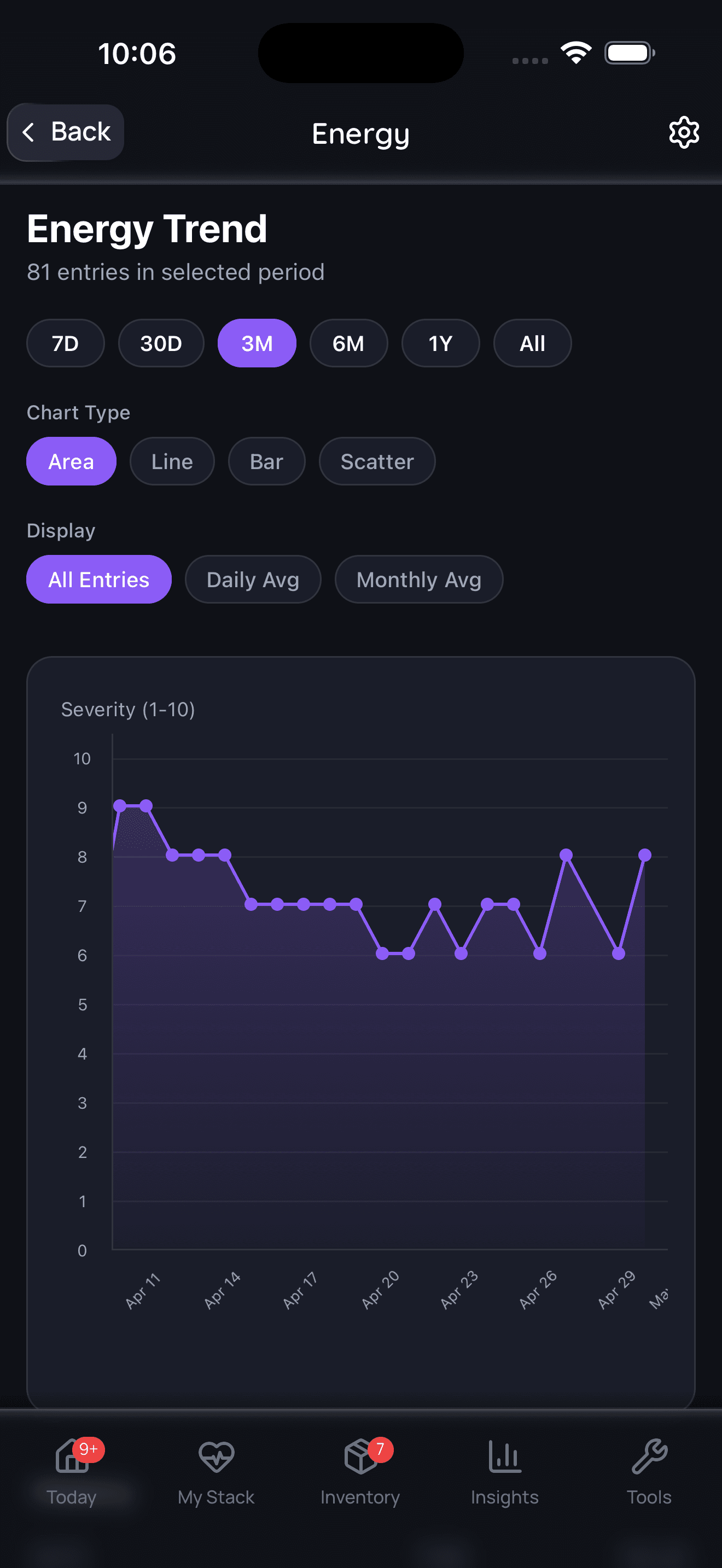
Symptom tracking is informational and should be interpreted with a qualified clinician.
Side Effects & Safety
The Basics
Creatine has one of the cleanest safety profiles of any supplement. Decades of research across diverse populations (young athletes, older adults, children with muscular dystrophies, diabetic patients) have consistently found it to be well-tolerated at standard doses.
The most commonly reported "side effect" is weight gain from water retention, typically 1-3 kg (2-7 lbs) in the first week or two. This is intramuscular water (inside the muscle cells, not under the skin), and most users consider it neutral or positive since it makes muscles look fuller. It is not fat gain.
Other occasionally reported effects include mild GI discomfort (bloating, cramping, diarrhea), which tends to occur with high single doses (10+ grams at once) and can often be resolved by splitting the dose into smaller servings or taking it with food. Headache and muscle cramps are sometimes mentioned anecdotally, though controlled studies have not consistently found these to occur more frequently than with placebo.
Two concerns deserve specific attention because they circulate widely online. First, the kidney concern: creatine does increase serum creatinine levels (creatinine is a breakdown product of creatine), which can cause a lab result to appear elevated. However, this is not evidence of kidney damage. Multiple studies, including in populations with type 2 diabetes, have found no adverse effects on kidney function at recommended doses. That said, individuals with pre-existing kidney disease should consult their healthcare provider before supplementing [3][16].
Second, the hair loss concern: this originated from a single 2009 study that found creatine loading increased dihydrotestosterone (DHT) levels in rugby players. However, this finding has not been replicated, and subsequent research has not established a causal link between creatine supplementation and hair loss [1].
The Science
The ISSN position stand (2017) states: "There is no scientific evidence that short- or long-term use of creatine monohydrate has any detrimental effects on otherwise healthy individuals" [3]. This conclusion is based on a comprehensive review of safety data spanning multiple decades.
Regarding renal function, a systematic review in Nutrients (2021) concluded that creatine supplementation does not impair kidney function in healthy individuals, even at doses up to 20 g/day for extended periods [16]. Elevated serum creatinine is an expected pharmacological consequence of increased creatine intake and turnover, not a marker of renal pathology in this context. One study specifically examined creatine in type 2 diabetic patients (a population with elevated kidney disease risk) and found no adverse renal effects [16].
Adverse reactions documented in the clinical literature include:
- Weight gain from increased total body water (~1-3 kg), without alteration of fluid distribution [17]
- GI irritation at high acute doses (>10 g), likely related to osmotic effects in the intestine [3]
- Muscle cramps and headache (anecdotally reported; not consistently demonstrated in controlled settings) [4]
The caffeine-creatine interaction merits attention. A systematic review in International Journal of Sport Nutrition and Exercise Metabolism (2022) found that chronic caffeine intake during creatine loading may interfere with creatine's ergogenic benefits [18]. The mechanism is not fully elucidated but may involve caffeine's effects on muscle relaxation time counteracting creatine's benefits on contraction speed. Acute caffeine co-administration appears less problematic [18].
Regarding the DHT/hair loss concern: a single study in college-aged rugby players found a 56% increase in DHT during a 7-day creatine loading phase, but testosterone levels remained unchanged [1]. This study has not been replicated, and no clinical data link creatine supplementation to androgenic alopecia. The ISSN has characterized this concern as unsupported by the body of evidence [3].
Dosing & Usage Protocols
The Basics
Creatine dosing is straightforward, which is part of its appeal. There are two common approaches:
Option 1: Loading + Maintenance
Take approximately 20 grams per day, divided into 4 servings of 5 grams each, for 5-7 days. Then reduce to 3-5 grams per day as a maintenance dose. This saturates muscle stores quickly (within about a week).
Option 2: Daily Low Dose (No Loading)
Simply take 3-5 grams per day from day one. This achieves the same saturation level as loading, it just takes about 3-4 weeks to get there. The end result is identical.
Most sources suggest 3-5 grams per day for the typical adult as a maintenance dose. Some research uses weight-based dosing: approximately 0.03 g per kg of body weight per day for maintenance (about 2.5 g/day for an 82 kg person). Larger individuals with more muscle mass may benefit from doses at the higher end of the range [1][3].
The Science
The most well-studied loading protocol involves 0.3 g/kg/day (approximately 20-25 g/day for a 70-82 kg individual) divided into 4 equal doses for 5-7 days, followed by a maintenance phase of 0.03 g/kg/day (approximately 2-5 g/day) [1][3]. This protocol achieves rapid saturation of intramuscular creatine stores, typically increasing total muscle creatine by 20-40% [1].
The alternative chronic low-dose approach (3-5 g/day without loading) achieves equivalent muscle creatine saturation over approximately 28 days [1][3]. The ISSN notes that both protocols result in similar creatine accrual; the loading phase simply accelerates time to saturation [3].
There is no established need to cycle creatine supplementation. The ISSN position stand found no evidence that periodic cessation is necessary for safety or efficacy [3]. Endogenous creatine synthesis (via AGAT) is downregulated during supplementation but resumes normally upon cessation, with muscle stores returning to baseline over approximately 4-6 weeks [1].
Post-exercise timing may offer a slight advantage over pre-exercise supplementation for muscle creatine uptake, though the evidence is not definitive and the practical difference is likely small [1].
When your stack includes several supplements, each with its own dose, form, and timing requirements, the logistics alone can derail consistency. Doserly consolidates all of it into one protocol view, so every dose across your entire routine is accounted for without spreadsheets or guesswork.
The app also tracks cumulative intake for nutrients that appear in multiple products. If your multivitamin, standalone supplement, and fortified protein shake all contain the same nutrient, Doserly adds them up and shows you the total alongside recommended and upper limits. Managing a thoughtful supplement protocol shouldn't require a degree in nutrition science. The app handles the complexity so you can focus on staying consistent.
Track injection timing, draw notes, and site rotation.
Doserly helps keep syringe-related notes, injection site history, reminders, and reconstitution context together for easier review.
Injection log
Site rotation
Injection logs support record-keeping; follow clinician instructions for administration.
What to Expect (Timeline)
Weeks 1-2: If using a loading protocol (~20 g/day), expect rapid weight gain of 1-3 kg (mostly water) within the first week. Some users report feeling muscles appear "fuller" almost immediately. Performance improvements may be noticeable during high-intensity sets (an extra rep or two). With a low-dose approach (3-5 g/day), changes are more gradual and may not be perceptible yet.
Weeks 3-4: Muscle creatine stores are approaching saturation with either protocol. Performance benefits during resistance training and high-intensity exercise should be noticeable for most responders. Weight stabilizes after initial water gain. Some users report reduced soreness between sessions.
Weeks 5-8: The training-compounding effect begins. The consistent ability to perform a few extra reps per session at a given weight means greater cumulative training volume, which drives greater adaptation. Users who started with a low-dose protocol will have fully saturated stores by this point.
Weeks 8-12+: Long-term benefits accumulate: measurably greater lean body mass gains compared to training without creatine, improved strength progression, and (for some) cognitive benefits that become more apparent with sustained use. Community reports suggest that stopping creatine after this period makes the benefit retroactively more noticeable, as the extra edge during training is missed.
Non-responders (~20-30%): Some individuals, particularly those with already-high baseline muscle creatine stores (often heavy meat-eaters), may experience minimal or no noticeable benefit. This is well-documented in the literature and does not indicate that the supplement is ineffective as a class [1][3].
One of the hardest parts of any supplement routine is knowing whether it's working when results unfold gradually over weeks or months. Without a record, it's easy to abandon something too early or keep taking something that isn't delivering. Doserly solves that by giving you a visual timeline of your entire supplementation history mapped against the outcomes you care about.
When everything is in one view, you can compare how different supplements in your stack are performing over the same period. You can see whether adding this supplement coincided with the improvement you've noticed, or whether the timing points to something else entirely. That kind of clarity turns patience into a strategy rather than a gamble.
Connect protocol changes to labs and health markers.
Doserly can keep lab results, biomarkers, symptoms, and dose history close together so follow-up conversations have better context.
Insights
Labs and trends
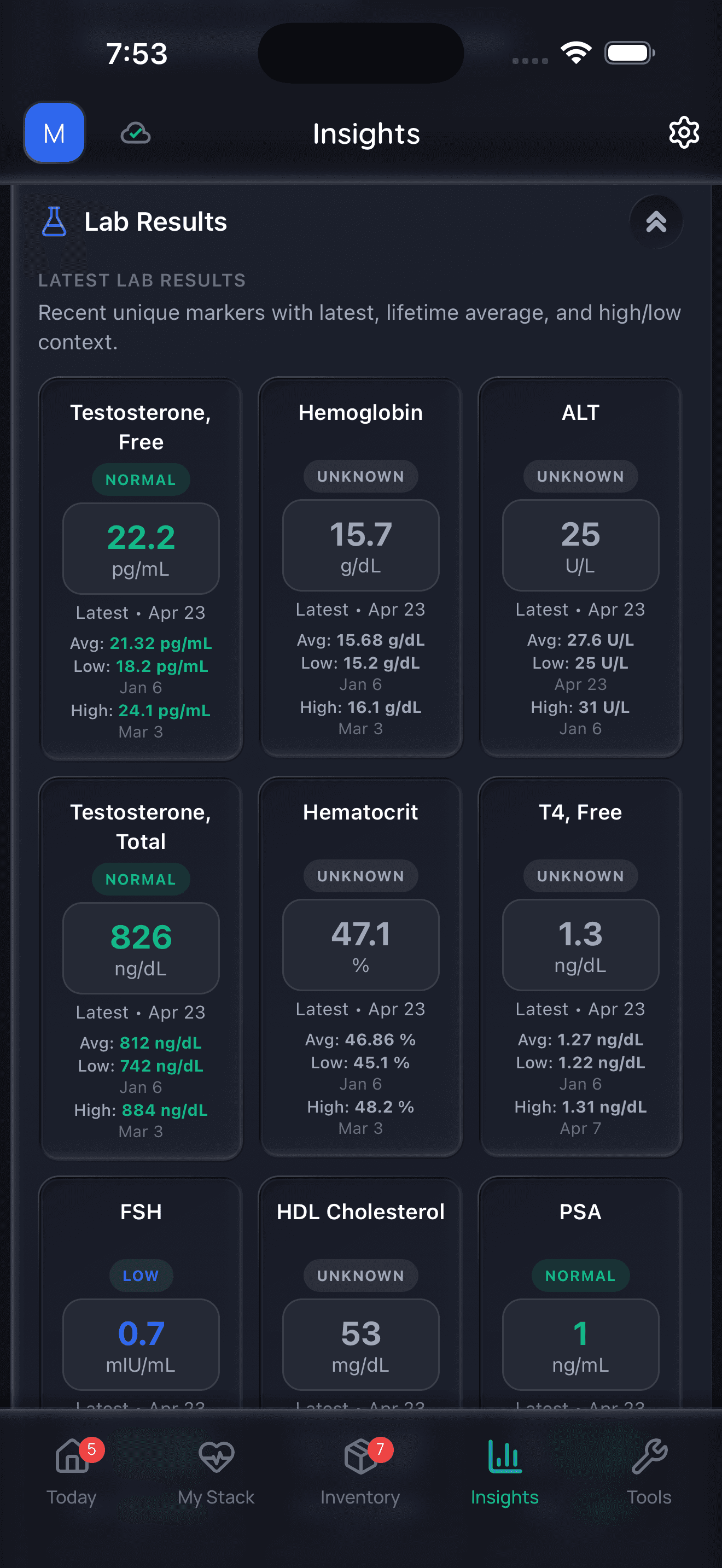
Doserly organizes data; it does not diagnose or interpret labs for you.
Interactions & Compatibility
Synergistic
- Beta-Alanine: Complementary mechanisms. Beta-alanine buffers intramuscular hydrogen ions (acidity) while creatine accelerates ATP regeneration. The combination may enhance high-intensity exercise performance more than either alone [1].
- Carbohydrates: Co-ingestion of creatine with carbohydrates (~50-100 g) enhances muscle creatine uptake via insulin-mediated stimulation of the creatine transporter [1].
- Alpha-Lipoic Acid: May enhance creatine uptake into muscle cells, potentially via effects on glucose transporter activity [1].
- HMB (Beta-Hydroxy-Beta-Methylbutyrate): Potentially additive effects on lean mass and strength when combined with creatine, though evidence is limited [1].
- TMG (Trimethylglycine/Betaine): Both are involved in methylation pathways. Co-supplementation may be complementary since creatine spares SAMe for other methylation reactions [1].
Caution / Avoid
- Caffeine (chronic, high-dose): Chronic caffeine intake during creatine supplementation may attenuate creatine's ergogenic effects. The mechanism is not fully understood but may involve caffeine's effects on muscle relaxation kinetics. Acute caffeine use appears less problematic [18]. Athletes who rely heavily on both may want to separate intake timing.
- Nephrotoxic medications: Individuals taking medications that affect kidney function should consult a healthcare provider before adding creatine, as the resulting increase in serum creatinine could complicate monitoring.
- Diuretics: Theoretically, diuretics could counteract creatine's intracellular water retention effects, though this interaction is not well-studied.
How to Take / Administration Guide
Recommended form: Creatine monohydrate (or micronized creatine monohydrate for improved water solubility). This is the most extensively studied form, the most cost-effective, and the one with the strongest evidence base. No other form has demonstrated superior efficacy in controlled trials [1][3][7].
Mixing: Creatine monohydrate powder dissolves adequately in water, juice, or protein shakes. Micronized versions dissolve more easily. Mix immediately before consumption, as creatine degrades to creatinine over days when pre-dissolved in liquid [1].
Timing considerations: Timing is not critical for creatine. The most important factor is daily consistency. Some evidence suggests a slight advantage to post-exercise supplementation for muscle uptake, but the practical difference is minimal. Many people add it to their post-workout protein shake or simply take it at the same time each day [1].
With or without food: Creatine can be taken with or without food. Taking it alongside carbohydrate-containing food or beverage may modestly enhance uptake due to insulin-mediated effects on the creatine transporter [1].
Loading vs. no loading: Both approaches are valid. Loading (20 g/day for 5-7 days, split into 4 doses of 5 g) saturates stores faster. Low-dose daily intake (3-5 g/day) reaches the same endpoint in ~4 weeks. The end result is identical [1][3].
Cycling: There is no evidence-based reason to cycle creatine. Continuous daily use is the most studied protocol. Some individuals cycle by preference, but this is not a physiological requirement. Endogenous synthesis resumes normally upon cessation [3].
Hydration: While there is no evidence that creatine causes dehydration, adequate water intake is generally recommended when supplementing with creatine, particularly during the loading phase and during exercise [3].
Choosing a Quality Product
Third-party certifications to look for:
- NSF Certified for Sport or Informed Sport certification for athletes concerned about banned substance contamination
- USP Verified Mark for identity, strength, purity, and performance verification
- Creapure designation (German-manufactured creatine monohydrate with HPLC purity testing; widely considered the industry quality benchmark)
- GMP (Good Manufacturing Practice) facility certification
Active form considerations: With creatine, the decision is simpler than most supplements: creatine monohydrate is the clear choice. It is the most studied, most effective, and cheapest form available. Micronized creatine monohydrate offers better mixability without any change in efficacy. All other forms (HCl, buffered, ethyl ester, liquid) either lack evidence of superiority or have been shown to be less effective [1][7].
Red flags:
- Products claiming their form is "better absorbed" than monohydrate (no evidence supports this)
- Proprietary blends that obscure the creatine dose
- Creatine combined with excessive stimulants or undisclosed ingredients
- Liquid creatine products (creatine degrades in solution)
- Products making claims about "no water retention" (water retention is part of how creatine works)
Purity considerations: Look for products that provide a Certificate of Analysis (COA) and test for heavy metals and impurities. Creapure-branded creatine undergoes HPLC (High-Performance Liquid Chromatography) purity testing and is manufactured in Germany under strict GMP conditions [1].
Storage & Handling
Creatine monohydrate powder is highly stable when kept dry. Store in a cool, dry place with the container sealed. Avoid exposing the powder to moisture, as this accelerates degradation to creatinine.
Do not pre-mix creatine in liquid for storage. Creatine in solution degrades to biologically inactive creatinine over a period of days. Mix immediately before consumption [1].
Capsule and tablet forms are similarly stable and should be stored per label instructions. No refrigeration is required for any standard creatine formulation.
Shelf life is typically 2-3 years for properly stored creatine monohydrate powder.
Lifestyle & Supporting Factors
Diet: Red meat, poultry, and fish are the primary dietary sources of creatine. Vegetarians and vegans have lower baseline muscle creatine stores and may experience more pronounced benefits from supplementation. The average omnivorous diet provides approximately 1-2 g of creatine per day [1].
Exercise: Creatine supplementation without exercise provides minimal performance benefits. The ergogenic effects are realized through training, particularly resistance training and high-intensity activity. The combination of creatine and progressive resistance training produces greater results than either alone [3][14].
Hydration: Adequate water intake supports the cell volumization process central to creatine's mechanism. While creatine does not cause clinical dehydration, staying well-hydrated is a sensible practice during supplementation.
Sleep and recovery: Creatine does not directly affect sleep, but its recovery-supporting properties may be enhanced when combined with adequate sleep. Poor sleep increases metabolic stress, a context where creatine's brain-level ATP buffering may be relevant [13].
Population considerations:
- Vegetarians and vegans may benefit more due to lower baseline stores [1][6]
- Older adults may benefit from creatine combined with resistance training for maintaining muscle mass and strength [14][15]
- Women respond to creatine similarly to men, though research has historically been more heavily conducted in male populations [3]
Regulatory Status & Standards
United States (FDA): Creatine is regulated as a dietary supplement under DSHEA. It holds GRAS (Generally Recognized as Safe) status and is widely available without prescription. The FDA has not established specific dosage limits for creatine. There are no NDI (New Dietary Ingredient) concerns as creatine has been marketed as a dietary supplement since before the 1994 DSHEA cutoff.
Canada (Health Canada): Creatine is available as a Natural Health Product (NHP). Products require an NPN (Natural Product Number) and must comply with Health Canada monograph standards.
European Union (EFSA): EFSA has evaluated creatine and authorized a health claim that "creatine increases physical performance during short-term, high-intensity, repeated exercise bouts" (Regulation EU 432/2012), subject to a minimum daily intake of 3 g. This is one of relatively few authorized health claims for a dietary supplement ingredient.
Australia (TGA): Creatine is available as a listed complementary medicine. Subject to standard complementary medicine regulations.
Athlete & Sports Regulatory Status:
- WADA: Creatine is NOT on the WADA Prohibited List. It is permitted for use in and out of competition. This has been consistently the case throughout WADA's history.
- USADA, UKAD, Sport Integrity Canada, Sport Integrity Australia, NADA Germany: No specific alerts or restrictions regarding creatine supplementation. All agencies recognize it as a permitted substance.
- NCAA: Creatine is NOT on the NCAA banned substance list. However, NCAA rules prohibit athletic departments from providing creatine supplements to athletes (though athletes may purchase and use it independently). Any supplements provided by athletic departments must be NSF Certified for Sport or Informed Sport certified.
- NFL, NBA, MLB, NHL, MLS: Creatine is permitted across all major North American professional sports leagues. No specific restrictions.
- Athlete certification programs: NSF Certified for Sport and Informed Sport-certified creatine products are widely available. Cologne List (koelnerliste.com) also lists tested creatine products. Athletes should verify via GlobalDRO for any country-specific considerations.
Regulatory status and prohibited substance classifications change frequently. Athletes should always verify the current status of any supplement with their sport's governing body, their national anti-doping agency, and a qualified sports medicine professional before use. Third-party certification (Informed Sport, NSF Certified for Sport) reduces but does not eliminate the risk of contamination with prohibited substances.
Frequently Asked Questions
Is creatine safe for long-term use?
Based on available evidence, creatine monohydrate has been studied in protocols lasting up to five years with no adverse effects reported in healthy individuals. The ISSN and other sports nutrition bodies have concluded that long-term use at recommended doses does not present known safety concerns [3][16].
Does creatine damage the kidneys?
In healthy individuals, creatine supplementation at recommended doses has not been shown to impair kidney function in any published study. Creatine does increase serum creatinine (a common kidney function marker), but this reflects increased creatine turnover, not kidney damage. Individuals with pre-existing kidney disease should consult a healthcare provider [3][16].
Does creatine cause hair loss?
This concern originated from a single 2009 study that found increased DHT (dihydrotestosterone) during creatine loading. The finding has not been replicated in subsequent studies. There is no established causal link between creatine supplementation and hair loss based on current evidence [1][3].
Do I need a loading phase?
No. Loading (20 g/day for 5-7 days) saturates muscle stores faster, but taking 3-5 g/day without loading reaches the same endpoint in approximately 3-4 weeks. The choice is one of preference and patience [1][3].
Is creatine just for bodybuilders?
No. While creatine is most commonly associated with strength training, research supports benefits for anyone engaging in high-intensity physical activity, older adults looking to maintain muscle mass, vegetarians who may have lower baseline stores, and potentially for cognitive support in various populations [3][12][13].
Should I take creatine on rest days?
Most research protocols involve daily creatine supplementation regardless of training status. Maintaining daily intake keeps muscle stores consistently elevated. Skipping rest days would not deplete stores rapidly, but daily consistency is the simplest and most well-supported approach [3].
Does caffeine cancel out creatine?
The relationship is nuanced. Chronic, high-dose caffeine intake during creatine loading may reduce creatine's ergogenic benefits. However, typical daily caffeine consumption alongside creatine maintenance dosing does not appear to be a major concern for most users. The interaction appears more relevant during the loading phase [18].
What is a creatine non-responder?
Approximately 20-30% of individuals show minimal increases in muscle creatine stores from supplementation, often because their baseline stores are already near the upper limit (common in heavy meat-eaters). These individuals may not experience the typical performance benefits [1][3].
Is creatine appropriate for women?
Yes. Creatine supplementation has been studied in women with positive results for strength, lean mass, and exercise performance. The dosing protocols are the same. Women may be more likely to notice the water retention effect on scale weight, which is a cosmetic and perceptual issue rather than a health concern [3].
Can vegetarians and vegans take creatine?
Creatine supplements are synthetically produced and do not contain animal products (creatine monohydrate is vegan-friendly). Vegetarians and vegans may benefit more from supplementation due to lower baseline muscle creatine stores resulting from the absence of dietary meat sources [1][6].
Myth vs. Fact
Myth: Creatine is a steroid.
Fact: Creatine is not a steroid, not a hormone, and not a controlled substance. It is a naturally occurring amino acid derivative found in meat and fish and produced endogenously by the human body. It has no structural or functional similarity to anabolic steroids [1][3].
Myth: Creatine is harmful to the kidneys.
Fact: Multiple studies, including research in populations with elevated kidney risk (type 2 diabetes), have found no evidence that creatine supplementation at recommended doses damages healthy kidneys. Elevated serum creatinine during supplementation reflects normal creatine metabolism, not renal impairment. Those with pre-existing kidney disease should consult a healthcare provider [3][16].
Myth: You must load creatine for it to work.
Fact: Loading (20 g/day for 5-7 days) saturates muscle stores faster, but daily low-dose supplementation (3-5 g/day) achieves the same saturation level within 3-4 weeks. Both approaches produce equivalent long-term results [1][3].
Myth: Creatine causes dehydration and muscle cramps.
Fact: Despite widespread belief, controlled studies have not found increased rates of dehydration, cramps, or heat illness among creatine users compared to placebo groups. The ISSN specifically addresses this claim, noting a lack of supporting evidence [3].
Myth: Newer forms of creatine (HCl, buffered, ethyl ester) are superior to monohydrate.
Fact: No alternative creatine formulation has demonstrated superior efficacy to creatine monohydrate in controlled research. Creatine HCl has higher water solubility but no proven performance advantage. Buffered creatine (Kre-Alkalyn) showed no differences from monohydrate in a controlled trial. Creatine ethyl ester has been found to be less effective than monohydrate, degrading to creatinine in the GI tract [1][7].
Myth: Creatine causes hair loss.
Fact: This concern is based on a single study that found increased DHT during a loading phase. The study has not been replicated, and no clinical evidence links creatine supplementation to androgenic alopecia [1][3].
Myth: Creatine only works for young male athletes.
Fact: Research demonstrates creatine benefits across age groups and sexes. Older adults show significant improvements in strength and lean mass when combining creatine with resistance training. Women respond positively. Vegetarians may experience enhanced effects. Emerging research also explores cognitive benefits across populations [3][12][14].
Myth: The weight gained from creatine is fat.
Fact: Weight gain from creatine supplementation is due to increased intramuscular water content, not fat accumulation. Multiple studies have confirmed that creatine increases total body water without altering fluid distribution between intracellular and extracellular compartments [17].
Sources & References
Clinical Trials & RCTs
[1] Kreider RB, Kalman DS, Antonio J, et al. International Society of Sports Nutrition position stand: safety and efficacy of creatine supplementation in exercise, sport, and medicine. J Int Soc Sports Nutr. 2017;14:18. doi:10.1186/s12970-017-0173-z
[3] Thomas DT, Erdman KA, Burke LM. Position of the Academy of Nutrition and Dietetics, Dietitians of Canada, and the American College of Sports Medicine: Nutrition and Athletic Performance. J Acad Nutr Diet. 2016;116(3):501-528. doi:10.1016/j.jand.2015.12.006
[7] Jagim AR, Oliver JM, Sanchez A, et al. A buffered form of creatine does not promote greater changes in muscle creatine content, body composition, or training adaptations than creatine monohydrate. J Int Soc Sports Nutr. 2012;9(1):43. doi:10.1186/1550-2783-9-43
[10] Toniolo RA, Silva M, Fernandes FBF, et al. A randomized, double-blind, placebo-controlled, proof-of-concept trial of creatine monohydrate as adjunctive treatment for bipolar depression. J Neural Transm (Vienna). 2018;125(2):247-257. doi:10.1007/s00702-017-1817-5
[11] Sherpa NN, De Giorgi R, Ostinelli EG, et al. Efficacy and safety profile of oral creatine monohydrate in add-on to cognitive-behavioural therapy in depression: An 8-week pilot, double-blind, randomised, placebo-controlled feasibility and exploratory trial. Eur Neuropsychopharmacol. 2025;90:28-35. doi:10.1016/j.euroneuro.2024.10.004
[13] Sandkuhler JF, Kersting X, Faust A, et al. The effects of creatine supplementation on cognitive performance: a randomised controlled study. BMC Med. 2023;21(1):440. doi:10.1186/s12916-023-03146-5
[17] Powers ME, Arnold BL, Weltman AL, et al. Creatine Supplementation Increases Total Body Water Without Altering Fluid Distribution. J Athl Train. 2003;38(1):44-50.
Systematic Reviews & Meta-Analyses
[4] NIH Office of Dietary Supplements. Dietary Supplements for Exercise and Athletic Performance: Health Professional Fact Sheet. Updated 2021. https://ods.od.nih.gov/factsheets/ExerciseAndAthleticPerformance-HealthProfessional/
[12] Prokopidis K, Giannos P, Triantafyllidis KK, et al. Effects of creatine supplementation on memory in healthy individuals: a systematic review and meta-analysis of randomized controlled trials. Nutr Rev. 2023;81(4):416-427. doi:10.1093/nutrit/nuac064
[14] Devries MC, Phillips SM. Creatine supplementation during resistance training in older adults: a meta-analysis. Med Sci Sports Exerc. 2014;46(6):1194-1203. doi:10.1249/mss.0000000000000220
[18] Elosegui S, Lopez-Seoane J, Martinez-Ferran M, Pareja-Galeano H. Interaction Between Caffeine and Creatine When Used as Concurrent Ergogenic Supplements: A Systematic Review. Int J Sport Nutr Exerc Metab. 2022;32(4):285-295. doi:10.1123/ijsnem.2021-0262
Narrative Reviews & Expert Statements
[2] Kreider RB, Stout JR. Creatine in Health and Disease. Nutrients. 2021;13(2):447. doi:10.3390/nu13020447
[5] Rodriguez NR, DiMarco NM, Langley S. Position of the American Dietetic Association, Dietitians of Canada, and the American College of Sports Medicine: Nutrition and athletic performance. J Am Diet Assoc. 2009;109(3):509-527. doi:10.1016/j.jada.2009.01.005
[9] Pazini FL, Cunha MP, Rodrigues ALS. The possible beneficial effects of creatine for the management of depression. Prog Neuropsychopharmacol Biol Psychiatry. 2019;89:193-206. doi:10.1016/j.pnpbp.2018.08.029
[15] Candow DG, Chilibeck PD, Forbes SC. Creatine supplementation and aging musculoskeletal health. Endocrine. 2014;45(3):354-361. doi:10.1007/s12020-013-0070-4
[16] de Guingand DL, Palmer KR, Snow RJ, et al. Risk of Adverse Outcomes in Females Taking Oral Creatine Monohydrate: A Systematic Review and Meta-Analysis. Nutrients. 2020;12(6):1780. doi:10.3390/nu12061780
Biomedical Reviews
[6] Benton D, Donohoe R. The influence of creatine supplementation on the cognitive functioning of vegetarians and omnivores. Br J Nutr. 2011;105(7):1100-1105. doi:10.1017/S0007114510004733
Related Supplement Guides
Same Category (Performance & Recovery)
Common Stacks / Pairings
- Caffeine (note interaction considerations)
- Protein (Whey)
- Beta-Alanine
- Alpha-Lipoic Acid
- TMG (Trimethylglycine/Betaine)
Related Health Goal
- Magnesium (muscle function, recovery)
- Vitamin D3 (bone health, performance)
- Fish Oil (Omega-3) (inflammation, recovery)
- CoQ10 (cellular energy production)
- Ashwagandha (stress, recovery, performance)