
Vitamin A: The Complete Supplement Guide
On this page
Quick Reference Card
Attribute
Common Name
- Detail
- Vitamin A
Attribute
Other Names / Aliases
- Detail
- Retinol, Retinal, Retinoic Acid, Retinyl Palmitate, Retinyl Acetate, Beta-Carotene, Provitamin A
Attribute
Category
- Detail
- Fat-Soluble Vitamin
Attribute
Primary Forms & Variants
- Detail
- Preformed vitamin A: Retinyl palmitate, Retinyl acetate (highest bioavailability, 75-100% absorption). Provitamin A: Beta-carotene, Alpha-carotene, Beta-cryptoxanthin (lower bioavailability, 10-30% absorption from food, must be converted)
Attribute
Typical Dose Range
- Detail
- 700-900 mcg RAE per day (adult RDA); supplemental doses commonly 1,500-3,000 mcg RAE
Attribute
RDA / AI / UL
- Detail
- RDA: 900 mcg RAE (adult males), 700 mcg RAE (adult females). UL: 3,000 mcg RAE (adults, preformed vitamin A only). No UL for beta-carotene.
Attribute
Common Delivery Forms
- Detail
- Softgel capsule, tablet, liquid drops, cod liver oil, multivitamin
Attribute
Best Taken With / Without Food
- Detail
- Best taken with a meal containing dietary fat to enhance absorption of this fat-soluble vitamin
Attribute
Key Cofactors
- Detail
- Vitamin D (competes for parathyroid hormone receptor; balance is important), Zinc (required for retinol binding protein synthesis), Dietary fat (required for absorption)
Attribute
Storage Notes
- Detail
- Store in a cool, dry place away from direct sunlight and heat. Softgels are generally more stable than liquid forms.
Overview
The Basics
Vitamin A is one of those nutrients that quietly keeps many of your body's systems running properly. It is best known for its role in vision, particularly the ability to see in dim light, but it also supports your immune system, helps cells grow and develop normally, and keeps your skin and the lining of your lungs and gut healthy. Without enough of it, your night vision deteriorates, your immune defenses weaken, and your skin can become rough and dry.
Here is something that trips people up: "vitamin A" is actually a group of related compounds, not a single molecule. When you eat animal foods like liver, eggs, or dairy, you get preformed vitamin A (primarily retinol), which your body can use right away. When you eat colorful fruits and vegetables like carrots, sweet potatoes, and spinach, you get provitamin A carotenoids, mainly beta-carotene, which your body converts into vitamin A as needed.
This distinction matters more than most people realize. Preformed vitamin A can build up in your liver and become toxic at high doses. Provitamin A from plants is self-regulating because your body only converts as much as it needs. So while a single serving of beef liver delivers over 700% of the daily value, eating a pile of carrots will never cause vitamin A toxicity (though it might turn your skin a bit orange) [1].
Vitamin A deficiency is rare in the United States and other developed countries but remains a serious public health concern in many low-income nations, where it is the leading cause of preventable childhood blindness [2].
The Science
Vitamin A is the collective term for a group of fat-soluble retinoids, primarily retinol, retinal, retinyl esters, and retinoic acid [1]. These metabolites are involved in a broad range of physiological processes, including visual transduction, cellular differentiation, embryonic development, immune regulation, and gene transcription [2][3].
The human diet provides two categories of vitamin A precursors. Preformed vitamin A (retinol and retinyl esters) is obtained from animal-sourced foods, while provitamin A carotenoids (beta-carotene, alpha-carotene, and beta-cryptoxanthin) are obtained from plant-based foods. Provitamin A carotenoids are converted to retinol in the intestinal epithelium by the enzyme beta-carotene monooxygenase type 1 (BCMO1), with conversion efficiency subject to significant genetic variability in BCMO1 gene polymorphisms [1][3].
Retinol, once absorbed, is oxidized to retinal and subsequently to retinoic acid, the two principal bioactive metabolites. Retinal serves as the chromophore of rhodopsin in the retina, essential for scotopic (low-light) vision. Retinoic acid functions as a ligand for nuclear retinoic acid receptors (RAR-alpha, RAR-beta, RAR-gamma) and retinoid X receptors (RXR-alpha, RXR-beta, RXR-gamma), which form heterodimers that regulate the transcription of over 500 target genes [3][4].
Approximately 80-90% of total body vitamin A is stored in the liver as retinyl esters, primarily retinyl palmitate. The liver releases retinol into the circulation bound to retinol binding protein (RBP4), and circulating retinol levels are tightly regulated under normal conditions. Serum retinol concentrations below 0.70 micromoles/L (20 mcg/dL) indicate moderate deficiency, while levels below 0.35 micromoles/L (10 mcg/dL) indicate severe deficiency [1][2].
Chemical & Nutritional Identity
Property
Chemical Name (retinol)
- Value
- (2E,4E,6E,8E)-3,7-dimethyl-9-(2,6,6-trimethylcyclohex-1-en-1-yl)nona-2,4,6,8-tetraen-1-ol
Property
Chemical Name (retinoic acid)
- Value
- All-trans retinoic acid (ATRA; tretinoin)
Property
Molecular Formula (retinol)
- Value
- C₂₀H₃₀O
Property
Molecular Weight (retinol)
- Value
- 286.45 g/mol
Property
CAS Number (retinol)
- Value
- 68-26-8
Property
PubChem CID (retinol)
- Value
- 445354
Property
CAS Number (beta-carotene)
- Value
- 7235-40-7
Property
PubChem CID (beta-carotene)
- Value
- 5280489
Property
Category
- Value
- Fat-soluble vitamin (retinoid family)
Property
RDA (adult males)
- Value
- 900 mcg RAE
Property
RDA (adult females)
- Value
- 700 mcg RAE
Property
UL (adults, preformed only)
- Value
- 3,000 mcg RAE
Vitamin A encompasses several molecular entities. Retinol (the alcohol form), retinal (the aldehyde form), retinyl esters (the storage form), and retinoic acid (the primary active metabolite) are all classified as preformed vitamin A. Provitamin A carotenoids, including beta-carotene, alpha-carotene, and beta-cryptoxanthin, are plant-derived precursors that require enzymatic conversion before participating in vitamin A metabolism.
Dietary Reference Intakes are expressed in micrograms of retinol activity equivalents (mcg RAE) to account for the differing bioactivities of these forms. The conversion factors are: 1 mcg RAE = 1 mcg retinol = 2 mcg supplemental beta-carotene = 12 mcg dietary beta-carotene = 24 mcg dietary alpha-carotene or beta-cryptoxanthin [1].
Common supplemental forms include retinyl palmitate and retinyl acetate (preformed, fully bioavailable), beta-carotene (provitamin A, self-regulating conversion), and cod liver oil (a natural source of preformed vitamin A combined with vitamin D and omega-3 fatty acids).
Mechanism of Action
The Basics
Vitamin A works by entering your cells and switching genes on and off. Think of it as a master regulatory switch that tells your cells what to become and how to behave. When a cell in the lining of your lungs needs to mature into the right type of protective barrier cell, vitamin A provides the instructions. When an immune cell needs to mount a response against an infection, vitamin A helps coordinate that response.
Its role in vision is perhaps the most straightforward to understand. In the back of your eye, a molecule called rhodopsin detects light. Rhodopsin is made from a protein (opsin) plus a form of vitamin A (retinal). Every time light hits rhodopsin, the vitamin A molecule changes shape, triggering a nerve signal that your brain interprets as vision. Your eye then recycles the vitamin A molecule and resets the system. Without enough vitamin A, this cycle slows down, and your ability to see in dim light deteriorates.
Beyond vision, vitamin A supports the physical barriers that keep pathogens out of your body. The cells lining your skin, lungs, gut, and urinary tract all require vitamin A to develop and maintain their protective structure. When vitamin A levels are low, these barriers become compromised, which is part of the reason vitamin A deficiency is strongly associated with increased susceptibility to respiratory infections and diarrheal diseases, especially in children [2].
The Science
Vitamin A exerts its biological effects primarily through retinoic acid (RA), which functions as a ligand for two families of nuclear receptors: retinoic acid receptors (RAR-alpha, RAR-beta, RAR-gamma) and retinoid X receptors (RXR-alpha, RXR-beta, RXR-gamma) [3][4]. These receptors form RAR/RXR heterodimers that bind to retinoic acid response elements (RAREs) in gene promoters, modulating the transcription of over 500 target genes involved in cellular proliferation, differentiation, apoptosis, and embryogenesis [4].
All-trans retinoic acid (ATRA) is the most potent physiological ligand and the principal mediator of vitamin A's transcriptional activity. ATRA regulates transcription through the recruitment of coactivator and corepressor complexes that modify chromatin structure via histone acetylation and deacetylation [4].
Visual cycle: In the retina, 11-cis-retinal binds opsin to form rhodopsin in rod photoreceptors (and iodopsin in cones). Photon absorption isomerizes 11-cis-retinal to all-trans-retinal, initiating the phototransduction cascade via G-protein (transducin) activation. The all-trans-retinal is subsequently reduced and recycled through the retinal pigment epithelium (RPE) via the visual cycle [2].
Immune function: Vitamin A supports both innate and adaptive immunity. In innate immunity, it maintains epithelial barrier integrity (skin, mucosal surfaces of the respiratory, gastrointestinal, and genitourinary tracts) through regulation of mucin-producing goblet cell differentiation [1][2]. In adaptive immunity, retinoic acid promotes the maturation of CD4+ T cells, supports B-cell function and antibody production, and regulates inflammatory cytokine balance (increasing anti-inflammatory TGF-beta and Foxp3 expression while decreasing pro-inflammatory IFN-gamma and T-bet expression) [4][5].
Vitamin A and vitamin D interaction: Both vitamins utilize RXR as a heterodimerization partner for their respective nuclear receptors (RAR for vitamin A, VDR for vitamin D), creating a potential for competitive antagonism at high concentrations of either vitamin. Vitamin A has also been shown to compete with vitamin D for the parathyroid hormone receptor [5].
Absorption & Bioavailability
The Basics
The form of vitamin A you consume makes a dramatic difference in how much your body actually absorbs and uses. Preformed vitamin A from animal foods (retinol) is absorbed very efficiently, with your body capturing 75% to nearly 100% of what you eat. By contrast, beta-carotene from plant foods has a much lower absorption rate, typically 10% to 30%, and then only a fraction of what is absorbed gets converted into usable vitamin A [1].
Several factors influence how well you absorb vitamin A. Because it is fat-soluble, eating it alongside dietary fat significantly improves absorption. A salad with a fat-free dressing, for example, will yield less beta-carotene absorption than the same salad with an oil-based dressing. Cooking also helps, as heat breaks down plant cell walls and makes carotenoids more accessible [1].
Your body stores most of its vitamin A in the liver, and under normal conditions, you have several months' worth of reserves. This is why deficiency develops slowly over time rather than appearing after a few missed meals. However, it also means that excessive intake of preformed vitamin A can lead to accumulation and eventual toxicity, since your body cannot quickly eliminate the surplus [2].
The conversion of beta-carotene to retinol is regulated by your body's existing vitamin A status, meaning that if your stores are adequate, your intestinal cells convert less beta-carotene. This built-in regulatory mechanism is a significant safety advantage of plant-based vitamin A sources over preformed supplements [1].
The Science
Dietary retinyl esters are hydrolyzed to retinol in the intestinal lumen by pancreatic lipase and phospholipase B. Free retinol and provitamin A carotenoids are solubilized into mixed micelles (containing bile salts, phospholipids, and dietary lipids) and absorbed by duodenal mucosal cells via both passive diffusion and facilitated transport [1].
Within enterocytes, retinol is re-esterified to retinyl esters (primarily retinyl palmitate) by lecithin:retinol acyltransferase (LRAT). These esters are incorporated into chylomicrons and secreted into the lymphatic system, ultimately reaching the liver via chylomicron remnant uptake by hepatocytes [1][2].
Bioavailability by form:
- Preformed vitamin A (retinol, retinyl esters): 75-100% absorption from foods; near-complete absorption from supplements [1]
- Supplemental beta-carotene: Higher bioavailability than dietary beta-carotene due to purified form (approximately 2:1 conversion ratio, reflected in 1 mcg RAE = 2 mcg supplemental beta-carotene) [1]
- Dietary beta-carotene: Considerably lower bioavailability (approximately 12:1 conversion ratio, reflected in 1 mcg RAE = 12 mcg dietary beta-carotene), influenced by food matrix, cooking, and fat co-ingestion [1]
Factors enhancing absorption:
- Co-ingestion of dietary fat (minimum 3-5 grams per meal) [1]
- Cooking (heat disrupts plant cell walls, releasing carotenoids)
- Mechanical processing (chopping, pureeing)
Factors inhibiting absorption:
- Low dietary fat intake
- Fat malabsorption conditions (celiac disease, inflammatory bowel disease, pancreatic insufficiency, bariatric surgery)
- Bile acid sequestrants
- Orlistat and other lipase inhibitors [3][5]
Storage and half-life: The liver stores approximately 80-90% of total body vitamin A. Under conditions of adequate intake, hepatic stores may contain a 1-2 year supply. The biological half-life of retinol is estimated at 120-180 days in well-nourished adults [1][2].
Understanding how your body absorbs a supplement is only useful if you can act on it. Doserly lets you log exactly when you take each form, whether it's a capsule with a meal, a sublingual tablet on an empty stomach, or a liquid taken with a cofactor, so you can see how timing and form choices affect your results over time.
The app also tracks cofactor pairings that influence absorption. If a supplement works better alongside vitamin C, fat, or black pepper extract, Doserly reminds you to take them together and logs both. Over weeks, your personal data reveals whether those pairing strategies are translating into measurable differences in the biomarkers you're tracking.
Build reminders around the routine, not just the compound.
Doserly can keep timing, skipped doses, and schedule changes organized so the plan you read about becomes easier to follow and review.
Today view
Upcoming reminders

Reminder tracking supports consistency; it does not select a protocol for you.
Research & Clinical Evidence
The Basics
The research on vitamin A spans decades and covers a remarkably wide range of health areas. Some of the evidence is exceptionally strong, particularly around vision health and immune function in deficient populations. Other areas have more mixed or preliminary results.
The clearest evidence comes from populations that are actually deficient in vitamin A. In developing countries, high-dose vitamin A supplementation in children reduces mortality from measles and other infectious diseases significantly enough that the World Health Organization recommends universal supplementation for children under five in areas where deficiency is prevalent [2].
For vision, the relationship is well-established but somewhat specific. Vitamin A corrects night blindness caused by deficiency, and the AREDS (Age-Related Eye Disease Study) found that a combination supplement including beta-carotene reduced the risk of advanced age-related macular degeneration, although the follow-up AREDS2 study replaced beta-carotene with lutein and zeaxanthin due to concerns about lung cancer risk in smokers [1].
The cancer story is complicated and serves as a cautionary tale. While diets rich in carotenoid-containing fruits and vegetables are consistently associated with lower cancer risk, beta-carotene supplements taken in isolation actually increased lung cancer risk in smokers in two major trials (ATBC and CARET). This is an important reminder that supplements do not always replicate the benefits of whole foods [1][6].
The Science
Immune function and infectious disease: A Cochrane systematic review of vitamin A supplementation in children aged 6 months to 5 years in low- and middle-income countries found significant reductions in all-cause mortality (RR 0.76, 95% CI 0.69-0.83), diarrhea-related mortality (RR 0.72, 95% CI 0.57-0.91), and measles-related mortality. These findings form the basis for WHO recommendations for universal supplementation in deficiency-prevalent regions [2][7].
Age-related macular degeneration: The AREDS trial (n=4,757) demonstrated that a formulation containing beta-carotene (15 mg), vitamin C (500 mg), vitamin E (400 IU), zinc (80 mg), and copper (2 mg) reduced progression from intermediate to advanced AMD by approximately 25% over 5 years [1]. The AREDS2 trial subsequently demonstrated non-inferiority of lutein (10 mg) and zeaxanthin (2 mg) as a replacement for beta-carotene, which was removed from the updated formulation due to the association with increased lung cancer risk in former smokers [1].
Cancer: The Alpha-Tocopherol, Beta-Carotene Cancer Prevention (ATBC) Study found an 18% increase in lung cancer incidence among male smokers supplemented with 20 mg/day beta-carotene (RR 1.18, 95% CI 1.03-1.36). The Beta-Carotene and Retinol Efficacy Trial (CARET) similarly found increased lung cancer risk among smokers and asbestos-exposed workers receiving beta-carotene (30 mg) and retinyl palmitate (25,000 IU). Conversely, a meta-analysis of dietary carotenoid intake found that diets rich in mixed carotenoids were associated with improved cardiometabolic health outcomes [1][5][6].
Multiple sclerosis: A small double-blind RCT found that vitamin A supplementation as retinyl palmitate modulated immune gene expression in MS patients, upregulating TGF-beta and FoxP3 (anti-inflammatory/regulatory markers) and downregulating IFN-gamma and T-bet (pro-inflammatory markers), suggesting possible immunomodulatory benefits [5].
Inflammatory bowel disease: A clinical trial using 25,000 IU/day retinyl palmitate in ulcerative colitis patients found that approximately 25% of supplemented participants achieved clinical remission compared to 1.5% in the placebo group over 2 months, with concurrent improvements in gut microbiome composition [8].
Evidence & Effectiveness Matrix
Category
Immune Function
- Evidence Strength
- 9/10
- Reported Effectiveness
- 6/10
- Summary
- Extensive clinical evidence in deficient populations. WHO-recommended intervention for children in developing countries. Less evidence for immune enhancement in replete individuals. Community reports sparse for immune-specific outcomes.
Category
Skin Health
- Evidence Strength
- 6/10
- Reported Effectiveness
- 7/10
- Summary
- Prescription retinoids are well-established for acne and photoaging. Over-the-counter vitamin A supplements show inconsistent evidence at standard doses, while high-dose vitamin A shows acne-clearing effects similar to isotretinoin but with significant safety concerns. Community reports strongly positive for skin at high doses.
Category
Focus & Mental Clarity
- Evidence Strength
- 3/10
- Reported Effectiveness
- 6/10
- Summary
- Limited clinical evidence for cognitive effects in non-deficient populations. Community reports of brain fog clearing are consistent but from a small number of users, likely reflecting deficiency correction.
Category
Energy Levels
- Evidence Strength
- 3/10
- Reported Effectiveness
- 6/10
- Summary
- No robust clinical trials evaluating vitamin A for energy in healthy populations. Community reports of energy improvement generally tied to correcting deficiency.
Category
Mood & Wellbeing
- Evidence Strength
- 4/10
- Reported Effectiveness
- 5/10
- Summary
- One small RCT in MS patients found improvement in fatigue and depression with retinyl palmitate. Community reports sparse and always co-reported with other effects.
Category
Gut Health
- Evidence Strength
- 5/10
- Reported Effectiveness
- 5/10
- Summary
- Emerging evidence from UC trial and animal models suggesting gut barrier and microbiome benefits. Community interest growing but limited personal experience data.
Category
Hair Health
- Evidence Strength
- 4/10
- Reported Effectiveness
- 4/10
- Summary
- Vitamin A is necessary for healthy hair, but excess causes hair loss. Community reports of hair thinning at high doses. Dose-dependent relationship where both deficiency and excess are problematic.
Category
Side Effect Burden
- Evidence Strength
- 7/10
- Reported Effectiveness
- 5/10
- Summary
- Well-characterized dose-dependent toxicity profile. Standard doses are safe and well-tolerated. Chronic intake above UL causes hepatotoxicity, bone changes, and teratogenicity. Community reports confirm bimodal safety profile.
Categories scored: 8
Categories with community data: 8
Categories not scored (insufficient data): Fat Loss, Muscle Growth, Weight Management, Appetite & Satiety, Food Noise, Sleep Quality, Memory & Cognition, Anxiety, Stress Tolerance, Motivation & Drive, Emotional Aliveness, Emotional Regulation, Libido, Sexual Function, Joint Health, Inflammation, Pain Management, Recovery & Healing, Physical Performance, Digestive Comfort, Nausea & GI Tolerance, Heart Health, Blood Pressure, Heart Rate & Palpitations, Hormonal Symptoms, Temperature Regulation, Fluid Retention, Body Image, Bone Health, Longevity & Neuroprotection, Cravings & Impulse Control, Social Connection, Treatment Adherence, Withdrawal Symptoms, Daily Functioning
Benefits & Potential Effects
The Basics
Vitamin A's most well-established benefits center around three areas: vision, immune defense, and cellular health. If you are getting adequate vitamin A from your diet (which most people in developed countries are), the benefit of additional supplementation is limited. The strongest case for supplementation comes when intake is insufficient, absorption is impaired, or specific medical conditions create an elevated need.
For vision, vitamin A is non-negotiable. It is literally part of the molecular machinery that detects light. Correcting a vitamin A deficiency restores night vision, often within days. The AREDS formulation (originally containing beta-carotene, now replaced with lutein/zeaxanthin) has also been shown to slow the progression of age-related macular degeneration in people with intermediate disease [1].
For immune function, the evidence is strongest in populations that are deficient, particularly children in low-income countries where supplementation programs have demonstrably reduced mortality from infections like measles and diarrheal diseases. In well-nourished populations, the immune benefits of additional vitamin A supplementation are less clear [2].
Vitamin A also supports the integrity of epithelial tissues, the protective linings of your skin, lungs, gut, and urinary tract. When these barriers are compromised by deficiency, susceptibility to infections increases. This structural support role is part of why vitamin A has attracted research interest for conditions like ulcerative colitis and respiratory infections.
The Science
Vision support: Retinal (the aldehyde form) is an essential structural component of the visual pigments rhodopsin (rods) and iodopsin (cones). Deficiency results in impaired dark adaptation (nyctalopia), progressing to xerophthalmia and corneal damage (keratomalacia) if untreated. Supplementation rapidly restores rod photoreceptor function in deficient individuals [1][2].
Immune enhancement: Retinoic acid promotes the differentiation of naive T cells into regulatory T cells (Tregs) and T-helper cells, supports IgA production by mucosal B cells, and maintains the structural integrity of epithelial barriers. In deficiency states, these functions are impaired, leading to increased susceptibility to respiratory infections, measles complications, and gastrointestinal infections [2][4].
Cellular differentiation and growth: Retinoic acid regulates cell cycle progression and apoptosis through transcriptional control of cyclins, cyclin-dependent kinase inhibitors, and pro-apoptotic factors. Dysregulated vitamin A metabolism has been implicated in the pathogenesis of several cancers, and all-trans retinoic acid (ATRA) is used therapeutically in the treatment of acute promyelocytic leukemia (APL) [4][5].
Reproductive health: Vitamin A is required for spermatogenesis, oocyte development, placental development, and embryonic organogenesis. Both deficiency and excess during pregnancy carry significant risks, necessitating careful intake management during the reproductive years [1][2].
Side Effects & Safety
The Basics
Vitamin A safety comes down to one critical distinction: the form you are consuming. Preformed vitamin A (retinol, found in supplements and animal foods) can accumulate in your liver and cause toxicity at sustained high doses. Provitamin A (beta-carotene, from plants) is self-regulating and does not cause toxicity, though very high intakes can turn your skin an orange-yellow color (a harmless and reversible condition called carotenodermia) [1][2].
At the doses found in a standard multivitamin or a normal diet, vitamin A is very safe. Problems arise when people take high-dose standalone supplements, especially preformed vitamin A, for extended periods. The established upper limit for adults is 3,000 mcg RAE (about 10,000 IU) per day from all sources of preformed vitamin A combined. Staying below this level carries minimal risk for most adults [1].
Chronic toxicity from excessive preformed vitamin A typically shows up as headaches, nausea, dizziness, blurred vision, skin irritation, joint pain, and, in severe cases, liver damage. These symptoms usually develop over months of sustained high intake, not from occasional higher doses [2][3].
Pregnant women face an additional and critical concern: preformed vitamin A at doses above approximately 3,000 mcg RAE (10,000 IU) per day has been associated with birth defects. Women who are or might become pregnant should be particularly careful with vitamin A supplementation and should discuss intake with their healthcare provider [1][3].
One more safety note that catches some people off guard: beta-carotene supplements (not dietary beta-carotene from food) have been associated with increased lung cancer risk in current and former smokers in two major clinical trials. This risk has not been observed with dietary beta-carotene from fruits and vegetables [1][6].
The Science
Hypervitaminosis A (preformed vitamin A toxicity):
Acute toxicity: Typically results from a single ingestion exceeding 100 times the RDA (>150,000 mcg RAE in adults). Symptoms include severe headache (due to increased intracranial pressure), nausea, vomiting, blurred vision, and muscular incoordination. Acute toxicity is rare and most commonly reported in arctic explorers consuming polar bear or seal liver [1][2].
Chronic toxicity: Results from sustained intake of preformed vitamin A above the UL (3,000 mcg RAE/day for adults). The IOM UL applies specifically to preformed vitamin A from food, beverages, and supplements. Clinical manifestations include:
- Hepatotoxicity (the most clinically significant), ranging from elevated liver enzymes to fibrosis and cirrhosis [3][5]
- Intracranial hypertension (pseudotumor cerebri) [2]
- Skeletal changes: hypercalcemia, cortical hyperostosis, decreased bone mineral density [1]
- Dermatological effects: xerosis, cheilitis, alopecia [2][5]
- Teratogenicity: cranial neural crest defects, cardiac malformations, limb abnormalities (threshold estimated at >3,000 mcg RAE/day preformed vitamin A) [1]
Alcohol interaction: Ethanol competes with retinol for alcohol dehydrogenase (ADH), impairing retinol metabolism. Concurrent regular alcohol consumption and vitamin A supplementation synergistically increase the risk of hepatotoxicity, even at doses below the typical toxicity threshold [5].
Beta-carotene and lung cancer: The ATBC study (n=29,133 male smokers, 20 mg/day beta-carotene) found an 18% increase in lung cancer incidence (p=0.01). The CARET study (n=18,314 smokers and asbestos-exposed workers, 30 mg beta-carotene + 25,000 IU retinyl palmitate) was stopped early due to a 28% increase in lung cancer incidence and a 17% increase in overall mortality. The mechanism may involve pro-oxidant effects of beta-carotene in the oxidative environment of smokers' lungs [1][6].
Populations at elevated risk:
- Pregnant women (teratogenicity above UL)
- Regular alcohol consumers (enhanced hepatotoxicity)
- Patients with pre-existing liver disease
- Patients taking hepatotoxic medications
- Smokers and former smokers (beta-carotene supplement risk)
- Patients on retinoid therapy (additive toxicity) [1][3][5]
Knowing the possible side effects is the first step. Catching them early in your own experience is what keeps a supplement routine safe. Doserly lets you log any symptoms as they arise, tagging them with severity, timing relative to your dose, and whether they resolve on their own or persist.
The app's interaction checker cross-references everything in your stack, supplements and medications alike, flagging known interactions before they become a problem. It also monitors your total intake against established upper limits, alerting you if your combined sources of a nutrient are approaching thresholds where risk increases. Think of it as a safety net that works quietly in the background while you focus on the benefits.
Connect protocol changes to labs and health markers.
Doserly can keep lab results, biomarkers, symptoms, and dose history close together so follow-up conversations have better context.
Insights
Labs and trends
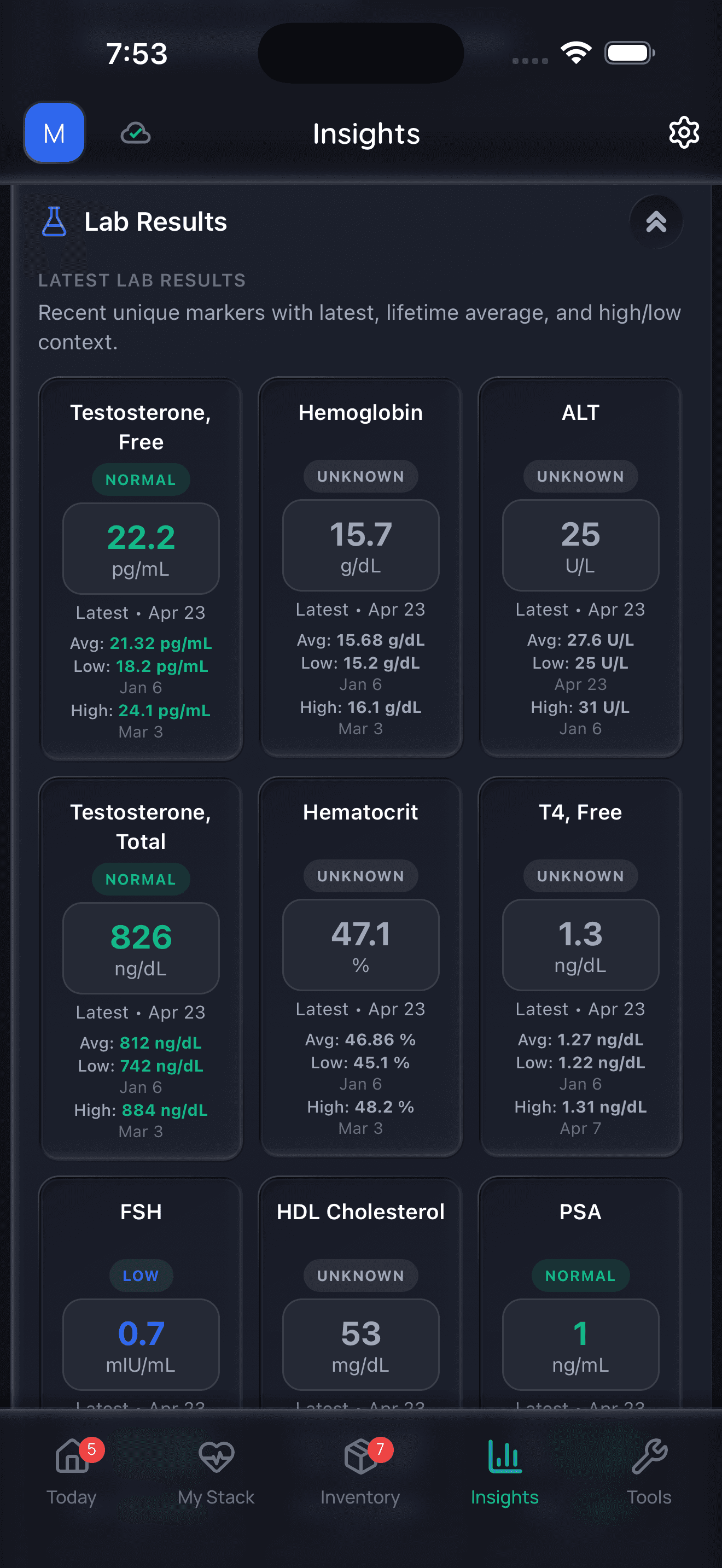
Doserly organizes data; it does not diagnose or interpret labs for you.
Dosing & Usage Protocols
The Basics
For most adults eating a varied diet, vitamin A intake from food alone is typically sufficient to meet daily requirements. The recommended daily amount is 900 mcg RAE for adult men and 700 mcg RAE for adult women. A single serving of sweet potato or a few servings of carrots can provide the entire day's requirement, and a serving of beef liver delivers several times the daily value [1].
If supplementing, the most commonly cited supplemental dose range is 750 to 3,000 mcg RAE (approximately 2,500 to 10,000 IU) per day. Most multivitamins contain 750 to 1,500 mcg RAE. The established upper limit for preformed vitamin A is 3,000 mcg RAE (approximately 10,000 IU) per day for adults. There is no established upper limit for beta-carotene, though smokers and former smokers are generally advised to avoid beta-carotene supplements based on the ATBC and CARET trial findings [1][2].
One area that commonly causes confusion is the difference between International Units (IU) and micrograms of RAE. Many supplement labels still use IU, and the conversion depends on the form: 1 IU of retinol = 0.3 mcg RAE, while 1 IU of beta-carotene from supplements = 0.15 mcg RAE. A supplement labeled "10,000 IU vitamin A (as retinyl palmitate)" provides 3,000 mcg RAE, which is at the upper limit [1].
The Science
Dietary Reference Intakes (IOM, 2001):
Population
Infants 0-6 months (AI)
- RDA/AI (mcg RAE)
- 400
- UL (mcg RAE, preformed)
- 600
Population
Infants 7-12 months (AI)
- RDA/AI (mcg RAE)
- 500
- UL (mcg RAE, preformed)
- 600
Population
Children 1-3 years
- RDA/AI (mcg RAE)
- 300
- UL (mcg RAE, preformed)
- 600
Population
Children 4-8 years
- RDA/AI (mcg RAE)
- 400
- UL (mcg RAE, preformed)
- 900
Population
Children 9-13 years
- RDA/AI (mcg RAE)
- 600
- UL (mcg RAE, preformed)
- 1,700
Population
Adolescents 14-18 years
- RDA/AI (mcg RAE)
- M: 900 / F: 700
- UL (mcg RAE, preformed)
- 2,800
Population
Adults 19+ years
- RDA/AI (mcg RAE)
- M: 900 / F: 700
- UL (mcg RAE, preformed)
- 3,000
Population
Pregnancy (19-50)
- RDA/AI (mcg RAE)
- 770
- UL (mcg RAE, preformed)
- 3,000
Population
Lactation (19-50)
- RDA/AI (mcg RAE)
- 1,300
- UL (mcg RAE, preformed)
- 3,000
Form-specific dosing considerations:
- Retinyl palmitate/acetate: Fully bioavailable preformed vitamin A. Supplement doses of 750-3,000 mcg RAE are commonly used. Doses above UL (3,000 mcg RAE) require medical supervision.
- Beta-carotene: Conversion to retinol is self-regulated; supplemental doses of 3-15 mg (5,000-25,000 IU) have been studied. Smokers should avoid supplemental beta-carotene [1][6].
- Cod liver oil: Provides preformed vitamin A plus vitamin D and omega-3s. Typical serving delivers 1,350-4,500 mcg RAE; attention to total vitamin A intake from all sources is necessary when using cod liver oil [1].
WHO therapeutic dosing (deficiency-prevalent populations):
- Children 6-11 months: 30,000 mcg RAE (100,000 IU) single dose
- Children 12-59 months: 60,000 mcg RAE (200,000 IU) every 4-6 months
These are acute therapeutic doses administered under medical supervision in settings with high deficiency prevalence [2][7].
Getting the dose right matters more than most people realize. Too little may be ineffective, too much wastes money or introduces risk, and inconsistency undermines both. Doserly tracks every dose you take, across every form, giving you a clear record of what you're actually consuming versus what you planned.
The app helps you compare RDA recommendations against therapeutic ranges discussed in the research, so you can see exactly where your intake falls. If you switch forms, say from a standard capsule to a liposomal liquid, Doserly adjusts your tracking to account for different bioavailabilities. Pair that with smart reminders that keep your timing consistent, and the precision that makes a real difference in outcomes becomes effortless.
Turn symptom and safety notes into a clearer timeline.
Doserly helps you log doses, symptoms, and safety observations side by side so patterns are easier to discuss with a qualified clinician.
Pattern view
Logs and observations
Pattern visibility is informational and should be reviewed with a clinician.
What to Expect (Timeline)
For most people supplementing with vitamin A at standard doses (within RDA to UL range), the experience depends heavily on baseline vitamin A status.
If correcting a deficiency:
- Week 1-2: Night vision improvements may be noticeable within days to two weeks. This is one of the most rapid and consistently reported responses. Some users in community forums report "radically improved color vision in the dark" within the first week.
- Week 2-4: Improvements in skin texture and dryness (hyperkeratosis) may begin to resolve. Energy improvements reported by users who were deficient, particularly those with absorption issues.
- Month 1-3: Immune function restoration is gradual. Reduced frequency of infections may become apparent over months. Liver stores begin rebuilding.
- Month 3-6: Full normalization of vitamin A status in previously deficient individuals. Skin, immune, and vision markers should be stable.
If already replete (adequate vitamin A status):
- Most people with adequate dietary vitamin A intake will not notice significant changes from supplementation, as the body tightly regulates circulating retinol levels and excess is stored in the liver.
- Some users report subtle improvements in skin quality or night vision even without documented deficiency, though these reports are anecdotal.
Signs to watch for (potential excess):
- Persistent headaches, nausea, or dizziness may indicate intake above tolerable levels.
- Dry, peeling skin and chapped lips at higher doses.
- These symptoms typically appear after weeks to months of sustained high intake, not from occasional use.
Interactions & Compatibility
SYNERGISTIC
- Vitamin D: Vitamins A and D share the RXR receptor and work together in bone metabolism, immune function, and calcium regulation. Adequate intake of both is important, but very high doses of either can antagonize the other. Many practitioners recommend maintaining a balance between the two.
- Zinc: Required for the synthesis of retinol binding protein (RBP4), which transports retinol from the liver to tissues. Zinc deficiency can impair vitamin A utilization even when vitamin A stores are adequate.
- Vitamin E: Acts as a lipid-soluble antioxidant that may protect vitamin A from oxidative degradation in the gut and during transport. High-dose vitamin A may increase the need for vitamin E.
- Iron: Vitamin A improves iron metabolism and mobilization from stores. Supplementing vitamin A alongside iron may be more effective than either alone for addressing iron-deficiency anemia in some populations.
- Vitamin K2: Works alongside vitamins A and D in calcium metabolism and bone health. Some practitioners recommend A, D, and K2 as a synergistic trio.
- Dietary fat: Fat is required for absorption of all fat-soluble vitamins, including vitamin A. Taking vitamin A supplements with a fat-containing meal enhances absorption.
CAUTION / AVOID
- Retinoid medications (tretinoin, isotretinoin, acitretin, bexarotene): Vitamin A supplementation in combination with prescription retinoids increases the risk of hypervitaminosis A and related adverse effects. Avoid supplemental vitamin A above minimal daily allowances while on these medications [3][5].
- Warfarin/anticoagulants: Large doses of vitamin A may potentiate the anticoagulant effects of warfarin, increasing bleeding risk [5].
- Orlistat: This lipase inhibitor reduces the absorption of fat-soluble vitamins, including vitamin A. Patients taking orlistat should take a multivitamin at least 2 hours before or after the medication [3][5].
- Alcohol: Regular alcohol consumption competes with retinol for alcohol dehydrogenase and synergistically increases the risk of liver damage when combined with vitamin A supplementation [5].
- Hepatotoxic medications: Any medication with known liver toxicity (acetaminophen at high doses, statins, certain antibiotics) combined with vitamin A supplementation increases cumulative hepatotoxic risk [5].
- Other fat-soluble vitamins at high doses: Excessive vitamin A may interfere with vitamin D metabolism through competition for RXR receptors. Maintaining balanced intake is more important than maximizing any single fat-soluble vitamin [5].
How to Take / Administration Guide
Recommended forms: For general supplementation, retinyl palmitate or retinyl acetate in softgel form provides the most reliable absorption. For those seeking a provitamin A approach with a built-in safety margin against toxicity, beta-carotene from natural sources is an option, keeping in mind the lower conversion efficiency and the contraindication for smokers [1].
Timing considerations: Vitamin A is best absorbed when taken with a meal that contains at least some dietary fat (a minimum of 3-5 grams). Taking a fat-soluble vitamin on an empty stomach significantly reduces absorption. Morning or evening timing does not appear to matter; consistency with a fat-containing meal is the key factor.
Cod liver oil: A traditional source of preformed vitamin A that also provides vitamin D and omega-3 fatty acids. Users who take cod liver oil should track their total vitamin A intake from all sources to avoid inadvertently exceeding the UL, especially if they also take a multivitamin containing vitamin A.
Stacking guidance: When combining with vitamin D (a common pairing), many practitioners suggest maintaining a ratio in the range of 5:1 to 10:1 (vitamin A IU : vitamin D IU). The optimal ratio is debated, but the principle of balance between these two competing fat-soluble vitamins is widely acknowledged.
Cycling guidance: Vitamin A does not typically require cycling. The liver stores it efficiently, and daily supplementation at or below the RDA is sustainable long-term. For individuals who consume liver (a very rich source) regularly, daily supplementation may be unnecessary.
Choosing a Quality Product
Third-party certifications to look for:
- USP Verified Mark (tests identity, strength, purity, and performance)
- NSF International certification
- ConsumerLab.com CL Seal of Approval
- Informed Sport or NSF Certified for Sport (for athletes)
- GMP (Good Manufacturing Practice) certification
Active vs. cheap forms: For preformed vitamin A, retinyl palmitate and retinyl acetate are both well-absorbed and commonly used in quality supplements. There is no significant bioavailability advantage of one over the other. For beta-carotene, natural (algae-derived) beta-carotene may offer a broader carotenoid profile than synthetic all-trans beta-carotene, though the clinical significance of this difference is not well-established.
Red flags:
- Vitamin A doses far exceeding 3,000 mcg RAE (10,000 IU) in a standalone supplement without clear medical indication
- Products that do not specify whether the vitamin A is preformed or provitamin A
- Supplement labels still using only IU without mcg RAE equivalents (indicates outdated formulation or labeling)
- Proprietary blends that obscure the amount of vitamin A per serving
Excipient considerations: Softgels containing vitamin A in an oil base (soybean oil, sunflower oil, MCT oil) generally provide better absorption than dry tablet forms. Individuals with soy allergies should check the carrier oil.
Supplement-specific quality markers: Look for products that clearly distinguish between preformed vitamin A (retinol/retinyl esters) and beta-carotene content, as the safety profiles differ dramatically. Products combining both should specify the amount of each.
Storage & Handling
Vitamin A supplements should be stored in a cool, dry place away from direct sunlight and heat. The fat-soluble nature of vitamin A makes it susceptible to oxidative degradation when exposed to light, heat, and air.
Softgels are generally the most stable form, as the gelatin shell protects the oil-based vitamin A from air exposure. Once opened, bottles should be resealed promptly.
Liquid forms (drops, cod liver oil) are more susceptible to oxidation. Store in dark glass bottles, keep refrigerated after opening, and use within the manufacturer's recommended timeframe (typically 3-6 months after opening).
Tablets/capsules should be kept in their original container with the desiccant packet to manage moisture.
Shelf life for properly stored vitamin A supplements is typically 2-3 years from the date of manufacture. Check the expiration date on the label and discard any supplements that have passed it, as degraded vitamin A may have reduced potency or altered safety profiles.
Lifestyle & Supporting Factors
Dietary sources: Vitamin A is widely available in the food supply. The richest sources of preformed vitamin A are liver (particularly beef liver, which provides over 700% of the DV per 3-ounce serving), fish (herring, salmon), eggs, and dairy products. Provitamin A carotenoids are abundant in sweet potatoes, carrots, spinach, kale, cantaloupe, mangoes, and red bell peppers. The deeper or more vivid the color of a fruit or vegetable, the higher its carotenoid content [1].
Signs of potential deficiency:
- Difficulty seeing in dim light (night blindness)
- Dry, rough skin (hyperkeratosis)
- Frequent infections (particularly respiratory)
- Dry eyes
- Delayed wound healing
Factors that increase vitamin A needs:
- Malabsorption conditions (celiac disease, Crohn's disease, cystic fibrosis, pancreatic insufficiency)
- History of bariatric surgery
- Regular alcohol consumption (impairs vitamin A metabolism)
- High-dose vitamin D supplementation (may increase vitamin A utilization)
- Very low-fat diets (reduce absorption of fat-soluble vitamins)
- Pregnancy and lactation (increased requirements)
Complementary lifestyle habits:
- Eat a varied, colorful diet with a range of orange, yellow, red, and dark green vegetables and fruits
- Include some dietary fat with carotenoid-rich meals to enhance absorption
- Moderate alcohol intake, which impairs vitamin A metabolism and increases hepatotoxicity risk
- If taking high-dose vitamin D, consider having vitamin A status assessed to ensure balance
Regulatory Status & Standards
United States (FDA): Vitamin A is regulated as a dietary supplement under DSHEA. It has GRAS (Generally Recognized as Safe) status as a food additive. The FDA mandates fortification of certain foods (milk, margarine). The Daily Value (DV) for vitamin A on nutrition labels is 900 mcg RAE. FDA updated Supplement Facts labeling to require mcg RAE instead of IU [1].
Canada (Health Canada): Vitamin A is available as a Natural Health Product (NHP) with assigned NPN numbers. Health Canada monographs specify permitted claims, recommended doses, and required caution statements regarding pregnancy.
European Union (EFSA): EFSA has established a Tolerable Upper Intake Level (UL) of 3,000 mcg RE/day for adults for preformed vitamin A, consistent with the IOM UL. Authorized health claims include contributions to maintenance of normal vision, skin, and immune function.
Australia (TGA): Vitamin A is available as a Listed Medicine. The TGA regulates maximum dose levels in supplements and requires specific warning statements about pregnancy risk.
Athlete & Sports Regulatory Status:
- WADA: Vitamin A is NOT on the WADA Prohibited List. It is permitted in competition and out of competition.
- National Anti-Doping Agencies (USADA, UKAD, Sport Integrity Canada, Sport Integrity Australia): No restrictions on vitamin A supplementation. However, these agencies universally recommend using third-party certified supplements to minimize contamination risk.
- NCAA: Vitamin A is not a banned substance. NCAA athletic departments are permitted to provide vitamin A supplements to student-athletes. NCAA recommends that supplements provided by athletic departments carry NSF Certified for Sport or Informed Sport certification.
- Professional sports leagues (NFL, NBA, MLB, NHL, MLS): No restrictions on vitamin A. Individual team policies may require third-party testing of all supplements.
- Athlete certification programs: Informed Sport, NSF Certified for Sport, Cologne List, and BSCG all certify vitamin A products. Athletes should look for these certifications to reduce contamination risk.
- GlobalDRO: Vitamin A is listed as permitted in all participating countries (US, UK, Canada, Australia, Japan, Switzerland, New Zealand).
Regulatory status and prohibited substance classifications change frequently. Athletes should always verify the current status of any supplement with their sport's governing body, their national anti-doping agency, and a qualified sports medicine professional before use. Third-party certification (Informed Sport, NSF Certified for Sport) reduces but does not eliminate the risk of contamination with prohibited substances.
Frequently Asked Questions
Can I get too much vitamin A from food alone?
It is very difficult to reach toxic levels from a normal varied diet, with one notable exception: organ meats. A single serving of beef liver contains more than 700% of the daily value. Regular consumption of liver multiple times per week could theoretically push intake above the UL for preformed vitamin A. Beta-carotene from fruits and vegetables cannot cause vitamin A toxicity regardless of quantity consumed [1].
Is beta-carotene the same as vitamin A?
Not exactly. Beta-carotene is a provitamin A carotenoid, meaning your body converts it into vitamin A as needed. The conversion is inefficient (approximately 12:1 by weight from dietary sources) and self-regulated, which means your body converts less when stores are adequate. This self-regulation is why beta-carotene from food does not cause vitamin A toxicity, unlike preformed vitamin A from animal sources or supplements [1].
Should I take vitamin A if I already take a multivitamin?
Based on available data, most multivitamins contain 750 to 1,500 mcg RAE of vitamin A, which provides a significant portion of the daily value. Adding a standalone vitamin A supplement on top of a multivitamin increases the risk of exceeding the UL (3,000 mcg RAE). Healthcare providers generally advise checking the vitamin A content of your multivitamin before adding a standalone supplement.
Do I need vitamin A if I eat a lot of carrots and sweet potatoes?
Commonly reported evidence suggests that people who eat a diet rich in colorful fruits and vegetables generally get sufficient provitamin A. However, the conversion of beta-carotene to retinol varies significantly between individuals due to genetic differences in the BCMO1 enzyme. An estimated 45% of certain populations carry gene variants that reduce conversion efficiency. A blood test for serum retinol can help determine whether dietary intake is adequate for your specific genetics.
Is vitamin A safe during pregnancy?
This requires careful attention. The RDA for pregnant women is 770 mcg RAE per day, and intakes above 3,000 mcg RAE (approximately 10,000 IU) of preformed vitamin A have been associated with birth defects. Prenatal vitamins are formulated to provide an appropriate amount. Women who are pregnant or may become pregnant should avoid high-dose vitamin A supplements, cod liver oil with high vitamin A content, and liver consumption more than occasionally. Beta-carotene does not carry this teratogenic risk [1][2].
Can smokers take vitamin A?
Smokers and former smokers should avoid supplemental beta-carotene based on the ATBC and CARET trial findings, which demonstrated increased lung cancer risk. However, preformed vitamin A (retinol) at standard supplemental doses has not shown the same risk in smokers. Dietary beta-carotene from fruits and vegetables has also not shown increased risk and remains recommended as part of a healthy diet [1][6].
Does vitamin A help with acne?
Prescription retinoids (isotretinoin, tretinoin) derived from vitamin A are well-established acne treatments. Over-the-counter vitamin A supplements at standard doses (up to 10,000 IU) have limited evidence for acne treatment. Community reports suggest that high-dose vitamin A (25,000+ IU) may have acne-clearing effects similar to isotretinoin, but these doses approach or exceed toxicity thresholds and carry significant liver damage risk. Healthcare providers should be consulted before attempting high-dose vitamin A for any purpose.
How do I know if I need a vitamin A supplement?
Most people in developed countries get adequate vitamin A from their diet. Groups that may benefit from supplementation include individuals with fat malabsorption conditions (celiac disease, Crohn's, cystic fibrosis), those who have had bariatric surgery, people with very restricted diets, heavy alcohol consumers, and individuals with documented deficiency on blood testing. A serum retinol test can assess vitamin A status, though it has limitations since most vitamin A is stored in the liver [1][2].
What's the difference between retinyl palmitate and retinyl acetate?
Both are preformed vitamin A esters used in supplements. They are converted to retinol in the gut and have similar bioavailability. Retinyl palmitate is more commonly used in supplements and fortified foods. There is no significant clinical advantage of one over the other for general supplementation.
Can I take vitamin A with vitamin D?
Based on available research, vitamins A and D share receptor pathways and can interact at high doses. Many practitioners recommend taking both in balanced amounts rather than mega-dosing either one in isolation. Products combining A, D, and K2 are available and designed to provide these fat-soluble vitamins in balanced ratios. Cod liver oil is a traditional food source that naturally provides both.
Myth vs. Fact
Myth: Eating carrots will give you superhuman night vision.
Fact: Carrots are rich in beta-carotene, which your body converts to vitamin A, an essential component of the visual pigment rhodopsin. Adequate vitamin A intake supports normal night vision, and correcting a deficiency will restore it. However, consuming extra carrots or vitamin A beyond what your body needs will not enhance vision beyond normal baseline levels. The "carrots improve eyesight" claim originated from British WWII propaganda designed to explain radar-assisted nighttime bombing accuracy without revealing the radar technology [1][2].
Myth: Vitamin A toxicity is so common that you should avoid supplements entirely.
Fact: Vitamin A toxicity (hypervitaminosis A) from supplements is uncommon at standard doses. The UL of 3,000 mcg RAE (10,000 IU) per day provides a significant safety margin above the RDA. Toxicity typically occurs with sustained intake well above the UL, often from high-dose standalone supplements combined with liver consumption or multiple products containing vitamin A. At recommended doses, vitamin A supplementation has an established safety record [1][2].
Myth: Beta-carotene supplements are a safe substitute for all the benefits of eating fruits and vegetables.
Fact: The ATBC and CARET clinical trials demonstrated that beta-carotene supplements actually increased lung cancer risk in smokers, while dietary beta-carotene from fruits and vegetables is consistently associated with lower cancer risk. This discrepancy illustrates that isolated nutrients in supplement form do not replicate the complex benefits of whole foods, which contain hundreds of interacting phytochemicals [1][6].
Myth: You can judge your vitamin A levels by how well you see at night.
Fact: Night blindness is indeed an early symptom of vitamin A deficiency, but normal night vision does not guarantee adequate vitamin A status. The body prioritizes vision-related vitamin A utilization, meaning other functions (immune defense, cellular differentiation) may be compromised before night vision is affected. Serum retinol testing is a more reliable, though imperfect, assessment method [1][2].
Myth: All forms of vitamin A are equally safe.
Fact: The safety profiles of preformed vitamin A and provitamin A carotenoids are fundamentally different. Preformed vitamin A (retinol, retinyl esters) accumulates in the liver and can cause toxicity at sustained high doses. Provitamin A (beta-carotene from food) is self-regulating; your body converts less when stores are sufficient. However, supplemental beta-carotene carries a distinct risk (lung cancer in smokers) not seen with dietary sources. "Vitamin A" is not a single entity with a single safety profile [1].
Myth: If a little vitamin A is good, more must be better.
Fact: Vitamin A follows a U-shaped risk curve where both too little and too much are harmful. Deficiency causes night blindness, immune suppression, and xerophthalmia. Excess causes liver damage, bone loss, and birth defects. The therapeutic window between adequate and excessive is narrower than for many other vitamins, which is why the UL for vitamin A is only about 3.3 times the RDA (compared to vitamin C, where the UL is approximately 10 times the RDA) [1][2].
Myth: Cooking destroys vitamin A in food.
Fact: While cooking can reduce some heat-sensitive nutrients, it actually improves the bioavailability of beta-carotene in many vegetables by breaking down plant cell walls and making carotenoids more accessible for absorption. Steaming, baking, or lightly sauteing carrots, sweet potatoes, and spinach generally increases the amount of beta-carotene your body can extract compared to eating them raw [1].
Sources & References
Government/Institutional Sources
[1] National Institutes of Health, Office of Dietary Supplements. "Vitamin A and Carotenoids: Fact Sheet for Health Professionals." Updated March 10, 2025. https://ods.od.nih.gov/factsheets/VitaminA-HealthProfessional/
[2] National Institutes of Health, National Library of Medicine, MedlinePlus. "Vitamin A." Updated January 21, 2025. https://medlineplus.gov/ency/article/002400.htm
[3] Institute of Medicine, Food and Nutrition Board. Dietary Reference Intakes for Vitamin A, Vitamin K, Arsenic, Boron, Chromium, Copper, Iodine, Iron, Manganese, Molybdenum, Nickel, Silicon, Vanadium, and Zinc. Washington, DC: National Academies Press; 2001.
Systematic Reviews & Meta-Analyses
[4] Memorial Sloan Kettering Cancer Center. "Vitamin A: Purported Benefits, Side Effects & More." About Herbs database. Updated August 21, 2023. https://www.mskcc.org/cancer-care/integrative-medicine/herbs/vitamin
[5] Beydoun MA, Chen X, Jha K, et al. "Carotenoids, vitamin A, and their association with the metabolic syndrome: a systematic review and meta-analysis." Nutr Rev. 2019;77(1):32-45.
Clinical Trials & RCTs
[6] The Alpha-Tocopherol, Beta Carotene Cancer Prevention Study Group. "The effect of vitamin E and beta carotene on the incidence of lung cancer and other cancers in male smokers." N Engl J Med. 1994;330(15):1029-1035.
[7] Imdad A, Mayo-Wilson E, Haykal MR, et al. "Vitamin A supplementation for preventing morbidity and mortality in children from six months to five years of age." Cochrane Database Syst Rev. 2022;3(3):CD008524.
[8] Saboor-Yaraghi AA, Harirchian MH, et al. "The Effect of Vitamin A Supplementation on FoxP3 and TGF-beta Gene Expression in Avonex-Treated Multiple Sclerosis Patients." J Mol Neurosci. 2015;56(3):608-612.
Observational Studies
[9] Asgari MM, Brasky TM, White E. "Association of vitamin A and carotenoid intake with melanoma risk in a large prospective cohort." J Invest Dermatol. 2012;132(6):1573-1582.
[10] Hathcock JN, Hattan DG, Jenkins MY, et al. "Evaluation of vitamin A toxicity." Am J Clin Nutr. 1990;52(2):183-202.
[11] Russell RM. "The vitamin A spectrum: from deficiency to toxicity." Am J Clin Nutr. 2000;71(4):878-884.
[12] Leo MA, Lieber CS. "Alcohol, vitamin A, and beta-carotene: adverse interactions, including hepatotoxicity and carcinogenicity." Am J Clin Nutr. 1999;69(6):1071-1085.
Related Supplement Guides
Same Category (Fat-Soluble Vitamins)
- Vitamin D3 (Cholecalciferol) — synergistic partner; competes for RXR receptor; balance is important
- Vitamin D2 (Ergocalciferol) — alternative vitamin D form
- Vitamin E — lipid-soluble antioxidant that may protect vitamin A from oxidation
- Vitamin K1 (Phylloquinone) — part of the fat-soluble vitamin group
- Vitamin K2 (MK-4, MK-7) — works with A and D in bone and calcium metabolism
Common Stacks / Pairings
- Zinc — required for retinol binding protein synthesis; supports vitamin A transport
- Iron — vitamin A improves iron mobilization; complementary for anemia
- Vitamin C — antioxidant pairing; iron absorption enhancer in A-iron stacks
Related Health Goal
- Vitamin B7 (Biotin) — skin health support
- Selenium — antioxidant and immune support
- Vitamin B12 — immune function and cell health