
Fish Oil (EPA/DHA): The Complete Supplement Guide
On this page
Quick Reference Card
Attribute
Common Name
- Detail
- Fish Oil
Attribute
Other Names / Aliases
- Detail
- Omega-3 fatty acids, EPA/DHA, n-3 fatty acids, marine oil, omega-3 fish oil
Attribute
Category
- Detail
- Essential Fatty Acid (Omega-3 Polyunsaturated Fatty Acid)
Attribute
Primary Forms & Variants
- Detail
- Natural triglycerides (TG; standard fish oil), re-esterified triglycerides (rTG; enhanced absorption ~124% of TG), ethyl esters (EE; pharmaceutical form, ~73% absorption of TG), phospholipids (krill oil; ~133% absorption of TG), algal oil (vegan DHA/EPA source)
Attribute
Typical Dose Range
- Detail
- 250 mg to 4,000 mg combined EPA+DHA per day depending on health goal
Attribute
RDA / AI / UL
- Detail
- No RDA or UL established for EPA/DHA specifically. AI for total omega-3 (as ALA): 1.6 g/day (men), 1.1 g/day (women). FDA: no more than 5 g/day EPA+DHA from supplements. EFSA: up to 5 g/day combined EPA+DHA appears safe.
Attribute
Common Delivery Forms
- Detail
- Softgel capsule, liquid oil, enteric-coated capsule, gummy, emulsified liquid
Attribute
Best Taken With / Without Food
- Detail
- Take with a fat-containing meal for optimal absorption. Absorption increases significantly when consumed with dietary fat.
Attribute
Key Cofactors
- Detail
- Vitamin E (antioxidant protection against lipid peroxidation), Vitamin D (often co-supplemented; present in cod liver oil), Astaxanthin (protects omega-3s from oxidation)
Attribute
Storage Notes
- Detail
- Store in a cool, dark place. Refrigerate liquid fish oil and opened bottles. Protect from heat, light, and oxygen to prevent oxidation. Check for rancidity by smell before use.
Overview
The Basics
Fish oil is one of the most popular dietary supplements in the world, and for good reason: it delivers two essential fatty acids that your body needs but cannot make on its own. These two compounds, eicosapentaenoic acid (EPA) and docosahexaenoic acid (DHA), are the active ingredients that drive virtually all of fish oil's health effects [1][2].
Your body uses EPA and DHA as building blocks for cell membranes throughout the body. DHA is concentrated in the brain, retina, and sperm cells, while EPA plays a particularly important role in managing inflammation. Together, they influence everything from heart health to mood regulation, and their importance has been recognized since the 1970s, when researchers first noticed that Greenland Inuit populations with diets rich in fatty fish had remarkably low rates of heart disease [1][3].
The challenge is that most people in Western countries consume far too little EPA and DHA relative to the amount of omega-6 fatty acids in their diet. The modern Western diet provides omega-6 to omega-3 fatty acids in a ratio of roughly 15-20 to 1. While your body technically can convert the plant-based omega-3 ALA (found in flaxseed and walnuts) into EPA and DHA, this conversion is extremely limited, with rates below 15% [1][2]. This is why direct consumption of EPA and DHA through fish or supplements remains the only practical way to meaningfully raise your levels.
Fish oil supplements come from cold-water fatty fish such as salmon, mackerel, sardines, anchovies, and herring. It is one of the most commonly used nonvitamin dietary supplements, with approximately 7.8% of U.S. adults taking fish oil, omega-3, or EPA/DHA supplements [1].
The Science
Eicosapentaenoic acid (EPA; C20:5n-3) and docosahexaenoic acid (DHA; C22:6n-3) are long-chain omega-3 polyunsaturated fatty acids (LC-PUFA) characterized by multiple cis double bonds, with the first double bond positioned three carbons from the methyl terminus. Both are derived biosynthetically from alpha-linolenic acid (ALA; C18:3n-3) through sequential desaturation and elongation reactions, though this conversion is rate-limited by delta-6 desaturase activity and yields less than 15% conversion efficiency in humans [1][2].
EPA and DHA serve as substrates for cyclooxygenase (COX) and lipoxygenase (LOX) enzymes, generating specialized pro-resolving mediators (SPMs) including E-series resolvins (from EPA), D-series resolvins, protectins (including neuroprotectin D1), and maresins (from DHA). These SPMs actively resolve inflammation rather than merely suppressing it, representing a fundamentally different mechanism from traditional anti-inflammatory agents [2][4].
EPA competes with arachidonic acid (AA; C20:4n-6) for COX-2 enzyme binding, shifting prostaglandin production from pro-inflammatory PGE2 and thromboxane A2 toward less inflammatory PGE3 and thromboxane A3. This competitive relationship means that the EPA:AA ratio in cell membranes is a functional biomarker of inflammatory status [2][4].
Both EPA and DHA are agonists of peroxisome proliferator-activated receptors (PPAR-alpha, PPAR-gamma), contributing to their lipid-lowering and anti-inflammatory effects. They also activate free fatty acid receptor 4 (FFA4/GPR120), which mediates anti-inflammatory signaling in macrophages and adipocytes [2].
Chemical & Nutritional Identity
Property
Chemical Name
- EPA
- Eicosapentaenoic acid
- DHA
- Docosahexaenoic acid
Property
Systematic Name
- EPA
- (5Z,8Z,11Z,14Z,17Z)-eicosa-5,8,11,14,17-pentaenoic acid
- DHA
- (4Z,7Z,10Z,13Z,16Z,19Z)-docosa-4,7,10,13,16,19-hexaenoic acid
Property
Shorthand
- EPA
- 20:5(n-3)
- DHA
- 22:6(n-3)
Property
Molecular Formula
- EPA
- C20H30O2
- DHA
- C22H32O2
Property
Molecular Weight
- EPA
- 302.45 g/mol
- DHA
- 328.49 g/mol
Property
CAS Number
- EPA
- 10417-94-4
- DHA
- 6217-54-5
Property
PubChem CID
- EPA
- 446284
- DHA
- 445580
Property
Carbon Chain Length
- EPA
- 20 carbons
- DHA
- 22 carbons
Property
Double Bonds
- EPA
- 5
- DHA
- 6
Property
Category
- EPA
- Omega-3 polyunsaturated fatty acid
- DHA
- Omega-3 polyunsaturated fatty acid
Regulatory Reference Values:
Parameter
AI (total omega-3 as ALA)
- Value
- 1.6 g/day (men), 1.1 g/day (women)
- Source
- IOM 2002
Parameter
AI (pregnancy, as ALA)
- Value
- 1.4 g/day
- Source
- IOM 2002
Parameter
AI (lactation, as ALA)
- Value
- 1.3 g/day
- Source
- IOM 2002
Parameter
AMDR (omega-3 as ALA)
- Value
- 0.6-1.2% of energy
- Source
- IOM 2002
Parameter
EPA/DHA portion of AMDR
- Value
- Up to 10% of AMDR
- Source
- IOM 2002
Parameter
Max supplemental EPA+DHA
- Value
- 5 g/day
- Source
- FDA, EFSA
Parameter
AHA general health
- Value
- 250-500 mg/day EPA+DHA
- Source
- AHA 2019
Parameter
AHA existing heart disease
- Value
- ~1 g/day EPA+DHA
- Source
- AHA
Parameter
AHA hypertriglyceridemia
- Value
- 2-4 g/day EPA+DHA
- Source
- AHA 2019
Note: The IOM did not establish a specific RDA or UL for EPA or DHA. AIs apply to total omega-3 intake (as ALA). The IOM noted that approximately 10% of the omega-3 AMDR can be consumed as EPA and/or DHA.
Common Supplement Forms
Form
Natural triglycerides (TG)
- Type
- Standard fish oil
- Relative Absorption
- 100% (reference)
- Notes
- Natural form found in fish; most common supplement form
Form
Re-esterified triglycerides (rTG)
- Type
- Concentrated fish oil
- Relative Absorption
- ~124% of TG
- Notes
- Enhanced absorption; increasingly popular in premium products
Form
Ethyl esters (EE)
- Type
- Pharmaceutical
- Relative Absorption
- ~73% of TG
- Notes
- Used in Lovaza; lower bioavailability than TG forms
Form
Phospholipids
- Type
- Krill oil
- Relative Absorption
- ~133% of TG
- Notes
- Naturally contains astaxanthin; from crustacean sources
Form
Algal oil
- Type
- Vegan DHA/EPA
- Relative Absorption
- Comparable to TG
- Notes
- Derived from microalgae; primary vegan source of DHA
Form
Cod liver oil
- Type
- Traditional
- Relative Absorption
- Similar to TG
- Notes
- Also provides vitamins A and D; lower EPA/DHA concentration
Mechanism of Action
The Basics
Fish oil works through several interconnected pathways, but the core principle is straightforward: EPA and DHA become part of your cell membranes, and from that position, they influence how your cells communicate and respond to stress [1][2].
When cells experience stress (whether from infection, injury, exercise, or metabolic strain), an enzyme called phospholipase A2 releases fatty acids from cell membranes. If your membranes are rich in omega-6 fatty acids (which is typical in Western diets), the released fatty acids are converted into molecules that amplify inflammation. If your membranes contain more EPA and DHA, the released fatty acids generate molecules that actively resolve inflammation instead [2][4].
These inflammation-resolving molecules are called resolvins (from EPA) and protectins (from DHA). Unlike anti-inflammatory drugs that simply block the inflammatory response, resolvins and protectins actively guide the body through the resolution phase of inflammation, cleaning up damaged tissue and signaling immune cells to stand down. This is why omega-3s can reduce chronic, low-grade inflammation without suppressing the immune system's ability to respond to genuine threats [2][4].
EPA also directly competes with arachidonic acid (an omega-6 fatty acid) for the enzymes that produce prostaglandins. When EPA wins this competition, the prostaglandins produced are less inflammatory. This competitive relationship is why the ratio of omega-3 to omega-6 in your diet matters, not just the absolute amount of omega-3 you consume.
Fish oil's effects on triglycerides occur through a separate mechanism: EPA and DHA activate receptors in the liver called PPARs, which reduce the liver's production of triglyceride-rich lipoproteins and increase the breakdown of fatty acids for energy [2].
The Science
Eicosanoid pathway modulation: EPA (C20:5n-3) serves as a competitive substrate with arachidonic acid (AA; C20:4n-6) for cyclooxygenase-1 and -2 (COX-1/2) and 5-lipoxygenase (5-LOX). EPA-derived eicosanoids include prostaglandin E3 (PGE3), thromboxane A3 (TXA3), and leukotriene B5 (LTB5), all of which have reduced pro-inflammatory and pro-aggregatory activity compared to their AA-derived counterparts (PGE2, TXA2, LTB4) [2][4].
Specialized pro-resolving mediators (SPMs):
- E-series resolvins (RvE1, RvE2): Derived from EPA via COX-2/aspirin-acetylated COX-2 and 5-LOX pathways. RvE1 signals through ChemR23 receptor, providing analgesic effects. The aspirin-acetylated pathway produces R-isomer resolvins, explaining the synergistic anti-inflammatory effects of fish oil and aspirin co-administration [2][4].
- D-series resolvins (RvD1, RvD2): Derived from DHA through 15-LOX and 5-LOX. Have potent anti-inflammatory properties, inhibiting TNF-alpha-induced cytokine expression in microglia at picomolar concentrations (IC50 ~50 pM) [2].
- Protectins: Neuroprotectin D1 (NPD1), derived from DHA, exhibits neuroprotective effects, reducing oxidative stress-mediated neuronal apoptosis and promoting cell survival signaling [2].
- Maresins: DHA-derived mediators produced by macrophages that promote resolution of inflammation and tissue repair [4].
PPAR receptor activation: Both EPA and DHA are endogenous ligands for PPAR-alpha (hepatic lipid metabolism, beta-oxidation upregulation, VLDL assembly suppression) and PPAR-gamma (anti-inflammatory signaling in macrophages, adipocyte differentiation). PPAR-alpha activation underlies the triglyceride-lowering effects [2].
FFA4/GPR120 signaling: EPA and DHA activate free fatty acid receptor 4 (GPR120) on macrophages and adipocytes, triggering beta-arrestin-2-mediated anti-inflammatory cascades that suppress NF-kB and JNK signaling [2].
AMPK activation: Fish oil activates AMP-activated protein kinase, contributing to fatty acid oxidation and improved glucose metabolism [2].
Absorption & Bioavailability
The Basics
Fish oil is well absorbed by the body, with overall absorption rates around 95% for dietary fats in general. However, the form of your fish oil supplement significantly affects how efficiently your body can use it [1][2].
Think of the different forms as different packaging for the same active ingredients. Natural triglycerides (the form found in whole fish and standard fish oil) are the reference point. Re-esterified triglycerides absorb about 24% better, krill oil's phospholipid form absorbs about 33% better, while ethyl esters (the pharmaceutical form used in some prescription products) absorb about 27% less efficiently [2].
The single most important factor for absorption is simple: take fish oil with food, specifically food containing some fat. Studies show that taking fish oil with a fat-containing meal significantly increases how much EPA and DHA reach your bloodstream. Taking fish oil on an empty stomach is one of the most common mistakes people make, and it can substantially reduce what they absorb [1][2].
Once absorbed, EPA and DHA are incorporated into cell membranes throughout the body. This is not an instantaneous process. It takes time for these fatty acids to accumulate and meaningfully shift the composition of your cell membranes. This is why researchers use the omega-3 index (measuring EPA+DHA as a percentage of red blood cell membrane fatty acids) as a long-term marker, reflecting roughly the previous 120 days of intake [1].
The Science
Digestive processing: Dietary lipids containing EPA and DHA are hydrolyzed in the intestinal lumen by pancreatic lipase and bile salt-dependent lipase. Hydrolysis products (monoglycerides and free fatty acids) are incorporated into bile salt-containing mixed micelles and absorbed into enterocytes primarily by passive diffusion. Absorption efficiency is approximately 95%, comparable to other dietary fats [1].
Form-dependent bioavailability: The ester bond linking EPA and DHA to their carrier molecule determines the rate and extent of intestinal hydrolysis:
Form
Natural triglycerides (TG)
- Bioavailability relative to TG
- 100% (reference)
- Mechanism
- Pancreatic lipase cleaves sn-1 and sn-3 positions; EPA/DHA typically at sn-2 are absorbed as 2-monoacylglycerol
Form
Re-esterified triglycerides (rTG)
- Bioavailability relative to TG
- ~124%
- Mechanism
- Optimized fatty acid positioning may enhance lipase access
Form
Phospholipids (krill oil)
- Bioavailability relative to TG
- ~133%
- Mechanism
- Phospholipid form facilitates micelle formation independent of bile salts
Form
Ethyl esters (EE)
- Bioavailability relative to TG
- ~73%
- Mechanism
- Requires additional hydrolysis step by carboxylester lipase; reduced lipase affinity
Form
Free fatty acids
- Bioavailability relative to TG
- ~91%
- Mechanism
- Directly available for micelle incorporation
Meal-dependent absorption: Co-ingestion with a fat-containing meal stimulates bile secretion and pancreatic lipase release, significantly enhancing EPA/DHA absorption across all supplement forms. The effect is most pronounced for ethyl ester forms [1][2].
Post-absorptive distribution: Absorbed EPA and DHA are re-esterified within enterocytes, packaged into chylomicrons, and enter systemic circulation via the lymphatic system. They are subsequently distributed to tissues and incorporated into phospholipid bilayers of cell membranes. DHA preferentially accumulates in neural tissue (brain, retina) and reproductive tissue (sperm), while EPA distributes more broadly. Membrane incorporation follows saturation kinetics, reaching a new steady state over approximately 4-12 weeks of consistent supplementation [1][2].
Omega-3 Index: The omega-3 index (Harris and von Schacky) quantifies EPA+DHA as a percentage of total erythrocyte membrane fatty acids, reflecting approximately 120 days of intake history. Western populations typically have an index of 3-5%, while Japanese populations average approximately 8-10%. An omega-3 index of 8-12% is considered the target range for cardioprotection [1].
Understanding how your body absorbs a supplement is only useful if you can act on it. Doserly lets you log exactly when you take each form, whether it's a capsule with a meal, a sublingual tablet on an empty stomach, or a liquid taken with a cofactor, so you can see how timing and form choices affect your results over time.
The app also tracks cofactor pairings that influence absorption. If a supplement works better alongside vitamin C, fat, or black pepper extract, Doserly reminds you to take them together and logs both. Over weeks, your personal data reveals whether those pairing strategies are translating into measurable differences in the biomarkers you're tracking.
Track injection timing, draw notes, and site rotation.
Doserly helps keep syringe-related notes, injection site history, reminders, and reconstitution context together for easier review.
Injection log
Site rotation
Injection logs support record-keeping; follow clinician instructions for administration.
Research & Clinical Evidence
Cardiovascular Disease
The Basics
The story of fish oil and heart health is one of the most studied topics in nutrition science, and the results are more nuanced than most people realize. The interest began in the 1970s when researchers noticed that Greenland Inuit, whose diets were rich in fatty fish, had remarkably low rates of heart disease. Decades of research since then have confirmed that people who eat more fish tend to have healthier hearts, but translating that into a simple "take fish oil pills" recommendation has proven complicated [1][3][5].
What the evidence clearly supports: fish oil reliably lowers triglyceride levels (a type of blood fat), with reductions of 15-30% at supplemental doses. This is robust enough that the FDA has approved prescription omega-3 products specifically for treating very high triglycerides. Fish oil also appears to slightly lower blood pressure and may improve the stability of arterial plaques [1][3][5].
Where the evidence gets complicated: whether standard-dose fish oil supplements (around 1 gram per day) prevent heart attacks and strokes in otherwise healthy people remains debated. Several large trials found no significant benefit at this dose for overall cardiovascular events, though some found reductions in specific outcomes like heart attack risk [1][5].
The REDUCE-IT trial changed the conversation by showing that a very high dose of purified EPA (4 grams per day) reduced cardiovascular events by 25% in people already at high risk. However, a similar trial using a combination of EPA and DHA at the same dose (STRENGTH) found no benefit, raising questions about whether the effect is specific to EPA alone, or whether differences in study design explain the conflicting results [1][5].
The Science
Epidemiological evidence: Meta-analyses of observational studies consistently associate higher fish consumption and higher plasma/tissue omega-3 levels with reduced cardiovascular mortality, heart failure risk, and coronary heart disease incidence [1][3].
Triglyceride reduction: Fish oil reduces fasting triglycerides in a dose-dependent manner. At doses of 2-4 g/day EPA+DHA, reductions of 15-30% are typical, mediated through PPAR-alpha activation (reduced hepatic VLDL-TG synthesis), increased mitochondrial fatty acid beta-oxidation, and enhanced lipoprotein lipase activity [1][3][5].
Key clinical trials:
VITAL (2018): 25,871 participants, 1 g/day EPA+DHA (460 mg EPA, 380 mg DHA) vs placebo. No significant reduction in composite major cardiovascular events after 5.3 years. However, significant 28% reduction in total myocardial infarction (77% in African Americans), significant reductions in fatal MI, total CHD, and PCI [1][5].
ASCEND (2018): 15,480 diabetic adults, 1 g/day EPA+DHA vs placebo. No significant effect on composite serious vascular events after 7.4 years. Significant 19% reduction in cardiovascular death [1][5].
REDUCE-IT (2019): 8,179 participants with CVD or diabetes plus risk factors, all on statins with elevated triglycerides. 4 g/day icosapent ethyl (purified EPA) vs mineral oil placebo. Significant reductions: cardiovascular events 25%, cardiovascular death 20%, stroke 28%, MI 31% [1][5].
STRENGTH (2020): 13,078 high-CV-risk participants. 4 g/day omega-3 carboxylic acid (EPA+DHA) vs corn oil placebo. No significant reduction in composite cardiovascular endpoint. Higher incidence of atrial fibrillation. Trial stopped early [1][5].
Depression and Mood
The Basics
The connection between fish oil and mood is supported by a meaningful body of evidence. Large surveys have found that people who eat less fish tend to report more depressive symptoms, and individuals with major depression often have lower omega-3 levels in their blood [3][5].
Clinical trials show that fish oil supplementation can produce a small but meaningful improvement in depression symptoms, particularly when used alongside standard antidepressant therapy. EPA appears to be more effective than DHA for this purpose. A Cochrane meta-analysis found a benefit equivalent to a moderate clinical effect for people with major depressive disorder [2][3][5].
However, fish oil does not appear to prevent depression in people who are not depressed, and it has not consistently helped in milder cases or specific subgroups like those with perinatal depression [3][5].
The Science
A Cochrane meta-analysis of RCTs in major depressive disorder (MDD) found a small but significant benefit of omega-3 PUFA supplementation (SMD approximately -0.28 to -0.40 across analyses). EPA-predominant formulations showed stronger effects than DHA-predominant formulations, consistent with EPA's more direct role in modulating pro-inflammatory eicosanoid pathways implicated in depression pathophysiology [2][3][5].
The VITAL-DEP ancillary study (n=18,353) found no significant effect of 1 g/day EPA+DHA on risk of incident depression over 5.3 years (HR 1.13), indicating that standard-dose supplementation does not prevent depression in unselected populations [5].
A network meta-analysis reported benefits of high-dose EPA/DHA supplementation for migraine prophylaxis, suggesting broader neurological applications [5].
Inflammation and Joint Health
The Basics
Fish oil's anti-inflammatory effects are among its best-established benefits. For people with rheumatoid arthritis, taking more than 2.7 grams per day of EPA+DHA for at least three months has been shown to reduce joint pain, morning stiffness, tender joint counts, and even the need for anti-inflammatory medications [3][5].
These anti-inflammatory effects extend beyond joints. Fish oil can reduce markers of systemic inflammation, including IL-6 and TNF-alpha. It has shown promise for ulcerative colitis and may reduce the risk of autoimmune disease. The VITAL trial found that omega-3 supplementation, with or without vitamin D, reduced the incidence of autoimmune conditions [5].
The Science
Meta-analyses of RCTs in rheumatoid arthritis demonstrate that EPA+DHA supplementation at doses exceeding 2.7 g/day for more than 3 months significantly reduces patient-reported joint pain intensity, morning stiffness duration, NSAID consumption, and tender joint counts [3][5].
Mechanistically, omega-3-derived SPMs (resolvins, protectins) actively promote the resolution of inflammatory processes rather than merely inhibiting them. EPA/DHA supplementation decreases circulating IL-6, TNF-alpha, and IL-1beta while leaving most mononuclear cell functions unaffected, indicating selective immunomodulation rather than immunosuppression [2][5].
In ulcerative colitis, omega-3 supplementation reduced rectal dialysate leukotriene B4, a potent pro-inflammatory mediator. However, omega-3 was ineffective for maintaining remission in Crohn's disease [5].
Cognitive Function
The Basics
DHA is a major structural component of brain cell membranes, accounting for a significant portion of the fatty acids in brain tissue. This has led to extensive research on whether fish oil can protect or improve cognitive function [1][2][5].
The evidence suggests that DHA may improve learning and memory in people experiencing age-related cognitive decline, but supplementation has not shown consistent benefits for healthy adults with normal cognitive function. For children, prenatal omega-3 intake from maternal diet appears important for brain development, though supplementation trials have not clearly demonstrated improved cognitive outcomes [1][5].
Emerging research in APOE4 carriers (a genetic variant associated with Alzheimer's risk) suggests omega-3 supplementation may reduce neuronal integrity breakdown, opening a potential avenue for targeted intervention [5].
The Science
DHA constitutes approximately 10-20% of total fatty acids in brain phospholipids and is critical for neuronal membrane fluidity, synaptic vesicle formation, and neurotransmitter function. Brain DHA levels decline with aging and are further reduced in Alzheimer's disease [1][2].
A randomized clinical trial demonstrated that omega-3 supplementation reduced neuronal integrity breakdown in APOE*E4 carriers, as measured by MRI biomarkers [5]. However, a large long-term trial with omega-3 and multidomain lifestyle interventions (MAPT trial) failed to find significant effects on cognitive decline in elderly adults with memory complaints [5].
Other Conditions
- Dry eye disease: A large RCT found no improvement with 2,000 mg EPA + 1,000 mg DHA daily for 1 year versus placebo [1][5].
- Age-related macular degeneration: AREDS2 and VITAL ancillary studies found no significant effect on AMD risk or progression [1][5].
- Cancer: Data are inconclusive. Some evidence for reduced colon cancer risk and improved survival in certain cancers. Updated VITAL analyses showed significant reduction in cancer mortality. The SELECT trial found an association between high blood omega-3 levels and increased prostate cancer risk, though this observational finding has not been confirmed in intervention trials [5].
- Type 1 diabetes neuropathy: Positive effects on corneal nerve fiber length with long-term supplementation [5].
- Acne: Some evidence of benefit from omega-3 supplementation [5].
Evidence & Effectiveness Matrix
Category
Heart Health
- Evidence Strength
- 8/10
- Community-Reported Effectiveness
- 6/10
- Summary
- Extensive clinical trial evidence for triglyceride reduction and some cardiovascular outcomes. Community reports focus on long-term trust in science rather than felt effects.
Category
Inflammation
- Evidence Strength
- 8/10
- Community-Reported Effectiveness
- 7/10
- Summary
- Strong evidence from RCTs in RA and systemic inflammation markers. Community consistently reports reduced inflammation and joint benefits.
Category
Joint Health
- Evidence Strength
- 7/10
- Community-Reported Effectiveness
- 7/10
- Summary
- Multiple meta-analyses support benefit at >2.7 g/day for RA. Community reports specific, credible joint pain relief.
Category
Mood & Wellbeing
- Evidence Strength
- 7/10
- Community-Reported Effectiveness
- 7/10
- Summary
- Cochrane meta-analysis supports small-moderate benefit in MDD. EPA more effective than DHA. Community widely reports mood improvement at higher doses.
Category
Focus & Mental Clarity
- Evidence Strength
- 5/10
- Community-Reported Effectiveness
- 6/10
- Summary
- DHA critical for brain structure. Mixed trial results for cognitive enhancement. Community reports brain fog clearance, especially in previously deficient individuals.
Category
Anxiety
- Evidence Strength
- 5/10
- Community-Reported Effectiveness
- 6/10
- Summary
- Some clinical evidence for anxiety reduction. Community reports are positive but limited in volume.
Category
Blood Pressure
- Evidence Strength
- 6/10
- Community-Reported Effectiveness
- Community data not yet collected
- Summary
- Modest but consistent blood pressure reductions in meta-analyses.
Category
Pain Management
- Evidence Strength
- 6/10
- Community-Reported Effectiveness
- 6/10
- Summary
- Evidence for RA pain, migraine prophylaxis. Community reports include striking migraine transformation case.
Category
Skin Health
- Evidence Strength
- 4/10
- Community-Reported Effectiveness
- 6/10
- Summary
- Limited clinical evidence (UV protection, acne). Community reports eczema improvement and skin clarity.
Category
Emotional Regulation
- Evidence Strength
- 4/10
- Community-Reported Effectiveness
- 6/10
- Summary
- Some evidence for ADHD-related emotional regulation. Parent-reported improvements in children.
Category
Sleep Quality
- Evidence Strength
- 3/10
- Community-Reported Effectiveness
- 5/10
- Summary
- Limited clinical evidence for direct sleep effects. Some community reports of improvement.
Category
Energy Levels
- Evidence Strength
- 3/10
- Community-Reported Effectiveness
- 5/10
- Summary
- Not a primary mechanism. Community reports inconsistent.
Category
Memory & Cognition
- Evidence Strength
- 5/10
- Community-Reported Effectiveness
- 5/10
- Summary
- DHA important for brain structure. Benefits seen primarily in age-related decline, not healthy adults.
Category
Nausea & GI Tolerance
- Evidence Strength
- N/A
- Community-Reported Effectiveness
- 4/10
- Summary
- GI side effects are the most reliably reported negative. Fishy burps, nausea are very common.
Benefits & Potential Effects
The Basics
Fish oil's benefits span several body systems, reflecting the widespread role of EPA and DHA in cellular function. The most established benefits center on cardiovascular health, inflammation reduction, and mood support [1][2][3][5].
Well-established benefits (strong evidence):
- Triglyceride reduction: Fish oil reliably lowers triglyceride levels by 15-30% at therapeutic doses (2-4 g/day EPA+DHA). This is the basis for FDA-approved prescription omega-3 products [1][3].
- Anti-inflammatory effects: Reduces systemic inflammation markers (IL-6, TNF-alpha) and improves outcomes in inflammatory conditions like rheumatoid arthritis [2][3][5].
- Depression symptom reduction: Small but meaningful improvement when used alongside antidepressant therapy, with EPA showing stronger effects than DHA [2][3][5].
- Joint pain relief: At doses above 2.7 g/day, reduces joint pain, morning stiffness, and NSAID use in rheumatoid arthritis [3][5].
Emerging benefits (moderate evidence):
- Cardiovascular event reduction: High-dose EPA (4 g/day) showed 25% reduction in cardiovascular events in the REDUCE-IT trial, though results have not been replicated with EPA+DHA combinations [1][5].
- Autoimmune disease risk reduction: The VITAL trial found reduced incidence of autoimmune conditions with omega-3 supplementation [5].
- Blood pressure reduction: Modest but consistent reductions in both systolic and diastolic blood pressure across meta-analyses [1][3].
- Cognitive support in aging: DHA may benefit learning and memory in age-related cognitive decline, with emerging data in APOE4 carriers [2][5].
Preliminary benefits (limited evidence):
- Skin health: Some evidence for UV protection and acne improvement [2][5].
- Migraine prophylaxis: Network meta-analysis suggests benefit of high-dose EPA/DHA [5].
- Exercise recovery: May reduce exercise-induced inflammation and support muscle protein synthesis [2].
- Pregnancy outcomes: DHA supports fetal brain development; at least 200 mg/day DHA recommended during pregnancy [1][2].
The Science
Triglyceride-lowering mechanism: EPA and DHA reduce hepatic triglyceride synthesis through multiple pathways: (1) PPAR-alpha activation increases mitochondrial and peroxisomal fatty acid beta-oxidation; (2) SREBP-1c downregulation reduces de novo lipogenesis gene expression; (3) enhanced lipoprotein lipase (LPL) activity accelerates triglyceride-rich lipoprotein clearance. The dose-response relationship is approximately linear at supplemental doses of 1-4 g/day, with each additional gram of EPA+DHA reducing triglycerides by approximately 5-10% [1][2][3].
Anti-inflammatory pathways: Beyond competitive eicosanoid modulation, EPA/DHA-derived SPMs actively promote resolution of inflammation through specific receptor-mediated signaling. RvE1 signals through ChemR23/ERV1 receptor, promoting neutrophil apoptosis and macrophage phagocytosis of apoptotic cells. RvD1 and RvD2 signal through GPR32 and ALX/FPR2 receptors. Protectin D1 promotes neuroprotective signaling through PPARgamma-dependent mechanisms [2][4].
Antidepressant mechanisms: Multiple pathways have been proposed: (1) EPA-mediated reduction of pro-inflammatory cytokines implicated in depression (neuroinflammation hypothesis); (2) DHA maintenance of serotonergic and dopaminergic neurotransmission through membrane fluidity effects; (3) EPA/DHA modulation of HPA axis stress response and cortisol regulation; (4) Brain-derived neurotrophic factor (BDNF) upregulation [2][5].
Reading about potential benefits gives you a framework. Seeing whether those benefits are showing up in your own body turns knowledge into confidence. Doserly lets you track the specific health markers relevant to this supplement, building a personal dataset that captures what's actually changing week over week.
The app's AI analytics go further than simple logging. By correlating your supplement intake with the biomarkers and health outcomes you're tracking, Doserly surfaces patterns you might miss on your own, like whether a dose adjustment three weeks ago corresponds to the improvement you're noticing now. When it's time to evaluate whether a supplement is earning its place in your stack, you have your own data to guide the decision.
Connect protocol changes to labs and health markers.
Doserly can keep lab results, biomarkers, symptoms, and dose history close together so follow-up conversations have better context.
Insights
Labs and trends
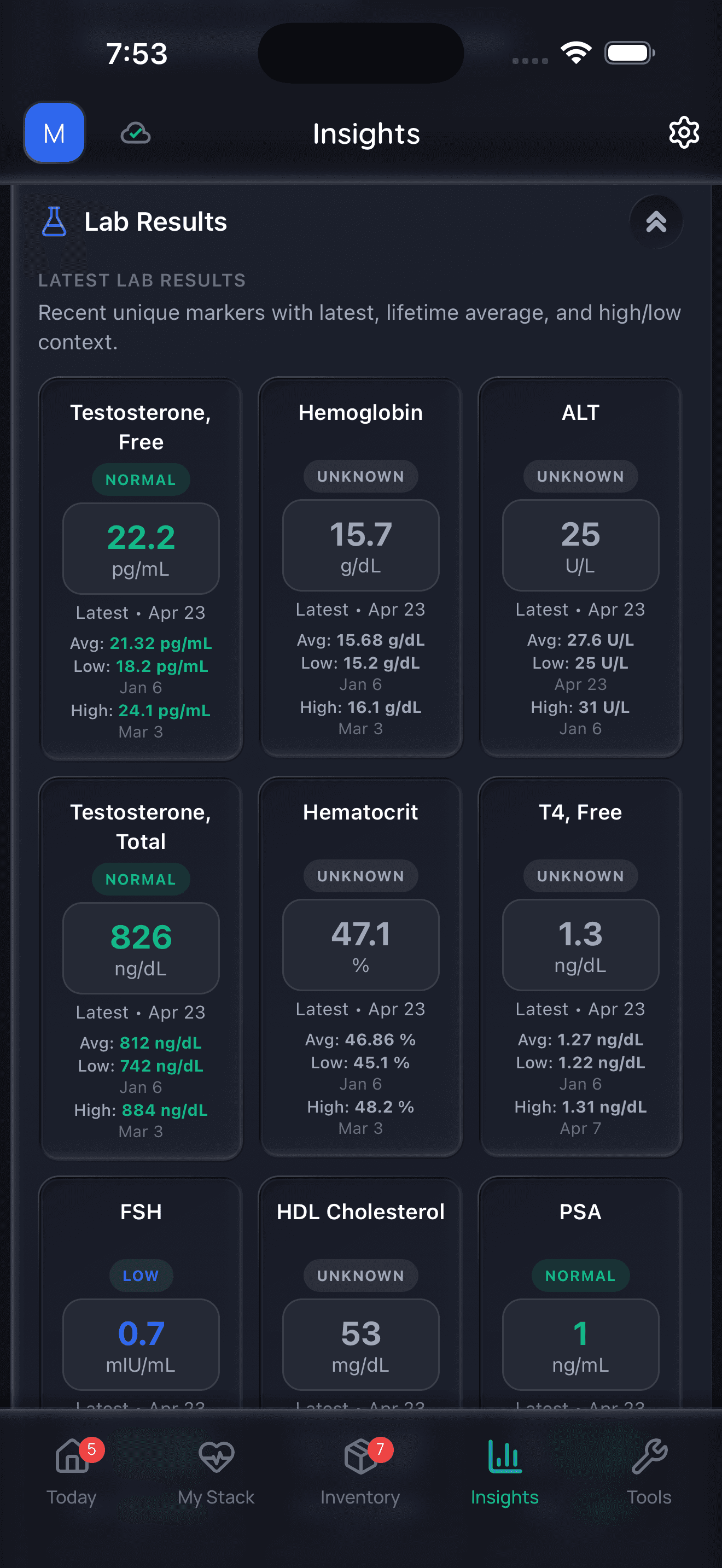
Doserly organizes data; it does not diagnose or interpret labs for you.
Side Effects & Safety
The Basics
Fish oil is generally well tolerated at standard supplemental doses (1-2 g/day EPA+DHA), and most side effects are mild and related to the gastrointestinal system. The most common complaints are fishy burps, an unpleasant aftertaste, heartburn, nausea, and gastrointestinal discomfort [1][3][5].
These GI side effects can often be managed by taking fish oil with meals, using enteric-coated capsules, starting with a lower dose and gradually increasing, refrigerating capsules, or switching to a higher-quality product. Product quality matters significantly for tolerability, as oxidized or rancid fish oil is a frequent cause of burping and nausea.
More serious considerations at higher doses:
- Atrial fibrillation risk: Two large clinical trials found that 4 g/day of omega-3 supplements for several years slightly increased the risk of atrial fibrillation (an irregular heart rhythm) in people with existing cardiovascular disease or at high risk. This appears to be a dose-dependent effect not seen at lower doses [1][5].
- Bleeding risk: Doses above 3 g/day may slightly increase bleeding time by reducing platelet aggregation. However, a 2014 systematic review concluded that omega-3s do not significantly increase the risk of clinically significant bleeding [1][5].
- Immune suppression: Theoretically, very high doses (above 900 mg EPA + 600 mg DHA daily for extended periods) might reduce immune function by suppressing inflammatory responses, though this has not been clearly demonstrated at typical supplemental doses [1].
- LDL cholesterol: Fish oil may slightly increase LDL cholesterol while lowering triglycerides [5].
- Prostate cancer: The SELECT trial found an observational association between high blood omega-3 levels and increased prostate cancer risk, though this remains controversial and has not been confirmed in supplementation trials [5].
Populations requiring caution:
- People taking anticoagulant medications (warfarin, heparin, clopidogrel, apixaban, rivaroxaban)
- People with fish or shellfish allergies (though highly purified fish oil often does not contain fish proteins)
- Pregnant women (should avoid fish oil from high-mercury sources; DHA supplementation is otherwise recommended)
- People with a history of atrial fibrillation or other arrhythmias (should discuss high-dose use with their physician)
The Science
GI tolerability: Gastrointestinal adverse effects are the most commonly reported across all clinical trials. Fishy eructation (burping) results from delayed gastric emptying and retrograde release of volatile compounds. Enteric coating and phospholipid forms reduce this effect. Diarrhea and nausea are dose-dependent and typically transient [1][3][5].
Atrial fibrillation: A meta-analysis of high-dose omega-3 trials (4 g/day) found a statistically significant increased risk of atrial fibrillation. In REDUCE-IT, the incidence of AF requiring hospitalization was higher in the icosapent ethyl group (3.1%) vs placebo (2.1%). STRENGTH was stopped partially due to higher AF incidence in the omega-3 group. The mechanism may involve altered atrial electrophysiology through membrane fatty acid composition changes [1][5].
Hemostasis: EPA and DHA inhibit platelet aggregation by reducing thromboxane A2 production and increasing thromboxane A3 (weaker pro-aggregatory activity). A systematic review and meta-analysis of RCTs found that high-dose purified EPA may elevate bleeding risk, though with "very modest clinical significance." FDA-approved prescribing information states that omega-3 products have not produced "clinically significant bleeding episodes" [1][5].
Contamination concerns: Fish oil supplements may contain environmental contaminants including methylmercury, polychlorinated biphenyls (PCBs), dioxins, and organochlorines. Contamination risk depends on source fish species (non-predatory fish like sardines and anchovies are safer) and manufacturing process (molecular distillation removes most contaminants). Third-party testing (IFOS, NSF, USP) verifies contaminant levels [2].
Dosing & Usage Protocols
The Basics
Fish oil dosing depends primarily on your health goals and how much EPA and DHA you get from your diet. The most important number to track is not the total fish oil on the label, but the combined EPA+DHA content, which is the active component [1][2].
General health maintenance: 250-500 mg combined EPA+DHA per day. This can be obtained from two servings of fatty fish per week or a standard fish oil capsule. The American Heart Association recommends this level for the general population [1][3].
Existing heart disease: Approximately 1 g/day combined EPA+DHA, per American Heart Association guidelines. Preferably from oily fish, but supplements are an option [1].
High triglycerides: 2-4 g/day combined EPA+DHA, ideally under medical supervision. This is the dosing range used in FDA-approved prescription omega-3 products [1][3].
Depression support (adjunctive): 1-2 g/day EPA+DHA, with EPA-predominant formulations showing stronger evidence for mood effects [2][3].
Inflammatory conditions / joint health: More than 2.7 g/day EPA+DHA for at least 3 months for rheumatoid arthritis [3][5].
Pregnancy and lactation: At least 200 mg/day additional DHA. Some guidelines recommend up to 300 mg DHA per day during pregnancy [1][2].
Timing: Can be taken at any time of day. The most important factor is taking with a fat-containing meal to maximize absorption.
Reading the label: A standard 1,000 mg fish oil softgel typically contains only 300 mg of combined EPA+DHA. To get 1 g/day of EPA+DHA, you would need approximately three standard capsules. Concentrated formulations provide 500-900 mg EPA+DHA per capsule.
The Science
Dose-response for triglycerides: The triglyceride-lowering effect follows an approximately linear dose-response at supplemental doses. Each additional gram of EPA+DHA reduces fasting triglycerides by approximately 5-10%. At 4 g/day, reductions of 25-45% have been observed in hypertriglyceridemic populations [1][3].
Dose-response for omega-3 index: Supplementation with 1 g/day EPA+DHA raises the omega-3 index by approximately 3-4 percentage points over 4-6 months in individuals with a low baseline index [1].
Pharmacokinetic considerations: Peak plasma levels of EPA and DHA occur approximately 5-6 hours post-dose. Steady-state tissue levels require 4-12 weeks of consistent supplementation, reflecting the kinetics of membrane phospholipid turnover. EPA tissue levels plateau earlier than DHA due to DHA's preferential accumulation in neural tissue, which has slower turnover [1][2].
Getting the dose right matters more than most people realize. Too little may be ineffective, too much wastes money or introduces risk, and inconsistency undermines both. Doserly tracks every dose you take, across every form, giving you a clear record of what you're actually consuming versus what you planned.
The app helps you compare RDA recommendations against therapeutic ranges discussed in the research, so you can see exactly where your intake falls. If you switch forms, say from a standard capsule to a liposomal liquid, Doserly adjusts your tracking to account for different bioavailabilities. Pair that with smart reminders that keep your timing consistent, and the precision that makes a real difference in outcomes becomes effortless.
Build reminders around the routine, not just the compound.
Doserly can keep timing, skipped doses, and schedule changes organized so the plan you read about becomes easier to follow and review.
Today view
Upcoming reminders

Reminder tracking supports consistency; it does not select a protocol for you.
What to Expect (Timeline)
Weeks 1-2: Most people will not notice subjective effects. GI side effects (if any) are most likely during this initial period as the body adjusts. Plasma levels of EPA and DHA begin to rise. Some users report fishy burps or mild GI discomfort; taking with meals usually resolves this.
Weeks 2-4: Some users begin to notice subtle changes in mood, mental clarity, or energy, though many report no perceptible change at this stage. Triglyceride levels may begin to decrease measurably if being monitored via blood work. Joint pain reduction may start to become apparent for those taking anti-inflammatory doses.
Weeks 4-8: Mood benefits typically become more noticeable for those who will respond. Joint stiffness and pain improvements continue to develop. Skin changes (improved hydration, eczema improvement) may begin. EPA and DHA are progressively incorporating into cell membranes throughout the body.
Weeks 8-12+: Full membrane incorporation approaches steady state. Omega-3 index, if measured, shows meaningful change from baseline. Anti-inflammatory benefits are well established. Long-term cardiovascular benefits are building but are not subjectively felt; these require blood work or cardiovascular assessments to verify.
Long-term (6+ months): Omega-3 index reaches steady state. Cardiovascular biomarkers (triglycerides, blood pressure, inflammatory markers) reflect sustained supplementation. Benefits are cumulative and maintained with consistent use. Community reports consistently note that stopping supplementation leads to gradual return of previous symptoms over weeks to months.
Important note: Fish oil is distinctive among supplements in that many of its most important benefits (cardiovascular protection, omega-3 index optimization) are not felt subjectively. Some users report "I feel nothing but believe the science." This is normal and does not indicate the supplement is not working.
Interactions & Compatibility
Synergistic
- Vitamin D3: Often co-supplemented with fish oil. The VITAL trial tested both together. Complementary roles in immune function, bone health, and cardiovascular protection. Cod liver oil naturally provides both.
- Vitamin E: Antioxidant protection for omega-3 fatty acids against lipid peroxidation. Many fish oil supplements include vitamin E as a preservative. Supplementation with omega-3s may increase vitamin E requirements.
- Vitamin K2: Complementary cardiovascular support. Vitamin K2 directs calcium to bones; omega-3s support arterial health.
- Magnesium: Complementary cardiovascular and anti-inflammatory effects. Both commonly taken together in heart health protocols.
- Curcumin: Synergistic anti-inflammatory effects through complementary pathways. Curcumin inhibits COX-2 and NF-kB; fish oil provides SPM precursors.
- CoQ10: Both support cardiovascular health. Often combined with statins, which deplete CoQ10 while fish oil complements lipid-lowering effects.
- Zinc: Complementary immune system support. Both involved in inflammatory response modulation.
- Selenium: Selenoproteins (glutathione peroxidases) protect omega-3 fatty acids from oxidative damage in cell membranes.
- Aspirin: Aspirin modifies COX-2 enzyme activity, enhancing the production of anti-inflammatory resolvins from EPA and DHA. This is a well-characterized beneficial pharmacological interaction.
Caution / Avoid
- Anticoagulant medications (warfarin, heparin, clopidogrel, apixaban, rivaroxaban): High-dose fish oil (>3 g/day) may enhance anticoagulant effects and increase bleeding risk. Monitor INR if combining with warfarin. Rare cases of serious bleeding events have been reported with high-dose fish oil + warfarin [1][5].
- Glucocorticoids (cortisone, hydrocortisone, dexamethasone): Omega-3 supplements may potentiate some adverse effects of glucocorticoids. Clinical relevance is uncertain but precaution is warranted [5].
- High omega-6 intake: Excessive linoleic acid (omega-6) competes with EPA and DHA for desaturase enzymes and COX/LOX enzyme binding, potentially reducing omega-3 benefits. Reducing omega-6 intake amplifies the effects of omega-3 supplementation [2].
- Iron: Some evidence that omega-3 fatty acids may affect iron absorption. Take separately as a precaution.
How to Take / Administration Guide
Standard capsules/softgels:
- Take with a fat-containing meal for optimal absorption. This is the single most impactful administration practice.
- Standard 1,000 mg softgels typically provide only 300 mg combined EPA+DHA. Check the label for actual EPA+DHA content.
- Swallow whole; do not chew, break, or dissolve capsules.
- If experiencing fishy burps, try enteric-coated capsules, freeze capsules before taking, or switch to a higher-quality brand.
- Refrigerating capsules can reduce fishy aftertaste.
Liquid fish oil:
- Measure the recommended dose using the provided dropper or spoon.
- Can be taken directly or mixed into smoothies, yogurt, or other foods.
- Flavored varieties (lemon, lime, berry) can mask the fishy taste.
- Refrigerate after opening. Use within the manufacturer's recommended timeframe (typically 30-45 days).
- Discard if the oil smells strongly rancid or "painty."
Splitting doses: For doses above 2 g/day EPA+DHA, splitting into two doses (morning and evening, both with meals) may improve GI tolerance and maintain more consistent blood levels.
Cycling: Fish oil does not require cycling. Consistent daily use is recommended for sustained membrane incorporation and ongoing benefits. Interrupting supplementation leads to gradual decline in tissue omega-3 levels over weeks to months.
Stacking: Fish oil is commonly stacked with vitamin D3, magnesium, and a multivitamin as part of a foundational supplement regimen. No timing conflicts with most supplements. Take separately from iron supplements by 2+ hours as a precaution.
Choosing a Quality Product
Fish oil quality varies enormously across the market, and this is one supplement category where quality meaningfully affects both results and tolerability. Key markers to evaluate:
Active ingredient concentration: Look for the actual EPA+DHA content per serving, not just the total fish oil weight. A 1,000 mg fish oil capsule with only 300 mg EPA+DHA is a low-concentration product. Concentrated products provide 500-900 mg EPA+DHA per capsule.
Form matters: Re-esterified triglycerides (rTG) and natural triglycerides (TG) have better absorption than ethyl esters (EE). Premium products typically specify the form on the label. If the label says "fish oil concentrate" without specifying, it may be ethyl ester.
Third-party testing:
- IFOS (International Fish Oil Standards): Tests for potency, purity, freshness (oxidation), and contaminants. IFOS 5-star rating is the gold standard for fish oil quality.
- USP: Verifies identity, strength, purity, and quality.
- NSF International: Tests against NSF/ANSI 173 standard for dietary supplements.
- NSF Certified for Sport / Informed Sport: For athletes, screens for banned substances.
- ConsumerLab: Independent testing and product reviews.
Oxidation markers: Fresh fish oil should have low peroxide values (PV), anisidine values (AV), and total oxidation (TOTOX) values. IFOS and GOED (Global Organization for EPA and DHA Omega-3s) set standards: PV < 5 meq/kg, AV < 20, TOTOX < 26. Rancid fish oil is not only unpleasant but potentially harmful, as oxidized lipids may have pro-inflammatory effects.
Source fish: Non-predatory, small fish (sardines, anchovies, mackerel, herring) accumulate fewer environmental contaminants than large predatory fish. Look for products that specify their source species.
Red flags to avoid:
- Products that do not disclose EPA and DHA amounts separately
- Very low prices (may indicate low concentration, ethyl ester form, or poor quality control)
- Products with a strong fishy or rancid smell even before opening
- Proprietary blends that obscure actual omega-3 content
- Products stored in clear bottles (light accelerates oxidation)
Storage & Handling
Temperature: Store fish oil in a cool environment. Room temperature is acceptable for sealed capsules, but refrigeration extends shelf life and reduces the likelihood of fishy burps. Liquid fish oil should be refrigerated after opening.
Light sensitivity: Omega-3 fatty acids are susceptible to photo-oxidation. Store in opaque or dark-colored containers. Avoid clear bottles and keep away from direct sunlight.
Moisture: Standard storage requirements; keep in a dry place. Capsule shells can soften in humid environments.
Shelf life: Unopened fish oil capsules typically have a shelf life of 2-3 years when stored properly. Opened liquid fish oil should be consumed within 30-45 days of opening, per most manufacturer recommendations.
Oxidation testing: Smell the product before use. Fresh fish oil should have a mild, oceanic scent. If it smells strongly fishy, "painty," or acrid, it may be oxidized. Cutting open a softgel capsule and tasting the oil inside is a simple freshness check.
Travel considerations: For short trips, fish oil capsules can be kept at room temperature without concern. For extended travel in warm climates, use a small cooler bag or purchase travel-sized packaging.
Lifestyle & Supporting Factors
Diet:
- Increase: Fatty fish consumption (salmon, mackerel, sardines, herring) provides EPA and DHA in their most bioavailable natural form. Two servings per week is the AHA minimum recommendation. Walnuts, chia seeds, and flaxseeds provide ALA, the plant-based omega-3 precursor.
- Decrease: Excessive omega-6 fatty acid intake from vegetable oils (soybean, corn, safflower, sunflower), processed foods, and fried foods. Reducing omega-6 intake improves the omega-3 to omega-6 ratio and enhances the effectiveness of omega-3 supplementation.
- Include cofactors: Vitamin E-rich foods (nuts, seeds, olive oil) help protect omega-3 fatty acids from oxidation.
Exercise: Regular exercise and fish oil are complementary. Fish oil may support post-exercise recovery by reducing inflammation. Some evidence suggests enhanced muscle protein synthesis with omega-3 supplementation alongside resistance training.
Sleep: While fish oil is not a sleep supplement, adequate sleep supports the anti-inflammatory and cardiovascular benefits of omega-3 supplementation. Chronic sleep deprivation increases systemic inflammation, potentially counteracting omega-3 benefits.
Stress management: Chronic stress elevates cortisol and pro-inflammatory cytokines. Fish oil's anti-inflammatory effects may be more pronounced when combined with stress management practices. Some evidence suggests EPA reduces cortisol response to acute mental stress.
Lab work to monitor:
- Omega-3 Index: The most direct measure of omega-3 status (EPA+DHA as percentage of red blood cell membrane fatty acids). Target: 8-12%. Available through several consumer testing services.
- Triglycerides: Fasting lipid panel before starting supplementation and 8-12 weeks after to assess response.
- hs-CRP: High-sensitivity C-reactive protein as a marker of systemic inflammation.
- Omega-6:Omega-3 ratio: Available in some advanced lipid panels.
Regulatory Status & Standards
United States (FDA)
Fish oil supplements are regulated as dietary supplements under DSHEA. They are not required to demonstrate efficacy before marketing. The FDA has issued a qualified health claim: "Supportive but not conclusive research shows that consumption of EPA and DHA omega-3 fatty acids may reduce the risk of coronary heart disease." Prescription omega-3 products (Vascepa, Lovaza, Epanova) are regulated as drugs with NDA approval. FDA recommends no more than 5 g/day EPA+DHA from dietary supplements.
Canada (Health Canada)
Omega-3 fatty acid supplements are regulated as Natural Health Products (NHPs) and require a Natural Product Number (NPN). Health Canada recognizes health claims for omega-3s related to cardiovascular health and maintenance of good health.
European Union (EFSA)
EFSA has authorized health claims for EPA and DHA related to maintenance of normal cardiac function (at 250 mg/day), normal blood triglyceride levels (at 2 g/day), and normal blood pressure (at 3 g/day). DHA contributes to maintenance of normal brain function and normal vision (at 250 mg/day). EFSA considers up to 5 g/day EPA+DHA to be safe.
Australia (TGA)
Fish oil supplements are listed medicines in the Australian Register of Therapeutic Goods (ARTG). Listed for traditional use and based on evidence for heart health support.
Athlete & Sports Regulatory Status
WADA: Fish oil, EPA, and DHA are NOT on the WADA Prohibited List. They are permissible for use by athletes at all times, in-competition and out-of-competition.
National Anti-Doping Agencies: No major NADO (USADA, UKAD, Sport Integrity Canada, Sport Integrity Australia, NADA Germany) has issued specific restrictions or alerts regarding fish oil supplementation. Fish oil is widely used by professional and amateur athletes for recovery and anti-inflammatory support.
Professional Sports Leagues: Fish oil is permissible across all major professional leagues (NFL, NBA, MLB, NHL, MLS, NCAA). No league-specific restrictions apply.
NCAA: Fish oil is not on the NCAA banned substance list. Athletic departments may provide fish oil supplements to athletes. For maximum safety, athletes should select products with third-party certification.
Athlete Certification Programs:
- Informed Sport (sport.wetestyoutrust.com): Multiple fish oil products are batch-tested and certified.
- NSF Certified for Sport (nsfsport.com): Multiple fish oil products carry certification.
- Cologne List (koelnerliste.com): Fish oil products are tested under European standards.
- BSCG (bscg.org): Drug-free certification available for select fish oil products.
- GlobalDRO (globaldro.com): Fish oil is listed as permissible across all participating countries.
Regulatory status and prohibited substance classifications change frequently. Athletes should always verify the current status of any supplement with their sport's governing body, their national anti-doping agency, and a qualified sports medicine professional before use. Third-party certification (Informed Sport, NSF Certified for Sport) reduces but does not eliminate the risk of contamination with prohibited substances.
Frequently Asked Questions
Q: Does fish oil really help with heart health?
A: The evidence is nuanced. Fish oil reliably reduces triglyceride levels by 15-30% at therapeutic doses (2-4 g/day). For broader cardiovascular protection, the evidence is mixed at standard doses (1 g/day), though high-dose purified EPA (4 g/day) showed significant cardiovascular event reduction in the REDUCE-IT trial. The American Heart Association recommends eating at least two servings of fatty fish per week for heart health.
Q: How much fish oil should I take per day?
A: Based on available data, 250-500 mg combined EPA+DHA per day is commonly cited for general health. Higher doses (1-4 g/day) may be appropriate for specific health goals such as triglyceride reduction or inflammatory conditions. Always read the supplement label for actual EPA+DHA content, as a standard 1,000 mg fish oil capsule typically provides only about 300 mg combined EPA+DHA. Consult a healthcare provider for personalized dosing.
Q: Can I eat flax seeds instead of fish oil for omega-3s?
A: Flaxseed provides alpha-linolenic acid (ALA), a plant-based omega-3 that your body can convert to EPA and DHA. However, this conversion is very limited (less than 15%), so flaxseed is not an equivalent replacement for direct EPA/DHA from fish or fish oil. For individuals who do not eat fish, algal oil supplements provide a plant-based source of pre-formed DHA and some EPA.
Q: Does fish oil increase the risk of atrial fibrillation?
A: Two large clinical trials found a slightly increased risk of atrial fibrillation with high-dose omega-3 supplementation (4 g/day) over several years in people with existing cardiovascular disease or at high cardiovascular risk. This risk has not been established at lower supplemental doses (1-2 g/day) or in the general population. Individuals with a history of atrial fibrillation should discuss supplementation with their healthcare provider.
Q: Can fish oil increase the risk of bleeding?
A: At standard supplemental doses, fish oil does not appear to significantly increase bleeding risk. A systematic review concluded that omega-3s do not affect the risk of clinically significant bleeding. At higher doses (above 3 g/day), bleeding time may be slightly increased. People taking anticoagulant medications should consult their healthcare provider and have their INR monitored.
Q: How do I avoid the fishy burps?
A: Strategies that commonly help include taking fish oil with meals, choosing enteric-coated capsules, freezing capsules before taking, refrigerating the product, switching to a triglyceride form (rather than ethyl ester), and selecting a higher-quality brand. Liquid fish oil with added flavoring is another option. Persistent fishy burps may indicate the product is oxidized and should be replaced.
Q: Is krill oil better than fish oil?
A: Krill oil provides EPA and DHA in phospholipid form, which some studies suggest has modestly higher bioavailability than triglyceride-form fish oil. Krill oil also naturally contains the antioxidant astaxanthin. However, krill oil capsules typically contain less total EPA+DHA per serving than concentrated fish oil products, and krill oil tends to be more expensive per gram of EPA+DHA. Both are effective sources of omega-3s.
Q: Should I take fish oil if I eat fish regularly?
A: If you consume two or more servings of fatty fish (salmon, mackerel, sardines, herring) per week, you may be getting sufficient EPA and DHA from your diet. An omega-3 index blood test can determine your actual omega-3 status and guide whether supplementation is needed.
Q: Is fish oil safe during pregnancy?
A: DHA supplementation is generally recommended during pregnancy (at least 200 mg/day) to support fetal brain development. Fish oil supplements from reputable sources are typically low in mercury and other contaminants. Pregnant women should avoid supplements derived from fish liver oils (such as cod liver oil at high doses) due to the risk of excessive vitamin A intake. A healthcare provider should be consulted for personalized guidance.
Q: How long does it take for fish oil to work?
A: Timelines vary by health goal. Triglyceride reductions may be measurable within 2-4 weeks. Mood and cognitive effects, if present, typically emerge over 4-8 weeks. Joint health improvements in inflammatory conditions may take 8-12 weeks. Full cell membrane incorporation takes approximately 3-4 months, which is why the omega-3 index reflects the previous 120 days of intake.
Myth vs. Fact
Myth: All omega-3 supplements are the same.
Fact: Omega-3 supplements vary enormously in form (triglyceride, ethyl ester, phospholipid), concentration of actual EPA and DHA, source fish, purity, and freshness. Ethyl ester forms absorb approximately 27% less than triglyceride forms. A 1,000 mg fish oil capsule may contain anywhere from 300 mg to 900 mg of actual EPA+DHA depending on concentration. The form and quality of the product directly affect what your body receives [1][2].
Myth: Flaxseed oil is just as good as fish oil for omega-3s.
Fact: Flaxseed provides ALA, a plant-based omega-3 precursor. However, human conversion of ALA to the biologically active EPA and DHA is very limited (less than 15% for EPA, and even less for DHA). While ALA has some health benefits, it does not provide the same cardiovascular, anti-inflammatory, and neurological effects as pre-formed EPA and DHA [1][2].
Myth: Fish oil thins the blood dangerously.
Fact: While fish oil does have mild antiplatelet effects at higher doses, a systematic review of randomized clinical trials concluded that omega-3 supplementation does not significantly increase the risk of clinically significant bleeding. FDA-approved prescribing information for omega-3 products states they have not produced "clinically significant bleeding episodes." However, people on anticoagulant medications should inform their healthcare provider [1][5].
Myth: More fish oil is always better.
Fact: Fish oil has a dose-response curve with an optimal range that varies by health goal. While higher doses provide greater triglyceride reduction, very high doses (4 g/day) have been associated with increased atrial fibrillation risk in cardiovascular disease populations. The FDA and EFSA cap supplemental EPA+DHA at 5 g/day. For general health, 250-500 mg/day EPA+DHA is typically sufficient [1].
Myth: Fish oil supplements are contaminated with mercury.
Fact: While raw fish can contain mercury, the molecular distillation and purification processes used in quality fish oil manufacturing effectively remove mercury and other heavy metals. Independent testing organizations (IFOS, NSF, ConsumerLab) regularly confirm that reputable fish oil supplements contain mercury levels well below safety thresholds. The contamination risk is primarily relevant for the source fish, not the refined supplement [2].
Myth: You need to take fish oil on an empty stomach for best absorption.
Fact: The opposite is true. Taking fish oil with a fat-containing meal significantly increases EPA and DHA absorption by stimulating bile secretion and pancreatic lipase release. Taking fish oil on an empty stomach reduces absorption and increases the likelihood of GI side effects [1][2].
Myth: The omega-6 to omega-3 ratio does not matter.
Fact: While some researchers debate the importance of the ratio versus absolute intake, the competitive relationship between omega-6 and omega-3 fatty acids for enzymatic conversion is well established. EPA competes with arachidonic acid (omega-6) for COX enzymes, and the balance of these fatty acids in cell membranes determines the inflammatory profile of eicosanoids produced. Reducing excessive omega-6 intake amplifies the anti-inflammatory effects of omega-3 supplementation [2].
Sources & References
Clinical Trials & RCTs
[1] IOM (Institute of Medicine). Dietary Reference Intakes for Energy, Carbohydrate, Fiber, Fat, Fatty Acids, Cholesterol, Protein, and Amino Acids. Washington, DC: The National Academies Press; 2002/2005.
[3] Siscovick DS, Barringer TA, Fretts AM, et al. Omega-3 polyunsaturated fatty acid (fish oil) supplementation and the prevention of clinical cardiovascular disease: a science advisory from the American Heart Association. Circulation. 2017;135:e867-e884.
[5] Manson JE, Cook NR, Lee IM, et al. Marine n-3 fatty acids and prevention of cardiovascular disease and cancer (VITAL trial). N Engl J Med. 2019;380(1):23-32.
[6] Bhatt DL, Steg PG, Miller M, et al. Cardiovascular risk reduction with icosapent ethyl for hypertriglyceridemia (REDUCE-IT). N Engl J Med. 2019;380(1):11-22.
[7] Nicholls SJ, Lincoff AM, Garcia M, et al. Effect of high-dose omega-3 fatty acids vs corn oil on major adverse cardiovascular events (STRENGTH trial). JAMA. 2020;324(22):2268-2280.
[8] Galarraga B, Ho M, Youssef HM, et al. Cod liver oil as a non-steroidal anti-inflammatory drug sparing agent in rheumatoid arthritis. Rheumatology. 2008;47(5):665-669.
[9] Dry Eye Assessment and Management Study Research Group. n-3 fatty acid supplementation for the treatment of dry eye disease. N Engl J Med. 2018;378:1681-1690.
Systematic Reviews & Meta-Analyses
[10] Hu Y, Hu FB, Manson JE. Marine omega-3 supplementation and cardiovascular disease: an updated meta-analysis of 13 randomized controlled trials. J Am Heart Assoc. 2019;8:e013543.
[11] Abdelhamid AS, Brown TJ, Brainard JS, et al. Omega-3 fatty acids for the primary and secondary prevention of cardiovascular disease. Cochrane Database Syst Rev. 2020;3:CD003177.
[12] Appleton KM, Sallis HM, Perry R, et al. Omega-3 fatty acids for depression in adults. Cochrane Database Syst Rev. 2015;(11):CD004692.
[13] Bernasconi AA, Wiest MM, Lavie CJ, et al. Effect of omega-3 dosage on cardiovascular outcomes: an updated meta-analysis and meta-regression. Mayo Clin Proc. 2021;96(2):304-313.
[14] Javaid M, Kadhim K, Bawamia B, et al. Bleeding risk in patients receiving omega-3 polyunsaturated fatty acids: a systematic review and meta-analysis. J Am Heart Assoc. 2024;13(10):e032390.
Government/Institutional Sources
[1] National Institutes of Health, Office of Dietary Supplements. Omega-3 Fatty Acids Fact Sheet for Health Professionals. Updated 2025.
[15] U.S. Food and Drug Administration. Summary of qualified health claims subject to enforcement discretion. 2014.
[16] European Food Safety Authority. Scientific opinion on the tolerable upper intake level of eicosapentaenoic acid, docosahexaenoic acid, and related omega-3 fatty acids. EFSA Journal. 2012.
[17] Skulas-Ray AC, Wilson PWF, Harris WS, et al. Omega-3 fatty acids for the management of hypertriglyceridemia: a science advisory from the American Heart Association. Circulation. 2019;140:e673-e691.
Bioavailability & Pharmacology
[2] Dyerberg J, Bang HO. Haemostatic function and platelet polyunsaturated fatty acids in Eskimos. Lancet. 1979;2(8140):433-435. See also: Calder PC. Omega-3 polyunsaturated fatty acids and inflammatory processes. Nutrients. 2010;2(3):355-374.
[4] Serhan CN. Pro-resolving lipid mediators are leads for resolution physiology. Nature. 2014;510(7503):92-101.
Related Supplement Guides
Same Category
- Vitamin D3 (Cholecalciferol) — commonly co-supplemented with fish oil
- Vitamin E — antioxidant protection for omega-3s
Common Stacks / Pairings
- Magnesium — foundational stack partner for cardiovascular and anti-inflammatory support
- CoQ10 — complementary cardiovascular support, especially with statins
- Vitamin K2 (MK-4, MK-7) — cardiovascular and bone health synergy
- Curcumin — synergistic anti-inflammatory effects
- Zinc — immune support and anti-inflammatory complement
- Selenium — selenoproteins protect omega-3s in membranes
Related Health Goal
- Calcium — bone and cardiovascular health
- Iron — note potential interaction; take separately
- L-Theanine — commonly paired for mood and cognitive support
- NAC — complementary antioxidant and anti-inflammatory
- Creatine Monohydrate — foundational performance supplement often taken alongside fish oil