
Vitamin K2 (MK-4, MK-7): The Complete Supplement Guide
On this page
Quick Reference Card
Attribute
Common Name
- Detail
- Vitamin K2
Attribute
Other Names / Aliases
- Detail
- Menaquinone, MK-4 (Menatetrenone), MK-7 (Menaquinone-7), Vitamin K2, Menatetrenone
Attribute
Category
- Detail
- Fat-Soluble Vitamin
Attribute
Primary Forms & Variants
- Detail
- MK-4 (short-chain menaquinone, rapid clearance, 6-8 hour half-life); MK-7 (long-chain menaquinone, extended half-life of several days, accumulates with daily dosing). MK-7 has substantially longer bioavailability due to transport via LDL cholesterol rather than triglycerides.
Attribute
Typical Dose Range
- Detail
- MK-7: 90-200 mcg/day (general wellness); MK-4: 45 mg/day divided into 3 doses (pharmacological, used in Japanese osteoporosis treatment)
Attribute
RDA / AI / UL
- Detail
- AI (total vitamin K, all forms): 120 mcg/day for adult males, 90 mcg/day for adult females. No separate AI for K2. No UL established (low toxicity potential). CRN 2025 HOI for MK-7: 375 mcg/day.
Attribute
Common Delivery Forms
- Detail
- Capsule, softgel, tablet, liquid drops. Often combined with vitamin D3.
Attribute
Best Taken With / Without Food
- Detail
- Best absorbed when taken with a meal containing fat (fat-soluble vitamin).
Attribute
Key Cofactors
- Detail
- Vitamin D3 (complementary roles in calcium metabolism), Magnesium (supports vitamin D activation and K2 function), Calcium (K2 directs calcium deposition)
Attribute
Storage Notes
- Detail
- Store at room temperature, away from light and moisture. No refrigeration required.
Overview
The Basics
Vitamin K2 is the lesser-known sibling of vitamin K1, and it does very different work in your body. While K1 (found in leafy greens) is primarily involved in blood clotting, K2 specializes in directing calcium to the right places. It activates proteins that guide calcium into your bones and teeth, where it strengthens them, and keeps calcium out of places it does not belong, like your arteries and soft tissues. Think of K2 as your body's calcium traffic controller.
There are two main forms you will encounter in supplements: MK-4 and MK-7. Both are types of vitamin K2, but they behave quite differently. MK-4 is the form your body naturally converts from K1, and it acts quickly but is cleared from the bloodstream within hours. MK-7, found naturally in fermented foods like natto (a Japanese soybean dish), stays active in your body for days. This longer lifespan is why MK-7 has become the more popular supplemental form for daily use.
Most people get plenty of K1 from vegetables, but K2 is a different story. Unless you regularly eat natto, certain aged cheeses, or organ meats, your K2 intake may be low. This matters because K2 deficiency does not cause the obvious bleeding symptoms associated with K1 deficiency. Instead, it may quietly contribute to arterial calcification and reduced bone density over years and decades [1][2].
The Science
Vitamin K2 encompasses a group of fat-soluble compounds known as menaquinones, sharing the 2-methyl-1,4-naphthoquinone core structure with phylloquinone (K1) but differing in the length and saturation of their isoprenoid side chains. Menaquinones are designated MK-n, where n represents the number of isoprenyl units (ranging from MK-4 to MK-13). The two most clinically relevant forms are MK-4 (menatetrenone, 4 isoprenyl units) and MK-7 (7 isoprenyl units) [1][2].
Unlike phylloquinone, which is synthesized by plants, most menaquinones are of bacterial origin. MK-7 through MK-13 are produced by intestinal microbiota and are found in fermented foods. MK-4 is unique among menaquinones: it is not bacterially synthesized but is produced endogenously from phylloquinone and other menaquinones through the activity of the enzyme UBIAD1 (UbiA prenyltransferase domain-containing protein 1) [2][3]. This tissue-specific conversion occurs in the brain, pancreas, salivary glands, and arterial walls, suggesting MK-4 has distinct local functions.
The divergence in biological activity between K1 and K2 relates to their tissue distribution: K1 is rapidly taken up by the liver and utilized for coagulation factor synthesis, while longer-chain menaquinones (particularly MK-7) remain in circulation longer and are preferentially distributed to extrahepatic tissues, including bone and the vascular wall [1][4].
Chemical & Nutritional Identity
Property
Chemical Name (MK-4)
- Value
- 2-Methyl-3-[(2E,6E)-3,7,11,15-tetramethylhexadeca-2,6,10,14-tetraenyl]naphthalene-1,4-dione
Property
Chemical Name (MK-7)
- Value
- 2-Methyl-3-[(2E,6E,10E,14E,18E,22E)-3,7,11,15,19,23,27-heptamethyloctacosa-2,6,10,14,18,22,26-heptaenyl]naphthalene-1,4-dione
Property
Molecular Formula (MK-4)
- Value
- C31H40O2
Property
Molecular Formula (MK-7)
- Value
- C46H64O2
Property
Molecular Weight (MK-4)
- Value
- 444.65 g/mol
Property
Molecular Weight (MK-7)
- Value
- 649.0 g/mol
Property
CAS Number (MK-4)
- Value
- 863-61-6
Property
CAS Number (MK-7)
- Value
- 2124-57-4
Property
Category
- Value
- Fat-soluble vitamin; Menaquinone
Property
AI (Adults, total vitamin K)
- Value
- Males 19+: 120 mcg/day; Females 19+: 90 mcg/day
Property
UL
- Value
- Not established (low toxicity potential)
Property
HOI (MK-7, CRN 2025)
- Value
- 375 mcg/day supplemental
The Adequate Intake values established by the IOM (now NASEM) apply to total vitamin K (K1 + K2 combined) and were based primarily on phylloquinone intake data. No separate AI or RDA has been established specifically for vitamin K2. The absence of a UL reflects the consistent finding across studies that vitamin K has low toxicity potential; no adverse effects from food or supplemental intake have been reported in humans [1][5].
MK-4 and MK-7 differ structurally in their side chain length, which directly determines their pharmacokinetic properties. MK-4, with its shorter side chain, is incorporated into triglyceride-rich lipoproteins and cleared from circulation within 6-8 hours. MK-7, with its longer side chain, is transported via low-density lipoproteins (LDL) and has a circulating half-life measured in days, enabling accumulation with daily dosing [4][6].
Mechanism of Action
The Basics
Vitamin K2 works by activating specific proteins that your body cannot use without it. The most important of these are osteocalcin (which binds calcium in bones) and matrix Gla-protein, or MGP (which prevents calcium from building up in blood vessel walls). Without enough K2, these proteins remain in their inactive, undercarboxylated form, and calcium goes where it should not.
The process works like this: K2 serves as a helper molecule for an enzyme called gamma-glutamylcarboxylase, which adds a chemical tag (a carboxyl group) to certain proteins. This tag allows the proteins to grab onto calcium. Once osteocalcin is activated, it can bind calcium and incorporate it into bone mineral. Once MGP is activated, it actively blocks calcium deposits from forming in arterial walls.
This dual action is why K2 is often described as the nutrient that "puts calcium in the right place." It is not that K2 moves calcium around physically. Rather, it activates the proteins that manage calcium deposition throughout the body. This is also why vitamin D3 and K2 are often recommended together: D3 increases calcium absorption from food, while K2 ensures that extra calcium gets directed appropriately [1][2].
The Science
Vitamin K2 functions as the essential cofactor for gamma-glutamylcarboxylase (GGCX), the enzyme responsible for the post-translational gamma-carboxylation of glutamic acid (Glu) residues to gamma-carboxyglutamic acid (Gla) in vitamin K-dependent proteins (VKDPs). This carboxylation confers calcium-binding capacity, which is essential for VKDP biological function [1][2].
The key extrahepatic VKDPs relevant to K2 supplementation include:
- Osteocalcin (Bone Gla-protein, BGP): Synthesized by osteoblasts, osteocalcin binds hydroxyapatite in bone mineral matrix. Undercarboxylated osteocalcin (ucOC) is associated with lower bone mineral density and increased fracture risk in epidemiological studies [7][8].
- Matrix Gla-protein (MGP): Expressed in vascular smooth muscle cells, cartilage, and bone. Carboxylated MGP is the most potent known inhibitor of vascular calcification. Dephosphorylated-undercarboxylated MGP (dp-ucMGP) serves as a biomarker of vascular vitamin K insufficiency [9][10].
- Gas6 (Growth arrest-specific gene 6): A ligand for TAM receptor tyrosine kinases involved in cell survival, proliferation, and immune regulation [2].
- Gla-rich protein (GRP): A calcification inhibitor and anti-inflammatory factor found in cartilage and vascular tissue [2].
The vitamin K cycle enables efficient recycling: during carboxylation, vitamin K hydroquinone (the reduced, active form) is oxidized to vitamin K epoxide. The enzyme vitamin K epoxide reductase complex (VKORC1) regenerates the hydroquinone form, allowing a small pool of vitamin K to catalyze many carboxylation reactions. Warfarin and similar anticoagulants inhibit VKORC1, creating a functional vitamin K deficiency that prevents coagulation factor activation [1][11].
Importantly, hepatic (coagulation) and extrahepatic (bone, vascular) carboxylation appear to be differentially sensitive to vitamin K forms. The liver preferentially utilizes phylloquinone for coagulation factor synthesis, while extrahepatic tissues rely more heavily on menaquinones, particularly MK-4 (via tissue-specific conversion) and long-chain MKs delivered through LDL transport [2][4].
Absorption & Bioavailability
The Basics
How much K2 your body actually uses depends heavily on which form you take and whether you take it with food. Both MK-4 and MK-7 need dietary fat to be absorbed properly, so taking them with a meal is important. Once absorbed in the small intestine, the two forms take very different paths.
MK-4 acts like a sprinter. It is absorbed quickly, gets to work fast, but is cleared from the bloodstream within about 6-8 hours. If you are using MK-4, you need to take it multiple times per day (typically three times) to maintain effective levels. This is why the therapeutic dose used in Japan for osteoporosis is 45 mg per day, divided into three doses.
MK-7 is more of a marathon runner. It has a much longer half-life, staying active in the blood for several days. This happens because MK-7 hitches a ride on LDL cholesterol particles rather than triglycerides, which keeps it circulating longer. Daily doses as low as 90-200 mcg can build up to a steady concentration within a few weeks of consistent use. This pharmacokinetic advantage is the primary reason MK-7 has become the preferred form for daily supplementation [4][6].
The Science
Both MK-4 and MK-7 are absorbed in the small intestine via the same mechanisms as other fat-soluble vitamins: incorporation into mixed micelles through the action of bile salts and pancreatic lipases, followed by uptake by enterocytes via passive diffusion and carrier-mediated transport involving NPC1L1 and SR-B1 [1][12].
The critical pharmacokinetic differences emerge post-absorption:
- MK-4: Packaged into triglyceride-rich chylomicrons, taken up rapidly by the liver, and either utilized for hepatic VKDP carboxylation or redistributed. Circulating half-life is approximately 6-8 hours. MK-4 is also produced endogenously from phylloquinone and other menaquinones via the enzyme UBIAD1 in specific tissues (brain, pancreas, salivary glands, arterial walls) [2][3].
- MK-7: Incorporated into LDL particles after hepatic processing, resulting in substantially longer circulation time (half-life of approximately 72 hours). This extended bioavailability enables MK-7 to achieve steady-state concentrations with once-daily dosing and facilitates delivery to extrahepatic tissues including bone and the vascular endothelium [4][6].
Phylloquinone from plant foods is tightly bound to chloroplast membranes, limiting bioavailability to approximately 4-17% relative to supplemental form. MK-7 from supplements or natto demonstrates superior absorption, with one study finding comparable absorption to phylloquinone supplements but significantly longer retention [1][4]. The body retains approximately 30-40% of an oral physiological dose of vitamin K, with ~20% excreted in urine and 40-50% in feces via bile [1].
Managing absorption timing across multiple supplements gets complicated fast. Some need to be taken with food, others on an empty stomach. Some compete for the same absorption pathways, others enhance each other. Doserly organizes all of this into a single schedule that accounts for the interactions between everything in your stack.
Instead of juggling mental notes about which supplements to separate and which to pair, the app handles the coordination for you. It flags timing conflicts, suggests optimal windows based on the forms you're using, and builds a daily routine that gives each supplement its best chance of being absorbed effectively. One place for all the details that are easy to forget.
Track injection timing, draw notes, and site rotation.
Doserly helps keep syringe-related notes, injection site history, reminders, and reconstitution context together for easier review.
Injection log
Site rotation
Injection logs support record-keeping; follow clinician instructions for administration.
Research & Clinical Evidence
Bone Health
The Basics
The connection between K2 and bones comes down to osteocalcin, a protein that helps bind calcium into bone mineral. Without enough K2, osteocalcin cannot do its job effectively, and calcium may not be incorporated into bones as efficiently.
Research on K2 for bone health presents an interesting but nuanced picture. In Japan, high-dose MK-4 (45 mg per day) has been used as a treatment for osteoporosis for years, and a 2006 review of 13 clinical trials found it significantly reduced fractures at the hip, spine, and other sites. MK-7 at much lower doses (180 mcg per day) was shown to slow bone loss and improve bone strength in postmenopausal women over a 3-year period.
However, some studies, particularly in Western populations already receiving calcium and vitamin D, have found no additional benefit from vitamin K supplementation on bone mineral density. This inconsistency may reflect differences in study populations, the forms and doses of vitamin K used, and whether participants were already vitamin K sufficient [7][8][13].
The Science
A 2006 systematic review and meta-analysis by Cockayne et al. (Arch Intern Med) examined 13 RCTs of vitamin K supplementation (primarily MK-4 at 45 mg/day) in postmenopausal women. Twelve of 13 trials demonstrated improved bone mineral density (BMD). A pooled analysis of 7 trials with fracture data found MK-4 supplementation significantly reduced hip fractures (OR 0.23, 95% CI 0.12-0.47), vertebral fractures (OR 0.40, 95% CI 0.25-0.65), and all nonvertebral fractures [7].
Knapen et al. (2013, Osteoporos Int) conducted a 3-year RCT of MK-7 (180 mcg/day) in 244 healthy postmenopausal women, demonstrating improved bone strength at the femoral neck and decreased loss in vertebral height in the lower thoracic region [8].
Binkley et al. (2009, J Bone Miner Res) randomized 381 postmenopausal women to phylloquinone (1 mg), MK-4 (45 mg), or placebo for 12 months, with all groups receiving calcium (630 mg) and vitamin D3 (400 IU). Both vitamin K forms significantly reduced undercarboxylated osteocalcin but produced no significant differences in lumbar spine or proximal femur BMD compared to placebo [13].
Cardiovascular Health
The Basics
Perhaps the most compelling area of K2 research involves heart and artery health. The core concept is straightforward: K2 activates a protein called MGP (matrix Gla-protein) that acts as a shield against calcium deposits in blood vessel walls. When you do not have enough K2, MGP stays inactive, and calcium can gradually accumulate in your arteries, making them stiff and less elastic.
The Rotterdam Study, one of the largest observational studies on this topic, followed over 4,800 people for more than a decade. Those who consumed the most vitamin K2 from food (mainly from cheese and fermented products) had a 57% lower risk of dying from heart disease compared to those who consumed the least. Notably, vitamin K1 intake showed no such association, suggesting this benefit is specific to K2 [9].
A 3-year clinical trial with 244 postmenopausal women found that 180 mcg per day of MK-7 prevented the increase in arterial stiffness that occurred in the placebo group. However, a large trial using higher doses (720 mcg per day) to treat existing aortic valve calcification showed no significant benefit overall, though a subgroup with high coronary calcification scores did show reduced progression [9][10][14].
The Science
The Rotterdam Study (Geleijnse et al., 2004, J Nutr) was a prospective population-based cohort of 4,807 subjects aged 55+ followed for 7-10 years. Dietary menaquinone intake in the highest tertile (>32.7 mcg/day) was associated with a 57% reduction in coronary heart disease mortality (RR 0.43, 95% CI 0.24-0.77) and a 26% reduction in all-cause mortality compared to the lowest tertile. Phylloquinone intake showed no significant associations with any cardiovascular endpoint [9].
Beulens et al. (2009, Atherosclerosis) examined 564 postmenopausal women and found higher menaquinone intake (median 48.5 vs. 18 mcg/day) was associated with a 20% reduced prevalence of coronary artery calcification [10].
Knapen et al. (2015, Thromb Haemost) conducted a double-blind RCT of MK-7 (180 mcg/day) in 244 healthy postmenopausal women over 3 years. Carotid-femoral pulse wave velocity (a measure of arterial stiffness) increased significantly in the placebo group but remained stable in the MK-7 group. In women with high baseline arterial stiffness, MK-7 actually improved vascular elasticity [14].
Dahl et al. (2022, Circulation) conducted a randomized, double-blind, multicenter trial of MK-7 (720 mcg/day) plus vitamin D in elderly men with aortic valve calcification (AVC) scores >300 AU. After 2 years, MK-7 had no significant effect on AVC progression. In a pre-specified substudy (AVADEC), participants with coronary artery calcification (CAC) scores >= 400 AU showed significantly lower CAC progression, and the MK-7 group had significantly reduced risk of acute myocardial infarction, revascularization, and all-cause mortality [15][16].
A 2023 systematic review and meta-analysis of 14 RCTs (Frontiers in Nutrition) concluded that vitamin K supplementation may have therapeutic potential for alleviating vascular calcification, especially coronary artery calcification, though more rigorously designed trials are needed [17].
Evidence & Effectiveness Matrix
Category
Bone Health
- Evidence Strength
- 8/10
- Reported Effectiveness
- 7/10
- Summary
- Strong RCT evidence for fracture reduction with MK-4 (45 mg/day). MK-7 shows bone strength improvements. Community reports DEXA improvements alongside multi-supplement stacks.
Category
Heart Health
- Evidence Strength
- 7/10
- Reported Effectiveness
- 7/10
- Summary
- Strong observational data (Rotterdam Study). RCT evidence mixed: positive for arterial stiffness, null for valve calcification. Community strongly endorses "calcium traffic cop" narrative.
Category
Blood Pressure
- Evidence Strength
- 4/10
- Reported Effectiveness
- N/A
- Summary
- Limited data. One community report of blood pressure reduction. Mechanistically plausible via improved arterial compliance.
Category
Sleep Quality
- Evidence Strength
- 2/10
- Reported Effectiveness
- 6/10
- Summary
- No clinical trial data for K2 and sleep. Surprising community cluster of sleep improvement reports with stop/restart validation. Mechanism unclear.
Category
Energy Levels
- Evidence Strength
- 2/10
- Reported Effectiveness
- 5/10
- Summary
- No clinical evidence. Mixed community reports: some improved, some report fatigue/fogginess (attributed to magnesium depletion).
Category
Side Effect Burden
- Evidence Strength
- 8/10
- Reported Effectiveness
- 5/10
- Summary
- Clinical trials consistently show excellent safety. Community reports palpitations and anxiety in a notable minority, typically linked to magnesium depletion.
Categories scored: 6
Categories with community data: 6
Categories not scored (insufficient data): Fat Loss, Muscle Growth, Weight Management, Appetite & Satiety, Focus & Mental Clarity, Memory & Cognition, Mood & Wellbeing, Anxiety, Stress Tolerance, Motivation & Drive, Libido, Sexual Function, Joint Health, Inflammation, Pain Management, Recovery & Healing, Physical Performance, Gut Health, Digestive Comfort, Skin Health, Hair Health, Hormonal Symptoms, Immune Function, Longevity & Neuroprotection
Benefits & Potential Effects
The Basics
Vitamin K2's primary benefits center on two areas: keeping bones strong and keeping arteries flexible. These are not dramatic, overnight effects. K2 works slowly, over weeks and months, activating proteins that manage calcium throughout the body.
For bones, K2 helps ensure that calcium you consume from food or supplements actually gets deposited into bone mineral rather than floating around in the bloodstream. This is especially relevant for postmenopausal women and older adults who are losing bone density. Some people also report improvements in dental health, with reduced tartar buildup and smoother teeth, which aligns with K2's role in calcium management.
For arteries, K2 supports the proteins that prevent calcium from accumulating in blood vessel walls. This arterial calcification is a major contributor to cardiovascular disease, and the research suggests that adequate K2 intake may help maintain arterial elasticity as you age. The benefit appears to be more about prevention than reversal, though some data hints at possible improvement in those with existing calcification [1][2][9].
The Science
The evidence-based benefits of vitamin K2 supplementation include:
Bone metabolism: Carboxylation of osteocalcin enables calcium binding to hydroxyapatite in bone matrix. Meta-analytic evidence supports fracture risk reduction with MK-4 at pharmacological doses (45 mg/day), while MK-7 at nutritional doses (180 mcg/day) demonstrates improvements in bone strength markers and reduced vertebral height loss over 3 years [7][8].
Vascular health: Carboxylation of MGP inhibits vascular calcification. Epidemiological data consistently associates higher menaquinone intake with reduced coronary calcification, reduced arterial stiffness, and lower cardiovascular mortality. Clinical trial data supports arterial stiffness prevention with MK-7 (180 mcg/day) but has been less definitive for established calcification reversal [9][10][14].
Emerging evidence: Preliminary research suggests roles in insulin sensitivity (via osteocalcin-mediated glucose metabolism), neuroprotection (MK-4 is the predominant form in brain tissue, involved in sphingolipid synthesis), and potentially kidney disease management (reducing vascular calcification in dialysis patients) [2][18].
When you're taking multiple supplements, it's hard to know which one is doing the heavy lifting. The benefits described above may overlap with effects from other items in your stack, lifestyle changes, or seasonal variation. Doserly helps you untangle that by keeping everything in one place, with timestamps, doses, and outcomes logged together.
Over time, this builds something more valuable than any product review: your personal evidence record. You can see exactly when you started this supplement, what else was in your routine at the time, and how your tracked health markers responded. That clarity makes the difference between guessing and knowing, whether you're talking to a healthcare provider or simply deciding if it's worth reordering.
Connect protocol changes to labs and health markers.
Doserly can keep lab results, biomarkers, symptoms, and dose history close together so follow-up conversations have better context.
Insights
Labs and trends
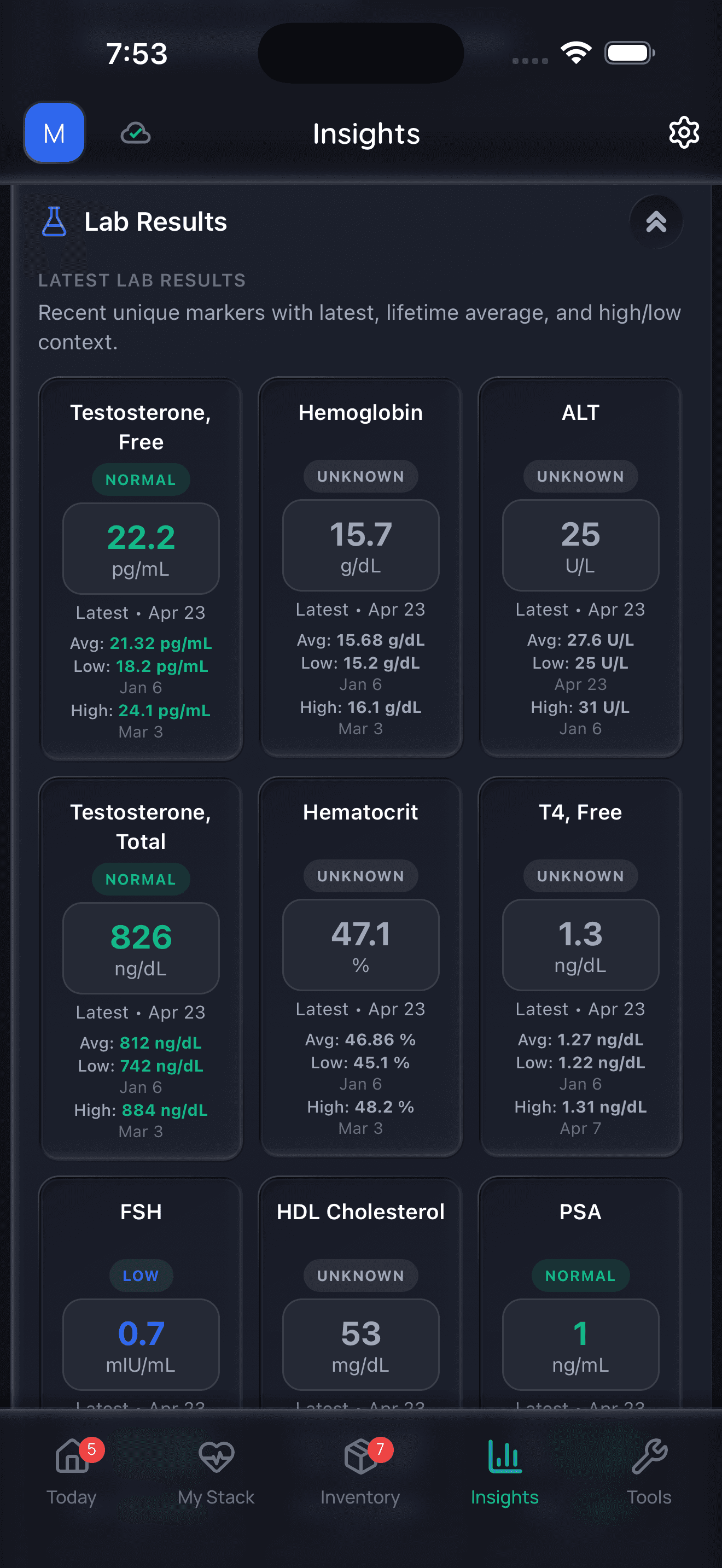
Doserly organizes data; it does not diagnose or interpret labs for you.
Side Effects & Safety
The Basics
Vitamin K2 has an excellent safety profile. No upper tolerable intake level has been established because no adverse effects from vitamin K consumption from food or supplements have been reported in scientific studies. A 2025 safety analysis reviewed over 40 clinical trials of MK-7 at doses ranging from 58 to 462 mcg per day for up to two years, finding no serious adverse effects and no meaningful impact on blood clotting in people not taking blood thinners.
That said, community reports do surface some effects worth knowing about. A minority of people report heart palpitations, anxiety, fogginess, or sleep changes when starting MK-7 supplementation. These reports often correlate with not supplementing magnesium alongside K2. The proposed mechanism: K2 activates proteins that mobilize calcium, which can temporarily shift mineral balances and increase magnesium demand. Most of these effects appear manageable by ensuring adequate magnesium intake.
The most important safety concern by far is the interaction with warfarin and other vitamin K antagonist anticoagulants. MK-7 at doses as low as 10-20 mcg per day can interfere with warfarin therapy. Anyone taking these medications should not start K2 supplementation without direct medical supervision [1][5][11].
The Science
Toxicity: The Institute of Medicine (now NASEM) did not establish a UL for vitamin K, stating that "no adverse effects associated with vitamin K consumption from food or supplements have been reported in humans or animals" [1]. The CRN Foundation's 2025 updated safety evaluation reviewed 40+ human clinical trials and established a supplemental Highest Observed Intake (HOI) of 375 mcg/day for MK-7, finding no serious adverse effects and no clinically meaningful impact on coagulation parameters in non-VKA users [5].
Coagulation effects: In healthy adults not taking anticoagulants, supplementation with MK-7 at doses up to 462 mcg/day has not demonstrated clinically significant changes in prothrombin time (PT) or international normalized ratio (INR) [5]. However, in individuals taking vitamin K antagonists (warfarin, phenprocoumon, acenocoumarol), MK-7 doses as low as 10-20 mcg/day may compromise anticoagulant stability [11].
Community-reported effects: Palpitations, anxiety, and cognitive fogginess have been reported by a subset of users initiating MK-7 supplementation. These reports consistently associate with inadequate magnesium intake and are hypothesized to result from transient mineral rebalancing as K2 activates calcium-binding proteins. These effects are not documented in clinical trials but appear in community data with sufficient frequency to warrant awareness [community data].
Dosing & Usage Protocols
The Basics
Vitamin K2 dosing depends entirely on which form you are taking and what your goals are. For most people looking to support general bone and cardiovascular health, MK-7 at 90-200 mcg per day taken with a fat-containing meal is the commonly cited range. Many clinical studies used 180 mcg per day, which has become the benchmark dose for MK-7.
If you are considering MK-4, the effective doses are dramatically higher. The Japanese osteoporosis treatment protocol uses 45 mg per day (that is 45,000 mcg, not a typo), divided into three doses taken every 6-8 hours. These are pharmacological doses, hundreds of times higher than typical MK-7 supplementation, and they reflect MK-4's rapid clearance from the body.
There is no officially established separate recommended daily allowance for vitamin K2; the current Adequate Intake values (120 mcg for men, 90 mcg for women) cover total vitamin K from all sources and were based primarily on K1 data. Given the distinct biological roles of K2, some researchers have called for a K2-specific recommendation, but this has not yet been established [1][4][5].
The Science
MK-7 dosing (commonly reported ranges):
- General wellness: 90-120 mcg/day
- Bone support: 150-200 mcg/day (180 mcg most frequently used in clinical trials)
- Cardiovascular support: 180-360 mcg/day
- CRN 2025 HOI: 375 mcg/day
MK-4 dosing (pharmacological):
- Osteoporosis treatment (Japan): 45 mg/day (15 mg x 3, every 6-8 hours)
- This dose is hundreds of times higher than MK-7 doses and reflects MK-4's short half-life [1][7]
Dose-response considerations: The relationship between MK-7 dose and circulating carboxylation status appears to plateau. A dose of 90-200 mcg/day is generally sufficient to achieve significant reduction in undercarboxylated osteocalcin (ucOC) and dephosphorylated-undercarboxylated MGP (dp-ucMGP) in most individuals [4][14]. Higher doses have been tested in clinical trials (up to 720 mcg/day) and appear safe but have not consistently produced superior outcomes [15][16].
When your stack includes several supplements, each with its own dose, form, and timing requirements, the logistics alone can derail consistency. Doserly consolidates all of it into one protocol view, so every dose across your entire routine is accounted for without spreadsheets or guesswork.
The app also tracks cumulative intake for nutrients that appear in multiple products. If your multivitamin, standalone supplement, and fortified protein shake all contain the same nutrient, Doserly adds them up and shows you the total alongside recommended and upper limits. Managing a thoughtful supplement protocol shouldn't require a degree in nutrition science. The app handles the complexity so you can focus on staying consistent.
Build reminders around the routine, not just the compound.
Doserly can keep timing, skipped doses, and schedule changes organized so the plan you read about becomes easier to follow and review.
Today view
Upcoming reminders

Reminder tracking supports consistency; it does not select a protocol for you.
What to Expect (Timeline)
Weeks 1-2: Most people do not notice subjective changes from K2 supplementation in the first two weeks. Some community reports mention smoother teeth (reduced tartar) within this window, particularly with MK-7. Biochemically, dp-ucMGP and undercarboxylated osteocalcin levels may begin to shift, but these are laboratory markers, not things you would feel.
Weeks 3-4: MK-7 reaches approximate steady-state concentrations with daily dosing. Some users report subtle improvements in energy or sleep quality, though these are inconsistent across individuals. If side effects like palpitations or anxiety are going to occur, they typically manifest within this period, especially if magnesium intake is insufficient.
Months 1-3: Continued carboxylation of VKDPs. Some users report improved dental health (less plaque buildup at dental cleanings). Arterial stiffness markers may begin to stabilize. This is the earliest window where subtle cardiovascular benefits (improved arterial compliance) could theoretically be detected on formal testing.
Months 3-12: Clinical trial data begins at 6-12 months for measurable outcomes. MK-7 at 180 mcg/day has shown reduction in undercarboxylated osteocalcin at 12 months. Arterial stiffness differences between supplemented and placebo groups become statistically significant in studies of 1-3 years duration.
Year 1-3+: Bone mineral density changes and fracture risk reduction require extended supplementation periods. The key MK-7 bone health trial (Knapen et al.) ran for 3 years before demonstrating significant vertebral height preservation. Cardiovascular benefits in the Rotterdam observational study reflected years to decades of dietary K2 intake. K2 is a long-game supplement; its benefits accrue gradually over consistent use.
Interactions & Compatibility
SYNERGISTIC
- Vitamin D3: The most important synergy for K2. Vitamin D3 increases intestinal calcium absorption, while K2 directs that calcium to bones and away from arteries. Taking D3 without adequate K2 may theoretically increase the risk of calcium misdeposition. Most practitioners recommend pairing them.
- Calcium: K2 enhances the beneficial utilization of supplemental calcium by activating osteocalcin (bone deposition) and MGP (arterial protection). Consider K2 essential when supplementing calcium.
- Magnesium: Critical cofactor. Magnesium supports vitamin D activation and may mitigate the mineral rebalancing effects reported by some K2 users. Community and clinical experience suggest supplementing magnesium alongside K2.
- Vitamin A: Vitamins A, D, and K are synergistic fat-soluble vitamins involved in overlapping metabolic pathways. Some evidence suggests they work best in concert.
- Vitamin K1: K1 and K2 serve complementary functions (K1 primarily hepatic/coagulation, K2 primarily extrahepatic/bone/vascular). Consuming adequate amounts of both covers the full spectrum of vitamin K-dependent protein activation.
CAUTION / AVOID
- Warfarin (Coumadin) and vitamin K antagonist anticoagulants: The most critical interaction. K2 (especially MK-7) directly opposes warfarin's mechanism of action. MK-7 doses as low as 10-20 mcg/day may undermine anticoagulant therapy. Do not start K2 supplementation while on warfarin without direct physician supervision and INR monitoring [11].
- High-dose Vitamin E: High doses of vitamin E may inhibit the activity of vitamin K-dependent enzymes, potentially interfering with K2's benefits [2].
- High-dose Vitamin A: Excessive vitamin A intake may decrease vitamin K absorption, though this interaction is not well-characterized at typical supplemental doses [2].
- Bile acid sequestrants (cholestyramine, colestipol): May reduce absorption of vitamin K and other fat-soluble vitamins. Vitamin K status should be monitored with long-term use [1].
- Orlistat (Alli, Xenical): Reduces dietary fat absorption, which may decrease vitamin K absorption. Consider separating doses by 2+ hours [1].
- Cephalosporin antibiotics: May both destroy vitamin K-producing gut bacteria and inhibit vitamin K recycling via VKOR inhibition. Prolonged use may decrease vitamin K status [1].
How to Take / Administration Guide
Recommended forms: MK-7 is the preferred form for daily supplementation due to its extended half-life and microgram-level dosing convenience. MK-4 may be appropriate for targeted bone health protocols under medical supervision at pharmacological doses (45 mg/day). Some products combine both forms.
Timing considerations: Take K2 with a fat-containing meal for optimal absorption. Morning or evening dosing is equally effective for MK-7 (given its multi-day half-life). If taking MK-4, doses should be spread across the day (every 6-8 hours) due to rapid clearance.
Stacking guidance: K2 is most commonly taken alongside vitamin D3 (the D3+K2 combination is available as a single supplement from many manufacturers). If also taking calcium, magnesium, or a multivitamin, K2 can be taken at the same time. Separate from warfarin timing by at least 2 hours if the rare situation arises where a physician has approved limited K2 use.
Quality note on isomers: K2 (MK-7) supplements can contain a mixture of cis and trans isomers. Only the all-trans isomer is biologically active. Some supplement manufacturers provide trans isomer content on their labels or certificates of analysis. Community experience suggests that products with high trans isomer content produce more noticeable effects (such as the "smooth teeth" response reported within weeks of starting).
Cycling guidance: There is no evidence suggesting K2 requires cycling or periodic breaks. Given its role in continuous calcium regulation, consistent daily use is the standard approach.
Choosing a Quality Product
Third-party certifications: Look for products tested by USP, NSF International, or other independent laboratories. For athletes, NSF Certified for Sport or Informed Sport certification helps ensure the product is free from banned substances.
Active vs. cheap forms: MK-7 (as all-trans menaquinone-7) is the preferred supplemental form. Avoid products that simply list "vitamin K" or "vitamin K2" without specifying the form (MK-4 or MK-7) and the exact microgram amount. Some products use menaquinone-4 (MK-4) at microgram doses too low to match clinical study protocols.
Trans isomer content: The all-trans isomer is the only biologically active form of MK-7. Lower-quality supplements may contain significant proportions of the inactive cis isomer. Look for products that disclose trans isomer content (ideally >= 98% all-trans MK-7). Some manufacturers use "MenaQ7" or similar branded MK-7 ingredients with guaranteed trans isomer content.
Red flags: Products listing only "vitamin K" without specifying K1 vs. K2; proprietary blends hiding the K2 dose; MK-4 at very low microgram doses (effective MK-4 supplementation requires milligram-level dosing); mega-dosing claims without evidence backing.
Excipient considerations: Softgels that suspend MK-7 in oil (MCT oil, olive oil) may enhance absorption. Some products use soy-derived MK-7 from natto; if you have a soy allergy, look for products that specify the allergen-free MK-7 source.
Supplement-specific quality markers: MK-7 derived from natto fermentation (Bacillus subtilis natto) produces the naturally occurring all-trans form. Synthetic MK-4 supplements have had quality concerns around inactive cis isomers.
Storage & Handling
Store vitamin K2 supplements at room temperature (59-77F / 15-25C) in a cool, dry place away from direct sunlight and excess heat. No refrigeration is required. Keep the container tightly sealed to minimize moisture exposure.
Vitamin K2 is relatively stable but is sensitive to light degradation. Do not store in a window or in a clear container exposed to direct sunlight. Most quality supplements use amber or opaque bottles to protect the contents. Shelf life varies by manufacturer; follow the expiration date on the label.
Softgel formulations suspended in oil are generally more stable than dry powder capsules. If you purchase bulk MK-7 powder, it should be stored in an airtight, light-proof container and used within the manufacturer's recommended timeframe.
Lifestyle & Supporting Factors
Dietary sources of K2: Natto is by far the richest food source of MK-7 (approximately 850 mcg per 3 oz serving). Aged and fermented cheeses (Gouda, Brie, Edam) contain varying amounts of longer-chain menaquinones. Egg yolks, chicken, and other animal products contain MK-4 in modest amounts. If you regularly eat natto, supplementation may be less necessary; if natto is not part of your diet, food sources alone are unlikely to provide therapeutically relevant K2 levels.
Signs of low K2 status: K2 insufficiency does not produce the acute bleeding symptoms of K1 deficiency. Instead, it may manifest as increased dental tartar buildup, declining bone density, or progressive arterial calcification, all of which develop slowly over years. Elevated dp-ucMGP is a blood biomarker of functional vitamin K2 insufficiency, though it is not routinely tested.
Exercise: Weight-bearing exercise (walking, resistance training, dancing) is synergistic with K2 for bone health. Mechanical loading stimulates osteoblast activity, and K2 helps ensure those osteoblasts can effectively incorporate calcium into new bone. Combined, they offer more benefit than either alone.
Other nutrients: Vitamin D3 and magnesium are the most important companion nutrients. Vitamin D3 increases calcium absorption from food, K2 directs that calcium, and magnesium supports both processes. Adequate protein intake also supports bone matrix formation, as bone is approximately 50% protein by volume.
Monitoring: Consider periodic bone density scans (DEXA) if taking K2 for bone health, especially in postmenopausal women. Coronary artery calcium (CAC) scoring is available for assessing cardiovascular calcification. The dp-ucMGP blood test directly measures vitamin K2 functional status, though it is not yet widely available in standard medical practice.
Regulatory Status & Standards
United States (FDA): Vitamin K2 (as MK-4 and MK-7) is regulated as a dietary supplement under DSHEA. It is not an approved drug for any condition in the US, though MK-4 is used pharmaceutically for osteoporosis in Japan. No FDA-authorized health claims exist for vitamin K2 specifically, although the Adequate Intake for total vitamin K is established. The Daily Value (DV) for vitamin K is 120 mcg for adults and children aged 4+.
Canada (Health Canada): Vitamin K2 is available as a Natural Health Product (NHP). NPN-licensed products containing MK-4 or MK-7 are available, with approved claims related to the maintenance of bones and the maintenance of proper blood clotting.
European Union (EFSA): EFSA has approved a health claim for vitamin K, stating that "a cause and effect relationship has been established between the dietary intake of vitamin K and the maintenance of normal bone." Vitamin K2 supplements are available throughout the EU. Some member states have set maximum permitted levels for supplements.
Australia (TGA): Vitamin K2 is available as a Listed Medicine (AUST L) for eligible low-risk products. Complementary medicine regulations apply.
Japan (MHLW): MK-4 at 45 mg/day is approved as a pharmaceutical treatment for osteoporosis (marketed as Glakay). This is the only country where a K2 form has pharmaceutical-level approval for a specific condition.
Athlete & Sports Regulatory Status:
- WADA: Vitamin K2 is not on the WADA Prohibited List. It is not classified as a performance-enhancing substance.
- National Anti-Doping Agencies (USADA, UKAD, Sport Integrity Canada, Sport Integrity Australia, NADA Germany): No specific guidance or alerts have been issued regarding vitamin K2 supplementation.
- Professional Sports Leagues (NFL, NBA, MLB, NHL, NCAA): Vitamin K2 is not a banned or restricted substance in any major professional or collegiate sports league.
- Athlete Certification Programs: Vitamin K2 products carrying Informed Sport, NSF Certified for Sport, Cologne List, or BSCG certifications are available and appropriate for athletes. These certifications verify products are free from contamination with prohibited substances.
- GlobalDRO: Athletes can check the status of vitamin K2 supplements at GlobalDRO.com for the US, UK, Canada, Australia, Japan, Switzerland, and New Zealand.
Regulatory status and prohibited substance classifications change frequently. Athletes should always verify the current status of any supplement with their sport's governing body, their national anti-doping agency, and a qualified sports medicine professional before use. Third-party certification (Informed Sport, NSF Certified for Sport) reduces but does not eliminate the risk of contamination with prohibited substances.
Frequently Asked Questions
What is the difference between vitamin K1 and K2?
Vitamin K1 (phylloquinone) is found in green leafy vegetables and is primarily used by the liver for blood clotting. Vitamin K2 (menaquinone) is a family of compounds found in fermented foods and animal products that primarily supports extrahepatic functions including bone mineralization and arterial health. Both share the same core chemical structure but differ in their side chains, tissue distribution, and biological roles.
What is the difference between MK-4 and MK-7?
Both are forms of vitamin K2. MK-4 has a short half-life (6-8 hours) and requires large doses (45 mg/day divided into 3 doses) for clinical benefit. MK-7 has a much longer half-life (approximately 72 hours) and is effective at microgram-level doses (90-200 mcg/day) taken once daily. MK-7 is the more commonly supplemented form for daily use.
Do I need to take K2 if I'm already taking vitamin D?
Many practitioners suggest pairing vitamin D with K2 because D increases calcium absorption, while K2 helps direct that calcium to bones rather than arteries. While this is mechanistically sound, there is no definitive clinical trial demonstrating harm from taking D without K2. The pairing is widely recommended as a precautionary measure.
Can I take K2 if I'm on blood thinners?
If you take warfarin (Coumadin) or other vitamin K antagonist anticoagulants, do not start K2 supplementation without consulting your prescribing physician. MK-7 at very low doses (10-20 mcg/day) can interfere with warfarin therapy. Direct oral anticoagulants (DOACs) like rivaroxaban and apixaban do not interact with vitamin K in the same way, but you should still discuss any new supplement with your healthcare provider.
How much K2 should I take per day?
Based on available research, commonly reported supplemental ranges are 90-200 mcg per day of MK-7 for general wellness. The most frequently studied dose is 180 mcg per day. For specific health goals, a healthcare provider can help determine an appropriate dose based on individual factors including vitamin K status, bone density, and cardiovascular risk.
Can I get enough K2 from food?
Natto provides exceptional amounts of MK-7 (approximately 850 mcg per 3 oz). Certain aged cheeses provide moderate amounts of longer-chain menaquinones. Egg yolks and meats provide small amounts of MK-4. Unless natto is a regular part of your diet, most people in Western countries get very little K2 from food alone.
Does K2 decalcify arteries?
This claim is commonly stated but not yet definitively proven in clinical trials. Observational data strongly associates higher K2 intake with less arterial calcification and lower cardiovascular mortality. One RCT showed MK-7 prevents arterial stiffening but did not demonstrate reversal. Another trial showed no effect on existing aortic valve calcification, while a subgroup analysis showed benefit in high-risk coronary patients. Prevention appears better supported than reversal.
Is vitamin K2 safe to take long-term?
Available evidence indicates excellent long-term safety. No UL has been established, and clinical trials of up to 3 years duration have found no adverse effects. A 2025 safety analysis of 40+ clinical trials established a supplemental HOI of 375 mcg/day for MK-7.
Why do some people report heart palpitations on K2?
Community reports of palpitations, anxiety, and fogginess on MK-7 appear to be linked to inadequate magnesium intake. K2 activates calcium-binding proteins, which may temporarily shift mineral balances. Most users who supplement magnesium alongside K2 report these effects resolve. Consult a healthcare provider if palpitations persist.
Does K2 help with teeth?
Multiple community reports describe reduced tartar buildup and smoother teeth within 2-4 weeks of starting MK-7 supplementation. This aligns mechanistically with K2's role in calcium trafficking (directing calcium away from soft tissue deposits including dental calculus) and was historically noted by Weston Price, who identified a then-unknown nutrient he called "Activator X" that supported dental health, later identified as vitamin K2.
Myth vs. Fact
Myth: All vitamin K supplements are the same.
Fact: Vitamin K1 (phylloquinone) and K2 (menaquinone) serve different biological roles. K1 is primarily used for blood clotting in the liver, while K2 supports bone and cardiovascular health through extrahepatic mechanisms. Even within K2, MK-4 and MK-7 have dramatically different pharmacokinetics requiring different dosing strategies [1][2].
Myth: Vitamin K2 will thin or thicken your blood.
Fact: At typical supplemental doses (90-375 mcg/day MK-7), K2 does not significantly affect blood clotting parameters in healthy individuals. K2 primarily activates extrahepatic proteins (osteocalcin, MGP) rather than hepatic coagulation factors. However, K2 can oppose warfarin's anticoagulant effect in people taking that medication [1][5][11].
Myth: You can get enough K2 from eating green vegetables.
Fact: Green vegetables are rich in vitamin K1, not K2. The best food source of K2 (MK-7) is natto, a fermented soybean product. Moderate amounts of K2 are found in certain aged cheeses and animal products, but typical Western diets provide very little K2 compared to K1 [1][2].
Myth: Higher doses of K2 are always better.
Fact: The dose-response for K2 carboxylation of VKDPs appears to plateau. MK-7 at 90-200 mcg/day is sufficient to significantly improve vitamin K-dependent protein activation in most people. Clinical trials using 720 mcg/day have not consistently shown superior outcomes compared to 180 mcg/day [4][14][15].
Myth: K2 can reverse existing arterial calcification.
Fact: While observational data strongly associates higher K2 intake with less calcification and lower cardiovascular mortality, the largest RCT to date found no significant effect of MK-7 on existing aortic valve calcification. The evidence better supports K2 for prevention of calcification rather than reversal. A subgroup of high-risk patients did show reduced coronary artery calcification progression, suggesting a potential role in specific populations [15][16].
Myth: Synthetic MK-4 supplements are just as effective as natural MK-7.
Fact: Many synthetic MK-4 supplements contain a mixture of biologically inactive cis isomers and active trans isomers. Only the all-trans form is biologically active. MK-7 from natto fermentation naturally produces the all-trans form. Users of synthetic MK-4 at microgram doses may not achieve the same biological effects as those reported in clinical trials using pharmaceutical-grade MK-4 at 45 mg/day [community data, 4].
Myth: K2 is dangerous and can cause blood clots.
Fact: No UL has been established for vitamin K because of its low toxicity potential. K2 does not cause abnormal clot formation. The concern is specifically limited to people taking vitamin K antagonist anticoagulants (warfarin), where K2 can oppose the drug's intended effect. For the general population not on these medications, K2 supplementation at recommended doses has an excellent safety record [1][5].
Sources & References
Clinical Trials & RCTs
[7] Cockayne S, Adamson J, Lanham-New S, Shearer MJ, Gilbody S, Torgerson DJ. Vitamin K and the prevention of fractures: systematic review and meta-analysis of randomized controlled trials. Arch Intern Med. 2006;166:1256-61. https://pubmed.ncbi.nlm.nih.gov/16801507/
[8] Knapen MH, Drummen NE, Smit E, Vermeer C, Theuwissen E. Three-year low-dose menaquinone-7 supplementation helps decrease bone loss in healthy postmenopausal women. Osteoporos Int. 2013;24:2499-507. https://pubmed.ncbi.nlm.nih.gov/23525894/
[13] Binkley N, Harke J, Krueger D, et al. Vitamin K treatment reduces undercarboxylated osteocalcin but does not alter bone turnover, density, or geometry in healthy postmenopausal North American women. J Bone Miner Res. 2009;24:983-91. https://pubmed.ncbi.nlm.nih.gov/19113922/
[14] Knapen MH, Braam LA, Drummen NE, Bekers O, Hoeks AP, Vermeer C. Menaquinone-7 supplementation improves arterial stiffness in healthy postmenopausal women. A double-blind randomised clinical trial. Thromb Haemost. 2015;113:1135-44. https://pubmed.ncbi.nlm.nih.gov/25694037/
[15] Dahl S, et al. Vitamin K2 and D in patients with aortic valve calcification: a randomized double-blinded clinical trial. Circulation. 2022;145:1225-1234. https://doi.org/10.1161/CIRCULATIONAHA.121.057008
[16] Hasific S, et al. The effect of vitamin K2 supplementation on coronary artery disease in a randomized multicenter trial. European Heart Journal. 2022;43(Supplement_2):ehac544.1227. https://doi.org/10.1093/eurheartj/ehac544.1227
[17] Vitamin K supplementation and vascular calcification: a systematic review and meta-analysis of randomized controlled trials. Frontiers in Nutrition. 2023;10:1115069. https://doi.org/10.3389/fnut.2023.1115069
Observational Studies
[9] Geleijnse JM, Vermeer C, Grobbee DE, et al. Dietary intake of menaquinone is associated with a reduced risk of coronary heart disease: the Rotterdam Study. J Nutr. 2004;134:3100-5. https://pubmed.ncbi.nlm.nih.gov/15514282/
[10] Beulens JW, Bots ML, Atsma F, et al. High dietary menaquinone intake is associated with reduced coronary calcification. Atherosclerosis. 2009;203:489-93. https://pubmed.ncbi.nlm.nih.gov/18722618/
Government & Institutional Sources
[1] Institute of Medicine. Dietary Reference Intakes for Vitamin A, Vitamin K, Arsenic, Boron, Chromium, Copper, Iodine, Iron, Manganese, Molybdenum, Nickel, Silicon, Vanadium, and Zinc. Washington, DC: National Academy Press; 2001. https://www.ncbi.nlm.nih.gov/books/NBK222310/
[5] CRN Foundation. Vitamin & Mineral Safety, 4th Edition: Vitamin K2 (Menaquinone-7, MK-7). Council for Responsible Nutrition; 2025. https://www.crnusa.org/
[18] NIH Office of Dietary Supplements. Vitamin K Fact Sheet for Health Professionals. Updated March 29, 2021. https://ods.od.nih.gov/factsheets/vitaminK-HealthProfessional/
Monographs & Reviews
[2] Linus Pauling Institute, Oregon State University. Vitamin K. Micronutrient Information Center. https://lpi.oregonstate.edu/mic/vitamins/vitamin-K
[3] Nakagawa K, Hirota Y, Sawada N, et al. Identification of UBIAD1 as a novel human menaquinone-4 biosynthetic enzyme. Nature. 2010;468:117-21. https://pubmed.ncbi.nlm.nih.gov/20953171/
[4] Schurgers LJ, Teunissen KJ, Hamulyak K, Knapen MH, Vik H, Vermeer C. Vitamin K-containing dietary supplements: comparison of synthetic vitamin K1 and natto-derived menaquinone-7. Blood. 2007;109:3279-83. https://pubmed.ncbi.nlm.nih.gov/17158229/
[6] Suttie JW. Vitamin K. In: Coates PM, Betz JM, Blackman MR, et al., eds. Encyclopedia of Dietary Supplements. 2nd ed. London: Informa Healthcare; 2010:851-60.
[11] Linus Pauling Institute. Subpopulations at Risk for Micronutrient Inadequacy or Deficiency. https://lpi.oregonstate.edu/mic/micronutrient-inadequacies/subpopulations-at-risk
[12] Shearer MJ, Fu X, Booth SL. Vitamin K nutrition, metabolism, and requirements: current concepts and future research. Adv Nutr. 2012;3:182-95. https://pubmed.ncbi.nlm.nih.gov/22516726/
Related Supplement Guides
Same Category
Common Stacks / Pairings
- Vitamin D3 (Cholecalciferol) — The most recommended pairing; complementary roles in calcium metabolism
- Calcium — K2 directs calcium to bones and away from arteries
- Magnesium — Critical cofactor for both vitamin D activation and K2 function
Related Health Goal
- Boron — Bone health support
- Vitamin D2 (Ergocalciferol) — Bone health and calcium metabolism
- Phosphorus — Bone mineralization