
Vitamin E: The Complete Supplement Guide
On this page
Quick Reference Card
Attribute
Common Name
- Detail
- Vitamin E
Attribute
Other Names / Aliases
- Detail
- Alpha-tocopherol, d-alpha-tocopherol, RRR-alpha-tocopherol, dl-alpha-tocopherol, tocopherols, tocotrienols
Attribute
Category
- Detail
- Fat-Soluble Vitamin (Antioxidant)
Attribute
Primary Forms & Variants
- Detail
- d-alpha-tocopherol (natural, highest bioactivity); dl-alpha-tocopherol (synthetic, ~50% potency of natural); mixed tocopherols (alpha, beta, gamma, delta); tocotrienols (alpha, beta, gamma, delta; potentially more potent antioxidant activity in vitro)
Attribute
Typical Dose Range
- Detail
- 15-400 IU (10-268 mg) per day; therapeutic doses in studies range from 400-2,000 IU under medical supervision
Attribute
RDA / AI / UL
- Detail
- RDA: 15 mg (22.4 IU natural) for ages 14+; AI: 4 mg (0-6 mo), 5 mg (7-12 mo); Lactation: 19 mg. UL: 1,000 mg/day (1,500 IU natural, 1,100 IU synthetic) for adults (IOM, 2000)
Attribute
Common Delivery Forms
- Detail
- Softgel capsule, liquid drops, chewable tablet, topical oil
Attribute
Best Taken With / Without Food
- Detail
- Best absorbed when taken with a meal containing dietary fat (fat-soluble). Absorption improved by medium-chain triglycerides.
Attribute
Key Cofactors
- Detail
- Vitamin C (regenerates oxidized vitamin E), Selenium (works synergistically to reduce oxidative stress), Vitamin K (important to monitor due to potential antagonism at high vitamin E doses), CoQ10 (synergistic antioxidant support)
Attribute
Storage Notes
- Detail
- Store in a cool, dry place away from direct sunlight. Oils and liquid forms are susceptible to oxidation; keep tightly sealed. No refrigeration required.
Overview
The Basics
Vitamin E is a group of fat-soluble compounds that act as antioxidants in your body. While we talk about "vitamin E" as though it were a single substance, it actually comes in eight different chemical forms, split into two families: four tocopherols and four tocotrienols. Of these, alpha-tocopherol is the form your body uses most readily, and it is the only one that officially meets human dietary requirements [1].
Your body relies on vitamin E primarily to protect its cells from damage caused by free radicals. Free radicals are unstable molecules generated during normal metabolism, exercise, and exposure to environmental factors like pollution and UV radiation. Without antioxidants like vitamin E to neutralize them, free radicals can damage cell membranes, DNA, and proteins over time [1]. Beyond this protective role, vitamin E supports immune function, helps blood vessels stay flexible and open, and plays a part in cell communication throughout the body.
Despite its importance, most people in the United States consume less vitamin E than recommended. Fortunately, true deficiency is rare in healthy individuals because it takes prolonged, significant depletion before symptoms appear. Vitamin E deficiency is most commonly seen in people with fat-malabsorption disorders, such as Crohn's disease or cystic fibrosis, because the body needs dietary fat to absorb vitamin E efficiently [1][2].
The Science
Vitamin E encompasses a family of eight naturally occurring, fat-soluble compounds: four tocopherols (alpha, beta, gamma, delta) and four tocotrienols (alpha, beta, gamma, delta), each differing in the number and position of methyl groups on the chromanol ring [1][2]. All eight forms exhibit biological activity, though alpha-tocopherol is preferentially retained in plasma and tissues due to its selective binding by the hepatic alpha-tocopherol transfer protein (alpha-TTP) [1].
Following intestinal absorption, all vitamin E isoforms are incorporated into chylomicrons and transported to the liver. The liver preferentially resecretes RRR-alpha-tocopherol into very-low-density lipoproteins (VLDL) via alpha-TTP, while other isoforms are metabolized and excreted [1][2]. Consequently, plasma and tissue concentrations of alpha-tocopherol are substantially higher than those of other vitamin E forms.
As a lipophilic chain-breaking antioxidant, alpha-tocopherol terminates lipid peroxidation chain reactions by donating a hydrogen atom from its chromanol hydroxyl group to peroxyl radicals, producing alpha-tocopheroxyl radicals that are subsequently reduced by ascorbic acid (vitamin C) and other co-antioxidants [1][3]. Beyond antioxidant activity, alpha-tocopherol modulates cell signaling through inhibition of protein kinase C (PKC), a family of enzymes involved in smooth muscle cell proliferation, platelet aggregation, and monocyte adhesion [1]. Alpha-tocopherol also upregulates phospholipase A2 and cyclooxygenase-1 expression, increasing prostacyclin release from endothelial cells, which promotes vasodilation and inhibits platelet aggregation [1].
Gamma-tocopherol, the predominant dietary form in the American diet (primarily from soybean, canola, and corn oils), is a more potent inhibitor of cyclooxygenase than alpha-tocopherol and demonstrates antiproliferative and proapoptotic effects not observed with alpha-tocopherol [4]. Notably, supplementation with alpha-tocopherol alone dose-dependently reduces circulating gamma-tocopherol concentrations by 28-61%, a finding with potential clinical significance [2][5].
Chemical & Nutritional Identity
Property
Chemical Name (alpha-tocopherol)
- Value
- (2R)-2,5,7,8-tetramethyl-2-[(4R,8R)-4,8,12-trimethyltridecyl]-3,4-dihydro-2H-chromene-6-ol
Property
Synonyms
- Value
- Alpha-tocopherol, d-alpha-tocopherol (natural), dl-alpha-tocopherol (synthetic), Vitamin E, RRR-alpha-tocopherol
Property
Molecular Formula
- Value
- C29H50O2
Property
Molecular Weight
- Value
- 430.71 g/mol
Property
CAS Number
- Value
- 59-02-9 (alpha-tocopherol); 10191-41-0 (dl-alpha-tocopherol)
Property
PubChem CID
- Value
- 14985
Property
Category
- Value
- Fat-soluble vitamin; lipophilic antioxidant
Property
Active Forms
- Value
- RRR-alpha-tocopherol (natural; full biological activity); all-rac-alpha-tocopherol (synthetic; ~50% relative bioactivity)
Property
RDA (IOM 2000)
- Value
- 15 mg alpha-tocopherol for ages 14+; 19 mg during lactation
Property
AI (IOM 2000)
- Value
- 4 mg (0-6 months); 5 mg (7-12 months)
Property
UL (IOM 2000)
- Value
- 1,000 mg/day from supplemental sources for adults (1,500 IU natural or 1,100 IU synthetic)
Property
Conversion (Natural)
- Value
- 1 mg d-alpha-tocopherol = 1.49 IU
Property
Conversion (Synthetic)
- Value
- 1 mg dl-alpha-tocopherol = 2.22 IU
Property
Biological equivalence
- Value
- 1 mg alpha-tocopherol = 1 mg RRR-alpha-tocopherol = 2 mg all-rac-alpha-tocopherol
Vitamin E exists in eight naturally occurring forms. The tocopherols and tocotrienols share a chromanol ring system but differ in their isoprenoid side chains: tocopherols have a saturated phytyl tail, while tocotrienols possess three unsaturated double bonds in theirs [2]. This structural difference gives tocotrienols greater membrane mobility and potentially stronger antioxidant activity within cell membranes [2].
Natural vitamin E (RRR-alpha-tocopherol, labeled as d-alpha-tocopherol) exists as a single stereoisomer. Synthetic vitamin E (all-rac-alpha-tocopherol, labeled as dl-alpha-tocopherol) is an equimolar mixture of eight stereoisomers, of which only one matches the natural configuration. Synthetic alpha-tocopherol demonstrates approximately 50% of the affinity for alpha-TTP compared with the natural form, resulting in lower bioavailability and tissue retention [2]. Esterified forms (alpha-tocopheryl acetate and succinate) are hydrolyzed in the gastrointestinal tract and absorbed with equivalent efficiency to free alpha-tocopherol [1].
Mechanism of Action
The Basics
Think of vitamin E as your cell membranes' personal bodyguard. Every cell in your body is surrounded by a thin layer of fats (the cell membrane), and these fats are vulnerable to damage from free radicals. Vitamin E sits within these membranes, standing ready to intercept free radicals before they can start a chain reaction of damage that might compromise the cell [1].
This protection is especially important because your body generates free radicals constantly, from everyday processes like converting food into energy and from external sources like UV light and air pollution. Without antioxidants like vitamin E patrolling your cell membranes, this ongoing damage would accumulate more rapidly, potentially contributing to chronic disease over time.
Vitamin E also supports your immune system by helping immune cells function properly, and it keeps blood vessels flexible by influencing how cells lining the blood vessel walls interact with platelets and white blood cells [1]. This is part of why adequate vitamin E intake has historically been associated with cardiovascular health, though the relationship turns out to be more complicated than initially thought.
The Science
Alpha-tocopherol functions primarily as a peroxyl radical scavenger within biological membranes. Its chromanol hydroxyl group donates a hydrogen atom to lipid peroxyl radicals (LOO-), converting them to lipid hydroperoxides (LOOH) and generating the alpha-tocopheroxyl radical. This radical is relatively stable and is recycled to active alpha-tocopherol by ascorbic acid (vitamin C) at the membrane-aqueous interface, or by ubiquinol (reduced CoQ10) and glutathione via enzymatic pathways [1][3].
The selenoprotein phospholipid hydroperoxide glutathione peroxidase (GPx4) subsequently reduces the lipid hydroperoxides generated during vitamin E-mediated antioxidant activity, establishing a cooperative antioxidant network between vitamin E, selenium, and glutathione [3].
Independent of its antioxidant function, alpha-tocopherol modulates cell signaling through several mechanisms [1]:
- PKC inhibition: Alpha-tocopherol reduces diacylglycerol (DAG) concentrations by inhibiting DAG release from the cell membrane and promoting DAG clearance through upregulation of DAG kinase. Reduced DAG suppresses PKC activation, decreasing smooth muscle cell proliferation, platelet aggregation, and monocyte superoxide generation.
- Adhesion molecule regulation: Vitamin E-replete endothelial cells exhibit reduced expression of intercellular adhesion molecule-1 (ICAM-1) and vascular cell adhesion molecule-1 (VCAM-1), decreasing leukocyte adhesion to the vascular endothelium.
- Prostacyclin synthesis: Alpha-tocopherol upregulates phospholipase A2 and COX-1, increasing prostacyclin (PGI2) release from endothelial cells. PGI2 promotes vasodilation and inhibits platelet aggregation.
- Gene expression: Alpha-tocopherol regulates the alpha-tropomyosin gene and modulates expression of connective tissue growth factor and other genes involved in cell proliferation [1][2].
Gamma-tocopherol demonstrates distinct biological activities including more potent cyclooxygenase inhibition and superior trapping of reactive nitrogen species (peroxynitrite). Its antiproliferative and proapoptotic effects in cell culture are not shared by alpha-tocopherol, which may partially explain the mixed results from clinical trials using alpha-tocopherol alone [4][5].
Absorption & Bioavailability
The Basics
Vitamin E is a fat-soluble nutrient, which means your body absorbs it the same way it absorbs dietary fats. When you eat foods or take supplements containing vitamin E, it is packaged along with fats into small transport particles in your intestines and shuttled through your lymphatic system before reaching your bloodstream [2].
Because of this fat-dependent absorption pathway, taking vitamin E with a meal that includes some dietary fat meaningfully improves how much your body actually takes in. On an empty stomach, absorption is lower. Medium-chain triglycerides (like those found in coconut oil) appear to be particularly effective at boosting vitamin E uptake [2].
Once vitamin E reaches your liver, something important happens: the liver selectively keeps alpha-tocopherol and packages it into particles that deliver it to the rest of your body. Other forms of vitamin E are largely broken down and excreted. This is a key reason why alpha-tocopherol accumulates to higher levels in your blood and tissues than gamma-tocopherol, even though gamma-tocopherol is more abundant in the typical American diet [1][2].
One practical implication worth knowing: if you supplement with alpha-tocopherol alone (especially at high doses), it can reduce your circulating levels of gamma-tocopherol by 28 to 61 percent [2][5]. This is why some researchers and practitioners favor mixed-tocopherol supplements, particularly when the goal extends beyond simply meeting the RDA.
The Science
All vitamin E isoforms are absorbed from the small intestine via passive diffusion following micellar solubilization, which requires bile salts and pancreatic lipase activity. Absorption is incorporated into chylomicrons and transported through the lymphatic system to the systemic circulation [1][2]. Esterified forms (tocopheryl acetate and succinate) are hydrolyzed by intestinal esterases or gastric acid prior to absorption, with efficiency comparable to free alpha-tocopherol [1].
In the liver, alpha-TTP selectively binds RRR-alpha-tocopherol (Kd approximately 25 nM) for incorporation into nascent VLDL particles. Synthetic all-rac-alpha-tocopherol demonstrates approximately 50% the binding affinity for alpha-TTP, resulting in reduced hepatic secretion and accelerated urinary excretion of its non-RRR stereoisomers [2]. Other vitamin E forms (beta-, gamma-, delta-tocopherol and tocotrienols) show lower alpha-TTP affinity and are preferentially metabolized by CYP4F2-mediated omega-hydroxylation and subsequent beta-oxidation to carboxythyl hydroxychromans (CEHCs), which are excreted in urine [2].
Reference plasma concentrations of alpha-tocopherol range from 12 to 46 micromol/L. Phospholipid transfer protein (PLTP) facilitates distribution of alpha-tocopherol from circulating lipoproteins into peripheral tissues [2].
Supplementation with alpha-tocopherol alone dose-dependently reduces circulating gamma-tocopherol concentrations. A 36-42% increase in plasma alpha-tocopherol from supplementation was associated with a 28-61% decrease in plasma gamma-tocopherol [2][5]. This inverse relationship is attributed to alpha-tocopherol-induced hepatic VLDL secretion that preferentially loads alpha-tocopherol, displacing gamma-tocopherol. Gamma-tocopherol supplementation in isolation does not reduce alpha-tocopherol levels [2].
Managing absorption timing across multiple supplements gets complicated fast. Some need to be taken with food, others on an empty stomach. Some compete for the same absorption pathways, others enhance each other. Doserly organizes all of this into a single schedule that accounts for the interactions between everything in your stack.
Instead of juggling mental notes about which supplements to separate and which to pair, the app handles the coordination for you. It flags timing conflicts, suggests optimal windows based on the forms you're using, and builds a daily routine that gives each supplement its best chance of being absorbed effectively. One place for all the details that are easy to forget.
Build reminders around the routine, not just the compound.
Doserly can keep timing, skipped doses, and schedule changes organized so the plan you read about becomes easier to follow and review.
Today view
Upcoming reminders

Reminder tracking supports consistency; it does not select a protocol for you.
Research & Clinical Evidence
The Basics
Vitamin E has been studied extensively, with hundreds of clinical trials examining its potential role in preventing or treating chronic diseases. The overall picture from this research is nuanced: while vitamin E is essential for health and plays an important role in protecting cells from oxidative damage, large-scale clinical trials have generally not supported the broad health benefits that were once hoped for from supplementation.
Heart disease: Early observational studies found that people with higher vitamin E intakes had lower rates of heart disease. However, when researchers tested this in controlled clinical trials (where some participants received vitamin E supplements and others received placebos), the results were disappointing. The major trials, including the HOPE study, the Women's Health Study, and the Physicians' Health Study II, consistently showed that vitamin E supplements did not reduce heart attacks, strokes, or cardiovascular death in most populations [1][6][7]. In one notable finding, women over 65 did show a 49% decrease in cardiovascular death with vitamin E supplementation in the Women's Health Study [1][7].
Cancer: Results have been similarly mixed. The SELECT trial, one of the largest supplement studies ever conducted, found that men taking 400 IU of synthetic vitamin E daily for about 5.5 years had a 17% increased risk of prostate cancer compared to placebo, a statistically significant and unexpected result [1][8]. Other cancers showed no consistent effect from vitamin E supplementation.
Eye health: The AREDS study found that a combination supplement including vitamin E (along with vitamin C, beta-carotene, zinc, and copper) reduced the risk of advanced age-related macular degeneration by 25% in high-risk individuals. However, vitamin E alone has not demonstrated the same benefit [1][9].
Alzheimer's disease: High-dose vitamin E (2,000 IU/day) has shown some benefit in slowing progression in people with mild to moderate Alzheimer's disease, representing a 19% slowing of functional decline per year in one study. However, it did not prevent the progression from mild cognitive impairment to Alzheimer's [1][2][10].
Liver disease: Research suggests vitamin E may improve symptoms of nonalcoholic steatohepatitis (NASH) in adults, though not in children or adolescents [4][11].
The Science
Cardiovascular disease: The Heart Outcomes Prevention Evaluation (HOPE) trial (n=9,541; 400 IU/day natural alpha-tocopherol for 4.5 years) found no reduction in cardiovascular events [1][6]. The HOPE-TOO extension (7 years total) confirmed no cardiovascular benefit and reported a 13% increased risk of heart failure hospitalization (p=0.045) in the vitamin E group [1][6]. The Women's Health Study (n=39,876; 600 IU natural alpha-tocopherol every other day for 10 years) found no significant reduction in total cardiovascular events, though subgroup analysis revealed a 24% reduction in cardiovascular death (RR 0.76, 95% CI 0.59-0.98) and, among women aged 65+, a 26% reduction in nonfatal MI and 49% reduction in cardiovascular death [1][7]. The Physicians' Health Study II (n=14,641; 400 IU synthetic alpha-tocopherol every other day for 8 years) found no cardiovascular benefit and an increased risk of hemorrhagic stroke [1][12].
Prostate cancer (SELECT): In the Selenium and Vitamin E Cancer Prevention Trial (n=35,533; 400 IU synthetic alpha-tocopherol daily), vitamin E supplementation did not reduce prostate cancer risk at 5.5 years. Extended follow-up revealed a statistically significant 17% increase in prostate cancer risk (HR 1.17, 99% CI 1.004-1.36) in the vitamin E group compared with placebo [1][8]. This contrasted with an earlier trial in Finnish male smokers (ATBC study) that found a 32% reduction in prostate cancer with 50 mg synthetic alpha-tocopherol daily [1][13].
Age-related macular degeneration: The AREDS trial demonstrated that a combination of vitamin E (400 IU dl-alpha-tocopheryl acetate), beta-carotene (15 mg), vitamin C (500 mg), zinc (80 mg), and copper (2 mg) reduced progression to advanced AMD by 25% (OR 0.72, 99% CI 0.52-0.98) in high-risk individuals over 5 years. AREDS2 confirmed these findings [1][9]. Vitamin E alone has not demonstrated protective effects against AMD in randomized trials [1].
Alzheimer's disease: A randomized trial (n=613) of 2,000 IU alpha-tocopherol daily in mild to moderate AD patients already taking acetylcholinesterase inhibitors found a 19% per-year slowing of functional decline (ADCS-ADL) compared with placebo over 5 years (p=0.03). Vitamin E outperformed memantine alone, and combination therapy provided no additional benefit [2][10]. A separate trial in patients with mild cognitive impairment (n=769) found no significant effect of 2,000 IU vitamin E on progression to AD [1][10].
NAFLD/NASH: The PIVENS trial (n=247) demonstrated that 800 IU/day vitamin E significantly improved steatohepatitis compared with placebo in nondiabetic adults with NASH (43% vs. 19% improvement, p=0.001), while pioglitazone showed intermediate efficacy [11]. The TONIC trial found no benefit of vitamin E for NASH in children and adolescents [4][11].
All-cause mortality: A meta-analysis of 19 trials (136,967 participants) found no overall increase in mortality with vitamin E. However, subgroup analysis of trials using doses above 400 IU/day showed a small but statistically significant increase in all-cause mortality (RR 1.04, 95% CI 1.01-1.07) [14]. The clinical significance and generalizability of this finding remain debated [14].
Evidence & Effectiveness Matrix
Category
Skin Health
- Evidence Strength
- 4/10
- Community-Reported Effectiveness
- 6/10
- Summary
- Moderate community reports of clearer skin with oral supplementation. Clinical evidence for topical application to scars is weak to negative. Vitamin E is the predominant antioxidant in the stratum corneum and protects against UV-induced oxidative damage [2].
Category
Mood & Wellbeing
- Evidence Strength
- 3/10
- Community-Reported Effectiveness
- 5/10
- Summary
- Individual reports of improved mood and reduced anhedonia exist in community forums, but clinical evidence for mood effects is limited. No large RCTs have specifically examined vitamin E for depression.
Category
Anxiety
- Evidence Strength
- 2/10
- Community-Reported Effectiveness
- 5/10
- Summary
- One detailed community report describes significant anxiety reduction, but clinical evidence for anxiolytic effects is minimal. Not a well-studied indication.
Category
Heart Health
- Evidence Strength
- 7/10
- Community-Reported Effectiveness
- 3/10
- Summary
- Extensively studied in large RCTs. Most trials show no cardiovascular benefit; some show increased heart failure and hemorrhagic stroke risk. Meta-analysis suggests hemorrhagic stroke risk increase but ischemic stroke risk reduction [1][4][12].
Category
Inflammation
- Evidence Strength
- 5/10
- Community-Reported Effectiveness
- 4/10
- Summary
- Effective dosages for CRP/TNF-alpha reduction identified (500-700 mg/day for 8+ weeks). Limited clinical trial evidence for anti-inflammatory effects at typical supplement doses [2].
Category
Energy Levels
- Evidence Strength
- 2/10
- Community-Reported Effectiveness
- 5/10
- Summary
- Sparse community reports of reduced lethargy. No clinical evidence supporting vitamin E for energy enhancement in non-deficient populations.
Category
Libido
- Evidence Strength
- 3/10
- Community-Reported Effectiveness
- 5/10
- Summary
- Limited community reports of improved libido. Some evidence for male fertility improvement in meta-analysis [4]. Vitamin E was historically called "the fertility vitamin."
Category
Sexual Function
- Evidence Strength
- 3/10
- Community-Reported Effectiveness
- 4/10
- Summary
- A meta-analysis supports potential benefit for male infertility parameters [4]. Very limited community data.
Category
Temperature Regulation
- Evidence Strength
- 3/10
- Community-Reported Effectiveness
- 6/10
- Summary
- Notable community reports of hot flash reduction in breast cancer survivors with mixed clinical evidence [4]. Results appear form and dose dependent.
Category
Hormonal Symptoms
- Evidence Strength
- 4/10
- Community-Reported Effectiveness
- 5/10
- Summary
- Clinical trial evidence supports reduced dysmenorrhea at 400-500 IU for 2-4 months. Some evidence for hot flash relief. Community reports of gynecological benefits [2].
Category
Hair Health
- Evidence Strength
- 3/10
- Community-Reported Effectiveness
- 3/10
- Summary
- One clinical study found tocotrienol supplementation (100 mg for 8 months) increased hair count by 34% in balding individuals. Not replicated [2].
Category
Immune Function
- Evidence Strength
- 4/10
- Community-Reported Effectiveness
- 3/10
- Summary
- Vitamin E supports immune cell function mechanistically. However, clinical trials did not show reduced respiratory infection rates [1][4].
Category
Memory & Cognition
- Evidence Strength
- 6/10
- Community-Reported Effectiveness
- Not scored
- Summary
- High-dose vitamin E (2,000 IU) slowed decline in mild-to-moderate Alzheimer's. No benefit for mild cognitive impairment or normal cognition [1][2][10].
Category
Eye Health
- Evidence Strength
- 6/10
- Community-Reported Effectiveness
- Not scored
- Summary
- AREDS combination (including vitamin E) reduced advanced AMD progression by 25%. Vitamin E alone was not effective [1][9].
Category
Liver Health
- Evidence Strength
- 6/10
- Community-Reported Effectiveness
- Not scored
- Summary
- 800 IU/day improved NASH in nondiabetic adults (PIVENS trial). No benefit in pediatric populations [11].
Category
Bone Health
- Evidence Strength
- 3/10
- Community-Reported Effectiveness
- Not scored
- Summary
- One small RCT suggests potential benefit for bone turnover markers in postmenopausal osteopenic women [4]. Preliminary evidence only.
Benefits & Potential Effects
The Basics
Vitamin E's benefits fall into two distinct categories: the essential, well-established functions it performs as part of normal nutrition, and the more uncertain therapeutic effects that have been explored through supplementation studies.
On the well-established side, adequate vitamin E intake protects your cell membranes from oxidative damage, supports healthy immune function, and helps maintain flexible blood vessels. These are not "bonus" benefits from high-dose supplements; they are what happens when your body has enough vitamin E from diet or baseline supplementation [1].
On the therapeutic side, the picture is more complex. High-dose vitamin E has shown genuine benefit in certain specific conditions: slowing the progression of mild to moderate Alzheimer's disease, improving liver inflammation in adults with nonalcoholic steatohepatitis (NASH), and reducing the risk of advanced macular degeneration when combined with other antioxidants and zinc (the AREDS formula) [1][2][9][10][11].
For menstrual pain, 400-500 IU of vitamin E taken two days before through three days after the onset of menstruation has shown modest benefit for reducing cramping in clinical trials, though the improvement over placebo was relatively small at two months and more pronounced at four months [2].
What vitamin E has not been shown to do, despite extensive testing, is prevent heart disease, prevent most cancers, or slow cognitive decline in otherwise healthy people [1]. These were the initial hopes that drove decades of research, and the evidence does not support routine supplementation for these purposes.
The Science
Established biological functions: Alpha-tocopherol serves as the primary lipid-soluble, chain-breaking antioxidant in human tissues, terminating lipid peroxidation cascades in cell membranes and circulating lipoproteins [1][3]. It is essential for maintaining erythrocyte membrane integrity (the basis of the RDA-defining hydrogen peroxide hemolysis assay), immune cell function (particularly T-cell mediated responses), and endothelial function through prostacyclin-mediated vasodilation and anti-platelet effects [1].
Alzheimer's disease: 2,000 IU/day alpha-tocopherol demonstrated a 19% per-year slowing of functional decline (ADCS-ADL) in mild-to-moderate AD patients on acetylcholinesterase inhibitor therapy [10]. The mechanism is hypothesized to involve protection of neuronal membranes from beta-amyloid-associated lipid peroxidation, though direct evidence for this mechanism in vivo is limited [2].
NASH/NAFLD: 800 IU/day vitamin E improved steatohepatitis resolution in 43% of nondiabetic adults with NASH versus 19% on placebo (PIVENS trial, p=0.001), likely through reduction of hepatic oxidative stress and inflammation [11]. This benefit was not observed in children/adolescents (TONIC trial) or in patients with concurrent type 2 diabetes [4][11].
Primary dysmenorrhea: Three placebo-controlled trials found that 400-500 IU vitamin E taken 2 days before through 3 days after menstruation onset reduced pain intensity by approximately 1-2 points on a 10-point scale at 2 months, with more marked improvement (~5-point difference) at 4 months [2].
Male fertility: A meta-analysis of randomized controlled trials supports vitamin E supplementation for improving sperm parameters, including motility and morphology, in infertile men [4].
AREDS combination: Vitamin E (400 IU) as part of the AREDS formulation (with vitamin C, beta-carotene, zinc, copper) reduced advanced AMD progression by 25% in high-risk individuals [9]. The benefit appears attributable to the combination rather than any single component.
Side Effects & Safety
The Basics
Vitamin E from food is considered safe and has not been associated with any adverse effects [1]. The safety concerns arise with supplemental vitamin E, particularly at higher doses.
The most well-established risk is an increased tendency toward bleeding. Vitamin E can inhibit platelet aggregation (the clumping of blood cells that helps stop bleeding), and at high doses it may antagonize vitamin K, which is essential for blood clotting. This is particularly concerning for people taking blood thinners like warfarin, where the combination can increase bleeding risk significantly [1][4].
At doses above 400 IU per day used long-term, meta-analyses have flagged a small but statistically significant increase in all-cause mortality, though this finding has been debated and primarily involved studies of people who already had chronic diseases [14]. The risk of hemorrhagic stroke also increases at high doses [1][12].
Common side effects reported at high doses include fatigue, dizziness, weakness, rash, headache, blurred vision, and gastrointestinal discomfort [4]. Most people taking moderate doses (200 IU or less) do not experience notable side effects.
Perhaps the most attention-grabbing finding from vitamin E research is the SELECT trial result: 400 IU of synthetic vitamin E daily increased prostate cancer risk by 17% in generally healthy men [8]. This was a large, well-conducted trial, and the finding was unexpected. It applies specifically to alpha-tocopherol supplementation in men; it is not clear whether mixed-form vitamin E or different doses would produce the same result.
One additional safety note: vitamin E acetate, when inhaled (as occurred with some vaping products), has been linked to serious lung injury. This concern does not apply to oral supplementation, as tocopheryl acetate taken by mouth is hydrolyzed normally in the gut [4].
The Science
Hemorrhagic effects: Alpha-tocopherol inhibits platelet aggregation through PKC suppression and reduces vitamin K-dependent clotting factor activity. The Physicians' Health Study II found increased hemorrhagic stroke risk with 400 IU synthetic alpha-tocopherol every other day [12]. The ATBC study found increased hemorrhagic stroke risk with 50 mg/day in Finnish male smokers [1][13]. A meta-analysis of RCTs confirmed that vitamin E increases hemorrhagic stroke risk (RR 1.22, 95% CI 1.00-1.48) while reducing ischemic stroke risk (RR 0.90, 95% CI 0.82-0.99) [4].
All-cause mortality: Miller et al.'s meta-analysis of 19 trials found that vitamin E at doses above 400 IU/day was associated with a relative risk of all-cause mortality of 1.04 (95% CI 1.01-1.07). Below 400 IU, a nonsignificant protective trend was observed [14]. A separate Cochrane analysis corroborated increased mortality risk with high-dose supplementation [14]. These findings primarily involved populations with established chronic disease, and their applicability to healthy populations remains uncertain.
Prostate cancer: The SELECT trial (n=35,533) found a 17% increase in prostate cancer risk (HR 1.17, 99% CI 1.004-1.36) with 400 IU/day synthetic alpha-tocopherol after extended follow-up [8]. This contrasted with the earlier ATBC finding of 32% risk reduction at 50 mg (111 IU)/day in male smokers, highlighting the importance of dose, form, and population context [13].
Toxicity thresholds: The IOM established a UL of 1,000 mg/day for adults based on hemorrhagic risk data. Chronic supplementation above 800 IU may cause thrombophlebitis, fatigue, dizziness, weakness, and rash [1][4]. Case reports include coagulopathy from vitamin E toxicity [4].
Drug interactions: Vitamin E potentiates warfarin's anticoagulant effects; higher serum vitamin E levels predicted hemorrhagic events in warfarin-treated patients [4]. Vitamin E combined with other antioxidants may blunt the HDL-raising effects of statin-niacin combination therapy [1]. Oncologists generally advise against antioxidant supplementation during chemotherapy/radiotherapy due to theoretical concerns about protecting cancer cells from treatment-induced oxidative damage, though systematic reviews have produced mixed conclusions [1][4].
Quality variability: Analysis of commercially available vitamin E supplements found actual alpha-tocopherol content varying from 41% less to 57% more than labeled amounts [4].
Managing side effect risks across a multi-supplement stack can feel overwhelming, especially when interactions between supplements, medications, and foods add layers of complexity. Doserly brings all of that into a single safety view so nothing falls through the cracks.
Rather than researching every possible interaction yourself, the app checks your full stack automatically and flags supplement-drug and supplement-supplement interactions that warrant attention. If you do experience something unexpected, logging it takes seconds, and over time the app helps you spot patterns: whether symptoms correlate with specific doses, timing, or combinations. One place for the safety picture that matters most when your stack grows beyond a few bottles.
Connect protocol changes to labs and health markers.
Doserly can keep lab results, biomarkers, symptoms, and dose history close together so follow-up conversations have better context.
Insights
Labs and trends
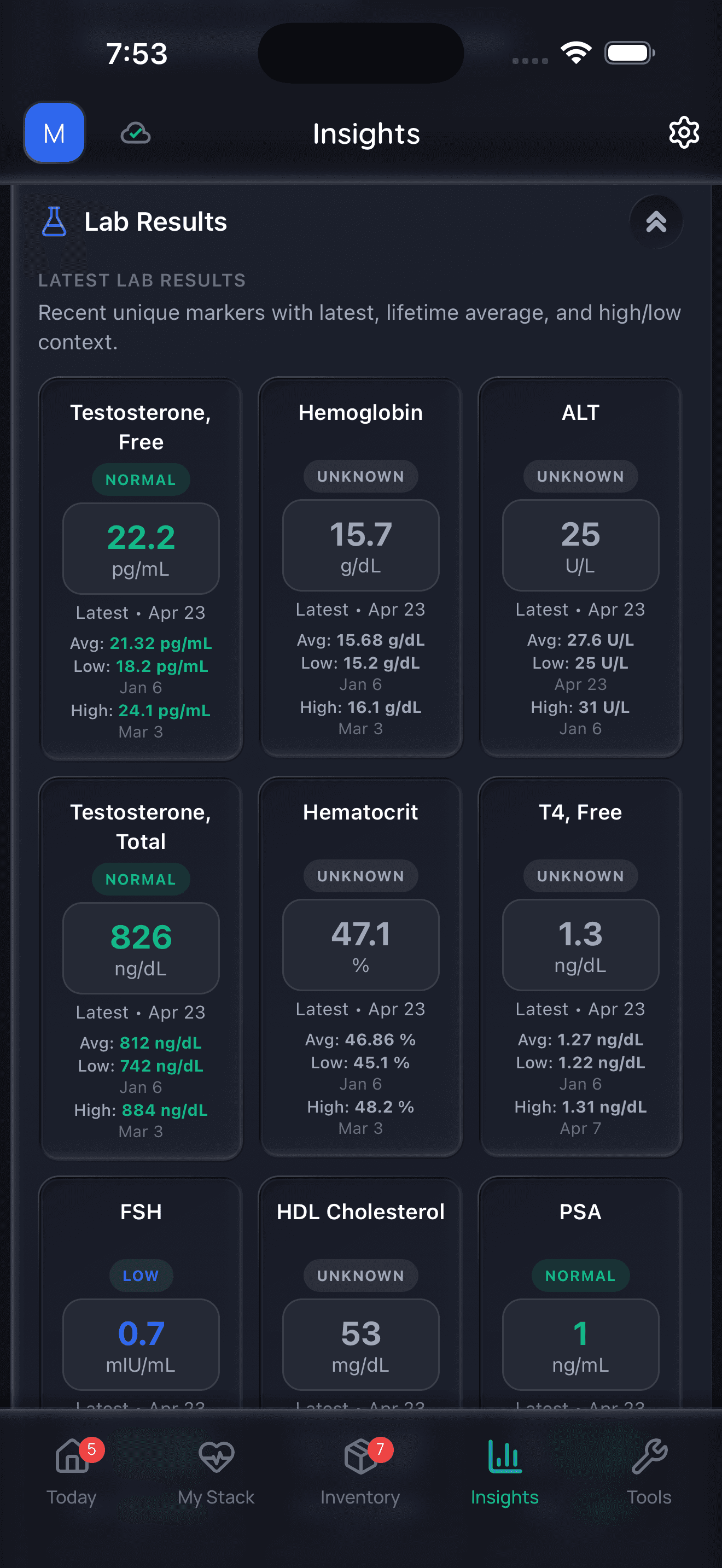
Doserly organizes data; it does not diagnose or interpret labs for you.
Dosing & Usage Protocols
The Basics
Vitamin E dosing depends entirely on why someone is considering supplementation. For most people eating a reasonably varied diet, the 15 mg (about 22 IU) per day provided by food, possibly supplemented by a standard multivitamin, is sufficient to meet the RDA. Many nutritionists point out that true vitamin E deficiency is exceptionally rare in healthy individuals.
For those who do supplement, the most commonly available standalone products provide 67 mg (100 IU) or more, which is already several times the RDA [1]. Most clinical trials that found beneficial effects used substantially higher doses, while the trials that found potential harms also used higher doses. This creates a challenging risk-benefit calculation.
Commonly reported supplemental ranges from research include:
- General antioxidant support: 100-200 IU/day (67-134 mg), the range where safety data is most reassuring
- NASH/liver support: 800 IU/day (536 mg), based on the PIVENS trial [11]
- Alzheimer's disease (adjunctive): 2,000 IU/day (1,340 mg), used in clinical trials under medical supervision [10]
- Menstrual pain: 400-500 IU/day (268-335 mg), taken only around menstruation (2 days before through 3 days after onset) [2]
- Anti-inflammatory effects: 500-700 mg/day (745-1,043 IU) for at least 8 weeks, based on CRP/TNF-alpha reduction data [2]
Natural vitamin E (d-alpha-tocopherol) is generally preferred over synthetic (dl-alpha-tocopherol) because it has roughly twice the biological activity per milligram [1][2]. The form distinction matters for dosing calculations: 400 IU of natural vitamin E delivers approximately 268 mg of alpha-tocopherol, while 400 IU of synthetic vitamin E delivers only about 180 mg.
The Science
The IOM established the RDA for vitamin E based on alpha-tocopherol equivalents using the hydrogen peroxide-induced erythrocyte hemolysis assay as the functional biomarker [1]. The 15 mg RDA applies to adults aged 14+ regardless of sex, increasing to 19 mg during lactation [1].
The UL of 1,000 mg/day was established based on hemorrhagic risk data from animal and human studies [1]. For children, age-adjusted ULs apply: 200 mg (1-3 years), 300 mg (4-8 years), 600 mg (9-13 years), 800 mg (14-18 years) [1].
Therapeutic dosing in clinical trials has varied widely:
- PIVENS (NASH): 800 IU/day (536 mg) dl-alpha-tocopheryl acetate [11]
- AD trials: 2,000 IU/day (1,340 mg) alpha-tocopherol [10]
- ATBC (cancer prevention): 50 mg/day (111 IU) dl-alpha-tocopheryl acetate [13]
- SELECT (cancer prevention): 400 IU/day (180 mg) dl-alpha-tocopheryl acetate [8]
- Dysmenorrhea: 400-500 IU/day, cyclically [2]
The conversion between natural and synthetic forms is clinically significant: 1 mg d-alpha-tocopherol = 1.49 IU; 1 mg dl-alpha-tocopherol = 2.22 IU. Thus 400 IU of natural vitamin E provides 268 mg alpha-tocopherol, while 400 IU of synthetic provides 180 mg [1].
Mixed tocopherol supplements typically contain varying ratios of alpha-, gamma-, delta-, and beta-tocopherol. Some formulations include tocotrienols. Supplementation with 63% gamma-tocopherol (315 mg of a 500 mg supplement) appears sufficient to elevate plasma gamma-tocopherol despite coingesting alpha-tocopherol (15%) [2].
When your stack includes several supplements, each with its own dose, form, and timing requirements, the logistics alone can derail consistency. Doserly consolidates all of it into one protocol view, so every dose across your entire routine is accounted for without spreadsheets or guesswork.
The app also tracks cumulative intake for nutrients that appear in multiple products. If your multivitamin, standalone supplement, and fortified protein shake all contain the same nutrient, Doserly adds them up and shows you the total alongside recommended and upper limits. Managing a thoughtful supplement protocol shouldn't require a degree in nutrition science. The app handles the complexity so you can focus on staying consistent.
Turn symptom and safety notes into a clearer timeline.
Doserly helps you log doses, symptoms, and safety observations side by side so patterns are easier to discuss with a qualified clinician.
Pattern view
Logs and observations
Pattern visibility is informational and should be reviewed with a clinician.
What to Expect (Timeline)
Vitamin E is a fat-soluble vitamin that accumulates in tissues over time. The timeline of effects depends heavily on the reason for supplementation and starting vitamin E status.
Weeks 1-2: Most people notice no perceptible changes during the first two weeks of supplementation. Serum alpha-tocopherol levels begin to rise, though tissue saturation takes longer. If a person is significantly deficient (rare in healthy populations), some improvement in general well-being or energy may be noticed early.
Weeks 3-4: Circulating levels approach steady state at consistent daily doses. Community users who report mood or skin changes typically note them around this time frame. If supplementing alpha-tocopherol alone, serum gamma-tocopherol may begin declining.
Weeks 5-8: Tissue levels continue to build. Clinical trials examining anti-inflammatory effects (CRP, TNF-alpha reduction) typically require at least 8 weeks at 500-700 mg/day to demonstrate measurable changes [2]. People taking vitamin E for menstrual pain may begin noticing more consistent relief by the second menstrual cycle.
Months 2-4: Benefits for dysmenorrhea become more pronounced, with approximately 5-point pain reduction (on a 10-point scale) at 4 months versus placebo [2]. Hot flash relief, where it occurs, has been reported within days to weeks in community accounts, though clinical evidence is mixed.
Months 6+: Long-term tissue saturation. Studies examining cognitive effects (Alzheimer's) measured outcomes over 2-5 years [10]. NASH improvements (PIVENS trial) were assessed at 96 weeks [11]. AREDS benefits for macular degeneration were measured over 5 years [9].
Important note: Unlike some supplements where effects are felt acutely, vitamin E's benefits in most contexts are protective rather than perceptible. You are unlikely to "feel" the antioxidant protection vitamin E provides; instead, the benefit is in the cellular damage that does not accumulate over time.
Interactions & Compatibility
Synergistic
- Vitamin C: Regenerates oxidized alpha-tocopherol at the membrane-aqueous interface, extending vitamin E's antioxidant cycling capacity. The two work in tandem, with vitamin E protecting lipids and vitamin C protecting aqueous compartments [1][3].
- Selenium: The selenoprotein GPx4 reduces lipid hydroperoxides generated during vitamin E antioxidant activity. Synergistic effect in alleviating oxidative stress [3]. However, the SELECT trial found no benefit from combining selenium and vitamin E for prostate cancer prevention [8].
- CoQ10: CoQ10 (ubiquinol) can reduce the alpha-tocopheroxyl radical back to active alpha-tocopherol within membranes. 1,200 mg alpha-tocopherol reversed exercise-induced CoQ10 decline in one study [2].
- Alpha-Lipoic Acid: Recycles vitamin E similarly to vitamin C. Synergistic anti-clotting effects noted, which could be beneficial or concerning depending on context [2].
- Procyanidins (grape seed extract): Synergistic membrane-stabilizing effects in red blood cells at low concentrations in vitro [2].
- Lycopene: Synergistic inhibition of LDL oxidation in vitro [2].
Caution / Avoid
- Warfarin and anticoagulants: Vitamin E potentiates anticoagulant effects, increasing bleeding risk. Higher serum vitamin E levels predicted hemorrhagic events in warfarin-treated patients. Doses above 400 IU/day with anticoagulants require medical monitoring of PT/INR [1][4].
- Antiplatelet medications (aspirin, clopidogrel): Additive effects on platelet inhibition may increase bleeding risk [1].
- Vitamin K / Vitamin K2: High-dose vitamin E may antagonize vitamin K activity. Some evidence of modestly increased PIVKA-II (a marker of vitamin K insufficiency) at 1,000 IU over 12 weeks, though other vitamin K biomarkers were unaffected [2]. Conversely, taking vitamin E with vitamin K may reduce vitamin K effectiveness.
- Statins + niacin combination: Vitamin E (with other antioxidants) blunted the HDL-raising benefit of simvastatin-niacin therapy [1].
- Chemotherapy and radiation therapy: Oncologists generally advise against antioxidant supplements during cancer treatment due to theoretical concerns about protecting cancer cells from treatment-induced oxidative damage [1][4].
- Tamoxifen: Potential interaction; consult healthcare provider [2].
- Cyclosporine A: Potential interaction; consult healthcare provider [2].
- CYP3A4 substrates (e.g., omeprazole): Use caution; potential interaction [4].
- Iron supplements: Vitamin E may interfere with iron absorption when taken together. Separate by at least 2 hours.
Food Interactions
- Dietary fats: Enhance absorption. Take with a fat-containing meal for optimal uptake [1][2].
- High-PUFA diets: Diets high in polyunsaturated fatty acids increase vitamin E requirements. An adequate intake is estimated at 0.6 mg alpha-tocopherol per gram of linoleic acid consumed [2].
How to Take / Administration Guide
Vitamin E is most commonly taken orally as a softgel capsule, liquid drop, or as part of a multivitamin. Here are the key practical considerations:
Timing and food: Vitamin E is best absorbed when taken with a meal that includes some dietary fat. This does not need to be a large amount of fat; a meal containing nuts, avocado, olive oil, or even a small amount of butter or cheese is sufficient to facilitate absorption through the lymphatic pathway [1][2].
Form selection: When choosing a supplement, the form of vitamin E matters. Natural vitamin E (labeled as d-alpha-tocopherol or RRR-alpha-tocopherol) has roughly twice the biological activity of synthetic vitamin E (labeled as dl-alpha-tocopherol or all-rac-alpha-tocopherol) per milligram. For those seeking broader vitamin E coverage, mixed tocopherol supplements (containing alpha, gamma, delta, and beta forms) or mixed tocopherol/tocotrienol formulations may avoid the gamma-tocopherol depletion associated with high-dose alpha-tocopherol alone [2][5].
Esterified forms: Alpha-tocopheryl acetate and alpha-tocopheryl succinate are esterified forms commonly used in supplements for improved shelf stability. These are hydrolyzed in the gastrointestinal tract and absorbed with comparable efficiency to free alpha-tocopherol [1].
Separation from other supplements: If taking iron supplements, consider separating vitamin E and iron by at least 2 hours, as they may interfere with each other's absorption. Vitamin E can be taken alongside vitamin C, selenium, and CoQ10, which work synergistically.
Surgery precaution: Due to its effects on platelet aggregation and bleeding risk, many practitioners recommend discontinuing vitamin E supplements two weeks before scheduled surgical procedures [4].
No cycling required: Unlike some supplements, there is no established need for cycling vitamin E. However, periodic assessment of intake from all sources (diet, multivitamin, standalone supplements, fortified foods) is prudent to avoid inadvertent excessive intake [1].
Choosing a Quality Product
Selecting a quality vitamin E supplement requires attention to several factors:
Active form: Look for d-alpha-tocopherol (natural) rather than dl-alpha-tocopherol (synthetic). The natural form provides approximately twice the biological activity per milligram [1][2]. Products listing "d-alpha-tocopheryl acetate" or "d-alpha-tocopheryl succinate" are also natural, esterified forms.
Mixed vs. isolated: Mixed tocopherol supplements that include gamma-, delta-, and beta-tocopherols in addition to alpha-tocopherol more closely reflect dietary vitamin E intake and avoid the gamma-tocopherol depletion associated with isolated alpha-tocopherol supplementation [2][5]. Some formulations also include tocotrienols.
Label accuracy: Testing of commercial vitamin E products has found actual content varying from 41% less to 57% more than labeled amounts [4]. Third-party verified products reduce this risk.
Third-party certifications to seek:
- USP Verified Mark: Tests identity, strength, purity, and dissolution
- NSF International: Tests to NSF/ANSI 173 standard
- NSF Certified for Sport: Screens for 280+ banned substances (relevant for athletes)
- ConsumerLab Approved: Independent testing for label accuracy and purity
- Informed Sport: Batch testing for WADA-banned substances
Red flags to avoid:
- Exaggerated health claims (e.g., "prevents cancer" or "cures heart disease")
- No clear identification of which form of vitamin E is used
- Proprietary blends that obscure the amount of each vitamin E form
- Extremely high doses (1,000+ IU) marketed for daily use without clear medical purpose
- Products that do not specify natural vs. synthetic form
Tocotrienol-specific considerations: Annatto-derived tocotrienols have gained attention as a tocopherol-free source of tocotrienols. If specifically seeking tocotrienols, look for products specifying the tocotrienol source and isomer profile.
Storage & Handling
Vitamin E supplements should be stored in a cool, dry place away from direct sunlight and heat. While generally stable, vitamin E is susceptible to oxidation, especially in liquid and oil forms.
Temperature: Room temperature storage (15-25 degrees C / 59-77 degrees F) is appropriate for all forms. Avoid storing near heat sources, stoves, or in vehicles during warm weather.
Light sensitivity: Vitamin E can degrade with prolonged exposure to UV light. Keep bottles in their original opaque or amber containers when possible.
Moisture: Softgel capsules can become sticky or degrade in humid environments. Store with the container tightly sealed.
Shelf life: Most vitamin E supplements have a shelf life of 2-3 years when sealed. Liquid forms and oils may have shorter effective lifespans after opening due to air exposure and oxidation. If a liquid vitamin E product develops an unusual smell or changes color, it may have oxidized and should be discarded.
Travel: Vitamin E softgels are generally stable for travel. Keep them in a cool portion of luggage and avoid leaving them in hot cars.
Lifestyle & Supporting Factors
Diet: The richest food sources of alpha-tocopherol include wheat germ oil (20.3 mg per tablespoon), sunflower seeds (7.4 mg per ounce), almonds (6.8 mg per ounce), sunflower oil (5.6 mg per tablespoon), and hazelnuts (4.3 mg per ounce) [1]. A diet rich in nuts, seeds, and vegetable oils can provide meaningful vitamin E without supplementation.
Fat intake: Because vitamin E is fat-soluble, very low-fat diets may impair both dietary vitamin E absorption and the utilization of vitamin E supplements. Ensuring adequate dietary fat intake supports vitamin E status [1].
PUFA intake: Higher consumption of polyunsaturated fatty acids increases the body's demand for vitamin E because PUFAs are more susceptible to lipid peroxidation. An estimated 0.6 mg alpha-tocopherol per gram of linoleic acid is considered adequate [2]. People consuming large amounts of fish oil or other omega-3 supplements may benefit from ensuring adequate vitamin E intake.
Vitamin C: Vitamin C regenerates oxidized vitamin E, so adequate vitamin C status supports vitamin E recycling and effectiveness [1][3]. One analysis found that the effects of vitamin E supplementation on mortality were influenced by vitamin C intake, with different outcomes in groups above and below 90 mg/day vitamin C [2].
Smoking: Smokers experience increased oxidative stress and faster clearance of vitamin E from plasma. The ATBC study population consisted entirely of male smokers, and the interaction between smoking status and vitamin E effects remains an important consideration [1][13].
Lab monitoring: Serum alpha-tocopherol can be measured to assess vitamin E status. Reference range is approximately 12-46 micromol/L (5.5-20 mg/L). For those on anticoagulant therapy taking vitamin E, monitoring PT/INR is recommended [4].
Exercise: Vitamin E supplementation (1,200 mg) reversed exercise-induced reductions in CoQ10 in one study [2]. However, the relationship between antioxidant supplementation and exercise adaptation is complex, and some research suggests high-dose antioxidants may blunt beneficial exercise adaptations.
Regulatory Status & Standards
United States (FDA): Vitamin E is classified as a dietary supplement under DSHEA and has Generally Recognized as Safe (GRAS) status when used as a food additive. The FDA requires vitamin E to be listed on Nutrition Facts labels in mg (not IU) as of January 2020 [1]. Vitamin E supplements do not require FDA approval for sale but must be manufactured under current Good Manufacturing Practices (cGMP).
Canada (Health Canada): Vitamin E is available as a licensed Natural Health Product (NHP). Monographs exist for vitamin E covering permitted claims, dosage ranges, and labeling requirements.
European Union (EFSA): EFSA has assessed vitamin E and authorized several health claims, including protection of cells from oxidative stress. Maximum permitted levels in supplements vary by member state.
Australia (TGA): Vitamin E is listed in the Australian Register of Therapeutic Goods as a complementary medicine ingredient.
Athlete & Sports Regulatory Status:
Vitamin E is not prohibited by the World Anti-Doping Agency (WADA) and does not appear on the current WADA Prohibited List in any category (S0-S9, M1-M3, P1). It is permitted both in-competition and out-of-competition.
No major national anti-doping agencies (USADA, UKAD, Sport Integrity Canada, Sport Integrity Australia, NADA Germany) have issued specific warnings or alerts about vitamin E supplementation.
Vitamin E is not banned by any major professional sports leagues (NFL, NBA, MLB, NHL, MLS) or the NCAA. It is a standard vitamin found in most multivitamin products used by athletic programs.
While vitamin E itself is not a concern for athletes, athletes should still use third-party certified supplements to reduce the risk of inadvertent contamination with prohibited substances. Relevant certification programs include:
- Informed Sport (sport.wetestyoutrust.com): Batch testing for 250+ banned substances
- NSF Certified for Sport (nsfsport.com): Tests for 280+ banned substances; required by NCAA for athletic department-provided supplements
- Cologne List (koelnerliste.com): European athlete testing standard
- BSCG (bscg.org): Independent drug-free certification
Athletes can verify the status of vitamin E products through GlobalDRO (globaldro.com), which checks supplement and medication status across multiple countries.
Regulatory status and prohibited substance classifications change frequently. Athletes should always verify the current status of any supplement with their sport's governing body, their national anti-doping agency, and a qualified sports medicine professional before use. Third-party certification (Informed Sport, NSF Certified for Sport) reduces but does not eliminate the risk of contamination with prohibited substances.
Frequently Asked Questions
Is vitamin E safe to take daily?
For most people, vitamin E at doses consistent with the RDA (15 mg/day) or moderate supplemental doses (up to 200 IU) appears to be safe based on available data. The safety questions arise primarily at doses above 400 IU/day, where some meta-analyses have found small increases in all-cause mortality and prostate cancer risk. A healthcare professional can help assess whether supplementation is appropriate for an individual's circumstances [1][14].
What is the difference between natural and synthetic vitamin E?
Natural vitamin E (d-alpha-tocopherol or RRR-alpha-tocopherol) is a single stereoisomer with full biological activity. Synthetic vitamin E (dl-alpha-tocopherol or all-rac-alpha-tocopherol) is a mixture of eight stereoisomers with roughly 50% of the binding affinity for the vitamin E transport protein. In practical terms, 1 mg of natural vitamin E delivers about twice the biological activity of 1 mg of synthetic vitamin E [1][2].
Should I take mixed tocopherols or just alpha-tocopherol?
This is an active area of discussion. Supplementing with alpha-tocopherol alone at higher doses can reduce circulating levels of gamma-tocopherol by 28-61% [2][5]. Gamma-tocopherol has its own biological activities, including cyclooxygenase inhibition and reactive nitrogen species trapping. Mixed tocopherol supplements more closely reflect dietary vitamin E intake and may avoid this depletion effect. Some formulations also include tocotrienols, which show potentially stronger antioxidant activity in cell and animal studies [2][4].
Does vitamin E prevent heart disease?
Based on the weight of evidence from large randomized controlled trials (HOPE, Women's Health Study, Physicians' Health Study II), routine vitamin E supplementation does not prevent cardiovascular disease in most populations. Some subgroup analyses have suggested possible benefits in specific populations (women over 65), but these findings are not considered sufficient to recommend supplementation for cardiovascular protection [1][6][7][12].
Can vitamin E cause prostate cancer?
The SELECT trial found that 400 IU of synthetic vitamin E daily increased prostate cancer risk by 17% in generally healthy men. However, an earlier trial (ATBC) found that lower-dose vitamin E (50 mg/day) reduced prostate cancer risk by 32% in male smokers. These conflicting findings suggest the effect may be dose-dependent and population-specific. No clear mechanism has been established [1][8][13].
Is vitamin E good for my skin?
Vitamin E is naturally present in skin tissue as the predominant antioxidant in the outer skin layer (stratum corneum) and is depleted by UV exposure. However, clinical evidence for topical vitamin E improving scars is weak, and some studies have found topical application can cause irritation, redness, and contact dermatitis. Oral vitamin E contributing to skin health through its systemic antioxidant role is more plausible but not well-studied [2].
Does vitamin E interact with blood thinners?
Yes. Vitamin E inhibits platelet aggregation and may antagonize vitamin K-dependent clotting factors. This means it can increase the anticoagulant effect of warfarin and similar blood thinners, potentially increasing bleeding risk. Anyone taking anticoagulant or antiplatelet medications should discuss vitamin E supplementation with their healthcare provider, and PT/INR monitoring may be appropriate [1][4].
How much vitamin E is too much?
The Tolerable Upper Intake Level (UL) established by the Institute of Medicine is 1,000 mg/day from supplements for adults (equivalent to 1,500 IU of natural vitamin E or 1,100 IU of synthetic). However, some researchers have raised concerns about chronic use above 400 IU/day based on meta-analyses showing increased all-cause mortality at higher doses [1][14].
What are the signs of vitamin E deficiency?
Vitamin E deficiency is rare in healthy people and is almost always linked to conditions that impair fat absorption (Crohn's disease, cystic fibrosis, certain liver diseases) or rare genetic conditions affecting vitamin E transport (abetalipoproteinemia, AVED). Symptoms include peripheral neuropathy, ataxia (loss of muscle coordination), skeletal myopathy, retinopathy, and impaired immune response [1][2].
Can I get enough vitamin E from food alone?
While surveys suggest most Americans consume less than the RDA from food, true clinical deficiency is extremely rare. Foods like almonds (6.8 mg per ounce), sunflower seeds (7.4 mg per ounce), and wheat germ oil (20.3 mg per tablespoon) are excellent sources. A diet that regularly includes nuts, seeds, and vegetable oils can meet the 15 mg RDA without supplementation [1].
Myth vs. Fact
Myth: "Vitamin E prevents heart disease."
Fact: Early observational studies suggested a link between higher vitamin E intake and lower heart disease risk. However, multiple large-scale randomized controlled trials (HOPE, Women's Health Study, Physicians' Health Study II) consistently found that vitamin E supplementation does not prevent heart attacks, strokes, or cardiovascular death in most populations [1][6][7][12]. The American Heart Association does not recommend vitamin E supplementation for cardiovascular prevention.
Myth: "More vitamin E is always better."
Fact: Vitamin E follows a U-shaped or J-shaped safety curve. The RDA of 15 mg/day is well-supported for maintaining health. At moderate supplemental doses (up to 200 IU), the safety profile is reassuring. At doses above 400 IU/day, meta-analyses have flagged increased all-cause mortality risk, increased hemorrhagic stroke risk, and increased prostate cancer risk [1][8][14]. This is one of the clearest examples of "more is not better" in supplement science.
Myth: "All forms of vitamin E are the same."
Fact: Vitamin E comprises eight distinct compounds with different biological activities. Natural d-alpha-tocopherol has roughly twice the bioactivity of synthetic dl-alpha-tocopherol. Gamma-tocopherol has unique biological properties not shared by alpha-tocopherol, including more potent cyclooxygenase inhibition. Tocotrienols show potentially stronger antioxidant effects than tocopherols in vitro. Supplementing alpha-tocopherol alone actually depletes gamma-tocopherol in the body [2][4][5].
Myth: "Vitamin E oil is great for healing scars."
Fact: Despite its widespread topical use for scar treatment, clinical evidence does not support this practice. A controlled trial applying topical vitamin E to surgical scars found no benefit compared with the control treatment, and vitamin E application was associated with contact dermatitis in a significant proportion of participants. Other studies on burn scars found similar lack of benefit with up to 16.4% of subjects reporting irritation [2].
Myth: "Vitamin E supplements are unsafe because they caused vaping lung injuries."
Fact: Vitamin E acetate was identified as a likely cause of EVALI (e-cigarette/vaping-associated lung injury) when it was used as a diluting agent in illicit vaping cartridges and was inhaled. Oral consumption of vitamin E acetate is entirely different: it is normally hydrolyzed in the gastrointestinal tract to free alpha-tocopherol and absorbed safely. The two routes of administration have fundamentally different safety profiles [4].
Myth: "You can't overdose on vitamins from food."
Fact: While vitamin E from food has not been associated with adverse effects and does not need to be limited, this does not extend to supplements. Supplemental vitamin E at high doses can accumulate as a fat-soluble vitamin and cause genuine toxicity symptoms including bleeding complications, fatigue, dizziness, and increased disease risk [1][4].
Myth: "Taking vitamin E prevents cancer."
Fact: Despite early promising hypotheses and some positive observational data, randomized controlled trials have not demonstrated that vitamin E supplementation prevents cancer. The SELECT trial found a 17% increase in prostate cancer risk with 400 IU/day of alpha-tocopherol [8]. Current evidence from major research bodies does not support taking vitamin E to prevent cancer [1].
Sources & References
Government/Institutional Sources
[1] Institute of Medicine, Food and Nutrition Board. Dietary Reference Intakes: Vitamin C, Vitamin E, Selenium, and Carotenoids. Washington, DC: National Academy Press, 2000. NIH Office of Dietary Supplements Fact Sheet: Vitamin E. Updated March 26, 2021.
Clinical Trials & RCTs
[6] Yusuf S, Dagenais G, Pogue J, Bosch J, Sleight P (HOPE Trial Investigators). Vitamin E supplementation and cardiovascular events in high-risk patients. N Engl J Med. 2000;342:154-60.
[7] Lee IM, Cook NR, Gaziano JM, et al. Vitamin E in the primary prevention of cardiovascular disease and cancer: the Women's Health Study: a randomized controlled trial. JAMA. 2005;294:56-65.
[8] Klein EA, Thompson IM Jr, Tangen CM, et al. Vitamin E and the risk of prostate cancer: the Selenium and Vitamin E Cancer Prevention Trial (SELECT). JAMA. 2011;306:1549-56.
[9] Age-Related Eye Disease Study Research Group. A randomized, placebo-controlled, clinical trial of high-dose supplementation with vitamins C and E, beta carotene, and zinc for age-related macular degeneration and vision loss: AREDS report no. 8. Arch Ophthalmol. 2001;119:1417-36.
[10] Dysken MW, Sano M, Asthana S, et al. Effect of vitamin E and memantine on functional decline in Alzheimer disease: the TEAM-AD VA cooperative randomized trial. JAMA. 2014;311(1):33-44.
[11] Sanyal AJ, Chalasani N, Kowdley KV, et al. Pioglitazone, vitamin E, or placebo for nonalcoholic steatohepatitis. N Engl J Med. 2010;362(18):1675-85.
[12] Sesso HD, Buring JE, Christen WG, et al. Vitamins E and C in the prevention of cardiovascular disease in men: the Physicians' Health Study II randomized controlled trial. JAMA. 2008;300:2123-33.
[13] Alpha-Tocopherol, Beta Carotene Cancer Prevention Study Group. The effect of vitamin E and beta carotene on the incidence of lung cancer and other cancers in male smokers. N Engl J Med. 1994;330:1029-35.
Systematic Reviews & Meta-Analyses
[14] Miller ER 3rd, Pastor-Barriuso R, Dalal D, Riemersma RA, Appel LJ, Guallar E. Meta-analysis: high-dosage vitamin E supplementation may increase all-cause mortality. Ann Intern Med. 2005;142:37-46.
Observational Studies & Mechanistic Research
[2] Traber MG. Vitamin E. Adv Nutr. 2021;12(4):1047-53. Brigelius-Flohe R, Traber MG. Vitamin E: function and metabolism. FASEB J. 1999;13:1145-55. Sen CK, Khanna S, Roy S. Tocotrienols: vitamin E beyond tocopherols. Life Sci. 2006;78:2088-98.
[3] Packer L, Weber SU, Rimbach G. Molecular aspects of alpha-tocopherol antioxidant action and cell signaling. J Nutr. 2001;131:369S-73S.
[4] Memorial Sloan Kettering Cancer Center. Vitamin E monograph. Based on primary sources. Updated September 28, 2023.
[5] Dietrich M, Traber MG, Jacques PF, Cross CE, Hu Y, Block G. Does gamma-tocopherol play a role in the primary prevention of heart disease and cancer? A review. J Am Coll Nutr. 2006;25:292-9.
Related Supplement Guides
Same Category (Fat-Soluble Vitamins)
- Vitamin A
- Vitamin D2 (Ergocalciferol)
- Vitamin D3 (Cholecalciferol)
- Vitamin K1 (Phylloquinone)
- Vitamin K2 (MK-4, MK-7)
Common Stacks / Pairings
Related Health Goals
- Magnesium (antioxidant support, cardiovascular health)
- Zinc (immune support, AREDS formula component)
- Lycopene (synergistic antioxidant effects)
- NMN (longevity, antioxidant pathways)