
Women's Multivitamins: The Complete Supplement Guide
On this page
Quick Reference Card
Attribute
Common Name
- Detail
- Women's Multivitamin
Attribute
Other Names / Aliases
- Detail
- Women's Multi, MVM, Multivitamin/Mineral Supplement, Women's One-Daily, Women's Daily Multi
Attribute
Category
- Detail
- Vitamin/Mineral Complex
Attribute
Primary Forms & Variants
- Detail
- Basic one-daily (broad-spectrum, most nutrients at or near 100% DV); high-potency (elevated B vitamins, antioxidants); women's 50+ (higher D, B12, calcium, less iron); prenatal-adjacent formulations (extra folate, iron, DHA). Iron-containing formulations are standard for premenopausal women.
Attribute
Typical Dose Range
- Detail
- One tablet/capsule daily (basic); 2-4 tablets/capsules daily (high-potency or multi-dose packs)
Attribute
RDA / AI / UL
- Detail
- No single RDA for a multivitamin; contains multiple nutrients each with individual RDA/AI/UL values. See Chemical & Nutritional Identity section for per-nutrient values.
Attribute
Common Delivery Forms
- Detail
- Tablet, capsule, softgel, gummy, liquid, powder
Attribute
Best Taken With / Without Food
- Detail
- Take with food (preferably a meal containing dietary fat to enhance absorption of fat-soluble vitamins A, D, E, K). Iron-containing formulations are better tolerated with food.
Attribute
Key Cofactors
- Detail
- Dietary fat (enhances fat-soluble vitamin absorption); Vitamin C (enhances iron absorption); Vitamin D (enhances calcium absorption)
Attribute
Storage Notes
- Detail
- Store at room temperature in a cool, dry place away from light and moisture. Do not refrigerate unless directed on the label. Keep sealed when not in use. Gummy formulations may melt in heat.
Overview
The Basics
A women's multivitamin is a supplement containing a broad range of vitamins and minerals formulated to meet the specific nutritional needs of adult women. Unlike single-nutrient supplements that target one deficiency or health goal, multivitamins aim to provide baseline coverage, filling nutritional gaps that most diets leave open.
Multivitamin supplements have been available since the early 1940s. Today, roughly one-third of American adults take a multivitamin, making it the most commonly used dietary supplement in the country. Women are more likely to use multivitamins than men: about 34% of women report taking an MVM, compared to 28% of men [1][2].
Women's formulations differ from general or men's multivitamins in several important ways. Most notably, they typically contain higher iron (18 mg, matching the premenopausal RDA, compared to 0-8 mg in men's formulations) and higher folate (400-800 mcg DFE, critical for women of childbearing age due to neural tube defect prevention). The 50+ versions usually increase calcium, vitamin D, and B12 while reducing iron, reflecting the changing nutritional needs of postmenopausal women.
The honest reality about multivitamins is this: most healthy women eating a reasonably varied diet will not notice a dramatic day-to-day difference from taking one. The benefits are more statistical than subjective, more about prevention over decades than performance today. But for women with dietary gaps, restricted diets, or increased nutritional demands (pregnancy, breastfeeding, heavy menstrual periods, restrictive diets), a well-chosen women's multi serves as a practical safety net [1][2][3].
The Science
Multivitamin/mineral (MVM) supplements have no standard regulatory definition. The term encompasses products with widely varying compositions, from basic once-daily formulations providing most essential vitamins and minerals at or near 100% of the Daily Value (DV) to high-potency formulations with supra-physiological doses of selected nutrients. The FDA does not define what constitutes a "multivitamin," and manufacturers determine the combinations and levels of nutrients in their products [1].
The rationale for sex-specific formulations rests on documented differences in nutrient requirements between men and women. The Institute of Medicine (now the National Academies of Sciences, Engineering, and Medicine) has established distinct Recommended Dietary Allowances (RDAs) and Adequate Intakes (AIs) for many nutrients by sex. For women, key differences include: higher iron requirements (18 mg/day for premenopausal women vs. 8 mg/day for men), critical need for adequate folate intake during childbearing years (400 mcg DFE), lower RDAs for vitamins C (75 vs. 90 mg) and K (AI: 90 vs. 120 mcg), and identical or similar requirements for most other nutrients [1][4].
NHANES data demonstrate that MVM users have higher mean daily intakes of most vitamins and minerals from food plus supplements compared to nonusers. Nutrients of particular concern in the U.S. female population include iron (premenopausal women), folate/folic acid (women of childbearing age), calcium, vitamin D, and vitamin B12 (women over 50). The populations at highest risk of nutritional inadequacy who might benefit the most from MVMs are, ironically, the least likely to take them [1][2].
Chemical & Nutritional Identity
Women's multivitamins are multi-component formulations rather than single chemical entities. The table below lists key nutrients typically found in women's formulations with their established daily values for adult females.
Nutrient
Vitamin A
- RDA/AI (Adult Females)
- 700 mcg RAE
- UL
- 3,000 mcg RAE
- Typical Amount in Women's MVM
- 700-900 mcg RAE
- Key Forms in Quality Products
- Mixed carotenoids + retinyl acetate
Nutrient
Vitamin C
- RDA/AI (Adult Females)
- 75 mg
- UL
- 2,000 mg
- Typical Amount in Women's MVM
- 60-120 mg
- Key Forms in Quality Products
- Ascorbic acid, calcium ascorbate
Nutrient
Vitamin D3
- RDA/AI (Adult Females)
- 600 IU (15 mcg) ages 19-70; 800 IU (20 mcg) 71+
- UL
- 4,000 IU (100 mcg)
- Typical Amount in Women's MVM
- 600-2,000 IU
- Key Forms in Quality Products
- Cholecalciferol (D3) preferred over ergocalciferol (D2)
Nutrient
Vitamin E
- RDA/AI (Adult Females)
- 15 mg (22.4 IU natural)
- UL
- 1,000 mg
- Typical Amount in Women's MVM
- 15-30 IU
- Key Forms in Quality Products
- d-alpha-tocopherol (natural) or mixed tocopherols
Nutrient
Vitamin K
- RDA/AI (Adult Females)
- AI: 90 mcg
- UL
- Not established
- Typical Amount in Women's MVM
- 80-120 mcg
- Key Forms in Quality Products
- Phytonadione (K1) and/or MK-7 (K2)
Nutrient
Thiamine (B1)
- RDA/AI (Adult Females)
- 1.1 mg
- UL
- Not established
- Typical Amount in Women's MVM
- 1.1-25 mg
- Key Forms in Quality Products
- Thiamine HCl or benfotiamine
Nutrient
Riboflavin (B2)
- RDA/AI (Adult Females)
- 1.1 mg
- UL
- Not established
- Typical Amount in Women's MVM
- 1.1-25 mg
- Key Forms in Quality Products
- Riboflavin or riboflavin-5-phosphate
Nutrient
Niacin (B3)
- RDA/AI (Adult Females)
- 14 mg NE
- UL
- 35 mg (from supplements)
- Typical Amount in Women's MVM
- 14-20 mg NE
- Key Forms in Quality Products
- Niacinamide (preferred; does not cause flushing)
Nutrient
Vitamin B6
- RDA/AI (Adult Females)
- 1.3 mg (19-50); 1.5 mg (51+)
- UL
- 100 mg
- Typical Amount in Women's MVM
- 2-25 mg
- Key Forms in Quality Products
- Pyridoxal-5-phosphate (P5P) preferred over pyridoxine HCl
Nutrient
Folate (B9)
- RDA/AI (Adult Females)
- 400 mcg DFE
- UL
- 1,000 mcg synthetic folic acid
- Typical Amount in Women's MVM
- 400-800 mcg DFE
- Key Forms in Quality Products
- 5-MTHF (methylfolate) preferred over folic acid, especially for MTHFR variants
Nutrient
Vitamin B12
- RDA/AI (Adult Females)
- 2.4 mcg
- UL
- Not established
- Typical Amount in Women's MVM
- 6-250 mcg
- Key Forms in Quality Products
- Methylcobalamin or adenosylcobalamin preferred over cyanocobalamin
Nutrient
Biotin (B7)
- RDA/AI (Adult Females)
- AI: 30 mcg
- UL
- Not established
- Typical Amount in Women's MVM
- 30-300 mcg
- Key Forms in Quality Products
- D-biotin
Nutrient
Pantothenic Acid (B5)
- RDA/AI (Adult Females)
- AI: 5 mg
- UL
- Not established
- Typical Amount in Women's MVM
- 5-25 mg
- Key Forms in Quality Products
- Calcium pantothenate
Nutrient
Calcium
- RDA/AI (Adult Females)
- 1,000 mg (19-50); 1,200 mg (51+)
- UL
- 2,500 mg (19-50); 2,000 mg (51+)
- Typical Amount in Women's MVM
- 100-250 mg
- Key Forms in Quality Products
- Calcium citrate (better absorbed) or calcium carbonate
Nutrient
Iron
- RDA/AI (Adult Females)
- 18 mg (19-50); 8 mg (51+)
- UL
- 45 mg
- Typical Amount in Women's MVM
- 18 mg (standard); 0-8 mg (50+ formulas)
- Key Forms in Quality Products
- Ferrous bisglycinate (better tolerated) or ferrous fumarate
Nutrient
Magnesium
- RDA/AI (Adult Females)
- 310-320 mg (19-30); 320 mg (31+)
- UL
- 350 mg (from supplements only)
- Typical Amount in Women's MVM
- 50-100 mg
- Key Forms in Quality Products
- Magnesium glycinate, citrate, or malate preferred over oxide
Nutrient
Zinc
- RDA/AI (Adult Females)
- 8 mg
- UL
- 40 mg
- Typical Amount in Women's MVM
- 8-15 mg
- Key Forms in Quality Products
- Zinc picolinate, citrate, or bisglycinate preferred over oxide
Nutrient
Selenium
- RDA/AI (Adult Females)
- 55 mcg
- UL
- 400 mcg
- Typical Amount in Women's MVM
- 55-100 mcg
- Key Forms in Quality Products
- Selenomethionine or selenium yeast
Nutrient
Copper
- RDA/AI (Adult Females)
- 900 mcg
- UL
- 10,000 mcg
- Typical Amount in Women's MVM
- 0.5-2 mg
- Key Forms in Quality Products
- Copper bisglycinate
Nutrient
Manganese
- RDA/AI (Adult Females)
- AI: 1.8 mg
- UL
- 11 mg
- Typical Amount in Women's MVM
- 2-4 mg
- Key Forms in Quality Products
- Manganese bisglycinate or citrate
Nutrient
Chromium
- RDA/AI (Adult Females)
- AI: 25 mcg (19-50); 20 mcg (51+)
- UL
- Not established
- Typical Amount in Women's MVM
- 25-120 mcg
- Key Forms in Quality Products
- Chromium picolinate
Nutrient
Molybdenum
- RDA/AI (Adult Females)
- 45 mcg
- UL
- 2,000 mcg
- Typical Amount in Women's MVM
- 45-75 mcg
- Key Forms in Quality Products
- Sodium molybdate
Nutrient
Iodine
- RDA/AI (Adult Females)
- 150 mcg
- UL
- 1,100 mcg
- Typical Amount in Women's MVM
- 150 mcg
- Key Forms in Quality Products
- Potassium iodide
Note: Most women's MVMs cannot provide full daily requirements of calcium, magnesium, or potassium due to the physical bulk of these minerals. Separate supplementation may be needed for these nutrients, particularly calcium for women over 50.
Mechanism of Action
The Basics
A women's multivitamin does not work through a single mechanism the way a targeted supplement does. Instead, it delivers a broad range of essential nutrients, each of which plays distinct roles in the body's normal operations. Think of it less as a drug with one target and more as restocking a well-stocked pantry: each ingredient enables a different recipe.
The B vitamins (B1 through B12) function as cofactors in energy metabolism, helping your cells convert food into usable energy. Iron carries oxygen through your bloodstream to every cell in your body, which is why iron deficiency often shows up as fatigue, weakness, and difficulty concentrating. Folate is essential for cell division and DNA synthesis, which is why it is so critical during pregnancy when rapid cell growth is occurring. Calcium and vitamin D work together to maintain bone density, a concern that becomes increasingly important as estrogen levels decline during perimenopause and menopause.
The value proposition of a multivitamin is not about pharmacological intervention. It is about ensuring that none of these essential processes are limited by a missing nutrient. When every cofactor is available in adequate supply, the body's systems run as they should. When one is missing, even slightly, the downstream effects can ripple through energy production, immune function, and cellular repair without producing obvious symptoms for months or years [1][4][5].
The Science
The mechanisms of action of a women's MVM are best understood as the aggregate contributions of its individual nutrient components operating through established biochemical pathways:
Energy metabolism: Thiamine (B1), riboflavin (B2), niacin (B3), pantothenic acid (B5), and biotin (B7) serve as essential cofactors for mitochondrial electron transport chain complexes and the citric acid cycle. Pyridoxal-5-phosphate (active B6) participates in over 100 enzymatic reactions, including amino acid metabolism and neurotransmitter synthesis. Iron is a component of cytochrome c oxidase and other electron transport proteins [4][5].
Antioxidant defense: Vitamins C and E function as chain-breaking antioxidants. Selenium is incorporated into selenoproteins including glutathione peroxidases (GPx1-4) and thioredoxin reductases. Zinc is a structural component of superoxide dismutase (Cu/Zn-SOD). These systems collectively mitigate oxidative damage to lipids, proteins, and DNA [4][5].
Immune function: Vitamin D binds the vitamin D receptor (VDR) to regulate innate and adaptive immune responses. Zinc is essential for T-cell maturation and natural killer cell activity. Vitamin C supports epithelial barrier function and the oxidative burst of phagocytes. Iron is required for immune cell proliferation and differentiation [4][5].
Reproductive and hormonal support: Folate is essential for one-carbon metabolism, including DNA methylation and nucleotide synthesis critical to fetal neural tube closure. Iron compensates for menstrual blood loss (approximately 1 mg/day average iron loss in premenopausal women). Iodine supports thyroid hormone synthesis. Vitamin B6 is involved in steroid hormone modulation and may influence PMS symptomatology through serotonergic pathways [4][5].
Bone health: Calcium provides the structural mineral for hydroxyapatite crystal formation. Vitamin D promotes intestinal calcium absorption through induction of calbindin expression. Vitamin K activates osteocalcin (via gamma-carboxylation), which binds calcium to the bone matrix. Magnesium influences parathyroid hormone secretion and serves as a cofactor for vitamin D metabolism [4][5].
Absorption & Bioavailability
The Basics
How well your body absorbs a women's multivitamin depends on several factors: the chemical forms of the nutrients included, whether you take it with food, and even what else you take alongside it.
Fat-soluble vitamins (A, D, E, and K) need dietary fat to be absorbed properly. Taking your multi with a meal that includes some fat, even just a handful of nuts or eggs, can significantly improve absorption of these nutrients. Water-soluble vitamins (C and B-complex) are absorbed independently of fat but are not stored in the body for long, so consistent daily intake matters.
Mineral absorption is where things get more competitive. Calcium and iron compete for the same absorption pathway, which is one reason some women's MVMs separate these minerals across different pills in a multi-dose pack. Zinc and copper also compete. High-dose zinc supplementation without copper can lead to copper deficiency over time, which is why quality multivitamins include both. Magnesium in oxide form absorbs poorly (around 4-5%) compared to chelated forms like glycinate or citrate (perhaps 20-30%) [4][5][6].
One practical reality: a single one-daily tablet or capsule has limited space. This means the quantities of bulky minerals (calcium, magnesium, potassium) are always far below your daily needs. You simply cannot fit 1,000 mg of calcium and 320 mg of magnesium into a single pill alongside everything else. Multi-dose packs partially address this by spreading nutrients across 2-4 pills per day, also allowing better absorption since the body handles smaller doses more efficiently.
The Science
Absorption of MVM components occurs primarily in the small intestine through multiple transport mechanisms. Several clinically relevant interactions within a multi-nutrient formulation warrant consideration:
Mineral competition: Divalent cations (Ca2+, Mg2+, Zn2+, Fe2+, Cu2+) share overlapping intestinal transport pathways, particularly divalent metal transporter 1 (DMT1). Simultaneous administration of calcium (>250 mg) can reduce iron absorption by 50-60%. This is particularly relevant for premenopausal women who need both calcium and iron. Zinc at doses >15 mg inhibits copper absorption via metallothionein induction. These interactions are partially mitigated by chelated mineral forms (amino acid chelates, citrates, glycinates) which utilize peptide transport pathways rather than ionic channels [4][5].
Fat-soluble vitamin absorption: Vitamins A, D, E, and K require incorporation into mixed micelles via bile salt solubilization for absorption. Absorption efficiency increases 2-3 fold when taken with a fat-containing meal (>5g dietary fat). Vitamin E absorption is carrier-mediated via SR-BI and NPC1L1 transporters and is subject to dose-dependent saturation [4][5].
B vitamin bioavailability: Methylcobalamin and adenosylcobalamin (active B12 forms) bypass the cyanide-detachment step required by cyanocobalamin. Pyridoxal-5-phosphate (P5P) is the bioactive form of B6 and does not require hepatic conversion from pyridoxine HCl. 5-MTHF (methylfolate) bypasses the MTHFR enzyme step that is impaired in approximately 10% of the population homozygous for the C677T polymorphism, a consideration of particular importance for women of childbearing age relying on folate for neural tube defect prevention [4][5].
Iron absorption: Non-heme iron (the form found in supplements) is absorbed at rates of 5-20% depending on iron status, form, and co-ingested factors. Ferrous bisglycinate shows 2-4x greater bioavailability than ferrous sulfate in comparative studies. Vitamin C (ascorbic acid) enhances non-heme iron absorption by maintaining iron in the ferrous (Fe2+) state. Phytates, polyphenols, calcium, and tannins inhibit iron absorption [4][5].
Practical considerations: Divided dosing (splitting a multi-dose formulation across meals) improves absorption efficiency for most nutrients due to transporter saturation kinetics. Single high-dose boluses of water-soluble vitamins result in lower fractional absorption than the same total dose divided across the day [6].
Research & Clinical Evidence
Cancer Prevention
The Basics
Can a daily multivitamin reduce cancer risk in women? The largest study ever to examine this question in women, the Women's Health Initiative (WHI), followed over 161,000 postmenopausal women for approximately 8 years. The result was clear: multivitamin use showed no significant effect on the risk of breast cancer, colorectal cancer, endometrial cancer, lung cancer, ovarian cancer, or total mortality [7].
In men, the Physicians' Health Study II (PHS II) did find a modest 8% reduction in total cancer risk over 11 years. Whether this sex difference reflects biology, study duration, or population differences remains unclear [8].
One important safety note: the SELECT trial showed that high-dose vitamin E (400 IU/day) significantly increased prostate cancer risk in men. While this finding is male-specific, it underscores a broader principle applicable to everyone, including women: more is not always better with individual nutrients, and mega-dosing beyond established recommendations carries risk [9].
The Science
WHI (Neuhouser et al., Arch Intern Med, 2009): 161,808 postmenopausal women from Clinical Trials (n=68,132) and Observational Study (n=93,676). Median follow-up of 8.0 and 7.9 years. No association of multivitamins with risk of: breast cancer (HR=0.98, 95% CI 0.91-1.05), colorectal cancer (HR=0.99, 95% CI 0.88-1.11), endometrial cancer (HR=1.05, 95% CI 0.90-1.21), lung cancer (HR=1.0, 95% CI 0.88-1.13), ovarian cancer (HR=1.07, 95% CI 0.88-1.29), or total mortality (HR=1.02, 95% CI 0.97-1.07). The WHI provides the largest and most comprehensive dataset on multivitamin use and cancer risk specifically in women [7].
PHS II (Gaziano et al., JAMA, 2012): 14,641 male US physicians, aged 50+. Daily Centrum Silver vs. placebo. Median follow-up 11.2 years. Total cancer incidence: HR 0.92 (95% CI 0.86-0.998; P=0.04). The cancer reduction was more prominent among men with a baseline cancer history (HR 0.73) [8].
Cardiovascular Disease
The Basics
Both the WHI and COSMOS trials found that daily multivitamin use did not significantly reduce the risk of heart attacks, strokes, or cardiovascular death in women. The WHI found no effect on myocardial infarction or stroke after 8 years. However, one observational analysis by Bailey et al. (2015) found that women who used MVM products for more than 3 years had a lower risk of cardiovascular disease mortality, though this type of study cannot establish cause and effect [10][11].
The Science
WHI (Neuhouser et al., 2009): MI: HR=0.96 (95% CI 0.89-1.03), stroke: HR=0.99 (95% CI 0.91-1.07), VT: HR=1.05 (95% CI 0.85-1.29). No significant CVD event reduction in postmenopausal women [7].
Bailey et al. (J Nutr, 2015): Observational analysis found MVM use for >3 years associated with reduced CVD mortality risk among US women. However, as an observational finding, healthy user bias cannot be excluded [11].
COSMOS (Sesso et al., Am J Clin Nutr, 2022): No significant cancer or CVD event reduction with daily MVM over 3.6 years in 21,442 adults including 12,666 women [12].
Cognitive Function
The Basics
This is where the evidence for multivitamins has become more compelling in recent years. The COSMOS trial, which included a majority of women participants (12,666 of 21,442 total), found that daily multivitamin use improved memory and global cognitive function in older adults over 3 years. Three separate COSMOS substudies, each using different assessment methods, consistently found cognitive benefits. When the results were pooled in a meta-analysis of over 5,000 participants, the evidence was clear: daily MVM supplementation benefited both global cognition and episodic memory, with effects on memory estimated to be equivalent to approximately 3.1 years of less memory aging [13][14].
An earlier randomized trial in elderly women specifically found memory improvements following 16 weeks of combined multivitamin, mineral, and herbal supplement treatment [15].
The Science
COSMOS-Mind (Baker et al., Alzheimers Dement, 2023): 2,262 participants aged 65+. Telephone-administered cognitive assessments over 3 years. MVM benefited global cognition, with effects more prominent in participants with cardiovascular disease history [13].
COSMOS-Web (Yeung et al., Am J Clin Nutr, 2023): 3,562 participants. Online cognitive assessments. Daily MVM improved memory vs. placebo. Effect equivalent to approximately 3.1 years of less memory aging [13].
COSMOS-Clinic (Vyas et al., Am J Clin Nutr, 2024): 573 participants with in-person neuropsychological assessments. Modest benefit on global cognition. Significantly more favorable 2-year change in episodic memory [14].
COSMOS meta-analysis (2024): Pooling n > 5,000 across 3 substudies, clear evidence of MVM benefit for global cognition and episodic memory [14].
Macpherson et al. (Psychopharmacology, 2012): RCT of 16-week combined multivitamin, mineral, and herbal supplement in elderly women showed memory improvements [15].
Biological Aging
The Basics
A March 2026 analysis of COSMOS trial data, published in the journal Nature Medicine, examined whether daily multivitamin use actually slows biological aging at the cellular level. By measuring DNA methylation patterns (chemical markers on DNA that change as we age), researchers found that multivitamin users showed approximately four months less biological aging over two years compared to placebo. The study included 482 women and 476 men, with benefits more pronounced in people who started the trial already aging faster than their chronological age would predict [16].
The Science
COSMOS epigenetic aging study (Li et al., Nature Medicine, 2026): Prespecified ancillary study of 958 COSMOS participants (482 women, 476 men). Examined 2-year effects of daily MVM on five DNA methylation measures of biological aging. MVM supplementation modestly reduced the rate of increase of second-generation epigenetic clocks: PCGrimAge difference of -0.113 years/year (95% CI -0.205 to -0.020; P=0.017) and PCPhenoAge difference of -0.214 years/year (95% CI -0.410 to -0.019; P=0.032). MVM had a stronger effect among participants with nutritional inadequacy or accelerated biological aging at baseline [16].
Mood and Mental Health
The Basics
A meta-analysis of clinical trials found that adults without clinical disorders experienced mild improvements in anxiety, hostility, stress, fatigue, and clarity of thought when given multivitamins, though improvements in depression did not reach statistical significance. Studies in older women specifically have shown acute mood improvements following multivitamin supplementation. However, many of these studies used high-dose B vitamin formulations rather than standard multivitamins, making it difficult to generalize the findings to a typical daily women's multi [17][18].
The Science
Long SJ, Benton D (Psychosom Med, 2013): Meta-analysis of clinical trials in non-clinical populations. Multivitamin supplementation associated with reductions in perceived stress (effect size -0.27), mild psychiatric symptoms, fatigue, and anxiety. High-dose B vitamin formulations showed stronger effects. Depression outcomes did not reach significance [17].
Macpherson et al. (Evid Based Complement Alternat Med, 2016): Four-week multivitamin supplementation showed acute mood improvements in healthy older women [18].
Micronutrient Status in Pre-menopausal Women
The Basics
A 2021 randomized trial in healthy pre-menopausal women (21-40 years old) found that 12 weeks of daily multivitamin use significantly increased serum vitamin D levels (up 43.7%) and serum folate levels. At the start of the study, 78% of participants had inadequate vitamin D levels; by the end, only 30% did. Red blood cell omega-3 fatty acid content also increased. These results demonstrate that women's multivitamins can measurably improve nutrient status in the general population, not just in deficient individuals [19].
The Science
Roberts et al. (Nutrients, 2021): Randomized, double-blind, placebo-controlled trial. 94 women aged 21-40. 12-week MVM vs. placebo. Vitamin D: group x time interaction (P<0.001), MVM increased levels +43.7%. 78% had inadequate vitamin D (<40 ng/dL) at baseline, reduced to 30% at post-test. Serum folate: significant group x time interaction (P<0.001). RBC omega-3 fatty acids: increased in MVM group (P<0.001). HDL cholesterol: interaction observed (P=0.047) with non-significant trend toward increase in MVM group [19].
Evidence & Effectiveness Matrix
Category
Memory & Cognition
- Evidence Strength
- 7/10
- Reported Effectiveness
- 4/10
- Summary
- COSMOS meta-analysis (n > 5,000, majority women) shows consistent cognitive benefits. Macpherson (2012) showed memory improvements in older women specifically. Community reports no noticeable cognitive improvement.
Category
Immune Function
- Evidence Strength
- 5/10
- Reported Effectiveness
- 5/10
- Summary
- Mechanistic support for multiple immune-relevant nutrients (D, C, zinc, iron, selenium). No definitive RCT data on illness outcomes specific to women's MVMs. Community reports are sparse and anecdotal.
Category
Energy Levels
- Evidence Strength
- 4/10
- Reported Effectiveness
- 6/10
- Summary
- B vitamins and iron are essential energy cofactors. Iron deficiency is common in premenopausal women and correcting it produces noticeable energy improvements. Community reports moderate energy benefits, especially when starting from deficiency.
Category
Longevity & Neuroprotection
- Evidence Strength
- 6/10
- Reported Effectiveness
- Community data not yet collected
- Summary
- 2026 COSMOS data (including 482 women) shows MVM slows epigenetic aging clocks. Novel and promising but requires replication.
Category
Bone Health
- Evidence Strength
- 5/10
- Reported Effectiveness
- 4/10
- Summary
- MVM provides vitamin D, K, calcium, and magnesium relevant to bone density. MVMs alone provide insufficient calcium/magnesium for bone health. WHI CaD trial showed 7% cancer mortality reduction but 6% CVD mortality increase over 22 years.
Category
Heart Health
- Evidence Strength
- 6/10
- Reported Effectiveness
- Community data not yet collected
- Summary
- WHI and COSMOS show no CVD event reduction. Bailey et al. found reduced CVD mortality with >3 years MVM use (observational). MVM is not a cardiovascular intervention.
Category
Mood & Wellbeing
- Evidence Strength
- 4/10
- Reported Effectiveness
- 5/10
- Summary
- Meta-analysis shows mild improvements in stress, anxiety, fatigue. Macpherson (2016) showed mood benefits in older women specifically. Community reports mixed and heavily confounded.
Category
Sleep Quality
- Evidence Strength
- 3/10
- Reported Effectiveness
- 5/10
- Summary
- Limited direct evidence. Magnesium and B6 components may support sleep. Community reports occasional improvements, likely driven by specific nutrient corrections.
Category
Hormonal Symptoms
- Evidence Strength
- 3/10
- Reported Effectiveness
- 4/10
- Summary
- B6 may influence PMS through serotonergic pathways. PCOS community notes MVMs are "support, not a cure." Insufficient targeted research.
Category
Side Effect Burden
- Evidence Strength
- 7/10
- Reported Effectiveness
- 5/10
- Summary
- Clinical data consistently shows basic MVMs are safe. GI tolerance is the most discussed community concern, particularly with iron-containing formulations.
Category
Nausea & GI Tolerance
- Evidence Strength
- 5/10
- Reported Effectiveness
- 4/10
- Summary
- Iron-containing formulations generate more GI complaints. Gummy and chelated iron forms improve tolerance. Taking with food typically helps. Community discusses this extensively.
Category
Hair Health
- Evidence Strength
- 3/10
- Reported Effectiveness
- 5/10
- Summary
- Biotin and iron support hair health. Community reports nail strengthening. Minimal hair-specific outcome data for MVMs.
Category
Treatment Adherence
- Evidence Strength
- N/A
- Reported Effectiveness
- 5/10
- Summary
- Adherence is a significant practical concern. Gummy formats, once-daily formulations, and pleasant taste improve compliance. Community extensively discusses adherence barriers.
Category
Focus & Mental Clarity
- Evidence Strength
- 5/10
- Reported Effectiveness
- 4/10
- Summary
- Supported by COSMOS cognitive data. B vitamins and iron (in deficient individuals) are established cofactors for cognitive function.
Categories scored: 14
Categories with community data: 12
Categories not scored (insufficient data): Fat Loss, Muscle Growth, Weight Management, Appetite & Satiety, Food Noise, Anxiety, Stress Tolerance, Motivation & Drive, Emotional Aliveness, Emotional Regulation, Libido, Sexual Function, Joint Health, Inflammation, Pain Management, Recovery & Healing, Physical Performance, Gut Health, Digestive Comfort, Skin Health, Blood Pressure, Heart Rate & Palpitations, Temperature Regulation, Fluid Retention, Body Image, Cravings & Impulse Control, Social Connection, Withdrawal Symptoms, Daily Functioning
Benefits & Potential Effects
The Basics
The benefits of a women's multivitamin are best understood as gradual, statistical, and preventive rather than dramatic and immediately noticeable. If you are expecting to feel different the morning after your first dose, that is unlikely to happen. What the research shows is that consistent, long-term use provides a foundation that may reduce certain health risks over years and decades.
Well-established benefits:
- Nutritional gap coverage. Most women do not meet the RDA for every essential nutrient through diet alone. MVM supplementation in pre-menopausal women has been shown to increase serum vitamin D (+43.7%), folate, and omega-3 levels within 12 weeks [19].
- Cognitive maintenance. The COSMOS trial data (majority women participants) provides the strongest evidence to date that daily MVM use may help maintain memory and cognitive function during aging [13][14].
- Neural tube defect prevention. Adequate folate intake before and during early pregnancy is one of the most well-established benefits of multivitamin use for women of childbearing age [4].
Emerging evidence:
- Biological aging deceleration. Daily MVM use was associated with approximately four months less biological aging over two years as measured by DNA methylation clocks, with the study including nearly equal numbers of women and men [16].
- Mood support. Meta-analytic evidence suggests mild improvements in stress, anxiety, and fatigue, with some evidence of mood benefits specifically in older women [17][18].
No established benefit for:
- Cancer prevention in women (WHI found no effect across multiple cancer types) [7]
- Cardiovascular disease prevention (two large trials found no effect) [7][12]
- Weight management or body composition changes
The Science
The evidence base for MVM benefits must be interpreted with awareness that MVMs are not pharmacological agents targeting specific disease pathways. They provide essential nutrients at physiological doses to prevent or correct subclinical deficiencies. The clinical trial evidence reviewed in the Research & Clinical Evidence section above provides the primary support for these benefit claims.
The mechanism by which MVM supplementation may benefit cognition and biological aging is hypothesized to involve the correction of age-related micronutrient depletion. The Roberts et al. (2021) study in pre-menopausal women demonstrated that even apparently healthy young women had high rates of vitamin D inadequacy (78% at baseline) that MVM supplementation could correct [19]. This suggests that subclinical nutrient insufficiency is common even in populations that do not appear nutritionally at risk.
When you're taking multiple supplements, it's hard to know which one is doing the heavy lifting. The benefits described above may overlap with effects from other items in your stack, lifestyle changes, or seasonal variation. Doserly helps you untangle that by keeping everything in one place, with timestamps, doses, and outcomes logged together.
Over time, this builds something more valuable than any product review: your personal evidence record. You can see exactly when you started this supplement, what else was in your routine at the time, and how your tracked health markers responded. That clarity makes the difference between guessing and knowing, whether you're talking to a healthcare provider or simply deciding if it's worth reordering.
Capture changes while they are still fresh.
Log symptoms, energy, sleep, mood, and other observations alongside protocol events so patterns do not live only in memory.
Trend view
Symptom timeline
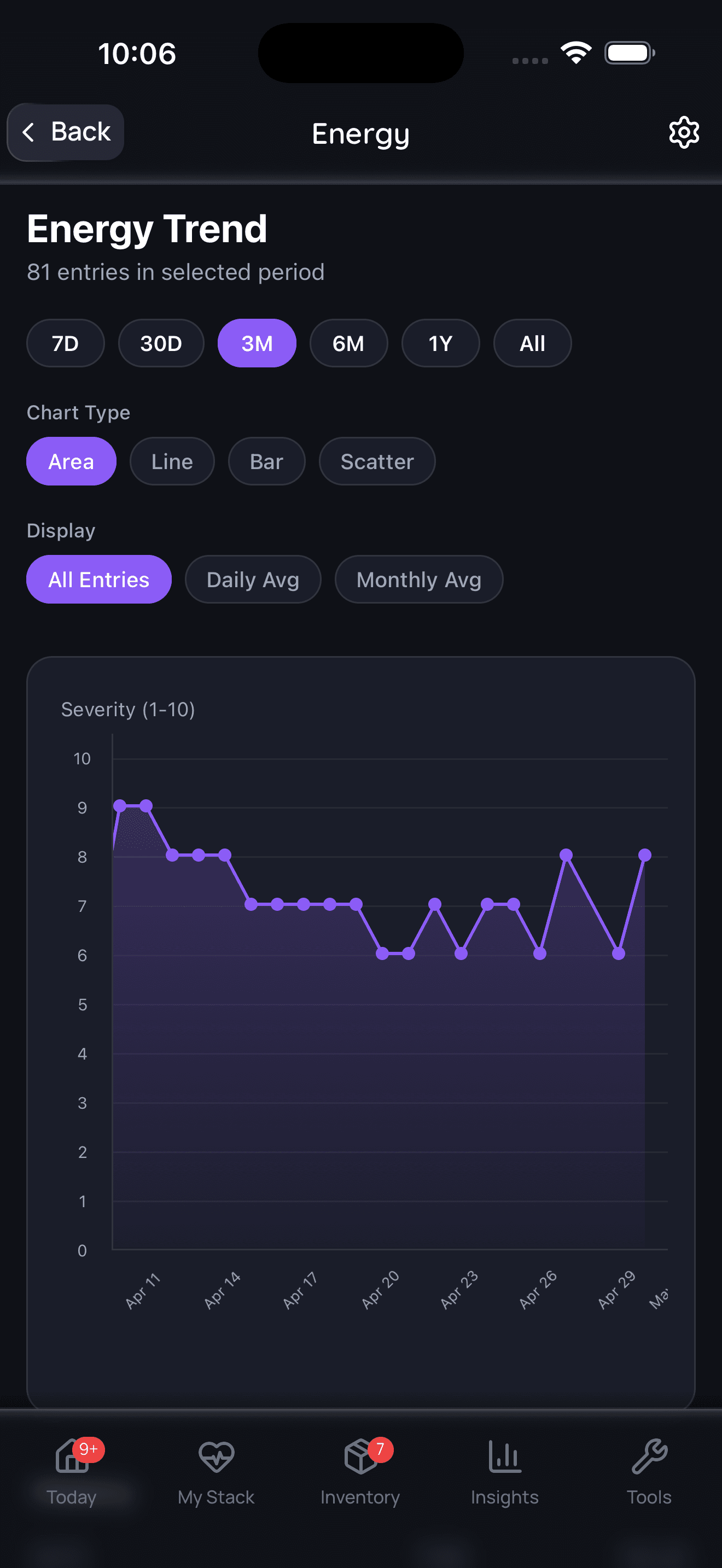
Symptom tracking is informational and should be interpreted with a qualified clinician.
Side Effects & Safety
The Basics
For most women, a basic once-daily multivitamin is safe and unlikely to cause problems. The most common side effects are mild and related to the mineral content: stomach upset, nausea, or constipation, particularly with iron-containing formulations. Taking your multi with food typically resolves these issues.
However, there are several women-specific safety considerations worth understanding:
Iron and GI tolerance. Iron is the most common cause of stomach upset from women's multivitamins. Premenopausal women need 18 mg/day, but not all forms are equally gentle. Ferrous bisglycinate (chelated iron) tends to cause fewer GI side effects than ferrous sulfate or ferrous fumarate. If iron-containing multivitamins consistently cause nausea, switching to a chelated iron form or a separate low-dose iron supplement taken at a different time may help [4][5].
Vitamin A during pregnancy. Excessive preformed vitamin A (retinol) intake during pregnancy, exceeding approximately 2,800 mcg/day, can cause birth defects. Many prenatal and women's multivitamins provide vitamin A partly or entirely as beta-carotene, which does not carry this risk because the body regulates its conversion. Women who are or may become pregnant should check the vitamin A source on their supplement label [1][4].
Folic acid and B12 masking. High folic acid intake can mask the hematological signs of vitamin B12 deficiency, allowing neurological damage to progress undetected. The UL for synthetic folic acid is 1,000 mcg per day from supplements. Women's MVMs typically contain 400-800 mcg, which is within the safe range. Using methylfolate (5-MTHF) instead of folic acid may reduce this masking concern [1][4].
Calcium and kidney stones. Some evidence suggests that supplemental calcium (not dietary calcium) may increase kidney stone risk. Women's MVMs typically contain only 100-250 mg of calcium, well below the threshold of concern, but women taking additional calcium supplements should be aware of their total intake [4].
Biotin and lab test interference. High-dose biotin (>5,000 mcg) can interfere with certain lab assays, including thyroid function tests and troponin tests. Standard MVM biotin content (30-300 mcg) is generally below the interference threshold, but women on high-dose biotin supplements for hair/nail support should inform their healthcare provider before lab work [4].
The Science
Toxicity risk assessment: The primary safety concern with MVMs relates to cumulative intake from supplements plus fortified foods exceeding ULs for specific nutrients. For women, the most relevant UL considerations include: preformed vitamin A (3,000 mcg RAE, with particular caution during pregnancy), iron (45 mg), zinc (40 mg), niacin (35 mg from supplements), and folic acid (1,000 mcg from supplements). Quality MVMs are formulated to stay below UL thresholds, but concurrent use of additional supplements may push total intake above safe levels [1][4].
Drug interactions: Vitamin K can reduce the effectiveness of warfarin. Iron and calcium can reduce absorption of levothyroxine (thyroid medication), tetracycline antibiotics, and fluoroquinolones when taken simultaneously. Folic acid can interact with anticonvulsant medications (phenytoin, carbamazepine, valproate) by reducing their serum levels while also reducing folate deficiency caused by these drugs. Vitamin C enhances iron absorption, which is beneficial for iron-deficient women but may increase iron accumulation in rare cases of hemochromatosis [1][4].
USPSTF position (2022): The US Preventive Services Task Force concluded that evidence is insufficient to assess the balance of benefits and harms of multivitamin supplementation for CVD and cancer prevention. The USPSTF recommends against beta-carotene and vitamin E supplementation specifically for CVD and cancer prevention [20].
Managing side effect risks across a multi-supplement stack can feel overwhelming, especially when interactions between supplements, medications, and foods add layers of complexity. Doserly brings all of that into a single safety view so nothing falls through the cracks.
Rather than researching every possible interaction yourself, the app checks your full stack automatically and flags supplement-drug and supplement-supplement interactions that warrant attention. If you do experience something unexpected, logging it takes seconds, and over time the app helps you spot patterns: whether symptoms correlate with specific doses, timing, or combinations. One place for the safety picture that matters most when your stack grows beyond a few bottles.
Connect protocol changes to labs and health markers.
Doserly can keep lab results, biomarkers, symptoms, and dose history close together so follow-up conversations have better context.
Insights
Labs and trends
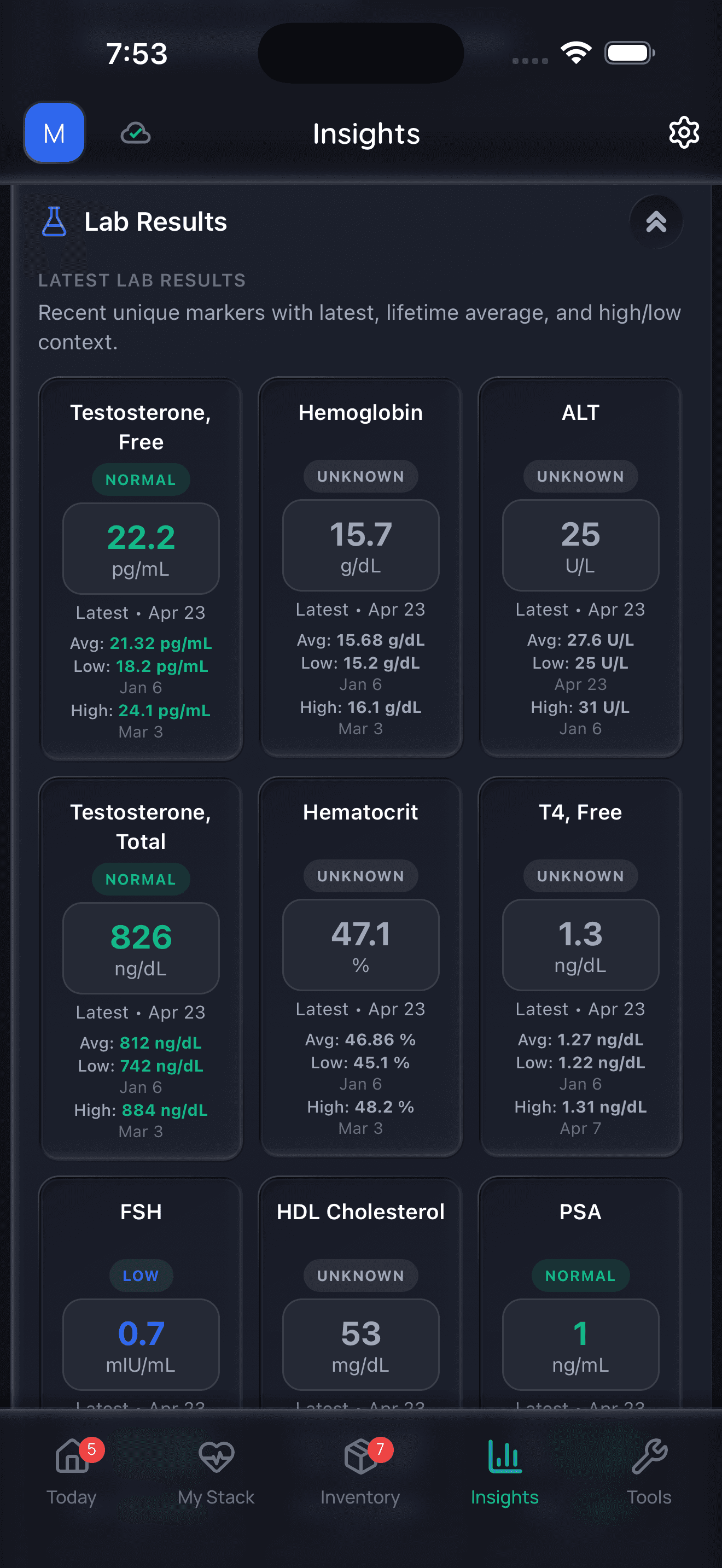
Doserly organizes data; it does not diagnose or interpret labs for you.
Dosing & Usage Protocols
The Basics
For most women, dosing a multivitamin is straightforward: take one tablet or capsule daily with a meal containing some dietary fat. The timing is less critical than consistency. Pick a meal, pair it with your multi, and make it part of your routine.
That said, there are some practical considerations:
One-daily vs. multi-dose. Single-pill formulations are convenient but physically limited in how much of each nutrient they can contain. Multi-dose packs (2-4 pills per day) allow higher amounts of bulky nutrients and may improve absorption by splitting the dose across meals. The trade-off is convenience vs. completeness, and community feedback consistently shows that simpler regimens lead to better adherence.
Age-adjusted formulations. Women's nutritional needs shift meaningfully across life stages:
- Ages 18-50 (premenopausal): Iron-containing formulation (18 mg/day). Higher folate (400-800 mcg) critical for women of childbearing age regardless of pregnancy plans. Standard vitamin D (600-1,000 IU) [1][4].
- Ages 50+ (postmenopausal): Reduced iron (8 mg or iron-free, since menstrual losses have ceased). Increased calcium, vitamin D (800-2,000 IU), and B12 (absorption decreases with age due to declining gastric acid and intrinsic factor production) [1][4].
Timing relative to other supplements. If you take calcium or magnesium separately, consider spacing them 2-3 hours from your MVM to avoid mineral competition. If you take thyroid medication (levothyroxine), take it at least 4 hours away from your multivitamin, as iron and calcium in the MVM can reduce thyroid hormone absorption [4].
The Science
RDA-based dosing: A standard women's MVM typically targets 100% of the Daily Value for most included nutrients. The DV values used on supplement labels are set by the FDA and are generally close to, but not always identical to, the RDA/AI values established by the National Academies. For nutrients where the MVM provides less than 100% DV (typically calcium, magnesium, potassium), dietary intake or separate supplementation is needed to meet requirements [1][4].
Iron dosing across life stages: The most significant dosing difference for women vs. men is iron. Premenopausal women lose approximately 1 mg of iron daily through menstruation (higher in women with heavy periods), requiring 18 mg/day dietary intake to maintain iron balance. Postmenopausal women require only 8 mg/day. Iron-free formulations are appropriate for postmenopausal women unless a deficiency has been documented through bloodwork [4].
Folate considerations: The critical period for neural tube defect prevention is the first 28 days after conception, often before a woman knows she is pregnant. This is why the CDC and USPSTF recommend that all women of childbearing age consume 400 mcg of folic acid daily, regardless of pregnancy plans. Methylfolate (5-MTHF) is increasingly preferred over folic acid as it bypasses the MTHFR polymorphism that affects approximately 10% of the population [4].
When your stack includes several supplements, each with its own dose, form, and timing requirements, the logistics alone can derail consistency. Doserly consolidates all of it into one protocol view, so every dose across your entire routine is accounted for without spreadsheets or guesswork.
The app also tracks cumulative intake for nutrients that appear in multiple products. If your multivitamin, standalone supplement, and fortified protein shake all contain the same nutrient, Doserly adds them up and shows you the total alongside recommended and upper limits. Managing a thoughtful supplement protocol shouldn't require a degree in nutrition science. The app handles the complexity so you can focus on staying consistent.
Turn symptom and safety notes into a clearer timeline.
Doserly helps you log doses, symptoms, and safety observations side by side so patterns are easier to discuss with a qualified clinician.
Pattern view
Logs and observations

Pattern visibility is informational and should be reviewed with a clinician.
What to Expect (Timeline)
Most women who begin taking a daily multivitamin will not experience a dramatic subjective change. This is normal and does not mean the supplement is not working. The benefits are largely biochemical and statistical.
Weeks 1-2: Possible mild GI adjustment (nausea, change in stool color from iron). These typically resolve within a few days. Urine may become brighter yellow due to riboflavin (B2) excretion. This is harmless and expected.
Weeks 2-4: If you were deficient in specific nutrients (especially iron, vitamin D, or B12), you may begin noticing improvements in energy, mood, or cognitive clarity during this window. Women with iron deficiency anemia may notice the most rapid subjective changes. Most women with adequate diets will notice nothing.
Months 1-3: Blood levels of vitamins D, B12, folate, and E begin to measurably improve with consistent daily use. The Roberts et al. trial demonstrated significant improvements in vitamin D and folate status within 12 weeks [19].
Months 3-6: This is the minimum duration to evaluate whether an MVM is producing any subjective benefit. If you notice nothing after 6 months of consistent use, the supplement may still be providing subclinical nutritional insurance.
Years 1-3+: The clinical trial benefits (cognitive maintenance, potential biological aging deceleration) are measurable only over this timeframe. These are population-level statistical effects, not individual guarantees [13][14][16].
Setting realistic expectations: The most honest framing of a women's multivitamin is as a long-term insurance policy. You take it not because you expect to feel dramatically different tomorrow, but because the evidence suggests it may contribute to better health outcomes over years and decades, particularly for cognitive function as you age.
Interactions & Compatibility
Synergistic
- Vitamin D3: MVMs often provide vitamin D, but may not include enough for women with low sun exposure or documented deficiency. Additional D3 supplementation (up to 2,000-4,000 IU total daily) is common and safe for most women. Particularly important for bone health in postmenopausal women.
- Fish Oil (EPA/DHA): MVMs typically do not include omega-3 fatty acids in meaningful amounts. Fish oil complements the cardiovascular and anti-inflammatory coverage gaps in most MVMs.
- Magnesium: Most MVMs contain only 50-100 mg of magnesium (RDA is 310-320 mg for women). Additional magnesium supplementation is widely recommended, especially in glycinate, citrate, or threonate forms. May support sleep, muscle relaxation, and stress management.
- Calcium: MVMs provide only 100-250 mg of calcium (RDA is 1,000-1,200 mg for women). Separate calcium supplementation may be needed, particularly for postmenopausal women. Space 2-3 hours from MVM to avoid mineral competition.
- Probiotics: No known interaction. May support gut health alongside MVM-provided micronutrients and improve mineral absorption.
- Inositol: Commonly used by women with PCOS. No negative interaction with MVMs; may complement B-vitamin and mineral support.
- Iron: If your MVM does not contain adequate iron and you have documented deficiency, a separate iron supplement may be needed. Take at least 2 hours from calcium-containing supplements.
- Collagen: Popular pairing for skin, hair, and nail support. No interaction with MVM components. Vitamin C in the MVM may enhance collagen synthesis.
Caution/Avoid
- Warfarin / Vitamin K antagonists: Vitamin K in MVMs (typically 80-120 mcg) can reduce anticoagulant efficacy. Women on warfarin should maintain consistent vitamin K intake and inform their prescriber about MVM use.
- Levothyroxine (thyroid medication): Iron and calcium in MVMs can reduce thyroid hormone absorption by 50% or more. Space at least 4 hours apart. This is particularly important for women, who are approximately 5-8 times more likely than men to have thyroid conditions.
- Tetracycline and fluoroquinolone antibiotics: Iron, calcium, magnesium, and zinc in MVMs form chelates with these antibiotics, reducing their absorption. Space at least 2 hours apart.
- Anticonvulsant medications: Folic acid in MVMs can interact with phenytoin, carbamazepine, and valproate. These drugs reduce folate levels, but supplemental folic acid may also reduce anticonvulsant serum levels. Requires medical supervision.
- Additional high-dose single-nutrient supplements: Taking an MVM plus separate high-dose vitamins (e.g., vitamin A, niacin, iron, zinc) risks exceeding ULs. Review total intake from all sources.
- Prenatal Vitamins: Do not take a women's MVM and a prenatal simultaneously unless specifically directed by a healthcare provider. This risks double-dosing on multiple nutrients, particularly iron and vitamin A.
How to Take / Administration Guide
Recommended forms: For most women, a standard once-daily capsule or tablet formulation provides adequate baseline coverage. Gummy formulations are popular for adherence but typically lack iron and contain lower amounts of some minerals. Women who need iron should choose a capsule or tablet formulation, or supplement iron separately.
Timing considerations: Take with a meal containing dietary fat (breakfast or lunch works well for most women). Morning timing is generally preferred so that B vitamins do not interfere with sleep, though no clinical evidence supports this concern at MVM-level doses. Consistency of timing matters more than the specific time chosen.
Stacking guidance:
- Take calcium supplements separately (2-3 hours after MVM) to avoid iron-calcium competition
- Take thyroid medication at least 4 hours before MVM
- Magnesium supplements can be taken at a different meal or in the evening (many women prefer bedtime magnesium for sleep support)
- Probiotics can be taken at the same time or separately
Form considerations for GI sensitivity:
- If tablets cause nausea, try capsules (smaller, sometimes enteric-coated)
- If capsules cause nausea, try taking with a larger meal
- If iron consistently causes GI issues, consider an iron-free MVM plus a separate low-dose chelated iron (ferrous bisglycinate) taken at a different time
- Gummy formulations may be better tolerated but sacrifice iron content
Cycling/breaks: Daily supplementation without cycling is standard for multivitamins. There is no established reason to take breaks from a basic MVM.
Choosing a Quality Product
Third-party certifications to look for:
- USP Verified (U.S. Pharmacopeia): Tests for identity, strength, purity, and dissolution. The gold standard for quality verification.
- NSF International: Tests to NSF/ANSI 173 standard. NSF Certified for Sport available for athletes.
- ConsumerLab Approved: Independent testing with detailed product reviews and CL Seal of Approval.
- Informed Sport: Batch testing for WADA-banned substances. Important for competitive athletes.
Active vs. cheap forms to prefer:
- Methylfolate (5-MTHF) over folic acid, especially for women with MTHFR polymorphisms
- Methylcobalamin over cyanocobalamin for B12
- Cholecalciferol (D3) over ergocalciferol (D2)
- Ferrous bisglycinate over ferrous sulfate for iron (better tolerated)
- Magnesium glycinate or citrate over magnesium oxide
- Mixed tocopherols over dl-alpha-tocopherol for vitamin E
Red flags:
- Proprietary blends that hide individual nutrient doses
- Mega-dosing far beyond 100% DV without medical rationale
- Unsubstantiated marketing claims ("hormone balancing," "anti-aging miracle")
- No third-party testing mentioned
- Vitamin A provided entirely as preformed retinol (particularly concerning for women of childbearing age)
Excipient/filler considerations:
- Common allergens: soy, gluten, dairy, corn derivatives
- Artificial colors and flavors (more common in gummy formulations)
- Titanium dioxide (used as whitener in some tablets; some consumers prefer to avoid)
Supplement-specific quality markers for women's MVMs:
- Iron content appropriate for age (18 mg for premenopausal, reduced/absent for postmenopausal)
- Folate as methylfolate rather than folic acid
- Vitamin A partially or fully as beta-carotene (important for women of childbearing age)
- Calcium and magnesium in absorbable chelated forms
- Transparent labeling of elemental mineral amounts (not just compound weight)
Storage & Handling
Store at room temperature (59-77F/15-25C) in a cool, dry place away from direct sunlight and moisture. Do not store in bathrooms, as humidity accelerates degradation of B vitamins and probiotics (if included).
Keep the bottle tightly sealed between uses. Desiccant packets included in some bottles should remain inside until the bottle is empty.
Gummy formulations are particularly sensitive to heat and may melt, stick together, or degrade in temperatures above 77F (25C). Do not leave in a car or near a window.
Liquid multivitamins may require refrigeration after opening. Check the label for specific instructions.
Most multivitamins have a shelf life of 18-24 months from manufacture. Potency declines after the expiration date, particularly for B vitamins and vitamin C. Discard expired products.
Keep all multivitamins out of reach of children. Iron-containing formulations pose a particular poisoning risk for young children.
Lifestyle & Supporting Factors
Dietary sources of key nutrients:
- Iron: Red meat, poultry, fish, lentils, beans, spinach, fortified cereals. Pair plant-based iron sources with vitamin C to enhance absorption.
- Folate: Dark leafy greens, legumes, fortified grains, asparagus, Brussels sprouts.
- Calcium: Dairy products, fortified plant milks, sardines (with bones), kale, broccoli.
- Vitamin D: Fatty fish, egg yolks, fortified foods. Sun exposure (10-30 minutes midday) stimulates endogenous production.
- B12: Animal products (meat, fish, eggs, dairy). Strict vegans require supplementation.
Signs of deficiency that may indicate supplementation need:
- Persistent fatigue, weakness, pale skin (iron deficiency/anemia)
- Frequent illness, slow wound healing (vitamin C, D, zinc deficiency)
- Brittle nails, hair thinning (iron, biotin deficiency)
- Mood changes, brain fog (B12, folate, vitamin D deficiency)
- Muscle cramps, poor sleep (magnesium deficiency)
Lifestyle factors that increase nutritional demands:
- Heavy menstrual periods (increased iron needs)
- Pregnancy and breastfeeding (increased folate, iron, iodine, vitamin D)
- Restrictive diets (vegan, vegetarian, gluten-free, calorie-restricted)
- High-stress periods (B vitamins, magnesium, vitamin C)
- Intense physical training (iron, B vitamins, magnesium, antioxidants)
- Limited sun exposure (vitamin D)
- Oral contraceptive use (may deplete B6, B12, folate, magnesium, zinc)
- Bariatric surgery (broad nutrient depletion due to reduced absorption)
Testing recommendations: Periodic bloodwork (annually or as recommended by a healthcare provider) can identify specific deficiencies. Key tests for women include: complete blood count (CBC), ferritin (iron stores), 25-hydroxyvitamin D, vitamin B12, folate, and thyroid panel.
Regulatory Status & Standards
United States (FDA): Multivitamins are regulated as dietary supplements under DSHEA (1994). No pre-market approval required. Manufacturers must follow current Good Manufacturing Practices (cGMPs). Structure/function claims are permitted; disease claims are not. The FDA does not define what constitutes a "multivitamin" and manufacturers determine compositions freely [1].
Canada (Health Canada): Multivitamins are regulated as Natural Health Products (NHPs) and require a Natural Product Number (NPN) for sale. Monograph-based licensing provides standardized requirements for many vitamin and mineral combinations.
European Union (EFSA): Vitamins and minerals in supplements must be from approved sources listed in the EU Directive. Maximum permitted levels vary by member state. Health claims require EFSA authorization.
Australia (TGA): Multivitamins are typically listed medicines (AUST L number). Must comply with the Therapeutic Goods Act. Complementary medicine regulations apply.
Athlete & Sports Regulatory Status:
WADA: Standard vitamins and minerals are not on the WADA Prohibited List. However, contamination with banned substances is a recognized risk in the supplement industry. Athletes should use third-party tested products.
Athlete Certification Programs:
- Informed Sport (sport.wetestyoutrust.com): Batch testing for 250+ banned substances. Certified women's multivitamins are available from several brands.
- NSF Certified for Sport (nsfsport.com): Tests for over 280 banned substances plus contaminants. Recommended by NFL, MLB, NHL, PGA, LPGA, CCES, CFLPA.
- Cologne List (koelnerliste.com): European testing standard. Zero positive cases since 2006.
- BSCG (bscg.org): Independent drug-free certification.
NCAA: The NCAA banned substance list does not prohibit vitamins and minerals, but athletic departments that provide supplements to student-athletes must use NSF Certified for Sport or Informed Sport products.
GlobalDRO: Athletes can verify the status of specific multivitamin products at GlobalDRO.com across US, UK, Canada, Australia, Japan, Switzerland, and New Zealand.
Regulatory status and prohibited substance classifications change frequently. Athletes should always verify the current status of any supplement with their sport's governing body, their national anti-doping agency, and a qualified sports medicine professional before use. Third-party certification (Informed Sport, NSF Certified for Sport) reduces but does not eliminate the risk of contamination with prohibited substances.
Frequently Asked Questions
Do women need a different multivitamin than men?
Based on established nutritional science, women have different daily requirements for several nutrients compared to men. The most notable differences are in iron (18 mg vs. 8 mg for premenopausal women vs. men) and folate (critical for women of childbearing age due to neural tube defect prevention). Women's formulations are designed to reflect these differences. After menopause, the nutritional profile shifts closer to men's needs, with reduced iron and increased calcium, vitamin D, and B12.
Can I take a women's multivitamin if I'm pregnant or trying to conceive?
Prenatal vitamins are specifically formulated for pregnancy, with higher folate, iron, and often DHA. A standard women's multivitamin may not provide adequate amounts of all nutrients needed during pregnancy. Most healthcare providers recommend switching to a dedicated prenatal vitamin before conception or as soon as pregnancy is planned. Do not take both a women's multi and a prenatal simultaneously without medical guidance.
Will a multivitamin help with fatigue and low energy?
If your fatigue is related to a nutrient deficiency (particularly iron, vitamin D, or B12), correcting the deficiency through supplementation, including via a multivitamin, may help. However, most women with adequate diets will not notice an energy difference from a multivitamin. Persistent fatigue warrants medical evaluation rather than self-treatment with supplements.
Are gummy multivitamins as effective as tablets or capsules?
Gummy multivitamins typically lack iron and contain lower amounts of some minerals due to formulation constraints. They may also contain added sugars. However, a gummy multivitamin that is taken consistently is more beneficial than a tablet that sits unused in the cabinet. For women who need iron supplementation, a separate iron supplement alongside a gummy multi is one common approach.
How long does it take to see results from a women's multivitamin?
Measurable changes in blood nutrient levels (vitamin D, folate, B12) typically appear within 4-12 weeks. Subjective improvements in energy or mood may take 2-4 weeks if a deficiency was present. The long-term benefits documented in clinical trials (cognitive maintenance, potential biological aging effects) are observed over years.
Can I take too many vitamins by combining a multivitamin with other supplements?
Yes. Stacking a multivitamin with additional single-nutrient supplements risks exceeding Tolerable Upper Intake Levels (ULs) for certain nutrients, particularly vitamin A, iron, zinc, and niacin. Reviewing total daily intake from all sources is important, especially for fat-soluble vitamins that accumulate in the body.
Should I stop taking my multivitamin before blood tests?
High-dose biotin (>5,000 mcg) can interfere with certain lab assays. Standard multivitamin biotin levels (30-300 mcg) are generally below the interference threshold, but informing your healthcare provider about all supplement use before laboratory testing is good practice.
Is it better to take individual vitamins instead of a multivitamin?
For women with a documented specific deficiency (e.g., iron deficiency anemia), targeted supplementation at therapeutic doses will be more effective than the amounts in a standard MVM. A multivitamin is best suited as a general safety net for multiple micronutrients rather than a treatment for a specific deficiency.
Do multivitamins interact with birth control pills?
Standard multivitamins do not reduce the effectiveness of hormonal contraceptives. However, some research suggests that oral contraceptive use may deplete levels of B6, B12, folate, magnesium, and zinc, which may actually increase the benefit of multivitamin supplementation for women on hormonal birth control.
Are expensive multivitamins worth the extra cost?
The price of a multivitamin does not always correlate with its quality. The most important factors are third-party certification, use of bioactive nutrient forms (methylfolate, chelated minerals, D3), and appropriate dosing for your age and life stage. Some budget-friendly options meet these criteria, while some premium brands charge more for marketing rather than superior ingredients. Third-party testing verification (USP, NSF, ConsumerLab) is the most reliable quality indicator regardless of price.
Myth vs. Fact
Myth: Women's multivitamins can prevent cancer.
Fact: The largest study of multivitamin use in women, the Women's Health Initiative (161,808 postmenopausal women), found no significant reduction in breast, colorectal, endometrial, lung, or ovarian cancer risk after 8 years of follow-up. While PHS II found an 8% cancer reduction in men over 11 years, this has not been replicated in women. Multivitamins are nutritional insurance, not cancer prevention tools [7][8].
Myth: More vitamins are always better.
Fact: Exceeding established Upper Tolerable Intake Levels can cause harm. High-dose vitamin A during pregnancy can cause birth defects. The SELECT trial showed that high-dose vitamin E (400 IU/day) increased prostate cancer risk. High folic acid intake can mask B12 deficiency. A basic multivitamin providing close to 100% DV is safer than high-potency formulations for most women [1][4][9].
Myth: You don't need a multivitamin if you eat well.
Fact: Even health-conscious women may have nutrient gaps. A 2021 RCT found that 78% of apparently healthy pre-menopausal women had inadequate vitamin D levels at baseline, despite being otherwise healthy. Whether a multivitamin is needed depends on individual diet, lifestyle, and bloodwork, not on a general perception of eating well [19].
Myth: All multivitamins are basically the same.
Fact: Multivitamins vary enormously in nutrient forms, doses, and quality. The chemical form of a nutrient significantly affects its absorption: magnesium oxide absorbs at roughly 4-5%, while magnesium glycinate absorbs at 20-30%. Methylfolate is usable by everyone, while folic acid requires an enzymatic conversion that approximately 10% of the population cannot perform efficiently. Third-party testing reveals that some products contain less than their labeled amounts [4][5].
Myth: Women's multivitamins will help you lose weight.
Fact: No clinical evidence supports weight loss from multivitamin supplementation. While correcting a severe deficiency may improve energy and metabolism, a multivitamin is not a weight management tool. Marketing claims linking multivitamins to "metabolism support" are based on the fact that B vitamins are involved in energy metabolism, which is true but does not translate to weight loss [1].
Myth: Gummy vitamins are just candy and don't work.
Fact: Gummy multivitamins deliver absorbable nutrients, though they typically lack iron and contain lower mineral quantities than tablet/capsule forms. For women who struggle with pill-swallowing or GI tolerance, a consistently taken gummy is more beneficial than an inconsistently taken tablet. However, women who need iron supplementation will need a separate source, as gummy formulations rarely include iron.
Myth: You should take a multivitamin on an empty stomach for best absorption.
Fact: Most multivitamins are better absorbed and better tolerated when taken with food. Fat-soluble vitamins (A, D, E, K) require dietary fat for absorption, increasing uptake 2-3 fold when taken with a fat-containing meal. Iron is also better tolerated with food, though absorption is slightly reduced compared to an empty stomach. The net benefit of improved tolerance and fat-soluble vitamin absorption favors taking with food [4][5].
Sources & References
Clinical Trials & RCTs
[7] Neuhouser ML, Wassertheil-Smoller S, Thomson C, et al. Multivitamin use and risk of cancer and cardiovascular disease in the Women's Health Initiative cohorts. Arch Intern Med. 2009;169(3):294-304. https://pubmed.ncbi.nlm.nih.gov/19204221/
[8] Gaziano JM, Sesso HD, Christen WG, et al. Multivitamins in the prevention of cancer in men: the Physicians' Health Study II randomized controlled trial. JAMA. 2012;308(18):1871-1880. https://pubmed.ncbi.nlm.nih.gov/23162860/
[9] Klein EA, Thompson IM Jr, Tangen CM, et al. Vitamin E and the risk of prostate cancer: the Selenium and Vitamin E Cancer Prevention Trial (SELECT). JAMA. 2011;306(14):1549-1556. https://pubmed.ncbi.nlm.nih.gov/21990298/
[12] Sesso HD, Rist PM, Aragaki AK, et al. Multivitamins in the prevention of cancer and cardiovascular disease: the COcoa Supplement and Multivitamin Outcomes Study (COSMOS) randomized clinical trial. Am J Clin Nutr. 2022;115(6):1501-1510.
[13] Baker LD, Rapp SR, Shumaker SA, et al. Impact of multivitamin-mineral and cocoa extract on incidence of mild cognitive impairment and dementia: results from the COSMOS-Mind. Alzheimers Dement. 2023;19(11):4863-4871.
[14] Vyas CM, Manson JE, Sesso HD, et al. Effect of multivitamin-mineral supplementation versus placebo on cognitive function: results from COSMOS-Clinic and meta-analysis. Am J Clin Nutr. 2024;119(3):692-701. https://pubmed.ncbi.nlm.nih.gov/38244989/
[15] Macpherson H, Ellis KA, Sali A, Pipingas A. Memory improvements in elderly women following 16 weeks treatment with a combined multivitamin, mineral and herbal supplement. Psychopharmacology (Berl). 2012;220(2):351-365.
[16] Li Y, et al. Effects of daily multivitamin-multimineral and cocoa extract supplementation on epigenetic aging clocks in the COSMOS randomized clinical trial. Nature Medicine. 2026.
[19] Roberts JL, et al. Effects of 12-Week Multivitamin and Omega-3 Supplementation on Micronutrient Levels and Red Blood Cell Fatty Acids in Pre-menopausal Women. Nutrients. 2021;13(7):2462. https://pubmed.ncbi.nlm.nih.gov/34327207/
Systematic Reviews & Meta-Analyses
[17] Long SJ, Benton D. Effects of vitamin and mineral supplementation on stress, mild psychiatric symptoms, and mood in nonclinical samples: a meta-analysis. Psychosom Med. 2013;75(2):144-153.
[18] Macpherson H, Rowsell R, Cox KH, et al. The Effects of Four-Week Multivitamin Supplementation on Mood in Healthy Older Women: A Randomized Controlled Trial. Evid Based Complement Alternat Med. 2016;2016:3092828.
Government/Institutional Sources
[1] Office of Dietary Supplements, NIH. Multivitamin/mineral Supplements: Fact Sheet for Health Professionals. Updated July 2024. https://ods.od.nih.gov/factsheets/MVMS-HealthProfessional/
[2] Bailey RL, Fakhouri TH, Park Y, et al. Multivitamin-mineral use is associated with reduced risk of cardiovascular disease mortality among women in the United States. J Nutr. 2015;145(3):572-578.
[4] Institute of Medicine (US). Dietary Reference Intakes for various nutrients. National Academies Press. Various years.
[5] Ward E. Addressing nutritional gaps with multivitamin and mineral supplements. Nutr J. 2014;13:72. https://pubmed.ncbi.nlm.nih.gov/25051188/
[6] Adams JB, Kirby JK, Sorensen JC, et al. Evidence based recommendations for an optimal prenatal supplement for women in the US: vitamins and related nutrients. Matern Health Neonatol Perinatol. 2022;8:4. https://pubmed.ncbi.nlm.nih.gov/35818085/
Observational Studies
[10] Rautiainen S, Lee IM, Rist PM, et al. Multivitamin use and cardiovascular disease in a prospective study of women. Am J Clin Nutr. 2015;101(1):144-152.
[11] Bailey RL, et al. Multivitamin-mineral use is associated with reduced risk of cardiovascular disease mortality among women in the United States. J Nutr. 2015;145(3):572-578.
Regulatory & Guidelines
[3] O'Connor E, et al. Multivitamin Use and Mortality Risk in 3 Prospective US Cohorts. JAMA Network Open. 2024;7(6):e2418729. https://jamanetwork.com/journals/jamanetworkopen/fullarticle/2820369
[20] US Preventive Services Task Force. Vitamin, Mineral, and Multivitamin Supplementation to Prevent Cardiovascular Disease and Cancer: Recommendation Statement. JAMA. 2022;327(23):2326-2333.
Related Supplement Guides
Same Category
- Men's Multivitamins
- Prenatal Vitamins
- Children's Multivitamins
- Seniors' Multivitamins
- B-Complex
- Sport/Performance Multivitamins