
Seniors' Multivitamins: The Complete Supplement Guide
On this page
Quick Reference Card
Attribute
Common Name
- Detail
- Seniors' Multivitamin
Attribute
Other Names / Aliases
- Detail
- Senior Multi, 50+ Multivitamin, 65+ Multi, Silver Multivitamin, MVM for Older Adults, Geriatric Multivitamin
Attribute
Category
- Detail
- Vitamin/Mineral Complex
Attribute
Primary Forms & Variants
- Detail
- Basic one-daily for 50+ (adjusted nutrient levels for aging); 65+/70+ formulations (higher D3, B12, lower or no iron); high-potency multi-dose packs (2-4 tablets for higher nutrient loads); gummy/chewable (easier swallowing); liquid formulations (enhanced absorption for those with GI issues)
Attribute
Typical Dose Range
- Detail
- One tablet/capsule daily (basic); 2-4 tablets/capsules daily (multi-dose or high-potency formulations)
Attribute
RDA / AI / UL
- Detail
- No single RDA exists for a multivitamin; each nutrient has individual RDA/AI/UL values. Key age-specific values: Vitamin D 600 IU (51-70) or 800 IU (71+); B12 2.4 mcg; Calcium 1,200 mg (women 51+, men 71+). See Chemical & Nutritional Identity section.
Attribute
Common Delivery Forms
- Detail
- Tablet, capsule, softgel, gummy, chewable, liquid
Attribute
Best Taken With / Without Food
- Detail
- Take with food (preferably a meal containing dietary fat to enhance absorption of fat-soluble vitamins A, D, E, K)
Attribute
Key Cofactors
- Detail
- Dietary fat (enhances fat-soluble vitamin absorption); Vitamin C (enhances non-heme iron absorption); Vitamin D (enhances calcium absorption); Vitamin K2 (directs calcium to bones)
Attribute
Storage Notes
- Detail
- Store at room temperature in a cool, dry place away from light and moisture. Liquid formulations may require refrigeration after opening. Keep container sealed when not in use.
Overview
The Basics
A seniors' multivitamin is a supplement containing a broad range of vitamins and minerals specifically formulated for the changing nutritional needs of adults over 50, and in many cases over 65 or 70. As the body ages, it becomes less efficient at absorbing certain nutrients, caloric intake tends to decrease, and the risk of nutritional gaps increases. A seniors' multi is designed to address these shifts.
Roughly one-third of American adults take a multivitamin of some kind, and usage rates are highest among older adults [1]. This is not surprising. Aging brings real physiological changes that affect nutrition: stomach acid production declines (making B12 harder to absorb from food), the skin produces less vitamin D from sunlight, calcium absorption decreases, and appetite often shrinks. Add in the effects of common medications that can deplete nutrients, and the case for a well-formulated seniors' multi becomes more practical than theoretical.
What distinguishes a seniors' formulation from a standard multivitamin? Three main adjustments. First, higher vitamin D, typically 800 to 2,000 IU compared to 600 IU in standard formulations. Second, higher vitamin B12, often 25 to 250 mcg compared to the 2.4 mcg RDA, because 10 to 30% of adults over 50 have reduced absorption due to atrophic gastritis. Third, reduced or eliminated iron, since adult men and postmenopausal women need only 8 mg per day and face a higher risk of iron accumulation than younger populations [1][2][3].
The honest assessment: most healthy older adults eating a varied diet will not feel a dramatic day-to-day difference from taking a seniors' multi. The benefits are more about long-term nutritional insurance than immediate results. But for older adults with dietary gaps, reduced appetite, restricted diets, or medications that interfere with nutrient absorption, a well-chosen seniors' multi serves as a practical safety net [1][2].
The Science
Multivitamin/mineral (MVM) supplements have no standard regulatory definition. The FDA does not specify what constitutes a "multivitamin," and manufacturers determine the combinations and levels of nutrients in their products. MVM products marketed for older adults (commonly labeled "50+," "65+," or "Silver") are distinguished by nutrient adjustments reflecting the documented age-related changes in nutrient requirements and absorption efficiency [1].
The Institute of Medicine (now the National Academies of Sciences, Engineering, and Medicine) has established age-specific Recommended Dietary Allowances (RDAs) and Adequate Intakes (AIs) for most essential nutrients. Several key nutrients have higher requirements or different considerations for adults over 50:
- Vitamin D: 600 IU/day (51-70 years); 800 IU/day (71+) versus 600 IU for younger adults [1][3]
- Vitamin B12: 2.4 mcg RDA unchanged, but the NIH recommends older adults obtain B12 from fortified foods or supplements due to prevalence of atrophic gastritis (10-30% of adults over 50) reducing food-bound B12 absorption [1][3]
- Calcium: 1,000 mg/day (men 51-70); 1,200 mg/day (men 71+, women 51+); UL 2,000 mg (51+) [3]
- Iron: 8 mg/day for men and postmenopausal women; most seniors' formulations reduce or eliminate iron to minimize accumulation risk [1][3]
NHANES data demonstrate that MVM users have higher mean daily intakes of most vitamins and minerals compared to nonusers, though the Food and Nutrition Board has not determined whether supplement-derived nutrients fully compensate for the complex interactions between nutrients and food matrix components [1][2].
Chemical & Nutritional Identity
Seniors' multivitamins are multi-component formulations rather than single chemical entities. The table below lists key nutrients typically included in seniors' formulations with their established daily values for older adults.
Nutrient
Vitamin A
- RDA/AI (51-70)
- 900 mcg RAE (M) / 700 mcg RAE (F)
- RDA/AI (71+)
- Same
- UL
- 3,000 mcg RAE
- Typical Amount in Seniors' MVM
- 750-900 mcg RAE
- Key Forms in Quality Products
- Mixed carotenoids preferred; limited preformed retinol (excess linked to fracture risk in elderly)
Nutrient
Vitamin C
- RDA/AI (51-70)
- 90 mg (M) / 75 mg (F)
- RDA/AI (71+)
- Same
- UL
- 2,000 mg
- Typical Amount in Seniors' MVM
- 60-120 mg
- Key Forms in Quality Products
- Ascorbic acid, calcium ascorbate
Nutrient
Vitamin D3
- RDA/AI (51-70)
- 600 IU (15 mcg)
- RDA/AI (71+)
- 800 IU (20 mcg)
- UL
- 4,000 IU (100 mcg)
- Typical Amount in Seniors' MVM
- 800-2,000 IU
- Key Forms in Quality Products
- Cholecalciferol (D3) preferred over ergocalciferol (D2)
Nutrient
Vitamin E
- RDA/AI (51-70)
- 15 mg (22.4 IU natural)
- RDA/AI (71+)
- Same
- UL
- 1,000 mg
- Typical Amount in Seniors' MVM
- 15-30 IU
- Key Forms in Quality Products
- d-alpha-tocopherol (natural) or mixed tocopherols
Nutrient
Vitamin K
- RDA/AI (51-70)
- AI: 120 mcg (M) / 90 mcg (F)
- RDA/AI (71+)
- Same
- UL
- Not established
- Typical Amount in Seniors' MVM
- 80-120 mcg
- Key Forms in Quality Products
- Phytonadione (K1) and/or menaquinone-7 (MK-7)
Nutrient
Thiamine (B1)
- RDA/AI (51-70)
- 1.2 mg (M) / 1.1 mg (F)
- RDA/AI (71+)
- Same
- UL
- Not established
- Typical Amount in Seniors' MVM
- 1.2-25 mg
- Key Forms in Quality Products
- Thiamine HCl or benfotiamine
Nutrient
Riboflavin (B2)
- RDA/AI (51-70)
- 1.3 mg (M) / 1.1 mg (F)
- RDA/AI (71+)
- Same
- UL
- Not established
- Typical Amount in Seniors' MVM
- 1.3-25 mg
- Key Forms in Quality Products
- Riboflavin or riboflavin-5-phosphate
Nutrient
Niacin (B3)
- RDA/AI (51-70)
- 16 mg NE (M) / 14 mg NE (F)
- RDA/AI (71+)
- Same
- UL
- 35 mg (supplements)
- Typical Amount in Seniors' MVM
- 14-20 mg NE
- Key Forms in Quality Products
- Niacinamide preferred (no flushing)
Nutrient
Vitamin B6
- RDA/AI (51-70)
- 1.7 mg (M 51+) / 1.5 mg (F 51+)
- RDA/AI (71+)
- Same
- UL
- 100 mg
- Typical Amount in Seniors' MVM
- 2-25 mg
- Key Forms in Quality Products
- Pyridoxal-5-phosphate (P5P) preferred
Nutrient
Folate (B9)
- RDA/AI (51-70)
- 400 mcg DFE
- RDA/AI (71+)
- Same
- UL
- 1,000 mcg synthetic
- Typical Amount in Seniors' MVM
- 400-680 mcg DFE
- Key Forms in Quality Products
- 5-MTHF (methylfolate) preferred
Nutrient
Vitamin B12
- RDA/AI (51-70)
- 2.4 mcg
- RDA/AI (71+)
- Same
- UL
- Not established
- Typical Amount in Seniors' MVM
- 25-500 mcg
- Key Forms in Quality Products
- Methylcobalamin or adenosylcobalamin preferred
Nutrient
Biotin (B7)
- RDA/AI (51-70)
- AI: 30 mcg
- RDA/AI (71+)
- Same
- UL
- Not established
- Typical Amount in Seniors' MVM
- 30-300 mcg
- Key Forms in Quality Products
- D-biotin
Nutrient
Pantothenic Acid (B5)
- RDA/AI (51-70)
- AI: 5 mg
- RDA/AI (71+)
- Same
- UL
- Not established
- Typical Amount in Seniors' MVM
- 5-25 mg
- Key Forms in Quality Products
- Calcium pantothenate
Nutrient
Calcium
- RDA/AI (51-70)
- 1,000 mg (M) / 1,200 mg (F)
- RDA/AI (71+)
- 1,200 mg
- UL
- 2,000 mg (51+)
- Typical Amount in Seniors' MVM
- 100-300 mg
- Key Forms in Quality Products
- Calcium citrate (better absorbed on empty stomach; preferred for elderly with reduced stomach acid)
Nutrient
Magnesium
- RDA/AI (51-70)
- 420 mg (M) / 320 mg (F)
- RDA/AI (71+)
- Same
- UL
- 350 mg (supplements only)
- Typical Amount in Seniors' MVM
- 50-100 mg
- Key Forms in Quality Products
- Magnesium glycinate, citrate, or malate preferred
Nutrient
Zinc
- RDA/AI (51-70)
- 11 mg (M) / 8 mg (F)
- RDA/AI (71+)
- Same
- UL
- 40 mg
- Typical Amount in Seniors' MVM
- 8-15 mg
- Key Forms in Quality Products
- Zinc picolinate, citrate, or bisglycinate preferred
Nutrient
Selenium
- RDA/AI (51-70)
- 55 mcg
- RDA/AI (71+)
- Same
- UL
- 400 mcg
- Typical Amount in Seniors' MVM
- 55-100 mcg
- Key Forms in Quality Products
- Selenomethionine or selenium yeast
Nutrient
Iron
- RDA/AI (51-70)
- 8 mg
- RDA/AI (71+)
- 8 mg
- UL
- 45 mg
- Typical Amount in Seniors' MVM
- 0-8 mg (many seniors' formulas are iron-free)
- Key Forms in Quality Products
- Ferrous bisglycinate (if included)
Nutrient
Chromium
- RDA/AI (51-70)
- AI: 30 mcg (M 51+) / 20 mcg (F 51+)
- RDA/AI (71+)
- Same
- UL
- Not established
- Typical Amount in Seniors' MVM
- 30-120 mcg
- Key Forms in Quality Products
- Chromium picolinate
Nutrient
Copper
- RDA/AI (51-70)
- 900 mcg
- RDA/AI (71+)
- Same
- UL
- 10,000 mcg
- Typical Amount in Seniors' MVM
- 0.5-2 mg
- Key Forms in Quality Products
- Copper bisglycinate
Nutrient
Iodine
- RDA/AI (51-70)
- 150 mcg
- RDA/AI (71+)
- Same
- UL
- 1,100 mcg
- Typical Amount in Seniors' MVM
- 150 mcg
- Key Forms in Quality Products
- Potassium iodide
Note: No single seniors' MVM tablet can provide full daily requirements of calcium, magnesium, or potassium due to the physical bulk of these minerals. Separate supplementation or dietary focus may be needed for these nutrients.
Mechanism of Action
The Basics
A seniors' multivitamin does not work through a single mechanism. Instead, it delivers a collection of essential nutrients, each performing distinct jobs throughout the body. Think of it as restocking a pantry: no single ingredient makes a meal, but if key items are missing, everything suffers.
The B vitamins (B1, B2, B3, B5, B6, B7, B9, B12) function as cofactors in energy metabolism. They help cells convert food into usable fuel. Vitamin B12 deserves special attention for seniors because it is essential for nerve function and red blood cell production, and the body's ability to extract it from food declines significantly with age. This is one of the primary reasons seniors' formulations provide B12 at doses well above the RDA [1][3].
Vitamin D functions more like a hormone than a vitamin. It influences calcium absorption, bone mineralization, immune regulation, and muscle function. Older adults produce less vitamin D from sunlight (skin synthesis capacity declines by roughly 50% between ages 20 and 70), and many spend less time outdoors. This combination makes vitamin D one of the most commonly deficient nutrients in the elderly population [3].
Zinc supports immune cell function, wound healing, and taste perception. Selenium is a building block for glutathione peroxidase, one of the body's primary antioxidant defense systems. Calcium and vitamin K work together to maintain bone density. None of these nutrients works in isolation; the value of a multivitamin is that it provides many of these cofactors simultaneously, ensuring that no single missing piece limits the body's normal operations [1][3][4].
The Science
The mechanisms of action of a seniors' MVM are the aggregate contributions of its individual nutrient components operating through established biochemical pathways. Several pathways are of particular relevance to older adults:
Energy metabolism: Thiamine (B1), riboflavin (B2), niacin (B3), pantothenic acid (B5), and biotin (B7) serve as essential cofactors for mitochondrial electron transport chain complexes and the citric acid cycle. Pyridoxal-5-phosphate (active B6) participates in over 100 enzymatic reactions, including amino acid metabolism and neurotransmitter synthesis [1][4].
Neurological maintenance: B12 (cobalamin) is required for myelin synthesis and maintenance of neuronal integrity. Deficiency produces demyelinating neuropathy and irreversible nerve damage if prolonged. Folate and B12 together are essential for one-carbon metabolism and DNA methylation. Elevated homocysteine from B12/folate deficiency is associated with increased cardiovascular risk and accelerated cognitive decline [3][4].
Bone metabolism: Calcium absorption decreases with age, and vitamin D is required for adequate absorption via upregulation of intestinal calbindin. Vitamin K activates osteocalcin, which incorporates calcium into the bone matrix. The interplay between calcium, vitamin D, and vitamin K is critical for maintaining bone mineral density in older adults [3][4].
Antioxidant defense: Vitamins C and E function as chain-breaking antioxidants. Selenium is incorporated into selenoproteins including glutathione peroxidases (GPx1-4) and thioredoxin reductases. Zinc is a structural component of superoxide dismutase (Cu/Zn-SOD). These systems collectively mitigate oxidative damage that accumulates with aging [1][4].
Immune function: Vitamin D binds the vitamin D receptor (VDR) to regulate innate and adaptive immune responses. Zinc is essential for T-cell maturation and natural killer cell activity. Selenium modulates inflammatory cytokine production via selenoprotein P. Age-related immune decline (immunosenescence) may be partially attributable to micronutrient depletion [3][4].
Absorption & Bioavailability
The Basics
How well the body absorbs a seniors' multivitamin depends on several factors: the chemical forms of the nutrients included, whether you take it with food, and the age-related changes in digestive function that are common in older adults.
Fat-soluble vitamins (A, D, E, and K) need dietary fat to be absorbed properly. Taking a multi with a meal that includes some fat, even a small amount from eggs, nuts, or olive oil, can significantly improve absorption of these nutrients. Water-soluble vitamins (C and B-complex) are absorbed independently of fat but are not stored in the body for long, so consistent daily intake matters.
For older adults, one of the most significant absorption challenges involves vitamin B12. The stomach produces a protein called intrinsic factor that is essential for B12 absorption in the small intestine. With age, stomach acid production decreases (a condition called atrophic gastritis, affecting 10-30% of adults over 50), reducing the body's ability to release B12 from food proteins and produce adequate intrinsic factor. The B12 in supplements is already in free form and does not require stomach acid for release, which is why the NIH specifically recommends that adults over 50 obtain B12 from supplements or fortified foods rather than relying solely on dietary sources [1][3].
Mineral absorption presents its own challenges. Calcium and iron compete for the same absorption pathway, which is one reason seniors' MVMs reduce or eliminate iron. Calcium citrate is absorbed better than calcium carbonate in people with reduced stomach acid (a common condition in elderly populations), making it the preferred calcium form in quality seniors' formulations. Magnesium in oxide form absorbs poorly (roughly 4-5%) compared to chelated forms like glycinate or citrate (roughly 20-30%) [1][3][4].
A practical limitation: a single one-daily tablet has limited space. The quantities of bulky minerals (calcium, magnesium, potassium) will always be far below daily needs. Multi-dose packs partially address this by spreading nutrients across 2-4 pills per day, also allowing better absorption since the body handles smaller doses more efficiently.
The Science
Absorption of MVM components occurs primarily in the small intestine through multiple transport mechanisms. Several clinically relevant interactions within a multi-nutrient formulation and age-related physiological changes warrant consideration:
Age-related absorption decline: Atrophic gastritis (prevalence 10-30% in adults over 50) reduces gastric acid output and intrinsic factor production, impairing absorption of protein-bound B12, non-heme iron, calcium carbonate, and certain minerals requiring acid-dependent solubilization. This is the primary rationale for providing crystalline (free-form) B12 in seniors' MVMs at doses exceeding the RDA [1][3].
Mineral competition: Divalent cations (Ca2+, Mg2+, Zn2+, Fe2+, Cu2+) share overlapping intestinal transport pathways, particularly divalent metal transporter 1 (DMT1). Simultaneous administration of calcium (>250 mg) can reduce iron absorption by 50-60%. Zinc at doses >15 mg inhibits copper absorption via metallothionein induction. Chelated mineral forms (amino acid chelates, citrates, glycinates) partially mitigate these interactions by utilizing peptide transport pathways [1][4].
Fat-soluble vitamin absorption: Vitamins A, D, E, and K require incorporation into mixed micelles via bile salt solubilization. Absorption efficiency increases 2-3 fold when taken with a fat-containing meal (>5g dietary fat). Vitamin D absorption may be further reduced in elderly with decreased bile acid production or fat malabsorption [1][4].
Practical considerations: Divided dosing (splitting a multi-dose formulation across meals) improves absorption efficiency for most nutrients due to transporter saturation kinetics. Single high-dose boluses of water-soluble vitamins result in lower fractional absorption than the same total dose divided across the day. Liquid formulations may bypass some tablet disintegration issues in elderly individuals with reduced gastric motility [1][4].
Research & Clinical Evidence
Cognitive Function
The Basics
The cognitive benefits of daily multivitamin use in older adults represent the most compelling area of recent research. The COSMOS trial series, a large-scale clinical program involving over 21,000 adults aged 60 and older, has produced some of the strongest evidence to date.
Three separate COSMOS substudies, each using different methods to assess cognition, consistently found that daily multivitamin use improved memory and global cognitive function in older adults. When the results were pooled in a meta-analysis of over 5,000 participants, the evidence was clear: daily MVM supplementation benefited both global cognition and episodic memory. The effect on memory was estimated to be equivalent to approximately 3.1 years of less memory aging. The effects were more pronounced in adults with a history of cardiovascular disease [5][6].
However, earlier studies produced different results. The Physicians' Health Study II followed nearly 6,000 male physicians for over 8 years and found no significant cognitive benefit. The study population (highly educated physicians) may have had better baseline nutrition than the general older population, which could partially explain the discrepancy [5][6].
An important nuance: while daily MVM use improved cognitive scores and may provide "cognitive resilience," it did not significantly reduce the incidence of mild cognitive impairment or dementia over the 3-year trial period. In other words, it may help maintain cognitive function rather than prevent diagnostic progression [6].
The Science
COSMOS-Mind (Baker et al., Alzheimers Dement, 2023): 2,262 participants aged 60+. Daily MVM (Centrum Silver) vs. placebo. 3-year follow-up with telephone-administered cognitive battery. MVM benefited global cognition (mean z = 0.07, 95% CI 0.02 to 0.12; P = 0.007). Effect equivalent to slowing cognitive aging by approximately 2 years. More pronounced in adults with cardiovascular disease history [5].
COSMOS-Web (Yeung et al., Am J Clin Nutr, 2023): 3,562 participants, average age 71. Internet-based neuropsychological tests. MVM improved immediate recall at 1 year (P = 0.025), with effect equivalent to 3.1 years of less memory aging. Effect persisted across 3 years of follow-up [6].
COSMOS-Clinic (Vyas et al., Am J Clin Nutr, 2024): 573 participants with in-person neuropsychological assessments. Modest benefit on episodic memory over 2 years. Meta-analysis across all 3 COSMOS substudies (n > 5,000) showed clear benefit for global cognition and episodic memory [6].
COSMOS-Mind MCI/Dementia incidence (Sachs et al., 2023): Over 3 years, MVM did not significantly reduce incidence of mild cognitive impairment or dementia. However, participants who converted to MCI while on MVM had higher cognitive scores (P = 0.03) and less decline, suggesting cognitive resilience rather than prevention [6].
PHS II cognitive substudy (Grodstein et al., Ann Intern Med, 2013): 5,947 male physicians aged 65+. No significant difference between MVM and placebo groups over 8.5 years [5].
Cancer Prevention
The Basics
Can a daily multivitamin reduce cancer risk in older adults? The evidence is mixed. The Physicians' Health Study II followed over 14,600 male physicians for more than 11 years and found a modest but statistically significant 8% reduction in total cancer risk. Among men who already had a cancer history, the reduction was more pronounced at 27% [7].
However, the COSMOS trial, with over 21,000 adults aged 60+, found no significant cancer risk reduction over a shorter follow-up of 3.6 years. The difference in follow-up duration (11.2 vs. 3.6 years) may partially explain the conflicting findings, as cancer prevention effects may require longer exposure periods to become apparent [7][8].
One important caution: the SELECT trial demonstrated that high-dose vitamin E supplementation (400 IU per day) significantly increased prostate cancer risk by 17% in healthy men. This dose far exceeds what any standard seniors' multi contains (typically 15-30 IU), but it illustrates why exceeding ULs for individual nutrients carries real risk [9].
The Science
PHS II (Gaziano et al., JAMA, 2012): 14,641 male US physicians, aged 50+. Daily Centrum Silver vs. placebo. Median follow-up 11.2 years. Total cancer incidence: HR 0.92 (95% CI 0.86-0.998; P = 0.04). Among men with baseline cancer history: HR 0.73 (95% CI 0.56-0.96) [7].
COSMOS (Sesso et al., Am J Clin Nutr, 2022): 21,442 US adults aged 60+. Mean follow-up 3.6 years. Total cancer: HR 1.02 (95% CI 0.91-1.14). No significant cancer risk reduction [8].
SELECT (Klein et al., JAMA, 2011): 35,533 men. Vitamin E 400 IU/day increased prostate cancer risk: HR 1.17 (99% CI 1.004-1.36; P = 0.008). Standard MVMs contain 15-30 IU, well below this threshold [9].
Cardiovascular Disease
The Basics
Both PHS II and COSMOS found that daily multivitamin use did not significantly reduce the risk of heart attacks, strokes, or cardiovascular death in older adults. A large 2024 cohort study of over 390,000 adults followed for up to 27 years confirmed this finding: daily MVM use was not associated with lower risk of death from heart disease, cancer, or any cause [7][8][10].
The Science
PHS II (Sesso et al., JAMA, 2012): Major cardiovascular events HR 1.01 (95% CI 0.91-1.10; P = 0.91). No effect on myocardial infarction, stroke, or CVD mortality [7].
Loftfield et al. (JAMA Network Open, 2024): 390,124 healthy US adults, three cohorts, up to 27 years follow-up. Daily MVM use not associated with lower all-cause mortality or cardiovascular mortality [10].
Eye Health
The Basics
The Age-Related Eye Disease Study (AREDS) found that a specific high-dose combination of vitamins C, E, beta-carotene, zinc, and copper reduced the risk of progression to advanced age-related macular degeneration (AMD) by approximately 25% in people with intermediate AMD. Standard seniors' MVMs contain these nutrients in smaller amounts, so the AREDS results may not directly translate to typical MVM use [2][7].
The Science
AREDS (Arch Ophthalmol, 2001): Combination of vitamin C (500 mg), vitamin E (400 IU), beta-carotene (15 mg), zinc (80 mg as oxide), and copper (2 mg as cupric oxide). Average follow-up 6.3 years. 25% reduction in progression to advanced AMD. AREDS2 subsequently replaced beta-carotene with lutein/zeaxanthin due to lung cancer risk in smokers. Standard MVMs provide these nutrients at far lower doses [2].
Mortality
The Basics
A comprehensive 2024 cohort study following over 390,000 healthy adults for up to 27 years found that daily multivitamin use was not associated with living longer. This does not mean multivitamins are harmful; the same study found no increase in mortality risk either. The findings suggest that MVMs should not be taken with the expectation of extending lifespan [10].
The Science
Loftfield et al. (JAMA Network Open, 2024): 390,124 healthy US adults from three prospective cohorts (NIH-AARP, PLCO, AHS). Median age 61.5 years. 164,762 deaths during follow-up. After adjustment for lifestyle and dietary factors, daily MVM use was not associated with lower risk of all-cause mortality, cardiovascular mortality, or cancer mortality [10].
Evidence & Effectiveness Matrix
Category
Memory & Cognition
- Evidence Strength
- 7/10
- Reported Effectiveness
- 6/10
- Summary
- COSMOS meta-analysis (n > 5,000) shows consistent cognitive benefits equivalent to 2-3 years less memory aging. PHS II found no benefit in physicians. Community discussion is research-driven rather than personal-experience based.
Category
Bone Health
- Evidence Strength
- 5/10
- Reported Effectiveness
- 6/10
- Summary
- Vitamin D, K, and calcium in MVMs support bone metabolism. MVMs alone provide insufficient calcium/magnesium. Community frequently recommends calcium + D + K2 as foundational for seniors.
Category
Immune Function
- Evidence Strength
- 4/10
- Reported Effectiveness
- 5/10
- Summary
- Mechanistic support for immune-relevant nutrients (D, C, zinc, selenium). No definitive RCT data on illness outcomes specific to MVMs. Some community reports of reduced illness frequency.
Category
Energy Levels
- Evidence Strength
- 4/10
- Reported Effectiveness
- 4/10
- Summary
- B vitamins are essential energy cofactors. Most community members report no subjective energy change from MVMs.
Category
Focus & Mental Clarity
- Evidence Strength
- 5/10
- Reported Effectiveness
- 5/10
- Summary
- Supported by COSMOS cognitive data. Community attributes clarity improvements to B12 and magnesium more than MVMs.
Category
Mood & Wellbeing
- Evidence Strength
- 4/10
- Reported Effectiveness
- 5/10
- Summary
- 2013 meta-analysis showed mild improvements in anxiety, stress, and fatigue. Community attributes mood benefits primarily to vitamin D correction.
Category
Heart Health
- Evidence Strength
- 6/10
- Reported Effectiveness
- 4/10
- Summary
- Two large RCTs and a 27-year cohort study show no CVD event reduction. MVMs are not cardiovascular interventions.
Category
Side Effect Burden
- Evidence Strength
- 7/10
- Reported Effectiveness
- 7/10
- Summary
- Clinical data consistently shows basic MVMs are safe. Community reports good tolerability with preference for liquid/gummy forms in elderly.
Category
Treatment Adherence
- Evidence Strength
- N/A
- Reported Effectiveness
- 6/10
- Summary
- Many elderly users maintain long-term daily MVM use. Liquid and gummy forms improve compliance. "Cheap insurance" framing supports adherence.
Category
Sleep Quality
- Evidence Strength
- 3/10
- Reported Effectiveness
- 4/10
- Summary
- No direct evidence for MVM-specific sleep benefits. Community attributes sleep improvements to magnesium rather than MVMs.
Category
Longevity & Neuroprotection
- Evidence Strength
- 5/10
- Reported Effectiveness
- 4/10
- Summary
- Large cohort study shows no mortality benefit. COSMOS cognitive data provides some neuroprotection signal. Community correctly skeptical of longevity claims.
Category
Joint Health
- Evidence Strength
- 3/10
- Reported Effectiveness
- 4/10
- Summary
- Limited evidence for MVM-specific joint benefits. Community recommends targeted supplements (glucosamine, collagen) over MVMs for joints.
Categories scored: 12
Categories with community data: 12
Categories not scored (insufficient data): Fat Loss, Muscle Growth, Weight Management, Appetite & Satiety, Food Noise, Anxiety, Stress Tolerance, Motivation & Drive, Emotional Aliveness, Emotional Regulation, Libido, Sexual Function, Inflammation, Pain Management, Recovery & Healing, Physical Performance, Gut Health, Digestive Comfort, Nausea & GI Tolerance, Skin Health, Hair Health, Blood Pressure, Heart Rate & Palpitations, Hormonal Symptoms, Temperature Regulation, Fluid Retention, Body Image, Cravings & Impulse Control, Social Connection, Withdrawal Symptoms, Daily Functioning
Benefits & Potential Effects
The Basics
The benefits of a seniors' multivitamin are best understood as gradual, statistical, and preventive rather than dramatic and immediately noticeable. If you are expecting to feel transformed the morning after your first dose, that is unlikely. What the research shows is that consistent, long-term use provides a foundation that may reduce certain health risks over years and decades.
Well-established benefits:
- Nutritional gap coverage. Older adults are at increased risk for deficiencies in vitamins D, B12, B6, folate, calcium, magnesium, and zinc. A seniors' MVM addresses most of these simultaneously [1][3].
- Cognitive maintenance. The COSMOS trial data provides the strongest evidence to date that daily MVM use may help maintain memory and cognitive function in older adults, with effects equivalent to several years of less cognitive aging [5][6].
- Nutritional insurance during reduced intake. As appetite and caloric intake naturally decrease with age, the likelihood of meeting all micronutrient needs through diet alone diminishes. A daily MVM fills gaps that a smaller diet may leave open [1][2].
Emerging evidence:
- Modest cancer risk reduction. PHS II showed an 8% reduction in total cancer risk over 11+ years, though the shorter COSMOS trial did not replicate this [7][8].
- Micronutrient status preservation. Clinical data shows that even healthy older adults experience declining vitamin biomarkers over 6 months without supplementation, and MVM use prevents this decline [1].
- Eye health support. AREDS-formula nutrients may reduce risk of AMD progression, though standard MVMs provide lower doses than the AREDS protocol [2].
No established benefit for:
- Cardiovascular disease prevention (two large trials and a 27-year cohort study found no effect) [7][8][10]
- Extending lifespan (large cohort study found no mortality benefit) [10]
- Replacing a healthy diet (supplements cannot replicate the full spectrum of phytochemicals, fiber, and food matrix effects of whole foods) [1][2]
The Science
The evidence base for MVM benefits must be interpreted with awareness that MVMs are not pharmacological agents targeting specific disease pathways. They provide essential nutrients at physiological doses to prevent or correct subclinical deficiencies. The clinical trial evidence reviewed in the Research & Clinical Evidence section provides the primary support for these benefit claims.
The mechanism by which MVM supplementation may benefit cognition is hypothesized to involve correction of age-related micronutrient depletion affecting DNA methylation, neurotransmitter synthesis, antioxidant defense, and mitochondrial energy metabolism. The convergence of evidence from three COSMOS substudies using different cognitive assessment methods strengthens the case for a real, if modest, cognitive benefit [5][6].
When you're taking multiple supplements, it's hard to know which one is doing the heavy lifting. The benefits described above may overlap with effects from other items in your stack, lifestyle changes, or seasonal variation. Doserly helps you untangle that by keeping everything in one place, with timestamps, doses, and outcomes logged together.
Over time, this builds something more valuable than any product review: your personal evidence record. You can see exactly when you started this supplement, what else was in your routine at the time, and how your tracked health markers responded. That clarity makes the difference between guessing and knowing, whether you're talking to a healthcare provider or simply deciding if it's worth reordering.
Connect protocol changes to labs and health markers.
Doserly can keep lab results, biomarkers, symptoms, and dose history close together so follow-up conversations have better context.
Insights
Labs and trends
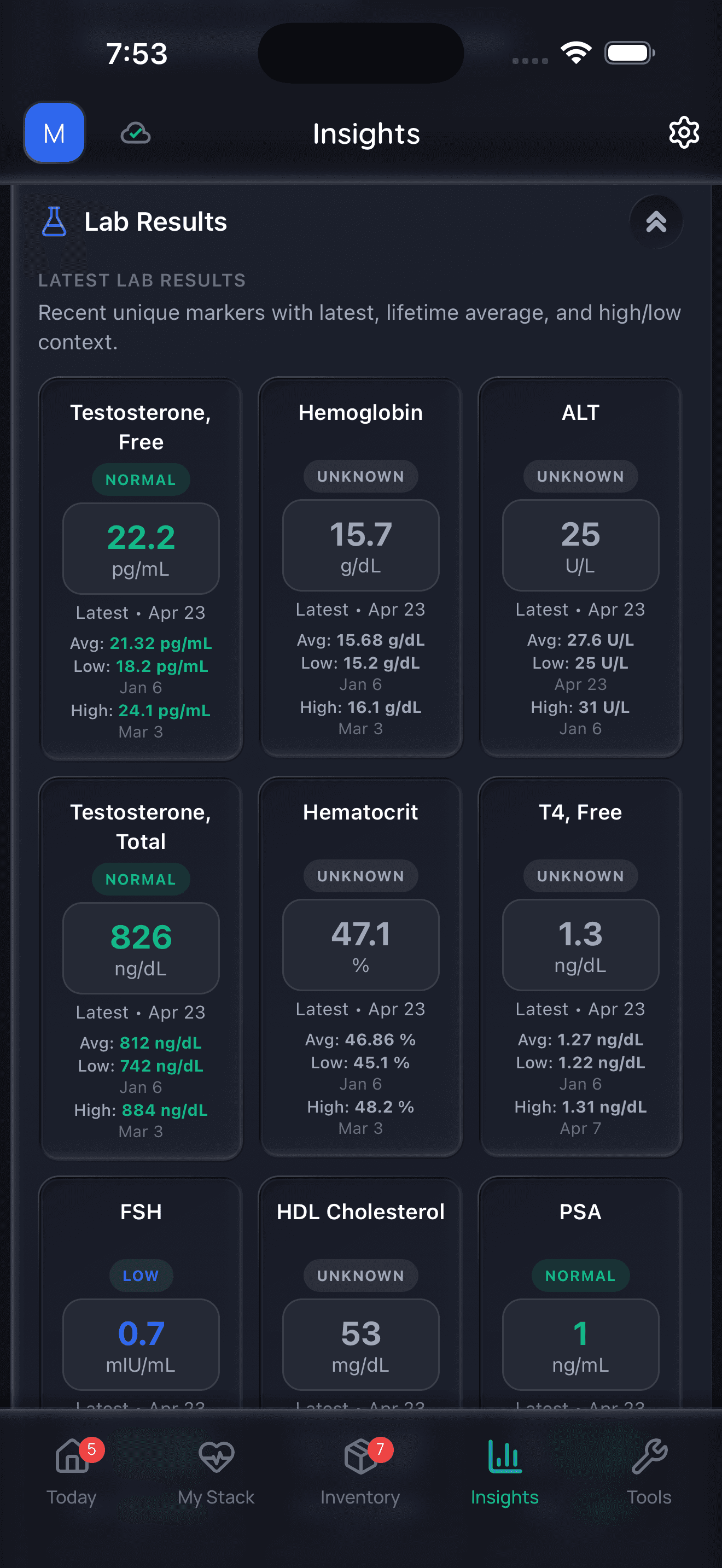
Doserly organizes data; it does not diagnose or interpret labs for you.
Side Effects & Safety
The Basics
For most older adults, a basic once-daily seniors' multivitamin is safe and unlikely to cause problems. The most common side effects are mild and related to the mineral content: stomach upset, nausea, or constipation. Taking the multi with food typically resolves these issues.
However, there are several safety considerations that are especially relevant for older adults:
Iron accumulation risk. Adult men and postmenopausal women need only 8 mg of iron per day. Seniors' MVMs that are iron-free are generally preferred unless a deficiency has been diagnosed through bloodwork. Hereditary hemochromatosis (affecting roughly 1 in 200 people of Northern European descent) further increases this risk [1][3].
Vitamin A and fracture risk. Excessive preformed vitamin A (retinol) has been associated with increased fracture risk and hepatotoxicity in older adults. Quality seniors' MVMs provide vitamin A primarily as mixed carotenoids rather than preformed retinol [3].
Drug interactions. This is one of the most important considerations for older adults, who often take multiple prescription medications. Vitamin K can reduce the effectiveness of warfarin (a common blood thinner). Iron and calcium can reduce absorption of thyroid medications (levothyroxine), certain antibiotics, and bisphosphonates. Vitamin E may increase bleeding risk alongside anticoagulant or antiplatelet medications. Any older adult on prescription medications should review their MVM with a pharmacist or physician [1][4].
Calcium supplementation controversy. Some observational studies have suggested that high-dose calcium supplementation (especially from supplements rather than food) may be associated with increased cardiovascular risk. This remains controversial, and the amounts of calcium in standard MVMs (100-300 mg) are well below the levels studied [3].
Pill swallowing difficulty. Dysphagia (difficulty swallowing) is common in older adults. Liquid, chewable, and gummy formulations are available and may be preferable. Some medications should be taken separately from MVMs due to absorption interactions [community data].
The Science
Toxicity risk assessment: The primary safety concern with MVMs relates to cumulative intake from supplements plus fortified foods exceeding ULs. Nutrients of greatest concern in seniors' formulations include preformed vitamin A (retinol; UL 3,000 mcg RAE, associated with increased hip fracture risk at chronic high intake), zinc (UL 40 mg, chronic excess impairs copper absorption and immune function), niacin (UL 35 mg from supplements), and iron (UL 45 mg) [1][3].
Polypharmacy considerations: Approximately 40% of adults aged 65+ take five or more prescription medications. Key supplement-drug interactions relevant to seniors' MVMs include: vitamin K with warfarin; calcium, magnesium, and iron with levothyroxine, tetracyclines, and fluoroquinolones (reduced drug absorption when taken simultaneously); folic acid may mask B12 deficiency symptoms, delaying diagnosis of pernicious anemia [1][4].
Biotin interference: High-dose biotin (>5,000 mcg) can interfere with troponin and thyroid immunoassays. Standard MVM biotin content (30-300 mcg) is generally below the interference threshold, but patients should inform healthcare providers about all supplements before lab tests [4].
USPSTF position (2022): The US Preventive Services Task Force concluded that evidence is insufficient to assess the balance of benefits and harms of multivitamin supplementation for CVD and cancer prevention in the general adult population. The USPSTF recommends against beta-carotene and vitamin E supplementation specifically for disease prevention [11].
Managing side effect risks across a multi-supplement stack can feel overwhelming, especially when interactions between supplements, medications, and foods add layers of complexity. Doserly brings all of that into a single safety view so nothing falls through the cracks.
Rather than researching every possible interaction yourself, the app checks your full stack automatically and flags supplement-drug and supplement-supplement interactions that warrant attention. If you do experience something unexpected, logging it takes seconds, and over time the app helps you spot patterns: whether symptoms correlate with specific doses, timing, or combinations. One place for the safety picture that matters most when your stack grows beyond a few bottles.
Capture changes while they are still fresh.
Log symptoms, energy, sleep, mood, and other observations alongside protocol events so patterns do not live only in memory.
Trend view
Symptom timeline
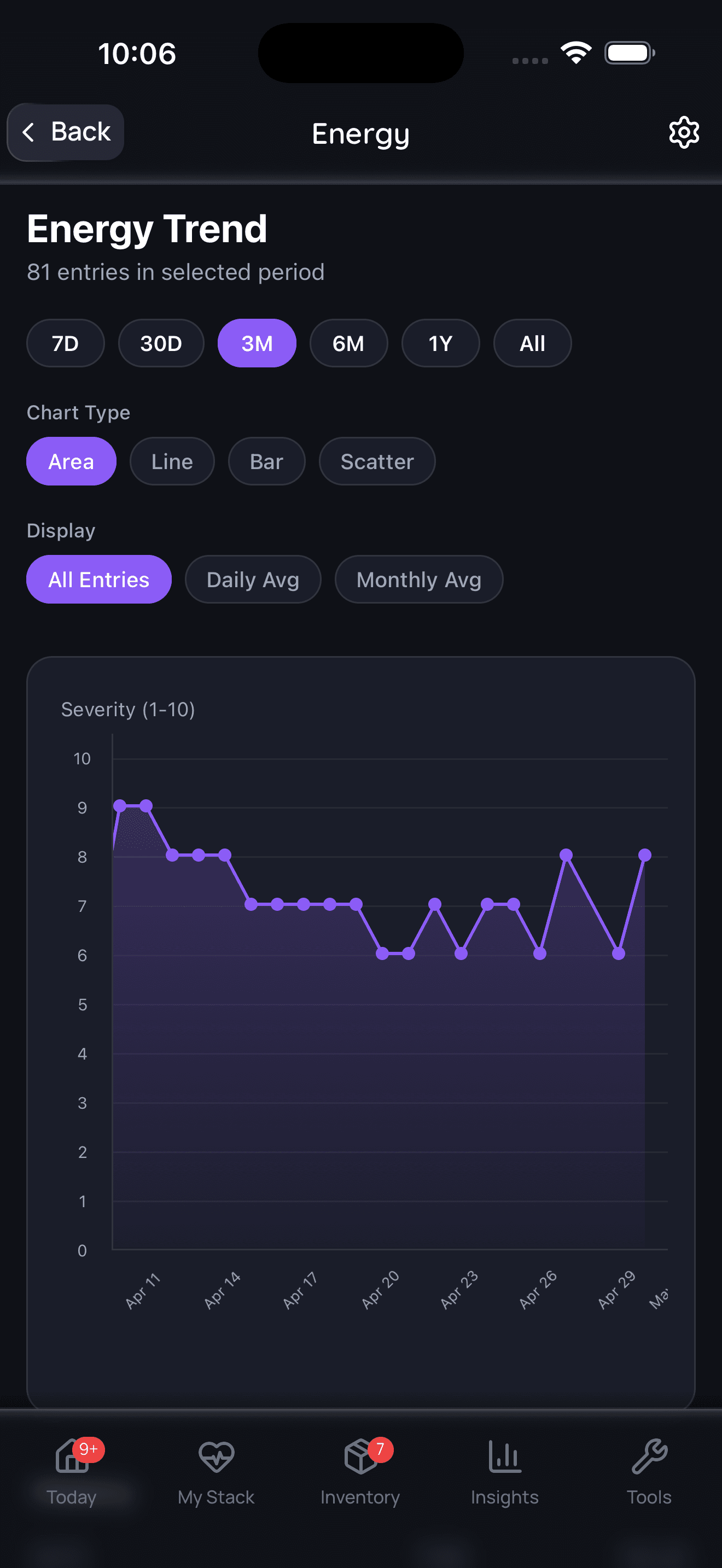
Symptom tracking is informational and should be interpreted with a qualified clinician.
Dosing & Usage Protocols
The Basics
For most older adults, dosing a seniors' multivitamin is straightforward: take one tablet or capsule daily with a meal containing some dietary fat. Consistency matters more than precise timing. Pick a meal, pair it with your multi, and make it routine.
Key considerations for older adults:
Age-based formulation selection. Not all seniors' MVMs are alike. Products labeled "50+" typically adjust vitamin D, B12, and iron levels. Products labeled "65+" or "70+" may further increase vitamin D and B12 while reducing other nutrients. Choosing the formulation matched to your age group provides the most appropriate nutrient profile [1][2].
One-daily vs. multi-dose. Single-pill formulations are convenient but limited in how much of each nutrient they can contain. Multi-dose packs (2-4 pills per day) provide higher amounts of bulky nutrients and may improve absorption. The trade-off is convenience vs. completeness. For older adults who already manage multiple medications, a single daily pill may be more realistic [1][4].
Timing relative to medications. If you take thyroid medication (levothyroxine), take it at least 4 hours away from your multivitamin. If you take warfarin, maintain consistent vitamin K intake and inform your prescriber about MVM use. If you take antibiotics, space them 2 hours from your MVM to avoid mineral interference with absorption [4].
Liquid vs. tablet. Some older adults find liquid vitamins easier to take and potentially better absorbed, particularly those with reduced gastric acid production or difficulty swallowing tablets. Gummy formulations are another option but may not contain iron or certain minerals due to formulation constraints [community data].
The Science
RDA-based dosing: A standard seniors' MVM typically targets 100% of the Daily Value for most included nutrients, with age-specific adjustments for vitamin D, B12, calcium, and iron. For nutrients where the MVM provides less than 100% DV (typically calcium, magnesium, potassium), dietary intake or separate supplementation is needed [1][4].
B12 dosing rationale: Although the RDA for B12 is only 2.4 mcg, seniors' MVMs commonly provide 25-500 mcg. This reflects the high prevalence of B12 malabsorption in older adults (10-30% with atrophic gastritis). Since B12 has no established UL and toxicity has not been documented even at high oral doses, the elevated content represents a safety-conscious approach to compensating for reduced absorption rather than a therapeutic megadose [1][3].
When your stack includes several supplements, each with its own dose, form, and timing requirements, the logistics alone can derail consistency. Doserly consolidates all of it into one protocol view, so every dose across your entire routine is accounted for without spreadsheets or guesswork.
The app also tracks cumulative intake for nutrients that appear in multiple products. If your multivitamin, standalone supplement, and fortified protein shake all contain the same nutrient, Doserly adds them up and shows you the total alongside recommended and upper limits. Managing a thoughtful supplement protocol shouldn't require a degree in nutrition science. The app handles the complexity so you can focus on staying consistent.
Track injection timing, draw notes, and site rotation.
Doserly helps keep syringe-related notes, injection site history, reminders, and reconstitution context together for easier review.
Injection log
Site rotation
Injection logs support record-keeping; follow clinician instructions for administration.
What to Expect (Timeline)
Most older adults who begin taking a daily seniors' multivitamin will not experience a noticeable subjective change immediately. This is normal and does not mean the supplement is not working. The benefits are largely biochemical and statistical.
Weeks 1-2: Possible mild GI adjustment (nausea, change in stool color if iron is included). These typically resolve within a few days. Urine may become brighter yellow due to riboflavin (B2) excretion. This is harmless and indicates the B2 is being processed.
Weeks 2-4: If you were deficient in specific nutrients (especially vitamin D, B12, or iron), you may begin noticing improvements in energy, mood, or cognitive clarity. Most older adults with adequate diets will notice nothing subjective during this window.
Months 1-3: Blood levels of B vitamins, vitamin D, and vitamin E begin to measurably improve with consistent daily use. Clinical data shows that even healthy older men in a placebo group experienced declining vitamin biomarkers over 6 months, while MVM use maintained or improved these levels [1].
Months 3-6: This is the minimum duration to evaluate whether a seniors' MVM is producing any subjective benefit. If you notice nothing after 6 months of consistent use, the supplement may still be providing subclinical nutritional insurance.
Years 1-3+: The clinical trial benefits (cognitive maintenance, potential cancer risk reduction) are measurable only over this timeframe. These are population-level statistical effects, not individual guarantees. The COSMOS cognitive benefits were observed at 1-year follow-up and remained consistent through 3 years [5][6][7].
Setting realistic expectations: The most honest framing is long-term insurance. A seniors' multi is taken not because you expect to feel dramatically different tomorrow, but because the evidence suggests it may contribute to better health maintenance over years, particularly for cognitive function and nutritional status.
Interactions & Compatibility
Synergistic
- Vitamin D3: Seniors' MVMs provide 800-2,000 IU of vitamin D, but many older adults may need additional supplementation (up to 4,000 IU total daily) based on bloodwork. Vitamin D is critical for calcium absorption and bone health.
- Vitamin K2: K2 (MK-7 form) directs calcium into bones and away from arteries. Many seniors' MVMs contain K1 but not K2, making separate K2 supplementation a common pairing.
- Magnesium: Seniors' MVMs contain only 50-100 mg (RDA is 420 mg for men, 320 mg for women). Separate magnesium supplementation in glycinate, citrate, or threonate forms is widely recommended for older adults.
- Fish Oil (EPA/DHA): Most MVMs do not include omega-3 fatty acids. Fish oil complements the cardiovascular and anti-inflammatory coverage gaps in seniors' MVMs.
- CoQ10: Supports mitochondrial energy production. Particularly relevant for older adults on statins, which can deplete endogenous CoQ10.
- Calcium: Seniors' MVMs typically provide only 100-300 mg. Additional calcium (citrate form preferred for elderly) may be needed to meet the 1,200 mg/day requirement for adults 71+ and women 51+.
- Probiotics: No known interaction. May support gut health and nutrient absorption alongside MVM-provided micronutrients.
- Creatine: No interaction with MVM components. Emerging evidence supports creatine for muscle preservation and cognitive function in older adults.
Caution / Avoid
- Warfarin / Vitamin K antagonists: Vitamin K in MVMs (typically 80-120 mcg) can reduce anticoagulant efficacy. Maintain consistent vitamin K intake and inform prescriber about MVM use.
- Levothyroxine (thyroid medication): Iron, calcium, and magnesium in MVMs can reduce thyroid medication absorption. Space at least 4 hours apart.
- Tetracycline and fluoroquinolone antibiotics: Iron, calcium, magnesium, and zinc in MVMs reduce antibiotic absorption. Space at least 2 hours apart.
- Bisphosphonates (alendronate, risedronate): Calcium and other minerals in MVMs interfere with bisphosphonate absorption. Take bisphosphonate on an empty stomach, at least 30-60 minutes before MVM.
- Methotrexate: Folic acid in MVMs may interfere with methotrexate efficacy in some applications (consult oncologist).
- Iron-containing MVMs + hemochromatosis: Contraindicated for individuals with iron overload disorders.
- High-dose individual nutrients: Taking additional single-nutrient supplements (vitamin A, zinc, folic acid, iron) alongside an MVM may push cumulative intake above ULs.
How to Take / Administration Guide
Seniors' multivitamins are oral supplements available in several formats. The choice of format and timing can affect both absorption and adherence.
Recommended forms for older adults:
- Tablets/capsules: Most common format. Look for smaller pill sizes designed for easier swallowing. Some brands offer mini-tablets.
- Liquid formulations: Gaining popularity among older adults. May offer better absorption for those with reduced gastric acid production or gastroparesis. Typically require refrigeration after opening.
- Gummy/chewable: Easier to take for those with swallowing difficulty. May not contain iron or certain minerals due to formulation constraints. Sugar content should be considered for diabetic individuals.
- Softgels: Fat-soluble vitamin delivery may be enhanced. Generally easier to swallow than large tablets.
Timing considerations:
- Take with the largest meal of the day to maximize fat-soluble vitamin absorption
- Morning or midday is generally preferred; B vitamins may be mildly stimulating for some individuals
- Maintain the same time each day for consistency
- If taking a multi-dose formulation, split across breakfast and dinner
Spacing with medications:
- Thyroid medications: 4+ hours apart
- Antibiotics: 2+ hours apart
- Bisphosphonates: 30-60 minutes after bisphosphonate
- Proton pump inhibitors: MVM can be taken at the same meal, but note that PPIs may reduce absorption of B12, iron, calcium, and magnesium
Practical tips for older adults:
- Pill organizers can help manage both medications and supplements
- If a dose is missed, take it with the next meal; do not double up
- Store in original container to protect from moisture and light
- Check expiration dates regularly; potency declines over time
Choosing a Quality Product
Selecting a quality seniors' multivitamin requires attention to several factors beyond just the nutrient label.
Third-party certifications:
- USP Verified Mark: Tests for identity, strength, purity, and performance. One of the most rigorous certifications.
- NSF International: NSF/ANSI 173 standard for dietary supplements. NSF Certified for Sport is relevant for active older adults.
- ConsumerLab.com Approved: Independent testing with detailed product reviews.
- GMP Certification: Good Manufacturing Practice certification indicates quality manufacturing processes.
Active vs. cheap forms: Quality seniors' MVMs provide bioactive nutrient forms:
- Methylcobalamin or adenosylcobalamin (B12) rather than cyanocobalamin
- Pyridoxal-5-phosphate or P5P (B6) rather than pyridoxine HCl
- 5-MTHF/methylfolate (B9) rather than folic acid (particularly important for the roughly 10% with MTHFR C677T homozygosity)
- Cholecalciferol/D3 rather than ergocalciferol/D2
- Chelated minerals (glycinate, citrate, picolinate) rather than oxide or carbonate forms
- Calcium citrate rather than calcium carbonate (better absorption without stomach acid)
- Mixed carotenoids rather than preformed retinol for vitamin A
Red flags to watch for:
- Proprietary blends that hide individual nutrient doses
- Mega-dosing beyond ULs for any nutrient
- Unsubstantiated claims ("anti-aging," "reverses dementia," "cures disease")
- Missing third-party testing certification
- Very low price point that suggests cost-cutting on ingredient quality
- Iron included in a seniors' formulation without clear labeling (should be iron-free unless specifically indicated)
Excipient and filler considerations:
- Titanium dioxide: some consumers prefer to avoid; used as a colorant
- Artificial colors and flavors: particularly common in gummy formulations
- Allergen concerns: check for gluten, soy, dairy, and shellfish (some calcium sources)
- Sugar content in gummies: relevant for diabetic seniors
Seniors-specific quality markers:
- Vitamin D at 800-2,000 IU (not just 400 IU)
- B12 at 25 mcg or higher (not just 2.4 mcg)
- Iron-free formulation (or clearly labeled if iron is included)
- Calcium as citrate (not carbonate, for better absorption in elderly)
- Smaller pill size or liquid/chewable option
Storage & Handling
Store seniors' multivitamins at room temperature (59-77F / 15-25C) in a cool, dry place away from direct light and moisture. Keep the container tightly sealed when not in use.
Format-specific storage:
- Tablets/capsules: Room temperature storage is standard. Avoid bathroom medicine cabinets where humidity fluctuates.
- Liquid formulations: Most require refrigeration after opening and should be used within the timeframe specified on the label (typically 30-60 days).
- Gummies: May soften or stick together in warm environments. Store below 75F (24C).
- Softgels: More heat-sensitive than tablets. Avoid leaving in hot cars or direct sunlight.
Shelf life: Most MVMs maintain potency for 2-3 years from manufacture when stored properly. Check expiration dates regularly. Expired MVMs may have reduced potency but are generally not harmful.
Handling tips for older adults:
- Use pill organizers if managing multiple medications and supplements, but transfer only a week's supply at a time to minimize moisture exposure
- If a cotton filler is included in the bottle, remove it after first opening (it traps moisture)
- Do not crush or split tablets unless the manufacturer indicates it is safe to do so
- Keep out of reach of grandchildren; iron-containing products can be toxic to young children
Lifestyle & Supporting Factors
A seniors' multivitamin works best as one component of a broader health strategy, not as a standalone solution.
Diet: The most effective approach is to use the MVM to fill gaps in an otherwise varied diet. Key dietary priorities for older adults include adequate protein (1.0-1.2 g/kg/day to prevent sarcopenia), calcium-rich foods (dairy, fortified alternatives, leafy greens), omega-3-rich fish (2+ servings per week), and colorful fruits and vegetables. A diet rich in whole foods provides fiber, phytochemicals, and food matrix effects that no supplement can replicate [1][2].
Hydration: Older adults are at increased risk of dehydration due to decreased thirst sensation. Adequate hydration supports nutrient transport and kidney function. Aim for 6-8 cups of fluid daily, adjusting for climate and activity level.
Exercise: Regular physical activity, including both resistance training and weight-bearing exercise, is critical for maintaining muscle mass (sarcopenia prevention), bone density, cardiovascular health, and cognitive function. Exercise also enhances nutrient metabolism and absorption.
Sun exposure: Moderate, safe sun exposure (10-15 minutes of midday sun on arms and face, several times per week) supports endogenous vitamin D synthesis. For older adults with limited mobility or those living in northern latitudes, supplemental vitamin D becomes even more important.
Sleep: Quality sleep supports immune function, cognitive health, and hormonal regulation. Many nutrients in a seniors' MVM (magnesium, B vitamins, vitamin D) play roles in sleep-related biochemistry, though the MVM itself is not a sleep aid.
Bloodwork monitoring: Periodic bloodwork (annually or as recommended by a healthcare provider) can identify specific deficiencies and guide whether the MVM is providing adequate coverage. Key markers to monitor: serum 25(OH)D (vitamin D status), serum B12/methylmalonic acid, complete blood count (anemia screening), and basic metabolic panel (electrolytes, kidney function).
Social engagement and cognitive stimulation: The COSMOS cognitive data suggests MVMs may provide modest cognitive support, but this works alongside, not instead of, social connection, mental stimulation, and purposeful activity as pillars of healthy cognitive aging.
Regulatory Status & Standards
United States (FDA): Seniors' multivitamins are regulated as dietary supplements under the Dietary Supplement Health and Education Act (DSHEA) of 1994, classified as a category of foods rather than drugs. Manufacturers are responsible for evaluating safety before marketing and ensuring label accuracy. The FDA does not review or approve dietary supplements for safety or effectiveness before they are marketed. Current Good Manufacturing Practice (cGMP) regulations apply to all dietary supplement manufacturing [1].
Canada (Health Canada): Multivitamins are regulated as Natural Health Products (NHPs) and require a Natural Product Number (NPN) before being sold. Canadian regulations may specify maximum amounts for certain nutrients in MVMs.
European Union (EFSA): The European Food Safety Authority regulates food supplements under the Food Supplements Directive (2002/46/EC). Maximum permitted levels for vitamins and minerals in supplements have been proposed but not yet harmonized across all member states. EFSA has evaluated and authorized specific health claims for many nutrients found in MVMs.
Australia (TGA): Multivitamins are regulated as complementary medicines and listed in the Australian Register of Therapeutic Goods (ARTG) with an AUST L number.
Athlete & Sports Regulatory Status:
- WADA: No components of standard seniors' MVMs appear on the WADA Prohibited List. However, contamination risk exists with any supplement.
- Certification programs: For active older adults concerned about supplement purity, products certified by Informed Sport, NSF Certified for Sport, or Cologne List provide additional assurance against contamination with prohibited substances.
- GlobalDRO: Athletes can verify the status of specific MVM products at GlobalDRO.com.
Regulatory status and prohibited substance classifications change frequently. Athletes should always verify the current status of any supplement with their sport's governing body, their national anti-doping agency, and a qualified sports medicine professional before use. Third-party certification (Informed Sport, NSF Certified for Sport) reduces but does not eliminate the risk of contamination with prohibited substances.
Frequently Asked Questions
Q: Do I really need a multivitamin if I eat a healthy diet?
A: For many older adults, a healthy diet alone may not be sufficient to meet all micronutrient needs. Age-related changes in absorption (particularly for B12 and vitamin D), reduced caloric intake, and medication interactions can create nutritional gaps even with good dietary habits. Based on available data, a seniors' MVM provides a practical safety net for common deficiencies. The decision is best made in consultation with a healthcare provider, ideally informed by bloodwork.
Q: What is the best time of day to take a seniors' multivitamin?
A: Most sources recommend taking a seniors' MVM with food, preferably a meal containing some dietary fat to enhance absorption of fat-soluble vitamins (A, D, E, K). Morning or midday is generally preferred, as B vitamins may be mildly stimulating for some individuals. The most important factor is consistency rather than specific timing.
Q: Should I choose iron-free or iron-containing?
A: Most adults over 50, both men and postmenopausal women, need only 8 mg of iron daily and face a higher risk of iron accumulation. Iron-free formulations are generally preferred for seniors unless a healthcare provider has documented iron deficiency through bloodwork. Iron-containing MVMs are appropriate for elderly individuals with diagnosed iron-deficiency anemia.
Q: Are liquid multivitamins better absorbed than tablets?
A: Liquid formulations bypass the tablet disintegration step, which may offer absorption advantages for older adults with reduced gastric acid production or gastroparesis. However, well-formulated tablets and capsules from reputable manufacturers are designed to disintegrate properly. No large-scale comparative trials have definitively shown liquid MVMs to be superior. The best format is the one that is taken consistently.
Q: Can I take a multivitamin with my prescription medications?
A: This depends on the specific medications. Certain drugs interact with nutrients in MVMs: warfarin with vitamin K, levothyroxine with iron/calcium, antibiotics with minerals, and bisphosphonates with calcium. Always inform healthcare providers about all supplements being taken. In most cases, spacing the MVM 2-4 hours from interacting medications addresses the issue.
Q: Is Centrum Silver a good multivitamin for seniors?
A: Centrum Silver was the MVM used in the COSMOS clinical trials that demonstrated cognitive benefits in older adults. It is a widely available, affordable option. Some nutrition professionals recommend brands that use more bioavailable nutrient forms (methylated B vitamins, chelated minerals), which may offer modest absorption advantages. The "best" MVM is ultimately one that is taken consistently, is well-tolerated, and is matched to individual nutritional needs.
Q: Do multivitamins prevent dementia?
A: Based on current evidence, daily MVM use did not significantly reduce the incidence of mild cognitive impairment or dementia over 3 years in the COSMOS trial. However, it did improve cognitive test scores and appeared to provide "cognitive resilience," potentially slowing the rate of cognitive decline. MVMs should not be viewed as a dementia prevention strategy, but rather as one component of a broader approach to cognitive health that includes diet, exercise, social engagement, and medical management.
Q: Can I take a seniors' multivitamin if I am under 50?
A: Seniors' MVMs are specifically formulated for the changing needs of adults over 50. Younger adults would receive higher-than-needed B12 and lower iron content than may be appropriate for their age group. A standard age-appropriate MVM is generally more suitable for adults under 50.
Q: How long do I need to take a multivitamin to see benefits?
A: If correcting a specific deficiency, some improvements (energy, mood) may be noticeable within 2-4 weeks. For the population-level benefits demonstrated in clinical trials (cognitive maintenance, potential cancer risk reduction), the evidence comes from 1-3+ years of consistent daily use. Most sources recommend committing to at least 3-6 months before evaluating whether to continue.
Q: Are there any multivitamins I should avoid as a senior?
A: Avoid MVMs with megadoses exceeding established Upper Tolerable Intake Levels (ULs) for any nutrient, particularly vitamin A (as preformed retinol), iron, and zinc. Avoid products without third-party testing from a reputable certification body. Smokers and former smokers should avoid products with high beta-carotene content (>20 mg). Always choose a formulation designed for your age group rather than a general adult MVM.
Myth vs. Fact
Myth: A daily multivitamin will help you live longer.
Fact: A large 2024 cohort study following over 390,000 adults for up to 27 years found that daily multivitamin use was not associated with lower risk of death from any cause, including heart disease and cancer. Multivitamins fill nutritional gaps, but they are not longevity drugs [10].
Myth: Seniors' multivitamins are all basically the same.
Fact: Seniors' MVM products vary widely in nutrient forms, doses, and composition. Quality varies significantly between products using cheap oxide forms of minerals (low absorption) and those using chelated or bioactive forms. The presence or absence of iron, the dose of vitamin D and B12, and the form of folate (folic acid vs. methylfolate) are meaningful differences that affect how well the product addresses age-specific nutritional needs [1][2].
Myth: If I take a multivitamin, I don't need to worry about my diet.
Fact: No supplement can replicate the full nutritional profile of whole foods. Foods provide fiber, phytochemicals, and food matrix effects that influence nutrient absorption and health outcomes in ways that isolated nutrients in a pill cannot match. The federal Dietary Guidelines for Americans emphasize that supplements are meant to complement, not replace, a healthy dietary pattern [1][2].
Myth: More vitamins and minerals are always better.
Fact: Several nutrients have established Upper Tolerable Intake Levels (ULs) above which adverse effects increase. Excessive preformed vitamin A has been linked to fracture risk and liver damage in older adults. High-dose vitamin E (400 IU/day) was associated with increased prostate cancer risk. Excessive iron accumulation is a particular concern for men and postmenopausal women. Staying within recommended ranges is safer than megadosing [3][9].
Myth: Multivitamins prevent heart disease.
Fact: Two large randomized controlled trials (PHS II and COSMOS) involving over 36,000 participants found no significant reduction in cardiovascular events with daily MVM use. A 27-year cohort study of 390,000+ adults confirmed no cardiovascular mortality benefit. MVMs are not cardiovascular interventions [7][8][10].
Myth: You can't absorb vitamins from a pill as well as from food.
Fact: This is partially true but oversimplified. The crystalline (free-form) B12 in supplements is actually better absorbed than food-bound B12 for older adults with reduced stomach acid production, which is specifically why the NIH recommends supplemental B12 for adults over 50. For most other nutrients, food sources and supplements are comparably absorbed when taken with food, though whole foods provide additional beneficial compounds beyond isolated nutrients [1][3].
Myth: Expensive multivitamins are always better than cheap ones.
Fact: Price does not always correlate with quality. The MVM used in the COSMOS clinical trials (which demonstrated cognitive benefits) was a widely available, moderately priced product. What matters more than price is whether the product uses appropriate nutrient forms for older adults, provides age-relevant doses, carries third-party certification, and is manufactured under GMP conditions [2][6].
Sources & References
Clinical Trials & RCTs
[5] Baker LD, Manson JE, Rapp SR, et al. Effects of cocoa extract and a multivitamin on cognitive function: a randomized clinical trial. Alzheimers Dement. 2023;19(4):1308-1317. doi:10.1002/alz.12767
[6] Yeung LK, Alschuler DM, Wall M, et al. Multivitamin Supplementation Improves Memory in Older Adults: A Randomized Clinical Trial. Am J Clin Nutr. 2023;118(1):273-282. doi:10.1016/j.ajcnut.2023.05.011
[7] Gaziano JM, Sesso HD, Christen WG, et al. Multivitamins in the Prevention of Cancer in Men: The Physicians' Health Study II Randomized Controlled Trial. JAMA. 2012;308(18):1871-1880. doi:10.1001/jama.2012.14641
[8] Sesso HD, Rist PM, Aragaki AK, et al. Multivitamins in the Prevention of Cardiovascular Disease and Cancer: The COcoa Supplement and Multivitamin Outcomes Study (COSMOS) Randomized Clinical Trial. Am J Clin Nutr. 2022;115(6):1501-1510.
[9] Klein EA, Thompson IM, Tangen CM, et al. Vitamin E and the Risk of Prostate Cancer: The Selenium and Vitamin E Cancer Prevention Trial (SELECT). JAMA. 2011;306(14):1549-1556. doi:10.1001/jama.2011.1437
Observational Studies
[10] Loftfield E, O'Connell CP, Engel LS, et al. Multivitamin Use and Mortality Risk in 3 Prospective US Cohorts. JAMA Netw Open. 2024;7(6):e2418729. doi:10.1001/jamanetworkopen.2024.18729
Systematic Reviews & Meta-Analyses
[11] Mangione CM, Barry MJ, Nicholson WK, et al. Vitamin, Mineral, and Multivitamin Supplementation to Prevent Cardiovascular Disease and Cancer: US Preventive Services Task Force Recommendation Statement. JAMA. 2022;327(23):2326-2333. doi:10.1001/jama.2022.8970
Government / Institutional Sources
[1] National Institutes of Health Office of Dietary Supplements. Multivitamin/mineral Supplements — Health Professional Fact Sheet. Updated 2024. https://ods.od.nih.gov/factsheets/MVMS-HealthProfessional/
[2] National Institutes of Health Office of Dietary Supplements. Multivitamin/mineral Supplements — Consumer Fact Sheet. Updated 2024. https://ods.od.nih.gov/factsheets/MVMS-Consumer/
[3] Watson J, Lee M, Garcia-Casal MN. Consequences of Inadequate Intakes of Vitamin A, Vitamin B12, Vitamin D, Calcium, Iron, and Folate in Older Persons. Curr Geriatr Rep. 2018;7(2):131-141. doi:10.1007/s13670-018-0241-x
[4] Institute of Medicine. Dietary Reference Intakes: The Essential Guide to Nutrient Requirements. Washington, DC: National Academies Press; 2006.
Related Supplement Guides
Same Category
- B-Complex
- Men's Multivitamins
- Women's Multivitamins
- Children's Multivitamins
- Prenatal Vitamins
- Sport/Performance Multivitamins
Common Stacks / Pairings
Related Health Goal
- Iron (anemia management)
- Zinc (immune support)
- Selenium (antioxidant defense)
- Vitamin C (immune and collagen support)
- Vitamin E (antioxidant protection)