
FemHrt: Uses, Dosing, Side Effects and HRT Comparisons
On this page
Quick Reference Card
Attribute
Brand Name(s)
- Value
- FemHrt (US); Jinteli (US, generic equivalent of femhrt 1/5)
Attribute
Generic Name
- Value
- Norethindrone acetate / ethinyl estradiol
Attribute
Drug Class / Type
- Value
- Combination estrogen + progestogen (synthetic estrogen + 19-nortestosterone derivative progestin)
Attribute
FDA-Approved Indications
- Value
- Treatment of moderate to severe vasomotor symptoms due to menopause; prevention of postmenopausal osteoporosis
Attribute
Available Strengths
- Value
- 0.5 mg NETA / 2.5 mcg EE; 1 mg NETA / 5 mcg EE
Attribute
Route of Administration
- Value
- Oral (tablet, once daily)
Attribute
Dosing Schedule
- Value
- Continuous combined (one tablet daily, no hormone-free interval)
Attribute
Key Monitoring Requirements
- Value
- Blood pressure, breast exam, mammogram, endometrial assessment if abnormal bleeding, thyroid function (TBG affected), lipid panel, liver function
Attribute
NDA Number
- Value
- NDA021065
Attribute
Manufacturer
- Value
- Allergan, Inc. (FemHrt); Teva Pharmaceuticals (Jinteli)
Attribute
Key Differentiator
- Value
- Only FDA-approved menopausal HRT product using ethinyl estradiol (synthetic estrogen) rather than estradiol or conjugated equine estrogens
Overview / What Is Ethinyl Estradiol + Norethindrone (FemHrt)?
The Basics
FemHrt is a combination hormone therapy tablet that contains two active ingredients: norethindrone acetate (a synthetic progestogen) and ethinyl estradiol (a synthetic form of estrogen). It is taken once daily as a continuous combined regimen, meaning there is no break or hormone-free interval between tablets. This approach is designed to manage menopausal symptoms while minimizing monthly withdrawal bleeding.
What makes FemHrt unusual among menopausal hormone therapy products is its use of ethinyl estradiol rather than the more commonly used estradiol or conjugated equine estrogens. Ethinyl estradiol is the same type of synthetic estrogen found in most birth control pills, but at dramatically lower doses. While a typical contraceptive pill contains 20 to 35 micrograms of ethinyl estradiol, FemHrt contains just 2.5 or 5 micrograms. This ultra-low dose was specifically designed to follow the post-WHI principle of using the lowest effective dose for symptom management [1][2].
FemHrt is FDA-approved for two indications in postmenopausal women with an intact uterus: treatment of moderate to severe hot flashes (vasomotor symptoms) and prevention of postmenopausal osteoporosis. Clinical trials have demonstrated that even the lower-dose formulation (0.5 mg/2.5 mcg) effectively reduces hot flash frequency and severity while maintaining bone mineral density [3].
It is important to understand the context in which FemHrt fits within modern HRT options. Current clinical guidelines from major menopause societies generally favor bioidentical estradiol (particularly transdermal formulations such as patches and gels) over synthetic estrogens for menopausal hormone therapy. This preference reflects the lower thrombotic risk associated with transdermal delivery and the more physiological hormone profile of estradiol compared to ethinyl estradiol. FemHrt remains a valid FDA-approved option, but it is not typically a first-line recommendation in current prescribing practice [4].
As of September 13, 2026, ethinyl estradiol/norethindrone HRT should be discussed as a potent synthetic oral-estrogen combination; safety assumptions from transdermal estradiol should not be borrowed. [16][17]
The Science
FemHrt (norethindrone acetate/ethinyl estradiol) received FDA approval under NDA021065, with the initial U.S. approval for its active components dating to 1968. The product was developed by Duramed Pharmaceuticals (later acquired by Allergan) and represents a reformulation of the ethinyl estradiol and norethindrone acetate combination already used in oral contraception, adapted for postmenopausal use at substantially lower doses [1].
The product is available in two strengths: 0.5 mg NETA/2.5 mcg EE and 1 mg NETA/5 mcg EE. The lower-dose formulation was developed specifically in response to the WHI findings and the FDA's subsequent guidance recommending that HRT be prescribed at the lowest effective dose for the shortest duration consistent with treatment goals [3].
Ethinyl estradiol differs from bioidentical 17-beta estradiol in its pharmacokinetic profile. The addition of an ethinyl group at the C-17 position confers oral bioactivity by resisting first-pass hepatic metabolism, resulting in a longer half-life and more potent estrogenic effects per microgram compared to estradiol. This also means that ethinyl estradiol has more pronounced effects on hepatic protein synthesis, including effects on coagulation factors, thyroid-binding globulin, and sex hormone-binding globulin, relative to equivalent clinical doses of estradiol [5].
The norethindrone acetate component provides endometrial protection by opposing the proliferative effects of estrogen on the uterine lining. NETA is a prodrug that is completely and rapidly deacetylated to norethindrone after oral administration. Norethindrone, in turn, partially converts to ethinyl estradiol in the liver via aromatization, contributing an additional small estrogenic effect [6][7].
Medical / Chemical Identity
Property
Product Name (Brand)
- Value
- FemHrt
Property
Generic Equivalent
- Value
- Jinteli (Teva Pharmaceuticals)
Property
Active Ingredient 1
- Value
- Norethindrone acetate (NETA)
Property
Active Ingredient 2
- Value
- Ethinyl estradiol (EE)
Property
NETA Chemical Name
- Value
- 17-hydroxy-19-nor-17alpha-pregn-4-en-20-yn-3-one acetate
Property
EE Chemical Name
- Value
- 19-Norpregna-1,3,5(10)-trien-20-yne-3,17-diol, (17alpha)-
Property
NETA Molecular Formula
- Value
- C22H28O3
Property
EE Molecular Formula
- Value
- C20H24O2
Property
NETA Molecular Weight
- Value
- 340.47 g/mol
Property
EE Molecular Weight
- Value
- 296.41 g/mol
Property
NETA CAS Number
- Value
- 51-98-9
Property
EE CAS Number
- Value
- 57-63-6
Property
NDA Number
- Value
- NDA021065
Property
FDA Initial Approval
- Value
- 1968 (active components); product-specific approval 1999 (femhrt 1/5), 2002 (femhrt 0.5/2.5)
Property
Manufacturer (Brand)
- Value
- Allergan, Inc. (FemHrt)
Property
Manufacturer (Generic)
- Value
- Teva Pharmaceuticals USA, Inc. (Jinteli)
Property
Inactive Ingredients
- Value
- Calcium stearate, lactose monohydrate, microcrystalline cellulose, corn starch
Property
NDC (femhrt 0.5/2.5)
- Value
- 0430-0145
Property
NDC (Jinteli 1/5)
- Value
- 0093-3122
Mechanism of Action
The Basics
FemHrt works through the combined action of its two hormonal components. The ethinyl estradiol component replaces some of the estrogen that your body no longer produces in sufficient quantities after menopause. Estrogen is involved in regulating your internal thermostat, maintaining bone density, supporting vaginal and urinary tract health, and influencing mood and cognitive function. When estrogen levels decline during menopause, disruption across these systems produces the symptoms that many women experience.
The norethindrone acetate component serves a critical protective role. If estrogen is given alone to a woman who still has her uterus, it stimulates the uterine lining to grow, which over time can lead to endometrial hyperplasia and potentially endometrial cancer. NETA counteracts this by transforming the uterine lining from a growing state to a stable, quiescent state. Research has shown that NETA is particularly potent in this regard: at 0.5 mg daily, it reduced endometrial hyperplasia to 0.4% compared to 14.6% with estrogen alone [8].
One unique aspect of FemHrt is that the norethindrone acetate component partially converts to ethinyl estradiol in the liver. This means the total estrogenic effect of FemHrt is slightly higher than the labeled ethinyl estradiol dose alone, though at the low doses used, this additional contribution is small [6][7].
The Science
Estrogen component (ethinyl estradiol): EE acts through binding to nuclear estrogen receptors (ER-alpha and ER-beta) in estrogen-responsive tissues. Upon ligand binding, the receptor dimerizes and translocates to the nucleus, where it binds to estrogen response elements (EREs) and modulates gene transcription. EE is approximately 100-fold more potent than estradiol at the estrogen receptor on a per-weight basis due to its resistance to first-pass hepatic metabolism conferred by the 17-alpha ethinyl group [5].
In the thermoregulatory center of the hypothalamus, estrogen replacement widens the thermoneutral zone that narrows during estrogen deficiency, reducing the frequency and severity of vasomotor episodes. In bone tissue, estrogen promotes osteoblast survival and suppresses osteoclast activity, shifting the remodeling balance toward net bone preservation [9].
Progestogen component (norethindrone acetate): NETA is a prodrug that is completely and rapidly deacetylated to norethindrone (NET) by intestinal and hepatic esterases. NET binds with high affinity to progesterone receptors (PR-A and PR-B), inducing endometrial stromal decidualization and glandular atrophy. NET also downregulates estrogen receptor expression in the endometrium and induces local 17-beta-hydroxysteroid dehydrogenase, which converts potent estradiol to weaker estrone within endometrial tissue [6].
NET has a multi-receptor binding profile: high-affinity progesterone receptor agonism, weak androgen receptor agonism, and no significant glucocorticoid or mineralocorticoid receptor activity. Unlike micronized progesterone, NET is not metabolized to allopregnanolone or other GABA-A receptor-modulating neurosteroids, which explains why NETA lacks the sedative and anxiolytic properties of oral micronized progesterone [6][10].
A pharmacologically distinctive feature is NET's partial hepatic conversion to ethinyl estradiol via CYP19 (aromatase)-mediated aromatization. At a dose of 1 mg NETA, approximately 6 mcg of EE is generated [7]. At the HRT doses used in FemHrt (0.5-1 mg NETA), the resulting EE is estimated at 3-6 mcg, which is below contraceptive thresholds but may contribute to the product's clinical effects on bone metabolism and hepatic protein synthesis.
Visual guide
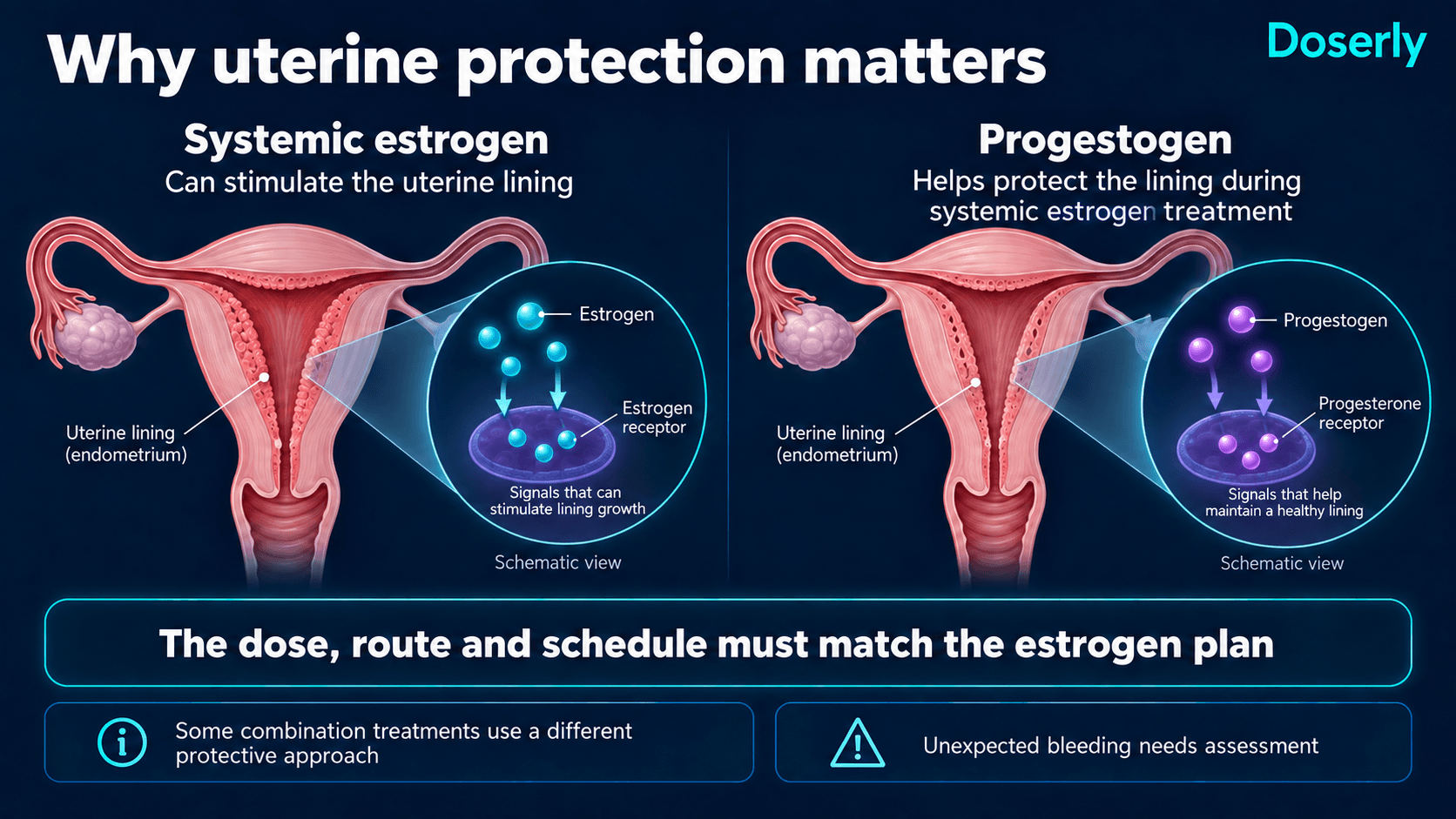
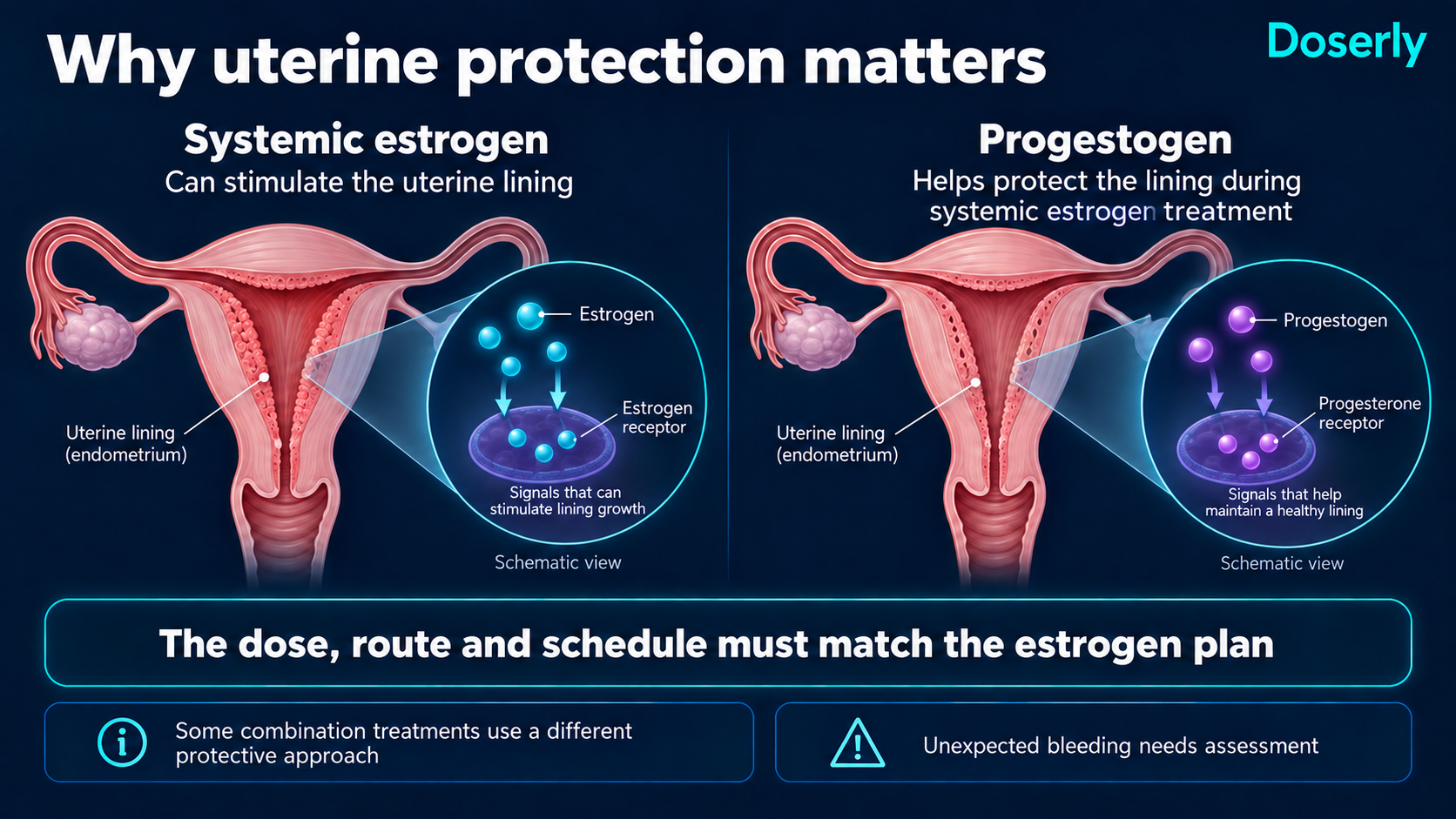
The illustration summarizes endometrial effects, not a dosing schedule or exact receptor structure. Progestogen dose, route and duration must provide protection for the estrogen regimen. Unexpected bleeding requires clinical assessment.
NICE menopause recommendations.
Pharmacokinetics / Hormone Physiology
The Basics
When you take a FemHrt tablet, both active ingredients are absorbed through your digestive tract and pass through the liver before reaching the rest of your body. This "first-pass" through the liver is significant because it affects both hormones differently.
Norethindrone acetate is rapidly converted to norethindrone (its active form) almost immediately upon absorption. Blood levels of norethindrone peak within about 1 to 2 hours after taking the tablet, and the drug has a half-life of approximately 10 to 13 hours. About 64% of the norethindrone reaches your bloodstream in active form [1].
Ethinyl estradiol is also absorbed and reaches peak blood levels within 1 to 2 hours. About 55% of the ethinyl estradiol reaches your bloodstream. The half-life is longer, approximately 16 hours. Both hormones reach steady-state concentrations (stable, predictable blood levels) after about 2 weeks of daily dosing [1][5].
An important practical consideration: because FemHrt delivers its estrogen via the oral route, the hormones pass through your liver before reaching the rest of your body. This liver processing triggers changes in certain liver-produced proteins, including a 22% increase in sex hormone-binding globulin (SHBG), increases in thyroid-binding globulin (TBG), and changes in coagulation factors. These hepatic effects are the primary reason that oral estrogen carries a higher risk of blood clots compared to transdermal estrogen, which bypasses the liver entirely [1][5].
The Science
Absorption and bioavailability:
Parameter
Cmax (steady-state, femhrt 1/5)
- Norethindrone (from NETA)
- 10.7 +/- 3.6 ng/mL
- Ethinyl Estradiol
- 33.5 +/- 13.7 pg/mL
Parameter
Tmax
- Norethindrone (from NETA)
- 1.8 +/- 0.8 hr
- Ethinyl Estradiol
- 2.2 +/- 1.0 hr
Parameter
AUC (steady-state, femhrt 1/5)
- Norethindrone (from NETA)
- 81.8 +/- 36.7 ng*hr/mL
- Ethinyl Estradiol
- 339 +/- 113 pg*hr/mL
Parameter
t1/2
- Norethindrone (from NETA)
- 13.3 +/- 4.5 hr
- Ethinyl Estradiol
- ~16 hr
Parameter
Absolute bioavailability
- Norethindrone (from NETA)
- ~64%
- Ethinyl Estradiol
- ~55%
Parameter
Css (femhrt 1/5)
- Norethindrone (from NETA)
- 2.6 ng/mL
- Ethinyl Estradiol
- 11.4 pg/mL
Parameter
Css (femhrt 0.5/2.5)
- Norethindrone (from NETA)
- 1.3 ng/mL
- Ethinyl Estradiol
- 5.7 pg/mL
Distribution: Volume of distribution ranges from 2 to 4 L/kg for both steroids. Plasma protein binding is extensive (>95%) for both. Norethindrone is bound 36% to SHBG, 61% to albumin, with 3-4% free [1].
Metabolism: Norethindrone undergoes hepatic metabolism primarily via reduction, followed by sulfate and glucuronide conjugation. A portion undergoes CYP19-mediated aromatization to ethinyl estradiol [6][7]. Ethinyl estradiol is metabolized primarily by CYP3A4. Both compounds undergo enterohepatic recirculation [1].
Elimination: Norethindrone metabolites excreted in both urine and feces. Plasma clearance approximately 0.4 L/hr/kg.
Hepatic effects: FemHrt 1/5 is associated with a 22% increase in SHBG. Increased TBG levels affect thyroid function tests (total T4 elevated, free T4 unchanged). Increased coagulation factors (II, VII, VIII, IX, X, XII) and decreased antithrombin III. Increased HDL and HDL2 cholesterol, reduced LDL cholesterol, increased triglycerides [1].
Knowing the pharmacokinetics is the foundation. Seeing how your own body responds to your specific protocol turns that knowledge into actionable insight. Doserly correlates your dosing schedule with how you feel day to day, helping you and your provider identify whether your current route, timing, and dose are working optimally.
The app's analytics can surface patterns you might not notice on your own, like whether symptoms correlate with the end of a patch cycle or whether splitting an oral dose changes how you feel in the afternoon. Data like this makes dose adjustments more precise and less guesswork.
Research & Clinical Evidence
The Basics
The evidence supporting FemHrt comes primarily from randomized controlled trials conducted in the 1990s and 2000s, during a period when low-dose HRT formulations were being developed in response to concerns raised by the Women's Health Initiative (WHI). It is important to note that the WHI did not study FemHrt or any ethinyl estradiol-based HRT. The WHI used conjugated equine estrogens (Premarin) plus medroxyprogesterone acetate (Provera), which are different hormones at different doses. While the WHI findings are referenced on FemHrt's label as a class warning, the direct applicability of those results to FemHrt is uncertain [1][4].
Vasomotor symptom relief: In a 12-month randomized trial, both FemHrt formulations significantly reduced the frequency and severity of hot flashes compared to placebo. A pooled analysis of three randomized controlled trials confirmed that even the lower-dose formulation (0.5 mg/2.5 mcg) effectively relieved vasomotor symptoms [3]. A separate study found that 85% of women receiving E2/NETA 0.5 mg reported adequate relief of moderate to severe hot flushes [4].
Bone protection: A 24-month placebo-controlled study demonstrated that FemHrt 0.5/2.5 significantly increased bone mineral density at the lumbar spine (+2.59%) and total hip (+1.25%). The original dose-response pilot study by Notelovitz et al. (1990) showed that even the lowest EE/NETA dose tested (5 mcg EE/0.5 mg NETA) provided beneficial effects on bone density comparable to standard CEE/MPA therapy [2][11].
Quality of life: Gambacciani et al. found that daily E2/NETA significantly decreased the severity of hot flushes, anxiety, depressed mood, and sleep problems compared to placebo, indicating broad quality-of-life benefits beyond vasomotor symptom reduction alone [4].
The Science
Endometrial protection studies:
The Kurman et al. (2000) randomized controlled trial evaluated endometrial safety across dose groups [8]:
Group
E2 1 mg alone
- N (biopsied)
- 247
- Hyperplasia rate
- 14.6% (36 cases)
Group
E2 1 mg + NETA 0.5 mg
- N (biopsied)
- 241
- Hyperplasia rate
- 0.4% (1 case)*
Group
E2 1 mg + NETA 0.25 mg
- N (biopsied)
- 251
- Hyperplasia rate
- 0.4% (1 case)*
Group
E2 1 mg + NETA 0.1 mg
- N (biopsied)
- 249
- Hyperplasia rate
- 0.8% (2 cases)*
*p < 0.01 vs E2 alone
Portman et al. (2003) compared EE/NETA directly to CEE/MPA and found significantly higher rates of endometrial atrophy with E2/NETA at 12 months (73% vs 32%), suggesting superior endometrial suppression [12]. Wells et al. (2002) followed 398 women on E2/NETA for 5 years with zero cases of endometrial hyperplasia or malignancy [13].
Bone mineral density:
Estradiol/norethindrone products have separate bone-density data, but those data should not be treated as FemHrt-specific evidence. For FemHrt, use the product label and the NA/EE trial program when discussing approved osteoporosis-prevention language [3][4][11].
Study
FemHrt 0.5/2.5 vs placebo
- Duration
- 24 months
- Lumbar Spine Change
- +2.59%
- Notes
- FDA-approved study
Study
E2/NETA (various)
- Duration
- 24 months
- Lumbar Spine Change
- +6.9%
- Notes
- Arabi et al 2003
Study
E2/NETA vs alendronate
- Duration
- 24 months
- Lumbar Spine Change
- +5.14% vs +3.34%
- Notes
- Ravn et al 1999
Cardiovascular evidence:
The PHASE trial (Papworth HRT Atherosclerosis Study) is the only randomized trial specifically evaluating E2/NETA in cardiovascular outcomes. In 255 postmenopausal women with coronary artery disease receiving transdermal E2/NETA vs placebo: primary endpoint events occurred in 53 (hormone) vs 37 (placebo), HR 1.29 (95% CI 0.84-1.95), which was not statistically significant [4][14]. This trial was small and used transdermal rather than oral formulation, limiting its applicability to FemHrt specifically.
Bleeding profiles:
Johnson et al. (2002) found amenorrhea rates significantly higher with E2/NETA (54.8%) compared to CEE/MPA (17.1%) at 6 months [4]. This favorable bleeding profile contributed to higher continuation rates: Simon et al. (2003) found patients on femhrt 1/5 were 52% more likely to continue therapy than patients on CEE/MPA [4].
Benefits & Therapeutic Effects
The Basics
FemHrt offers several well-documented benefits for postmenopausal women. The most immediate benefit for many women is relief from vasomotor symptoms. Hot flashes and night sweats, which can range from mildly annoying to truly debilitating, respond well to FemHrt. Clinical trials show that both the lower and higher dose formulations significantly reduce the frequency and intensity of these episodes [3].
Bone protection is the second FDA-approved benefit. Postmenopausal bone loss accelerates dramatically in the years following menopause as estrogen levels decline. FemHrt helps maintain and even increase bone mineral density, with the lumbar spine showing the most pronounced improvements. In some studies, FemHrt compared favorably to bisphosphonate therapy (alendronate) for BMD improvement [4][11].
Quality-of-life improvements extend beyond the two FDA-approved indications. Studies have documented improvements in depressed mood, anxiety, and sleep quality in women taking E2/NETA combinations [4].
A practical advantage specific to FemHrt is its favorable bleeding profile. Compared to CEE/MPA regimens, FemHrt produces significantly higher rates of amenorrhea (no bleeding), which is an important factor in treatment adherence. More than half of women on FemHrt achieved amenorrhea within 6 months [4].
The Science
Vasomotor efficacy: Pooled analysis of three RCTs (Rowan et al. 2006) demonstrated that NA/EE 0.5 mg/2.5 mcg significantly reduced hot flash frequency and severity compared to placebo. In a 12-week RCT, 85% of women receiving E2/NETA 0.5 mg and 71% receiving E2/NETA 0.25 mg reported adequate relief of moderate-to-severe vasomotor symptoms [3][4].
Skeletal effects: FemHrt is approved for prevention of postmenopausal osteoporosis, but the strongest FemHrt-specific counseling should rely on the product label and NA/EE clinical data rather than extrapolating percentages from Activelle/Activella estradiol-norethindrone studies [3][4][11].
Continuation and adherence: Simon et al. (2003) demonstrated that femhrt 1/5 users were 52% more likely to continue therapy compared to CEE/MPA users (p < 0.05). Cost-effectiveness analysis (Coyle et al. 2003) found E2/NETA cost-effective at $900/QALY compared to $20,300/QALY for CEE/MPA [4].
Risks, Side Effects & Safety
The Basics
Like all hormone therapy products, FemHrt carries risks that need to be weighed against its benefits. Understanding these risks in context, including the specific numbers and how they vary by individual factors, is essential for making an informed decision with your healthcare provider.
Common side effects that many women experience, particularly in the first few months, include breast tenderness or pain (7-9% in clinical trials vs 3.6% with placebo), headache (5.7-6.2% vs 4.9%), abdominal pain (5.3-6.8% vs 1.2%), and mild fluid retention. These side effects often improve within the first 2 to 3 months as the body adjusts [1].
Blood clots (venous thromboembolism): Oral estrogen, including ethinyl estradiol, increases the risk of blood clots. The WHI reported approximately 35 VTE events per 10,000 women-years with combined oral HRT compared to 17 per 10,000 with placebo (an additional 18 events per 10,000 women per year). This risk is highest in the first year of use [1]. Important context: ethinyl estradiol has more pronounced effects on hepatic coagulation factor synthesis than estradiol, which is one reason current guidelines prefer transdermal estradiol (which bypasses the liver) for women with elevated VTE risk factors [5].
Stroke: The WHI reported 33 strokes per 10,000 women-years with combined HRT compared to 25 per 10,000 with placebo (an additional 8 strokes per 10,000 women per year). Subgroup analysis of women aged 50 to 59 showed no increased stroke risk (18 vs 21 per 10,000), suggesting the risk is more relevant for older women [1].
Breast cancer: The WHI combined therapy arm reported a relative risk of 1.24 for invasive breast cancer, corresponding to an absolute excess of approximately 8 additional cases per 10,000 women per year (41 vs 33 per 10,000). Among women who had not previously used HRT, the relative risk was lower at 1.09 (40 vs 36 per 10,000) [1]. It is critical to note that the WHI studied CEE/MPA, not EE/NETA. The progestogen component (MPA vs NETA) and the estrogen type (CEE vs EE) may influence breast cancer risk differently, but no direct comparative data exists.
Clinical context — Breast cancer risk by progestogen type.
Source: WHI (CE + MPA): HR 1.24 (95% CI 1.01-1.54) for invasive breast cancer
Source: E3N cohort (estrogen + micronized progesterone): HR 1.00 (95% CI 0.83-1.22), no significant increase
Source: Finnish/Scandinavian registries: NETA-containing regimens may carry breast cancer risk similar to or higher than MPA
Context: No RCT has directly compared breast cancer risk for EE/NETA vs other combinations. FemHrt's breast cancer risk profile is extrapolated from class data, not product-specific evidence.
Endometrial cancer: FemHrt's norethindrone acetate component provides endometrial protection. Clinical trials showed endometrial hyperplasia rates of approximately 1% or less. This is the protective purpose of the progestogen component [1][8].
Gallbladder disease: Oral estrogen increases gallbladder disease risk through effects on biliary cholesterol metabolism [1].
Coronary heart disease: The WHI reported a non-statistically-significant increase in CHD events with combined HRT (41 vs 34 per 10,000 women-years). However, subgroup analysis of women aged 50-59 or within 10 years of menopause showed a trend toward reduced CHD risk (0.89, 95% CI 0.50-1.50), supporting the timing hypothesis [1].
Risk modifiers: Individual risk factors that influence the risk-benefit balance include BMI (obesity increases VTE risk), smoking (dramatically amplifies cardiovascular and VTE risk with oral estrogen), age and time since menopause (the timing hypothesis), family history (BRCA status, VTE history), and pre-existing conditions (thrombophilic disorders, active liver disease, migraine with aura) [1].
Contraindications (absolute): Undiagnosed vaginal bleeding; breast cancer or history of breast cancer; estrogen-dependent neoplasia; active DVT/PE or history; active arterial thromboembolic disease or history; protein C/S/antithrombin deficiency or other thrombophilic disorders; hepatic impairment or disease; hypersensitivity to FemHrt [1].
The Science
Adverse reaction rates from controlled clinical trials (FemHrt-specific) [1]:
Adverse Reaction
Body as a whole
- Placebo (N=247)
- 12.8%
- femhrt 0.5/2.5 (N=244)
- 16.9%
- femhrt 1/5 (N=258)
- 15.7%
Adverse Reaction
Headache
- Placebo (N=247)
- 4.9%
- femhrt 0.5/2.5 (N=244)
- 5.7%
- femhrt 1/5 (N=258)
- 6.2%
Adverse Reaction
Abdominal pain
- Placebo (N=247)
- 1.2%
- femhrt 0.5/2.5 (N=244)
- 5.3%
- femhrt 1/5 (N=258)
- 6.8%
Adverse Reaction
Breast pain
- Placebo (N=247)
- 3.6%
- femhrt 0.5/2.5 (N=244)
- 9.0%
- femhrt 1/5 (N=258)
- 7.8%
Adverse Reaction
Edema (generalized)
- Placebo (N=247)
- 4.0%
- femhrt 0.5/2.5 (N=244)
- 4.9%
- femhrt 1/5 (N=258)
- 4.3%
WHI absolute risk data (CE 0.625 mg + MPA 2.5 mg vs placebo, applied as class warning) [1]:
Outcome
Coronary heart disease
- HRT (per 10,000 WY)
- 41
- Placebo (per 10,000 WY)
- 34
- Absolute excess
- +7
Outcome
Stroke
- HRT (per 10,000 WY)
- 33
- Placebo (per 10,000 WY)
- 25
- Absolute excess
- +8
Outcome
VTE (DVT + PE)
- HRT (per 10,000 WY)
- 35
- Placebo (per 10,000 WY)
- 17
- Absolute excess
- +18
Outcome
Invasive breast cancer
- HRT (per 10,000 WY)
- 41
- Placebo (per 10,000 WY)
- 33
- Absolute excess
- +8
Outcome
Colorectal cancer
- HRT (per 10,000 WY)
- 10
- Placebo (per 10,000 WY)
- 16
- Absolute excess
- -6 (benefit)
Outcome
Hip fracture
- HRT (per 10,000 WY)
- 11
- Placebo (per 10,000 WY)
- 16
- Absolute excess
- -5 (benefit)
Route-specific risk context: FemHrt is an oral formulation. Oral estrogen undergoes first-pass hepatic metabolism, increasing synthesis of coagulation factors (II, VII, VIII, IX, X, XII), decreasing antithrombin III, and increasing SHBG and TBG. Transdermal estradiol avoids these hepatic effects. The ESTHER study found transdermal estrogen had an adjusted OR of 0.9 (95% CI 0.4-2.1) for VTE, compared to significantly elevated risk with oral estrogen [5]. This route-dependent risk differential is a key consideration when choosing between FemHrt (oral) and transdermal alternatives.
Understanding your personal risk profile isn't a one-time calculation; it evolves as your treatment progresses. Doserly helps you see the bigger picture by analyzing side effect patterns over time, showing whether issues are resolving, persisting, or emerging as your body adjusts to therapy.
The app's analytics can reveal connections between side effects and specific aspects of your protocol, like whether symptoms correlate with a particular point in your patch cycle or a recent dose change. This kind of insight helps you and your provider make informed adjustments based on your actual experience, not just population-level averages.
Dosing & Treatment Protocols
The Basics
FemHrt is taken as one tablet by mouth once daily, with no breaks or hormone-free intervals. This continuous combined regimen means you take the same tablet every day, which simplifies dosing compared to cyclic regimens that require different pills on different days.
Two strengths are available, and the general principle is to start at the lowest effective dose:
- femhrt 0.5/2.5 (0.5 mg norethindrone acetate + 2.5 mcg ethinyl estradiol): the lower-dose formulation, often used as a starting dose
- femhrt 1/5 (1 mg norethindrone acetate + 5 mcg ethinyl estradiol): the higher-dose formulation, which may be used if the lower dose provides insufficient symptom relief
The FDA labeling states that therapy should be used at the lowest effective dose for the shortest duration consistent with treatment goals [1]. The lower-dose formulation was specifically developed after the WHI to meet this guidance.
Timing relative to food has not been formally studied for FemHrt. Taking the tablet at the same time each day helps maintain consistent hormone levels. If you miss a dose, take it as soon as you remember. If it is nearly time for your next dose, skip the missed dose and continue your regular schedule.
The Science
Dosing rationale: The 0.5/2.5 formulation delivers ethinyl estradiol at just 2.5 mcg daily, roughly one-eighth to one-fourteenth the dose in typical oral contraceptive pills. Despite this ultra-low dose, clinical trials demonstrated efficacy for both vasomotor symptoms and BMD maintenance [1][3].
Clinical context — Optimal starting dose.
Source: FDA label recommends starting at 0.5/2.5 for both indications
Source: Casey & Murray 2008 review discusses 1/5 as the standard clinical dose with 0.5/2.5 as the low-dose alternative
Context: Both doses are FDA-approved. Clinical practice varies; some providers start with 0.5/2.5 and titrate, while others begin with 1/5 for more severe symptoms. The decision depends on symptom severity and individual risk profile.
Population PK steady-state concentrations [1]:
Formulation
femhrt 1/5
- NET Css
- 2.6 ng/mL
- EE Css
- 11.4 pg/mL
Formulation
femhrt 0.5/2.5
- NET Css
- 1.3 ng/mL
- EE Css
- 5.7 pg/mL
Progestogen protection: At both doses, NETA provides effective endometrial protection for women with an intact uterus. The 0.5 mg NETA dose reduced hyperplasia to 0.4% (vs 14.6% with estrogen alone) [8]. Note: FemHrt is only indicated for women with a uterus. Women without a uterus do not need the progestogen component and should use estrogen-alone therapy.
Duration considerations: FemHrt labeling recommends periodic reassessment of the need for continued therapy. There is no fixed maximum duration, but the benefit-risk balance should be re-evaluated by the prescriber at regular intervals, typically annually. For osteoporosis prevention, alternative non-hormonal therapies should be considered.
Dosing protocols often change over the course of treatment, with starting doses getting adjusted, routes getting switched, and timing getting refined. Doserly maintains a complete history of every protocol change, giving you and your provider a clear picture of what has been tried and how each adjustment affected your symptoms.
The app's adherence analytics show your consistency patterns and can highlight whether missed doses or timing variations correlate with symptom changes. When your provider is considering a dose adjustment, having this data available makes the conversation more productive and the decision more informed.
What to Expect (Timeline)
Days 1-7: You may notice some initial adjustment effects. Breast tenderness, mild bloating, and occasional headache are common in the first week. Some women experience light spotting or breakthrough bleeding. Vasomotor symptom improvement may begin but is not guaranteed this early.
Weeks 2-4: Hot flash frequency and severity often begin to improve during this period. Symptom timing varies. Breast tenderness may peak and then begin to subside. Mood and energy improvements may begin.
Months 1-3: Most women experience significant vasomotor symptom improvement by this point. The full range of benefits, including mood stabilization and energy improvement, typically becomes apparent. Breakthrough bleeding, if present, usually diminishes. Side effects that appeared in the first weeks often settle.
Months 3-6: Full therapeutic effect for vasomotor symptoms is typically established. Bone density stabilization begins (though measurable BMD changes require 12-24 months). Sleep quality improvements (secondary to vasomotor symptom reduction) are usually well-established. Amenorrhea rates increase progressively; over half of women on FemHrt achieve complete absence of bleeding by 6 months [4].
Ongoing maintenance: Annual review with your healthcare provider to reassess the need for continued therapy, evaluate symptom control, review risk factors, and schedule appropriate monitoring (mammogram, blood pressure, lipid panel, and endometrial assessment if any abnormal bleeding occurs).
Timing Hypothesis & Window of Opportunity
The timing hypothesis is one of the most important concepts in modern HRT understanding. It proposes that the cardiovascular effects of HRT depend critically on when therapy is initiated relative to menopause onset.
The core concept: HRT initiated within 10 years of menopause onset, or before age 60, appears to have a more favorable risk-benefit profile than HRT started in older women or many years after menopause. This is sometimes called the "window of opportunity" for cardiovascular benefit [4][15].
Supporting evidence: The WHI age subgroup analyses showed that women aged 50-59 had no increased coronary heart disease risk with combined HRT (HR 0.89 in the <10 years since menopause subgroup) and no increased stroke risk (18 vs 21 per 10,000), in contrast to the overall study results that were driven largely by the older participants (average age 63) [1]. The KEEPS trial, ELITE trial, and Danish Osteoporosis Prevention Study all provided further support for the timing hypothesis, though none specifically studied EE/NETA.
Relevance to FemHrt: Since FemHrt is an oral combined HRT product, the timing hypothesis applies to decisions about when to initiate therapy. The evidence suggests that the benefit-risk balance is most favorable when FemHrt is started in the early postmenopausal years for women with significant vasomotor symptoms or osteoporosis risk, rather than initiated in women over 60 or more than 10 years past menopause onset.
Important limitations: No randomized controlled trial has been specifically designed and powered to test the timing hypothesis definitively. The evidence comes from subgroup analyses and smaller trials. This remains an area of active investigation, and the timing hypothesis should be understood as evolving evidence rather than settled science.
Interactions & Compatibility
Drug-drug interactions:
- CYP3A4 inducers (decrease EE levels, may reduce efficacy): St. John's wort, phenobarbital, carbamazepine, rifampin, phenytoin. Women taking these medications may experience reduced hormonal efficacy and breakthrough bleeding [1].
- CYP3A4 inhibitors (increase EE levels, may increase side effects): erythromycin, clarithromycin, ketoconazole, itraconazole, ritonavir, grapefruit juice [1].
- Thyroid medications: FemHrt increases thyroid-binding globulin (TBG), which can reduce free thyroid hormone levels. Women on levothyroxine may require dose increases. Thyroid function should be monitored [1]. See also: [Doserly thyroid interaction resources]
- Atorvastatin: Increases EE AUC by approximately 20% [1].
- Lamotrigine: Estrogen (including EE) reduces lamotrigine levels significantly, potentially reducing seizure control. Dose adjustments may be needed [1].
- Anticoagulants: Altered coagulation parameters may affect warfarin monitoring [1].
- Cyclosporine, prednisolone, theophylline: Combined hormonal products containing EE may inhibit metabolism of these drugs [1].
Supplement interactions:
- St. John's Wort: Strong CYP3A4 inducer that can substantially reduce EE levels. Avoid concurrent use [1].
- Calcium and Vitamin D: No adverse interaction; recommended for bone health alongside HRT. See: /supplements/calcium, /supplements/vitamin-d
- Black cohosh: Sometimes used as an alternative for vasomotor symptoms. No significant pharmacokinetic interaction, but limited evidence for concurrent use with HRT.
- Ascorbic acid (Vitamin C) and acetaminophen: May increase plasma EE concentration by inhibiting conjugation [1].
Lifestyle factors:
- Smoking: Dramatically increases cardiovascular and VTE risk with oral estrogen. FemHrt labeling warns of increased risk. The combination of smoking and oral estrogen is strongly discouraged [1].
- Alcohol: Modest interaction with hepatic metabolism; moderate consumption generally acceptable but should be discussed with prescriber.
- Grapefruit: CYP3A4 inhibitor that may increase EE levels [1].
Cross-references to related Doserly guides:
- Norethindrone Acetate (Aygestin) — standalone progestogen guide
- Ethinyl Estradiol — estrogen component guide
- Estradiol + Norethindrone Acetate (Activella) — alternative combination using bioidentical estradiol
- Micronized Progesterone (Prometrium) — alternative progestogen with different receptor profile
Decision-Making Framework
Making an informed decision about whether FemHrt is appropriate for you requires a collaborative conversation with a knowledgeable healthcare provider. This section provides a framework for that conversation.
Candidate assessment for FemHrt specifically:
FemHrt may be considered when:
- You are postmenopausal with an intact uterus
- You experience moderate to severe vasomotor symptoms
- You are at significant risk for osteoporosis
- You prefer a single daily oral tablet (convenience factor)
- You have previously tolerated oral contraceptives containing ethinyl estradiol well
FemHrt may be less suitable when:
- You have risk factors for VTE (transdermal estradiol avoids first-pass hepatic effects)
- You have migraine with aura (oral estrogen carries stroke risk in this population)
- You have hypertriglyceridemia (oral estrogen can worsen this)
- You prefer bioidentical hormones (FemHrt uses synthetic ethinyl estradiol, not bioidentical estradiol)
- You have thyroid conditions (EE increases TBG more than transdermal estradiol)
Questions to ask your provider:
- "Why is FemHrt being recommended rather than transdermal estradiol with progesterone?"
- "Given my individual risk factors, is oral or transdermal HRT more appropriate for me?"
- "Should we start with the 0.5/2.5 dose or the 1/5 dose?"
- "How often should we reassess whether I still need this therapy?"
- "What monitoring do I need while on this medication?"
- "Are there newer alternatives I should consider?"
Finding a menopause specialist: The Menopause Society (formerly NAMS) certifies menopause practitioners who are specifically trained in hormonal management. ISSWSH (International Society for the Study of Women's Sexual Health) members often have expertise in menopause care. If your current provider is not knowledgeable about HRT options, seeking a specialist may be worthwhile.
Administration & Practical Guide
Oral tablet administration:
- Take one tablet daily at approximately the same time each day
- FemHrt can be taken with or without food (food effect not formally studied; consistency is advisable)
- Swallow the tablet whole with water
- If you miss a dose, take it as soon as you remember. If it is almost time for your next dose, skip the missed dose. Do not double up.
- Store at 25C (77F); excursions permitted to 15-30C (59-86F)
Practical tips:
- Setting a daily alarm or using a medication tracking app can help maintain consistent timing
- Some women find taking FemHrt at bedtime helpful if mild nausea occurs (the norethindrone component does not have the sedative properties of micronized progesterone, so bedtime timing is a convenience choice rather than a pharmacological recommendation)
- Keep the medication in its original packaging to protect from moisture
- If you experience persistent breakthrough bleeding after the first 3-6 months, report this to your healthcare provider for evaluation
What this section does not replace: Always follow the specific instructions provided by your pharmacist and prescriber. The information here is general educational content and should not substitute for individualized medical guidance.
Monitoring & Lab Work
Pre-HRT baseline tests:
- Blood pressure measurement
- Breast examination and mammogram
- Pelvic examination
- Thyroid function tests (TSH, free T4) — particularly important with FemHrt due to TBG effects
- Lipid panel (total cholesterol, LDL, HDL, triglycerides)
- Liver function tests
- Bone density scan (DEXA) if osteoporosis prevention is an indication
- Fasting glucose or HbA1c
Initial follow-up (4-12 weeks):
- Symptom assessment: vasomotor symptom frequency and severity
- Side effect evaluation: breast pain, headache, bleeding pattern
- Blood pressure check
- Discuss any concerns or questions about therapy
Ongoing monitoring:
- Thyroid function: Women on thyroid replacement therapy should have thyroid levels checked 4-6 weeks after starting FemHrt, as EE increases TBG and may require levothyroxine dose adjustment [1]
- Mammography: Annual or per national guidelines; note that HRT use should be disclosed to the radiologist as it may increase mammographic density
- Lipid panel: Annual or per risk profile. FemHrt increases HDL and triglycerides while decreasing LDL [1]
- DEXA scan: Per osteoporosis guidelines (typically every 2 years if osteoporosis prevention is an indication)
- Liver function: Periodic monitoring, particularly if risk factors for hepatic impairment
- Endometrial monitoring: Transvaginal ultrasound or endometrial biopsy if abnormal or persistent bleeding occurs
- Blood pressure: Regular monitoring (at least twice yearly)
Annual review checklist:
- Continue to assess benefit-risk balance
- Review symptom control and side effects
- Consider lowest effective dose
- Discuss whether to continue, adjust, or discontinue therapy
- Update risk factor assessment (weight, blood pressure, family history changes)
- Schedule mammogram and other age-appropriate screenings
Complementary Approaches & Lifestyle
Supplements that may complement HRT:
- Calcium: 1000-1200 mg daily from diet and supplements for bone health. See: /supplements/calcium
- Vitamin D: 600-2000 IU daily; important for calcium absorption and bone metabolism. See: /supplements/vitamin-d
- Magnesium: May support sleep quality and muscle relaxation. See: /supplements/magnesium
- Omega-3 fatty acids: May support cardiovascular health. See: /supplements/omega-3
Exercise:
- Weight-bearing exercise (walking, jogging, dancing) for bone health
- Resistance training for maintaining lean muscle mass and metabolic health
- Cardiovascular exercise for heart health
- Balance training for fall prevention (particularly relevant for osteoporosis prevention)
Diet:
- Mediterranean diet pattern is associated with reduced cardiovascular risk and overall health benefits during menopause
- Calcium-rich foods (dairy, fortified plant milks, leafy greens)
- Limiting excessive alcohol and caffeine
Sleep hygiene: Keeping the bedroom cool, maintaining consistent sleep and wake times, and limiting screen exposure before bed can complement the sleep improvements from vasomotor symptom reduction.
Cognitive behavioral therapy (CBT): Evidence-based approach for managing vasomotor symptoms and sleep disruption. CBT can be used alongside HRT for additional benefit.
Pelvic floor therapy: For women experiencing genitourinary symptoms alongside vasomotor symptoms.
Stopping HRT / Discontinuation
When to consider stopping: The decision to discontinue FemHrt should be made collaboratively with your healthcare provider. Periodic reassessment is recommended. Considerations include: symptom control adequacy, duration of use, evolving risk factors, and availability of alternative treatments.
Tapering strategies: Gradual dose reduction is generally preferred over abrupt cessation. If on femhrt 1/5, stepping down to 0.5/2.5 for several weeks before stopping may reduce symptom recurrence. Some women transition to low-dose vaginal estrogen for persistent genitourinary symptoms after stopping systemic therapy.
Symptom recurrence: Approximately 50% of women experience some return of vasomotor symptoms after stopping HRT. The severity of recurrence varies; some women find symptoms much milder than before treatment, while others experience a return to pre-treatment intensity. Symptom recurrence does not necessarily mean therapy must be restarted; the natural trajectory is toward gradual symptom improvement over time.
Transition options: If systemic HRT is being discontinued but genitourinary symptoms persist, low-dose vaginal estrogen (which has minimal systemic absorption) may be continued. Non-hormonal alternatives for persistent vasomotor symptoms include fezolinetant (Veozah), paroxetine (Brisdelle), gabapentin, and clonidine. See: /hrt-guides/fezolinetant-veozah, /hrt-guides/non-hormonal-menopause-treatments
Monitoring during discontinuation: Track symptom patterns, maintain bone density follow-up (particularly if osteoporosis prevention was an indication), and reassess cardiovascular risk factors.
Special Populations & Situations
Breast Cancer Survivors
Systemic HRT (including FemHrt) is generally contraindicated in women with a history of breast cancer. FemHrt's prescribing information lists breast cancer or history of breast cancer as a contraindication. Non-hormonal alternatives should be considered for symptom management. See: /hrt-guides/non-hormonal-menopause-treatments
Premature Ovarian Insufficiency (POI)
Women with POI require hormone replacement until at least the typical age of natural menopause (approximately 51) to protect cardiovascular and bone health. While FemHrt is an FDA-approved option, most specialists prefer bioidentical estradiol (transdermal) with micronized progesterone for POI, as these provide a more physiological hormone profile and avoid the hepatic effects of oral ethinyl estradiol. See: /hrt-guides/premature-ovarian-insufficiency
Surgical Menopause
Women who have undergone bilateral oophorectomy experience abrupt hormone loss and may need higher initial HRT doses. FemHrt could be used but transdermal estradiol is often preferred for its more favorable risk profile. Women without a uterus (hysterectomy) do not need the progestogen component and should not use FemHrt; estrogen-alone therapy is appropriate.
History of VTE or Thrombophilic Disorders
FemHrt is contraindicated in women with active DVT/PE, history of these conditions, or known thrombophilic disorders (protein C, S, or antithrombin deficiency). Oral estrogen, particularly ethinyl estradiol, has more pronounced prothrombotic hepatic effects than transdermal estradiol [1][5].
Migraine with Aura
Oral estrogen (including EE) is generally avoided in women with migraine with aura due to increased stroke risk. Transdermal estradiol, which provides more stable hormone levels, is the preferred route for this population. See: /hrt-guides/transdermal-hrt
Thyroid Conditions
FemHrt's ethinyl estradiol component increases TBG more significantly than transdermal estradiol. Women on thyroid replacement therapy should have thyroid function monitored closely and may need levothyroxine dose increases [1].
Type 2 Diabetes
FemHrt may cause impaired glucose tolerance. Women with diabetes should monitor blood glucose more closely when initiating therapy [1].
Regulatory, Insurance & International
United States (FDA):
- FemHrt: FDA-approved under NDA021065. Available in 0.5/2.5 and 1/5 strengths.
- Jinteli: Generic equivalent (Teva Pharmaceuticals), 1 mg/5 mcg strength only.
- Black box warning regarding cardiovascular disorders, breast cancer, endometrial cancer, and probable dementia.
- Insurance coverage varies; check formulary status. Generic Jinteli is typically less expensive than brand FemHrt.
- The 0.5/2.5 formulation may have more limited generic availability.
International availability:
- FemHrt is primarily a US product. International availability of this specific EE/NETA combination for menopausal use is limited.
- In many other countries, estradiol-based combination products (such as Activelle/Activella) are preferred for menopausal HRT.
- EE/NETA combinations are widely available internationally as oral contraceptives at higher doses.
Compounded vs FDA-approved:
FemHrt is an FDA-approved product manufactured under standardized conditions. This distinguishes it from compounded hormone preparations, which are not subject to the same regulatory oversight. For women who need the specific EE/NETA combination at these doses, the FDA-approved products provide standardized quality and dosing.
Frequently Asked Questions
Q: How is FemHrt different from other combination HRT products like Activella or Prempro?
A: FemHrt uses ethinyl estradiol (a synthetic estrogen also found in birth control pills) rather than estradiol (Activella) or conjugated equine estrogens (Prempro). All three contain a progestogen for endometrial protection. The choice between them depends on individual factors including risk profile, prior tolerance, and prescriber preference. Current guidelines generally favor estradiol-based products.
Q: Is FemHrt the same as a birth control pill?
A: FemHrt contains the same types of hormones as many birth control pills (ethinyl estradiol and norethindrone acetate), but at much lower doses. A typical birth control pill contains 20-35 mcg of ethinyl estradiol; FemHrt contains just 2.5 or 5 mcg. FemHrt is not approved for or effective as contraception.
Q: Why does my doctor recommend transdermal estradiol instead of FemHrt?
A: Current clinical guidelines from major menopause societies generally prefer transdermal estradiol (patches, gels, sprays) over oral estrogen for several reasons: transdermal delivery bypasses the liver, resulting in lower VTE risk, fewer effects on coagulation factors, and less impact on triglycerides and thyroid-binding globulin. This does not mean FemHrt is unsafe, but transdermal options may have a more favorable risk profile for many women. Discuss your specific situation with your healthcare provider.
Q: Can I use FemHrt if I've had a hysterectomy?
A: No. FemHrt contains a progestogen (norethindrone acetate) that is included specifically to protect the endometrium. Women without a uterus do not need this protection and should use estrogen-alone therapy instead.
Q: How long can I take FemHrt?
A: There is no fixed maximum duration. The FDA recommends using HRT at the lowest effective dose for the shortest duration consistent with treatment goals. Your healthcare provider should reassess the benefit-risk balance at least annually. Some women use HRT for several years; others for shorter periods. The decision should be individualized.
Q: Will FemHrt cause weight gain?
A: Clinical trial data from the WHI did not show significant weight gain with combined HRT compared to placebo. Some women experience mild fluid retention initially, but this is different from fat gain and typically resolves.
Q: Does FemHrt affect thyroid function?
A: Yes. Ethinyl estradiol increases thyroid-binding globulin (TBG), which can affect thyroid function test results and may require adjustment of thyroid replacement medication doses. If you take levothyroxine, have your thyroid function checked 4-6 weeks after starting FemHrt.
Q: Is the generic (Jinteli) as effective as brand FemHrt?
A: Yes. Jinteli contains the same active ingredients at the same doses and must meet FDA bioequivalence standards. Note that Jinteli is available only in the 1 mg/5 mcg strength.
Q: Can I drink grapefruit juice while taking FemHrt?
A: Grapefruit inhibits CYP3A4, which metabolizes ethinyl estradiol. This can increase EE blood levels and potentially increase side effects. It is generally advisable to avoid regular grapefruit consumption while taking FemHrt.
Q: What should I do if I experience breakthrough bleeding?
A: Some spotting or light bleeding is common in the first 3-6 months of continuous combined HRT. If bleeding persists beyond 6 months, is heavy, or occurs after a period of amenorrhea, contact your healthcare provider for evaluation. This may require an endometrial assessment to rule out other causes.
Myth vs. Fact
Myth: "FemHrt is just a low-dose birth control pill."
Fact: While FemHrt contains the same types of hormones found in many birth control pills, the doses are dramatically different. FemHrt's ethinyl estradiol dose (2.5-5 mcg) is 4 to 14 times lower than typical contraceptive doses (20-35 mcg). FemHrt does not suppress ovulation and is not effective as contraception. It is specifically formulated and FDA-approved for menopausal symptom management and osteoporosis prevention [1][2].
Myth: "All HRT products carry the same risks."
Fact: Risk profiles vary significantly based on the type of estrogen (ethinyl estradiol vs estradiol vs conjugated estrogens), the type of progestogen (norethindrone acetate vs medroxyprogesterone acetate vs micronized progesterone), the route of administration (oral vs transdermal), the dose, and individual patient factors. The WHI studied only one specific combination (CE + MPA) and those results may not directly apply to all HRT products [1][4][5].
Myth: "HRT causes breast cancer."
Fact: The relationship between HRT and breast cancer is more nuanced than this statement suggests. The WHI found an absolute excess of 8 additional breast cancer cases per 10,000 women per year with combined CE/MPA therapy (41 vs 33 per 10,000). Among women who had never previously used HRT, the increase was smaller (40 vs 36 per 10,000, RR 1.09). The estrogen-alone arm of the WHI actually showed a non-significant reduction in breast cancer risk [1]. Risk varies by HRT type, duration, and individual factors.
Myth: "You should only take HRT for 5 years maximum."
Fact: The "5-year rule" is an oversimplification. Current guidelines recommend individualized duration assessment based on the benefit-risk balance for each woman. Some women benefit from longer-term use. The annual reassessment with a healthcare provider is more important than any arbitrary time limit.
Myth: "Bioidentical hormones are always safer than synthetic hormones like those in FemHrt."
Fact: "Bioidentical" describes the molecular structure of the hormone (identical to what the body produces), not its safety profile. FDA-approved bioidentical estradiol has certain advantages (particularly lower VTE risk when delivered transdermally), but compounded "bioidentical" products lack standardized quality control. Safety depends on the specific hormone, dose, route, and manufacturing standards, not solely on whether a hormone is labeled "bioidentical" or "synthetic" [4].
Myth: "Natural remedies are just as effective as HRT for menopause."
Fact: No herbal supplement or natural remedy has demonstrated efficacy comparable to HRT for vasomotor symptoms in rigorous clinical trials. Some women find partial relief from certain supplements (black cohosh, isoflavones), but the evidence is inconsistent. For moderate to severe vasomotor symptoms and osteoporosis prevention, HRT remains the most effective treatment [4].
Myth: "If FemHrt is oral, it must be dangerous because oral estrogen increases clot risk."
Fact: Oral estrogen does carry a higher VTE risk compared to transdermal estrogen, and this is a legitimate consideration. However, the absolute risk remains low for most healthy postmenopausal women (approximately 18 additional VTE events per 10,000 women-years with combined oral HRT in the WHI). For women without VTE risk factors, the risk increase is small in absolute terms, though transdermal alternatives are preferred when VTE risk factors are present [1][5].
Myth: "Once you stop HRT, symptoms always come back worse than before."
Fact: Approximately 50% of women experience some symptom recurrence after stopping HRT, but the severity typically mirrors pre-treatment levels rather than being worse. Gradual tapering may reduce the likelihood and severity of symptom recurrence compared to abrupt cessation.
Sources & References
Clinical Guidelines
[1] Allergan, Inc. FemHrt (norethindrone acetate/ethinyl estradiol tablets) Full Prescribing Information. Revised 05/2023. NDA021065. Available at: https://dailymed.nlm.nih.gov/dailymed/drugInfo.cfm?setid=0fece0aa-2b9c-40a3-975e-1ef2c2ef72f2
Landmark Trials and Clinical Studies
[2] Williams SR, Frenchek B, Speroff T, et al. A study of combined continuous ethinyl estradiol and norethindrone acetate for postmenopausal hormone replacement. Am J Obstet Gynecol. 1990;162(2):438-46. PubMed: 2309827. DOI: 10.1016/0002-9378(90)90402-s.
[3] Rowan JP, Simon JA, Speroff L, et al. Effects of low-dose norethindrone acetate plus ethinyl estradiol (0.5 mg/2.5 microg) in women with postmenopausal symptoms: updated analysis of three randomized, controlled trials. Clin Ther. 2006;28(6):921-32. PubMed: 16860174. DOI: 10.1016/j.clinthera.2006.06.013.
[4] Casey CL, Murray CA. HT update: spotlight on estradiol/norethindrone acetate combination therapy. Clin Interv Aging. 2008;3(1):9-16. PubMed: 18488874. DOI: 10.2147/cia.s1663.
Systematic Reviews and Meta-Analyses
[5] Canonico M, Oger E, Plu-Bureau G, et al. Hormone therapy and venous thromboembolism among postmenopausal women: impact of the route of estrogen administration and progestogens: the ESTHER study. Circulation. 2007;115(7):840-5. PubMed: 17309934. DOI: 10.1161/CIRCULATIONAHA.106.642280.
[6] Stute P, Walker LJ, Eicher A, et al. Progestogens for endometrial protection in combined menopausal hormone therapy: A systematic review. Best Pract Res Clin Endocrinol Metab. 2024;38(1):101815. PubMed: 37634998. DOI: 10.1016/j.beem.2023.101815.
[7] Kuhnz W, Gansau C, Mahler M. Pharmacokinetics of estradiol, free and total estrone, in young women following single intravenous and oral administration of 17 beta-estradiol. Arzneimittelforschung. 1993;43(9):966-73. PubMed: 8240460.
Observational Studies
[8] Kurman RJ, Félix JC, Archer DF, et al. Norethindrone acetate and estradiol-induced endometrial hyperplasia. Obstet Gynecol. 2000;96(3):373-9. PubMed: 10960628. DOI: 10.1016/s0029-7844(00)00944-3.
[9] Rossouw JE, Anderson GL, Prentice RL, et al. Risks and benefits of estrogen plus progestin in healthy postmenopausal women: principal results From the Women's Health Initiative randomized controlled trial. JAMA. 2002;288(3):321-33. PubMed: 12117397. DOI: 10.1001/jama.288.3.321.
[10] Schindler AE, Campagnoli C, Druckmann R, et al. Classification and pharmacology of progestins. Maturitas. 2003;46 Suppl 1:S7-S16. PubMed: 14670641. DOI: 10.1016/j.maturitas.2003.09.014.
Government/Institutional Sources
[11] Femhrt (norethindrone acetate/ethinyl estradiol) prescribing information. DailyMed. NDA 021065. https://dailymed.nlm.nih.gov/dailymed/drugInfo.cfm?setid=434511bb-ebf9-4e25-9ef8-90e4c6786361
[12] Portman DJ, Symons JP, Wilborn W, et al. A randomized, double-blind, placebo-controlled, multicenter study that assessed the endometrial effects of norethindrone acetate plus ethinyl estradiol versus ethinyl estradiol alone. Am J Obstet Gynecol. 2003;188(2):334-42. PubMed: 12592236. DOI: 10.1067/mob.2003.91.
[13] Wells M, Sturdee DW, Barlow DH, et al. Effect on endometrium of long term treatment with continuous combined oestrogen-progestogen replacement therapy: follow up study. BMJ. 2002;325(7358):239. PubMed: 12153918. DOI: 10.1136/bmj.325.7358.239.
[14] Clarke SC, Kelleher J, Lloyd-Jones H, et al. A study of hormone replacement therapy in postmenopausal women with ischaemic heart disease: the Papworth HRT atherosclerosis study. BJOG. 2002;109(9):1056-62. PubMed: 12269682. DOI: 10.1111/j.1471-0528.2002.01544.x.
[15] Manson JE, Chlebowski RT, Stefanick ML, et al. Menopausal hormone therapy and health outcomes during the intervention and extended poststopping phases of the Women's Health Initiative randomized trials. JAMA. 2013;310(13):1353-68. PubMed: 24084921. DOI: 10.1001/jama.2013.278040.
Additional Regulatory and Guideline Sources
[16] DailyMed: femhrt / ethinyl estradiol and norethindrone acetate labeling. https://dailymed.nlm.nih.gov/dailymed/drugInfo.cfm?setid=0fece0aa-2b9c-40a3-975e-1ef2c2ef72f2. Accessed September 13, 2026.
[17] FDA menopausal hormone therapy drug-class information. https://www.fda.gov/drugs/information-drug-class/information-menopausal-hormone-therapy. Accessed September 13, 2026.
[18] “The 2022 Hormone Therapy Position Statement of The North American Menopause Society” Advisory Panel. The 2022 hormone therapy position statement of The North American Menopause Society. Menopause. 2022;29(7):767-794. PubMed: 35797481. DOI: 10.1097/GME.0000000000002028.
Related Guides & Cross-Links
Same Category (Combination Products)
- Estradiol + Norethindrone Acetate (Activella) — uses bioidentical estradiol instead of EE
- Estradiol + Drospirenone (Angeliq)
- Estradiol + Progesterone (Bijuva) — bioidentical estrogen + bioidentical progesterone
- Conjugated Estrogens + MPA (Prempro) — studied in the WHI
- Conjugated Estrogens + Bazedoxifene (Duavee)
Component Guides
- Ethinyl Estradiol — estrogen component
- Norethindrone Acetate (Aygestin) — progestogen component
- Micronized Progesterone (Prometrium) — alternative progestogen
Related Treatment Options
- Transdermal HRT (Patches, Gels, Sprays) — preferred route per current guidelines
- Getting Started with HRT
- Non-Hormonal Menopause Treatments