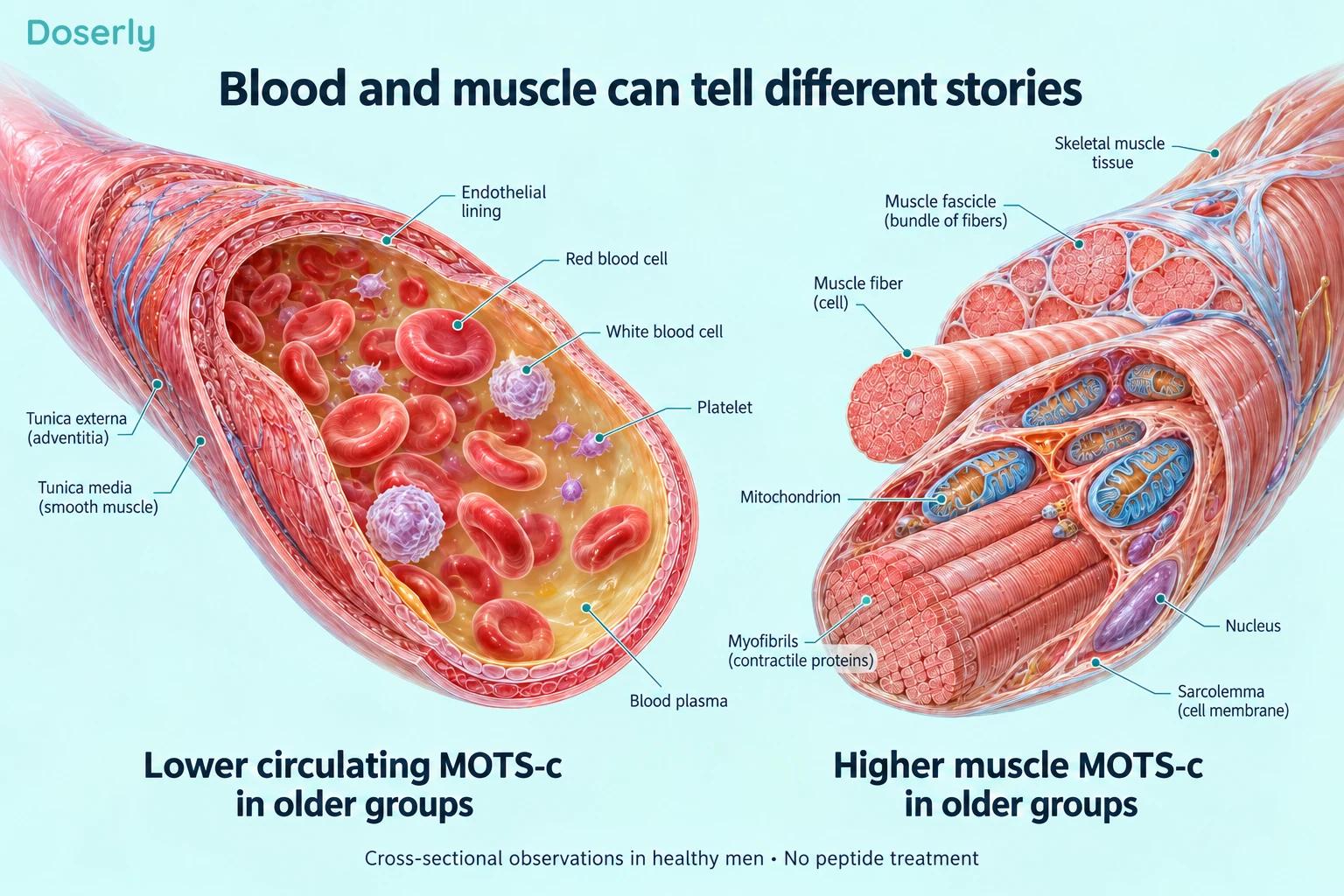
MOTS-c and aging in people: why blood and muscle tell different stories
A human aging study found lower circulating MOTS-c but higher muscle levels. Separate compartments and unpaired older samples complicate claims of deficiency.
Read articleFor informational and research purposes only.
Research, explained. Explore peptides, supplements, hormone health, longevity and red light therapy with clear, practical breakdowns of what the studies actually tell us.
Find a topic you’re curious about and take a closer look.
A human aging study found lower circulating MOTS-c but higher muscle levels. Separate compartments and unpaired older samples complicate claims of deficiency.
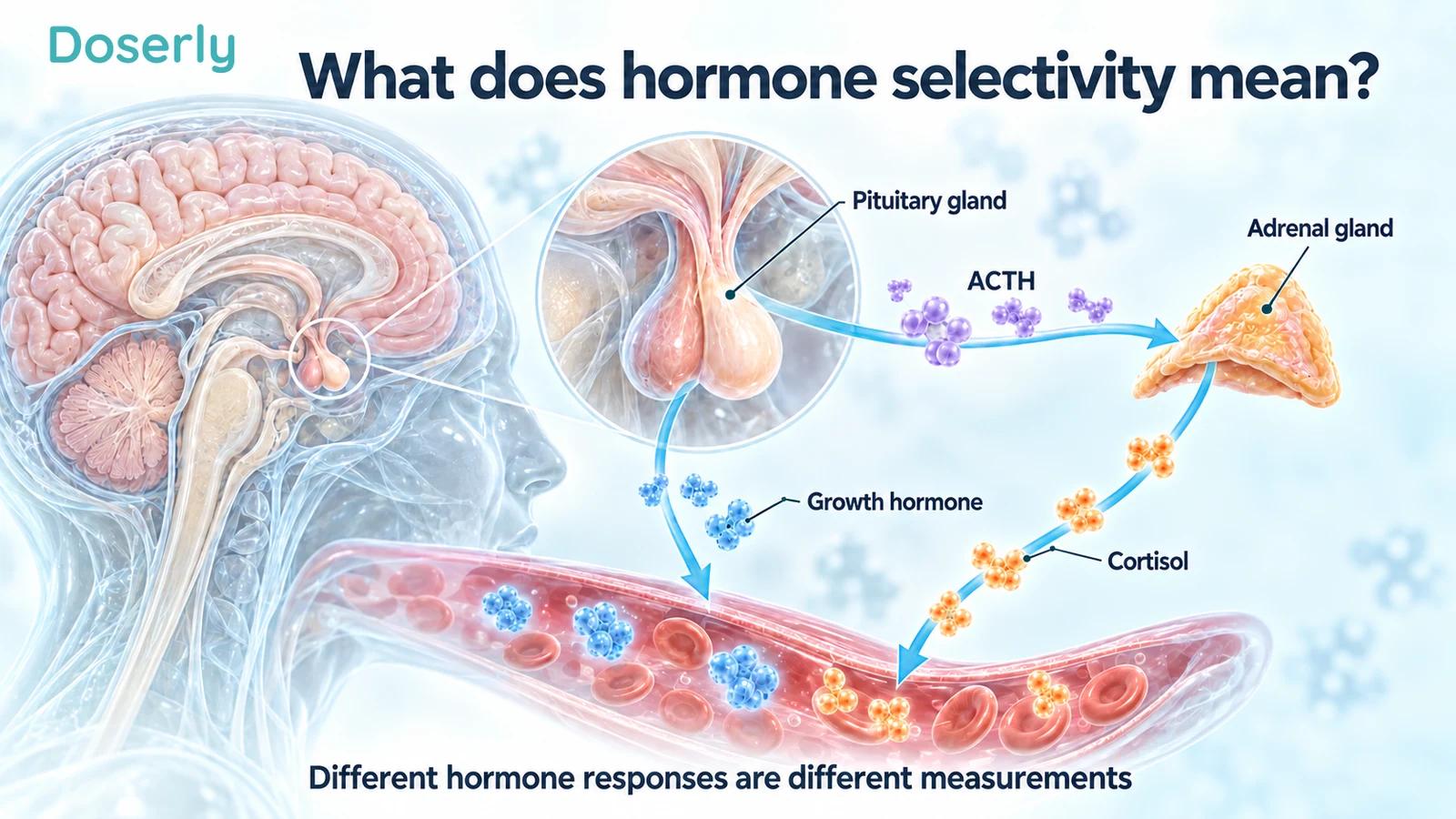
Read articleThe original experiments compared particular hormone responses. Here is what that finding tells us about ipamorelin—and what remains unknown in people.
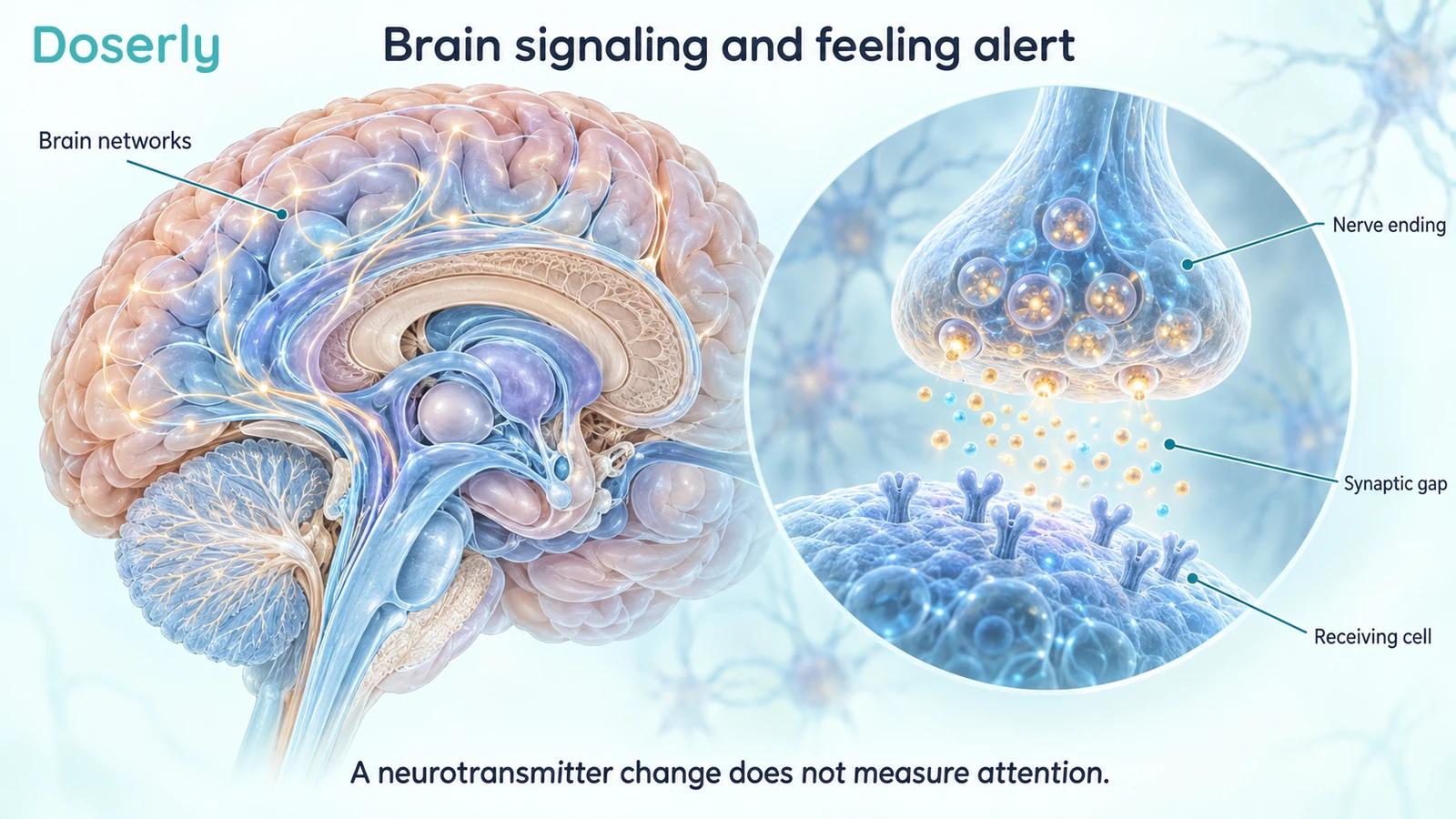
Read articleRodent dopamine findings, human brain scans and attention are different measurements. Learn what Semax studies actually support about stimulant comparisons.
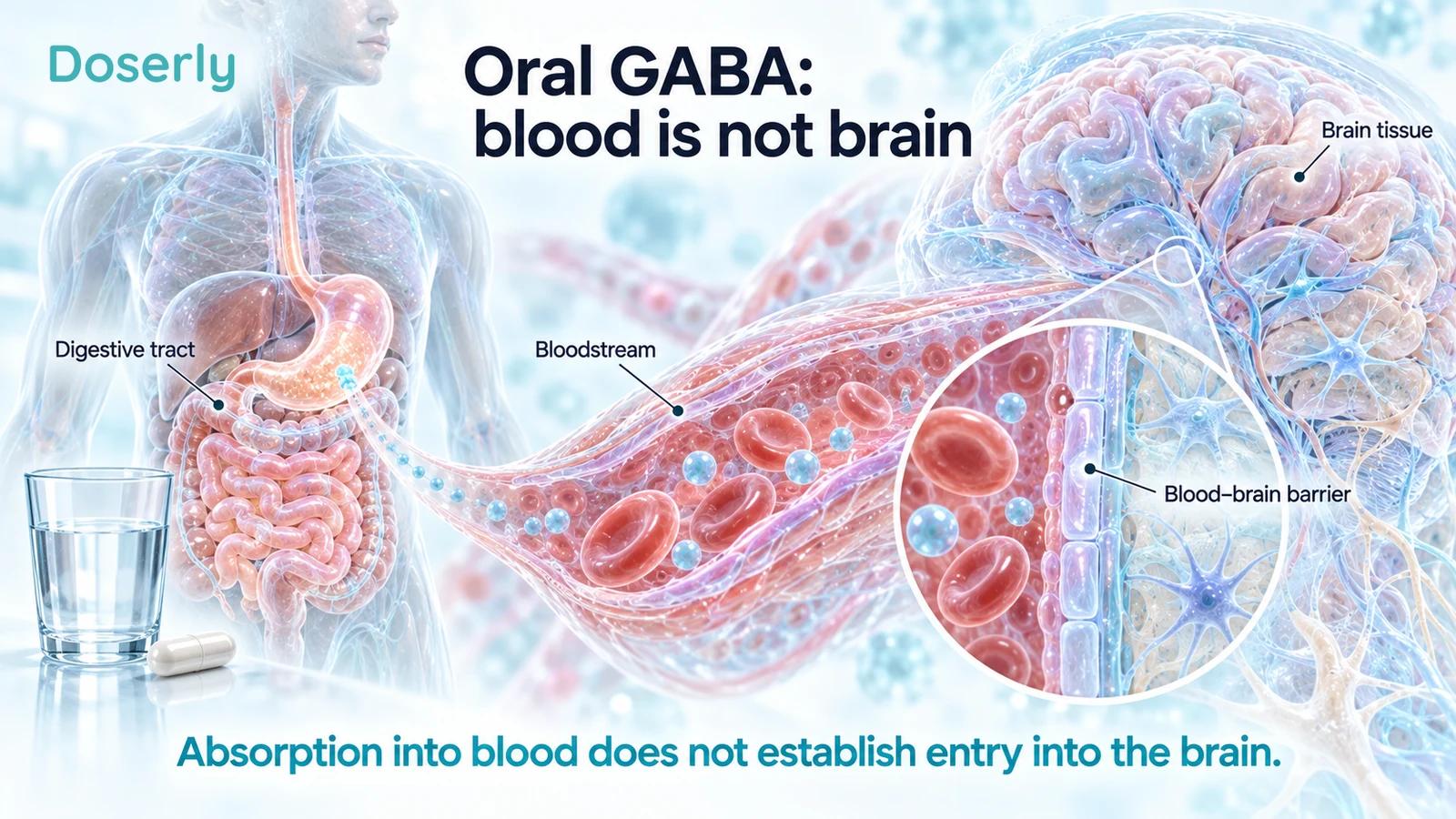
Read articleSmall GABA studies suggest a sleep-onset effect, but blood absorption, better sleep and a proven insomnia treatment are different questions.
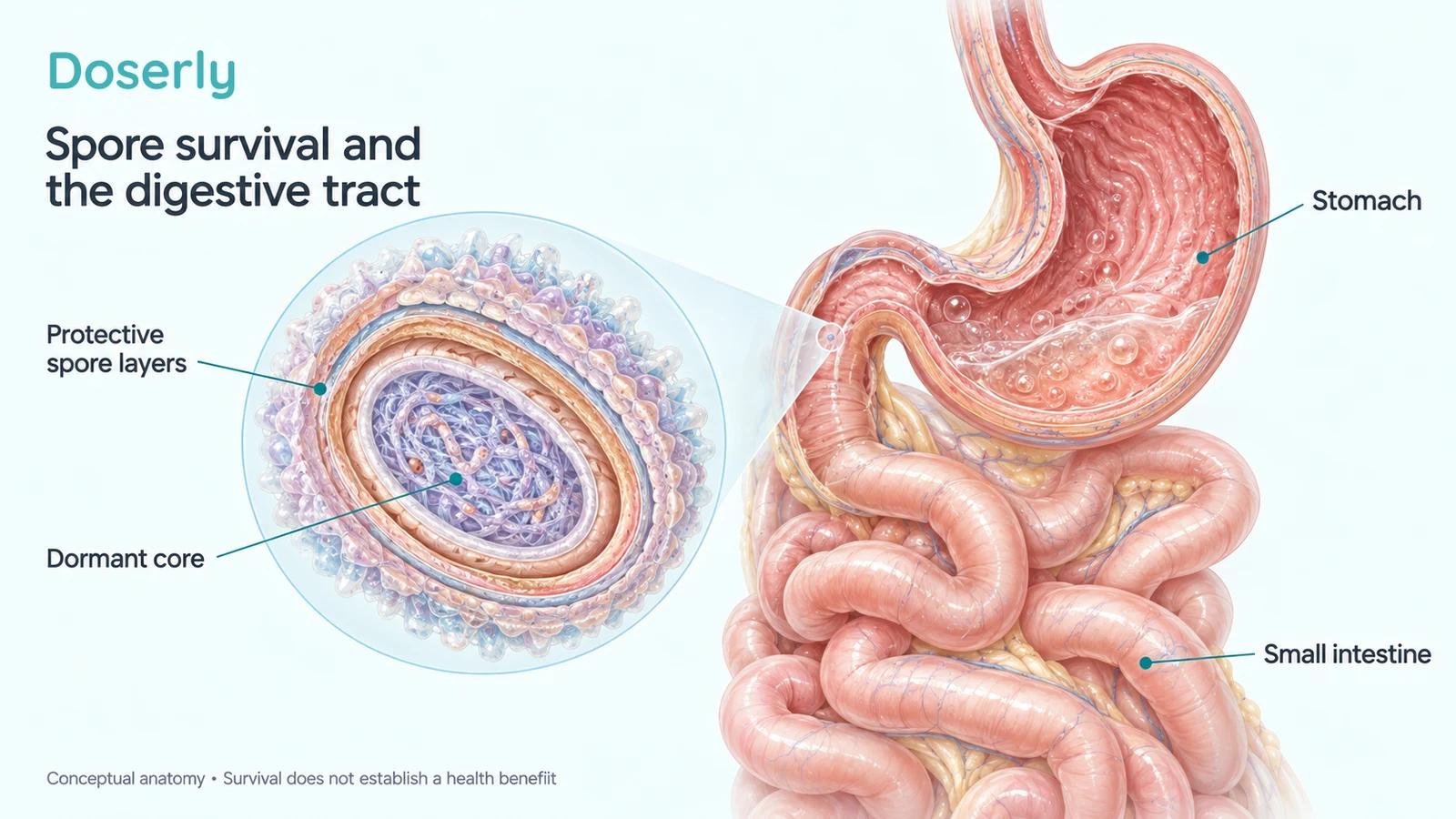
Read articleHow spore survival differs from symptom relief, and what specific Bacillus clausii trials can tell you about choosing a probiotic.
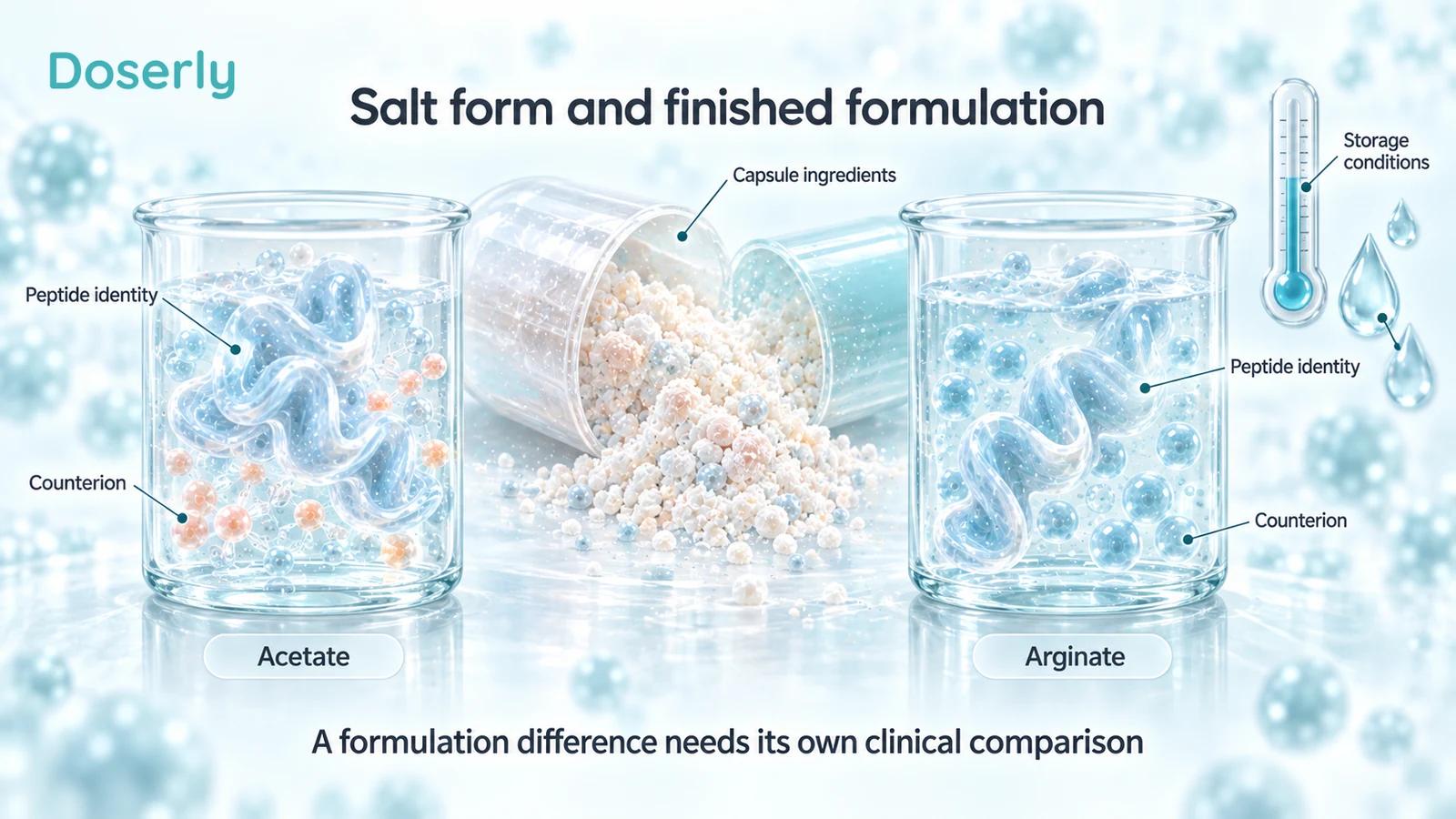
Read articleWhat salt names, patent stability tests and animal pharmacokinetics can tell you about BPC-157 capsules—and what still needs a human comparison.
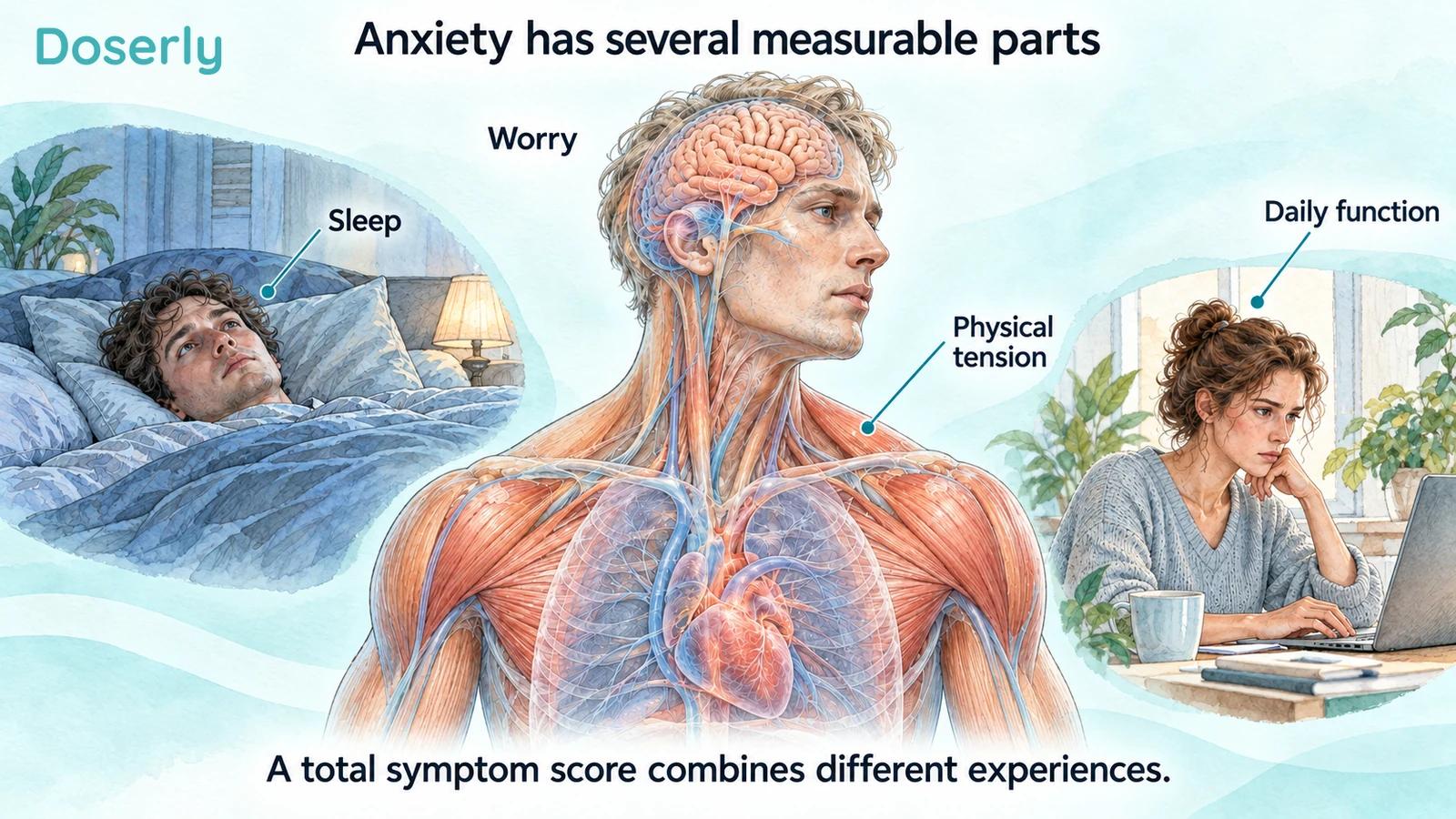
Read articleSmall Selank reports describe anxiety improvement. Learn how symptom scales, daily function, comparator treatments and follow-up shape what those findings mean.
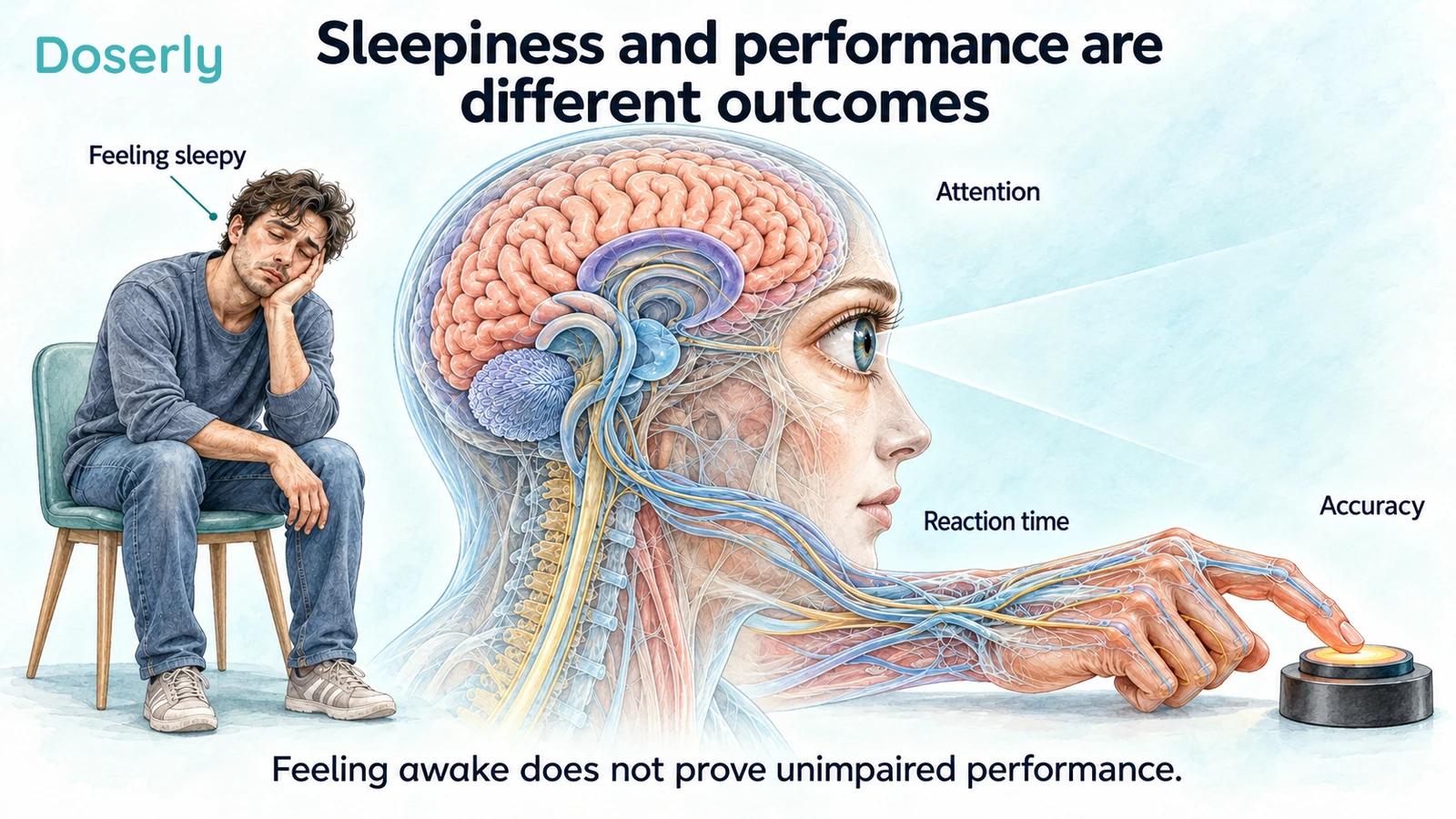
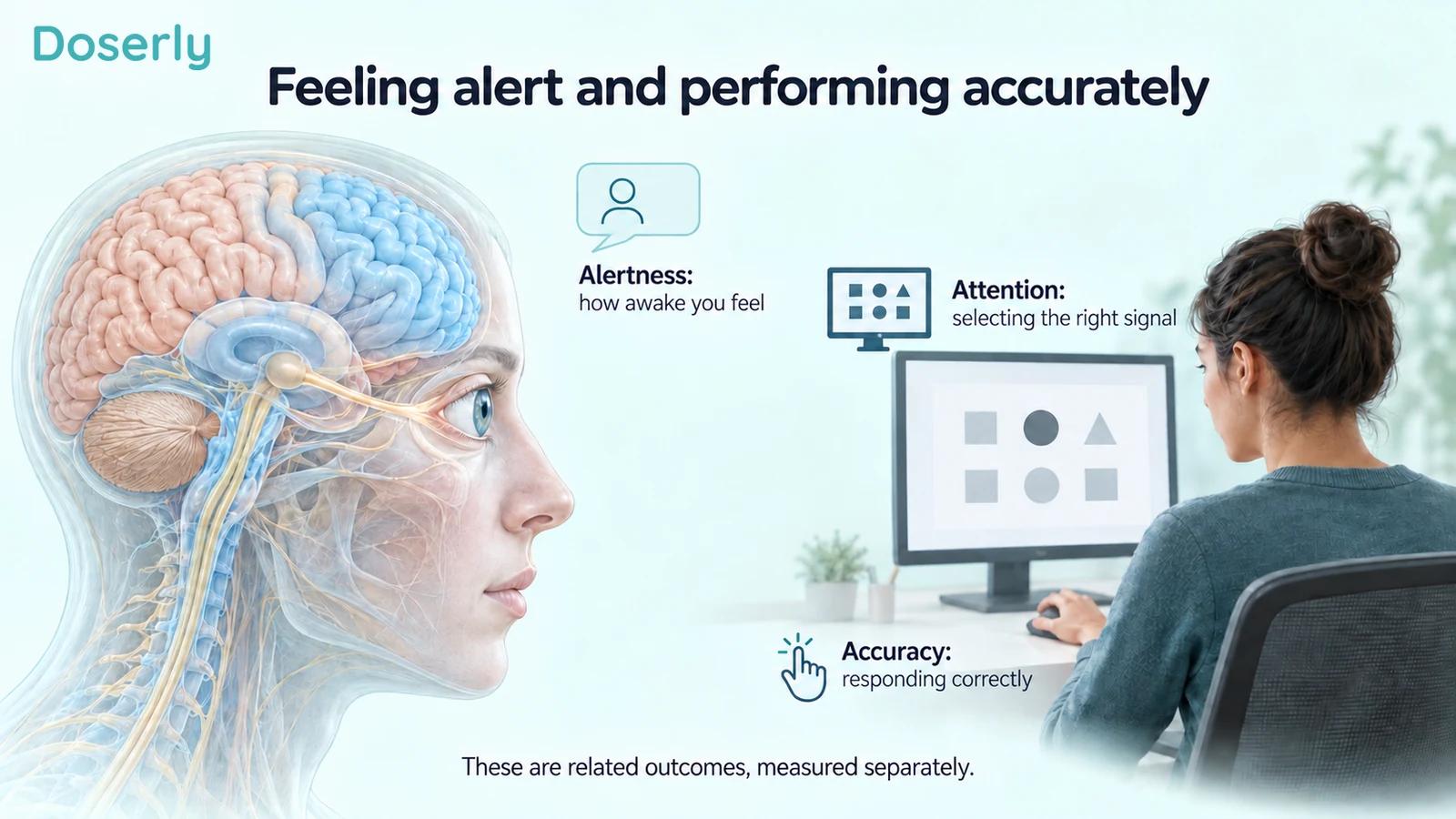
Read articleSleepiness, reaction time and cognitive performance are different outcomes. Explore what Selank tolerability reports do and do not establish.
Read articleWhat human trials say about adding theanine to caffeine, from attention tests to jitteriness, blood pressure and everyday tolerability.
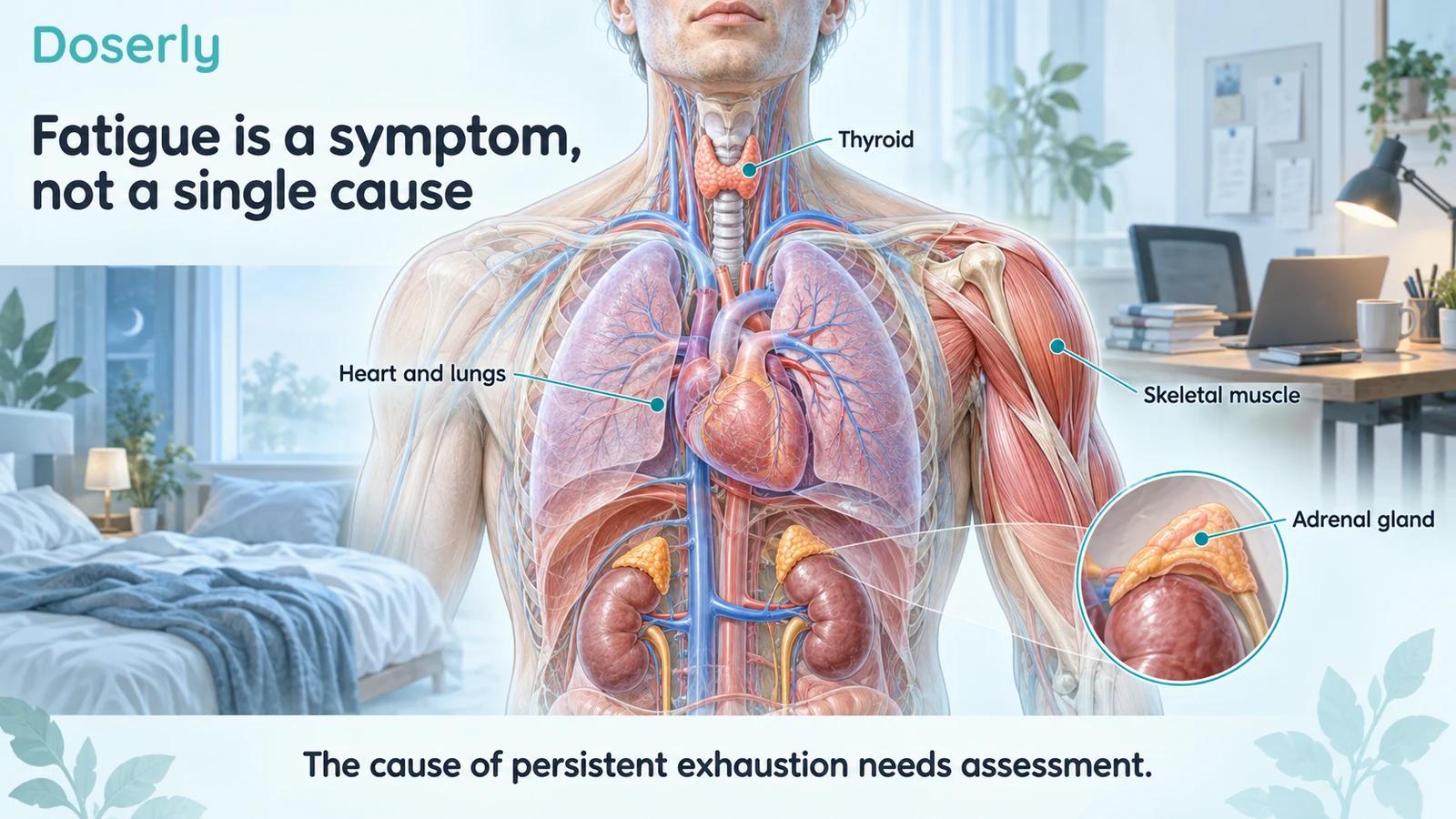
Read articleRhodiola's controlled fatigue trials disagree. Learn what the burnout studies measured, why cortisol is not a diagnosis and where assessment fits.
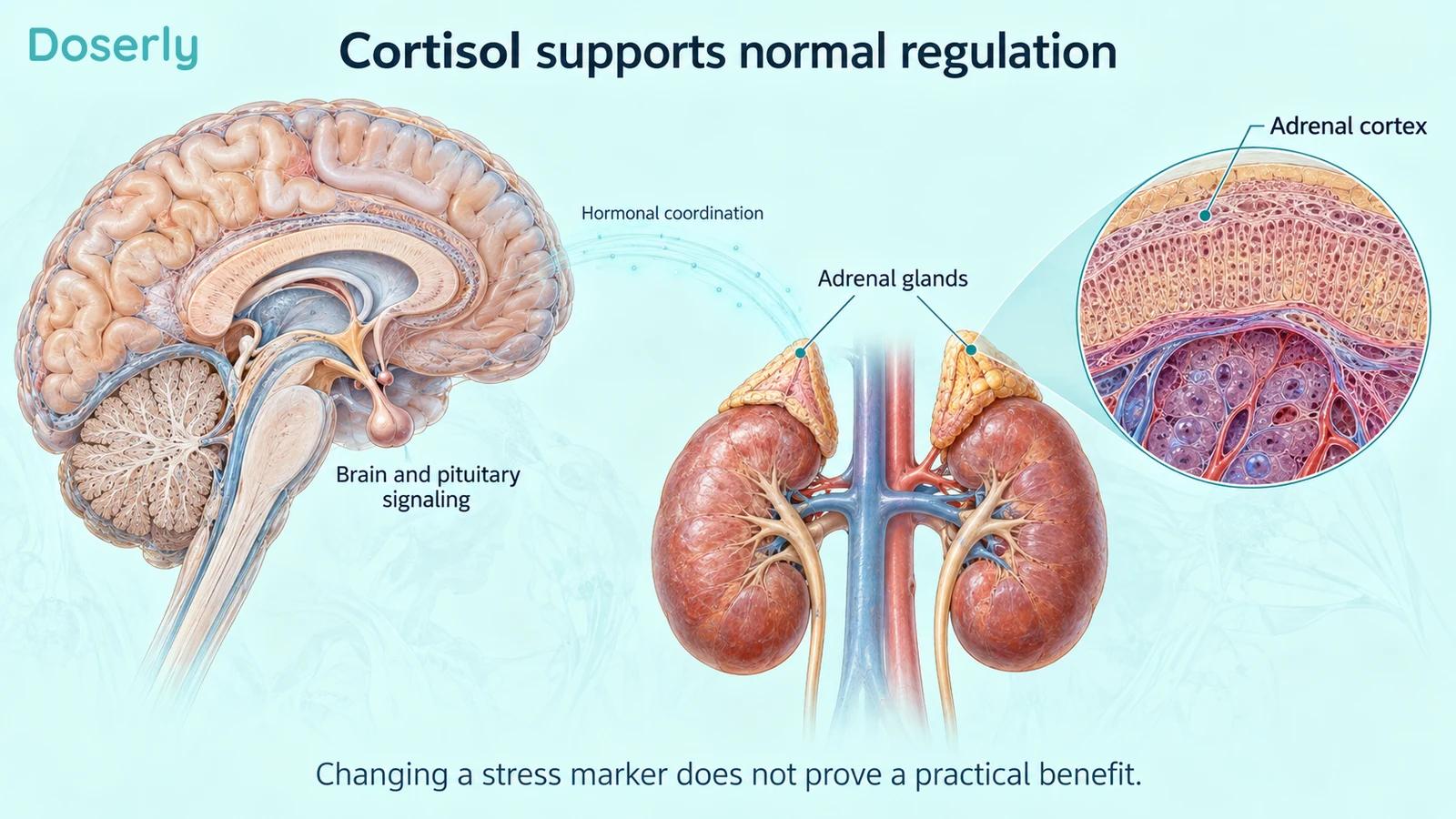
Read articleSmall phosphatidylserine studies separate hormone changes from calmness, exercise capacity and recovery. A lower cortisol result does not establish all four.
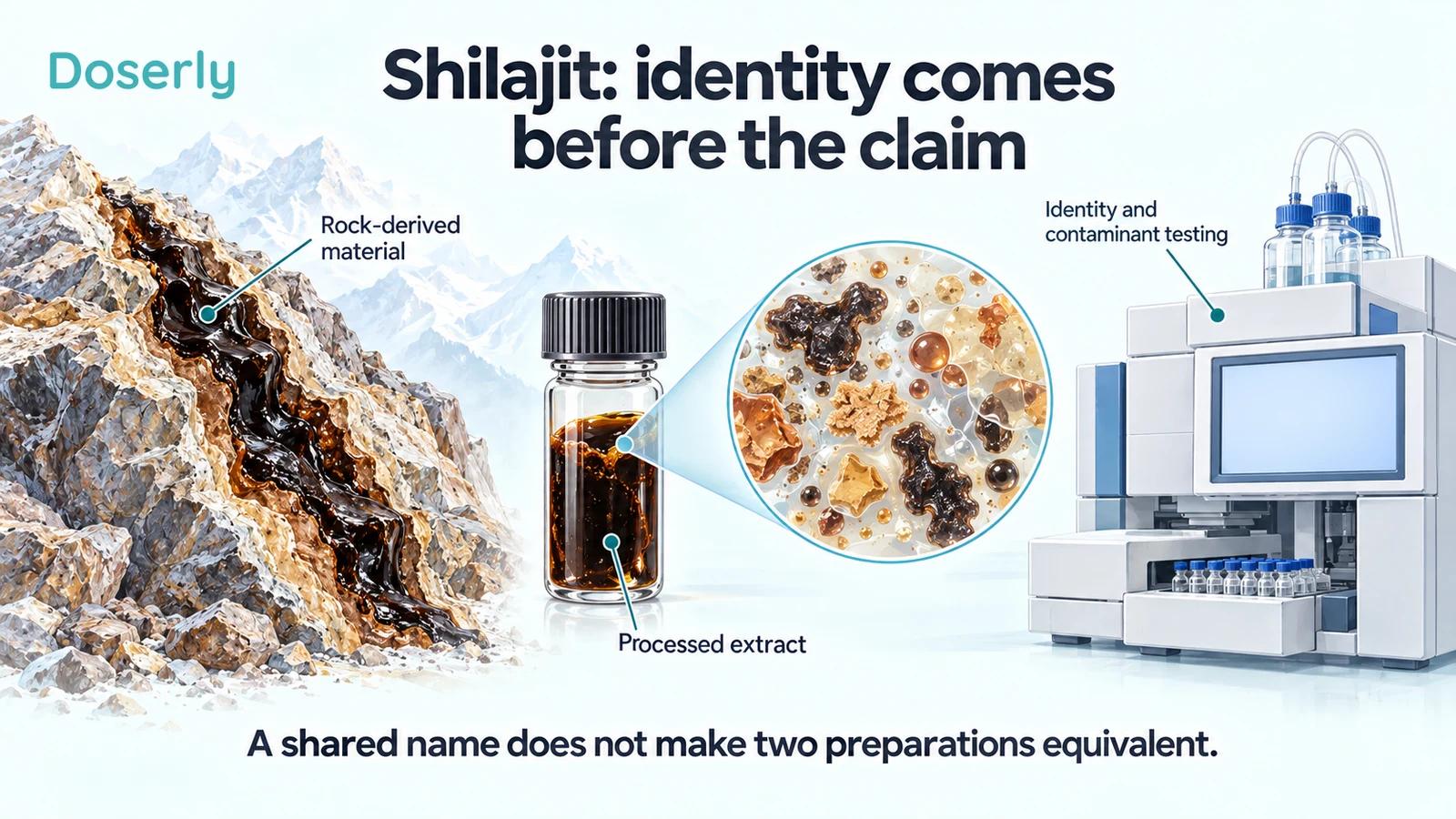
Read articleShilajit research tested defined preparations. Learn how hormone, strength and bone findings differ—and what a quality report should clarify.
Read article506–517 of 600 articles