Peptides9 min read
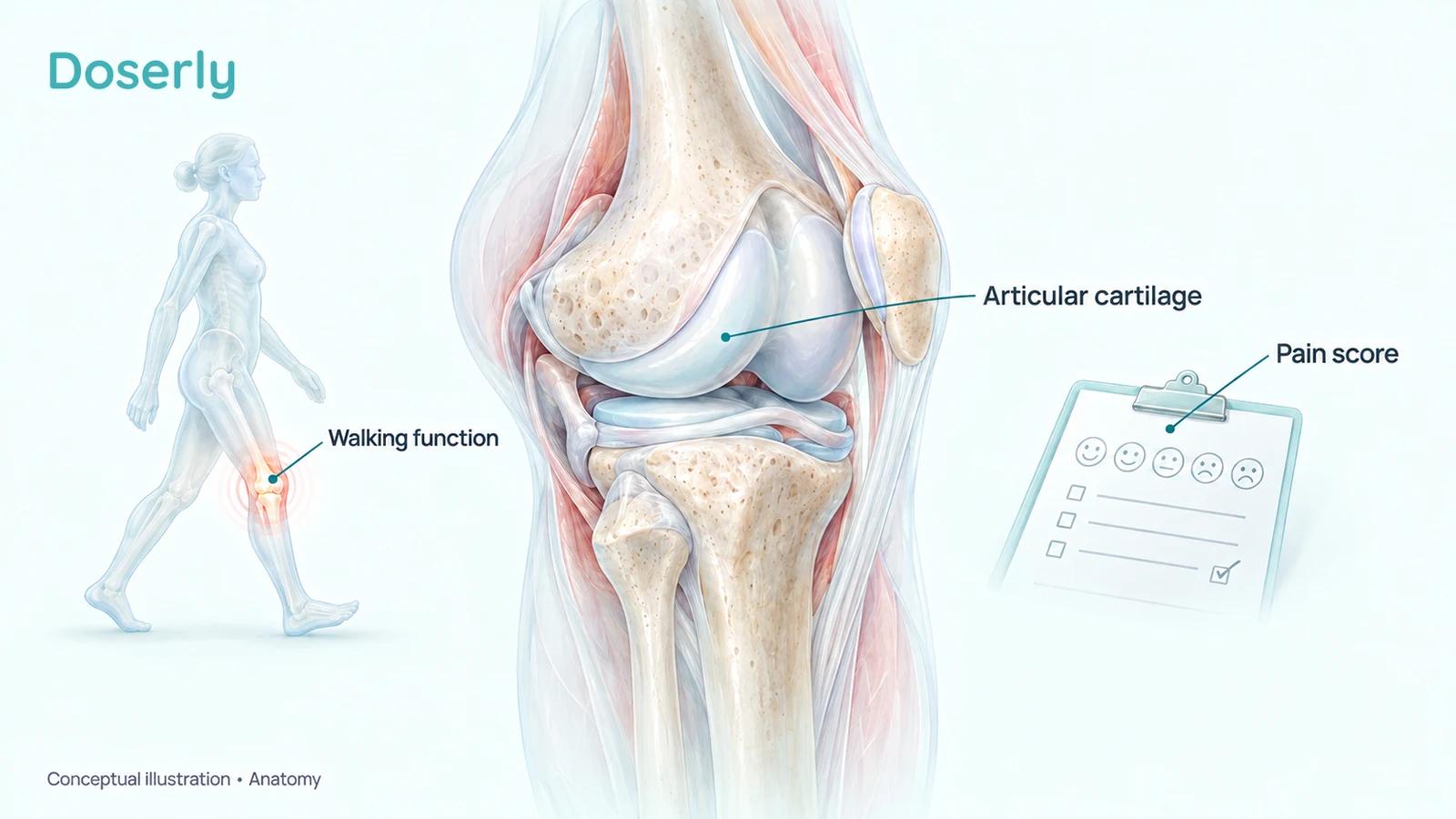
Semaglutide and knee pain: what improved in STEP 9
STEP 9 found better pain and physical-function outcomes in adults with obesity and knee osteoarthritis. Learn why that is different from cartilage repair.
Read articleFor informational and research purposes only.
Research, explained. Explore peptides, supplements and hormone health with clear, practical breakdowns of what the studies actually tell us.
Metabolism, recovery and emerging research
STEP 9 found better pain and physical-function outcomes in adults with obesity and knee osteoarthritis. Learn why that is different from cartilage repair.
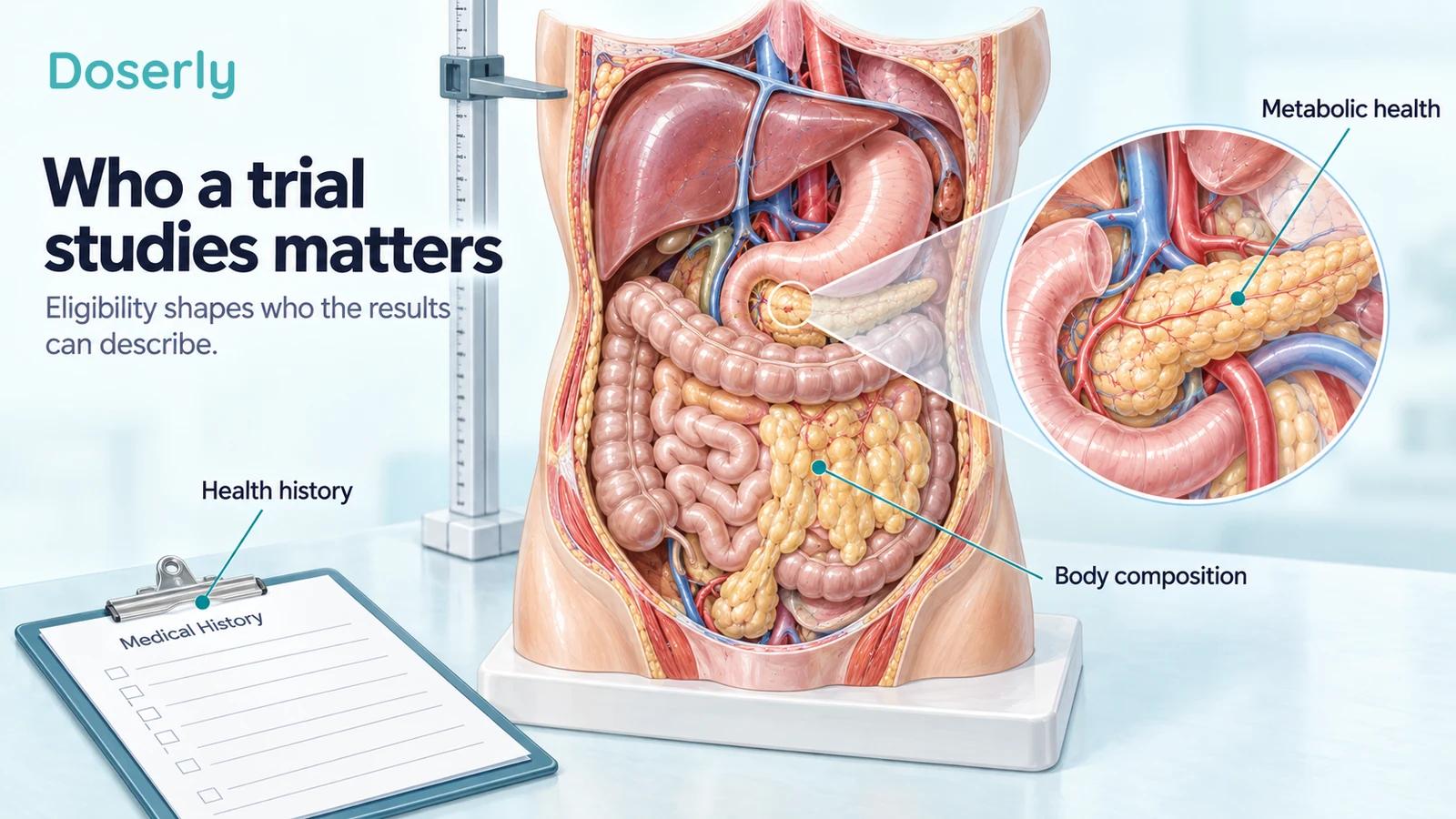
Read articleThe US mazdutide trial broadens the evidence, but actual enrollment, eligibility and small treatment groups define how far its results can travel.
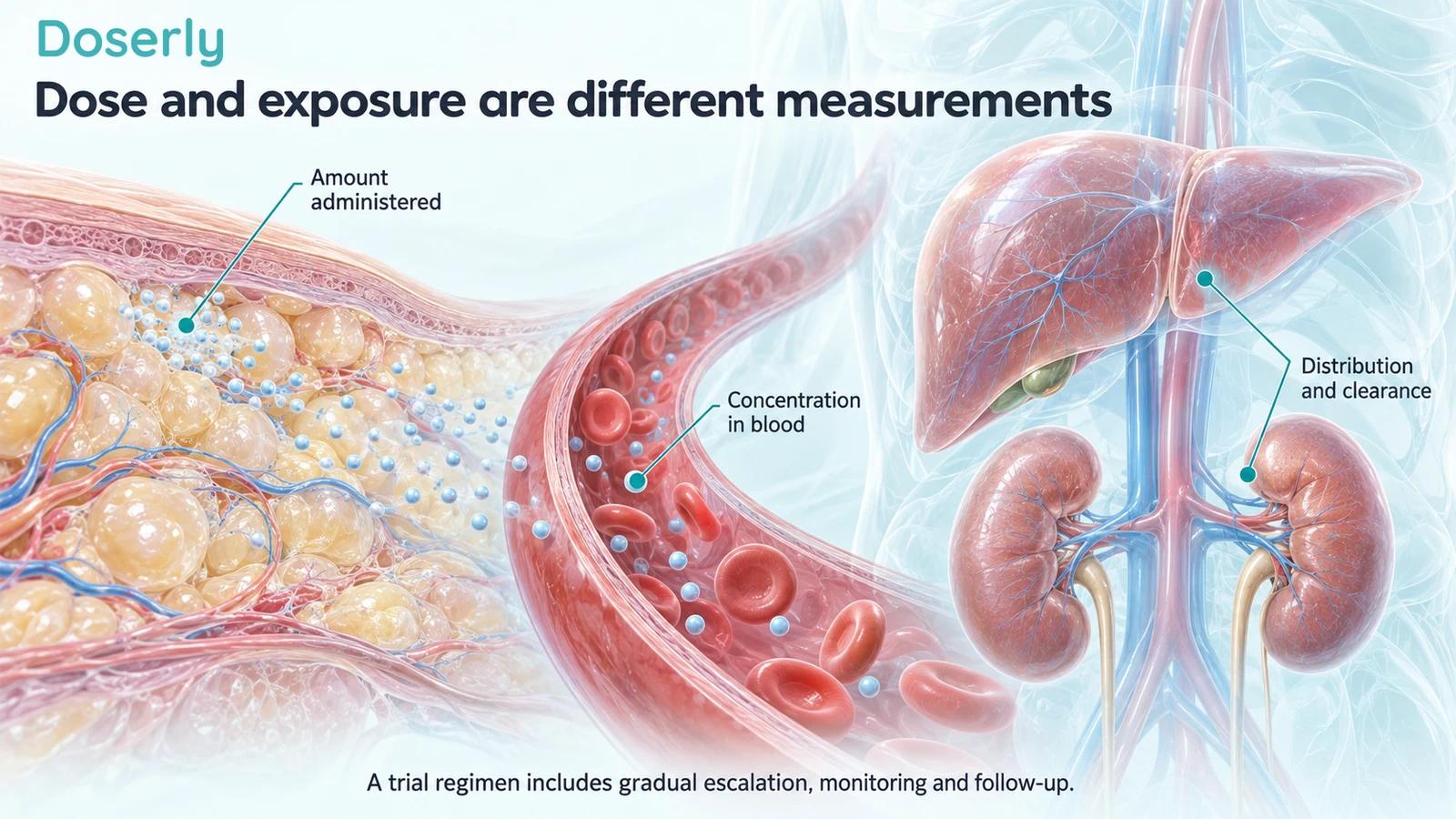
Read articleHigher-dose trials show substantial weight reduction, alongside important differences in exposure, analysis methods and gastrointestinal tolerability.
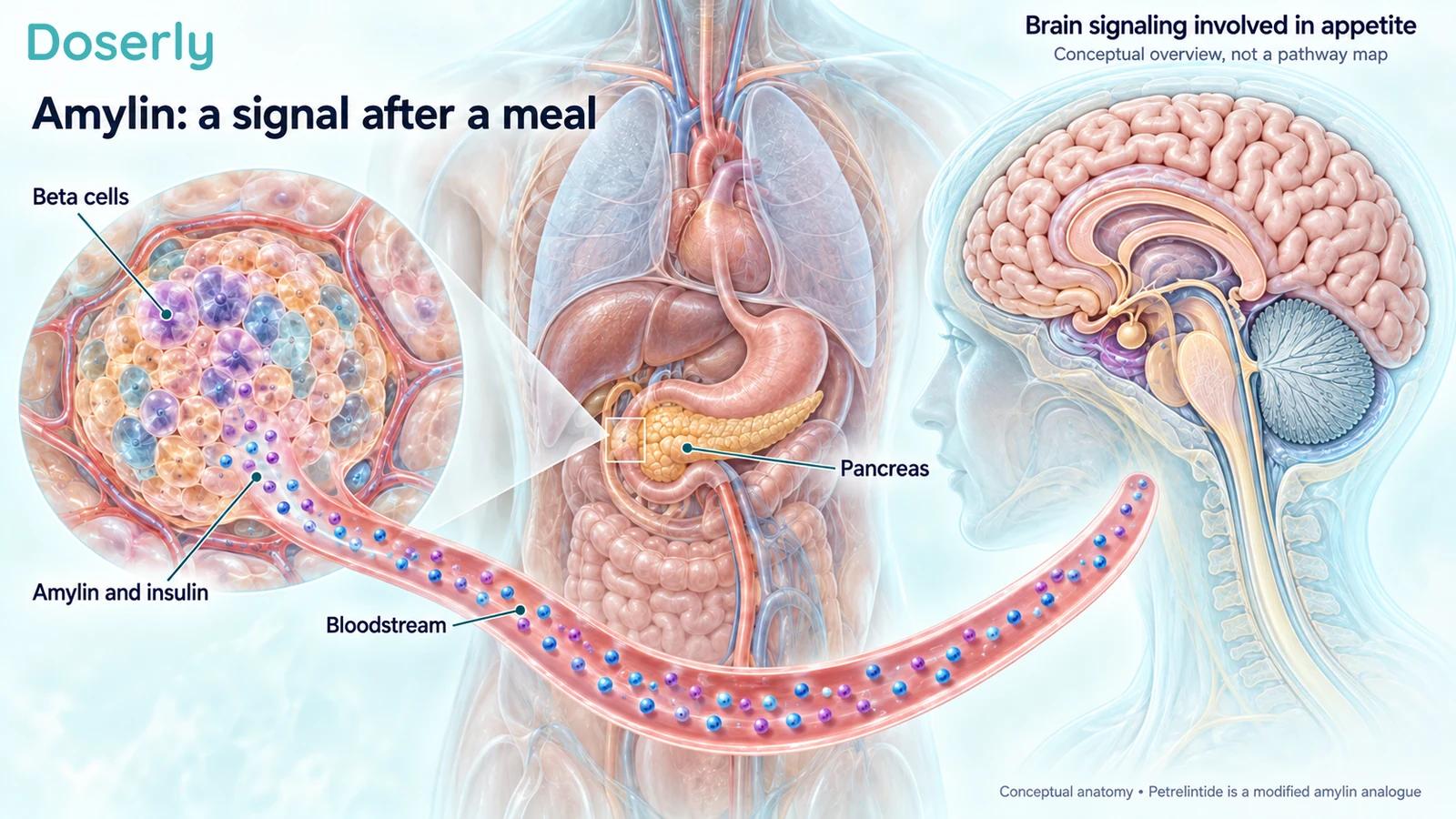
Read articlePetrelintide builds on a familiar fullness hormone with a longer-acting molecule and new formulation possibilities.
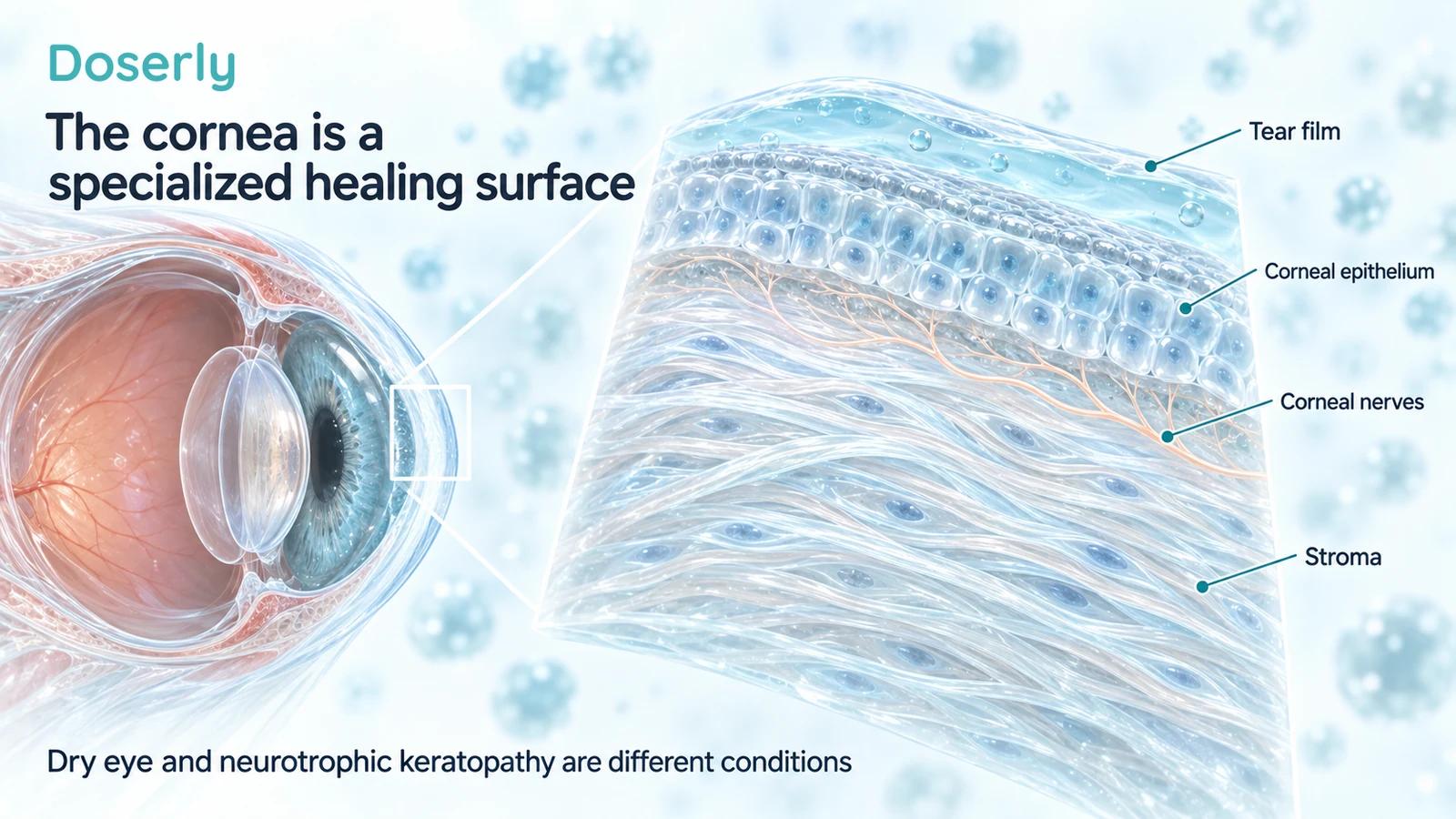
Read articleARISE-3 and the small corneal-defect trial answer different eye-health questions. Their findings do not establish an injected recovery combination.
Read articlePersistent digestive symptoms need an explanation. Understand the role of history, targeted tests, symptom tracking and the limits of KPV research.
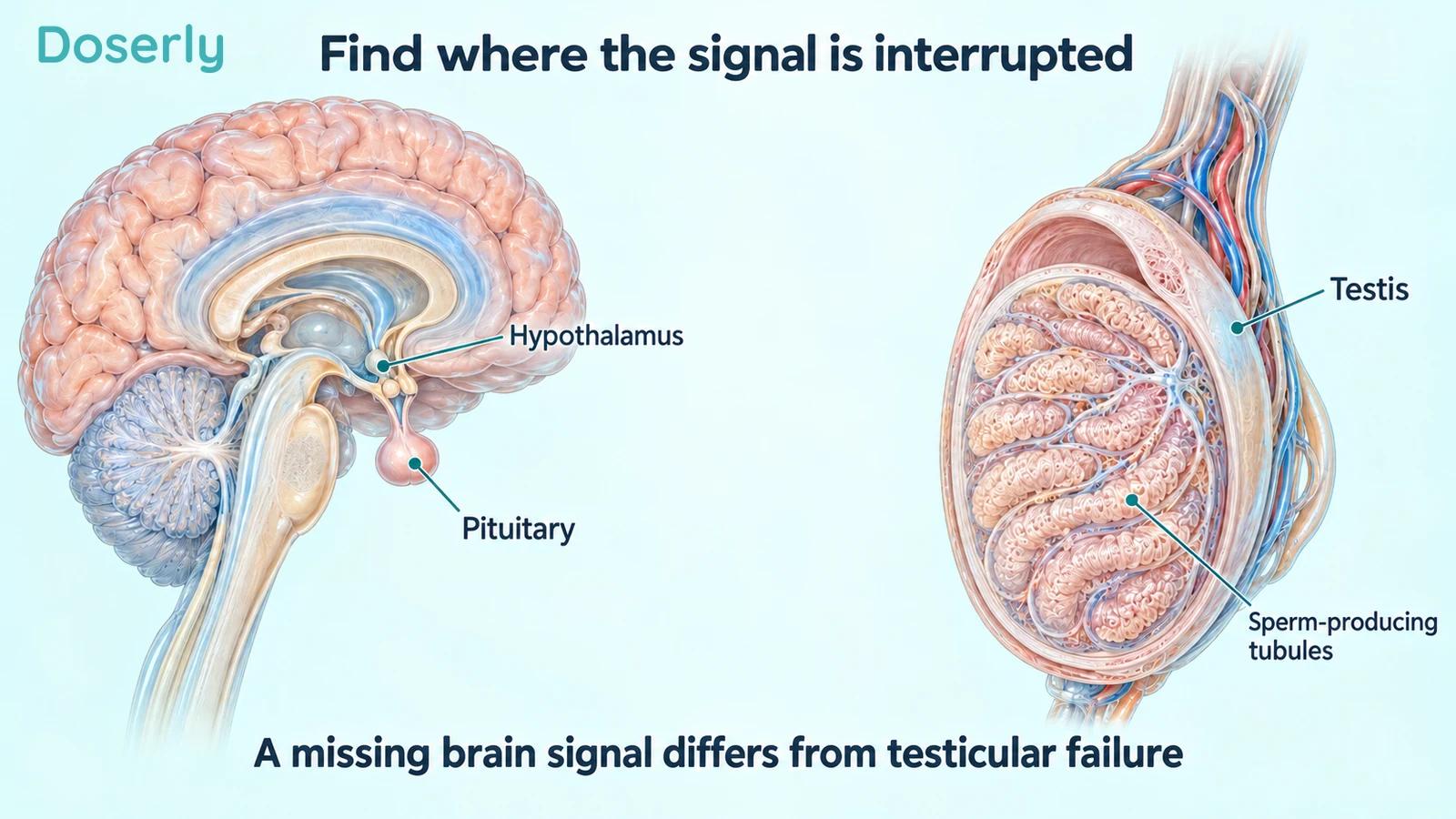
Read articleWhy gonadorelin's fertility role depends on the location of the hormone problem, with evidence from male hypogonadism and hypothalamic amenorrhea.
Read articleUnderstand the separate desire, distress, and satisfying-event results in RECONNECT, including score changes, response thresholds and dropout.
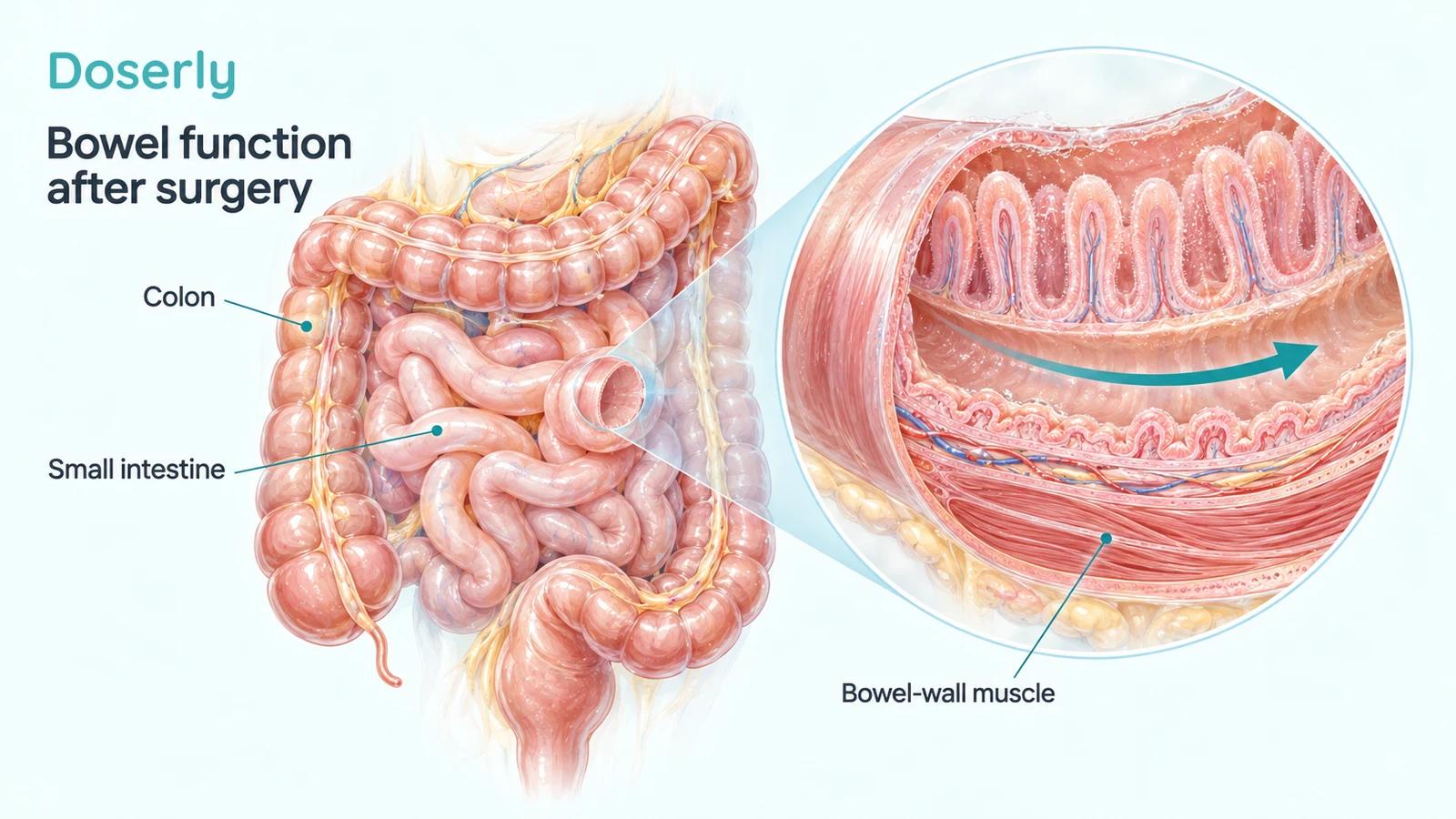
Read articleA closer look at ipamorelin's bowel-surgery trial, its nonsignificant meal-tolerance result, serious-event uncertainty and limits for fitness claims.
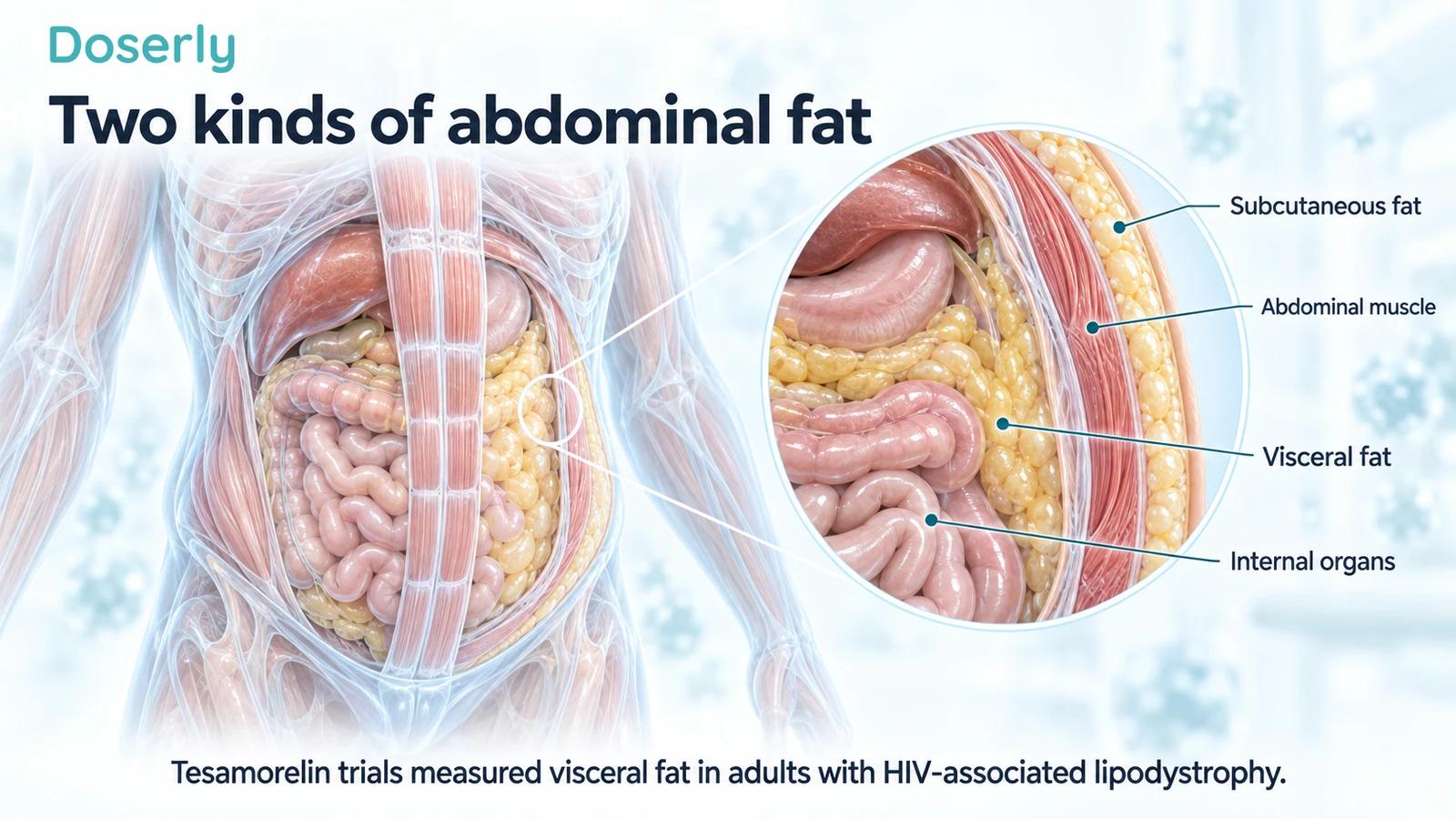
Read articleSharing the GHRH receptor pathway does not make sermorelin and tesamorelin interchangeable. Their research populations, outcomes, and approved uses differ.
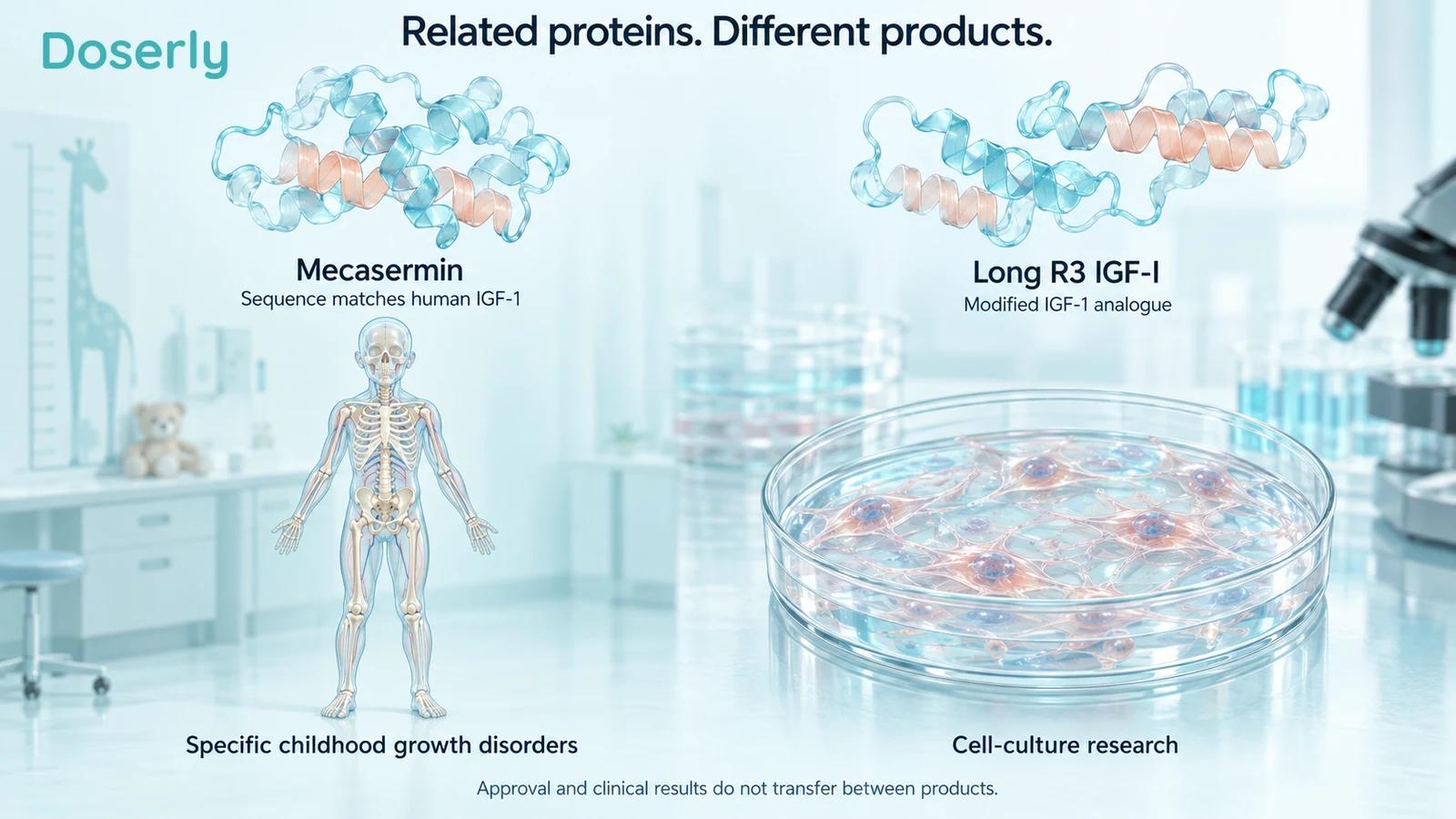
Read articleMecasermin and LR3 share a biological family, but their molecules, clinical uses and supporting evidence are different.
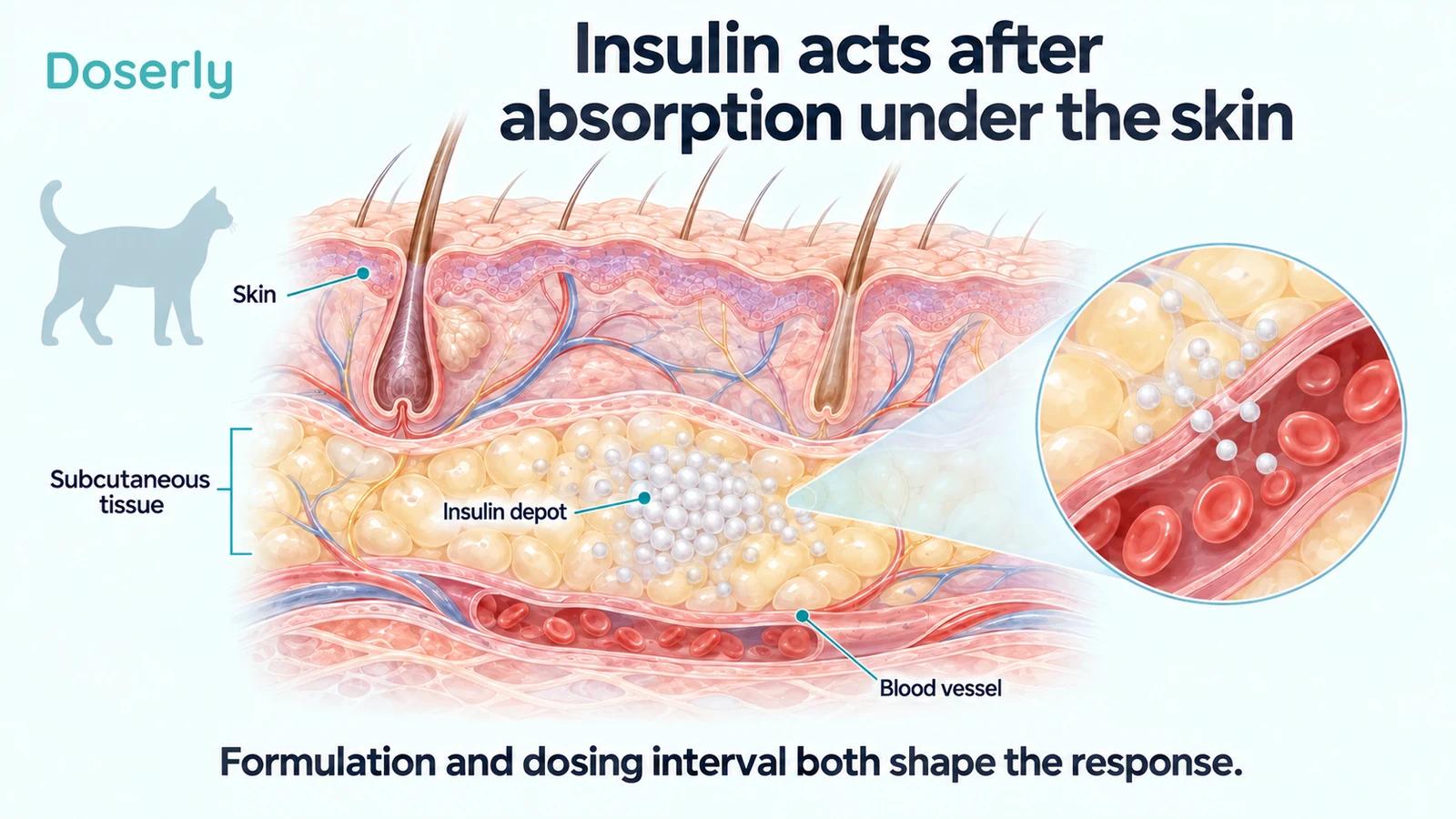
Read articleThe early comparison tested different insulin schedules. Later studies and current guidance explain why its thirteen completers cannot settle every cat's choice.
Read article73–84 of 320 articles