Peptides9 min read
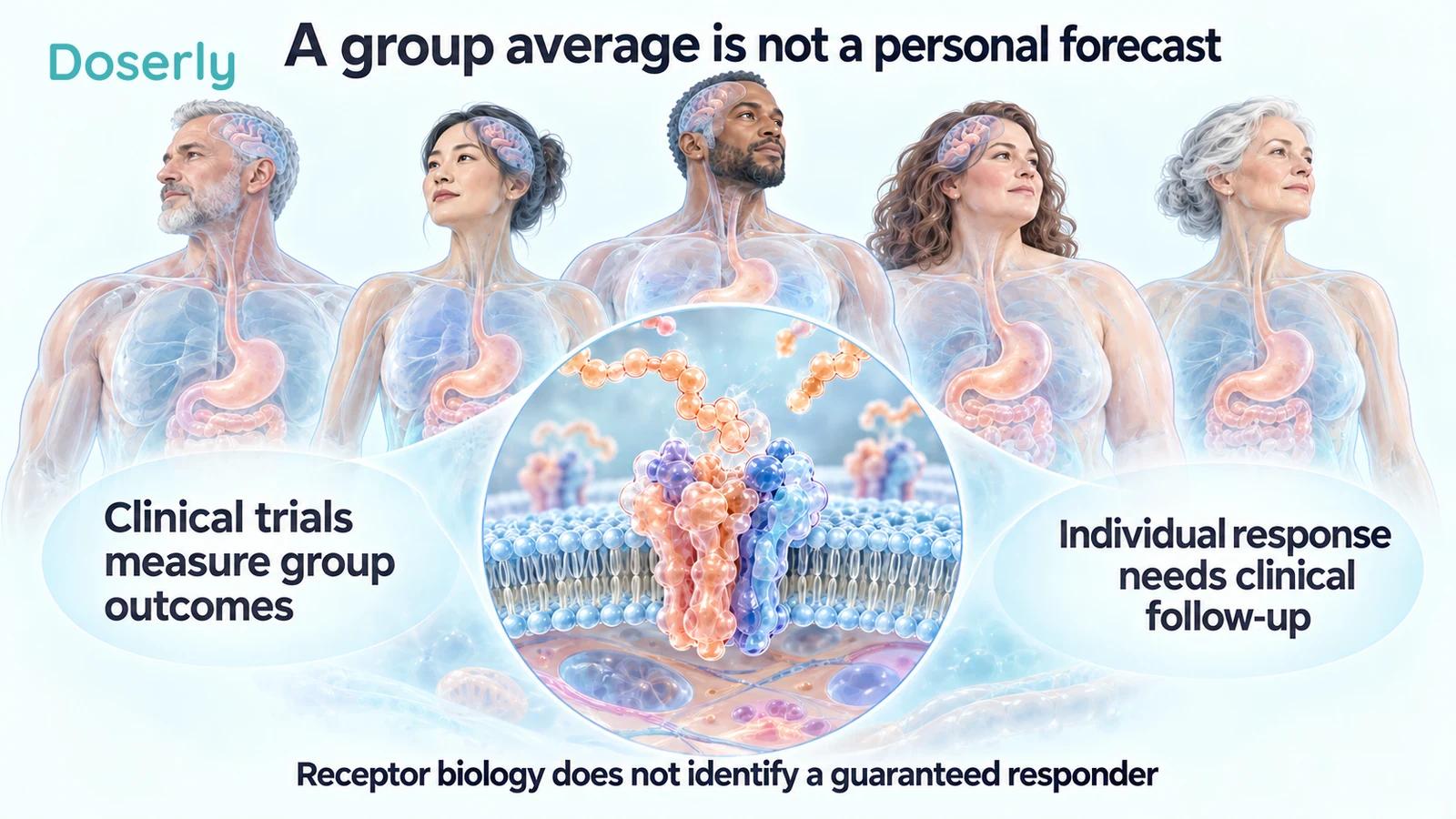
Can amylin research tell us who will respond best?
Amylin biology and trial averages can guide research, but personalized response claims require separate validation in new patients.
Read articleFor informational and research purposes only.
Research, explained. Explore peptides, supplements and hormone health with clear, practical breakdowns of what the studies actually tell us.
Metabolism, recovery and emerging research
Amylin biology and trial averages can guide research, but personalized response claims require separate validation in new patients.
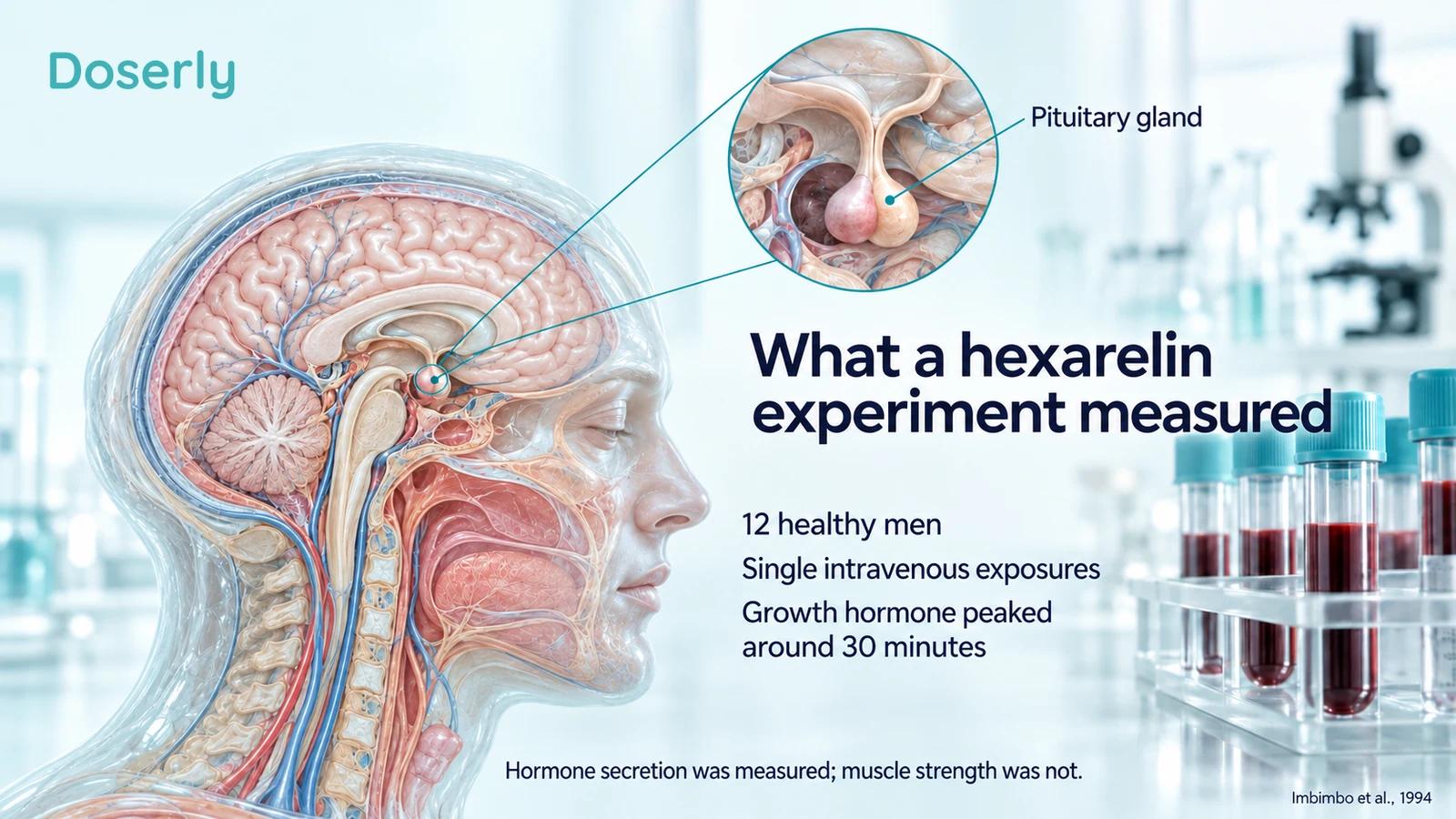
Read articleA close reading of the original hexarelin experiments explains what small human studies measured and where claims about lasting benefits go beyond the results.
Read articleUse real ARA-290 studies to distinguish nerve images, symptom relief, glucose results, retinal outcomes and laboratory brain responses.
Read articleUseful LR3 research would need to connect a defined exposure to meaningful strength or recovery outcomes while systematically measuring harms.
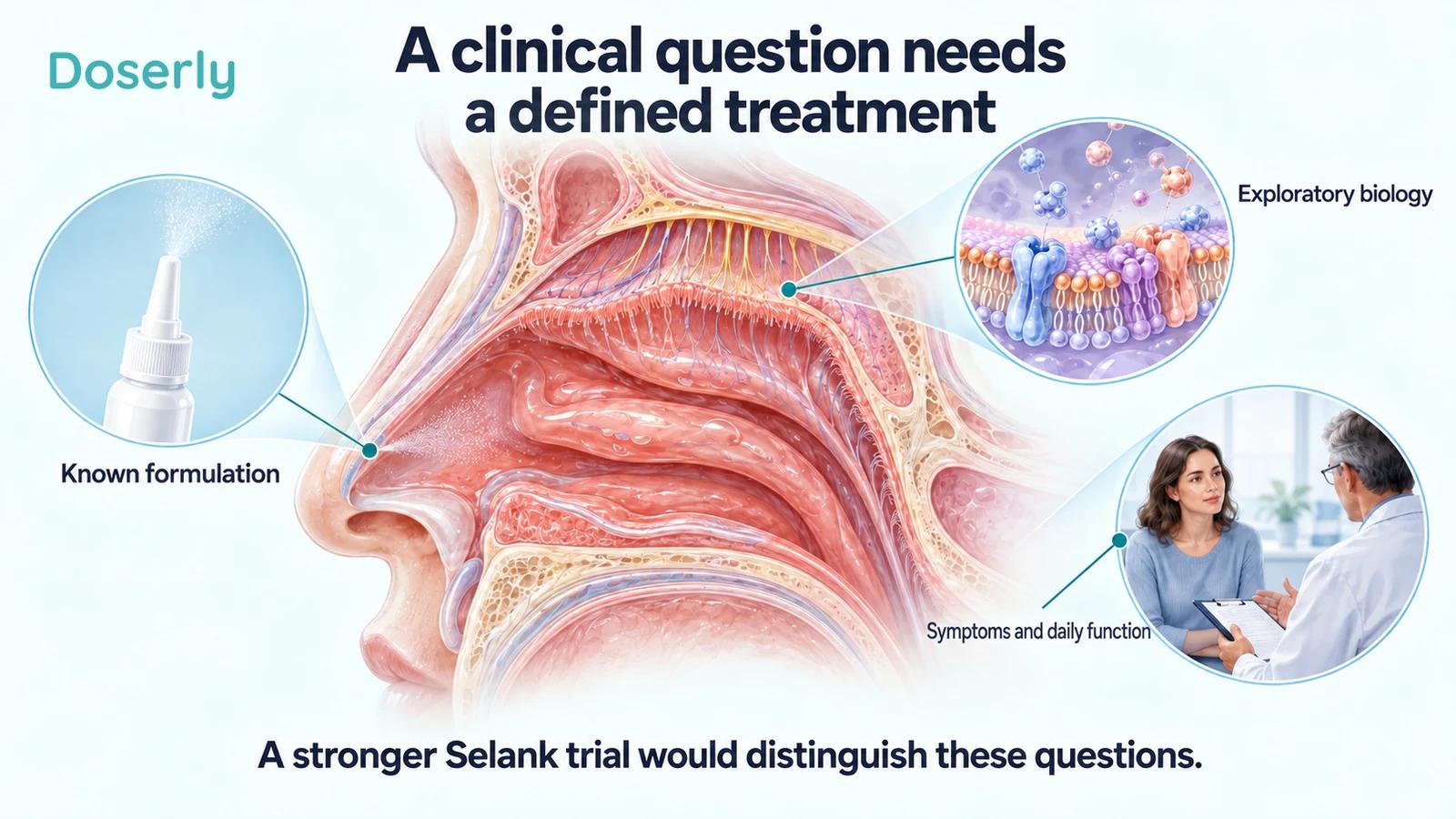
Read articleA useful next Selank trial needs a defined product, a focused patient group, meaningful outcomes and follow-up that includes people who stop treatment.
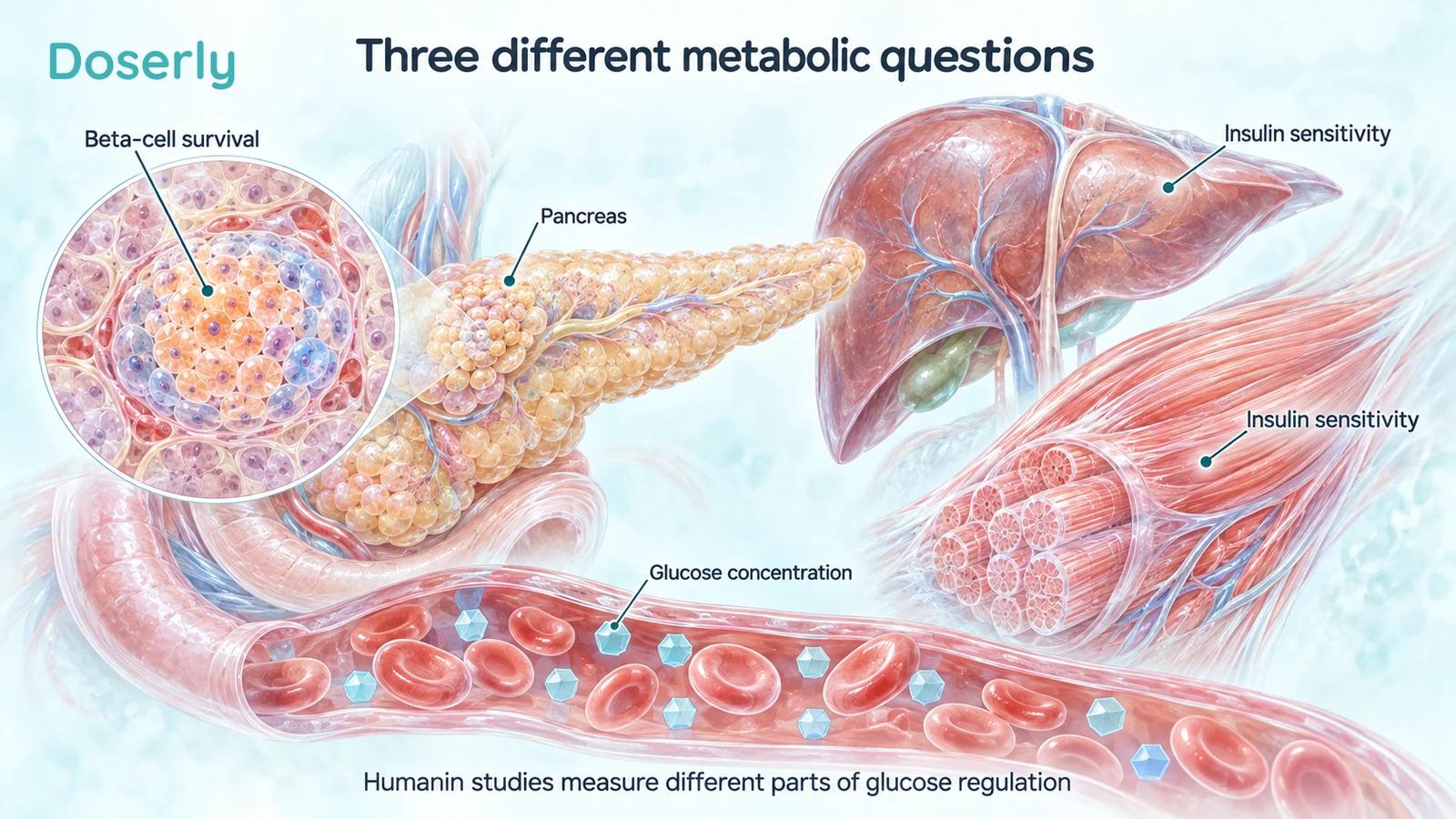
Read articleHumanin’s metabolic evidence spans rodent insulin-action experiments, beta-cell models and human blood associations. Each answers a different question.
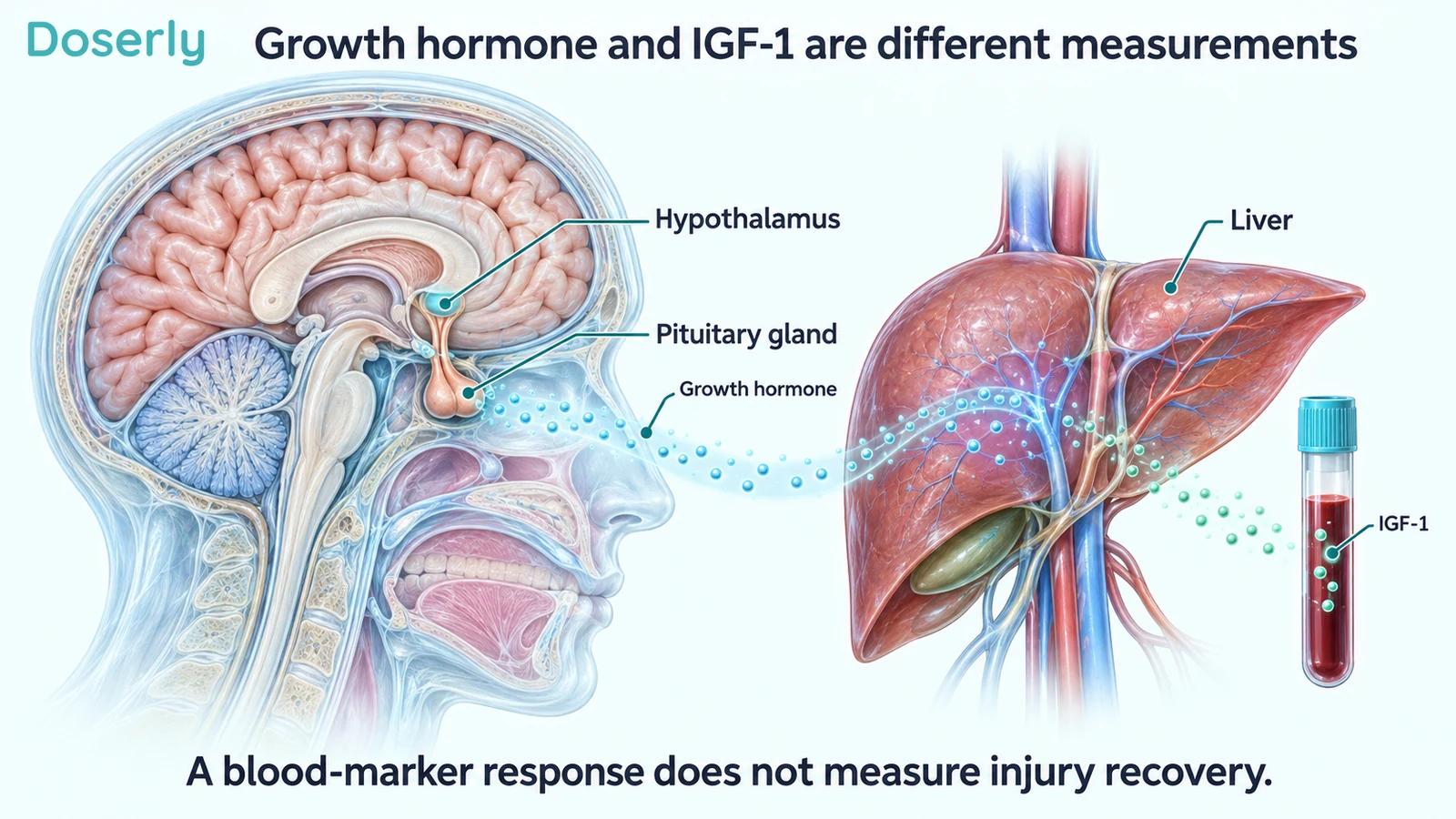
Read articleHuman studies show GHRP-6 hormone responses, but those measurements do not establish faster healing. Explore GH, IGF-1 and functional recovery.
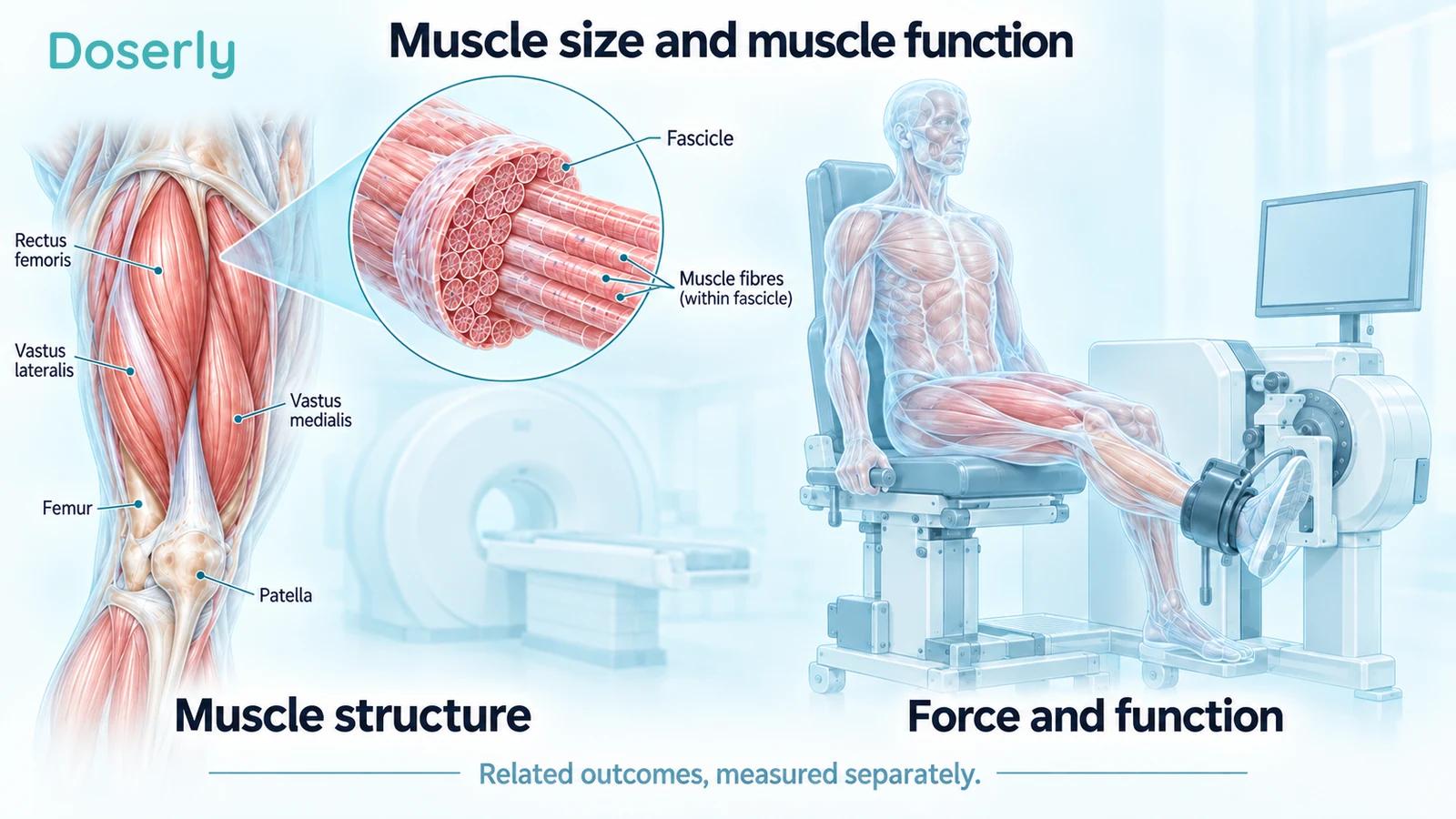
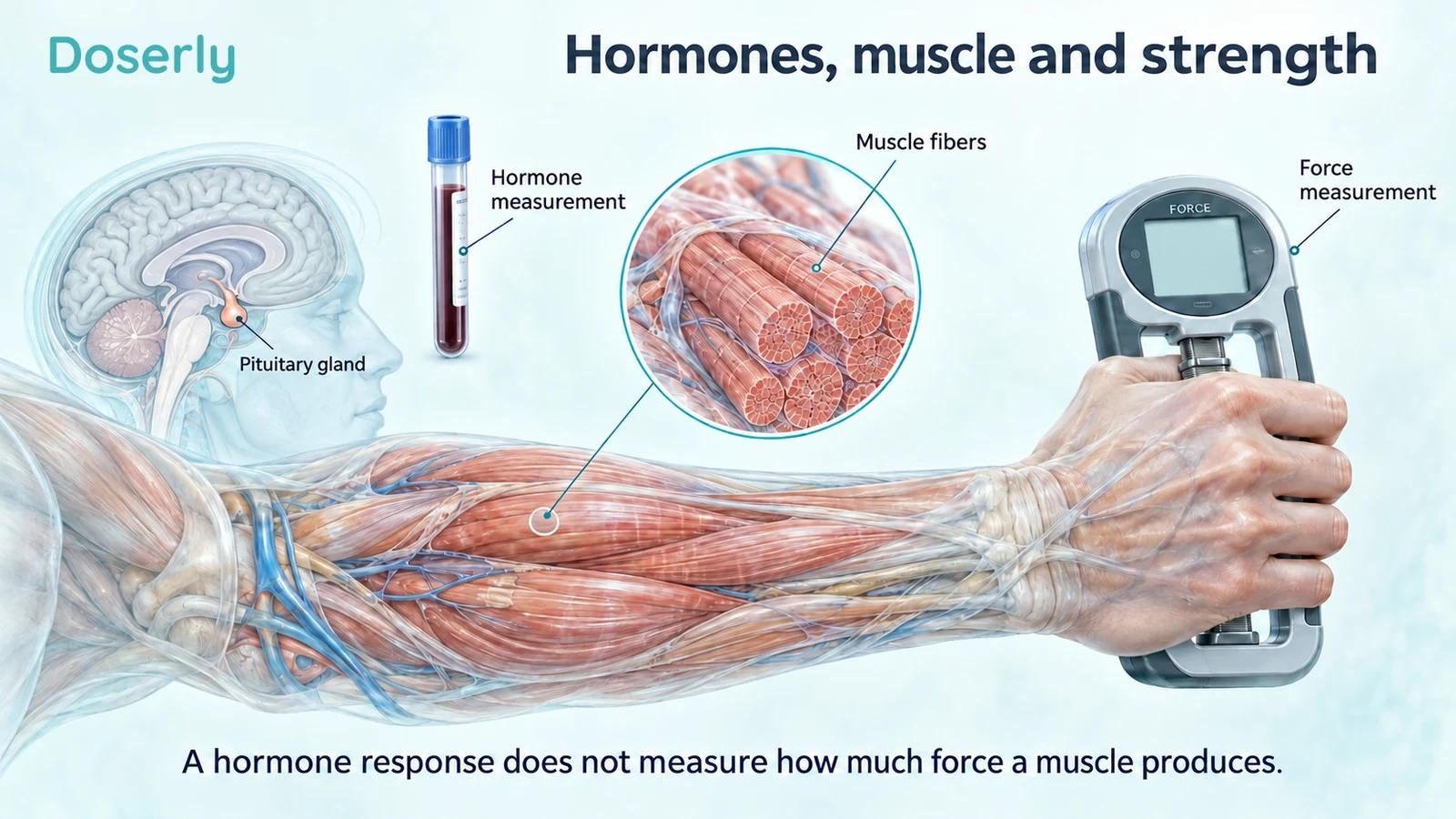
Read articleHexarelin releases growth hormone, but the human research has not established stronger muscles. See what the studies measured and why lean mass can mislead.
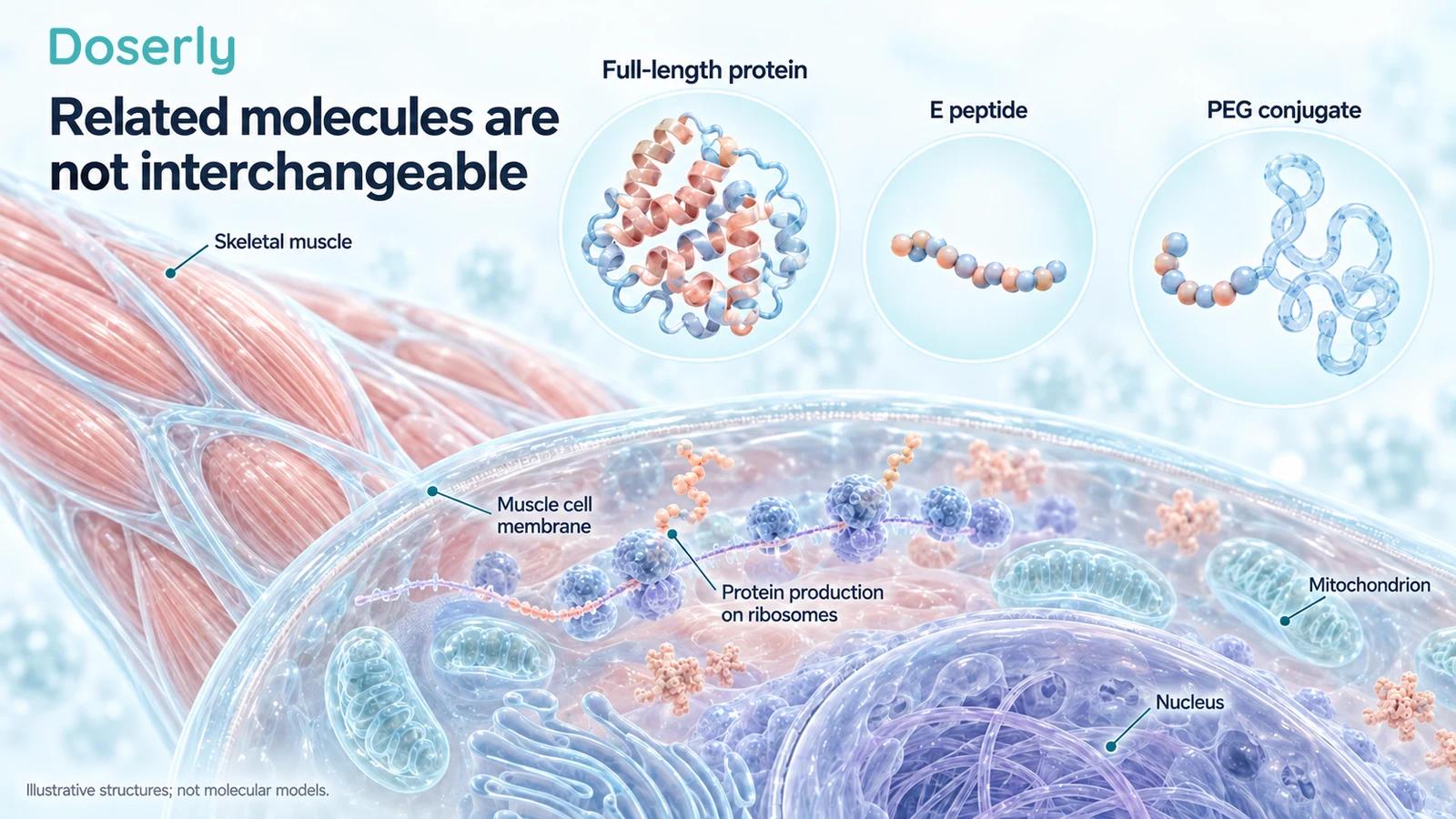
Read articleWhy separate mechanisms, exercise-expression studies and personal reports cannot establish synergy, timing or safety for a PEG-MGF combination.
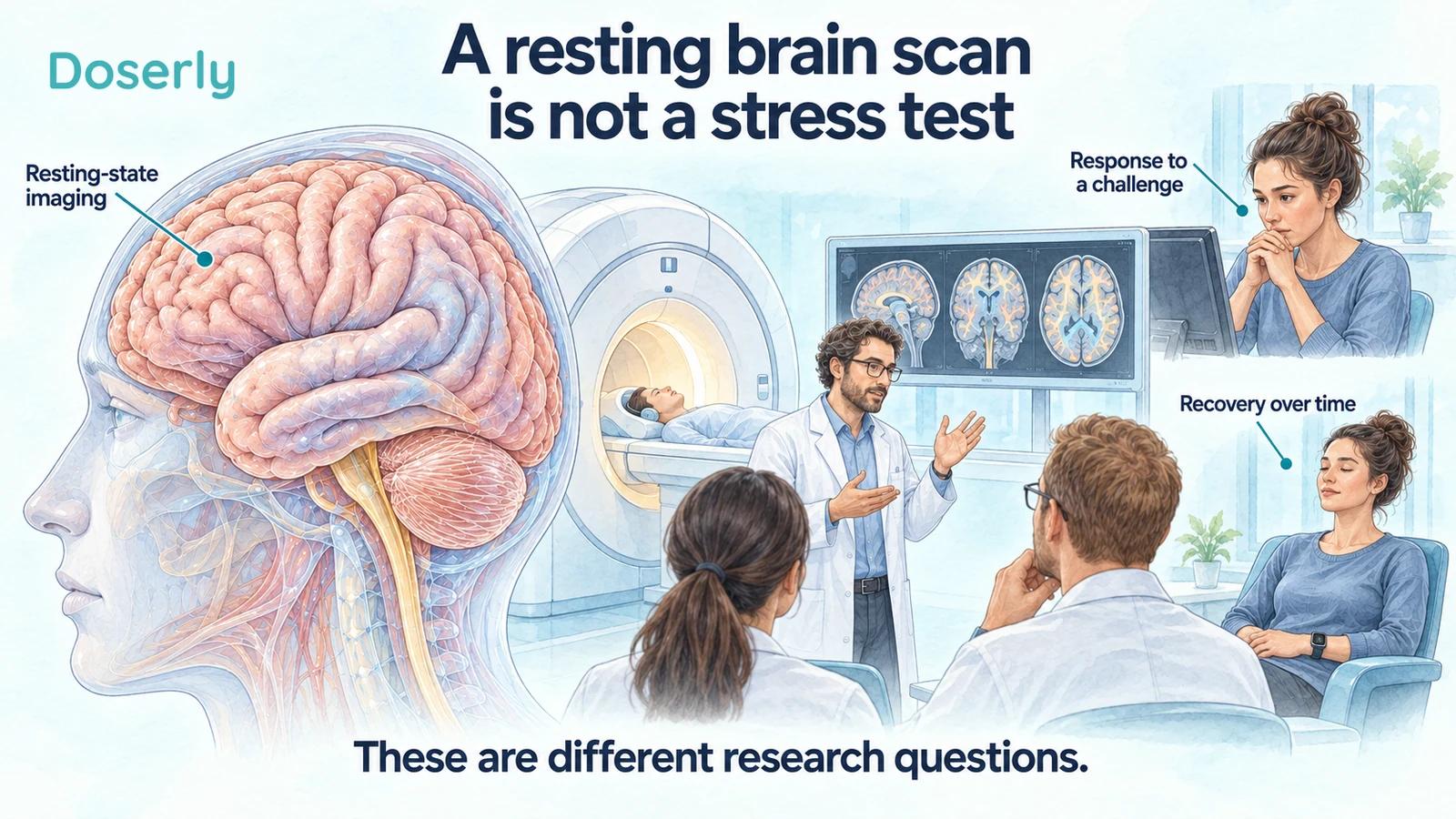
Read articleAcute brain connectivity, anxiety relief and lasting resilience are different outcomes. Explore the human imaging report and the limits of animal stress findings.
Read articleFollow CJC-1295 from its intended GHRH target to broader hormone effects, and see why receptor activity cannot establish clinical benefit or safety.
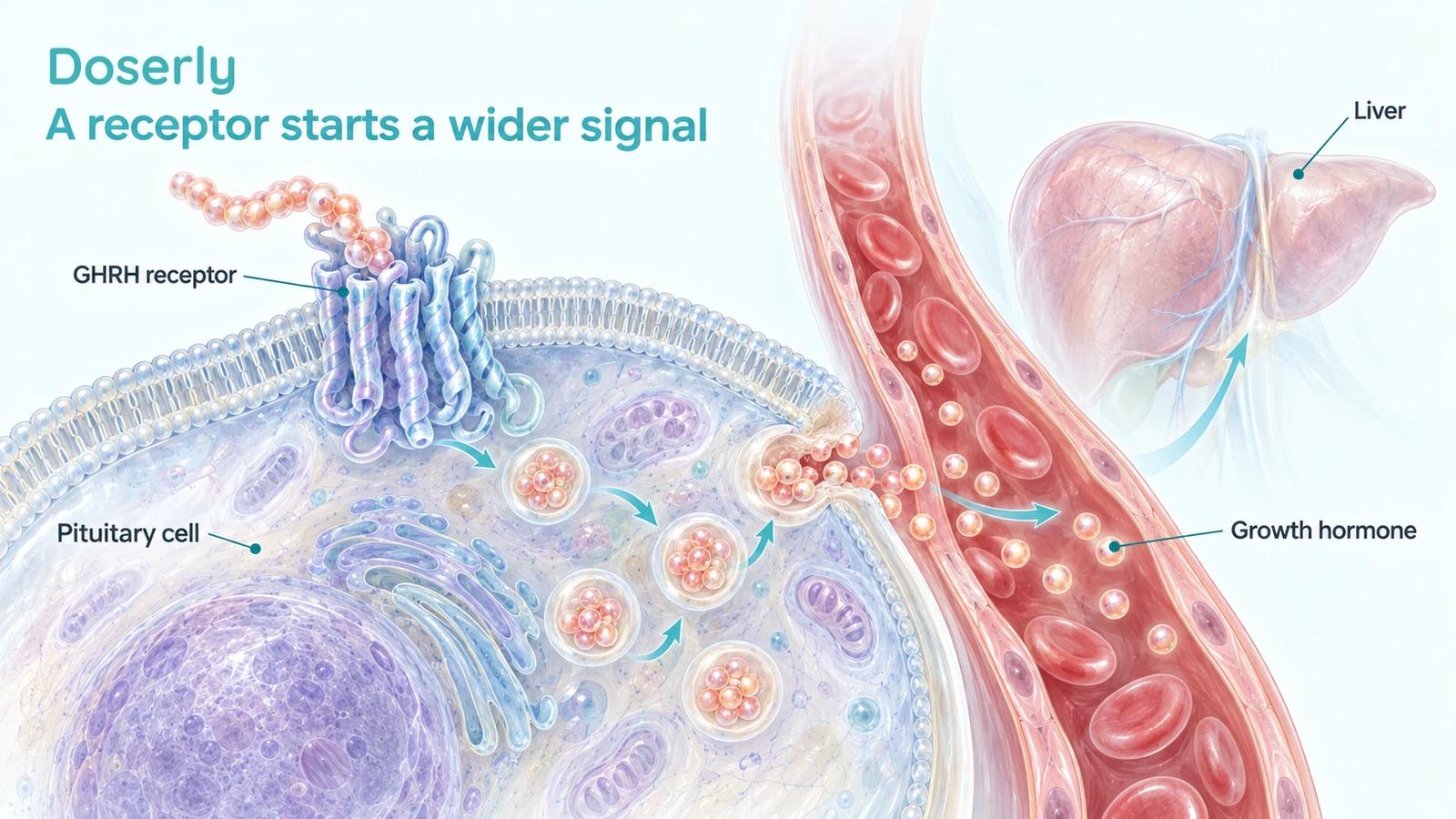
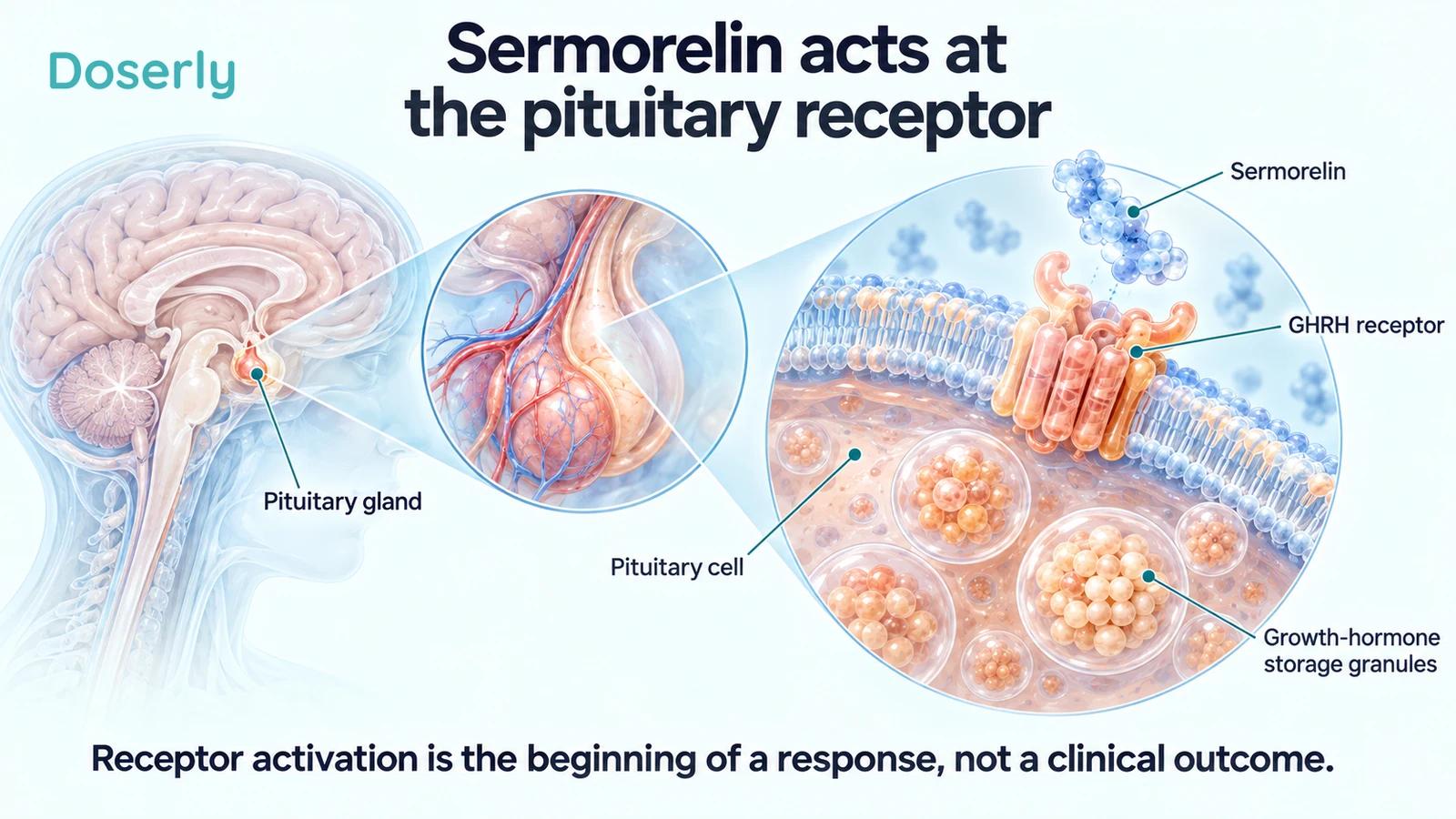
Read articleSermorelin's response depends on pituitary signaling, feedback and measurement timing. Human experiments explain why a larger hormone response isn't a complete outcome.
Read article301–312 of 320 articles