Peptides9 min read
GHK-Cu and collagen: from fibroblasts to visible skin changes
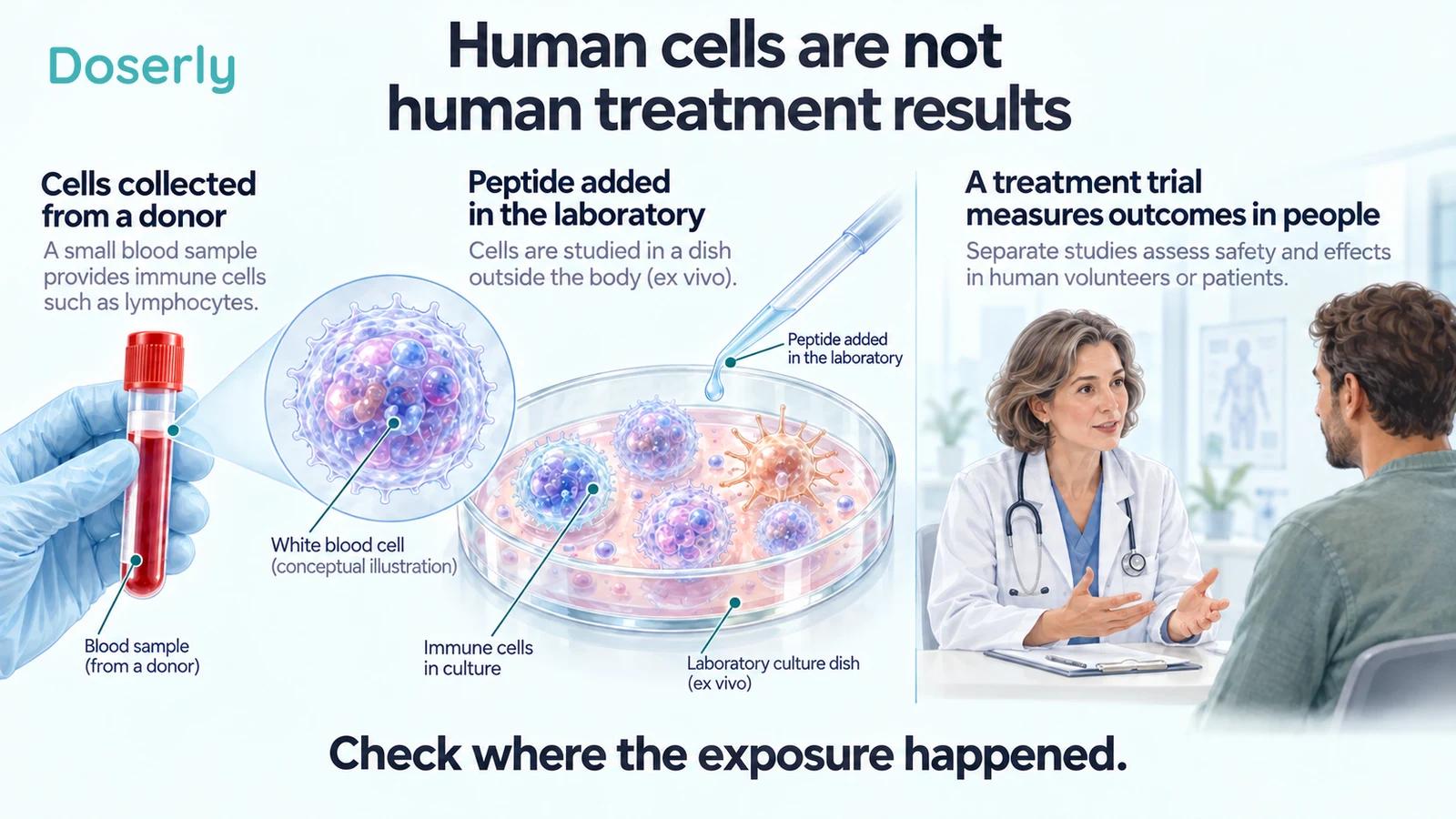
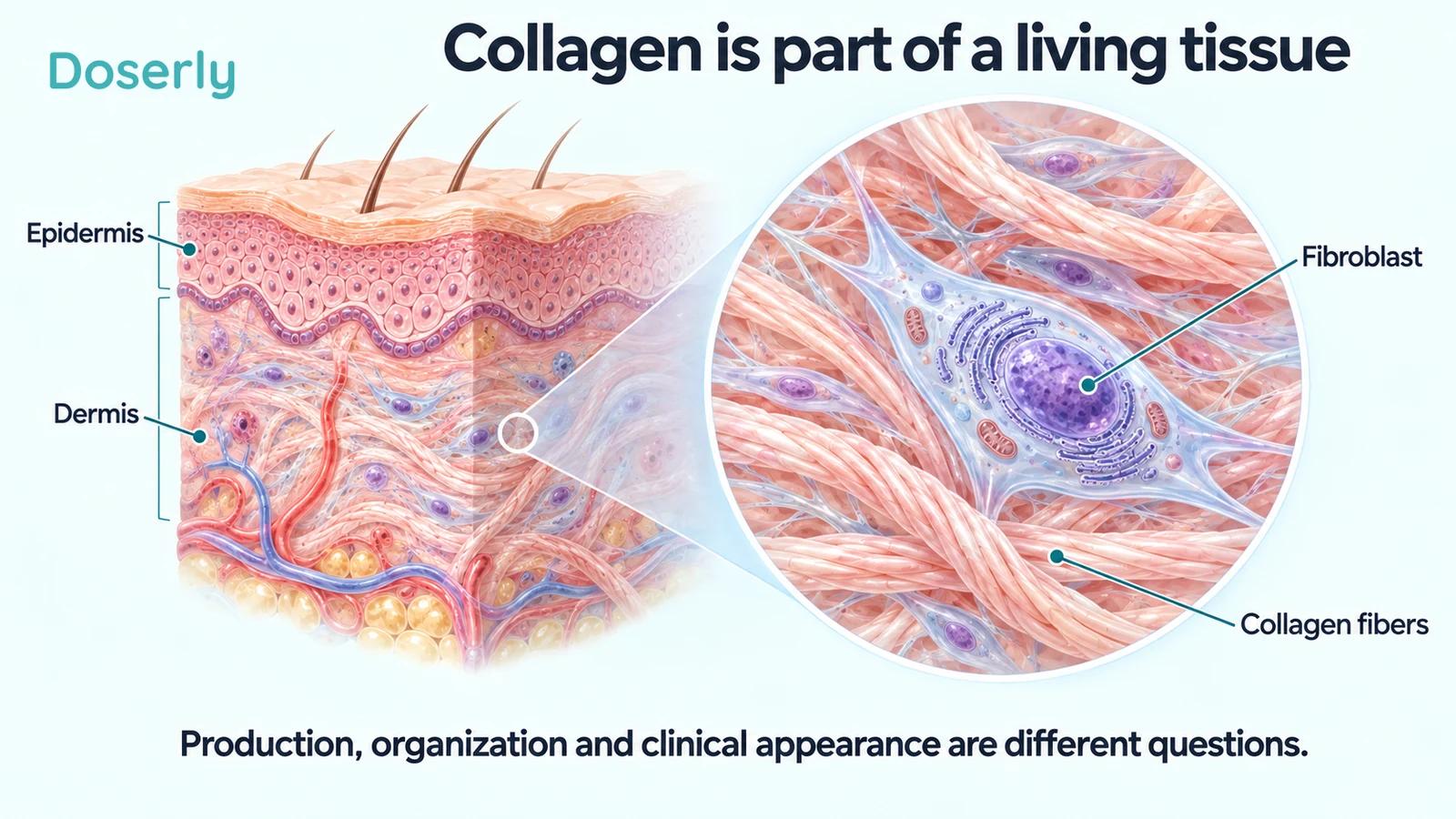
GHK-Cu can affect collagen-related biology, but cell responses and small skin-biopsy findings do not directly establish wrinkle or scar improvement.
Read articleFor informational and research purposes only.
Research, explained. Explore peptides, supplements and hormone health with clear, practical breakdowns of what the studies actually tell us.
Metabolism, recovery and emerging research
GHK-Cu can affect collagen-related biology, but cell responses and small skin-biopsy findings do not directly establish wrinkle or scar improvement.
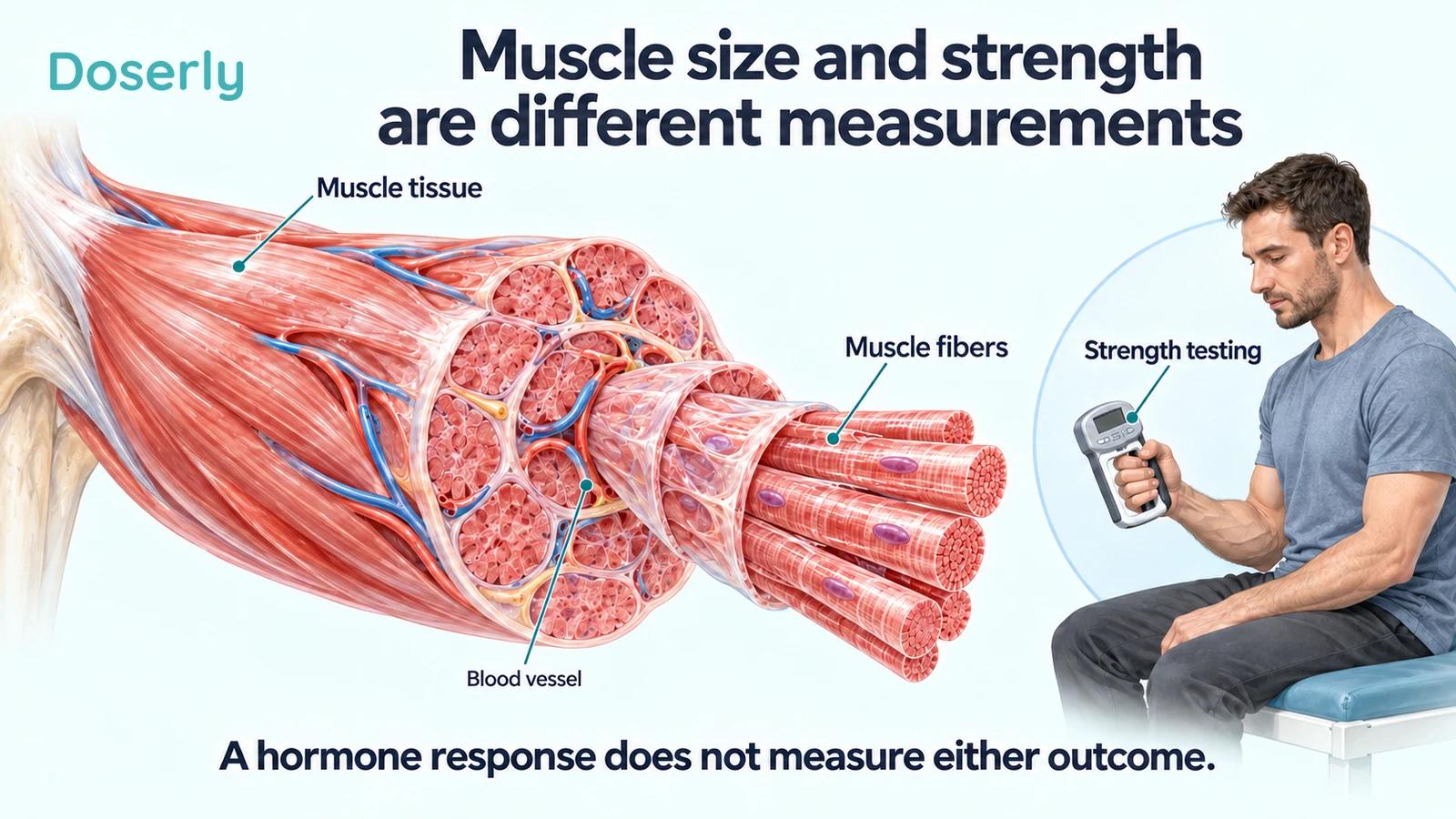
Read articleHuman GHRP-2 experiments show hormone and appetite effects. Here is what they do—and do not—establish about muscle size, strength and recovery.
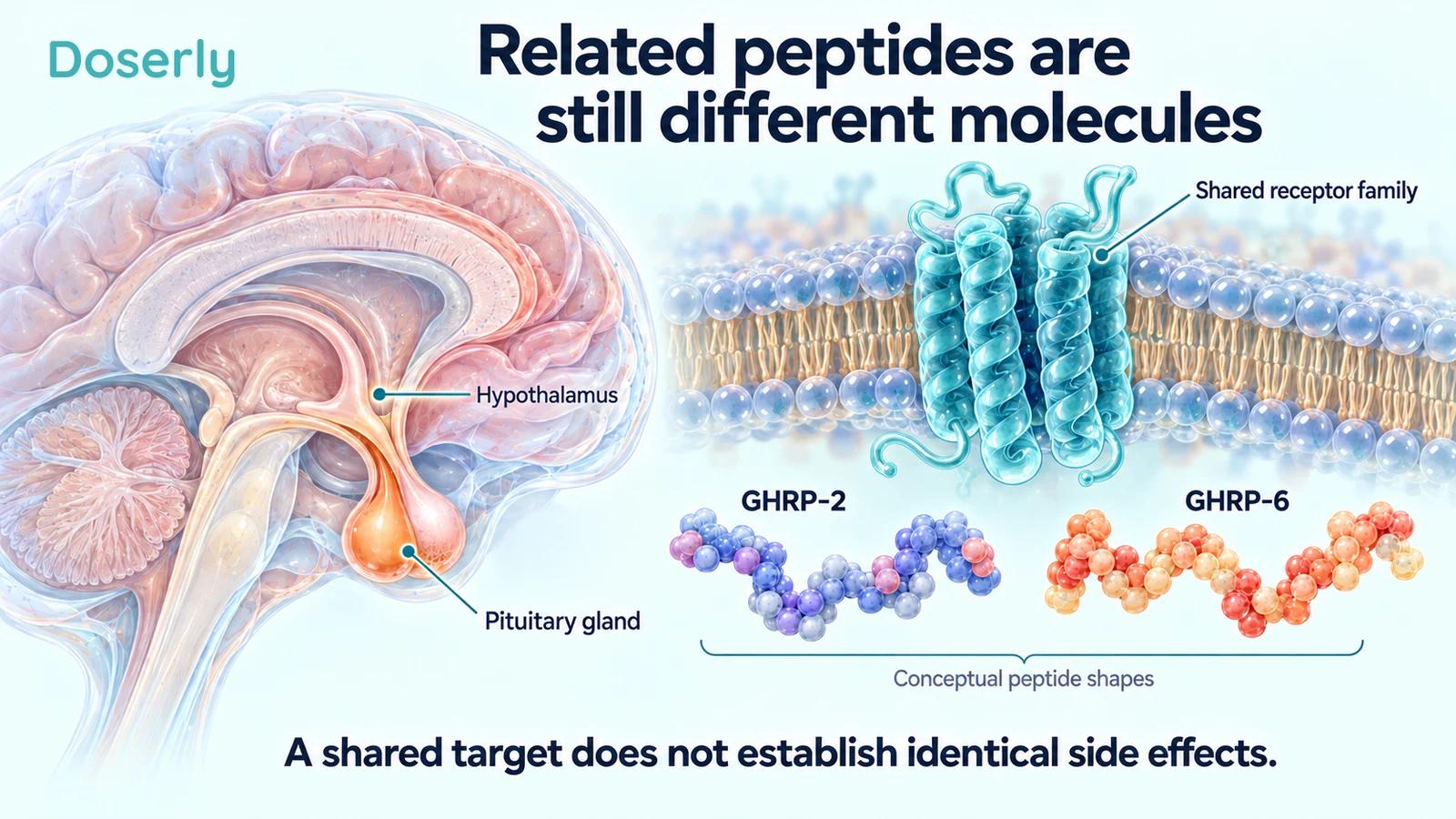
Read articleGHRP-2 and GHRP-6 share biological targets, but human, animal and diagnostic studies cannot be combined into one reliable side-effect ranking.
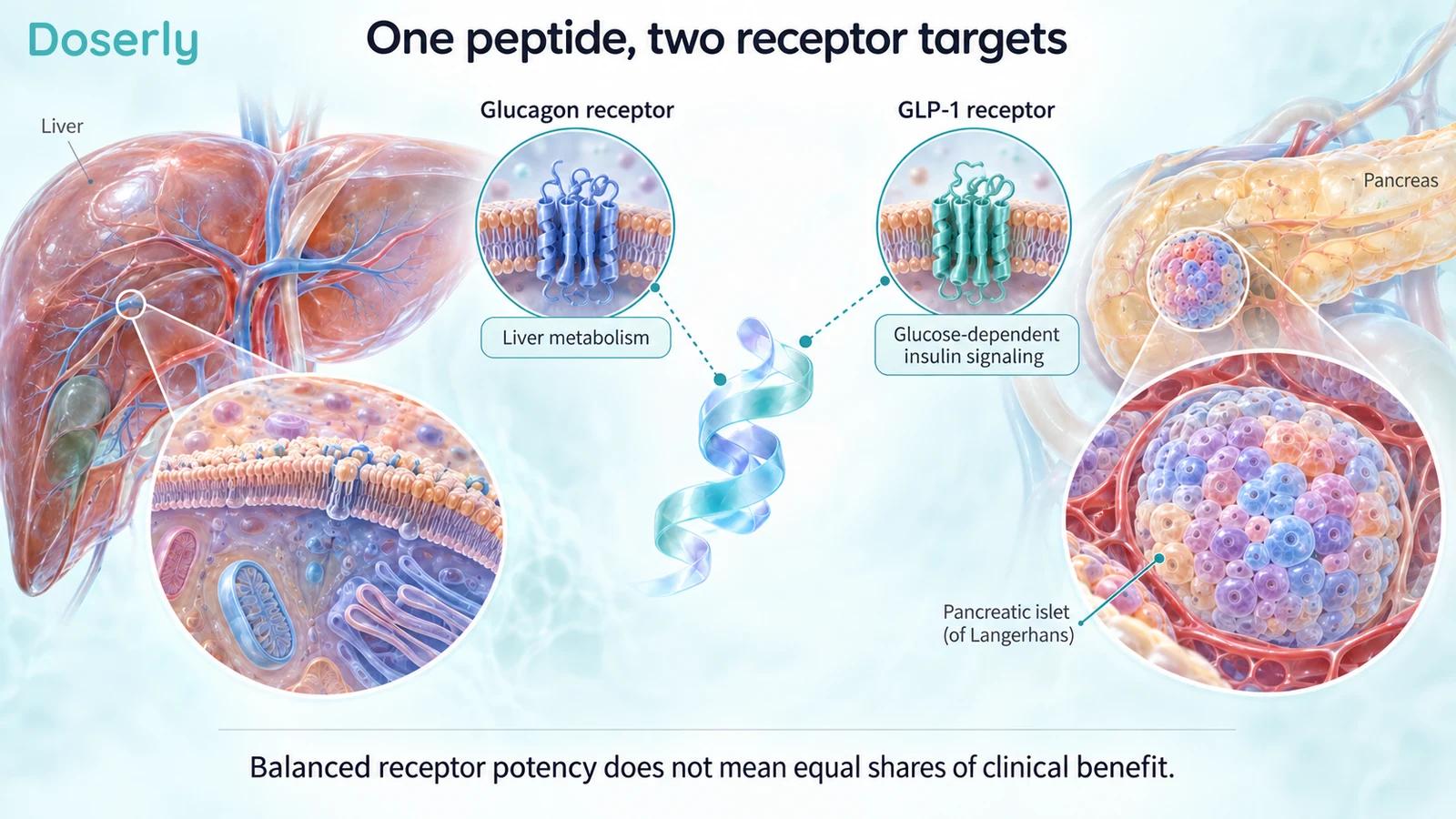
Read articleWhy pemvidutide combines glucagon and GLP-1 activity, and what receptor, animal, MRI and biopsy studies can actually tell us.
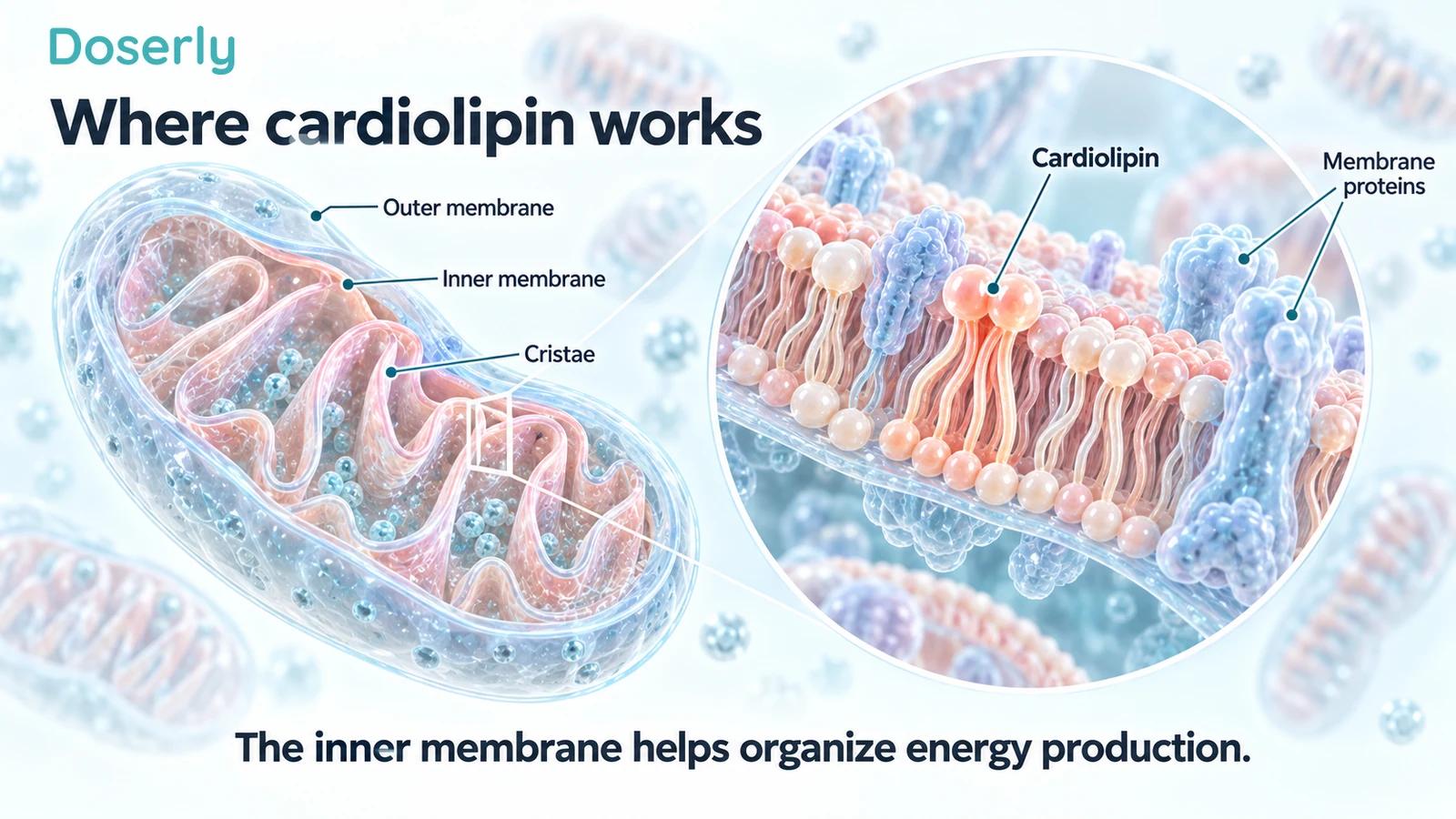
Read articleCardiolipin helps organize mitochondrial energy production. Here's what SS-31's membrane experiments explain—and what requires separate clinical evidence.
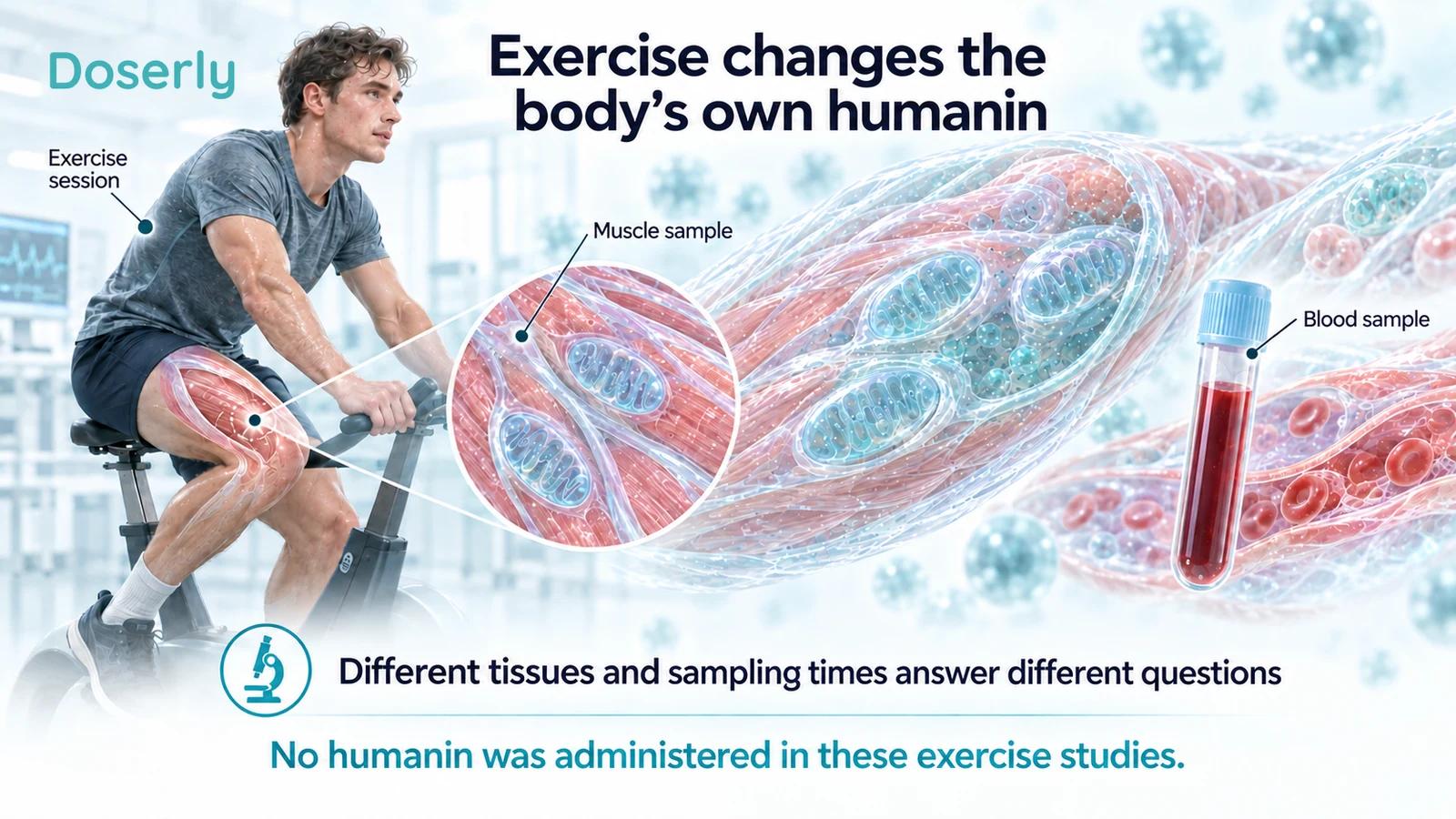
Read articleExercise studies measured humanin in muscle and blood without administering it. Compare single sessions, training responses and newer muscle-cell research.
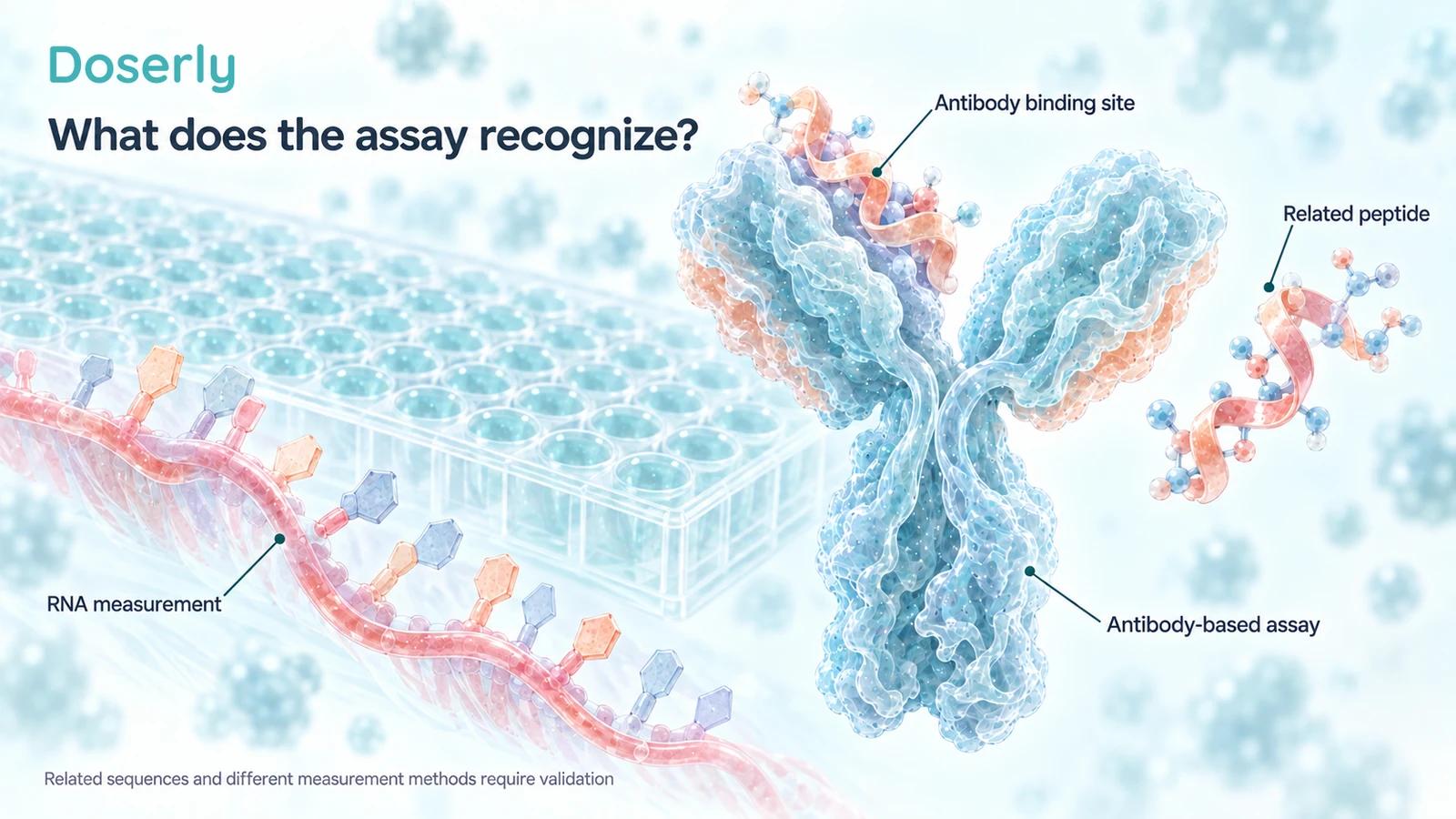
Read articleHumanin measurements depend on the sample, assay, population and timing. Here is why study values cannot become a universal health target.
Read articleWorked examples from actual Epitalon-related studies show how to preserve the difference between cell growth, mouse survival, human extracts and clinical benefit.
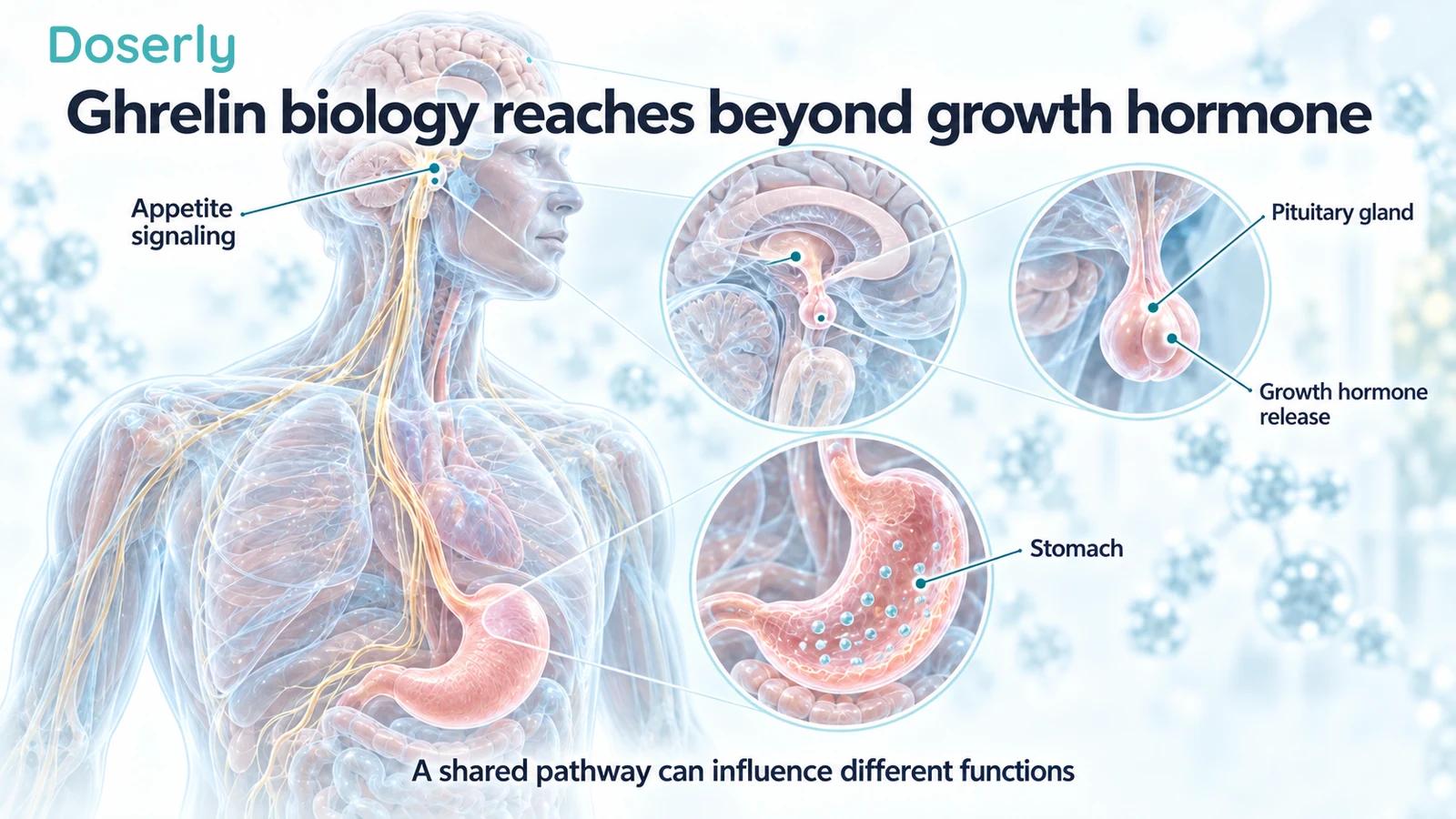
Read articleAppetite, gut movement and postoperative meal tolerance are different questions. Human ghrelin studies and ipamorelin animal research explain the distinction.
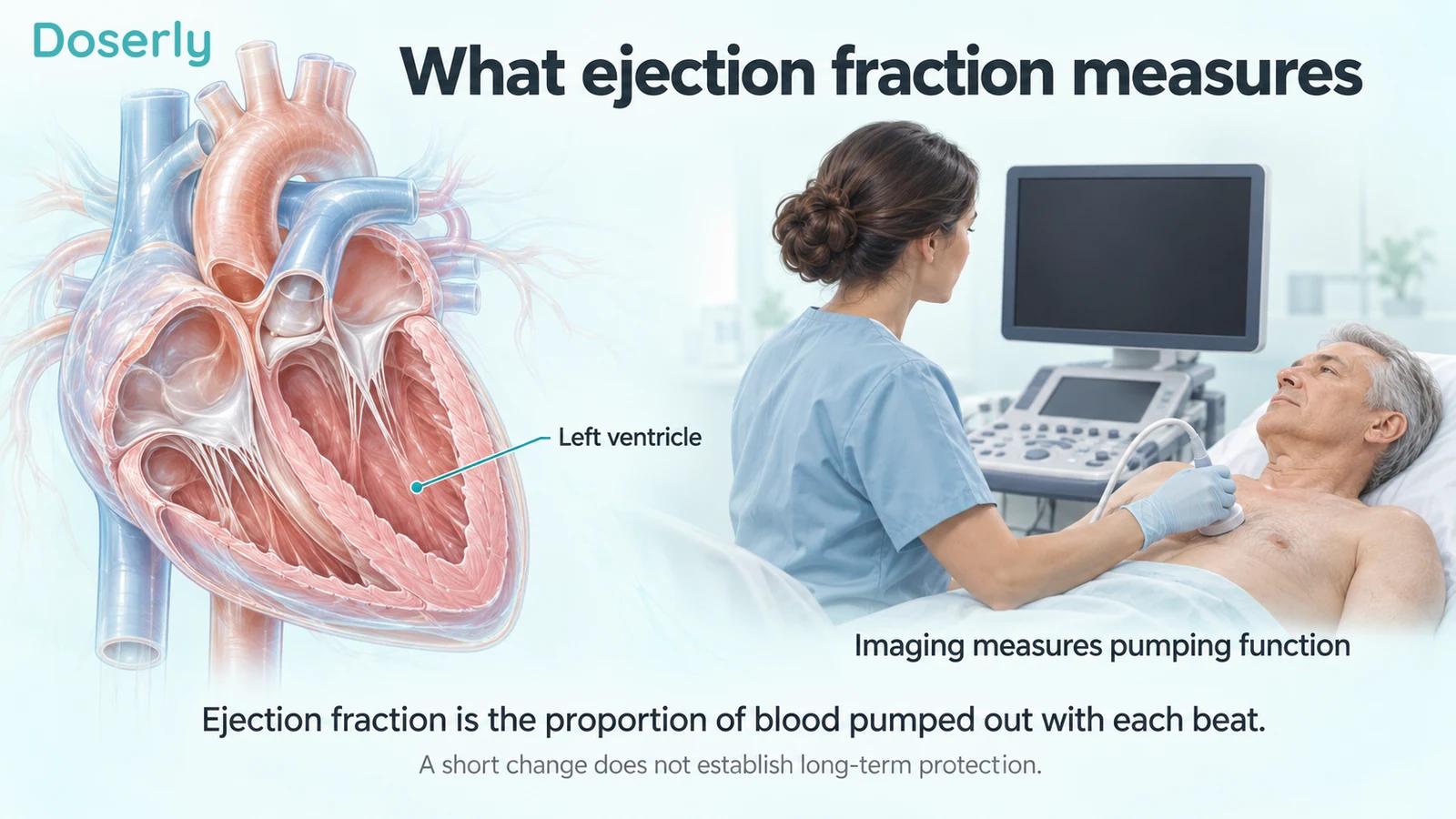
Read articleBrief improvements in heart pumping are not the same as preventing heart attacks. Examine the small human hexarelin studies and their clinical limits.
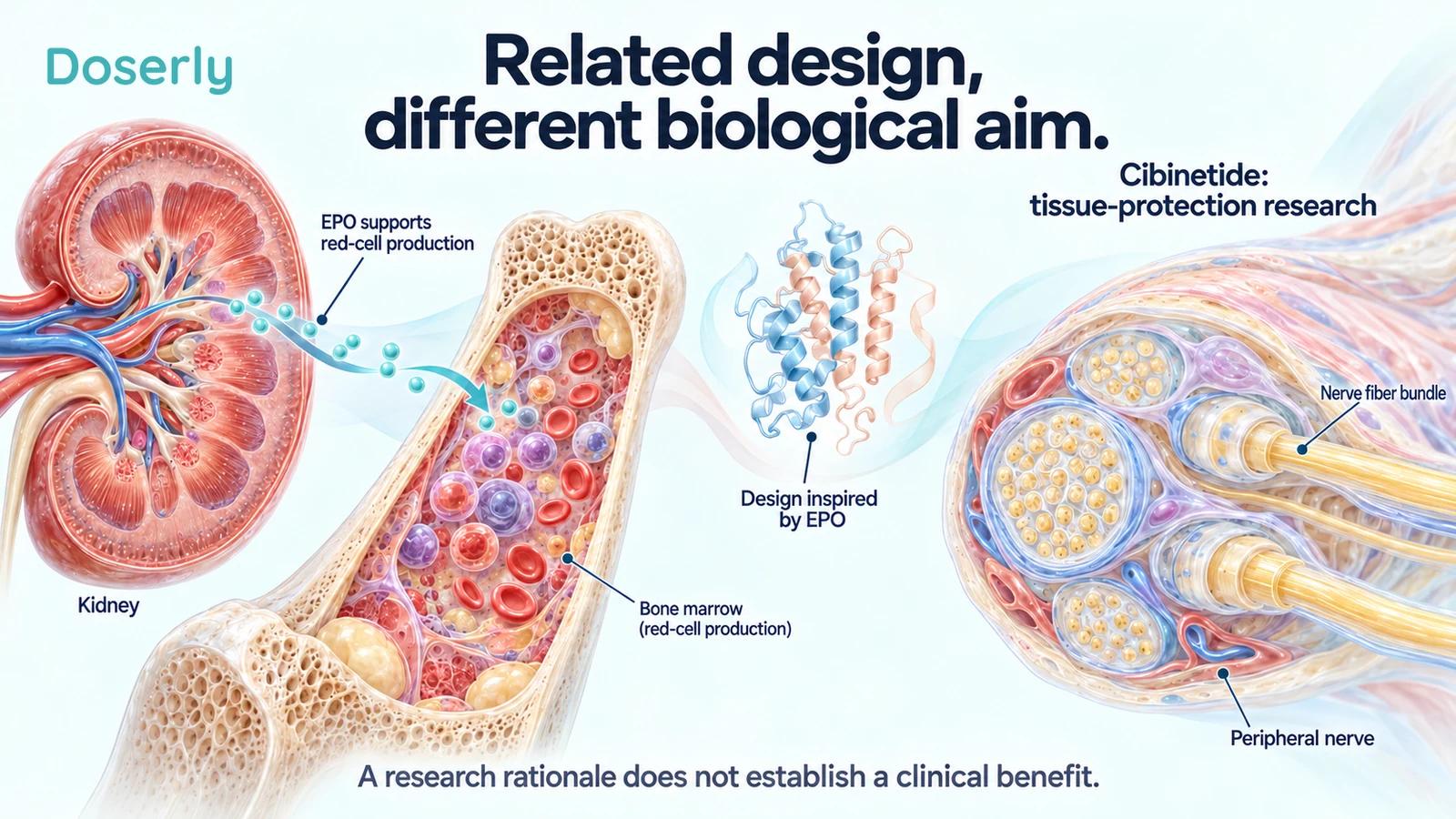
Read articleCibinetide's connection to erythropoietin explains its design, not an established clinical benefit. The distinction between red-cell production and tissue-protection research helps make sense of the evidence.
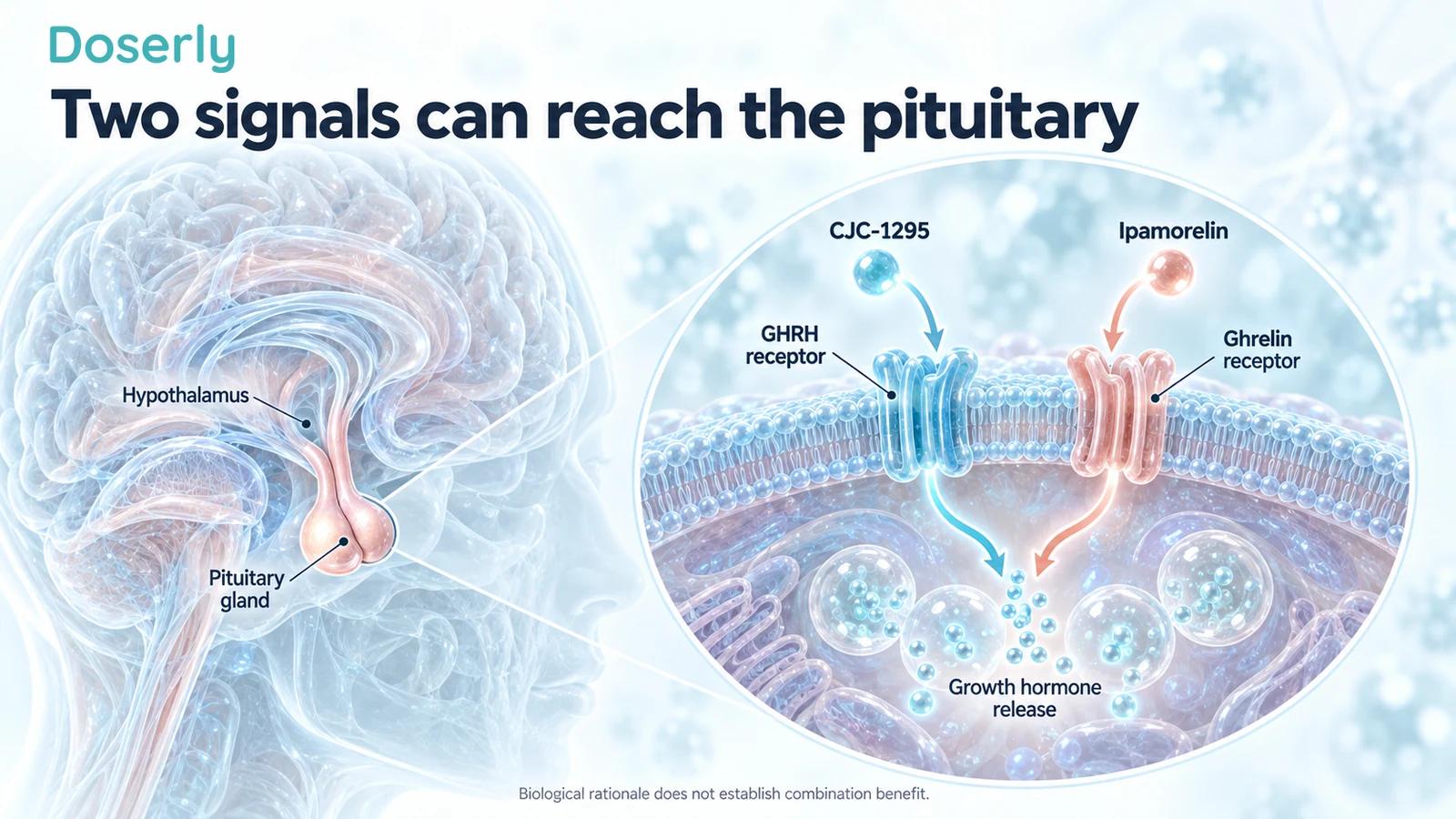
Read articleTwo pituitary signals explain the combination’s rationale. The exact CJC-1295 form, the outcomes measured, and the absence of a direct benefit comparison matter.
Read article289–300 of 320 articles