Peptides9 min read
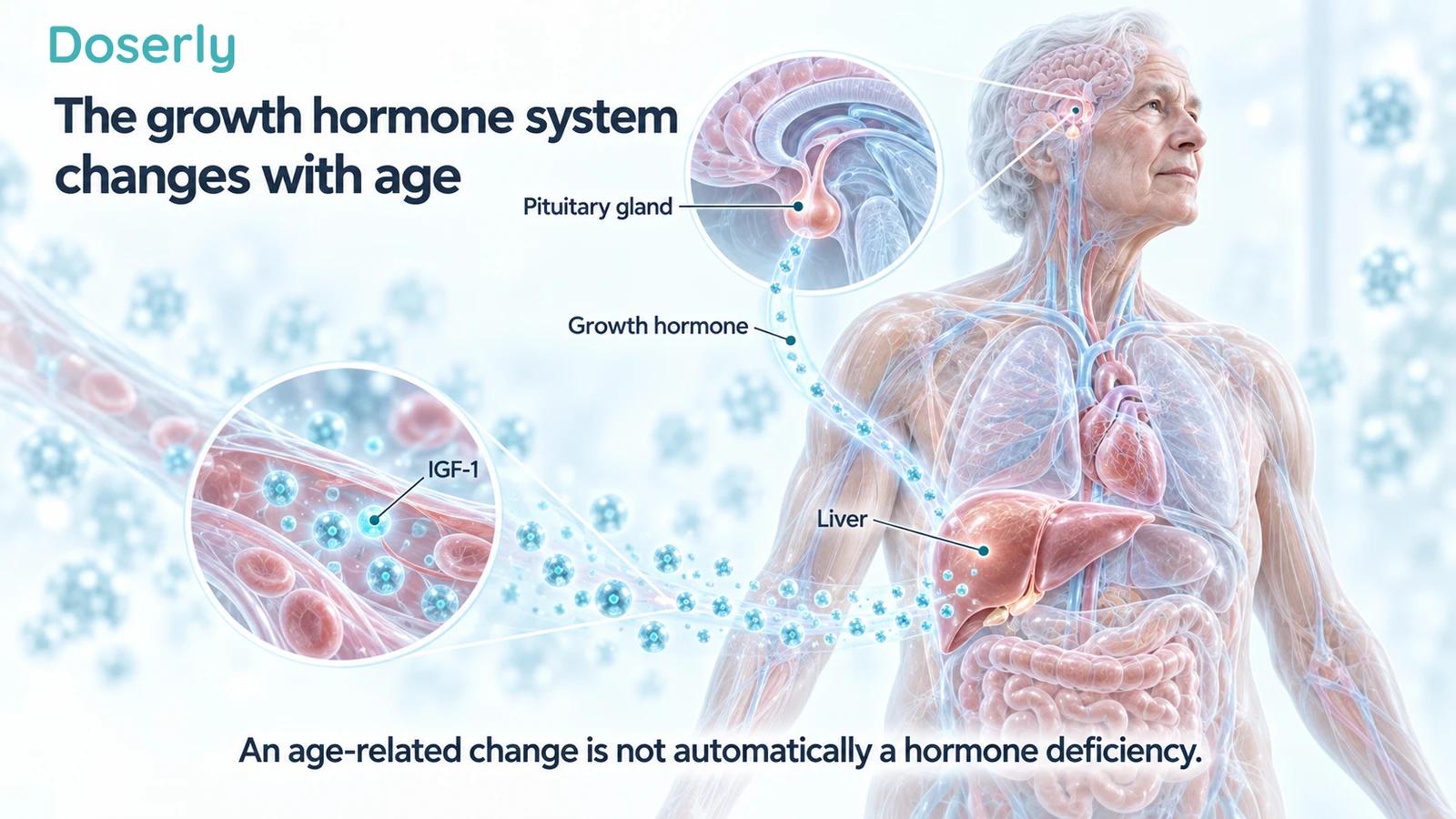
Sermorelin and healthy aging: which evidence applies to whom?
Pediatric growth trials, short hormone studies and cognitive findings answer different questions. Here is what sermorelin research can tell older adults.
Read articleFor informational and research purposes only.
Research, explained. Explore peptides, supplements and hormone health with clear, practical breakdowns of what the studies actually tell us.
Metabolism, recovery and emerging research
Pediatric growth trials, short hormone studies and cognitive findings answer different questions. Here is what sermorelin research can tell older adults.
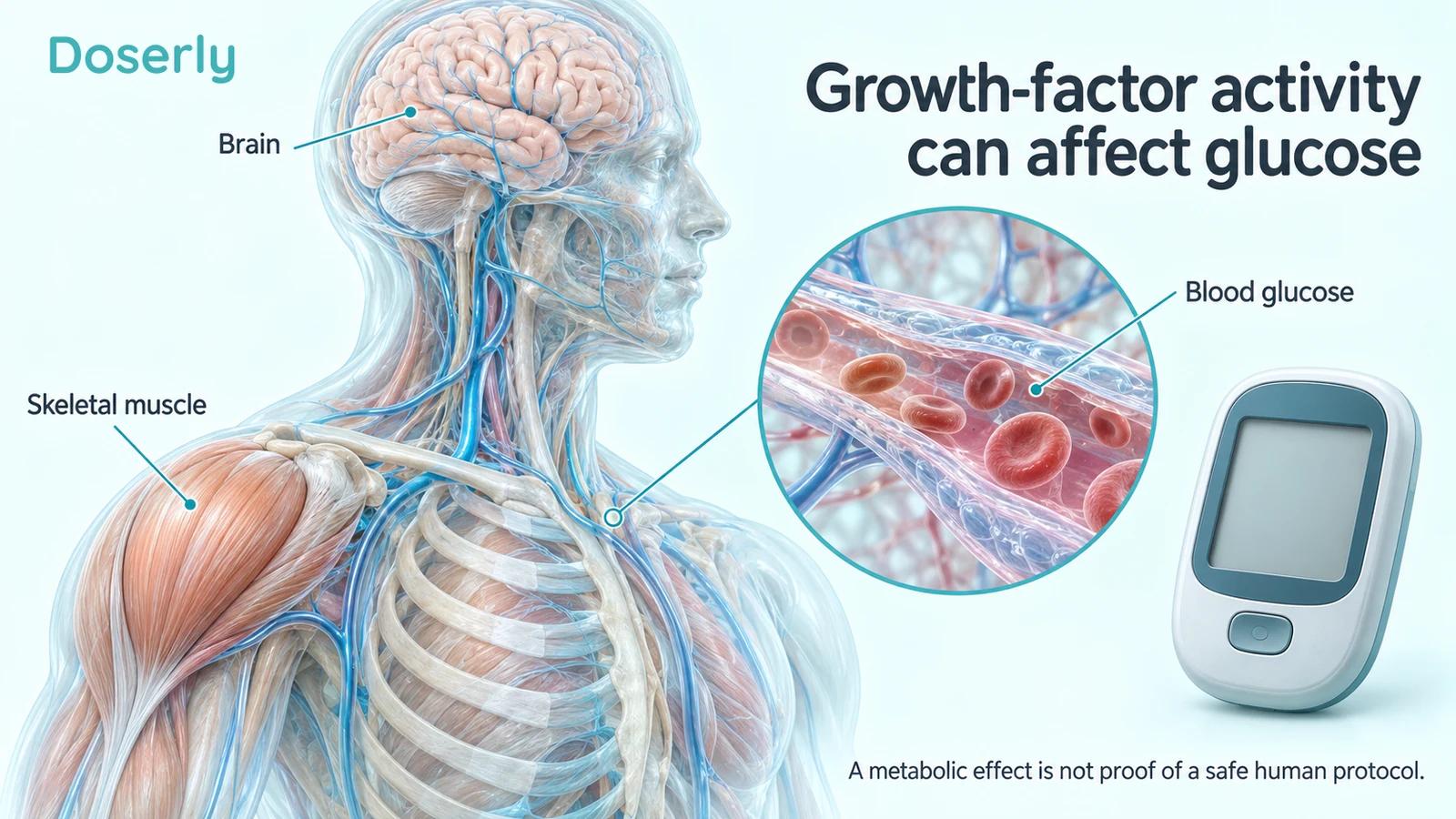
Read articleGlucose lowering is a credible LR3 hazard, but animal experiments and related medicines do not define a safe human schedule.
Read articleThe historical DSIP withdrawal studies measured a different problem from chronic insomnia, with important gaps in comparison groups and follow-up.
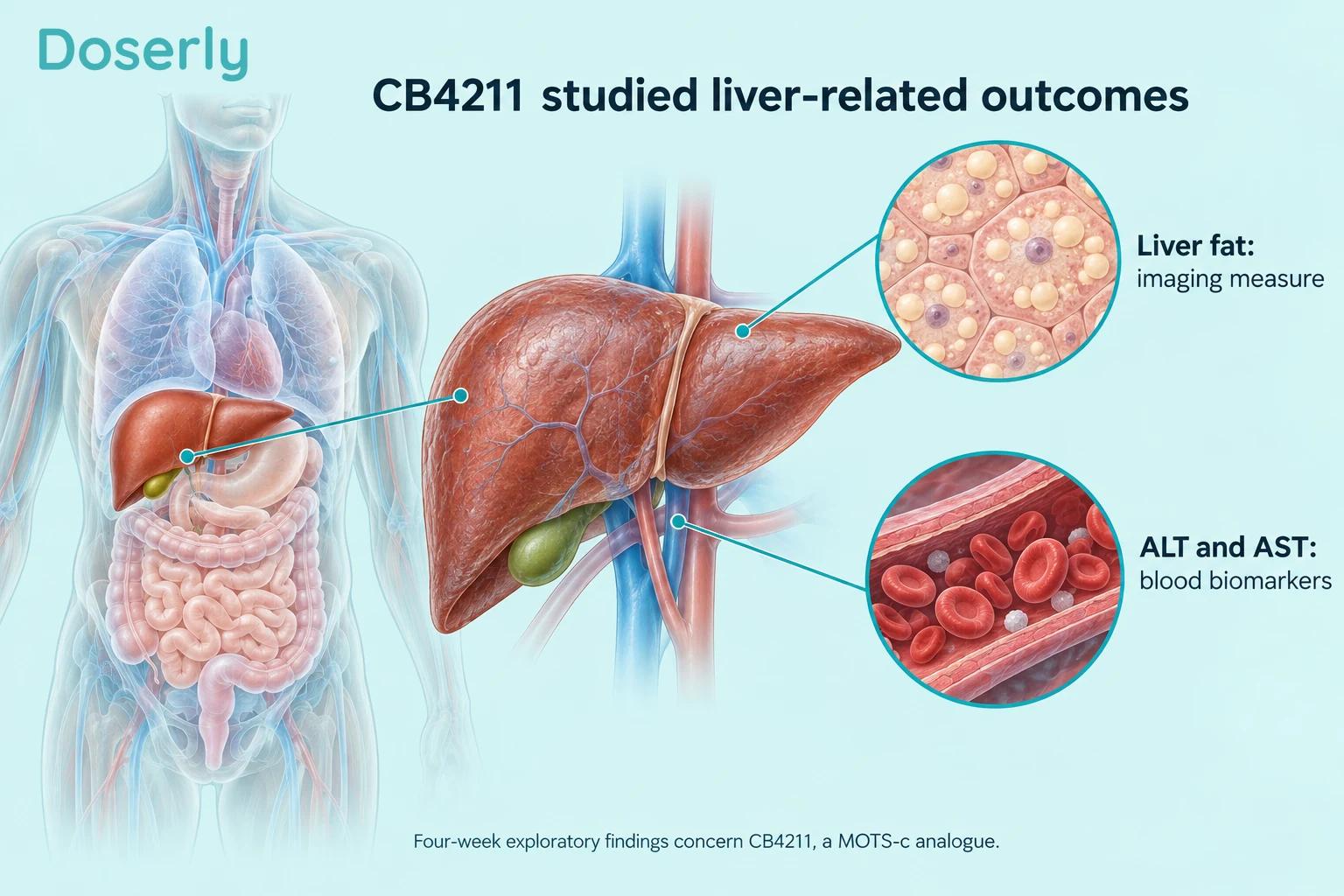
Read articleCB4211 produced exploratory human biomarker findings, but it is a MOTS-c analogue with its own formulation history. Its trial cannot validate native MOTS-c.
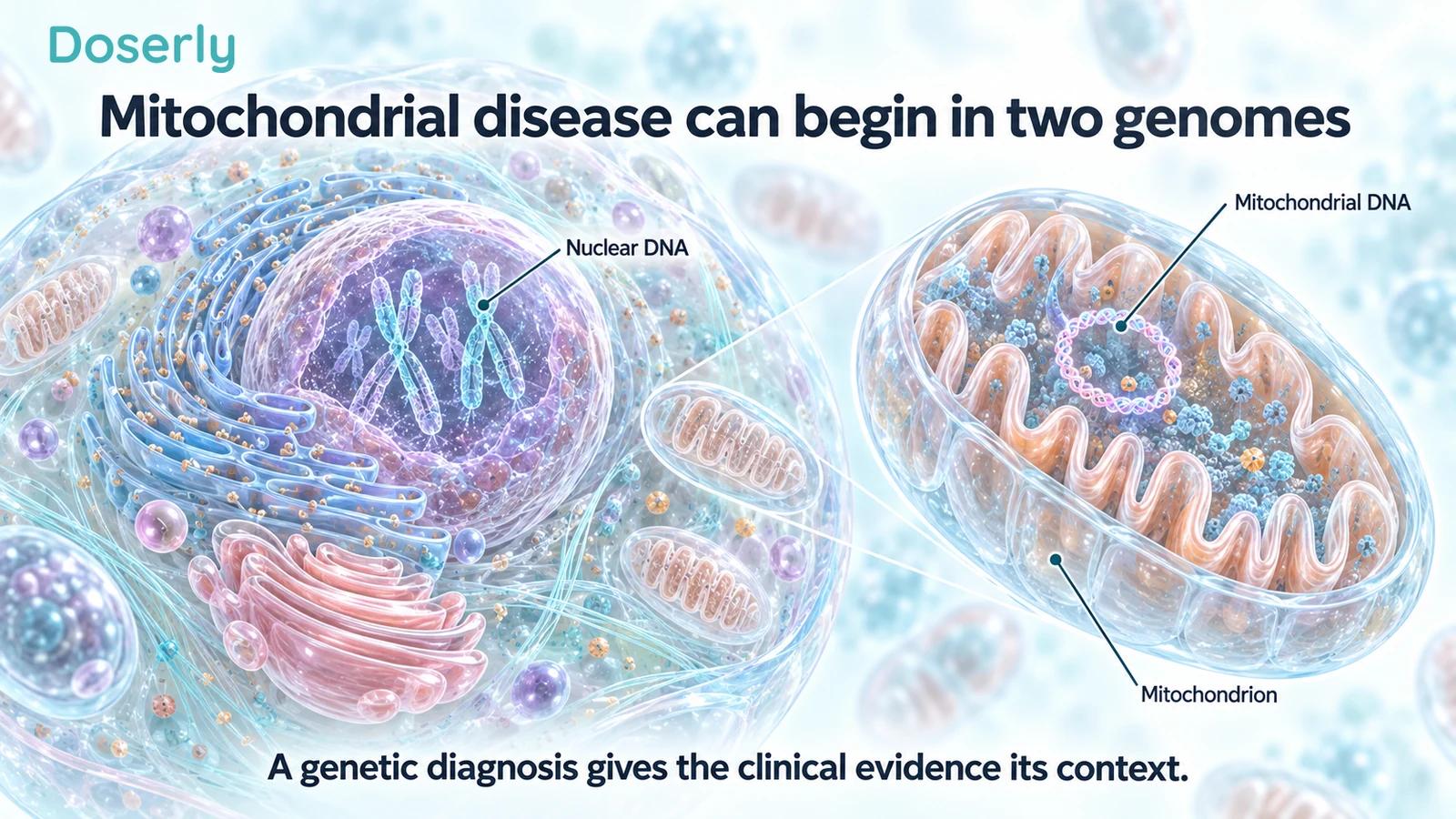
Read articleElamipretide's myopathy trials, genetic subgroup findings and Barth syndrome approval answer different questions. Diagnosis determines how the evidence applies.
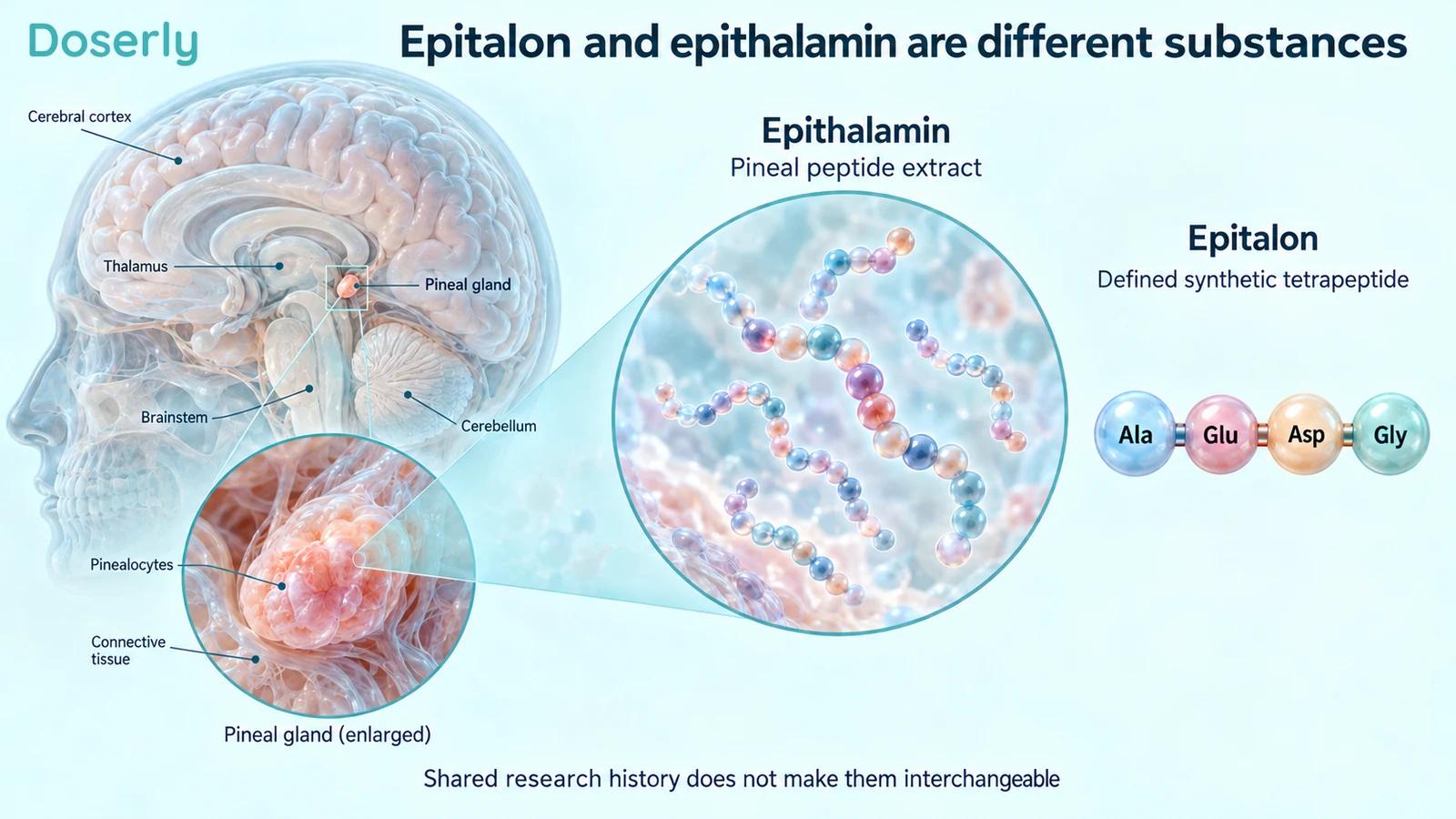
Read articleWhy older epithalamin longevity reports cannot be treated as trials of synthetic Epitalon, and what the cell and animal research actually adds.
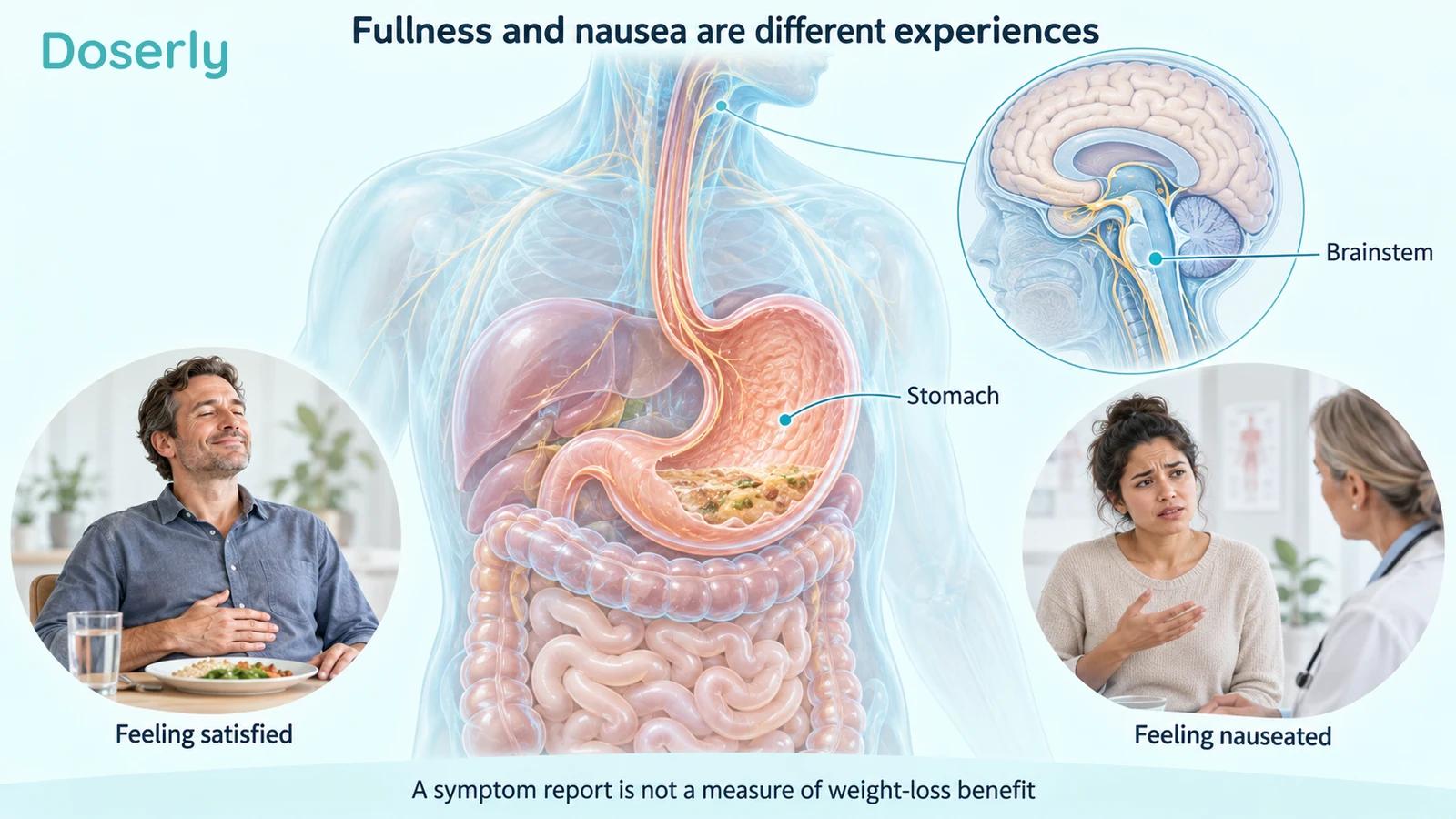
Read articleEarly nausea rates were low, but the larger trial showed substantial variation. Receptor selectivity is only one possible part of the explanation.
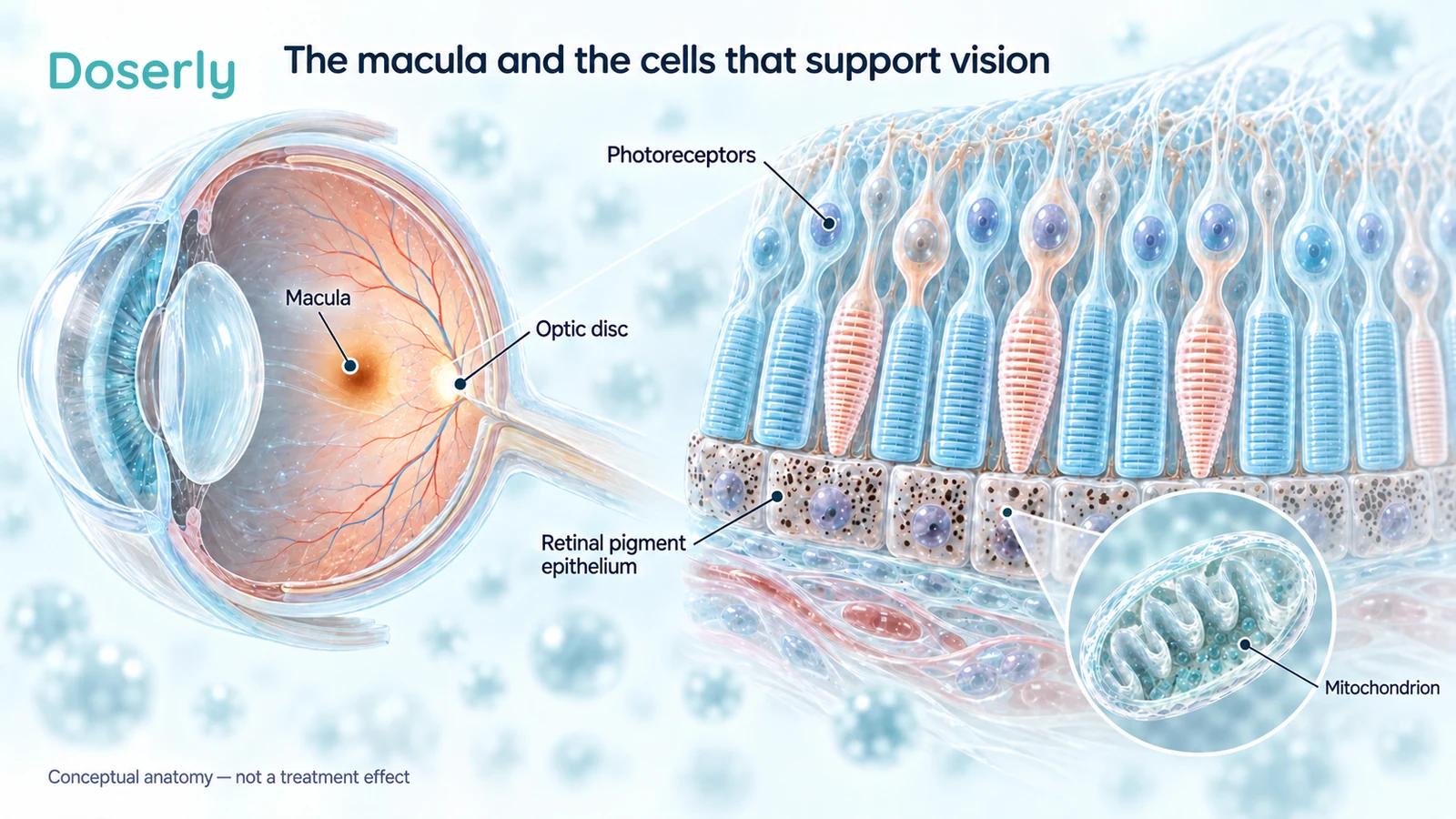
Read articleElamipretide eye trials separate visual performance from retinal imaging. Here is what ReCLAIM found, what it missed and what patients can ask.
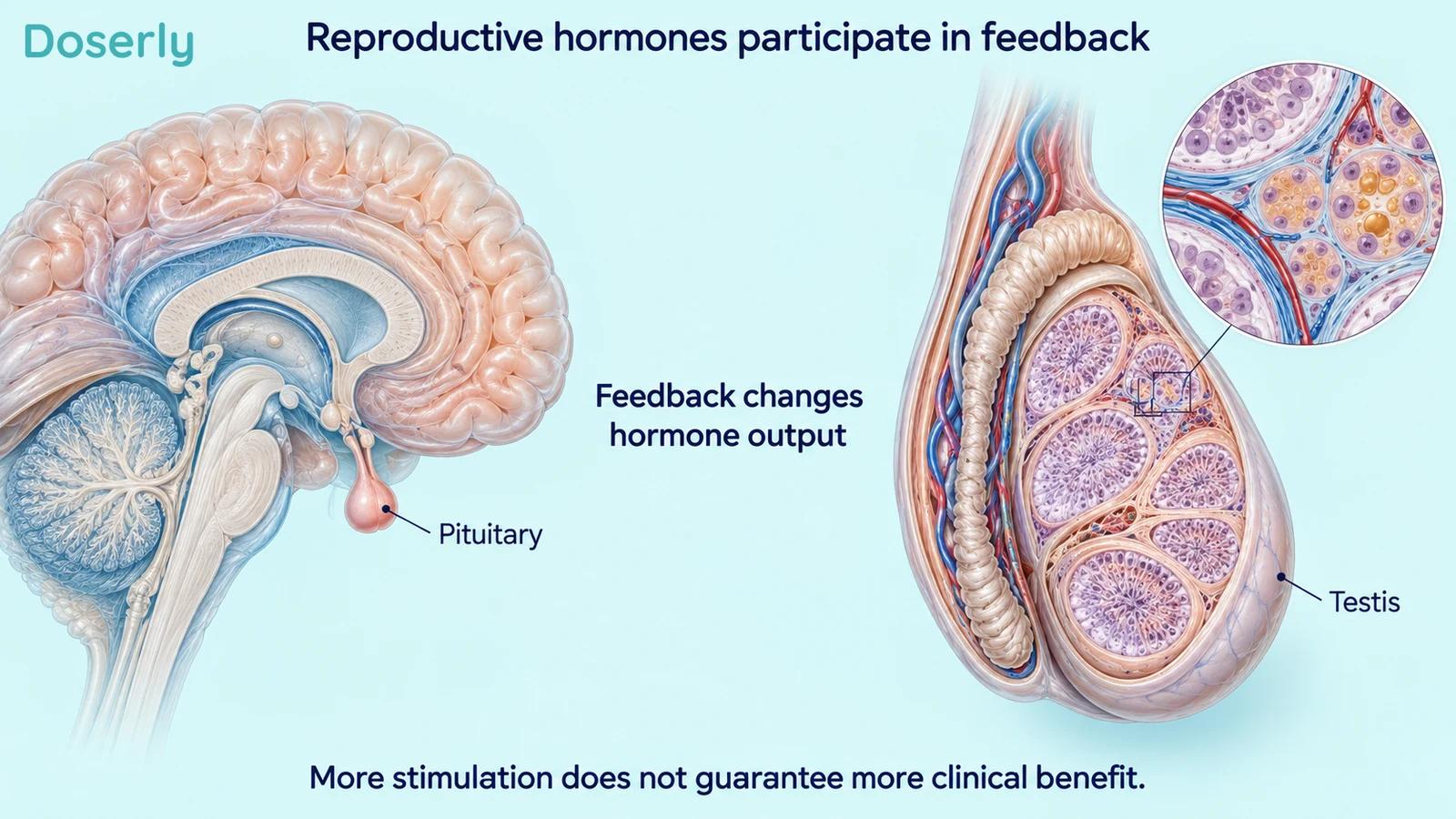
Read articleKisspeptin can raise reproductive hormones, but timing, feedback and repeated exposure change the response. Human studies explain why more is not always more.
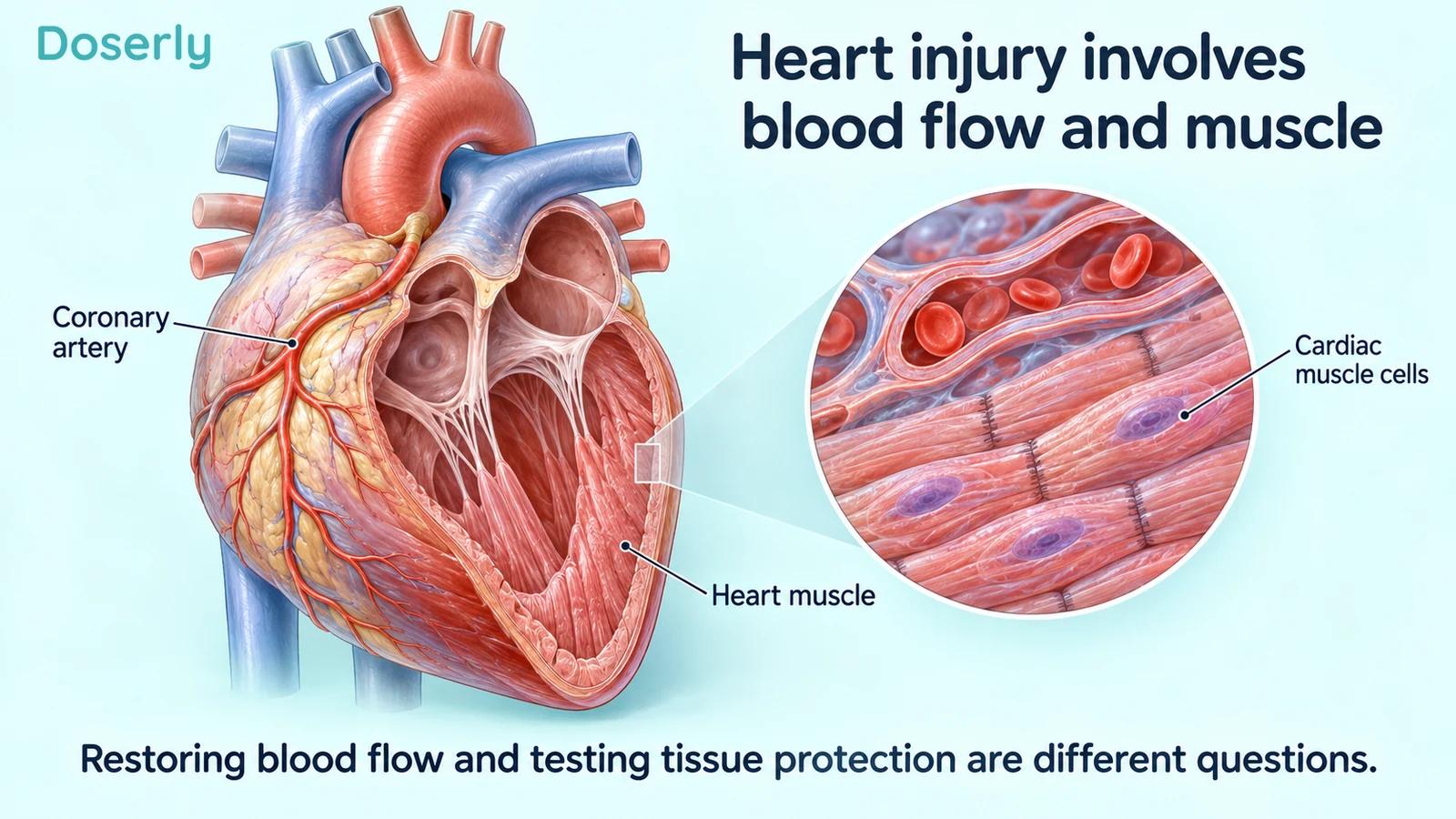
Read articleThymosin beta-4 has progressed from mouse heart-injury models to early human trials. The overall result and an early-treatment signal need separate interpretation.
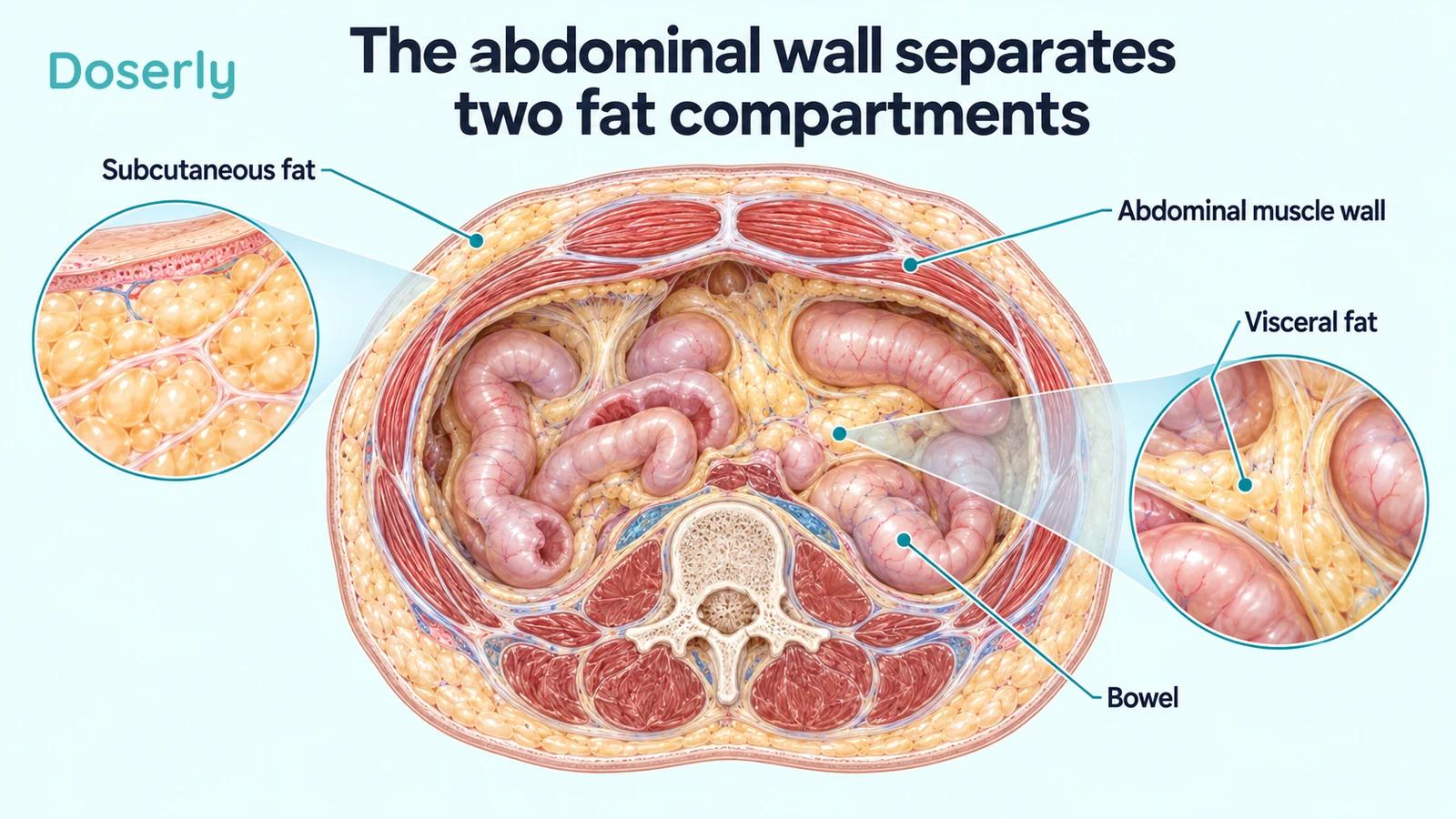
Read articleVisceral fat, subcutaneous fat, liver fat, and muscle fat are different measurements. Learn how anatomy changes the meaning of a treatment result.
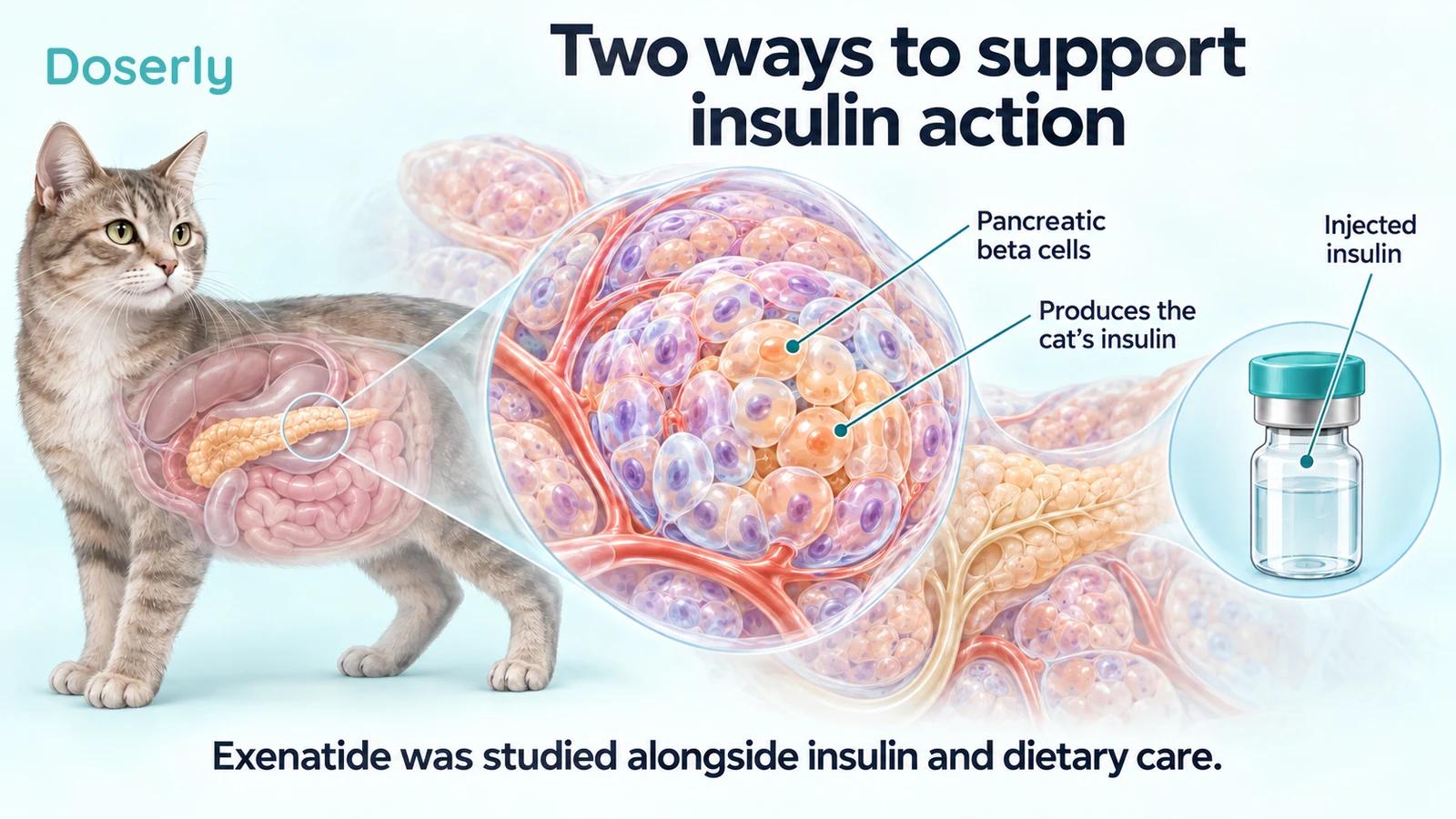
Read articleAn early feline exenatide study found six remissions versus three. Its design, outcome definitions and safety findings explain why that was not proof of benefit.
Read article109–120 of 320 articles