
Inositol (Myo-Inositol, D-Chiro-Inositol): The Complete Supplement Guide
On this page
Quick Reference Card
Attribute
Common Name
- Detail
- Inositol
Attribute
Other Names / Aliases
- Detail
- Myo-inositol (MI), D-chiro-inositol (DCI), vitamin B8 (historical, unofficial), cyclohexanehexol, meat sugar, mouse antialopecia factor (historical)
Attribute
Category
- Detail
- Cyclitol (cyclic sugar alcohol); pseudovitamin; B-complex associate
Attribute
Primary Forms & Variants
- Detail
- Myo-inositol (most abundant, ~95% of body stores; best studied for PCOS and psychiatric use); D-chiro-inositol (produced via epimerase from MI; concentrated in insulin-sensitive tissues); combined 40:1 MI:DCI formulations
Attribute
Typical Dose Range
- Detail
- PCOS/metabolic: 2,000-4,000 mg myo-inositol per day; psychiatric (panic disorder, OCD): 12,000-18,000 mg per day; combined formulas: 4,000 mg MI + 100 mg DCI (40:1)
Attribute
RDA / AI / UL
- Detail
- No RDA, AI, or UL established (body synthesizes ~4 g/day endogenously)
Attribute
Common Delivery Forms
- Detail
- Powder (most popular), capsule, tablet, soft gel, gummy
Attribute
Best Taken With / Without Food
- Detail
- Generally taken with meals; taking on an empty stomach may increase GI discomfort or cause blood sugar fluctuations in sensitive individuals
Attribute
Key Cofactors
- Detail
- Folic acid/folate (commonly paired in PCOS formulas), alpha-lactalbumin (may enhance absorption), vitamin D, chromium (for insulin sensitivity support)
Attribute
Storage Notes
- Detail
- Store in a cool, dry place away from direct light and moisture. No refrigeration required. Powder forms may clump in humidity
Overview
The Basics
Inositol is a naturally occurring sugar-like compound that your body already produces in small amounts, primarily in the kidneys. While it was historically called "vitamin B8," it is not technically a vitamin because your body can make it on its own, synthesizing roughly 4 grams every day. You also get about 1 gram daily from a typical diet through foods like citrus fruits, whole grains, beans, and nuts [1][2].
What makes inositol interesting as a supplement is that it plays a fundamental role in how your cells communicate, particularly in how they respond to insulin and neurotransmitters like serotonin. Think of it as part of your cells' internal messaging system: when hormones or brain chemicals arrive at a cell's surface, inositol helps relay that signal to the inside of the cell so the right response actually happens [2][3].
The two forms you will encounter most often are myo-inositol and D-chiro-inositol. Myo-inositol makes up about 95% of the inositol in your body and is the form used in most research. D-chiro-inositol is produced from myo-inositol by an enzyme that is activated by insulin. Both forms are important, but they serve somewhat different functions, particularly in the ovaries and in metabolic tissues [3][4].
Inositol has attracted significant research attention for two primary areas: polycystic ovary syndrome (PCOS), where it may help with insulin resistance, cycle regularity, and fertility; and psychiatric conditions, particularly panic disorder, where higher doses have shown promise in small clinical trials [5][6][7].
The Science
Inositol (cis-1,2,3,5-trans-4,6-cyclohexanehexol) is a six-carbon cyclic sugar alcohol with nine possible stereoisomers, of which myo-inositol (MI) and D-chiro-inositol (DCI) are the most physiologically relevant. MI is the predominant isomer in mammalian tissues, comprising approximately 95% of total body inositol pools [1][2].
Endogenous synthesis occurs primarily in the kidneys at a rate of approximately 4 g/day, with additional production in the brain and reproductive organs. The biosynthetic pathway begins with isomerization of glucose-6-phosphate to inositol-3-phosphate by D-3-myo-inositol-phosphate synthase (MIPS/ISYNA1), followed by dephosphorylation to free myo-inositol by inositol monophosphatase-1 (IMPA1). Dietary intake contributes an additional 0.5-1 g/day, predominantly from plant-based sources [2][3].
MI serves as the precursor for phosphatidylinositol (PI) and its phosphorylated derivatives, including phosphatidylinositol 4,5-bisphosphate (PIP2). This lipid is the substrate for phospholipase C (PLC), which cleaves PIP2 into two critical second messengers: inositol 1,4,5-trisphosphate (IP3), which mobilizes intracellular calcium stores from the endoplasmic reticulum, and diacylglycerol (DAG), which activates protein kinase C (PKC). This PI-PLC signaling cascade is integral to serotonergic, cholinergic, and other G-protein coupled receptor signaling pathways [2][3].
The interconversion of MI to DCI is catalyzed by a tissue-specific, insulin-dependent epimerase. Under physiological conditions, the plasma MI:DCI ratio is maintained at approximately 40:1. In women with PCOS, dysregulation of this ratio, particularly in ovarian tissue, contributes to the endocrine pathology of the syndrome through a mechanism termed the "ovarian paradox," in which ovaries retain insulin sensitivity even in the context of systemic insulin resistance [4][8].
Chemical & Nutritional Identity
Property
Chemical Name
- Value
- cis-1,2,3,5-trans-4,6-cyclohexanehexol (myo-inositol)
Property
Synonyms
- Value
- Myo-inositol, D-chiro-inositol, inositol, cyclohexanehexol, i-inositol, meso-inositol
Property
Molecular Formula
- Value
- C6H12O6
Property
Molecular Weight
- Value
- 180.16 g/mol
Property
CAS Number
- Value
- 87-89-8 (myo-inositol); 643-12-9 (D-chiro-inositol)
Property
PubChem CID
- Value
- 892 (myo-inositol); 73581 (D-chiro-inositol)
Property
Category
- Value
- Cyclitol (cyclic polyol); pseudovitamin; B-complex associate
Property
Stereoisomers
- Value
- Nine possible: myo-, D-chiro-, L-chiro-, scyllo-, muco-, neo-, epi-, allo-, cis-
Property
RDA
- Value
- Not established
Property
AI
- Value
- Not established
Property
UL
- Value
- Not established
Property
Endogenous synthesis
- Value
- ~4 g/day (primarily renal)
Property
Dietary intake
- Value
- ~0.5-1 g/day from typical Western diet
Property
Physical Properties
- Value
- White crystalline powder; freely soluble in water; slightly sweet taste; stable at room temperature
Inositol is structurally similar to glucose but classified as a cyclitol rather than a true sugar. The nine stereoisomers differ only in the spatial orientation of hydroxyl groups around the cyclohexane ring. Myo-inositol, with one axial hydroxyl group, is thermodynamically the most stable isomer and by far the most abundant in biological systems [1][2].
D-chiro-inositol is produced from myo-inositol by an NAD+/NADH-dependent epimerase enzyme. This conversion is insulin-stimulated and tissue-specific, occurring at different rates in different organs. The distinction between forms is clinically significant: MI and DCI have distinct, sometimes opposing, effects on ovarian steroidogenesis. MI upregulates aromatase (CYP19A1) and FSH signaling, while DCI at high concentrations can stimulate androgen synthesis and downregulate aromatase [4][8].
Mechanism of Action
The Basics
Inositol works in your body through two main pathways, and understanding them helps explain why it has such different uses, from helping with PCOS to influencing mood.
The first pathway involves insulin signaling. When insulin arrives at a cell, it triggers a chain of events that lets sugar (glucose) enter the cell for energy. Inositol is part of that chain. Myo-inositol helps cells open their doors to glucose, while D-chiro-inositol helps cells store that glucose as glycogen (a form of energy reserve). When this system is not working properly, as happens with insulin resistance, supplementing with inositol may help restore more normal signaling [3][4].
The second pathway involves brain chemistry. Your brain cells use inositol as part of their internal communication system. When neurotransmitters like serotonin arrive at a brain cell's surface, inositol helps transmit that message to the inside of the cell. This is why researchers have explored inositol for conditions like panic disorder and depression, where serotonin signaling may be disrupted [5][6].
In the ovaries, these two pathways converge in a particularly interesting way. The ovaries are one of the few tissues that remain sensitive to insulin even when the rest of the body has become insulin resistant. This means that in women with PCOS, the ovaries get flooded with excess insulin signaling, which throws off the balance between myo-inositol and D-chiro-inositol. This imbalance can lead to excess androgen (male hormone) production and disrupted egg development. Supplementing with the right balance of myo-inositol and D-chiro-inositol aims to correct this [4][8].
The Science
Inositol's biological activity operates through multiple converging mechanisms:
Phosphatidylinositol (PI) Second Messenger System: MI is incorporated into phosphatidylinositol (PI) in cell membranes, which is sequentially phosphorylated to form PI-4-phosphate (PIP) and PI-4,5-bisphosphate (PIP2). Upon activation of G-protein coupled receptors (including 5-HT2A, 5-HT2C serotonin receptors and muscarinic acetylcholine receptors), phospholipase C (PLC) cleaves PIP2 into inositol 1,4,5-trisphosphate (IP3) and diacylglycerol (DAG). IP3 triggers calcium release from the endoplasmic reticulum via IP3 receptors, while DAG activates protein kinase C (PKC). This cascade is central to neurotransmitter signal transduction, and the "inositol depletion hypothesis" proposes that lithium's therapeutic mechanism involves inhibition of IMPA1, thereby reducing free inositol and dampening this signaling cascade [2][3][5].
Insulin Signal Transduction: Both MI and DCI participate in insulin signaling through distinct inositol phosphoglycan (IPG) mediators. Upon insulin receptor activation, GPI-anchored precursors are hydrolyzed, releasing MI-IPG and DCI-IPG. MI-IPG stimulates glucose uptake via GLUT4 translocation, while DCI-IPG activates pyruvate dehydrogenase and glycogen synthase, promoting glycogen storage. These represent two complementary arms of insulin action: glucose uptake and glucose storage [3][4].
Ovarian Steroidogenesis (the "Ovarian Paradox"): In physiological conditions, the insulin-dependent epimerase converts MI to DCI at tissue-appropriate ratios. In PCOS with systemic insulin resistance, ovaries retain normal insulin sensitivity. Hyperinsulinemia therefore drives excessive epimerase activity in the ovary, depleting ovarian MI and accumulating DCI. Since MI potentiates FSH signaling and upregulates aromatase (CYP19A1) for estrogen synthesis, while excessive DCI stimulates thecal androgen production, this local MI:DCI imbalance directly contributes to hyperandrogenism, anovulation, and impaired oocyte quality. Supplementation with exogenous MI (with modest DCI in a 40:1 ratio) aims to restore this balance [4][8].
Osmolyte Function: MI serves as an organic osmolyte in multiple tissues, including the brain and kidneys, protecting cells against osmotic stress. Cerebral MI concentrations are significantly higher than plasma levels, measurable by magnetic resonance spectroscopy (MRS), and altered MI levels have been observed in mood disorders, bipolar disorder, and Alzheimer's disease [2][5].
Absorption & Bioavailability
The Basics
Inositol is absorbed in the small intestine and is generally well absorbed at standard supplemental doses. Your body already has transport systems designed to handle inositol, since you naturally consume it from food and produce it internally [2][9].
At PCOS-relevant doses (2-4 grams per day), absorption is generally efficient. However, as doses increase toward the higher ranges used in psychiatric research (12-18 grams), absorption efficiency may decrease simply because the transport systems become saturated. This is one reason why higher-dose protocols often recommend splitting the total daily amount into multiple servings [9].
The form you take matters for how effectively your body can use it. Myo-inositol powder dissolved in water tends to absorb well. Some newer research suggests that combining myo-inositol with alpha-lactalbumin (a whey protein component) may significantly improve absorption, which could be especially helpful for individuals who do not respond well to standard supplementation [9].
Once absorbed, myo-inositol distributes widely throughout the body. The kidneys, brain, and reproductive organs maintain particularly high concentrations. Your body converts some myo-inositol to D-chiro-inositol through an enzyme called epimerase, and this conversion is influenced by insulin levels in each tissue [2][3].
The Science
Intestinal absorption of MI occurs via sodium-dependent myo-inositol transporters (SMIT1 and SMIT2) and the proton-coupled inositol transporter (HMIT), predominantly in the jejunum. At physiological and low supplemental concentrations, absorption is primarily carrier-mediated (active transport). At higher concentrations, passive diffusion contributes proportionally more to total absorption [2][9].
Oral bioavailability of MI at standard supplemental doses (2-4 g) appears to be adequate based on clinical efficacy data, though precise pharmacokinetic parameters from formal bioavailability studies in humans are limited. Plasma MI concentrations increase in a dose-dependent manner following oral supplementation [9].
A significant development in inositol bioavailability research is the demonstration that co-administration with alpha-lactalbumin substantially enhances intestinal absorption. Alpha-lactalbumin, a component of whey protein, appears to facilitate MI transport across the intestinal epithelium. This approach has shown particular promise in "inositol-resistant" patients who fail to respond to standard supplementation protocols [9].
Tissue distribution is non-uniform. The highest MI concentrations are found in the kidneys, brain (where MI concentrations are approximately 5-fold higher than plasma), and reproductive tissues. The blood-brain barrier possesses SMIT transporters, allowing regulated MI entry into the CNS. Cerebral MI levels are detectable and quantifiable via proton magnetic resonance spectroscopy (1H-MRS), and have been used as a neuroimaging biomarker in psychiatric research [2][5].
Renal handling involves glomerular filtration followed by active tubular reabsorption, which helps maintain stable plasma MI levels. The kidneys are both the primary site of endogenous synthesis and a major regulator of MI homeostasis [2].
Managing absorption timing across multiple supplements gets complicated fast. Some need to be taken with food, others on an empty stomach. Some compete for the same absorption pathways, others enhance each other. Doserly organizes all of this into a single schedule that accounts for the interactions between everything in your stack.
Instead of juggling mental notes about which supplements to separate and which to pair, the app handles the coordination for you. It flags timing conflicts, suggests optimal windows based on the forms you're using, and builds a daily routine that gives each supplement its best chance of being absorbed effectively. One place for all the details that are easy to forget.
Track injection timing, draw notes, and site rotation.
Doserly helps keep syringe-related notes, injection site history, reminders, and reconstitution context together for easier review.
Injection log
Site rotation
Injection logs support record-keeping; follow clinician instructions for administration.
Research & Clinical Evidence
The Basics
Inositol has been studied for two main areas, and the strength of the evidence varies significantly between them.
PCOS and fertility is where the most research has accumulated. Multiple clinical trials have examined inositol for improving insulin sensitivity, restoring regular menstrual cycles, supporting ovulation, and improving egg quality in women with PCOS. A large systematic review informing the 2023 international PCOS guidelines found evidence of benefit for some metabolic measures and potential benefit for ovulation. However, the review also concluded that the overall evidence remains "limited and inconclusive," recommending that clinicians discuss uncertainty with patients when considering inositol for PCOS [7].
A separate 2025 meta-analysis looking specifically at assisted reproductive technology (IVF/ICSI) outcomes found that myo-inositol/DCI supplementation significantly increased clinical pregnancy rates and top-grade embryos in women with PCOS undergoing fertility treatment [10].
Mental health is the second major research area. The strongest psychiatric evidence is for panic disorder, where two randomized controlled trials found that 12-18 grams of inositol daily reduced the frequency and severity of panic attacks. In one head-to-head trial, inositol performed comparably to fluvoxamine (an SSRI) with fewer side effects [5][6]. For depression, OCD, and other psychiatric conditions, the evidence is more mixed, with initial promising results often not replicated in follow-up studies [5].
The Science
PCOS and Metabolic Outcomes:
A systematic review and meta-analysis by Khmil et al. (2024), conducted to inform the 2023 international PCOS guidelines, included 30 trials (n=2,230) evaluating inositol in PCOS management. The analysis found: evidence of benefit for MI or DCI on some metabolic measures (fasting insulin, HOMA-IR); potential benefit from DCI for ovulation; likely no difference between MI and metformin for reproductive outcomes; and significantly fewer GI adverse events with MI compared to metformin [7].
A 2025 meta-analysis of 17 intervention studies evaluating MI/DCI in women with PCOS undergoing ART found a significantly increased clinical pregnancy rate (RR: 1.64, 95% CI: 1.25-2.15; I2=13.5%) and increased top-grade embryos (RR: 1.12, 95% CI: 1.02-1.23), alongside reductions in antral follicle count and AMH levels [10].
Meta-analytic data from Unfer et al. (2017) pooling 9 RCTs (n=496) demonstrated significant decreases in fasting insulin (SMD=-1.021, p=0.009) and HOMA-IR (SMD=-0.585) with MI supplementation in PCOS. Sex hormone-binding globulin (SHBG) increased significantly when MI was administered for at least 24 weeks [11].
For male fertility, a 2024 meta-analysis of 16 studies reported that MI supplementation significantly increased total sperm motility, progressive motility, testosterone levels (SMD 0.54; 95% CI: 0.34-0.73), and significantly decreased sperm DNA fragmentation [12].
Psychiatric Applications:
A narrative review by Concerto et al. (2023) summarized the psychiatric evidence base from over 15 RCTs [5]:
Panic Disorder (strongest evidence): Benjamin et al. (1995) demonstrated in a double-blind, crossover RCT (n=21) that 12 g/day MI significantly reduced panic attack frequency, severity, and agoraphobia symptoms versus placebo over 4 weeks [6]. Palatnik et al. (2001) compared 18 g/day MI to fluvoxamine 150 mg/day in a crossover RCT (n=21), finding comparable efficacy with fewer side effects in the inositol group [13].
Depression: Levine et al. (1995) found 12 g/day MI improved HDRS scores versus glucose in an initial RCT (n=28). However, two subsequent RCTs failed to demonstrate benefit when MI was added to ongoing SSRI therapy, suggesting MI may not augment serotonergic antidepressants [5][14].
OCD: Results are inconsistent. Fux et al. (1996) found no significant difference between 18 g/day MI and placebo in a crossover RCT (n=13). An open-label study (Seedat et al. 1999) showed improvements, but controlled data do not reliably support MI for OCD [5].
Other conditions: No benefit demonstrated for schizophrenia (3 RCTs), PTSD (1 RCT), autism (1 RCT), or trichotillomania (1 RCT). Preliminary positive results for binge eating disorder (1 RCT) and PMDD (1 of 2 RCTs) [5].
Gestational Diabetes Prevention:
Several studies have examined MI supplementation during pregnancy for gestational diabetes mellitus (GDM) prevention. Evidence suggests potential benefit, but the data are not yet sufficient for definitive clinical recommendations [7].
Evidence & Effectiveness Matrix
Category
Hormonal Symptoms
- Evidence Strength
- 7/10
- Reported Effectiveness
- 8/10
- Summary
- Multiple RCTs and meta-analyses demonstrate improvements in menstrual regularity, ovulation, and hormonal parameters in PCOS. Community reports overwhelmingly positive for cycle regulation.
Category
Fertility
- Evidence Strength
- 7/10
- Reported Effectiveness
- 8/10
- Summary
- Meta-analysis shows increased clinical pregnancy rate (RR 1.64) in PCOS/ART. Strong community reports of conception after starting supplementation.
Category
Appetite & Satiety
- Evidence Strength
- 4/10
- Reported Effectiveness
- 7/10
- Summary
- Limited direct clinical study of appetite effects, but insulin sensitization mechanism is well established. Community reports very consistently describe reduced cravings.
Category
Anxiety
- Evidence Strength
- 5/10
- Reported Effectiveness
- 5/10
- Summary
- Two positive RCTs specifically for panic disorder at high doses (12-18g). Community reports at PCOS doses are mixed, with some reporting paradoxical anxiety.
Category
Mood & Wellbeing
- Evidence Strength
- 4/10
- Reported Effectiveness
- 6/10
- Summary
- Initial positive depression RCT not replicated as SSRI adjunct. One positive PMDD RCT. Community reports mixed but overall positive.
Category
Weight Management
- Evidence Strength
- 3/10
- Reported Effectiveness
- 5/10
- Summary
- Limited direct evidence for weight loss. Insulin sensitization may indirectly support weight management in insulin-resistant individuals. Community reports mixed.
Category
Nausea & GI Tolerance
- Evidence Strength
- 7/10
- Reported Effectiveness
- 4/10
- Summary
- Well-documented mild GI side effects (dose-dependent). Consistently better GI tolerability than metformin in comparative trials.
Category
Side Effect Burden
- Evidence Strength
- 8/10
- Reported Effectiveness
- 7/10
- Summary
- Excellent safety profile across 50+ clinical trials. Side effects consistently comparable to placebo at standard doses.
Category
Skin Health
- Evidence Strength
- 2/10
- Reported Effectiveness
- 4/10
- Summary
- Very limited direct evidence. Hormonal improvements in PCOS may secondarily improve hormonal acne. Community reports mixed.
Category
Energy Levels
- Evidence Strength
- 2/10
- Reported Effectiveness
- 5/10
- Summary
- Limited direct study. Insulin regulation may improve energy in insulin-resistant individuals. Community reports mixed.
Category
Sleep Quality
- Evidence Strength
- 2/10
- Reported Effectiveness
- 5/10
- Summary
- Very limited direct evidence. Some community reports of improved sleep; some of sedation.
Category
Cravings & Impulse Control
- Evidence Strength
- 3/10
- Reported Effectiveness
- 7/10
- Summary
- Limited direct study but mechanism through insulin sensitization is well established. Community reports strongly positive for reduced cravings.
Category
Heart Rate & Palpitations
- Evidence Strength
- 2/10
- Reported Effectiveness
- 3/10
- Summary
- Minimal clinical data. Small number of community reports of palpitations, possibly related to blood sugar effects.
Category
Treatment Adherence
- Evidence Strength
- 5/10
- Reported Effectiveness
- 6/10
- Summary
- Good overall adherence reported. Powder form preferred. Twice-daily dosing may reduce compliance.
Categories scored: 14
Categories with community data: 14
Categories not scored (insufficient data): Fat Loss, Muscle Growth, Food Noise, Focus & Mental Clarity, Memory & Cognition, Stress Tolerance, Motivation & Drive, Emotional Aliveness, Emotional Regulation, Libido, Sexual Function, Joint Health, Inflammation, Pain Management, Recovery & Healing, Physical Performance, Gut Health, Digestive Comfort, Hair Health, Heart Health, Blood Pressure, Temperature Regulation, Fluid Retention, Body Image, Immune Function, Bone Health, Longevity & Neuroprotection, Social Connection, Withdrawal Symptoms, Daily Functioning
Benefits & Potential Effects
The Basics
Inositol's benefits cluster around three main areas, each supported by different levels of evidence.
Hormonal and reproductive health is the best-supported benefit area. For women with PCOS, inositol supplementation may help restore regular menstrual cycles, support ovulation, improve egg quality, and reduce elevated androgen levels. These effects are thought to stem from improved insulin sensitivity and direct effects on ovarian function. Many women report noticeable changes in cycle regularity within 2-3 months of consistent supplementation [4][7][8].
Metabolic health is closely linked to the hormonal benefits. Inositol's role in insulin signaling means it may help improve how your body processes blood sugar. Research has shown reductions in fasting insulin levels and improvements in insulin sensitivity markers (like the HOMA-IR index) in women with PCOS. Some people also report reduced sugar cravings and improved appetite control, which may be a downstream effect of better blood sugar regulation [3][7].
Mental health applications have been explored primarily for panic disorder, where 12-18 grams daily showed meaningful reductions in panic attacks in two controlled trials. The benefits for depression and OCD are less clear, with mixed results across studies. For panic disorder specifically, inositol appeared to work comparably to the SSRI fluvoxamine but with fewer side effects [5][6][13].
It is worth noting that while these benefits are supported by research, the overall evidence base, particularly for PCOS, has been described by international guidelines as "limited and inconclusive." Individual responses vary, and benefits tend to be most pronounced in people who have underlying insulin resistance or hormonal imbalances [7].
The Science
PCOS-Related Benefits:
The mechanistic basis for inositol's benefits in PCOS involves dual pathways. First, MI and DCI inositol phosphoglycans (IPGs) mediate insulin signal transduction, improving both glucose uptake (via GLUT4 translocation) and glycogen storage (via glycogen synthase activation). Second, MI directly potentiates FSH receptor signaling and upregulates aromatase (CYP19A1) expression in granulosa cells, promoting folliculogenesis and estrogen synthesis while counteracting the androgen-promoting effects of excessive DCI accumulation in the ovary [4][8].
Meta-analytic evidence (Unfer et al. 2017, 9 RCTs, n=496) demonstrates significant reductions in fasting insulin (SMD=-1.021, p=0.009), HOMA-IR (SMD=-0.585), and increased SHBG with MI supplementation of at least 24 weeks duration [11]. Testosterone reductions and improvements in free androgen index have been reported in multiple individual trials.
Fertility-Specific Benefits:
In the context of assisted reproduction, MI/DCI supplementation significantly increased clinical pregnancy rates (RR: 1.64, 95% CI: 1.25-2.15) and top-grade embryo rates in a 2025 meta-analysis of 17 studies [10]. MI concentration in follicular fluid has been proposed as a biomarker of oocyte quality [4].
For male fertility, a 2024 meta-analysis demonstrated significant improvements in total and progressive sperm motility, testosterone levels (SMD 0.54, 95% CI: 0.34-0.73), and reduced sperm DNA fragmentation with MI supplementation [12].
Psychiatric Benefits:
The neurobiological basis for inositol's psychiatric effects centers on its role in the PI-PLC second messenger system. Reduced CSF inositol levels have been reported in depressed patients, and the "inositol depletion hypothesis" links lithium's mechanism to inhibition of inositol recycling [5]. At high doses (12-18 g/day), exogenous inositol may restore PI turnover in serotonergic neurons, enhancing 5-HT2 receptor signal transduction. The clinical evidence is strongest for panic disorder, with two positive RCTs demonstrating significant reductions in panic attack frequency and severity [6][13].
When you're taking multiple supplements, it's hard to know which one is doing the heavy lifting. The benefits described above may overlap with effects from other items in your stack, lifestyle changes, or seasonal variation. Doserly helps you untangle that by keeping everything in one place, with timestamps, doses, and outcomes logged together.
Over time, this builds something more valuable than any product review: your personal evidence record. You can see exactly when you started this supplement, what else was in your routine at the time, and how your tracked health markers responded. That clarity makes the difference between guessing and knowing, whether you're talking to a healthcare provider or simply deciding if it's worth reordering.
Connect protocol changes to labs and health markers.
Doserly can keep lab results, biomarkers, symptoms, and dose history close together so follow-up conversations have better context.
Insights
Labs and trends
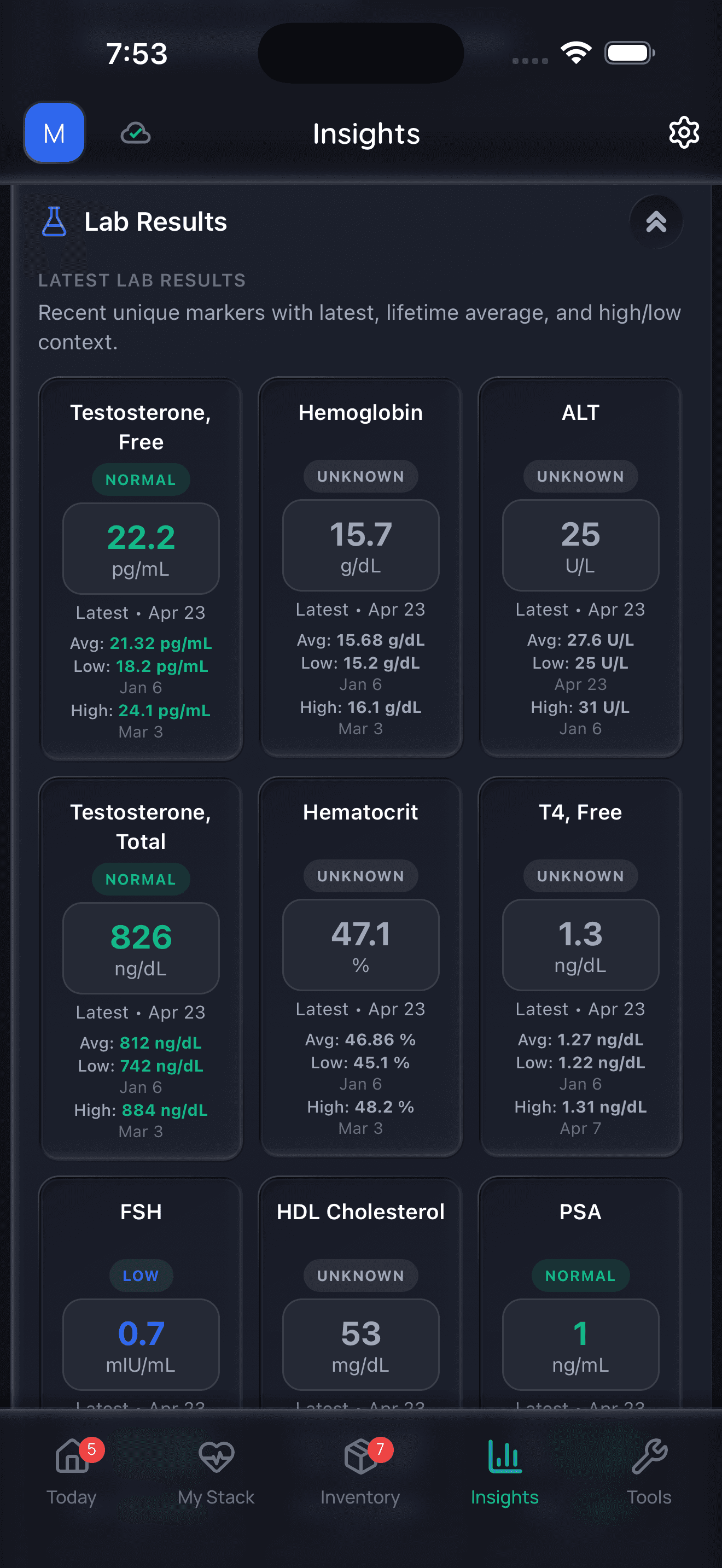
Doserly organizes data; it does not diagnose or interpret labs for you.
Side Effects & Safety
The Basics
One of inositol's strongest selling points is its safety profile. Across dozens of clinical trials testing doses from 2 grams to 18 grams daily, side effects have consistently been mild and largely limited to digestive discomfort. At the standard PCOS doses of 2-4 grams per day, the side effect profile has been described as comparable to placebo [5][7].
The most commonly reported side effects are gastrointestinal: nausea, gas, bloating, loose stools, and occasionally diarrhea. These effects are dose-dependent, meaning they are more likely at higher doses, and they usually resolve within the first one to two weeks as your body adjusts. Starting at a lower dose and gradually increasing is a widely recommended strategy for minimizing GI discomfort [7][15].
At higher psychiatric doses (12-18 grams per day), GI effects are more common but still generally described as mild. In comparative trials with the drug metformin (which is also used for insulin resistance in PCOS), inositol consistently caused fewer and milder gastrointestinal adverse events [7].
A pattern worth noting, though not widely discussed in clinical literature, is that some individuals report paradoxical increases in anxiety, jitteriness, or panic-like symptoms, particularly when taking inositol on an empty stomach, during fasting, or in combination with SSRIs. This may relate to blood sugar lowering effects or serotonergic modulation, though the mechanism is not well characterized [15].
There is no evidence of tolerance, dependence, or cumulative toxicity with long-term use. Doses up to 18 grams daily have been studied for periods of up to 6 months without serious safety concerns [5][7].
The Science
Systematic safety evaluation across the clinical trial literature reveals a consistently favorable tolerability profile. The 2023 PCOS guideline meta-analysis (Khmil et al. 2024) concluded that MI "likely causes fewer gastrointestinal adverse events compared with metformin," with effects typically mild and self-limited [7].
Commonly reported adverse effects (dose-dependent):
- Gastrointestinal: nausea, flatulence, loose stools, diarrhea, abdominal discomfort (most frequent at doses >4 g/day)
- Decreased appetite (may be perceived as beneficial or adverse)
Rarely reported:
- Headache
- Dizziness
- Insomnia (uncommon)
- Allergic reactions (very rare)
No established toxicity threshold: No RDA, AI, or UL has been established by the IOM or EFSA for inositol, in part because the body synthesizes it endogenously. The absence of a UL should not be interpreted as unlimited safety, but reflects the limited formal toxicological assessment rather than demonstrated harm at any tested dose [2].
Drug interaction considerations:
- Lithium: Theoretical interaction based on the inositol depletion hypothesis. Exogenous inositol could theoretically counteract lithium's mechanism of action. Clinical significance is uncertain but warrants caution and medical supervision [5].
- SSRIs/SNRIs: Both inositol and serotonergic medications modulate serotonin signaling. Clinical trials combining inositol with SSRIs showed no safety concerns but also no augmentation benefit [5][14].
- Metformin and insulin: Both inositol and these medications improve insulin sensitivity. Concurrent use may have additive blood glucose lowering effects, warranting blood glucose monitoring [7][15].
Pregnancy safety: MI has been studied during pregnancy, primarily for gestational diabetes prevention. Available data suggest a favorable safety profile at standard doses (2-4 g/day), though formal FDA pregnancy category classification has not been assigned [7].
Dosing & Usage Protocols
The Basics
Inositol has an unusually wide dosing range depending on the intended use, and understanding this range is important for setting appropriate expectations.
For PCOS and metabolic support, the most commonly studied dose is 4,000 mg (4 grams) of myo-inositol per day, typically divided into two servings of 2,000 mg each, taken with meals. Many formulations also include D-chiro-inositol in a 40:1 ratio (100 mg DCI per 4,000 mg MI), along with folic acid. This is the dose with the most research support for cycle regulation, insulin sensitivity, and fertility outcomes [4][7][8].
For psychiatric applications such as panic disorder, the doses used in clinical trials were much higher: 12,000-18,000 mg (12-18 grams) per day. These doses are well outside the typical PCOS range and are generally taken as powder mixed in water or juice, divided into two to three servings throughout the day. Anyone considering these higher doses should do so under the guidance of a healthcare professional [5][6][13].
Most practitioners recommend starting at a lower dose (around half the target) for the first week or two and gradually increasing. This approach reduces the likelihood of GI side effects and allows the body to adjust. Consistency matters more than exact timing, and most sources suggest taking it for at least 2-3 months before evaluating whether it is helping [7].
The Science
PCOS/Metabolic Protocol:
The preponderance of clinical evidence supports 4,000 mg/day MI as the standard therapeutic dose for PCOS, typically administered as 2,000 mg twice daily with meals. The addition of DCI at a 40:1 ratio (100 mg/day) is based on the physiological plasma MI:DCI ratio and has been supported by studies demonstrating superior outcomes compared to MI alone or DCI alone at non-physiological ratios [4][8][11].
Folic acid (200-400 mcg/day) is frequently included in study protocols and commercial formulations, both for its intrinsic benefits in women of reproductive age and for potential synergistic effects on homocysteine metabolism.
Duration of supplementation in positive PCOS trials ranges from 12 to 24+ weeks, with metabolic parameters (fasting insulin, HOMA-IR) showing improvement as early as 8-12 weeks, while reproductive outcomes (cycle regularity, ovulation) typically require 12-24 weeks [7][11].
Psychiatric Protocol:
For panic disorder, Benjamin et al. (1995) used 12 g/day and Palatnik et al. (2001) used up to 18 g/day, both as MI powder in divided doses. For OCD, 18 g/day has been the standard experimental dose. For depression, 12 g/day has been used [5][6][13].
The 3-4 fold dose differential between metabolic and psychiatric applications reflects different target pathways: at 2-4 g/day, the primary mechanism is metabolic (insulin signaling), while at 12-18 g/day, the intended mechanism is neurobiological (PI-PLC second messenger enhancement in serotonergic neurons).
When your stack includes several supplements, each with its own dose, form, and timing requirements, the logistics alone can derail consistency. Doserly consolidates all of it into one protocol view, so every dose across your entire routine is accounted for without spreadsheets or guesswork.
The app also tracks cumulative intake for nutrients that appear in multiple products. If your multivitamin, standalone supplement, and fortified protein shake all contain the same nutrient, Doserly adds them up and shows you the total alongside recommended and upper limits. Managing a thoughtful supplement protocol shouldn't require a degree in nutrition science. The app handles the complexity so you can focus on staying consistent.
Build reminders around the routine, not just the compound.
Doserly can keep timing, skipped doses, and schedule changes organized so the plan you read about becomes easier to follow and review.
Today view
Upcoming reminders

Reminder tracking supports consistency; it does not select a protocol for you.
What to Expect (Timeline)
Weeks 1-2: At standard PCOS doses, most people notice very little in the first two weeks. Some may experience mild GI effects (gas, bloating, loose stools) that typically resolve. A small number of highly insulin-resistant individuals report noticing reduced sugar cravings within the first week. Some women have reported getting their period within days of starting, though this is not typical and may reflect coincidental timing.
Weeks 3-4: Appetite and craving changes, if they occur, tend to become noticeable around this time. Some users report feeling less driven toward sugary or carbohydrate-heavy foods. At higher psychiatric doses (12+ grams), improvement in panic attack frequency has been observed within this timeframe in clinical trials.
Months 2-3: This is the most commonly reported window for noticeable hormonal changes. Women with PCOS may begin to see cycle regulation, with previously absent or irregular periods returning to a more predictable pattern. Ovulation may become detectable on tracking apps or LH tests. Metabolic improvements (fasting insulin, HOMA-IR) typically begin to manifest in clinical testing around this point.
Months 3-6: The full benefit profile tends to emerge over this longer horizon. Cycle regularity stabilizes. Fertility-related parameters (egg quality, conception rates) are typically assessed over this timeframe in clinical studies. SHBG increases and androgen reductions become more robust with continued supplementation.
6+ Months: Long-term use appears safe based on available data. Benefits tend to be maintained with continued supplementation. Some users report that stopping inositol leads to a return of previous symptoms (irregular cycles, increased cravings), suggesting that the benefits require ongoing supplementation rather than permanent physiological changes.
Interactions & Compatibility
SYNERGISTIC
- Folic Acid/Folate: Frequently combined in PCOS formulations. Folic acid supports homocysteine metabolism and is independently recommended for women of reproductive age. Many clinical trials of inositol include folic acid as a co-supplement.
- Vitamin D3: Vitamin D deficiency is common in PCOS and may worsen insulin resistance. Co-supplementation is commonly recommended and has been studied in combination protocols.
- Alpha-Lactalbumin: Emerging research shows alpha-lactalbumin (a whey protein component) enhances intestinal absorption of myo-inositol. Particularly beneficial for "inositol-resistant" patients.
- Chromium: Both support insulin sensitivity through different mechanisms. Chromium picolinate is sometimes combined with inositol in metabolic support protocols.
- N-Acetyl Cysteine (NAC): Community reports frequently describe combining NAC with inositol for PCOS management, as both may support insulin sensitivity and antioxidant status.
- Omega-3 Fatty Acids: General anti-inflammatory support that complements inositol's metabolic effects. Commonly stacked for PCOS management.
- Magnesium: Supports insulin sensitivity and may have complementary benefits for mood, sleep, and metabolic health.
CAUTION / AVOID
- Lithium: Lithium's therapeutic mechanism may involve inositol depletion via IMPA1 inhibition. Supplementing with exogenous inositol could theoretically oppose this mechanism. Medical supervision required.
- SSRIs/SNRIs (e.g., fluoxetine, sertraline, fluvoxamine): Both inositol and these medications influence serotonin signaling. While no serious safety concerns emerged in clinical trials combining them, some community reports describe paradoxical anxiety when combining inositol with SSRIs. Medical supervision recommended.
- Metformin: Additive insulin-sensitizing effects may increase the risk of hypoglycemia, particularly in individuals following low-carb diets. Blood glucose monitoring advisable. Several community reports describe worse GI side effects when combining both.
- Insulin and oral diabetes medications: Additive blood glucose lowering effects. Dose adjustments may be necessary. Monitor blood sugar closely.
- Phytic acid (IP6/inositol hexaphosphate): IP6, a related but distinct compound, can chelate calcium, iron, magnesium, and zinc, reducing their absorption. This applies to IP6 supplements, not to myo-inositol supplements.
How to Take / Administration Guide
Preferred forms: Powder is the most popular delivery form and the form used in the majority of clinical trials. It dissolves easily in water, juice, or smoothies and allows for flexible dose titration. Capsule and tablet forms are available but often require taking 4-8 units per day to reach therapeutic doses, which some people find burdensome.
Timing: Taking inositol with meals is generally recommended to minimize GI discomfort and reduce the risk of blood sugar fluctuations. Twice-daily dosing (morning and evening meals) is the most common protocol for PCOS doses. Some individuals report a mild sedative effect and prefer taking their evening dose before bed.
Dose titration: Starting at half the target dose for the first 1-2 weeks is widely recommended. For a target of 4,000 mg/day, begin with 2,000 mg/day (1,000 mg twice daily) and increase after tolerance is established. For psychiatric doses, gradual titration over 2-4 weeks is advisable.
Mixing instructions (powder): Dissolve in 4-8 ounces of water, juice, or another beverage. Inositol powder has a mildly sweet taste that most people find neutral or pleasant. It can also be added to smoothies, yogurt, or other foods. Stir well, as clumping can occur in cold liquids.
Cycling: There is no established need for cycling. Most clinical trials and community protocols involve continuous daily use. Some users report that benefits diminish if supplementation is stopped, suggesting continuous use may be necessary to maintain effects.
Important note for low-carb/fasting individuals: Multiple community reports describe anxiety-like or hypoglycemic symptoms when taking inositol during fasting periods or on very low-carb diets. Taking inositol with a meal that includes some carbohydrate may reduce this risk.
Choosing a Quality Product
Third-party certifications: Look for products tested by USP, NSF, or similar third-party organizations. Given that inositol is a simple molecule (a sugar alcohol), adulteration risk is relatively low compared to herbal extracts, but purity verification remains important.
Active forms to look for:
- Myo-inositol powder (most versatile, most studied)
- Combined myo-inositol + D-chiro-inositol at 40:1 ratio (specifically for PCOS/metabolic use)
- "Ovasitol" is a widely recognized brand name for the 40:1 formulation, though it is a proprietary product
Red flags:
- Products containing only D-chiro-inositol without myo-inositol (excessive DCI alone may worsen ovarian outcomes)
- Proprietary blends that do not disclose the MI:DCI ratio
- Products with added stimulants, proprietary "fat burning" blends, or excessive additives
- Very low-cost products that do not disclose testing or sourcing
Form considerations:
- Powder is generally more cost-effective per gram and allows precise dosing
- Capsules/tablets require multiple pills per serving and are more expensive per gram
- Gummies often contain lower doses and added sugars
- Soft gels may contain lower doses (e.g., 3.6 g vs 12 g in the PMDD trial comparing powder to soft gel)
Quality markers: Certificate of Analysis (COA) availability, GMP certification, heavy metal and purity testing, clear labeling of MI and DCI amounts, no proprietary blends.
Storage & Handling
Store inositol in a cool, dry place, away from direct sunlight and moisture. Room temperature storage is appropriate; no refrigeration is required. Inositol powder can absorb moisture and clump in humid environments, so keeping the container tightly sealed is important. If using bulk powder, a silica gel desiccant packet in the container can help maintain dryness. The compound is chemically stable under normal storage conditions. Check the expiration date on your specific product and discard if it develops an unusual odor, color change, or excessive clumping.
Lifestyle & Supporting Factors
Diet: A balanced diet with adequate carbohydrate intake supports inositol's mechanism of action. Very low-carb or ketogenic diets combined with inositol supplementation may increase the risk of hypoglycemic episodes in sensitive individuals. Foods naturally rich in inositol include citrus fruits (especially cantaloupe and oranges), whole grains, beans, lentils, nuts, seeds, bananas, brown rice, and wheat bran. A diet rich in these foods provides a natural baseline of approximately 1 g/day of myo-inositol.
Exercise: Regular physical activity independently improves insulin sensitivity and complements inositol's metabolic effects. Resistance training and moderate aerobic exercise are both supported for insulin-resistant conditions like PCOS.
Blood sugar monitoring: For individuals with insulin resistance, type 2 diabetes, or those taking diabetes medications alongside inositol, periodic blood glucose monitoring is advisable, particularly when starting supplementation or changing doses.
Hormonal monitoring: Women using inositol for PCOS should continue regular monitoring with their healthcare provider, including hormone panels (testosterone, SHBG, LH/FSH ratio) and metabolic markers (fasting insulin, HOMA-IR, fasting glucose).
Stress management: Chronic stress elevates cortisol, which can worsen insulin resistance and counteract some of inositol's metabolic benefits. Stress reduction practices may amplify the effects of supplementation.
Cofactor support: Ensuring adequate vitamin D, magnesium, and B-vitamin status may support inositol's overall efficacy, particularly in the context of PCOS management.
Regulatory Status & Standards
United States (FDA): Inositol is regulated as a dietary supplement under DSHEA. It is not classified as an essential nutrient and has no established RDA, AI, or UL. It is Generally Recognized as Safe (GRAS) for food use. Myo-inositol is sold over the counter without prescription.
Canada (Health Canada): Available as a natural health product. Products containing inositol may carry Natural Product Numbers (NPNs).
European Union (EFSA): Inositol is permitted in food supplements. No maximum permitted level has been established at the EU level, though individual member states may have their own regulations. EFSA has not approved specific health claims for inositol.
Australia (TGA): Available as a complementary medicine. Listed on the Australian Register of Therapeutic Goods.
Athlete & Sports Regulatory Status:
WADA: Inositol does not appear on the current WADA Prohibited List (categories S0-S9, M1-M3, P1). It is not prohibited in-competition or at any time.
National Anti-Doping Agencies: No specific guidance or alerts have been issued by USADA, UKAD, Sport Integrity Canada, Sport Integrity Australia, or NADA Germany regarding inositol supplementation.
Professional Sports Leagues: Inositol is not subject to league-specific bans by NFL, NBA, MLB, NHL, MLS, or NCAA. However, athletes should be aware that supplement contamination is always a theoretical risk.
Athlete Certification Programs: Athletes seeking certified products should look for Informed Sport, NSF Certified for Sport, Cologne List, or BSCG certification on their inositol products. Certified options are available.
GlobalDRO: Athletes can verify the status of inositol-containing products at GlobalDRO.com for US, UK, Canada, Australia, Japan, Switzerland, and New Zealand.
Regulatory status and prohibited substance classifications change frequently. Athletes should always verify the current status of any supplement with their sport's governing body, their national anti-doping agency, and a qualified sports medicine professional before use. Third-party certification (Informed Sport, NSF Certified for Sport) reduces but does not eliminate the risk of contamination with prohibited substances.
Frequently Asked Questions
What is the difference between myo-inositol and D-chiro-inositol?
Myo-inositol (MI) and D-chiro-inositol (DCI) are two different forms (stereoisomers) of inositol. MI is the predominant form in the body, making up about 95% of total inositol stores. DCI is produced from MI by an enzyme called epimerase, which is activated by insulin. Both play roles in insulin signaling, but through different mechanisms: MI primarily supports glucose uptake into cells, while DCI supports glycogen storage. In the ovaries, they have distinct effects on hormone production. The commonly recommended 40:1 MI:DCI ratio aims to replicate the body's natural physiological balance.
Is inositol the same as vitamin B8?
Inositol was historically referred to as vitamin B8, but this classification is no longer considered accurate. A true vitamin is a compound that the body cannot produce on its own and must obtain from the diet. The human body synthesizes approximately 4 grams of inositol daily, primarily in the kidneys, so it does not meet the technical definition of a vitamin.
Can inositol help with PCOS even without insulin resistance?
The strongest evidence for inositol in PCOS relates to its insulin-sensitizing effects, so the benefit may be most pronounced in women with demonstrable insulin resistance. However, inositol also has direct effects on ovarian function (enhancing FSH signaling and aromatase activity) that operate independently of insulin pathways. Some practitioners recommend it broadly for PCOS, while others suggest it is most appropriate for the insulin-resistant phenotype.
How long does inositol take to work?
Based on available data, most sources suggest allowing 2-3 months for noticeable effects on cycle regularity and metabolic parameters in PCOS. Some individuals report changes in cravings or appetite within 1-2 weeks. For psychiatric applications at higher doses, clinical trial improvements were typically observed within 4 weeks.
Can I take inositol during pregnancy?
Myo-inositol has been studied during pregnancy, primarily for gestational diabetes prevention, and available data suggest a favorable safety profile at standard doses (2-4 g/day). However, as with any supplement during pregnancy, it is advisable to discuss this with a healthcare provider. Some fertility specialists recommend discontinuing inositol after confirmed pregnancy, while others support continuation.
Does inositol cause weight loss?
Inositol is not a weight loss supplement. However, by improving insulin sensitivity and reducing cravings in insulin-resistant individuals, it may indirectly support weight management efforts. Clinical trials have not consistently demonstrated significant weight loss with inositol alone. Community reports vary widely, with some reporting modest weight loss (particularly in conjunction with dietary changes) and others reporting no weight change.
Can inositol cause anxiety?
While clinical trials show inositol may help reduce panic attacks at high doses (12-18 g/day), some individuals report paradoxical anxiety increases at standard PCOS doses (2-4 g/day). This may relate to blood sugar lowering effects (which can mimic anxiety symptoms), serotonergic effects, or interactions with concurrent medications. Taking inositol with meals rather than on an empty stomach may help. Anyone experiencing significant anxiety should consult a healthcare provider.
Is it safe to take inositol with metformin?
Both inositol and metformin improve insulin sensitivity, and some people use them together for PCOS management. The main concern with combining them is additive blood sugar lowering effects, which could theoretically cause hypoglycemia, particularly on a low-carb diet. Several community reports also describe worsened GI side effects with the combination. Medical supervision and blood glucose monitoring are advisable when combining these two.
What is the best form of inositol to take?
Powder is the most commonly used form in clinical research and offers the best value per gram. It dissolves easily in liquids and allows for precise dose adjustment. Capsules and tablets are more portable but require taking multiple units daily. The choice between myo-inositol alone versus a 40:1 MI:DCI combination depends on the intended use: the combined formulation is specifically designed for PCOS and fertility applications.
Should I take inositol with food?
Taking inositol with meals is generally recommended. This reduces the likelihood of GI side effects and may help prevent blood sugar fluctuations that some individuals experience when taking it on an empty stomach, particularly during fasting or on low-carb diets.
Myth vs. Fact
Myth: Inositol is a B vitamin (vitamin B8).
Fact: While historically classified as vitamin B8, inositol does not meet the modern definition of a vitamin. The human body synthesizes approximately 4 grams daily, primarily in the kidneys. True vitamins must be obtained from the diet because the body cannot produce them in sufficient quantities. Inositol is more accurately classified as a pseudovitamin or conditionally essential nutrient [1][2].
Myth: More D-chiro-inositol is always better for PCOS.
Fact: Excessive DCI can actually worsen ovarian outcomes. In the ovaries, high DCI levels stimulate androgen production and downregulate aromatase, which is the opposite of what PCOS management requires. This is why the 40:1 MI:DCI ratio, which mirrors the body's physiological plasma ratio, is recommended rather than high-DCI formulations [4][8].
Myth: Inositol is a proven cure for PCOS.
Fact: While inositol shows promise for several PCOS symptoms, the 2023 international evidence-based PCOS guidelines concluded that the evidence is "limited and inconclusive." It may help some individuals with specific aspects of PCOS (particularly insulin resistance and cycle irregularity), but it is not a comprehensive treatment for the syndrome. Some women respond strongly while others see minimal benefit [7].
Myth: Inositol is only useful for women with PCOS.
Fact: While PCOS is the most commonly studied application, inositol has been investigated for panic disorder, depression, OCD, binge eating disorder, gestational diabetes prevention, and male fertility. The evidence for panic disorder (12-18 g/day) is particularly notable, with two positive RCTs [5][6][12][13].
Myth: Inositol will definitely cause weight loss.
Fact: Inositol is not a weight loss supplement. While it may reduce cravings and improve insulin sensitivity, clinical trials have not consistently demonstrated significant weight loss from inositol alone. Weight management benefits, when reported, tend to occur gradually and in conjunction with dietary and lifestyle changes [7].
Myth: Higher doses of inositol are always more effective.
Fact: The optimal dose depends entirely on the intended use. For PCOS and metabolic support, 2-4 g/day is the standard evidence-based range. For panic disorder, 12-18 g/day was used in clinical trials. Taking PCOS-level doses for psychiatric benefits or psychiatric-level doses for PCOS is not supported by the evidence and may increase side effects without additional benefit [5][7].
Myth: Inositol has no side effects.
Fact: While generally well tolerated, inositol can cause dose-dependent GI effects (nausea, gas, bloating, loose stools), and a minority of users report paradoxical anxiety, jitteriness, or palpitations. These effects are more common at higher doses, when taken on an empty stomach, or when combined with certain medications. Starting at a lower dose and taking with meals can minimize discomfort [7][15].
Sources & References
Systematic Reviews & Meta-Analyses
[7] Khmil M, et al. "Inositol for Polycystic Ovary Syndrome: A Systematic Review and Meta-analysis to Inform the 2023 Update of the International Evidence-based PCOS Guidelines." J Clin Endocrinol Metab. 2024;109(1):e225-e238. PMID: 38163998. https://pubmed.ncbi.nlm.nih.gov/38163998/
[10] "The effect of myo-inositol on assisted reproductive technology outcomes in women with PCOS." 2025. Systematic review and meta-analysis, 17 intervention studies. PMID: 40989082. https://pubmed.ncbi.nlm.nih.gov/40989082/
[11] Unfer V, et al. "Myo-inositol effects in women with PCOS: a meta-analysis of randomized controlled trials." Endocrine Connections. 2017;6(8):647-658. 9 RCTs, n=496.
[12] "The effect of Myo-inositol on improving sperm quality and IVF outcomes." 2024. Systematic review and meta-analysis, 16 studies. PMID: 39619962. https://pubmed.ncbi.nlm.nih.gov/39619962/
Clinical Trials & RCTs
[6] Benjamin J, Levine J, Fux M, et al. "Double-blind, placebo-controlled, crossover trial of inositol treatment for panic disorder." Am J Psychiatry. 1995;152(7):1084-1086. PMID: 7793446. https://ajp.psychiatryonline.org/doi/abs/10.1176/ajp.152.7.1084
[13] Palatnik A, et al. "Double-blind, controlled, crossover trial of inositol versus fluvoxamine for the treatment of panic disorder." J Clin Psychopharmacol. 2001;21(3):335-339.
[14] Levine J, et al. "Double-blind, controlled trial of inositol treatment of depression." Am J Psychiatry. 1995;152(5):792-794.
Narrative Reviews & Expert Opinions
[1] Clements RS Jr, Darnell B. "Myo-inositol content of common foods: development of a high-myo-inositol diet." Am J Clin Nutr. 1980;33(9):1954-1967.
[2] Bevilacqua A, Bizzarri M. "Inositols in insulin signaling and glucose metabolism." Int J Endocrinol. 2018;2018:1968450.
[3] Croze ML, Soulage CO. "Potential role and therapeutic interests of myo-inositol in metabolic diseases." Biochimie. 2013;95(10):1811-1827.
[4] Dinicola S, et al. "PCOS and Inositols: Advances and Lessons We are Learning." Expert Opin Pharmacother. 2025. PMID: 40420946. https://pubmed.ncbi.nlm.nih.gov/40420946/
[5] Concerto C, et al. "Neurobiology and Applications of Inositol in Psychiatry: A Narrative Review." Curr Issues Mol Biol. 2023;45(2):1762-1778. PMID: 36826058. https://pmc.ncbi.nlm.nih.gov/articles/PMC9955821/
[8] Placidi M, et al. "Myo-Inositol and Its Derivatives: Their Roles in the Challenges of Infertility." 2024. PMID: 39596891. https://pubmed.ncbi.nlm.nih.gov/39596891/
Government / Institutional Sources
[9] "Inositol." Drugs.com. https://www.drugs.com/sfx/inositol-side-effects.html
[15] FDA. Dietary Supplement Health and Education Act (DSHEA). General safety and labeling requirements for dietary supplements.
Related Supplement Guides
Same Category (Water-Soluble Vitamins / B-Complex Associates)
Common Stacks / Pairings
- Vitamin D3 (PCOS management stack)
- Magnesium (insulin sensitivity, sleep support)
- Chromium (insulin sensitivity support)
- Zinc (hormonal health, fertility)
- Iron (important for women with heavy menstrual cycles)
- Selenium (thyroid function, fertility support)
Related Health Goal
- NMN (metabolic health, insulin sensitivity)
- Nicotinamide Riboside (metabolic health)
- Vitamin B12 (frequently co-supplemented with B-vitamins)